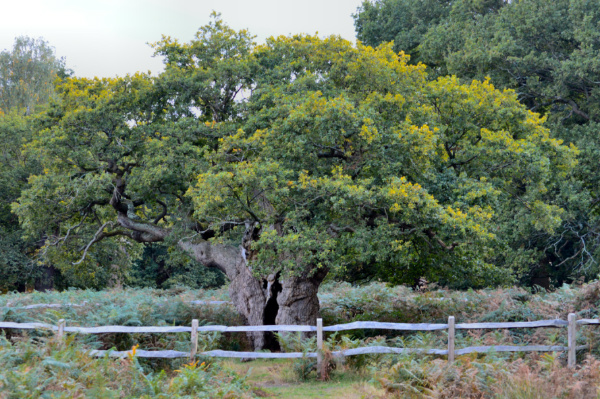
Estimated to be more than 750-years-old, the tree known as the Royal Oak is located near Pen Ponds and Richmond Gate.
This massive English oak (Quercus robur), which is hollow, doesn’t have any direct connections to royalty but it did survive the felling of trees which took place in Richmond Park and across the south-east of England so King Henry VIII’s navy could be built.
That may have been thanks to the King himself, who wisely passed a law to spare every 10th tree in the park for future seed.
While the park had been used by King Henry VIII as a hunting ground, it wasn’t until 1637 – during the reign of King Charles I – that it was first enclosed.
The tree, which is said to be one of 1,400 “veteran trees” in the park, was pollarded for several hundred years which helped create its shape – this is a method of pruning which removes the top-most branches to form a denser head (and creates wood which can be used for a variety of purposes).
Spring is upon us, so we thought it an appropriate time to consider some of London’s greatest natural assets – its trees. But, as well as being significant for their environmental impact, each of these trees (or, in some cases, the remains of them), are significant for historic reasons (we’ve previously mentioned a couple including what’s believed to be the oldest tree and the unusual – and sadly now deceased – Hardy Tree).
PICTURE: Steve Daniels (licensed under CC BY-SA 2.0)
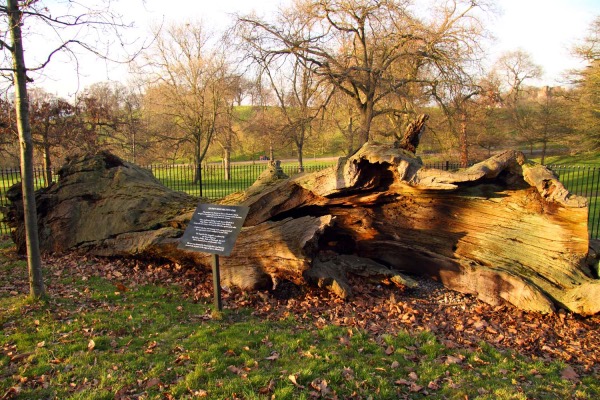
First up, it’s the tree known as Queen Elizabeth’s Oak in Greenwich. Thought to date from possibly as far back as the late 13th century, this tree survived until the 19th century before its carcass finally fell to the ground during a storm in 1991. It has lain in Greenwich Park ever since.
The tree, which is located at the end of what is now Lover’s Walk close to the Maze Hill Gate, was located in the grounds of Greenwich Palace (also known as the Palace of Placentia) and was there when King Henry VIII resided at the palace.
In fact, it’s said that he and Anne Boleyn danced around the oak while courting, and (and here’s where the name comes from) that Elizabeth, their daughter (and later Queen Elizabeth I), picnicked under its canopy (some accounts suggest she actually picnicked in the tree’s hollow – but still then upright – trunk).
Following the creation of what is now Greenwich Park, the hollow tree was apparently used as a prison for those caught illicitly on the grounds. They were secured behind a heavy wooden door fitted to the trunk (a park keeper’s lodge was built nearby in the 17th century; it was demolished in the 1850s).
The tree, one of 3,000 in the park, had died in the 19th century and was reduced to an eight metre high stump, partly supported by ivy, when it was blown over by the storm in June, 1991.
A replacement oak, which was donated by the Greenwich Historical Society was planted nearby by the Duke of Edinburgh on 3rd December, 1992, to mark Queen Elizabeth II’s 40 years on the throne.
A ring analysis carried out on the tree found in 2014 it dated back to at least 1569 but with the core missing a precise date of germination couldn’t be found. Estimates, however, place the date of germination to the last 13th or early 14th century. The analysis placed the tree’s death to between 1827 and 1842.
The tree is marked with a plaque and both it and the new tree are surrounded by an iron railing.
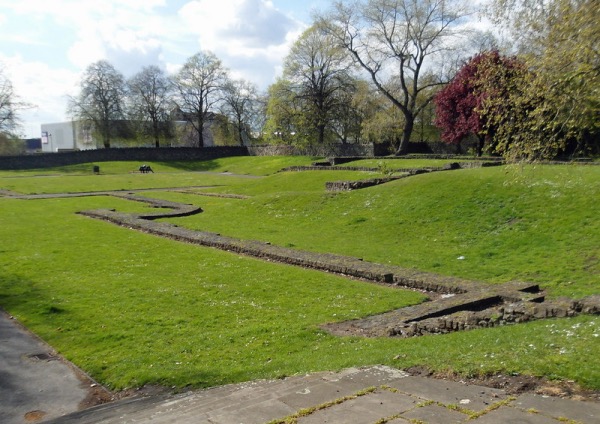
Footings of the abbey (these are modern with the real foundations below ground). PICTURE: diamond geezer (licensed under CC BY-NC-ND 2.0)
Once one of the most important nunneries in the country, Barking Abbey was originally established in the 7th century and existed for almost 900 years before its closure in 1539 during King Henry VIII’s Dissolution.
The abbey was founded by St Erkenwald (the Bishop of London between 675 and 693) for his sister St Ethelburga who was the first abbess.
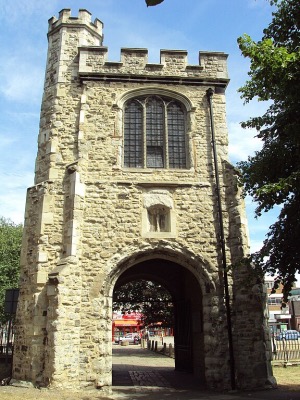
The Curfew Tower. PICTURE: Rept0n1x (licensed under CC BY-SA 3.0)
In the late 900s, St Dunstan, the Archbishop of Canterbury introduced the Rule of St Benedict at the nunnery.
King William the Conqueror stayed here after his coronation while famous abbesses included Mary Becket, the sister of St Thomas Becket, Archbishop of Canterbury, who was given the title in 1173 in reparation for the murder of her brother, as well as several royals including Queen Maud, wife of King Henry I, and Matilda, wife of King Stephen.
The nunnery gained wealth and prestige but this suffered somewhat as a result of floods in 1377 with some 720 acres of land permanently lost. It nonetheless remained one of the wealthiest in England and it’s said the abbess had precedence over all other abbesses in the country.
After the abbey was dissolved, some of the building materials were reused elsewhere and the site was later used as a farm and quarry.
Most of the buildings were demolished – today only the Curfew Tower, which dates from around 1460, remains. The Grade II*-listed tower contains the Chapel of the Holy Rood and now serves at the gateway to the nearby St Margaret’s Church.
Building footings also remain buried under the ground in what is known today as Abbey Green (the layout is marked today by modern additions). There’s a model of how the abbey once appeared inside the gateway.
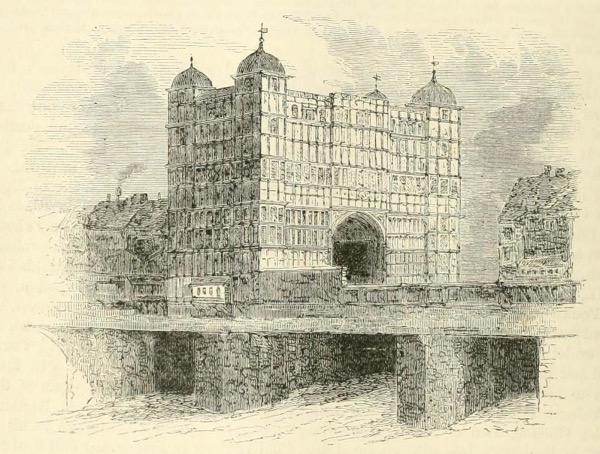
Once located at the southern end of London Bridge, Nonsuch House is the earliest documented prefabricated building.
Nonsuch House as seen in ‘Old and New London, Illustrated’ (1873). PICTURE: Via Wikipedia
Originally constructed in what is now The Netherlands, it was shipped to London in pieces – each individually marked – in 1578 with the reassembly completed the following year.
The four storey building, which was said to have been constructed using wooden pegs and no nails, featured an arched tunnel through the middle through which bridge traffic would pass.
The main facade faced toward Southwark and there were towers at each of the four corners, topped with onion domes. The east and west sides of the building, which protruded beyond the bridge out over the Thames were elaborately carved.
The northern facade of the building abutted other properties while the southern side had a clear space in front over which a drawbridge is believed to have been located (it could be raised to allow larger ships through).
The name may have referenced King Henry VIII’s Nonsuch Palace, located near Ewell in Surrey, and was said to refer to the fact there was no such building as splendid.
The property was demolished along with the other buildings on the bridge in about 1757.
Once a medieval royal palace, Eltham Palace in London’s east was transformed into a 1930s house which incorporates the medieval great hall.
Tudor ruins in the garden of Eltham Palace (with the home behind). PICTURE: Peter Gasston (licensed under CC BY-NC-ND 2.0)
But there are also some other remains of the former medieval palace on the site – including the footings of the palace’s west range incorporating royal apartments used in the Tudor era.
These included separate apartments for the king and queen as well as a gallery where the king could walk in inclement weather.
The ruins feature diamond-patterned brickwork (pictured), part of the west range which was built during the reign of Queen Elizabeth I in the 1580s.
There are also the remains of a tower of yellow brick, which possibly dates from the 14th century when, prior to the site being a royal palace, it was rebuilt as a manor house by Anthony Bek, Bishop of Durham (it was Bek who gave the manor to the future Edward II in 1305).
These days the ruins lie within the home’s magnificent gardens, recreated to show how they might hav. Alongside the remains of the west range (and the medieval great hall which dates from the reign of King Edward IV and is largely intact), are the remains of a late 15th century bridge over a medieval moat, at the south end of which are the remains of a gatehouse.
There’s also an oak pedestrian bridge, supported by medieval brick and foundations which once formed part of the main southern entrance to the palace.
WHERE: Eltham Palace, Court Yard, Eltham, Greenwich (nearest train station is Mottingham); WHEN: 10am to 4pm Wednesday to Sunday; COST (advance online tickets): £14.50 adults/£8.60 children/£12.70 concessions/£37.60 family (can include a donation/English Heritage members free); WEBSITE: www.english-heritage.org.uk/visit/places/eltham-palace-and-gardens/.
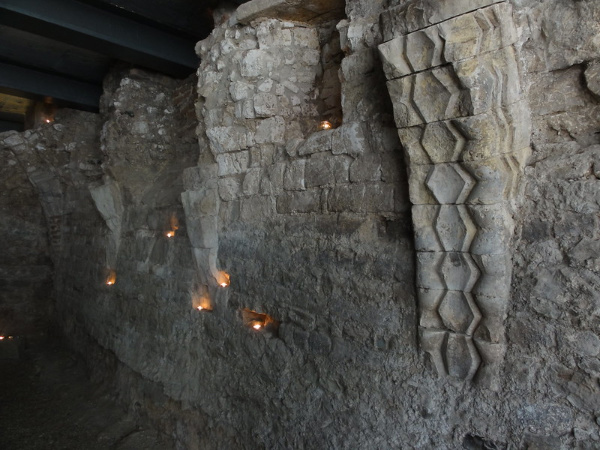
Located under glass beneath a modern square just to the north-east of the line of the City of London’s walls are the ruins of a medieval building which once held human bones.
Built on what had originally been a Roman burial ground, the medieval hospital known as St Mary Spital was constructed towards the end of the 12th century and a graveyard was located on the site for the burial of those who died there.
A small chapel was built on the site in about 1320, the crypt of which became a charnel house housing the bones of those remains disturbed when
The hospital, which had been run by Austin canons, was dissolved by King Henry VIII in 1539 and most of the bones removed. The crypt was later used as a house which was demolished around 1700 and later lost between the gardens of terraced houses.
The remains of the charnel house was discovered in the late 1990s during excavation works – complete with some 10,000 skeletons – and now lies under a glass floor in Bishop’s Square just to the west of Spitalfields Market (it can also be seen through a glass window in the basement level accessed via stairs in the square).
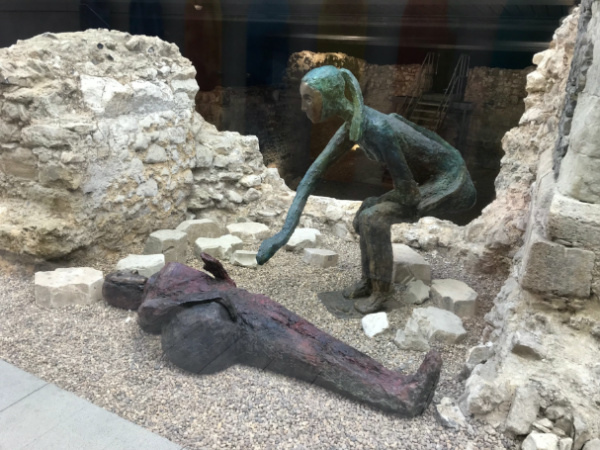
Two statues can be seen inside the ruins – a greenish figure crouching over a prone purple-red figure. Installed in 2014, they are the work of David Teager-Portman and are called Choosing the Losing Sideand The Last Explorer.
Spitalfields Chapel and Charnel House, Bishops Square, London, Spitalfields (nearest Tube station is Liverpool Street; nearest Overground is Liverpool Street and Shoreditch High Street).
PICTURE: Robin Sones (licensed under CC BY-SA 2.0)
Sir Christopher Wren’s name is one which pops up in association with buildings all over London – some authentically so, others less so.
The house at 49 Bankside with the plaque to the left of the door. PICTURE: Jim Linwood (licensed under CC BY 2.0)
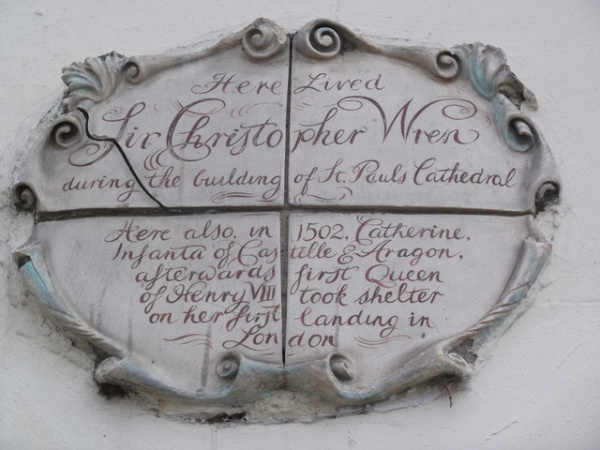
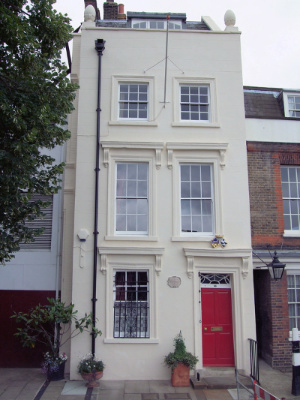
One of the more talked about locations where it can be physically seen is on a plaque attached to the front of a house overlooking the Thames at 49 Bankside, on the corner with Cardinal Cap Alley.
The plaque, written in a flowery script, claims that “Here lived Sir Christopher Wren during the building of St Pauls Cathedral” before going on to state that the property was also where in 1502, Catherine of Aragon, “took shelter” on first arriving in London before her marriage to King Henry VIII.
But author and historian Gillian Tyndall debunks the claim in her 2006 book The House by the Thames and the People who Lived There.
Tyndall explains that the property apparently dates from 1710 – St Paul’s was officially declared complete in 1711, leaving little cross-over (and certainly ruling out any residence by Queen Catherine who actually landed in Plymouth). She says that while it’s true the present house stands in the footprint of an older one, the house where Wren may have actually lodged during the 1670s is located further west along Bankside.
London Remembers notes that this property was apparently marked with an 18th century plaque commemorating Wren. But when that house was demolished in 1906, the plaque was saved and subsequently attached to a power station’s outer wall. When that was redeveloped in the post-war period, the plaque disappeared.
It was apparently that plaque which inspired the creation of the current plaque which was created by Major Malcolm Munthe, who acquired the property in 1945, and subsequently had the plaque made for the home’s exterior.
So it seems the plaque, despite what it says, does not commemorate a Wren residence (although perhaps it may commemorate the residence of Wren in the area). And, it’s been suggested, that while the plaque may not actually have marked a Wren home, its presence may have been enough to protect the building it adorns from threatened redevelopment in the mid-20th century.
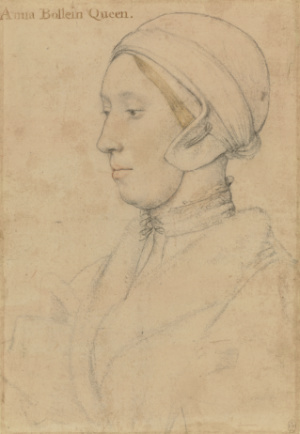
• The largest exhibition of the work of Tudor-era artist Hans Holbein the Younger has opened at The Queen’s Gallery, Buckingham Palace.Holbein at the Tudor Court features more than 50 works by Holbein including intimate portrait drawings of the royal family and the Tudor nobility including one of few surviving drawings of Anne Boleyn made during her lifetime, drawings of Jane Seymour and Sir Thomas More, and an unfinished portrait of King Henry VIII’s son Prince Edward. Other portraits include that of Derich Born, a 23-year-old Steelyard merchant, and one of Richard Southwell, a convicted murderer who was one of King Henry VIII’s closest advisors. The exhibition also features objects including a Brussels tapestry, jewel-like miniatures and Henry VIII’s magnificent armour, usually on show at Windsor and in London for the first time in a decade. Runs until 14th April. Admission charge applies. For more, see www.rct.uk/collection/themes/exhibitions/holbein-at-the-tudor-court/the-queens-gallery-buckingham-palace
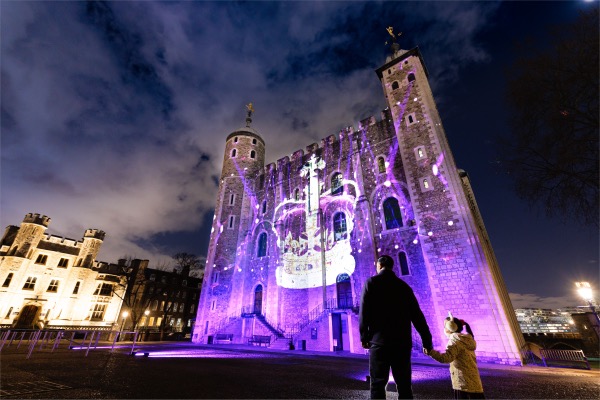
• The magnificence of coronations and the Crown Jewels will be on show at the Tower of London from tomorrow night in a new light and sound show. Crown and Coronation – which has been created by Historic Royal Palaces in partnership with Luxmuralis as part of an artistic collaboration between artist Peter Walker and composer David Harper – brings the “spectacle, significance and shared experience” of coronations to life and demonstrates the pivotal role of the Crown Jewels in the ceremony as it takes visitors on a journey through the past 1,000 years. Images of the jewels will be projected on the White Tower in the show with visitors then able to view the actual jewels themselves in a special after hours opening. But you’ll have to be quick – the show can only be seen for nine days, ending on 25th November before it embarks on a two year UK-wide tour. Admission charge applies. For more, see www.hrp.org.uk/tower-of-london/.
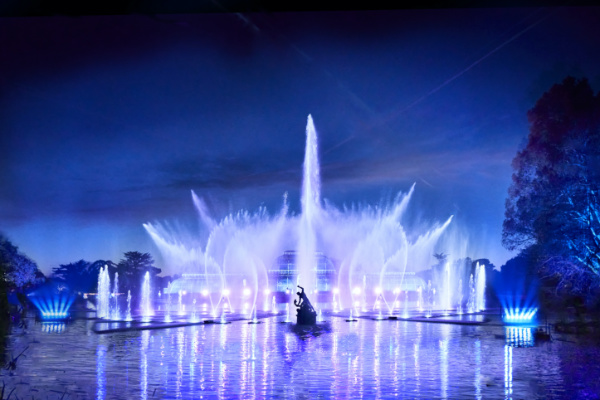
• Christmas returned to Kew this week with the launch of it’s new festive light trail featuring seven new installations. Highlights of this year’s trail include three metre tall illuminated flowers, cascading lights suspended from the tree canopy, one of the longest light tunnels to ever feature in Kew’s Christmas celebrations and the Hive – which recreates life inside a beehive – as well as the iconic Palm House light show, the twinkling tunnel of light inspired by arched church windows known as the ‘Christmas Cathedral’, and a ‘Fire Garden’ at the Temperate House. There’s also festive treats to sample and visitors can experience a traditional Christmas dinner at The Botanical Brasserie. Admission charges applies. Runs until 7th January (advance bookings only). For more, see www.kew.org/christmas.
• Charles Dickens’ friendship and collaboration with writer Wilkie Collins is explored in a new exhibition at The Charles Dickens Museum in Bloomsbury. Dickens met Collins, who would become one of his most significant friends, in 1851 as they performed together in a play at the house of John Forster and their personal and professional relationship lasted more than 15 years. The display features works produced as a result of the friendship – everything from articles in Dickens’s Household Words through to novellas and plays such as The Lazy Tour of Two Idle Apprentices and The Frozen Deep – and features original letters, historic objects, and interactive displays focusing on everything from the pair’s moustache-growing contests and cruising international entertainment districts to co-writing side by side, discussing writer’s block and plot devices. Admission is included with general admission. Runs until 25th February. For more, see https://dickensmuseum.com.
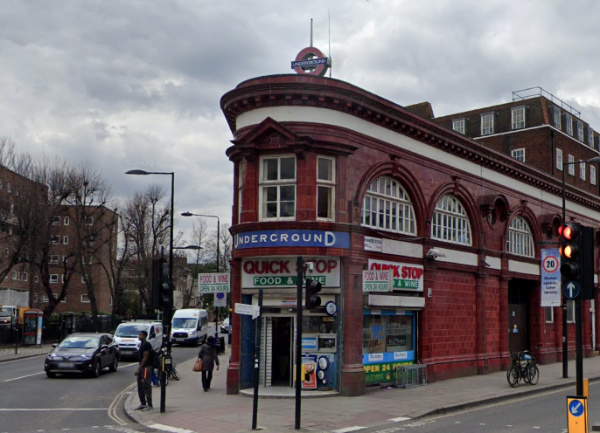
This area in London’s north was recorded as far back as the 13th century when it was known Chaldecote, meaning “cold cottages”.
It’s been suggested that the name may have referred to accommodation for travellers who were travelling up to Hampstead.
Chalk Farm Underground Station in the heart of the area. PICTURE: Courtesy of Google Maps
The area was part of the prebendal manor of Rugmere and was gifted to Eton College by King Henry VIII in the 15th century.
The area was still farmland by the 17th century and what was then known as Upper Chalcot Farm was located at the end of what’s now England’s Lane. At Lower Chalcot was an inn known as the White House (apparently for its white-washed walls) – believed to have been built on the site of the original manor house.
By the 18th century, the farm was known as Chalk House Farm (apparently a corruption of Chalcot). The Chalk Farm Tavern was built on the site in the 1850s and was a popular entertainment venue which featured tea gardens (and in more recent times was a restaurant).
The area, which had been a popular site for duelling, underwent development from the 1820s – some of the street names, such as Eton Villas and Provost Road reflect the area’s relationship with Eton College.
This development received a considerable boost in the early 1850s when the London to Birmingham railway had its London terminus in Chalk Farm (it’s now Primrose Hill Station). The former railway building known as the Roundhouse is a legacy of the railway’s arrival.
Chalk Farm became part of the London Borough of Camden in the 1960s.
• The coronation of King William I (aka William the Conqueror) was marred by riots. The new King had chosen to be crowned in Westminster Abbey on Christmas Day, 1066, in a display of power (kings had in the past been crowned in Winchester). But when shouts of support for the new king were mistakenly thought to be an assassination attempt, Norman soldiers outside the abbey began setting fire to nearby houses, causing the abbey to fill with smoke and the congregation to flee while outside people rioted. William nonetheless ensured the service was completed.
• Henry, the eldest son of King Henry II, had a coronation service at Westminster Abbey while his father was still monarch – the only instance of this occurring. While crowning the heir during the lifetime of the monarch was a more common practice in France, it was not so in England. But in an effort to settle the succession, King Henry II had Henry crowned on 14th June, 1170. Sadly Henry, known as Henry the Young King, did not live to succeed his father but died at just the age of 28 in 1183 after contracting dysentery while campaigning with his younger brother Richard (later King Richard I) against their father. King Henry II died on 6th July, 1189, and was succeeded by Richard.
• There has only been one coronation in the abbey in which two monarchs were crowned at the same time. After King James II was deposed, William of Orange and his wife Mary were jointly invited to rule in what was known as the Glorious Revolution. They were crowned together at Westminster Abbey on 11th April, 1689. King William III sat in the Coronation Chair while another chair was specifically made for Queen Mary II, and, while the king was crowned using the traditional regalia, a special set of regalia was made for Mary.
• Only two of King Henry VIII’s six wives had coronations. Catherine of Aragon was crowned alongside the King on 24th June, 1509 (she sat on a lower chair). Anne Boleyn, meanwhile, was crowned on 1st June, 1533. Interestingly, she was crowned with St Edward’s Crown which had up until then only been used to crown the monarch. Jane Seymour died before she could be crowned (there had been plague in London at the time she married Henry), while his marriage with Anne of Cleves was annulled before she could be crowned and Catherine Howard was executed before any coronation took place. By the time the king married Catherine Parr, he was ageing and ill and a coronation was unlikely to be high on his agenda.
• King Henry VI is the youngest monarch to have been crowned at Westminster Abbey. He was aged just eight-years-old when he was crowned on 6th November, 1429, having become king at the age of just eight-months-old when his father, King Henry V, died on 31st August, 1422 (other children to have been crowned in the abbey include King Edward VI, who was just nine at his coronation). King Charles III – whose coronation will take place on 6th May – will be the oldest monarch to have been crowned at the abbey.
Correction: We’ve corrected the position of the two Catherines after the names were accidentally transposed.
• A gold signet ring once believed to have belonged to the Tudor-era Boleyn family has gone on display at Hampton Court Palace. The ring, was discovered in a field near Shurland Hall on the Isle of Sheppey in Kent, the country home of one of Anne Boleyn’s cousins and a property she visited with King Henry VIII. It is engraved with with a bull’s head – which appears in the arms of the Boleyn family (a visual pun on the family name, which was often spelled as ‘Bullen’) – and arrayed with sunbeams and stars of white enamel as well as being decorated with icons of the Virgin and Child and St Catherine of Alexandria on its shoulders. Analysis concluded the ring was consistent with objects of the early Tudor era, leading historians to suggest that it may have belonged to either Thomas or George Boleyn – Anne Boleyn’s father and brother. The ring, which was purchased by Historic Royal Palaces with support from the Arts Council England/V&A Purchase Grant Fund, the Art Fund, the Meakins Family and John Harding, under the terms of the Treasure Act 1996, can be seen in the Great Hall. Included in general admission. For more, see www.hrp.org.uk/hampton-court-palace/.
• One of the UK’s most successful rock bands, Status Quo, are the subject of a new exhibition at the Barbican Music Library. Celebrating Seven Decades of Status Quo is the first ever public exhibition on the band and features never-before-seen material including the original handwritten lyrics to Caroline and Down Down as well as tour posters, photographs and more than 40 of the bands key albums. The display is a collaboration between Paul and Yvonne Harvey, who ran the band’s official fan club, ‘From The Makers Of…’ (FTMO), and Status Quo fan and collector Andy Campbell. Status Quo was formed in 1962 and has since had more than 60 chart hits as well as opening the LIVE AID concert in Wembley in July, 1985, and receiving a Brit Award for Outstanding Contribution to Music in 1991. Runs until 22nd May. Admission is free. For more, see www.cityoflondon.gov.uk/services/libraries/barbican-music-library.
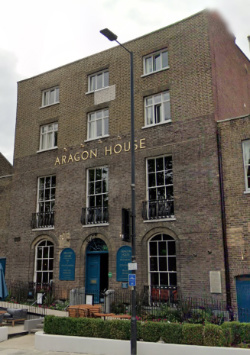
Aragon House in 2019. PICTURE: Courtesy of Google Maps
This brown brick pub (and boutique hotel) in Parson’s Green, west London, was built just after the start of the 19th century. But its name comes from a much earlier historic connection.
The site where the four storey pub now stands was once a dower house which belonged to Queen Catherine of Aragon, the first wife of King Henry VIII.
It’s believed that the property was given to Catherine by King Henry VII, father of her first husband, Prince Arthur – who died in April, 1502 – and her second husband and his younger brother, King Henry VIII, whom she married in 1509.
The site was later part of a parcel of land upon which was located the home of novelist Samuel Richardson. Richardson, famed for his works Pamela and Clarissa, lived there from 1756 until his death in 1761. The property was subsequently known as ‘Richardson’s Villa’.
The Grade II-listed pub is located at 247 New King’s Road. For more, see www.aragonhousesw6.com.
• Festive Fayre returns to Hampton Court Palace this weekend with visitors having the chance to do some Christmas shopping, sample some festive treats and enjoy live music. The festival, which runs from Friday to Sunday, takes place ahead of the launch of the palace’s Christmas light trail – Palace of Light – next Wednesday (7th December). Inspired by Henry VIII’s heraldic beasts, it features an array of installations, ranging from a sea-monster lurking in the Great Fountain Garden to polka-dot panther lanterns in the Wilderness. Created by the award-winning outdoor event producers Wild Rumpus, the light trail can be visited until 2nd January. For more, see www.hrp.org.uk/hampton-court-palace/.
• The V&A has unveiled its couture Christmas Tree installation for this year – a work by London-based Korean fashion designer Miss Sohee. On display in the Cromwell Road Grand Entrance, the installation reimagines the traditional Christmas tree as a three metre long couture gown, which combines Sohee’s signature style of vibrant silhouettes and intricate embroidery with religious statuary found around the museum. The installation can be seen until 5th January. For more, see www.vam.ac.uk.
• On Now – Tiny Traces: African & Asian Children at London’s Foundling Hospital. This exhibition at The Foundling Museum in Bloomsbury explores the newly discovered stories of African and Asian children in the care of the hospital in the 18th century, following the stories of more than a dozen children through personal items, physical artefacts, works of art and archival documents. In a parallel thread, works of art by artists including Zarina Bhimji, Hew Locke, Kehinde Wiley, Alexis Peskine, Deborah Roberts and Shanti Panchal form a dialogue with the historic narratives. Admission charge applies. Runs until 19th February. For more, see https://foundlingmuseum.org.uk.
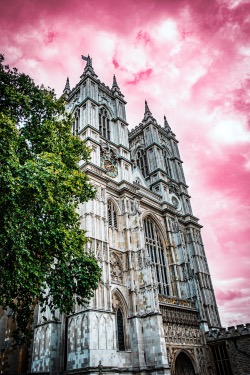
We return to Westminster Abbey for the location of yet another royal tomb – this time that of another of King Henry VIII’s wife, Anne of Cleves.
The back of the tomb with inscription. PICTURE: VCR Giulio19 (licensed under CC BY-SA 4.0/image lightened)
Anne, who lived in England for some 17 years after her marriage to King Henry VIII was annulled after just six months in July, 1540, died at Chelsea on 17th July, 1557, during the reign of Queen Mary I (she was the last of King Henry VIII’s wives to die).
Queen Mary ordered her funeral to be held at Westminster Abbey and she was laid to rest on the south side of the high altar. The unfinished stone monument, believed to have been the work of Theodore Haveus of Cleves, features carvings which depict her initials AC with a crown. There are also depictions of lions’ heads and skulls and crossed bones (believed to represent the idea of mortality).
An inscription on the back of the tomb was added in the 1970s. It can be viewed from the south transept and reads: “Anne of Cleves Queen of England. Born 1515. Died 1557” but this was not added until the 1970s.
HERE: Lady Chapel, Westminster Abbey (nearest Tube stations are Westminster and St James’s Park); WHEN: Times vary – see the website for details; COST: £27 adults/£24 concession/£12 children (discounts for buying online; family rates available); WEBSITE: www.westminster-abbey.org
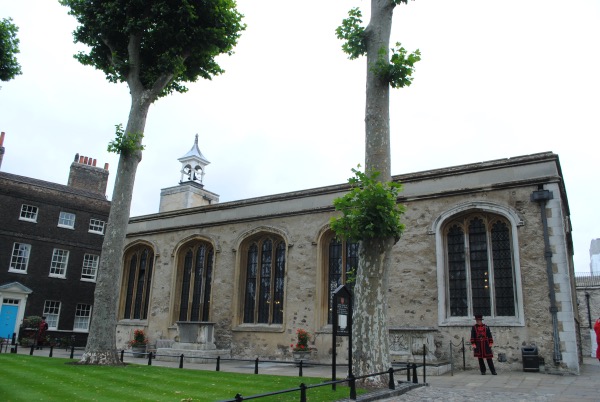
The Chapel Royal of St Peter ad Vincula. PICTURE: David Adams
Officially the The Chapel Royal of St Peter ad Vincula, this small church is located in the Inner Ward of the Tower of London.
Under the direct jurisdiction of the monarch as a “royal peculiar”, the current building – and the name means “Peter in Chains”, a reference to St Peter’s imprisonment at the hands of King Herod – dates from 1520 and was constructed on the orders of King Henry VIII.
As well as being the burial place of officers who served at the Tower, the chapel – which is located only a few steps away from the execution site on Tower Green – is also the final resting place of many who were executed within the Tower’s precincts including the likes of Thomas Cromwell and Bishop John Fisher.
Those buried here include two of King Henry VIII’s wives who both suffered the ignominy of being beheaded. Queen Anne Boleyn and Queen Catherine Howard – respectively the second and fifth wives of the king – were both interred here after their executions.
Memorial stone for Queen Anne Boleyn in the Chapel of St Peter ad Vincula. PICTURE: AloeVera95 (licensed under CC BY-SA 4.0)
Anne Boleyn, who was executed on 17th May, 1536, was buried under the floor in front of the high altar (along with her brother George who was executed two days before the Queen). Catherine Howard was executed several years later on 13th February, 1542, and was also buried beneath the floor.
The other royal figure buried in the Chapel was Lady Jane Grey, the “Nine Day Queen” who was executed on Tower Green on 12th February, 1554, at just the age of 17 on the orders of Queen Mary I. She was buried beneath the chapel’s altar (along with her husband, Lord Guilford Dudley, who was also executed on Tower Green).
The chapel fell into some neglect by the mid-19th century and in 1876 works were carried out under the direction of architect Anthony Salvin to restore the building. This included replacing the floor which had collapsed owing, it’s said, to the large number of burials that had taken place under it since the 16th century.
Many of the bodies were exhumed and identified, including that of Queen Anne Boleyn and Lady Jane Grey, and moved into a newly created crypt underneath.
The marble floor which was installed over the top features memorials commemorating those interred underneath. These include individual memorial stones for Henry VIII’s two Queens and a stone commemorating several of other prominent figures buried beneath including Lady Jane Grey.
WHERE: St Peter ad Vincula, Inner Ward, Tower of London (nearest Tube station Tower Hill); WHEN: 10am to 4.30pm (last admission 3.30pm), Tuesday to Saturday, 9am to 4.30pm (last admission 3.30pm) Sunday to Monday; COST: £29.90 adults; £14.90 children 5 to 15; £24 concessions (family tickets available; discounts for online purchases/memberships); WEBSITE: www.hrp.org.uk/toweroflondon/.
The most famous of court jesters during the reign of King Henry VIII, little is known of Will Somers’ early life although it is suggested he was born in Shropshire.
It’s said Somers (also spelt Somer or Sommers) entered the service of a wealthy Northamptonshire merchant Sir Richard Fermor who presented him to King Henry VIII at Greenwich in 1525 (he is known to have been in service by 1535).
King Henry VIII as David, seated with harp, in an interior with his jester, William Sommers; illustrating Psalm 52. Taken from Psalter of Henry VIII (1530-1547).
Somers’ role as jester involved using his wit to comment on court life and those in it – including the likes of Cardinal Wolsey – and while he was permitted a wide latitude he would over-step including when he insulted Queen Anne Boleyn and her daughter Princess Elizabeth, leading to the King to threaten to kill Somers himself.
Somers was provided with royal livery to wear at court (he also sometimes apparently wore elaborate costumes) and was provided with a “keeper” to look after him.
Such was the esteem Somers’ was held in, he is believed to be the fool depicted in a family portrait of the King, his wife Jane Seymour and children Prince Edward and Princesses Mary and Elizabeth (Somers has a monkey on his shoulder in the painting; Jane Foole also appears in the portrait). He’s also believed to be depicted in an image with King Henry VIII which appeared in a psalter (pictured)
Towards the end of King Henry’s life it’s said Somers was the only one who could make him laugh. He remained at court following the King’s death through the reigns of King Edward VI and Queen Mary I and present at the coronation of Queen Elizabeth I, eventually retired during her reign.
Somers is believed to have died on 15th June, 1560, and be buried in St Leonards, Shoreditch. There’s now a plaque to Somers there commemorating his burial.
Sommers subsequently appeared in various works of literature in following centuries including in more recent years when he has also appeared in TV shows – including the series The Tudors – as well as various novels including Paul Doherty’sThe Last of Days.
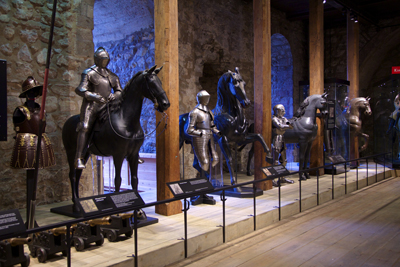
A star sight at the Tower of London for some 350 years, the ‘Line of Kings’ dates back to the mid-17th century and was originally installed in the Royal Armouries at the Tower to promote the restored monarchy of King Charles II and the Stuart dynasty.
Often described as the “world’s longest running tourist attraction” (the first visitor was recorded in 1652), it features the historic armour of monarchs on wooden figures and accompanied by fully decked-out carved horses – the work of Grinling Gibbons and others among Britain’s best woodcarvers.
The line has been added to and redisplayed numerous times over its history, partly to accommodate successive monarchs (17 in all were included with King George II being the last).
Only those monarchs deemed worthy were included – this deemed “bad” kings like King Richard III were omitted while “good” kings like King William the Conqueror, King Edward III and King Henry V were included. Queens were not included – when Queen Mary II and King William III were created joint monarchs, only King William was included.
The display began to be mentioned in guidebooks from the 1750s onwards. In 1825, amid growing scholarship and criticism, the line underwent a major change.
It was dismantled and then redisplayed in a purpose-built gallery adjoining the south side of the White Tower. The new line-up included prominent noblemen as well as kings while the kings themselves were reshuffled with some, like King Edward III, dropped, and King James II added.
It was further enhanced in 1869 but the display closed in 1882. The equestrian figures then appeared on the upper floor of the White Tower.
The Line of Kings, which is now located on the entrance floor of the Tower, last underwent a significant revamp between 2011 and 2013.
Highlights include the earlier surviving armour of King Henry VIII – a silvered and engraved armour which was made in the years following his coronation in 1509 – as well as the gilded armours of King Charles I and King James II.
WHERE: White Tower, Tower of London (nearest Tube station Tower Hill); WHEN: 9am to 5.30pm daily; COST: £29.90 adults; £14.90 children under 15; £24 concession; family tickets from £52.20; WEBSITE: www.hrp.org.uk/toweroflondon/.
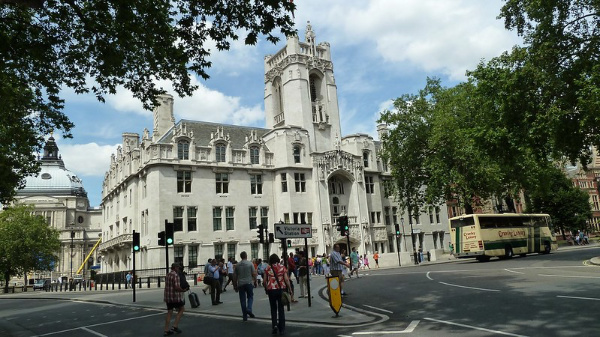
The Middlesex Guildhall building, once site of the Sanctuary Tower. PICTURE: Cary Bass-Deschenes (licensed under CC BY-SA 2.0)
Located on the site now occupied by the Middlesex Guildhall, the Sanctuary Tower and Old Belfry was where fugitives of the law could seek refuge from those who pursued them.
The 13th century tower was located on the western side of Thorney Island upon which Westminster Abbey stood. Standing two stories high, it was a fortified structure with heavy oak doors.
The tower had some high profile (temporary) residents over the years of its existence. These included Elizabeth Woodville, Queen of King Edward IV, who twice had to take sanctuary in the abbey during the Wars of the Roses, Henry Holland, the Duke of Exeter, who claimed sanctuary after the Battle of Barnet (and was subsequently found drowned in the Thames), and Tudor Poet Laureate John Skelton who had to flee here after crossing Cardinal Thomas Wolsey (he is buried in nearby St Margaret’s Church, some claim he died in the tower).
While the practice of granting sanctuary was abolished by King James I in 1623, the tower wasn’t demolished in 1776.
The name of the building and practice of sanctuary is reflected in the name of the nearby street known as Broad Sanctuary and short drive before Westminster named The Sanctuary.
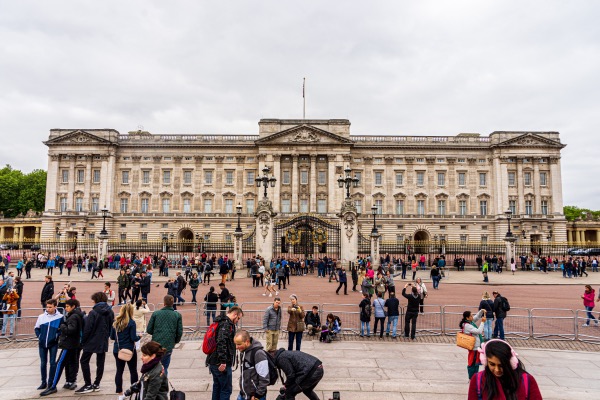
Foremost is Buckingham Palace, the official residence and office of the monarch – Queen Elizabeth II – in London. The palace – acquired for the Crown by King George III in 1761, converted to a palace by King George IV and first lived in by Queen Victoria – is also used for State ceremonies and for official entertaining.
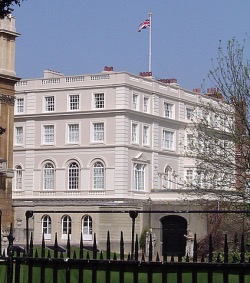
Other royal residences include Clarence House which is the official London residence of Prince Charles and Camilla, Duchess of Cornwall.
The property was built between 1825 and 1827 to the designs of John Nash for Prince William Henry, Duke of Clarence (hence the name).
It was the home of Queen Elizabeth, the Queen Mother, between 1953 and her death in 2002, and was also temporarily the home of the then-Princess Elizabeth and Prince Philip following their marriage in 1947.
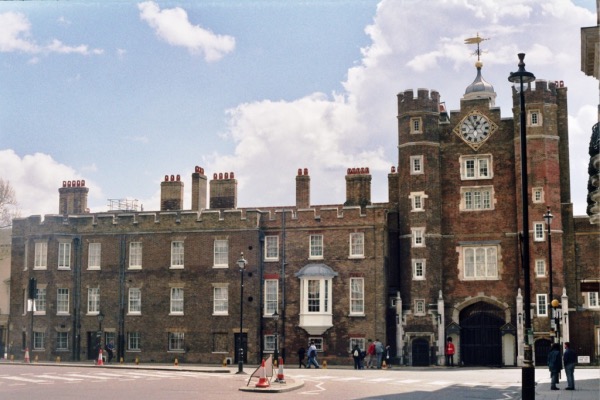
St James’s Palace, which was largely built by King Henry VIII and served as the residence of numerous monarchs until King William IV, also remains the home of several members of the Royal Family – including Princess Anne and Princess Alexandra – and their household offices.
The State Apartments are sometimes used for entertaining during in-coming State Visits, as well as for other ceremonial and formal occasions. Its history means diplomats are still accredited to the Court of St James.
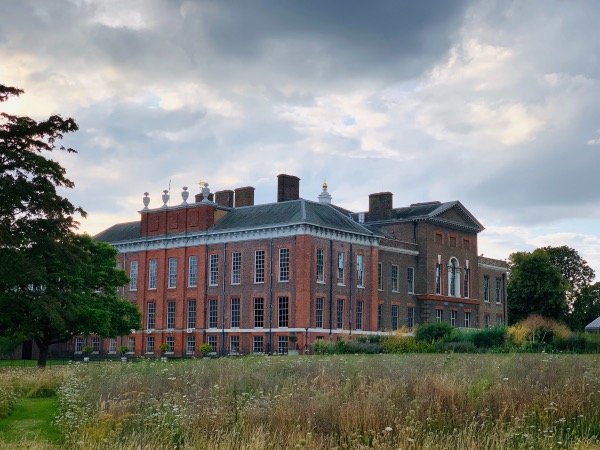
Kensington Palace – childhood home of Queen Victoria and favoured residence of monarchs from King William III to King George II – is these days the official London residence of Prince William and Katherine, the Duchess of Cambridge.
It also contains the London residences and offices of the Duke and Duchess of Gloucester, the Duke and Duchess of Kent and Prince and Princess Michael of Kent.
While Hampton Court Palace, the Tower of London, Kew Palace and the remnant of the Palace of Whitehall known as the Banqueting House are all royal palaces, they ceased being used regularly for royal court purposes in the 18th century and are now in the care of Historic Royal Palaces (along with parts of Kensington Palace).
In honour of Queen Elizabeth II’s Platinum Jubilee, we have a new series looking at 10 lesser known statues of previous monarchs in London.
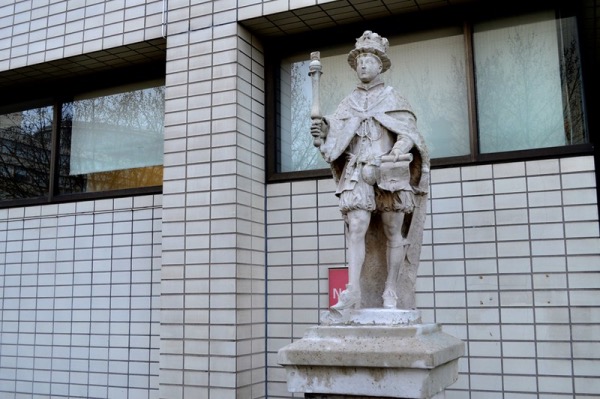
We kick off with not one, but actually two, statues of King Edward VI, the son of King Henry VIII and his third queen, Jane Seymour, can be found at St Thomas Hospital in Southwark.
Both of the statues were commissioned to commemorate the king’s re-founding of the hospital – which had been first founded in the 12th century and had been closed in 1540 as part of the Dissolution – in 1551 and which saw the complete rebuilding of the hospital under the stewardship of the hospital’s President, Sir Robert Clayton.
The oldest of the statues, now located outside the north entrance to the hospital’s North Wing on Lambeth Palace Road, was designed by Nathaniel Hanwell and carved from Purbeck limestone by Thomas Cartwright in 1682.
Peter Scheemakers’ bronze of King Edward VI. PICTURE: Secretlondon (licensed under CC BY-SA 3.0)
It originally was part of a group – the King standing at the centre holding his raised sceptre surrounded by four figures which were innovative in that they depicted patients of the time – which adorned the gateway to the hospital on Borough High Street.
It was moved when the gate was widened in around 1720 and subsequently occupied several different positions – including spending some time in storage – before eventually, without the surrounding figures, being moved to its current position in 1976. It was designated a Grade II* monument in 1979.
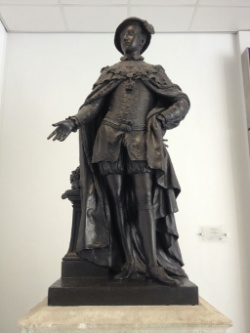
The second of the two statues is a bronze figure in period dress which was created by sculptor Peter Scheemakers in 1737.
It can now be found inside the hospital’s North Wing, having been moved there last century, and like its counterpart, was designated a Grade II* monument in 1979.
The inscription on the front of the plinth describes the King as “a most excellent prince of exemplary piety and wisdom above his years, the glory and ornament of his age and most munificent founder of this hospital” and adds that the statue was erected at the expense of Charles Joye, Treasurer of the hospital.






 Exploring London