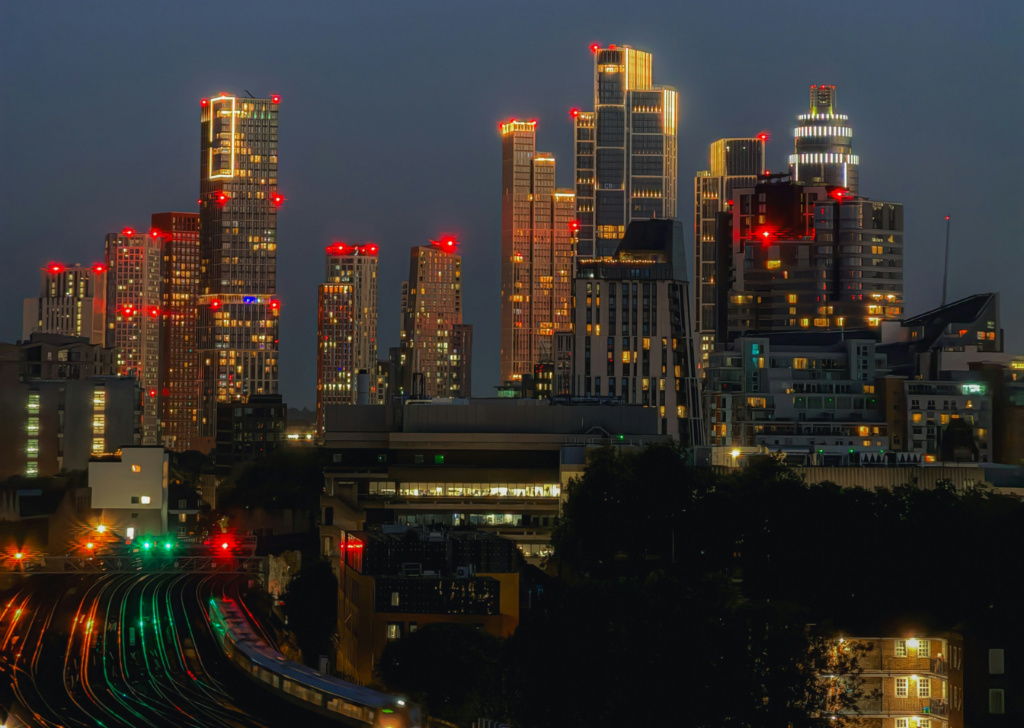
LondonLife – Night lights…
In July, 2019, the Mayor of London, Sadiq Khan, signed a charter making London the world’s first National Park City. But what does it mean?
The charter, which came about following a grassroots campaign dating back to 2013, is a commitment to work for seven objectives. As well as including commitments to better wildlife trees and flowers and better places, habitats, air, water, sea and land, the charter’s other commitments include those focusing around better lives, health and well-being; better time outdoors, culture, art, playing walking cycling and eating; and better locally grown food and responsible consumption.
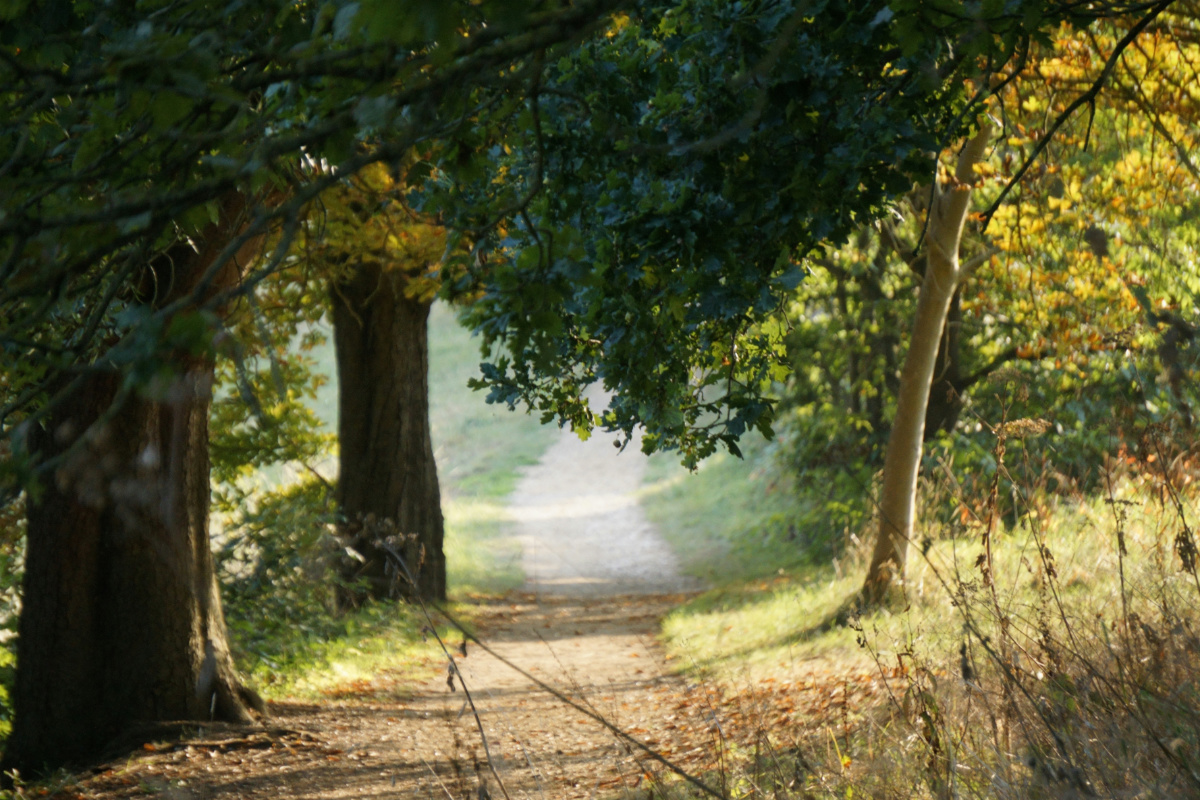
It’s all about better connections between people, the urban fabric and nature – as the charter states: “Let’s make a National Park City that is rich with nature and where everyone benefits from exploring, playing and learning outdoors. A city where we all enjoy high quality public and green spaces, where the air is clean to breathe and it’s a pleasure to swim in its waters.”
As part of the initiative, London is home to some 180 volunteer National Park City rangers who participate in a variety of ways to help London meets its commitments under the charter – everything from organising nature walks to running events in a local allotment.
Last year, the National Park City Foundation, the organisation behind the initiative, also launched a new small grants programme to help support work aimed at making London greener – the more than 100 projects funded so far have covered everything from training fruit harvesters to rescue fruit and share it to transforming a 4,000 square metre parcel of vacant land in Colindale into public space.
While London was the world’s first National Park City, others have since followed. They include Adelaide in Australia (2021) and the US city of Chattanooga and the Netherlands city of Breda (2025) while others including Glasgow and Cardiff are on their way to joining.
The landmark London National Park City Festival is being held this coming weekend in Pimlico and features talks, workshops, walks, stalls and food. For more on it (and to get tickets) head here.
For more on London National Park City – and how you can get involved, head to https://nationalparkcity.london.
Before we move on, here’s a recap of our latest Wednesday series…
1. Trafalgar Square fountains…
2. Edmond J Safra Fountain Court at Somerset House…
4. Merchant Square Fountain Maze…
5. The Great Fountain Garden, Hampton Court Palace…
6. The fountains of St James’s Park…
7. The Sloane Square ‘Venus’ Fountain…
8. Shakespeare Fountain, Leicester Square…
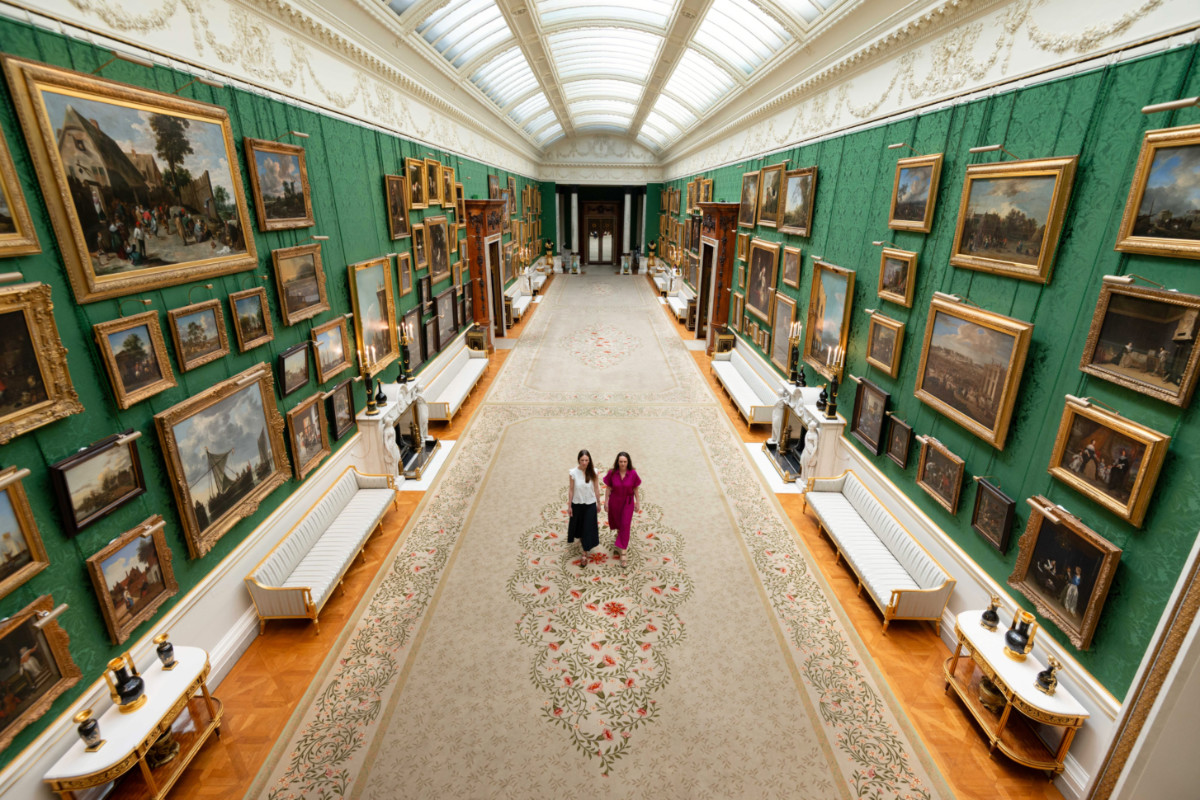
• Some 120 masterpieces from the Royal Collection – including paintings by Rubens, Caravaggio and Zoffany – have gone on display in Buckingham Palace’s Picture Gallery in a major transformation of the storied room. The new presentation, which almost doubles the number of works on show, comes as the palace’s State Rooms open to visitors for summer. Highlights of the redisplay, which took some 875 hours to complete, include Johan Zoffany’s The Tribuna of Uffizi which depicts the famed Florentine gallery with works by Holbein, Rubens and Raphael all identifiable, as well as George Stubbs’ A Rough Dog, believed to show King George IV’s pet dog, Thomas Gainsborough’s portrait of Johann Christian Fischer, not believed to have been hung in the gallery display before. Other new works include The Letter by Vermeer contemporary Gerard ter Borch, and Caravaggio’s The Calling for Saints Peter and Andrew while five paintings by Rembrandt have now been hung together and seven works by Rubens have been reunited. The gallery was created during the John Nash-designed redevelopment of what had been Buckingham House into Buckingham Palace and while King George IV died before its completion, the first arrangement was hung by the time Queen Victoria acceded to the throne in 1837. Open until 27th September. Admission charge applies. For more, see www.rct.uk.
• See jousting amid the drama of the Tudor court at Hampton Court Palace over the next two weekends. ‘Henry VIII’s joust’ will take visitors back to 1526 when they can watch knights clash on horseback while tensions build as it’s discovered Anne Boleyn has not been formally invited to the event. The family friendly event, which is taking place over the weekends of 11th and 12th July and 18th and 19th July, is included in general admission to the palace. For more, see https://www.hrp.org.uk/hampton-court-palace/.
• The first ever UK exhibition dedicated to the work of World War I French liaison officer and interpreter Paul Sarrut has opened at the National Army Museum in Chelsea. Drawn on the Western Front: Paul Sarrut and the Indian Army features more than 50 drawings and works on paper exploring the experiences of some of the more than a million Indian men who volunteered to serve in the British Indian Army during the war. The display features Sarrut’s famous image of Sepoy Harnam Singh as well as also uniforms, photographs, archives and medals. The latter include Victoria Crosses awarded to Frank de Pass, the first Jewish recipient, and Khudadad Khan, the first Muslim and first soldier from the Indian subcontinent to receive the award. Free to enter. Runs until 27th February, 2027. For more, see https://www.nam.ac.uk.
Send all items to exploringlondon@gmail.com
Whether it’s for a quick dip, the chance to stand in the mist or simply being in close proximity to the cooling water, London’s many fountains have proven their worth already this summer. We take a look at 10 of the most notable…
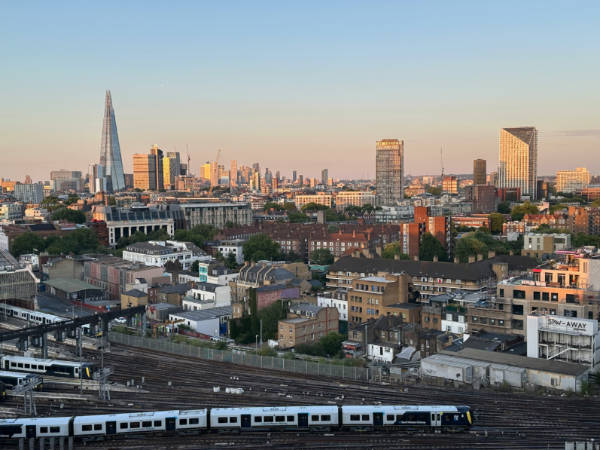
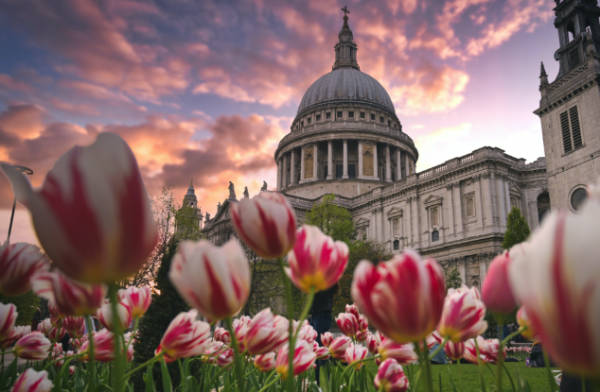
Wishing all our readers a very happy and safe Easter break!
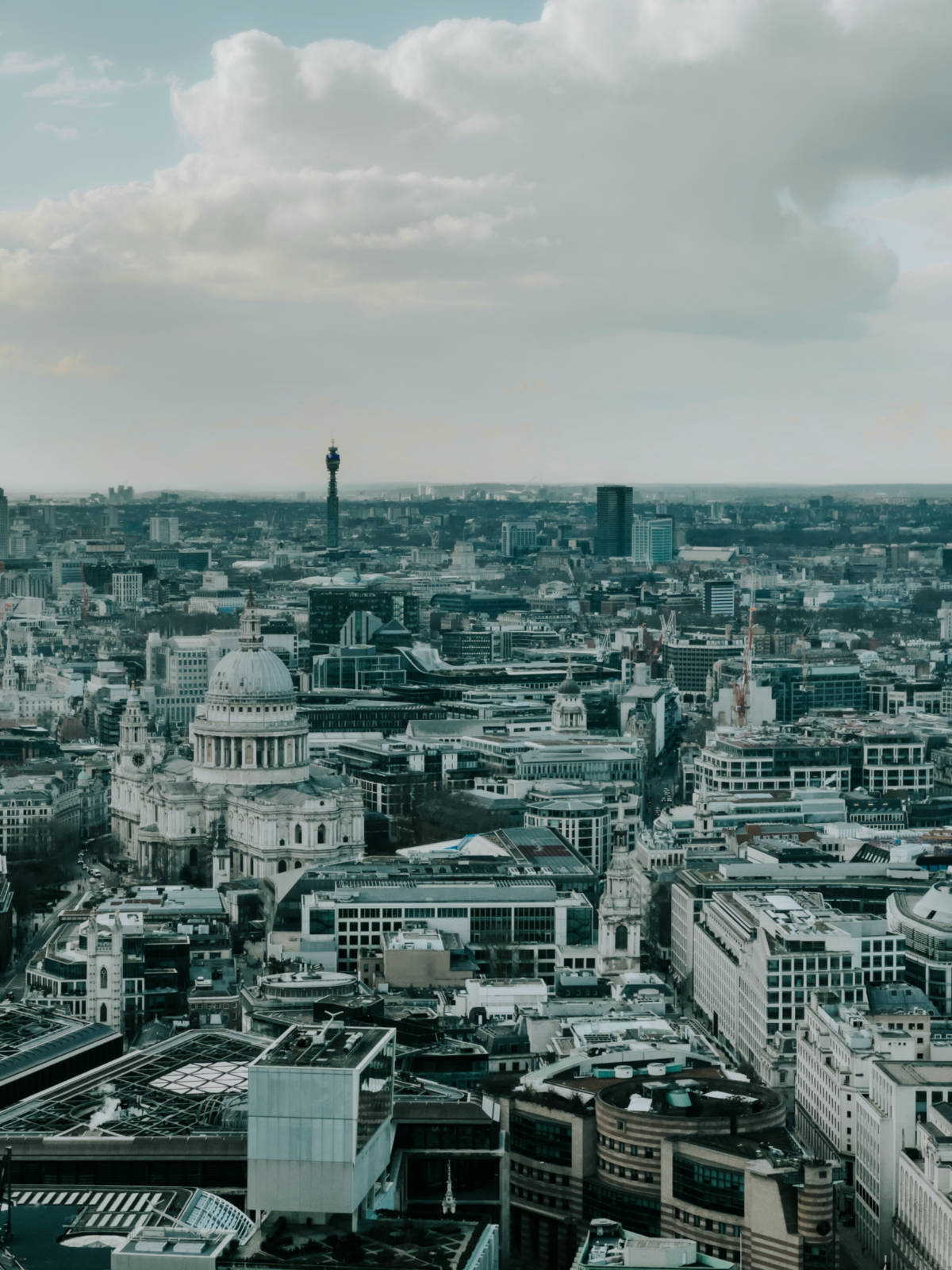
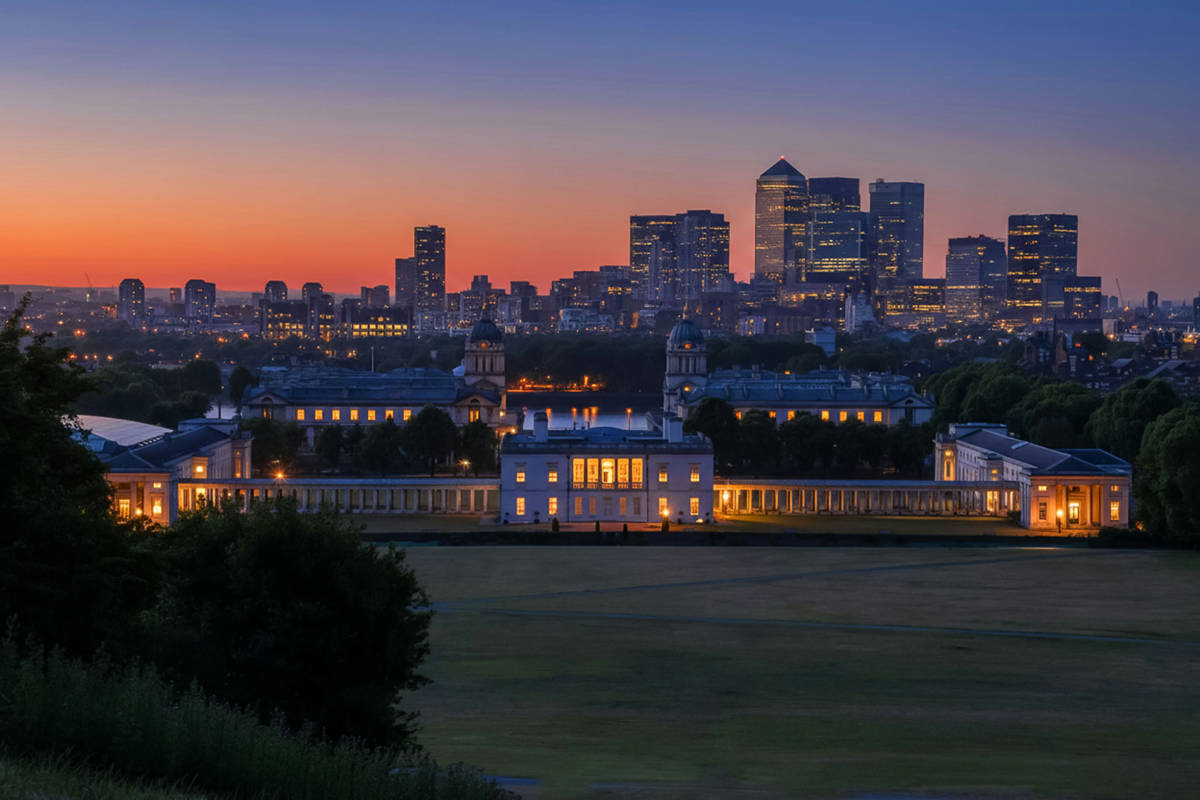
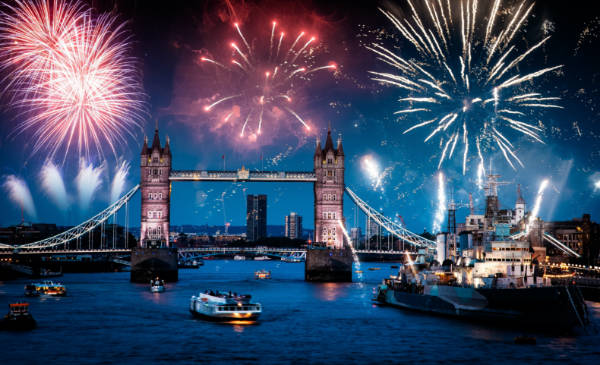
Happy New Year to all of Exploring London’s readers! Wishing you a great start to 2026.
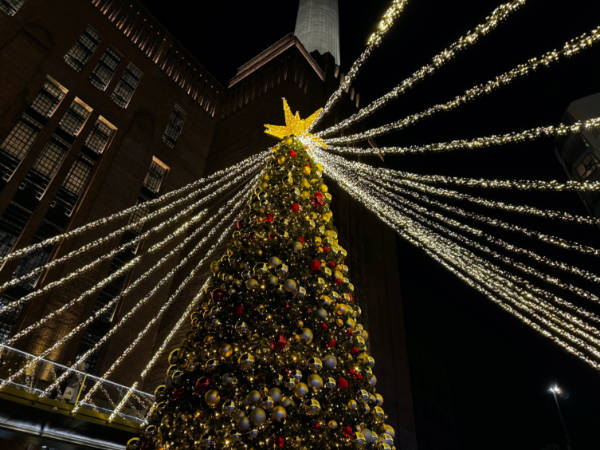
Don’t forget to keep an eye out for our most read posts countdown of 2025 between Christmas and New Year!
Exploring London spoke to Dr Louise Devoy about her role at the observatory, her new book, Royal Observatory Greenwich: A History in Objects, and her “must-see” for those visiting the observatory…
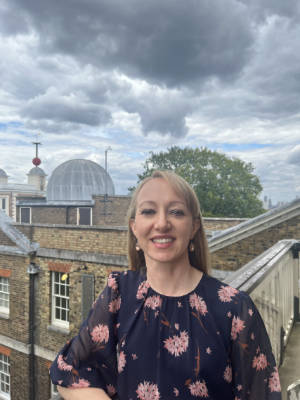
How long have you worked as senior curator at the Royal Observatory Greenwich and what was your pathway into the job?
“I’ve been working here for 12 years now and it’s been quite a journey! I originally studied physics with astrophysics at the University of Leicester and intended to continue with scientific research but my ideas changed after an inspirational internship working at a museum in the US. I really enjoyed learning about the history of astronomy – how our ideas have changed over time and the incredible stories of the people who were involved – and I continued my studies in the history of science. I’ve since worked at the Science Museum and British Museum and came here in 2013.”
Have you always been interested in astronomy?
“Yes, I have vivid memories of building a space rocket in primary school from cereal packets and yogurt pots that quite literally fired my imagination! I’ve still got The Night Sky Ladybird book that I bought and later in my teens my parents kindly bought me a telescope so I could learn more about practical astronomy. I don’t have much time for stargazing these days but I’ve recently purchased a compact smart telescope that you can put in your hand luggage and I’m looking forward to taking it on my travels.”
What does your job at the Royal Observatory entail?
“My job consists of two main parts; one based on research and one focused on communication. As a curator, I’m responsible for doing research on our collections, identifying objects for display and collaborating with researchers from other museums and observatories. Once I’ve done the detective work, I like to share these ideas and stories with our visitors through displays, talks and writing books and articles.”
What’s your favourite part of the day at the Observatory?
“For me, I enjoy seeing the sunset as I’m leaving the office, especially as the lights start to come on across London and you get a great view of the city from our hilltop location. It also makes me smile that sunset means going home for me, whereas for Greenwich astronomers in the past, it would have been the start of their working ‘day’!”

What prompted the writing of the book?
“It’s difficult to say but I definitely remember working on this during lockdown in 2020 and being inspired by similar books such as Neil MacGregor’s A History of the World in 100 Objects. Most books about the history of the Royal Observatory focus on the story of longitude, John Harrison’s marine timekeepers and Greenwich Mean Time (GMT) but I wanted to show how the Observatory has a much broader, richer history that encompasses many more people, subjects, stories and objects.
How did you decide which objects to feature in the book?
“I knew that we would be celebrating our 350th anniversary in 2025 and so I decided to choose objects that spanned the full chronology from 1675. I also wanted to expand the scope beyond the well-known clocks and telescopes to include books, paintings, manuscripts, watercolours, and even items of clothing previously worn by the Astronomer Royal and his family. In addition, I selected a few mystery objects to give me a good excuse to dig into the archives and piece together their stories.”
Do you have a favourite among them?
“I really like the story of the hole punch from the 1840s because it’s indicative of the paperwork and number-crunching that is an important but often overlooked aspect of astronomy. Once astronomers have done their observations, they have to apply mathematical corrections (‘reductions’) to account for atmospheric effects that might affect the results. It’s very tedious, repetitive work that was traditionally done by teenage boys known as ‘computers’. The seventh Astronomer Royal, George Biddell Airy (1801–1892) tried to make the process more efficient and less prone to errors by creating a template known as a ‘skeleton form’. The system worked well but generated vast amounts of paper, leading Airy to design a hole punch to organise the work. He was so proud of his idea that he encouraged other observatories to do the same and that’s why you’ll find another example of this hole punch over 8,000 miles away at the South African Astronomical Observatory in Cape Town. Airy invented his hole punch several decades before the standard office hole punch was patented, making our gadget one of the oldest in the world!”
What did you learn during the process of writing the book that you didn’t already know about the history of the Royal Observatory?
“The story of the secret binocular testing during the First World War really surprised me. The Observatory had already been involved in testing chronometers – portable, accurate timekeepers for navigation at sea – since the 1820s but the binocular testing was a new task. For security reasons, it was not mentioned in the Observatory’s Annual Reports and remained an unknown story for decades. I was intrigued by a one-line mention to it in the archives and dug a little further to uncover the full facts.”
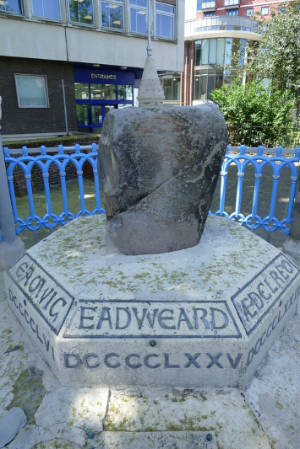
This month marks the 1,100th anniversary of the coronation of the Saxon King Aethelstan, so we thought it fitting to recall the place of his coronation, believed to be the Coronation Stone at the heart of the south-west London Royal Borough of Kingston upon Thames.
Located outside the Guildhall, the now Grade I-listed stone is an ancient block of sarsen stone which was originally at a chapel, believed to have been wooden, on the edge of the town’s market place (close to the site of All Saints Church which originally dates from the 12th century).
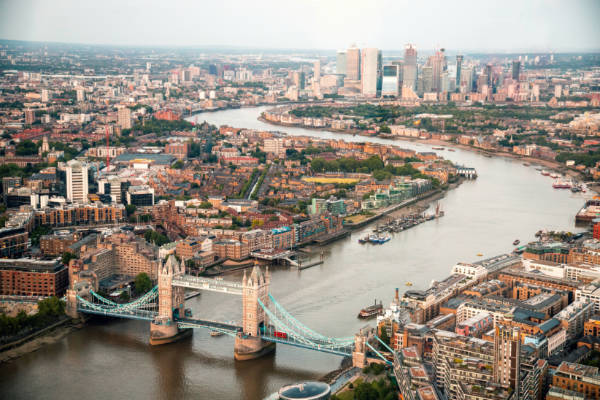
• It’s September and that means Totally Thames – London’s annual month-long festival centred on the famous waterway – is underway. This year’s festival includes a packed programme of events which this weekend include the St Katharine Docks Classic Boat Festival, the Kingston River Cultures Festival, a mud-larking exhibition held in the ancient Roman amphitheatre under Guildhall Yard and a Victorian family day out at Crossness Pumping Station. Other highlights include a foreshore archaeology walk at Deptford (14th September), guided tours of the HMS Wellington (20th September), the month-long exhibition of winners and runners-up from the annual Thames Lens photography competition on the Riverside Walkway on the north bank near Millennium Bridge, and, of course, the annual Great River Race (on Saturday, 20th September). For more, head to https://thamesfestivaltrust.org/whats-on/.
• The contribution of Black Londoners is again being celebrated this weekend as Black On The Square returns to Trafalgar Square. The free, family-friendly festival, now in its third year features live music, dance, food and workshops and this year includes a focus on London’s nightlife under the theme ‘Intergenerate’ recognising Black Londoners’ contribution to electronic culture and night life and featuring Garage music producer and DJ Wookie. There will also be a series of stalls offering foods ranging from Caribbean classics to West African vegan bites and artisanal goods including jewellery, art, books, homeware and fashion with the ‘Accra to London’ stall offering a range of items influenced by Ghana’s capital city, Accra, a highlight. Runs from 12pm to 6pm on Saturday. For more, see https://www.london.gov.uk/events/black-square-2025.
• The Great West Road and the Thames have served as key routes into London since Roman times and they’re now the subject of a new exhibition at the Barbican Library. Rivers and Roads features the work of Brentford-based painter Helena Butler, who paints in a semi abstract style to capture the landscape and the feelings and images the local scenery inspires, and ceramic artist Anna Butler, who has produced a series in response to Alfred Noyes’ beloved poem The Shining Streets of London. Admission is free. Runs until 29th September. For more, see www.cityoflondon.gov.uk/events/rivers-and-roads-art-exhibition
Send all items for inclusion to exploringlondon@gmail.com.
There are a number of “city farms” in London and one of the largest is Mudchute Park and Farm on the Isle of Dogs.
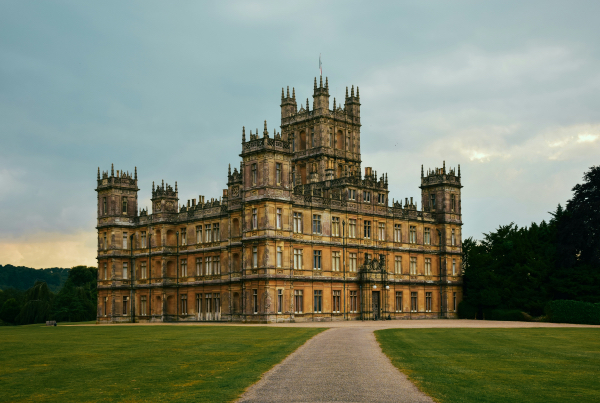
• Downton Abbey has popped up in London. With the final Downton Abbey movie, Downton Abbey: The Grand Finale next month, Bonhams auction house are auctioning off some iconic props, costumes and set pieces from across the series and is accompanying it with a preview exhibition which is open to the public. Among the items up for sale in Downton Abbey: The Auction are everything from a 1925 Sunbeam saloon car and various dresses and costumes including Lady Mary Crawley’s wedding dress (as worn by Michelle Dockery) to a George III oak dresser (seen in the Servant’s Hall in season 1), a silver pocket watch worn by Mr Carson (played by Jim Carter) and an autographed script from episode one, season one. The display can be seen at Bonham’s salesroom at 101 New Bond Street until 16th September. Admission is free but bookings are essential. For more head to https://www.eventbrite.co.uk/e/downton-abbey-the-auction-tickets-1555891024939
• A new evening market opens in Rupert Street, Soho, tomorrow night. The market – said to be the city’s first evening market – will be open from Mondays to Saturdays between 3pm and 10pm and will feature different themes on different days including artisan food on Wednesdays, world street food on Thursdays, vintage clothing on Fridays, and arts, crafts and jewellery on Saturday. Monday and Tuesday will be a general market. For more, see https://www.westminster.gov.uk/licensing/markets-and-street-trading/markets-westminster/rupert-street-w1.
• On Now: Virtual Beauty. This exhibition at Somerset House explores the impact of digital culture and technologies on the traditional definitions of beauty today. It features the work of more than 20 artists with highlights including ORLAN’s Omniprésence (1993), a groundbreaking performance in which the artist live-streamed her own facial aesthetic surgery, and Amalia Ulman’s Excellences & Perfections, a powerful commentary on the authenticity of social media personas. There are also AI-generated portraits by Minnie Atairu, Ben Cullen Williams, and Isamaya Ffrench, and Harriet Davey, Frederik Heyman, and Andrew Thomas Huang explore digital self-expression and the creation of avatars beyond human boundaries. Not suitable for under 15s. Admission is pay what you can. Runs until 28th September. For more, see https://www.somersethouse.org.uk/whats-on/virtual-beauty.
Send all items to exploringlondon@gmail.com
We start a new series looking at places to encounter (at a distance, for some), London’s wildfire and we start by heading west to Richmond Park.
The only woman prisoner recorded as having escaped from the Tower of London, Alice Tankerville was accused, along with her common-law husband John Wolfe, of committing piracy in 1533.

It was alleged that Tankerville had lured two wealthy Italian merchants into a wherry out in the Thames where her accomplices – including Wolfe and two men disguised as watermen – had robbed and murdered them. They were also accused of burgling a home near St Benet Gracechurch where the two men had been staying.
Despite apparently having attempted to seek sanctuary in a special precinct near Westminster Abbey, the couple were arrested, charged with piracy and murder among other things, and, following a trial neither apparently attended, found guilty.
Taken to the Tower of London in 1534 (Wolfe had done a previous stint there for the theft of 366 gold crowns from a ship berthed at the Hanseatic League’s Steelyard but had eventually been released due to a lack of evidence), Alice is said to have been imprisoned in Coldharbour Gate.
Alice wasn’t done yet, however. On 23rd March that year, she managed to escape, apparently with the aid of gaoler John Bawde who provided her with ropes and a key.
It was a short-lived liberation – believed to have been wearing man’s clothes, she and Bawde were arrested trying to reach waiting horses on a road just outside the Tower (it’s worth noting that not only was Alice the only women prisoner to ever escape the Tower of London, she was also the only escapee during the reign of King Henry VIII).
Both she and Wolfe were subsequently executed and due to the nature of their crime, their execution took place on the Thames.
They were hanged in chains in the Thames near the site of their crime and, before a small flotilla of boats filled with sight-seers come to witness the event, were slowly drowned as the tide rose. Their bodies were then left hanging on the spot as a warning to others.

