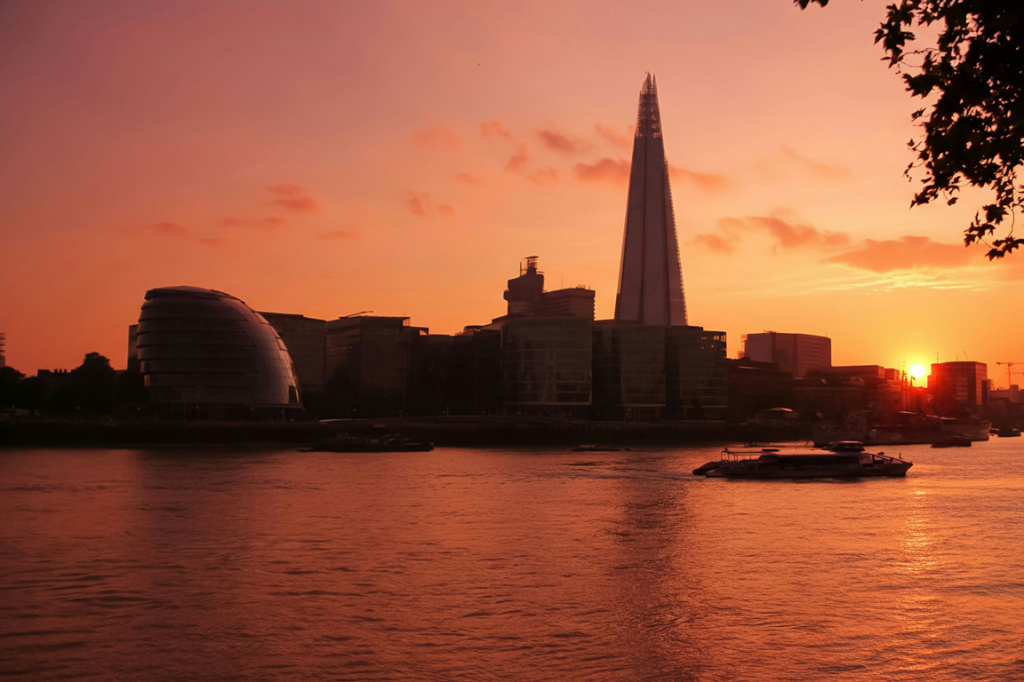
LondonLife – Summer heat…
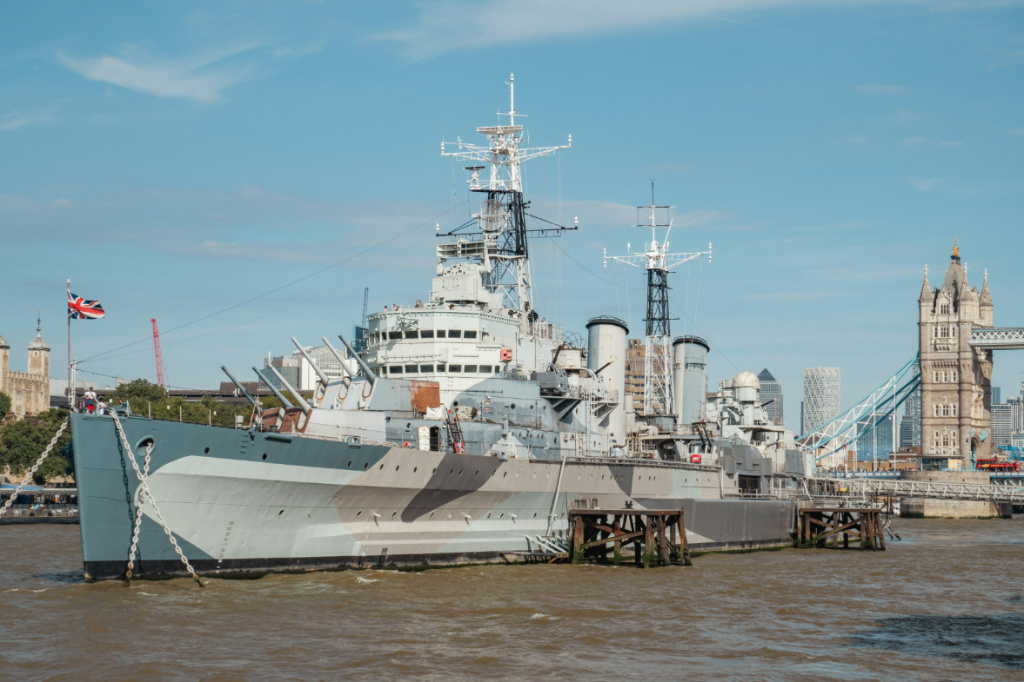
A helmet worn by a member of the American 101st Airborne Division killed on D-Day, a pocket-watch used to time the bombardment off Normandy, and the personal diary of Group Captain James Stagg – whose role on D-Day is captured in the upcoming film, Pressure – are among the objects on show in a new display on HMS Belfast. The display, Pressure: D-Day Decision, which opens tomorrow in a partnership between the Imperial War Museum, STUDIOCANAL and the Met Office, takes a deeper look at the events which took place on the day aboard a ship that was there. As well as Sergeant Floyd Jakob ‘Bud’ Corrington’s helmet, other highlights also include the original so-called ‘God of War memo’ on which General Dwight D Eisenhower (played by Brendan Fraser in the film) scrawled a note to Stagg (played by Andrew Scott) on the weather report he produced for 19th June (one of the only possible alternative dates for D-Day) in which he thanked “the Gods of war that we went when we did”. The display also features audiovisual content with oral testimonies from Kay Summersby (Eisenhower’s personal secretary, played by Kerry Condon in Pressure), meteorologist, George Lawrence Hogben and Group Captain James Stagg along with extracts from personal letters discovered within IWM’s collection that offer a glimpse into the hopes, fears and emotions of those on the D-Day frontlines. There’s also a chance to further explore the D-Day history of the HMS Belfast including the experiences of the 28 men who operated the ship’s guns in Y Turret as well as view a copy of the ship’s logbook and official record of its actions on 6th June, follow the path of the ammunition that powered HMS Belfast’s bombardment, and see where wounded troops were treated onboard in the Sick Bay. Runs until 11th April. Pressure opens in the UK on 9th September. Admission charge applies. For more, see https://www.iwm.org.uk/events/pressure-the-d-day-decision.
• Inspired by the menagerie of beasts once kept there, the Tower of London will host a range of extraordinary creatures brought to life using large-scale puppetry, music and movement. The work of artists Mervyn Millar and Suzy Willson, Imagining Animals will see visitors to the Tower come across a range of different animals as they explore the fortress – everything from a bear ambling across the parade grounds to a sudden flamboyance of flamingoes and a giant serpent slithering out of view. There’s also a community art installation in which people have created small birds for display representing their wishes or hopes for the future. Runs until 31st August and included in general admission. For more, see https://www.hrp.org.uk/tower-of-london/whats-on/imagining-animals/.
• The story of a 19th century sextant is at the centre of a new display at the Old Royal Naval College’s visitor centre in Greenwich. The sextant, once an essential navigational tool when at sea, was among items from the Bigg-Wither Collection acquired by the Old Royal Naval College last year. As well as exploring how the sextant was made and used, the display also touches on wider stories about naval education, exploration and the people connected with Greenwich including Captain Guy Plantagenet Bigg-Wither who served in the Royal Navy before becoming Deputy Director of the first Royal Navy Staff College at Greenwich. For more, head to https://ornc.org/whats-on/visitor-centre-display-a-journey-through-the-stars/.
Wapping Police Station in London’s east is the oldest still-in-use police station in London.
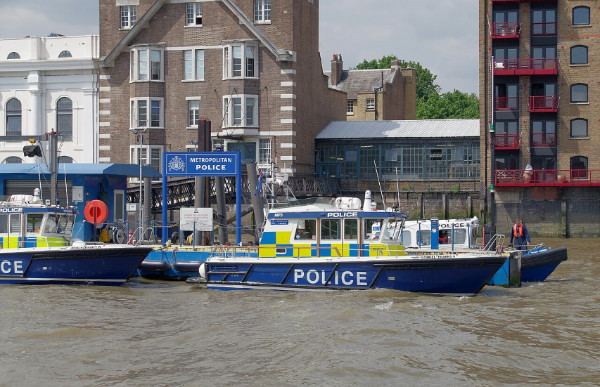
Located on Wapping High Street close to the River Thames, it is the headquarters for the Marine Policing Unit, once known as the Thames Division and prior to that the Thames River Police (which has the honour of being the world’s oldest policing unit). These days the unit is responsible for policing the 47 miles of the river between Dartford to the east and Hampton Court to the west.
The premises – which opened in 1908 (although there has apparently been a building for river police at this site since 1798) – is now a Grade II-listed building.
Designed by architect John Dixon Butler (he succeeded his father as the Metropolitan Police architect in 1895), the building at 98 Wapping High Street features a five bay street front with a central courtyard and a riverside block.
It also houses a mortuary and the Thames Police Museum which, established in 1974, has a range of exhibits including uniforms, handcuffs and cutlasses.
The title of the oldest still-in-use police station previously belonged to Penge Police Station, built in 1872, until its closure in 2010.
Now long gone, this central London property was once the residence of the, you guessed it, bishops of Durham.
Before we move on to our next Wednesday series, here’s a recap…
The River Thames is home to a range of wildlife as it winds through London including several thousand seals which have been spotted at locations across the city’s span.
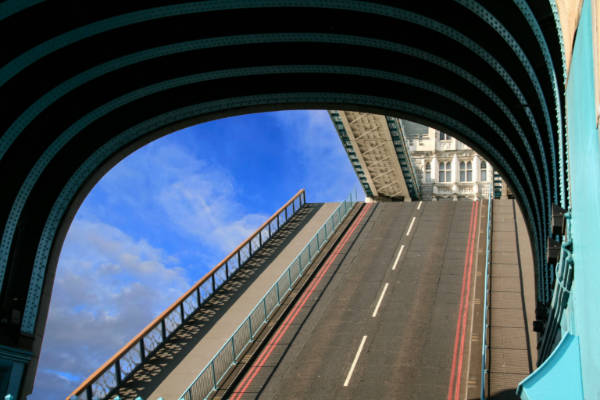
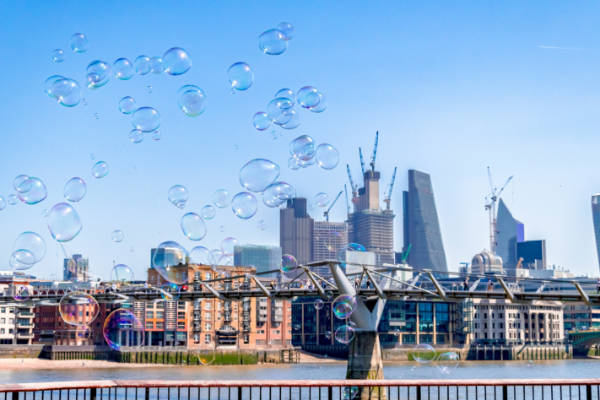
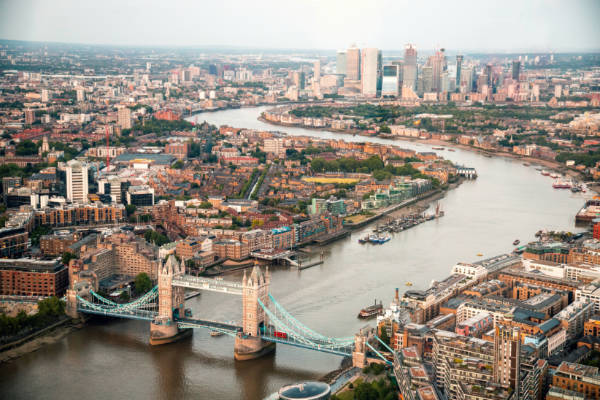
• It’s September and that means Totally Thames – London’s annual month-long festival centred on the famous waterway – is underway. This year’s festival includes a packed programme of events which this weekend include the St Katharine Docks Classic Boat Festival, the Kingston River Cultures Festival, a mud-larking exhibition held in the ancient Roman amphitheatre under Guildhall Yard and a Victorian family day out at Crossness Pumping Station. Other highlights include a foreshore archaeology walk at Deptford (14th September), guided tours of the HMS Wellington (20th September), the month-long exhibition of winners and runners-up from the annual Thames Lens photography competition on the Riverside Walkway on the north bank near Millennium Bridge, and, of course, the annual Great River Race (on Saturday, 20th September). For more, head to https://thamesfestivaltrust.org/whats-on/.
• The contribution of Black Londoners is again being celebrated this weekend as Black On The Square returns to Trafalgar Square. The free, family-friendly festival, now in its third year features live music, dance, food and workshops and this year includes a focus on London’s nightlife under the theme ‘Intergenerate’ recognising Black Londoners’ contribution to electronic culture and night life and featuring Garage music producer and DJ Wookie. There will also be a series of stalls offering foods ranging from Caribbean classics to West African vegan bites and artisanal goods including jewellery, art, books, homeware and fashion with the ‘Accra to London’ stall offering a range of items influenced by Ghana’s capital city, Accra, a highlight. Runs from 12pm to 6pm on Saturday. For more, see https://www.london.gov.uk/events/black-square-2025.
• The Great West Road and the Thames have served as key routes into London since Roman times and they’re now the subject of a new exhibition at the Barbican Library. Rivers and Roads features the work of Brentford-based painter Helena Butler, who paints in a semi abstract style to capture the landscape and the feelings and images the local scenery inspires, and ceramic artist Anna Butler, who has produced a series in response to Alfred Noyes’ beloved poem The Shining Streets of London. Admission is free. Runs until 29th September. For more, see www.cityoflondon.gov.uk/events/rivers-and-roads-art-exhibition
Send all items for inclusion to exploringlondon@gmail.com.
This evocative memorial, which stands on the north bank of the River Thames at Wapping, is designed to show the figure (or rather the absence of the figure) of a dove.
The only woman prisoner recorded as having escaped from the Tower of London, Alice Tankerville was accused, along with her common-law husband John Wolfe, of committing piracy in 1533.

It was alleged that Tankerville had lured two wealthy Italian merchants into a wherry out in the Thames where her accomplices – including Wolfe and two men disguised as watermen – had robbed and murdered them. They were also accused of burgling a home near St Benet Gracechurch where the two men had been staying.
Despite apparently having attempted to seek sanctuary in a special precinct near Westminster Abbey, the couple were arrested, charged with piracy and murder among other things, and, following a trial neither apparently attended, found guilty.
Taken to the Tower of London in 1534 (Wolfe had done a previous stint there for the theft of 366 gold crowns from a ship berthed at the Hanseatic League’s Steelyard but had eventually been released due to a lack of evidence), Alice is said to have been imprisoned in Coldharbour Gate.
Alice wasn’t done yet, however. On 23rd March that year, she managed to escape, apparently with the aid of gaoler John Bawde who provided her with ropes and a key.
It was a short-lived liberation – believed to have been wearing man’s clothes, she and Bawde were arrested trying to reach waiting horses on a road just outside the Tower (it’s worth noting that not only was Alice the only women prisoner to ever escape the Tower of London, she was also the only escapee during the reign of King Henry VIII).
Both she and Wolfe were subsequently executed and due to the nature of their crime, their execution took place on the Thames.
They were hanged in chains in the Thames near the site of their crime and, before a small flotilla of boats filled with sight-seers come to witness the event, were slowly drowned as the tide rose. Their bodies were then left hanging on the spot as a warning to others.
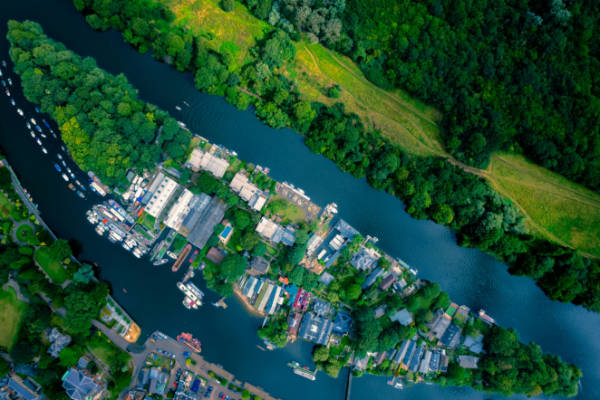
Craven Cottage, home of Fulham FC on the bank of the River Thames in west London, is the city’s oldest football stadium.

The site has been home to the club since 1896, having previously been based at a range of grounds. It took two years to prepare the ground for play including constructing a changing room building.
The first match was played at the ground on 10th October, 1896 (Fulham beat Minerva 4-0 in the Middlesex Senior Cup).
Initially the ground was surrounded with terracing only – this changed in 1903 when the first stand was built on the north side of the ground. Providing seating for 1,200 spectators, it was affectionately known as the ‘Rabbit Hutch’.
The stand didn’t last long. Just 18 months later, it was condemned as dangerous by municipal officials and had to be pulled down.
In January, 1905, it was reported that the club had gained a 99-year lease on the ground. Work on a new stand, 5,000-seat, started just four months later to be designed by Archibald Leitch with steelwork provided by Clyde Structural Iron Company. Known as the Stevenage Road Stand (with a brick facade on the road), it opened on 2nd September that year.

Leitch also designed the Cottage Pavillion, located at the south-east corner of the ground, which was used for change rooms and by the club’s administration.
In 1907, the club hosted the first full international match when, in March, 1907, England and Wales drew 1-1.
While the club regularly saw crowds of up to 40,000 in the lead-up to World War II, a record was set in 1938 at a game between Fulham and Millwall when the crowd numbered just shy of 50,000.
These days there are four stands: the Grade II-listed Johnny Haynes Stand on the east side of the ground (it was renamed in 2005 in honour of the club legend who also has a statue at the ground); the Riverside Stand on the west side (redeveloped in recent years); the Hammersmith End stand (located to the north of the ground, traditionally its home end); and, the Putney End stand (located at the south end).
The Cottage Pavilion, the balcony of which is from where player’s families have traditionally watched games, remains in the south-east corner.
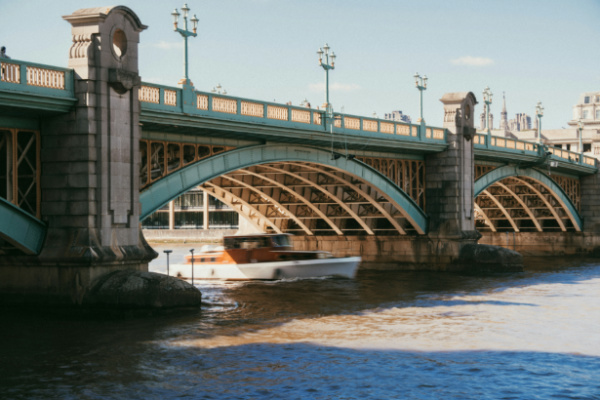
Once the biggest hotel in Europe, the opulent Hotel Cecil opened in 1896 on a prominent site overlooking the Thames. But it only survived for little more than three decades.
Located in one of the oldest parts of the city’s iconic fortress, the medieval palace has undergone a revamp with a restoration of the sumptuous and extravagant decorative scheme that was in place in the 13th century.
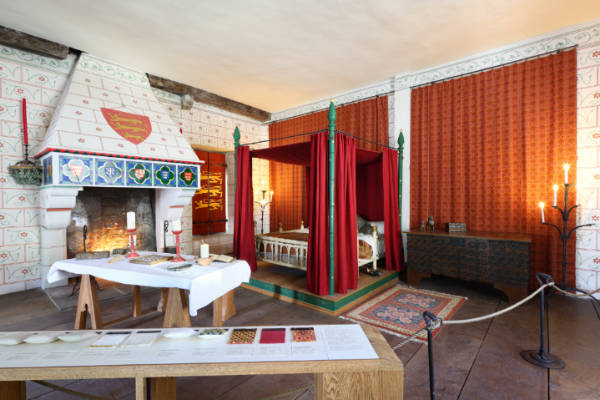
The medieval palace is found within the St Thomas’s Tower, the Wakefield Tower and the Lanthorn Tower on the southern side of the Tower and was built on the orders of successive monarchs, King Henry III and his son King Edward I. They were used as a domestic and diplomatic space periodically by the kings and their queens, Eleanor of Provence and Eleanor of Castile.
The medieval palace today includes a recreation of Edward I’s vibrant bedchamber in the St Thomas’s Tower (which once directly fronted the River Thames and sits above the water gate later known as Traitor’s Gate) and an exploration of the influence Eleanor of Castile had on the decoration.
The Wakefield Tower, meanwhile, was built by King Henry III as royal lodgings between 1220 and 1240. It originally sat at the river’s edge and could be accessed from the river by private stairs.
Believed to have been used as an audience chamber, it contains a recreation of a throne and canopy based on 13th century examples which are decorated with a Plantagenet lion – the symbol of the royal family. The vaulted ceiling is 19th century.
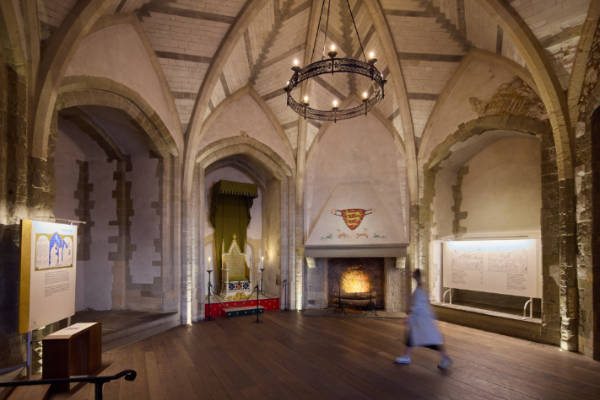
The third of the towers – the Lanthorn Tower – was built as lodgings for King Henry III’s Queen but is now a 19th century reconstruction after the original tower was gutted by fire.
It contains a display and among the new objects is a stone, on loan from the Jewish Museum London, which came from a Jewish mikveh or ritual bath, dating to about 1200 and discovered in London in 2001 within the home of the medieval Crespin family. It’s part of a new effort to explore the story of London’s medieval Jewish community, the taxation of which helped to pay for the construction of St Thomas’s Tower in the 1270s.
Other new objects on show in the Lanthorn Tower include a 13th century seal matrix from a 13th century Italian knight and a gold and enamel 13th century pyx – a small round container used to hold communion wafers made in the French city of Limoges (both on loan from the British Museum) as well as a child’s toy knight made of lead that dates from c1300, lent by London Museum and a perfectly preserved wicker fish trap which was excavated from the Tower moat, containing bones likely dating from the 15th or 16th century and illustrating the moat’s role as a fishery.
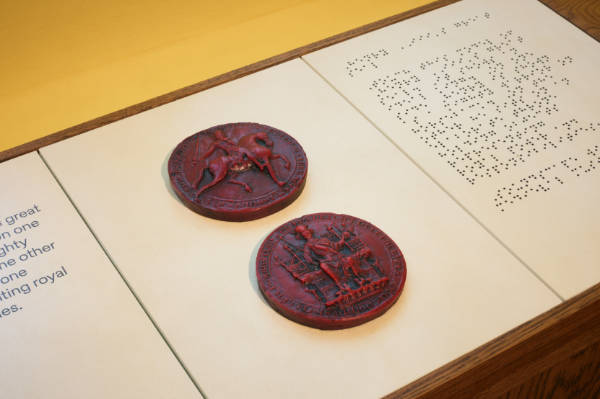
The medieval palace also includes a small private chapel which is where it’s believed King Henry VI died in 1471.
Among other stories now told in the display is that of less well-known Tower residents such as King Edward I’s laundress Matilda de Wautham, and John de Navesby the keeper of the white bear which was held in the menagerie at the Tower.
WHERE: The Medieval Palace, The Tower of London (nearest Tube Station is Tower Hill); WHEN: 9am to 5:30pm daily (last entry 3:30pm); COST: £35.80 adults; £28.50 concession; £17.90 children (free for Historic Royal Palaces members and £1 tickets are available for those in receipt of certain means-tested financial benefits); WEBSITE: www.hrp.org.uk/tower-of-london/
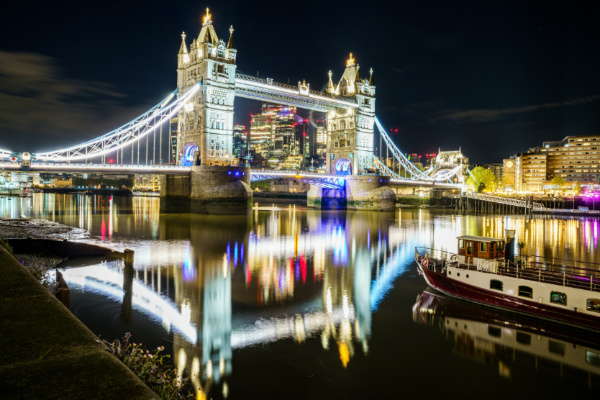

Located in an inlet where the River Neckinger enters the Thames just to the east of Tower Bridge, this dock has been used since the early middle ages.

