Winnie-the-Pooh author AA Milne worked at Punch magazine prior to writing his famous book and it was while doing so that he started a friendship that was to prove consequential.
Specials
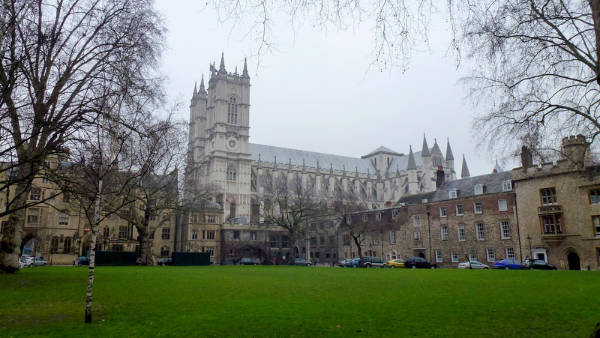
10 London sites relating to Winnie-the-Pooh – 2. Westminster School…
There’s a couple of connections between the creation of Winnie-the-Pooh and this London institution.
Subscribe for just £3 a month to access all of Exploring London’s content.
10 London sites relating to Winnie-the-Pooh – 1. Site of Henley House School…
Think of locations related to Winnie-the-Pooh and chances are you’ll think of idyllic rural scenes like the Hundred Acre Wood (based on Ashdown Wood in East Sussex – more on that in a later post). But, as we’ll find, there are numerous locations in London which tell the some of the story of the world famous books and their creator, AA Milne.
To mark the 100th anniversary of publication of Winnie-the-Pooh in 1926, we’re taking a look at some of them…
Subscribe for £3 a month to access all of Exploring London’s content…
10 London bishop’s palaces, past and present – Recap…
Before we move on to our next Wednesday series, here’a quick look back at the last…
10 London bishop’s palaces, past and present – 10. The Old Deanery…
Containing a residence for the Bishop of London (although, it has to be said, certainly not traditionally a bishop’s palace), the Old Deanery is located in Dean’s Court, to the south-east of St Paul’s Cathedral.
Subscribe for just £3 a month to access all of Exploring London’s content – and support our work!
10 London bishop’s palaces, past and present – 9. Croydon Palace…
A former summer residence of the Archbishops of Canterbury for centuries, Croydon Palace has in more recent times been used as a school.
Subscribe for £3 a month to access all of Exploring London’s articles…
10 London bishop’s palaces, past and present – 8. Bishop of Ely’s palace…
Once a significant estate on the northern outskirts of London, the palace of the Bishops of Ely was used for some 500 years as their London residence.
Subscribe for £3 a month to access all of Exploring London’s content – and help us find our work…
10 London bishop’s palaces, past and present – 7. Archbishop’s House, Westminster…
Archbishop’s House, located next to the Roman Catholic Cathedral of Westminster, is the official residence of the Catholic Archbishop of Westminster.
Subscribe for just £3 a month to see all of Exploring London’s content.
10 London bishop’s palaces, past and present – 6. Fulham Palace…
The former residence of the Bishops of London for more than 1,300 years, Fulham Palace is today a museum surrounded by 13 acres of gardens on the north bank of the Thames.
Get access to all of Exploring London’s articles for just £3 a month…
10 London bishop’s palaces, past and present – 5. Durham House…
Now long gone, this central London property was once the residence of the, you guessed it, bishops of Durham.
Subscribe for just £3 a month to access all of Exploring London’s articles…
10 London bishop’s palaces, past and present – 4. Bromley Palace…
This building, which dates from 1775, is the former palace of the Bishops of Rochester and the latest incarnation of the palace which the bishops used for centuries.
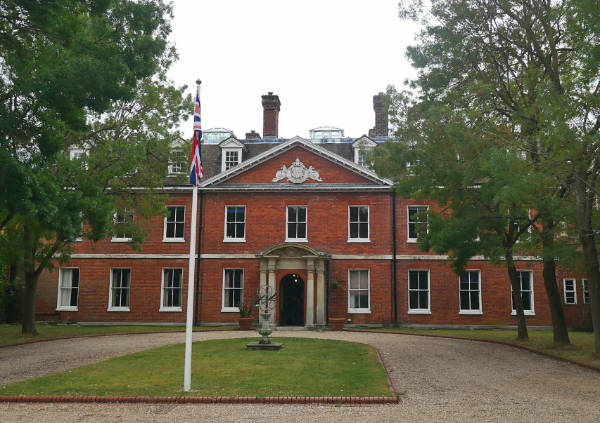
The land, which came to be known as the Manor of Bromley, was initially granted to the bishops of Rochester by Saxon kings of Kent over a couple of centuries. Following the Norman Conquest, an attempt by Odo, the Earl of Kent, to claim it failed thanks to the efforts of Bishop Gundulf (1075-1108) and the Archbishop of Canterbury, Lanfranc.
Subscribe for just £3 a month to access all of Exploring London’s articles…
12 most popular posts of 2025…3 to 1…
The final three in our most read posts countdown (and apologies for being a day late!)….
2. London Explained – Lord Mayor or Mayor?
1. London Explained – Red phone boxes…
12 most popular posts of 2025…6 to 4…
12 most popular posts of 2025…9 to 7…
12 most popular posts of 2025…
This year we’ve expanded our annual list of our most read posts (this time for those published in 2025) to include 12 – that’s three a day with the final three to be released on New Year’s Day!
So without further ado…
12. 10 historic London docks…10. East India Docks…
11. 10 London mysteries – 8. The Ceremony of the Rendering of the Quit Rents…
10 London bishop’s palaces, past and present – 3. Winchester Palace…
Now a few scant ruins located in Southwark, this was once the opulent palace of one of the most powerful clergymen in the country.
We’ve written about Winchester Palace before but we thought it was worth a second look in our current series.
Subscribe for just £3 a month to access all of our content…
10 London bishop’s palaces, past and present – 2. York Place…
The precursor to Whitehall Palace, York Place was the London residence of the Archbishops of York between the 13th and 16th centuries.
Subscribe for just £3 a month to access all of Exploring London’s content…
10 London bishop’s palaces, past and present – 1. Lambeth Palace…
Dame Sarah Mullally, Bishop of London since 2018, was named as the 106th Archbishop of Canterbury in October so we thought it a good time to explore some of the grand palaces which served as bishop’s palaces, some of them still standing and others not.
And what more appropriate place to start than Lambeth Palace, the official Thames-side residence of the Archbishop of Canterbury.
Subscribe for just £3 a month to access all of Exploring London’s content…
10 places to encounter London’s animal life…A recap…
Before we move on to our next Wednesday series, here’s a recap…
10 places to encounter London’s animal life…10.. Hanwell Zoo…
Hanwell Zoo in London’s west is, like Golder’s Hill Zoo, one of the city’s smaller zoos.

