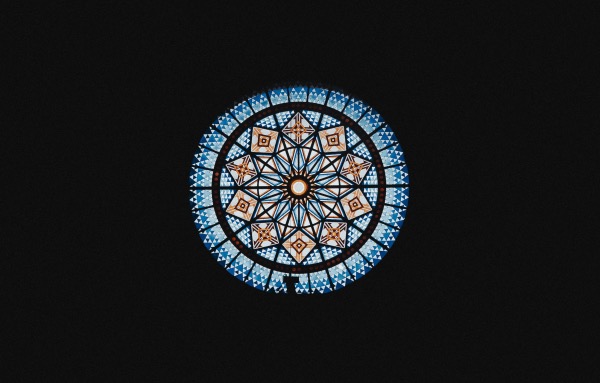
LondonLife – Alexandra Palace glasswork…
This month marks the 150th anniversary of the fire which destroyed the first Alexandra Palace in the north of London, only two weeks after it was opened.
Conceived by British architect Owen Jones as a “palace of the people”, the palace at Muswell Hill was created to serve as a public centre of recreation, entertainment and education for the people of north London as something of a counterpart to the Crystal Palace in the city’s south.
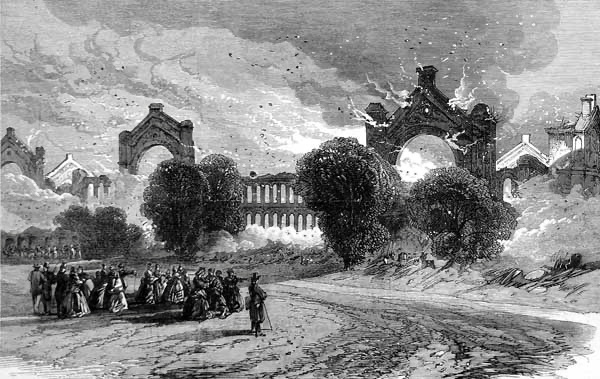
Designed by Alfred Meeson and John Johnson, the massive glass, iron and brick building covered some 250,000 square feet. It was constructed using recycled materials from the vast temporary building built for the 1862 International Exhibition in South Kensington. Building works commenced in September, 1865, and it was completed in early 1873.
Officially named Alexandra Palace after the popular Princess of Wales, Alexandra of Denmark (although the name Palace of the People – which had originally been given to the project – remained an alternative as did, later, the shortened “Ally Pally”), it featured a vast 900 foot long central nave capped with a 220 foot high dome as well as first floor galleries and terraces.
The palace and surrounding park were officially opened on 24th May, 1873, the 54th birthday of Queen Victoria. The grand celebration, which was attended by tens of thousands of people, featured concerts, recitals and ended with fireworks.
It was only 16 days after the opening, at lunchtime on 9th June, that the palace was destroyed by a fire believed to have started when a burning ember from a brazier being used by plumbers working on the roof set fire to the building’s timber. Numerous horse drawn and manual fire engines were dispatched to the scene along with some 120 firefighters but to no avail.
Tragically three staff members died as a result of the blaze which left only the outer walls of the palace standing. Among the items destroyed was a collection of English pottery and porcelain which, comprising some 4,700 items, had been on loan.
Plans to rebuild the palace were quickly acted upon and a new and improved palace opened on 1st May, 1875. This building survived a fire in 1980 but about a third of the building was destroyed.
The now Grade II-listed building has since been rebuilt(but that’s a story for a another time).
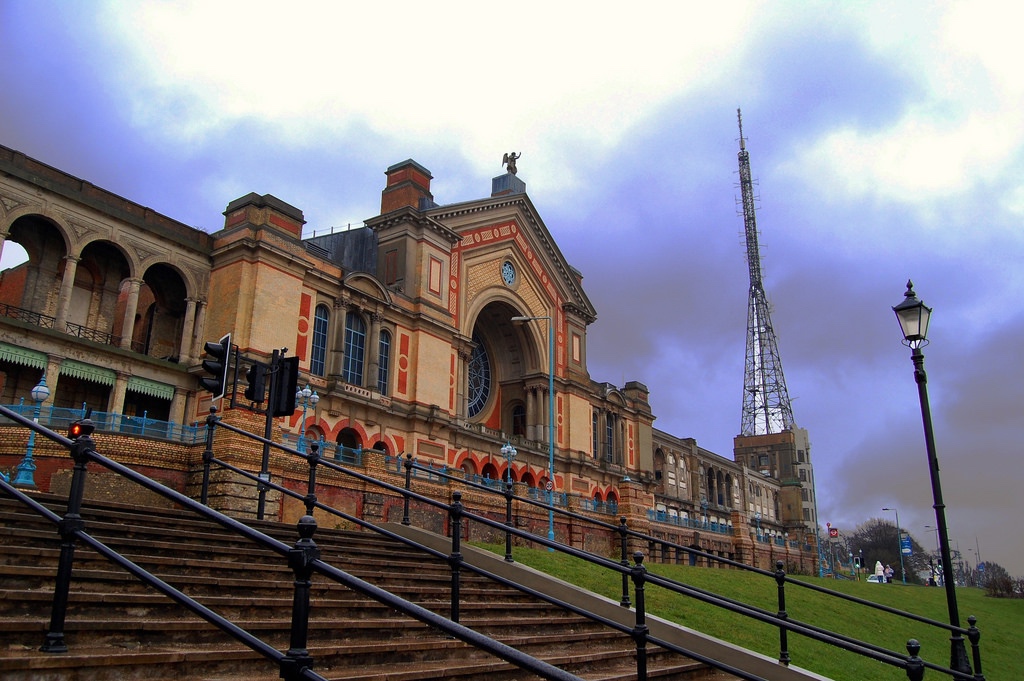
This month marks 38 years since Alexandra Palace, known to many as the ‘People’s Palace’, in north London burned down – for the second time.
The palace – named for Princess Alexandra, wife of the then Prince of Wales (later King Edward VII), and subsequently nicknamed ‘Ally Pally’ – was originally opened in 1873 as an entertainment and recreation centre inspired by the success of the Crystal Palace in London’s south.
But just 16 days later – having already attracted some 120,000-plus visitors – Alexandra Palace burned down when a fire started in the dome. A second palace complex was opened on the site two years later, on 1st May, 1875, and this palace, which a 1900 Act of Parliament declared was to remain forever available for public use, stood until 1980.
It served various purposes over the years including, of course, hosting various musical and threatrical events as well as hosting shooting events during the 1908 Olympics, acting as an internment camp during World War I, and being used as the transmitting centre for BBC radio and television – a role which saw it, in 1936, become the home of the world’s first regular public television service.
On 10th July, 1980 – having been transferred into the ownership of Haringey Council from the Greater London Council six months earlier and now in the early stages of a renovation project, it caught fire during a jazz festival.
Starting behind the venue’s historic Willis Organ in the Great Exhibition Hall, the fire spread through the roof and destroyed about a third of the building including the hall, Banqueting Suite, former roller rink and theatre dressing rooms. Only the Palm Court and area occupied by the BBC – including the theatre and transmitting tower – escaped damage (interestingly, the burnt out shell of the Great Hall featured in the film 1984, representing Victory Square).
The building was subsequently redeveloped and restored and reopened again on 17th March, 1988. Offering a range of recreational facilities including performance spaces, an ice rink, boating lake and animal enclosure, it now operates as a charitable trust administered by the London Borough of Haringey.
Grade II-listed since 1996, the palace is currently undergoing a £27 million restoration and development project which will see a new public space created in the East Court and allow visitor access to a range of historical artefacts, including photographs and early film, for the first time, as well as see the Victorian-era theatre restored.
The theatre will reopen in December but before that – on 1st September – will host the Proms with the BBC Concert Orchestra performing Gilbert and Sullivan’s Trial by Jury (the event is already sold out). For more, see www.alexandrapalace.com.
PICTURE: Alexandra Palace today (Dun.can (licensed under CC BY 2.0))
 Exploring London