Hanging in the Tudor Great Hall at Hampton Court Palace, this series of 10 huge tapestries are believed to have been commissioned by King Henry VIII and were first hung in the hall in 1546.
coronation
This Week in London – Coronation outfits at Buckingham Palace; Rex the Raven; and, a Crystal Palace dinosaur recreated…
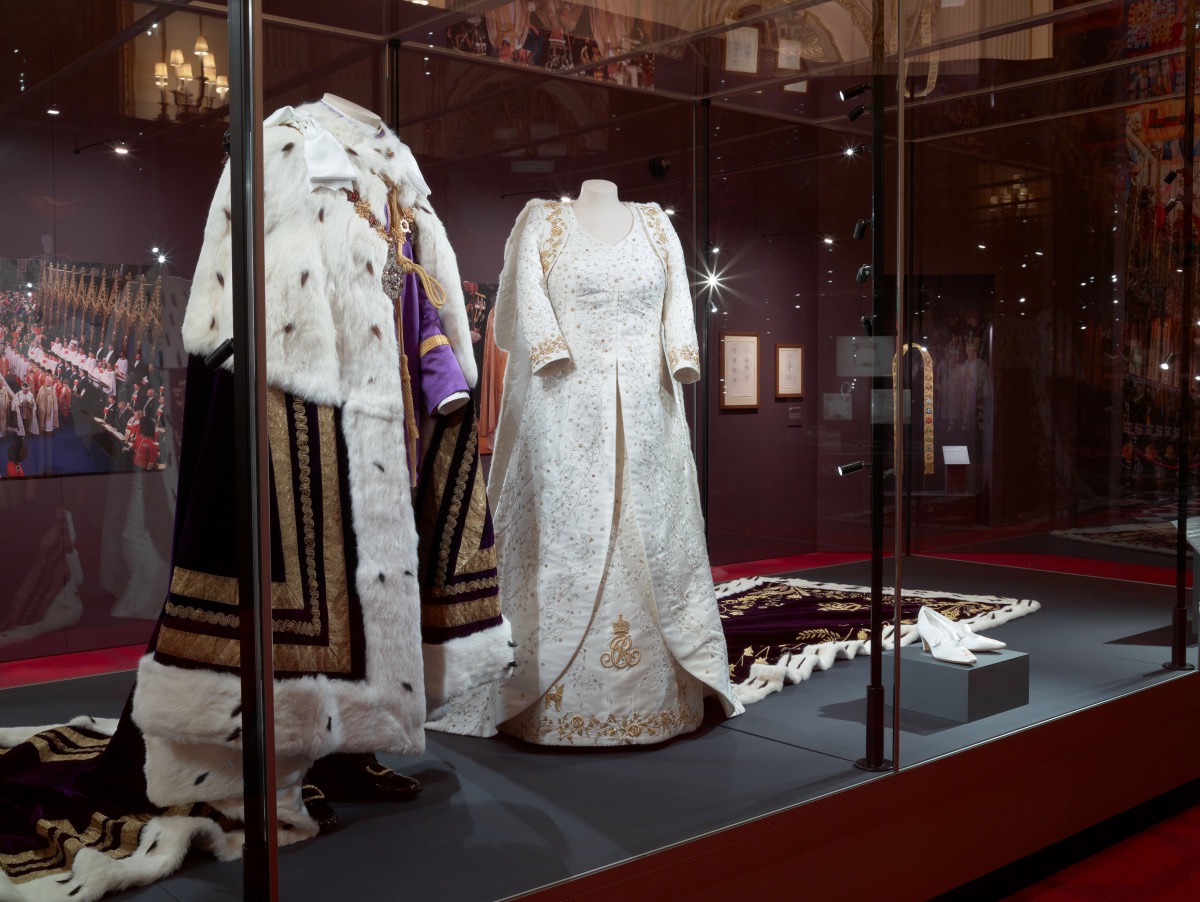
• The coronation outfits worn by King Charles III and Queen Camilla can be seen at Buckingham Palace from Friday as part of the summer opening of the State Rooms. The clothing includes the Robe of Estate worn by the King for his departure from Westminster Abbey (it had been worn by his grandfather King George VI for his coronation in 1937), the King’s cream silk overshirt and the Purple Coronation Tunic – both specially created for the occasion – and the King’s Royal Naval Trousers as well as Queen Camilla’s Bruce Oldfield-designed Coronation Dress and her Robe of Estate. Also on display will be the Coronation Glove and the Girdle or Coronation Sword Belt – both of which were first worn by King George VI at his coronation. Visitors to the State Rooms will also be able to see the Diamond Jubilee State Coach, and by combining their trip with a visit to the Royal Mews, the Gold State Coach, used in every coronation procession since King William IV in 1831. The State Rooms are open until 24th September. Admission charges apply. For more, including an accompanying programme of events, see www.rct.uk.
• A new raven chick, Rex, has joined the flock at the Tower of London. Rex, who is joining the six other ravens at the Tower, is named for the Latin title meaning “King, Ruler” – appropriate for a Tower raven born in the year of HM King Charles III’s Coronation. The term is referenced on King Charles III’s cypher that appears on the uniforms of Yeoman Warders, and above the entrance to the Jewel House. The cypher displays the intertwining initials “C” and “R”, representing “Charles” and “Rex”, an update from Her Late Majesty Queen Elizabeth’s cypher “E R” “(Elizabeth Regina).
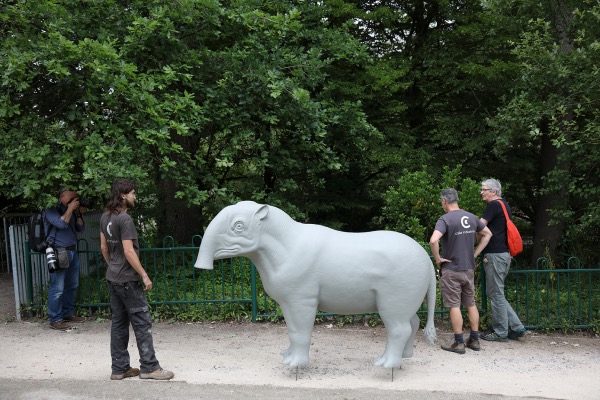
• A recreation of a Victorian-era sculpture of an extinct mammal distantly related to horses, has been placed at the Grade I-listed Crystal Palace dinosaurs site. The 2.2 metre-long sculpture of Palaeotherium magnum is the work of one of Britain’s leading palaeo artist, Bob Nicholls, under the supervision of the Friends of Crystal Palace Dinosaurs, scientists from the Natural History Museum and the University of Portsmouth. It has been funded by the new Crystal Palace Park Trust and Friends of Crystal Palace Dinosaurs.
Send all items to exploringlondon@gmail.com.
LondonLife – Coronation moments…
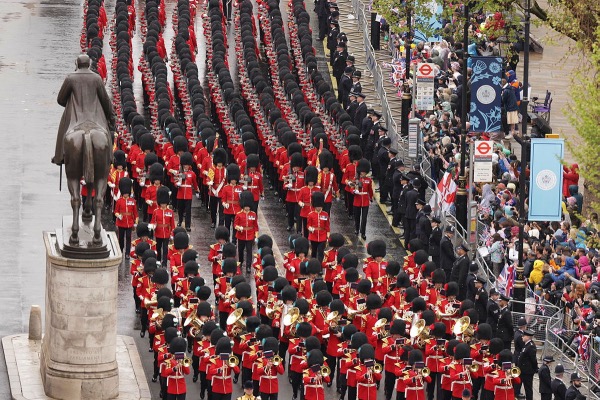
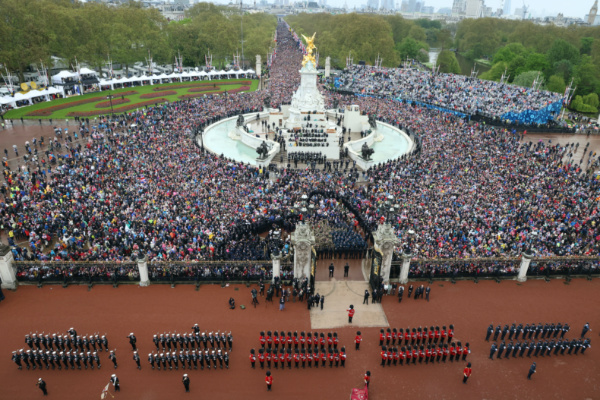
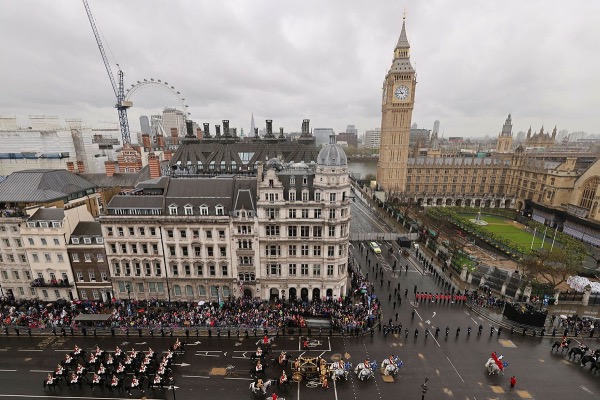
Some more images from the coronation of King Charles III and Queen Camilla on the weekend…
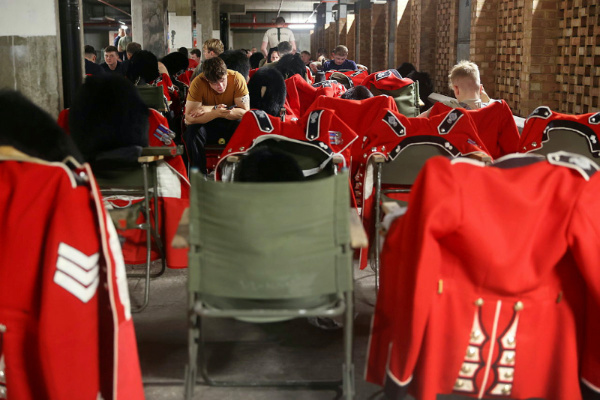
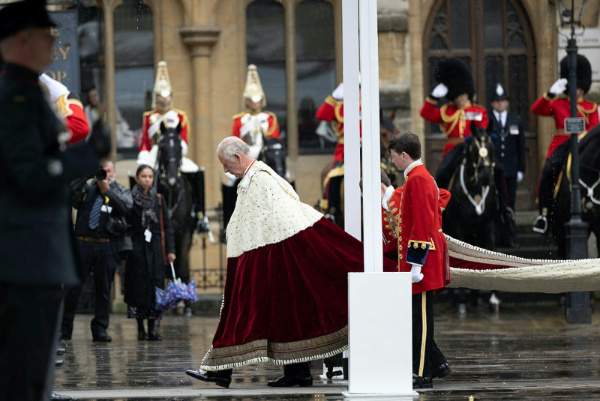
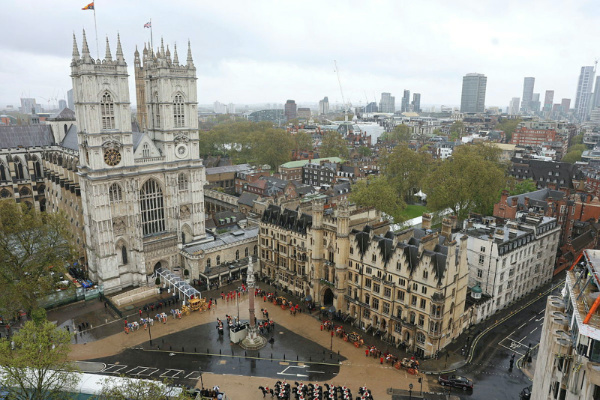
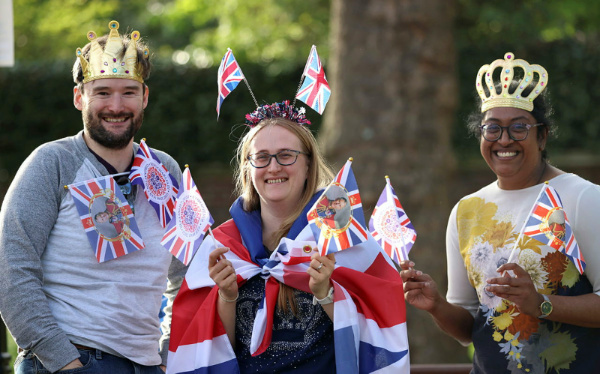
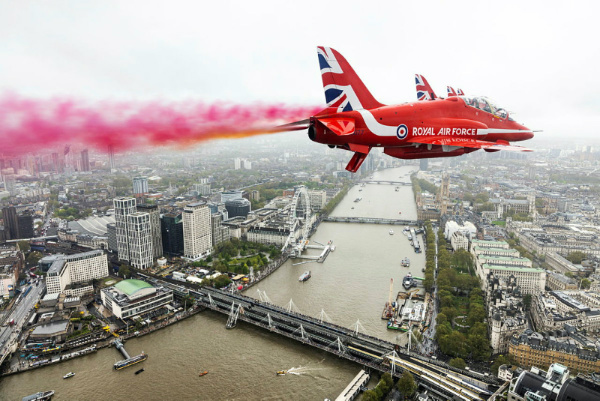
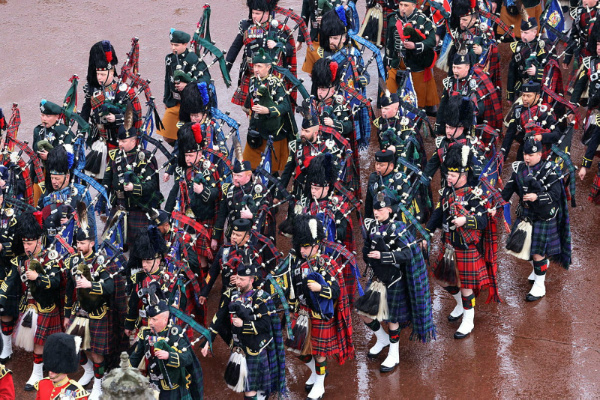
The coronation of King Charles III and Queen Camilla…
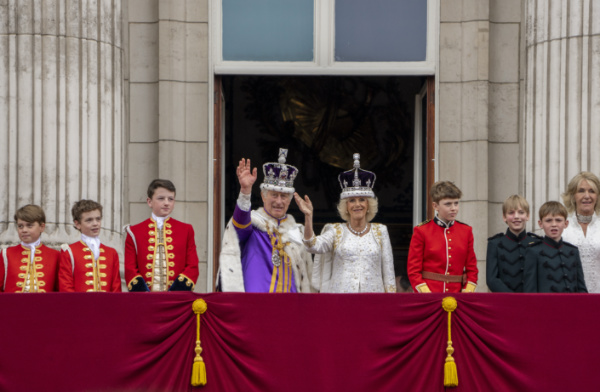
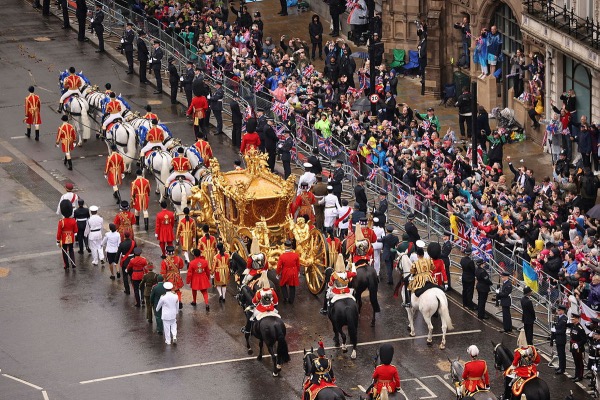
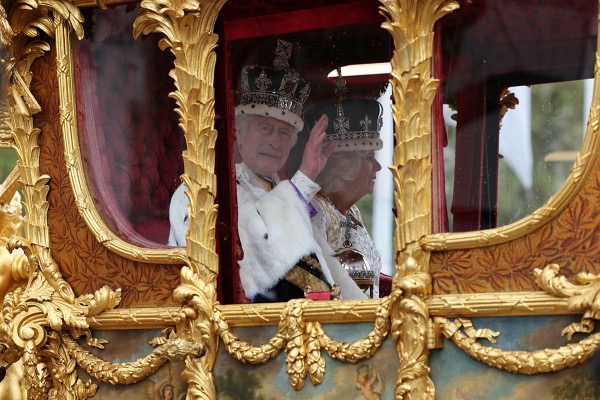
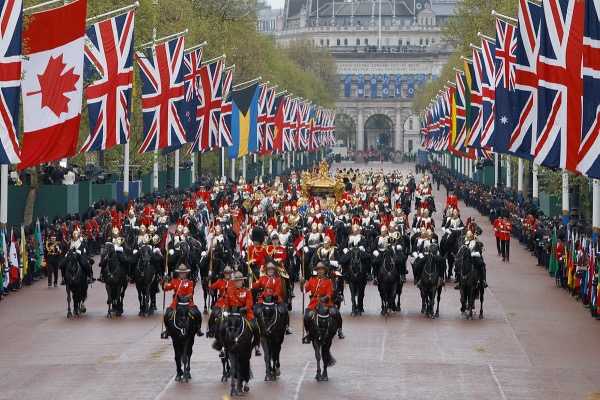



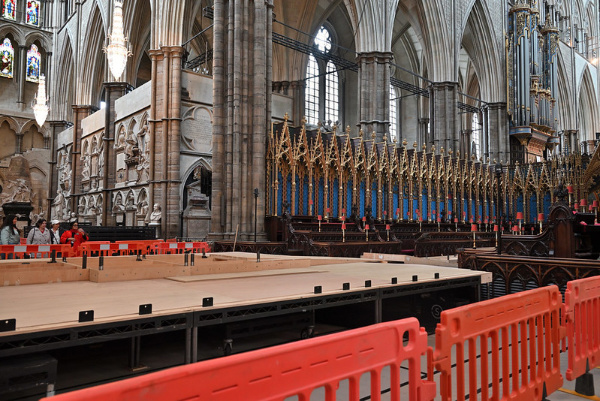
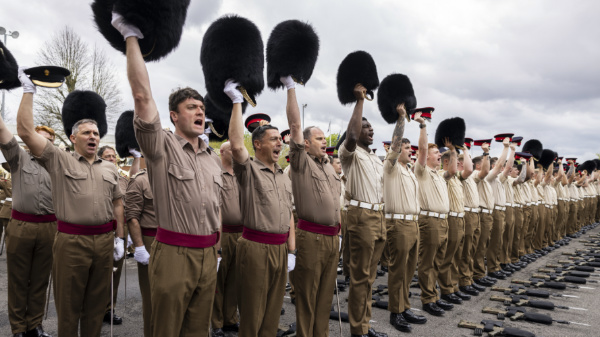
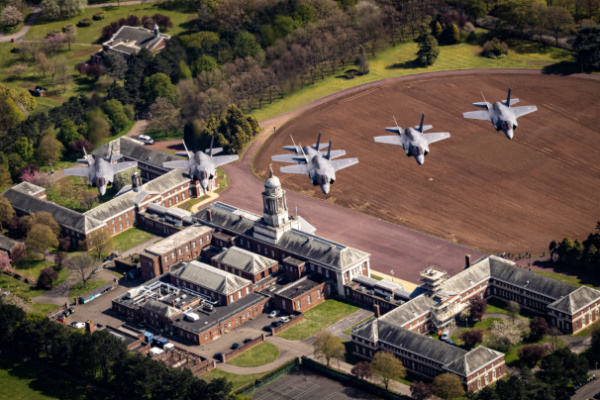
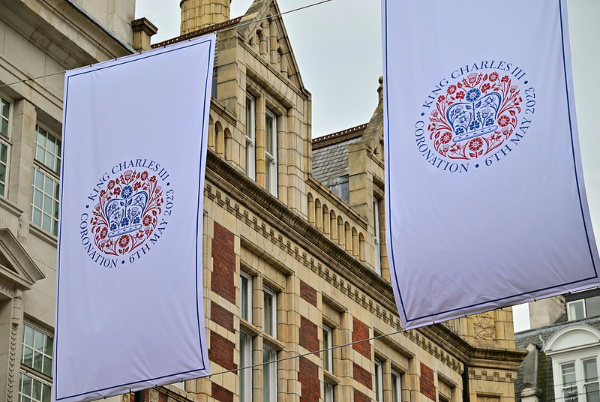
LondonLife – Coronation preparations…

This Week in London – Coronations at Westminster Abbey; tulips at Hampton Court; St Bartholomew at The National Gallery; and, Food Season at the British Library…
• A new exhibition exploring the 1,000-year history of coronations at Westminster Abbey has opened in the abbey’s medieval chapter house. The exhibition, which has opened ahead of the coronation of King Charles III on 6th May, draws on historic illustrations and archive photography to explore the elements of the coronation service including the oath-taking, anointing, investing and crowning and takes a closer look any some of key artefacts present in the ceremony including the Coronation Chair. The exhibition, which is free with admission to the abbey and which runs until the end of September, is part of a season of events celebrating the coronation including themed late evenings, family activities and special afternoon teas at the Cellarium Café. Meanwhile, the abbey has also announced that visitors will be able to view the ‘Coronation Theatre’ – the special area which will be built for the historic occasion, from the Abbey’s North and South Transepts – following the coronation. Tickets for the special viewing – which will include the chance to see key elements from the coronation service including the Coronation Chair still in position on the Cosmati Pavement – can be purchased for timed slots between 8th and 13th May. For more on the abbey’s events surrounding the coronation, see www.westminster-abbey.org/events.

• Hampton Court Palace bursts into colour from Friday with its annual Tulip Festival. More than 110,000 bulbs have been planted to creat dramatic displays in the formal gardens and cobbled courtyards, among them a selection of heirloom bulbs on display in the Lower Orangery Garden which presents visitors with the chance to see tulips as they would have looked during the time of King William III and Queen Mary II, soon after the flowers were first introduced to Britain. Thanks to a special relationship with Netherlands-based Hortus Bulborum, the bulbs on display include Sylvestris (1595) and Rubella Broken (1700) as well as the Orange King (1903) and Queen of the Night (1940). Other highlights of the festival include 3,000 wine-toned tulips, including the merlot variety, flowing down from the steps and parapet of the Wine Fountain, as well as a floral fantasy in the palace’s courtyards in which tulips such as Raspberry Ripple, Apricot Emperor and Purple Prince flow out of wheelbarrows, barrels and a horse cart, and a free-style tulip planting in the Kitchen Garden inspired by Van Gogh’s 1883 painting, Bulb Fields. Runs until 1st May. Admission charge applies. For more, see https://www.hrp.org.uk/hampton-court-palace/whats-on/tulip-festival/.
PICTURE: © The National Gallery, London
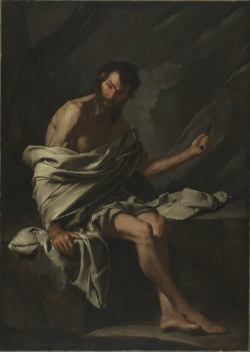
• The recently acquired Bernardo Cavallino work, Saint Bartholomew has gone on show at The National Gallery. The painting, which dates from 1640-45 and which was last exhibited at The Metropolitan Museum of Art in New York in 1993, is being displayed alongside other 17th century works by artists such as Caravaggio, Artemisia and Orazio Gentileschi, Guercino, Reni and Ribera in the Hans and Julia Rausing Room (Room 32). The National Gallery has one other work by Cavallino – Christ driving the Traders from the Temple – but his depiction of Saint Bartholomew is considered one of his most splendid works. Admission is free. For more, see nationalgallery.org.uk.
• Featuring everything from a celebration of African Caribbean takeaways to a “deep-dive” into the issues surrounding food production and access, Food Season kicks off at the British Library Monday. Highlights include a discussion of the sandwich by food writers Nigella Lawson, Jonathan Nunn and Rebecca May Johnson, a day-long celebration of African Caribbean cuisine featuring chefs and broadcasters Jimi Famurewa, Fatmata Binta and Andi Oliver, and, an exploration of the big challenges in food, land use and food production featuring author Henry Dimbleby alongside Dr Tara Garnett, Nick Saltmarsh, Abby Allen and Dimitri Houtart. Runs until 7th June. Admission charges apply. For the full programme, see www.bl.uk/events/food-season.
Send all items to exploringlondon@gmail.com
This Week in London – Hieroglyphs explored at the British Museum; King Charles III coronation date announced; ‘The Admiral’s Revenge’ in Greenwich’; and, Dickens and ghosts…
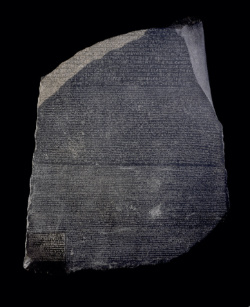
• Marking 200 years since French Egyptologist Jean-Francois Champollion (1790-1832) was able to decipher hieroglyphs using the Rosetta Stone, a new exhibition opening at the British Museum explores how the stone and other inscriptions and objects helped scholars unlock one of the world’s oldest civilisations. Hieroglyphs: unlocking ancient Egypt centres on the Rosetta Stone but also features more than 240 other objects, many of which are shown for the first time. Alongside the Rosetta Stone itself, highlights include: “the Enchanted Basin”, a large black granite sarcophagus from about 600 BCE which is covered with hieroglyphs and images of gods; the richly illustrated, more than 3000-year-old Book of the Dead papyrus of Queen Nedjmet which measures more than four metres long; and the mummy bandage of Aberuait, a souvenir from one of the earliest ‘mummy unwrapping events’ in the 1600s where attendees each received a piece of the linen, preferably inscribed with hieroglyphs. There’s also the personal notes of key figures in the race to decipher hieroglyphs including those of Champollion which come from the Bibliothèque nationale de France as well as those of England’s Thomas Young (1773 – 1829) from the British Library. The exhibition can be seen in the Sainsbury Exhibition Gallery until 19th February. Admission charge applies. For more, see britishmuseum.org/hieroglyphs.
• King Charles III will be crowned at Westminster Abbey on 6th May next year, Buckingham Palace has announced this week. The Queen Consort, Camilla, will be crowned alongside him in the first such coronation since 12th May, 1937, when King George VI and Queen Elizabeth were crowned in the abbey. The ceremony, which will be conducted by the Archbishop of Canterbury, will, according to the palace, “reflect the monarch’s role today and look towards the future, while being rooted in longstanding traditions and pageantry”. King Charles III is expected to sign a Proclamation formally declaring the coronation date at a meeting of the Privy Council later this year. The first documented coronation at Westminster Abbey was that of King William the Conqueror on 25th December, 1066, and there have been 37 since, the most recent being that of Queen Elizabeth II on 2nd June, 1953.
• A new dark comedy, The Admiral’s Revenge, has opened in The Admiral’s House in the Old Royal Naval College, Greenwich. The play, set in 1797, features sea shanties, puppetry and follows a crew of shipmates in the wake of the ill-fated Battle of Tenerife. Audiences have the chance to explore the Admiral’s House before the show and enjoy a complimentary rum cocktail. Runs until 12th November. For ticket prices, head to https://ornc.org/whats-on/1797-the-mariners-revenge/.
• A new exhibition exploring Charles Dickens’ interest in the paranormal has opened at the Charles Dickens Museum in Bloomsbury. To Be Read At Dusk: Dickens, Ghosts and the Supernatural explores Dickens’ famous ghost stories, including A Christmas Carol, and reveals his influence on the genre. Highlights include a copy of The Chimes which Dickens gifted to fellow author Hans Christian Anderson, original John Leech sketches of Dickens’ ghosts of the past, present and future and original tickets and playbills relating to the author’s public performances of his ghost stories. The display will also look into Dickens’ own views on the supernatural as a fascinated sceptic and includes correspondence in which he was asking about the location of a supposedly haunted house. Runs until 5th March. Admission charge applies. For more, see https://dickensmuseum.com/blogs/all-events/to-be-read-at-dusk-dickens-ghosts-and-the-supernatural.
Send all items to exploringlondon@gmail.com
A Moment in London’s History – The coronation of King Edward IV…
It’s 560 years ago this month that the Yorkist King Edward IV was crowned at Westminster Abbey.
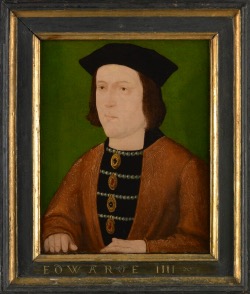
Only three months earlier, on 4th March, 1461, the 19-year-old Edward had been declared King at Westminster in London. He had then gone on to defeat the Lancastrian forces at the Battle of Towton in North Yorkshire during a snowstorm on 29th March, said to have been the bloodiest single day battle ever fought on English soil with an estimated 28,000 men dying.
While his coronation was first set for July, ongoing trouble from the Lancastrians saw him bring the date forward (his predecessor, Henry VI, was in exile at the time).
Edward arrived at the Tower of London on Friday, 26th June, and then retired to Lambeth for the night. The following day – Saturday, 27th June – he crossed London Bridge and made his state entrance into the City.
Accompanied by the Lord Mayor and Aldermen and some 400 of the elite citizens of the City, Edward, said to be an impressive figure at six foot, four inches tall, then processed through the City streets to the Tower of London.
Once at the Tower, he created some 28 new Knights of the Bath, including his younger brothers George and Richard. They then rode ahead of him as he rode through the streets to Westminster.
The following morning, Sunday, 28th June, Edward went to Westminster Abbey where he was crowned King. Thomas Bourchier, the Archbishop of Canterbury, presided over the ceremony, assisted by William Booth, the Archbishop of York.
After the coronation, a banquet was held in Westminster Hall with the King sitting under a cloth of gold. One of the highlights was apparently the moment when Sir Thomas Dymoke, the King’s champion, rode into the hall in full armour. Flinging down his mail gauntlet, he is said to have challenged anyone who disputed Edward’s right to be king to do battle with him. No-one took up the offer.
A further banquet was held the following day at the Bishop of London’s Palace – in honour of his brother George who was created Duke of Clarence, and on the Tuesday, King Edward, wearing his crown, attended St Paul’s Cathedral.
Edward’s first reign ended in 1470 when on 30th October, he was forced into exile and King Henry VI. But it was only to be for a brief period – Edward IV reclaimed the throne on 11th April, 1471, defeating the Lancastrians in a decisive battle at Barnet on 14th April (April marked the 550th anniversary of that battle).
 Exploring London