This area in London’s north was recorded as far back as the 13th century when it was known Chaldecote, meaning “cold cottages”.
It’s been suggested that the name may have referred to accommodation for travellers who were travelling up to Hampstead.
The area was part of the prebendal manor of Rugmere and was gifted to Eton College by King Henry VIII in the 15th century.
The area was still farmland by the 17th century and what was then known as Upper Chalcot Farm was located at the end of what’s now England’s Lane. At Lower Chalcot was an inn known as the White House (apparently for its white-washed walls) – believed to have been built on the site of the original manor house.
By the 18th century, the farm was known as Chalk House Farm (apparently a corruption of Chalcot). The Chalk Farm Tavern was built on the site in the 1850s and was a popular entertainment venue which featured tea gardens (and in more recent times was a restaurant).
The area, which had been a popular site for duelling, underwent development from the 1820s – some of the street names, such as Eton Villas and Provost Road reflect the area’s relationship with Eton College.
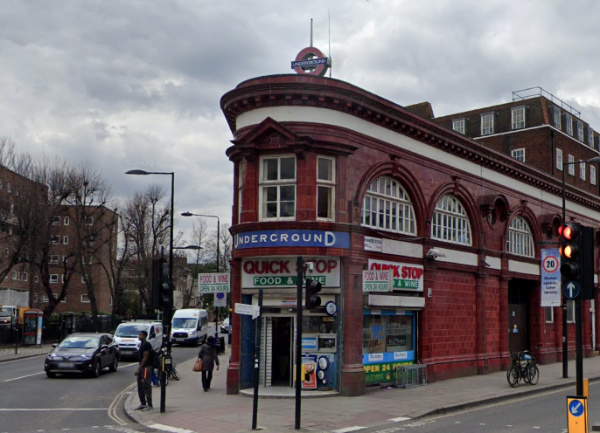
This development received a considerable boost in the early 1850s when the London to Birmingham railway had its London terminus in Chalk Farm (it’s now Primrose Hill Station). The former railway building known as the Roundhouse is a legacy of the railway’s arrival.
Chalk Farm became part of the London Borough of Camden in the 1960s.
 Exploring London