
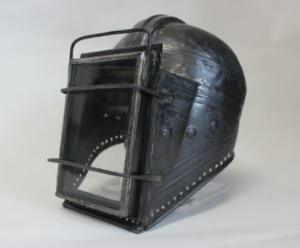
• A new exhibition exploring the history of Myanmar, also known as Burma, opens at the British Museum today. Burma to Myanmar, the first major exhibition in the UK to focus on the country’s history, features more than 110 objects and spans the period from around 450 AD through today. Highlights include: a golden letter sent from King Alaungpaya to George II which, made of gold, is set with 24 rubies and placed in an elephant tusk case; a wall hanging (a ‘shwe-chi-doe’ or ‘kalaga’) illustrating scenes from the Ramayana; a gold Buddhist reliquary from the 1400s; a late 19th or early 20th century blanket from the Nung-Rawang people; an oil worker’s helmet from the early 1900s; a map of several Shan states from the 1880s made to assist the British in the process of drawing hard borders with China; and, a bust of General Aung San (1915–47), leader of the Burma Independence Army. The exhibition in the Joseph Hotung Great Court Gallery can be seen until 11th February. Admission charge applies. For more, see http://www.britishmuseum.org/exhibitions/burma-myanmar
• More than 30 portraits painted by British artist David Hockney at his Normandy studio between 2021 and 2022 can be seen for the first time in an exhibition of the artist’s works at the National Portrait Gallery. David Hockney: Drawing from Life was open for just 20 days prior to the gallery’s closure due to COVID-19 in 2020. It has now returned in an expanded form, featuring 160 works which trace the trajectory of Hockey’s practice largely through his intimate portraits of five sitters – Celia Birtwell, Hockney’s mother Laura Hockney; his former partner and curator Gregory Evans; master printer Maurice Payne and himself. The newly added portraits include depictions of the likes of actor and singer Harry Styles and people from the Normandy community in which he works. The exhibition can be seen until 21st January. Admission charge applies. For more, see ngp.org.uk/whatson/exhibitions/2023/hockney-drawing-from-life.
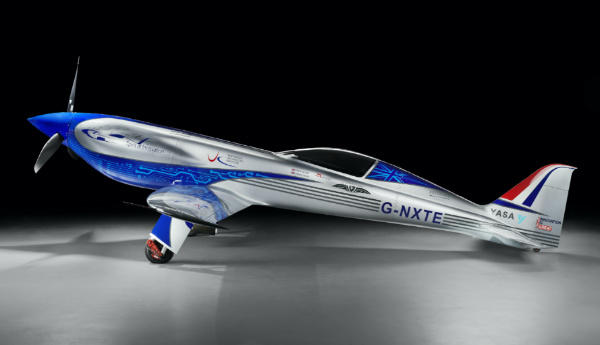
• The world’s fastest all-electric aircraft, Spirit of Innovation, has gone on show at the Science Museum in South Kensington. Suspended as if in mid-flight, the aircraft is the final object in Making the Modern World, a major gallery which presents advances in science and technology from the birth of the Industrial Revolution to the present day. Powered by a lightweight and energy efficient 400kW electric powertrain, Spirit of Innovation holds the all-electric aircraft world record for highest top speed over three kilometres, with an average of 555.9km/h (345.4 mph), breaking the previous record by over 200 kilometres per hour. The plane also set a new record for the fastest climb by an electric aircraft to three kilometres. Rolls-Royce created the aircraft as part of the Accelerating the Electrification of Flight (ACCEL) project, in collaboration with Electroflight (now part of Evolito), YASA, and the Aerospace Technology Institute. The gallery is free to visit. For more, see www.sciencemuseum.org.uk.
Send all items for inclusion to exploringlondon@gmail.com

 Exploring London