London Explained – London’s UNESCO World Heritage Sites…

UNESCO’s World Heritage List includes as many as 1223 properties right across the globe which the World Heritage Committee considers as having “outstanding universal value”.

Most of them are cultural sites (952) but they also include some 231 natural sites and 40 which have both qualities.

The UK is actually home to 35 sites on the list, ranging from Stonehenge and the English Lake District to neolithic Orkney and the City of Bath.
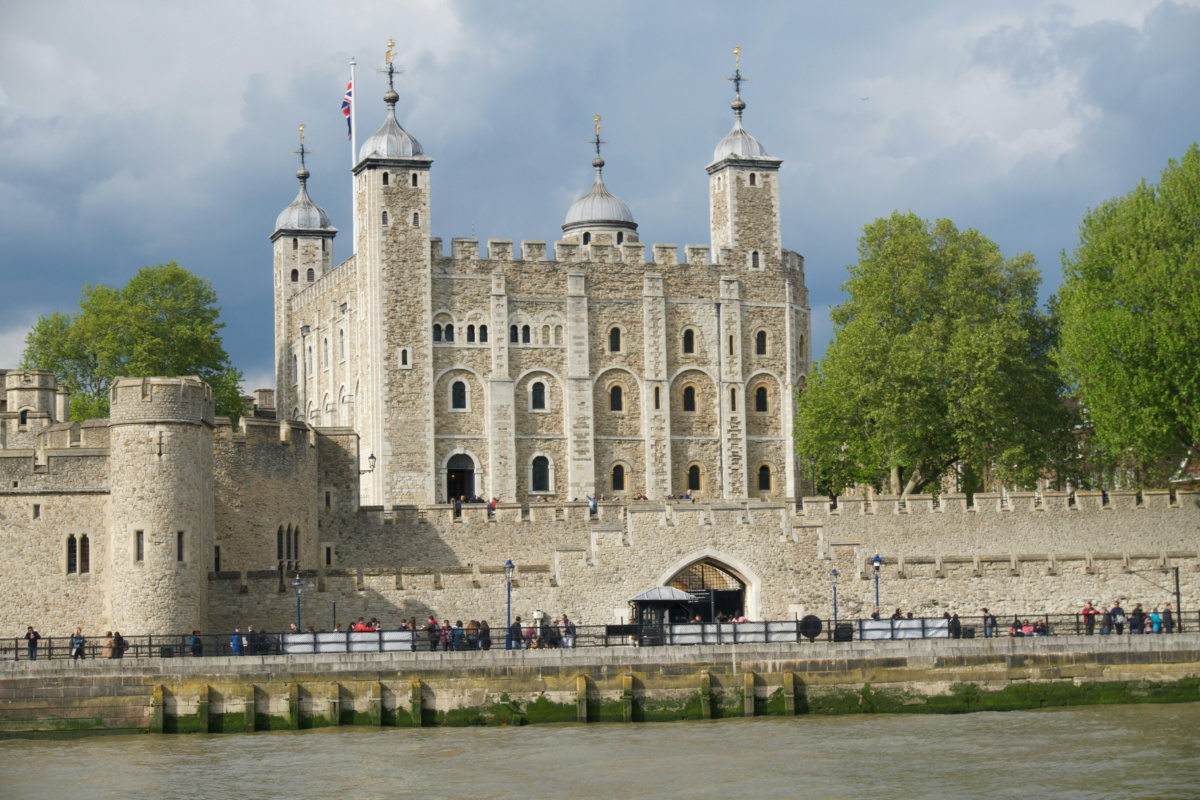
The Tower of London: PICTURE: Gavin Allanwood/Unsplash

London itself is home to four internationally recognised UNESCO World Heritage Sites. These include the Tower of London, the Royal Botanic Gardens in Kew, the Palace of Westminster and Westminster Abbey (including the neighbouring St Margaret’s Church), and maritime Greenwich.

The first of the four to be added to the list was the 10 hectare site of Palace of Westminster and Westminster Abbey in 1987 (described as being of “great historic and symbolic significance”). It was followed by the Tower of London in 1988, and the 109 hectare area covering the Queen’s House, Old Royal Naval College and Royal Observatory known as maritime Greenwich in 1997.

The 132 hectare site of the Royal Botanic Gardens at Kew was the most recent addition to the list in 2003.

As well as being added to the list, sites can also be removed as happened when Liverpool became the third site to be removed from the list in 2021 due to what the World Heritage Committee said was “the irreversible loss of attributes conveying the outstanding universal value of the property”.

Concerns have been raised over the Tower of London’s future on the list due to surrounding development and, of course, there are always other sites that can be added (we vote for Hampton Court Palace, among others).
This Week in London – Maritime Greenwich lights up; garden memorial to Diana; and, Ecce Homo at St Paul’s…

Wishing all our readers a very happy Easter!

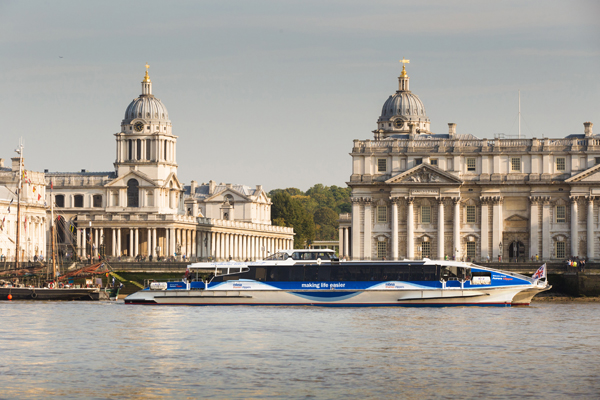
Maritime Greenwich will celebrate 20 years of UNESCO World Heritage Listing with a “spectacular” lighting event next Tuesday night. The lights will be switched on at 8.30pm on 18th April, illuminating landmarks including the Cutty Sark, the Queen’s House, National Maritime Museum and Royal Observatory as well as the Old Royal Naval College. The event, the first in a series to mark the 20 year anniversary this year, is the first time all the buildings have been lit up in unison and is a one night only event. Greenwich Park and the grounds of the National Maritime Museum and Old Royal Naval College will be kept open until 10pm to give visitors more time to witness the historic event. Maritime Greenwich was inscribed on the World Heritage List in 1997 due to its role in the progression of English artistic and scientific endeavour in the 17th and 18th centuries. The event takes place from 8.30pm to 11pm (Cutty Sark will be lit until 11pm) and is free to attend. For more, see www.rmg.co.uk. PICTURE: RMG

 A memorial garden to Princess Diana has opened at Kensington Palace, marking 20 years since her death. The temporary ‘White Garden’ – located in what was formerly the Sunken Garden which often featured floral displays admired by the Princess – features flowers and foliage inspired by memories of the Princess’s life, image and style. The garden, which can be seen from a public walkway, complements the exhibition, Diana: Her Fashion Story, currently on show in the palace. For more, see www.hrp.org.uk/kensington-palace/.

Mark Wallinger’s work, Ecce Homo – a life-sized sculpture of Jesus Christ with his hands bound behind his back and a crown of barbed wire on his head, has been placed at the top of St Paul’s Cathedral’s west steps for Easter. The sculpture, which will be at the cathedral for six weeks, represents Christ as he stands alone, waiting for judgement and a sentence of death. The sculpture is being presented by the cathedral in partnership with Amnesty International and the Turner Prize winning artist to highlight the plight of all those currently in prison, suffering torture or facing execution because of their political, religious or other conscientiously-held beliefs. The statue first appeared on the Trafalgar Square Fourth Plinth in 1999. For more, see www.stpauls.co.uk.

Send all items for inclusion to exploringlondon@gmail.com.