This Week in London – Turner’s ‘The Battle of Trafalgar’ returns to public display; Halloween at Hampton; Diwali at Greenwich; and, NYE tickets…

The Queen’s House, Greenwich. PICTURE: Frank Chou/Unsplash

Artist JMW Turner’s only royal commission has returned to public display in Greenwich to mark the 250th anniversary of the artist’s birth. The more than three metre-wide painting (Turner’s largest completed work), The Battle of Trafalgar, went on display on Tuesday – 220 years to the day since the battle it depicts – at the Queen’s House. The 1824 painting, which was commissioned by King George IV, commemorates the victory of the British Royal Navy over a combined French and Spanish fleet off Cape Trafalgar on 21st October, 1805. First displayed at St James’s Palace, it was transferred to the Naval Gallery at Greenwich Hospital in 1829. It was removed from public display in March last year to protect it during a works project at the National Maritime Museum and has now found a new home at the Queen’s House. Admission is free. For more, see www.rmg.co.uk/queens-house.

The ghosts of King Henry VIII and Oliver Cromwell are among those which can be encountered at Hampton Court Palace from Friday as it marks Halloween. Immersive Halloween-inspired installations with unearth the stories of some of the palace’s former residents while outside there’s a Haunted Garden complete with skeletal horse and carriage. Halloween season at the palace runs until 2nd November and is included in general admission. For more, see www.hrp.org.uk/hampton-court-palace/whats-on/halloween-at-hampton-court-palace/.

Diwali, the annual Hindu celebration, comes to the National Maritime Museum in Greenwich this Saturday with the ‘Illuminate’ festival. The free festival, which runs from 11am to 5pm and is curated by Mehala Ford – founder of South Asian art collective COMMONGROUND&, includes performances, creative workshops including traditional Rangoli art and Henna art, storytelling sessions including a puppet show telling the epic story of Ramayana, and a lantern parade around Greenwich Park. There ares also talks and Diwali-inspired food. For more, see www.rmg.co.uk/whats-on/national-maritime-museum/diwali.

Tickets to London’s New Year’s Eve celebrations have gone on sale. The 12 minute show celebrating the new year will kicks off with the familiar sounds of Big Ben’s chimes, before thousands of fireworks and hundreds of lights help to illuminate the night sky around the London Eye all set to a wide-ranging soundtrack. Around 100,000 Londoners and visitors are expected to attend. Ticket prices are between £20 and £35 for Londoners and £40 and £55 for visitors. For more, see www.london.gov.uk/nye.

Send all items for inclusion to exploringlondon@gmail.com
This Week in London – Marie Antoinette; ‘Theatre Picasso’, ‘Exploring Space’ at the Science Museum; and Talk Like A Pirate Day…

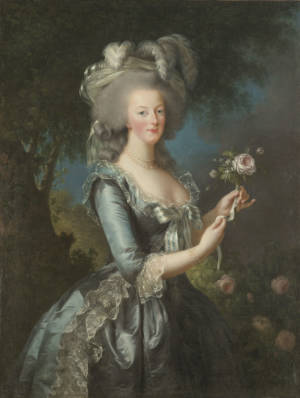
Portrait de Marie-Antoinette à la rose, Élisabeth-Louise Vigée Le Brun © Château de Versailles, Dist. Grand Palais RMN / Christophe Fouin.

The UK’s first exhibition to focus on the French Queen, Marie Antionette, opens at the V&A on Saturday. Marie Antoinette Style explores the dress and interiors adopted by the Queen, an early modern “celebrity”, during the final decades of the 18th century. It features some 250 objects including loans from Versailles which have never before been seen outside of France. There are personal items worn by the Queen including fragments of court dress, her silk slippers and jewels from her private collection as well as items from the Queen’s dinner service at the Petit Trianon, accessories and intimate items from her toilette case and even recreated scents from the court and a perfume which was favoured by the Queen. There also contemporary couture pieces by designers such as Moschino, Dior, Chanel, Erdem, Vivienne Westwood and Valentino and costumes, including shoes, made for screen, such as for Sofia Coppola’s Oscar winning film Marie Antoinette. The exhibition can be seen in Galleries 38 and 39 until 22nd March. Admission charge applies. For more, see vam.ac.uk/exhibitions/marie-antoinette.

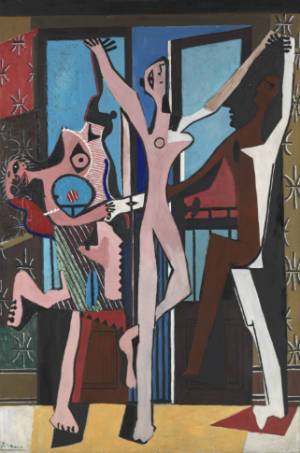
Pablo Picasso, The Three Dancers (1925) Tate. © Succession Picasso/DACS, London 2025.

Around 50 works by famed artist Pablo Picasso have been brought together for a new exhibition at the Tate Modern to mark the centenary of the artist’s work The Three Dancers (1925). Staged by contemporary artist Wu Tsang and write and curator Enrique Fuenteblanca, Theatre Picasso explores aspects of performance in his works and features the Tate’s entire collection of Picassos which, alongside The Three Dancers, also includes Weeping Woman (1937) and Nude Woman in a Red Armchair (1932). There are also loans from key museums in France as well as prints, drawings, sculptures, textile works and collages. These include the wool and silk tapestry Minotaur (1935) which is being displayed in the UK for the first time. Accompanying the works is Henri-George Clouzot’s 1959 film The Mystery of􏰱Picasso. Admission charge applies. Runs until 12th April. For more, see

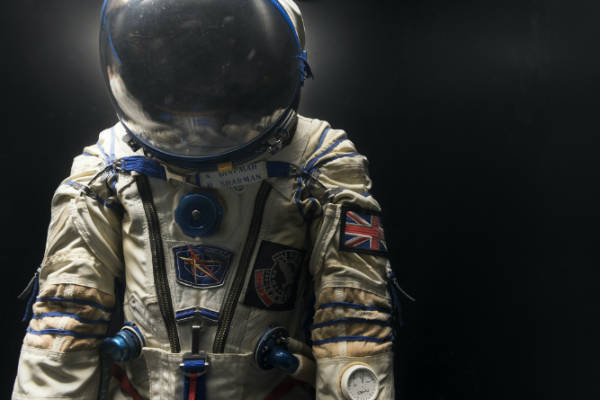
A new free gallery revealing the stories behind space exploration opens at the Science Museum in South Kensington on Saturday. The gallery – Exploring Space – showcases iconic items from the history of space exploration including a chunk of Moon rock nicknamed ‘Great Scott’ which was collected in 1971, the Soyuz TMA-19M descent module that carried astronaut Tim Peake, and the Sokol KV-2 rescue suit worn by Helen Sharman in 1991. There are also new technologies from the space sector including prototype electric propulsion technology from Magdrive and the ‘rolly-polly’ LEV-2 Moon rover, the result of the first collaboration between a space agency (JAXA) and a toy company (Takara Tomy). For more, see www.sciencemuseum.org.uk/see-and-do/space.

British astronaut, Helen Sharman’s Sokol spacesuit made by Zvezda. Sharman wore this rescue suit during the space flight on board the SOYUZ-TM-12 and MIR spacecraft in May 1991. Space suit model number KV-2 No. 167.

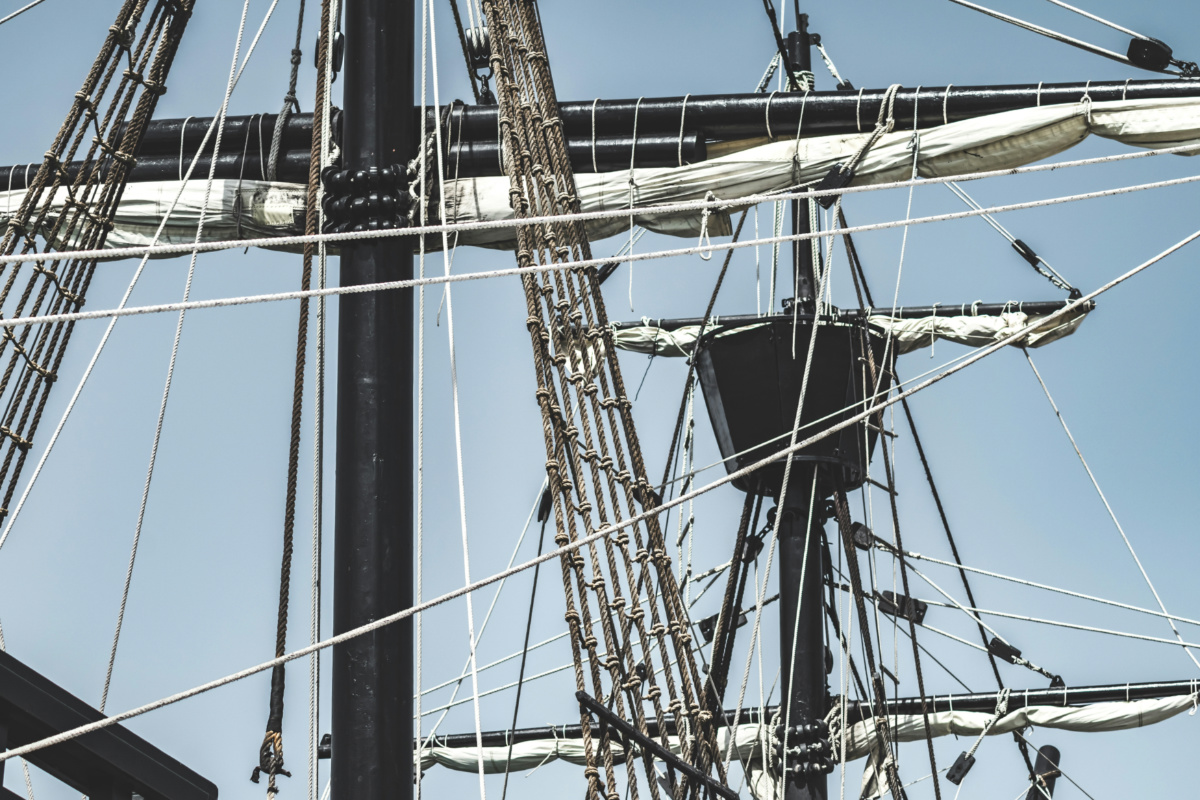
“Ahoy me hearties!” It’s International Talk Like A Pirate Day on Friday and the National Maritime Museum in Greenwich is celebrating from Friday across the weekend with talks about everything from Barbary corsairs to sea shanties, character actors and two-for-one discounts on tickets to the Pirates exhibition. Visitors over the weekend who dress like a pirate will be in the chance to win prizes including Cutty Sark rig climb tickets, annual passes to the Old Royal Naval College, and a family tour of The Golden Hinde. And to brush-up on your pirate lingo, “Abbey-Lubber” means a lazy sailor avoiding work, and ‘Jack Ketch’ a hangman or executioner. For more, see rmg.co.uk/whats-on/national-maritime-museum/international-talk-pirate-day.

Send all items to exploringlondon@gmail.com.

This Week in London – ‘Pirates’ at the National Maritime Museum; the ‘design of swimming’; and, José María Velasco explored…

PICTURE: Frames For Your Heart/Unsplash

A major exhibition tracing the changing depictions of pirates through the ages and revealing their often brutal role in history opens at the National Maritime Museum in Greenwich on Saturday. Pirates deconstructs some of the myths which have developed around buccaneers as it reveals the real-life stories of the likes of Edward ‘Blackbeard’ Teach, William Kidd, Anne Bonny and Mary Read. The exhibition features almost 200 objects ranging from the costume worn by Orlando Bloom in Pirates of the Caribbean: The Curse of the Black Pearl, to copies of A General History of the Pyrates by Captain Charles Johnson (first published in 1724), a hanging believed to have been part of a shrine captured from a junk in the fleet of the mid-19th century Chinese pirate Shap Ng-tsai, and a silver centerpiece depicting the bombardment of Algiers, 1816, when a combined British Dutch force attacked Algiers in an attempt to resolve the longstanding issue of piracy on the North coast of Africa. Runs until 4th January. Admission charge applies. For more, see www.rmg.co.uk/pirates.

The ‘design of swimming’ – covering everything from fashions to architecture – is the subject of a new exhibition opening at the Design Museum tomorrow. Splash! A Century of Swimming and Style is split across three sections focusing on three locations in which people swim – the pool, the lido and nature – and starts in the 1920s when beach holidays exploded in popularity. More than 200 objects are on display including Pamela Anderson’s Baywatch swimsuit, the first Olympic solo swimming gold medal won by a British woman, the banned ‘technical doping’ LZR Racer swimsuit, one of the earliest surviving examples of a bikini, and a detailed architectural model of the Zaha Hadid-designed London 2012 Aquatics Centre. Runs until 17th August. Admission charge applies. For more, see https://designmuseum.org.

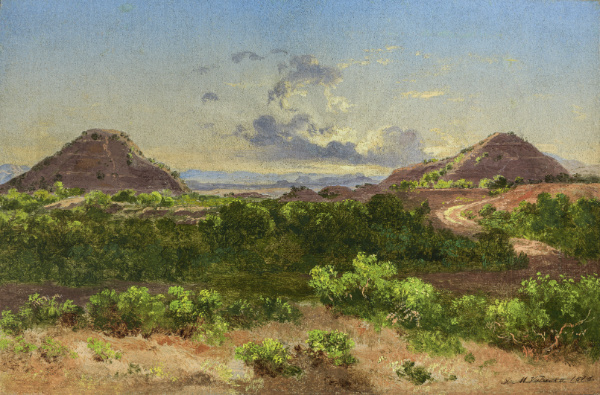
José María Velasco, ‘Pirámides del sol y de la luna’, 1878, Oil on canvas, 18.5 x 26.3 cm, Colección Pérez Simón, Mexico © Oliver Santana

• Mexico’s most celebrated 19th century painter, José María Velasco (1840–1912), is the subject of a new exhibition opening at The National Gallery on Saturday. José María Velasco: A View of Mexico – which coincides with the 200th anniversary of the establishment of diplomatic relations between the UK and Mexico, explores how he approached drawing and painting and how he explored the relationship between different cultures, Mexico’s mountainous terrain, flora and fauna, and the impact of industrialisation on the landscape. The display also considers the links between Velasco’s work and paintings in the gallery’s collection, in particular Édouard Manet’s The Execution of Maximilian (1867–8), which depicts the execution of the Austrian ruler imposed on Mexico. Runs until 17th August. Admission charge applies. For more, see nationalgallery.org.uk.

Send all items for inclusion to exploringlondon@gmail.com.

Treasures of London – Charles Hare’s uniform…

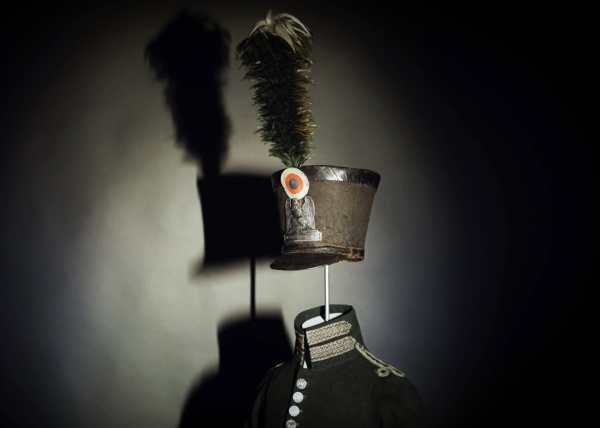
The Charles Hare uniform PICTURE: Courtesy of the National Maritime Museum, Greenwich

Newly acquired by the National Maritime Museum in Greenwich is the uniform of an officer in the French Imperial Customs Service (Les Douanes) worn by a Naval midshipman during his escape from Napoleonic France.

The son of a naval officer in Lincolnshire, Charles Hare had joined the Royal Navy at the age of 11 in 1801 and was serving as a naval midshipman on board the ship Minerva when it was captured off Cherbourg in 1803.

Along with the other officers, Hare, just 13-years-old, was sent to a the walled town of Verdun which served as a prison depot and allowed to live within the walls on parole. In 1806, however, he was transferred to the prison fortress of Sarre Libre (now Saarlouis in modern Germany).

On 12th August, 1809, Hare – now aged 19 and wearing the above mentioned uniform which includes a dark green coat with stripes of silver lace at the collar and a shako, a tall and cylindrical military cap featuring a plume of green and white feathers – made his escape from Sarre Libre.

He travelled by carriage to Mainz and then took a number of boats along the Rhine including on a barge hosting a wedding where he had to join in the drinking of brandy and singing. He eventually reached the port of Rotterdam in what is now The Netherlands.

On the 25th August, fishermen rowed Hare and his dog out to the British warship Royal Oak which was involved in a blockade of the Dutch coast. A few days later he sailed back to Britain where later that month Hare was reunited with his mother and sisters (his father had died in the year he joined the Navy) in the village of Fillingham, Lincolnshire.

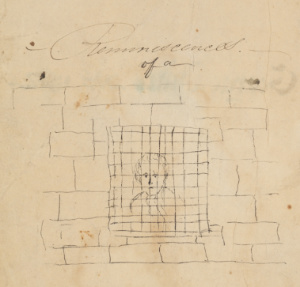
A amall drawing on inner cover of Charles Hare’s account of his escape. PICTURE: Courtesy of the National Maritime Museum, Greenwich

Astonishingly, along with the uniform, the museum was also able to acquire a hand-written account of Hare’s escape which he apparently wrote for his young son George.

In it, Hare talks about the risk he was taking in wearing a “military habit” (he could have been executed as a spy if discovered) and his pet English terrier dog which he had been given while at Verdun and which accompanied him throughout the escape.

Hare soon returned to his career in the navy and eventually settled in Canada.

Following conservation work, the uniform – the most complete surviving example of its type from the Napoleonic era – can be how seen in the Nelson, Navy, Nation gallery at the National Maritime Museum.

WHERE: Nelson, Navy, Nation gallery at the National Maritime Museum, Romney Road, Greenwich (nearest DLR is Cutty Sark; nearest train stations are Greenwich and Maze Hill); WHEN: 10am to 5pm daily; COST: Free (booking recommended): WEBSITE: rmg.co.uk.

This Week in London – Degas and Miss La La; World Oceans Day in Greenwich; and life at the Old Royal Naval College captured…

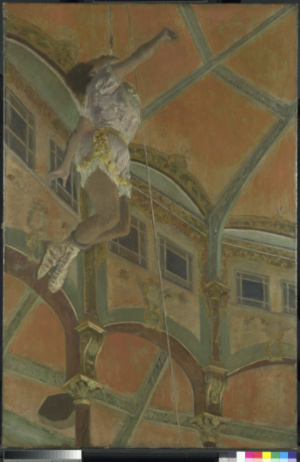
Hilaire-Germain-Edgar Degas,
‘Miss La La at the Cirque Fernando’ (1879) © The National Gallery, London

• Edgar Degas’ Miss La La at the Cirque Fernando (1879) takes centre stage in a new free exhibition at The National Gallery. Part of the free ‘Discover’ series of displays, Discover Degas & Miss La La takes a close look at the painting and reveals new information about the sitter, circus artist Miss La La, or Anna Albertine Olga Brown (1858‒1945). The display features new material, from rare, hitherto untraced drawings of her by Degas and entirely unpublished photographic portraits. In the Sunley Room until 1st September. For more, see www.nationalgallery.org.uk.

Daily life at the Old Royal Naval College has been captured in a series of photographic images now on show at the Greenwich institution. A Year in the Life: People and places of the Old Royal Naval College features 12 images snapped by award-winning photographer Hugh Fox over the past 12 months and includes some portraits of staff show alongside short interviews. Visitors are encouraged to bring their own headphones to better experience the audio-visual display in the Ripley Tunnel. Free to attend, the display can be seen until 1st September. For more, see https://ornc.org/whats-on/.

Send information for inclusion to exploringlondon@gmail.com.

This Week in London – Women of the RNLI; ‘Tropical Modernism’ at the V&A; and, a new memorial to Sir Ernest Shackleton unveiled at Westminster Abbey…

National Maritime Museum in Greenwich. PICTURE: Keith Murray (licensed under CC BY-NC-ND 2.0)

The role of women in the Royal National Lifeboat Institution is being celebrated in a new exhibition at the National Maritime Museum in Greenwich. Women of the RNLI, which marks the bicentenary of the organisation, features a series of 42 photographs depicting women volunteers and the lifeboat stations’ slipways where they work. The images by photographer Jack Lowe are part of his ongoing ‘Lifeboat Station Project’an attempt to photograph all 238 operational RNLI lifeboat stations and their crews.. Lowe uses a 12×10 inch (30×25cm) Thornton-Pickard field camera from about 1905 and develops the photos using a process called ‘wet collodion’, a technique invented in the mid-19th century. The display also features oral histories from some of the sitters. The display can be seen from Saturday until 1st December. For more, see www.rmg.co.uk.

• A new exhibition exploring the architectural style of Tropical Modernism in West Africa and India opens at the V&A on Saturday. Tropical Modernism: Architecture and Independence centres on the work of British architects Jane Drew and Maxwell Fry who developed Tropical Modernism in the 1940s, working primarily in Ghana and India. The style, which valued function over ornamentation, became a symbol of a post-colonial future. The exhibition includes models, drawings, letters, photographs, and archival ephemera as it documents the key figures and moments of the Tropical Modernist movement. There is also a half hour film installation displayed on three screens. Runs until 22nd September. Admission charge applies. For more, see vam.ac.uk.

A new memorial stone dedicated to Antarctic explorer Sir Ernest Shackleton has been unveiled at Westminster Abbey. The triangular-shaped memorial, which can be found on a wall in the south cloister, was unveiled at a service earlier this month attended by Princess Anne and members of Shackleton’s family. Located close to tributes to pioneering sailors Captain James Cook, Sir Francis Chichester and Sir Francis Drake, it was designed and made by sculptor Will Davies and its shape reflects Shackleton’s preference to be at the apex of a triangle in group photographs. The memorial incorporates stones including Connemara marble and Kilkenny limestone in reflection of Shackleton’s Irish heritage, and the names of his expedition ships, Nimrod and Endurance, are inscribed upon it, along with the lifeboat The James Caird, and his family motto, ‘FORTITUDINE VINCIMUS’ (‘By Endurance We Conquer’). For more, see www.westminster-abbey.org.

Send all items to exploringlondon@gmail.com.

This Week in London – English Heritage unveils 1000th Blue Plaque; Chris Ofili’s ‘Requiem’ at Tate Britain; and, Astronomy Photographer of the Year…

English Heritage has unveiled its 1000th Blue Plaque in London. The plaque – located on a three storey building at number 1, Robert Street in Westminster – marks the former London headquarters of the suffragist organisation, the Women’s Freedom League. The league, which was formed in 1907, worked out of the building between 1908 and 1915 – its most active period. The blue plaques scheme has been running for more than 150 years and honours everyone from John Keats and Charles Dickens to Ada Lovelace and Alan Turing. For more, see www.english-heritage.org.uk/visit/blue-plaques/.

Chris Ofili, ‘Requiem’, 2023 (detail) commissioned for Tate Britain’s north staircase
© Chris Ofili. Courtesy the artist. PICTURE: Thierry Bal

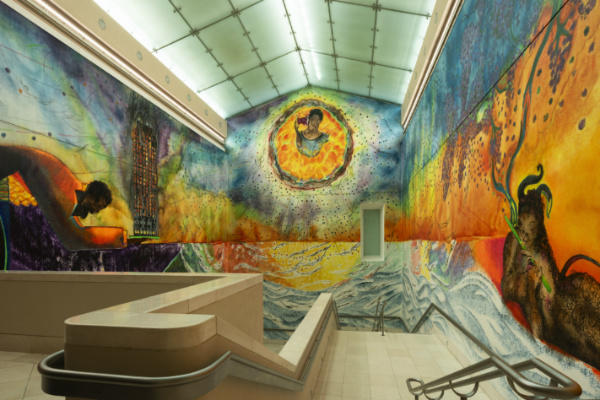
A major new work by Chris Ofili commemorating fellow artist Khadija Saye and the tragedy of the Grenfell Tower fire in which Saye died, has gone on display at the Tate Britain in Millbank.  Requiem, a site-specific work which is shown across three walls, is described as a “journey through an imagined landscape of giant skies with vast horizons and flowing water” which unfolds in three chapters. Ofili says that when making the work, he recalled the feelings he had when creating No Woman, No Cry in 1998 as a tribute to murdered Black teenager Stephen Lawrence and his mother Doreen. “That feeling of injustice has returned,” he said. “I wanted to make a work in tribute to Khadija Saye. Remembering the Grenfell Tower fire, I hope that the mural will continue to speak across time to our collective sadness.” For more, see  tate.org.uk/visit/tate-britain.

The Astronomy Photographer of the Year display has opened at the National Maritime Museum in Greenwich featuring the competition’s winning image, Andromeda. The picture, the work of Marcel Drechsler, Xavier Strottner and Yann Sainty, depicts a huge plasma arc next to the Andromeda Galaxy. Other winners include two 14-year-old boys from China – Runwei Xu and Binyu Wang – who won the Young Astronomy Photographer of the Year award for The Running Chicken Nebula as well as Argentinian Eduardo Schaberger Poupeau who won the ‘Our Sun’ category for A Sun Question which captures a huge filament in the shape of a question mark, China’s Angel An, who won the ‘Skyscapes’ category for Grand Cosmic Fireworks – a photograph of the extremely rare phenomenon of atmospheric luminescence, and the UK’s John White who won the Annie Maunder Prize for Image Innovation for Black Echo which used audio source material from NASA’s Chandra Sonification Project, to visually capture the sound of the black hole at the centre of the Perseus Galaxy. For more, see www.rmg.co.uk/astrophoto.

Send all items for inclusion to exploringlondon@gmail.com
This Week in London – Shakespeare’s First Folio; Charles Dickens and fog; and, Berthe Morisot at Dulwich…

The Dulwich College Folio. PICTURE: © Dulwich College

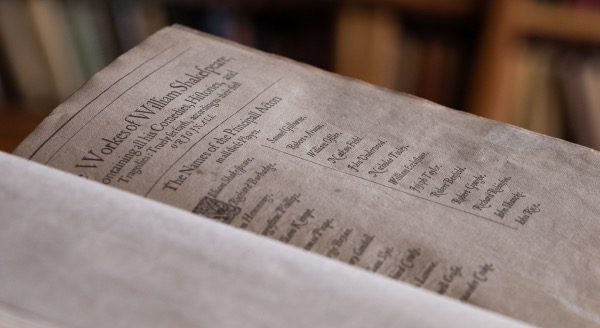
Shakespeare’s First Folio goes on display at the National Maritime Museum in Greenwich from tomorrow. The display is part of a national celebration of the 400th anniversary of the folio’s publication. Shakespeare’s First Folio was published in 1623, seven years after the playwright’s death. Some 235 copies are known to survive with 50 remaining in the UK. The version on display – the Dulwich College Folio, which includes the Comedies and Histories (but lack the Tragedies), is believed to have been acquired by the college in 1686 from the estate of William Cartwright, a bookseller and actor who performed with the King’s Company and is known to have played Brabantio in Othello and Falstaff in Henry IV Part I and Part II. The two volumes feature handwritten notes, ink and water stains, and burn holes, suggesting they were well-used before the college acquired them. The Tempest and the Thames can be seen until 24th September. Admission is free. For more, see www.rmg.co.uk/folio-400.

London’s fog and its reflection in Charles Dickens’ writings are the subject of a new exhibition opening at the Charles Dickens Museum in Bloomsbury. A Great and Dirty City: Dickens and the London Fog explores how the fog affected Dickens’ work, his health and that of his family, and how London has endeavoured to mitigate the problem of air pollution over the past couple of centuries. Among the items on display are the hearthstone Dickens laid in front of the fireplace in the Drawing Room, the fire poker from Dickens’ dining room at Gad’s Hill Place (his home from 1856 until his death in 1870), original first edition parts of Dickens’ ‘foggiest’ novel Bleak House, an original pen and wash illustration by Frederick Barnard depicting Martin Chuzzlewit, Mary Graham, and Mark Tapley, and, a letter from Dickens to his sister-in-law Helen Dickens in which he writes about his brother Alfred’s “inflammation in the region of the lungs” which is dated on 16th July, 1860 – just 11 days before Alfred’s death. Runs until 22nd October. Admission charge applies. For more, see https://dickensmuseum.com.

Forty of Impressionist painter Berthe Morisot’s works have been brought together for a new exhibition at the Dulwich Picture Gallery. Berthe Morisot: Shaping Impressionism, which opens tomorrow, is the first major UK exhibition of the renowned Impressionist since 1950 and features many works never seen before. Highlights include Eugène Manet on the Isle of Wight (1875) – painted while Morisot was on honeymoon in England, Self-Portrait (1885) – which will appear alongside Jean-Honoré Fragonard’s Young Woman (c.1769) from Dulwich Picture Gallery’s collection, Apollo revealing his divinity to the shepherdess Issé, after François Boucher (1892), In the Apple Tree (1890) and Julie Manet with her Greyhound Laerte (1893). Runs until 10th September. Admission charge applies. For more, see www.dulwichpicturegallery.org.uk.

Send all items to exploringlondon@gmail.com.

This Week in London – A celebration of Spain and the Hispanic world; Lunar New Year at Greenwich; and, RA gifts at The Queen’s Gallery…

Joaquín Antonio de Basarás y Garaygorta, ‘Indian Wedding, in Origen, costumbres y estado presente de mexicanos y filipinos’ (1763); Illustrated manuscript on paper (41 x 65.7 cm). On loan from The Hispanic Society of America, New York, NY

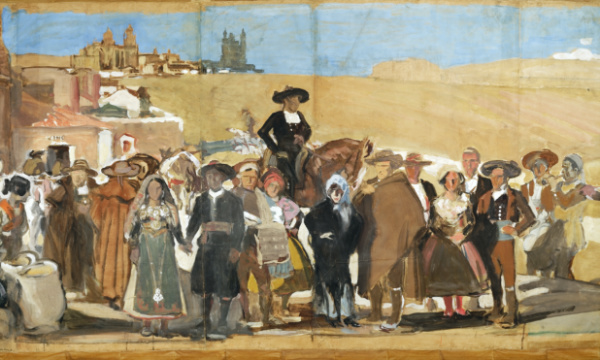
• The collection of the Hispanic Society Museum & Library in New York is being celebrated in a new exhibition opening at the Royal Academy of Arts. Opening Saturday, Spain and the Hispanic World: Treasures from the Hispanic Society Museum & Library features more than 150 works from the collection – founded in 1904 by Archer M Huntington – which range from paintings and sculptures to jewellery, maps and illuminated manuscripts. Highlights include Francisco de Goya’s painting The Duchess of Alba (1797), Pedro de Mena’s reliquary bust, Saint Acisclus (c1680), earthenware bowls from the Bell Beaker culture (c2400-1900 BC), Celtiberian jewellery from the Palencia Hoard (c150-72 BC), and Hispano-Islamic silk textiles including the Alhambra Silk (c1400). There’s also a beautifully illuminated Hebrew Bible (after 1450-97), an exceptionally rare Black Book of Hours (c1458), and, Giovanni Vespucci’s celebrated world map from 1526. The exhibition runs until 10th April. Admission charge applies. For more, see www.royalacademy.org.uk.

The Lunar New Year is being celebrated in Greenwich this Saturday with a series of events at the National Maritime Museum. Activities range from Mahjong workshops to seeing a traditional lion dance, lantern making, a tea ceremony demonstration and, of course, the chance to find out about the items in the museum’s collection with Asian connections. For more, see www.rmg.co.uk/whats-on/national-maritime-museum/lunar-new-year.

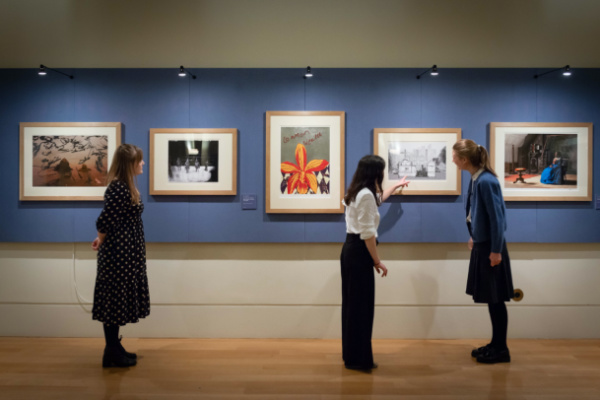
Royal Collection Trust staff conduct final checks of a display opening today at The Queen’s Gallery, Buckingham Palace, showcasing 20 contemporary artworks gifted to Queen Elizabeth II to mark the Platinum Jubilee. PICTURE: Royal Collection Trust / © His Majesty King Charles III 2023.

Twenty contemporary artworks gifted by the Royal Academy of Arts to Queen Elizabeth II ar on display at The Queen’s Gallery in Buckingham Palace. The works on paper – created by Royal Academicians elected in the past decade – were presented to the Queen to mark her Platinum Jubilee in 2022. They include Wolfgang Tillmans’ Regina – a photograph taken during Queen Elizabeth II’s Golden Jubilee celebrations in 2002 depicting the Queen in the Gold State Coach passing along Fleet Street, Yinka Shonibare’s Common Wealth – a digital print of an orchid against a collage of platinum leaf and Dutch wax printed fabric, and Sir Isaac Julien’s Lady of the Lake – a fictionalised portrait of the American abolitionist Anna Murray Douglass as well as a digital print of Thomas Heatherwick’s design for the Tree of Trees project. This 21-foot sculpture incorporates 350 saplings and was erected outside Buckingham Palace as part of The Queen’s Green Canopy and was illuminated during a special Platinum Jubilee ceremony on 2nd June last year. The works can be seen until 26th February. Admission charge applies. For more, see www.rct.uk.

Send all items for inclusion to exploringlondon@gmail.com.

This Week in London – Canaletto at the National Maritime Museum; the story of the postcode; Easter hunts at royal palaces; and, superheroes and orphans…

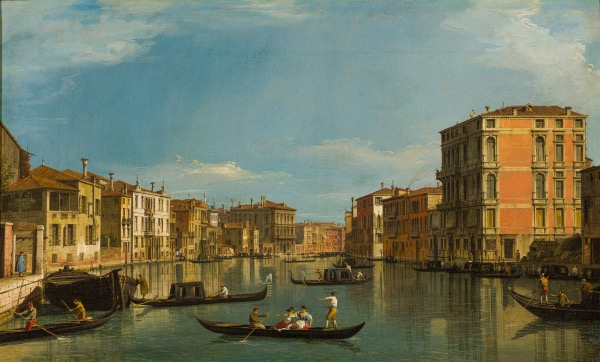
Canaletto, ‘View of the Grand Canal from the Palazzo Bembo to Palazzo Vendramin-Calergi‘ © From the Woburn Abbey Collection

Twenty-four of Canaletto’s Venetian views which are normally found at Woburn Abbey form the heart of a new exhibition opening at the National Maritime Museum in Greenwich on Friday. Canaletto’s Venice Revisited explores some of the most iconic view paintings of Venice and how tourism, which helped establish Canaletto’s career, today threatens Venice’s future. The views from Woburn Abbey were painted by Canaletto for Lord John Russell, the 4th Duke of Bedford, in the 1730s and this is the first time the paintings, which are thought to be Canaletto’s largest single commission, will be on display in their entirety outside of the abbey. As well as 22 smaller views of Venice depicting iconic landmarks such as Piazza San Marco and the Grand Canal, as well as campi, palazzi and churches, the works include two monumental views, A Regatta on the Grand Canal and The Grand Canal, Ascension Day: The embarkation of the Doge of Venice for the Ceremony of the Marriage of the Adriatic. Runs until 25th September. Admission charge applies. For more, see www.rmg.co.uk/canaletto.

The story of the postcode is the subject of a new exhibition at The Postal Museum. Sorting Britain: The Power of Postcodes charts the journey of postcodes in the UK, from the post postal districts in London, Liverpool and Manchester and the first trial of postcodes in Norwich in 1959 to how postcodes are used today as an indicator of social standing. Highlights in the display include ELSIE, one of the only original 1950s Electronic Letter Sorting Indicating Equipment left in existence, images of ‘Poco the Postcode Elephant’ – one of the biggest advertising campaigns of the 1980s and unseen maps of London from the 19th century. Runs until 1st January. Included in admission ticket. For more, see www.postalmuseum.org.

• The Lindt GOLD BUNNY Hunt is returning to both Hampton Court Palace and Kensington Palace this Easter for the first time since 2019. Children aged four to 12 are invited to use a trail map to explore each palace and gardens and find the Lindt GOLD BUNNY statues while learning about people from the palaces’ past and, on successfully completing their mission, claim their chocolatey reward. Check the website for details of dates. The hunt is included in palace admission. For more, see www.hrp.org.uk.

The representation of foundlings, orphans, adoptees, and foster children in comics and graphic novels comes under scrutiny in a new exhibition at the Foundling Museum in Bloomsbury. Opening Friday, Superheroes, Orphans & Origins: 125 years in comics looks at traditional orphan superheroes ranging from Superman and Batman to Spider Man and Black Panther along with characters from early newspaper comic strips, Japanese Manga and contemporary graphic novel protagonists. The display includes historical newspapers, original artwork and contemporary digital work as well as examples of international comics rarely exhibited in the UK. There are also three new artistic commissions specifically made for the exhibition. Can be seen until 28th August. Admission charge applies. For more, see https://foundlingmuseum.org.uk/event/superheroes-orphans-origins/.

Send items for inclusion to exploringlondon@gmail.com.

This Week in London – The ‘RRS Sir David Attenborough’ at Greenwich; the Amazon explored at the Science Museum; and, Christmas at The National Gallery…

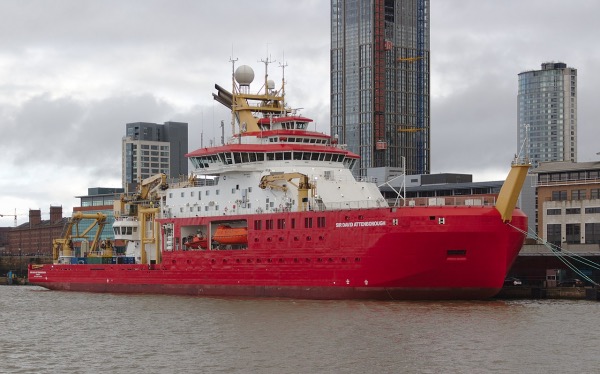
The RRS Sir David Attenborough in Liverpool. PICTURE: By Phil Nash from Wikimedia Commons CC BY-SA 4.0 & GFDL.

Find out what it’s like to live and work in the Earth’s polar extremes at Greenwich from today. The three day ‘Ice World Festival’ centres on the British Antarctic Survey’s vessel, the RRS Sir David Attenborough, which is visiting Greenwich before beginning its first mission to the Antarctic. Visitors will also be able to meet real polar scientists and explorers and see the Boaty McBoatface submersible as well as treasures from the National Maritime Museum’s polar collection including relics from HMS Erebus and Terror and items belonging to Captain Scott and Ernest Shackleton. While the ship can be seen from the dockside, a limited number of tickets are available for walk-up visitors to the festival (advanced booking tickets have sold out). Runs from today until 30th October. Admission is free. For more information, head here.

More than 200 images – captured by Brazilian photographer Sebastião Salgado over seven years – explore the rich diversity of the Amazon in an exhibition at the Science Museum. Amazônia provides a close-up look at one of the most unique environments on the planet through Salgado’s eyes, including panoramic scenery and the Indigenous peoples of the region (Salgado spent time with 12 different Indigenous groups over his period in the Amazon). Runs until March next year. Admission charge applies. For more, see www.sciencemuseum.org.uk/see-and-do/amazonia.

Father Christmas with return to The National Gallery for selected dates in November and December. The gallery’s Christmas experience will provide children with the chance to have their photo taken with Santa in his grotto, listen to an elven story in the winter forest set and receive a special token which they can exchange for a gift at the Elven Sorting Office. Meanwhile, Hendrick Avercamp’s painting A Winter Scene with Skaters near a Castle (about 1608–9) will be enlarged and reproduced on a canvas to provide a scenic backdrop for the activities. Admission charge applies. Bookings are now open. For more, head to www.nationalgallery.org.uk/whats-on/meet-father-christmas.

Send all items for inclusion to exploringlondon@gmail.com.

This Week in London – Royal portraits in Greenwich; Sir Roger Bannister to be honoured; and, drawing on the Tate’s Turbine Hall floor…

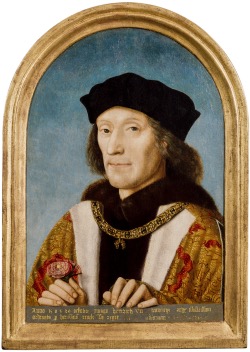
King Henry VII by unknown Netherlandish artist, 1505 (oil on panel) © National Portrait Gallery, London

More than 150 of the finest portraits of royal families over five dynasties are on show at the National Maritime Museum in Greenwich. Tudors to Windsors: British Royal Portraits, which is being run in conjunction with the National Portrait Gallery, features famous paintings, miniatures, sculpture, photographs, medals and stamps from the Tudor, Stuart, Georgian, Victorian and Windsor dynasties. Highlights include the earliest known portrait of Henry VII (also the oldest artwork in the exhibition) which was painted in 1505 by an unknown artist, Flemish artist Marcus Gheeraerts the Younger’s famous ‘Ditchley Portrait’ of Elizabeth I, portraits of Charles II and his mistresses, early 19th century domestic photographs of Queen Victoria and her family, and a selection of paintings and photographs of Queen Elizabeth II by Cecil Beaton and Annie Leibovitz. Runs until 31st October. Admission charge applies. For more, see www.rmg.co.uk/TudorsWindsors.

Westminster Abbey has announced a new memorial to Sir Roger Bannister, the first man to run under a mile in four minutes. The abbey said the memorial ledger stone to Bannister, who later became a neurologist, will be placed in what is known as ‘Scientists’ Corner’ in the building’s nave, close to the graves of scientists Sir Isaac Newton and Charles Darwin as well as the ashes of Stephen Hawking. “Throughout his life Sir Roger Bannister reached out for that which lay beyond,” said the Dean of Westminster, the Very Reverend Dr David Hoyle, in a statement. “As a sportsman, pushing himself towards a prize some considered beyond human reach, as a scientist ever eager for deeper understanding of neurology. We are delighted that his memory and his achievement will be set in stone in the Abbey. He ran the race set before us all.” Bannister is famous for having run a mile in three minutes, 59.4 second at Oxford on 6th May, 1954 – a record which stood for almost nine years.

Be among those transforming the Tate Modern’s Turbine Hall into an “ever changing work of art”. Visitors are invited to join in covering the hall’s floor with their own jottings using coloured drawing materials as part of artist Ei Arakawa’s interactive installation, Mega Please Draw Freely. The installation, which can be contributed to until 29th August, kicks off UNIQLO Tate Play – a new free programme of playful art-inspired activities for families, being in partnership with UNIQLO, at the Tate Modern. The project, which has seen the Turbine Hall floor covered with a temporary surface allowing it to be drawn upon, is inspired by the Gutai group, radical Japanese artists who wanted to change the world through painting, performance and children’s play and, in particular, the group’s ‘Outdoor Gutai Art Exhibition of 1956’ in which Yoshihara Jirō created the groundbreaking work Please Draw Freely, a large board on which people were free to draw and paint. Visitors can access Mega Please Draw Freely by booking a free collection display ticket online at www.tate.org.uk.

Send all items for inclusion to exploringlondon@gmail.com.

This Week in London – National Maritime Museum, London Transport Museum reopen; and, Picasso at BASTIAN gallery…

The National Maritime Museum in Greenwich opens its doors this Monday, 7th September. Those who visit in the first week will be able to see all the winning images in the ‘Insight Investment Astronomy Photographer of the Year’ competition.Entry is free but tickets must be booked in advance. For more, see www.rmg.co.uk/national-maritime-museum.

• Other reopenings include the London Transport Museum in Covent Garden which also throws back its doors on Monday. Along with displays including historic vehicles and iconic posters, the reopening includes the ‘Hidden London’ exhibition revealing London’s ‘abandoned’ Underground stations. Tickets must be booked in advance. Admission charges apply. For more, see www.ltmuseum.co.uk.

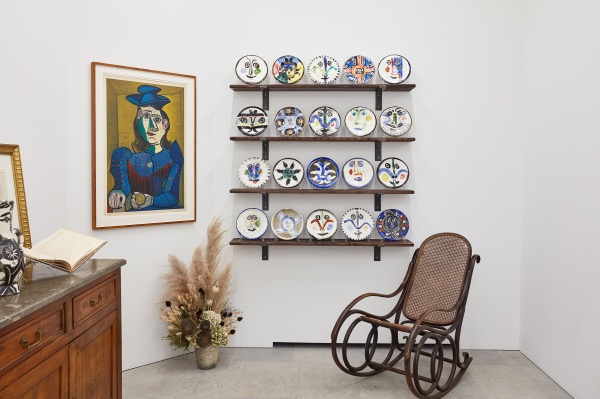
Picasso’s Cannes’ studio has been recreated in an immersive experience  at the BASTIAN gallery in Mayfair. Atelier Picasso is an installation-style exhibition and features furniture, sculptures, ceramics, drawings and prints. Highlights include portraits of the artist taken by his friend André Villers, ceramic works such as Wood Owl (1969) and Carreau Visage d’Homme (1965), lithograph and linocut posters and books including Gallieri Jorgen Expose Le Lithographies de L’atelier Mourlot (1984), and the masterpiece Minotaure caressing une dormeuse from the artist’s Vollard Suite. Admission is free. For more, see www.bastian-gallery.com. PICTURE: Courtesy of Luke Andrew Walker.

Send all items for inclusion to exploringlondon@gmail.com.

This Week in London – V&A reopens; institution reopenings; and, ZSL London Zoo looks for volunteers…

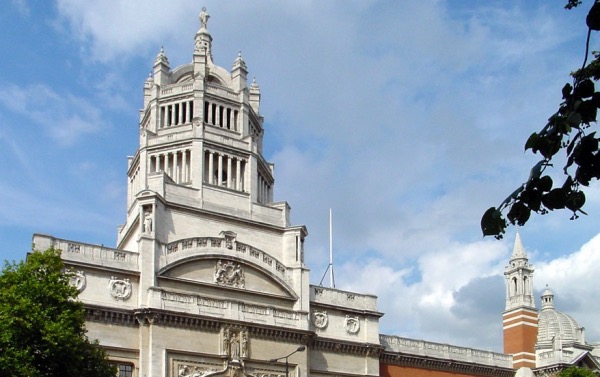
The V&A in South Kensington reopens its doors to visitors today in the first phase of a staged reopening strategy. All of the ground floor galleries are reopening including the Medieval & Renaissance Gallery, the Cast Courts, The Jameel Gallery of Islamic Art and Fashion Gallery, as well as the Europe 1600–1815 galleries on lower ground floor. The first and second floor collection galleries including The William and Judith Bollinger Jewellery Gallery, Theatre & Performance Galleries, and the Photography Centre as well as the museum’s Paintings, Tapestries and Silver Galleries are all scheduled to open on 27th August as well as the exhibition Kimono: Kyoto to Catwalk, which had closed just two weeks into its run.  For more, see www.vam.ac.uk. PICTURE: M.chohan (Public domain). 

Other recent and upcoming reopenings include: the Horniman Museum, the Foundling Museum, the National History Museum, The Queen’s House in Greenwich (Monday, 10th August) and the National Maritime Museum in Greenwich (exhibitions only; galleries coming later).

ZSL London Zoo is calling for volunteers to help assist visitors as they make their way around the zoo via three new one-way trails. The move, which follows a successful fundraising effort fronted by Sir David Attenborough, is aimed especially at people still furloughed and students forced to cancel gap year travel plans. Those interested in volunteering are asked to commit to a minimum of half a day each fortnight. For more, see  www.zsl.org/volunteering.

Send all items for inclusion to exploringlondon@gmail.com.

LondonLife – The beauty of space revealed…

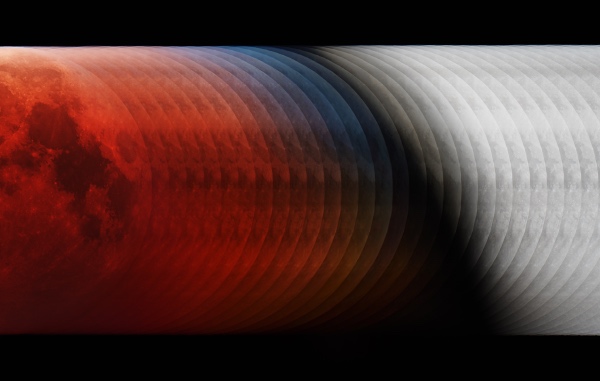
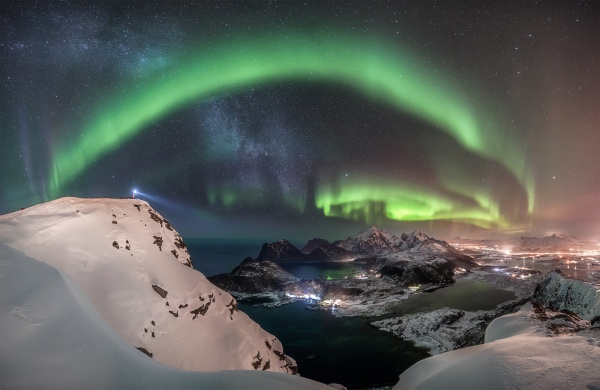
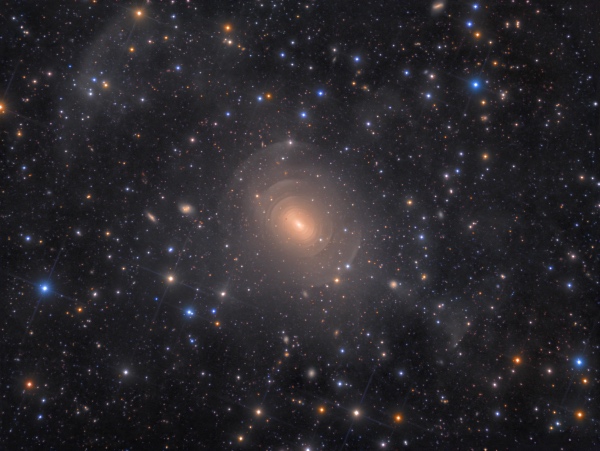
A “creative and artistic” composition of the 35 phases of the total lunar eclipse that took place on 21st January has won the Royal Observatory Greenwich’s Insight Investment Astronomy Photographer of the Year for 2019. The win, which carried a £10,000 prize for Hungarian photographer László Francsics, also means the image is now at the heart of an exhibition featuring all the competition’s winners, runners-up and highly commended, as well as 68 short-listed pictures running at the National Maritime Museum until 26th April. Competition judge Ed Robinson described the Francsics’ work as “nothing short of masterful”. “The colours of our atmosphere projected onto the Moon’s disc during the eclipse are not only artistically pleasing but also offer an understanding of such events that can reveal aspects of our own, thin, yet essential part of our atmosphere,” he said. “In a year that celebrates 50 years since the first lunar landings it is fitting that this year’s overall winning image captures such a dynamic and captivating view of our Moon.” Other images on display include German photographer Nicolai Brügger’s image showcasing the Aurora Borealis over the Lofoten Islands in Norway (winner of the ‘Aurorae’ category), an image featuring UK photographer Ben Bush and his dog Floyd surrounded by Mars, Saturn and the galactic core of the Milky Way galaxy (‘People and Space’), and a sequence of images by Australian Andy Casely following the progress of the great global dust storm on Mars (‘Planets, Comets and Asteroids’). The display also includes an image of the Rosette Nebula by 11-year-old Davy van der Hoeven, of The Netherlands, who won Young Astronomy Photographer of the Year. The Insight Investment Astronomy Photographer of the Year, now in its 11th year, is run by the Royal Observatory Greenwich in association with Insight Investment and BBC Sky at Night Magazine. Admission charge applies. For more, see www.rmg.co.uk/whats-on/astronomy-photographer-year/galleries/2019/overall-winners. PICTURES: Top – ‘Into the Shadow’ © László Francsics (overall winner); Below (from top down) – ‘The Watcher’ © Nicolai Brügger (winner of the ‘Aurorae’ category); and, ‘Shells of Elliptical Galaxy NGC 3923 in Hydra’ © Rolf Wahl Olsen (winner of the ‘Galaxies’ category) .

This Week in London – Exploring the Moon; celebrating London’s green spaces; and, Finnish artist Helene Schjerfbeck at the RA…

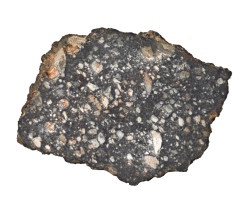
Lunar samples collected during the Apollo 11 mission and objects that travelled to the Moon with the astronauts including Edwin “Buzz” Aldrin’s “Snoopy Cap” and the famous Hasselblad camera equipment are among items on display as part of a new major exhibition which opens at the National Maritime Museum in Greenwich on Friday. Celebrating the 50th anniversary of the 1969 Moon landing, The Moon explores Earth’s relationship with the Moon over time and across civilisations. Other items among the more than 180 objects from public and private collections on show include a rare lunar meteorite from the Natural History Museum’s collection (pictured), a Mesopotamian tablet from 172 BC and a series of contemporary and historical artworks including paintings by JMW Turner and John Constable. There’s also a new version of Christian Stangl’s film Lunar in which animated photographs from Apollo missions allow visitors to experience the Moon landings through the eyes of the astronauts. The Moon can be visited until 5th January. Admission charges apply. For more, see www.rmg.co.uk/moon50. PICTURE: Lunar meteorite Found in the Sahara Desert, North West Africa, 2017 © The Trustees of the Natural History Museum, London.

London’s inaugural and free week long National Park City Festival kicks off on Saturday to celebrate the city’s green spaces, wildlife and waterways. Opening the festival – which is an initiative of the Mayor of London and National Park City Foundation as well as other partners – this weekend is a free cultural programme, run in partnership with the National Theatre, on its outdoor river stage on South Bank which features dance, theatre and music. Other highlights among the more than 300 events being held during the nine day event include the ‘National Park City Rooftops’ initiative – which sees people given free access to some of the city’s most beautiful garden rooftops and natural spaces including Crossrail Place in Canary Wharf, Barbican Conservatory and Ham Yard Hotel in Soho, the ‘National Park City Forest’ initiative which sees a unique audio installation, Living Symphonies, installed in Epping Forest, the ‘National Park City Wildlife’ – a photography competition and exhibition held in partnership with the London Wildlife Trust, and the multi-site ‘National Park City Splash’ initiative in which everybody can try their hand at activities like paddle boarding and open water swimming. The week runs to 28th July. For the complete programme of events, head to https://nationalparkcity.london.gov.uk.

The work of Finnish artist Helene Schjerfbeck (1862 – 1946) is being celebrated at the Royal Academy of Arts. Opening on Saturday, the first solo UK exhibition of Schjerfbeck’s works features some 65 portraits, landscapes and still lifes, and follows the development of the artist’s work from a naturalistic style, inspired by French Salon painters in the early 1880s, to what the RA describes as “a radically abstracted and modern approach from the turn of the 20th century onwards”. The exhibition is being shown in five sections with highlights including Two Profiles (1881) – the earliest work on display, The Convalescent (1888), My Mother (two paintings – one from 1902 and another from 1909), a series of self-portraits and later works like Måns Schjerfbeck (The Motorist) (1933) and Three Pears on a Plate (1945). Runs until 27th October in The Gabrielle Jungels-Winkler Galleries. Admission charge applies. For more, see www.royalacademy.org.uk.

Send all items for inclusion to exploring london@gmail.com.

Treasures of London – The Baltic Exchange Memorial Glass…


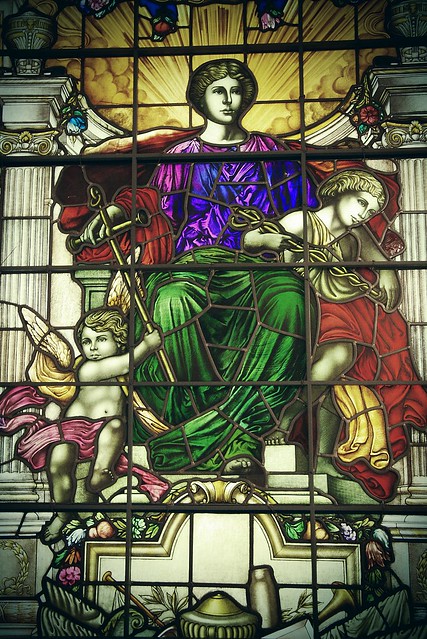
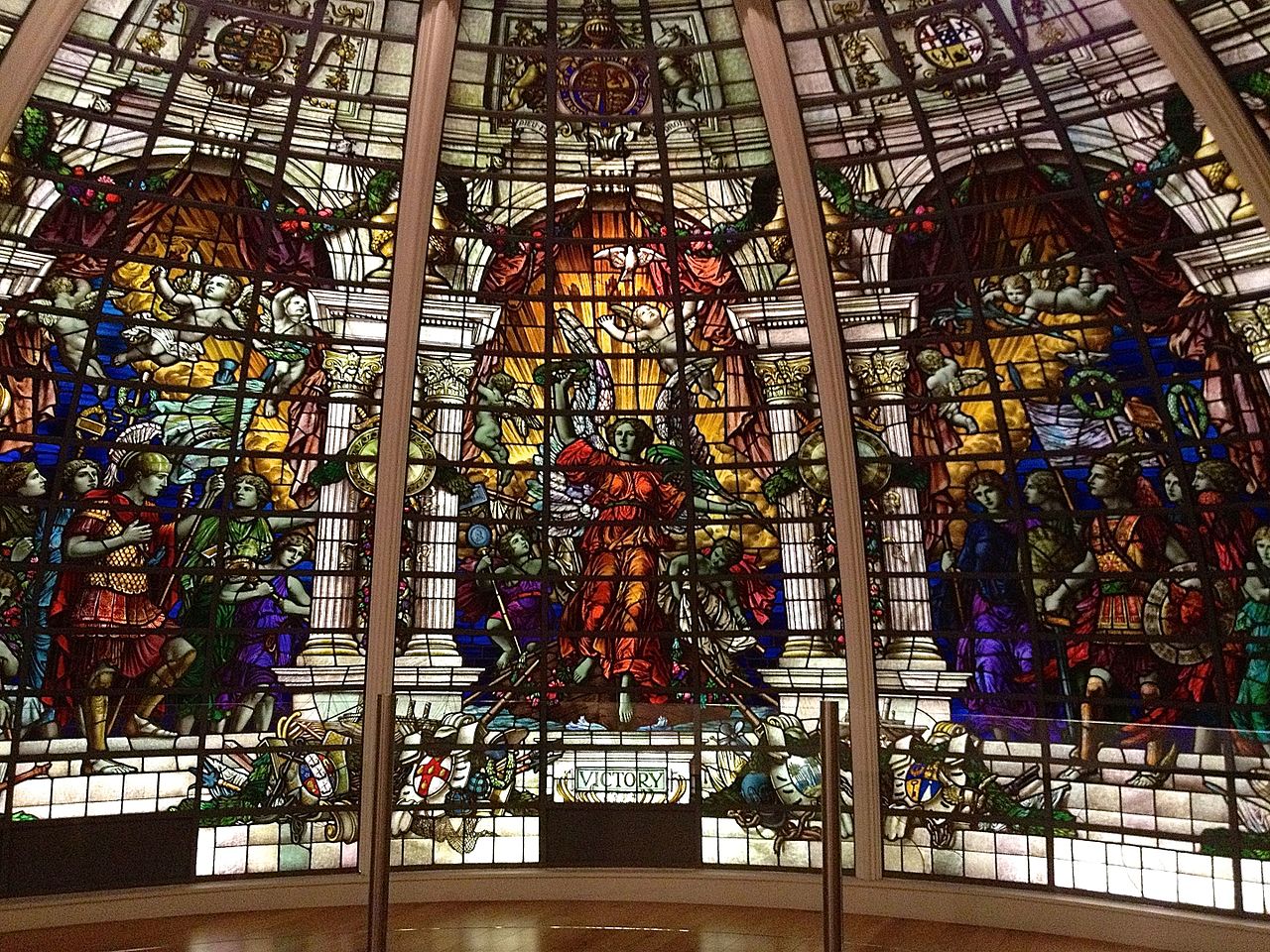
Originally installed over a staircase in the Baltic Exchange in 1922, this World War I memorial commemorates exchange members who were killed during the conflict.

Designed by John Dudley Forsyth, the memorial takes the form of a three metre high half dome depicting the winged Victory stepping from a boat into a Roman temple where she is greeted by various Roman figures. Shields and badges of colonies and dependencies of the British Empire are incorporated into the image with the Royal Coat of Arms at the centre.

Below the half dome are five two metre high ‘Virtue Windows’ with representations of the virtues – truth, hope, justice, fortitude and faith. Two panels on the sides list key battles from World War I.

The windows were originally accompanied by marble panels listing all those who had died.

The memorial was unveiled by General Sir Herbert Alexander Lawrence on 1st June 1922, and dedicated by the Bishop of Willesden, William Perrin.

It survived World War II’s Blitz intact but in 1992 was badly damaged when an IRA bomb significantly damaged the building. Of the 240 panels in the memorial, only 45 were completely intact.

The Baltic Exchange was subsequently demolished (St Mary Axe, aka The Gherkin, now stands on the site). The damaged memorial, meanwhile, was taken from the building and restored. It’s been displayed at the National Maritime Museum in Greenwich since 2005.

WHERE: National Maritime Museum, Romney Road, Greenwich (nearest station is Cutty Sark DLR); WHEN: 10am to 5pm daily; COST: Free; WEBSITE: www.rmg.co.uk/national-maritime-museum.

PICTURE: Top – The half dome of the memorial (image_less_ordinary (licensed under CC BY-NC-ND 2.0)); Right –  One of the Virtue Windows (john.purvis (licensed under CC BY 2.0)


This Week in London – 40 years of IVF; City Beerfest; and, ‘The Great British Seaside’…

The Science Museum is marking the 40th anniversary of IVF (in vitro fertilisation) with a special exhibition opening today. IVF: 6 Million Babies Later tells the story of the development of IVF from the work of early pioneers like Robert Edwards, Patrick Steptoe and Jean Purdy through to the birth of Louise Brown on 25th July, 1978, and on to the latest research in reproductive science. Items on show include one of the ‘Oldham Notebooks’ in which the scientific data collected by Purdy and Edwards between 1969 and 1978 was recorded along with examples of the equipment they used such as the glass desiccator used by Edwards to incubate embryos. The display also includes press coverage and personal correspondence and gifts received by Louise’s parents from around the world. A special late night opening will take place on 25th July. Runs at the South Kensington museum until November. Admission is free. For more, see www.sciencemuseum.org.uk/ivf.

The City of London Beerfest returns to Guildhall Yard today with musical performances and the chance to enjoy some of the UK’s finest ales, beers and ciders. Now in its sixth year, City Beerfest runs from 12.30pm to 9pm with proceeds going toward The Lord Mayor’s Appeal, which supports the Lord Mayor’s dedicated charities, and the City Music Foundation, which helps young musicians gain valuable entrepreneurial skills for successful careers. For more, see www.citybeerfest.org.

On Now: The Great British Seaside. This major exhibition of photography at the National Maritime Museum in Greenwich features more than 100 photographs taken by some of Britain’s most popular photographers, including Tony Ray-Jones, David Hurn and Simon Roberts, as well as new works by Martin Parr. Runs until 30th September. Admission charge applies. For more, see www.rmg.co.uk/see-do/Great-British-seaside.

Send all information for inclusion to exploringlondon@gmail.com.

This Week in London – The Natural History Museum transformed; mysteries of the Franklin expedition; and, portraits by Great Masters…

The 25.2 metre long skeleton of a blue whale named Hope along with that of an American mastodon, a meteorite which is one of the oldest specimens in Earth, a taxidermal display of a giraffe and giant coral are among items on display in the Natural History Museum’s newly transformed Hintze Hall from tomorrow. Selected from the museum’s more than 80 million specimens, the sometimes historic items are at the heart of 10 new displays which go on show in the ground floor alcoves known as ‘wonder bays’ as part of what is being described as a “once-in-a-generation” transformation of the 136-year-old museum. The 10 ‘wonder bays’ include five on the eastern side of the building focused on the origins and evolution of life on earth while those on the western side show the diversity of life on earth today. Elsewhere in the museum, hundreds of new specimens have been introduced including those in two new displays on the first floor balconies: the ‘Rocks and Minerals Balcony’ on the east side which features almost 300 rocks, ores and minerals and the ‘Birds Balcony’ on the west side which features more than 70 birds from as far afield as New Zealand and the Falkland Islands. To coincide with the new displays is the launch of a new summer exhibition – Whales – which features more than 100 specimens showing the diversity of whales, dolphins and porpoises. Featuring species ranging from the double-decker bus sized sperm whale – the largest toothed predator on Earth – to the 1.5 metre long harbour porpoise – one of the smallest cetaceans, the exhibition’s highlights include skulls revealing how whales sense and their eating habits, organs showing how they breathe and digest food and flippers which reveal swimming styles. For more on the exhibition and the transformation of the South Kensington museum, see www.nhm.ac.uk. PICTURE: Blue whale in Hintze Hall © The Trustees of the Natural History Museum, London.

The mysterious fate of Sir John Franklin and his 128 man crew – last seen in Baffin Bay in July, 1845, as they sailed in search of the North-West Passage – is the subject of a new landmark exhibition opening at the National Maritime Museum in Greenwich tomorrow. Death In The Ice: The Shocking Story of Franklin’s Final Expedition tells the story of the disappearance of the HMS Erebus and HMS Terror and the largely unsuccessful expeditions which were launched in the following 30 years to find them as well as the more recent work of forensic anthropologist, Dr Owen Beattie, and the 1845–48 Franklin Expedition Forensic Anthropology Project (FEFAP), and the eventual discovery of the remains of the HMS Erebus in 2014 and the HMS Terror in 2016. At the heart of the exhibition are objects found by Parks Canada’s archaeological teams including personal items, clothing and ship components with those from the Erebus, including the ship’s bell, being shown for the very first time since their discovery and some items found in earlier searches. Along with an examination of the Victorians fascination with the fate of the men, the exhibition will also show the significant role the Inuit played in learning their fate as well as in relation to recording the European exploration of the Arctic more generally and includes numerous Inuit objects, some of which incorporate materials of European origins traded from explorers or retrieved from abandoned ships. Developed by the Canadian Museum of History in partnership with Parks Canada and the National Maritime Museum and in collaboration with the Government of Nunavut and the Inuit Heritage Trust, the exhibition runs until 7th January. Admission charge applies. For more see www.rmg.co.uk/franklin.

Fifty drawings from Britain’s finest collections by artists including Leonardo da Vinci, Albrecht Durer, Peter Paul Rubens and Rembrandt van Rijn and eight portraits by Hans Holbein the Younger from the Royal Collection have gone on show at the National Portrait Gallery. The Encounter: Drawings from Leonardo to Rembrandt includes many rarely seen works with all those on show chosen because they captured an apparent moment of connection between the artist and a sitter. While some of those pictured in the portraits can be identified – such as the emperor’s chaplain or the king’s clerk, many are simply faces seen in the street, such as those of a nurse or a shoemaker or an artist’s friend or student. The display also includes the types of tools and media used to create the artworks and shows how the artists moved away from using medieval pattern books to studying figures and faces from life. Runs until 22nd October. Admission charge applies. For more, see www.npg.org.uk/encounter.

Send all items for inclusion to exploringlondon@gmail.com.

This Week in London – Lockwood Kipling celebrated; a free ticket for Emma; and, a close-up look at the Painted Hall ceiling…

1-_the_great_exhibition_india_no-_4_by_joseph_nash_ca-_1851_royal_collection_trust_c_her_majesty_queen_elizabeth_ii_2016

A new exhibition celebrating the life of John Lockwood Kipling – described as an “artist, writer, museum director, teacher, 2-_lockwood_kipling_with_his_son_rudyard_kipling_1882__national_trust_charles_thomasconservationist and influential figure in the Arts and Crafts movement” as well as being the father of world famous writer Rudyard Kipling – opens at the V&A in South Kensington on Saturday. The exhibition is the first exploring the life and work of Kipling (1837-1911) who campaigned for the preservation of Indian crafts as well as being a craftsman himself (his terracotta panels can still be seen on the exterior of the V&A) and an illustrator of his son’s books. Lockwood Kipling: Arts and Crafts in the Punjab and London features paintings of the Indian section of the 1851 Great Exhibition as well as objects which were on display (the exhibition was visited by Kipling while a teenager), Kipling’s sketches of Indian craftspeople observed during his many years living in India as well as objects he selected for the V&A while there, designs and illustrations for books, and furniture he helped his former student architect Bhai Ram Singh design for royal residences Bagshot Park and Osborne. The free exhibition, a collaboration between the V&A and the Bard Graduate Centre in New York, runs until 2nd April (it will be on display at the Bard Graduate Center, New York, from 15th September this year). For more, see www.vam.ac.uk/kipling. PICTURES: Top: The Great Exhibition, India no. 4, by Joseph Nash/Royal Collection Trust © Her Majesty Queen Elizabeth II 2016 ©; Right: Lockwood Kipling with his son Rudyard Kipling, 1882/© National Trust, Charles Thomas

Anyone named Emma will receive free entry into the National Maritime Museum’s exhibition on Emma Hamilton this weekend in honour of the 202nd anniversary of her death on 15th January, 1815. Emma Hamilton: Seduction and Celebrity shines a light on the remarkable woman who overcame poverty to become one of the most famous international celebrities of her age. The display features more than 200 objects on loan from public and private collections as well as from the museum’s own collection including paintings, personal letters, prints and caricatures, costumes and jewellery. Simply bring proof that your name is Emma – such as a passport, driver’s licence or utility bill – and gain free entry on 14th and 15th January. The exhibition runs until 17th April. Admission charges usually apply. For more, see www.rmg.co.uk/emmahamilton.

Members of the public will be granted a close-up look of the ceiling of the Painted Hall at the Old Royal Naval College in Greenwich this April. The hall, described as the “Sistine Chapel of the UK” is undergoing a two year transformation which includes conservation of Sir James Thornhill’s famous painted ceiling. As part of the project, a series of ceiling tours will be launched on 1st April this year with visitors taken up close via a lift where they can see the conservators at work. For more, see www.ornc.org.

Send all items for consideration to exploringlondon@gmail.