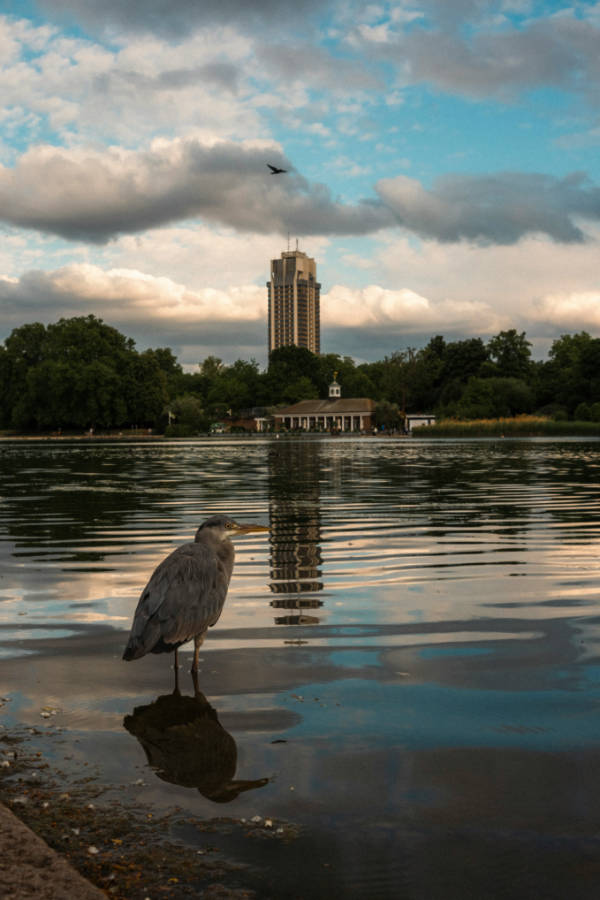
LondonLife – Kensington Gardens birdlife…

PICTURE: Aleks/Unsplash

This Week in London – ‘Dress Codes’ at Kensington Palace; Edvard Munch portraits; St Patrick’s Day celebrations; and, women’s lives at Hampton Court…

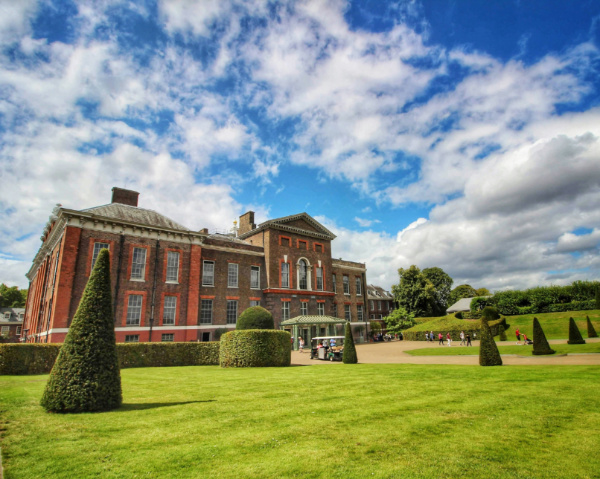
Kensington Palace. PICTURE: Martin Zenker/Unsplash

Never-before-seen royal clothing is going on show at a new exhibition opening at Kensington Palace today. Dress Codes, which includes rarely seen highlights from the Royal Ceremonial Dress Collection, explores the codes and conventions of royal clothing, and the impact fashion can make “when boundaries are pushed and dress codes evolve”. Highlights include two matching Liberty print floral cotton dresses, worn in 1936 by Queen Elizabeth II (then Princess Elizabeth) and her younger sister Princess Margaret, a glittering red Bruce Oldfield gown worn by Diana, Princess of Wales, for a state visit to Saudi Arabia in 1987, and a Catherine Walker green silk velvet tuxedo-style dress which was shared with the world as one of 79 dresses famously auctioned to raise money for HIV/AIDS and cancer charities in 1997. There also two dresses worn by Princess Margaret which are going on show for the first time in the UK – a 1978 Thea Porter evening ensemble and a colourful green embroidered evening gown by the Filipino designer Jose Pitoy Moreno, worn in 1980. Other items include a never-before-displayed black mourning bodice worn by Queen Victoria. Runs until 30th November. Admission charges apply. For more, see www.hrp.org.uk/kensington-palace/whats-on/dress-codes.

The first ever exhibition of Edvard Munch portraits opens at the National Portrait Gallery. The display, Edvard Munch Portraits, include Munch’s portraits of lawyer Thor Lütken and physicist Felix Auerbach as well as early family portraits such as Evening (1888) which shows his sister Laura on a family holiday and Andreas Munch Studying Anatomy (1886). Other works include The Brooch (1902) and full-length portraits of Jappe Nilssen, the painter Ludvig Karsten and writer Christian Gierløff – all from the group of men he called his ‘Lifeguards’ or ‘Guardians’. Runs until 15th June. Admission charge applies. For more, see www.npg.org.uk.

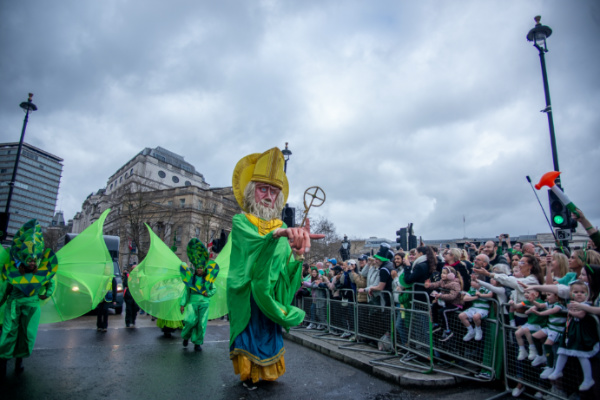
St Patrick’s Day in London in 2024. PICTURE: Loredana Sangiuliano/Shutterstock

The St Patrick’s Day Parade and Festival returns to London this Sunday. Irish Paralympic gold medal winning cyclist Katie-George Dunlevy and Olympic gold medal winning boxer Kellie Harrington are serving as this year’s Grand Marshals of the parade which, with more than 50,000 participants, will feature floats, marching bands, and dance troupes. The parade kicks off at noon and will make its way from Hyde Park Corner past Piccadilly and Trafalgar Square and on to Whitehall. Meanwhile, Trafalgar Square will host an afternoon of entertainment hosted by Irish-Indian-Malaysian DJ and broadcaster Tara Kumar and featuring a wide range of family-friendly performances by the likes of Kíla, Irish Women in Harmony and Ragz-CV. Celebrity chef Anna Haugh will provide Irish cooking demonstrations and there will be an exhibition celebrating Ireland’s unsung women heroes as well as the chance to learn Irish dancing and a dedicated zone for kids with free creative workshops. For more, see https://www.london.gov.uk/events/st-patricks-day-2024.

An audio-led exploration of Hampton Court Palace after dark kicks off next Wednesday to mark
International Women’s History Month.
Still The Hours uses a layered soundscape to guide visitors through the palace’s darkened halls as established actors including Kathryn Hunter (Harry Potter, Black Doves, Poor Things) and Miranda Richardson (Harry Potter, Good Omens, The Hours) can be heard alongside up-and-coming female voices to “weave a vivid tapestry” of women’s lives at the palace. The stories explored in the hour long presentation range from a suffragette to a mistress and a queen to a maid. Runs until 30th March. Admission charge applies (for ages 14+, under 16s must be accompanied by an adult). For more, see www.hrp.org.uk.

Send all items to exploringlondon@gmail.com


This Week in London – Queen Victoria’s Christmas childhood; Parmagianino’s Madonna and Child with Saints; and, Buckingham Palace winter tours…

Step back in time at Kensington Palace this Christmas with an experience inspired by Queen’s Victoria’s childhood at the palace. Victoria’s Childhood Christmas features intricately designed installations – everything from trees hung with sugar ornaments and handmade paper decorations to bespoke illustrations and period-style gifts – as well as an exploration of how some of the traditions still celebrated today – such as arranging numerous Christmas trees on table tops and displaying unwrapped presents around them – can be traced back to the 1830s at Kensington Palace. There’s also a pop-up theatre set which captures the magic of Victoria’s winter trips to London opera houses and a festive-themed afternoon tea inspired by Princess Victoria’s Christmas traditions served in The Orangery. The experience, which is included in general admission, can be seen until 5th January. For more, see www.hrp.org.uk/kensington-palace/

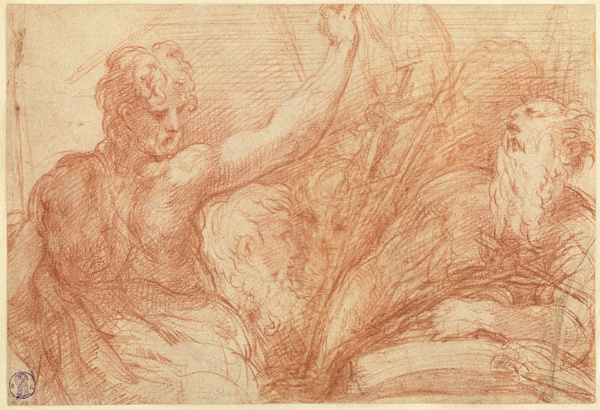
Parmigianino (1503–1540), ‘Studies of Saints John the Baptist and Jerome, a Crucifix and Various Heads’ (recto), about 1525–7; Red chalk on paper, 13.5 × 22.1 cm; The J. Paul Getty Museum, Los Angeles (87.GB.9); PICTURE: Courtesy of the Getty’s Open Content Program

Parmigianino’s Madonna and Child with Saints (1526‒7) returns to display in The National Gallery for the first time in a decade in honour of the gallery’s 200th anniversary. The work, which is also known as The Vision of Saint Jerome, was presented to the gallery in 1826 and is being displayed with a selection of some of the most important preparatory drawings providing a rare opportunity to follow the artist’s creative process. The painting can be seen in Room 46 until 9th March. Entry is free. For more, see nationalgallery.org.uk.

The Buckingham Palace State Rooms are open for one hour tours on select dates throughout winter. Led by an expert guide, the tours, which have a maximum of 30 people, include a complimentary guide. For more, see https://www.rct.uk/whatson

Send all items to exploringlondon@gmail.com

This Week in London – Celebrating Tower Bridge’s 130th; Dame Peggy Ashcroft and Iris Murdoch honoured; modern art in Ukraine; and, Michael Rosen’ illustrators…

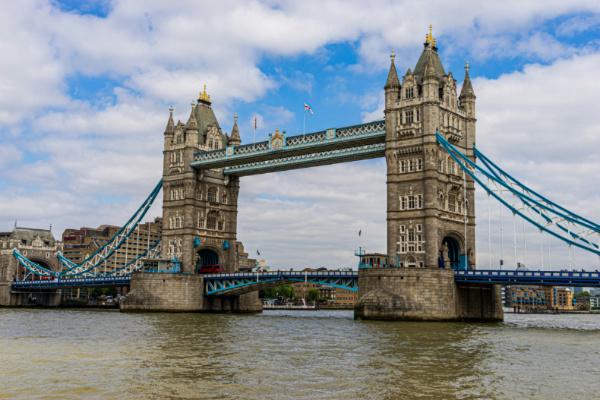
PICTURE: Sung Shin/Unsplash

Tower Bridge marks its 130th birthday this year and to mark the event, the London Metropolitan Archives are hosting a free exhibition charting its history at the City of London’s Heritage Gallery. Designed by Horace Jones, the bridge opened on 30th June, 1894, and the display reflects on the splendour of that royal event as well as examining how and why the bridge was built, the engineering involved and how the bridge played a role in defending London during World War I. The exhibition runs until 19th September at the gallery, located in the Guildhall Art Gallery. Booking tickets is recommended. For more, see https://www.cityoflondon.gov.uk/events/tower-bridge-at-the-heritage-gallery.

Actor Dame Peggy Ashcroft and Dublin-born novelist Iris Murdoch have been honoured with English Heritage Blue Plaques. A leading figure in 20th century theatre, Dame Peggy has been remembered with a plaque on her childhood home in South Croydon. It was in what was then a “leafy market town” that at the age of 13 Peggy first dreamt of performing on the stage while standing outside the local grocers on George Street and to which she returned in 1962 to open a theatre named after her. The plaque honouring Murdoch, meanwhile, has been placed on 29 Cornwall Gardens, part of a Italianate stucco-fronted mid-Victorian terrace in Kensington where she occupied a top floor flat. Murdoch lived in London for more than 25 years and during that time would spend three days a week in the flat. For more, see www.english-heritage.org.uk/visit/blue-plaques/

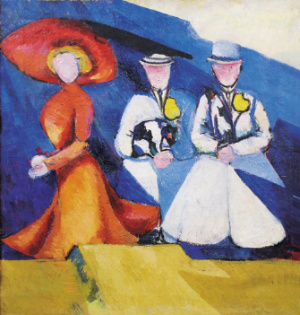
Alexandra Exter, ‘Three Female Figures’, 1909-10Oil on canvas, 63 x 60 cmNational Art Museum of Ukraine

The most comprehensive UK exhibition to date of modern art in Ukraine opens at the Royal Academy on Saturday. In the Eye of the Storm: Modernism in Ukraine, 1900–1930s, features some 65 works, many on loan from the National Art Museum of Ukraine and the Museum of Theatre, Music and Cinema of Ukraine. Artists represented in the display, which is divided into six sections, include such renowned names as Alexander Archipenko, Sonia Delaunay, Alexandra Exter and Kazymyr Malevych as well as lesser-known artists such as Mykhailo Boichuk, Oleksandr Bohomazov and Vasyl Yermilov. Runs in the The Gabrielle Jungels-Winkler Galleries until 13th October. Admission charge applies. For more, see www.royalacademy.org.uk.

The work of artists who have illustrated Michael Rosen’s many books for children are the subject of a new exhibition at the Heath Robinson Museum. Michael Rosen: The Illustrators explores Rosen’s books and the many artists who illustrated them over his 50 year career including the likes of Quentin Blake, Helen Oxenbury, Chris Riddell and Korky Paul. Among the works on show are original drawings for titles including We’re Going on a Bear HuntMichael Rosen’s Sad Book and Michael Rosen’s Book of Nonsense! Runs until 22nd September. Admission charge applies. For more, see https://www.heathrobinsonmuseum.org/.

Send all items for inclusion to exploringlondon@gmail.com.
LondonLife – Nightfall in Kensington High Street…

PICTURE: Ethan/Unsplash

This Week in London – “Forgotten” stories from royal palaces; and, St Patrick’s Day celebrations…

A scene from the Untold Lives exhibition at Kensington Palace. PICTURE: Courtesy of Historic Royal Palaces.

The “forgotten” stories of those who worked behind the scenes at London’s royal palaces are the subject of a new exhibition at Kensington Palace. Untold Lives: A Palace at Work shines a spotlight on those working in various roles at the palace between 1660 and 1830 – everyone from pages and cooks to wetnurses and seamstresses. Among the items on display is an apron worn by Queen Charlotte’s Wardrobe Maid, Ann Elizabeth Thielcke, a newly conserved portrait depicting a young Black attendant standing by King William III and holding his armour, and a specially commissioned photographic piece by Peter Braithwaite which reimagines figures from the Kensington Palace’s Kings Staircase. Among those whose stories are featured is the “Rat-Killer”, who wore a special rat-embroidered uniform, the Groom of the Stool, who was responsible for looking after the monarch on the toilet, and the Keeper of Ice and Snow, whose job was to cut ice so those at the palace could enjoy cold drinks and iced desserts all year round. The exhibition also explores the unexpected origins of some of those who served at the palaces, such as Abdullah, a wild cat keeper from India, and Mehmet von Könsigstreu, Keeper of the Privy Purse for King George I.. The exhibition, entry to which is included in general admission to the palace, can be seen until 27th October. For more, see https://www.hrp.org.uk/kensington-palace/.

St Patrick’s Day is being celebrated this Sunday with the annual parade and a free, family-friendly afternoon of entertainment in Trafalgar Square. The procession, which sets off from Hyde Park Corner at noon and winds its way through the city to Whitehall, will include Irish marching bands, dance troupes and pageantry. From 1pm to 6pm, Trafalgar Square will host family concerts, children’s films and youth performances, as well community choirs, schools and dancing with Anna Haugh, International Chef of the Year 2019, running food demos alongside the main stage and children’s workshops. Entry is free. For more, see www.london.gov.uk/events/st-patricks-day-2024.

Send all items to exploringlondon@gmail.com

This Week in London – The Georgian court meets contemporary fashion; the Rossettis at Tate Britain; and, the Lindt Gold Bunny Hunt returns…

We’re taking a short break for Easter and will be back on Tuesday!

The glittering world of the Georgian court and the glamour of the modern red carpet come together in a new exhibition at Kensington Palace. Crown to Couture sees contemporary fashion worn by the likes of celebrities like Lizzo and Lady Gaga displayed alongside historical costumes, drawing some fascinating parallels between the two worlds. More than 200 objects are included in the display in the State Apartments with highlights including the  Thom Browne dress worn by musician Lizzo to the 2022 Met Gala, Christopher John Roger’ luminous green gown worn by Lady Gaga to the 2020 MTV Awards, the Rockingham Mantua – brocaded in silver thread and silver lace trim and believed to have been worn by the wife of British Prime Minister, 2nd Marquess of Rockingham, in the 1760s, and the world-famous Silver Tissue Gown. On loan from the Fashion Museum Bath, the latter is a rare example of fashion worn at the court of Charles II and is believed to have been worn to court by a young Lady Theophila Harris, who later went on to become the wife of MP Sir Arthur Harris of Hayne. Runs until 29th October. Admission charge applies. For more, see www.hrp.org.uk/kensington-palace/whats-on/crown-to-couture.

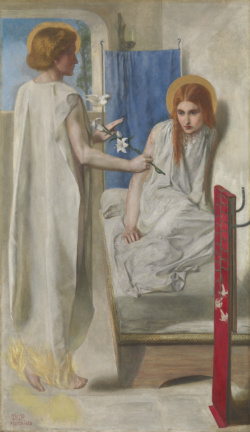
Dante Gabriel Rossetti
Ecce Ancilla Domini (The Annunciation) 1849-50
© Tate, Purchased 1886

A major exhibition charting the romance and radicalism of the Rossetti generation opens at Tate Britain today. The Rossettis – he first retrospective of Dante Gabriel Rossetti at Tate and the largest exhibition of his iconic pictures in two decades as well as the first full retrospective of Elizabeth Siddal for 30 years – features more than 150 paintings and drawings as well as photography, design, and poetry. Highlights include Dante Gabriel’s Ecce Ancilla Domine (The Annunciation) (1850), Elizabeth Siddal’s Lady Clare (1857) and Christina Rosetti’s famous poem The Goblin Market (1859). There’s also Aesthetic portraits from the later part of Dante Gabriel’s career, such as Bocca Baciata (1859), Beata Beatrix (c1864-70) and The Beloved (1865-73), as well as Lady Lilith (1866-8) and Mona Vanna (1866). Runs until 24th September. Admission charge applies. For more, see www.tate.org.uk/whats-on/tate-britain/the-rossettis.

The Lindt Gold Bunny Hunt is on again at Hampton Court Palace. Youngsters are invited to explore the palace’s 60 acres in a search for a series of hidden Lindt Gold Bunny statues, matching the name of an important character from the palace’s history with each bunny to unwrap a fascinating story. At the end of the experience, they’ll be rewarded with their own delicious Lindt Gold Bunny. Visitors to the palace will also encounter historic characters as the royal court compete with chocolatier Grace Tosier to help Prince George, the son of King George I, achieve his mission of sleeping-in, drinking chocolate and dancing all day. Runs until 16th April. Admission charge applies. For more, see www.hrp.org.uk/hampton-court-palace/whats-on/easter-lindt-gold-bunny-hunt/.

Send items to exploringlondon@gmail.com

Treasures of London – Coalbrookdale Gates…

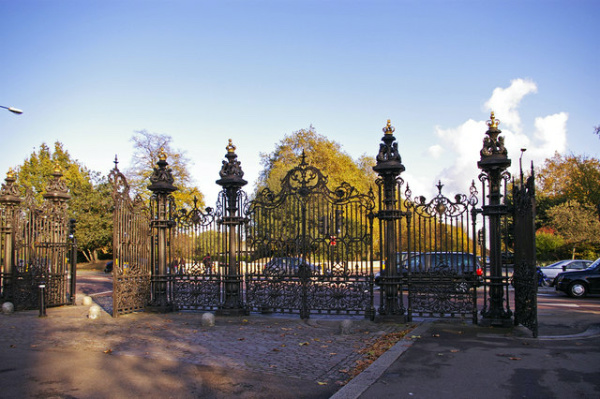
Christine Matthews (licensed under CC BY-SA 2.0)

Located at the southern end of West Carriage Drive – the road which divides Kensington Gardens and Hyde Park – are bronze-painted cast iron gates which were made for the Great Exhibition of 1851.

The gates are named for their manufacturer, the Coalbrookdale Company in Shropshire, and were designed by Charles Crookes.

Each of the gates were cast in one piece and feature cherubs or mer-children below gold crowns atop the finials. There are stags head urns sitting atop Portland stone pillars bearing Queen Victoria’s monograms at either end.

The gates were originally positioned as an entrance to the Great Exhibition and were known as the Queen’s Gate (due to their being through which Queen Victoria entered).

The gates were moved here from their original position during the construction of the Albert Memorial in 1871.

The now Grade II-listed gates were damaged by a bomb during World War II. They were restored in 2000.

10 historic London homes that are now museums…7. Sambourne House…

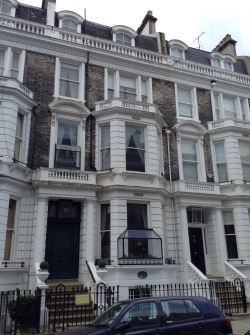
The former home of famed Victorian illustrator and photographer Edward Linley Sambourne, this property at 18 Stafford Terrace in Kensington has been preserved as a museum.

Sambourne, famed for, among other things, the cartoons he produced for Punch magazine, moved into the property in 1875, shortly after his marriage to Marion Herapath in 1874, and the couple, who would have two children – Roy and Maud – lived there for the rest of their lives.

PICTURE: Jhsteel (licensed under CC BY-SA 3.0)

After moving in, Linley, inspired by the grand houses of his artistic friends in the so-called Holland Park circle such as Nick Fildes, Marcus Stone and Colin Hunter, set about redecorating the property in what was then the popular Aesthetic style. He installed stained glass windows, Morris & Co wallpapers and Chinese ceramic vases and over the next 35 years purchased ceramics and furnishings specifically for the property.

While Sambourne adopted many of Aesthetic elements in his decorative scheme such as the stylised motifs inspired by nature and the muted colour palette, he didn’t particularly follow the style’s call for restraint and the house quickly became home to a growing collection of furnishings and objects (in fact an inventory take in 1877, just two years after the couple moved in, shows the home already contained more than 50 vases, 70 chairs and around 700 framed pictures). 

Sambourne, who was said to have been “skilled at making a great show on a limited budget”, couldn’t afford to create a purpose-built studio and worked in various parts of the house, initially in the morning room, which he had extended to meet his needs, and later in the upstairs drawing room. After their daughter Maud married and left the property, he converted the former nursery on the top floor into a studio.

After the deaths of Linley in 1910 and Marion in 1914, their bachelor son Roy moved in and lived there until his own death in 1946. The house then passed to Maud (now Maud Messel), although she didn’t live there, and on her death passed to her daughter Anne Messel.

Anne had married Ronald Armstrong Jones in 1925 and then, following a divorce, Michael Parsons, sixth Earl of Rosse in 1935, giving her the title of Countess of Rosse. She inherited the house in 1960 – the same year her son Antony married Princess Margaret and received the title of Earl of Snowdon.

Lady Rosse, who had proposed the house be preserved as it had been in Linley’s day, subsequently negotiated the sale of the property to the Greater London Council in 1980 and in turn it was leased to the Victorian Society, which she had co-founded in 1957. It was subsequently opened as a museum.

In 1989, after the Greater London Council was abolished, ownership of the house transferred to the Royal Borough of Kensington and Chelsea (the lease to the Victorian Society meanwhile, ended in 2000). In 2022, the house, now Grade II*-listed, was re-opened to the public after a significant renovation and refurbishment project.

Alongside the decor, furnishings and ceramics, the house displays a number of the cartoons Sambourne drew for Punch as well as drawings he did for other projects, such as Charles Kingsley’s The Water Babies, and some of his collection of more than 30,000 photographs used to aid his production of cartoons (not all of which apparently are suitable for public consumption). Sambourne’s “detective camera” which allowed him to photograph subjects surreptitiously is also there.

WHERE: Sambourne House, 18 Stafford Terrace (nearest Tube stations are Kensington (Olympia) and High Street Kensington); WHEN: 10am to 5:30pm, Wednesday to Sunday; COST: £11 adult/£9 concession/£5 child (six to 18-years-old/five and under free); WEBSITE: www.rbkc.gov.uk/museums/sambourne-house

This Week in London – Freud’s antiquities; how design can help the aging; and, new home for the Migration Museum…

Sigmund Freud’s collection of ancient antiquities and books inspired by them are the subject of a new exhibition at the Freud Museum London in Hampstead. Freud’s Antiquity: Object, Idea, Desire, which opens Saturday, explores the crucial role the collection played Freud’s development of the concepts and methods of psychoanalysis. The display, which is co-curated by Professor Miriam Leonard of UCL, Professor Daniel Orrells of Kings College London, and Professor Richard Armstrong, of the University of Houston, discusses six separate aspects of Freudian theory alongside representative objects from the collection and spans his entire psychoanalytic career from 1896 to 1939. Alongside the physical objects is a comprehensive digital multimedia resource, containing video recordings, podcasts, photographs of rarely seen objects from the collection, and a list of suggested reading. A series of events accompanies the exhibition. Runs until 16th July. Admission charge applies. For more, see www.freud.org.uk/exhibitions/freuds-antiquity-object-idea-desire/.

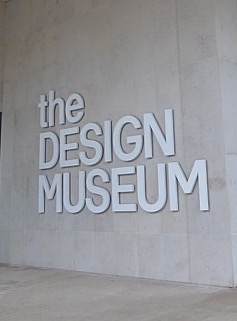
PICTURE: Ardfern (licensed under CC BY-SA 4.0/image cropped)

A new display at the Design Museum will showcase how cutting-edge design can help people live “more independently, sustainably and healthily but also with joy and fulfilment” as they age. Designing for our Future Selves, which opens on Friday, follows on from last Future of Ageing exhibition and will feature 10 design initiatives currently being developed by Design Age Institute and its partners which aim to positively impact the way we live and work as we grow older. The exhibition is free to visit. Runs until 26th March. For more, head here.

A permanent home for the Migration Museum, currently based in Lewisham, will be built in the Square Mile following planning approval this week. The new facility at 65 Crutched Friars will be located in a 21-storey building and will consist of three floors featuring space for exhibitions and events, a cafe and a shop. The City of London Corporation said the developer had agreed to provide the museum space rent-free for 60 years and to cover its operating costs for three years, and has also donated £500,000 to support its fund-raising campaign.

Send all items from inclusion to exploringlondon@gmail.com.
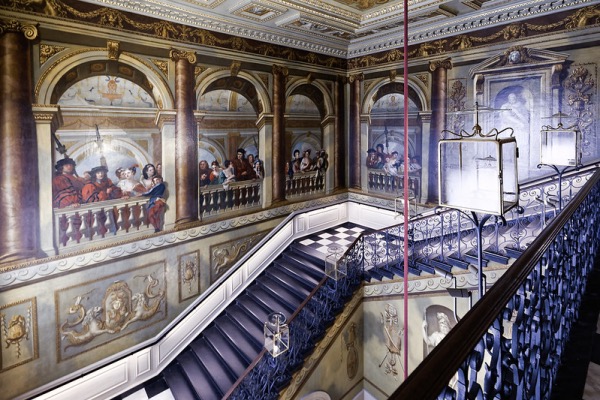
10 historic stairways in London – 8. The King’s Staircase, Kensington Palace… 

PICTURE: Tuomo Lindfors (licensed under CC-BY-NC-SA 2.0)

This staircase, a grand entrance to the King’s State Apartments at Kensington Palace, are famous for the paintings on the walls and ceiling which depict an 18th century court looking down on those who ascend.

The work of William Kent, the staircase paintings were complete in 1724 and replaced earlier wooden panelling.

The stairs were originally constructed as part of Sir Christopher Wren’s remodelling Nottingham House into Kensington Palace for King William III and Queen Mary II. Following a fire in 1691, they were rebuilt in marble.

There are 45 people in Kent’s painting and only about a dozen have been identified. As well as members of the Yeomen of the Guard, the images depict King George I’s Polish page Ulric, his Turkish servants Mahomet and Mustapha, Peter the ‘wild boy’, a child found in the woods in Germany, and Dr John Arbuthnot, a medical doctor and satirist who tried to teach Peter to speak.

Interestingly, Kent included a selfie on the ceiling – a depiction of himself, wearing a brown turban and carrying an artist’s palette, standing with his mistress by his side.

The trompe l’oeil (a technique which creates the optical illusion of 3D) work features architecture inspired by Rome where Kent had trained while there’s also a painted figure of Diana on the top landing which is based on an antique statue at Holkham Hall in Norfolk.

In 1734, Queen Caroline commissioned Kent to rework the stairs to the Queen’s State Apartments. His work there features a Roman-inspired scene again created as a trompe l’oeil. There is also a homage to Queen who is compared to Britannia. The staircase’s balustrade was another by Huguenot ironworker Jean Tijou.

WHERE: The Broad Walk, Kensington Gardens, Kensington (nearest tube stations are High Street Kensington or Queensway); WHEN: Daily 10am to 6pm (last admission 5pm); COST: £16 adult/£12.80 concession/£8 child (Historic Royal Palaces members free); WEBSITE: www.hrp.org.uk/KensingtonPalace.

London Explained – Historic Royal Palaces…

The Tower of London is one of the palaces under the care of Historic Royal Palaces. PICTURE: Nick Fewings/Unsplash

Visitors to several of London’s landmark royal properties will across an organisation known as Historic Royal Palaces.

HRP, as its sometimes shortened to, is a self-funding charity charged with the management of palaces which are owned by the Crown (technically by Queen Elizabeth II ‘in Right of Crown’ meaning she holds them in trust for the next monarch and by law cannot sell or lease them). The palaces are generally no longer used as royal residences.

These include the Tower of London, Hampton Court Palace, Kensington Palace, Kew Palace and the Banqueting House (once part of the Palace of Whitehall). Buckingham Palace, which remains the official London residence of Queen Elizabeth II and a working royal palace, is not one of them nor is St James’s Palace, home to several members of the Royal Family and their households.

All five of the properties in London which are under the care of Historic Royal Palaces ceased being regularly used by the Royal Court in the 19th century and were opened up to the public. The government became responsible for their care under the Crown Lands Act 1851.

In 1989, the government established Historic Royal Palaces as part of the Department of the Environment to oversee care of the five palaces. Six years later it became part of the Department of National Heritage (now known as the Department for Culture, Media & Sport).

In April, 1998, Historic Royal Palaces became an independent charity by Royal Charter. It is governed by a board of trustees who include the director of the Royal Collection Trust and the Keeper of the Privy Purse from the Royal Household as well as the Constable of the Tower of London.

Historic Royal Palaces now oversees management of the palaces under a contract with the Secretary of State for Culture, Media & Sport (as well as the five London properties, since 2014, it has also been responsible for the care of Hillsborough Castle in Northern Ireland).

Perhaps the most well-known faces of Historic Royal Palaces are joint curators – Tudor historian Tracy Borman, and architectural and social historian Lucy Worsley.

HRP collects revenues through entries to the palaces but also offer an annual membership through which you can have unlimited entry.

For more, head to www.hrp.org.uk.

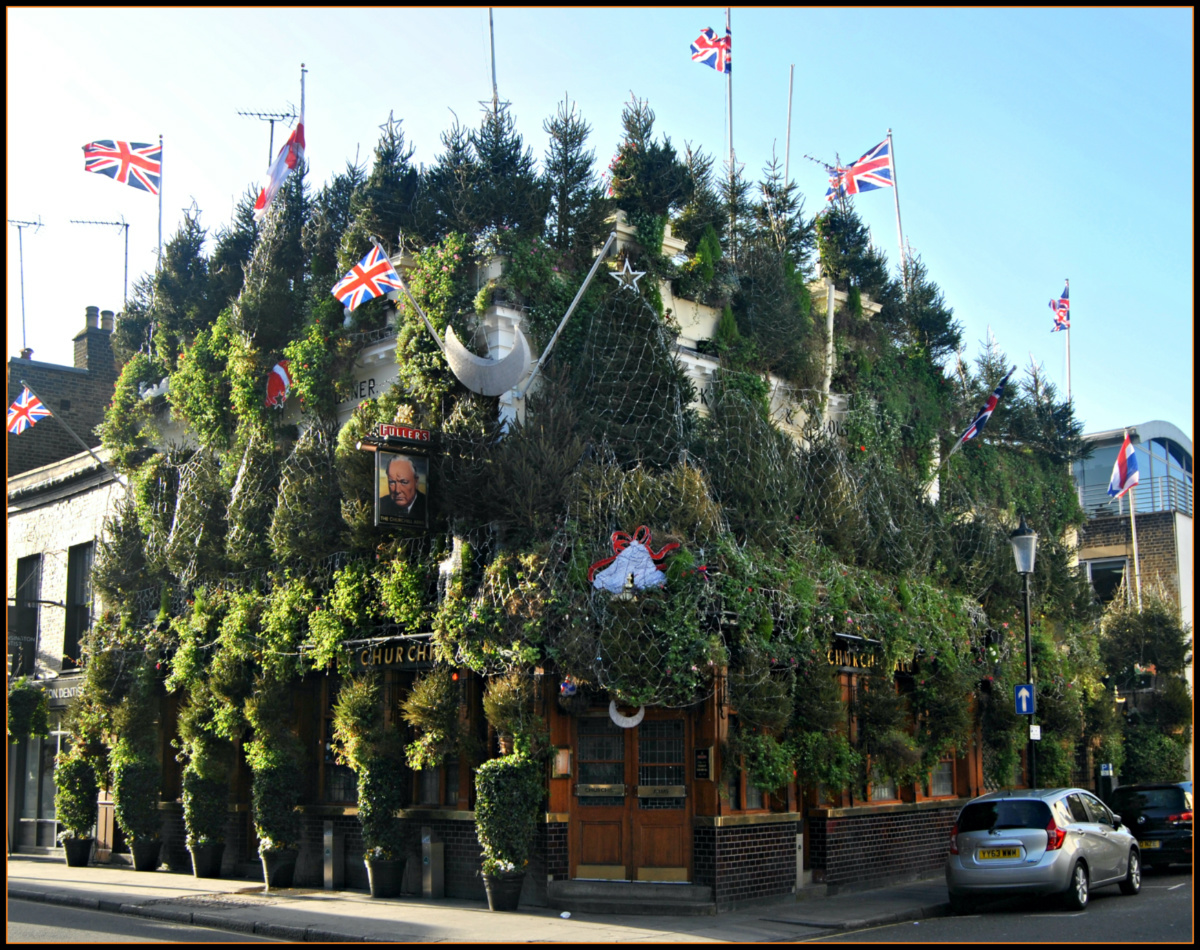
London Pub Signs – The Churchill Arms, Kensington…

The Churchill Arms decorated for Christmas in 2015. PICTURE: Loco Steve (licensed under CC BY-SA 2.0)

It’s Christmas in London and for such a festive occasion, one pub immediately springs to mind – The Churchill Arms.

The name is certainly not a mystery and doesn’t really have anything to do with the Christmas theme. It stems from, of course, wartime Prime Minister Winston Churchill – or rather, his grandparents, the Duke and Duchess of Marlborough, John and Frances Anne Spencer-Churchill, who were patrons here and which, in honour of Churchill and them, saw the pub so-named after World War II.

Churchill remains a theme in the interior where a good deal of related memorabilia can be found – including wartime posters, pictures of the man himself and a (fake) plaque commemorating Churchill’s use of the pub for his wartime broadcasts (there’s even a celebratory night held each year around Churchill’s birthday).

The pub, which is located at 119 Kensington Church Street, dates from 1750.

But in recent times, it’s become famous for its stunning Christmas light displays which this year reportedly feature some 80 Christmas trees and 22,000 lights. The pub is also known for its extraordinarily profuse flower displays which cost thousands of pounds each year and which have even won at none other than the Chelsea Flower Show.

It also holds the claim to fame of being the first London pub to serve Thai food when it did so as far back as 1988.

A Fullers pub, for more head to www.churchillarmskensington.co.uk.

This Week in London – Japan at Kew; Young V&A; a Blue Plaque for Diana’s flat; and, a new Lord Mayor of London…

Visitors to Kew Gardens are being invited to immerse themselves in the art, plants and culture of Japan in a month long celebration of the Asian nation. The Japan Festival kicks off this Saturday in Kew’s Temperate House and features at its heart a large-scale artistic installation by Japanese artist Chiharu Shiota entitled One Thousand Springs which is constructed of 5,000 haikus submitted by members of the public. There will also be a specially commissioned Chalk Garden – a contemporary response to a Japanese garden showcasing native plants including grasses, shrubs and trees – as well as a display showcasing six different chrysanthemums, Japan’s national flower, and an immersive soundscape by sound artist Yosi Horikawa featuring the natural sounds of the rivers and waterfalls of Kagoshima, atmospheric soundscapes from the Cedar mountains of Gifu and bird calls set across the waves of the Philippine Sea. The Temperate House will also be illuminated for Japan: After hours featuring a varied programme of dance, theatre, and live music performances as well as traditional flower arranging and sake sipping. The festival, supported by Daikin UK, runs to 31st October. Admission charge applies. For more, see www.kew.org.

Sky Brown from Great Britain during women’s park skateboard at the Olympics at Ariake Urban Park, Tokyo, Japan on August 4, 2021. PICTURE: Ulrik Pedersen/NurPhoto via Getty Images.

Thirteen-year-old Olympian Sky Brown’s skateboard, children’s garments created by sustainable fashion designer, humanitarian and artist Bethany Williams, and Open Bionics’ 3D printed prosthetic, The Hero Arm, are among new acquisitions to be displayed at what was the former V&A Museum of Childhood. Now renamed the Young V&A, the Grade II* Bethnal Green institution is undergoing a £13m transformation ahead of reopening in 2023. The new interior fit-out, by firm AOC Architecture, will include three new galleries –  Play, Imagine and Design – as well as interactive collection displays, a suite of dedicated learning workshops, an in-gallery design studio for visitors, and a new café and shop.

• The late Princess Diana has been honoured with an English Heritage Blue Plaque at her former flat in Kensington. Flat 60, Coleherne Court, Old Brompton Road, was her home between 1979 and 1981 during her courtship with Prince Charles. She shared it with three friends including Virginia Clarke who was at the unveiling ceremony this week. Diana, who died aged 36 in a Paris car crash in 1997, described her years at the property as “the happiest time of her life”, according to biographer Andrew Morton’s book Diana, In Her Own Words.

Vincent Keaveny was this week elected as the 693rd Lord Mayor of the City of London. Alderman Keaveny succeeds Lord Mayor William Russell, who served a second year in office after his term was extended to ensure continuity of leadership during the current COVID-19 pandemic (the last time a Lord Mayor served a second year in office was in 1861 when William Cubitt was re-elected). The annual Lord Mayor’s Show is scheduled for Saturday, 13th November, and will be followed by Lord Mayor’s Banquet at Guildhall on 15th November.

Send all items to exploringlondon@gmail.com.

This Week in London – New statue of Princess Diana; V&A’s new Design 1900 gallery; a Blue Plaque for Jean Muir; and, police boxes reimagined…

A new statue of the late Princess Diana is being unveiled today at Kensington Palace. The statue will be unveiled in the Sunken Garden at Diana’s former home. The garden – originally created on the orders of King Edward VII in 1908 – has been redesigned by designer Pip Morrison to provide a more reflective setting for the memorial. This included planting more than 4,000 of Diana’s favourite flowers including forget-me-nots and tulips. The statue, which is the work of sculptor Ian Rank-Broadley, is expected to be unveiled by Diana’s two sons, William and Harry, who commissioned it in 2017.

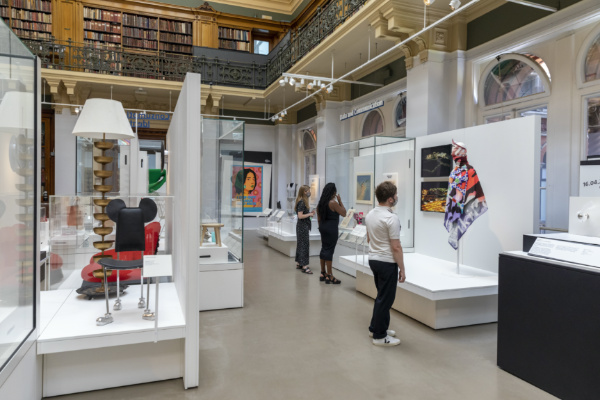
The V&A’s new gallery, Design 1900. PICTURE: Courtesy of the V&A

A new permanent gallery has opened at the V&A which explores the role design plays in shaping, and being shaped by, how we live, work, travel and communicate. Design 1900 is housed within the museum’s former 20th Century Gallery and, among the displays are new acquisitions including Margaret Calvert and Jock Kinneir’s iconic British road signage system, Kim Kardashian’s Selfish book, Nike’s Nigeria football shirt for the 2018 World Cup and a one-of-a-kind desk designed by Future Systems for Condé Nast Chairman Jonathan Newhouse. The display also includes items from the Rapid Response Collecting programme such as 3D-printed door openers, designed to limit the spread of the COVID-19 virus, and the I Believe in Our City bus shelter posters that highlighted increased anti-Asian bias. For more, see www.vam.ac.uk.

Twentieth century dressmaker and fashion designer Jean Muir has been honoured with an English Heritage Blue Plaque at the Mayfair address she worked for 30 years. The plaque was unveiled at 22 Bruton Street, the location of the showroom and office she operated out of from 1966 to 1995, by her house model, friend and client Joanna Lumley. Others among Muir’s clientele included actress Patricia Hodge and writer Lady Antonia Fraser. For more, see www.english-heritage.org.uk/visit/blue-plaques/.

The City of London Corporation has unveiled the design for new ‘Digital Service Points’ which will reimagine the concept of the traditional police boxes. ‘The London Stones’, the work of architecture and design studio Unknown Works, will include information screens, life saving emergency equipment and serve as hubs for City of London Police officers and community events. Details from buildings, stories and images of the Square Mile will be collected and ‘digitally carved’ into the exterior of the ‘stones’ which will also be home to a vast array of lichen colonies and species expected to evolve in their colour and appearance as they grow.

Send all items for inclusion to exploringlondon@gmail.com

This Week in London – Open House London; The British Army in Germany; and, Christine Granville’s Blue Plaque…

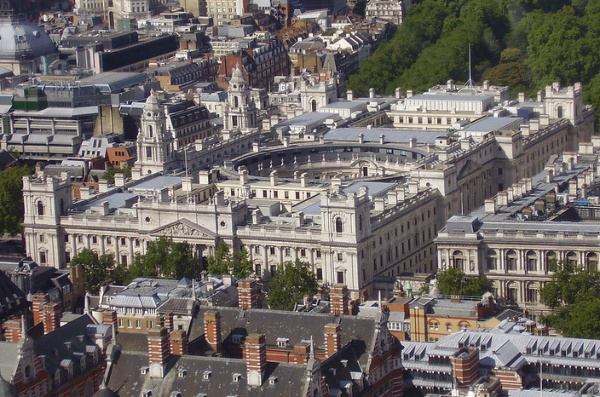
• It’s Open House London this weekend and, thanks to the coronavirus pandemic, this programme features a host of documentary films, online events and self-led walking tours. Highlights from the festival, which runs over Saturday and Sunday with some additional events taking place until 27th September, include online tours of the HM Treasury in Whitehall (pictured) and Dorich House Museum in Kingston-upon-Thames, a self-guided walking tour of Fosters + Partners buildings in London’s centre, and the chance to visit Rochester Square in Marylebone. The programme features a series of collections of related events – such as those related to ‘colonial histories’ or ‘architecture for the climate emergency’ – to help make it easier for people to access. For the full programme of events, head to https://openhouselondon.open-city.org.uk. PICTURE: HM Treasury Building taken from the London Eye (Dave Kirkham/licensed under CC BY-ND 2.0/Image cropped)

The work and lives of the more than million British Army soldiers who have served in Germany following World War II is the subject of a new exhibition opening at the National Army Museum in Chelsea next Tuesday. Foe to Friend: The British Army in Germany since 1945 charts how the Army helped to rebuild a broken nation in the aftermath of the war, provide protection during the Cold War and, later, how they used Germany as a base to deploy troops all around the world. It will include stories of family life as well as those involving espionage and massive military training exercises. The free exhibition can be seen until 1st July, 2021. For more, see www.nam.ac.uk.

Christine Granville, Britain’s first and longest-serving female special agent, has been honoured with an English Heritage Blue Plaque. The plaque is located at the 1 Lexham Gardens hotel (previously known as the Shelbourne Hotel) in Kensington which was Granville’s base after the war. Granville, who was once described by Churchill as his “favourite spy”, was born in Warsaw as Krystyna Skarbek. She joined  British intelligence after Germany invaded Poland in 1939 and undertook missions including skiing over the snow-bound Polish border in temperatures of -30 degrees Celsius, smuggling microfilm revealing Hitler’s plans to invade the Soviet Union across Europe and rescuing French Resistance agents from the Gestapo (in fact, it’s said she was also the inspiration for Vesper Lynd, a spy in Ian Fleming’s first James Bond novel, Casino Royale). Christine Granville was one of her aliases she had been given during her time with intelligence and it was a name she decided to keep after the war. For more, see www.english-heritage.org.uk/visit/blue-plaques/.

Send all items for consideration to exploringlondon@gmail.com.

This Week in London – Kensington Palace reopens with Diana’s ‘Travolta dress’; institution reopenings; the Luna Cinema at Greenwich; and, ‘British Surrealism’ online…

Kensington Palace has reopened its doors today after four months of lockdown and, to celebrate, the famous “Travolta dress” worn by Princess Diana is going on show for the first time. Designed by Victor Edelstein, the midnight blue velvet gown became the focus of world attention in 1985 when the Princess wore it to a White House Gala during which she danced with actor John Travolta. Historic Royal Palaces acquired the dress at auction in 2019. The palace will feature a new one-way route as part of coronavirus social distancing measures. For more, see www.hrp.org.uk/kensington-palace/.

Other reopenings this week include: the Imperial War Museum, Churchill War Rooms, Wellington Arch, the Ranger’s House in Greenwich and the Jewel Tower in Westminster (Saturday, 1st July); the Royal Observatory in Greenwich (Monday, 3rd August); and, the Natural History Museum in South Kensington (Wednesday, 5th August).

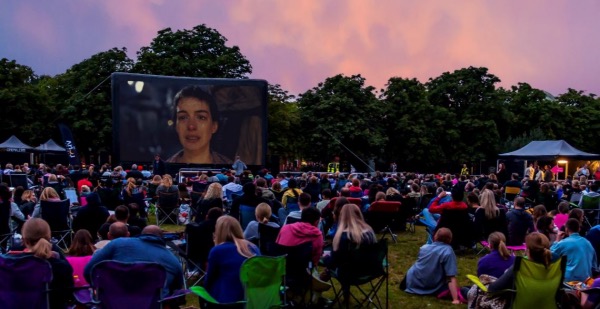
The Old Royal Naval College at Greenwich will host Luna Cinema’s open-air cinema from Tuesday 4th to Thursday, 6th August. Audiences will be able to sing and dance along to blockbuster hits RocketmanJudy and Dirty Dancing with the college as the backdrop. Meanwhile the Old Royal Naval College is launching new smartphone tours with the first, available for free on any smartphone using the Smartify app, a family tour aimed at those visiting with children aged five to 12 years. For more, see www.ornc.org.

The Dulwich Picture Gallery’s British Surrealism exhibition will be available for anyone to view online from Friday. The exhibition, which celebrates the British artists that contributed to the iconic surrealist movement, features more than 70 artworks from 42 artists, including Leonora Carrington, Francis Bacon, Henry Moore, Paul Nash, Ithell Colquhoun, and Conroy Maddox. For more, see www.dulwichpicturegallery.org.uk.

Send all items for inclusion to exploringlondon@gmail.com.
10 disease-related memorials in London…4. Edward Jenner statue…

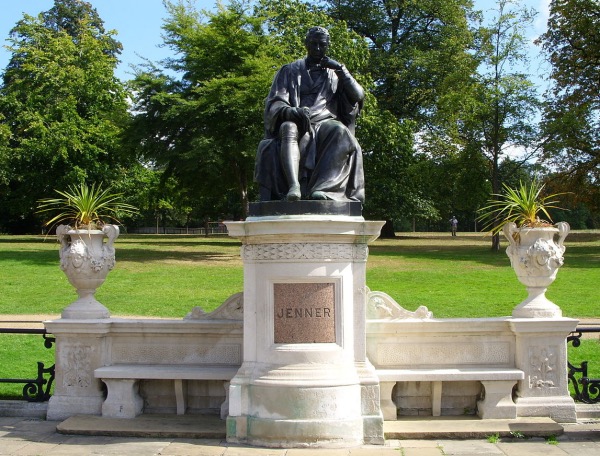
Located in the Italian Garden in Kensington Gardens, this statue commemorates Edward Jenner, the Gloucestershire-born doctor credited with the development of the modern vaccine for smallpox.

Smallpox is estimated to have killed some 400,000 people each year in the 18th century. Jenner, who trained in London in the early 1770s, had heard that having cowpox protected milkmaids from getting smallpox inoculated a healthy child, eight-year-old James Phipps (the son of his gardener), with cowpox and, injecting him with smallpox two months later, was able to show the boy was immune to smallpox (although the ethics of Jenner’s experiment still remain a matter of considerable debate).

The bronze statue, which depicts Jenner seated, was the work of Royal Academician William Calder Marshall. Funded through international subscription, it was originally was unveiled by Prince Albert in 1858 in Trafalgar Square. It was moved to the Italian Garden in 1862, apparently after pressure from anti-vaxxers.

A bronze plaque laid in the ground in front of the statue describes Jenner, who is sometimes hailed as the “Father of Immunology”, as a “country doctor who benefited mankind”.

Smallpox, which is believed to have killed some 300 million people in the 20th century alone, was declared to have been eradicated worldwide by the 33rd World Health Assembly in May, 1980, with the last reported case in Somalia in 1977.

Recent years have seen a push to have the statue returned to Trafalgar Square.

PICTURE: Iridescenti (licensed under CC BY-SA 3.0)

Where’s London’s oldest…surviving cabmen’s shelter?


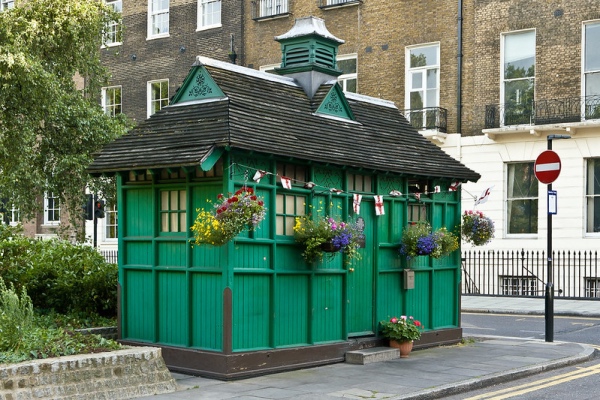
More than 60 of these shelters were built at major cab stands around London between 1875 and 1914 in order to allow cabmen to seek refreshment without leaving their vehicle.

The narrow, rectangular, green huts were constructed by the Cabmen’s Shelter Fund – which was established in 1875 by a philanthropically-minded group including the newspaper publisher Sir George Armstrong and the  Earl of Shaftesbury (the group also had the support of the Prince of Wales, later King Edward VII).

The story goes that it was Sir George who pushed the idea forward after a servant he sent to find a cab in some inclement weather took a long time in returning thanks to the fact the cabbies were all off seeking a hot meal in nearby pubs.

The shelters, which police specified were not allowed to be larger than a horse and cart given their position on a public highway, were initially very simple in design but become more ornamental as time went on (architect Maximilian Clarke, who designed a shelter for Northumberland Avenue which was built in 1882, was a key proponent of this more ornate style).

Most were staffed by attendants who sold food and drink to the cabbies (there were also kitchen facilities for them to cook their own as well as tables to sit at and a variety of reading materials). Drinking and gambling, as well as swearing, were apparently strictly forbidden.

The first of these shelters, which reportedly cost around £200 each, was erected in Acacia Road, St John’s Wood, but that shelter is long gone. Just 13 of the huts now survive and all are Grade II-listed. They have various nicknames assigned to them by London’s cabbies – one on Kensington Road, for example, is apparently known as ‘The All Nations’ thanks to its proximity to the site of the Great Exhibition of 1850, while another at Temple Place is simply known as ‘The Temple’.

As to which is the oldest?

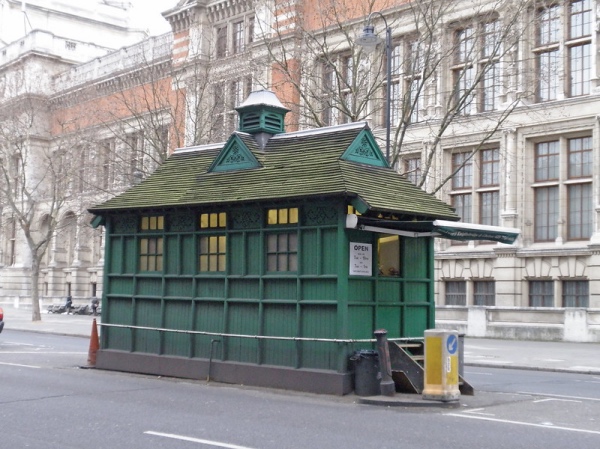
Well, that’s proved a bit of a vexed question. According to listings on the Historic England website, the oldest we could find dated from 1897. They included one located in Hanover Square, another in Russell Square (this having been relocated from its previous position in Leicester Square), and a third in Thurloe Place in South Kensington, opposite the Victoria and Albert Museum.

But there were three for which we could find no details of the date on which they were built. They include one on the Chelsea Embankment near the Albert Bridge, another in St George’s Square in Pimlico, and the final one in Wellington Place in St John’s Wood near Lord’s cricket ground.

Update: According to our cabbie correspondent – see comments below – the Cabmen’s Shelter Fund have said the oldest shelter is that in Kensington Park Road, which they dated to 1877. Historic England have this one listed as dating 1909 – perhaps a rebuild?

Correction: The shelter known as ‘The All Nations’ is in Kensington Road, not Kensington Park Road as originally reported.

PICTURES: Top – The Russell Square shelter (David Nicholls, licensed under CC BY-NC 2.0); Below – the Cabmen’s Shelter in Thurloe Place opposite the Victoria and Albert Museum in South Kensington (Amanda Slater, licensed under CC BY-SA 2.0)

Famous Londoners – Nicholas Hawksmoor…

Architect Nicholas Hawksmoor was a key figure in the creation of the fabric of London as we know it, working alongside Sir Christopher Wren as well as alone, and responsible for numerous works with can still be seen in London today.

Hawksmoor was born into a yeoman farming family in Nottinghamshire in around 1661-62 but little else is known of his early life. He probably received a fairly basic education but is believed to have been taken on a clerk to a justice in Yorkshire before, thanks to encountering a decorative plasterer by the name of Edward Gouge, travelling to London.

There, Hawksmoor was introduced to Wren who, agreed to take on the young man as his personal clerk at just the age of 18. He moved through a number of junior positions in Wren’s household before becoming deputy surveyor at Winchester Palace – between 1683 and 1685 – under Wren.

He went on to work with his mentor on numerous further projects; these included Chelsea Hospital, St Paul’s Cathedral, Hampton Court Palace and Greenwich Hospital as well as Kensington Palace where, thanks to Wren’s support, he was named clerk of works in 1689 (as well as deputy surveyor of works at Greenwich). He remained in these posts for some 25 years before he was removed thanks to political machinations (although he later returned to the secretaryship).

Hawksmoor also worked with Sir John Vanbrugh, assisting him in building Blenheim Palace, taking over command of the job in 1705. Vanbrugh made him his deputy and Hawksmoor later succeeded him as architect at Castle Howard in Yorkshire, designing a number of monuments in the gardens, including the great mausoleum.

Hawksmoor is described as one of the masters of the English Baroque style – Easton Nelson in Northamptonshire, which he designed for Sir William Fermor, is an exemplar of his work (and the only country house for which he was sole architect, although it remain uncompleted).

Hawksmoor also worked on buildings for the university at Oxford and while All Soul’s College was among buildings he completed, many of his proposed designs were not implemented for various reasons (as were grand plans he had for the redesign of central Oxford).

From 1711, Hawksmoor was busy again in London where, following the passing of an Act of Parliament, he was appointed as one of the surveyors to a commission charged with overseeing the building of 50 new churches in London.

The commission only completed 12 churches, but half of them were designed by Hawksmoor (and he collaborated with fellow surveyor John James on two more). Hawksmoor’s completed churches include St Alfege in Greenwich, St George’s, Bloomsbury, Christ Church in Spitalfields, St George in the East in Wapping, St Mary Woolnoth, and St Anne’s Limehouse (the churches he collaborated on include James are St Luke Old Street and the now demolished St John Horsleydown).

In 1723, following Wren’s death, he was appointed Surveyor to Westminster Abbey and, as well as aspects of the interior (some of which still survive to this day) designed the landmark west towers (although they weren’t completed until after his death).

Hawksmoor died at his home in Millbank on 25th March, 1736, from what was described as “gout of the stomach”, having struggled with his health for a couple of decades previously. He was buried at the now deconsecrated church in Shenley, Hertsfordshire.

Hawksmoor was survived by his wife Hester by a year, and a daughter, Elizabeth.

PICTURES: Top – The West Towers of Westminster Abbey; Right – St Anne’s, Limehouse. (David Adams)