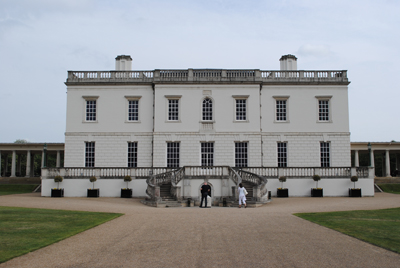
 • The Queen’s House in Greenwich has reopened this week following more than a year long restoration to mark its 400th anniversary. The property was designed by Inigo Jones for King James I’s wife, Queen Anne of Denmark (supposedly it was a gift from the king, given as an apology for swearing in front of her after she accidentally killed one of his dogs while hunting), and, commissioned in 1616 (but not finished until 1636, well after Queen Anne’s death), is regarded as Britain’s first fully classical building. The newly reopened premises houses more than 450 works of art from the National Maritime Museum’s collection and a new gold leaf artwork – inspired by the newly restored Tulip Stairs – on the ceiling of the Great Hall created by Turner Prize-winning artist Richard Wright. Other attractions include Gentileschi’s painting Joseph and Potiphar’s Wife, which has returned to the house, where it is on display in the King’s Presence Chamber, for the first time since 1650, and the iconic Armada Portrait of Queen Elizabeth I, which is now on permanent display. Entry to the property is free. The property’s reopening is being accompanied by a series of talks. For more, see www.rmg.co.uk/queens-house.
• The first major exhibition to explore the work Italian artist Caravaggio has opened at The National Gallery on Trafalgar Square this week. Beyond Caravaggio features 49 paintings traces the life of Michelangelo Merisi da Caravaggio (1571-1610), from his early years in Rome producing highly original works depicting youths, musicians, cardsharps and fortune-tellers through to his sensational first public commission in 1600 and the many commissioned works which followed, his two trips to the Kingdom of Naples (both times while fleeing the law, the first after committing murder), and how his works inspired – and were reflected in the works of – other painters. Works on show include Caravaggio’s Boy Bitten by a Lizard (1594-95) and The Supper at Emmaus (1601), as well as the recently discovered The Taking of Christ (1602) and Saint John the Baptist in the Wilderness (1603-04) along with a host of works from other painters. The exhibition is a collaboration with the National Gallery of Ireland and the Royal Scottish Academy and will head to these institutions after it finishes its run at The National Gallery on 15th January. Admission charge applies. For more, see www.nationalgallery.org.
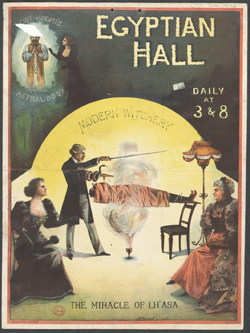 • A free exhibition exploring the popular Victorian entertainments which have shaped today’s theatrical traditions opens at the British Library in King’s Cross tomorrow. Victorian Entertainments: There Will Be Fun focuses on five performers who were instrumental entertainers during the 19th century – from mesmerist Annie De Montfort and ‘Royal Conjurer’ Evasion to Dan Leno – the “funniest man on earth”, circus owner ‘Lord’ George Sanger and magician John Nevil Maskelyne of the Egyptian Hall. The display features decorative posters, handbills, musical scores, advertisements and tickets and includes items drawn from the 6,000 pieces of printed ephemera contained in the library’s Evasion collection as well as original sound recordings, artefacts on loan from The Magic Circle Museum and memorabilia from the Egyptian Hall in London. Five original performance pieces have been commissioned for the exhibition and every Saturday until 17th December, a company of actors and performers will present archive material from the exhibition in a contemporary performance. There’s also an extensive events programme accompanying the exhibition. Runs until 12th March. For more, see www.bl.uk/events/victorian-entertainments-there-will-be-fun. PICTURE: Modern Witchery Maskelyne at the Egyptian Hall; © British Library Board
Send all items for inclusion to exploringlondon@gmail.com.
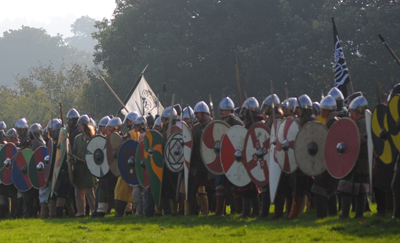


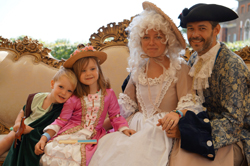 • Join Queen Caroline, wife of King George II, for a garden party in the grounds of Kensington Palace this weekend. The celebrations include music, military drills and live performances in a bid to bring the era of the Georgians to life. Visitors can listen to court gossip, learn how to play popular music and devise ways to amuse the queen as they pop in and out of a range of tents set up in the gardens, each of which contains a different activity, from uncovering dress secrets to designing a mini-garden fit for a king or queen. There’s even the chance to sample some Georgian ice-cream in the ice-house. The days will be held from today until 21st August. Admission charges apply. For more, see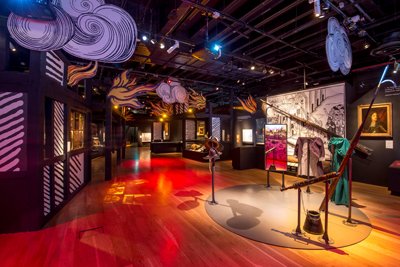



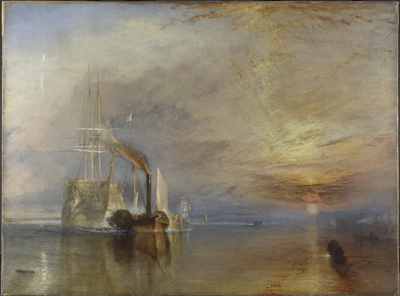
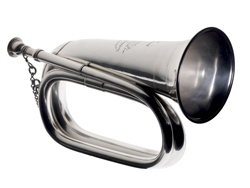 Marking the centenary of the battle, Jutland 1916: WWI’s Greatest Sea Battle explores the battle itself (which claimed the lives of more than 8,500 as the British Grand Fleet met the German High Seas Fleet in what neither side could claim as a decisive victory) as well as its lead-up, aftermath and the experience of those serving on British and German warships through paintings and newspaper clippings, photographs, ship models and plans, sailor-made craft work and medals. Among the objects on display is a 14 foot long shipbuilder’s model of the HMS Queen Mary, which, one of the largest battle cruisers involved,was destroyed with only 18 survivors of the 1,266 crew. Among the personal stories told in the exhibition, meanwhile, is that of boy bugler William Robert Walker, of Kennington, who served on the HMS Calliope and, severely wounded during the battle, was later visited by King George V
 Exploring London