Earlier…
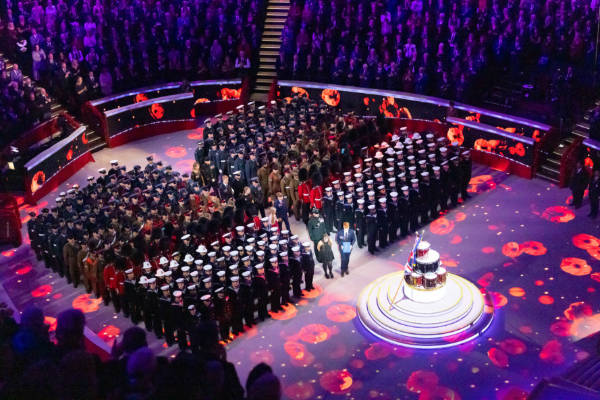
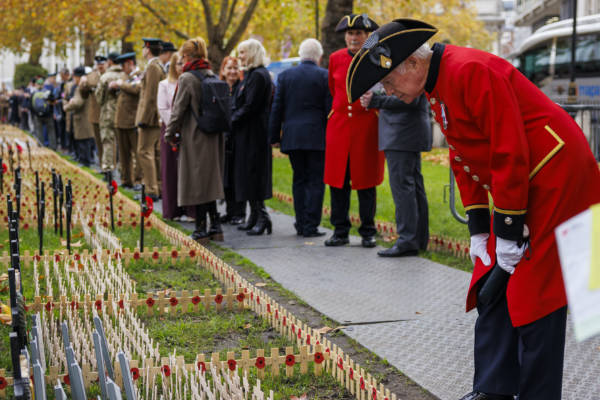
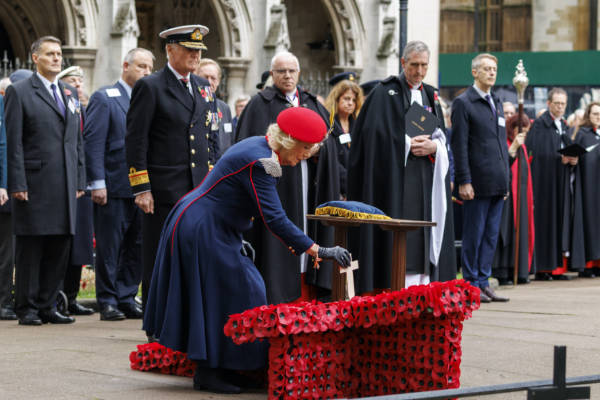
Earlier…
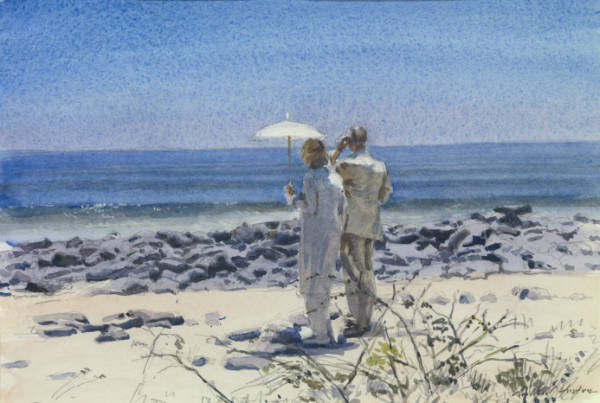
• More than 70 works of art from the King’s private collection – many of which have never been shown publicly before – go on show from today as part of the summer opening of Buckingham Palace’s State Rooms. The King’s Tour Artists, which can be seen in the ballroom, features works by 43 artists who have travelled with the King and Queen during the past 40 years. They include the earliest work on show – From the Afterdeck of HMY Britannia by John Ward, the inaugural tour artist – as well as Basilica of San Vitale, created by Fraser Scarfe who became the first tour artist to create digital artwork on an iPad when he accompanied the King and Queen on a State Visit to Italy. Other works include a pair of portraits of the King and Queen when Prince of Wales and Duchess of Cornwall which were painted by James Hart Dyke following a tour to the Gulf States in 2007, a drawing by Claudette Johnson made after the first official royal visit to Rwanda in 2022, and a terracotta head by Marcus Cornish, the only sculptor ever to have been chosen as a tour artist, which depicts a war veteran met by the royal party during a visit to Slovakia in 2000. Other highlights of the summer opening include the chance to see the recently installed Coronation State Portraits of the King and Queen in their permanent home. Runs until 28th September. Admission charge applies. To book, head to www.rct.uk.
• Artworks for octopii and an immersive seaweed installation are among artworks in a new exhibition at the Design Museum focusing on a growing movement of ‘more-than-human’ design. More than Human brings together more than 140 works spanning contemporary and traditional practices, fine art, product design, architecture and interactive installations – the work of more than 50 artists, architects and designers. As well as the artworks for octopuses by Japanese artist Shimabuku and the seaweed installation by artist Julia Lohmann, other highlights include a vast new tapestry that explores the perspectives of pollinators by Alexandra Daisy Ginsberg and an eight metre long mural by MOTH (More Than Human Life Project), depicting the growing movement to award legal rights to waterways around the world. Runs until 5th October. Admission charge applies. For more, see https://designmuseum.org/exhibitions/more-than-human.
• On Now: Saving St Paul’s: The Watch and the Second World War. This free outdoor exhibition – part of St Paul’s Cathedral’s commemorations around the 80th anniversary of World War II, honours the volunteers known as the St Paul’s Watch and their efforts to protect the cathedral during the Blitz. That included during the two direct hits to the cathedral – in October, 1940, and April, 1941. A short film accompanies the display which can be seen in the cathedral garden. The exhibition can be seen until October, 2025. For more, see www.stpauls.co.uk.
London paused on. Monday to mark the 20th anniversary of the terror attacks which took place on the 7th July, 2005.
Fifty-two people died in the attacks and hundreds were injured when three suicide bombers struck at 8.50am in the vicinity of Aldgate, Edgware Road and Russell Square Tube stations. A fourth device exploded at 9.47am on a bus that had been diverted via Tavistock Square.
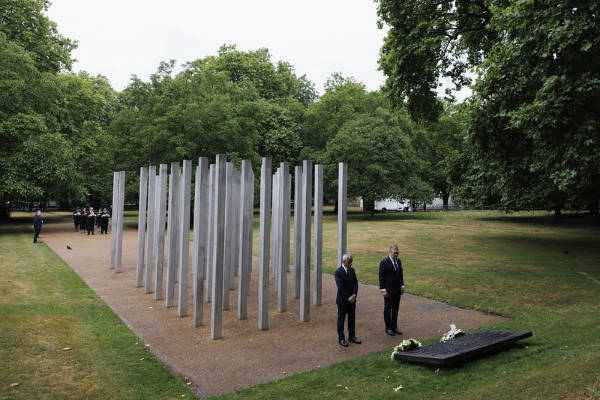
On Monday, the names of all those killed in London’s 7/7 bombings were read out at the National Memorial Service at St Paul’s Cathedral. In Hyde Park, Prime Minister Sir Keir Starmer and Mayor of London Sir Sadiq Khan laid wreaths at the 7/7 Memorial, marking the time when the first bomb exploded.
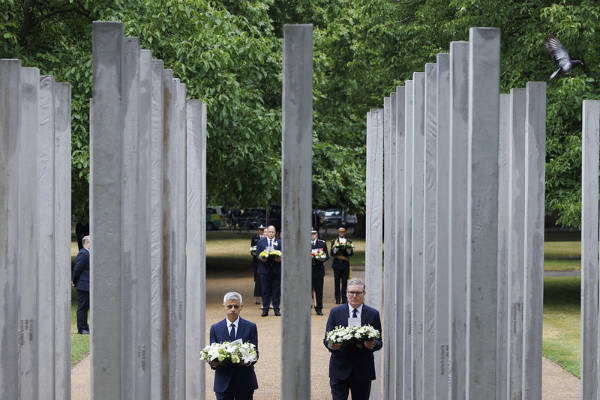
Commemorative events were also held at the sites where the bombings occurred.
In a message to mark the anniversary, King Charles III said his “heartfelt thoughts and special prayers remain with all those whose lives were forever changed on that terrible Summer’s day”.
“We remember with profound sadness the 52 innocent people who were killed in senseless acts of evil – and the enduring grief of their loved ones. We recall, too, the hundreds more who carry physical and psychological scars, and pray that their suffering may ease as the years pass.”
The King also called on people to “remember the countless stories of extraordinary courage and compassion that emerged from the darkness of that day”.
“The selfless bravery of our emergency services, transport workers, and fellow citizens who rushed towards danger to help strangers reminds us of the very best of humanity in the face of the very worst.”
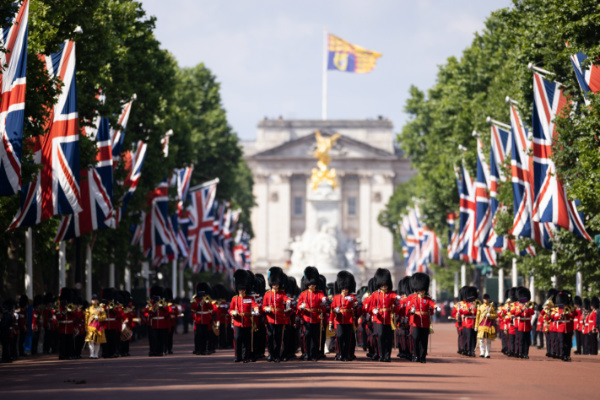
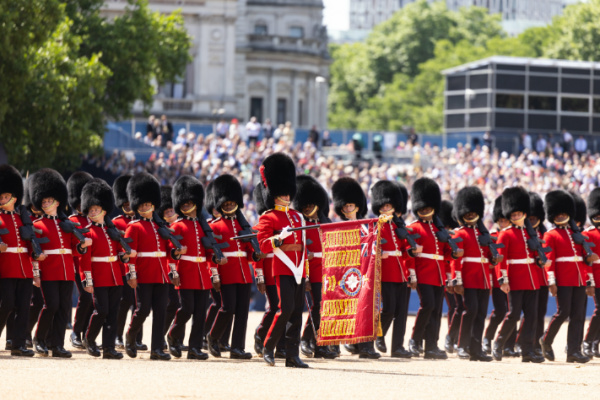
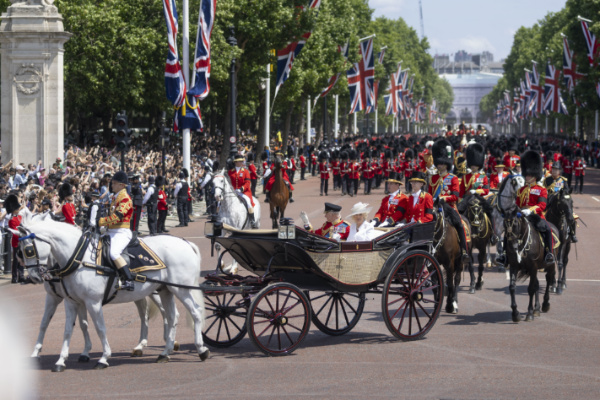
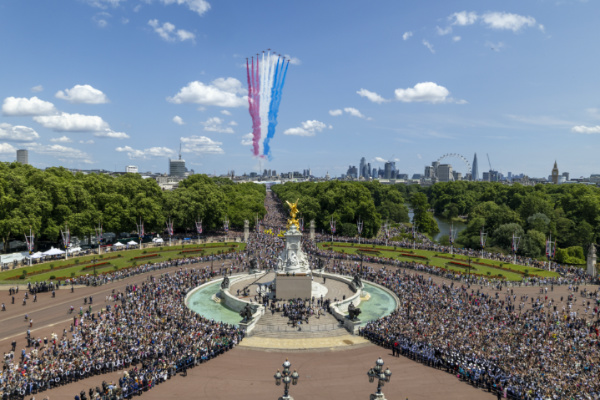
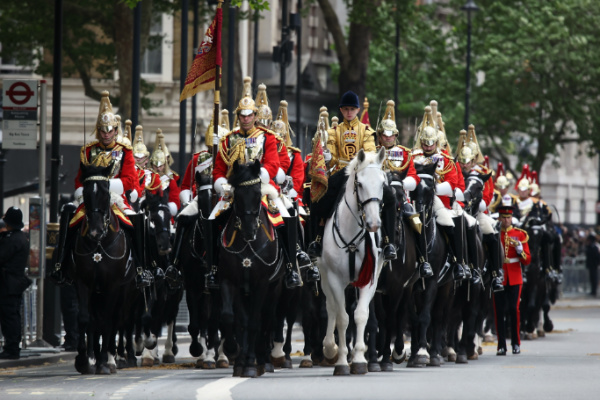
More than 1,000 soldiers and 200 horses from the Household Division took part in the King’s Birthday Parade, also known as Trooping the Colour, on Saturday.



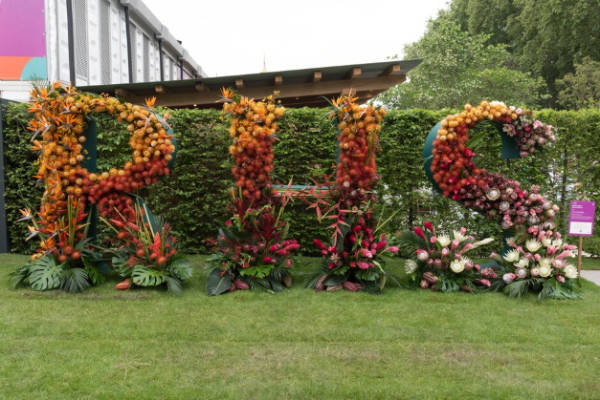
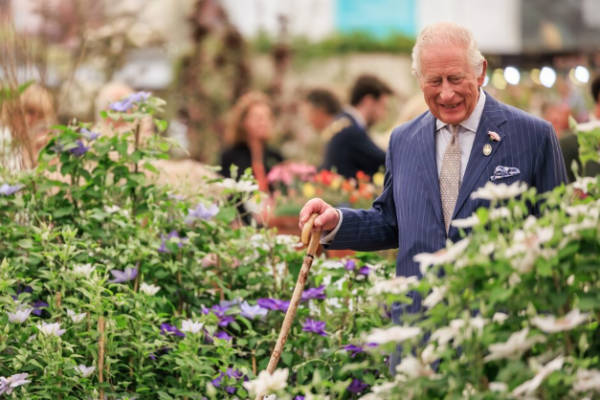
It’s that time of year again and the flowers are blooming at the annual RHS Chelsea Flower Show which started today and runs until Saturday. Here’s some images from this year’s event…
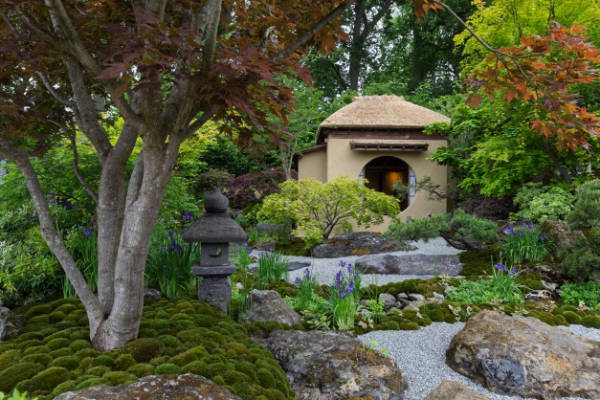
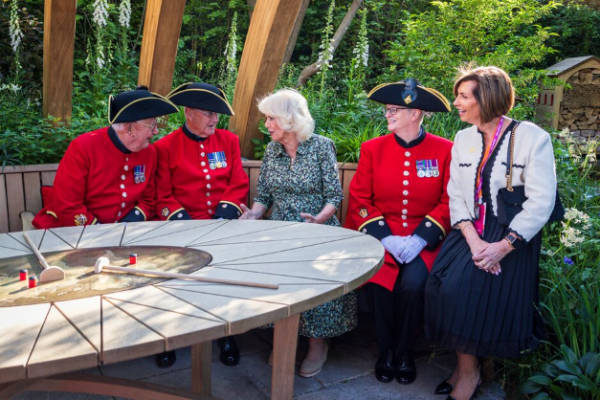
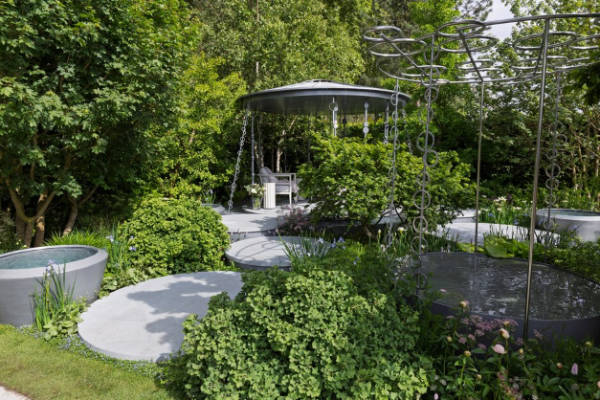
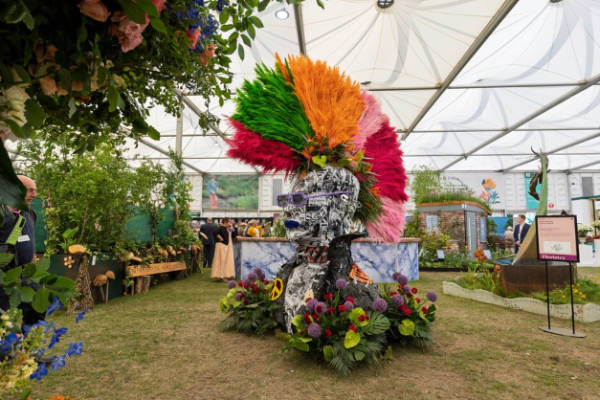
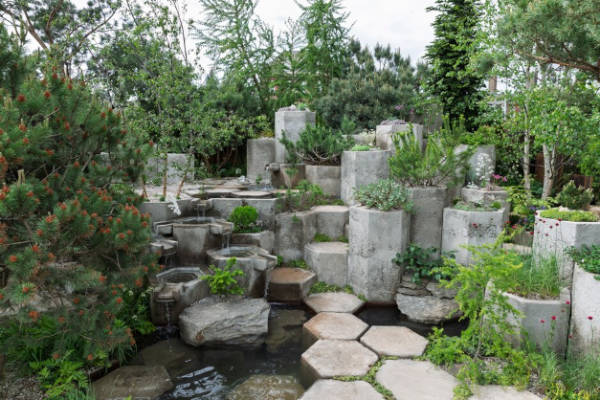
For more, head to https://www.rhs.org.uk/
• VE Day commemorations continue in London this week with an Evensong service to be held outside St Paul’s Cathedral this evening. The service to commemorate the 80th anniversary of the end of the war in Europe will be held between 5pm and 6pm. Following the service will be a lamp-lighting ceremony and blessing on the cathedral’s west steps with the cathedral bells being tolled as part of a national bell-ringing at 6:30pm. A replica of a World War II Spitfire can also be seen in front of the West Steps. The service is free and unticketed – entry is via Paternoster Square. For more, see www.stpauls.co.uk/whats-on/special-evensong-to-commemorate-80th-anniversary-of-end-of-second-world-war-in-europe-ve80.
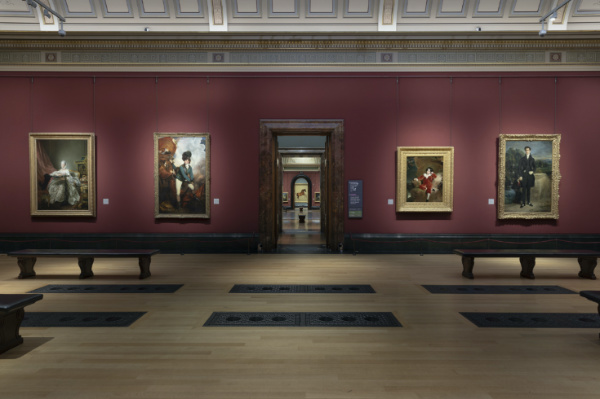
Central Hall, The National Gallery. Image and Identity: Full-Length Portraits 1550-1900. Part of ‘C C Land: The Wonder of Art’. PICTURE: © The National Gallery, London
• A major redisplay of the National Gallery’s collection – created as part of its bicentenary celebrations – can be seen from Saturday. C C Land: The Wonder of Art, which coincides with the opening of the transformed Sainsbury Wing after more than two years of building works, features more than 1,000 works and traces the development of painting in the Western European tradition from the 13th to 20th centuries. Among the works displayed are the Coronation State Portraits, commissioned from the artists Peter Kuhfeld and Paul S Benney and unveiled by King Charles III and Queen Camilla this week, which will be on display until 5th June when they will be moved to the Throne Room at Buckingham Palace. There are also newly restored works including the Pollaiuolo brothers’ The Martyrdom of San Sebastian and Jan van Eyck’s Portrait of a Man (Self Portrait?) and newly acquired works such as Eva Gonzalès’ The Full-length Mirror (about 1869‒70), Sir Lawrence Alma-Tadema’s After the Audience (1879) and Nicolas Poussin’s Eucharist (about 1637‒40) – one of the greatest paintings of the Last Supper. Meanwhile, a series of rooms have been dedicated to the work of individual artists including the likes of Titian (active about 1506‒1576), Rembrandt (1606‒1669) and Monet (1840‒1926) and one part of the new display focuses on King Charles I (1600‒1649) as a collector of art and includes major loans from the Royal Collection. Finally, in a first for the gallery, Segna di Bonaventura’s Crucifix (about 1310‒15) has been suspended from the gallery’s ceiling, enabling today’s audiences to view the work in the way it would have been seen in the 14th century. Entry to the gallery is free. For more, see nationalgallery.org.uk.
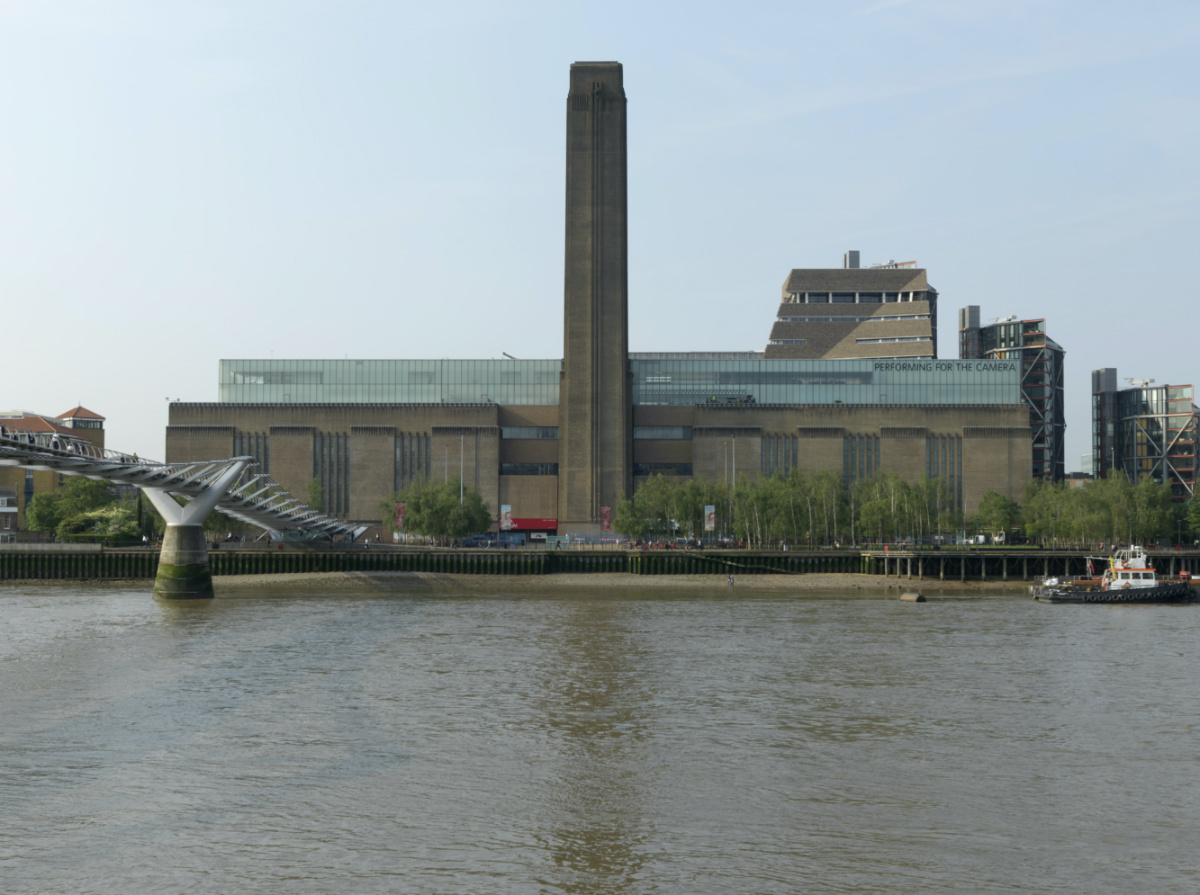
• The Tate Modern is celebrating 25 years this weekend with four days of festivities starting from tomorrow (Friday). A number of recent additions to Tate’s collection will go on display around the building for the anniversary and some of the most iconic works from Tate Modern’s history are coming back including Louise Bourgeois’s 10 metre high bronze spider Maman which was the first work to greet visitors when Tate Modern opened in 2000. Other returning works include Mark Rothko’s Seagram murals and Dorothea Tanning’s Eine Kleine Nachtmusik while among contemporary works being highlighted over the weekend is an immersive multi-screen film installation by Nalini Malani. Two new exhibitions are also open for the anniversary weekend – A Year in Art: 2050 which explores how artists imagine possible futures, and, Gathering Ground which features international contemporary art united by a deep connection to land and community. The weekend also features live music and performances, pop-up talks and tours, and special food and drink offers. For more, see https://www.tate.org.uk/whats-on/tate-modern/birthday-weekender.
Send all items for inclusion to exploringlondon@gmail.com
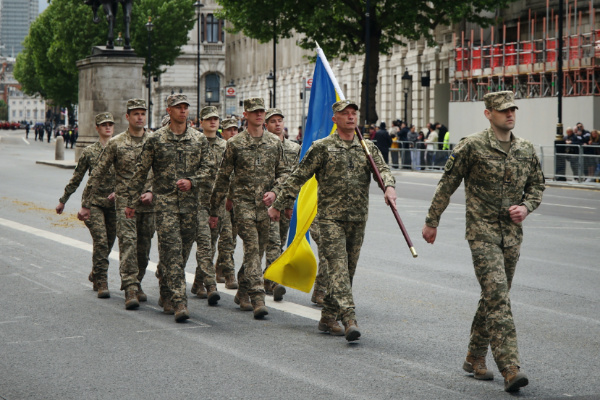
London commenced four days of national commemorations for the 80th anniversary of the end of World War II in Europe – known as Victory in Europe (VE) Day – on Monday.
A military processions of about 1000 members of the Royal Navy, British Army and Royal Air Force made its way from Parliament Gardens along Whitehall before turning through Admiralty Arch and down the Mall to Buckingham Palace. Some 23 aircraft were involved in a flypast.
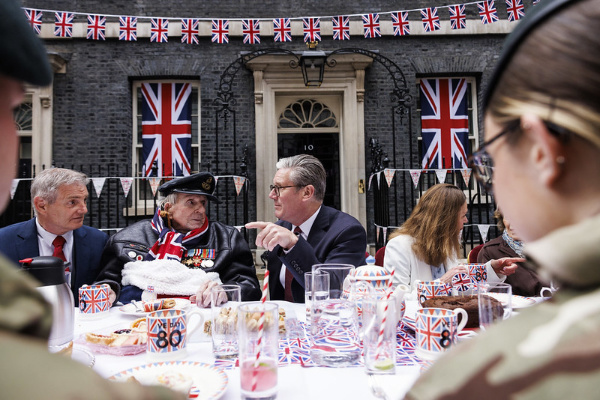
Tea parties were also held across the country to mark the event, including at Buckingham Palace and 10 Downing Street.





A rectangular block of pale yellow sandstone decorated with a Latin cross, the Stone of Scone, also known as the Stone of Destiny, long featured in the crowning of Scottish kings. But in 1296, it was seized by King Edward I as a trophy of war.
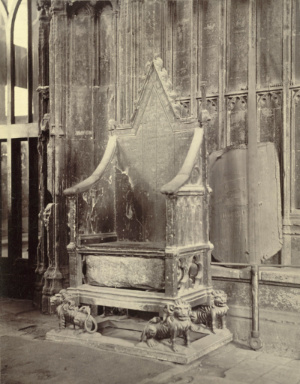
He brought it back to England (or did he? – it has been suggested the stone captured by Edward was a substitute and the real one was buried or otherwise hidden). In London, it was placed under a wooden chair known as the Coronation Chair or King Edward’s Chair on which most English and later British sovereigns were crowned.
On Christmas Day, 1950, four Scottish nationalist students – Ian Hamilton, Kay Matheson, Gavin Vernon and Alan Stuart – decided to liberate the 152 kilogram stone and return it to Scotland.
The stone broke in two when it was dropped while it was being removed (it was later repaired by a stone mason). The group headed north and, after burying the greater part of it briefly in a field to hide it, the stone was – on 11th April, 1951 – eventually left on the altar of Arbroath Abbey in Scotland.
No charges were ever laid against the students.
It was brought back to the abbey and used in the coronation of Queen Elizabeth II in 1953.
The stone was eventually returned to Scotland in 1996 on the proviso it could be temporarily relocated back to London for coronations and now sits in Edinburgh Castle. It was taken to London temporarily in 2023 for the coronation of King Charles III but has since been returned.
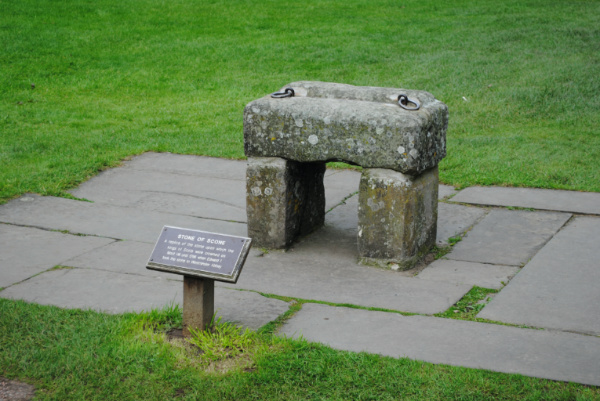
There is a replica of the stone at Scone Castle in Scotland.
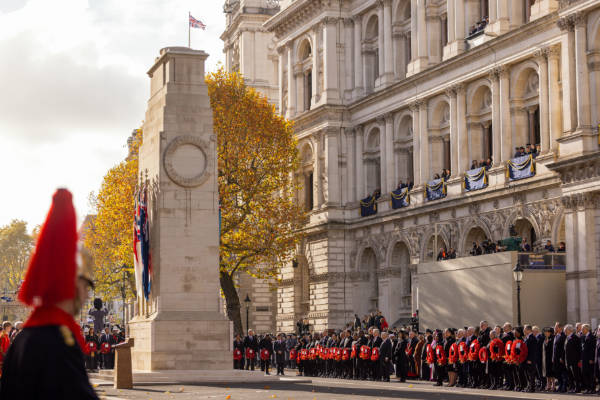
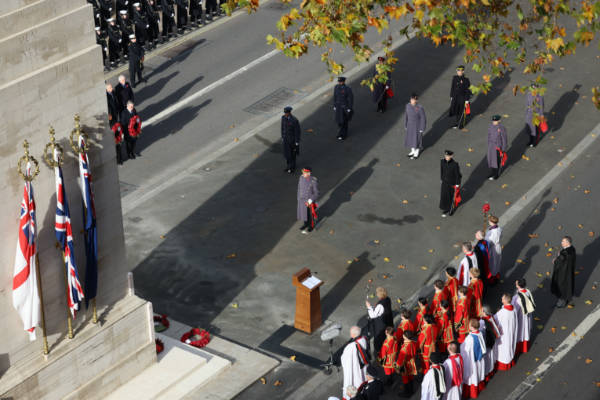
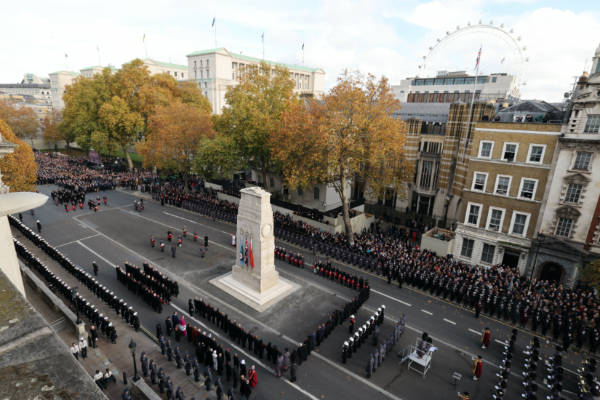
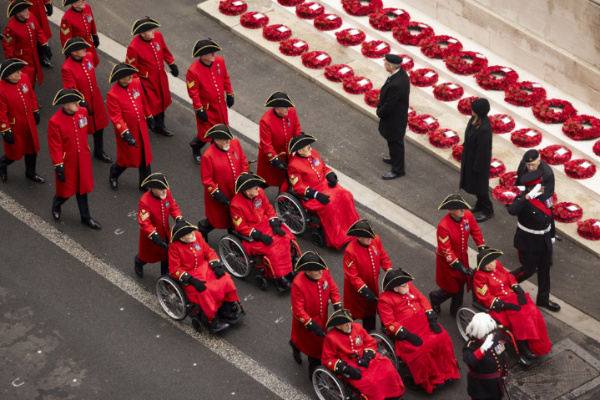
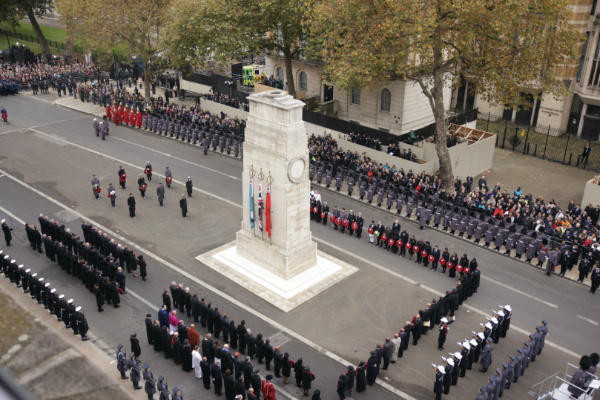
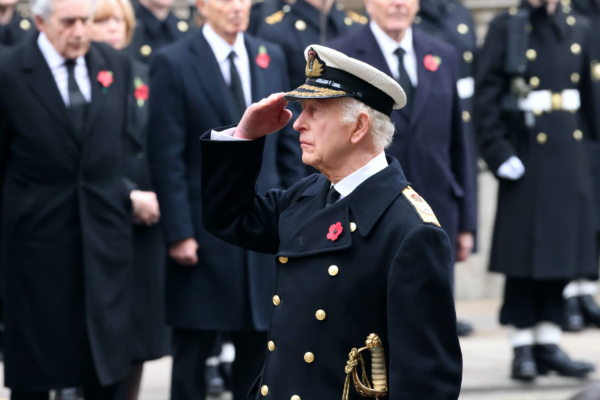
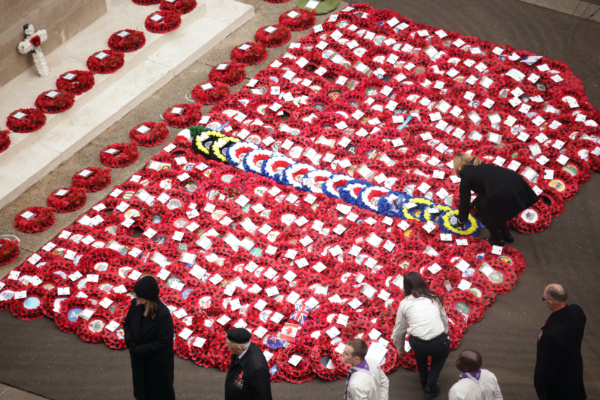
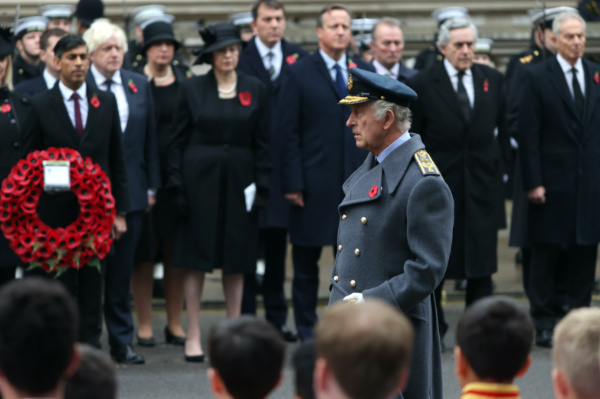
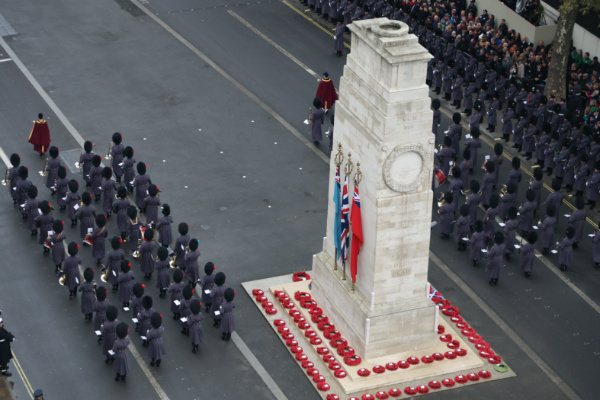
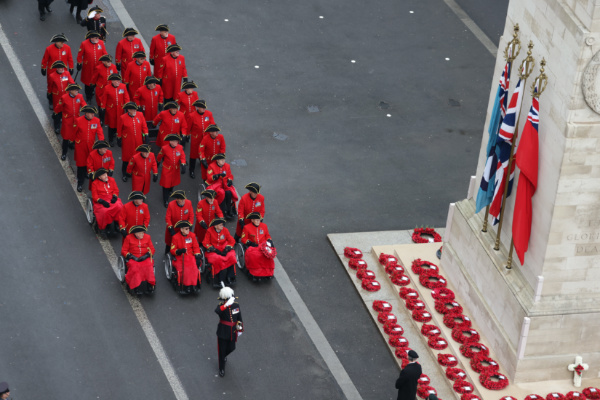
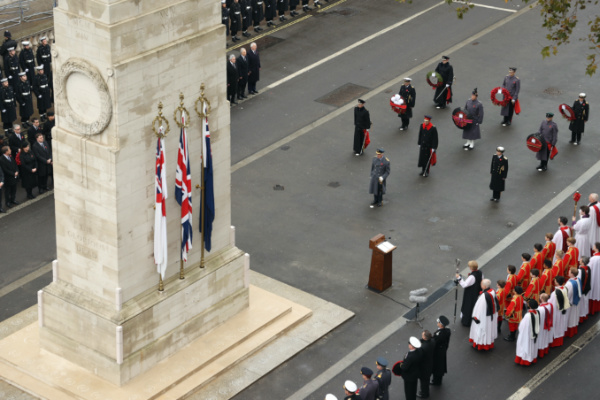
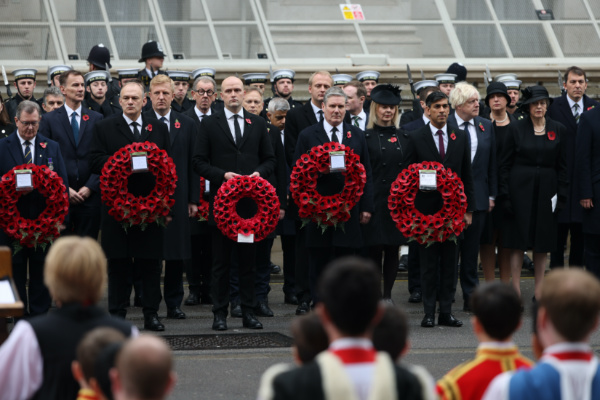
Some 10,000 people lined Whitehall to watch the The Royal British Legion’s Veterans Parade and take part in the annual two-minute silence at the Cenotaph on Sunday…
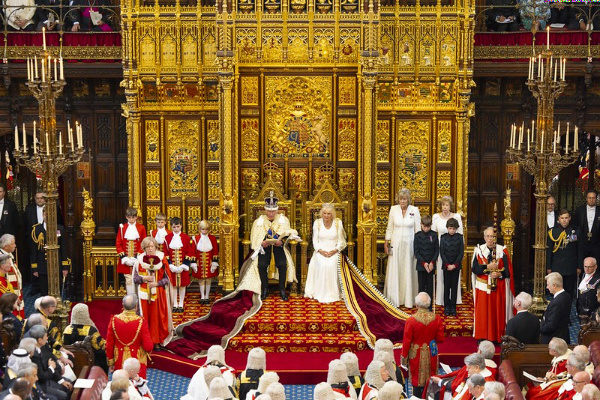
Last Wednesday, 17th July, was the State Opening of Parliament, the first since the new Labour government took office. More than 1,100 members of the armed forces were in attendance, accompanied by 200 military horses, as the procession of King Charles III and Queen Camilla made its way to the Houses of Parliament where the King delivered a speech outlining the government’s plans.
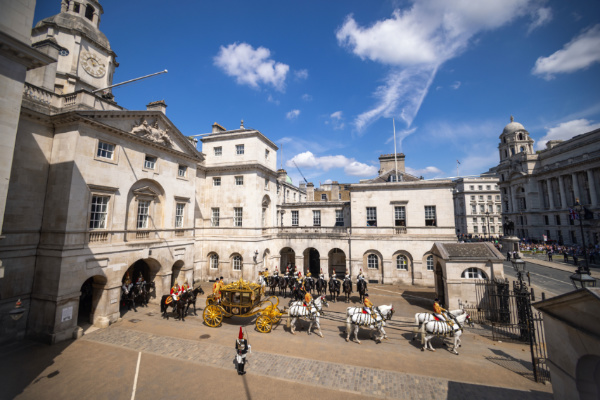
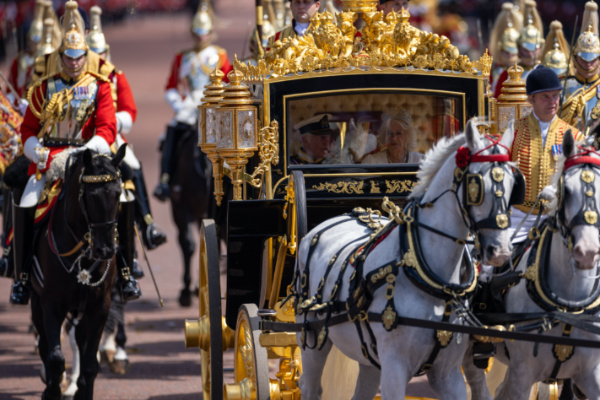
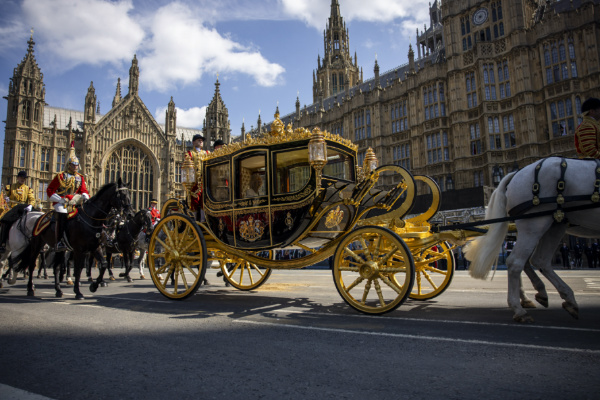
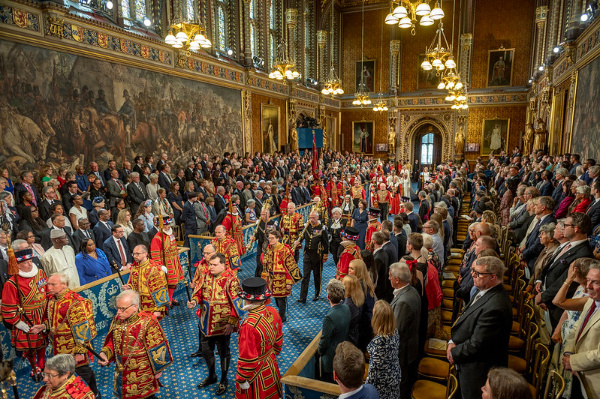

The King’s Birthday Parade took place in central London on Saturday featuring some 242 military working horses, 250 military musicians, 40 pipers and drummers, and more than 1,000 dual role soldiers of the British Army’s Household Division. The parade is a gift from the British Army’s Household Division to the King and is traditionally held on the second Saturday in June, regardless of the Sovereign’s actual date of birth.


Members of the Household Division in London rehearse for the King’s Birthday Parade, known as Trooping the Colour. The Colonel’s Review is held one week before and saw some 250 musicians, 20 pipers, 240 military working horses, and almost 1,000 dual role soldiers of the British Army’s Household Division run through their paces on Saturday. Trooping the Colour will take place on 15th June.



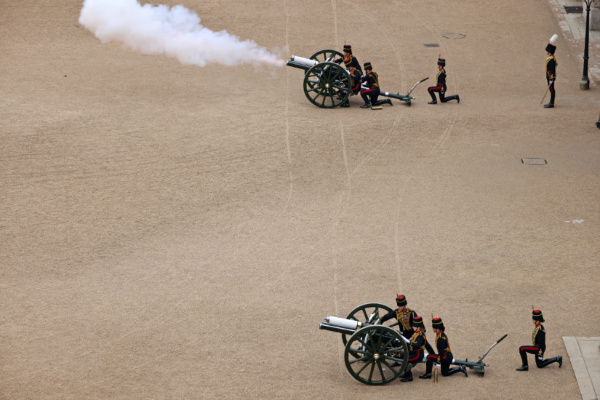
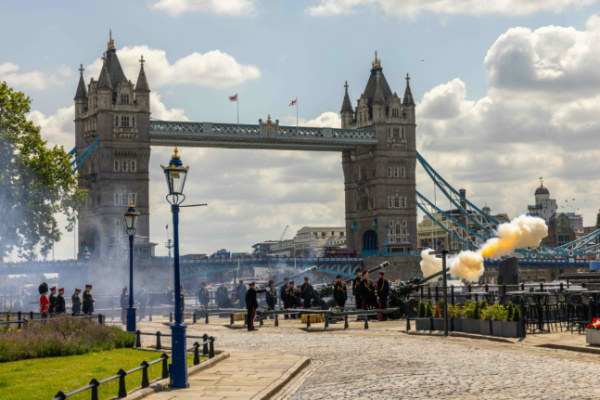
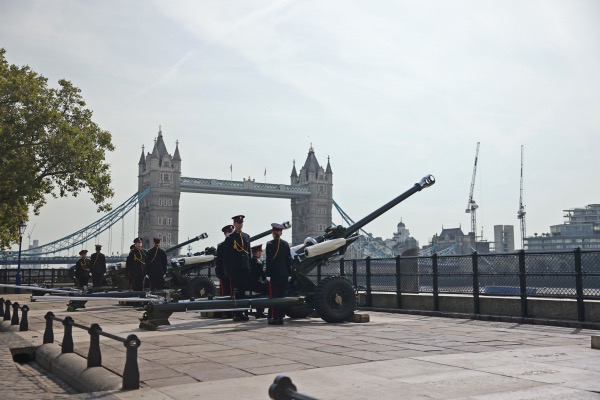
The King’s Troop Royal Horse Artillery fired 41 blank artillery rounds using six guns in Hyde Park to mark a year since the accession of King Charles III on 8th September. Below, the 105mm light artillery guns of the Honourable Artillery Company prepare to fire at The Tower of London in another salute on the same day. Both regiments taking part were responsible for firing the Death Gun salutes to mark the passing of Queen Elizabeth II one year ago, and the following day, the Proclamation salutes to mark the new reign.
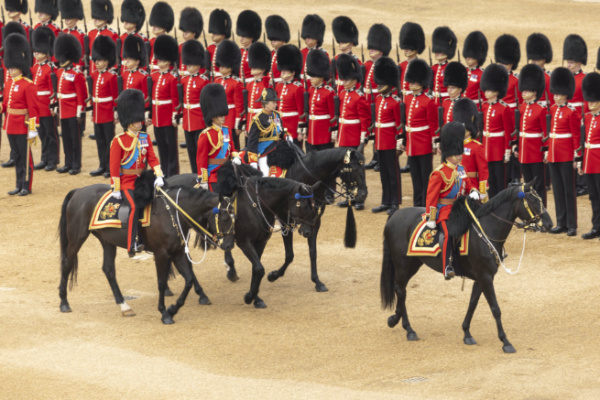
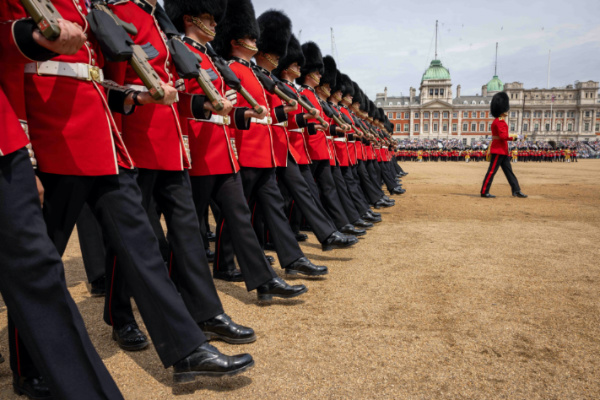
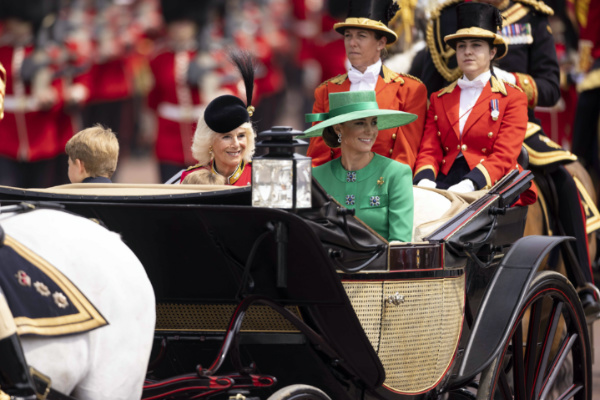
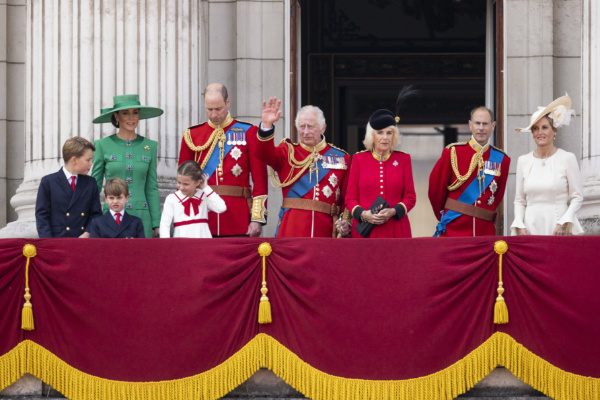
King Charles III attended his first Trooping the Colour as monarch on Saturday. The King rode on horseback for the ceremony in keeping with the tradition his mother, Queen Elizabeth II, had kept until 1986 when she was 60. More than 1,400 soldiers, 200 horses and 400 musicians took part in the event which also featured a flypast and Buckingham Palace balcony appearance. The Trooping of the Colour has marked the official birthday of the British sovereign for more than 260 years. This year it was the Welsh Guards who held the honour of trooping their colour for the King’s Birthday Parade.


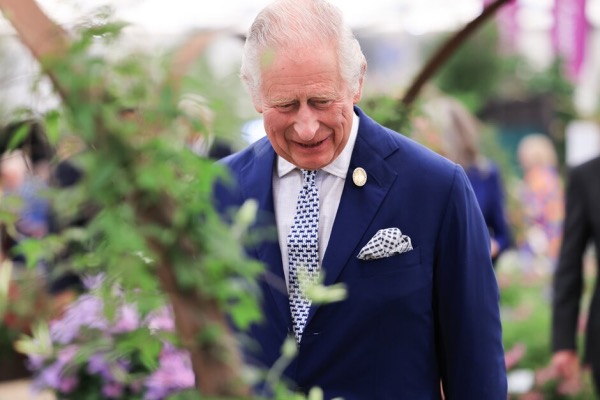
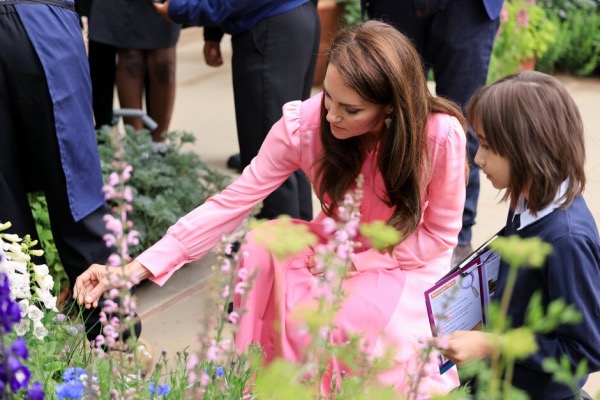
The Chelsea Flower Show returned to London this week with King Charles III making his first visit to the show as monarch and tributes in honour of his coronation and the passing of Queen Elizabeth II last year. The show runs until 27th May. For more, see www.rhs.org.uk/chelsea.
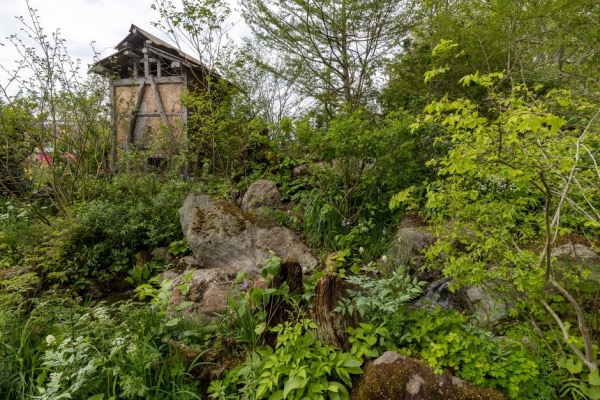
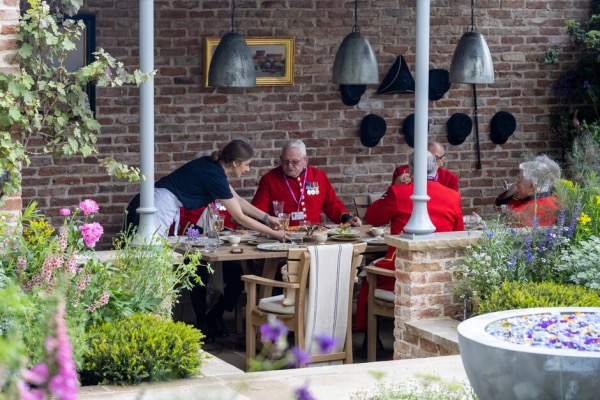
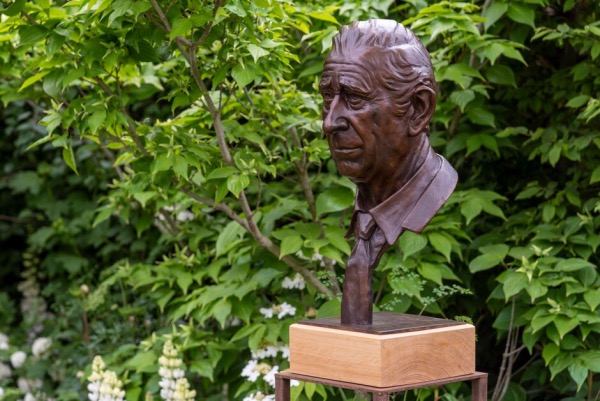
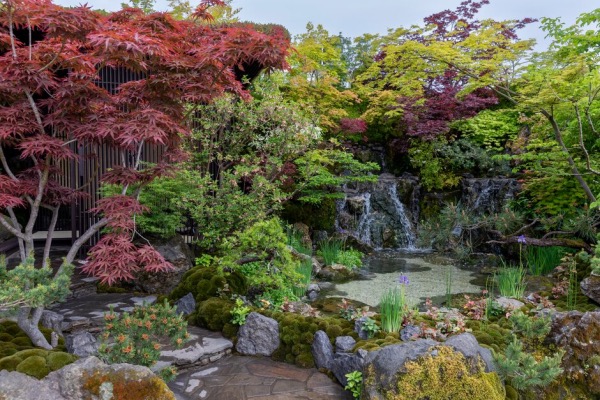
Some more images from the coronation of King Charles III and Queen Camilla on the weekend…
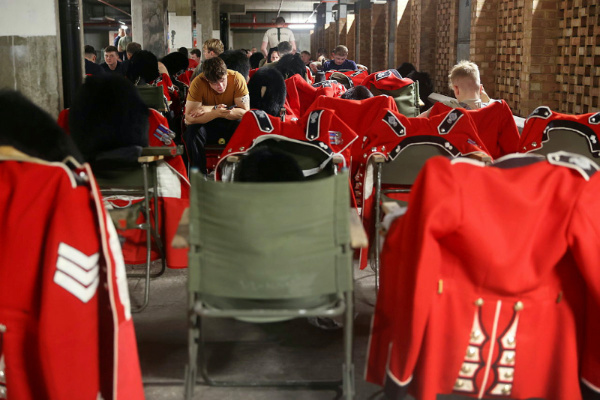
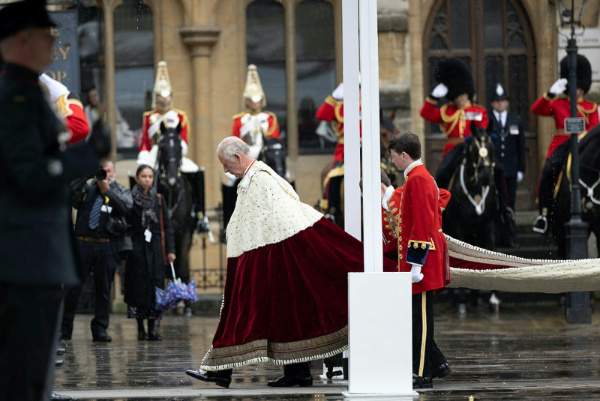
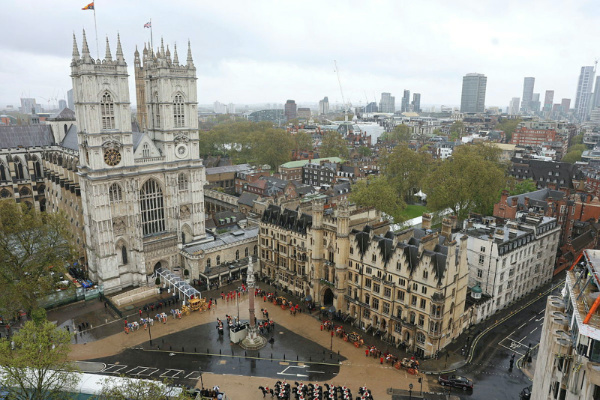
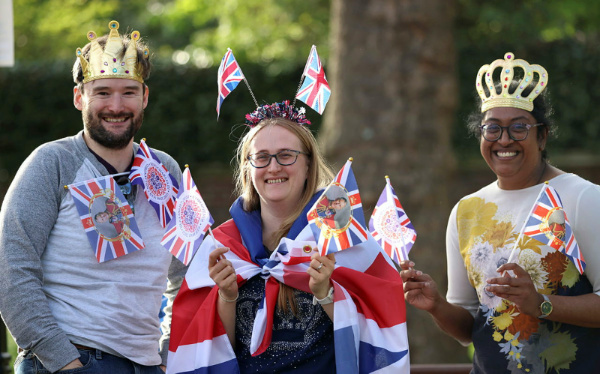
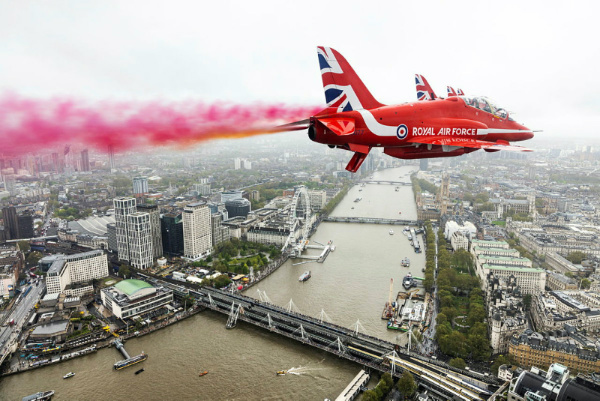
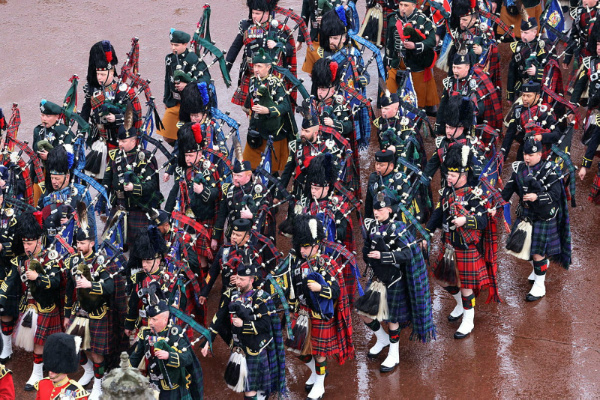
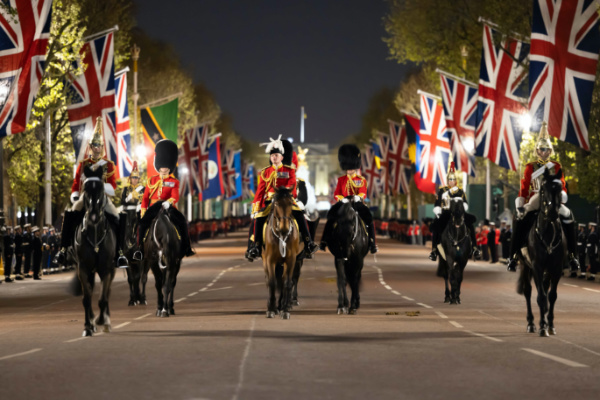
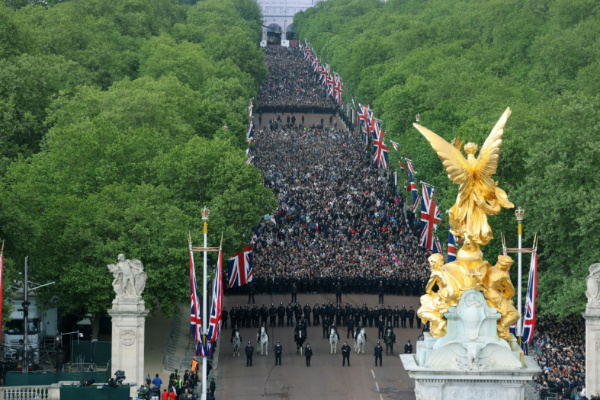
• It’s Coronation weekend in London, so first up it’s a look at the Coronation Procession. The 1.42 mile route from Buckingham Palace to Westminster Abbey, which opens for viewers at 6am on Saturday, will see the procession – with King Charles III and Queen Camilla travelling in the Diamond Jubilee State Coach – leave Buckingham Palace at 10:20am. Known as The King’s Procession, the coach, which will be accompanied by The Sovereign’s Escort of the Household Cavalry, will travel down The Mall, through Admiralty Arch and past Trafalgar Square, before turning down Whitehall. The procession will then make its way down to the Houses of Parliament and around the east and south sides of Parliament Square to Broad Sanctuary and Westminster Abbey.
• The ceremony is scheduled to begin at 11am and is expected to run for two hours. There is, of course, no access to the abbey for uninvited guests but the ceremony will be broadcast live by the BBC and big screens are being set up to watch in St James’s Park, Green Park and Hyde Park as well as Holland Park, Valence Park in Dagenham and Walpole Park in Ealing.
• At 1pm, the King and Queen will return from Westminster Abbey to Buckingham Palace in The Coronation Procession. They will be riding in the 260-year-old Gold State Coach that has been used in every coronation since that of William IV and accompanied by almost 4,000 members of the armed forces in what’s been called the largest ceremonial military operation in recent decades. Representatives of Commonwealth nations and British Overseas Territories will also take part in the return procession. The route will be the reverse of the outgoing route and see the procession travel back through Parliament Square (lined with an honour guard of 100 members of the Royal British Legion) and up Whitehall to Trafalgar Square, turning left to travel through Admiralty Arch and back down The Mall. Reaching Buckingham Palace, the King and Queen will receive a Royal Salute from the armed forces who have been escorting them followed by three cheers.
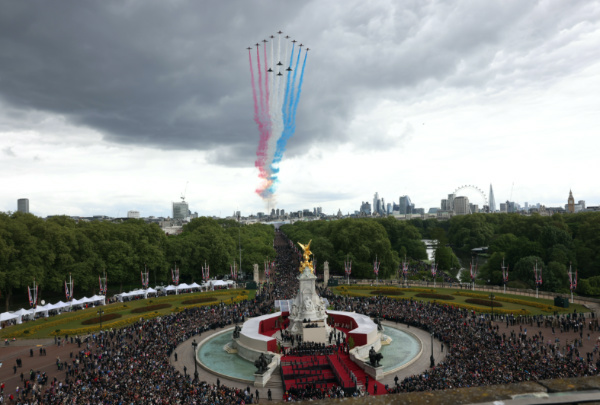
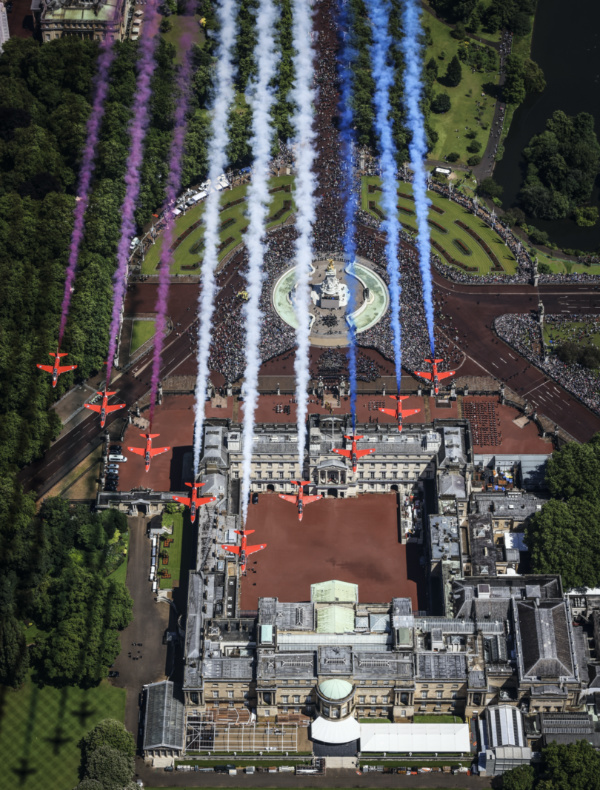
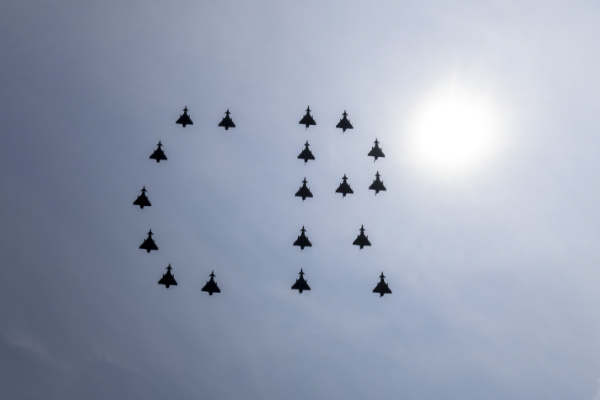
• The balcony appearance and flypast. The newly crowned King and Queen Consort are scheduled to appear on the famous balcony on Buckingham Palace at 2.30pm accompanied by members of the royal family. They will watch a six minute flypast of military planes, ending with a display by the Red Arrows.
• On Sunday, communities are invited to join in the Coronation Big Lunch (communities will also be holding street parties throughout the weekend). On Sunday night, the BBC will broadcast The Coronation Concert from Windsor Castle. The concert will feature the Coronation Choir as well as ‘Lighting Up The Nation’ in which locations across the UK will take part. For details on where events are being held, head to https://coronation.gov.uk/events/.
• On Monday, people are encouraged to join in The Big Help Out by volunteering time to help out in your local community. To find out where your local events are, head to https://thebighelpout.org.uk.
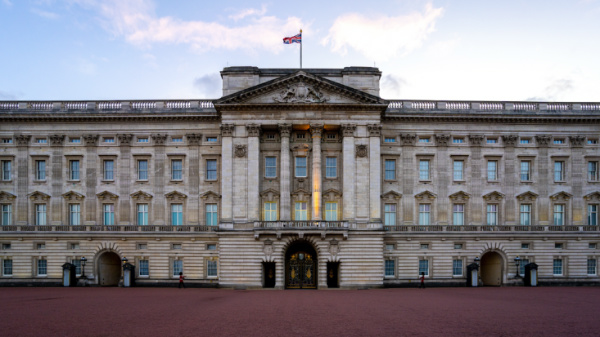
Buckingham Palace will play an important role in this weekend’s coronation of King Charles III – not only as the location from which he and Queen Camilla will leave for the ceremony, but also for the famous balcony appearance.
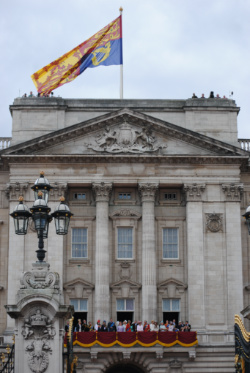
Monarchs have only been living at the palace since 1837 when Queen Victoria moved in and it has been the official London residence of kings and queens ever since (although it should be noted that since becoming King, Charles has reportedly continued to reside at Clarence House and apparently intends continuing to do so following the coronation).
The palace has been in royal hands since 1761 when King George III bought what was then Buckingham House for the use of his wife Queen Charlotte, given, in particular, its proximity to St James’s Palace where court was held. Hence it become known as the Queen’s House.
King George IV intended using it the same way but in the 1820s had a change of heart and decided, with the aid of architect John Nash, to transform it into a palace. The ballooning work was unfinished when he died, and his successor and younger brother, King William IV, replaced Nash with Edward Blore to complete the work (thanks, apparently, to Nash’s budget blow-outs).
But William didn’t move into the property (in fact, he offered it up as a new home for parliament after much of the old Houses of Parliament were consumed by fire in 1834 – an offer which was not taken up).
Queen Victoria, however, decided to make it her home and she became the first monarch to leave the palace headed to a coronation when she did so in June, 1838.
Victoria also made the first balcony appearance by a monarch at the palace, doing so during celebrations to make the opening of the Great Exhibition in 1851.
But the first balcony appearance by a monarch immediately after their coronation was her son King Edward VII, who appeared on the balcony with his wife Queen Alexandra, to the joy of onlookers following his coronation on 9th August, 1901. Every monarch since has done so after their coronation (King Edward VIII, of course, never having had a coronation).
The King’s mother, Queen Elizabeth II, was the first monarch to watch a flypast on the balcony after her coronation, a tradition the King is expected to continue.
Buckingham Palace has also been the site of Coronation Banquets since the coronation of Queen Victoria (when it replaced Westminster Hall as the location). Queen Elizabeth held two Coronation Banquets in the palace following her coronation on 3rd and 4th June, each attended by 400 guests.
Few details have yet been released about King Charles III’s Coronation Banquet.
• Three of the City of London’s oldest charters go on display at the City of London Heritage Gallery on Saturday as part of a series of events commemorating the coronation of King Charles III. On display will be the William Charter, which, drawn up in 1067 following the coronation of King William the Conqueror, was the earliest known royal document in Europe to guarantee the collective rights of all people in a town and not just a select few. Also to be seen is the Shrievalty Charter, which, issued by King John in 1199, confirms the rights of Londoners to elect their own sheriffs, and the Mayoralty Charter, which, also issued by King John – this time in 1215, confirmed that the Mayor of London could also chosen by Londoners with the proviso that they were publicly presented. Visitors can also see the beautifully illustrated Cartae Antiquae which records charters and statutes covering laws enacted from the reign of Edward III (1327 onwards) to the accession of Henry VII in 1485 and was used as an essential reference tool by City officials, as well as prints of the 19th century coronations of Queen Victoria, King William IV and King George IV. Admission is free but booking is recommended. Runs until 5th October. For more, see www.cityoflondon.gov.uk/events/heritage-gallery-exhibition.
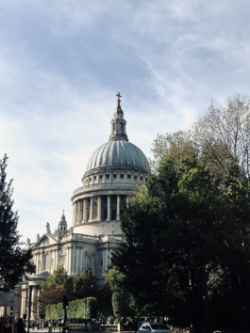
• Other events marking the coronation kick off in the City of London in the coming week. Among the extensive list of activities is a pop-up well-being garden in Seething Lane where you can pose for pictures with a floral crown installation, a guided walking tour of the City entitled ‘1000 Years of Royalty – the Best, the Worst and the Very Horribilus’, and a “Cockney knees-up” with Pearly King and Pearly Prince at Leadenhall Market. For more details and the full list of events, head to www.cityoflondon.gov.uk/events/coronation.
• A new exhibition commemorating the expansive career of Sir Christopher Wren opens today in St Paul’s Cathedral – the extraordinary building designed by Wren to replace the medieval cathedral destroyed in the Great Fire of London in 1666 Part of a series of events marking the 300th anniversary of the death of Sir Christopher in 1723, Sir Christopher Wren: The Quest for Knowledge explores not only his early life and career as an architect but also his lesser-known contributions to the fields of mathematics, astronomy and physiology. The display, located in the north aisle of the crypt, features drawings, photographs and objects from the cathedral’s collections. Entry to the exhibition is included in general admission. For more, see www.stpauls.co.uk/whats-on/exhibition-christopher-wren-quest-for-knowledge.
• The Pre-Raphaelite model and artist, Marie Spartali Stillman, has been honoured with an English Heritage Blue Plaque at what was her family home in Battersea. It was while living at The Shrubbery – a 1770s Grade II-listed property now located on Lavender Gardens – that Stillman first modelled for Pre-Raphaelite artists. Tutored by Ford Madox Brown, she went on to become one of a small number of professional women artists in the late 19th century, creating more than 150 works over a period spanning 50 years. Stillman is the first female Pre-Raphaelite artist and one of only very few female artists to receive a Blue Plaque. For more, see www.english-heritage.org.uk/visit/blue-plaques/.
Send all items for inclusion to exploringlondon@gmail.com
 Exploring London


