Treasures of London – The Jewel Tower’s vaulted chamber…

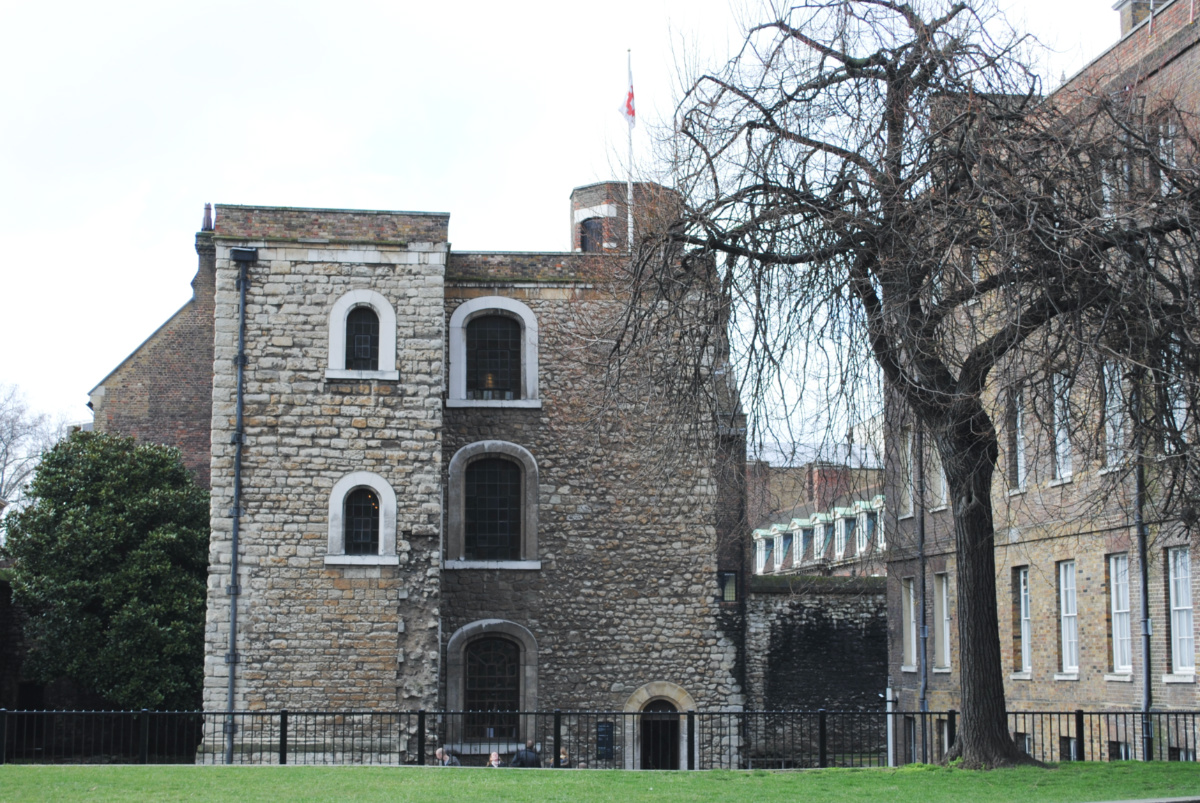
The Jewel Tower which contains the ground floor vaulted chamber. PICTURE: David Adams

Located in the ground floor of Westminster’s three-storied Jewel Tower is a fine 14th-century ribbed vault, described as an “architectural masterpiece”.

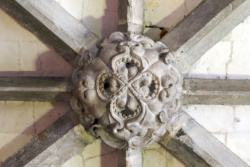
One of the ceiling bosses in the ground floor chamber. PICTURE: Daniel Stockman (licensed under CC BY-SA 2.0)

The room is believed to have been constructed, along with the rest of the building, in the 1360s to the designs of master mason Henry de Yevele.

Located in the south-west corner of Old Palace Yard, the tower was originally used as a personal treasure-house for King Edward III and was known as the King’s Privy Wardrobe. Later it was used to house government documents and in 1869 became the Weights and Measures Office.

It is one of few surviving buildings from the medieval Palace of Westminster (the rest having been destroyed in the fire of 1834).

The vaulted chamber incorporates tiercerons – ribs set between the transverse and diagonal ribs to form simple fans and also features a series of sculpted bosses.

Made in Reigate stone, these depict human and mythical animal heads, as well as intertwined pairs of eagles and swans and plant designs. It is believed the bosses were once whitened.

The west wall of the chamber features the remains of a fireplace while the main window reveal is medieval (although the window itself dates from the 18th century).

The property, which is under the care of English Heritage, is not to be confused with the Jewel House at the Tower of London.

WHERE: The Jewel Tower, Abingdon Street, Westminster, (nearest Tube stations are Westminster and St James’s Park); WHEN: 10am to 4pm on weekends; COST: £6 adults/£3.60 children (aged five to 17 years)/£5.30 concession; family tickets available; WEBSITE: www.english-heritage.org.uk/visit/places/jewel-tower/

This Week in London – The Van de Veldes at the Queen’s House; Young V&A to open in July; Roman pottery kiln to return to Highgate Wood; and, welcome to ‘Kyiv Road’…

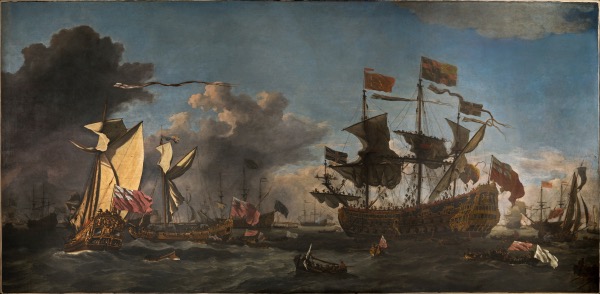
‘Royal visit to the fleet in the Thames Estuary, 6 June 1672’ by Willem Van De Velde The Younger © National Maritime Museum, London

The work of 17th century marine painters Willem van de Velde the Elder and Willem van de Velde the Younger is the subject of a new exhibition at the Queen’s House in Greenwich – the location of a studio King Charles II granted to them. The Van de Veldes: Greenwich, Art and the Sea features the newly conserved painting, A Royal Visit to the Fleet, which they worked on in their studio at the Queen’s House in the 1670s and which, at almost four metres across, was the largest seascape Van de Velde the Younger had painted to date (pictured after conservation above). Also on show is the The Burning of the Royal James at the Battle of Solebay, 28 May 1672, otherwise known as The Solebay Tapestry and originally one of six, along with a selection of some of the more than 1,400 drawings from the National Maritime Museum’s collection. The exhibition, which is free to visit, runs until 14th January, 2024. For more, see www.rmg.co.uk/van-de-velde.

• The Young V&A will open on 1st July following a three year transformation project, it was announced this week. Formerly known as the V&A Museum of Childhood, the Bethnal Green institution will display “remarkable and optimistic stories of children’s ingenuity” alongside 2,000 works from the V&A’s collection of art, design, and performance. Features will include an interactive Minecraft installation, murals by street artist Mark Malarko, tech solutions created for Raspberry Pi’s Coolest Projects, and, a display of portraits by photographer Rehan Jamil capturing young people expressing what creativity means to them and set alongside self-portraits by the likes of Chila Kumari Singh Burman, Quentin Blake, Kenneth Branagh, Dapo Adeola, and Linda McCartney. Also announced was the first exhibition at the new facility – Japan: Myths to Manga – which will open on 14th October. For more, see vam.ac.uk/young.

The most complete Roman pottery kiln ever found in Greater London is going on display in a visitor centre at Highgate Wood from September next year. The kiln, which was excavated from the wood in Haringey in the 1960s and 1970s, has been in storage beneath Bruce Castle Museum. But thanks to a £243,550 grant by The National Lottery Heritage Fund to charity Friends of Highgate Roman Kiln, it will be returned for public display. The kiln is said to be one of the best-preserved Roman pottery kilns found in the UK and is thought to be the last one built by Roman potters who worked in Highgate Wood between 50CE to 160CE to supply Londinium and south-east England with distinctive ‘Highgate Ware’ pottery. 

A small section of Bayswater Road has been renamed Kyiv Road to mark the first anniversary of the invasion of Ukraine by Russia. The new road name was installed last Friday on the road which runs from Palace Court to Ossington Street and is located not far from the Russian Embassy. Councillor Adam Hug, leader of Westminster City Council, said the request for the new name came from the Ukrainian community. “Westminster is home to Ukrainians displaced by the war, and our residents have opened their hearts and their doors to those fleeing Putin’s war machine,” he said in a statement. “As the centre of an international capital, it seemed to us entirely fitting that part of our City should carry a torch for the unbowed defenders of Ukraine. It’s a small stretch of road, but we want to show the people of Ukraine that their struggle has a visible place in our city.”

Send all items to exploringlondon@gmail.com.

This Week in London – Boleyn ring at Hampton Court; and, Status Quo at the Barbican…

© Historic Royal Palaces/3004593

A gold signet ring once believed to have belonged to the Tudor-era Boleyn family has gone on display at Hampton Court Palace. The ring, was discovered in a field near Shurland Hall on the Isle of Sheppey in Kent, the country home of one of Anne Boleyn’s cousins and a property she visited with King Henry VIII. It is engraved with with a bull’s head – which appears in the arms of the Boleyn family (a visual pun on the family name, which was often spelled as ‘Bullen’) – and arrayed with sunbeams and stars of white enamel as well as being decorated with icons of the Virgin and Child and St Catherine of Alexandria on its shoulders. Analysis concluded the ring was consistent with objects of the early Tudor era, leading historians to suggest that it may have belonged to either Thomas or George Boleyn – Anne Boleyn’s father and brother. The ring, which was purchased by Historic Royal Palaces with support from the Arts Council England/V&A Purchase Grant Fund, the Art Fund, the Meakins Family and John Harding, under the terms of the Treasure Act 1996, can be seen in the Great Hall. Included in general admission. For more, see www.hrp.org.uk/hampton-court-palace/.

One of the UK’s most successful rock bands, Status Quo, are the subject of a new exhibition at the Barbican Music Library. Celebrating Seven Decades of Status Quo is the first ever public exhibition on the band and features never-before-seen material including the original handwritten lyrics to Caroline and Down Down as well as tour posters, photographs and more than 40 of the bands key albums. The display is a collaboration between Paul and Yvonne Harvey, who ran the band’s official fan club, ‘From The Makers Of…’ (FTMO), and Status Quo fan and collector Andy Campbell. Status Quo was formed in 1962 and has since had more than 60 chart hits as well as opening the LIVE AID concert in Wembley in July, 1985, and receiving a Brit Award for Outstanding Contribution to Music in 1991. Runs until 22nd May. Admission is free. For more, see www.cityoflondon.gov.uk/services/libraries/barbican-music-library.

Send all items to exploringlondon@gmail.com

This Week in London – London painted large; Donatello at the V&A; and, the first King Charles III stamps…

The most extensive collection of large scale paintings of London ever seen opens at the City of London Corporation’s Guildhall Art Gallery on Friday. The Big City: London painted on a grand scale has at its heart a series of works by David Hepher which, on display in London for the first time, were given to the City by the artist in 2022. There’s also a four piece panel installation by John Bartlett and huge works by Frank O Salisbury and Terence Cuneo. The exhibition is open on a ‘pay what you can’ basis and runs until 23rd April. For more, see www.cityoflondon.gov.uk/thebigcity.

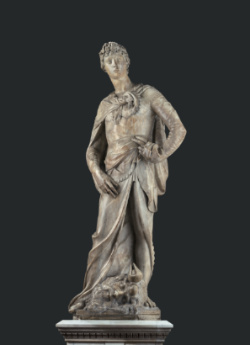
Donatello and Desiderio da Settignano, St. John the Baptist (Martelli Baptist), Museo Nazionale
del Bargello, Florence, courtesy of the Ministry of Culture. Photo: Bruno Bruchi.

The first major exhibition to explore the work of Renaissance sculptor Donatello opens at The V&A on Saturday. Donatello: Sculpting the Renaissance features works never before on display in the UK including his early marble David and the bronze Attis-Amorino – both of which come from the Museo Nazionale del Bargello in Florence, as well as the reliquary bust of San Rossore from the Museo Nazionale di San Matteo, Pisa, and bronzes from the High Altar of the Basilica of St Anthony in Padua. And, for the first time, the V&A’s carved shallow relief of the Ascension with Christ giving the keys to St Peter will be displayed alongside the Madonna of the Clouds from the Museum of Fine Arts, Boston, and Desiderio da Settignano’s Panciatichi Madonna from the Museo Nazionale del Bargello. Among the 130 objects in the display are also works by Donatello’s contemporaries and followers. Admission charge applies. The display runs until 11th June. For more, see www.vam.ac.uk.

See the designs for the first Royal Mail stamp to feature King Charles III in a new exhibition at The Postal Museum. The King’s Stamp traces the story of definitive stamps and features stamps from the reigns of six monarchs. Along with the designs for the first definitive stamps featuring King Charles III, highlights include one of only two sheets of Edward VII ‘Tyrian Plum’ and original letters revealing the influence of past monarch’s on stamp designs as well as the chance to see your silhouette on a stamp. Runs until 3rd September. Admission charge applies. For more, see www.postalmuseum.org/event/the-kings-stamp/.

Send all items for inclusion to exploringlondon@gmail.com.

What’s in a name?…Shoe Lane…

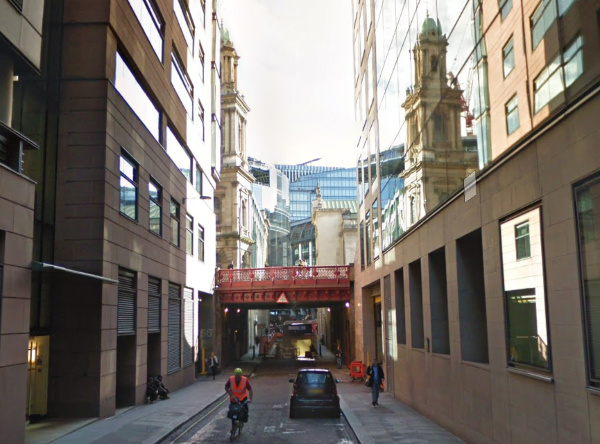
Looking south down Shoe Lane from near Charterhouse Street where it passes under the Holborn Viaduct. PICTURE: Courtesy of Google Maps.

This name of this rather long laneway, which runs from Charterhouse Street, under Holborn Viaduct, all the way south to Fleet Street, doesn’t have anything to do with footwear.

The name is actually a corruption of the Sho Well which once stood at the north end of the thoroughfare (and which itself may have been named after a tract of land known as Shoeland Farm thanks to it resembling a shoe in shape).

In the 13th century the lane was the London home of the Dominican Black Friars – after they left in the late 13th century, the property became the London home of the Earl of Lincoln and later became known as Holborn Manor.

In the 17th century, the lane was known as for its signwriters and broadsheet creators as well as for a famous cockpit which was visited by none other than diarist Samuel Pepys in 1663. It was also the location of a workhouse.

Prominent buildings which have survived also include St Andrew Holborn, designed by Sir Christopher Wren (it actually survived the Great Fire of London but was in such a bad state of repair that it was rebuilt anyway). The street these days is lined with office buildings.

Famous residents have included John de Critz, Serjeant Painter to King James I and King Charles I, preacher Praise-God Barebone who gave his name to Barebone’s Parliament held in 1653 during the English Commonwealth, and Paul Lovell, who, so the story goes, refused to leave his house during the Great Fire of 1666 and so died in his residence.

London pub signs – Aragon House…

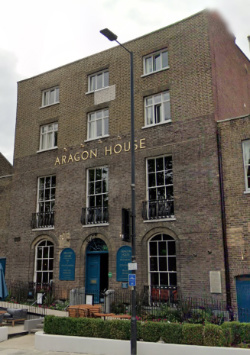
Aragon House in 2019. PICTURE: Courtesy of Google Maps

This brown brick pub (and boutique hotel) in Parson’s Green, west London, was built just after the start of the 19th century. But its name comes from a much earlier historic connection.

The site where the four storey pub now stands was once a dower house which belonged to Queen Catherine of Aragon, the first wife of King Henry VIII.

It’s believed that the property was given to Catherine by King Henry VII, father of her first husband, Prince Arthur – who died in April, 1502 – and her second husband and his younger brother, King Henry VIII, whom she married in 1509.

The site was later part of a parcel of land upon which was located the home of novelist Samuel Richardson. Richardson, famed for his works Pamela and Clarissa, lived there from 1756 until his death in 1761. The property was subsequently known as ‘Richardson’s Villa’.

The Grade II-listed pub is located at 247 New King’s Road. For more, see www.aragonhousesw6.com.

8 locations for royal burials in London…A recap…

Before kicking off a new series, here’s a recap of our last…

1. (Old) St Paul’s Cathedral…

2. St Clement Danes…

3. St Edward’s Chapel, Westminster Abbey…

4. Christ Church Greyfriars…

5. Henry VII’s Lady Chapel, Westminster Abbey…

6. St Peter ad Vincula…

7. Westminster Abbey (near the High Altar)…

8. Kensal Green Cemetery…

This Week in London – Christmas at Hampton Court Palace; the V&A’s couture Christmas Tree; and, the stories of Asian and African foundlings…

Festive Fayre returns to Hampton Court Palace this weekend with visitors having the chance to do some Christmas shopping, sample some festive treats and enjoy live music. The festival, which runs from Friday to Sunday, takes place ahead of the launch of the palace’s Christmas light trail – Palace of Light – next Wednesday (7th December). Inspired by Henry VIII’s heraldic beasts, it features an array of installations, ranging from a sea-monster lurking in the Great Fountain Garden to polka-dot panther lanterns in the Wilderness. Created by the award-winning outdoor event producers Wild Rumpus, the light trail can be visited until 2nd January. For more, see www.hrp.org.uk/hampton-court-palace/.

Christmas tree installation, designed by Miss Sohee PICTURE: © Victoria and Albert Museum, London

The V&A has unveiled its couture Christmas Tree installation for this year – a work by London-based Korean fashion designer Miss Sohee. On display in the Cromwell Road Grand Entrance, the installation reimagines the traditional Christmas tree as a three metre long couture gown, which combines Sohee’s signature style of vibrant silhouettes and intricate embroidery with religious statuary found around the museum. The installation can be seen until 5th January. For more, see www.vam.ac.uk.

On Now – Tiny Traces: African & Asian Children at London’s Foundling Hospital. This exhibition at The Foundling Museum in Bloomsbury explores the newly discovered stories of African and Asian children in the care of the hospital in the 18th century, following the stories of more than a dozen children through personal items, physical artefacts, works of art and archival documents. In a parallel thread, works of art by artists including Zarina Bhimji, Hew Locke, Kehinde Wiley, Alexis Peskine, Deborah Roberts and Shanti Panchal form a dialogue with the historic narratives. Admission charge applies. Runs until 19th February. For more, see https://foundlingmuseum.org.uk.

Send all items to exploringlondon@gmail.com

8 locations for royal burials in London…8. Kensal Green Cemetery…

Princess Sophia’s grave at Kensal Green Cemetery. PICTURE: Stephencdickson (licensed under CC BY-SA 4.0)

The oldest of London’s so-called ‘Magnificent Seven’ cemeteries established in the 19th century, Kensal Green is the burial place of a few members of the royal family dating from the Georgian and Victorian eras.

The ninth child and sixth son of King George III, Prince Augustus Frederick, the Duke of Sussex, died at Kensington Palace at the age of 70. In his will, he specifically requested he not have a state funeral and so was buried at Kensal Green on 4th May, 1843. His rather plain grey monument which is surrounded by concrete bollards, is located in front of the cemetery’s main chapel.

Opposite his grave is the tomb of his sister Princess Sophia, the 12th child of King George III. She, too, died at Kensington Palace – on 27th May, 1848 – and wished to be buried near her brother instead of at Windsor.

King George III’s grandson, Prince George, Duke of Cambridge, was also buried at Kensal Green. A military man (and ally of Queen Victoria), he served as commander-in-chief for 39 years before being forced to resign in 1895. He died in 1904 at Gloucester House, Piccadilly, in 1904 and was buried at Kensal Green with his wife the following day.

WHERE: Kensal Green Cemetery, Harrow Road, Queen’s Park (nearest Tube station is Kensal Green); WHEN: Monday to Saturday 9am to 5pm, Sundays 10am to 5pm; COST: Free: WEBSITE: www.kensalgreencemetery.com.

8 locations for royal burials in London…7. Westminster Abbey (near the High Altar)…

We return to Westminster Abbey for the location of yet another royal tomb – this time that of another of King Henry VIII’s wife, Anne of Cleves.

The back of the tomb with inscription. PICTURE: VCR Giulio19 (licensed under CC BY-SA 4.0/image lightened)

Anne, who lived in England for some 17 years after her marriage to King Henry VIII was annulled after just six months in July, 1540, died at Chelsea on 17th July, 1557, during the reign of Queen Mary I (she was the last of King Henry VIII’s wives to die).

Queen Mary ordered her funeral to be held at Westminster Abbey and she was laid to rest on the south side of the high altar. The unfinished stone monument, believed to have been the work of Theodore Haveus of Cleves, features carvings which depict her initials AC with a crown. There are also depictions of lions’ heads and skulls and crossed bones (believed to represent the idea of mortality).

An inscription on the back of the tomb was added in the 1970s. It can be viewed from the south transept and reads: “Anne of Cleves Queen of England. Born 1515. Died 1557” but this was not added until the 1970s.

HERE: Lady Chapel, Westminster Abbey (nearest Tube stations are Westminster and St James’s Park); WHEN: Times vary – see the website for details; COST: £27 adults/£24 concession/£12 children (discounts for buying online; family rates available); WEBSITE: www.westminster-abbey.org

LondonLife – Marking the King’s birthday; remembering the sacrifice of those who gave their lives in war; and, welcoming a new Lord Mayor…

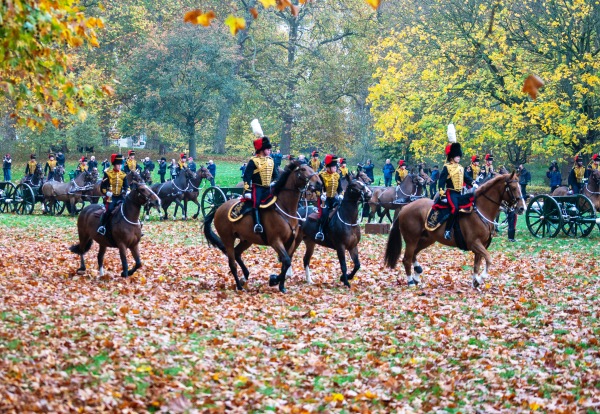
Members of the King’s Troop Royal Horse Artillery arrive at Green Park for the 41 gun salute to celebrate King Charles III’s 74th birthday on Monday. In London, The King’s Troop Royal Horse Artillery and The Honourable Artillery Company each fired celebratory Royal Salutes at 12 noon and 1pm respectively in what was the first formal birthday salute for King Charles III since he became monarch. PICTURE: Giles Anderson/UK MOD © Crown copyright 2022.
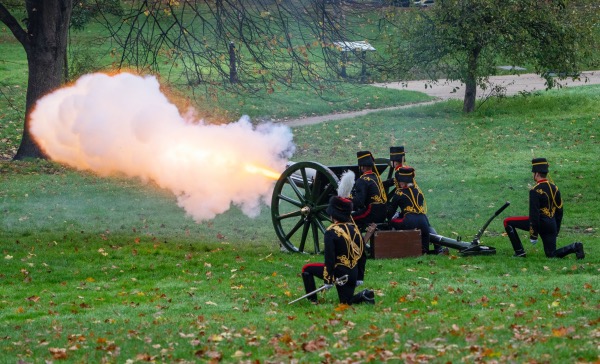
Members of the King’s Troop Royal Horse Artillery firing a 41-gun salute to celebrate King Charles III’s 74th birthday. PICTURE: Giles Anderson/UK MOD © Crown copyright 2022.
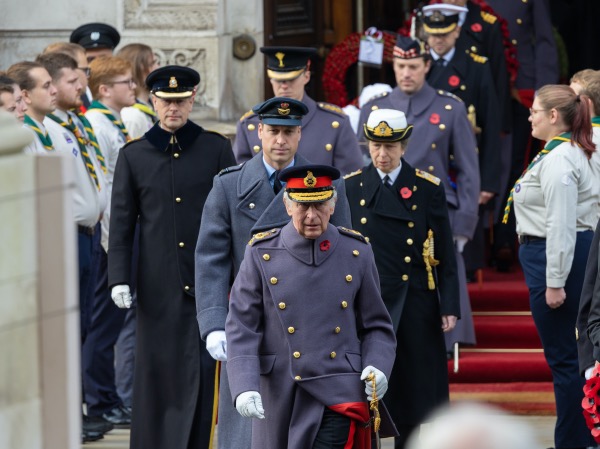
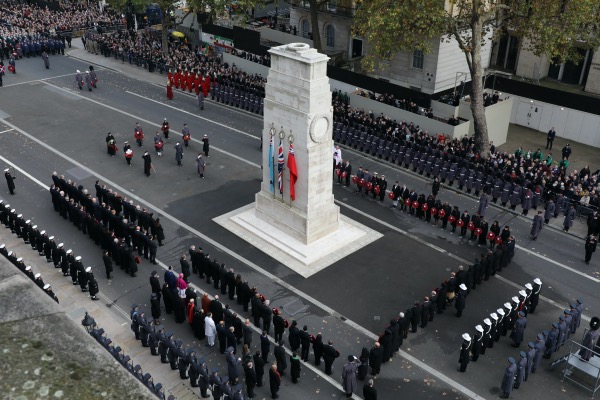
King Charles III leads the royal party to their position at the Cenotaph on Sunday as armed forces personnel from the Royal Navy, British Army and Royal Air Force came together for Remembrance Sunday and the National Service of Remembrance. Joining the King and members of the Royal Family, more than 600 members of the Armed Forces honoured the brave servicemen and women killed in all conflicts since the First World War. PICTURE: Simon Walker / No10 Downing Street/UK MOD © Crown copyright 2022.
Armed Forces personnel from the Royal Navy, British Army and Royal Air Force gathered at the Cenotaph on Remembrance Sunday, for the National Service of Remembrance. PICTURE: Cpl Tim Hammond/UK MOD © Crown copyright 2022.
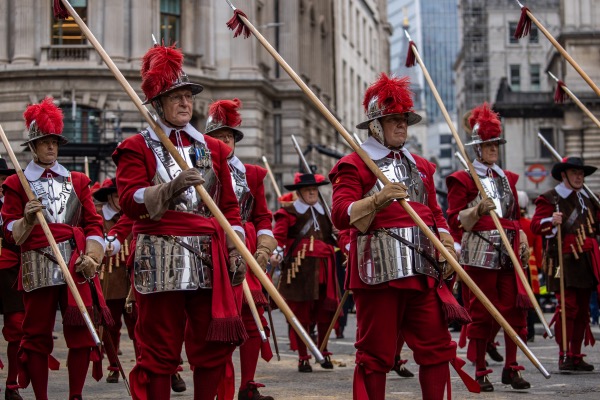
Pikeman march through the streets of the City of London for the Lord Mayor’s Show on Saturday. Some 6,500 people, 250 horses, more than 50 decorated floats, and a flying pig, took part in the parade. PICTURE: Corporal Rob Kane/UK MOD © Crown copyright 2022.
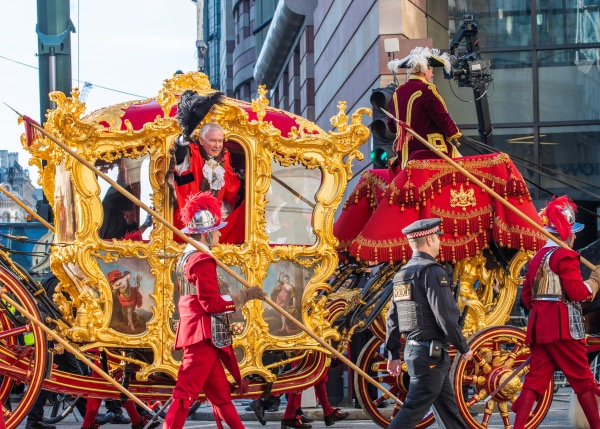
Nicholas Lyons, elected as the 694th Lord Mayor of the City of London, waves from the golden State Coach, which has been used in every Lord Mayor’s Show since 1757 and is the oldest ceremonial vehicle in regular use in the world. PICTURE: Lt Reilly AGC (ETS)/UK MOD © Crown copyright 2022

8 locations for royal burials in London…6. St Peter ad Vincula…

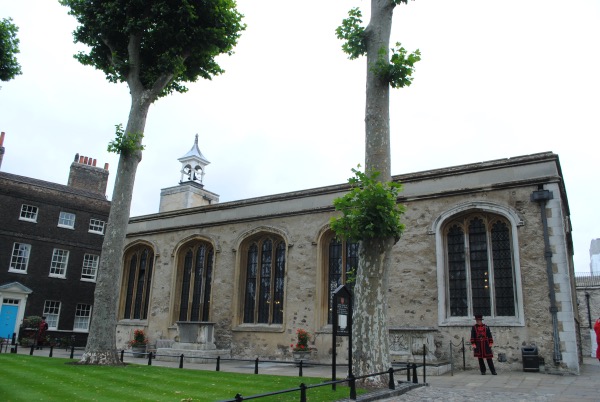
The Chapel Royal of St Peter ad Vincula. PICTURE: David Adams

Officially the The Chapel Royal of St Peter ad Vincula, this small church is located in the Inner Ward of the Tower of London.

Under the direct jurisdiction of the monarch as a “royal peculiar”, the current building – and the name means “Peter in Chains”, a reference to St Peter’s imprisonment at the hands of King Herod – dates from 1520 and was constructed on the orders of King Henry VIII.

As well as being the burial place of officers who served at the Tower, the chapel – which is located only a few steps away from the execution site on Tower Green – is also the final resting place of many who were executed within the Tower’s precincts including the likes of Thomas Cromwell and Bishop John Fisher.

Those buried here include two of King Henry VIII’s wives who both suffered the ignominy of being beheaded. Queen Anne Boleyn and Queen Catherine Howard – respectively the second and fifth wives of the king – were both interred here after their executions.

Memorial stone for Queen Anne Boleyn in the Chapel of St Peter ad Vincula. PICTURE: AloeVera95 (licensed under CC BY-SA 4.0)

Anne Boleyn, who was executed on 17th May, 1536, was buried under the floor in front of the high altar (along with her brother George who was executed two days before the Queen). Catherine Howard was executed several years later on 13th February, 1542, and was also buried beneath the floor.

The other royal figure buried in the Chapel was Lady Jane Grey, the “Nine Day Queen” who was executed on Tower Green on 12th February, 1554, at just the age of 17 on the orders of Queen Mary I. She was buried beneath the chapel’s altar (along with her husband, Lord Guilford Dudley, who was also executed on Tower Green).

The chapel fell into some neglect by the mid-19th century and in 1876 works were carried out under the direction of architect Anthony Salvin to restore the building. This included replacing the floor which had collapsed owing, it’s said, to the large number of burials that had taken place under it since the 16th century.

Many of the bodies were exhumed and identified, including that of Queen Anne Boleyn and Lady Jane Grey, and moved into a newly created crypt underneath.

The marble floor which was installed over the top features memorials commemorating those interred underneath. These include individual memorial stones for Henry VIII’s two Queens and a stone commemorating several of other prominent figures buried beneath including Lady Jane Grey.

WHERE: St Peter ad Vincula, Inner Ward, Tower of London (nearest Tube station Tower Hill); WHEN: 10am to 4.30pm (last admission 3.30pm), Tuesday to Saturday, 9am to 4.30pm (last admission 3.30pm) Sunday to Monday; COST: £29.90 adults; £14.90 children 5 to 15; £24 concessions (family tickets available; discounts for online purchases/memberships); WEBSITE: www.hrp.org.uk/toweroflondon/.

This Week in London – Bonfire Night; Treason at The National Archives; two Turner’s return after 100+ years; and, science fiction at the Science Museum…

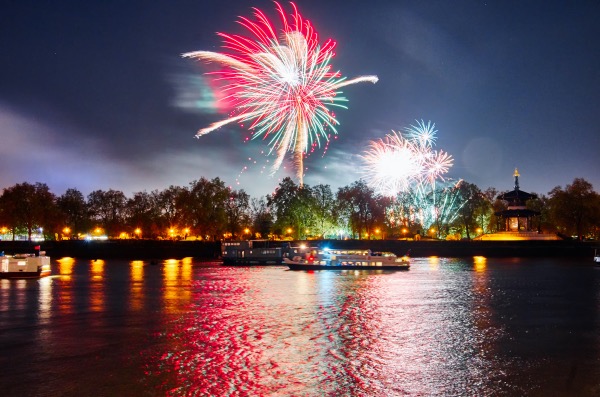
A previous Bonfire Night in London. PICTURE: teo73/iStockphoto

“Remember, remember, the 5th of November…” It’s Bonfire Night this Saturday night and fireworks displays will be held across London with key displays at Alexandra Palace, Battersea Park and Wimbledon Park. Rather than list them all here, Visit London has put together a handy guide which you’ll find here.

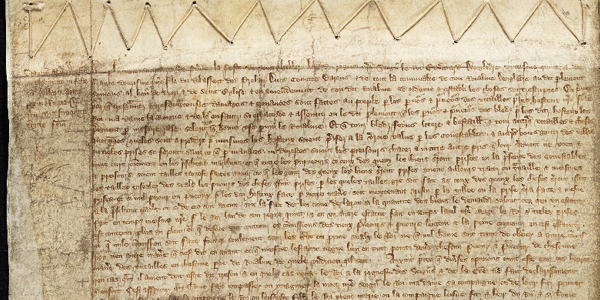
A section of the Treason Act. PICTURE: Courtesy of The National Archives (Open Government Licence)

What did the abolition of the transatlantic slave trade, the establishment of the Church of England, the creation of the United States of America and the extension of UK voting rights have to do with acts of treason? Treason: People, Power & Plot, a new exhibition at The National Archives in Kew, examines the role treason has played across the span of 700 years of history. On display will be the original Treason Act, passed in 1352 during the reign of King Edward III (pictured), and the Monteagle Letter – which suggested the recipient should not attend parliament on 5th November, 1605 (effectively tipping them off about the Gunpowder Plot) as well as Guy Fawkes’ confession, a document containing the charges levelled against King Henry VIII’s ill fated wife, Anne Boleyn, and the United States’ Declaration of Independence. Accompanying the display will be a range of online and on-site events. The free exhibition opens on Saturday and runs until 6th April. For more, see www.nationalarchives.gov.uk/treason/.

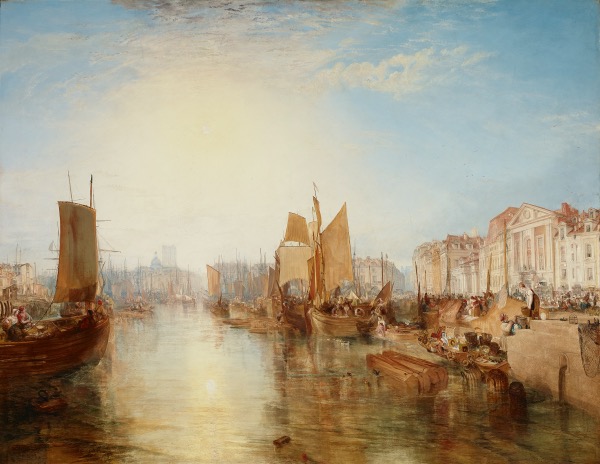
Joseph Mallord William Turner (1775 – 1851) The Harbor of Dieppe, 1826 oil on canvas 68 3/8 in. x 88 3/4 in. (173.67 cm x 225.43 cm) Henry Clay Frick Bequest. Accession number: 1914.1.122

Two ground-breaking JMW Turner paintings – Harbour of Dieppe: Changement de Domicile and Cologne, the Arrival of a Packet-Boat: Evening – have returned to the UK for the first time in more than 100 years as part of a new exhibition at The National Gallery. The Turner on Tour exhibition looks at the artist’s life-long fascination with ports and harbours and highlights the regular sketching tours he took within Europe that were central to his fame as an artist-traveller, as well as his “radical approach to colour, light and brushwork”. The two paintings, which have not been since in the UK since 1911, were exhibited in New York in 1914 at the Knoedler Gallery. They were subsequently acquired by the American industrialist Henry Clay Frick and have remained in the United States ever since but are now being generously lent by The Frick Collection. Can be seen until 19th February in Room 46. Admission is free. For more, see nationalgallery.org.uk.

On Now: Science Fiction: Voyage to the Edge of Imagination. This exhibition at the Science Museum in South Kensington features more than 70 objects and uncovers connections between significant scientific innovations and celebrated science fiction works. On display is classic literature that has inspired new understandings of the world as well as set-pieces and props from iconic films and TV – everything from a Lieutenant Uhura costume from Star Trek: The Motion Picture, to the Dalek from Doctor Who and a Darth Vader helmet created for Star Wars: Episode V – The Empire Strikes Back. There are also contemporary artworks from across the globe that explore alternative futures for humanity. The exhibition is accompanied by an events programme. Runs until 4th May. Admission charges apply. For more, see sciencemuseum.org.uk/science-fiction.

Send all items for inclusion to exploringlondon@gmail.com

8 locations for royal burials in London…5. Henry VII’s Lady Chapel, Westminster Abbey…

Located just to the east of St Edward the Confessor’s Chapel in Westminster Abbey is the lavishly ornate Lady Chapel built on the orders of King Henry VII.

Described as the “last masterpiece of English medieval architecture”, the chapel is the resting place of King Henry VII and his wife Queen Elizabeth of York.

Effigies of King Henry VII and Queen Elizabeth of York. PICTURE: Ann Longmore-Etheridge/Public domain

The couple were the first to be buried in a vault under the floor rather than a tomb but still features an elaborate monument above the floor.

The monument was designed in the Renaissance style by Italian sculptor Pietro Torrigiano and features gilt bronze effigies of the King and Queen lying side-by-side above a black marble base decorated with six medallions representing the Virgin Mary and Henry’s patron saints (who included St Edward the Confessor). At either end of the base are coats of arms supported by cherubs.

A fine grille, designed by Thomas Ducheman, surrounds the monument – once gilded, it featured 30 statues in niches but only six – depicting saints – now remain. The lengthy Latin inscription written on the grille lauds King Henry as “a wise and watchful monarch, a courteous lover of virtue” among other superlatives. There are further inscriptions on the monument.

They’re not the only kings and queen’s buried in the chapel. King James I is buried in the vault under the King Henry VII’s tomb and his wife Queen Anne of Denmark is buried nearby.

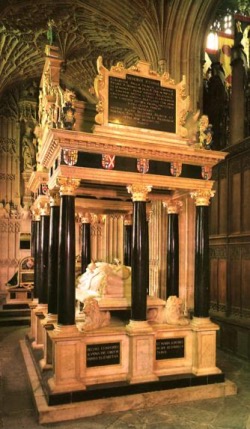
Tomb of Elizabeth I. PICTURE: Wikimedia Commons (licensed under CC BY-SA 4.0)

Queen Elizabeth I is buried in the chapel’s north aisle with a monument above depicting her effigy. Her coffin was placed on top of her half-sister Queen Mary I whose body had been placed there after her death in 1558. The monument was installed on the orders of King James I who, while commissioning a depiction of Queen Elizabeth, didn’t order an effigy of Mary to be made. Instead, she is commemorated with an inscription translated as “Partners both in throne and grave, here rest we two sisters, Elizabeth and Mary, in the hope of the Resurrection.”

The religious differences of the two Queens – Elizabeth being a Protestant and Mary a Catholic – are meanwhile commemorated in an inscription on the floor which reads: “Remember before God all those who divided at the Reformation by different convictions laid down their lives for Christ and conscience sake.”

Buried in a vault beneath the south aisle of the chapel – with just simple inscriptions on stones above (no monuments were erected due to the lack of space apparently – are the remains of the Stuart monarchs King Charles II, Queen Anne (and her husband Prince George), Queen Mary II and King William III.

The rather flamboyant tomb of Mary, Queen of Scots, is also in this aisle. King James I had her remains brought to the abbey from Peterborough Cathedral in 1612 and laid to rest in a marble tomb featuring an elaborate canopy and a white marble effigy at the feet of which stands a crowned Scottish lion. The eldest son of King James I, Henry Frederick, Prince of Wales, was also buried in the Queen’s vault (she was his grandmother), probably due to lack of space.

The young king Edward VI is buried beneath the floor in front of the altar and the last monarch to be buried in the abbey – King George II – lies in a vault under the central aisle along with his wife Queen Caroline and some of their children as well as other family members. On the King’s orders, the sides of the coffins of King George II and that of Queen Caroline were removed so their remains could mingle.

Several other royals – including Princess Mary of Orange, eldest daughter of Charles I and Henrietta Maria, and Prince Rupert of the Rhine – are also buried in the chapel.

HERE: Lady Chapel, Westminster Abbey (nearest Tube stations are Westminster and St James’s Park); WHEN: Times vary – see the website for details; COST: £27 adults/£24 concession/£12 children (discounts for buying online; family rates available); WEBSITE: www.westminster-abbey.org

Where’s London’s oldest…perfumer?

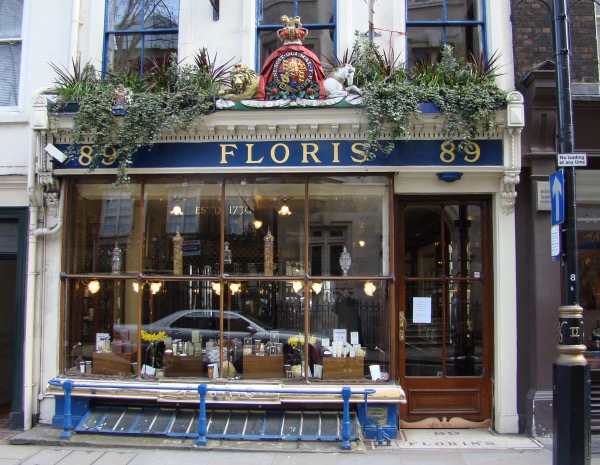
Not just said to be the oldest perfumer in London but in the UK, Floris London started life as a barber-shop and comb-maker in Jermyn Street, St James’s, by immigrant Juan Famenias Floris.

PICTURE: Sergey Moskalev (licensed under CC BY-SA 3.0)

Floris arrived in London in 1730, having travelled from the island of Menorca in the Balearic Islands which had become a British possession after it was captured in 1708 in the War of the Spanish Succession.

The story goes that Floris was missing the sweet scent of the flowers of his youth on the island and so he and his wife Elizabeth began creating and selling perfumes (and living in a premises above the shop).

Floris was granted his first Royal Warrant in 1820 soon after the accession of King George IV as ‘Smooth Pointed Comb Maker’ to His Majesty. It was to be the first of many.

Customers have included everyone from Admiral Lord Nelson (who kept a room Lady Emma Hamilton on the building’s third floor) and Florence Nightingale to Mary Shelley, Beau Brummell, Oscar Wilde, Winston Churchill, Marilyn Monroe and members of the Royal Family including the Duke and Duchess of Sussex, creating a bespoke fragrance for their wedding in 2016.

Writer Ian Fleming was also a customer – the No 89 Eau de Toilette was to become a favourite of James Bond. The company’s other pop culture references include a mention in the Al Pacino film, Scent of a Woman.

Still a privately owned family business, Floris is still run by Juan’s’ descendants today and the London store at 89 Jermyn Street, which was renovated in 2017, remains in the same building Floris first established his business. The current shop front was added in the early 19th century and over it sits the original coat-of-arms granted by King George IV.

Inside, the Spanish mahogany cabinets were purchased from the Great Exhibition held in Hyde Park in 1851. The four storey property, which these days features a small museum at the rear, is now Grade II-listed.

Floris opened a second store at 147 Ebury Street, Belgravia in 2012.

For more, see www.florislondon.com.

8 locations for royal burials in London…4. Christ Church Greyfriars…

We’ll return to Westminster Abbey shortly but first we’re heading into the City of London.

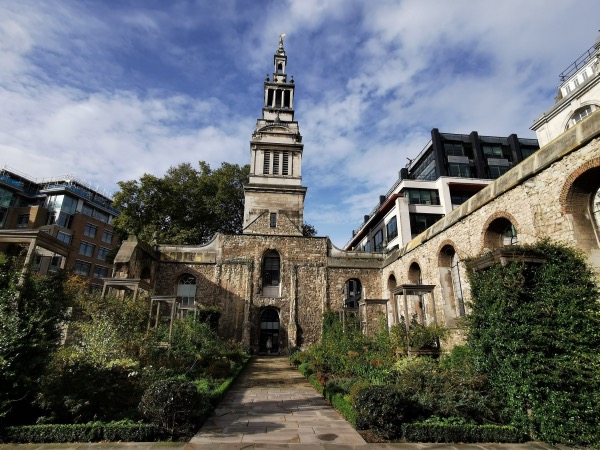
Christ Church Greyfriars, also known as Christ Church Newgate Street, was the burial site of several queens in the medieval era.

Christ Church Greyfriars. PICTURE: Karmakolle (licensed under CC BY-SA 4.0).

These include the second wife of King Edward I, Queen Marguerite, who partly financed construction of the church which commenced in the 1290s and finished well after her death in the 1360s.

Marguerite, who was the first uncrowned queen since the Norman Conquest (apparently due to the expense), was only 26 when she was widowed in 1307 (having married the king in 1299 when he was at least 40 years her senior).

She died on 14th February, 1318, while at her castle at Marlborough but her remains were brought to London where she was buried in Greyfriars wearing a Francisan habit. Her tomb, sadly, was destroyed during the Reformation.

Also buried in Greyfriars was Queen Isabella, the widow (and adversary) of the ill-fated King Edward II. Isabella, who was also known as the ‘She-wolf of France’, is said to have been buried in the clothes she wore at her wedding to the King 50 years earlier. Despite rumours to the contrary, her lover, Roger Mortimer, was not buried with her (although Isabella’s daughter – Joan of the Tower, who was the wife of King David II of Scotland – was).

While their predecessor as Queen, Eleanor of Provence, wife of King Henry III, was buried at Amesbury Priory in Wiltshire where she had died (the grave is unmarked), her heart was brought to London and buried in Greyfriars.

Others buried in the church include King Henry III and Eleanor’s daughter, Beatrice of England, and King Edward III’s daughter Isabella, Countess of Bedford.

There’s not much left of Greyfriars these days – the medieval church, one of the largest then in London, burned in the Great Fire of London of 1666 and following a rebuild under Sir Christopher Wren’s supervision, it was again all but destroyed during the Blitz in World War II.

It was decided not to rebuild and what remained of the church – some of the outer walls and tower – were designated a Grade I-listed building in 1950. Plantings inside are laid out to resemble the pews of the church in plan.

WHERE: Christ Church Greyfriars, King Edward Street (nearest Tube station is St Paul’s); WHEN: Anytime; COST: Free; WEBSITE: www.cityoflondon.gov.uk/things-to-do/city-gardens/find-a-garden/christchurch-greyfriars-church-garden

LondonLife – A tumultuous week in national politics and (another) new PM…

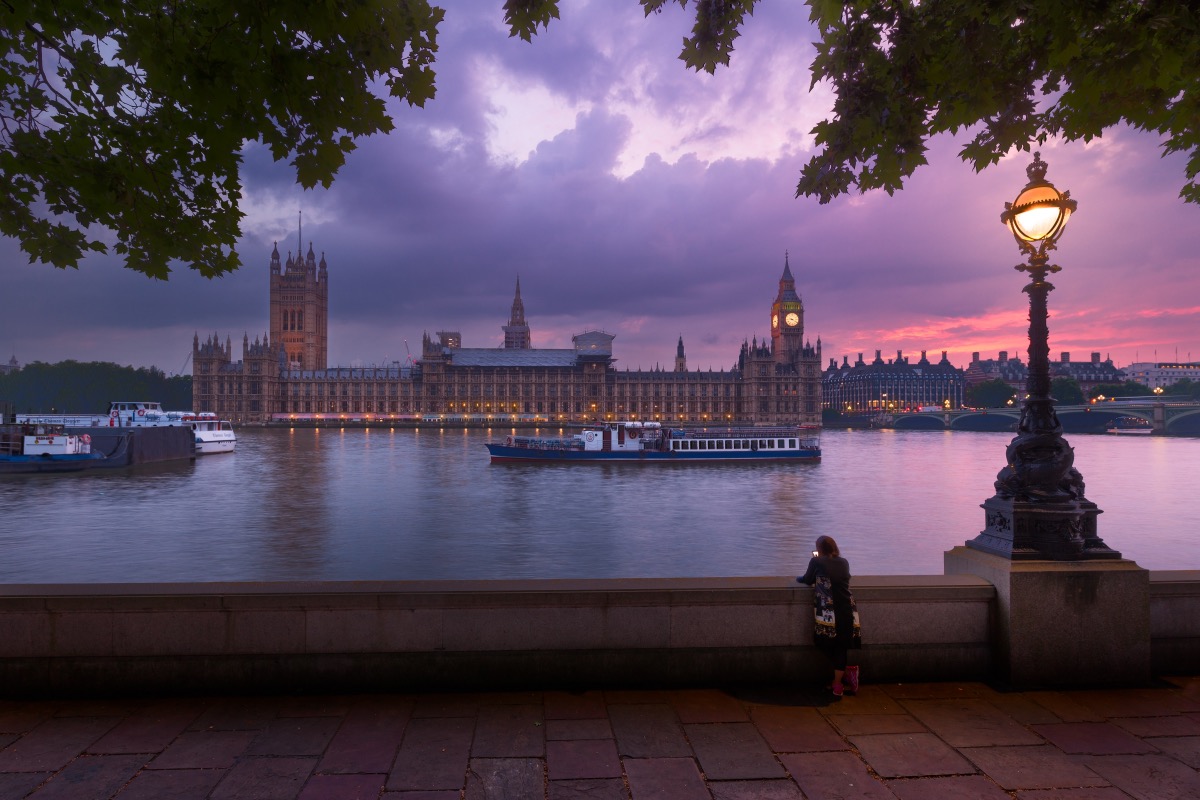
The Houses of Parliament (pictured here in 2020). PICTURE: Yaopey Yang/Unsplash

Rishi Sunak was appointed as the nation’s third Prime Minister in less than two months today following Liz Truss announcement she would resign on Friday. Sunak visited King Charles III at Buckingham Palace after Truss visited earlier to officially resign.

This Week in London – London’s history of executions; myth-making around Alexander the Great; and, Édouard Manet’s ‘Eva Gonzalès’ examined…

Charles I vest, Executions 2022 © Museum of London

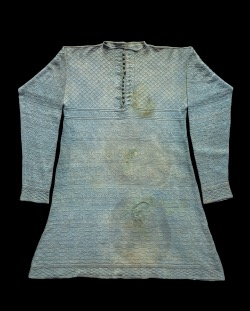
• The history of public executions in London – spanning a period of some 700 years – is the subject of a landmark new exhibition at the Museum of London Docklands in West India Quay. Executions explores how capital punishment became embedded in the city’s landscape – from the first recorded public execution in 1196 to the last in 1868 – and looks at the rarely told and often tragic human stories behind them. Items on display include an intricately woven silk vest said to have been worn by King Charles I at his execution outside the Banqueting House (pictured), a 300-year-old bedsheet embroidered with a love note in human hair and personal items which once belonged to prison reformer Elizabeth Fry. Visitors can also stand in front of the Newgate Prison door, marking the last steps for prisoners heading to the scaffold, and see a dramatic recreation of the Tyburn “Triple Tree” gallows. Visitors will also learn about the 200 offences that became punishable by death and the spectacle and rituals of execution days as well as what led celebrity criminals to the gallows. Admission charge applies. Runs until 16th April next year. For more, see https://www.museumoflondon.org.uk/museum-london/whats-on/exhibitions/executions.

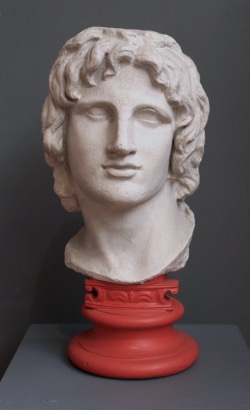
Marble head of Alexander © Museum of Classical Archaelogy

The first exhibition exploring the rich history of story-telling around one of the most famous figures of the ancient world – Alexander the Great – opens at the British Library tomorrow. Alexander the Great: The Making of a Myth features almost 140 exhibits from 25 countries including astrological clay tablets, ancient papyri and medieval manuscripts as well as comics, films and video games. It reveals how Alexander’s character has been adapted and appropriated by different cultures and religions, with conflicting interpretations. Runs until 19th February. Admission charge applies. A season of in-person and online events accompanies the exhibition. For more, see www.bl.uk/events/alexander-the-great-the-making-of-a-myth.

• Portraits of the Euro 2020 England men’s football squad and its manager, Gareth Southgate, will be shown at the City of London Corporation’s Guildhall Art Gallery from today. The free exhibition, This is England, features the most successful men’s national team – finalists in Euro 2020 – since the winners of the World Cup in 1966, from Harry Kane and Jude Bellingham to Bukayo Saka and Raheem Sterling. The paintings are the work of artist Matt Small and were commissioned by the FA and exhibited at the St George training ground during the Euro 2020 finals. The paintings can be seen until 19th February. For more, see www.cityoflondon.gov.uk/events/this-is-england.

Edouard Manet, ‘Eva Gonzalès’, 1870

Édouard Manet’s 1870 portrait of Eva Gonzalès is the subject of a new exhibition at The National Gallery opening on Friday. The painting was considered by the early 20th century to be the most famous modern French painting in the UK and Ireland. The exhibition, the first in a new series of ‘Discover’ exhibitions to be staged in the Sunley Room with the aim of exploring well-known paintings in the collection through a contemporary lens, examines the lifelong artistic dialogue and the complexities of the friendship and mentorship between Manet and Gonzalès, his only formal pupil. It also looks at the broader context of female self portraits from the 18th to early 20th centuries, alongside portraits of women artists by male friends, husbands, and teachers The free exhibition includes works by Eva Gonzalès, Elisabeth Louise Vigée Le Brun, Edouard Manet, Berthe Morisot, Alfred Stevens and Laura Knight. Runs until 15th January. For more, see www.nationalgallery.org.uk/exhibitions/discover-manet-eva-gonzalès.

Send all items for inclusion to exploringlondon@gmail.com.

8 locations for royal burials in London…3. St Edward’s Chapel, Westminster Abbey…

This chapel at the heart of Westminster Abbey is so named for the first king that was buried there – St Edward “the Confessor” – in early 1066.

The abbey, which had been constructed on the site of a Saxon Church at the behest of King Edward in fulfilment of a vow, was newly built when the King died. It had been consecrated on 28th December, 1065, but the king had been too ill to attend the service.

He died just a few days later some time on the night of 4th to 5th January. His burial took place on 6th January (the burial procession is actually depicted in the Bayeux Tapestry) with his body laid to rest beneath the floor of the new church (archaeologists using ground-penetrating radar believe they located the exact location of his original tomb in 2005).

He wasn’t to rest there for long. King Edward’s saintly reputation grew over the ensuing years and miracles began to be reported at the tomb – it’s also said said that when the tomb was opened in 1102, a “wonderful fragrance” is said to have filled the church suggesting that it he wasn’t embalmed the body was packed with aromatic herbs.

In 1163, two years after Edward had been made saint by Pope Alexander III, the king’s body was transferred from the tomb to a specially made shrine.

In the 13th century, King Henry III rebuilt St Edward’s church in the new Gothic-style of architecture, spending extravagant sums on the new building. His rebuilding programme culminated in 1269 when the bones of St Edward was translated into a new shrine featuring mosaics on a stone base created by Italian workmen in which the king’s coffin was placed with a wooden canopy over the top (such was his veneration of St Edward that King Henry III, his brother Richard, Duke of Cornwall, and the king’s two sons bore the coffin to the new shrine).

Shrine of St Edward the Confessor. PICTURE: VCR Giulio19 (licensed under CC BY-SA 4.0)

The shrine became a place of pilgrimage during King Henry III’s reign but his cult declined in the later years (and St Edward, who had for a time been considered patron saint of England was eventually replaced by St George).

The shrine was despoiled during King Henry VIII’s Dissolution of 1540 – the jewels were removed and presented to the King – and Edward’s body removed to another location in the abbey. But Queen Mary I had the Purbeck marble base reassembled (with new jewels added) and Edward’s body returned. The tiered wooden canopy which stands above the stone stone dates from the 16th century (and was heavily restored in the 1950s).

St Edward isn’t the only king buried in the chapel space. Others buried there – around the outer edges of the chapel – included King Henry III, King Edward I and his wife Eleanor of Castile, King Edward III and his wife Philippa of Hainault, King Richard II and his wife Queen Anne of Bohemia, King Henry V and Catherine of Valois (King Henry V had a chantry chapel built above his tomb at the eastern end of St Edward’s Chapel). Matilda, the wife of King Henry I, is also buried there.

WHERE: North Aisle, Westminster Abbey (nearest Tube stations are Westminster and St James’s Park); WHEN: Times vary – see the website for details; COST: £27 adults/£24 concession/£12 children (discounts for buying online; family rates available); WEBSITE: www.westminster-abbey.org

This Week in London – Hieroglyphs explored at the British Museum; King Charles III coronation date announced; ‘The Admiral’s Revenge’ in Greenwich’; and, Dickens and ghosts…

The Rosetta Stone. Granodiorite; Rasid, Egypt; Ptolemaic, 196 BC © The Trustees of the British Museum.

• Marking 200 years since French Egyptologist Jean-Francois Champollion (1790-1832) was able to decipher hieroglyphs using the Rosetta Stone, a new exhibition opening at the British Museum explores how the stone and other inscriptions and objects helped scholars unlock one of the world’s oldest civilisations. Hieroglyphs: unlocking ancient Egypt centres on the Rosetta Stone but also features more than 240 other objects, many of which are shown for the first time. Alongside the Rosetta Stone itself, highlights include: “the Enchanted Basin”, a large black granite sarcophagus from about 600 BCE which is covered with hieroglyphs and images of gods; the richly illustrated, more than 3000-year-old Book of the Dead papyrus of Queen Nedjmet which measures more than four metres long; and the mummy bandage of Aberuait, a souvenir from one of the earliest ‘mummy unwrapping events’ in the 1600s where attendees each received a piece of the linen, preferably inscribed with hieroglyphs. There’s also the personal notes of key figures in the race to decipher hieroglyphs including those of Champollion which come from the Bibliothèque nationale de France as well as those of England’s Thomas Young (1773 – 1829) from the British Library. The exhibition can be seen in the Sainsbury Exhibition Gallery until 19th February. Admission charge applies. For more, see britishmuseum.org/hieroglyphs.

• King Charles III will be crowned at Westminster Abbey on 6th May next year, Buckingham Palace has announced this week. The Queen Consort, Camilla, will be crowned alongside him in the first such coronation since 12th May, 1937, when King George VI and Queen Elizabeth were crowned in the abbey. The ceremony, which will be conducted by the Archbishop of Canterbury, will, according to the palace, “reflect the monarch’s role today and look towards the future, while being rooted in longstanding traditions and pageantry”. King Charles III is expected to sign a Proclamation formally declaring the coronation date at a meeting of the Privy Council later this year. The first documented coronation at Westminster Abbey was that of King William the Conqueror on 25th December, 1066, and there have been 37 since, the most recent being that of Queen Elizabeth II on 2nd June, 1953.

https://www.youtube.com/embed/Vfmo5dgTEl0″ title=”YouTube video player” frameborder=”0″ allow=”accelerometer; autoplay; clipboard-write; encrypted-media; gyroscope; picture-in-picture” allowfullscreen

A new dark comedy, The Admiral’s Revenge, has opened in The Admiral’s House in the Old Royal Naval College, Greenwich. The play, set in 1797, features sea shanties, puppetry and follows a crew of shipmates in the wake of the ill-fated Battle of Tenerife. Audiences have the chance to explore the Admiral’s House before the show and enjoy a complimentary rum cocktail. Runs until 12th November. For ticket prices, head to https://ornc.org/whats-on/1797-the-mariners-revenge/.

A new exhibition exploring Charles Dickens’ interest in the paranormal has opened at the Charles Dickens Museum in Bloomsbury. To Be Read At Dusk: Dickens, Ghosts and the Supernatural explores Dickens’ famous ghost stories, including A Christmas Carol, and reveals his influence on the genre. Highlights include a copy of The Chimes which Dickens gifted to fellow author Hans Christian Anderson, original John Leech sketches of Dickens’ ghosts of the past, present and future and original tickets and playbills relating to the author’s public performances of his ghost stories. The display will also look into Dickens’ own views on the supernatural as a fascinated sceptic and includes  correspondence in which he was asking about the location of a supposedly haunted house. Runs until 5th March. Admission charge applies. For more, see https://dickensmuseum.com/blogs/all-events/to-be-read-at-dusk-dickens-ghosts-and-the-supernatural.

Send all items to exploringlondon@gmail.com