This Week in London – Notting Hill Carnival weekend; new TV and film tour at Hampton Court; and, Museum of London seeks signage…

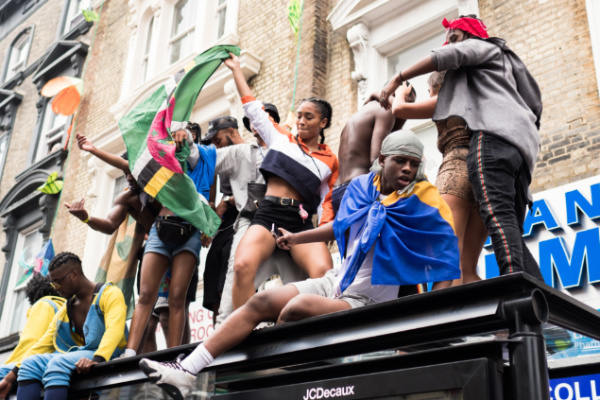
A scene from the Notting Hill Carnival in 2019. PICTURE: Glodi Miessi/Unsplash

It’s the Notting Hill Carnival weekend, three days of festivities celebrating Caribbean culture culminating in the main parade on Monday. Europe’s biggest street festival, which has been taking place since 1966 with a couple of exceptions, features music, street food and spectacular costumes. Saturday is Steel Band Competition Day, a ticketed event featuring the UK National Panorama Steel Band Competition, while Sunday is Families and Children’s Day featuring a children’s parade and carnival. On Monday, the main parade and carnival is held. For more information, see https://nhcarnival.org.
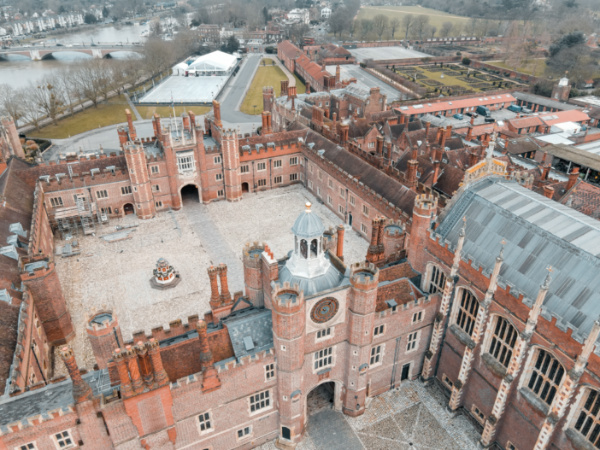
Aerial view of Hampton Court Palace. PICTURE: Ollie Craig/Pexels

Hampton Court Palace has launched a new ‘film and TV locations’ audio tour, taking visitors behind the scenes of everything from Pirates of the Caribbean to The Favourite and the recent Netflix series Bridgerton. The palace first appeared in a 1926 movie bearing its name which detailed the marriage of King Henry VIII and Catherine Howard and has since gone on to appear in numerous productions ranging from The Theory of Everything and A Little Chaos to Sherlock Holmes: A Games of Shadows and Mamma Mia: Here We Go Again!. The tour includes exclusive interviews with the director and executive producer of Bridgerton and also details the involvement of Historic Royal Palace staff who ensure the site remains protected during photo shoots. The ‘Film and TV Locations Tour’ is included in general admission. For more, head here.

The Museum of London is calling for suggestions for signs to feature in ‘Hanging Out’, a permanent installation planned for the new London Museum, set to open in Smithfield’s General Market building in 2006. It’s intended the space will represent a broad range of London’s communities with the focus on the last 80 years. Signs could relate to everything from sports venues and cafes and pubs to nightclubs, music venues and theatres. People with suggestions for signs are asked to email ourtime@museumoflondon.org.uk.

Send all items to exploringlondon@gmail.com

This Week in London – Coronations at Westminster Abbey; tulips at Hampton Court; St Bartholomew at The National Gallery; and, Food Season at the British Library…

A new exhibition exploring the 1,000-year history of coronations at Westminster Abbey has opened in the abbey’s medieval chapter house. The exhibition, which has opened ahead of the coronation of King Charles III on 6th May, draws on historic illustrations and archive photography to explore the elements of the coronation service including the oath-taking, anointing, investing and crowning and takes a closer look any some of key artefacts present in the ceremony including the Coronation Chair. The exhibition, which is free with admission to the abbey and which runs until the end of September, is part of a season of events celebrating the coronation including themed late evenings, family activities and special afternoon teas at the Cellarium Café. Meanwhile, the abbey has also announced that visitors will be able to view the ‘Coronation Theatre’ – the special area which will be built for the historic occasion, from the Abbey’s North and South Transepts – following the coronation. Tickets for the special viewing – which will include the chance to see key elements from the coronation service including the Coronation Chair still in position on the Cosmati Pavement – can be purchased for timed slots between 8th and 13th May. For more on the abbey’s events surrounding the coronation, see www.westminster-abbey.org/events.

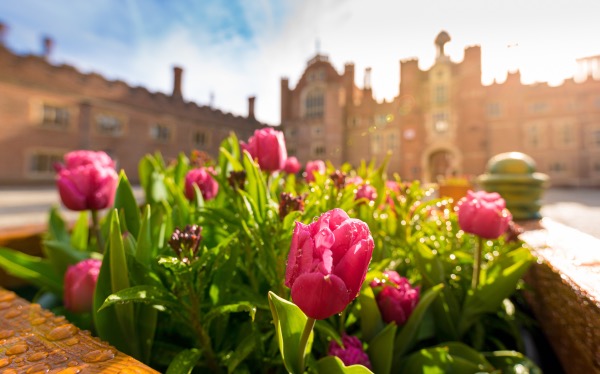
Tulips at Hampton Court Palace in 2021. PICTURE: Derek Winterburn (licensed under CC BY-ND 2.0)

Hampton Court Palace bursts into colour from Friday with its annual Tulip Festival. More than 110,000 bulbs have been planted to creat dramatic displays in the formal gardens and cobbled courtyards, among them a selection of heirloom bulbs on display in the Lower Orangery Garden which presents visitors with the chance to see tulips as they would have looked during the time of King William III and Queen Mary II, soon after the flowers were first introduced to Britain. Thanks to a special relationship with Netherlands-based Hortus Bulborum, the bulbs on display include Sylvestris (1595) and Rubella Broken (1700) as well as the Orange King (1903) and Queen of the Night (1940). Other highlights of the festival include 3,000 wine-toned tulips, including the merlot variety, flowing down from the steps and parapet of the Wine Fountain, as well as a floral fantasy in the palace’s courtyards in which tulips such as Raspberry Ripple, Apricot Emperor and Purple Prince flow out of wheelbarrows, barrels and a horse cart, and a free-style tulip planting in the Kitchen Garden inspired by Van Gogh’s 1883 painting, Bulb Fields. Runs until 1st May. Admission charge applies. For more, see https://www.hrp.org.uk/hampton-court-palace/whats-on/tulip-festival/.

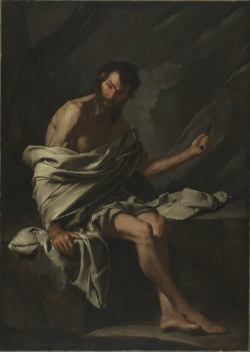
Bernardo Cavallino (1616 ‑ 1656?), Saint Bartholomew (about 1640-1645), oil on canvas H x W: 176 x 125.5 cm; The National Gallery, London. Bought with the support of the American Friends of the National Gallery, 2023
PICTURE: © The National Gallery, London

The recently acquired Bernardo Cavallino work, Saint Bartholomew has gone on show at The National Gallery. The painting, which dates from 1640-45 and which was last exhibited at The Metropolitan Museum of Art in New York in 1993, is being displayed alongside other 17th century works by artists such as Caravaggio, Artemisia and Orazio Gentileschi, Guercino, Reni and Ribera in the Hans and Julia Rausing Room (Room 32). The National Gallery has one other work by Cavallino – Christ driving the Traders from the Temple – but his depiction of Saint Bartholomew is considered one of his most splendid works. Admission is free. For more, see nationalgallery.org.uk.

Featuring everything from a celebration of African Caribbean takeaways to a “deep-dive” into the issues surrounding food production and access, Food Season kicks off at the British Library Monday. Highlights include a discussion of the sandwich by food writers Nigella Lawson, Jonathan Nunn and Rebecca May Johnson, a day-long celebration of African Caribbean cuisine featuring chefs and broadcasters Jimi Famurewa, Fatmata Binta and Andi Oliver, and, an exploration of the big challenges in food, land use and food production featuring author Henry Dimbleby alongside Dr Tara Garnett, Nick Saltmarsh, Abby Allen and Dimitri Houtart. Runs until 7th June. Admission charges apply. For the full programme, see www.bl.uk/events/food-season.

Send all items to exploringlondon@gmail.com
This Week in London – The Georgian court meets contemporary fashion; the Rossettis at Tate Britain; and, the Lindt Gold Bunny Hunt returns…

We’re taking a short break for Easter and will be back on Tuesday!

The glittering world of the Georgian court and the glamour of the modern red carpet come together in a new exhibition at Kensington Palace. Crown to Couture sees contemporary fashion worn by the likes of celebrities like Lizzo and Lady Gaga displayed alongside historical costumes, drawing some fascinating parallels between the two worlds. More than 200 objects are included in the display in the State Apartments with highlights including the  Thom Browne dress worn by musician Lizzo to the 2022 Met Gala, Christopher John Roger’ luminous green gown worn by Lady Gaga to the 2020 MTV Awards, the Rockingham Mantua – brocaded in silver thread and silver lace trim and believed to have been worn by the wife of British Prime Minister, 2nd Marquess of Rockingham, in the 1760s, and the world-famous Silver Tissue Gown. On loan from the Fashion Museum Bath, the latter is a rare example of fashion worn at the court of Charles II and is believed to have been worn to court by a young Lady Theophila Harris, who later went on to become the wife of MP Sir Arthur Harris of Hayne. Runs until 29th October. Admission charge applies. For more, see www.hrp.org.uk/kensington-palace/whats-on/crown-to-couture.

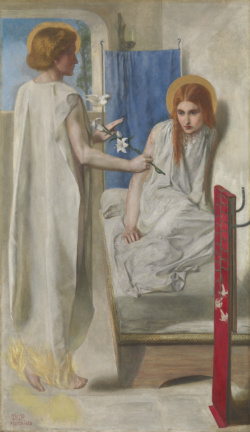
Dante Gabriel Rossetti
Ecce Ancilla Domini (The Annunciation) 1849-50
© Tate, Purchased 1886

A major exhibition charting the romance and radicalism of the Rossetti generation opens at Tate Britain today. The Rossettis – he first retrospective of Dante Gabriel Rossetti at Tate and the largest exhibition of his iconic pictures in two decades as well as the first full retrospective of Elizabeth Siddal for 30 years – features more than 150 paintings and drawings as well as photography, design, and poetry. Highlights include Dante Gabriel’s Ecce Ancilla Domine (The Annunciation) (1850), Elizabeth Siddal’s Lady Clare (1857) and Christina Rosetti’s famous poem The Goblin Market (1859). There’s also Aesthetic portraits from the later part of Dante Gabriel’s career, such as Bocca Baciata (1859), Beata Beatrix (c1864-70) and The Beloved (1865-73), as well as Lady Lilith (1866-8) and Mona Vanna (1866). Runs until 24th September. Admission charge applies. For more, see www.tate.org.uk/whats-on/tate-britain/the-rossettis.

The Lindt Gold Bunny Hunt is on again at Hampton Court Palace. Youngsters are invited to explore the palace’s 60 acres in a search for a series of hidden Lindt Gold Bunny statues, matching the name of an important character from the palace’s history with each bunny to unwrap a fascinating story. At the end of the experience, they’ll be rewarded with their own delicious Lindt Gold Bunny. Visitors to the palace will also encounter historic characters as the royal court compete with chocolatier Grace Tosier to help Prince George, the son of King George I, achieve his mission of sleeping-in, drinking chocolate and dancing all day. Runs until 16th April. Admission charge applies. For more, see www.hrp.org.uk/hampton-court-palace/whats-on/easter-lindt-gold-bunny-hunt/.

Send items to exploringlondon@gmail.com

This Week in London – Boleyn ring at Hampton Court; and, Status Quo at the Barbican…

© Historic Royal Palaces/3004593

A gold signet ring once believed to have belonged to the Tudor-era Boleyn family has gone on display at Hampton Court Palace. The ring, was discovered in a field near Shurland Hall on the Isle of Sheppey in Kent, the country home of one of Anne Boleyn’s cousins and a property she visited with King Henry VIII. It is engraved with with a bull’s head – which appears in the arms of the Boleyn family (a visual pun on the family name, which was often spelled as ‘Bullen’) – and arrayed with sunbeams and stars of white enamel as well as being decorated with icons of the Virgin and Child and St Catherine of Alexandria on its shoulders. Analysis concluded the ring was consistent with objects of the early Tudor era, leading historians to suggest that it may have belonged to either Thomas or George Boleyn – Anne Boleyn’s father and brother. The ring, which was purchased by Historic Royal Palaces with support from the Arts Council England/V&A Purchase Grant Fund, the Art Fund, the Meakins Family and John Harding, under the terms of the Treasure Act 1996, can be seen in the Great Hall. Included in general admission. For more, see www.hrp.org.uk/hampton-court-palace/.

One of the UK’s most successful rock bands, Status Quo, are the subject of a new exhibition at the Barbican Music Library. Celebrating Seven Decades of Status Quo is the first ever public exhibition on the band and features never-before-seen material including the original handwritten lyrics to Caroline and Down Down as well as tour posters, photographs and more than 40 of the bands key albums. The display is a collaboration between Paul and Yvonne Harvey, who ran the band’s official fan club, ‘From The Makers Of…’ (FTMO), and Status Quo fan and collector Andy Campbell. Status Quo was formed in 1962 and has since had more than 60 chart hits as well as opening the LIVE AID concert in Wembley in July, 1985, and receiving a Brit Award for Outstanding Contribution to Music in 1991. Runs until 22nd May. Admission is free. For more, see www.cityoflondon.gov.uk/services/libraries/barbican-music-library.

Send all items to exploringlondon@gmail.com
This Week in London – Christmas at Hampton Court Palace; the V&A’s couture Christmas Tree; and, the stories of Asian and African foundlings…

Festive Fayre returns to Hampton Court Palace this weekend with visitors having the chance to do some Christmas shopping, sample some festive treats and enjoy live music. The festival, which runs from Friday to Sunday, takes place ahead of the launch of the palace’s Christmas light trail – Palace of Light – next Wednesday (7th December). Inspired by Henry VIII’s heraldic beasts, it features an array of installations, ranging from a sea-monster lurking in the Great Fountain Garden to polka-dot panther lanterns in the Wilderness. Created by the award-winning outdoor event producers Wild Rumpus, the light trail can be visited until 2nd January. For more, see www.hrp.org.uk/hampton-court-palace/.

Christmas tree installation, designed by Miss Sohee PICTURE: © Victoria and Albert Museum, London

The V&A has unveiled its couture Christmas Tree installation for this year – a work by London-based Korean fashion designer Miss Sohee. On display in the Cromwell Road Grand Entrance, the installation reimagines the traditional Christmas tree as a three metre long couture gown, which combines Sohee’s signature style of vibrant silhouettes and intricate embroidery with religious statuary found around the museum. The installation can be seen until 5th January. For more, see www.vam.ac.uk.

On Now – Tiny Traces: African & Asian Children at London’s Foundling Hospital. This exhibition at The Foundling Museum in Bloomsbury explores the newly discovered stories of African and Asian children in the care of the hospital in the 18th century, following the stories of more than a dozen children through personal items, physical artefacts, works of art and archival documents. In a parallel thread, works of art by artists including Zarina Bhimji, Hew Locke, Kehinde Wiley, Alexis Peskine, Deborah Roberts and Shanti Panchal form a dialogue with the historic narratives. Admission charge applies. Runs until 19th February. For more, see https://foundlingmuseum.org.uk.

Send all items to exploringlondon@gmail.com

This Week in London – Musical theatre at the V&A; getting spooky at Hampton Court and the Tower; and, Bill Brandt at Tate Britain…

Costume for Eliza Doolittle in Lerner and Lowe’s musical My Fair Lady, designed by Cecil Beaton, worn by Julie Andrews, Theatre Royal, Drury Lane, 1958. Given bythe Friends of the Victoria and Albert Museum.© Cecil BeatonImage courtesy of Victoria and Albert Museum, London

The glittering world of musical theatre is at the centre of a new exhibition which opened at the V&A in South Kensington recently. Re:Imagining Musicals showcases some 100 objects, most being displayed for the first time, with highlights including Paul O’Grady’s Miss Hannigan costume from Annie, new costume acquisitions from SIX the MusicalEverybody’s Talking About JamieMoulin Rouge! The MusicalCompany, and A Chorus Line, the rarely displayed beaded gown designed by Cecil Beaton which was worn by Julie Andrews in My Fair Lady in 1958; the toy Olaf puppet from Frozen the Musical, and an original poster from the off-Broadway premiere of Hamilton signed by the cast and creatives. There’s also a 1965 original cast recording of Hello Dolly! signed by Carol Channing, Bunny Christie’s Olivier and Critics’ Circle award winning costume design, model and costume for Rosalie Craig as Bobbie in the 2019 West End revival of Company and Shakespeare’s first folio, which celebrates its 400th anniversary in 2023. The free display can be seen in the Theatre and Performance Galleries until 27th November, 2023. For more, see www.vam.ac.uk/exhibitions/reimagining-musicals.

Base Court and cloisters dressed for the Halloween ghost trail at Hampton Court Palace. PICTURE: © Historic Royal Palaces.

Visitors to Hampton Court Palace and the Tower of London are being invited to explore some of the properties’ spookiest stories in the lead-up to Halloween. Until 30th October, visitors to Hampton Court are able to explore the stories of everyone from King James I to tormented wives to Tudor trumpeters with special effects including mystical projections and eerie sound effects. Meanwhile, until 31st October, visitors can follow in the footsteps of infamous prisoners at the Tower of London with “spooky decorations, spine-tingling sound effects, and rooms transformed to tell terrifying tales about past inhabitants” while ghostly figures such as the Welsh Prince Gruffydd ap Llywelyn and King Henry VIII’s ill-fatded wife Anne Boleyn wander the grounds. Admission charges apply. For more, see www.hrp.org.uk.

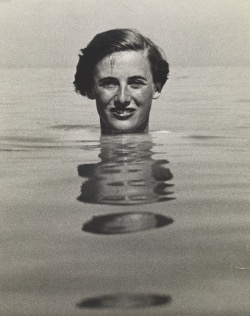
Bill Brandt – Woman Swimming
Tate. Accepted by HM Government in lieu of inheritance tax from the Estate of Barbara Lloyd and allocated to Tate 2009 © The Estate of Bill Brandt.

The work of British photographer Bill Brandt (1904-83) is the subject of a new exhibition at Tate Britain on Millbank. Bill Brandt: Inside the Mirror features 44 original photographs from across his career are displayed alongside the magazines and photobooks in which these images were most often seen. Brandt was first known as a photojournalist, renowned in the 1930s for his observations of British life, and later for his landscapes, portraits and nudes. Highlights include Woman Swimming (pictured), Hail, Hell & Halifax and his handmade photobook ‘A Dream’ – which is being exhibited for the first time. Runs until 15th January. Admission is free. For more, see tate.org.uk.

Send all items for inclusion to exploringlondon@gmail.com.

Treasures of London – The Tijou Screen at Hampton Court Palace…

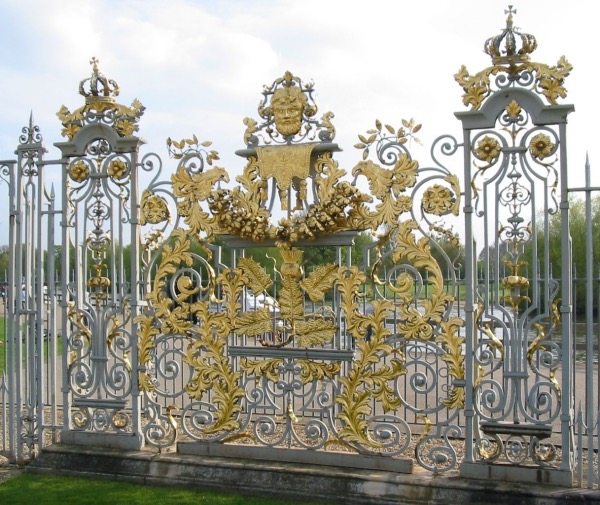
A section of the Tijou Screen representing Scotland. PICTURE: Man vyi

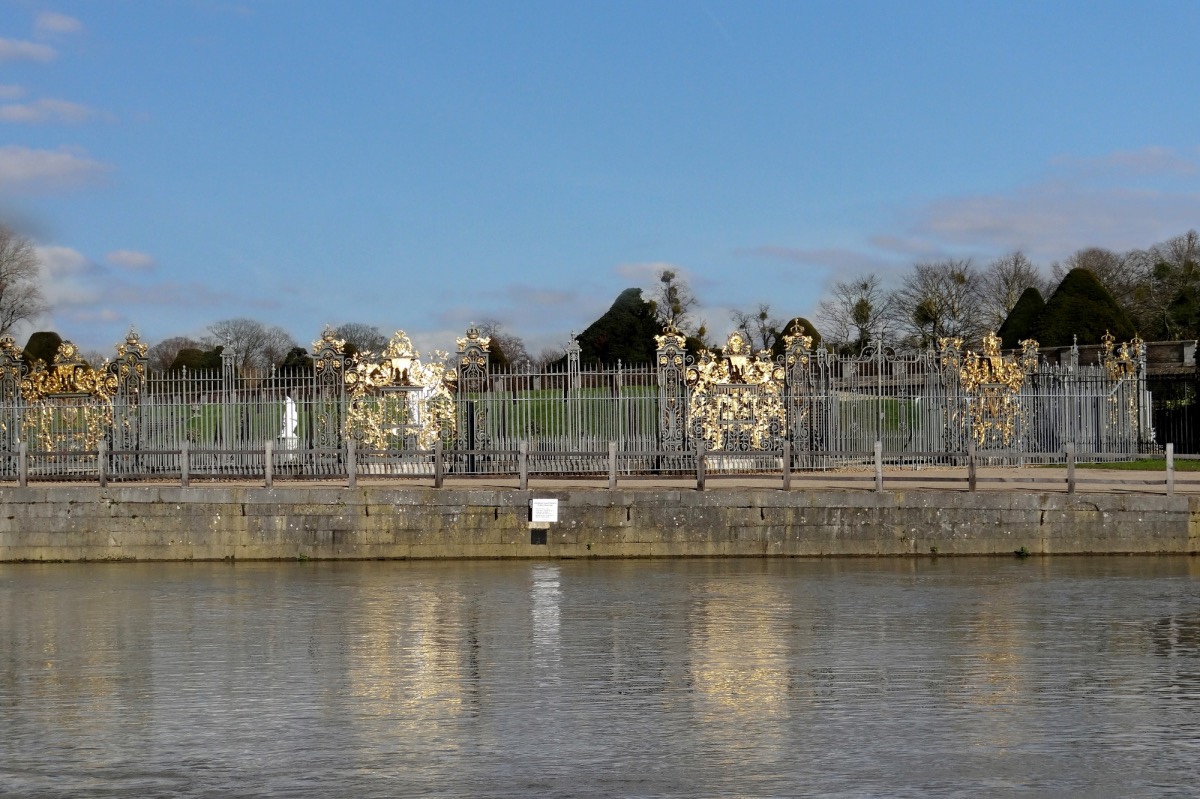
Standing at the river end of the Privy Garden at Hampton Court Palace is a stretch of wrought-iron screen designed and made by Huguenot ironworker Jean Tijou for King William III and Queen Mary II.

The screen, which is one of the finest examples of 17th century ironwork in the world, was created between 1689 to 1692. It features 12 panels displaying symbols including the monogram of William and Mary, the garter emblem and representations of England, Ireland, Scotland and France.

William expressed his personal admiration for the work.

The Tijou Screen seen from the Thames. PICTURE: Maxwell Hamilton (licensed under CC BY-SA 3.0)

The screen was among numerous royal commissions created by Tijou, who had arrived in England in about 1689 and secured the patronage of the joint monarchs.

The screen fell into neglect in the 18th century and were subsequently repaired numerous times before being split up in the 19th century. It was re-erected at Hampton Court in 1902 and since been restored several times.

This Week in London – Tulips at Hampton Court; new Falklands-related displays at the IWM; and, a new garden for The Regent’s Park…

Hoping you have a wonderful Easter break.

PICTURE: © Historic Royal Palaces

Hampton Court Palace’s Tulip Festival – the largest of its kind in the UK – is returning following its successful inaugural year in 2021. From Friday until 2nd May (depending on flowering periods), the palace’s 60 acres of formal gardens are expected to be filled with rare, historic and specialist tulip varieties inspired by Queen Mary II’s famous 17th century collection which was once housed at the palace. Some 120,000 tulip bulbs of 60 different varieties have been planted, including breath-taking floating tulip vases located in the palace’s famous fountains, and floral displays which will fill the cobbled courtyards of Base Court and Clock Court. Visitors will be able to find out all about the links between the flower and the palace’s history with a dedicated Tulip Festival Guide. Included with admission. For more, head here.

New exhibits marking the 40th anniversary of the Falklands Conflict have gone on show at the Imperial War Museum in Lambeth. Among the new items on display are drawings by Linda Kitson, the first female artist commissioned by IWM to accompany troops into conflict, and images of the conflict – many of which have never been seen before – taken by photographer Paul RG Haley who covered it for Soldier Magazine. The museum is also exploring the story and legacy of the conflict through a digital programme of events including a series of short films and a new episode of the Conflict of Interest podcast featuring actor Katherine Parkinson. For more, see www.iwm.org.uk.

The Regent’s Park will soon boast a new 1.5 acre garden at its centre in honour of Queen Elizabeth II’s Platinum Jubilee. The new garden, to be created on the site of a former plant nursery near the Inner Circle, will include design features that reflect the Queen’s “love of trees and nature”. The Royal Parks will be committing £1 million to the project and will seek external funding and public donations. Designs for the new park will be shared as they are developed. Meanwhile, The Royal Parks have also announced they will be creating a new wood in Richmond Park as part of the Queen’s Green Canopy Initiative. The new woodland, which will be located adjacent to Ham Cross, will be planted with 70 large trees, each one to mark a year of Her Majesty’s reign.

Send all items to exploringlondon@gmail.com.

This Week in London – Canaletto at the National Maritime Museum; the story of the postcode; Easter hunts at royal palaces; and, superheroes and orphans…

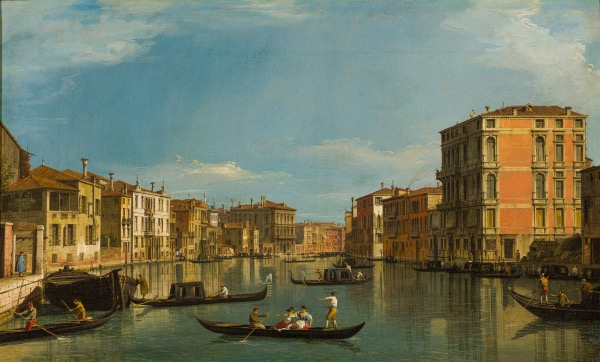
Canaletto, ‘View of the Grand Canal from the Palazzo Bembo to Palazzo Vendramin-Calergi‘ © From the Woburn Abbey Collection

Twenty-four of Canaletto’s Venetian views which are normally found at Woburn Abbey form the heart of a new exhibition opening at the National Maritime Museum in Greenwich on Friday. Canaletto’s Venice Revisited explores some of the most iconic view paintings of Venice and how tourism, which helped establish Canaletto’s career, today threatens Venice’s future. The views from Woburn Abbey were painted by Canaletto for Lord John Russell, the 4th Duke of Bedford, in the 1730s and this is the first time the paintings, which are thought to be Canaletto’s largest single commission, will be on display in their entirety outside of the abbey. As well as 22 smaller views of Venice depicting iconic landmarks such as Piazza San Marco and the Grand Canal, as well as campi, palazzi and churches, the works include two monumental views, A Regatta on the Grand Canal and The Grand Canal, Ascension Day: The embarkation of the Doge of Venice for the Ceremony of the Marriage of the Adriatic. Runs until 25th September. Admission charge applies. For more, see www.rmg.co.uk/canaletto.

The story of the postcode is the subject of a new exhibition at The Postal Museum. Sorting Britain: The Power of Postcodes charts the journey of postcodes in the UK, from the post postal districts in London, Liverpool and Manchester and the first trial of postcodes in Norwich in 1959 to how postcodes are used today as an indicator of social standing. Highlights in the display include ELSIE, one of the only original 1950s Electronic Letter Sorting Indicating Equipment left in existence, images of ‘Poco the Postcode Elephant’ – one of the biggest advertising campaigns of the 1980s and unseen maps of London from the 19th century. Runs until 1st January. Included in admission ticket. For more, see www.postalmuseum.org.

• The Lindt GOLD BUNNY Hunt is returning to both Hampton Court Palace and Kensington Palace this Easter for the first time since 2019. Children aged four to 12 are invited to use a trail map to explore each palace and gardens and find the Lindt GOLD BUNNY statues while learning about people from the palaces’ past and, on successfully completing their mission, claim their chocolatey reward. Check the website for details of dates. The hunt is included in palace admission. For more, see www.hrp.org.uk.

The representation of foundlings, orphans, adoptees, and foster children in comics and graphic novels comes under scrutiny in a new exhibition at the Foundling Museum in Bloomsbury. Opening Friday, Superheroes, Orphans & Origins: 125 years in comics looks at traditional orphan superheroes ranging from Superman and Batman to Spider Man and Black Panther along with characters from early newspaper comic strips, Japanese Manga and contemporary graphic novel protagonists. The display includes historical newspapers, original artwork and contemporary digital work as well as examples of international comics rarely exhibited in the UK. There are also three new artistic commissions specifically made for the exhibition. Can be seen until 28th August. Admission charge applies. For more, see https://foundlingmuseum.org.uk/event/superheroes-orphans-origins/.

Send items for inclusion to exploringlondon@gmail.com.

This Week in London – Anne Boleyn’s heraldic badge at Hampton Court; and, St Patrick’s Day parade returns…

Queen Anne Boleyn’s carved heraldic badge. PICTURE: Courtesy of Historic Royal Palaces.

Five hundred years after Queen Anne Boleyn is recorded as first appearing before her future husband, King Henry VIII, her carved heraldic badge has gone on show at Hampton Court Palace. The blackened oak carving, which features a crowned falcon atop a tree stump flowering with Tudor roses, was discovered by antiques expert Paul Fitzsimmons. While it had been covered in centuries of soot, grime and wax, conservation saw the removal of a layer of black paint to reveal the original colouring of white, gold and red. Subsequent research revealed the carving’s similarity to the 43 surviving falcon badges with the ‘frieze’ above the windows and hammer beams in the palace’s Great Hall, leading researchers to believe that the carving is an element of the room’s original Tudor scheme. Records show one Michael Joyner was paid to create carvings of the King’s and Queen’s badges. Following Boleyn’s downfall and Henry VIII’s subsequent marriage to Jane Seymour, craftsmen were paid to overpaint the former Queen’s white falcons in black, severing their association with her. Boleyn, who first appeared before Henry playing the role of Perseverance in a court masque, first started using the white falcon as her device around the time she was created Marquess of Pembroke, shortly before her public marriage to Henry in 1533. After her marriage and coronation, new imperial falcon badge was created, featuring the crown and sceptre. The badge can be seen in the Great Hall (included in general admission). For more, see www.hrp.org.uk/hampton-court-palace/.

St Patricks’ Day will be marked in London this weekend for the first time in three years with a parade through central London and festivities in Trafalgar Square. The annual parade of Irish marching bands and dancers will start at Green Park at noon on Sunday and wind its way through the streets to Whitehall. Trafalgar Square, meanwhile, will play host to a line-up of Irish talent from noon to 6pm on Sunday with family-friendly concerts, storytelling, children’s films and youth performances, as well community choirs, schools, dance troupes and children’s workshops featuring camogie games, medal-making and face painting as well as a food and drinks stalls. For the full programme, head to www.london.gov.uk/st-patricks.

Send all items to exploringlondon@gmail.com

A Moment in London’s History – The execution of Catherine Howard…

It’s 480 years this month since Catherine Howard, fifth wife of Henry VIII of England, was executed for treason inside the Tower of London.

Unknown woman, formerly known as Catherine Howard after Hans Holbein the Younger (oil on panel, late 17th century/NPG 1119 © National Portrait Gallery, London

Catherine, who it has been suggested may have been just 17-years-old when she died, was beheaded on the morning of 13th February, 1542, less than two years after her hastily arranged marriage to the King, just three weeks after his prior marriage to Anne of Cleves was annulled.

Catherine, also spelt as Katherine, was condemned to death after a young noble named Francis Dereham admitted, under torture, to having a sexual relationship with her prior to her marrying the king, and, more importantly, Thomas Culpeper, a Gentleman of the King’s Privy Chamber, who admitted to having an affair with her after her marriage.

Both men were executed at Tyburn following their admissions and their heads were displayed on London Bridge. Catherine sailed under it aboard a barge as she was taken to the Tower on 10th February, 1542.

She is said to have spent the night before her execution practising placing her head on the block – which was brought to her at her request.

Catherine was beheaded with the single stroke of a headsman’s axe on Tower Green – King Henry did not attend but some of her cousins, including the Earl of Surrey, were among the witnesses.

She was said to have been composed, although she needed help mounting the scaffold. It’s often said that her last words were “I die a Queen, but I would rather have died the wife of Culpeper” but there’s no eyewitness report which suggests this and instead she is believed to have stuck to a more traditional script, saying her punishment was just for her crimes and asking forgiveness.

Her maid – Jane Boleyn, Lady Rochford – followed her to the block for her role in facilitating the affair while Henry was away from court. Catherine had apparently spent the night before practising how to lay her head upon the block.

Catherine was buried in an unmarked grave at in the Chapel of St Peter ad Vincula next to Tower Green – there’s a memorial to her in the church. The Queen’s ghost is famously said to be present in what’s known as the ‘Haunted Gallery’ at Hampton Court Palace – it is here that, when she was arrested, she apparently broke free from her guards and ran to the doors of the Chapel Royal where she believed the king was at prayer. Needless to say, her cries for mercy went unanswered.

Memorial stone set in the floor of the Chapel of St Peter ad Vincula. PICTURE: VCR Giulio19/Wikipedia (licensed under CC BY-SA 4.0)

10 historic stairways in London – 5. The King’s Staircase, Hampton Court Palace…

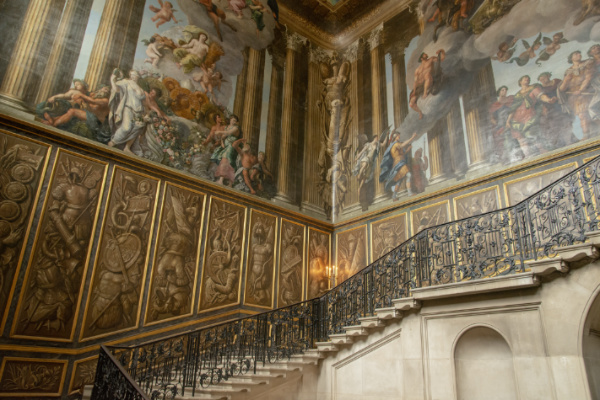
The King’s Staircase at Hampton Court Palace. PICTURE: Peter K Burian (licensed under CC BY-SA 4.0)

This grand staircase was installed in Hampton Court Palace during the reign of King William III and Queen Mary II as a grand entrance to the King’s Apartments.

The staircase, which features shallow steps, was designed Sir Christopher Wren and features a wrought iron balustrade designed by French ironsmith Jean Tijou.

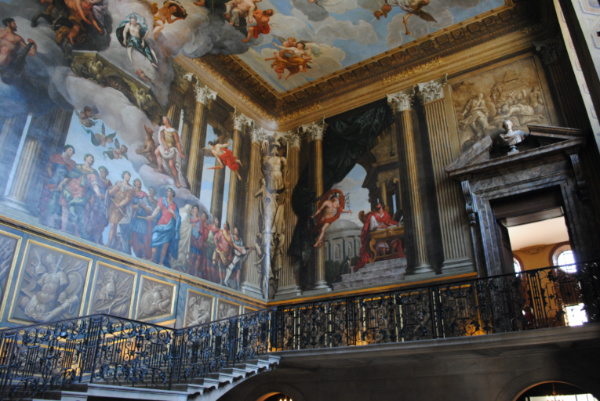
Another view of the staircase and accompanying art. PICTURE: David Adams

It was decorated in about 1700 by Italian painter Antonio Verrio to resemble a Roman courtyard which is open to the sky. The main image depicts ‘Victory of Alexander over the Caesars’ which features King William III as Alexander the Great and is painted as an allegory of William’s triumph over the Stuart King, James II, in the Glorious Revolution of 1688 (with the Stuarts represented by the 12 Caesars).

The stairs lead up to the Guard Chamber, an anteroom which had to be passed through to reach the Presence Chamber.

London Explained – Historic Royal Palaces…

The Tower of London is one of the palaces under the care of Historic Royal Palaces. PICTURE: Nick Fewings/Unsplash

Visitors to several of London’s landmark royal properties will across an organisation known as Historic Royal Palaces.

HRP, as its sometimes shortened to, is a self-funding charity charged with the management of palaces which are owned by the Crown (technically by Queen Elizabeth II ‘in Right of Crown’ meaning she holds them in trust for the next monarch and by law cannot sell or lease them). The palaces are generally no longer used as royal residences.

These include the Tower of London, Hampton Court Palace, Kensington Palace, Kew Palace and the Banqueting House (once part of the Palace of Whitehall). Buckingham Palace, which remains the official London residence of Queen Elizabeth II and a working royal palace, is not one of them nor is St James’s Palace, home to several members of the Royal Family and their households.

All five of the properties in London which are under the care of Historic Royal Palaces ceased being regularly used by the Royal Court in the 19th century and were opened up to the public. The government became responsible for their care under the Crown Lands Act 1851.

In 1989, the government established Historic Royal Palaces as part of the Department of the Environment to oversee care of the five palaces. Six years later it became part of the Department of National Heritage (now known as the Department for Culture, Media & Sport).

In April, 1998, Historic Royal Palaces became an independent charity by Royal Charter. It is governed by a board of trustees who include the director of the Royal Collection Trust and the Keeper of the Privy Purse from the Royal Household as well as the Constable of the Tower of London.

Historic Royal Palaces now oversees management of the palaces under a contract with the Secretary of State for Culture, Media & Sport (as well as the five London properties, since 2014, it has also been responsible for the care of Hillsborough Castle in Northern Ireland).

Perhaps the most well-known faces of Historic Royal Palaces are joint curators – Tudor historian Tracy Borman, and architectural and social historian Lucy Worsley.

HRP collects revenues through entries to the palaces but also offer an annual membership through which you can have unlimited entry.

For more, head to www.hrp.org.uk.

This Week in London – Hampton Court’s astronomical clock after hours; Beethoven explored at the British Library; and, the Sherman Rangers Yeomanry at the National Army Museum…

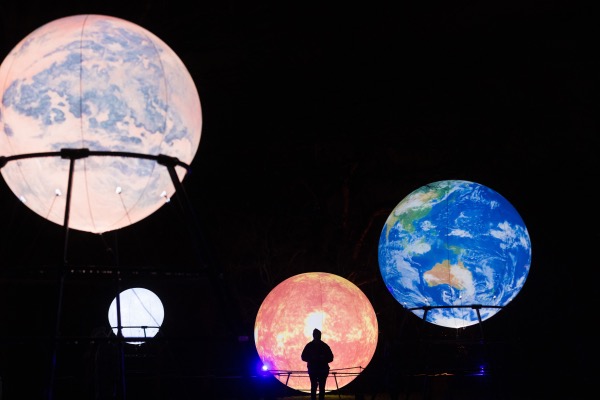
Palace of Stardust at Hampton Court Palace. PICTURE: © Historic Royal Palaces

• An after-hours light trail featuring clocks, moons, planets and sundials has opened at Hampton Court Palace this week. Palace of Stardust takes people through the palace’s historic cobbled courtyards and gardens which have been filled with magical illuminations inspired by the palace’s famous astronomical clock installed at the command of King Henry VIII. Visitors to the display, designed and created by award-winning outdoor event producers Wild Rumpus, will uncover the mysterious meanings on the clock’s dial, attend a flickering moonlit ball in the East Front Gardens, hear the ancient royal trees as they whisper their secrets and peek into mysterious miniature shadow worlds before being transported to another planet in the deepest depths of the Wilderness, once home to King Charles II’s formal pleasure garden. Seasonal food and drink will also be available. Runs until 3rd January. Admission charge applies. For more, see www.hrp.org.uk/hampton-court-palace/whats- on/palace-of-stardust-at-hampton-court-palace.

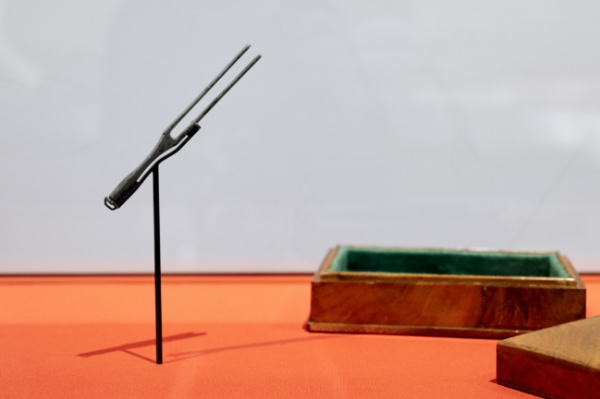
Beethoven’s tuning fork. PICTURE: © British Library Board, Add. MS 71148 A. Photography by Justine Trickett

One of the greatest composers of all time, Ludwig van Beethoven (1770-1827), is the subject of a new exhibition opening at the British Library. The display, which draws on the library’s world-famous collection, features manuscripts, archival documents, personal belongings and sound recordings with highlights including Beethoven’s own copy of his earliest published works which he composed at age 12 and 13, sketches for his Pastoral Symphony and late string quartets, a tuning fork which is thought to have belonged to him until 1803, and a pocket sketchbook the composer used to note down musical ideas when out walking, which dates from 1825. There is also a specially commissioned audio-visual incorporating bone conduction to present extracts from the composer’s music in an engaging and immersive way, in particular to those with hearing impairments. The exhibition runs until 24th April. Admission charge applies. For more, see www.bl.uk/events/beethoven. To coincide with the 250th anniversary of Beethoven’s birth, the library last year launched ‘Discovering Music: 19th century‘, a free online resource which explores key works of 19th-century classical music and the social, political and cultural contexts in which they were written.

The World War II story of the elite tank regiment, the Sherwood Rangers Yeomanry, is being told in a new exhibition which opens today at the National Army Museum in Chelsea. Based on broadcaster and historian James Holland’s book, Brothers in Arms, the exhibition spans the period from the D-Day landings on 6th June, 1944, to VE Day almost a year later and focuses on the stories of eight soldiers who served in the regiment as it explores the dangers and pressures they faced and the camaraderie and bonds that bound them together. The exhibition is being accompanied by a programme of events. This Saturday, the Museum is putting a spotlight on tanks with free talks, tours and tank challenges for the family – plus the chance to see a Sherman tank parked up at the Museum. Online booking is recommended. For more, see www.nam.ac.uk/whats-on/brothers-arms.

Send all items for inclusion to exploringlondon@gmail.com.

LondonLife – Commemorating World War I at Hampton Court Palace…

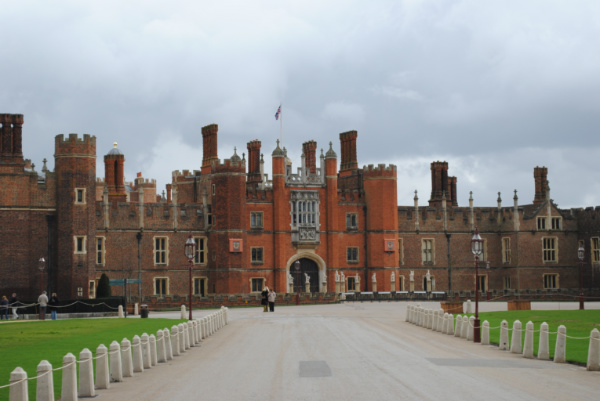
Hampton Court Palace. PICTURE: David Adams

Standing with Giants, a thought-provoking art installation at Hampton Court Palace, commemorates the lives lost in World War I and II and, in particular, the Indian soldiers who resided on the palace’s estate prior to the coronation of King Edward VII in 1902, and again for the World War I Victory Parade in London. The work of Oxfordshire artist Dan Barton and a dedicated group of volunteers, the work – located in the East Front gardens – features 100 almost life-sized silhouettes of soldiers and 75 screen-printed poppy wreaths along with an additional 25 specially commissioned silhouettes which represent the Indian soldiers. Almost 1,800 Indian Army officers, soldiers, and civilian workers sailed from India for the World War I Victory Parade and a camp was specially created to house them in the palace grounds in what was at the time one of the largest gatherings of people from India and South-East Asia ever assembled the UK. During their stay in London, the soldiers were treated to excursions in London and across the country which included trips to the Tower of London and a Chelsea football match. Alongside the display, a special trail map has been created to allow visitors to explore other aspects of the palace’s World War I history and former residents who took on roles ranging from frontline nurses to campaigners for improved care for injured veterans. One of the most poignant contributions the palace made to the war effort was the use of wood, supplied from an oak tree felled in Hampton Court’s Home Park, for the making of the coffin for the Unknown Soldier. Can be seen until 28th November. Admission charge applies. For more, see www.hrp.org.uk.

Lost London – The Holbein portrait of King Henry VIII’s family…

King Henry VIII; King Henry VII
by Hans Holbein the Younger
(ink and watercolour, circa 1536-1537
NPG 4027)
© National Portrait Gallery, London

Thankfully much copied (at least in part), this full length portrait of King Henry VIII, his third wife and parents was the work of Hans Holbein the Younger.

Holbein, appointed the king’s painter in 1536, was commissioned to create the work following the King’s marriage to Jane Seymour on 30th May, 1536, and completed it in 1537 (there’s some speculation it may have been commissioned in celebration of the birth of King Henry’s son, King Edward VI).

The mural featured the King standing in full splendour, although without typical symbols of royalty such as a crown or sceptre, as well as his wife Jane Seymour, and his parents, King Henry VII and Queen Elizabeth of York. They were all standing around a central pillar upon which are inscribed verses in Latin extolling the Tudor dynasty.

The work is understood to have been commissioned for one of the King’s more private chambers in the Palace of Whitehall which Henry had seized after the downfall of Cardinal Thomas Wolsey.

The portrait survived the reign of King Henry VIII but was destroyed in the fire which devastated the palace in 1698.

A full-sized cartoon of the left-hand side of the work which was completed by Holbein in preparation for its creation is held in the collection of the National Portrait Gallery (pictured right).

While there are numerous copies of the figure of King Henry VIII, the only complete copy of the mural is attributed to Remigius van Leemput who created it in 1667 – it can be seen at Hampton Court Palace.

London Explained – The Royal Parks…

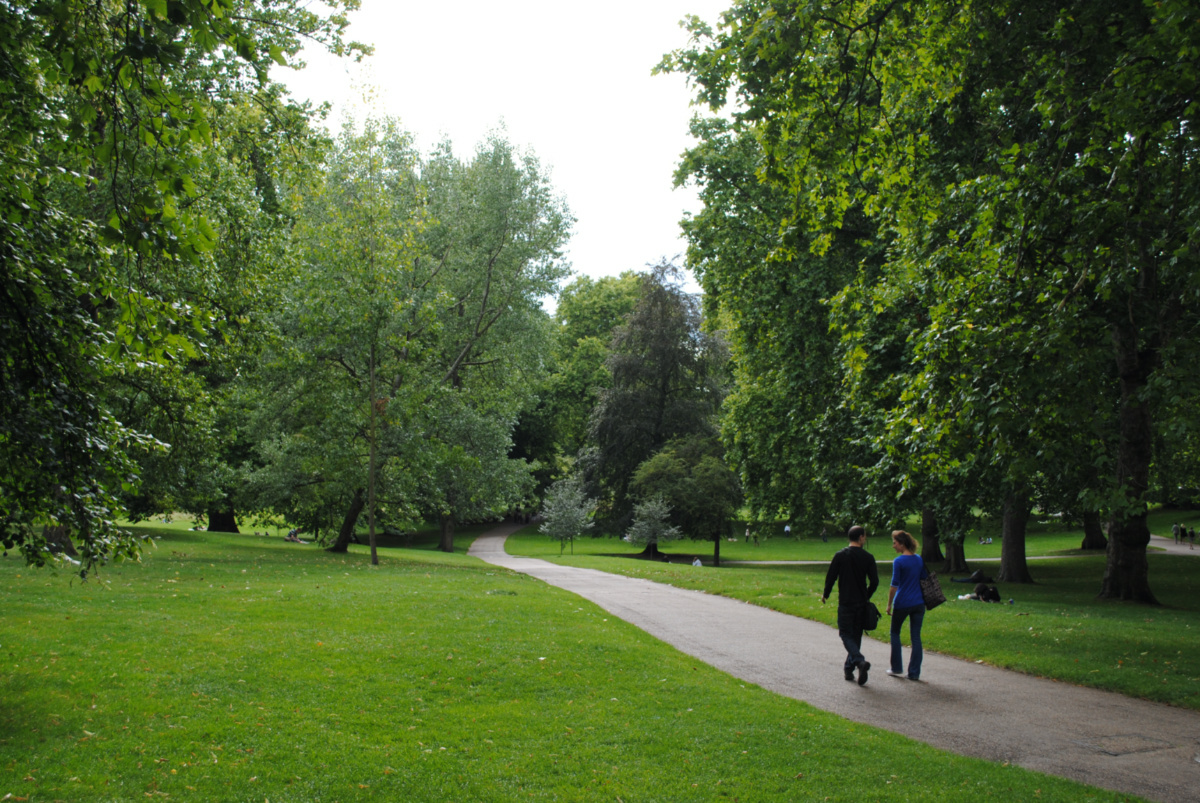
Green Park, the smallest of the eight Royal Parks. PICTURE: David Adams

One of the most beautiful features of London are its Royal Parks.

The Royal Parks signage in The Regent’s Park. PICTURE: Elliott Brown (licensed under CC BY 2.0)

The parks, which covers some 5,000 acres, are owned by the Crown and managed by a charity, The Royal Parks. They include eight of London’s largest open spaces – Hyde Park, The Green Park, Richmond Park, Greenwich Park, St James’s Park, Bushy Park, The Regent’s Park, and Kensington Gardens – as well as some other important open spaces such as Brompton Cemetery, Victoria Tower Gardens, Canning Green and Poet’s Corner.

All eight of the Royal Parks have historically been owned by the Crown with St James’s Park considered the oldest (while Greenwich Park is the oldest enclosed park).

Under an Act of Parliament passed in 1851, the Crown transferred management of the parks to the government. These powers were originally vested in the Commissioners of Works and later transferred to the Minister of Works in 1942. They now rest with the Secretary of State for Culture, Media and Sport.

The Royal Parks charity was created in 2017 when The Royal Parks Agency – a former executive agency of the Department for Culture, Media and Sport – and the Royal Parks Foundation came together. It is governed by a board led by chairman Loyd Grossman.

Deer in Richmond Park, largest of The Royal Parks. PICTURE: David Adams

The largest of the eight Royal Parks is Richmond Park which covers some 2,500 acres in London’s south-west (it’s followed by Bushy Park which is just over 1,000 acres). The smallest of the parks is Green Park at just 40 acres.

Interestingly, Hampton Court Palace gardens, which are open to the public are not part of The Royal Parks but instead are under the care of Historic Royal Palaces.

Here’s one fact about each of the eight Royal Parks.

  1. Cardinal Thomas Wolsey gave Bushy Park to King Henry VIII in 1529 (along with Wolsey’s home, Hampton Court Palace).
  2. Green Park was initially known as Upper St James’s Park after it was enclosed by King Charles II in 1668.
  3. The Royal Observatory, designed by Sir Christopher Wren, is located in Greenwich Park.
  4. Hyde Park became the location of the first artificially lit highway in the country when King William III, who had moved his court to Kensington Palace and found his walk back to St James’s rather dangerous, had 300 oil lamps installed upon a route which later became known as Rotten Row.
  5. Queen Caroline, wife of George II, gave Kensington Gardens much of its present form when, in 1728, she oversaw the creation of the the Serpentine and the Long Water.
  6. Horse Guards Parade is considered part of St James’s Park.
  7. Architect John Nash designed a summer palace for the Prince Regent which was to be located in The Regent’s Park but was never built.
  8. Prime Minister Lord John Russell was given a home in Richmond Park (Pembroke Lodge) by Queen Victoria in 1847.

This Week in London – Marking the 500th anniversary of the Field of the Cloth of Gold; and, a new sculpture trail in Greenwich…

The 18 day meeting between King Henry VIII and King Francois I of France in 1520, known as the Field of the Cloth of Gold, is the subject of an exhibition at Hampton Court Palace. Gold and Glory: Henry VIII and the French King, which is being held to mark the 500th anniversary of the event (having been rescheduled from last year), is being held in rooms in Hampton Court Palace that were once used by the architect of the summit, Cardinal Thomas Wolsey, and features objects from the actual meeting as well as treasures from the courts of the two kings. They include the spectacular Stonyhurst vestments – woven from cloth of gold and chosen by Henry for use at the religious services held near Calais, Wolsey’s Book of Hours, and a unique tapestry which, manufactured in Tournai in the 1520s, depicts a bout of wrestling at the event with a black trumpeter shown among the brace of royal musicians. The display can be seen until 5th September. Admission charge applies. For more information and tickets – prebooking is essential, see www.hrp.org.uk/hampton-court-palace/.

A free sculpture trail, featuring works by artist Josie Spencer, has opened on the King William Lawns at the Old Royal Naval College in Greenwich. Fragments in Time features life-sized bodies captured in dramatic positions, including fractured figures, which demonstrate the beauty and resilience of the human spirit while highlighting the fragility of life. The artist says the works have been chosen from a group of pieces that treated the figures as if they were the “archaeology of our time found in another century, in the future, when those then looking at them can see the fragility of our life now”. The trail can be seen until 6th August.

Send all items for inclusion to exploringlondon@gmail.com.

This Week in London – Hampton Court Palace’s Tulip Festival, National Gallery acquires ‘Portrait of a Girl’, and, art at Canary Wharf…

Hampton Court Palace is hosting its first ever Tulip Festival. Featuring more than 100,000 bulbs placed throughout the formal gardens, the festival pays homage to the estate’s long history of tulip cultivation and, thanks to partnership with the Hortus Bulborum in the Netherlands, involves some types of tulip that have not been on show at the palace since the 17th century. First introduced to the British Isles in the 1630s, tulip planting at Hampton Court dates back to the reign of Queen Mary II. Ten different heritage and modern types have been planted across the gardens for the festival including Parrot, Triumph, Rembrandt and Darwin tulips. Visitors can undertake a self-guided trail which takes in both the palace’s courtyards – filled with ornate planters and flowers specially-selected to match the historic brickwork – and the gardens. Admission charge applies (tickets must be pre-booked). Runs until 3rd May. For more, see www.hrp.org.uk/hampton-court-palace/whats-on/tulip-festival-2021.

Isaack Luttichuys (1616–1673), Portrait of a Girl, about 1650 © The National Gallery, London

The National Gallery has acquired Portrait of a Girl (about 1650) by Isaack Luttichuys, the first work by the artist to enter a British public collection. Luttichuys, who name is pronounced ‘Lootickhouse’, was born in London to Dutch parents and spent his early life in England (where the family was known as Littlehouse, the literal English translation of the name). The artist later moved to Amsterdam where he enjoyed a highly successful career as a portrait painter until his death in 1673. The work was acquired from the estate of banker and philanthropist George Pinto under the Acceptance in Lieu scheme, administered by the Arts Council. 

Escape to faraway lands with a new art installation at Crossrail Place Roof Garden at Canary Wharf. Crossorelle is the work of artists Baker & Borowski, and features a design inspired by the Jardin Majorelle in Marrakech which fuses the Moroccan garden’s rich palette and art deco shapes with exotic flora. Free to visit, the display can be seen until 19th June. For more, see https://canarywharf.com/whats-on/crossorelle-roof-garden-mar-jun-2021/.

Send all items for inclusion to exploringlondon@gmail.com.

This Week in London – Gold bunnies at Hampton Court; ‘The Adoration of the Kings’ on a phone; and last two trees for London Blossom Garden…

Despite the ongoing impacts of the coronavirus pandemic, we hope you have a happy Easter break!

A screenshot from ‘Sensing the Unseen: Step into Gossaert’s ‘Adoration’, mobile edition’

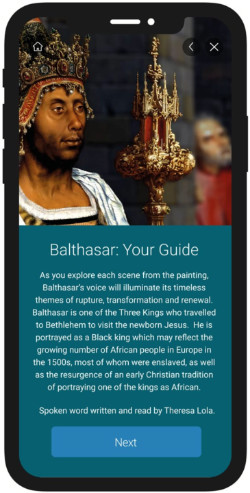
The National Gallery’s first exhibition aimed at mobile phone users – exploring Jan Gossaert’s masterpiece, The Adoration of the Kings – goes live from Friday. Sensing the Unseen: Step into Gossaert’s ‘Adoration’, mobile edition features six poems in the voice of King Balthasar, a character depicted in the painting, who interprets six scenes shown in the work while interactive sound brings them to life, all in an effort to guide people to details they may have missed in the work. Users can use their zoom function to explore the masterpiece’s minutiae and share their favourite finds on Instagram. The mobile phone offering is a pre-cursor to the planned reopening of the physical exhibition Sensing the Unseen: Step into Gossaert’s ‘Adoration’ – forced to close just a week after opening last December – on 17th May. To see the mobile display, head to nationalgallery.org.uk/visiting/virtual-tours.

Hampton Court Palace is once again holding its Lindt Gold Bunny hunt for Easter. Families are invited to join in the search for the famous Lindt Gold Bunnies which have been hidden around the palace, enjoying the gardens along the way. Using a trail map, children will be able to learn about various lesser known Hampton Court residents including John Dale, Henry VIII’s master cook, and John Blanke, the King’s royal trumpeter. Successful treasure hunters can then claim a chocolate reward and a pair of gold bunny ears. Included in admission, the trail is designed for children aged three to 12-years-old and takes about one-and-a-half hours to complete. Runs until 18th April. For more, see www.hrp.org.uk/hampton-court-palace/whats-on/easter-lindt-gold-bunny-hunt/.

The final two blossom trees have been planted in the new London Blossom Garden. The public garden, which is being created as a lasting, living memorial to Londoners who have lost their lives to COVID-19 and the city’s shared experience of the pandemic, is located in the northern part of Queen Elizabeth Olympic Park in Newham. Scheduled to open later this spring, it has been created in partnership with the National Trust and with the support of Bloomberg, and features 33 blossoming trees representing London’s boroughs and the City of London.

Send all items for inclusion to exploring-london@gmail.com