Earlier…
Earlier…
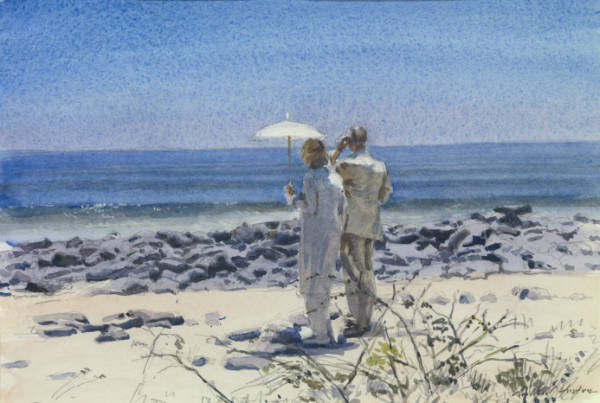
• More than 70 works of art from the King’s private collection – many of which have never been shown publicly before – go on show from today as part of the summer opening of Buckingham Palace’s State Rooms. The King’s Tour Artists, which can be seen in the ballroom, features works by 43 artists who have travelled with the King and Queen during the past 40 years. They include the earliest work on show – From the Afterdeck of HMY Britannia by John Ward, the inaugural tour artist – as well as Basilica of San Vitale, created by Fraser Scarfe who became the first tour artist to create digital artwork on an iPad when he accompanied the King and Queen on a State Visit to Italy. Other works include a pair of portraits of the King and Queen when Prince of Wales and Duchess of Cornwall which were painted by James Hart Dyke following a tour to the Gulf States in 2007, a drawing by Claudette Johnson made after the first official royal visit to Rwanda in 2022, and a terracotta head by Marcus Cornish, the only sculptor ever to have been chosen as a tour artist, which depicts a war veteran met by the royal party during a visit to Slovakia in 2000. Other highlights of the summer opening include the chance to see the recently installed Coronation State Portraits of the King and Queen in their permanent home. Runs until 28th September. Admission charge applies. To book, head to www.rct.uk.
• Artworks for octopii and an immersive seaweed installation are among artworks in a new exhibition at the Design Museum focusing on a growing movement of ‘more-than-human’ design. More than Human brings together more than 140 works spanning contemporary and traditional practices, fine art, product design, architecture and interactive installations – the work of more than 50 artists, architects and designers. As well as the artworks for octopuses by Japanese artist Shimabuku and the seaweed installation by artist Julia Lohmann, other highlights include a vast new tapestry that explores the perspectives of pollinators by Alexandra Daisy Ginsberg and an eight metre long mural by MOTH (More Than Human Life Project), depicting the growing movement to award legal rights to waterways around the world. Runs until 5th October. Admission charge applies. For more, see https://designmuseum.org/exhibitions/more-than-human.
• On Now: Saving St Paul’s: The Watch and the Second World War. This free outdoor exhibition – part of St Paul’s Cathedral’s commemorations around the 80th anniversary of World War II, honours the volunteers known as the St Paul’s Watch and their efforts to protect the cathedral during the Blitz. That included during the two direct hits to the cathedral – in October, 1940, and April, 1941. A short film accompanies the display which can be seen in the cathedral garden. The exhibition can be seen until October, 2025. For more, see www.stpauls.co.uk.
London paused on. Monday to mark the 20th anniversary of the terror attacks which took place on the 7th July, 2005.
Fifty-two people died in the attacks and hundreds were injured when three suicide bombers struck at 8.50am in the vicinity of Aldgate, Edgware Road and Russell Square Tube stations. A fourth device exploded at 9.47am on a bus that had been diverted via Tavistock Square.
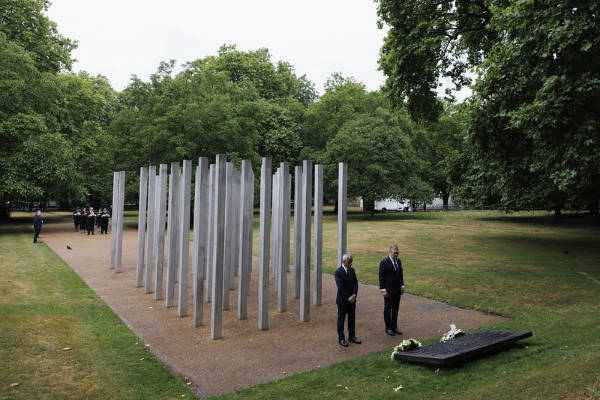
On Monday, the names of all those killed in London’s 7/7 bombings were read out at the National Memorial Service at St Paul’s Cathedral. In Hyde Park, Prime Minister Sir Keir Starmer and Mayor of London Sir Sadiq Khan laid wreaths at the 7/7 Memorial, marking the time when the first bomb exploded.
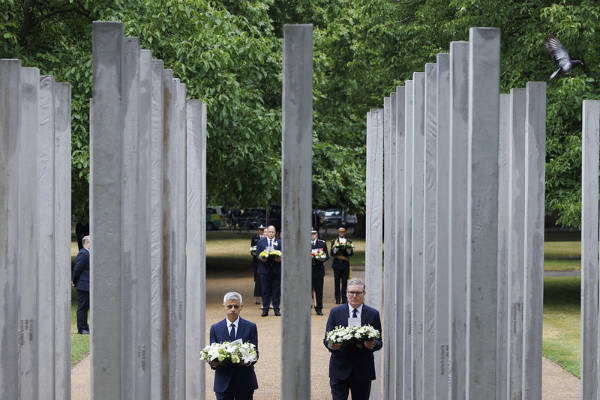
Commemorative events were also held at the sites where the bombings occurred.
In a message to mark the anniversary, King Charles III said his “heartfelt thoughts and special prayers remain with all those whose lives were forever changed on that terrible Summer’s day”.
“We remember with profound sadness the 52 innocent people who were killed in senseless acts of evil – and the enduring grief of their loved ones. We recall, too, the hundreds more who carry physical and psychological scars, and pray that their suffering may ease as the years pass.”
The King also called on people to “remember the countless stories of extraordinary courage and compassion that emerged from the darkness of that day”.
“The selfless bravery of our emergency services, transport workers, and fellow citizens who rushed towards danger to help strangers reminds us of the very best of humanity in the face of the very worst.”
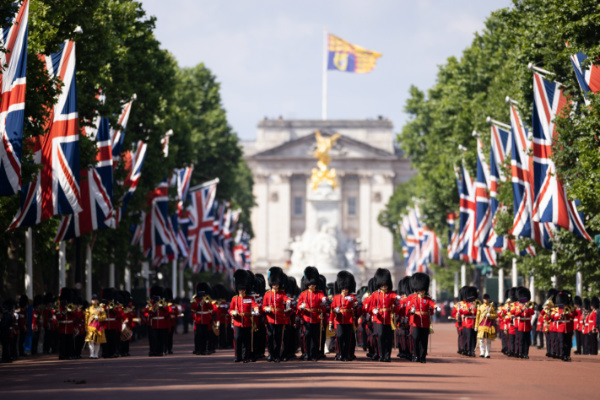
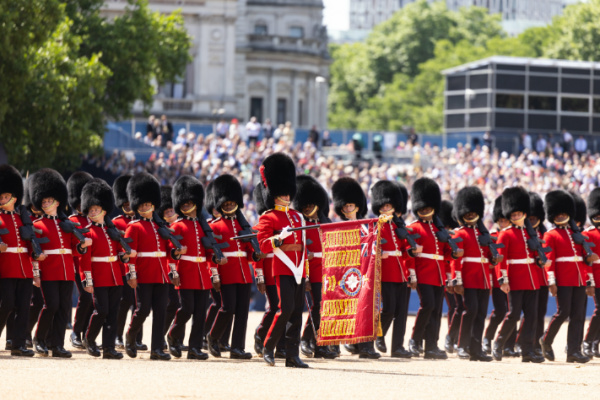
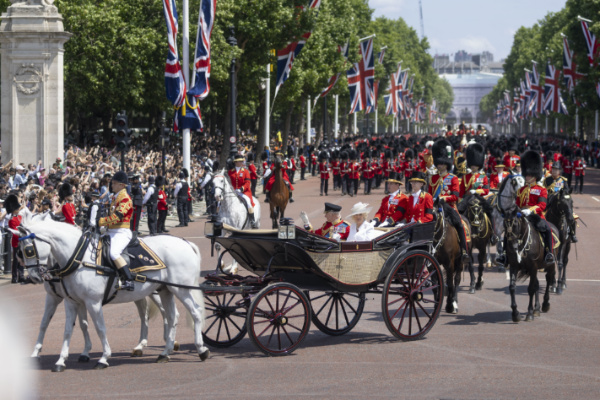
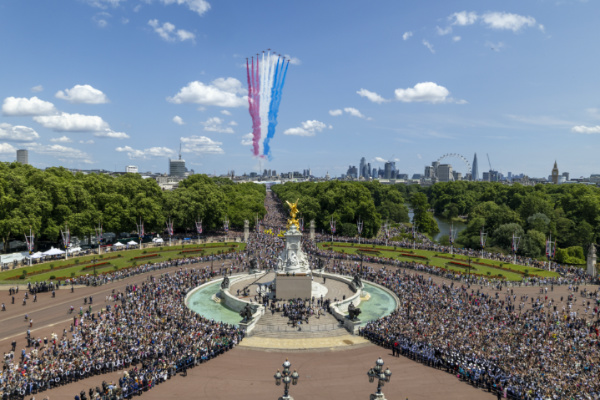
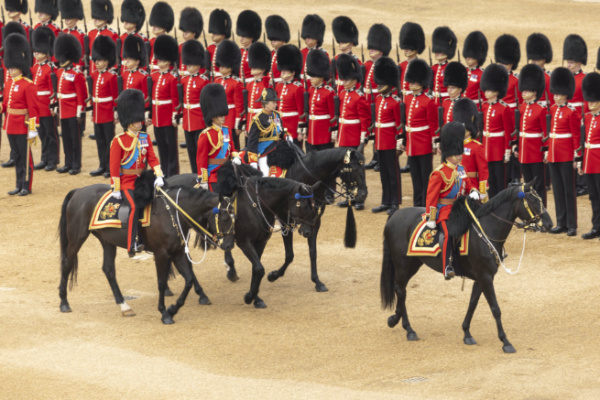
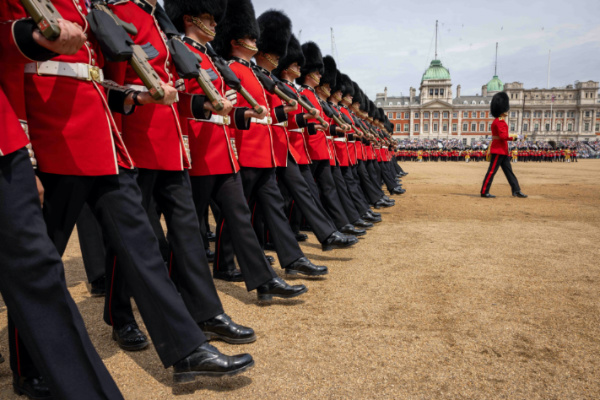
More than 1,000 soldiers and 200 horses from the Household Division took part in the King’s Birthday Parade, also known as Trooping the Colour, on Saturday.



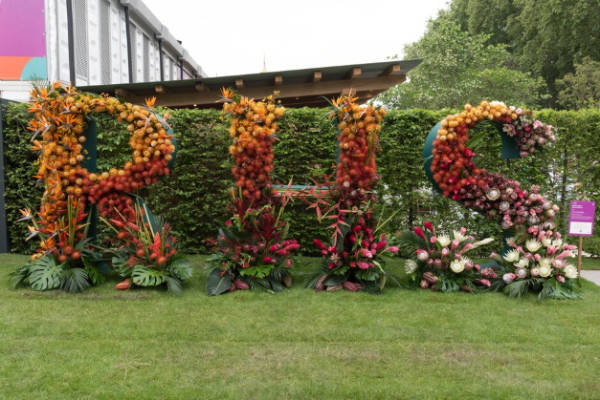
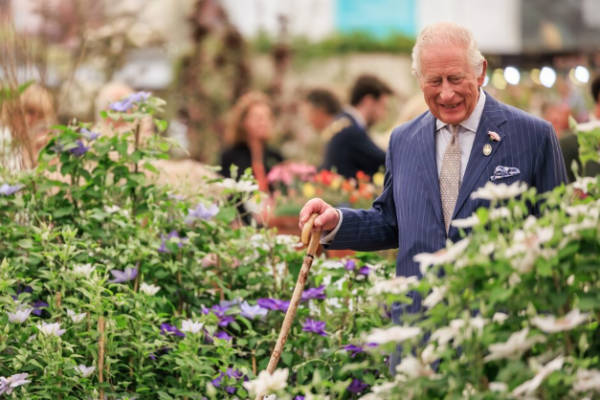
It’s that time of year again and the flowers are blooming at the annual RHS Chelsea Flower Show which started today and runs until Saturday. Here’s some images from this year’s event…
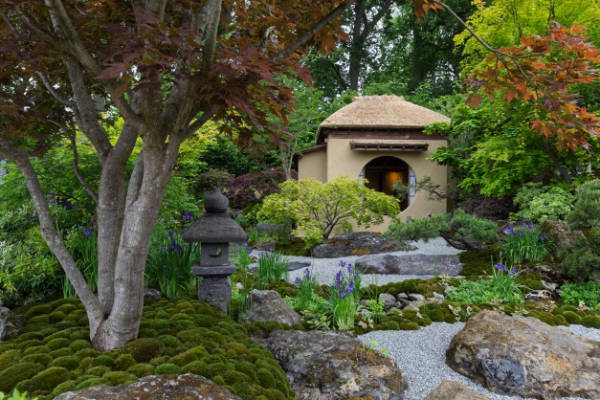
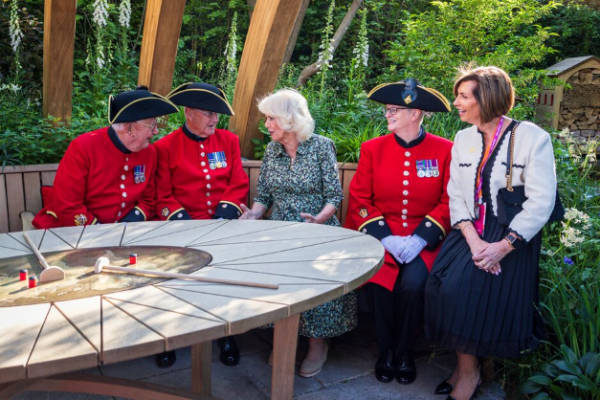
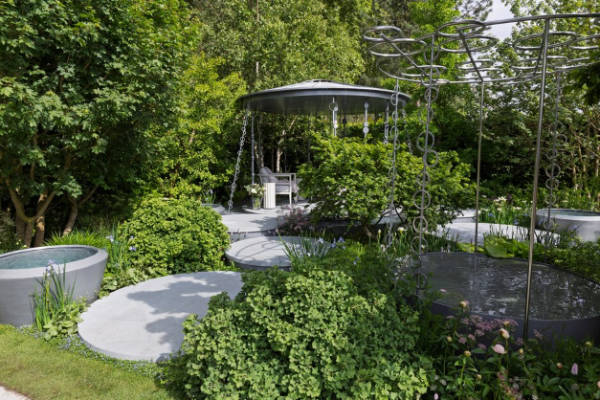
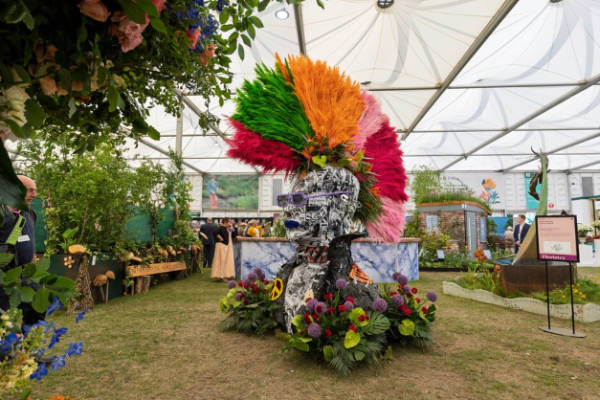
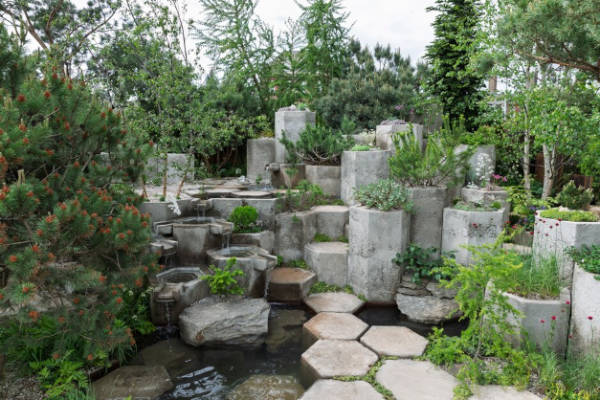
For more, head to https://www.rhs.org.uk/
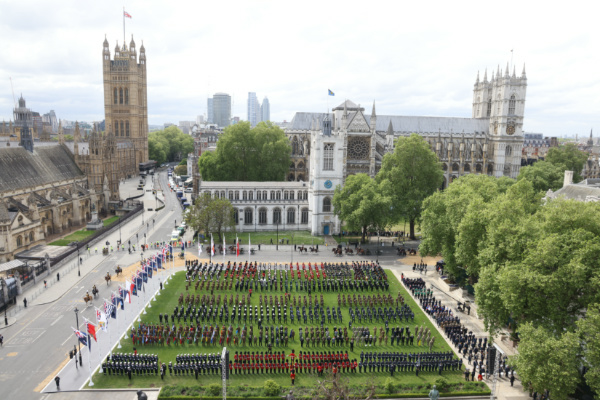
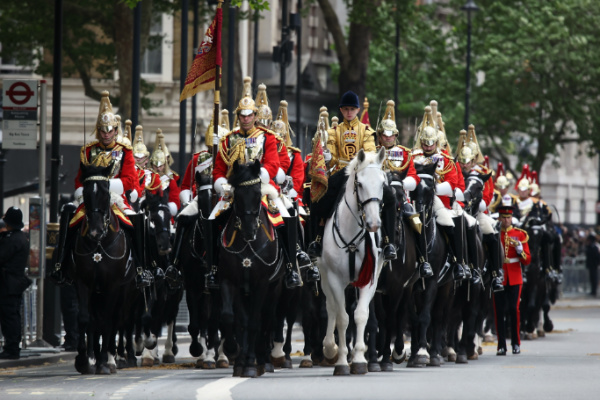
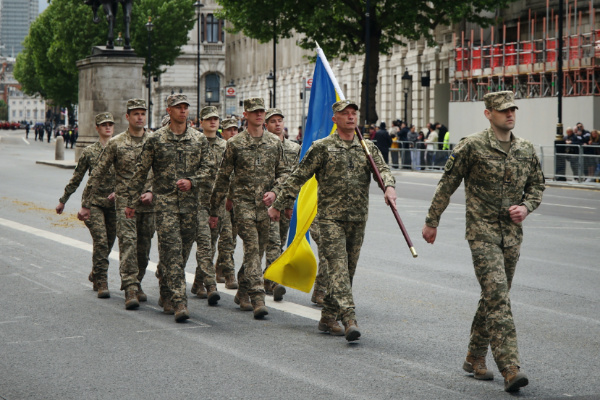
London commenced four days of national commemorations for the 80th anniversary of the end of World War II in Europe – known as Victory in Europe (VE) Day – on Monday.
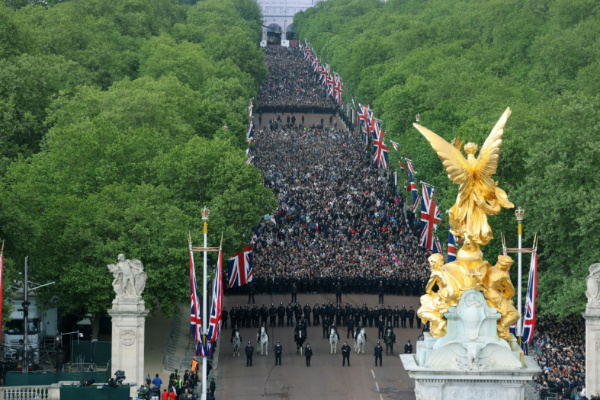
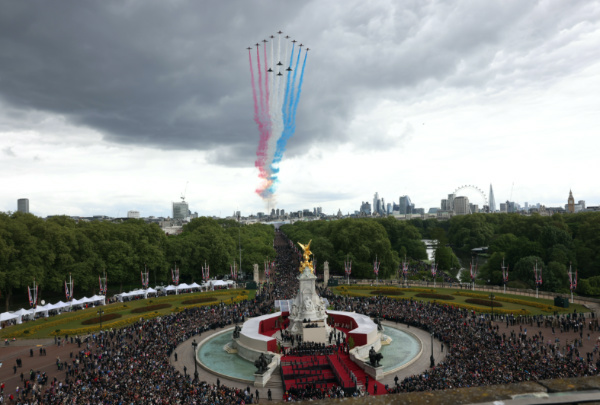
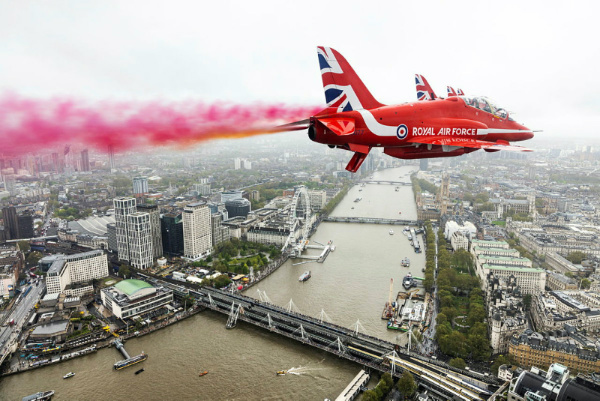
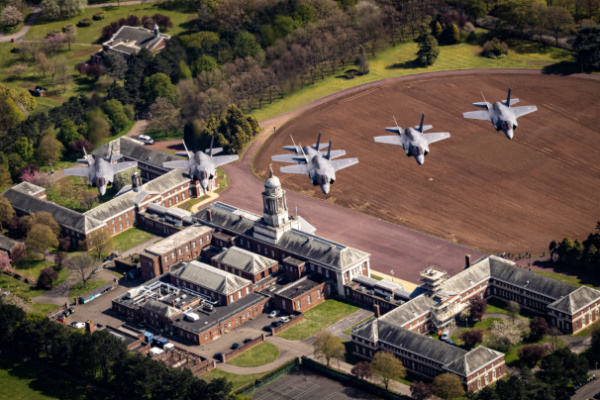
A military processions of about 1000 members of the Royal Navy, British Army and Royal Air Force made its way from Parliament Gardens along Whitehall before turning through Admiralty Arch and down the Mall to Buckingham Palace. Some 23 aircraft were involved in a flypast.
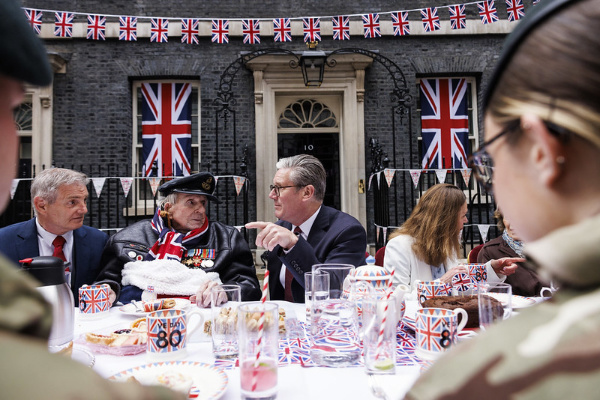
Tea parties were also held across the country to mark the event, including at Buckingham Palace and 10 Downing Street.





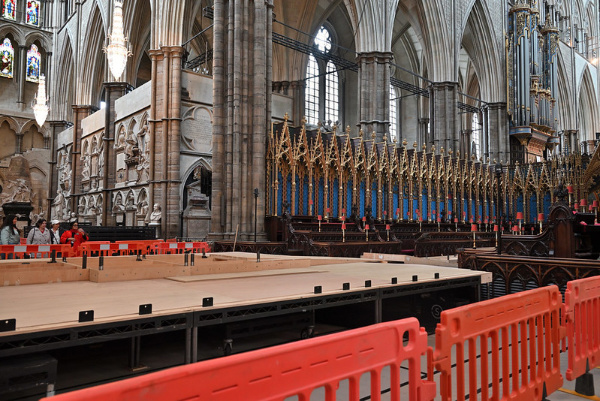
A rectangular block of pale yellow sandstone decorated with a Latin cross, the Stone of Scone, also known as the Stone of Destiny, long featured in the crowning of Scottish kings. But in 1296, it was seized by King Edward I as a trophy of war.
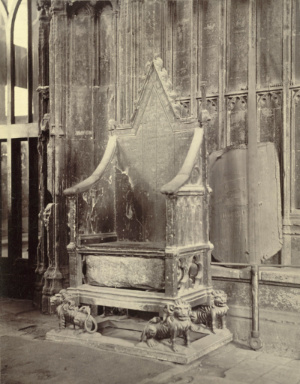
He brought it back to England (or did he? – it has been suggested the stone captured by Edward was a substitute and the real one was buried or otherwise hidden). In London, it was placed under a wooden chair known as the Coronation Chair or King Edward’s Chair on which most English and later British sovereigns were crowned.
On Christmas Day, 1950, four Scottish nationalist students – Ian Hamilton, Kay Matheson, Gavin Vernon and Alan Stuart – decided to liberate the 152 kilogram stone and return it to Scotland.
The stone broke in two when it was dropped while it was being removed (it was later repaired by a stone mason). The group headed north and, after burying the greater part of it briefly in a field to hide it, the stone was – on 11th April, 1951 – eventually left on the altar of Arbroath Abbey in Scotland.
No charges were ever laid against the students.
It was brought back to the abbey and used in the coronation of Queen Elizabeth II in 1953.
The stone was eventually returned to Scotland in 1996 on the proviso it could be temporarily relocated back to London for coronations and now sits in Edinburgh Castle. It was taken to London temporarily in 2023 for the coronation of King Charles III but has since been returned.
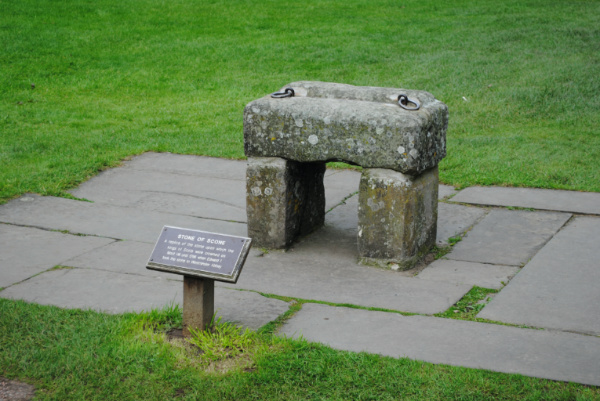
There is a replica of the stone at Scone Castle in Scotland.
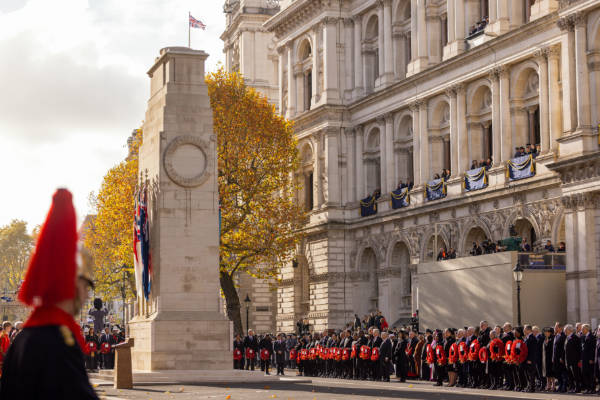
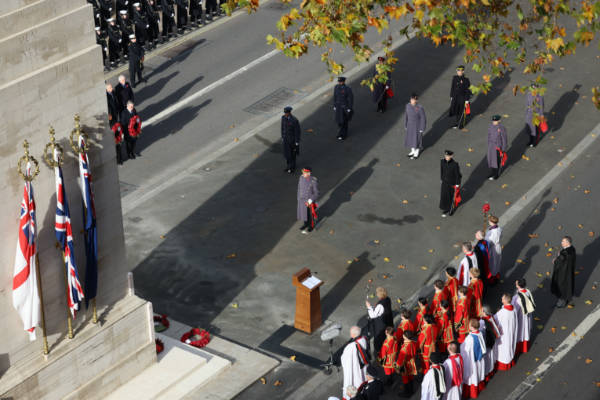
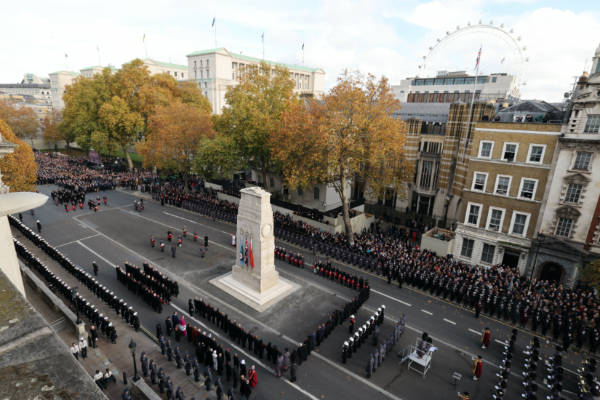
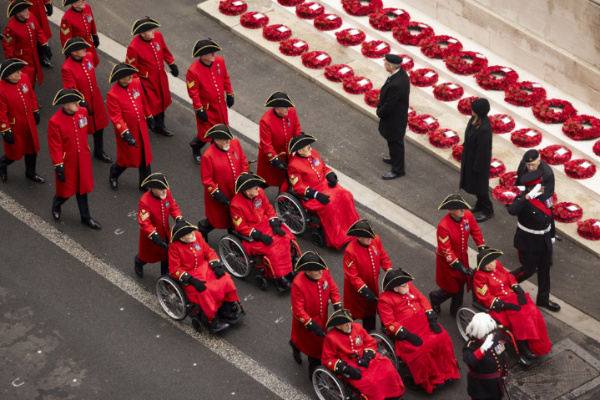
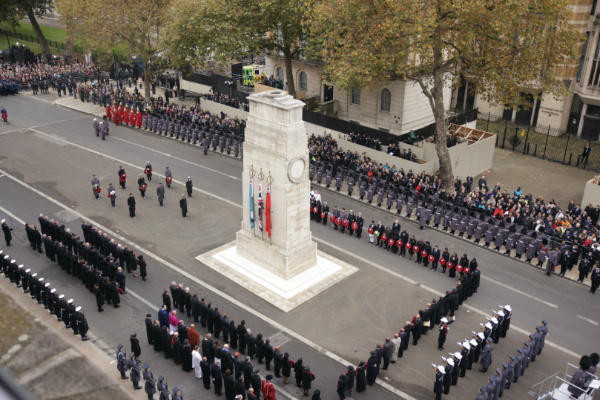
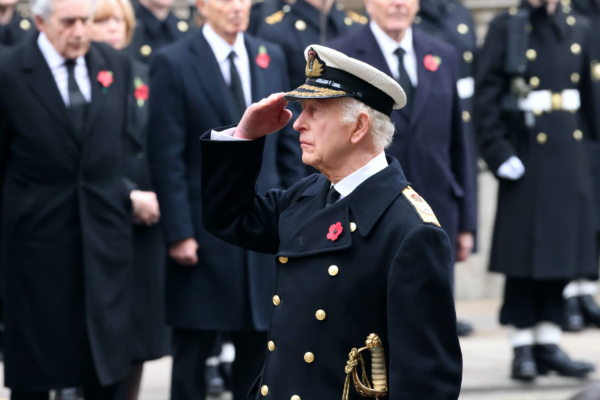
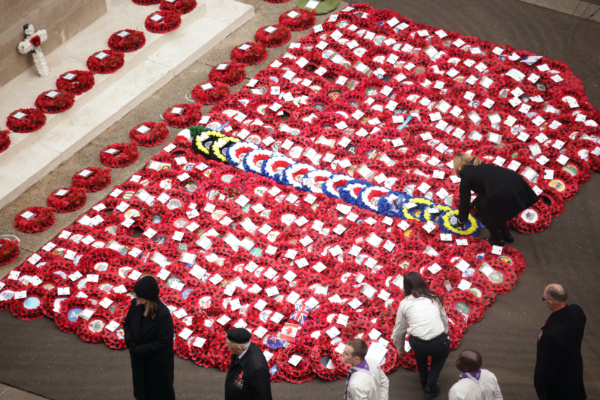
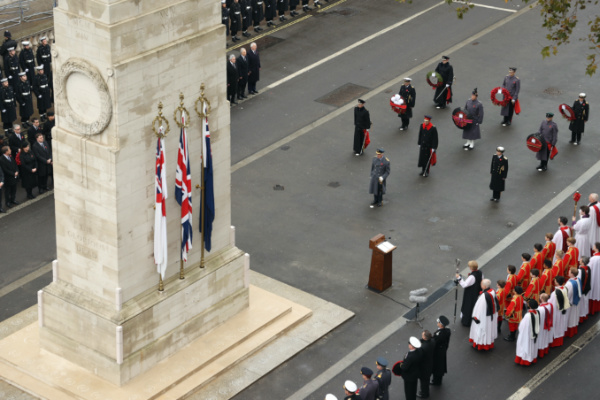
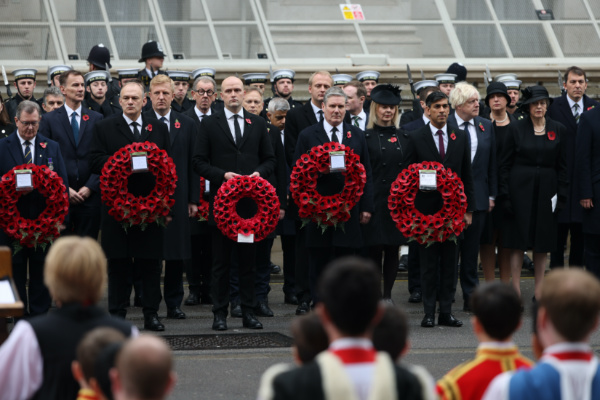
Some 10,000 people lined Whitehall to watch the The Royal British Legion’s Veterans Parade and take part in the annual two-minute silence at the Cenotaph on Sunday…
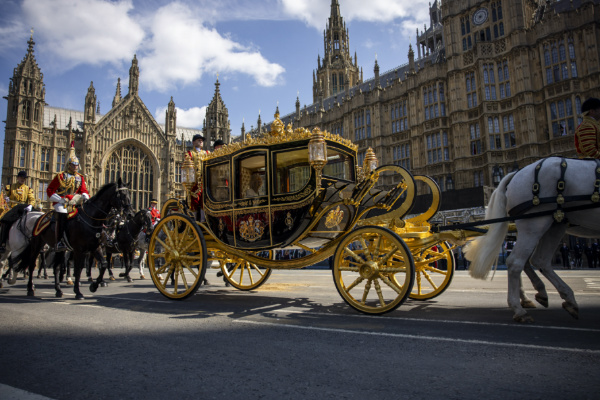
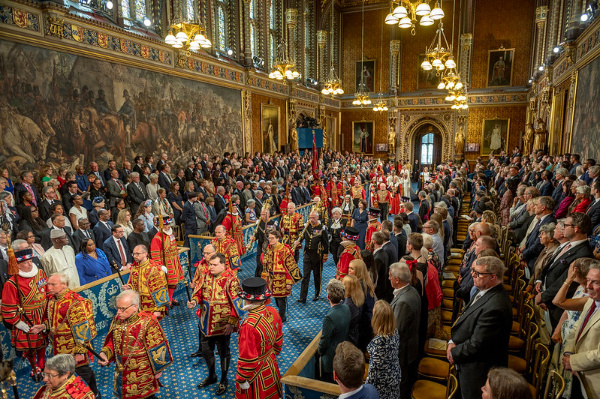
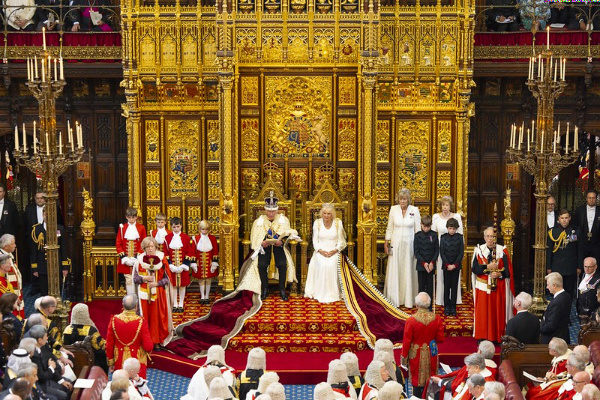
Last Wednesday, 17th July, was the State Opening of Parliament, the first since the new Labour government took office. More than 1,100 members of the armed forces were in attendance, accompanied by 200 military horses, as the procession of King Charles III and Queen Camilla made its way to the Houses of Parliament where the King delivered a speech outlining the government’s plans.
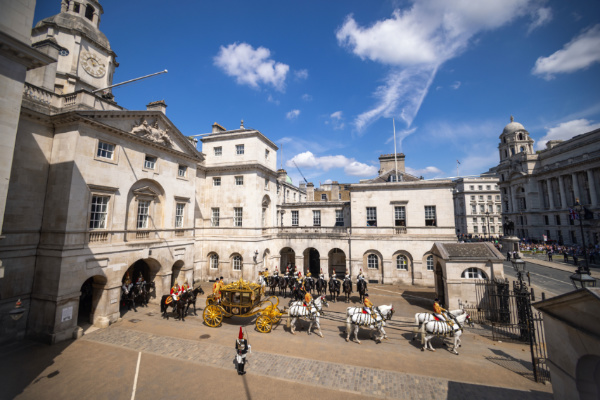
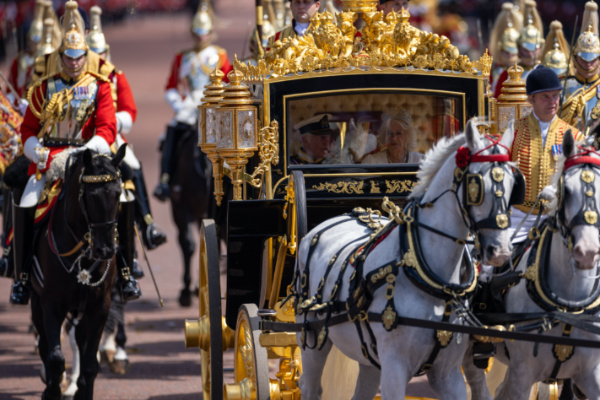

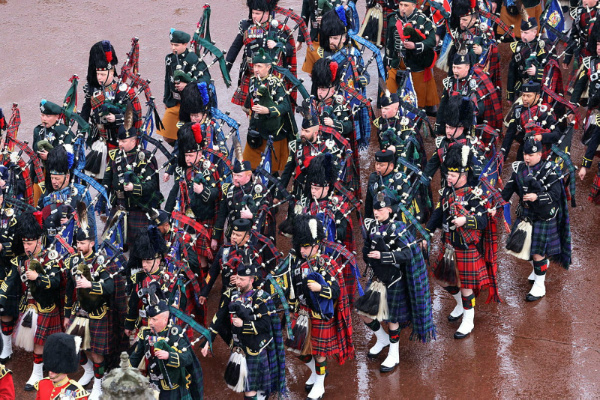
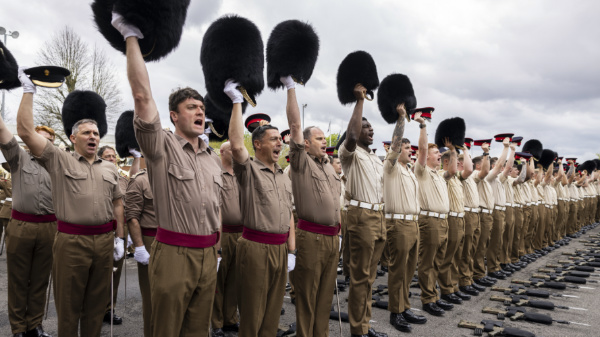
The King’s Birthday Parade took place in central London on Saturday featuring some 242 military working horses, 250 military musicians, 40 pipers and drummers, and more than 1,000 dual role soldiers of the British Army’s Household Division. The parade is a gift from the British Army’s Household Division to the King and is traditionally held on the second Saturday in June, regardless of the Sovereign’s actual date of birth.


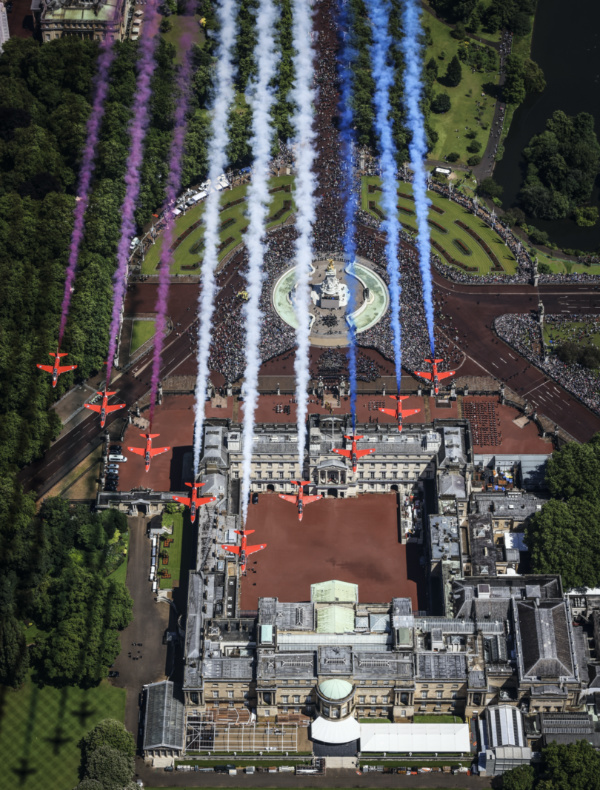
Members of the Household Division in London rehearse for the King’s Birthday Parade, known as Trooping the Colour. The Colonel’s Review is held one week before and saw some 250 musicians, 20 pipers, 240 military working horses, and almost 1,000 dual role soldiers of the British Army’s Household Division run through their paces on Saturday. Trooping the Colour will take place on 15th June.


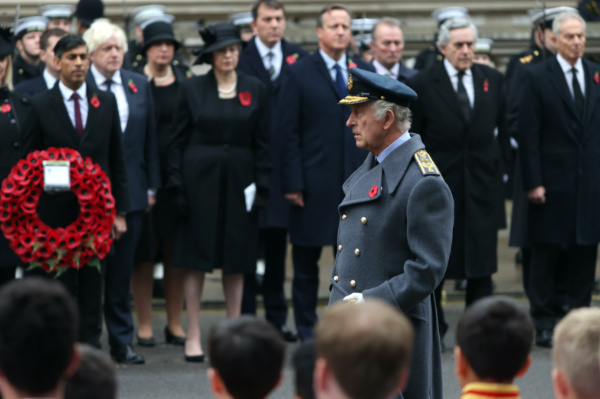
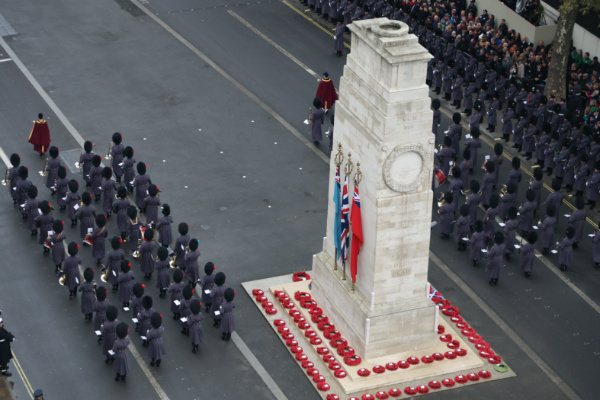
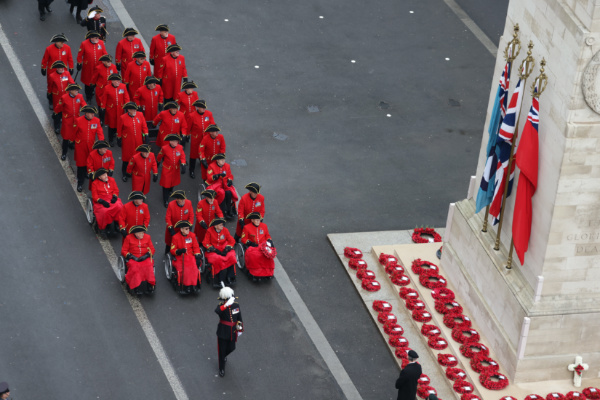

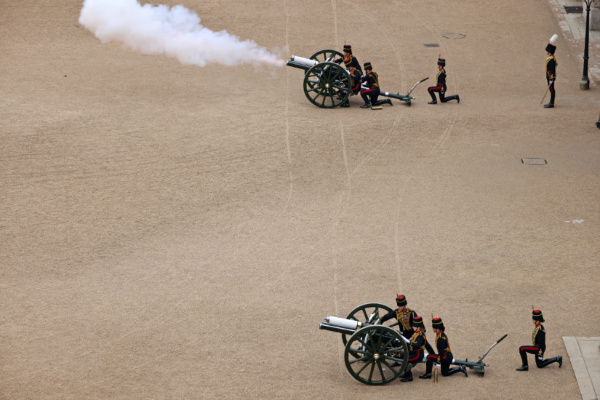
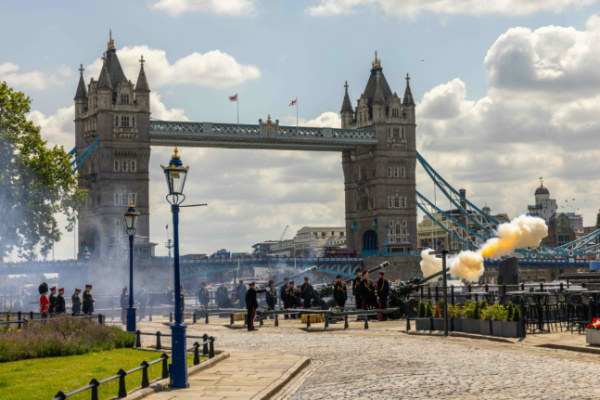
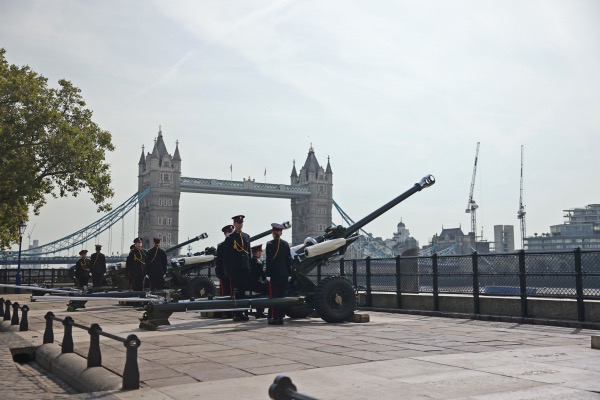
The King’s Troop Royal Horse Artillery fired 41 blank artillery rounds using six guns in Hyde Park to mark a year since the accession of King Charles III on 8th September. Below, the 105mm light artillery guns of the Honourable Artillery Company prepare to fire at The Tower of London in another salute on the same day. Both regiments taking part were responsible for firing the Death Gun salutes to mark the passing of Queen Elizabeth II one year ago, and the following day, the Proclamation salutes to mark the new reign.
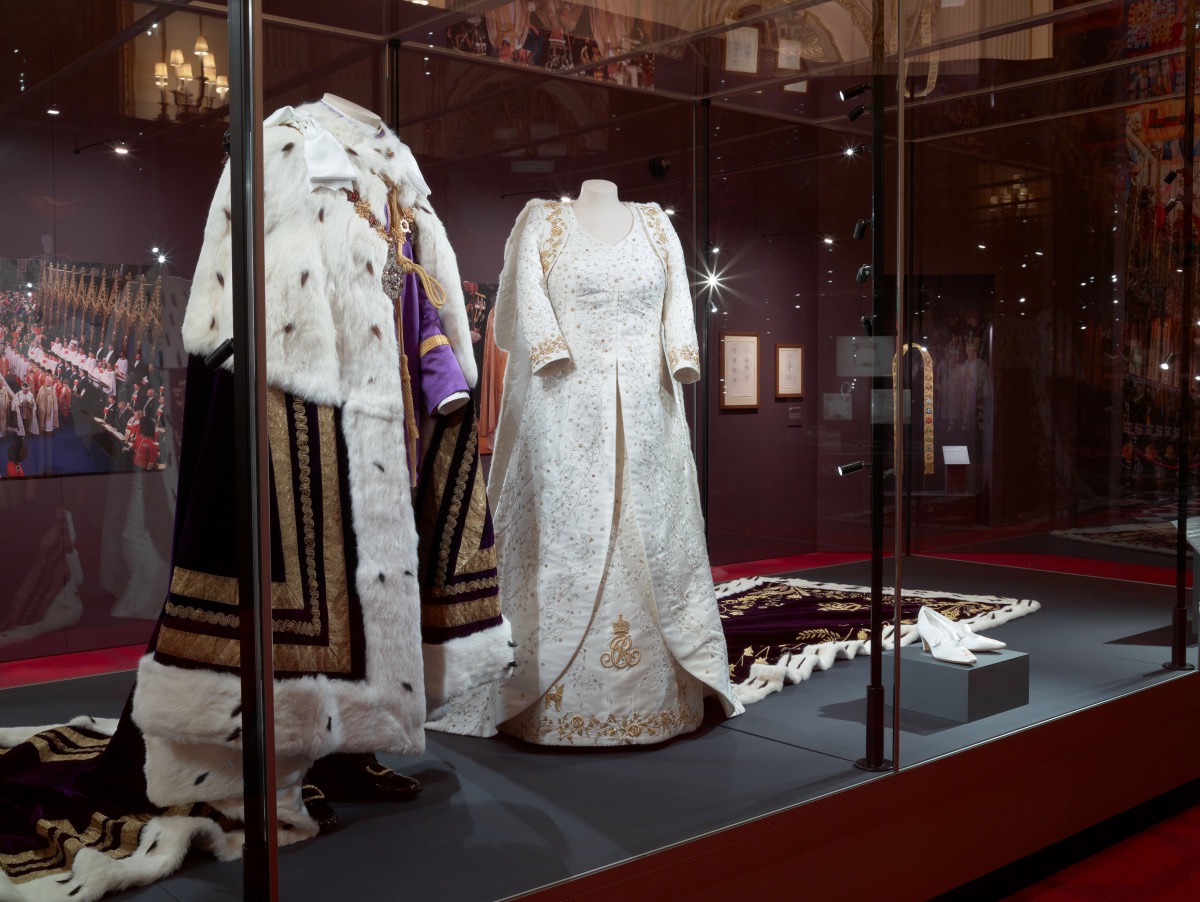
• The coronation outfits worn by King Charles III and Queen Camilla can be seen at Buckingham Palace from Friday as part of the summer opening of the State Rooms. The clothing includes the Robe of Estate worn by the King for his departure from Westminster Abbey (it had been worn by his grandfather King George VI for his coronation in 1937), the King’s cream silk overshirt and the Purple Coronation Tunic – both specially created for the occasion – and the King’s Royal Naval Trousers as well as Queen Camilla’s Bruce Oldfield-designed Coronation Dress and her Robe of Estate. Also on display will be the Coronation Glove and the Girdle or Coronation Sword Belt – both of which were first worn by King George VI at his coronation. Visitors to the State Rooms will also be able to see the Diamond Jubilee State Coach, and by combining their trip with a visit to the Royal Mews, the Gold State Coach, used in every coronation procession since King William IV in 1831. The State Rooms are open until 24th September. Admission charges apply. For more, including an accompanying programme of events, see www.rct.uk.
• A new raven chick, Rex, has joined the flock at the Tower of London. Rex, who is joining the six other ravens at the Tower, is named for the Latin title meaning “King, Ruler” – appropriate for a Tower raven born in the year of HM King Charles III’s Coronation. The term is referenced on King Charles III’s cypher that appears on the uniforms of Yeoman Warders, and above the entrance to the Jewel House. The cypher displays the intertwining initials “C” and “R”, representing “Charles” and “Rex”, an update from Her Late Majesty Queen Elizabeth’s cypher “E R” “(Elizabeth Regina).
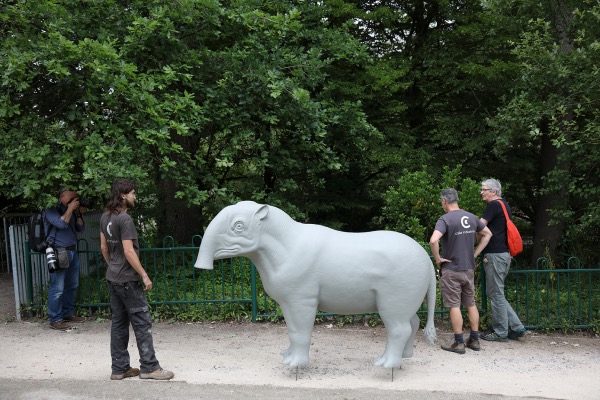
• A recreation of a Victorian-era sculpture of an extinct mammal distantly related to horses, has been placed at the Grade I-listed Crystal Palace dinosaurs site. The 2.2 metre-long sculpture of Palaeotherium magnum is the work of one of Britain’s leading palaeo artist, Bob Nicholls, under the supervision of the Friends of Crystal Palace Dinosaurs, scientists from the Natural History Museum and the University of Portsmouth. It has been funded by the new Crystal Palace Park Trust and Friends of Crystal Palace Dinosaurs.
Send all items to exploringlondon@gmail.com.
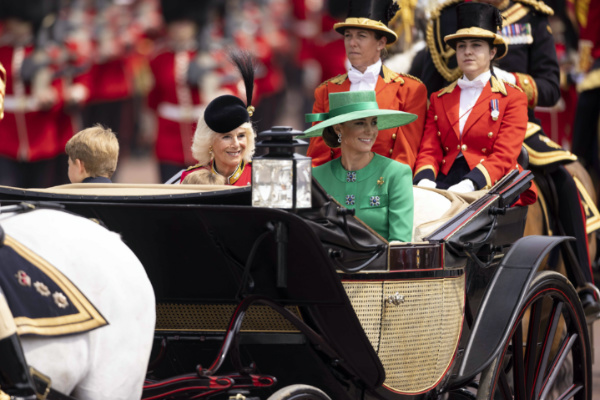
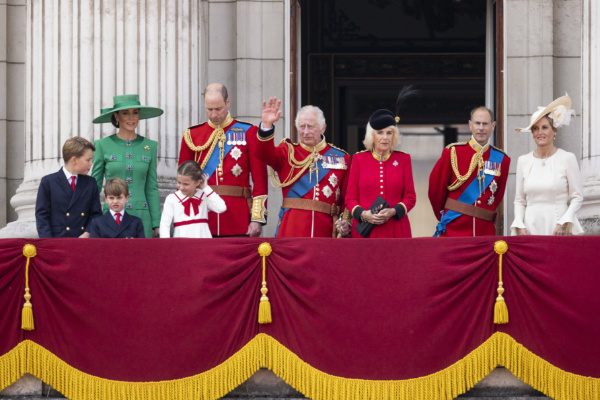
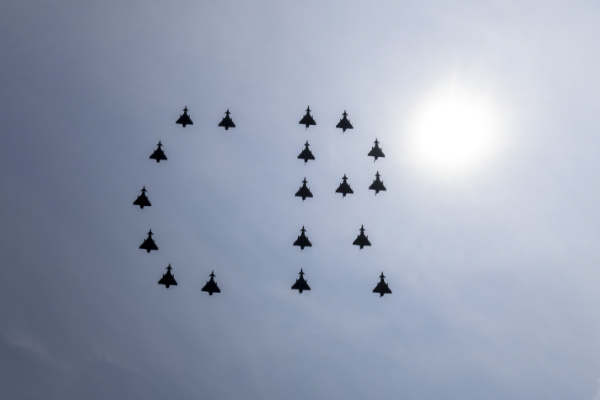
King Charles III attended his first Trooping the Colour as monarch on Saturday. The King rode on horseback for the ceremony in keeping with the tradition his mother, Queen Elizabeth II, had kept until 1986 when she was 60. More than 1,400 soldiers, 200 horses and 400 musicians took part in the event which also featured a flypast and Buckingham Palace balcony appearance. The Trooping of the Colour has marked the official birthday of the British sovereign for more than 260 years. This year it was the Welsh Guards who held the honour of trooping their colour for the King’s Birthday Parade.


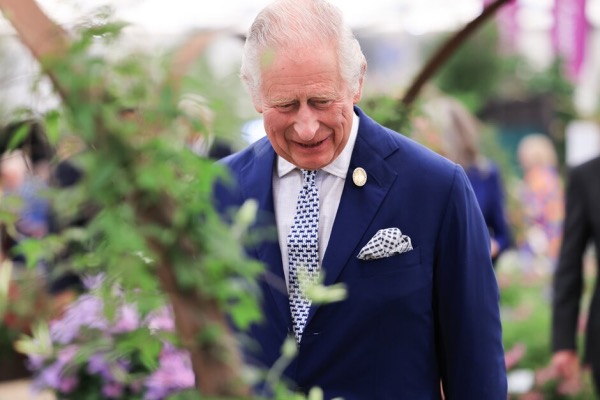
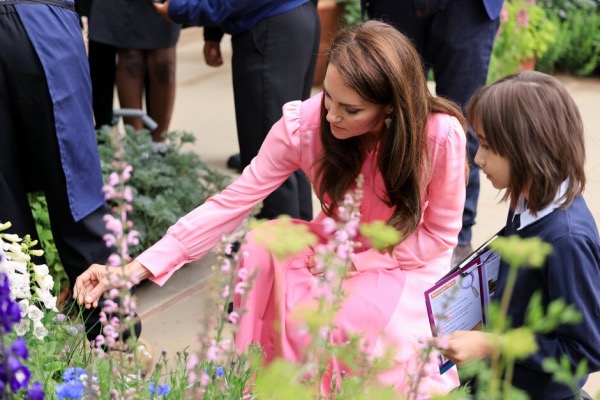
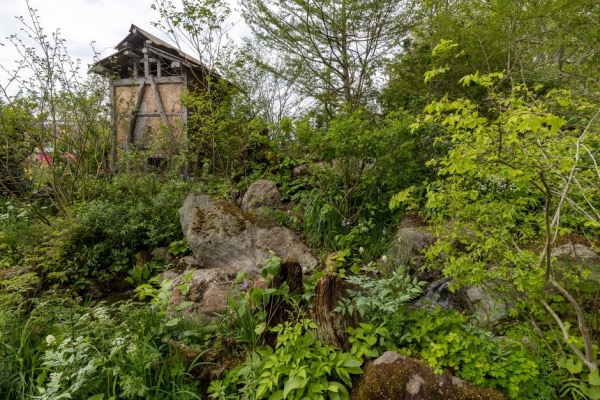
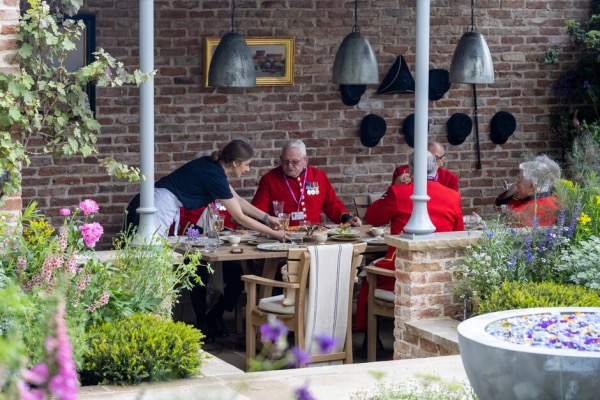
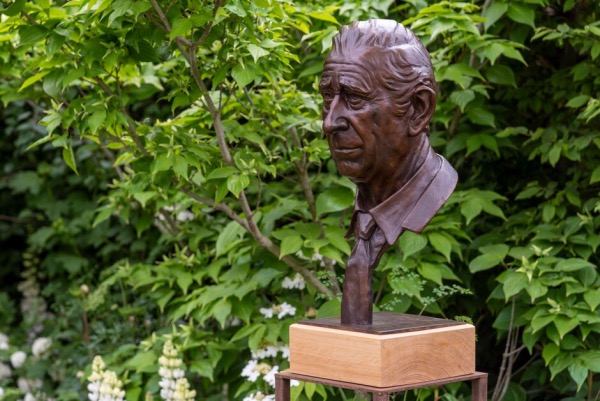
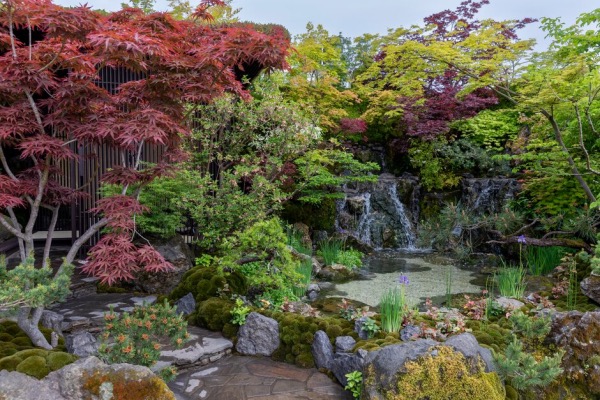
The Chelsea Flower Show returned to London this week with King Charles III making his first visit to the show as monarch and tributes in honour of his coronation and the passing of Queen Elizabeth II last year. The show runs until 27th May. For more, see www.rhs.org.uk/chelsea.
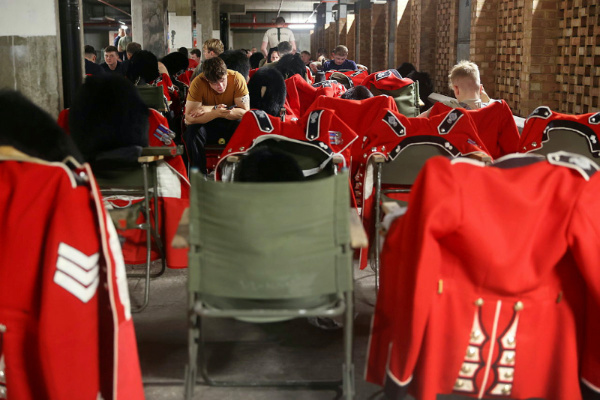
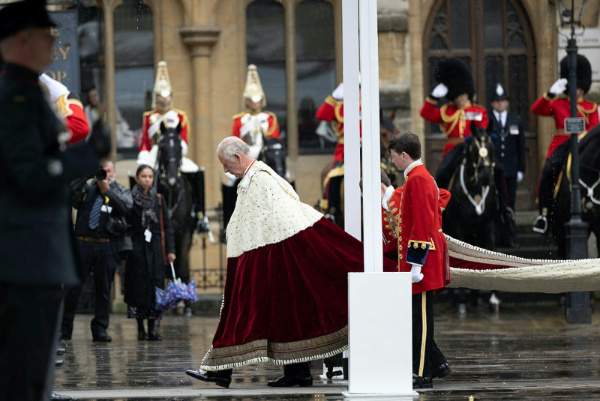
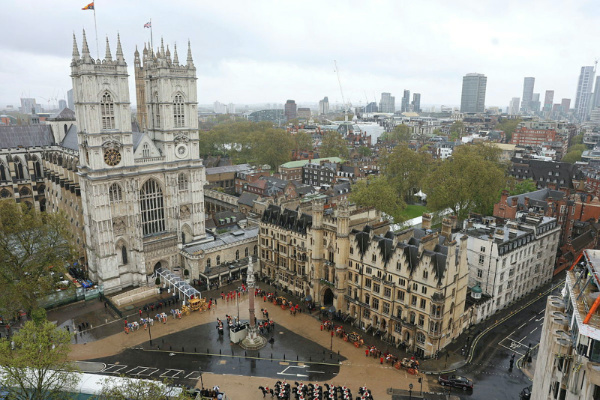
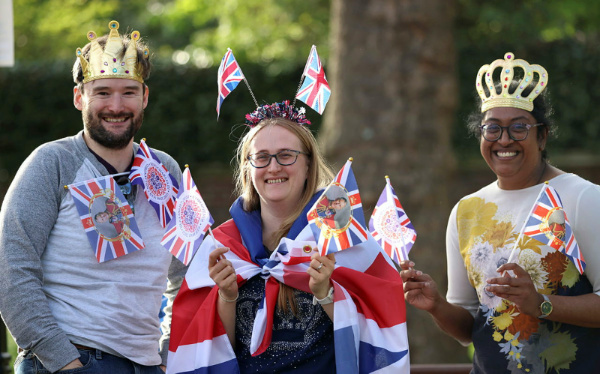
Some more images from the coronation of King Charles III and Queen Camilla on the weekend…
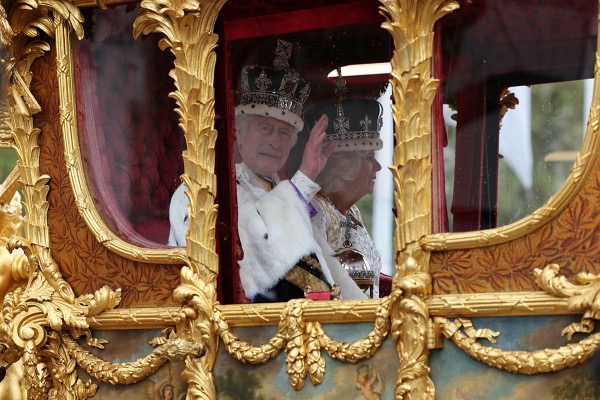
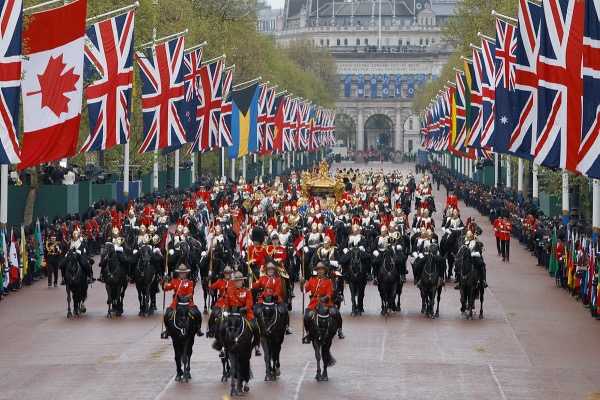
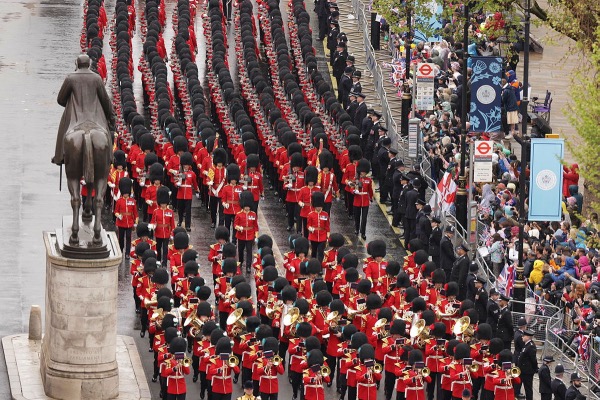
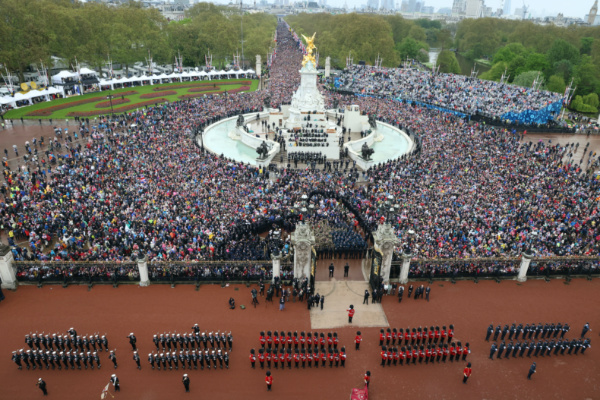


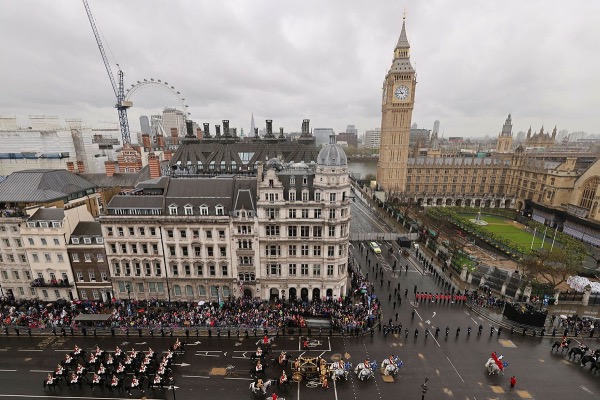

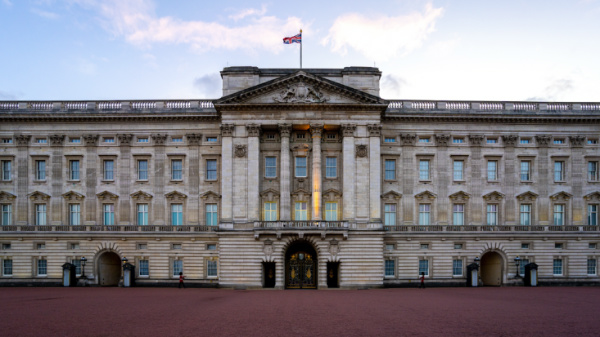
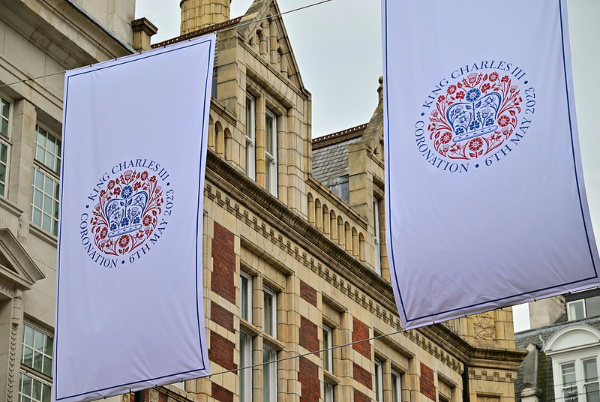
Buckingham Palace will play an important role in this weekend’s coronation of King Charles III – not only as the location from which he and Queen Camilla will leave for the ceremony, but also for the famous balcony appearance.
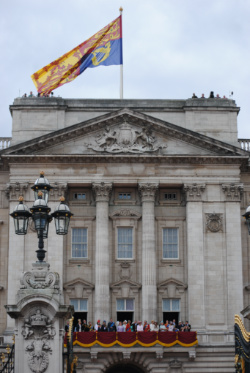
Monarchs have only been living at the palace since 1837 when Queen Victoria moved in and it has been the official London residence of kings and queens ever since (although it should be noted that since becoming King, Charles has reportedly continued to reside at Clarence House and apparently intends continuing to do so following the coronation).
The palace has been in royal hands since 1761 when King George III bought what was then Buckingham House for the use of his wife Queen Charlotte, given, in particular, its proximity to St James’s Palace where court was held. Hence it become known as the Queen’s House.
King George IV intended using it the same way but in the 1820s had a change of heart and decided, with the aid of architect John Nash, to transform it into a palace. The ballooning work was unfinished when he died, and his successor and younger brother, King William IV, replaced Nash with Edward Blore to complete the work (thanks, apparently, to Nash’s budget blow-outs).
But William didn’t move into the property (in fact, he offered it up as a new home for parliament after much of the old Houses of Parliament were consumed by fire in 1834 – an offer which was not taken up).
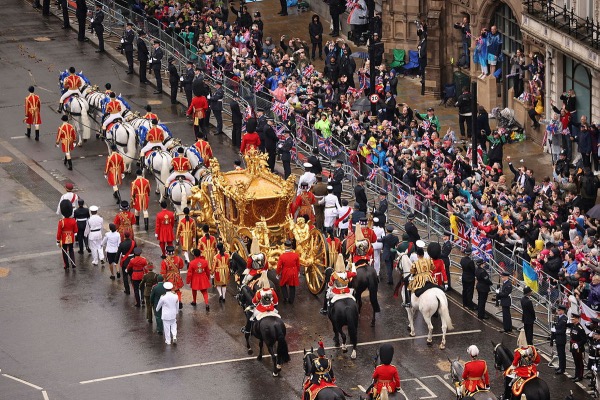
Queen Victoria, however, decided to make it her home and she became the first monarch to leave the palace headed to a coronation when she did so in June, 1838.
Victoria also made the first balcony appearance by a monarch at the palace, doing so during celebrations to make the opening of the Great Exhibition in 1851.
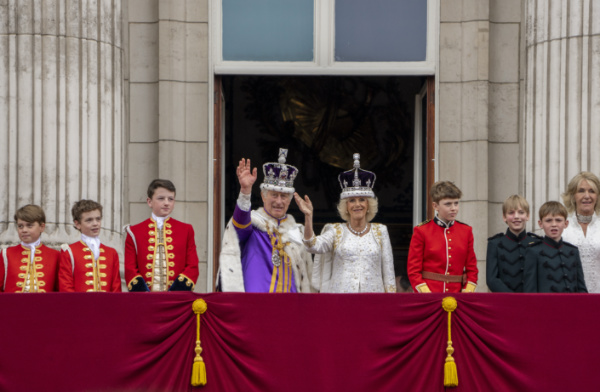
But the first balcony appearance by a monarch immediately after their coronation was her son King Edward VII, who appeared on the balcony with his wife Queen Alexandra, to the joy of onlookers following his coronation on 9th August, 1901. Every monarch since has done so after their coronation (King Edward VIII, of course, never having had a coronation).
The King’s mother, Queen Elizabeth II, was the first monarch to watch a flypast on the balcony after her coronation, a tradition the King is expected to continue.
Buckingham Palace has also been the site of Coronation Banquets since the coronation of Queen Victoria (when it replaced Westminster Hall as the location). Queen Elizabeth held two Coronation Banquets in the palace following her coronation on 3rd and 4th June, each attended by 400 guests.
Few details have yet been released about King Charles III’s Coronation Banquet.

 Exploring London


