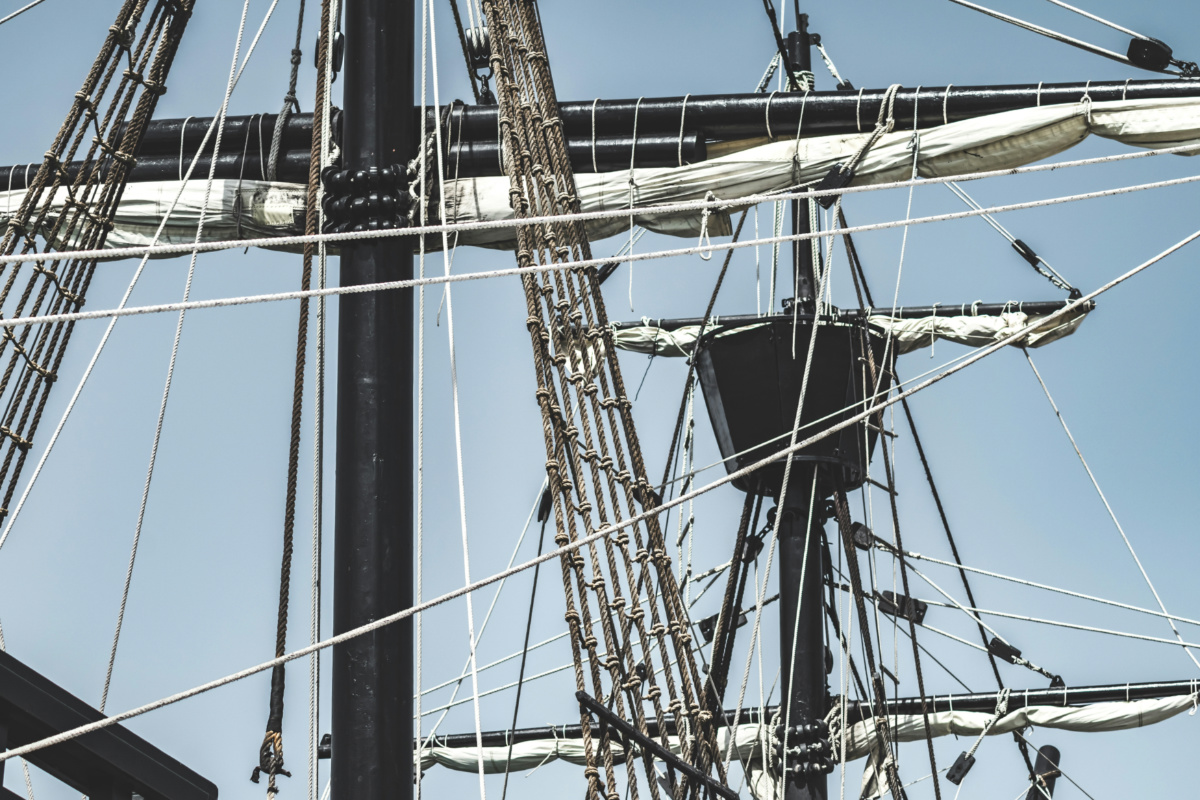
• A major exhibition tracing the changing depictions of pirates through the ages and revealing their often brutal role in history opens at the National Maritime Museum in Greenwich on Saturday. Pirates deconstructs some of the myths which have developed around buccaneers as it reveals the real-life stories of the likes of Edward ‘Blackbeard’ Teach, William Kidd, Anne Bonny and Mary Read. The exhibition features almost 200 objects ranging from the costume worn by Orlando Bloom in Pirates of the Caribbean: The Curse of the Black Pearl, to copies of A General History of the Pyrates by Captain Charles Johnson (first published in 1724), a hanging believed to have been part of a shrine captured from a junk in the fleet of the mid-19th century Chinese pirate Shap Ng-tsai, and a silver centerpiece depicting the bombardment of Algiers, 1816, when a combined British Dutch force attacked Algiers in an attempt to resolve the longstanding issue of piracy on the North coast of Africa. Runs until 4th January. Admission charge applies. For more, see www.rmg.co.uk/pirates.
• The ‘design of swimming’ – covering everything from fashions to architecture – is the subject of a new exhibition opening at the Design Museum tomorrow. Splash! A Century of Swimming and Style is split across three sections focusing on three locations in which people swim – the pool, the lido and nature – and starts in the 1920s when beach holidays exploded in popularity. More than 200 objects are on display including Pamela Anderson’s Baywatch swimsuit, the first Olympic solo swimming gold medal won by a British woman, the banned ‘technical doping’ LZR Racer swimsuit, one of the earliest surviving examples of a bikini, and a detailed architectural model of the Zaha Hadid-designed London 2012 Aquatics Centre. Runs until 17th August. Admission charge applies. For more, see https://designmuseum.org.
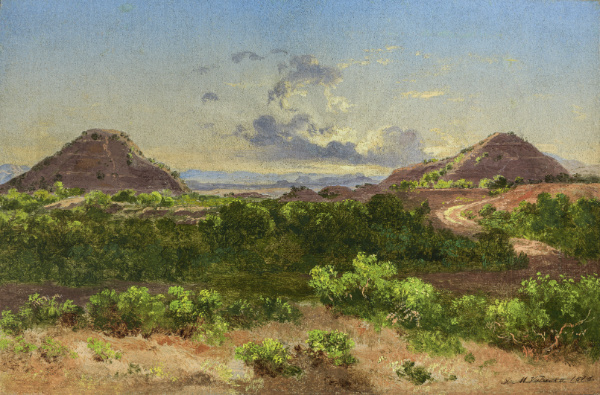
• Mexico’s most celebrated 19th century painter, José María Velasco (1840–1912), is the subject of a new exhibition opening at The National Gallery on Saturday. José María Velasco: A View of Mexico – which coincides with the 200th anniversary of the establishment of diplomatic relations between the UK and Mexico, explores how he approached drawing and painting and how he explored the relationship between different cultures, Mexico’s mountainous terrain, flora and fauna, and the impact of industrialisation on the landscape. The display also considers the links between Velasco’s work and paintings in the gallery’s collection, in particular Édouard Manet’s The Execution of Maximilian (1867–8), which depicts the execution of the Austrian ruler imposed on Mexico. Runs until 17th August. Admission charge applies. For more, see nationalgallery.org.uk.
Send all items for inclusion to exploringlondon@gmail.com.
 Exploring London