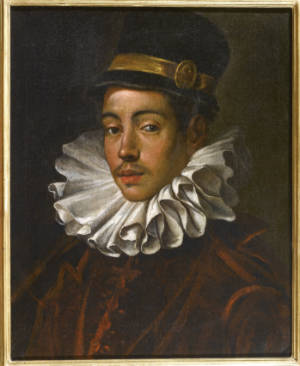
• The evolution of the samurai over the past 1,000 years is the subject of a new exhibition at The British Museum. Samurai brings together around 280 objects and digital media as it explores the role of samurai as warrior as well as the later roles they fulfilled, during a prolonged peace after 1615, as government officials, scholars and patrons of the arts with women making up half of the samurai class. On display will be a suit of samurai armour, complete with helmet and golden standard, which was recently acquired by the museum as well as a vermillion red woman’s firefighting jacket, a rare portrait of Itō Mancio, a 13-year-old samurai who led an embassy to the Vatican in 1582, by Domenico Tintoretto (pictured), and a portrait of Henry, Count of Bourbon, which portrays him as a samurai warrior and which was commissioned by him while visiting Japan in 1889. The exhibition, which opens on 3rd February, runs until 4th May in The Sainsbury Exhibitions Gallery. Admission charge applies. For more, see www.britishmuseum.org/exhibitions/samurai.
• Tickets are now on sale for the V&E East Museum’s first exhibition, The Music is Black: A British Story. The multi-sensory exhibition features more than 200 objects ranging from musical instruments to soundtracks,
artworks, fashion, and personal belongings of world-famed artists including Winifred Atwell’s piano, the Nintendo Jme used for early music experiments, fashion worn by Little Simz, Seal, Dame Shirley Bassey and Skin and newly acquired photographs of Kemistry and Storm, Mis-Teeq, and Skepta. The exhibition opens on 18th April. Admission charge applies. For more, see www.vam.ac.uk/exhibitions/the-music-is-black-a-british-story
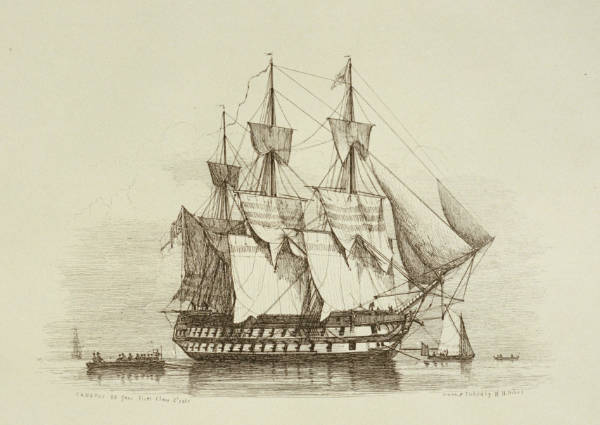
• On Now: Jane Austen and the Royal Navy. This display at the National Maritime Museum marks the 250th anniversary of Jane Austen’s birth and features manuscripts relating to her youngest brothers Francis and Charles Austen, both of whom had naval careers, and explores Jane’s connections to the Royal Navy and the influence her brothers had in her works. Francis – known as Frank (born in 1774) – entered the Royal Navy at the age of 12 and rose through the ranks to eventually captain the HMS Canopus during the Napoleonic Wars while Charles (born in 1779) also entered the Navy at age 12, was on board the Endymion when it captured the French ship Le Scipio, was captain of the Phoenix when it was wrecked at sea and ended his career as commander-in-chief of the East Indies and China Station. The display in the Caird Library can be seen until March. Admission is free. For more, see www.rmg.co.uk/national-maritime-museum.
Send all items to exploringlondon@gmail.com.



 Exploring London