• The first exhibition dedicated to the works of 17th century Dutch master Adriaen van de Velde has opened at the Dulwich Picture Gallery in south London. Adriaen can de Velde: Dutch Master of Landscape features more than 60 of his most accomplished works including landscapes and beachscapes as well as red chalk preparatory studies, pen and ink drawings and watercolours. There’s also a selection of his larger works including Portrait of a Family in a Landscape and Landscape with cattle and figures. Part of the Rediscovering Old Masters: The Melosi Series being shown at the Dulwich Picture Gallery, the exhibition is being held in partnership with the Rijksmuseum in Amsterdam. Runs until 15th January. For more, see www.dulwichpicturegallery.org.uk.
• The Science Museum in South Kensington has opened its “most ambitious” interactive science gallery featuring interactive exhibits, artworks, live demonstrations and immersive experiences. Wonderlab: The Statoil Gallery, which cost £6 million to create, features more than 50 exhibits in seven zones and spans topics as diverse as sound, forces, light and mathematics. Highlights include a giant interactive orrery (mechanical model of the solar system), the chance to explore the effects of different materials on a friction slide and live science shows featuring explosions, rockets, and space. Admission charges apply. For more, see www.sciencemuseum.org.uk/wonderlab.
• A free exhibition focusing on defaced coins and other objects has opened at the British Museum. Defacing the past: damnation and desecration in imperial Rome takes on Roman history from the view of the defacer and features coins of Caligula and Nero – the first emperors to suffer ‘damnation’ after their deaths, as well as defaced images of Domitian and Commodus, both of whom were killed by conspirators as a result of their extravagant and autocratic behaviour. Runs in Room 69a until 7th May. For more, see www.britishmuseum.org.
Send all items for inclusion too exploringlondon@gmail.com.


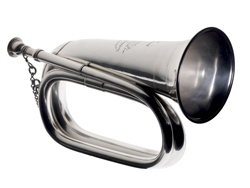 Marking the centenary of the battle, Jutland 1916: WWI’s Greatest Sea Battle explores the battle itself (which claimed the lives of more than 8,500 as the British Grand Fleet met the German High Seas Fleet in what neither side could claim as a decisive victory) as well as its lead-up, aftermath and the experience of those serving on British and German warships through paintings and newspaper clippings, photographs, ship models and plans, sailor-made craft work and medals. Among the objects on display is a 14 foot long shipbuilder’s model of the HMS Queen Mary, which, one of the largest battle cruisers involved,was destroyed with only 18 survivors of the 1,266 crew. Among the personal stories told in the exhibition, meanwhile, is that of boy bugler William Robert Walker, of Kennington, who served on the HMS Calliope and, severely wounded during the battle, was later visited by King George V
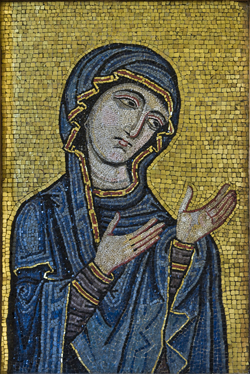
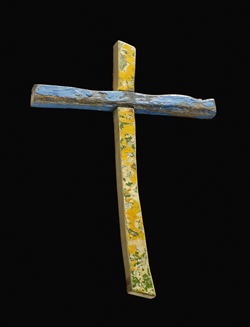
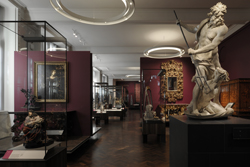
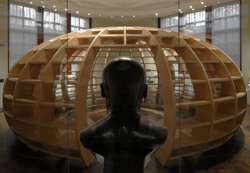
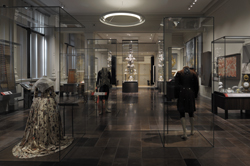
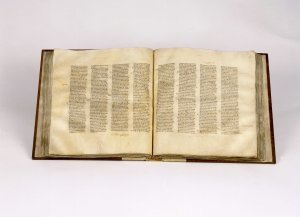 The first major exhibition to explore the history of Egypt after the pharaohs opens at the British Museum today. Egypt: Faith after the pharaohs spans 1,200 years of history – from 30 BC to 1171 AD – with 200 objects showing how Christian, Islamic and Jewish communities reinterpreted the pharaonic past of Egypt and interacted with each other. The exhibition opens with three significant examples of the Hebrew Bible, the Christian New Testament and the Islamic Qur’an – the texts include the New Testament part of the 4th century AD Codex Sinaiticus, the world’s oldest surviving Bible and the earliest complete copy of the New Testament, which is now part of the British Library’s collection. All three are juxtaposed with everyday stamps associated with each of the three religions in an illustration of the relationship between the institutional side of religion and its everyday practice, both key themes of the exhibition. Other exhibits include a pair of 6th-7th century door curtains featuring classical and Christian religious motifs, a 1st-2nd century statue of the Egyptian god Horus in Roman military costume, and a letter from the Roman Emperor Claudius (41-54 AD) concerning the cult of the divine emperor and the status of Jews in Alexandria. Admission charge applies. Runs until 7th February in Room 35. A programme of events accompanies the exhibition. For more, see