This Week in London – “Our Story with Sir David Attenborough”; the Royal Academy’s 257th Summer Exhibition; and, an appeal for restoring three Underground carriages…

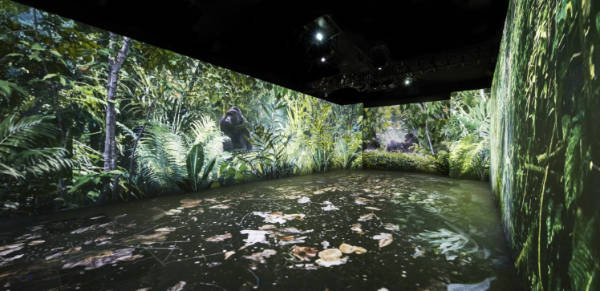
Our Story with David Attenborough. PICTURE: © Trustees of the Natural History Museum

Our Story with David Attenborough – the first ever immersive experience at the Natural History Museum – opens its doors today. Created by Open Planet Studios, the 50 minute experience in the Jerwood Gallery features animations, projections, real-world footage and full 360 degree immersion as Sir David draws on his life of exploration to tell the story of humanity and the planet on which we live. The experience is taking bookings until 18th January, 2026. Admission charge applies. For more, see www.nhm.ac.uk/visit/exhibitions/our-story-with-david-attenborough.

The Royal Academy’s 257th Summer Exhibition opened this week. Co-ordinated by internationally acclaimed architect and Royal Academician Farshid Moussavi in conjunction with the Summer Exhibition Committee, this year’s display of art and architecture explores the theme of ‘Dialogues’. Among the works on show is a six metre high installation of ostrich feathers and steel chain by British artist Alice Channer, a 4.5 metre high and seven metre wide wall made from deconstructed matchboxes by Brazilian artist Antonio Tarsis, and installation of textile carcasses by Argentine-American artist Tamara Kostianovsky. Meanwhile, the Annenberg Courtyard hosts a large scale installation by Royal Academician Ryan Gander which features five three metre diameter inflatable balls inscribed with absurd questions developed with children in a representation of the “inquisitiveness of children who ask what grown-up minds often dismiss as nonsensical or illogical”. Runs until 17th August. Admission charge applies. For more, see royalacademy.org.uk.

The London Transport Museum has launched an appeal for £30,000 to help complete the restoration of three 1930s Q stock Underground carriages. The funds will be used to re-upholster the seats of two of the Underground cars in moquette – the durable, woollen seating material used in upholstery on public transport all over the world. Q stock trains first entered service on the District line in November, 1938, and were retired from service in 1971. The restoration of the three carriages – which aims to restore them to operational condition – has mainly been carried out at the London Transport Museum Depot in Acton, west London. Donations can be made on London Transport Museum’s website: www.ltmuseum.co.uk/make-donation?campaign=qstock

Send all items for inclusion to exploringlondon@gmail.com.
This Week in London – Royal garments; Victor Hugo’s drawings; and, British Black music…

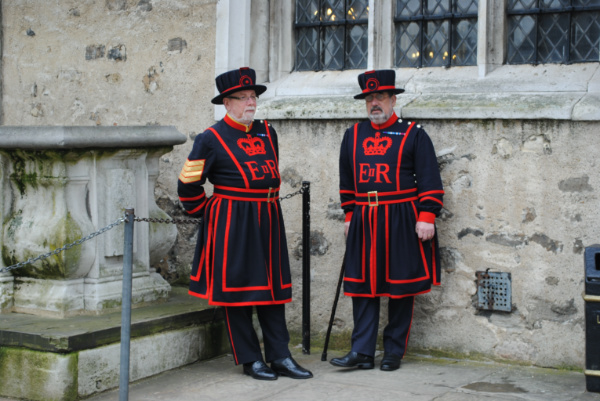
Yeoman Warders at the Tower of London. PICTURE: David Adams

Almost 200 garments from the Royal Ceremonial Dress Collection are able to be explored online thanks to a new collaboration between Historic Royal Palaces, which looks after six royal palaces including Hampton Court Palace and the Tower of London, and Google Arts & Culture. Drawing on ultra-high-resolution photography and 3D scanning, the garments – which include everything from ceremonial uniforms such as those worn by Yeoman Warders and a rare Bristow hat which may have been worn by King Henry VIII to Queen Victoria’s silk shoes, a waistcoat worn by King George III and a dress worn by the future Queen Elizabeth II in 1927 when she was just 18-months-old – can now be viewed in unprecedented detail (a billion pixels per image) without the risk of the damage which can occur thanks to light, humidity, and handling. The Royal Ceremonial Dress Collection comprises over 10,000 pieces of historic dress and related materials spanning the period from the 16th century to the present day and features garments worn by monarchs and key historical figures, including, as well as the aforementioned, Prince Albert, Princess Margaret, and Diana, Princess of Wales. To see the items, head to goo.gle/royalwardrobe.

Author, politician and artist Victor Hugo’s rarely seen works on paper have gone on show at the Royal Academy of Arts. Astonishing Things: The Drawings of Victor Hugo features around 70 works drawn from European collections and follows his preoccupation with drawing from early caricatures and travel drawings to later landscapes and abstract works. Arranged across four sections, the works on show include everything from Mushroom (1850) – which depicts a giant anthropomorphic toadstool, some of his many works depicting castles such as The cheerful castle (c 1847), and drawings that Hugo created in tandem with writing his 1866 novel The Toilers of the Sea, set in Guernsey in the years following the Napoleonic Wars, as well some relating to his most famous work, Les Misérables. The exhibition, being held in the Jillian and Arthur M Sackler Wing of Galleries, can be seen until 19th June. Admission charge applies. For more, see royalacademy.org.uk.

A “ground-breaking” exhibition showing the outsized impact British Black music has had on the world stage over the past 100 years has opened at the Barbican Music Library. Black Sound London highlights artists who created their own platforms, audiences, and spaces, often without mainstream support and spans genres including jazz, lovers’ rock, jungle, grime, and drill. Among the objects on show are vintage mixtapes, iconic magazine covers, and fly-posted walls. Runs until 19th July. For more, see www.cityoflondon.gov.uk/services/libraries/barbican-music-library.

Send all items for inclusion to exploringlondon@gmail.com.
This Week in London – Peru’s orchids celebrated at Kew; Brazilian Modernism at the Royal Academy; and a tribute to The Clash’s Joe Strummer…

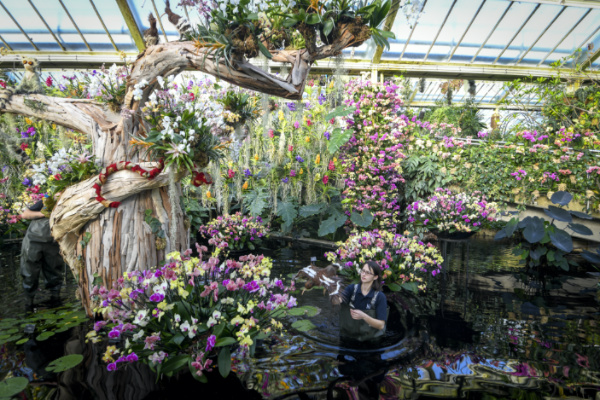
From a previous Orchid Festival at Kew Gardens which celebrated the biodiversity of Madagascar. PICTURE: © RBG Kew

• Kew Garden’s iconic orchid festival returns this Saturday with a Peruvian twist. The gardens’ 29th orchid festival explores some of the 3,000 species of orchids found in Peru’s varied landscapes. Inside the Princess of Wales Conservatory will be a floral recreation of the scenery of Peru including a cornucopia sitting on a grass island in the central pond which was inspired by Lake Titicaca and, in a smaller pond, floral parihuanas (flamingoes) stand proud in front of the iconic Machu Picchu. The display also includes the world’s largest bromeliad – Puya raimondii (commonly known as the Queen of the Andes) – which will be shown alongside floral sculptures inspired by the plant. The country’s diverse wildlife, meanwhile, is celebrated with an orchid aviary that brings to life the diverse bird populations of Peru, and visitors are welcomed by an alpaca bedecked in orchids. Visitors can also wander under a starry night sky adorned with dazzling allium flower heads, which will be recycled from Kew’s outdoor garden displays. There is also large-scale photography taken by celebrated Peruvian photographer Mariano Vivanco and new artworks created for the exhibition of Lima-born artist Gisella Stapleton. Runs until 2nd March. Admission charge applies (advance booking required). For more, see www.kew.org.

The diversity of 20th century Brazilian art is being celebrated in a new exhibition which opened at the Royal Academy this week. Brasil! Brasil! The Birth of Modernism features more than 130 works by 10 important Brazilian artists and spans the period from the 1910s to the 1970s. The artists include pioneers of Brazilian modernism such as Anita Malfatti, Vicente do Rego Monteiro, Jewish Lithuanian emigré Lasar Segall, Candido Portinari and Tarsilo do Amaral as well as self-taught artists such as Alfredo Volpu, Djaniro da Motta e Silva, Rupert Valentim, Geraldo de Barros, and the artist and architect Flávio de Carvalho. The exhibition also features a section dedicated to the historic Exhibition of Modern Brazilian Paintings, which took place at the Royal Academy in 1944 and was the first exhibition of modern Brazilian art in the UK. Runs until 21st April. Admission charge applies. For more, see www.royalacademy.org.uk.

A “legacy stone” commemorating the former residence of musician and former lead singer of The Clash, Joe Strummer, has been unveiled in North Paddington. The stone was installed in the newly refurbished Maida Hill Market on the corner of Walterton Road, a location where Strummer, who died in 2002, squatted during the 1970s ( in fact, his address of 101 Walterton Road inspired the name for the band the 101ers). The stone is inscribed with lyrics sung by Strummer in the song Clampdown from The Clash’s 1979 album London Calling including “the future is unwritten” and “No man born with a living soul can be working for the clampdown”. The stone was installed as part of Westminster City Council project to revitalise the market and Market Hill Area.

Send items to exploringlondon@gmail.com for inclusion.

This Week in London – Theatre and Performance at the V&A; blue plaque for Diana Beck; and, the Royal Academy celebrates Michael Craig-Martin…

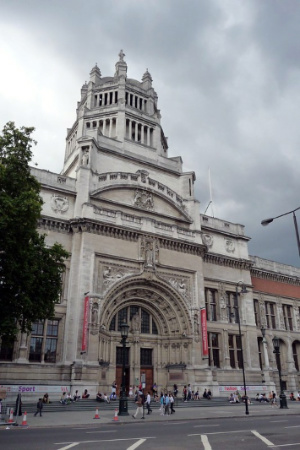
The V&A in South Kensington. PICTURE: graham chandler (licensed under CC BY-NC-ND 2.0)

The V&A in South Kensington is celebrating the 100th anniversary of its Theatre and Performance collections with Enthoven Unboxed: 100 Years of Collecting Performance, which opened last weekend. The exhibition commemorates the 1924 donation of more than 80,000 playbills, programmes, and ephemera from collector, humanitarian, and campaigner Gabrielle Enthoven. Highlights among the objects on display include John Pasch’s artwork featuring the original Rolling Stones tongue and lips, a pair of semi-quaver spectacles worn by Elton John during his 1981-2 British and world tours, a self-portrait bust by 18th century actress Sarah Siddons, a set model designed by Misty Buckley for Stormzy’s headline set at Glastonbury Festival in 2019, and, a prompt script used by Phoebe Waller-Bridge for Fleabag in the West End. The free display can be seen in the Theatre and Performance Galleries (Rooms 103-106) until 4th January. For more., see www.vam.ac.uk,

Diana Beck, the first female neurosurgeon in Britain, has been honoured with an English Heritage Blue Plaque. Unveiled earlier this month, the plaque marks the site of her former home and consulting rooms at 53 Wimpole Street in Marylebone. Beck lived at the property from 1948 to 1954, a period during which she created and ran a neurosurgical department at Middlesex Hospital. It was also during this period that Beck operated on her most famous patient – Winnie the Pooh author AA Milne, who had suffered a stroke in 1952. For more, see www.english-heritage.org.uk/visit/blue-plaques/

Michael Craig-Martin, ‘Common History: Conference, 1999’. Acrylic on aluminium, 274.3 x 508 cm. Gagosian, London © Michael Craig-Martin. Image courtesy of Gagosian

The largest retrospective of the work of artist (and Royal Academician) Michael Craig-Martin has opens at the Royal Academy on Saturday. The exhibition in Royal Academy’s Main Galleries features more than 120 works spanning the period from the 1960s through to today and includes sculpture, installation, painting and drawing, as well as works newly created for the display. Among the highlights are the installations On the Table (1970) and An Oak Tree (1973), the large scale wall drawing in tape, Interlocked (MoMA project 1990) and the large scale painting Eye of the Storm (2003) as well as his depictions of single objects and word paintings. The exhibition runs until 10tH December. Admission charge applies. For more, see www.royalacademy.org.uk.

Send all items to exploringlondon@gmail.com.

This Week in London – Celebrating Tower Bridge’s 130th; Dame Peggy Ashcroft and Iris Murdoch honoured; modern art in Ukraine; and, Michael Rosen’ illustrators…

PICTURE: Sung Shin/Unsplash

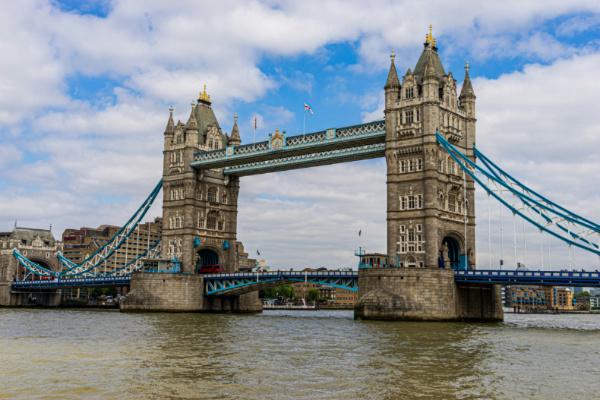
Tower Bridge marks its 130th birthday this year and to mark the event, the London Metropolitan Archives are hosting a free exhibition charting its history at the City of London’s Heritage Gallery. Designed by Horace Jones, the bridge opened on 30th June, 1894, and the display reflects on the splendour of that royal event as well as examining how and why the bridge was built, the engineering involved and how the bridge played a role in defending London during World War I. The exhibition runs until 19th September at the gallery, located in the Guildhall Art Gallery. Booking tickets is recommended. For more, see https://www.cityoflondon.gov.uk/events/tower-bridge-at-the-heritage-gallery.

Actor Dame Peggy Ashcroft and Dublin-born novelist Iris Murdoch have been honoured with English Heritage Blue Plaques. A leading figure in 20th century theatre, Dame Peggy has been remembered with a plaque on her childhood home in South Croydon. It was in what was then a “leafy market town” that at the age of 13 Peggy first dreamt of performing on the stage while standing outside the local grocers on George Street and to which she returned in 1962 to open a theatre named after her. The plaque honouring Murdoch, meanwhile, has been placed on 29 Cornwall Gardens, part of a Italianate stucco-fronted mid-Victorian terrace in Kensington where she occupied a top floor flat. Murdoch lived in London for more than 25 years and during that time would spend three days a week in the flat. For more, see www.english-heritage.org.uk/visit/blue-plaques/

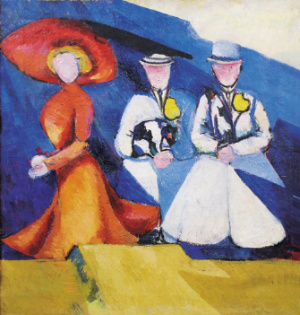
Alexandra Exter, ‘Three Female Figures’, 1909-10Oil on canvas, 63 x 60 cmNational Art Museum of Ukraine

The most comprehensive UK exhibition to date of modern art in Ukraine opens at the Royal Academy on Saturday. In the Eye of the Storm: Modernism in Ukraine, 1900–1930s, features some 65 works, many on loan from the National Art Museum of Ukraine and the Museum of Theatre, Music and Cinema of Ukraine. Artists represented in the display, which is divided into six sections, include such renowned names as Alexander Archipenko, Sonia Delaunay, Alexandra Exter and Kazymyr Malevych as well as lesser-known artists such as Mykhailo Boichuk, Oleksandr Bohomazov and Vasyl Yermilov. Runs in the The Gabrielle Jungels-Winkler Galleries until 13th October. Admission charge applies. For more, see www.royalacademy.org.uk.

The work of artists who have illustrated Michael Rosen’s many books for children are the subject of a new exhibition at the Heath Robinson Museum. Michael Rosen: The Illustrators explores Rosen’s books and the many artists who illustrated them over his 50 year career including the likes of Quentin Blake, Helen Oxenbury, Chris Riddell and Korky Paul. Among the works on show are original drawings for titles including We’re Going on a Bear HuntMichael Rosen’s Sad Book and Michael Rosen’s Book of Nonsense! Runs until 22nd September. Admission charge applies. For more, see https://www.heathrobinsonmuseum.org/.

Send all items for inclusion to exploringlondon@gmail.com.
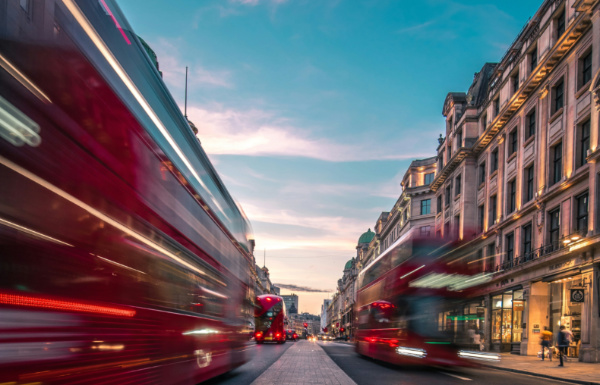
LondonLife – Buses on Piccadilly…

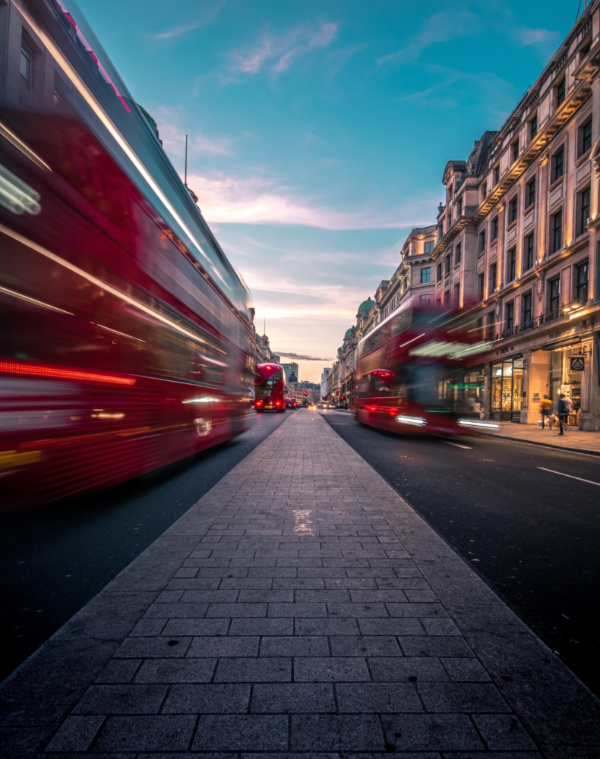
PICTURE: Lachlan Gowen/Unsplash

10 London locations related to Sir Christopher Wren – A recap…

We finish our series on Christopher Wren by providing a quick recap…

1. The Old Court House, Hampton Court Palace Green…

2. St Martin-in-the-Fields…

3. Scotland Yard…

4. Gresham College…

5. London coffee houses…

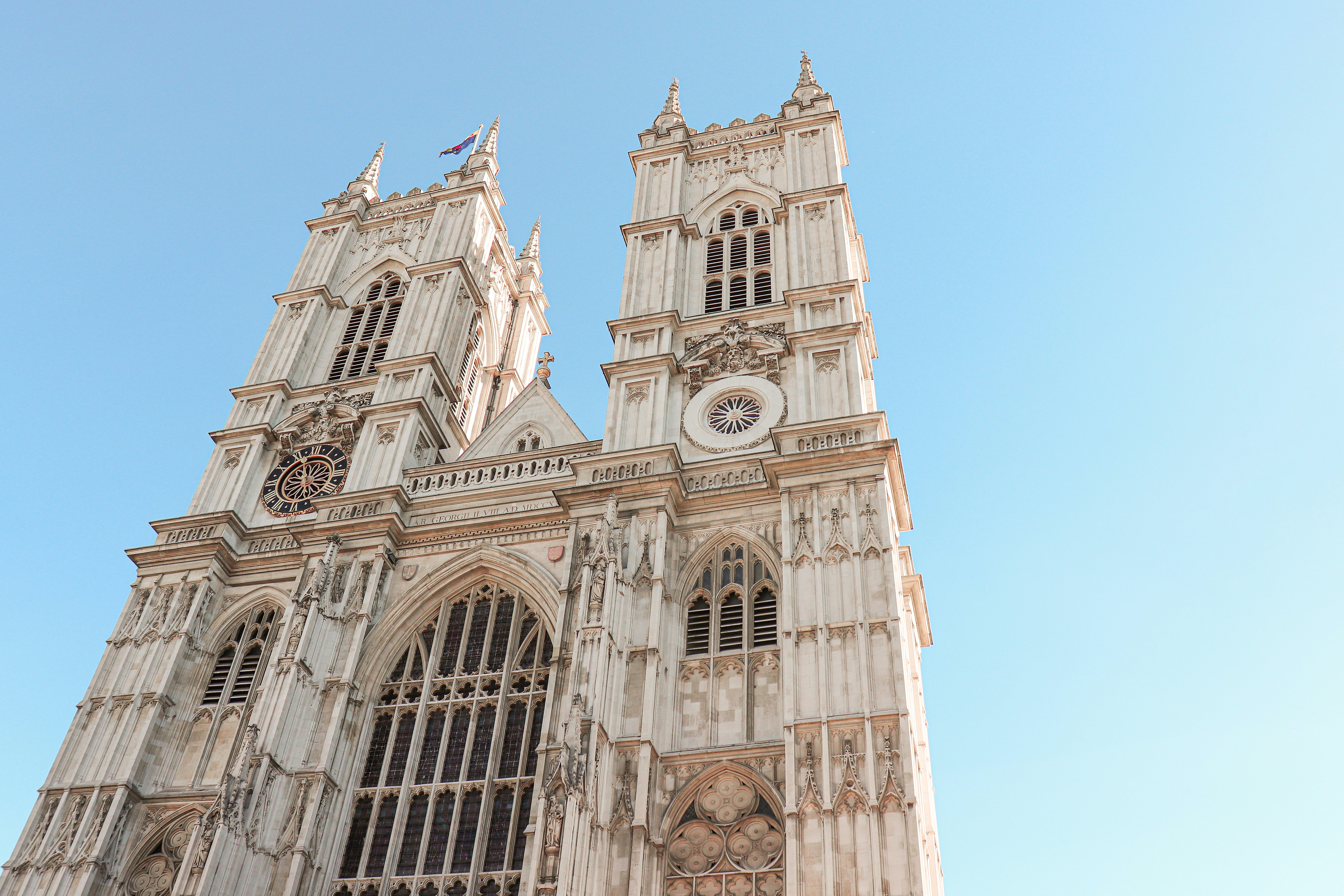
6. Westminster Abbey…

7. St Stephen Walbrook…

8. The Bankside Plaque…

9. St James’s Street, Piccadilly…

10. St Paul’s Cathedral…

We’ll start a new series in the New Year!

10 London locations related to Sir Christopher Wren…9. St James’s Street, Piccadilly…

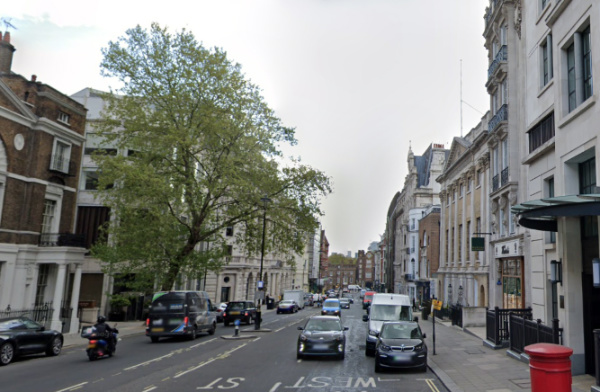
Looking south down St James’s Street. PICTURE: Via Google Maps

As noted at the outset of this series, in his latter years Sir Christopher Wren retired to the property on Hampton Court Palace Green, a property he was granted after he was appointed Surveyor-General to King Charles II in 1669.

But he also still spent time in London and, no longer having access to Scotland Yard, he lodged at his son Christopher’s house in St James’s Street, off Piccadilly. In fact, it was in this property that Wren, having suffered a chill, died while sitting in a chair at the age of 91 on 25th February, 1723.

It’s been suggested that the house in which Wren died was on the west side of the street. There’s an apocryphal story that suggests Wren came to London to check up on his greatest work, St Paul’s Cathedral.

This Week in London – Impressionists on paper; Vanessa Bell and Duncan Grant honoured with a Blue Plaque; new Burnham Beeches history app; and, young artists celebrated on London billboards…

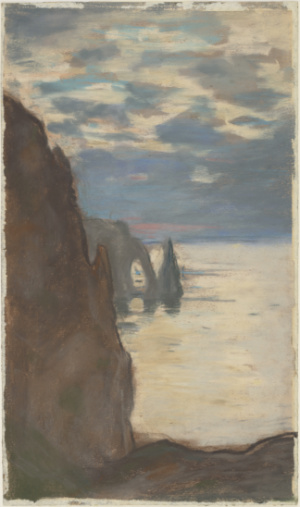
Claude Monet, ‘Cliffs at Etretat: The Needle Rock and Porte d’Aval’, c 1885. National Galleries of Scotland.

A new exhibition exploring how Impressionist and Post-Impressionist artists in late 19th-century France radically transformed the status of works on paper opens at the Royal Academy on Friday. Impressionists on Paper: Degas to Toulouse-Lautrec features around 80 works on paper by artists including Mary Cassatt, Paul Cézanne, Edgar Degas, Paul Gauguin, Eva Gonzalès, Claude Monet, Berthe Morisot, Odilon Redon, Pierre-Auguste Renoir, Georges Seurat, Henri de Toulouse-Lautrec and Vincent van Gogh. Among the highlights are Degas’ Woman at a Window (1870-71), van Gogh’s The Fortifications of Paris with Houses (1887), Monet’s Cliffs at Etretat: The Needle Rock and Porte d’Aval (c1885) and Toulouse-Lautrec’s images of the urban underworld of Montmartre. The display can be seen in The Gabrielle Jungels-Winkler Galleries until 10th March. Admission charges apply. For more, see royalacademy.org.uk.

English Heritage have unveiled their final Blue Plaque for 2023 and it celebrates two of the most influential painters of the early-to-mid 20th century, Vanessa Bell and Duncan Grant. The plaque was unveiled at number 46 Gordon Square in Bloomsbury, from where the Bloomsbury Group – of which Bell and Grant were leading members – drew its name. Bell first lived at number 46 with her siblings, including Virginia Stephen (later Woolf), and, in 1914, Grant moved in with Vanessa and her husband, Clive Bell. Paintings the pair made at number 46 include Grant’s Interior at Gordon Square (c1915) and Bell’s Apples: 46 Gordon Square (c1909-10), a still-recognisable view from the drawing-room balcony to the square. For more on the English Heritage Blue Plaques scheme, head to www.english-heritage.org.uk/visit/blue-plaques/.

The history of Burnham Beeches has been brought to life with a new augmented reality app. The app allows users to superimpose periods of Burnham Beeches’ history – from the Iron Age, Middle Ages and World War II – over what they see when visiting the site and incorporates sounds from selected era as well. It can be accessed via a QR code which is being published on signs at Burnham Beeches. Burnham Beeches, located near the village of Burnham in Buckinghamshire, was acquired by the City of London in 1880 when the area was threatened by development and is managed as a free open space. For more, head here.

The work of 30 young artists celebrating African community and culture is being showcased on billboards across the city in conjunction with Tate Modern’s current exhibition, A World in Common. The photographs have been selected following a call from the Tate Collective for 16-to-25-year-olds to submit images responding to the exhibition. More than 100 entries were submitted by young people based across the UK and beyond and Londoners will be able to view the 30 shortlisted works on billboards in Haringey, Lambeth, Southwark and Tower Hamlets over the next two weeks.

Send all items to exploringlondon@gmail.com.

This Week in London – Bartholomew Fair revival; ‘Totally Thames’; ‘Black on the Square’; and, Art of London’s third season…

A recreation of Bartholomew Fair featuring more than 30 free events kicks off in the City of London today. The programme kicks off with RESURGAM, a vertical dance performance on St Paul’s Cathedral with other highlights including immersive theatrical circus performance Dinner for All, Follow Me Into by imitating the dog – a series of projections that weaves through the City, and, Carnesky’s Showwomxn Spectacular, a street show featuring a cast of circus, variety and rare skilled women performers. There’s also al fresco dining at locations across the City of London and creative workshops on Saturdays. The Bartholomew fair, which ran from the 12th century until 1855, started as a cloth market but evolved to become the City’s pre-eminent event, attracting people from across the country and beyond. The revival runs until 16th September. For the full programme of events, see www.thecityofldn.com/bartholomew-fair/

The River Thames. PICTURE: Unsplash

• Totally Thames, London’s month-long celebration of its river kicks off on Friday. Events this year include an exhibition at London Bridge Station celebrating London’s bridges by photographer Henry Reichhold and another looking at medieval artefacts recovered by mudlarks at St Paul’s Cathedral, walks exploring the history of everywhere from Rotherhithe to Twickenham and the Royal Docks (as a well as a walk on which you’ll meet six medieval women in Southwark), ‘Wren by River’ – a tour on Uber Boat By Clippers Thames featuring an introduction to Wren’s London legacy from the perspective of the river (be quick, this takes place on 1st September), and art installations including the Saltley Geyser, a 30 metre high plume of water in the Royal Docks created by David Cotterrell. And, of course, the St Katharine Docks Class Boat Festival on the weekend of 9th and 10th September and the The Great River Race on 16th September. For the full programme of events, see https://thamesfestivaltrust.org.

Black on the Square, a new “showcase of Black culture and creativity”, takes place in Trafalgar Square this Saturday. The one day family-friendly festival will feature art, fashion and musical performances including jazz, spoken word, freestyle rap and soul as well as DJ sets from the likes of Touching Bass, Art Beyond the Shell, MOBO Unsung, Shortee Blitz, BXKS, The Spit Game UK. There will also be vendors representing a range of Black-owned businesses, including Caribbean and African food, as well as artisan goods ranging from customised accessories to handmade homeware and gifts. The festival kicks off at noon and runs until 6pm. For more, see https://www.london.gov.uk/events/black-square-2023.

Art of London has launched its third annual season featuring everything from gallery late openings to photography exhibitions and public art displays. Events, which run though until October, include: ‘Art Reframed’ which, developed in partnership with the recently reopened National Portrait Gallery, showcases the gallery’s most iconic portraits of everyone from Olivia Colman to Elton John and William Shakespeare on 52 giant colourful cubes across Coventry Street and Irving Street; photographs by artist Ray Burmiston showcased on the Piccadilly Lights; and, ‘Art After Dark’ in which galleries across the West End open their doors for late night viewings. For the full programme, head to artoflondon.co.uk/seasons/season.

Send all items to exploringlondon@gmail.com

LondonLife – Piccadilly rush hour…

PICTURE: Lachlan Gowen/Unsplash

This Week in London – Wren at Work; music moments captured in photographs; and, the RA’s 255th Summer Exhibition…

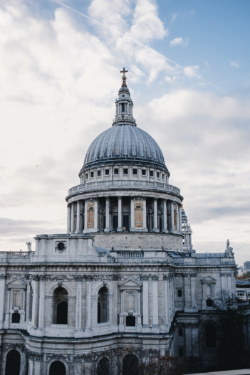
Wren’s monument – St Paul’s Cathedral. PICTURE:
Aaron Gilmore/Unsplash

A recreation of Sir Christopher Wren’s office while he was working on St Paul’s Cathedral can be seen at the Guildhall Art Gallery from today. The faux 17th century environment, created by Chelsea Construction, will allow visitors to explore the building methods and tools of the age, as well as the daily lives of 17th century diarists including Robert Hooke, John Evelyn and Margaret Cavendish, and a case study of how citizens lost and regained their properties during and after the Great Fire of 1666. A specially commissioned map by artist/cartographer Adam Dant will provide insight’s into Wren’s life and times and will be displayed alongside illustrations by architect George Saumerez-Smith and members of the Worshipful Company of Chartered Architects, a scale model of St Paul’s Dome by students at Kingston University, and stone models from master mason Pierre Bidaud. The Wren at Work exhibition is part of Wren300. Admission is free but booking are recommended. For more, see www.cityoflondon.gov.uk/events/wren-at-work-wren300-exhibition.

Photographs capturing Pete Townshend’s guitar flying through the air at Madison Square Garden and Noel Gallagher during the making of the video for Wonderwall are just two of the images on show in a new exhibition at the Barbican Music Library. Celebrating the 25th anniversary of music photography collection Rockarchive.com, In The Moment: The Art of Music Photography also features images of everyone from David Bowie to Debbie Harry, Queen, Biggie Smalls, led Zeppelin, Lady Gaga and Amy Winehouse, capturing them in recording sessions at live gigs and at photo shoots. The free exhibition, which opens on Friday, can be seen until 25th September. For more, see www.cityoflondon.gov.au/services/libraries/barbican-music-library. Meanwhile, a bust of Sir Simon Rattle is being unveiled today at the library in tribute to his five decades in classical music. Sir Simon, who has made over 100 recordings. became music director of the Barbican’s resident orchestra, the London Symphony Orchestra, in 2017 and will conclude his tenure this year.

The Royal Academy’s 255th annual Summer Exhibition opened this week under the theme of ‘Only Connect’ (inspired by a quote from the novel Howards End by EM Forster). Exhibiting artists include British sculptor Lindsey Mendick, Barbados-born painter Paul Dash, American multi-media artist Ida Applebroog, St Lucia born painter Winston Branch, Colombian sculptor Carlos Zapata and British painters Caragh Thuring and Caroline Walker, and Irish fashion designer Richard Malone, who has created a dramatic mobile installation which hangs in the Central Hall. There are also works by Royal Academicians including Frank Bowling, Michael Craig-Martin, Tracey Emin, Gillian Wearing and the late Paula Rego. Runs until 20th August. Admission charge applies. For more, see royalacademy.org.uk.

Send all items to exploringlondon@gmail.com

This Week in London – Wren letter in the Painted Hall; art from America’s South; and, ‘Finding Family’ at the Foundling Museum…

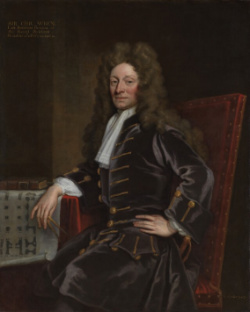
Sir Christopher Wren, by Sir Godfrey Kneller, Bt, oil on canvas, 1711 NPG 113

A letter written by Sir Christopher Wren requesting stone for the construction of the Royal Hospital for Seamen in Greenwich is on display in the Painted Hall vestibule. Wren wrote the letter requesting 2,000 tonnes of Portland stone to Thomas Gilbert, overseer of the King’s Quarries of the Isle of Portland, on 11th October, 1700. It is being displayed along with information explaining how the stone was brought from Dorset to London. The display is one of a series of events taking place at the Old Royal Naval College marking the 300th anniversary of Wren’s death on 25th February, 1723. Can be seen until January, 2024. An admission charge applies. For more, see https://ornc.org/whats-on/painted-hall-display-letter-written-by-sir-christopher-wren/. For more on events surrounding the 300th anniversary of Wren’s death, head to https://ornc.org/celebrating-wren300/.

Slavery, the cruel segregationist policies of the Jim Crow era, and the civil rights movement in the southern United States are all explored in a new exhibition at the Royal Academy. Souls Grown Deep like the Rivers: Black Artists from the American South, features around 64 works – including assemblages, sculpture, paintings, reliefs, and drawings – by 34 artists spanning the period from the mid-20th century to the present. Drawn mostly from the collection of the Souls Grown Deep Foundation in Atlanta, Georgia, many of the works are being seen in Europe for the first time. The display in the Gabrielle Jungels-Winkler Galleries also features quilts by the celebrated quiltmakers of Gee’s Bend, Alabama, and the neighbouring communities of Rehoboth and Alberta. Opening on Friday, the exhibition can be seen until 18th June. Admission charge applies. For more, see royalacademy.org.uk.

Three masterpieces from The National Gallery’s collection – by Hogarth, Gainsborough and the Le Nain Brothers – have gone on show at The Foundling Museum in Bloomsbury as part of a new exhibition exploring what family is and can be. Finding Family examines the ways in which artists have represented and responded to ideas of family with reference to the historic paintings as well as contemporary works of art. The art is accompanied by creative writing created by participants in ‘Tracing Our Tales’ – the museum’s award-winning programme for young care leavers – who have responded to the exhibition’s themes. Opens on Friday and runs until 27th August. Admission charge applies. For more, see https://foundlingmuseum.org.uk/event/finding-family/.

Send items for inclusion to exploringlondon@gmail.com.
LondonLife – Buses on Piccadilly…

PICTURE: Lachlan Gowen/Unsplash

This Week in London – A celebration of Spain and the Hispanic world; Lunar New Year at Greenwich; and, RA gifts at The Queen’s Gallery…

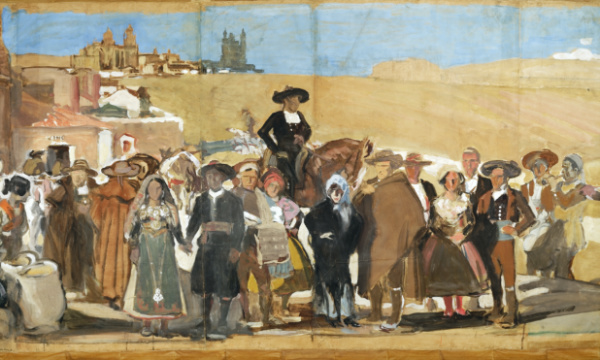
Joaquín Antonio de Basarás y Garaygorta, ‘Indian Wedding, in Origen, costumbres y estado presente de mexicanos y filipinos’ (1763); Illustrated manuscript on paper (41 x 65.7 cm). On loan from The Hispanic Society of America, New York, NY

• The collection of the Hispanic Society Museum & Library in New York is being celebrated in a new exhibition opening at the Royal Academy of Arts. Opening Saturday, Spain and the Hispanic World: Treasures from the Hispanic Society Museum & Library features more than 150 works from the collection – founded in 1904 by Archer M Huntington – which range from paintings and sculptures to jewellery, maps and illuminated manuscripts. Highlights include Francisco de Goya’s painting The Duchess of Alba (1797), Pedro de Mena’s reliquary bust, Saint Acisclus (c1680), earthenware bowls from the Bell Beaker culture (c2400-1900 BC), Celtiberian jewellery from the Palencia Hoard (c150-72 BC), and Hispano-Islamic silk textiles including the Alhambra Silk (c1400). There’s also a beautifully illuminated Hebrew Bible (after 1450-97), an exceptionally rare Black Book of Hours (c1458), and, Giovanni Vespucci’s celebrated world map from 1526. The exhibition runs until 10th April. Admission charge applies. For more, see www.royalacademy.org.uk.

The Lunar New Year is being celebrated in Greenwich this Saturday with a series of events at the National Maritime Museum. Activities range from Mahjong workshops to seeing a traditional lion dance, lantern making, a tea ceremony demonstration and, of course, the chance to find out about the items in the museum’s collection with Asian connections. For more, see www.rmg.co.uk/whats-on/national-maritime-museum/lunar-new-year.

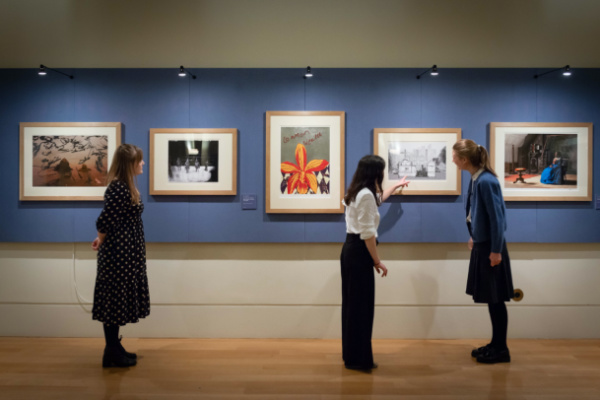
Royal Collection Trust staff conduct final checks of a display opening today at The Queen’s Gallery, Buckingham Palace, showcasing 20 contemporary artworks gifted to Queen Elizabeth II to mark the Platinum Jubilee. PICTURE: Royal Collection Trust / © His Majesty King Charles III 2023.

Twenty contemporary artworks gifted by the Royal Academy of Arts to Queen Elizabeth II ar on display at The Queen’s Gallery in Buckingham Palace. The works on paper – created by Royal Academicians elected in the past decade – were presented to the Queen to mark her Platinum Jubilee in 2022. They include Wolfgang Tillmans’ Regina – a photograph taken during Queen Elizabeth II’s Golden Jubilee celebrations in 2002 depicting the Queen in the Gold State Coach passing along Fleet Street, Yinka Shonibare’s Common Wealth – a digital print of an orchid against a collage of platinum leaf and Dutch wax printed fabric, and Sir Isaac Julien’s Lady of the Lake – a fictionalised portrait of the American abolitionist Anna Murray Douglass as well as a digital print of Thomas Heatherwick’s design for the Tree of Trees project. This 21-foot sculpture incorporates 350 saplings and was erected outside Buckingham Palace as part of The Queen’s Green Canopy and was illuminated during a special Platinum Jubilee ceremony on 2nd June last year. The works can be seen until 26th February. Admission charge applies. For more, see www.rct.uk.

Send all items for inclusion to exploringlondon@gmail.com.
This Week in London – Carols at Westminster Abbey; cathedrals at St Paul’s; and, ‘Making Modernism’ at the Tate…

PICTURE: Manuel Weber/Unsplash

The Princess of Wales will host a Christmas carol service at Westminster Abbey today. The service, which will be attended by members of the Royal Family, will recognise the selfless efforts of individuals, families and communities across the UK as well as paying tribute to Queen Elizabeth II and the values she demonstrated at Christmas and throughout her life, including empathy, compassion and support for others. The service will be broadcast on ITV One in the UK on Christmas Eve. Meanwhile, a special Christmas episode of Westminster Abbey: Behind Closed Doors will be shown on Channel 5 next Wednesday, 21st December. For more, see My5: Westminster Abbey: Behind Closed Doors.

An exhibition show-casing the work of photographer Peter Marlow, who has photographed all 42 Church of England cathedrals, can be seen at St Paul’s Cathedral. Commissioned in 2008 by Royal Mail to photograph six cathedrals – images of which were used on commemorative stamps marking the 300th anniversary of the completion of St Paul’s Cathedral, Marlow went on to continue taking pictures of cathedrals using just natural light. The display, which is touring all 42 cathedrals, can be found in the South Nave aisle until 26th January. Included in admission charge. For more, see www.stpauls.co.uk/whats-on/exhibition-peter-marlows-english-cathedral.

On Now: Making Modernism. The first major UK exhibition devoted to women artists working in Germany in the early 20th century, this exhibition at the Royal Academy’s Gabrielle Jungels-Winkler Galleries includes 67 paintings and works on paper. The artists featured include Paula Modersohn-Becker, Käthe Kollwitz, Gabriele Münter and Marianne Werefkin, with additional works by Erma Bossi, Ottilie Reylaender and Jacoba van Heemskerck. Runs until 12th February. Admission charge applies. For more, see www.royalacademy.org.uk.

Send all items to exploringlondon@gmail.com

LondonLife – Christmas lights in the West End (part II)…

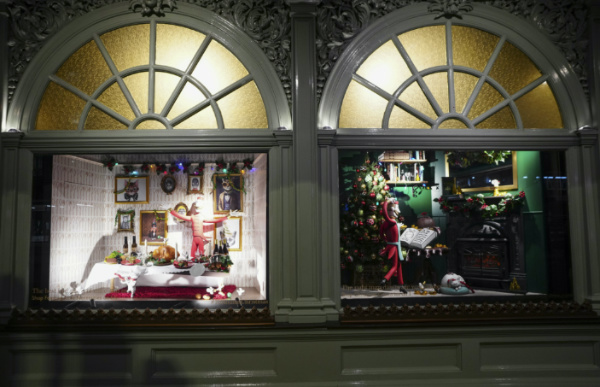
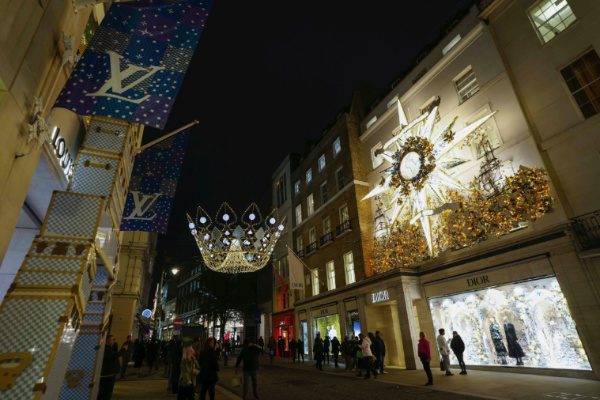
Christmas windows at Fortnum & Mason on Piccadilly. ALL PICTURES: Jed Leicester/PinP
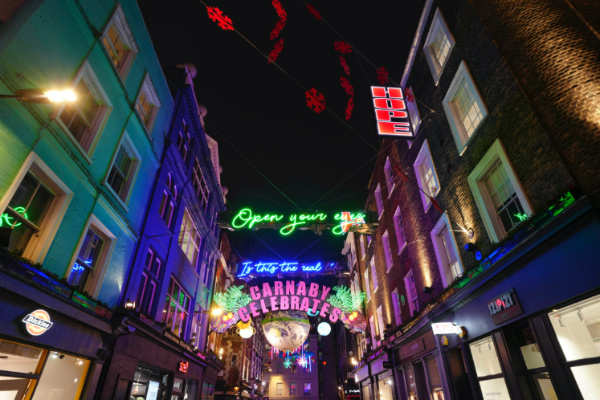
Carnaby Street lights.
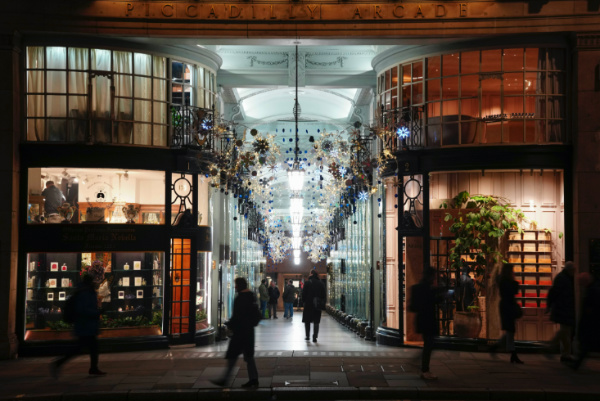
Piccadilly Arcade decorated for Christmas.
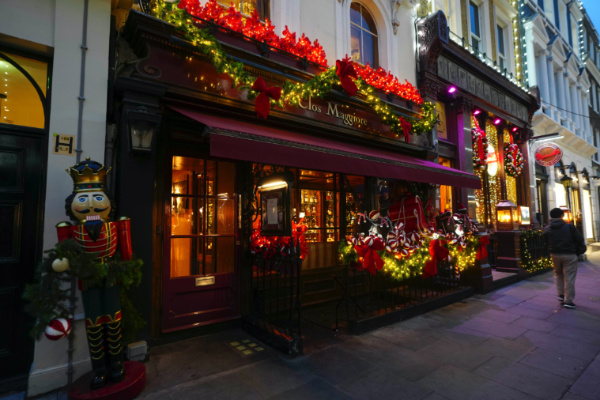
Clos Maggiore shopfront in Covent Garden
New Bond Street.

This Week in London – Korean pop culture at the V&A; of video games and conflict; and, William Kentridge at the RA…

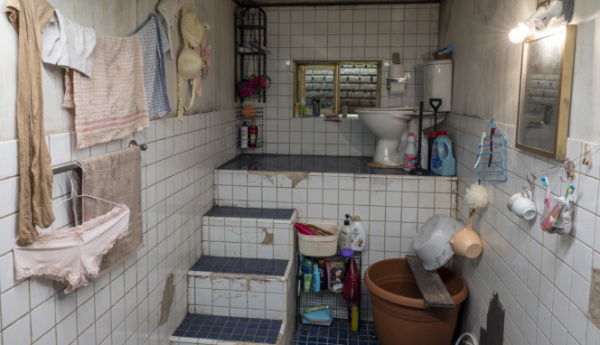
Installation image featuring re-creation of Parasite bathroom scene, at Hallyu! The Korean Wave at the V&A Ⓒ Victoria and Albert Museum, London

From K-Pop to Parasite, the popular culture of South Korea is being celebrated in a new exhibition which opened at the V&A last weekend. Hallyu! The Korean Wave features around 200 objects across four thematic sections focused on the phenomenon known as ‘hallyu’ (meaning ‘Korean Wave’) which rose to prominence in the late 1990s and rippled across Asia before reaching across the world. Highlights including outfits worn by K-Pope idols PSY, Vespa and ATEEZ, an immersive recreation of Parasite’s bathroom set and monumental artworks by the likes of Nam June Paik, Ham Kyungah and Gwon Osang. There’s also fashion designs by Tchai Kim, Miss Sohee and Minju Kim, and early examples of advertising and branding, including an original poster from the Seoul Olympics, and the first Korean branded cosmetic from the 1910s. The display can be seen until 25th June next year. Admission charge applies. For more, see www.vam.ac.uk/exhibitions/hallyu-the-korean-wave.

An exhibition which seeks to challenge perceptions about how video games interpret stories about war and conflict opens at the Imperial War Museum London on Friday. War Games: Real Conflicts | Virtual Worlds | Extreme Entertainment explores the relationship between video games and conflict through a series of 11 unique titles, including everything from Call of Duty: Modern Warfare to 2D artillery game Worms and a military training simulator, which, over the last 40 years, have reflected events from the First World War to the present. The display features immersive installations, never-before-displayed objects and perspectives from industry experts. There’s also a retro gaming zone and a programme of supporting events. Admission is free. Runs until 28th May next year. For more, see iwm.org.uk/events/war-games.

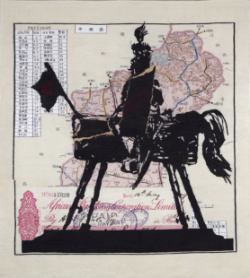
William Kentridge, ‘Colleoni’, 2021. Hand-woven mohair tapestry, 350 x 300 cm. Courtesy the artist © William Kentridge
 

The work of celebrated South African artist and Honorary Royal Academician William Kentridge has gone on show the Royal Academy. Spanning the artist’s 41 year career, William Kentridge brings together important works spanning from the 1980s through to the present day, including charcoal drawings, animated films, a mechanical theatre, sculptures, tapestries and performance pieces. Highlights include a selection of Kentridge’s early, rarely-seen drawings from the 1980s and 1990s including three triptychs displayed together for the first time and the most significant work from the period, The Conservationist’s Ball, (1985) as well as around 25 large charcoal drawings, made for the creative process of the eleven animated Drawings for Projection, and the installation Black Box / Chambre Noire, (2005), a mechanical theatre piece including puppets and projections, which interrogates the harrowing story of the massacre of the Herero people in Namibia, now considered the first genocide of the 20th century. The display in the Main Galleries can be seen until 11th December. Admission charge applies. For more, see roy.ac/kentridge.

Send all items for inclusion to exploringlondon@gmail.com

LondonLife – Tributes to a Queen…

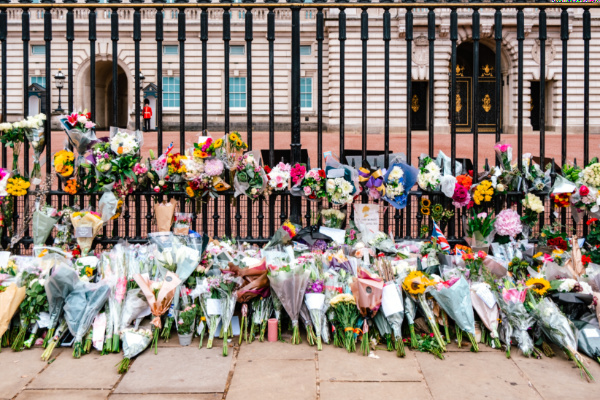
Flowers left outside Buckingham Palace. PICTURE: Samuel Regan-Asante
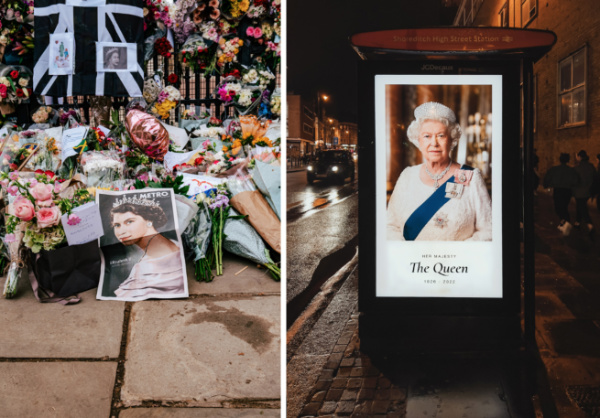
Left – Flowers and tributes left outside Buckingham Palace and, right, a bus shelter in Shoreditch. PICTURE: Samuel Regan-Asante
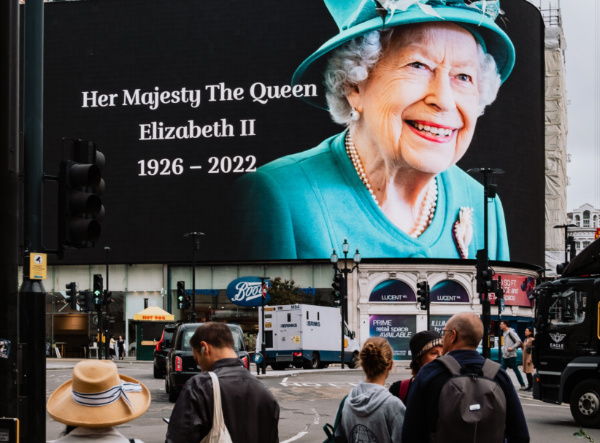
A electronic billboard at Piccadilly Circus. PICTURE: Samuel Regan-Asante
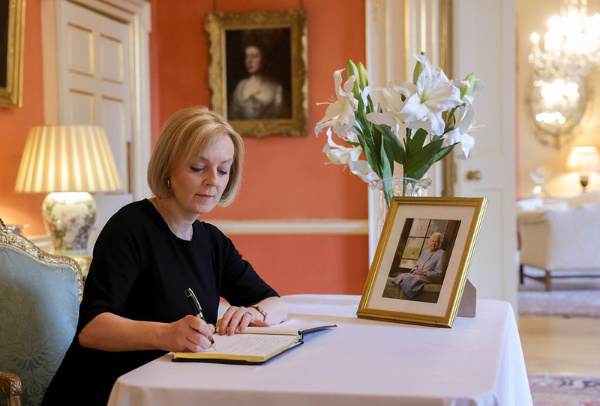
Prime Minister Liz Truss writes in a book of condolence at Number 10 Downing Street to mark the passing of Queen Elizabeth II. PICTURE: Andrew Parsons/No 10 Downing Street (licensed under CC BY-NC-ND 2.0)
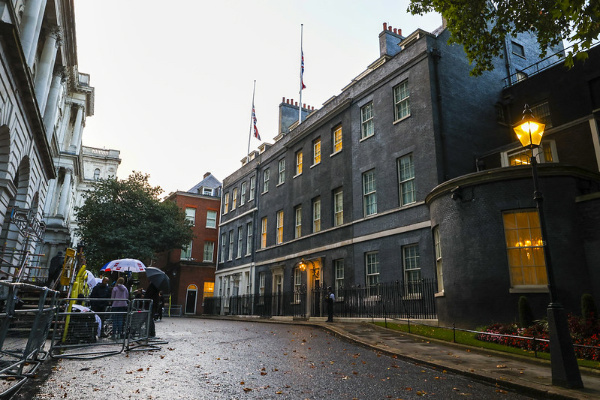
The flags at Number 10 Downing Street have been lowered to half mast after the death of Majesty Queen Elizabeth II. PICTURE: Rory Arnold/No 10 Downing Street (licensed under CC BY-NC-ND 2.0

This Week in London – Museum of London prepares to move; London’s open spaces celebrated; Kenley Airfield restored; and Milton Avery at the RA…

The Museum of London has launched a six-month programme of events celebrating its 45 year history ahead of its doors closing on 4th December in preparation for its move to West Smithfield. The programme includes a range of family activities – from Roman picnics to large LEGO builds – as well as behind the scenes access at the museum during Open House London and two festivals on the closing weekend celebrating the past 50 years of London’s history. For the full programme of events, head to www.museumoflondon.org.uk. Following its closure at the London Wall site, the new site at West Smithfield, to be named The London Museum, will open in 2026.

A group of children paddling in Whitestone Pond on the edge of Hampstead Heath in 1920. PICTURE: © London Metropolitan Archives

An outdoor exhibition on the essential role of London’s parks and open spaces – which have served as everything from playgrounds and picnics to concerts and Sunday football kickabouts – opens in Guildhall Yard on Monday. Green City: A Visual History of London’s Parks and Open Spaces, which is curated by the City of London Corporation’s London Metropolitan Archives, celebrates the role open places have played in the capital since the 16th century and brings together 100 photographs and prints from the archives’ collections. The exhibition can be seen in Guildhall Yard until 1st August when it moves to Aldgate Square. On 15th August it will open at Hampstead Heath and then, from 1st September, spend two weeks at The View in Epping Forest’s Visitor Centre.

Kenley Airfield – an integral part of London’s defence during World War II – has reopened following a £1.2 million restoration. The airfield, which sits in the Borough of Croydon, was a station for the Royal Flying Corps during World War I and the Royal Air Force during World War II. The restoration work has brought back to life eight deteriorating fighter blast pens, which protected RAF Spitfires and Hurricanes from attack. The site also includes The Kenley Tribute, a memorial to all who served there between 1917 and 1959, both on the ground and in the air. For more, including information on visiting the airfield and self-guided walks, see www.kenleyrevival.org.

The work of 20th century American artist Milton Avery is the subject of a new exhibition opening at the Royal Academy of Arts on Friday. Milton Avery: American Colourist – which can be seen in The Gabrielle Jungels-Winkler Galleries in Piccadilly – features some 70 works including portraits and landscapes dating from 1910 until the 1960s. The exhibition is divided into four sections – ‘Early Work’, ‘Portraits’, ‘Innovation in Colour and Form’ and ‘Late Work’ – and highlights include Blossoming (1918), a portrait of Avery’s friends known as The Dessert (1939), two portraits of his daughter March – Seated Girl with Dog (1944) and March in Brown (1954), and, Black Sea (1959). Runs until 16th October. Admission charge applies. For more, see www.royalacademy.org.uk.

Send all items to exploringlondon@gmail.com.