This Week in London – Caravaggio’s last painting; Hampton Court’s Tulip Festival; and, ‘Beyond the Bassline’….

Caravaggio’s last painting – the 1610 work known as The Martyrdom of Saint Ursula – has gone on display in the UK for the first time in almost 20 years. The National Gallery is displaying the work – lent by the Intesa Sanpaolo Collection (Gallerie d’Italia – Naples) – alongside another late work by the Italian artist from the gallery own collection – Salome receives the Head of John the Baptist (about 1609–10). The Martyrdom of Saint Ursula, which features a self-portrait of the artist, was only reattributed to Caravaggio in 1980 following the discovery of an archival letter describing its commission. The letter – which is being displayed along with the painting – was sent from Naples, where Caravaggio created the work, to Genoa, where his patron, Marcantonio Doria, lived. Caravaggio died in Porto Ercole on 18th July, 1610, less than two months after finishing the work. He was attempting to return to Rome where he believed he would be pardoned for a 1606 murder at the time. Admission to the display is free. Runs until 21st July. For more, see www.nationalgallery.org.uk.
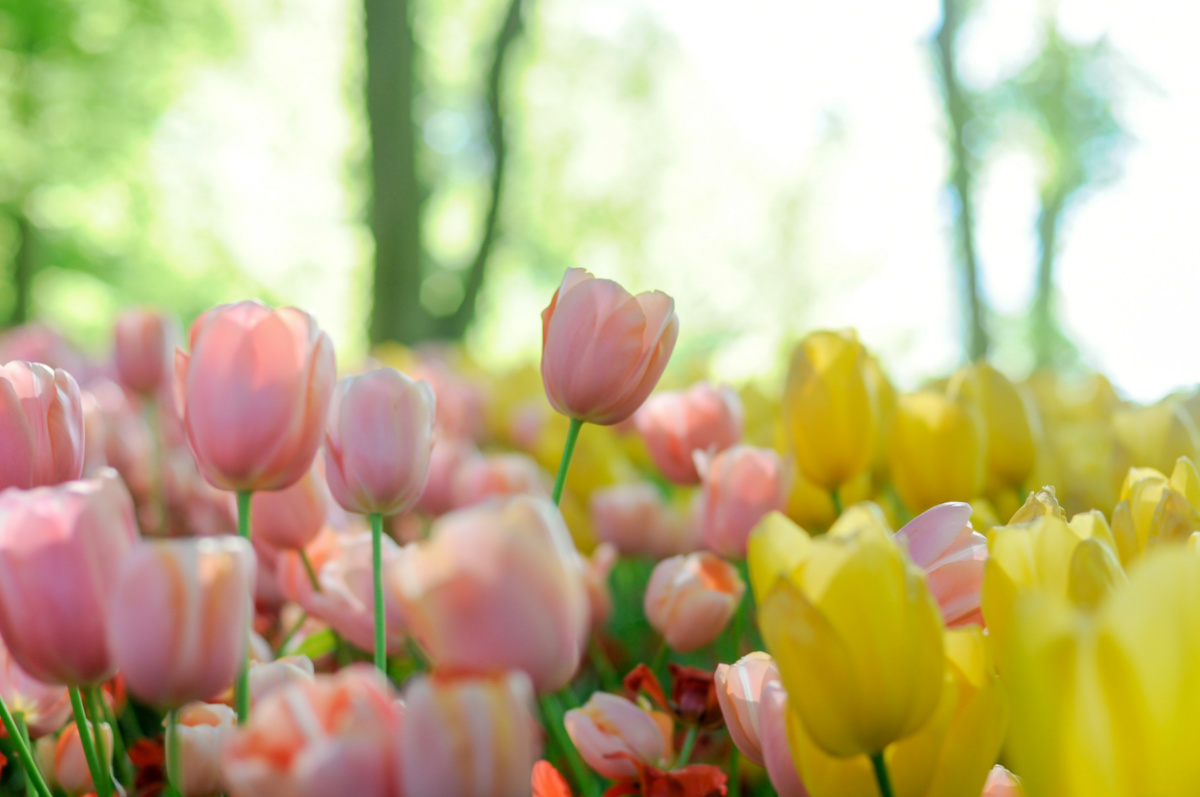
Tulips in the Netherlands. PICTURE: Giu Vicente/Unsplash

Hampton Court Palace’s Tulip Festival is on again. Displays include thousands of tulips spilling from a Victorian horse cart in the heart of the palace courtyards, giving the appearance of a Dutch flower seller’s cart, ‘floating’ bowls in the Great Fountain, free-style plantings in the kitchen gardens and more than 10,000 tulips in a display in Fountain Court. There are also daily ‘Tulip Talks’ sharing the history of the flower and Queen Mary II, who was responsible for introducing them to Hampton Court. Runs until 6th May (including in palace admission). For more, see www.hrp.org.uk/hampton-court-palace/whats-on/tulip-festival/.

Five hundred years of Black British music is being celebrated in a new exhibition at the British Library. Beyond the Bassline: 500 Years of Black British Music features soundscapes, artworks and films along with costumes, interactive displays, and of course, music. Highlights among the more than 200 exhibits include letters from 18th-century composer Ignatius Sancho, records by likes of Fela Kuti and Shirley Bassey, a nostalgic video archive of grime’s golden era captured on Risky Roadz DVD, and the equipment that Jamal Edwards used to start SB.TV, theYouTube channel dedicated to Black British music. The display concludes with a multi-screen film installation by South London-based musical movement and curatorial platform Touching Bass. Admission charge applies (with Pay What You Can days on the first Wednesday of each month). Runs until 26th August. For more, see https://beyondthebassline.seetickets.com/timeslots/filter/beyond-the-bassline.

Send all items to exploringlondon@gmail.com

10 atmospheric ruins in London – 6. Tudor and medieval remains at Eltham Palace…

Once a medieval royal palace, Eltham Palace in London’s east was transformed into a 1930s house which incorporates the medieval great hall.

Tudor ruins in the garden of Eltham Palace (with the home behind). PICTURE: Peter Gasston (licensed under CC BY-NC-ND 2.0)

But there are also some other remains of the former medieval palace on the site – including the footings of the palace’s west range incorporating royal apartments used in the Tudor era.

These included separate apartments for the king and queen as well as a gallery where the king could walk in inclement weather.

The ruins feature diamond-patterned brickwork (pictured), part of the west range which was built during the reign of Queen Elizabeth I in the 1580s.

There are also the remains of a tower of yellow brick, which possibly dates from the 14th century when, prior to the site being a royal palace, it was rebuilt as a manor house by Anthony Bek, Bishop of Durham (it was Bek who gave the manor to the future Edward II in 1305).

These days the ruins lie within the home’s magnificent gardens, recreated to show how they might hav. Alongside the remains of the west range (and the medieval great hall which dates from the reign of King Edward IV and is largely intact), are the remains of a late 15th century bridge over a medieval moat, at the south end of which are the remains of a gatehouse.

There’s also an oak pedestrian bridge, supported by medieval brick and foundations which once formed part of the main southern entrance to the palace.

WHERE: Eltham Palace, Court Yard, Eltham, Greenwich (nearest train station is Mottingham); WHEN: 10am to 4pm Wednesday to Sunday; COST (advance online tickets): £14.50 adults/£8.60 children/£12.70 concessions/£37.60 family (can include a donation/English Heritage members free); WEBSITE: www.english-heritage.org.uk/visit/places/eltham-palace-and-gardens/.

This Week in London – Life in the Roman army explored; clockwork treasures from China; and, Kew Gardens’ Orchid Festival…

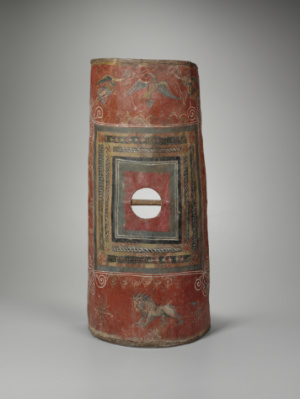
A major new exhibition on life as a Roman legionary opens at the British Museum today. Legion: Life in the Roman army shares stories of real legionaries and shows how the army was as much an “engine of social change” as it was a war machine. More than 200 objects, many of which are on display in the UK for the first time, are on show including the world’s only intact legionary shield, on loan from Yale (pictured), and the oldest and most complete classic Roman segmental body armour, found in Kalkriese, Germany, in 2018. There are also the remains of a soldier found at Herculaneum, reunited with his belt and equipment for the first time outside of Italy, as well as the Crosby Garrett mask helmet – found in Cumbria in 2010, and a unique dragon standard found in Germany. The exhibition, which can be seen in the Sainsbury Exhibitions Gallery until 23rd June, also features a specially designed Horrible Histories themed trail of the exhibition with interactive family stations. Admission charge applies. For more, see www.britishmuseum.org.

More than 20 mechanical clocks collected by Chinese emperors are being displayed together for the first time in the UK in a new exhibition opening today at the Science Museum. Among those on display in Zimingzhong 凝时聚珍Clockwork Treasures from China’s Forbidden City is the ‘Pagoda Zimingzhong’ which, was made in London in the 1700s during the Qing Dynasty in China, ‘Zimingzhong with Turbaned Figure’ which mixes imagery associated with China, Japan and India to present a generalised European view of an imagined East, and the Zimingzhong with mechanical lotus flowers’, which, when wound, reveals a flock of miniature birds swimming on a glistening pond as potted lotus flowers open. Runs until 2nd June. Visitors are invited to pay what they can to visit the exhibition, with a minimum ticket cost of £1 per person. For more, see www.sciencemuseum.org.uk/see-and-do/zimingzhong.

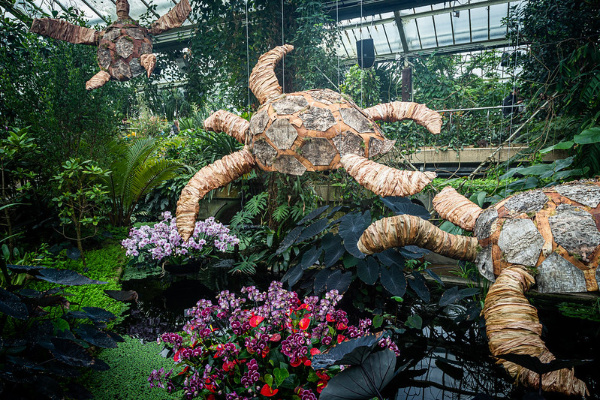
Kew Gardens’ Orchid Festival returns from this Saturday, this year drawing inspiration from the unique flora and fauna of Madagascar. The display features a specially commissioned film showcasing the beauty of Madagascar – the world’s fourth largest island – as well as themed floral displays and living installations in the Princess of Wales Conservatory. The latter include ‘Lovers Baobab’ on the waterlily pond, floral sculptures recreating some of Madagascar’s most iconic wildlife, including ring-tailed lemurs, chameleons and the aye-aye, the world’s largest nocturnal primate, and a small selection of Madagascan orchids including Angraecum sesquipedale (also known as Darwin’s orchid). Visitors will also hear Malagasy music composed by the Boriza Borothers and be able to purchase food made according to a range of authentic Malagasy recipes, thanks to a menu curated by Malagasy chef Lilia Andrianovy of Lilia’s Kitchen. Orchids After Hours will also return for this year’s festival. Runs until 3rd March. Admission charge applies. For more, see www.kew.org.

Send all items for inclusion to exploringlondon@gmail.com

Where’s London’s oldest… (continuously cultivated) garden?

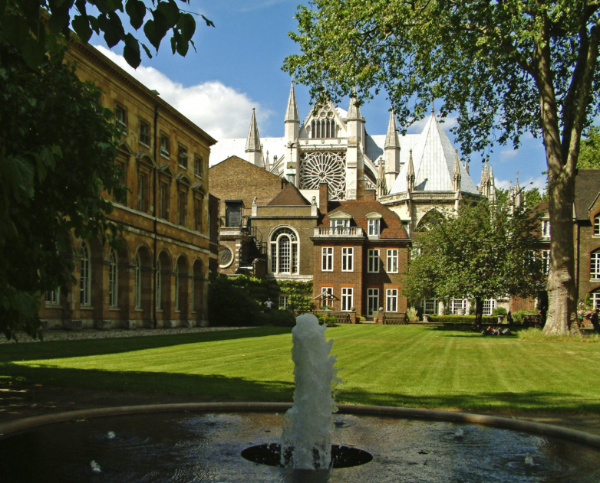
The College Garden. PICTURE: Anguskirk/Flickr (licensed under CC BY-NC-ND 2.0)

Not to be confused with London’s oldest botanic garden (The Chelsea Physic Garden), the College Garden at Westminster Abbey is believed to be the oldest garden in England under continuous cultivation.

In monastic times, the garden, as well as providing eye-pleasing flower displays, was used to grow vegetables and medicinal herbs for the abbey’s resident monks and it also included an orchard, as well as fishponds and beehives. The first herbarium dates from at least 1306 although the infirmary garden was originally established in the 11th century..

The garden was under the overall supervision of the abbey’s Infirmer – responsible for caring for the sick or infirm – and was tended to by a head gardener and two under-gardeners (all of whom were monks).

The oldest surviving feature of the garden today is a high stone wall which dates from 1376. Today the garden features London plane trees planted in the 1850s and a broad expanse of lawn.

There is also a small rose garden which marks Queen Elizabeth II’s accession to the throne and a herb garden planted to commemorate the lives of the monks and the founding of the Westminster School.

A 1993 bronze sculpture depicting the Crucifixion of Jesus Christ, by Enzo Plazzotta, sits out the south end of the garden. A single jet fountain was added in 2002.

The west side of the garden is bordered by the 18th century dormitory for the Westminster School. Two late Victorian houses, originally used for clergy, stand at the north end.

The garden is accessed from the south-east corner of the abbey cloister.

LondonLife – Scenes from Chelsea…

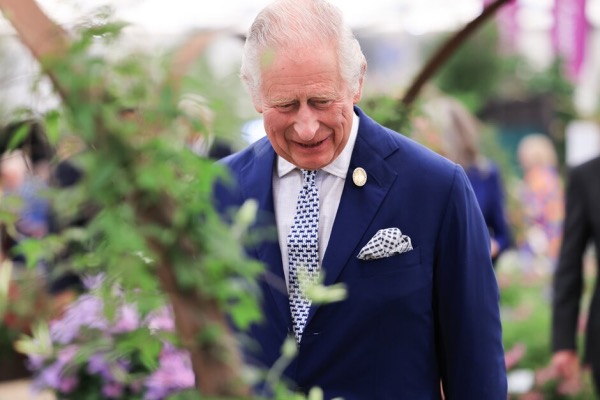
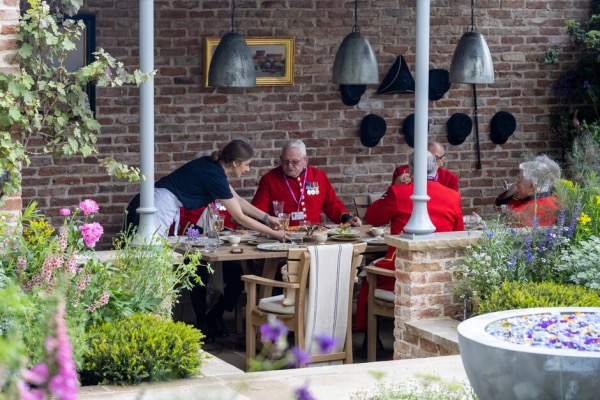
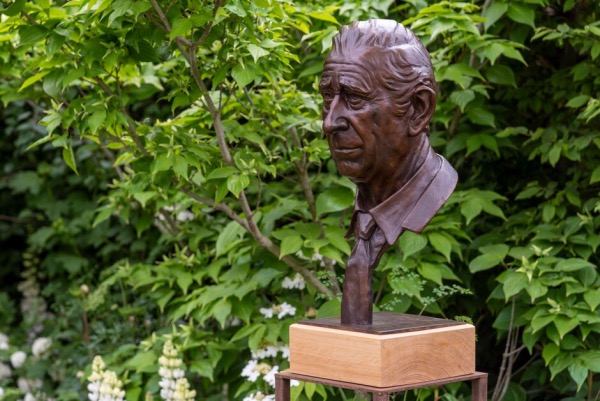
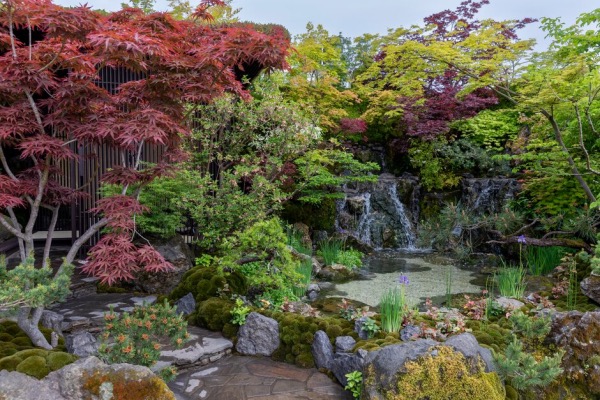
The Chelsea Flower Show returned to London this week with King Charles III making his first visit to the show as monarch and tributes in honour of his coronation and the passing of Queen Elizabeth II last year. The show runs until 27th May. For more, see www.rhs.org.uk/chelsea.

King Charles III visits The Chelsea Flower Show 2023. ALL PICTURES: Courtesy of Royal Horticultural Society/Chelsea Flower Show 2023
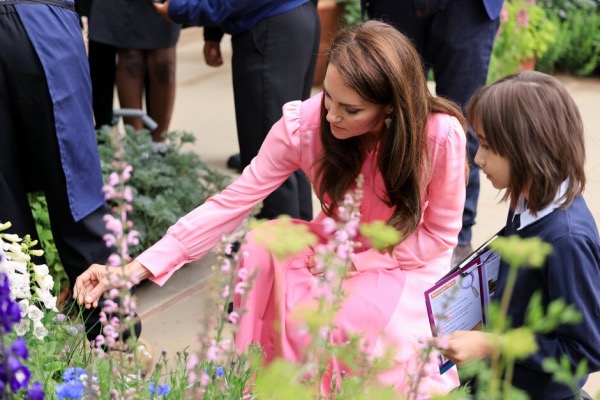
Princess of Wales Kate Middleton visits RHS Chelsea Flower Show 2023. She is pictured on Savills Garden designed by Mark Gregory.
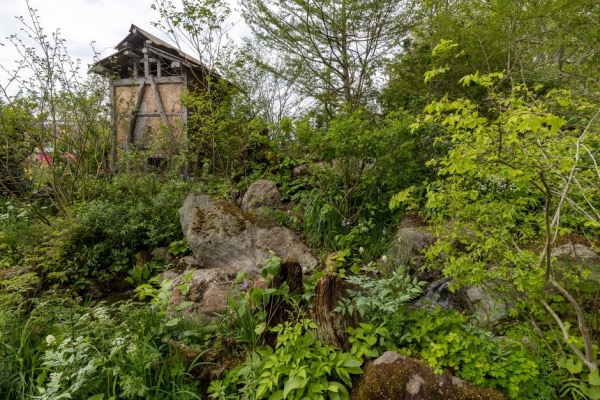
‘A Letter from a Million Years Past’. Designed by Jihae Hwang. Sponsored by Korea Forest Service, Hoban Cultural Foundation and MUUM Ltd. Show Garden. RHS Chelsea Flower Show 2023. Stand no 328.
Chelsea pensioners eating at meal in the Savills Garden. Designed by Mark Gregory. Sponsored by Savills. Show Garden. RHS Chelsea Flower Show 2023. Stand no 324.
RHS Garden of Royal Reflection and Celebration featuring a bust of King Charles III. Designed by Dave Green. Feature Garden. RHS Chelsea Flower Show 2023. Stand no 111.
The Biophilic Garden Otsu – Hanare’. Designed by Kazuyuki Ishihara. Sponsored by Glion and Ishihara Kazuyuki Design Laboratory. Sanctuary Garden. RHS Chelsea Flower Show 2023. Stand no 280.

This Week in London – Coronations at Westminster Abbey; tulips at Hampton Court; St Bartholomew at The National Gallery; and, Food Season at the British Library…

A new exhibition exploring the 1,000-year history of coronations at Westminster Abbey has opened in the abbey’s medieval chapter house. The exhibition, which has opened ahead of the coronation of King Charles III on 6th May, draws on historic illustrations and archive photography to explore the elements of the coronation service including the oath-taking, anointing, investing and crowning and takes a closer look any some of key artefacts present in the ceremony including the Coronation Chair. The exhibition, which is free with admission to the abbey and which runs until the end of September, is part of a season of events celebrating the coronation including themed late evenings, family activities and special afternoon teas at the Cellarium Café. Meanwhile, the abbey has also announced that visitors will be able to view the ‘Coronation Theatre’ – the special area which will be built for the historic occasion, from the Abbey’s North and South Transepts – following the coronation. Tickets for the special viewing – which will include the chance to see key elements from the coronation service including the Coronation Chair still in position on the Cosmati Pavement – can be purchased for timed slots between 8th and 13th May. For more on the abbey’s events surrounding the coronation, see www.westminster-abbey.org/events.

Tulips at Hampton Court Palace in 2021. PICTURE: Derek Winterburn (licensed under CC BY-ND 2.0)

Hampton Court Palace bursts into colour from Friday with its annual Tulip Festival. More than 110,000 bulbs have been planted to creat dramatic displays in the formal gardens and cobbled courtyards, among them a selection of heirloom bulbs on display in the Lower Orangery Garden which presents visitors with the chance to see tulips as they would have looked during the time of King William III and Queen Mary II, soon after the flowers were first introduced to Britain. Thanks to a special relationship with Netherlands-based Hortus Bulborum, the bulbs on display include Sylvestris (1595) and Rubella Broken (1700) as well as the Orange King (1903) and Queen of the Night (1940). Other highlights of the festival include 3,000 wine-toned tulips, including the merlot variety, flowing down from the steps and parapet of the Wine Fountain, as well as a floral fantasy in the palace’s courtyards in which tulips such as Raspberry Ripple, Apricot Emperor and Purple Prince flow out of wheelbarrows, barrels and a horse cart, and a free-style tulip planting in the Kitchen Garden inspired by Van Gogh’s 1883 painting, Bulb Fields. Runs until 1st May. Admission charge applies. For more, see https://www.hrp.org.uk/hampton-court-palace/whats-on/tulip-festival/.

Bernardo Cavallino (1616 ‑ 1656?), Saint Bartholomew (about 1640-1645), oil on canvas H x W: 176 x 125.5 cm; The National Gallery, London. Bought with the support of the American Friends of the National Gallery, 2023
PICTURE: © The National Gallery, London

The recently acquired Bernardo Cavallino work, Saint Bartholomew has gone on show at The National Gallery. The painting, which dates from 1640-45 and which was last exhibited at The Metropolitan Museum of Art in New York in 1993, is being displayed alongside other 17th century works by artists such as Caravaggio, Artemisia and Orazio Gentileschi, Guercino, Reni and Ribera in the Hans and Julia Rausing Room (Room 32). The National Gallery has one other work by Cavallino – Christ driving the Traders from the Temple – but his depiction of Saint Bartholomew is considered one of his most splendid works. Admission is free. For more, see nationalgallery.org.uk.

Featuring everything from a celebration of African Caribbean takeaways to a “deep-dive” into the issues surrounding food production and access, Food Season kicks off at the British Library Monday. Highlights include a discussion of the sandwich by food writers Nigella Lawson, Jonathan Nunn and Rebecca May Johnson, a day-long celebration of African Caribbean cuisine featuring chefs and broadcasters Jimi Famurewa, Fatmata Binta and Andi Oliver, and, an exploration of the big challenges in food, land use and food production featuring author Henry Dimbleby alongside Dr Tara Garnett, Nick Saltmarsh, Abby Allen and Dimitri Houtart. Runs until 7th June. Admission charges apply. For the full programme, see www.bl.uk/events/food-season.

Send all items to exploringlondon@gmail.com
10 historic London homes that are now museums…8. Queen Charlotte’s Cottage…

PICTURE: Maureen Barlin (licensed under CC BY-NC-ND 2.0)

A confession to begin – this property, located in Kew Gardens, was never actually a residence but instead was built as a country day retreat for the family of King George III at the behest of his wife Queen Charlotte.

The cottage, which features a thatched roof and half-timbered walls and dates from around 1772, is known as a cottage orné (decorated cottage).

Located in what’s described as “one of London’s finest bluebell woods” with parts of it more than 300-years-old, it was designed to be a place where the Queen and her growing family (the King and Queen would have 15 children) could enjoy picnics or take tea while on walks through the gardens during their summers at Kew.

Inside, the ground floor of the premises features two halls – one for the royal family on the left and another for servants on the right, each of which features a staircase leading to the first floor. In the centre of the ground floor is the Print Room, a small room hung with more than 150 satirical engravings including works by the famed James Gillray. There’s also a small kitchen.

On the upper floor is the Picnic Room which features two expansive recycled 17th century windows looking out to the garden and wall and roof paintings featuring trailing nasturtiums and convolvulus to give the appearance of a bower. The latter are thought to have been the work of Princess Elizabeth, generally viewed as the most artistic of King George III’s children.

Behind the cottage was a large paddock which was used to contain a growing menagerie of animals, no doubt to the delight of the royal children. Initially the occupants were Tartarian pheasants and oriental cattle but later it also housed a now extinct quagga (an animal similar to a zebra) and some of the first kangaroos to arrive in Britain (these were bred by the early 19th century, there were up to 18 of them). In 1806, the gardener was instructed to turn the paddock into a flower garden.

King George III was apparently fond of the cottage but he was last at Kew in 1806. It was used in 1818 following the double wedding of his sons, the Duke of Clarence (who became King William IV) and Edward, the Duke of Kent (father of Queen Victoria).

Queen Victoria rarely visited the cottage but had it maintained by a housekeeper. In 1889, the Queen gave the cottage to the public to commemorate her Diamond Jubilee.

The Grade II* cottage is these days managed by Historic Royal Palaces.

WHERE: Queen Charlotte’s Cottage, the south-west corner of, Kew Gardens (nearest Tube station is Kew Gardens); WHEN: Cottage is open from 4th April from 11.30am to 3.30pm on weekends and bank holidays; COST: (entry to Kew Gardens) £21.50 adults/£10 students/children £5 (discounts apply for advance bookings); WEBSITE: www.kew.org.

This Week in London – Cameroon celebrated at Kew’s Orchid Festival; anti-racist activist and suffragettes among this year’s Blue Plaque honourees; and, images of Ukraine at IWM…

Part of the orchids display at Kew Gardens in February, 2022. PICTURE: Adrian Scottow (licensed under CC BY-SA 2.0)

Kew Garden’s iconic Orchid Festival returns to the Princess of Wales Conservatory this Saturday. This year’s display takes its inspiration from the biodiversity of Cameroon – the first time it has celebrated the flora of an African nation. Highlights include giraffe sculptures and a troop of gorillas as well as arrangements featuring lions and hippos. The festival also includes ‘Orchids After Hours’ with music, food and drink. Runs until 5th March. Admission charge applies. For more, see www.kew.org.

English Heritage Blue Plaques honouring anti-racist activist Claudia Jones, suffragette Emily Wilding Davison and Ada Salter, the first female mayor of a London borough, will be among those unveiled in London this year. English Heritage announced this year’s plaques will also honour 20th century violinist Yehudi Menuhin, Princess Sophia Duleep Singh – a god-daughter of Queen Victoria and also a suffragette, and Marie Spartali Stillman, a Pre-Raphaelite model who appeared in paintings by the likes of Dante Gabriel Rossetti and Edward Burne-Jones. For more on the Blue Plaques scheme, see www.english-heritage.org.uk/visit/blue-plaques/.

Images of Ukraine during its conflict with Russia go on show at the Imperial War Museum in Lambeth on Friday. Ukraine: Photographs from the Frontline features images taken by renowned photojournalist Anastasia Taylor-Lind which were taken during her time in Ukraine between 2014 and June, 2022. The exhibition is presented in three sections – the first focusing on the 2014 protests in Kyiv, the second on the ongoing conflict in eastern Ukraine and the third on Russia’s invasion in February last year. Runs until 8th May. Admission is free. For more, see www.iwm.org.uk/events/iwm-london-ukraine-exhibition.

Send items for inclusion to exploringlondon@gmail.com.

10 historic London homes that are now museums…4. Leighton House Museum…

PICTURE: Jeff Hitchcock (licensed under CC BY 2.0)

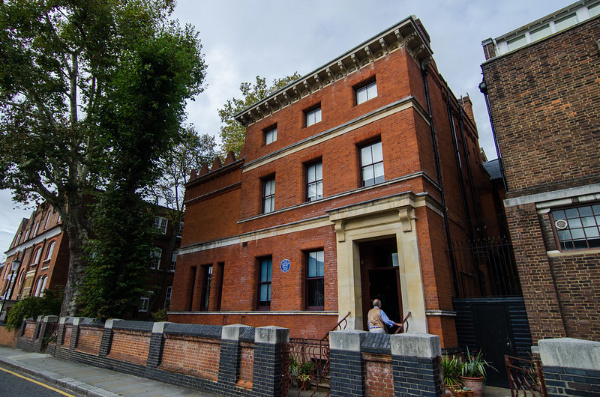
This extraordinary west London property is an artistic treasure trove thanks to its once being the residence and studio of Victorian artist Frederic, Lord Leighton.

The red brick home at 12 Holland Park Road was purpose-built by Leighton. He acquired the land in 1864 and commissioned his architect friend George Aitchison, who had never before designed a home, to draw up plans (along with his own input).

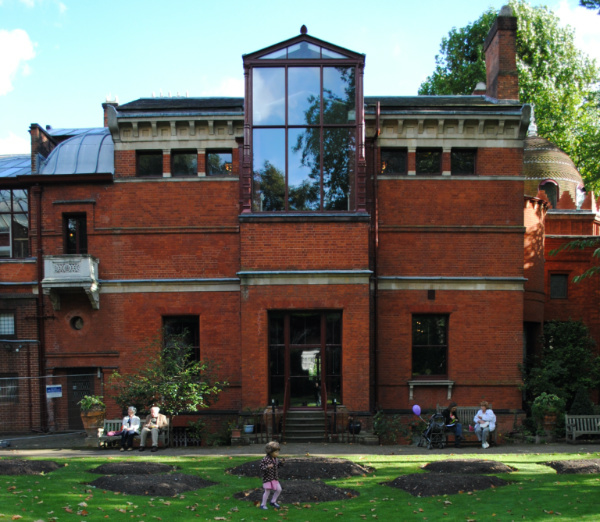
Work started on the property in 1865 and Leighton, who spent some of the year in Spain and Rome, was able to move in late in in the year. The property, which was rather plain on the outside, featured a large studio – with large window overlooking the garden – and his bedroom on the second floor.

Leighton was to subsequently undertake a series of extensions – the first, to enlarge the size of the studio, after just three years.

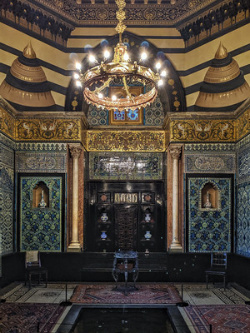
The Arab Hall. PICTURE: Kotomi_ (licensed under CC BY-NC 2.0)

In 1877 he began construction of the domed Arab Hall which was inspired by his trips to Turkey and Syria and the interior of a 12th-century palace in Palermo, Sicily. Craftsmen were sourced from across London and the new room featured a gold mosaic frieze made in Venice and shipped in sections and wall tiles which mostly come from Damascus and which mostly date from the late 16th and early 17th century. It wasn’t fully completed until 1881.

A large “winter studio” featuring a glass roof for light was added in 1889-90 and the final addition was the Silk Room which, built on the first floor, was designed as a picture gallery for the works of Leighton’s contemporaries including the likes of John Everett Millais, George Frederic Watts and John Singer Sargent. It was completed just months before Leighton’s death in 1896.

After Leighton’s death, his collection of art was auctioned off. But his house was retained and in 1900 it opened as a museum run by a committee lead by Leighton’s neighbour and biographer Emilie Barrington to display art by Leighton and others.

In 1927, ownership of the house was transferred to current managers, The Royal Borough of Kensington and Chelsea.

Further additions to the house followed including a new wing for exhibition space.

Many of the home’s fittings and fixtures were lost during the 20th century but in the 1980s curator Stephen Jones began restoring the interiors, a process which continued in 2008-10 in what was known as the Closer to Home project. A further project of restoration was commenced in 2019 to refurbish the home’s 20th century additions and create new visitor facilities including a cafe.

The home’s garden, meanwhile, remains largely unchanged from Leighton’s design.

The rear of the property with the second floor studio window (before the latest refurbishment). PICTURE: David Adams

As well as the artistry contained in the house itself, the museum hosts a significant collection of art including paintings by Leighton himself as well as Pre-Raphaelites including Edward Burne-Jones, Millais and Watts. There’s also several of Leighton’s sculptures.

The Grade II*-listed house, which features an English Heritage Blue Plaque on the facade, has been seen in numerous films, TV shows and music videos including the Poirot TV series and the 2020 film, Rebecca.

WHERE: Leighton House Museum, 12 Holland Park Road (nearest Tube stations are Kensington (Olympia) and High Street Kensington; WHEN: 10am to 5:30pm Wednesday to Monday COST: £11 adults/£9 concession/£5 children (six to 18 years; five and under free); WEBSITE: www.rbkc.gov.uk/museums/leighton-house.

LondonLife – Tooting Bec Common dressed in white…

PICTURE: Colin White/Unsplash

8 locations for royal burials in London…8. Kensal Green Cemetery…

Princess Sophia’s grave at Kensal Green Cemetery. PICTURE: Stephencdickson (licensed under CC BY-SA 4.0)

The oldest of London’s so-called ‘Magnificent Seven’ cemeteries established in the 19th century, Kensal Green is the burial place of a few members of the royal family dating from the Georgian and Victorian eras.

The ninth child and sixth son of King George III, Prince Augustus Frederick, the Duke of Sussex, died at Kensington Palace at the age of 70. In his will, he specifically requested he not have a state funeral and so was buried at Kensal Green on 4th May, 1843. His rather plain grey monument which is surrounded by concrete bollards, is located in front of the cemetery’s main chapel.

Opposite his grave is the tomb of his sister Princess Sophia, the 12th child of King George III. She, too, died at Kensington Palace – on 27th May, 1848 – and wished to be buried near her brother instead of at Windsor.

King George III’s grandson, Prince George, Duke of Cambridge, was also buried at Kensal Green. A military man (and ally of Queen Victoria), he served as commander-in-chief for 39 years before being forced to resign in 1895. He died in 1904 at Gloucester House, Piccadilly, in 1904 and was buried at Kensal Green with his wife the following day.

WHERE: Kensal Green Cemetery, Harrow Road, Queen’s Park (nearest Tube station is Kensal Green); WHEN: Monday to Saturday 9am to 5pm, Sundays 10am to 5pm; COST: Free: WEBSITE: www.kensalgreencemetery.com.

10 unusual parks or gardens in London – A recap…

Before we commence our next special series, here’s a recap of the series we’ve just run…

1. Kyoto Garden…

2. Brown Hart Gardens…

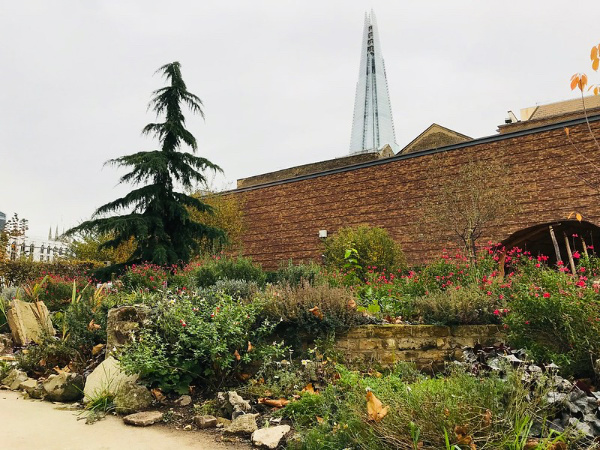
3. Crossbones Graveyard and Garden of Remembrance…

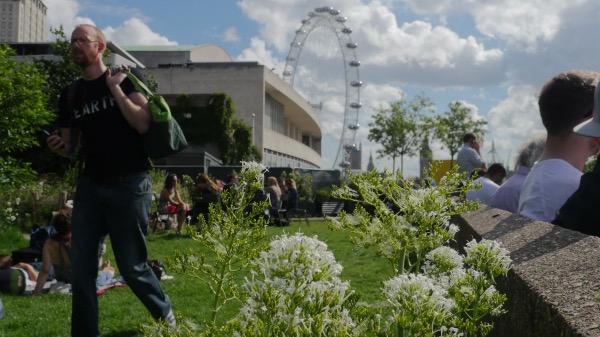
4. Queen Elizabeth Hall Roof Garden…

5. Tibetan Peace Garden, Imperial War Museum…

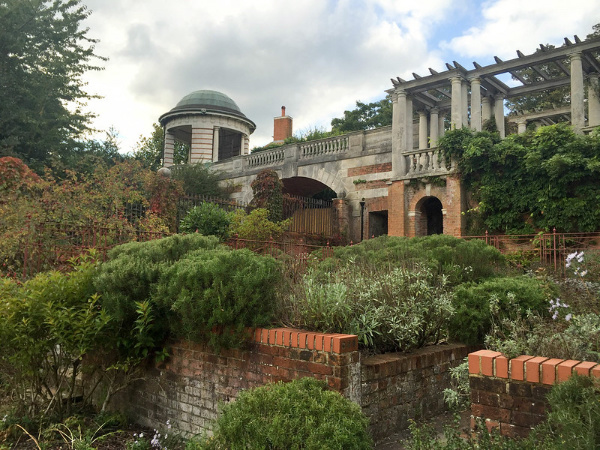
6. The Hill Garden and Pergola, Hampstead…

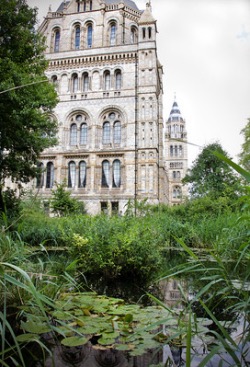
7. Natural History Museum’s Wildlife Garden…

8. Barbican Conservatory…

9. Sky Garden…

10. The Cloister Garden, Museum of the Order of St John…

LondonLife – Greenwich Park restoration…

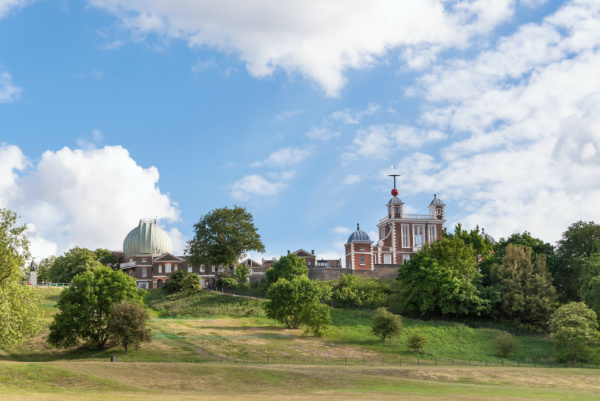
Looking up to the Royal Observatory in Greenwich Park. PICTURE: mkos83/iStockphoto.

The Royal Parks announced recently Greenwich Park, here pictured showing the view up to the Royal Observatory, was to undergo a three year project to restore its 17th century landscape. The formal landscape of the park was commissioned by King Charles II and, designed by French landscape architect André Le Nôtre (who also designed the world-famous Versailles gardens), features tree-lined avenues which frame the view up the hill from the Queen’s House as well as “The Grand Ascent”, a series of giant, grass steps leading up the hill, and a terraced layout – known as a parterre. Massive numbers of visitors – some five million annually – have, however, seen the landscape features erode and slump while the trees – Turkey oaks planted in the 1970s to replace the elms wiped out by Dutch elm disease – are now in decline. The restoration work, which begins next month, will see the terraces restored and the declining tree avenues recreated with 92 new, more resilient trees. The work is scheduled to be completed by March, 2025. For more on Greenwich Park, see www.royalparks.org.uk/parks/greenwich-park.

10 unusual parks or gardens in London…9. Sky Garden…

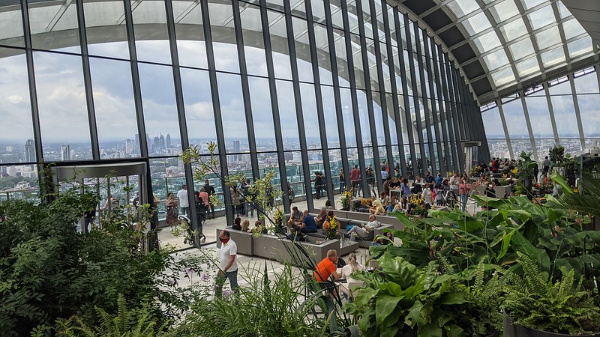
The Sky Garden in August, 2021. PICTURE: ian262 (licensed under CC BY-NC-ND 2.0)

While recent years have seen the creation of a number of roof gardens across London, the Sky Garden – located atop the controversial ‘Walkie Talkie’ building (otherwise known as 20 Fenchurch Street) – has the honour of being the highest public garden in the city.

The three floor garden, which was designed by landscape architecture practice Gillespie’s, opened in January, 2015.

Located on the 36th to 38th floors, it was designed to provide 360 degree views across London and features landscaped gardens, observation decks, an open air terrace (named for the late architectural townscape advisor Francis Golding) and five bars and restaurants.

The gardens include flowering plants such as the African Lily (Agapanthus), Red Hot Poker (Kniphofia) and Bird of Paradise (Strelitzia reginae) as well as fragrant herbs such as French Lavender.

WHERE: Sky Garden (via 1 Sky Garden Walk) (nearest Tube station is Monument); WHEN: 10am to 6pm weekdays; 11am to 9pm weekends; COST: Free (but rebooking required); WEBSITE: https://skygarden.london.

10 unusual parks or gardens in London…8. Barbican Conservatory…

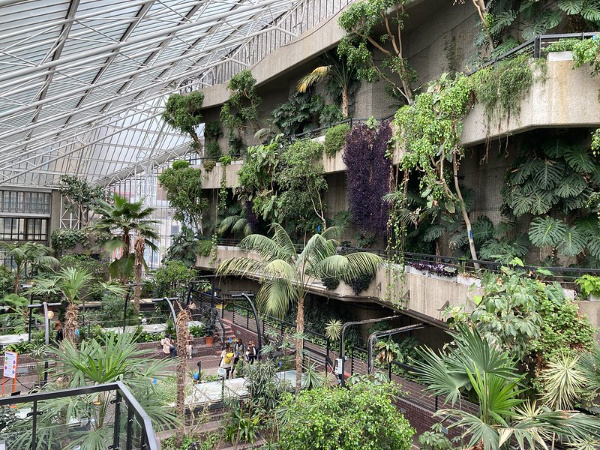
PICTURE: Matt Brown (licensed under CC BY 2.0)

Located in the heart of the post-war Brutalist Barbican development is the second largest conservatory in London.

Designed by the complex’s architects Chamberlin, Powell and Bon, the 23,000 square foot steel and glass conservatory – only bested in size by the Princess of Wales Conservatory at Kew Gardens – was planted in the early 1980s and opened in 1984.

It now houses some 1,500 species of plants and trees from areas as diverse as the bushland of South Africa to the Brazilian coast.

Among the species on show are the tree fern and date palm as well as the Swiss cheese plant and coffee and ginger plants.

The conservatory also features pools containing koi, ghost, and grass carp from Japan and America, as well as other cold water fish such as roach, rudd, and tench and terrapins. An Arid House attached to the east of the conservatory features a collection of cacti, succulents and cymbidiums (cool house orchids).

The conservatory is just one of several distinct gardens at the Barbican complex. These include water gardens located in the midst of lake which feature a range of plants growing in the water itself as well as in a series of sunken pods which are reached by sunken walkways.

Since 1990 the estate has also been home to a wildlife garden which, boasting ponds, a meadow and orchard, is home to more than 300 species including the Lesser Stag Beetle and House Sparrow.

WHERE: The Barbican Conservatory, Barbican Centre, Silk Street (nearest Tube stations are Barbican, Farringdon and Liverpool Street; WHEN: Selected days, from 12pm (check website to book tickets); COST: Free; WEBSITE: www.barbican.org.uk/whats-on/2022/event/visit-the-conservatory.

10 unusual parks or gardens in London…7. Natural History Museum’s Wildlife Garden…

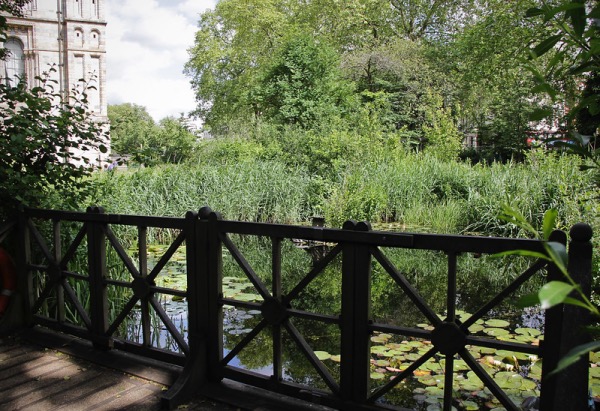
A scene from the Wildlife Garden. PICTURE: Kotomi_ (licensed under CC BY-NC 2.0)

Opened in July, 1995, this garden in the grounds of the Natural History Museum in South Kensington has been found to be home to more than 3,300 species.

A scene from the Wildlife Garden. PICTURE: Kotomi_ (licensed under CC BY-NC 2.0)

The garden, located on the corner of Cromwell Road and Queen’s Gate, and covering a single acre, was envisaged as a “place to put habitat creation and wildlife conservation into practice”, according to the museum’s website, where visitors can learn about wildlife in the UK and where naturalists, students and museum scientists carry out research.

It features a variety of habitats –  everything from woodland, grassland, scrub, heath, fen, aquatic, reedbed, and hedgerow as well as urban environments – and among the species living there have been hedgehogs, common frogs, ladybirds (Rhyzobius forestieri) and Greyface Dartmoor sheep which are brought in to graze in the autumn.

‘Bioblitzes’ are held during the year by experts and amateurs which involve recording as many species of plants, animals and fungi as possible within a day.

Under the museum’s Urban Nature Project, all five acres of the grounds are being transformed into a fully accessible green space that promotes urban wildlife research, conservation and awareness and according to the museum, the Wildlife Garden will have an integral role to play in that with its overall size doubled (check before visiting to ensure it’s not closed for the renovation work). The new gardens will open next summer.

WHERE: Wildlife Garden, Natural History Museum, Cromwell Road, South Kensington (nearest Tube stations are South Kensington and Gloucester Road); WHEN: 11am to 5pm daily until 31st October (closed during wet weather); COST: Free; WEBSITE: www.nhm.ac.uk/visit/galleries-and-museum-map/wildlife-garden.html

10 unusual parks or gardens in London…6. The Hill Garden and Pergola, Hampstead…

A view of the pergola. PICTURE: Kent Wang (licensed under CC BY-SA 3.0)

Tucked away in the north-west of Hampstead Heath is a Edwardian-era garden and extravagant pergola that were originally created for a mansion but are now open to the public.

The garden and pergola were created on the orders of the wealthy William H Lever, later Lord Leverhulme, who in 1904 purchased a sizeable Georgian townhouse on the Heath called “The Hill”. Remodelling the house extensively, Lever wanted to also create a garden where he could entertain and sought the help of renowned landscape architect Thomas Mawson to design one on what was steeply sloping land.

Mawson’s plan involved raising the level of the gardens by up to 30 feet and creating a series of terraces. This was made possible due in part to the close proximity of the Hampstead extension of the Northern Line of the Tube – Lever paid to have the spoil which had been dug out to make the Tube tunnels transported the short distance to his garden so it could be used to build it up.

An Italianate pergola was constructed on the boundary between 1905 and 1906, providing views over West Heath while at the same time preventing the general public from looking into the garden. The gardens and pergola were subsequently extended after he bought the neighbouring property in 1911 – the same year Lever was made a baronet – and again in with further works completed in 1925 just months before the now-Lord Leverhulme’s death.

A view of the pergola. PICTURE: Kent Wang (licensed under CC BY-SA 3.0)

The property was sold to Scots shipping magnate Lord Inverforth and, on his death in 1955, was bequeathed it to the private Manor House Hospital. Following a long period of neglect, London County Council bought the pergola and the gardens which had once been those of the neighbouring property, Heath Lodge, and opened them to the public in 1963 as the Hill Garden.

The City of London Corporation took over management with the abolition of the GLC in 1986 and restoration work was carried out. When the hospital closed in 1998 and the house was sold for luxury housing, further works were carried out and the public part of the gardens took on their current form.

WHERE: The Hill Garden and Pergola, Inverforth Close, North End Way, Hampstead (nearest Tube stations are Golders Green or Hampstead Heath); WHEN: 8:30am to 8pm daily; Daily; COST: Free; WEBSITE: www.cityoflondon.gov.uk/things-to-do/green-spaces/hampstead-heath/where-to-go-at-hampstead-heath/hill-garden-and-pergola.

10 unusual parks or gardens in London…4. Queen Elizabeth Hall Roof Garden…

PICTURE: Courtesy of VisitLondon.com

This garden can be found on the roof of the Queen Elizabeth Hall at the Southbank Centre.

The 1,200 square metre garden, which was created in 2011 as part of the 60th anniversary of the 1951 Festival of Britain celebrations, was developed in partnership with the Eden Project.

It is maintained by volunteers from Grounded Ecotherapy, a group which offers people dealing with issues like homelessness and addiction help through horticulture.

The Garden features more than 200 wild native plants as well as a lawn, paths and paving – and stunning views across the river. There’s also a cafe and bar.

WHERE: Queen Elizabeth hall Roof Garden (nearest Tube stations are Waterloo and Embankment); WHEN: Wednesday to Sunday from noon; COST: Free; WEBSITE: www.southbankcentre.co.uk/visit/outdoor/queen-elizabeth-hall-roof-garden-cafe-bar.

10 unusual parks or gardens in London…3. Crossbones Graveyard and Garden of Remembrance…

The Crossbones Cemetery in 2017. PICTURE: Matt Brown (licensed under CC BY 2.0)

This small walled garden, located in Southwark, for centuries served as a burial site for the poor of the area nd by the time of its closing in 1853, was the location of some 15,000 burials.

The graveyard is said to have started life as an unconsecrated burial site for ‘Winchester Geese’, sex workers in the medieval period who were licensed to work in the brothels of the Liberty of the Clink by the Bishop of Winchester.

Excavations carried out in the 1990s confirmed a crowded graveyard was on the site.

While the site had been neglected for years following its closure, in 1996 local writer John Constable and a group he co-founded, the Friends of Crossbones, began a campaign to transform Crossbones into a garden of remembrance – something which has happened thanks to their efforts and those of the Bankside Open Spaces Trust and others.

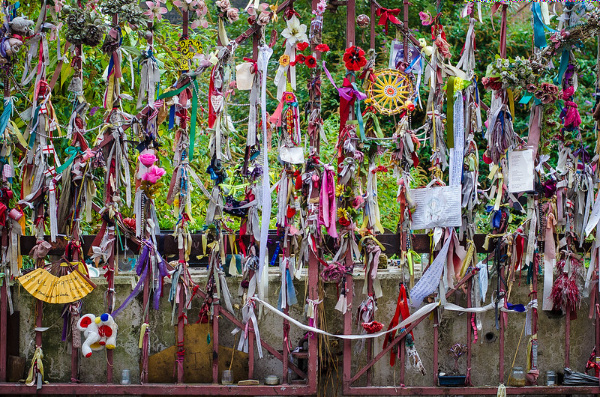
Tributes left on the fence outside the graveyard in Red Cross Way. PICTURE: Garry Knight (licensed under CC BY 2.0)

The garden provides a contemplative space for people to pay their respects to what have become known as the “outcast dead”.

A plaque, funded by Southwark Council, was installed on the gates in 2006 which records the history of the site and the efforts to create a memorial shrine.

WHERE: Crossbones Graveyard, Redcross Way, Southwark (nearest Tube stations are London Bridge and Borough); WHEN: Wednesdays, Thursdays and Fridays 12 to 2pm; COST: Free; WEBSITE: www.bost.org.uk/crossbones-graveyard.

10 unusual parks or gardens in London…2. Brown Hart Gardens…

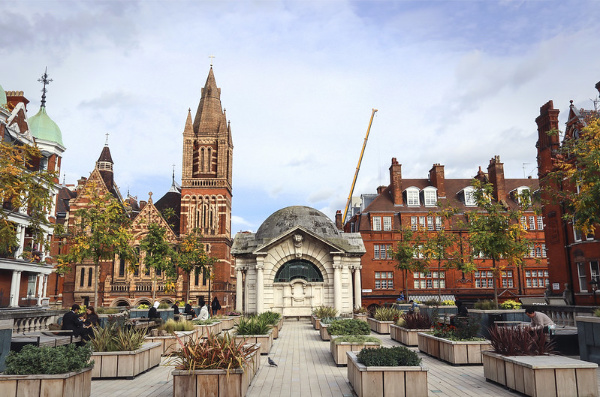
Looking east in the Brown Hart Gardens with the Ukrainian Catholic Cathedral in the background. PICTURE: Kotomi_ (licensed under CC BY-NC 2.0)

This elevated 10,000 square foot garden, located between Duke and Balderton Streets in Mayfair on the Grosvenor Estate, actually sits over the top of an electricity substation.

The now Grade II-listed substation was built in the early 20th century and the garden, which opened in 1906, was designed by Sir Charles Stanley Peach (also the designer of Wimbledon’s Centre Court) to provide some open space in what was then a working class residential area (not to mention its role disguising the substation below).

The garden replaced one which had formerly occupied the substation site and it was apparently at the insistence of the then-Duke of Westminster that the paved Italian-style garden be created following the demolition of the old garden.

It features a Portland stone domed gazebo and steps at either end.

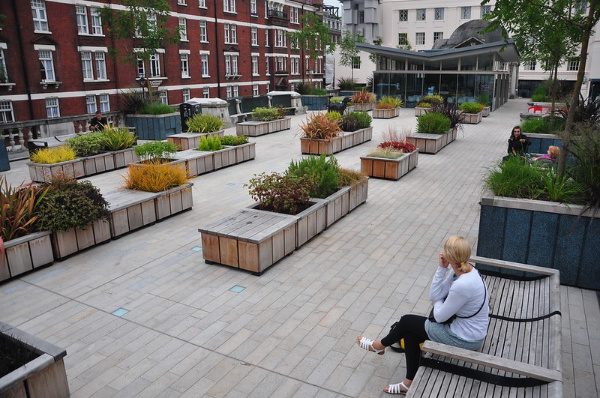
Looking west in the gardens towards the cafe. PICTURE: Andy Thornley (licensed under CC BY 2.0)

The garden deck remained open until 1980 when it was closed by the London Electricity Board. It reopened in October, 2007. A refurbishment project several years later saw the addition of a glass-walled cafe at the western end and other improvements including new planter boxes, seats and a new water feature.

The surrounding housing blocks were built in the late 19th century to replace the poor housing that had previously existed and since 1973 have been under the care of the Peabody Trust.

WHERE: Brown Hart Gardens, Duke Street, Mayfair (nearest Tube stations are Bond Street and Marble Arch); WHEN: Daily, 8am to 8pm; COST: Free; WEBSITE: www.grosvenor.com/property/property-uk/brown-hart-gardens.