This Week in London – ‘The Favourite’ costumes at Kensington; contemporary portraiture; and, Artemisia Gentileschi’s self portrait…

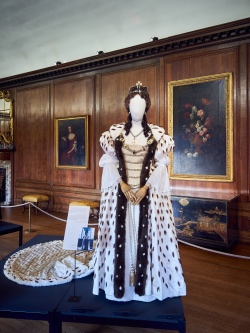
Costumes from a new film about Queen Anne, The Favourite, have gone on show at Kensington Palace where the Queen once lived. The film, directed by Yorgos Lanthimos, explores the relationships and power struggles between the Queen (played by Olivia Coleman) and two of her closest female attendants – Lady Sarah Churchill (Rachel Weisz) and Lady Churchill’s impoverished cousin turned chambermaid, Abigail (Emma Stone). The costumes have been designed by three-time Oscar winner Sandy Powell who worked with Fox Searchlight Pictures and Historic Royal Palaces in creating the display in the Queen’s Gallery, once used by Queen Anne and her husband for exercise when the weather was bad. The display can be seen until 8th February. Admission charge applies. The Favourite opens in the UK and Ireland on 1st January. For more, see www.hrp.org.uk/kensington-palace/. PICTURE: © Historic Royal Palaces/Michael Bowles

Previously unseen portraits of Amy Winehouse and Sir Kenneth Branagh and newly acquired portraits of explorer Sir Rannulph Fiennes, astronaut Tim Peake and British Museum director Neil MacGregor have gone on show at the National Portrait Gallery. The portraits, which also include photographs from the Duke and Duchess of Sussex’s wedding in May this year, form part of a major new display of the gallery’s contemporary collection which features works produced from the year 2000 until today. Sitting alongside the collection is a new exhibition of works by artist Njideka Akunyili Crosby from her series The Beautyful Ones – comprised of portraits of Nigerian youth, including some members of her own family. Admission is free and The Beautyful Ones display can be seen until 3rd February. For more. see www.npg.org.uk.

A recently discovered rare self portrait of Artemisia Gentileschi, the most celebrated female artist of the Italian Baroque, has gone on show at the National Gallery. Self Portrait as Saint Catherine of Alexandria (1615-17), which was acquired by the gallery in July, 2017, can be seen in the Central Hall of the gallery after going through a five month conversation and restoration process which was documented in a series of short films shared on social media via #NGArtemisia. In March, the painting will leave the gallery on a “pop-up” tour of unexpected venues across the UK. A major exhibition of Gentileschi’s work is planned at the National Gallery in 2020. Admission to see the painting is free. For more, see www.nationalgallery.org.uk.

Send all items for inclusion to exploringlondon@gmail.com.

LondonLife – Christmas comes to ZSL London Zoo…

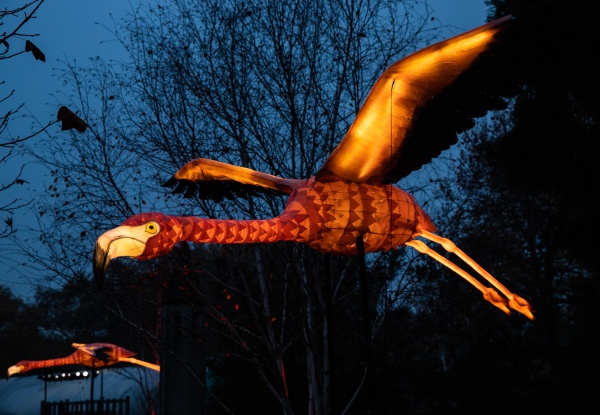
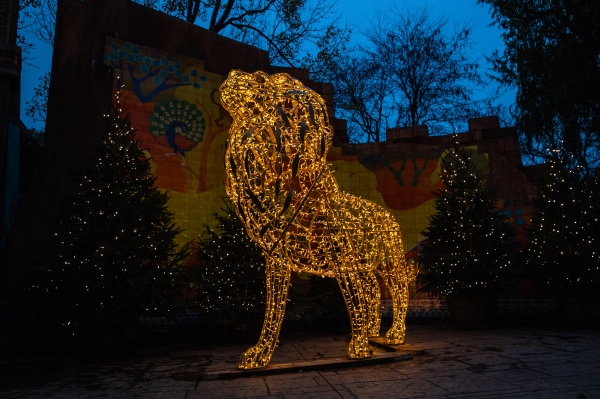
Christmas has arrived at ZSL London Zoo with a series of light sculptures illuminating a mile long festive trail. More than a million pea lights have been used in the first show of its kind at the zoo which taking a month to build, features 200 visual displays including a pair of giant golden giraffes (above), an 11 metre tall Christmas tree made of recycled Christmas sledges (below) and two illuminated flying flamingoes (below). Historic zoo buildings have been lit up as well, including the Grade I-listed Penguin Pool and the historic Mapping Terraces. The trail, which circles the zoo’s 36 acre site so as not to wake up the sleeping animals, has been created in partnership with Raymond Gubbay Limited and designed by Culture Creative. It can seen on selected nights until 1st January. Admission charge applies. For dates and times, see  christmasatlondonzoo.co.ukPICTURES: ZSL London Zoo.


LondonLife – Remembrance Sunday marks 100 years since the guns fell silent…

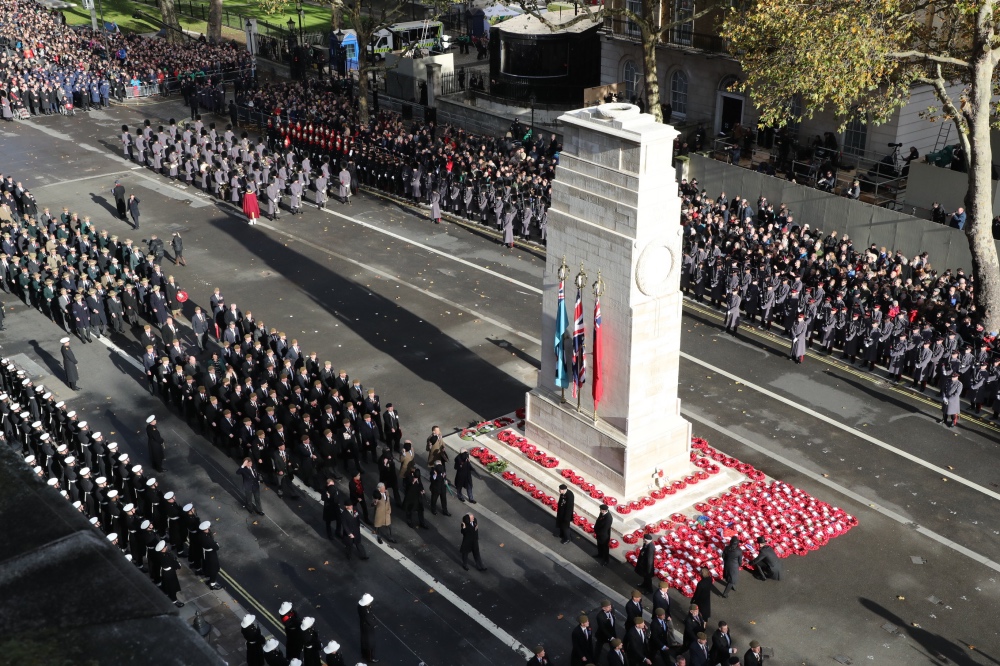
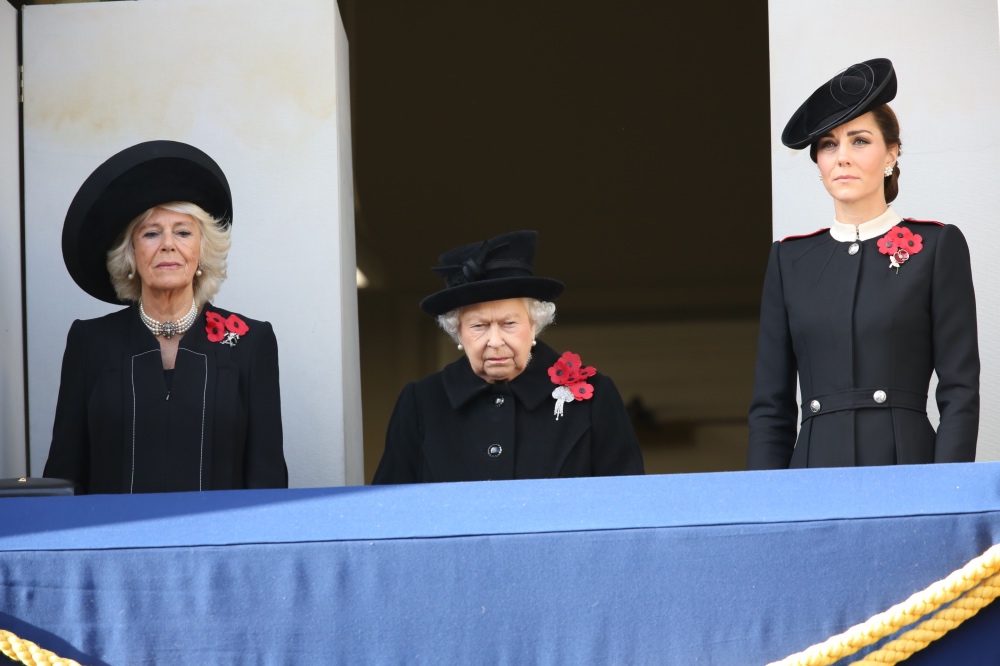
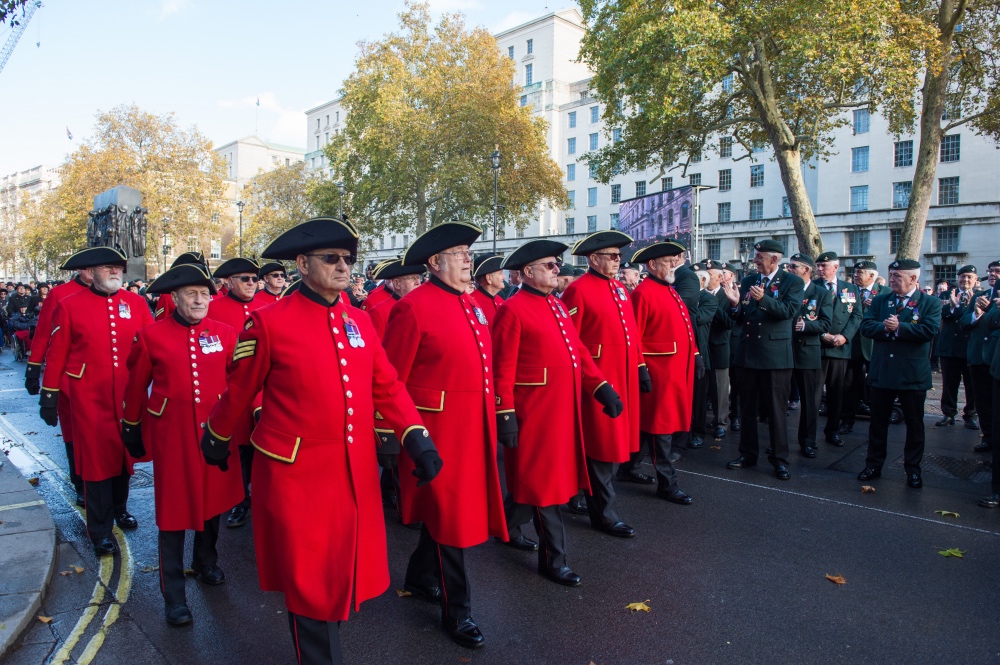
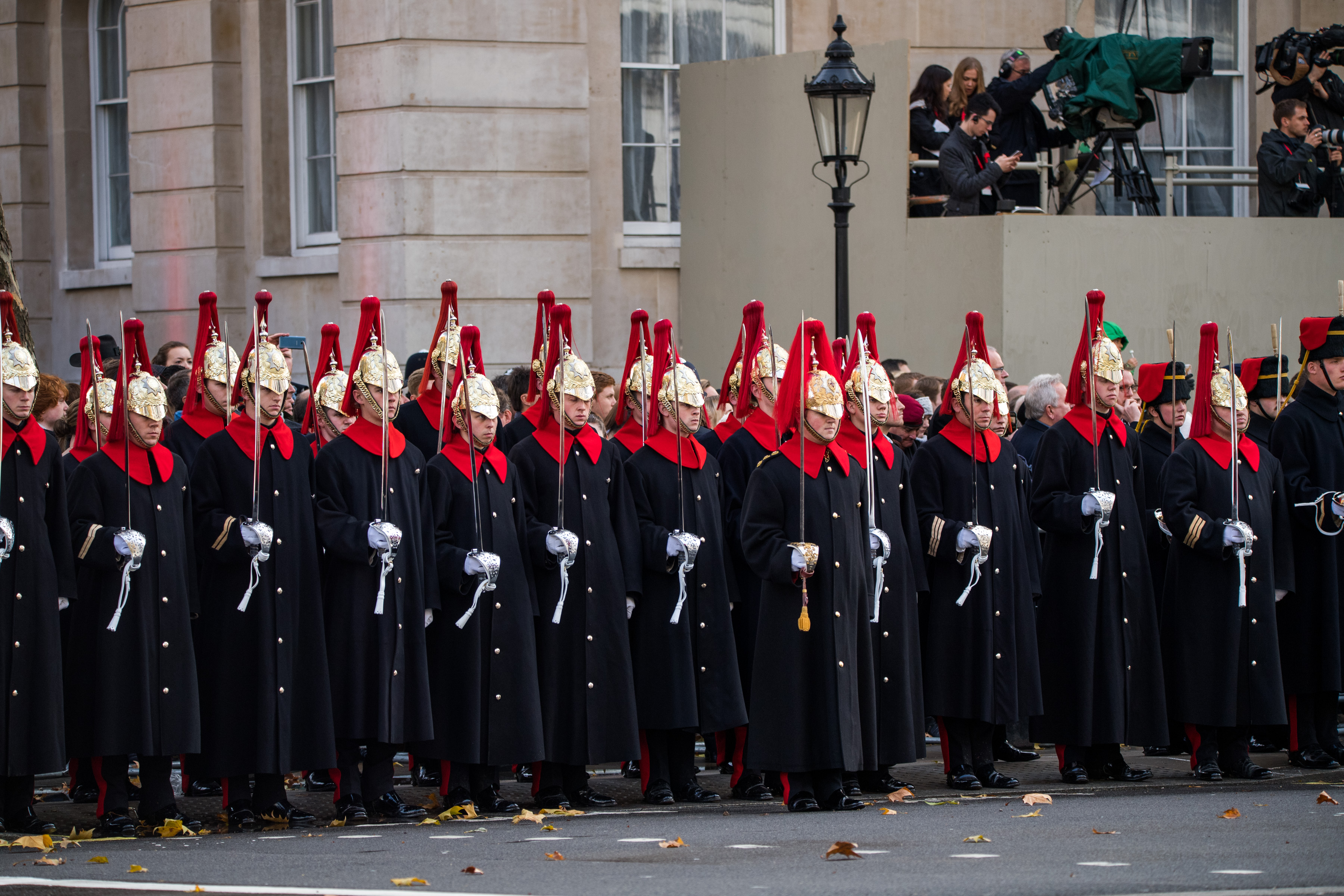
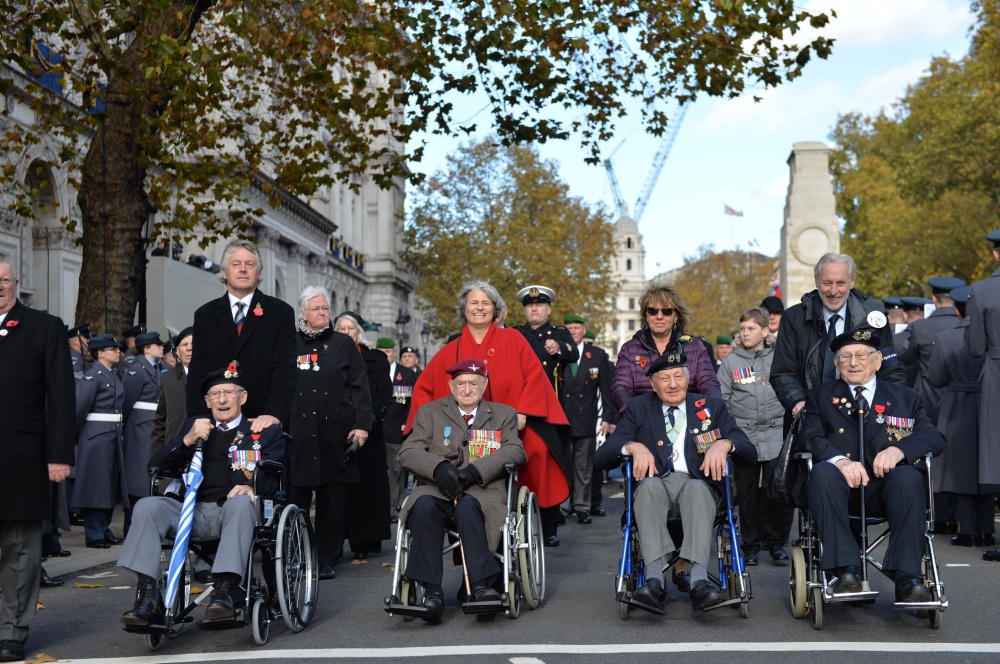
Thousands of people, including Queen Elizabeth II and members of the Royal Family, attended Whitehall on Sunday to take part in the National Service of Remembrance, this year marking 100 years since the end of World War I. The event included two minutes silence at 11am and wreaths were laid at the base of the Cenotaph to commemorate the servicemen and women killed in all conflicts from the World War I onwards. In an historic first, German President Frank-Walter Steinmeier laid a wreath during the ceremony. Following the service, a procession involving 10,000 members of the public who were selected by a ballot marched past the monument and through London. ALL PICTURES: Crown Copyright/Ministry of Defence.

LondonLife – Scientific achievement celebrated in new Quentin Blake wall at the Science Museum

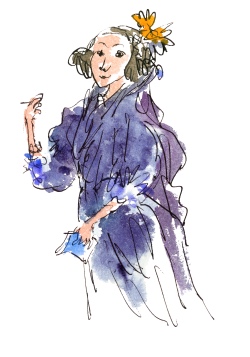
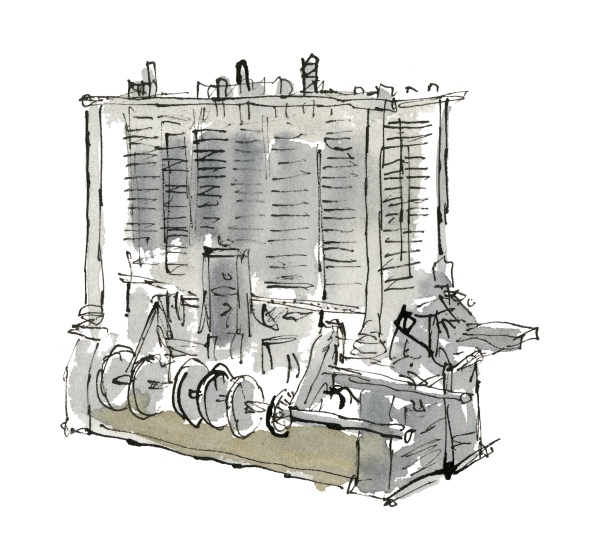
A new work by acclaimed illustrator Sir Quentin Blake has gone on show in the Science Museum in South Kensington. The work, which hangs on the external walls of Wonderlab: The Equinor Gallery, features five panels featuring some 20 women and men from the world of science of technology including the “enchantress of numbers”, mathematician Ada Lovelace (1815-1852 – pictured right; her ‘analytical machine’ is below), polymath Jagadis Chandra Bose (1858-1937) – the first scientist to use a semiconductor to detect radio waves, Sir Richard Arkwright (1732-1792) – pictured with his ground-breaking spinning machine, and pilot Amy Johnson (1903-1942) – pictured alongside the De Havilland Gipsy Moth in which she made the first solo flight from Britain to Australia. London-born Blake, who had his first cartoons published in Punch when just 16-years-old, is most famous for his illustrations in children’s books including in works by Roald Dahl and David Walliams. For more on the Science Museum, head to www.sciencemuseum.org.uk.

LondonLife – A new window for the Queen…


A new stained glass window depicting bright country scenes was unveiled in Westminster Abbey last week in honour of Queen Elizabeth II.
The Queen’s Window, located in the south transept overlooking Poet’s Corner, is the work of world-renowned artist David Hockney and was commissioned by the Dean and Chapter of Westminster to celebrate her reign. The work is Hockney’s first in stained glass and features a Yorkshire scene with hawthorn blossom which uses his distinct colour palette of yellow, red, blue, pink, orange and greens. “The subject reflects The Queen as a countrywoman and her widespread delight in, and yearning for, the countryside,” the abbey said in a statement. The window was created by York-based stained glass artists Barley Studio to Hockney’s designs. Other artists who have completed stained glass works in the abbey include Sir Ninian Comper, Hugh Easton and John Piper with the last stained glass windows, by Hughie O’Donoghue, installed in the Lady Chapel in 2013. PICTURE: Alan Williams/Westminster Abbey

LondonLife – The life within revealed…

Looking at Two St Pancras Square. PICTURE: Dylan Nolte/Unsplash

10 (lesser known) memorials to women in London – 9. Anna Pavlova…

This statue of famed ballerina Anna Pavlova (1881-1931) is actually a replica of an original which was first installed here atop the cupola of the Victorian Palace Theatre, in Victoria Street in the West End, in 1911.

Commissioned by the theatre’s owner, Alfred Butt, it had been installed to mark Pavlova’s London debut. The ballerina, who had started her career in Russia, moved to settle in Ivy House in Golders Green in 1912 and subsequently went on to tour the world.

It is believed that the gilded statue was the work of the theatre’s architect, Frank Matcham. Larger than life-sized (although that’s hard to ascertain given its lofty position), it depicts Pavlova in a classical tutu standing on one leg in what’s known as the “arabesque” position.

The story goes that the superstitious dancer hated the idea of the statue and always refused to look at it, even pulling closed the curtains on her cab when passing.

It was removed for safe-keeping in 1939 following the outbreak of World War II but apparently lost soon after.

The replica, which was created by Hary Franchetti  based on photographs, was reinstalled in 2006. The fate of the original remains a mystery.

PICTURES: Top – amateur_photo_bore (licensed under CC BY-NC-ND 2.0); Below – David Adams.

LondonLife – The dragons have returned to Kew…

More than 200 years after they disappeared, the dragons have returned to Kew Garden’s Great Pagoda. The 10 storey octagonal pagoda – which, as we reported, reopened to the public in July after a four year, £5 million restoration project by Historic Royal Palaces in conjunction with the Royal Botanic Gardens, Kew – was built in 1762 to the designs of Sir William Chambers and was a birthday gift for Princess Augusta, founder of the gardens. Used by the Georgian Royal Family to entertain visitors, it was famously adorned with 80 brightly coloured dragons but these disappeared in the 1780s. Rumours suggested they were used as payment for the Prince Regent’s gambling debts but apparently the truth is more banal – Chambers took them off when he restored the building in 1784 and they were found to be rotten. But they’re back (some of the new dragons are gilded with real gold and while some are hand carved from cedar, others were reportedly made on a 3D printer) and to celebrate their return (and the reopening of the pagoda to the public for the first time in decades, complete with a 253 step climb), we today publish some images. Admission charge applies. For more, see www.kew.org/kew-gardens/whats-on/climb-the-great-pagodaPICTURES: © Richard Lea-Hair – Historic Royal Palaces.

10 (lesser known) memorials to women in London – 8. Virginia Woolf…

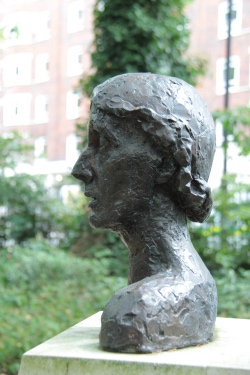
Located in Tavistock Square in Bloomsbury, this bronze bust of writer and literary pioneer Virginia Woolf (1882-1941) was erected in 2004.

Commissioned by the Virginia Woolf Society of Great Britain, it is a copy of a bust of Woolf sculpted by Stephen Tomlin in 1931 (there is a 1953 version of the work, apparently the only 3D representation of Woolf taken from life, in the National Portrait Gallery) and was set on a Portland stone plinth designed by Stephen Barkway.

A plate on the plinth explains that Woolf, a central figure in the Bloomsbury group of writers and artists, lived from 1924 to 1939 in a house which once stood on the south side of Tavistock Square, the period when her greatest novels were written.

It also features a quote from Woolf concerning the writing of her novel To the Lighthouse – “Then one day walking round Tavistock Square I made up, as I sometimes make up my books, To the Lighthouse; in a great, apparently involuntary, rush.”

There are, incidentally, plans to erect a new life-sized, seated statue of Woolf at Richmond on the bank of the River Thames. Woolf and her husband Leonard lived for a time the riverside borough at Hogarth House (where they also ran their publishing company).

Mock-ups have been created by artist Laury Dizengremel and there is a funding appeal to raise £50,000 currently underway.

PICTURE: Maureen Barlin (licensed under CC BY-NC-ND 2.0)

10 (lesser known) memorials to women in London – 7. Catherine Booth…

Located at Denmark Hill in south London, this statue of Catherine Booth (1829-1890), co-founder of the Salvation Army, was apparently dedicated twice.

The first dedication took place in 1929, the centenary of her birth, and the second the following year when an accompanying statue of her husband William Booth – they stand on either side of the entrance to the Salvation Army’s William Booth Memorial Training College, designed by Sir Giles Gilbert Scott (he also designed the statue plinths), on Champion Park  – was also being dedicated.

The work of George Edward Wade, the bronze statue depicts Booth in her Salvation Army uniform – complete with bonnet – and has her holding a Bible pressed to her heart and reaching out with an open hand. Her husband William is also shown in his uniform, preaching from an open the Bible.

An inscription on the granite plinth below describes her “The Army Mother”. The larger than life statue was cast at the Morris Art Bronze Foundry.

There are, incidentally, exact replicas of both statues in Mile End Road in London’s east. Donated by the women of the Salvation Army in the US, that of William was unveiled in 1979 and that of Catherine a later addition, unveiled in 2015 on the 150th anniversary of the creation of the Salvation Army.

The statues are located close to the site where the Booths commenced the work of the Salvation Army in July, 1865.

PICTURE: R Sones (licensed under CC BY-SA 2.0/Image cropped)

Treasures of London – Nelson Mandela memorial stone…

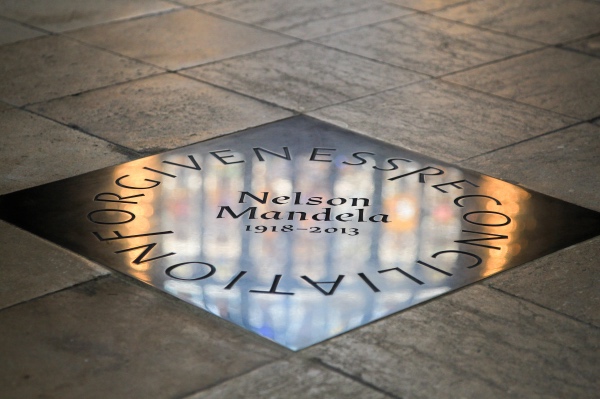
A memorial stone commemorating Nelson Mandela was dedicated at Westminster Abbey on the centenary of his birth this week.

Mandela, who spent 27 years in South African prisons and played a key role in bringing an end to apartheid before serving as President between 1994 and 1999, died in 2013.

The stone, which is located in the floor of the abbey’s nave, was dedicated in a ceremony on 18th July attended by Nomatemba Tambo, the High Commission for South Africa, and Zamaswazi Dlamini-Mandela, granddaughter of Nelson Mandela.

The stone, made of black Belgian marble, was designed and cut by Nicholas Stone. It bears an inscription reading ‘Nelson Mandela 1918-2013’ encircled by the words ‘reconciliation’ and ‘forgiveness’.

Mandela is the first South African to be commemorated with a memorial stone in Westminster Abbey. But a statue of South African martyr Manche Masemola stands over the church’s western entrance and Joost de Blank, former Archbishop of Cape Town, is buried outside St George’s Chapel.

A service of thanksgiving for the life of Mandela was held at the Abbey on 3rd March 2014.

Other monuments to Nelson Mandela in London include a bust located in South Bank and a statue located in Parliament Square.

PICTURE: Courtesy of Dean & Chapter of Westminster

10 (lesser known) memorials to women in London – 5. Ada Salter…


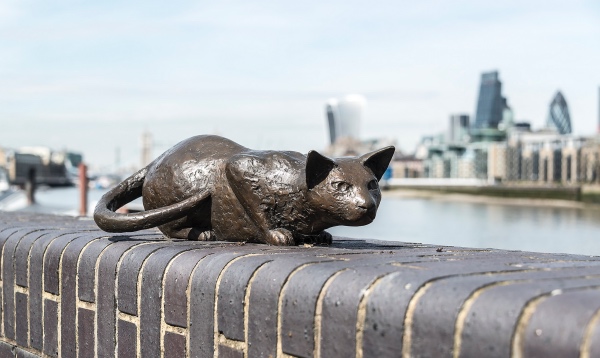
Since 1991, a statue of Dr Alfred Salter (as well as his daughter Joyce and cat) had sat on the south bank of the River Thames in Bermondsey.

But after the statue of Dr Salter – MP for Bermondsey for many years – was stolen in 2011 (presumably for scrap value) and the statues of Joyce and the cat subsequently put into storage, it was decided to reassemble the group but this time adding in a new figure – that of Dr Salter’s wife Ada, whose story was certainly as significant as his.

A social reformer, environmentalist and pacifist, Ada Salter (1866-1942) was co-founder and president of the Women’s Labour League, one of the first women councillors in London (she was elected to Bermondsey in 1909) and, on being appointed Mayor of Bermondsey in 1922, the first woman mayor in London and the first Labour woman mayor in Britain.

In 1931, she was elected chair of the National Gardens Guild. Together the couple, who were both Quakers, dedicated much of their lives to helping the people of Bermondsey, regenerating slums, building model housing and planting thousands of trees.

A campaign was subsequently launched to raise funds to replace the statue of Dr Salter and install a new one of Ada and, on raising £120,000 (the £60,000 raised was matched by Southwark Council), artist Diane Gorvin, who had designed the original statue of Dr Salter, was commissioned to make them.

The resultant statues – known collectively as ‘The Salter Statues’ and ‘Dr Salter’s Daydream’ – were unveiled where the previous grouping had been found at Bermondsey Wall East near the Angel pub, in November, 2014.

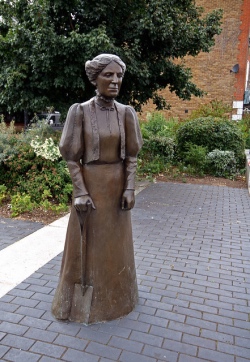
While Dr Salter sits on a granite bench looking toward the river and his daughter Joyce, who leans against the river wall watched by the family cat, Ada stands nearby – also looking at her daughter – but with a spade in her hand.

Writes the artist: “The idea was to show Dr Salter in old age remembering  his young daughter when she was still alive. Ada is represented with a spade as she was so instrumental in tree and planting schemes for Bermondsey. Her left hand is designed to hold real flowers. It was important to celebrate the work of this couple who dedicated their lives to helping the local community.”

There’s a poignant aspect to the statues in that Joyce, the couple’s only child, had died at the age of eight from scarlet fever in 1910.

Ada Salter also has a garden named after her in Southwark Park.

PICTURE: Top – Loz Pycock (licensed under CC BY-SA 2.0 – image cropped and lightened); Right – Marc Pether-Longman (licensed under CC-BY-NC-ND-2.0); Below – Steve James (licensed under CC-BY-NC-ND 2.0).

LondonLife – More new benches for City of London…

As we reported last Thursday, a series of specially designed new benches have been rolled out across the City of London as part of this month’s London Festival of Architecture. We loved the designs so much, we thought we’d show you some of the others. Above is Nicholas Kirk Architects’ Money Box which, located outside London Bridge Station, is formed of 45,000 stacked pennies while immediately below is McCloy + Muchemwa’s A Bench for Everyone. Located Inside One New Change, its folded shape is designed to evoke the “memory and much-loved comforts of home furniture”. The festival runs until the end of the month. PICTURES: All images © Agnese Sanvito

Above – Mariya Lapteva’s City Ghosts which, located in front of the Royal Exchange, is inspired by the history of the area including East India House and the little shopfronts along Leadenhall Street.

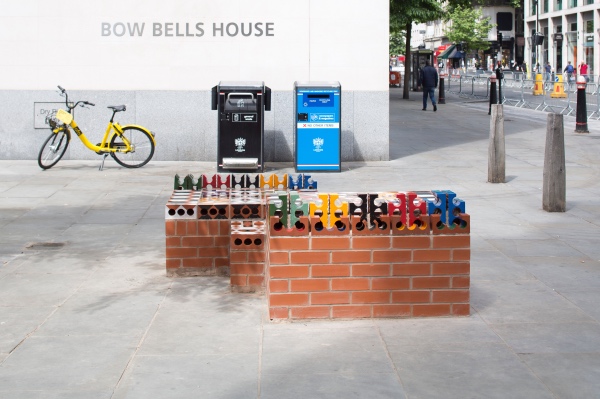
Above – Maria Gasparian’s Ceramic City Bench in Bow Church Yard featuring colours inspired by the “multi-layered context of the City of London that has for centuries been a place for trade, exchange and religious diversity”.

Above – Mills Turner’s Double Bench in Fen Court has been designed to be easy to assemble and adjustable and features an “organic silhouette” which follows the natural curve of the human body.


LondonLife – ‘The London Mastaba’ floats on the Serpentine…

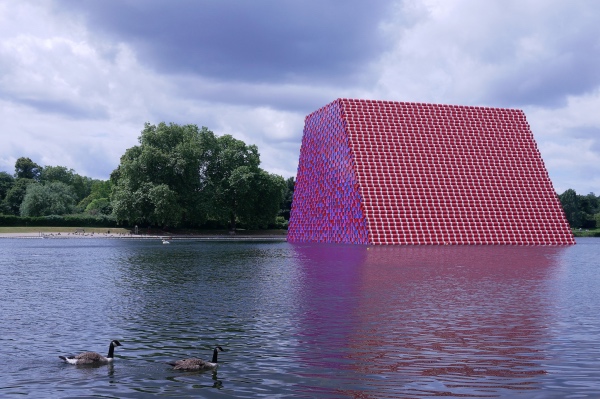
The work of internationally renowned artist Christo, The London Mastaba floats serenely on Hyde Park’s Serpentine, despite the reported ruffled feathers of some swimmers upset over its installation in their pool.

The floating sculpture, which takes up about one per cent of the lake’s surface, is Christo’s first public sculpture created for show in the UK.

Made up of 7,506 multi-coloured and stacked barrels reaching 20 metres high, the sculpture sits on a floating platform of high-density polyethylene cubes which has been anchored into place.

The artwork’s installation coincides with an exhibition of the work of Christo and his late wife Jeanne-Claude’s at the nearby Serpentine Gallery in Kensington Gardens.

Christo & Jeanne-Claude: Barrels and The Mastaba 1958-2018 features sculptures, drawings, collages and photographs spanning more than 60 years and, according to Christo will provide “important context” for The London Mastaba.

The exhibition can be seen at the gallery until 9th September. Meanwhile, the sculpture will be floating on the Serpentine, weather permitting, until 23rd September.

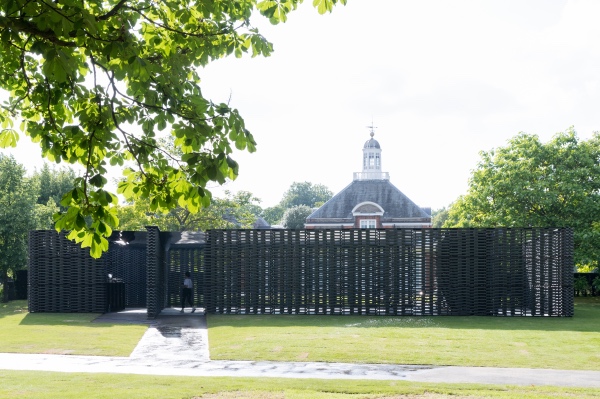
And finally, the Serpentine Gallery’s annual temporary pavilion – this year the work of Mexican architect Frida Escobedo, of Taller de Arquitectura – can be seen until 7th October at the Kensington Gardens’ gallery. For more information on all three projects, see www.serpentinegalleries.org.

PICTURES: Top – The London Mastaba (pinn/licensed under CC BY-NC-ND-2.0); Right – Christo, The Mastaba (Project for London, Hyde Park, Serpentine Lake), Collage 2018: 43.1 x 55.9, Pencil, wax crayon, enamel paint, colour photograph by Wolfgang Volz, map, technical data, mylar and tape, Photo: André Grossmann © Christo 2018; Below – Serpentine Pavilion 2018, designed by Frida Escobedo, Serpentine Gallery, London © Frida Escobedo, Taller de Arquitectura, Photography © 2018 Iwan Baan

Treasures of London – BepiColombo model…


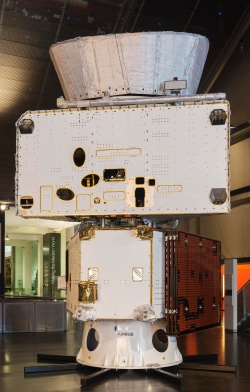
A full-sized engineering model of the BepiColombo, the first ever spacecraft created by the European Space Agency to explore Mercury which is slated to launch in October, went on display at the Science Museum in South Kensington last month.

The more than six metre tall model – officially known as a Structural Thermal Model – was used to test the spacecraft’s resilience to launch vibrations and temperature extremes – as low as -190 degrees Celsius and as high as 400 degrees – during its seven year journey to Mercury.

The Airbus-built model consists of four main parts: Lower Handling Adaptor, the Mercury Transfer Module, the Mercury Planetary Orbiter and the Sunshield.

The model features hand-stitched insulation blankets to protect the BepiColombo’s instruments and electronics from the Sun’s heat and a folded solar panel wing, one of three which will generate the craft’s electrical power.

The display also features an accompanying video with engineers and scientists talking about the craft.

The model is on show until after BepiColombo’s launch in October. The BepiColombo mission is a joint mission between the ESA and Japan Aerospace Exploration Agency.

The display can be seen in the Tomorrow’s World gallery. For more, see sciencemuseum.org.uk/BepiColombo.

PICTURE: Top – Artistic impression of BepiColombo at Mercury © ESA; Right – BepiColombo Structural Thermal Model 5 © Science Museum

LondonLife – New art on the Fourth Plinth…

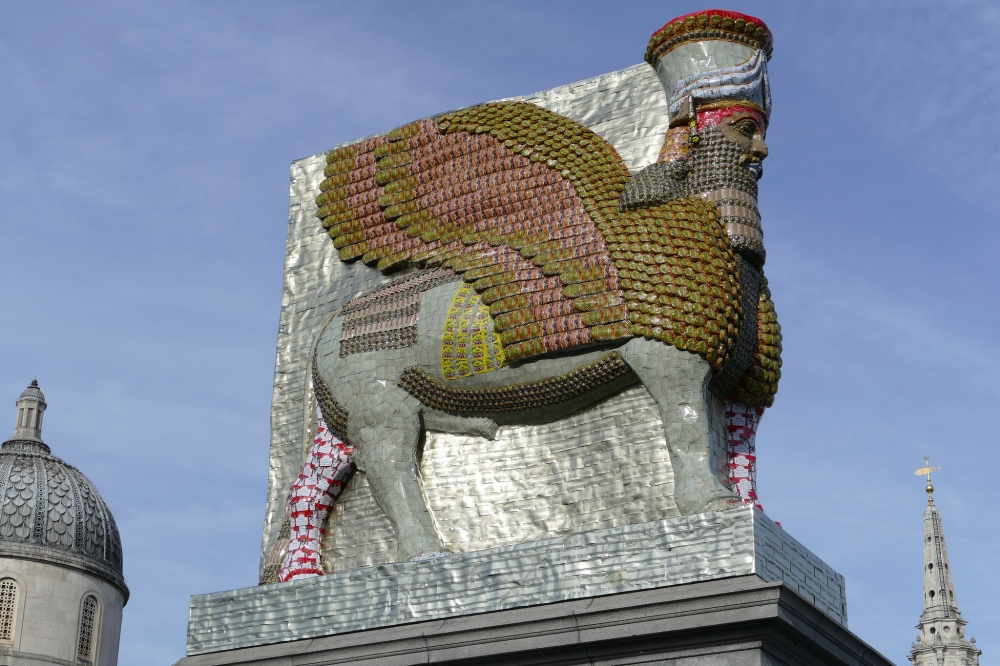
A life-sized copy of Lamassu, a winged deity that stood at Nineveh’s Nergal Gate from 700 BC until the so-called Islamic State destroyed it in 2015, Michael Rakowitz’s work The Invisible Enemy Should Not Exist is the 12th to adorn the Fourth Plinth in Trafalgar Square. The American artist’s work is made from 10,500 empty Iraqi date syrup cans, representative of a once-renowned industry which has been devastated by war in the Middle Eastern nation, while the use of recycled food packaging can be seen as a reference to the recycling of cannons once carried on the HMS Royal George to create the reliefs at the base of Nelson’s Column. Unveiled at the end of March by Mayor of London, Sadiq Khan, the work will remain on the plinth until early 2020.

PICTURE: Loz Pycock/licensed under CC BY-SA 2.0)

10 of London’s modern icons…10. The Shard…


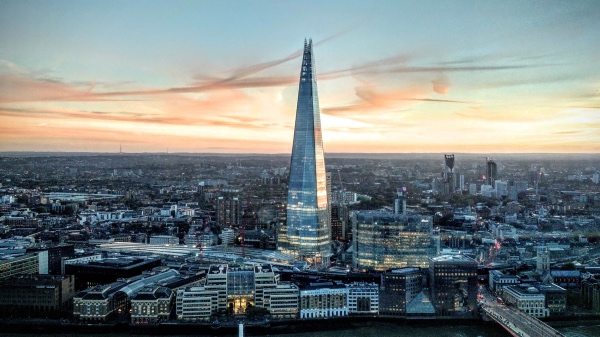
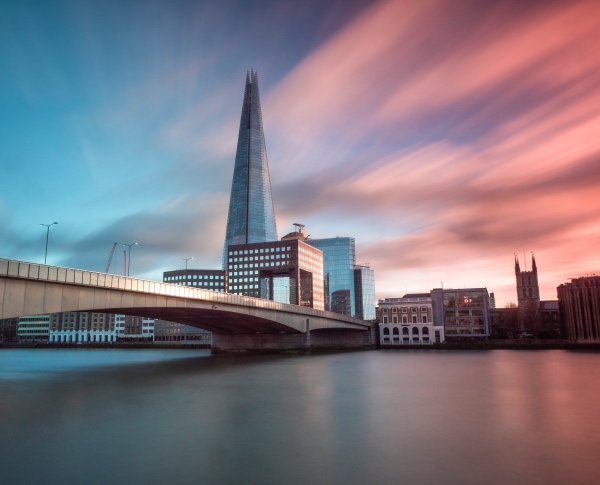
For the final in our series of modern icons of London, we’re looking at the tallest in London (and, at the time it was completed, the tallest in Europe) – the Shard.

Based in London Bridge, the 310 metre high skyscraper, was constructed between 2009 and mid-2012, and inaugurated by Qatar’s Prime Minister, Sheikh Hamad Bin Jassem Bin Jabor Al Thani, and Prince Andrew, the Duke of York, in July, 2012 – an event marked by a light and laser show (late that year, Prince Andrew abseiled down the building in a fund-raising effort for charity).

The observation deck of the building – originally known as London Bridge Tower and often referred to as The Shard of Glass – was opened to the public on 1st February, 2013, in an event overseen by the then Mayor of London, Boris Johnson.

Architect Renzo Piano’s lofty design for the building – first sketched out on the back of a napkin in a Berlin restaurant back in 2000 – was inspired by the London church spires and ship masts as seen in the work of 18th century Venetian painter Canaletto, to appear as a “spire-like sculpture emerging from the River Thames”.

It features eight sloping glass walls – the shards – with gaps or “fractures” between them to provide natural ventilation and a tapered structure to give the impression of lightness and transparency as it disappears into the clouds.

As well as office space, the building’s 72 habitable floors features shops, restaurants and bars, as well as a hotel – the Shangri-La, and apartments. News organisation Al Jazeera is also based in the building.

Located on floors 68, 69 and 72, the visitor attraction, The View from The Shard, offers panoramic views of up to 40 miles from an indoor viewing platform and the open air Skydeck (as well as the view, there are also virtual reality experiences available on the Skydeck for an additional cost).

The Shard – which attracted a million visitors in its first year alone – remained the tallest building in Europe until November, 2012, when it was surpassed by Moscow’s Mercury City Tower (it is still the tallest building in the European Union).

We’ll be kicking off a new special Wednesday series after Easter.

WHERE: The View from the Shard, Joiner Street (nearest Tube station is London Bridge); WHEN: Times vary, so check the website for details; COST: Pre-purchased timed and dated tickets range from £22.95 for adults/£16.95 for children aged four to 15 (check website for further details); WEBSITE: www.theviewfromtheshard.com.

PICTURES: Top: The Shard (Fred Mouniguet/Unsplash); Below – The Shard from the Thames (Matt Holland/Unsplash).


Treasures of London – St Lawrence and Mary Magdalene Drinking Fountain…

Now located just outside St Paul’s Cathedral at the eastern end of Carter Lane Gardens, this Gothic Victorian drinking fountain once stood near the Church of St Lawrence Jewry close by Guildhall. 

Designed by architect John Robinson and featuring bronze sculptural work by Joseph Durham, the now Grade II-listed fountain was paid for jointly by the parishes and St Lawrence and St Mary Magdalene.

One of many fountains erected from the 1850s onwards to provide free, clean water to the city’s residents, it features statues of both St Lawrence – holding the grid iron on which tradition holds he was martyred – and of St Mary Magdalene – holding a cross with a skull at her feet – set in two of four niches in an elaborate canopy. The remaining two niches, now empty, are believed to have once held the names of past benefactors of the churches.

Below the canopy is another niche, from the back of which water streams out into a dish when a button is pushed. The water stream brings an extra dimension to a relief carving depicting a scene from the Biblical book of Exodus in which Moses is striking a rock at Horeb to bring forth water while, beside him, a woman holds a cup to the lips of her child.

The fountain was originally installed to the north of St Lawrence Jewry in Church Passage in 1866 and remained there for more than a century until, in 1970, the redevelopment of Guildhall Yard meant it had to be moved. It was dismantled into about 150 pieces and put into storage in a barn in Epping with the idea that it would be re-erected.

But it wasn’t until 2010 that it underwent an extensive restoration and was placed in its current location.

PICTURE: Top – Another Believer (image cropped); Right – Jordiferrer. Both licensed under CC BY-SA 4.0

This Week in London – #LondonUnited; Westminster Abbey watercolours; and, celebrating ‘numismatics’…

The anniversaries of the four terrorist attacks which took place in London last year – in Westminster, at London Bridge, Finsbury Park and Parsons Green – are being marked from today with a 3D installation on the map area at City Hall. The public are able to pay their respects by signing a digital “book of hope” and interacting with the installation by sending messages of strength, hope and resilience using #LondonUnited on social media, with the messages then projected onto a map of London that #LondonUnited will stand on. The installation, which opens today on the anniversary of the Westminster attack, will remain open until 19th June, the anniversary of the attack in Finsbury Park. Further ‘London United’ exhibitions are also planned for later in the year. “These were not only attacks on our city and our country, but on the very heart of our democracy and the values we cherish most – freedom, justice and tolerance…” said Mayor of London Sadiq Khan. “I hope these arrangements will help people to come together and remember those who were killed and injured, to show solidarity and support for their families and friends and the people whose lives have been affected by these tragic attacks. As we enter this period of remembrance and reflection, we stand together as Londoners, united against terrorism and in hope for the future.” The installation will be open from 8.30am to 6pm Monday to Friday, except Bank Holidays. The Westminster attack anniversary is also being marked today with the projection of the phrase #LondonUnited on the Houses of Parliament from dusk until midnight. Further projections will take place on the anniversaries of the other attacks at the sites where they took place. Londoners who may need support, can visit victimsofterrorism.campaign.gov.uk or call 0808 168 9111.

A series of watercolour paintings depicting the interior and precincts of Westminster Abbey have gone on display in the abbey’s chapter house. The paintings, by internationally acclaimed British artist Alexander Creswell, represent, in the words of the Dean of Westminster, the Very Reverend Dr John Hall, “the first time ever a large suite of paintings has been commissioned to capture the stunning architecture and amazing light of the Abbey”. They can seen until 16th May. Entrance to the chapter house in the Abbey’s east cloister is free. For more, see www.westminster-abbey.org/events/events/glimpses-of-eternity. Meanwhile the abbey announced last week that there will be a special service of thanksgiving later in the year for the late theoretical physicist Professor Stephen Hawking, who died on 14th March at the age of 76, during which his ashes will be interred near the grave of Sir Isaac Newton.

Numismatics – the study of coins, medals, banknotes and associated objects – is the focus of a new exhibition opening at the British Museum today. Money and Medals: mapping the UK’s numismatic collections celebrates the work of the Money and Medals Network, which provides advice to British museums, and features objects from six participating institutions. They include a framed set of replica Greek coins dating from the late 19th century, a ‘Magic Money Machine’ which can seemingly transform a roll of blank paper into banknotes, a set of medal miniatures from Henry Hook, who won the Victoria Cross for gallantry at the Battle of Rorke’s Drift, and a selection of Roman coins and replica medals of Louis XIV from the collection of the Armagh Robinson Library, founded by Archbishop Richard Robinson in 1771. The exhibition, which is free, can be found in Room 69a and runs until 30th September. For more, see www.britishmuseum.org.

Send all items for inclusion to exploringlondon@gmail.com.

10 of London’s modern icons…9. 20 Fenchurch Street (The Walkie Talkie)…


Nick-named the ‘Walkie Talkie’ due to its distinctive, top-heavy, bulbous shape, 20 Fenchurch Street is a 38 storey building in the City of London.

Completed in early 2014 after a five year build with the public access areas opening the following year, the building contains 690,000 square feet of office space with the top three floors – reached by an express lift – housing a “sky garden” – described as the city’s “highest public garden” – with specially planted terraces as well as bars, restaurants and a public viewing deck.

Designed by New York City-based Uruguayan architect Rafael Vinoly, the 160 metre high building was controversial from the get-go, both for its impact on the skyline and surrounding streetscapes but also for the way its exterior cladding acted as a concave mirror and focused intense light on streets which lay to the south.

The heat was so intense that it damaged parked cars, leading some wags to dub it the ‘Walkie-Scorchie’ or ‘Fryscraper’, while a newspaper reporter famously fried an egg on the pavement below to demonstrate just how hot it was getting down there. Permanent sun shading was subsequently installed on the tower to deal with the issue.

The building was awarded the dreaded Carbuncle Cup in 2015, an annual award given to the ugliest building of the year, with one of the judges describing it as a “Bond villain tower” and another as a “gratuitous glass gargoyle”.

The building, which continues to draw strong opinions, was reportedly sold last year for a record £1.3 billion.

WHERE: 20 Fenchurch Street (nearest Tube station is Monument); WHEN: Visiting hours for the Sky Garden are 10am to 6pm weekdays and 11am to 9pm weekends (only a limited number of tickets available each day); COST: Free; WEBSITE: https://skygarden.london

PICTURES: Nigel Tadyanehondo/Unsplash