
Spotted in Sloane Square Tube station. PICTURE: John Cameron/Unsplash
Spotted in Sloane Square Tube station. PICTURE: John Cameron/Unsplash
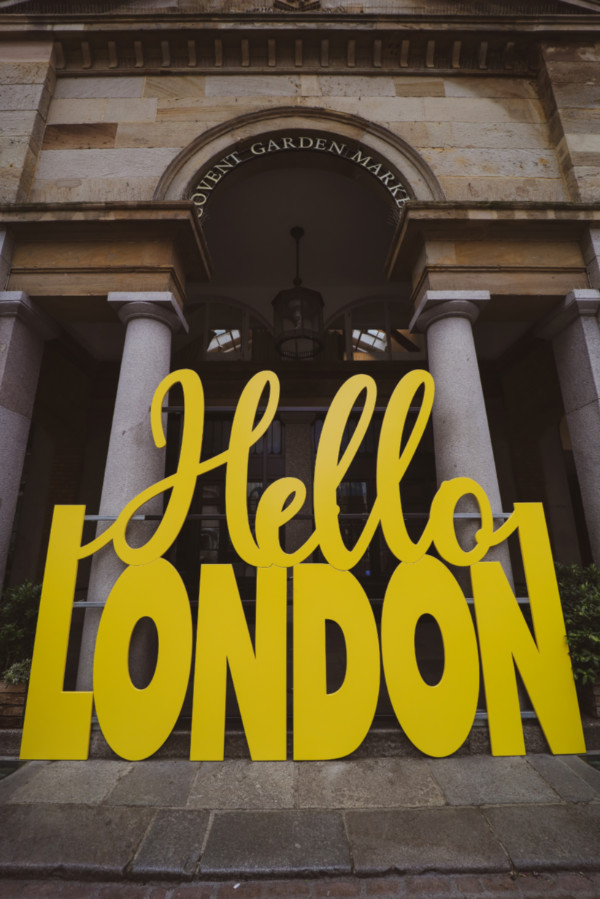
PICTURE: Kevin Grieve/Unsplash
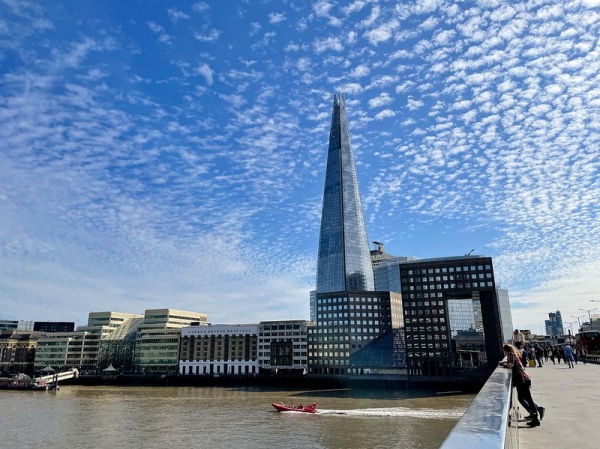
PICTURE: Bex Walton/licensed under CC BY 2.0)

Piccadilly Circus. PICTURE: duncan c (licensed under CC BY-NC 2.0)
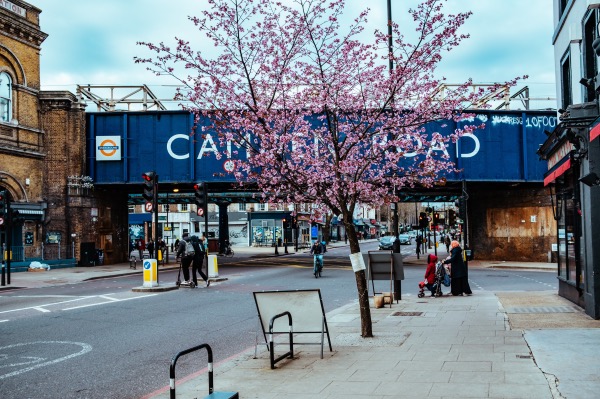
PICTURE: Samuel Regan-Asante/Unsplash
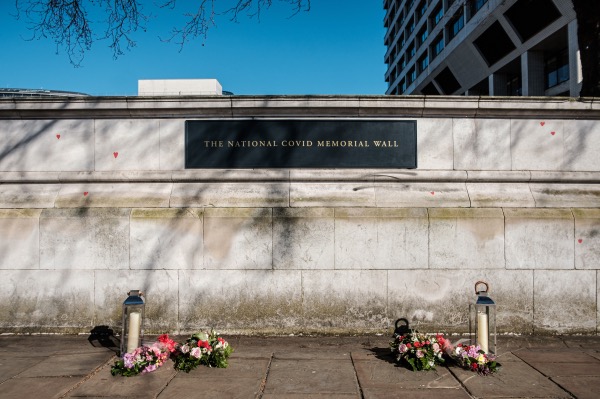
A memorial wall for the victims of the COVID-19 pandemic has been established on The Queen’s Walk outside St Thomas’ Hospital. Bereaved family and friends on Monday began to paint the first of tens of thousands of love hearts – representing those who have died of COVID-19 – on the wall which faces the Houses of Parliament across the Thames. The memorial, which is expected to stretch for hundreds of metres, is the work of the COVID-19 Bereaved Families for Justice group which has called for a public inquiry into how the government has handled the pandemic. Co-founder Matt Fowler, whose 56-year-old father, Ian, died last April, was the first to paint a heart on the wall on Monday. “This is an outpouring of love,” he reportedly said. “Each heart is individually hand-painted; utterly unique, just like the loved ones we’ve lost. And, like the scale of our collective loss, this memorial is going to be enormous.”
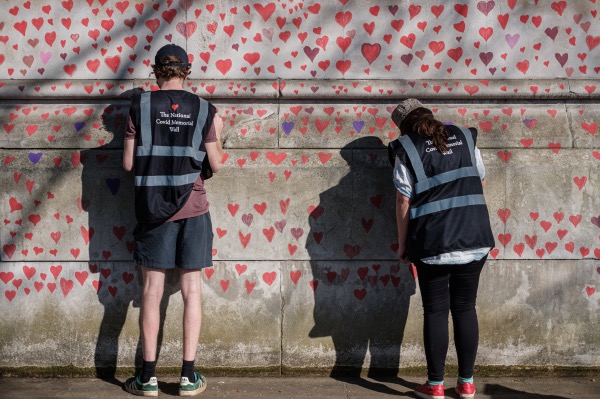
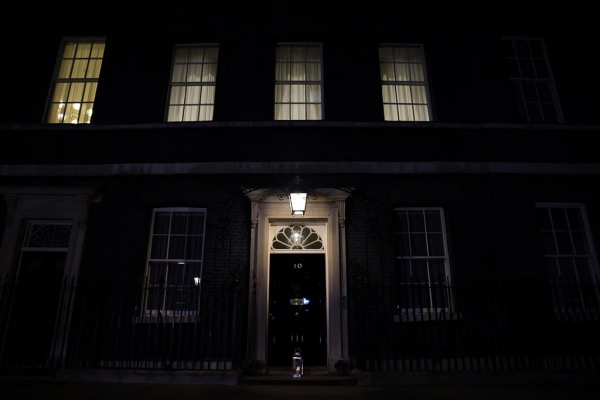
Remembering the more than 126,000 lost. A candle is lit outside 10 Downing Street on Tuesday night to mark the first anniversary of the first national lockdown. PICTURE: Pippa Fowles/No 10 Downing Street.
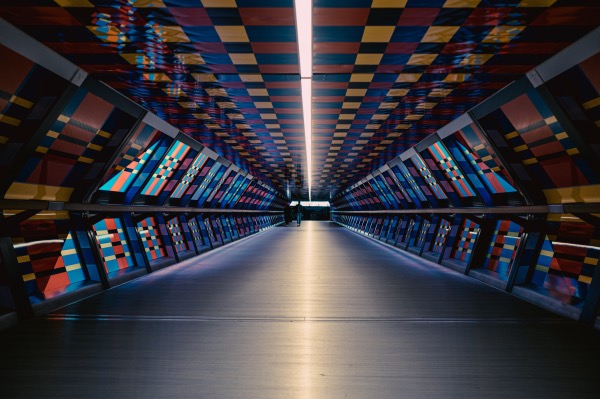
Adams Plaza Bridge, Canary Wharf, Docklands. The colourful crossing, which links Crossrail Place and One Canada Square, was created by artist Camille Walala as part of last year’s London Mural Festival. PICTURE: Samuel Regan-Assante/Unsplash
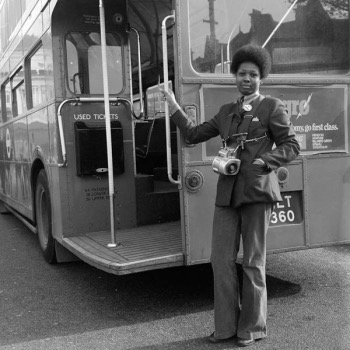
The world observed International Women’s Day on Monday and to mark the occasion, the Museum of London has launched an original video series featuring five female comedians performing short original pieces inspired by objects in the museum’s women’s history archives. The first of the videos features comedian Thanyia Moore responding to a Henry Grant photograph of a female bus conductor from the mid-1970s when London Underground first officially employed women as bus drivers (pictured right). Further videos – which will be rolled out over Women’s History Month – feature comedians Samantha Baines, Jenny Bede, Jen Ives and Leila Navabi responding to objects ranging from a commemorative toilet roll created by First 100 Years to mark a century since the Sex Disqualification (Removal) Act made it illegal to ban people from jobs based on their sex in 1919 (pictured below) to a recruitment letter from Sainsbury’s seeking female staff to work in their shops during World War I. To watch the first of the series head here.

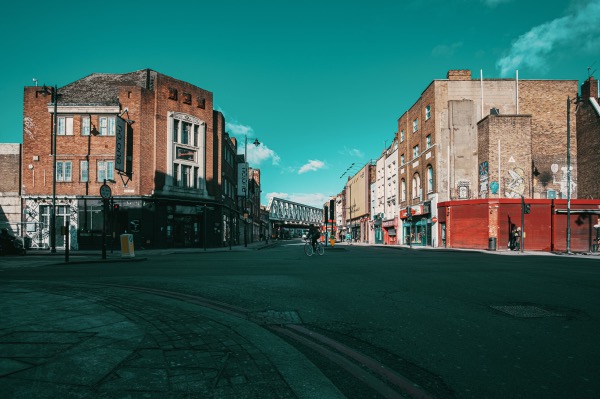
PICTURE: Samuel Regan-Asante/Unsplash.
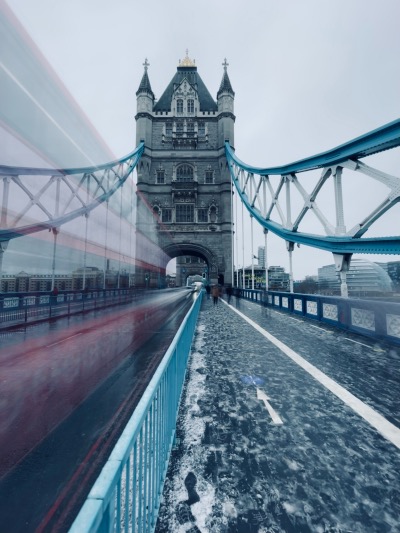
Crossing the Thames on a cold winter’s day. PICTURE: Lubo Minar/Unsplash

Cabot Square, Docklands. PICTURE: Tom Podmore/Unsplash
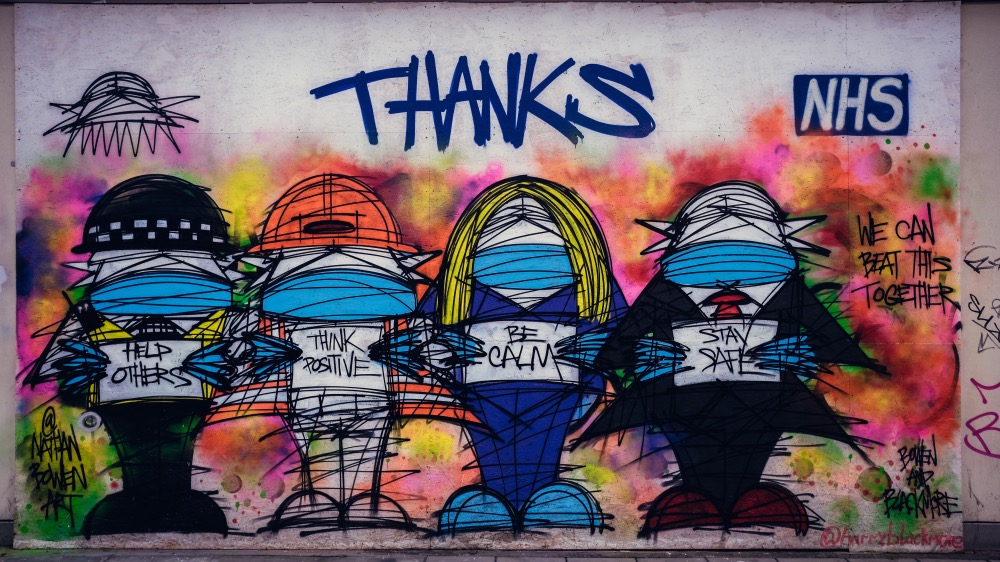
Seen in Oxford Street. PICTURE: Samuel Regan-Asante/Unsplash
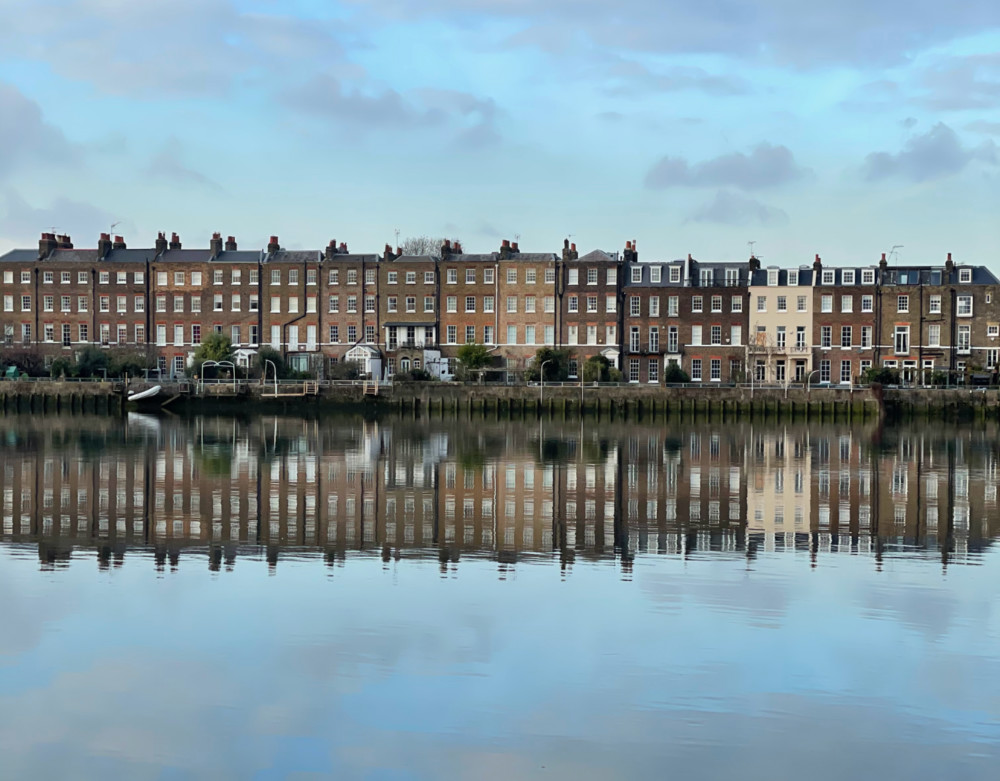

COVID vaccination stickers seen in Putney. PICTURE: John Cameron/Unsplash
The next four in our countdown…
26. 10 iconic London film locations…5. Belle at Kenwood House (but not as you know it)…
25. 10 fictional character addresses in London – 6. Wimbledon Common…
24. Where’s London’s oldest…department store?
23. LondonLife – A rare glimpse inside King Henry V’s chantry chapel…
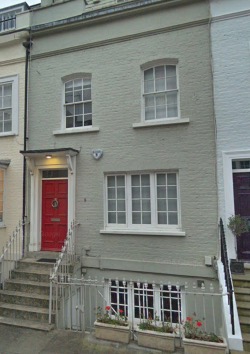
News this week that spy turned novelist John Le Carré has died at the age of 89. His family reportedly confirmed the author had died of pneumonia at the Royal Cornwall Hospital on Saturday night. Born as David Cornwall, Le Carré worked as an intelligence officer for the British Foreign Service and, drawing in his work, began writing Cold War spy thrillers under the pseudonym of Le Carré with his first, Call for the Dead, published in 1961. It was in this novel – Le Carré went on to write others – that his most famous character, George Smiley, made his first appearance. Initially a minor character, Smiley went on to become a star in three novels published in the 1970s, the most famous of which is Tinker Tailor Soldier Spy (Smiley’s last appearance was in a later book, 2017’s A Legacy of Spies). In tribute to Le Carré and George Smiley, pictured is 9 Bywater Street in Chelsea, the fictional home of Smiley (albeit a very real property!)

Artist Chila Kumari Singh Burman has transformed the facade of the Tate Britain with an eye-popping art installation, the fourth in an annual series of outdoor commissions to mark the winter season. The Liverpool artist’s neon work, Remembering a Brave New World, references Hindu mythology, Bollywood, colonial history and family memories. It can be seen until 31st January. For more, see www.tate.org.uk. PICTURE: A Winter Commission – Chila Kumari Singh Burman © Tate (Joe Humphrys)
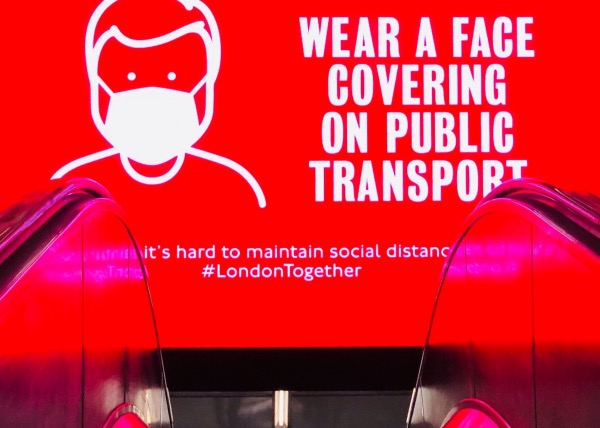
Taken at Bank Underground station. PICTURE: Étienne Godiard/Unsplash

