LondonLife – The Tower and City of London from another angle…


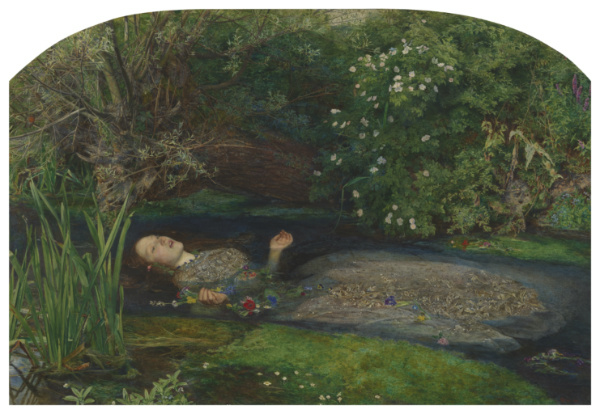
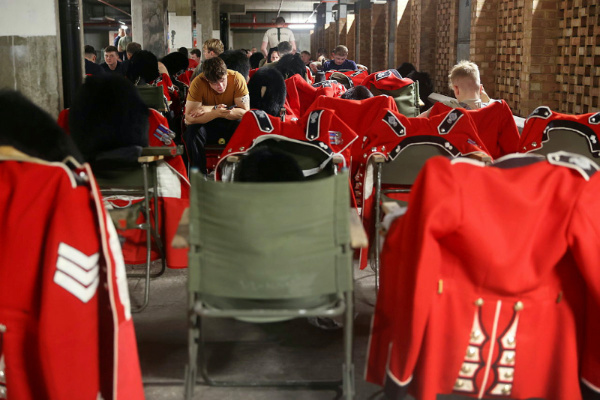
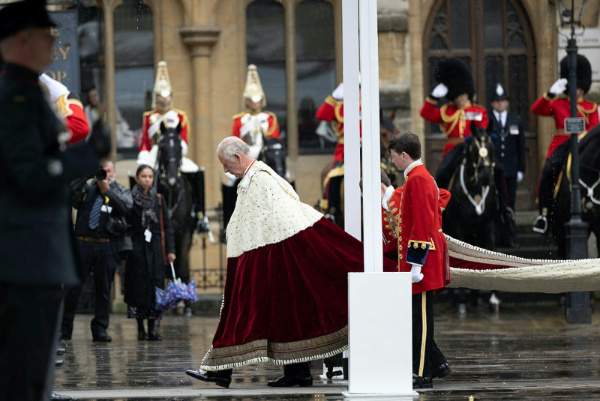
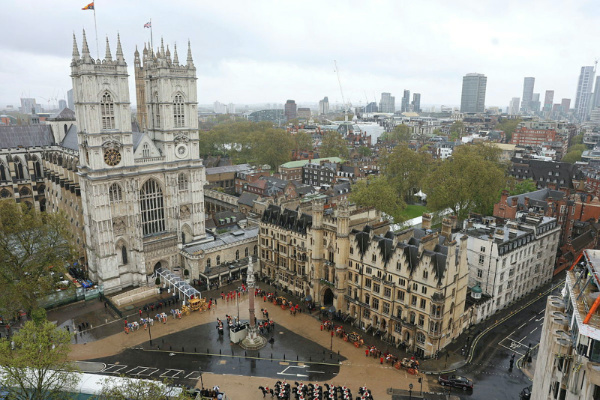
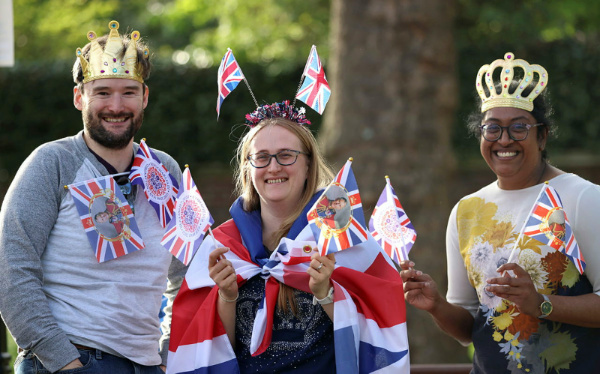
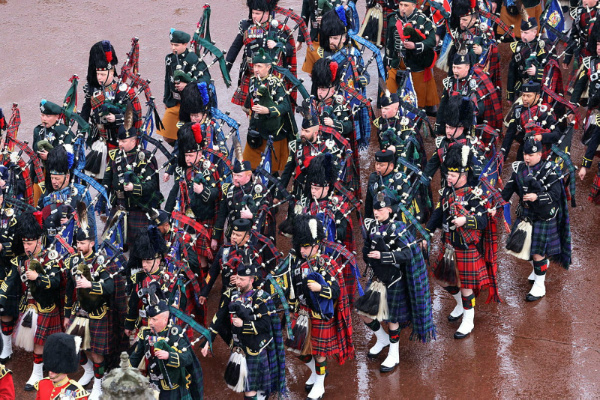
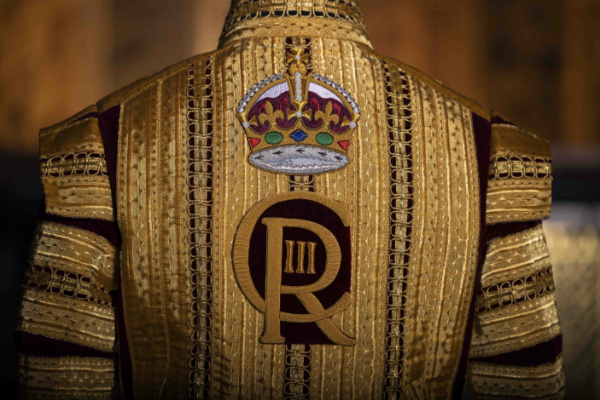
Some more images from the coronation of King Charles III and Queen Camilla on the weekend…


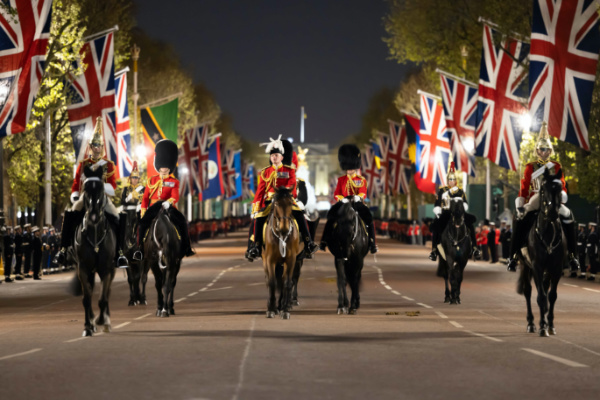
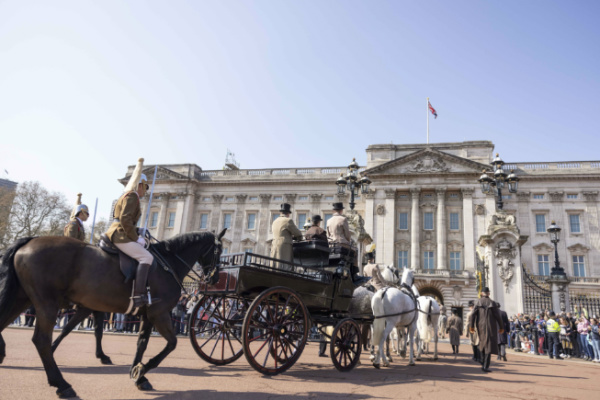
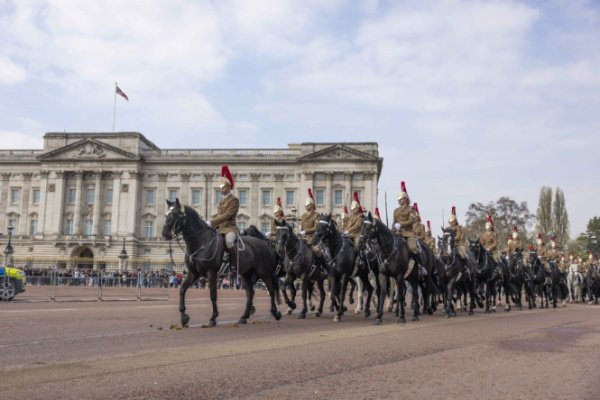
• It’s Coronation weekend in London, so first up it’s a look at the Coronation Procession. The 1.42 mile route from Buckingham Palace to Westminster Abbey, which opens for viewers at 6am on Saturday, will see the procession – with King Charles III and Queen Camilla travelling in the Diamond Jubilee State Coach – leave Buckingham Palace at 10:20am. Known as The King’s Procession, the coach, which will be accompanied by The Sovereign’s Escort of the Household Cavalry, will travel down The Mall, through Admiralty Arch and past Trafalgar Square, before turning down Whitehall. The procession will then make its way down to the Houses of Parliament and around the east and south sides of Parliament Square to Broad Sanctuary and Westminster Abbey.
• The ceremony is scheduled to begin at 11am and is expected to run for two hours. There is, of course, no access to the abbey for uninvited guests but the ceremony will be broadcast live by the BBC and big screens are being set up to watch in St James’s Park, Green Park and Hyde Park as well as Holland Park, Valence Park in Dagenham and Walpole Park in Ealing.
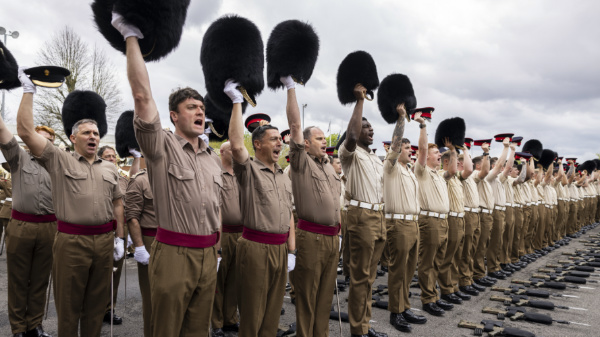
• At 1pm, the King and Queen will return from Westminster Abbey to Buckingham Palace in The Coronation Procession. They will be riding in the 260-year-old Gold State Coach that has been used in every coronation since that of William IV and accompanied by almost 4,000 members of the armed forces in what’s been called the largest ceremonial military operation in recent decades. Representatives of Commonwealth nations and British Overseas Territories will also take part in the return procession. The route will be the reverse of the outgoing route and see the procession travel back through Parliament Square (lined with an honour guard of 100 members of the Royal British Legion) and up Whitehall to Trafalgar Square, turning left to travel through Admiralty Arch and back down The Mall. Reaching Buckingham Palace, the King and Queen will receive a Royal Salute from the armed forces who have been escorting them followed by three cheers.
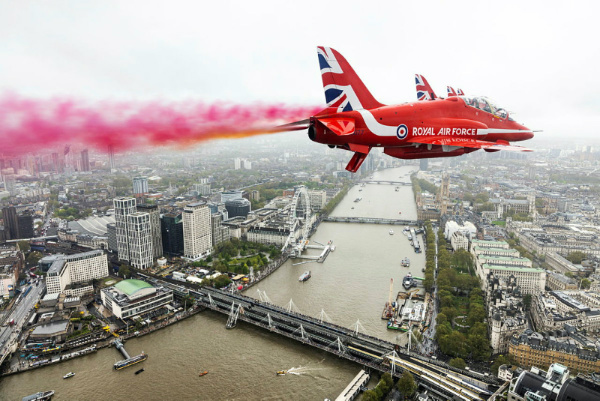
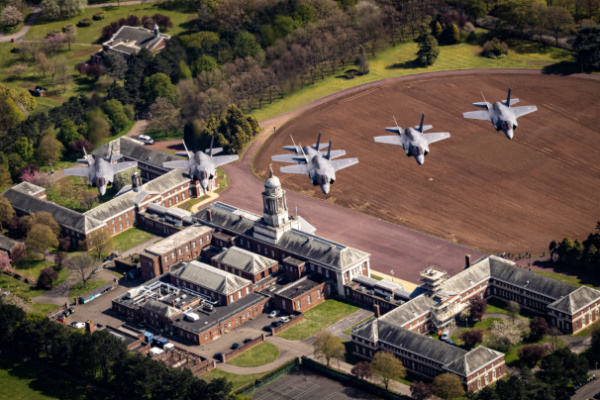
• The balcony appearance and flypast. The newly crowned King and Queen Consort are scheduled to appear on the famous balcony on Buckingham Palace at 2.30pm accompanied by members of the royal family. They will watch a six minute flypast of military planes, ending with a display by the Red Arrows.
• On Sunday, communities are invited to join in the Coronation Big Lunch (communities will also be holding street parties throughout the weekend). On Sunday night, the BBC will broadcast The Coronation Concert from Windsor Castle. The concert will feature the Coronation Choir as well as ‘Lighting Up The Nation’ in which locations across the UK will take part. For details on where events are being held, head to https://coronation.gov.uk/events/.
• On Monday, people are encouraged to join in The Big Help Out by volunteering time to help out in your local community. To find out where your local events are, head to https://thebighelpout.org.uk.

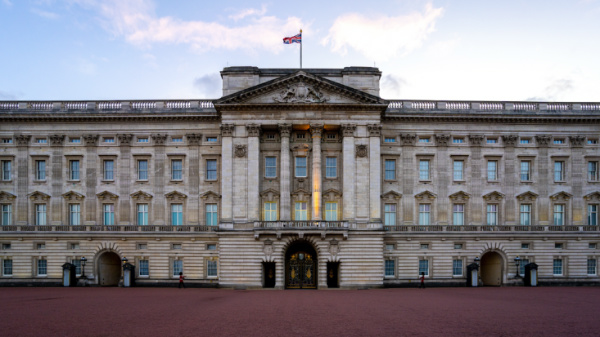
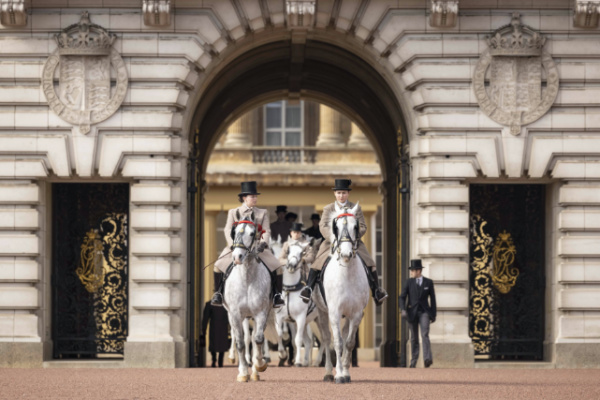
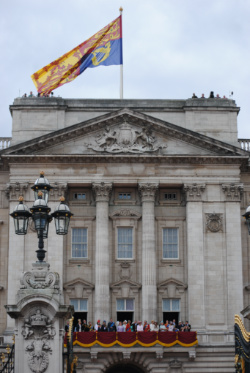
Buckingham Palace will play an important role in this weekend’s coronation of King Charles III – not only as the location from which he and Queen Camilla will leave for the ceremony, but also for the famous balcony appearance.

Monarchs have only been living at the palace since 1837 when Queen Victoria moved in and it has been the official London residence of kings and queens ever since (although it should be noted that since becoming King, Charles has reportedly continued to reside at Clarence House and apparently intends continuing to do so following the coronation).
The palace has been in royal hands since 1761 when King George III bought what was then Buckingham House for the use of his wife Queen Charlotte, given, in particular, its proximity to St James’s Palace where court was held. Hence it become known as the Queen’s House.
King George IV intended using it the same way but in the 1820s had a change of heart and decided, with the aid of architect John Nash, to transform it into a palace. The ballooning work was unfinished when he died, and his successor and younger brother, King William IV, replaced Nash with Edward Blore to complete the work (thanks, apparently, to Nash’s budget blow-outs).
But William didn’t move into the property (in fact, he offered it up as a new home for parliament after much of the old Houses of Parliament were consumed by fire in 1834 – an offer which was not taken up).
Queen Victoria, however, decided to make it her home and she became the first monarch to leave the palace headed to a coronation when she did so in June, 1838.
Victoria also made the first balcony appearance by a monarch at the palace, doing so during celebrations to make the opening of the Great Exhibition in 1851.
But the first balcony appearance by a monarch immediately after their coronation was her son King Edward VII, who appeared on the balcony with his wife Queen Alexandra, to the joy of onlookers following his coronation on 9th August, 1901. Every monarch since has done so after their coronation (King Edward VIII, of course, never having had a coronation).
The King’s mother, Queen Elizabeth II, was the first monarch to watch a flypast on the balcony after her coronation, a tradition the King is expected to continue.
Buckingham Palace has also been the site of Coronation Banquets since the coronation of Queen Victoria (when it replaced Westminster Hall as the location). Queen Elizabeth held two Coronation Banquets in the palace following her coronation on 3rd and 4th June, each attended by 400 guests.
Few details have yet been released about King Charles III’s Coronation Banquet.


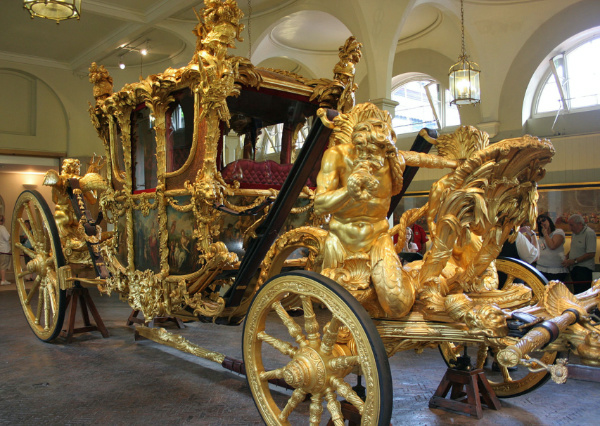
The Gold State Coach will feature in the Coronation Procession of King Charles III (though, interestingly, not for both journeys), it was announced earlier this week so we thought we’d take a more detailed look at it.

The coach – which was last seen publicly during Queen Elizabeth II’s Platinum Jubilee in June, 2022 – was built for King George III to travel to the State Opening of Parliament in 1762.
Designed by Sir William Chambers, it was built in the London workshops of coach maker Samuel Butler and cost more than £7,500 at the time.
The coach weighs some four tonnes and is 28 foot long and 12 feet high. The coach is made of giltwood – a thin layer of gold leaf over wood – and features sculptures by Sir Joseph Wilton including three cherubs on the roof (representing England, Ireland and Scotland) and four tritons (a display of imperial power) above the wheels. The coach is also decorated with painted panels depicting Roman gods and goddesses by artist Giovanni Battista Ciprian.
Inside the coach is lined with velvet and satin.
The coach is pulled by a team of eight horses wearing a Red Morocco leather harness. At the coronation it will be pulled by Windsor Greys and due to its age and weight, will only move at walking pace.
The coach has been used in every coronation since that of King William IV and was also used for the State Opening of Parliament by Kings George III, George IV and William IV as well as Queen Victoria (up until Prince Albert’s death).
The coach is, however, not said to be the most comfortable ride – Queen Elizabeth II is known to have said so while King William IV described travelling in the coach as like being on a ship “in a rough sea”. So it will only be used for the return, post-Coronation, journey from Westminster Abbey to Buckingham Palace.
For the outward journey – from Buckingham Palace to Westminster Abbey – the King and Queen Consort Camilla will travel in the more comfortable – and Australian-made – Diamond Jubilee State Coach (unlike the Gold State Coach, it comes with air-conditioning, modern suspension and electric windows).
Both coaches are usually housed in the Royal Mews at Buckingham Palace.
On Coronation Day, the Gold State Coach will transport the newly crowned King and Queen Consort on a shorter route than that of Queen Elizabeth II on her Coronation Day – just 1.3 miles compared to the late Queen’s five mile route back to the palace. Leaving Westminster Abbey, it will travel down Whitehall and pass under Admiralty Arch before travelling down The Mall to Buckingham Palace.
WHERE: The Royal Mews, Buckingham Palace (nearest Tube stations are Victoria, Green Park, St James’s Park and Hyde Park Corner); WHEN: 10am to 5pm (check website for closure dates around the coronation); COST: £15 adults/£10 young person (aged 18-24)/£9 child (aged five to 17); WEBSITE: www.rct.uk/visit/the-royal-mews-buckingham-palace
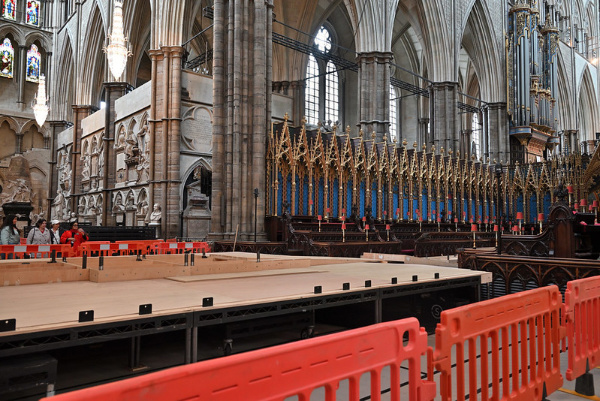
• A new exhibition exploring the 1,000-year history of coronations at Westminster Abbey has opened in the abbey’s medieval chapter house. The exhibition, which has opened ahead of the coronation of King Charles III on 6th May, draws on historic illustrations and archive photography to explore the elements of the coronation service including the oath-taking, anointing, investing and crowning and takes a closer look any some of key artefacts present in the ceremony including the Coronation Chair. The exhibition, which is free with admission to the abbey and which runs until the end of September, is part of a season of events celebrating the coronation including themed late evenings, family activities and special afternoon teas at the Cellarium Café. Meanwhile, the abbey has also announced that visitors will be able to view the ‘Coronation Theatre’ – the special area which will be built for the historic occasion, from the Abbey’s North and South Transepts – following the coronation. Tickets for the special viewing – which will include the chance to see key elements from the coronation service including the Coronation Chair still in position on the Cosmati Pavement – can be purchased for timed slots between 8th and 13th May. For more on the abbey’s events surrounding the coronation, see www.westminster-abbey.org/events.

• Hampton Court Palace bursts into colour from Friday with its annual Tulip Festival. More than 110,000 bulbs have been planted to creat dramatic displays in the formal gardens and cobbled courtyards, among them a selection of heirloom bulbs on display in the Lower Orangery Garden which presents visitors with the chance to see tulips as they would have looked during the time of King William III and Queen Mary II, soon after the flowers were first introduced to Britain. Thanks to a special relationship with Netherlands-based Hortus Bulborum, the bulbs on display include Sylvestris (1595) and Rubella Broken (1700) as well as the Orange King (1903) and Queen of the Night (1940). Other highlights of the festival include 3,000 wine-toned tulips, including the merlot variety, flowing down from the steps and parapet of the Wine Fountain, as well as a floral fantasy in the palace’s courtyards in which tulips such as Raspberry Ripple, Apricot Emperor and Purple Prince flow out of wheelbarrows, barrels and a horse cart, and a free-style tulip planting in the Kitchen Garden inspired by Van Gogh’s 1883 painting, Bulb Fields. Runs until 1st May. Admission charge applies. For more, see https://www.hrp.org.uk/hampton-court-palace/whats-on/tulip-festival/.

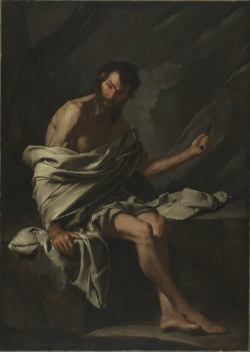
• The recently acquired Bernardo Cavallino work, Saint Bartholomew has gone on show at The National Gallery. The painting, which dates from 1640-45 and which was last exhibited at The Metropolitan Museum of Art in New York in 1993, is being displayed alongside other 17th century works by artists such as Caravaggio, Artemisia and Orazio Gentileschi, Guercino, Reni and Ribera in the Hans and Julia Rausing Room (Room 32). The National Gallery has one other work by Cavallino – Christ driving the Traders from the Temple – but his depiction of Saint Bartholomew is considered one of his most splendid works. Admission is free. For more, see nationalgallery.org.uk.
• Featuring everything from a celebration of African Caribbean takeaways to a “deep-dive” into the issues surrounding food production and access, Food Season kicks off at the British Library Monday. Highlights include a discussion of the sandwich by food writers Nigella Lawson, Jonathan Nunn and Rebecca May Johnson, a day-long celebration of African Caribbean cuisine featuring chefs and broadcasters Jimi Famurewa, Fatmata Binta and Andi Oliver, and, an exploration of the big challenges in food, land use and food production featuring author Henry Dimbleby alongside Dr Tara Garnett, Nick Saltmarsh, Abby Allen and Dimitri Houtart. Runs until 7th June. Admission charges apply. For the full programme, see www.bl.uk/events/food-season.
Send all items to exploringlondon@gmail.com
In the lead-up to the coronation of King Charles III and Queen Consort Camilla on 6th May, we’re taking a look at sites in London which have played an important role in coronations past (and, mostly, in this coronation as well).
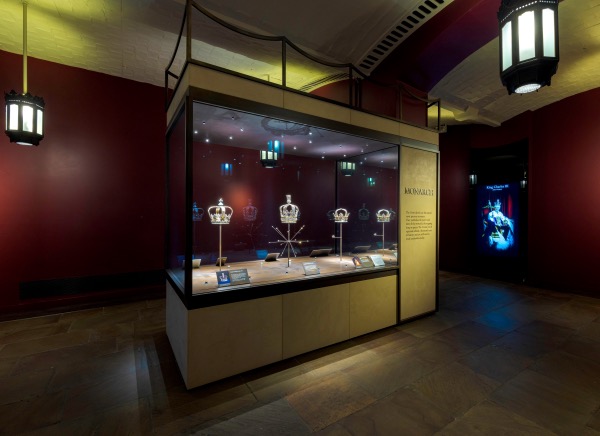
First up, it’s the Tower of London’s Jewel House which is linked to the coronation through the role it plays in housing the Crown Jewels and, more specifically, the Coronation Regalia.

The centrepiece of the Crown Jewels is St Edward’s Crown, with which King Charles will be crowned in Westminster Abbey.
The crown, which has already been removed from the Tower of London so it could be resized for the occasion, is made from 22 carat gold and adorned with some 444 precious and semi-precious gems. Named for St Edward the Confessor, it dates from 1661 when it was made for the coronation of King Charles II and replaces an earlier version melted down after Parliament abolished the monarchy in 1649.
The crown was subsequently used in 1689 in the coronation of joint monarchs King William III and Queen Mary II and then not used again until 1911 when as used to crown King George V. It was also used to crown King George VI and Queen Elizabeth II in 1953.
St Edward’s Crown is not the only crown that will be used in the coronation ceremony – the King will also wear the Imperial State Crown at the end of the service.
Made by Garrard and Company for the coronation of King George VI in 1937 (replacing a crown made for Queen Victoria in 1838), it features the Black Prince’s Ruby in the front – said to have been a gift to Edward, the Black Prince, in 1357 from the King of Castile.
Further gems in the crown include the Stuart Sapphire, the Cullinan II Diamond and St Edward’s Sapphire, said to have been worn in a ring by St Edward the Confessor and found in his tomb in 1163.
Among other items which will be used in the coronation are the Sovereign’s Sceptre with Cross, the Sovereign’s Orb, and the Coronation Spoon.
The sceptre was made for King Charles II and now features the world’s largest diamond, the Cullinan Diamond, which was added to it in 1911. The orb was also made for King Charles II’s coronation and is topped with a cross.
The spoon, meanwhile, is one of the oldest items in the Crown Jewels, dating from the 12th century. It is used for anointing the new sovereign with holy oil – which comes from the Church of the Holy Sepulchre in Jerusalem – during the ceremony. It survived the abolition of the monarchy after it was purchased by a member of King Charles I’s wardrobe and later returned to King Charles II after the monarchy. The oil is held in a golden vessel known as an ampulla which is shaped like an eagle.
Other items to be used in the coronation are a series of swords – among them the Sword of State, the Sword of Temporal Justice, the Sword of Spiritual Justice, and the Sword of Mercy (this has its tip blunted to represent the Sovereign’s mercy).
The regalia was housed at Westminster Abbey until 1649. They have been kept at the Tower of London since the Restoration (even surviving a theft attempt by Colonel Thomas Blood and accomplices in 1671).
The Crown Jewels, which are now held under armed guard, have been housed in several different locations during their time at the Tower of London including in the Martin Tower and the Wakefield Tower. They were moved into a subterranean vault in the western end of the Waterloo Block (formerly the Waterloo Barracks), now known as the Jewel House (and not to be confused with The Jewel Tower in Westminster), in 1967.
A new Jewel House was opened by Queen Elizabeth II on the ground floor of the former barracks in 1994. The exhibit was revamped in 2012 and following King Charles III’s coronation, the display is again being transformed with a new exhibition exploring the origins of some of the objects for the first time.
WHERE: The Jewel House, Tower of London (nearest Tube station Tower Hill); WHEN: 9am to 4.30pm (last admission), Tuesday to Saturday, 10am to 4.30pm (last admission) Sunday to Monday; COST: £29.90 adults; £14.90 children 5 to 15; £24 concessions (family tickets available; discounts for online purchases/memberships); WEBSITE: https://www.hrp.org.uk/tower-of-london/whats-on/the-crown-jewels/.
We’re taking a short break for Easter and will be back on Tuesday!
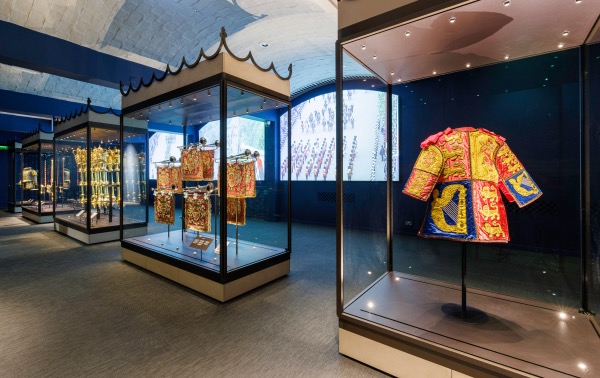
• The glittering world of the Georgian court and the glamour of the modern red carpet come together in a new exhibition at Kensington Palace. Crown to Couture sees contemporary fashion worn by the likes of celebrities like Lizzo and Lady Gaga displayed alongside historical costumes, drawing some fascinating parallels between the two worlds. More than 200 objects are included in the display in the State Apartments with highlights including the Thom Browne dress worn by musician Lizzo to the 2022 Met Gala, Christopher John Roger’ luminous green gown worn by Lady Gaga to the 2020 MTV Awards, the Rockingham Mantua – brocaded in silver thread and silver lace trim and believed to have been worn by the wife of British Prime Minister, 2nd Marquess of Rockingham, in the 1760s, and the world-famous Silver Tissue Gown. On loan from the Fashion Museum Bath, the latter is a rare example of fashion worn at the court of Charles II and is believed to have been worn to court by a young Lady Theophila Harris, who later went on to become the wife of MP Sir Arthur Harris of Hayne. Runs until 29th October. Admission charge applies. For more, see www.hrp.org.uk/kensington-palace/whats-on/crown-to-couture.
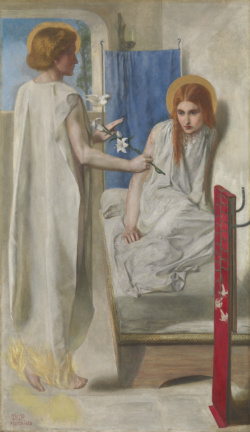
• A major exhibition charting the romance and radicalism of the Rossetti generation opens at Tate Britain today. The Rossettis – he first retrospective of Dante Gabriel Rossetti at Tate and the largest exhibition of his iconic pictures in two decades as well as the first full retrospective of Elizabeth Siddal for 30 years – features more than 150 paintings and drawings as well as photography, design, and poetry. Highlights include Dante Gabriel’s Ecce Ancilla Domine (The Annunciation) (1850), Elizabeth Siddal’s Lady Clare (1857) and Christina Rosetti’s famous poem The Goblin Market (1859). There’s also Aesthetic portraits from the later part of Dante Gabriel’s career, such as Bocca Baciata (1859), Beata Beatrix (c1864-70) and The Beloved (1865-73), as well as Lady Lilith (1866-8) and Mona Vanna (1866). Runs until 24th September. Admission charge applies. For more, see www.tate.org.uk/whats-on/tate-britain/the-rossettis.
• The Lindt Gold Bunny Hunt is on again at Hampton Court Palace. Youngsters are invited to explore the palace’s 60 acres in a search for a series of hidden Lindt Gold Bunny statues, matching the name of an important character from the palace’s history with each bunny to unwrap a fascinating story. At the end of the experience, they’ll be rewarded with their own delicious Lindt Gold Bunny. Visitors to the palace will also encounter historic characters as the royal court compete with chocolatier Grace Tosier to help Prince George, the son of King George I, achieve his mission of sleeping-in, drinking chocolate and dancing all day. Runs until 16th April. Admission charge applies. For more, see www.hrp.org.uk/hampton-court-palace/whats-on/easter-lindt-gold-bunny-hunt/.
Send items to exploringlondon@gmail.com

A confession to begin – this property, located in Kew Gardens, was never actually a residence but instead was built as a country day retreat for the family of King George III at the behest of his wife Queen Charlotte.
The cottage, which features a thatched roof and half-timbered walls and dates from around 1772, is known as a cottage orné (decorated cottage).
Located in what’s described as “one of London’s finest bluebell woods” with parts of it more than 300-years-old, it was designed to be a place where the Queen and her growing family (the King and Queen would have 15 children) could enjoy picnics or take tea while on walks through the gardens during their summers at Kew.
Inside, the ground floor of the premises features two halls – one for the royal family on the left and another for servants on the right, each of which features a staircase leading to the first floor. In the centre of the ground floor is the Print Room, a small room hung with more than 150 satirical engravings including works by the famed James Gillray. There’s also a small kitchen.
On the upper floor is the Picnic Room which features two expansive recycled 17th century windows looking out to the garden and wall and roof paintings featuring trailing nasturtiums and convolvulus to give the appearance of a bower. The latter are thought to have been the work of Princess Elizabeth, generally viewed as the most artistic of King George III’s children.
Behind the cottage was a large paddock which was used to contain a growing menagerie of animals, no doubt to the delight of the royal children. Initially the occupants were Tartarian pheasants and oriental cattle but later it also housed a now extinct quagga (an animal similar to a zebra) and some of the first kangaroos to arrive in Britain (these were bred by the early 19th century, there were up to 18 of them). In 1806, the gardener was instructed to turn the paddock into a flower garden.
King George III was apparently fond of the cottage but he was last at Kew in 1806. It was used in 1818 following the double wedding of his sons, the Duke of Clarence (who became King William IV) and Edward, the Duke of Kent (father of Queen Victoria).
Queen Victoria rarely visited the cottage but had it maintained by a housekeeper. In 1889, the Queen gave the cottage to the public to commemorate her Diamond Jubilee.
The Grade II* cottage is these days managed by Historic Royal Palaces.
WHERE: Queen Charlotte’s Cottage, the south-west corner of, Kew Gardens (nearest Tube station is Kew Gardens); WHEN: Cottage is open from 4th April from 11.30am to 3.30pm on weekends and bank holidays; COST: (entry to Kew Gardens) £21.50 adults/£10 students/children £5 (discounts apply for advance bookings); WEBSITE: www.kew.org.

• A gold signet ring once believed to have belonged to the Tudor-era Boleyn family has gone on display at Hampton Court Palace. The ring, was discovered in a field near Shurland Hall on the Isle of Sheppey in Kent, the country home of one of Anne Boleyn’s cousins and a property she visited with King Henry VIII. It is engraved with with a bull’s head – which appears in the arms of the Boleyn family (a visual pun on the family name, which was often spelled as ‘Bullen’) – and arrayed with sunbeams and stars of white enamel as well as being decorated with icons of the Virgin and Child and St Catherine of Alexandria on its shoulders. Analysis concluded the ring was consistent with objects of the early Tudor era, leading historians to suggest that it may have belonged to either Thomas or George Boleyn – Anne Boleyn’s father and brother. The ring, which was purchased by Historic Royal Palaces with support from the Arts Council England/V&A Purchase Grant Fund, the Art Fund, the Meakins Family and John Harding, under the terms of the Treasure Act 1996, can be seen in the Great Hall. Included in general admission. For more, see www.hrp.org.uk/hampton-court-palace/.
• One of the UK’s most successful rock bands, Status Quo, are the subject of a new exhibition at the Barbican Music Library. Celebrating Seven Decades of Status Quo is the first ever public exhibition on the band and features never-before-seen material including the original handwritten lyrics to Caroline and Down Down as well as tour posters, photographs and more than 40 of the bands key albums. The display is a collaboration between Paul and Yvonne Harvey, who ran the band’s official fan club, ‘From The Makers Of…’ (FTMO), and Status Quo fan and collector Andy Campbell. Status Quo was formed in 1962 and has since had more than 60 chart hits as well as opening the LIVE AID concert in Wembley in July, 1985, and receiving a Brit Award for Outstanding Contribution to Music in 1991. Runs until 22nd May. Admission is free. For more, see www.cityoflondon.gov.uk/services/libraries/barbican-music-library.
Send all items to exploringlondon@gmail.com

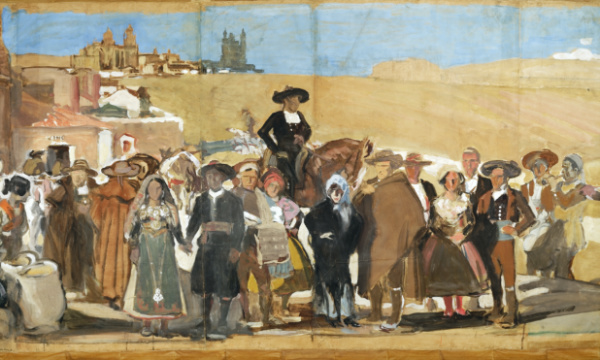
• The collection of the Hispanic Society Museum & Library in New York is being celebrated in a new exhibition opening at the Royal Academy of Arts. Opening Saturday, Spain and the Hispanic World: Treasures from the Hispanic Society Museum & Library features more than 150 works from the collection – founded in 1904 by Archer M Huntington – which range from paintings and sculptures to jewellery, maps and illuminated manuscripts. Highlights include Francisco de Goya’s painting The Duchess of Alba (1797), Pedro de Mena’s reliquary bust, Saint Acisclus (c1680), earthenware bowls from the Bell Beaker culture (c2400-1900 BC), Celtiberian jewellery from the Palencia Hoard (c150-72 BC), and Hispano-Islamic silk textiles including the Alhambra Silk (c1400). There’s also a beautifully illuminated Hebrew Bible (after 1450-97), an exceptionally rare Black Book of Hours (c1458), and, Giovanni Vespucci’s celebrated world map from 1526. The exhibition runs until 10th April. Admission charge applies. For more, see www.royalacademy.org.uk.
• The Lunar New Year is being celebrated in Greenwich this Saturday with a series of events at the National Maritime Museum. Activities range from Mahjong workshops to seeing a traditional lion dance, lantern making, a tea ceremony demonstration and, of course, the chance to find out about the items in the museum’s collection with Asian connections. For more, see www.rmg.co.uk/whats-on/national-maritime-museum/lunar-new-year.

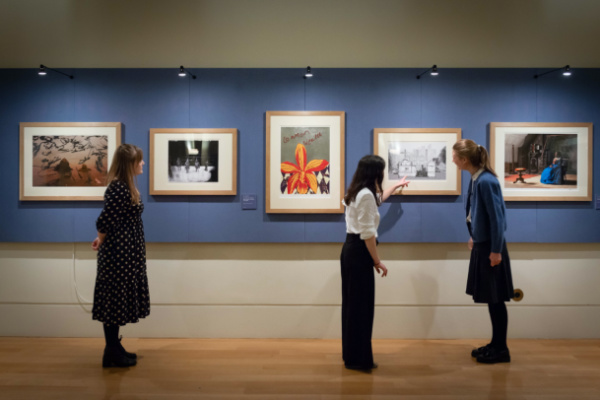
• Twenty contemporary artworks gifted by the Royal Academy of Arts to Queen Elizabeth II ar on display at The Queen’s Gallery in Buckingham Palace. The works on paper – created by Royal Academicians elected in the past decade – were presented to the Queen to mark her Platinum Jubilee in 2022. They include Wolfgang Tillmans’ Regina – a photograph taken during Queen Elizabeth II’s Golden Jubilee celebrations in 2002 depicting the Queen in the Gold State Coach passing along Fleet Street, Yinka Shonibare’s Common Wealth – a digital print of an orchid against a collage of platinum leaf and Dutch wax printed fabric, and Sir Isaac Julien’s Lady of the Lake – a fictionalised portrait of the American abolitionist Anna Murray Douglass as well as a digital print of Thomas Heatherwick’s design for the Tree of Trees project. This 21-foot sculpture incorporates 350 saplings and was erected outside Buckingham Palace as part of The Queen’s Green Canopy and was illuminated during a special Platinum Jubilee ceremony on 2nd June last year. The works can be seen until 26th February. Admission charge applies. For more, see www.rct.uk.
Send all items for inclusion to exploringlondon@gmail.com.
• Festive Fayre returns to Hampton Court Palace this weekend with visitors having the chance to do some Christmas shopping, sample some festive treats and enjoy live music. The festival, which runs from Friday to Sunday, takes place ahead of the launch of the palace’s Christmas light trail – Palace of Light – next Wednesday (7th December). Inspired by Henry VIII’s heraldic beasts, it features an array of installations, ranging from a sea-monster lurking in the Great Fountain Garden to polka-dot panther lanterns in the Wilderness. Created by the award-winning outdoor event producers Wild Rumpus, the light trail can be visited until 2nd January. For more, see www.hrp.org.uk/hampton-court-palace/.

Christmas tree installation, designed by Miss Sohee PICTURE: © Victoria and Albert Museum, London
• The V&A has unveiled its couture Christmas Tree installation for this year – a work by London-based Korean fashion designer Miss Sohee. On display in the Cromwell Road Grand Entrance, the installation reimagines the traditional Christmas tree as a three metre long couture gown, which combines Sohee’s signature style of vibrant silhouettes and intricate embroidery with religious statuary found around the museum. The installation can be seen until 5th January. For more, see www.vam.ac.uk.
• On Now – Tiny Traces: African & Asian Children at London’s Foundling Hospital. This exhibition at The Foundling Museum in Bloomsbury explores the newly discovered stories of African and Asian children in the care of the hospital in the 18th century, following the stories of more than a dozen children through personal items, physical artefacts, works of art and archival documents. In a parallel thread, works of art by artists including Zarina Bhimji, Hew Locke, Kehinde Wiley, Alexis Peskine, Deborah Roberts and Shanti Panchal form a dialogue with the historic narratives. Admission charge applies. Runs until 19th February. For more, see https://foundlingmuseum.org.uk.
Send all items to exploringlondon@gmail.com
• The Tower of London is getting into the festive spirit with a celebration of the Twelve Days of Christmas. Twelve installations have been installed at the Tower, each representing as different aspect of the fortress’s unique history – from nine wreaths representing “nine rowdy ravens” to five gold coins representing the Mint once housed there. There’s also the six Queens of King Henry VIII and three “lordly lions” – a reference to a gift presented to King Henry III and housed in a Lion Pit at the tower. Visitors will have the chance to collect a map at the start of their visit and follow a trail to find the installations at they explore the Tower. Christmas at the Tower of London runs daily until 3rd January. Admission charge applies. For more, see www.hrp.org.uk/tower-of-london/.
• The Museum of London is preparing to close its doors at its London Wall site as it moves to its new location in Smithfield and to celebrate it’s holding two free weekend festivals. The first, to be held this weekend, will feature family-friendly activities including arts and crafts, dance, face painting and theatrical performances while the second, to be held on the weekend of 3rd and 4th December (after which the museum will close), will feature a celebration of London’s music scene from the 70s to the present day with a DJ sets, a late night film festival and museum’s first ever 24 hour opening. Visitors on both weekends can also take part in London Biggest Table Football competition for a chance to win an England shirt signed by Harry Kane and to see the museum’s collection in a new light thanks to an illuminated display. For more on the festivals, see www.museumoflondon.org.uk/museum-london.
• Now On: Blood and Battle: Dissecting the life of William Beatty. The life and work of renowned 19th-century naval surgeon and physician, Sir William Beatty, is explored in this exhibition at the Old Royal Naval College in Greenwich. The display – which marks 200 years since Beatty, who had served as ship’s surgeon on HMS Victory during the Battle of Trafalgar (and who wore the musket ball that killed Nelson in a locket on his watch chain for the rest of his life afterwards) – took up the post of Physician to the Royal Hospital for Seamen – explores Beatty’s work as a ship’s surgeon, his time at Greenwich Hospital and how he was honoured by being knighted and appointed Physician Extraordinary to George IV and the Duke of Clarence (later William IV) as well as his outside interests including his involvement in developing the London – Greenwich Railway. Admission charge applies. For more, see https://ornc.org.
Send all items for inclusion to exploringlondon@gmail.com.
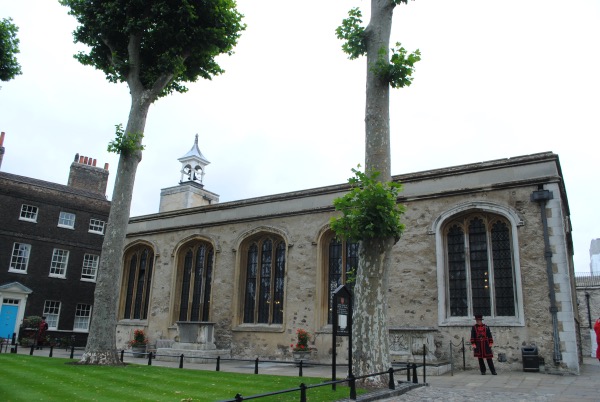
Officially the The Chapel Royal of St Peter ad Vincula, this small church is located in the Inner Ward of the Tower of London.
Under the direct jurisdiction of the monarch as a “royal peculiar”, the current building – and the name means “Peter in Chains”, a reference to St Peter’s imprisonment at the hands of King Herod – dates from 1520 and was constructed on the orders of King Henry VIII.
As well as being the burial place of officers who served at the Tower, the chapel – which is located only a few steps away from the execution site on Tower Green – is also the final resting place of many who were executed within the Tower’s precincts including the likes of Thomas Cromwell and Bishop John Fisher.
Those buried here include two of King Henry VIII’s wives who both suffered the ignominy of being beheaded. Queen Anne Boleyn and Queen Catherine Howard – respectively the second and fifth wives of the king – were both interred here after their executions.

Anne Boleyn, who was executed on 17th May, 1536, was buried under the floor in front of the high altar (along with her brother George who was executed two days before the Queen). Catherine Howard was executed several years later on 13th February, 1542, and was also buried beneath the floor.
The other royal figure buried in the Chapel was Lady Jane Grey, the “Nine Day Queen” who was executed on Tower Green on 12th February, 1554, at just the age of 17 on the orders of Queen Mary I. She was buried beneath the chapel’s altar (along with her husband, Lord Guilford Dudley, who was also executed on Tower Green).
The chapel fell into some neglect by the mid-19th century and in 1876 works were carried out under the direction of architect Anthony Salvin to restore the building. This included replacing the floor which had collapsed owing, it’s said, to the large number of burials that had taken place under it since the 16th century.
Many of the bodies were exhumed and identified, including that of Queen Anne Boleyn and Lady Jane Grey, and moved into a newly created crypt underneath.
The marble floor which was installed over the top features memorials commemorating those interred underneath. These include individual memorial stones for Henry VIII’s two Queens and a stone commemorating several of other prominent figures buried beneath including Lady Jane Grey.
WHERE: St Peter ad Vincula, Inner Ward, Tower of London (nearest Tube station Tower Hill); WHEN: 10am to 4.30pm (last admission 3.30pm), Tuesday to Saturday, 9am to 4.30pm (last admission 3.30pm) Sunday to Monday; COST: £29.90 adults; £14.90 children 5 to 15; £24 concessions (family tickets available; discounts for online purchases/memberships); WEBSITE: www.hrp.org.uk/toweroflondon/.

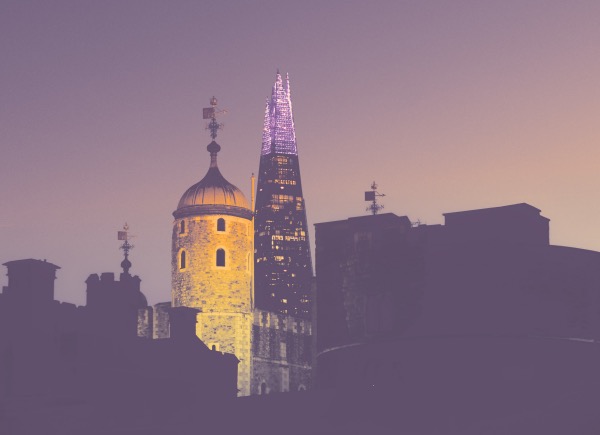
The White Tower and The Shard. PICTURE: Nico V/Unsplash

• The glittering world of musical theatre is at the centre of a new exhibition which opened at the V&A in South Kensington recently. Re:Imagining Musicals showcases some 100 objects, most being displayed for the first time, with highlights including Paul O’Grady’s Miss Hannigan costume from Annie, new costume acquisitions from SIX the Musical, Everybody’s Talking About Jamie, Moulin Rouge! The Musical, Company, and A Chorus Line, the rarely displayed beaded gown designed by Cecil Beaton which was worn by Julie Andrews in My Fair Lady in 1958; the toy Olaf puppet from Frozen the Musical, and an original poster from the off-Broadway premiere of Hamilton signed by the cast and creatives. There’s also a 1965 original cast recording of Hello Dolly! signed by Carol Channing, Bunny Christie’s Olivier and Critics’ Circle award winning costume design, model and costume for Rosalie Craig as Bobbie in the 2019 West End revival of Company and Shakespeare’s first folio, which celebrates its 400th anniversary in 2023. The free display can be seen in the Theatre and Performance Galleries until 27th November, 2023. For more, see www.vam.ac.uk/exhibitions/reimagining-musicals.

• Visitors to Hampton Court Palace and the Tower of London are being invited to explore some of the properties’ spookiest stories in the lead-up to Halloween. Until 30th October, visitors to Hampton Court are able to explore the stories of everyone from King James I to tormented wives to Tudor trumpeters with special effects including mystical projections and eerie sound effects. Meanwhile, until 31st October, visitors can follow in the footsteps of infamous prisoners at the Tower of London with “spooky decorations, spine-tingling sound effects, and rooms transformed to tell terrifying tales about past inhabitants” while ghostly figures such as the Welsh Prince Gruffydd ap Llywelyn and King Henry VIII’s ill-fatded wife Anne Boleyn wander the grounds. Admission charges apply. For more, see www.hrp.org.uk.

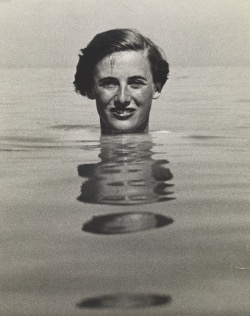
• The work of British photographer Bill Brandt (1904-83) is the subject of a new exhibition at Tate Britain on Millbank. Bill Brandt: Inside the Mirror features 44 original photographs from across his career are displayed alongside the magazines and photobooks in which these images were most often seen. Brandt was first known as a photojournalist, renowned in the 1930s for his observations of British life, and later for his landscapes, portraits and nudes. Highlights include Woman Swimming (pictured), Hail, Hell & Halifax and his handmade photobook ‘A Dream’ – which is being exhibited for the first time. Runs until 15th January. Admission is free. For more, see tate.org.uk.
Send all items for inclusion to exploringlondon@gmail.com.
Rishi Sunak was appointed as the nation’s third Prime Minister in less than two months today following Liz Truss announcement she would resign on Friday. Sunak visited King Charles III at Buckingham Palace after Truss visited earlier to officially resign.