London Explained – Historic Royal Palaces…

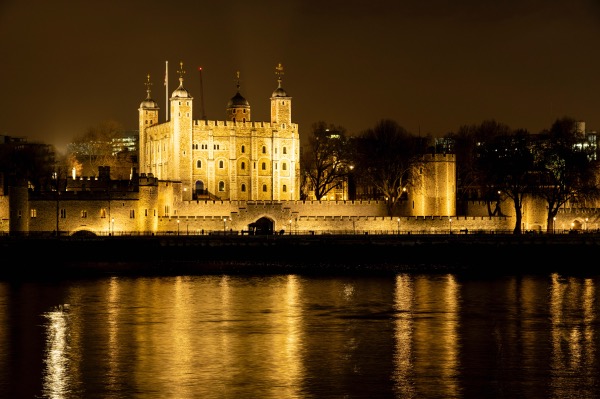
The Tower of London is one of the palaces under the care of Historic Royal Palaces. PICTURE: Nick Fewings/Unsplash

Visitors to several of London’s landmark royal properties will across an organisation known as Historic Royal Palaces.

HRP, as its sometimes shortened to, is a self-funding charity charged with the management of palaces which are owned by the Crown (technically by Queen Elizabeth II ‘in Right of Crown’ meaning she holds them in trust for the next monarch and by law cannot sell or lease them). The palaces are generally no longer used as royal residences.

These include the Tower of London, Hampton Court Palace, Kensington Palace, Kew Palace and the Banqueting House (once part of the Palace of Whitehall). Buckingham Palace, which remains the official London residence of Queen Elizabeth II and a working royal palace, is not one of them nor is St James’s Palace, home to several members of the Royal Family and their households.

All five of the properties in London which are under the care of Historic Royal Palaces ceased being regularly used by the Royal Court in the 19th century and were opened up to the public. The government became responsible for their care under the Crown Lands Act 1851.

In 1989, the government established Historic Royal Palaces as part of the Department of the Environment to oversee care of the five palaces. Six years later it became part of the Department of National Heritage (now known as the Department for Culture, Media & Sport).

In April, 1998, Historic Royal Palaces became an independent charity by Royal Charter. It is governed by a board of trustees who include the director of the Royal Collection Trust and the Keeper of the Privy Purse from the Royal Household as well as the Constable of the Tower of London.

Historic Royal Palaces now oversees management of the palaces under a contract with the Secretary of State for Culture, Media & Sport (as well as the five London properties, since 2014, it has also been responsible for the care of Hillsborough Castle in Northern Ireland).

Perhaps the most well-known faces of Historic Royal Palaces are joint curators – Tudor historian Tracy Borman, and architectural and social historian Lucy Worsley.

HRP collects revenues through entries to the palaces but also offer an annual membership through which you can have unlimited entry.

For more, head to www.hrp.org.uk.

LondonLife – Buckingham Palace…

Buckingham Palace. PICTURE: Debbie Fan/Unsplash.

Buckingham Palace is among the sites across London which will be hosting events to mark Queen Elizabeth II’s Platinum Jubilee this June. The Queen’s 70th year on the throne will be marked with four days of celebrations across the June bank holiday weekend which will include the Queen’s Birthday Parade (known as Trooping the Colour), the lighting of Platinum Jubilee Beacons – including the principal beacon at Buckingham Palace, a Service of Thanksgiving at St Paul’s Cathedral, the ‘Platinum Party at the Palace’ – a celebration concert in the gardens of Buckingham Palace, The Big Jubilee Lunch in communities across the city, and a special Platinum Jubilee Pageant, part of which will see a moving river of flags rippling down The Mall. For more information, head to www.royal.uk/platinum-jubilee-central-weekend.

LondonLife – A Christmas menagerie at the Tower…

ALL PICTURES: © Historic Royal Palaces.

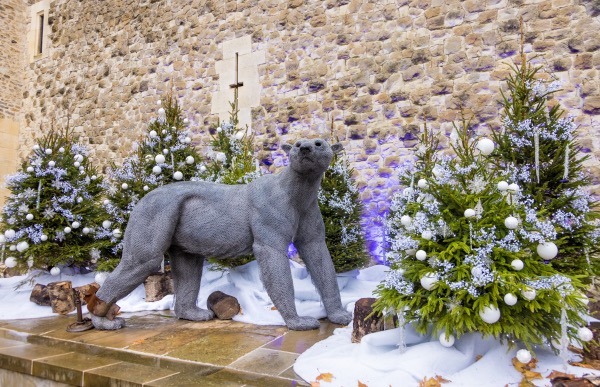
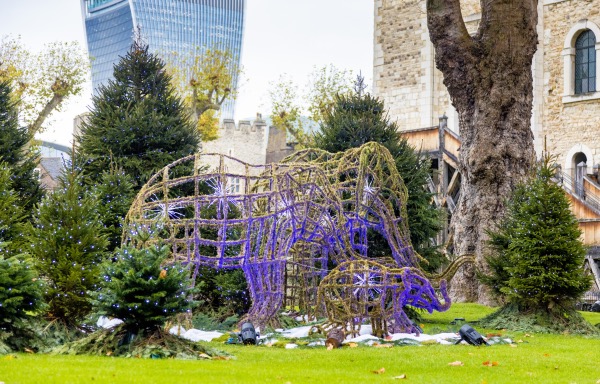
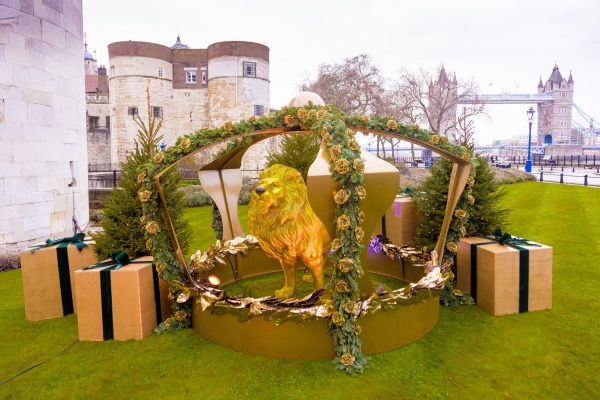
The Royal Menagerie at the Tower of London has been decked out for Christmas with an array of glittering decorations. Animals including a polar bear, elephants and lions were kept at various times in the Tower’s menagerie which started thanks to a royal penchant to giving exotic animals as gifts to fellow monarchs. King Edward I created the first permanent home for the menagerie which, after hundreds of years, closed for good in 1835. The Christmas display the Tower, which centres on the Tower Green Christmas tree, can be seen until 3rd January. Admission charges apply. For more, see www.hrp.org.uk.

This Week in London – Hampton Court’s astronomical clock after hours; Beethoven explored at the British Library; and, the Sherman Rangers Yeomanry at the National Army Museum…

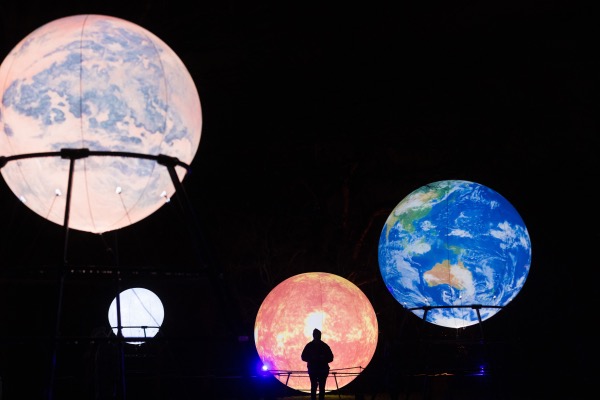
Palace of Stardust at Hampton Court Palace. PICTURE: © Historic Royal Palaces

• An after-hours light trail featuring clocks, moons, planets and sundials has opened at Hampton Court Palace this week. Palace of Stardust takes people through the palace’s historic cobbled courtyards and gardens which have been filled with magical illuminations inspired by the palace’s famous astronomical clock installed at the command of King Henry VIII. Visitors to the display, designed and created by award-winning outdoor event producers Wild Rumpus, will uncover the mysterious meanings on the clock’s dial, attend a flickering moonlit ball in the East Front Gardens, hear the ancient royal trees as they whisper their secrets and peek into mysterious miniature shadow worlds before being transported to another planet in the deepest depths of the Wilderness, once home to King Charles II’s formal pleasure garden. Seasonal food and drink will also be available. Runs until 3rd January. Admission charge applies. For more, see www.hrp.org.uk/hampton-court-palace/whats- on/palace-of-stardust-at-hampton-court-palace.

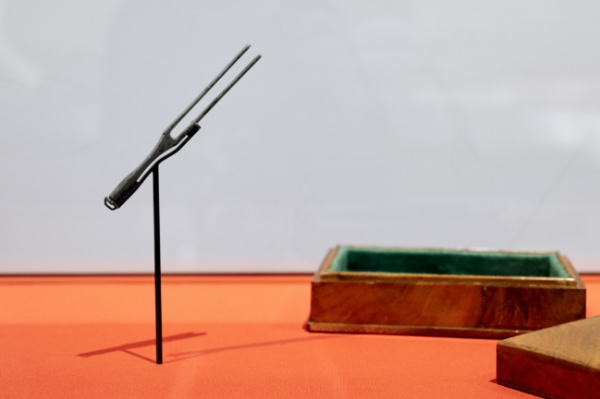
Beethoven’s tuning fork. PICTURE: © British Library Board, Add. MS 71148 A. Photography by Justine Trickett

One of the greatest composers of all time, Ludwig van Beethoven (1770-1827), is the subject of a new exhibition opening at the British Library. The display, which draws on the library’s world-famous collection, features manuscripts, archival documents, personal belongings and sound recordings with highlights including Beethoven’s own copy of his earliest published works which he composed at age 12 and 13, sketches for his Pastoral Symphony and late string quartets, a tuning fork which is thought to have belonged to him until 1803, and a pocket sketchbook the composer used to note down musical ideas when out walking, which dates from 1825. There is also a specially commissioned audio-visual incorporating bone conduction to present extracts from the composer’s music in an engaging and immersive way, in particular to those with hearing impairments. The exhibition runs until 24th April. Admission charge applies. For more, see www.bl.uk/events/beethoven. To coincide with the 250th anniversary of Beethoven’s birth, the library last year launched ‘Discovering Music: 19th century‘, a free online resource which explores key works of 19th-century classical music and the social, political and cultural contexts in which they were written.

The World War II story of the elite tank regiment, the Sherwood Rangers Yeomanry, is being told in a new exhibition which opens today at the National Army Museum in Chelsea. Based on broadcaster and historian James Holland’s book, Brothers in Arms, the exhibition spans the period from the D-Day landings on 6th June, 1944, to VE Day almost a year later and focuses on the stories of eight soldiers who served in the regiment as it explores the dangers and pressures they faced and the camaraderie and bonds that bound them together. The exhibition is being accompanied by a programme of events. This Saturday, the Museum is putting a spotlight on tanks with free talks, tours and tank challenges for the family – plus the chance to see a Sherman tank parked up at the Museum. Online booking is recommended. For more, see www.nam.ac.uk/whats-on/brothers-arms.

Send all items for inclusion to exploringlondon@gmail.com.

This Week in London – Borealis at Guildhall Yard; princess panto costumes; and ancient Greeks at the Science Museum…

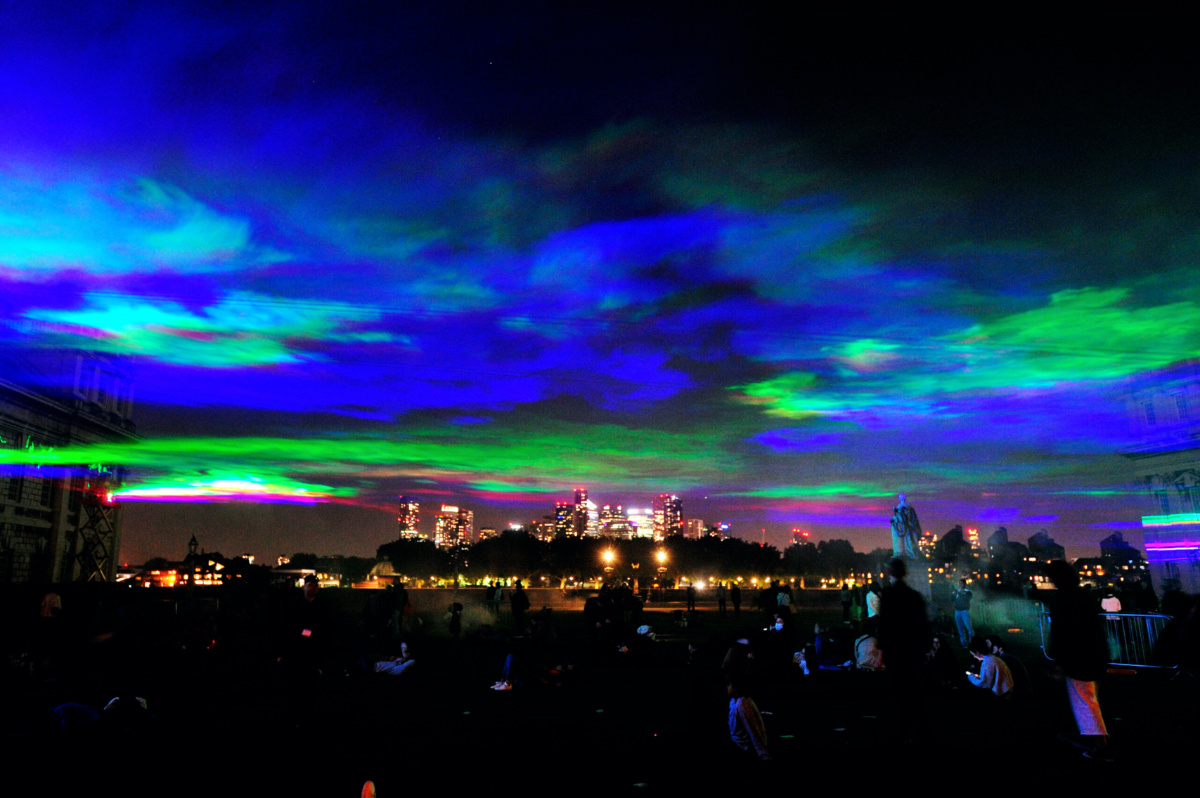
Borealis. PICTURE: Doug Southall

A dazzling light show inspired by the Northern Lights – one of the seven natural wonders of the world – can be seen in the Guildhall Yard this December. Borealis – which can be seen between 11th and 22nd December – is the work of artist Dan Acher and is one of a number of light displays which is illuminating London this winter as part of Mayor Sadiq Khan’s ‘Winter Lights’ campaign. Others include an animal-themed display bringing to life the beasts that once lived at the Tower of London, an outdoor programme of installations and video art projections illuminating the Southbank Centre’s site, the ‘Illuminated River’ display lighting up nine of London’s bridges in what is be the longest public art project in the world, and a free Canary Wharf ‘Winter Lights Spectacular’ in January which will feature 20 new light commissions by some of the most innovative artists across the globe. In Grosvenor Square, Mayfair, thousands of illuminated white roses will form an ‘Ever After Garden’ designed by fashion designer Anya Hindmarch while traditional favourites like the Hyde Park Winter Wonderland as well as winter markets and ice rinks at locations like the Natural History Museum and Somerset House are also once again returning to the city. London’s red buses are an easy way to see the Christmas lights this year with routes 12, 94, 98, 139 and 390 all travelling through Oxford Circus. Free tickets to Borealis can be booked at www.visitlondon.com/Borealis while, for more on the best bus routes, see https://londonblog.tfl.gov.uk/festive-bus-routes/. For more information on all the light shows and events (some of which are already underway), see visitlondon.com    .

Costumes worn by then Princess Elizabeth and her sister Princess Margaret in wartime-era pantomimes are at the heart of a new display at Windsor Castle this Christmas. The princesses spent much of their time at Windsor during World War II – away from the Blitz in London – and, between 1941 and 1944, they performed in and helped to stage a series of pantomimes to raise money for the Royal Household Wool Fund which supplied knitting wool to make comforters for soldiers fighting at the front. Six of the costumes they wore have been brought together for the first time and are being displayed in the castle’s Waterloo Chamber where the pantos were originally performed. The costumes on show were worn in the last two pantos – Aladdin, which was performed in 1943, and Old Mother Red Riding Boots which was performed in 1944. Also on show are 16 large scale pictures of fairy-tale characters that were pasted around the walls to create the space for the performances. Visitors to Windsor this Christmas will also see State Apartments decorated for the festive season and a 20 foot high Christmas tree in St George’s Hall. The Semi-State Rooms, created for King George IV and now used for official entertaining, are also now open to visitors. The costumes can be seen until 31st January. Admission charges apply. For more on the Christmas activities at Windsor, including a ‘Mary, Queen of Scots at Christmas Family Activity Day’ on 18th December, see www.rct.uk/whatson/. Meanwhile, Buckingham Palace is offering guided tours of the State Rooms over winter with special family guided tours available for the first time. The tours run until 30th January. Admission charge applies. For more on the guided tours, head here and for more on the family tours, head here.

• The ancient Greeks’ pursuit of knowledge is the subject of a new exhibition which has opened at the Science Museum in South Kensington. Ancient Greeks: Science and Wisdom takes visitors on a journey in which they will sail the perilous seas with a statue of Hermes that was discovered on a shipwreck off the island of Antikythera, experience the lost music of the aulos instrument through interactive displays and an exclusive video that reimagines its ancient sounds, and gaze at the starry cosmos through ancient Greek eyes via a beautiful and rare silver globe depicting the known constellations and a Byzantine sundial-calendar – the second oldest known geared mechanism in the world. The free display can be seen until 5th June. Tickets are required – to book head to sciencemuseum.org.uk/ancient-greeks.

Send all items for inclusion to exploringlondon@gmail.com.

This Week in London – Faberge eggs; Royal jeweller Garrard; and, Christmas at Kew…

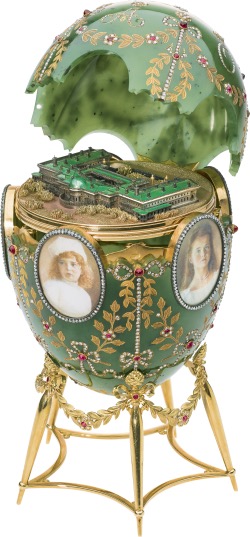
The Alexander Palace Egg, Fabergé. Chief Workmaster Henrik Wigström (1862-1923), gold, silver, enamel, diamonds, rubies, nephrite, rock crystal, glass, wood, velvet, bone, 1908 © The Moscow Kremlin Museums

• The largest collection of Faberge’s Imperial Easter eggs to be displayed together in a generation go on show at the V&A from Saturday. Fabergé in London: Romance to Revolution is the first major exhibition devoted to the international prominence of Russian goldsmith, Carl Fabergé, and his little-known London branch. Divided into three sections which cover everything from the techniques and detailing synonymous with the Faberge name to his time in London, the royal patronage he received, and the impact of the Great War and Russian Revolution on the business. The display features more than 200 objects with highlights including a prayer book gifted by Emperor Nicholas II to Empress Alexandra Feodorovna on his Coronation Day, the only known example of solid gold tea service crafted by Fabergé, a rare figurine of a veteran English soldier commissioned by King Edward VII, and a “kaleidoscopic display” of 15 of the Imperial Easter Eggs. The latter include several that have never before been shown in the UK including the largest Imperial Egg – the Moscow Kremlin Egg – which was inspired by the architecture of the Dormition Cathedral, the Alexander Palace Egg – which features watercolour portraits of the children of Nicholas II and Empress Alexandra and contains a model of the palace inside (pictured), the recently rediscovered Third Imperial Egg of 1887 (found by a scrap dealer in 2011) and Empress Alexandra Feodorovna’s Basket of Flowers Egg. Runs until 8th May. Admission charge applies. For more, see www.vam.ac.uk.

The Royal Family’s relationship with the jeweller Garrard is the subject of a new exhibition which has opened in Kensington Palace’s ‘Jewel Room’. Going on display for the first time are examples of the firm’s ledgers which document royal commissions dating back to 1735 while other highlights include Queen Mary’s fringe tiara which was made in 1919 using diamonds taken from Queen Victoria’s wedding gift to Queen Mary and which was subsequently worn by Queen Elizabeth II on her wedding day. Admission charge applies. For more, see www.hrp.org.uk/kensington-palace.

Botanical illustrations from the archives at Kew Gardens are brought to life on a canvas consisting of a selection of spectacular trees from the arboretum as part of this year’s Christmas display. Christmas at Kew also includes Spheric – a 15-metre-wide dome of light covered in more than 2,000 individually controlled LED pixels which sits on a reflective water pool and allows visitors to fully immerse themselves in a unique mirrored illusion as they cross the lake, a new installation for Holly Walk which will illuminate the night sky for over 200 metres overhead as it replicates the enchanting visual phenomenon of the Aurora Borealis, a vibrant rainbow tree illumination which brings to life the 12 Days of Christmas, and the ever-popular Fire Garden. The display can be seen until 9th January. Admission charge applies. For more, see www.kew.org.
Send all items for inclusion to exploringlondon@gmail.com.

10 sites of (historic) musical significance in London – 8. The home where Mozart composed his first symphony…

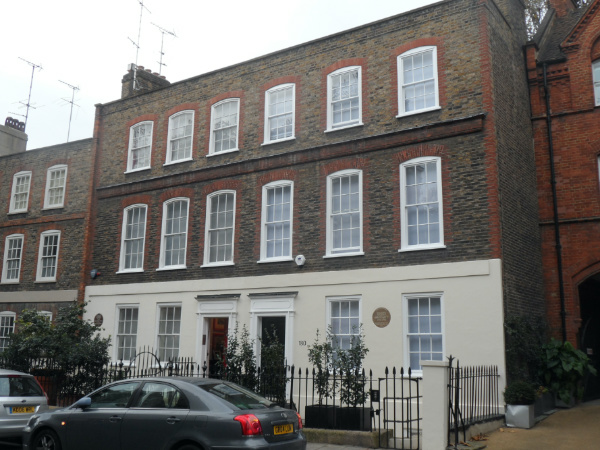
180 Ebury Street, Belgravia. PICTURE: Spudgun67 (licensed under CC BY-SA 4.0)

Think of Austrian composer Wolfgang Amadeus Mozart and chances are it isn’t London which immediately comes to mind. But it was in a home in Belgravia that the then-precocious eight-year-old composed his first symphony.

Mozart, his father Leopold, mother Anna Maria and his elder sister Maria Anna spent almost a year-and-a-half in London, between April, 1764, and July, 1765, as part of a European grand tour. Having initially taken lodgings above a barber’s shop in Cecil Court in Soho, they moved to the more rural setting of 180 Ebury Street, then known as Five Fields Row, in August so his father could recover from a serious illness which apparently developed after he caught a cold.

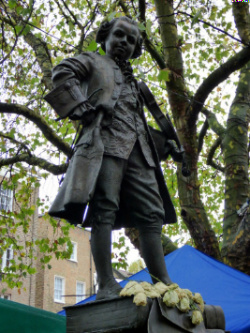
Philip Jackson’s statue of Wolfgang Amadeus Mozart in Orange Square. PICTURE: Peter O’Connor (licensed under CC BY-SA 2.0)

Mozart and his sister were both child prodigies and during their London sojourner performed in various London theatres and for King George III and Queen Charlotte at Buckingham Palace on several occasions. But, with his father now needing quiet, they were forbidden to play instruments in the house and so, according to his sister’s writings, in order to keep himself busy it was there that he composed his “first symphony for all the instruments of the orchestra, especially for trumpets and kettledrums”.

While the work she was referring to is now lost, Mozart did go on to compose the symphony that is now seen as his first at the same time. Known as K.16 in E flat major, it was first performed at the Haymarket Little Theatre in February, 1765.

Leopold did recover and so the family moved back to Soho – lodging at 20 Frith Street to be précise – in September, 1764. It was there that Mozart met the youngest son of Johann Sebastian Bach, Johann Christian, who was to be a key influence on his musical style. They left the property – and brought their time in England to an end in July, 1765, amid waning public interest in their performances (they gone from performing for the Royal Family to entertaining pub patrons). The family continued with their European tour before eventually returning to their home town of Salzburg (Mozart later settled in Vienna where he died at the young age of 35).

Mozart’s time at the Ebury Street residence (and the composition he wrote there) is commemorated with an English Heritage Blue Plaque (albeit this one is brown) which was erected by the then London County Council in 1939. Following damage in the war, it was reinstated in 1951. There’s also a statue commemorating Wolfgang Amadeus Mozart in nearby Orange Square. Designed by Philip Jackson, it was erected in 1994.

LondonLife – Commemorating World War I at Hampton Court Palace…

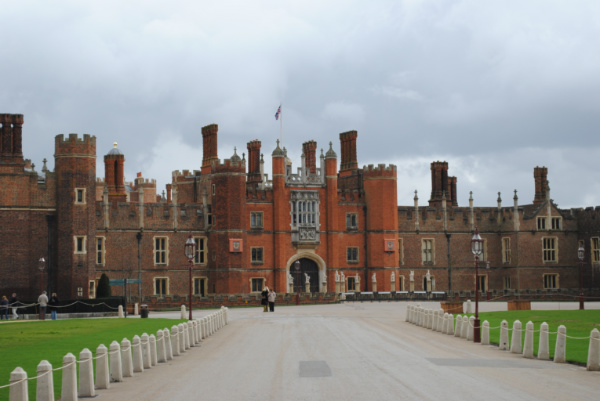
Hampton Court Palace. PICTURE: David Adams

Standing with Giants, a thought-provoking art installation at Hampton Court Palace, commemorates the lives lost in World War I and II and, in particular, the Indian soldiers who resided on the palace’s estate prior to the coronation of King Edward VII in 1902, and again for the World War I Victory Parade in London. The work of Oxfordshire artist Dan Barton and a dedicated group of volunteers, the work – located in the East Front gardens – features 100 almost life-sized silhouettes of soldiers and 75 screen-printed poppy wreaths along with an additional 25 specially commissioned silhouettes which represent the Indian soldiers. Almost 1,800 Indian Army officers, soldiers, and civilian workers sailed from India for the World War I Victory Parade and a camp was specially created to house them in the palace grounds in what was at the time one of the largest gatherings of people from India and South-East Asia ever assembled the UK. During their stay in London, the soldiers were treated to excursions in London and across the country which included trips to the Tower of London and a Chelsea football match. Alongside the display, a special trail map has been created to allow visitors to explore other aspects of the palace’s World War I history and former residents who took on roles ranging from frontline nurses to campaigners for improved care for injured veterans. One of the most poignant contributions the palace made to the war effort was the use of wood, supplied from an oak tree felled in Hampton Court’s Home Park, for the making of the coffin for the Unknown Soldier. Can be seen until 28th November. Admission charge applies. For more, see www.hrp.org.uk.

Famous Londoners – St John Houghton…

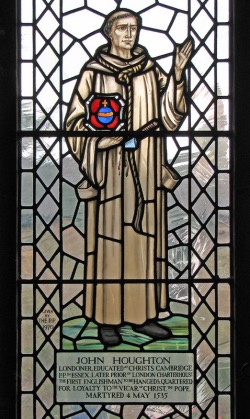
St John Houghton is remembered as the first Catholic Englishman to have been executed for refusing to take the oath prescribed by King Henry VIII’s Act of Supremacy.

Stained glass depicting St John Houghton in St Etheldreda’s Catholic Church in Ely. PICTURE: Lawrence OP (licensed under CC BY-NC 2.0)

Houghton was born around 1487 and is believed to have been educated at Cambridge, becoming ordained around 1511 before he entered the London Charterhouse in 1515 or 1516. By 1523, he held the position of sacristan and in 1528 that of procurator before, in 1531, he was transferred to Beauvale Priory in Nottinghamshire to serve as its prior.

But he returned to London in November that same year when he was unanimously elected Prior of the London Charterhouse. The following year was named Visitor of the English Province for the Carthusian Order.

When the King’s agents visited in April, 1534, requiring the community to take an oath as required under the 1534 Act of Succession (which excluded Katherine of Aragon’s daughter Mary in favour of Anne Boleyn’s daughter, Elizabeth), Houghton asked that the community be exempted.

Such a request was not looked upon kindly and Houghton, along with his procurator, Humphrey Middlemore, was arrested and taken to the Tower of London. Subsequently convinced that the oath was consistent with their Catholic faith by fellow clerics, the two returned to the Charterhouse in May, and there, in the presence of an armed force, the whole community eventually took the oath.

But in 1535, the community was again required to take an oath – this time recognising King Henry VIII as the Supreme Head of the Church of England as required by the 1534 Act of Supremacy. But Houghton, along with  the heads of the other two English Carthusian houses – Robert Lawrence, Prior of Beauvale, and Augustine Webster, Prior of Axholme – sought an audience with Thomas Cromwell and asked for an exemption. All three were sent to the Tower.

The three men were interrogated by Cromwell on 26th April and then, a few days later, were called before a special commission and sentenced to death.

Houghton was among five clerics – along with the other two Carthusian priors as well as Bridgettine monk Richard Reynolds and John Haile, the parish priest of Isleworth – who were dragged through the streets to Tyburn on 4th May. There, Houghton – wearing his religious habit – is said to have embraced his executioner as he recited the words of the 31st Psalm before he was the first to be hanged, drawn and quartered.

Catholic tradition says that when Houghton’s body was cut open to remove his heart, he said to have prayed: “O Jesus, what wouldst thou do with my heart?”

Pieces of Houghton’s body were then displayed around London – his head was displayed above London Bridge and his arm was nailed to the gate of the Charterhouse,

Houghton was beatified on 9th December, 1886, and canonised in 25th December, 1970. He is considered one of the 40 Catholic Martyrs of England and Wales, all of whom were executed between 1535 and 1679 during the English Reformation.

Lost London – The Holbein portrait of King Henry VIII’s family…

King Henry VIII; King Henry VII
by Hans Holbein the Younger
(ink and watercolour, circa 1536-1537
NPG 4027)
© National Portrait Gallery, London

Thankfully much copied (at least in part), this full length portrait of King Henry VIII, his third wife and parents was the work of Hans Holbein the Younger.

Holbein, appointed the king’s painter in 1536, was commissioned to create the work following the King’s marriage to Jane Seymour on 30th May, 1536, and completed it in 1537 (there’s some speculation it may have been commissioned in celebration of the birth of King Henry’s son, King Edward VI).

The mural featured the King standing in full splendour, although without typical symbols of royalty such as a crown or sceptre, as well as his wife Jane Seymour, and his parents, King Henry VII and Queen Elizabeth of York. They were all standing around a central pillar upon which are inscribed verses in Latin extolling the Tudor dynasty.

The work is understood to have been commissioned for one of the King’s more private chambers in the Palace of Whitehall which Henry had seized after the downfall of Cardinal Thomas Wolsey.

The portrait survived the reign of King Henry VIII but was destroyed in the fire which devastated the palace in 1698.

A full-sized cartoon of the left-hand side of the work which was completed by Holbein in preparation for its creation is held in the collection of the National Portrait Gallery (pictured right).

While there are numerous copies of the figure of King Henry VIII, the only complete copy of the mural is attributed to Remigius van Leemput who created it in 1667 – it can be seen at Hampton Court Palace.

A Moment in London’s History – The coronation of King George III and Queen Charlotte…

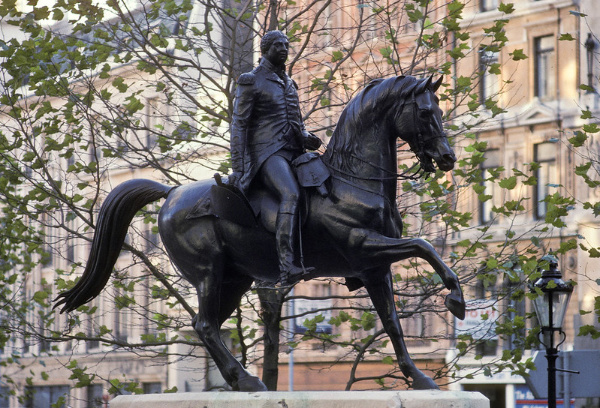
Equestrian statue of King George III in Cockspur Street. PICTURE: David Nicholls
(licensed under CC BY-NC 2.0)

This month marks 260 years since King George III and Charlotte of Mecklenburg-Strelitz were crowned King and Queen of the Kingdom of Great Britain at a ceremony at Westminster Abbey.

Only 23-years-old at the time, King George III had ascended to the throne before following the death of his grandfather, King George II, in October, 1760. He and his wife, then Princess Charlotte of Mecklenburg-Strelitz, had married in the Chapel Royal at St James’s Palace just two weeks prior to the coronation on 8th September, 1761 (they had met earlier the same day).

The royal couple started the day of the coronation – 22nd September – at St James’s Palace and were carried in sedan chairs to Westminster Hall, arriving at about 11am. They then processed on foot through crowds from the hall to Westminster Abbey (the crowds were said to be such that numerous carriages had collided with each other in the bid to reach the abbey). There, they proceeded to a special platform built in the abbey for the occasion.

Commencing at about 3pm, the coronation ceremony began. In an elaborate ceremony overseen by the Archbishop of Canterbury Thomas Secker, the new King was then crowned (Zadok the Priest, which George Frideric Handel had written for the coronation of King George II, was the anthem at the new king’s request). A simpler ceremony followed in which Charlotte was crowned Queen Consort.

The whole affair reportedly lasted more than six hours, so long that some guests are said to have tucked into snacks while watching.

A feast was subsequently held in Westminster Hall during which the King’s Champion, wearing full armour, rode into the hall and threw down a gauntlet challenging any who questioned the King’s legitimacy to step up (none did). During the feast, spectators in the galleries above let down baskets and handkerchiefs for their better placed friends below to fill with food.

The King and Queen departed the feat at about 10pm followed by guests. After they’d vacated the premises, the doors were then opened for the public to come in and to finish off the food.

Treasures of London – Traitor’s Gate…

PICTURES: David Adams

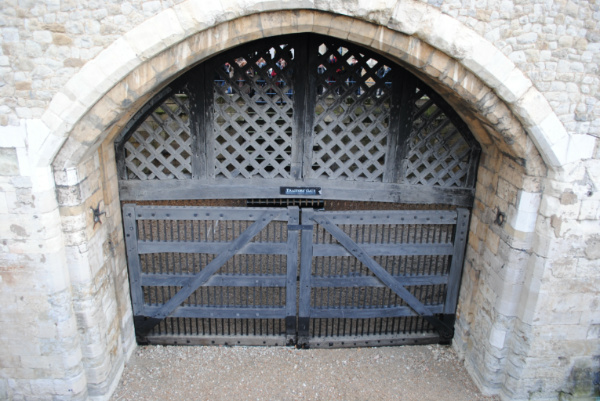
Built by King Edward I in the 13th century as a water gate to provide access from the Tower of London to the River Thames, the name ‘Traitor’s Gate’ came to be applied to this portal in Tudor times in relation to those accused of treason who were brought into the tower under its arch.

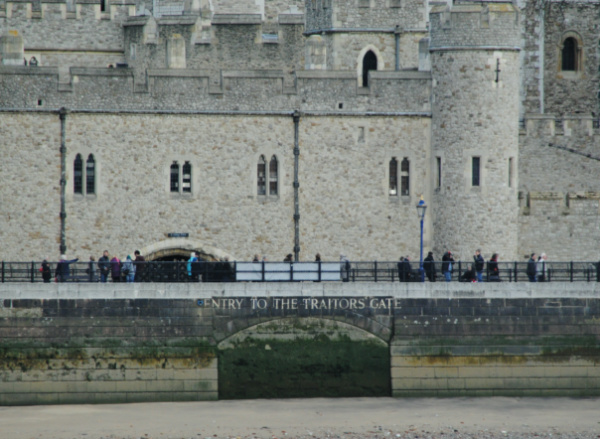
The double gateway is part of St Thomas’s Tower, which was designed by a Master James of St George, and behind it is a pool which was used to feed water to a cistern on the roof of the White Tower. While the gate was originally built to give access directly to the river, Traitor’s Gate now sits behind a wharf which runs along the river bank (and where can be seen the bricked up entrance says ‘Entry to the Traitor’s Gate’ – this was bricked up in the 19th century when embankment works were carried out)

Sir Thomas More, Sir Walter Raleigh and even the future Queen Elizabeth I (when a princess) were among those who were brought in by barge through the Traitor’s Gate (their journey would have led them under London Bridge where the heads of executed prisoners were on display). Whether Henry VIII’s disgraced Queen Anne Boleyn entered the tower through the gate remains a matter of some dispute.

LondonLife – Changing of the Guard returns…

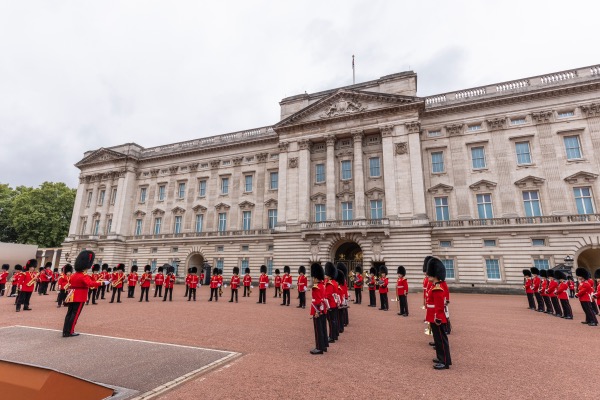
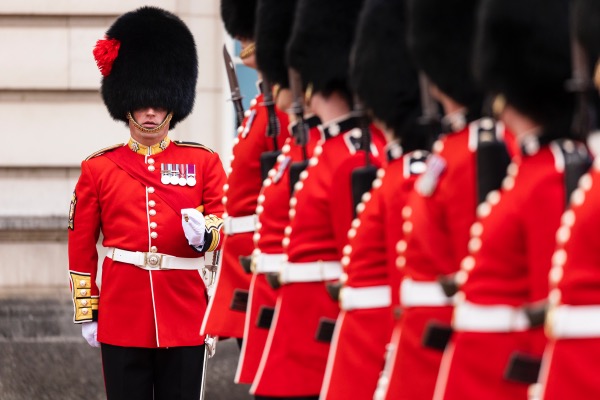
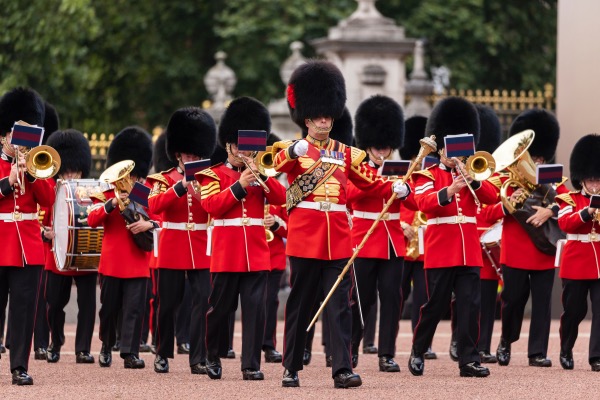
The full Changing of the Guard ceremony returned to Buckingham Palace, St James’s Palace and the Tower of London on Monday after the longest pause in its taking place since World War II. The ceremony, usually a popular tourist drawcard, had been absent from London since March last year due to the COVID-19 pandemic. The return to the ceremonial duty was carried out by the Number 3 Company from 1st Battalion Coldstream Guards based in Windsor, accompanied by the Band of The Coldstream Guards. PICTURES: Sergeant Donald C Todd, RLC (UK MOD © Crown copyright 2021/published under the MOD News Licence).

A Moment in London’s History – The last execution at the Tower of London…

The Tower of London. PICTURE: Nick Fewings/Unsplash

This month marks the 80th anniversary of the last person to be executed at the Tower of London for treason.

Injured when he was shot in the chest while serving as a conscript in the German army during World War I, Josef Jakobs worked as a dentist after the war (and was briefly imprisoned in Switzerland for selling counterfeit gold). Following the Nazi Party rose to power in Germany during the 1930s, he was arrested in 1938 by the Gestapo for selling black market passports to Jewish people fleeing the country and sent to the Sachsenhausen concentration camp.

After two years, Jakobs was released after he agreed to work as a spy in England for the German military intelligence.

Having flown from Holland, Jakobs parachuted into England at a located near Ramsey in what was then Huntingdonshire, in late January, 1941. Breaking his ankle during the landing and in pain, he fired his pistol into the air early on February 1st and was subsequently apprehended by members of the Home Guard.

Among the items he was found with were a wireless transmitter, a small torch with a flashing device, a map marking positions of nearby RAF airfields and a German sausage.

Jakobs was taken to a local police station before being transferred to London where he was subsequently interrogated by MI5 during which he claimed he had escaped to England with the intent of securing passage to America. He was later taken to a hospital and treated for his injuries.

His court martial before a military tribunal was held at the Duke of York’s headquarters in Chelsea on 4th and 5th August. After hearing from eight witnesses in a closed court (due to intelligence sensitivities), he was convicted of spying and sentenced to death.

Jakobs’ execution was carried out at the miniature rifle range at the Tower of London – the same place where death sentences had been carried out on 11 spies executed during World War I – on 15th August.

Jakobs was blindfolded and tied to a chair (which can still be viewed in the White Tower) with a white target pinned over his heart. A firing squad of eight – all members of the Scots Guards – carried out the sentence at 7.12am (five of those in the squad had live rounds). He is said to have died instantly.

Jakobs was subsequently buried in an unmarked grave at St Mary’s Catholic Cemetery in Kensal Green.

Jakobs was the only spy executed at the Tower in World War II and the last person to suffer such a sentence there.

London Explained – The Royal Parks…

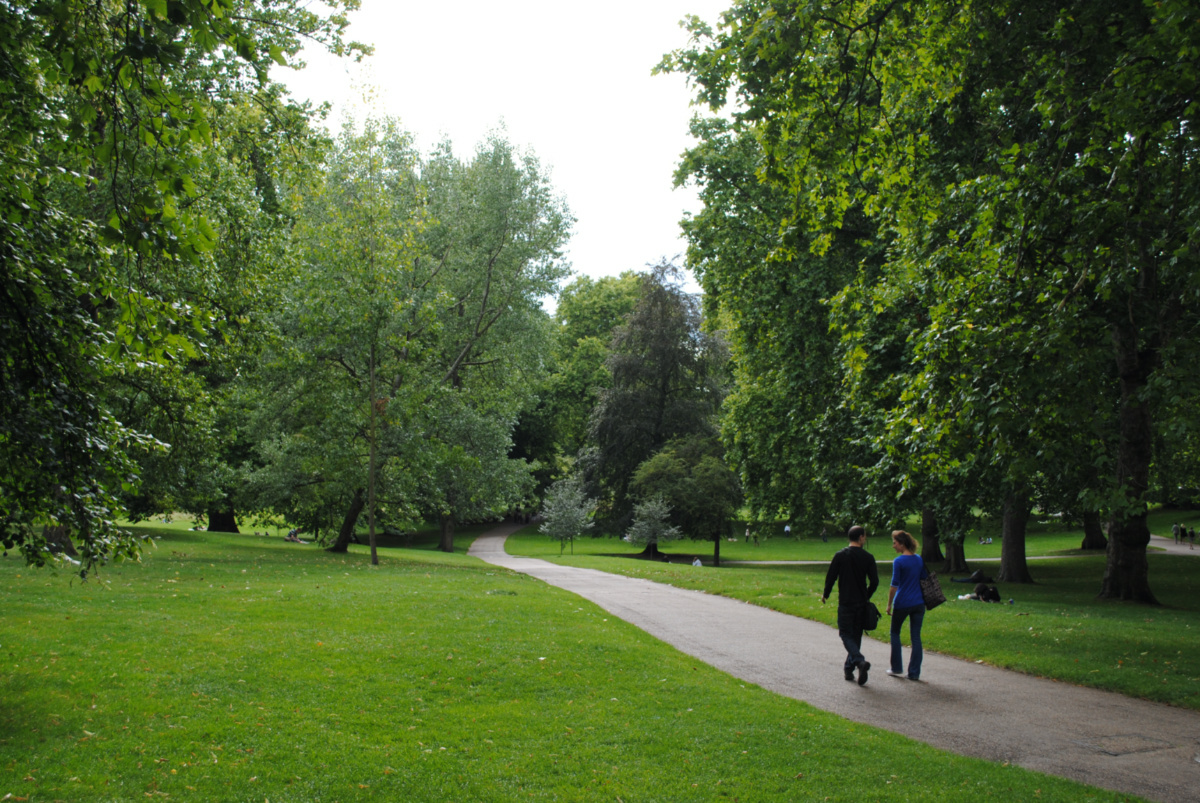
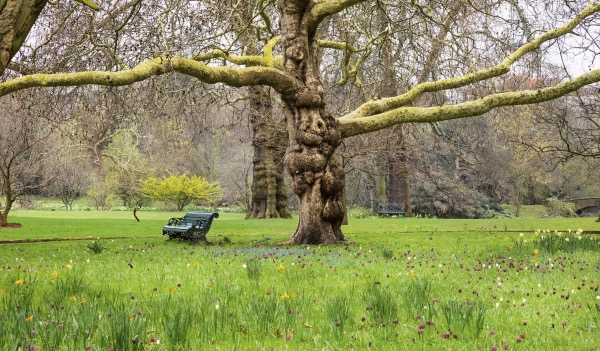
Green Park, the smallest of the eight Royal Parks. PICTURE: David Adams

One of the most beautiful features of London are its Royal Parks.

The Royal Parks signage in The Regent’s Park. PICTURE: Elliott Brown (licensed under CC BY 2.0)

The parks, which covers some 5,000 acres, are owned by the Crown and managed by a charity, The Royal Parks. They include eight of London’s largest open spaces – Hyde Park, The Green Park, Richmond Park, Greenwich Park, St James’s Park, Bushy Park, The Regent’s Park, and Kensington Gardens – as well as some other important open spaces such as Brompton Cemetery, Victoria Tower Gardens, Canning Green and Poet’s Corner.

All eight of the Royal Parks have historically been owned by the Crown with St James’s Park considered the oldest (while Greenwich Park is the oldest enclosed park).

Under an Act of Parliament passed in 1851, the Crown transferred management of the parks to the government. These powers were originally vested in the Commissioners of Works and later transferred to the Minister of Works in 1942. They now rest with the Secretary of State for Culture, Media and Sport.

The Royal Parks charity was created in 2017 when The Royal Parks Agency – a former executive agency of the Department for Culture, Media and Sport – and the Royal Parks Foundation came together. It is governed by a board led by chairman Loyd Grossman.

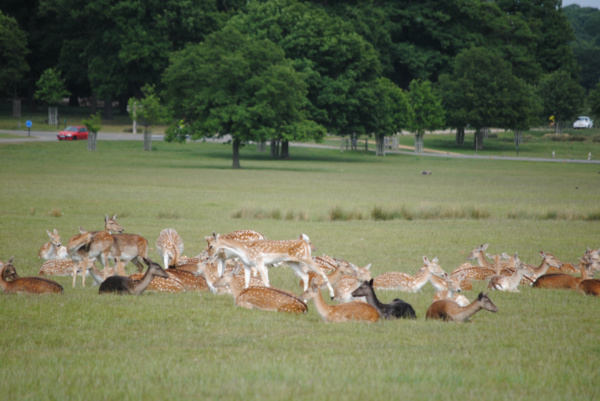
Deer in Richmond Park, largest of The Royal Parks. PICTURE: David Adams

The largest of the eight Royal Parks is Richmond Park which covers some 2,500 acres in London’s south-west (it’s followed by Bushy Park which is just over 1,000 acres). The smallest of the parks is Green Park at just 40 acres.

Interestingly, Hampton Court Palace gardens, which are open to the public are not part of The Royal Parks but instead are under the care of Historic Royal Palaces.

Here’s one fact about each of the eight Royal Parks.

  1. Cardinal Thomas Wolsey gave Bushy Park to King Henry VIII in 1529 (along with Wolsey’s home, Hampton Court Palace).
  2. Green Park was initially known as Upper St James’s Park after it was enclosed by King Charles II in 1668.
  3. The Royal Observatory, designed by Sir Christopher Wren, is located in Greenwich Park.
  4. Hyde Park became the location of the first artificially lit highway in the country when King William III, who had moved his court to Kensington Palace and found his walk back to St James’s rather dangerous, had 300 oil lamps installed upon a route which later became known as Rotten Row.
  5. Queen Caroline, wife of George II, gave Kensington Gardens much of its present form when, in 1728, she oversaw the creation of the the Serpentine and the Long Water.
  6. Horse Guards Parade is considered part of St James’s Park.
  7. Architect John Nash designed a summer palace for the Prince Regent which was to be located in The Regent’s Park but was never built.
  8. Prime Minister Lord John Russell was given a home in Richmond Park (Pembroke Lodge) by Queen Victoria in 1847.

LondonLife – Exploring Buckingham Palace’s gardens…

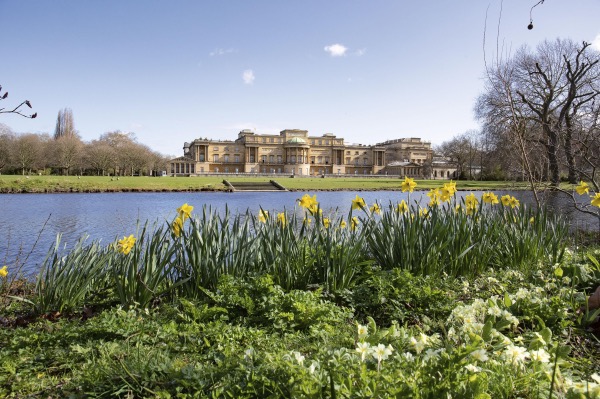
The garden at Buckingham Palace in spring. PICTURE: John Campbell (Royal Collection Trust/© Her Majesty Queen Elizabeth II 2021.)

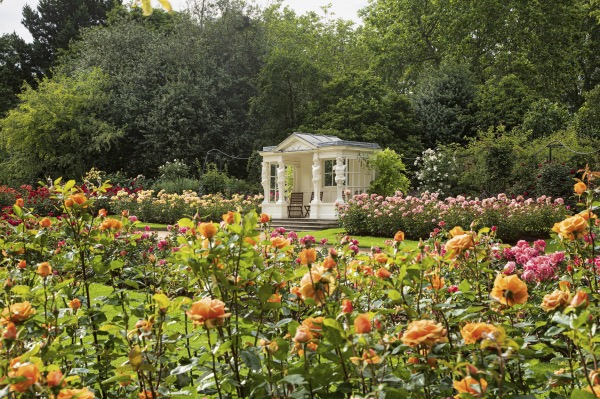
The historic 39 acre garden at Buckingham Palace opened to the public for the first time last Friday as part of the palace’s summer opening. Visitors can follow a route that takes in the 156-metre Herbaceous Border, plane trees which were planted by and named for Queen Victoria and Prince Albert, and views of the island and its beehives across the 3.5-acre lake. There’s also the opportunity to enjoy a picnic on the lawns and guided tours of the south-west of the garden with features including the Rose Garden, summer house and wildflower meadow. The current landscape dates back to the 1820s when King George IV turned Buckingham House into a place. It features more than 1,000 trees, the National Collection of Mulberry Trees (mulberry trees were first planted by King James I in 1608), 320 different wildflowers and grasses, and, since 2008, five beehives. The Queen traditionally hosts three garden parties in the gardens annually which are each attended by 8,000 guests, who consume around 27,000 cups of tea, 20,000 sandwiches and 20,000 slices of cake. The gardens are open until 19th September. Admission charge applies. For more, see www.rct.uk.

A curving path leading past the Magnolia Dell to the Rose Garden. PICTURE: John Campbell (Royal Collection Trust/© Her Majesty Queen Elizabeth II 2021.)
The Rose Garden and summer house can be seen as part of guided tours. PICTURE: John Campbell ( Royal Collection Trust/© Her Majesty Queen Elizabeth II 2021.)
Spring flowers in the Buckingham Palace garden. PICTURE:John Campbell (Royal Collection Trust/© Her Majesty Queen Elizabeth II 2021.)

A Moment in London’s History – The opening of Royal Albert Hall…

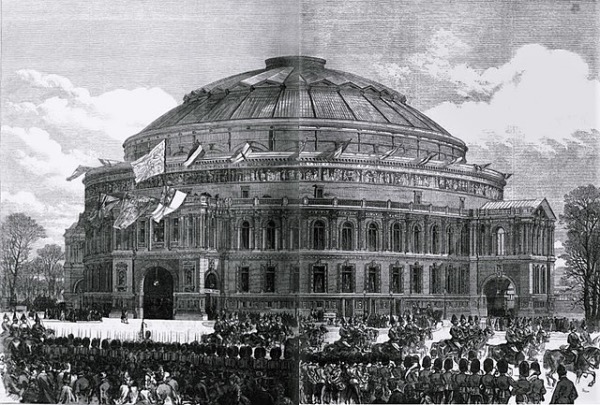
Crowds gathered at the Opening of Royal Albert Hall, on 29th March, 1871, as seems in the Illustrated London News, on the 8th April, 1871.

Next week sees the Royal Albert Hall’s 150th anniversary concert taking place, one of a number of events to mark the anniversary of the hall’s opening.

This spectacular building in South Kensington was officially opened on 29th March, 1871, as The Royal Albert Hall of Arts and Sciences (the opening was actually brought forward from 1st May – 20th anniversary of the opening of the Great Exhibition – at the request of Queen Victoria).

The Queen had laid the foundation stone in 1867 and the work on the building, the creation of which was partly funded by profits from the Great Exhibition of 1851, was complete by the end of 1870 (at least its structure – much of the interior decoration was apparently added later).

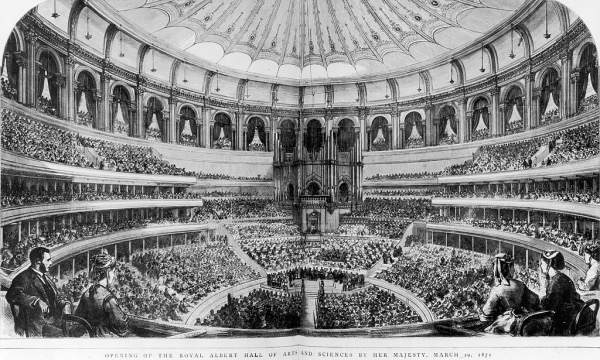
An image of the interior of the hall during the opening ceremony on 29th March. 1871. The illustration originally appeared in The Graphic. PICTURE: Via Wikipedia.

Queen Victoria and members of the Royal Family left Buckingham Palace in a line of state carriages for the event at noon escorted by the Royal Horse Guards Blue. Large crowds lined the route of her passage and a guard of honour composed of the Grenadiers stood opposite the entrance.

On arriving, the Queen was met by the Edward, the Prince of Wales (the future King Edward VII), members of the building committee and some of those who has served as commissioners of the Great Exhibition of 1851.

The Queen processed to a dais inside the building’ auditorium where some 8,000 dignitaries and invited guests waited in the audience. But she was apparently too overcome by memories of her late husband – Prince Albert, after whom the building as named – to give a speech. So it was the Prince who did so, although the Queen did reportedly add her own comments, saying according to an account in The Guardian: “I cannot but express my great admiration for this beautiful building, and my earnest wishes for its complete success.”

A battery of artillery performed a salute in nearby Hyde Park after which the Queen and Royal Family took their seats in the Royal Box to watch the musical program that followed. The Queen then returned to Buckingham Palace.

Interestingly, the first concert at the hall, held to test acoustics, actually took place month earlier on 25th February for an audience of some 7,000 people made up of those who had worked on the building and their families as well as officials and various invited members of the public.

This Week in London – New statue of Princess Diana; V&A’s new Design 1900 gallery; a Blue Plaque for Jean Muir; and, police boxes reimagined…

A new statue of the late Princess Diana is being unveiled today at Kensington Palace. The statue will be unveiled in the Sunken Garden at Diana’s former home. The garden – originally created on the orders of King Edward VII in 1908 – has been redesigned by designer Pip Morrison to provide a more reflective setting for the memorial. This included planting more than 4,000 of Diana’s favourite flowers including forget-me-nots and tulips. The statue, which is the work of sculptor Ian Rank-Broadley, is expected to be unveiled by Diana’s two sons, William and Harry, who commissioned it in 2017.

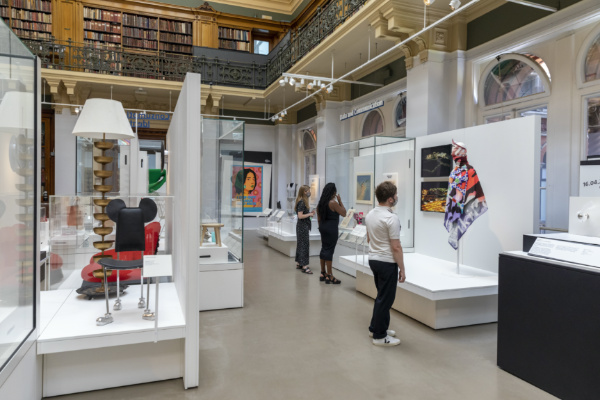
The V&A’s new gallery, Design 1900. PICTURE: Courtesy of the V&A

A new permanent gallery has opened at the V&A which explores the role design plays in shaping, and being shaped by, how we live, work, travel and communicate. Design 1900 is housed within the museum’s former 20th Century Gallery and, among the displays are new acquisitions including Margaret Calvert and Jock Kinneir’s iconic British road signage system, Kim Kardashian’s Selfish book, Nike’s Nigeria football shirt for the 2018 World Cup and a one-of-a-kind desk designed by Future Systems for Condé Nast Chairman Jonathan Newhouse. The display also includes items from the Rapid Response Collecting programme such as 3D-printed door openers, designed to limit the spread of the COVID-19 virus, and the I Believe in Our City bus shelter posters that highlighted increased anti-Asian bias. For more, see www.vam.ac.uk.

Twentieth century dressmaker and fashion designer Jean Muir has been honoured with an English Heritage Blue Plaque at the Mayfair address she worked for 30 years. The plaque was unveiled at 22 Bruton Street, the location of the showroom and office she operated out of from 1966 to 1995, by her house model, friend and client Joanna Lumley. Others among Muir’s clientele included actress Patricia Hodge and writer Lady Antonia Fraser. For more, see www.english-heritage.org.uk/visit/blue-plaques/.

The City of London Corporation has unveiled the design for new ‘Digital Service Points’ which will reimagine the concept of the traditional police boxes. ‘The London Stones’, the work of architecture and design studio Unknown Works, will include information screens, life saving emergency equipment and serve as hubs for City of London Police officers and community events. Details from buildings, stories and images of the Square Mile will be collected and ‘digitally carved’ into the exterior of the ‘stones’ which will also be home to a vast array of lichen colonies and species expected to evolve in their colour and appearance as they grow.

Send all items for inclusion to exploringlondon@gmail.com

This Week in London – Marking the 500th anniversary of the Field of the Cloth of Gold; and, a new sculpture trail in Greenwich…

The 18 day meeting between King Henry VIII and King Francois I of France in 1520, known as the Field of the Cloth of Gold, is the subject of an exhibition at Hampton Court Palace. Gold and Glory: Henry VIII and the French King, which is being held to mark the 500th anniversary of the event (having been rescheduled from last year), is being held in rooms in Hampton Court Palace that were once used by the architect of the summit, Cardinal Thomas Wolsey, and features objects from the actual meeting as well as treasures from the courts of the two kings. They include the spectacular Stonyhurst vestments – woven from cloth of gold and chosen by Henry for use at the religious services held near Calais, Wolsey’s Book of Hours, and a unique tapestry which, manufactured in Tournai in the 1520s, depicts a bout of wrestling at the event with a black trumpeter shown among the brace of royal musicians. The display can be seen until 5th September. Admission charge applies. For more information and tickets – prebooking is essential, see www.hrp.org.uk/hampton-court-palace/.

A free sculpture trail, featuring works by artist Josie Spencer, has opened on the King William Lawns at the Old Royal Naval College in Greenwich. Fragments in Time features life-sized bodies captured in dramatic positions, including fractured figures, which demonstrate the beauty and resilience of the human spirit while highlighting the fragility of life. The artist says the works have been chosen from a group of pieces that treated the figures as if they were the “archaeology of our time found in another century, in the future, when those then looking at them can see the fragility of our life now”. The trail can be seen until 6th August.

Send all items for inclusion to exploringlondon@gmail.com.

A Moment in London’s History – The coronation of King Edward IV…

It’s 560 years ago this month that the Yorkist King Edward IV was crowned at Westminster Abbey.

This image has an empty alt attribute; its file name is king-edward-iv.jpg
King Edward IV by Unknown English artist, oil on panel, circa 1540 (NPG 3542). PICTURE: Courtesy of National Portrait Gallery

Only three months earlier, on 4th March, 1461, the 19-year-old Edward had been declared King at Westminster in London. He had then gone on to defeat the Lancastrian forces at the Battle of Towton in North Yorkshire during a snowstorm on 29th March, said to have been the bloodiest single day battle ever fought on English soil with an estimated 28,000 men dying.

While his coronation was first set for July, ongoing trouble from the Lancastrians saw him bring the date forward (his predecessor, Henry VI, was in exile at the time).

Edward arrived at the Tower of London on Friday, 26th June, and then retired to Lambeth for the night. The following day – Saturday, 27th June – he crossed London Bridge and made his state entrance into the City.

Accompanied by the Lord Mayor and Aldermen and some 400 of the elite citizens of the City, Edward, said to be an impressive figure at six foot, four inches tall, then processed through the City streets to the Tower of London.

Once at the Tower, he created some 28 new Knights of the Bath, including his younger brothers George and Richard. They then rode ahead of him as he rode through the streets to Westminster.

The following morning, Sunday, 28th June, Edward went to Westminster Abbey where he was crowned King. Thomas Bourchier, the Archbishop of Canterbury, presided over the ceremony, assisted by William Booth, the Archbishop of York.

After the coronation, a banquet was held in Westminster Hall with the King sitting under a cloth of gold. One of the highlights was apparently the moment when Sir Thomas Dymoke, the King’s champion, rode into the hall in full armour. Flinging down his mail gauntlet, he is said to have challenged anyone who disputed Edward’s right to be king to do battle with him. No-one took up the offer.

A further banquet was held the following day at the Bishop of London’s Palace – in honour of his brother George who was created Duke of Clarence, and on the Tuesday, King Edward, wearing his crown, attended St Paul’s Cathedral.

Edward’s first reign ended in 1470 when on 30th October, he was forced into exile and King Henry VI. But it was only to be for a brief period – Edward IV reclaimed the throne on 11th April, 1471, defeating the Lancastrians in a decisive battle at Barnet on 14th April (April marked the 550th anniversary of that battle).