This Week in London – Wes Anderson’s archive explored; Edwin Austin Abbey at The National Gallery; and, Christmas at the Tower…

• The first retrospective of the work of film-maker Wes Anderson has opened at the Design Museum in South Kensington. Wes Anderson: The Archives draws on the director’s own archives to chart the evolution of his films from early experiments in the 1990s and collaborations to an exploration of the design stories behind films such as The Royal Tenenbaums, The Grand Budapest Hotel, Fantastic Mr Fox and Isle of Dogs. The display features more than 700 objects including original storyboards, polaroids, sketches, paintings, handwritten notebooks, puppets, miniature models and costumes. Highlights include a candy-pink model of the Grand Budapest Hotel, vending machines from Asteroid City, a FENDI fur coat worn by Gwyneth Paltrow as Margot Tenenbaum in The Royal Tenenbaums, stop motion puppets used to depict the fantastical sea creatures in The Life Aquatic with Steve Zissou and Mr Fox wearing his signature corduroy suit and show dog Nutmeg alongside miniature sets. There’s also a screening of Bottle Rocket, Anderson’s first short film, created in 1993. Runs until 26th July. Admission charge applies. For more, see https://designmuseum.org/exhibitions/wes-anderson-the-archives.

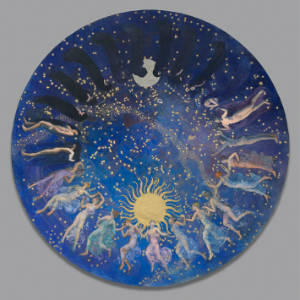
Edwin Austin Abbey, ‘Study for The Hours in the Pennsylvania State Capitol’ (about 1909–11), oil on canvas, 381 × 381 cm Yale University Art Gallery, Edwin Austin Abbey Memorial Collection. PICTURE: Courtesy of Yale University Art Gallery

A design for the ceiling of the House of Representatives in the Pennsylvania State Capitol in the US has gone on show at The National Gallery as part of a new exhibition dedicated to its creator Edwin Austin Abbey (1852-1911). The 12-feet diameter half-scale design for The Hours, newly conserved by the Yale University Art Gallery, depicts 24 female figures representing the 24 hours of the day. The display, Edwin Austin Abbey: By the Dawn’s Early Light, also features six preparatory drawings for his work, The Apotheosis of Pennsylvania, a vast wall mural featuring representations of 16th and 17th century English explorer Sir Walter Raleigh and American frontiersman Daniel Boone behind the Speaker’s dais. Abbey, who lived and worked in the UK, displayed the first of his Harrisburg murals at the University of London in 1908 prior to shipping them to the US – guests included King Edward VII and Queen Alexandria. The free display can be seen in the HJ Hyams Room (Room 1) until 15th February. For more, see www.nationalgallery.org.uk/exhibitions/edwin-austin-abbey-by-the-dawn-s-early-light

The Tower of London is being transformed into a “magical storybook world” to mark Christmas this year. A Storybook Christmas at the Tower of London features royal romances, legendary figures and treasured traditions which include animals who once lived in the Tower’s royal menagerie, the famous tower ravens, the chance to step onto a regal throne for a family portrait and find storybook backdrops among Christmas trees and wreaths, and an opportunity to explore the story of the Tower’s Royal Observatory where the first Royal Astronomer was appointed in 1675. The “storybook Christmas” opens on Sunday and runs until 4th January. Included in general admission. For more, see www.hrp.org.uk/tower-of-london/.

Send all items to exploringlondon@gmail.com

Treasures of London – The Exeter Salt…

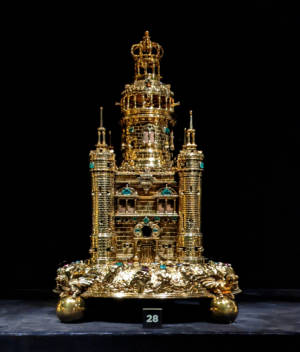
Part of the Crown Jewels held in the Tower of London, the Exeter Salt (or more formally the Salt of State) is, as the name suggests, a salt cellar but one which is exquisitely designed in the shape of a castle.

PICTURE: Firebrace/Wikipedia (licensed under CC BY-SA 4.0)

Standing 1.5 foot tall, the salt was made by Johann Hass of Hamburg, in what is now Germany, in about 1630. It is was made of silver gilt and mounted with some 73 gems including almandine garnets, turquoises, sapphires, emeralds, rubies, amethysts. It is thought the gems were not part of the original construction and may have been added at the time King Charles II’s coronation.

The design features a fantasy castle with turrets at each corner and a round tower topped by a dome and crown in the centre and comes complete with details such as cannons and decorative shields. It appears to stand on a base of rock which is supported by dragons at each corner.

It has a central compartment under the main tower as well as compartment under each turret. There are also a series of drawers used for pepper and other spices (the numbers suggesting it was made as a spice box).

The salt was purchased by Richard Bradshaw, representative of the then-Cromwellian government, in Hamburg in 1657 with the intention that it and other gifts be presented to the Russian court which had broken ties with Britain after the death of King Charles I.

But Bradshaw only made it as far as Riga in what is now Latvia (sadly many of his party dying of plague on the journey). He spent eight months waiting to cross into Russia to no avail. Bradshaw eventually returned to London via Hamburg, taking with him the gifts.

He is understood to have sold the gifts when back in London to try and recoup some of the losses he had experienced on his attempt to reach Russia.

The council of the city of Exeter acquired the salt in 1660, using the royal goldsmith, Sir Robert Vyner, as an intermediary, and paying a staggering £700 (and giving it a new name). The city, which had been a Parliamentary stronghold during the civil war, then presented it to King Charles II for his coronation.

It now forms part of the Crown Jewels and is held in the Tower of London’s Jewel House.

WHERE: The Jewel House, The Tower of London (nearest Tube Station is Tower Hill); WHEN: 9am to 4:30pm Tuesday to Saturday; opens 10am Sundays and Mondays (last entry at 3pm); COST: £35.80 adults; £28.50 concession; £17.90 children (free for Historic Royal Palaces members and £1 tickets are available for those in receipt of certain means-tested financial benefits); WEBSITE: www.hrp.org.uk/tower-of-london/crown-jewels/

Bonfire Night – Five places in London featured in the events of the Gunpowder Plot…

It’s 5th November and that means Bonfire Night, the annual event featuring bonfires, effigies of Guy Fawkes (and others), and fireworks displays in commemoration of the November, 1605, foiling of a conspiracy to kill King James I (and many others) by blowing up the House of Lords (you can read more about it in earlier posts here and here).

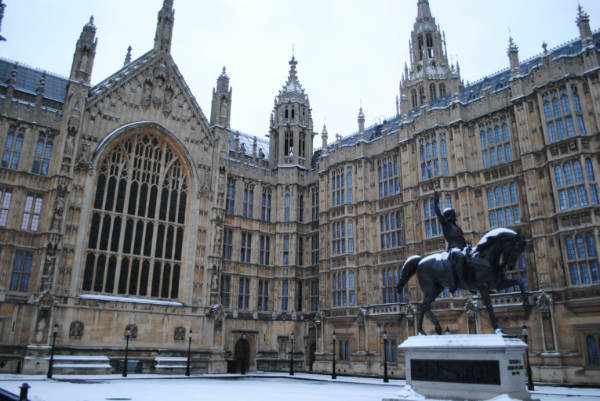
Looking across Old Palace Yard outside the Houses of Parliament to the southern end of Westminster Hall. PICTURE: David Adams

Here’s five places of significance to the story of the plot:

1. The Houses of Parliament: It was in the undercroft beneath the House of Lords that Guy Fawkes was found with 36 barrels of gunpowder. The cellar is now gone – having been destroyed when the Houses of Parliament burned down in 1834.

Subscribe for just £3 a month to support our work and access all of our stories…

(In)famous Londoners – Alice Tankerville…

The only woman prisoner recorded as having escaped from the Tower of London, Alice Tankerville was accused, along with her common-law husband John Wolfe, of committing piracy in 1533.

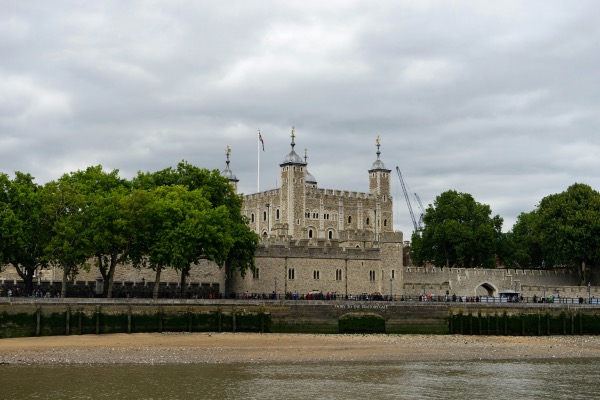
The Tower of London on the bank of the Thames. PICTURE: Juhi Sewchurran/Unsplash

It was alleged that Tankerville had lured two wealthy Italian merchants into a wherry out in the Thames where her accomplices – including Wolfe and two men disguised as watermen – had robbed and murdered them. They were also accused of burgling a home near St Benet Gracechurch where the two men had been staying.

Despite apparently having attempted to seek sanctuary in a special precinct near Westminster Abbey, the couple were arrested, charged with piracy and murder among other things, and, following a trial neither apparently attended, found guilty.

Taken to the Tower of London in 1534 (Wolfe had done a previous stint there for the theft of 366 gold crowns from a ship berthed at the Hanseatic League’s Steelyard but had eventually been released due to a lack of evidence), Alice is said to have been imprisoned in Coldharbour Gate.

Alice wasn’t done yet, however. On 23rd March that year, she managed to escape, apparently with the aid of gaoler John Bawde who provided her with ropes and a key.

It was a short-lived liberation – believed to have been wearing man’s clothes, she and Bawde were arrested trying to reach waiting horses on a road just outside the Tower (it’s worth noting that not only was Alice the only women prisoner to ever escape the Tower of London, she was also the only escapee during the reign of King Henry VIII).

Both she and Wolfe were subsequently executed and due to the nature of their crime, their execution took place on the Thames.

They were hanged in chains in the Thames near the site of their crime and, before a small flotilla of boats filled with sight-seers come to witness the event, were slowly drowned as the tide rose. Their bodies were then left hanging on the spot as a warning to others.

Treasures of London – The Medieval Palace at the Tower of London…

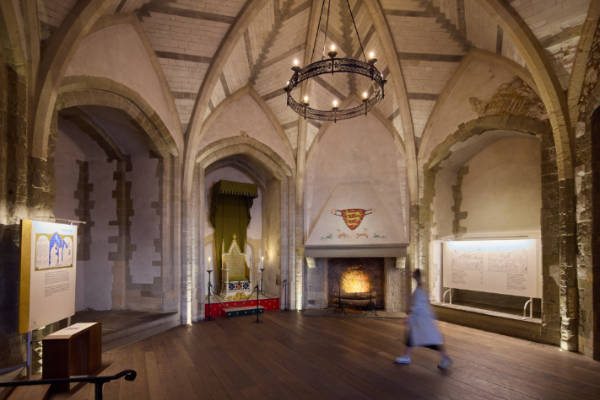
Located in one of the oldest parts of the city’s iconic fortress, the medieval palace has undergone a revamp with a restoration of the sumptuous and extravagant decorative scheme that was in place in the 13th century.

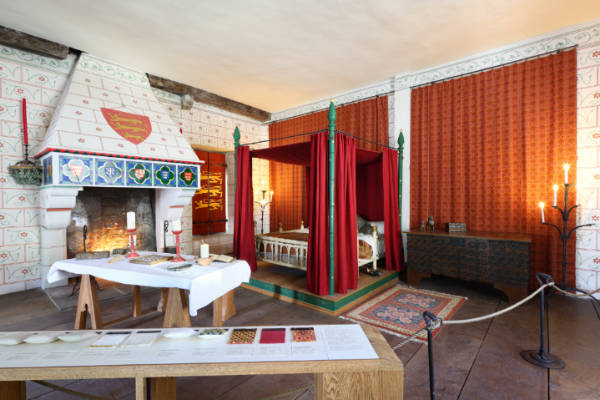
The King’s Bedchamber inside St Thomas’s Tower, part of the medieval palace in the Tower of London. PICTURE: Michael Bowles/© Historic Royal Palaces

The medieval palace is found within the St Thomas’s Tower, the Wakefield Tower and the Lanthorn Tower on the southern side of the Tower and was built on the orders of successive monarchs, King Henry III and his son King Edward I. They were used as a domestic and diplomatic space periodically by the kings and their queens, Eleanor of Provence and Eleanor of Castile.

The medieval palace today includes a recreation of Edward I’s vibrant bedchamber in the St Thomas’s Tower (which once directly fronted the River Thames and sits above the water gate later known as Traitor’s Gate) and an exploration of the influence Eleanor of Castile had on the decoration.

The Wakefield Tower, meanwhile, was built by King Henry III as royal lodgings between 1220 and 1240. It originally sat at the river’s edge and could be accessed from the river by private stairs.

Believed to have been used as an audience chamber, it contains a recreation of a throne and canopy based on 13th century examples which are decorated with a Plantagenet lion – the symbol of the royal family. The vaulted ceiling is 19th century.

Inside the Wakefield Tower in the Medieval Palace in the Tower of London. PICTURE: Michael Bowles/© Historic Royal Palaces.

The third of the towers – the Lanthorn Tower – was built as lodgings for King Henry III’s Queen but is now a 19th century reconstruction after the original tower was gutted by fire.

It contains a display and among the new objects is a stone, on loan from the Jewish Museum London, which came from a Jewish mikveh or ritual bath, dating to about 1200 and discovered in London in 2001 within the home of the medieval Crespin family. It’s part of a new effort to explore the story of London’s medieval Jewish community, the taxation of which helped to pay for the construction of St Thomas’s Tower in the 1270s.

Other new objects on show in the Lanthorn Tower include a 13th century seal matrix from a 13th century Italian knight and a gold and enamel 13th century pyx – a small round container used to hold communion wafers made in the French city of Limoges (both on loan from the British Museum) as well as a child’s toy knight made of lead that dates from c1300, lent by London Museum and a perfectly preserved wicker fish trap which was excavated from the Tower moat, containing bones likely dating from the 15th or 16th century and illustrating the moat’s role as a fishery.

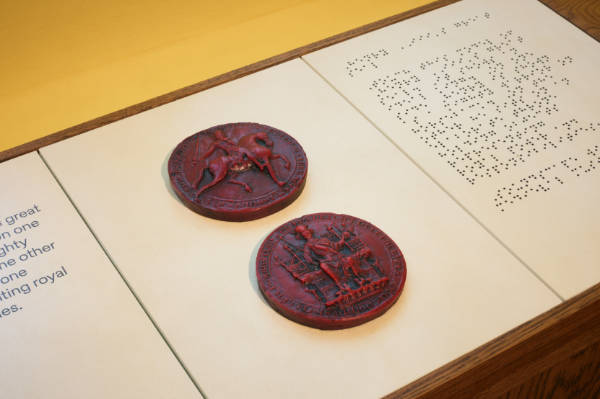
A replica of King Edward I’s seal matrix in the Medieval Palace exhibition, accompanied by a description in braille. This item is intended to be touched by visitors, to help them understand what the seal matrix might have looked and felt like in three dimensions. PICTURE: Michael Bowles (www.michael-bowles.com)

The medieval palace also includes a small private chapel which is where it’s believed King Henry VI died in 1471.

Among other stories now told in the display is that of less well-known Tower residents such as King Edward I’s laundress Matilda de Wautham, and John de Navesby the keeper of the white bear which was held in the menagerie at the Tower.

WHERE: The Medieval Palace, The Tower of London (nearest Tube Station is Tower Hill); WHEN: 9am to 5:30pm daily (last entry 3:30pm); COST: £35.80 adults; £28.50 concession; £17.90 children (free for Historic Royal Palaces members and £1 tickets are available for those in receipt of certain means-tested financial benefits); WEBSITE: www.hrp.org.uk/tower-of-london/

This Week in London – Hiroshige at the British Museum; poppies return to Tower for VE Day commemoration; and, Do Ho Suh at the Tate Modern…

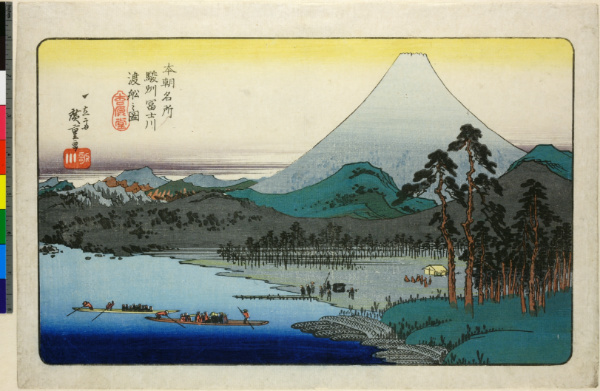
Ferry on the Fuji River. From Famous Places in Japan, Utagawa Hiroshige (1797 – 1858). Colour -woodblock print, about 1832. © The Trustees of the British Museum

An exhibition exploring the art and legacy of Japanese artist Hiroshige opens at the British Museum today. Hiroshige: artist of the open road takes visitors on a “lyrical journey” through Edo-period Japan, exploring both natural landscapes and urban life as well as considering Utagawa Hiroshige’s (1797– 1858) lasting influence on modern and contemporary art. The display marks the major gift of 35 Hiroshige prints to the American Friends of the British Museum from the collection of Alan Medaugh, a leading US collector of the artist’s work with these works being shown alongside 82 Hiroshige prints loaned by Medaugh and other works. Among them are the series Fifty-three Stations of the Tōkaidō Highway (1833–35), One Hundred Famous Views of Edo (1856–58) and Eight Views of Stations along the Main and Secondary Roads (about 1839) as well as examples of his famous bird-and-flower prints Runs in the Joseph Hotung Great Court Gallery (Room 35) until 7th September. Admission charge applies. For more, see britishmuseum.org/hiroshige.

• The 80th anniversary of World War II is being marked with a new display of ceramic poppies in the Tower of London. Almost 30,000 poppies, previously seen in Paul Cummins’ 2014 artwork, Blood Swept Lands and Seas of Red, are being used in the new installation designed by Tom Piper. Opens on 6th May in advance of the 80th anniversary of VE Day, marking the official end of the World War II in Europe, on 8th May. Included in admission with a small section visible from the public footpath. For more, see www.hrp.org.uk/tower-of-london/whats-on/tower-remembers-2025.

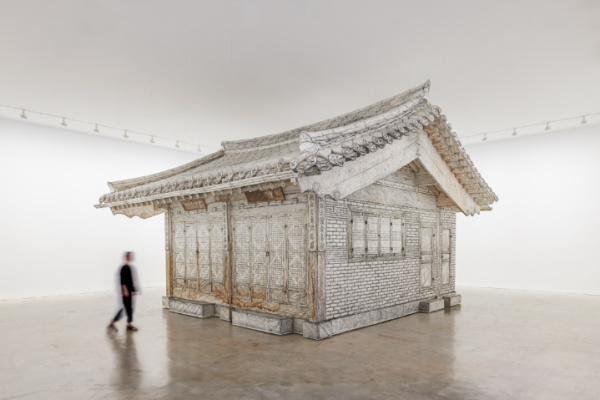
Do Ho Suh, Rubbing/Loving Project: Seoul Home, 2013-2022. Installation view at Museum of Contemporary Art Australia, Sydney, Australia. Photography by Sebastian Mrugalski Courtesy of the artist, Lehmann Maupin, New York, Seoul and London and Victoria Miro. © Do Ho Suh

• The large-scale installations, sculptures, videos and drawings of artist Do Ho Suh are going on show at the Tate Modern from today. The Genesis Exhibition: Do Ho Suh: Walk the House, the title of which comes from a Korean expression referring to the hanok – a house that could theoretically be disassembled, transported and reassembled at a new site, includes works from across three decades. They include the new installation Nest/s (2024) and Perfect Home: London, Horsham, New York, Berlin, Providence, Seoul (2024), Who Am We? (2000_ – a mosaic of tens of thousands of tiny portrait photographs collected from sources including school yearbooks, and his major Rubbing/Loving Project: Seoul Home (2013-22) project. Runs at the Bankside institution until 19th October. Admission charge applies. For more, see tate.org.uk.

Send all items for inclusion to exploringlondon@gmail.com

London Explained – London’s UNESCO World Heritage Sites…

UNESCO’s World Heritage List includes as many as 1223 properties right across the globe which the World Heritage Committee considers as having “outstanding universal value”.

Most of them are cultural sites (952) but they also include some 231 natural sites and 40 which have both qualities.

The UK is actually home to 35 sites on the list, ranging from Stonehenge and the English Lake District to neolithic Orkney and the City of Bath.

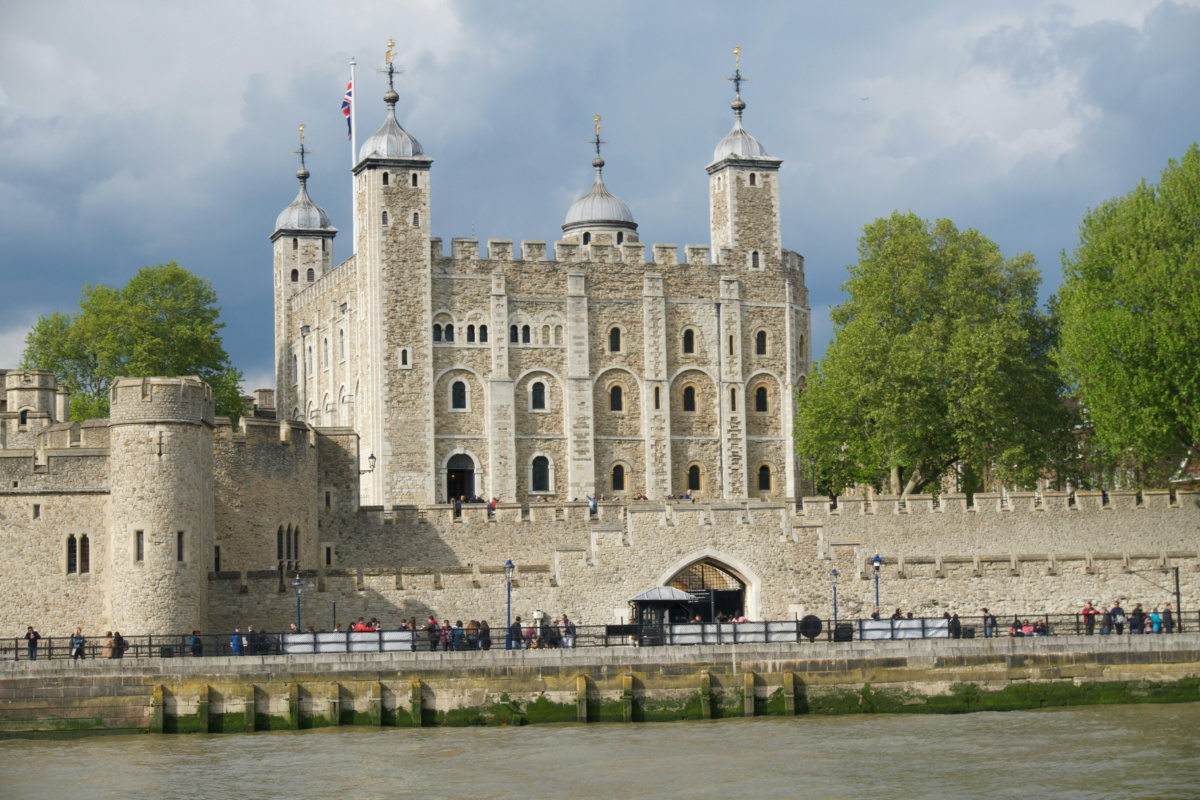
The Tower of London: PICTURE: Gavin Allanwood/Unsplash

London itself is home to four internationally recognised UNESCO World Heritage Sites. These include the Tower of London, the Royal Botanic Gardens in Kew, the Palace of Westminster and Westminster Abbey (including the neighbouring St Margaret’s Church), and maritime Greenwich.

The first of the four to be added to the list was the 10 hectare site of Palace of Westminster and Westminster Abbey in 1987 (described as being of “great historic and symbolic significance”). It was followed by the Tower of London in 1988, and the 109 hectare area covering the Queen’s House, Old Royal Naval College and Royal Observatory known as maritime Greenwich in 1997.

The 132 hectare site of the Royal Botanic Gardens at Kew was the most recent addition to the list in 2003.

As well as being added to the list, sites can also be removed as happened when Liverpool became the third site to be removed from the list in 2021 due to what the World Heritage Committee said was “the irreversible loss of attributes conveying the outstanding universal value of the property”.

Concerns have been raised over the Tower of London’s future on the list due to surrounding development and, of course, there are always other sites that can be added (we vote for Hampton Court Palace, among others).

10 London mysteries – 6. The disappearance of Edward V and his brother Richard…

The disappearance of King Edward V and his brother, Richard, Duke of York, after being last seen in the Tower of London is one of London’s most famous mysteries. And while it’s one we’ve written about before, we thought we’d take a look at the recent announcement that new evidence had been found in the matter.

Subscribe to Exploring London for just £3 a month to access all of our articles…

10 London mysteries – 4. How did King Henry VI die?

The Tower of London is known for many mysteries – the most famous, perhaps, being the fate of the two ‘Princes in the Tower’. But among the other mysterious deaths which took place behind the closed doors of the fortress is the death of the deposed King Henry VI.

Support our work for just £3 a month to gain access to all Exploring London’s content!

This Week in London – Lord Mayor’s Show; ‘Poppy Fields at the Tower’; and, ‘The Great Mughals’ at the V&A…

The Lord Mayor’s Show – featuring the 696th Lord Mayor of London, Alastair King – will be held this Saturday. The three-mile long procession – in which the Lord Mayor will ride in the Gold State Coach – features some 7,000 people, 250 horses, and 150 floats. It will set off from Mansion House at 11am and travel down Poultry and Cheapside to St Paul’s Cathedral before moving on down Ludgate Hill and Fleet Street to the Royal Courts of Justice. The return journey will set off again at 1:10pm from Temple Place and travel via Queen Victoria Street back to Mansion House where he will take the salute from the Pikemen and Musketeers at 2:40pm. For more information, including where to watch the show, head to https://lordmayorsshow.london.

 Poppy Field at the Tower. PICTURE: © Luxmuralis / Historic Royal Palaces.

An immersive sound and light show commemorating World War I and II opens at the Tower of London tomorrow ahead of Armistice Day and Remembrance Sunday. Historic Royal Palaces has partnered with Luxmuralis to present Poppy Fields at the Tower with visitors invited to go inside the Tower where – recalling the 2014 display Bloodswept Lands and Seas of Red in the Tower of London moat to mark the centenary of World War I – the walls will not only be illuminated with tumbling poppies but also historic photographs, documents and plans. The display is being accompanied by music composed by David Harper, and poetry recordings. Visitors will also be granted special access to see the Crown Jewels after-hours to learn more about their removal from the Tower during both World Wars. Runs until 16th November and should be pre-booked. Admission charges apply. For more, see https://www.hrp.org.uk/tower-of-london/whats-on/poppy-fields-at-the-tower/.

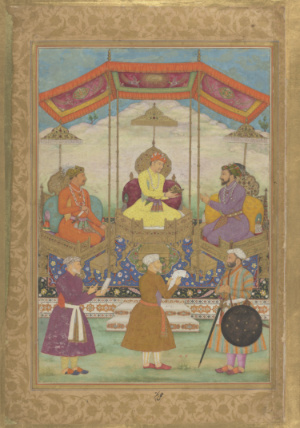
Akbar handing the imperial crown to Shah Jahan in the presence of Jahangir, Bichitr. Dated regnal year 3 (18th January 1630–7 January 1631), the borders c1630–1640. Opaque watercolour and gold on paper. Folio
from the Minto Album. © CC BY – 4.0. Chester Beatty, Dublin

An exhibition celebrating the golden age of the Mughal Court opens at the V&A in South Kensington on Saturday. The Great Mughals: Art, Architecture and Opulence examines the “creative output and internationalist culture” of Mughal Hindustan during the age of its greatest emperors, a period spanning c1560 to 1660. More than 200 objects are on display arranged in three sections corresponding to the reigns of the Emperor Akbar (1556-1605), Jahangir (1605 to 1627) and Shah Jahan (1628 to 1658). The objects include paintings, illustrated manuscripts, vessels made from mother of pearl, rock crystal, jade and precious metals. Highlights include four folios from the Book of Hamza, commissioned by Akbar in 1570, and the Ames carpet which was made in the imperial workshops between c1590 and 1600 and is on display for the first time in the UK. There’s also a unique wine cup made from white nephrite jade in the shape of a ram’s head for Shah Jahan in 1657, two paintings depicting a North American Turkey Cock and an African zebra created by Jahangir’s artists, and a gold dagger and scabbard set with over 2,000 rubies, emeralds and diamonds. Runs in Galleries 38 and 39 until 5th May. Admission charge applies. For more, see www.vam.ac.uk.

• Send all items for inclusion to exploringlondon@gmail.com.

10 towers with a history in London – A recap…

1. The Bloody Tower…

2. The tower of St Olave, Old Jewry…

3. Victoria Tower…

4. Caledonian Park Clock Tower…

5. St Augustine’s Tower, Hackney…

6. Westminster Cathedral campanile…

7. Tower of the former Church of St Mary-at-Lambeth…

8. The Bell Tower…

9. The Queen’s Tower, Imperial College London…

10. The ‘Lollard’s Tower’, Lambeth Palace…

This Week in London – ‘The World of Tim Burton’; Halloween at Hampton Court, the Tower, and Kew Gardens; and, Diwali celebrations…

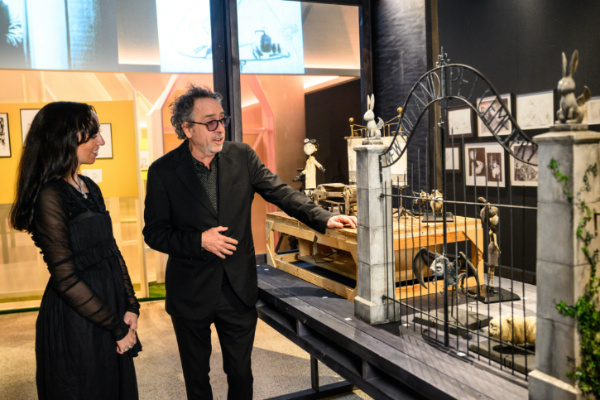
Tim Burton and curator Maria McLintock visit ‘The World of Tim Burton’ , on 23rd October. PICTURE: Matt Crossick/PA Media A (courtesy of the Design Museum)
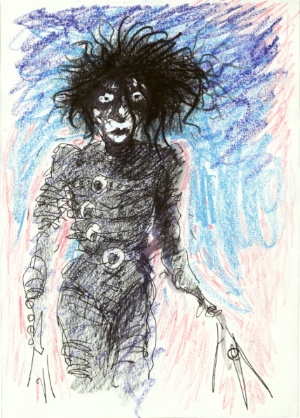
Tim Burton, Untitled (Edward Scissorhands), 1990. EDWARD SCISSORHANDS ©1990. 20th Century Studios, Inc. All Rights Reserved.

The fantastical world of celebrated film-maker Tim Burton is on display in a touring exhibition opening at the Design Museum on Friday. The World of Tim Burton, making its final stop after a decade-long world tour, showcases his 50 years of creative output and looks at not only his role as film-maker but as illustrator, painter, photographer and author. Drawn from Tim Burton’s personal archive as well as film studio collections and other private holdings, the more than 600 objects include film props, drawings, paintings, photographs, sketchbooks, moving-image works, sculptural installations, set and costume design. Highlights include the Catwoman suit from 1992’s Batman Returns, Wednesday Addams’ viral Rave’N dance dress from the recent Netflix series and the Edward Scissorhands costume worn by actor Johnny Depp in the 1990 film. There’s also early drawings of the Martians from Mars Attacks! (1996), the Mad Hatter from Alice in Wonderland (2010), and Emily in Tim Burton’s Corpse Bride (2005) and a specially created cinema experience which gives voice to some of Burton’s key collaborators and is being shown in a bespoke art-deco space reminiscent of the theatres Burton frequented as a child growing up in Hollywood. Runs until 21st April. Admission charge applies. For more, see https://designmuseum.org/exhibitions/the-world-of-tim-burton.

Hampton Court Palace and the Tower of London are marking Halloween with a series of spine-tingling events which delve into the mysterious past of the royal residences. From Saturday, visitors to Hampton Court Palace can, among other things, discover the ‘Alchemist’s Apothecary’ and meet the ghost of a long-departed alchemist, venture into the ‘Spider’s Lair’ in the depths of the palace’s wine cellar, catch a glimpse the frantic ghost of Catherine Howard in the Haunted Gallery, and encounter the spirit of Sybil Penn, a former nurse to Henry VIII’s son Edward, who has haunted the palace hallways ever since her tomb was disturbed. At the the Tower of London, meanwhile, the grounds have been transformed, hosting everything from a haunted chess game on the South Lawn to a glimpse into the tower’s astronomical past, complete with celestial maps and scientific instruments. Events take place until 3rd November. Admission charge applies. For more, see www.hrp.org.uk/hampton-court-palace/ or www.hrp.org.uk/tower-of-london/.

The first Halloween-themed light trail has opened at Kew Gardens with eerie illuminated trees, ghoulish installations and fire performers. Visitors can wander through an illuminated spiders web or discover a neon Carnivorous Tree feeding on unsuspecting skeletons by choosing one of three sessions to attend (daylight, twilight and moonlight) with things getting scarier as the evening progresses. Runs until 3rd November. Admission charge applies. For more, see www.kew.org/kew-gardens/whats-on/halloween-at-kew.

Diwali is being celebrated on Trafalgar Square this Sunday in a free, family-friendly festival. Delivered in partnership with the volunteer-led Diwali in London committee, the event – which showcases the culture of London’s Hindu, Sikh and Jain communities – features a programme of dance, music, activities and food. Highlights include dance workshops, sari and turban tying and the new Bhajan singing space where groups will perform throughout the day. The day runs from 1pm to 7pm. For more, see www.london.gov.uk/events/diwali-square-2024.

Send all items to exploringlondon@gmail.com

10 towers with a history in London – 8. The Bell Tower…

We return to the Tower of London this week to look at the history of another of its storied towers.

Support out work and subscribe for just £3 a month for full access to the site.

10 towers with a history in London – 1. The Bloody Tower…

The Bloody Tower (centre, with the gateway) at the Tower of London. PICTURE: David Adams

Carrying rather a gruesome name, this rectangular-shaped tower sits over a gate leading from outer ward into the inner ward in the Tower of London.

The tower, which once controlled the watergate before the outer walls were constructed, was originally known as the Garden Tower due to its location adjoining the Tower Lieutenant’s Garden.

To see the rest of this post (and all of our coverage), subscribe for just £3 a month. This small contribution – less than the cost of a cup of coffee – will help us continue and grow our coverage. We appreciate your support!

LondonLife – Views of London past…

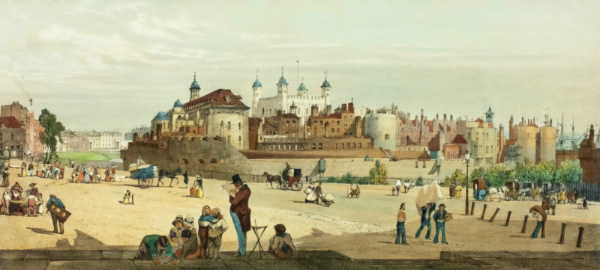
The Tower and Mint from Great Tower Hill’ byThomas Shotter Boys in ‘Original Views of London as It Is’, 1842. PICTURE: Via Art Institute of Chicago/Unsplash
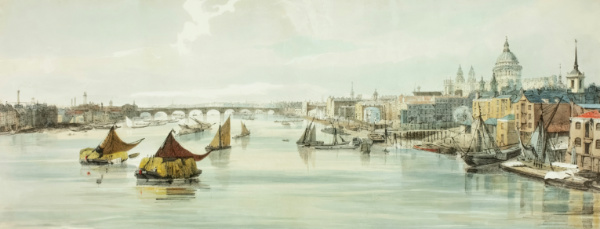
‘Blackfriars, from Southwark Bridge’ by Thomas Shotter Boys from ‘Original Views of London as It Is’, 1842. PICTURE: Via Art Institute of Chicago/Unsplash
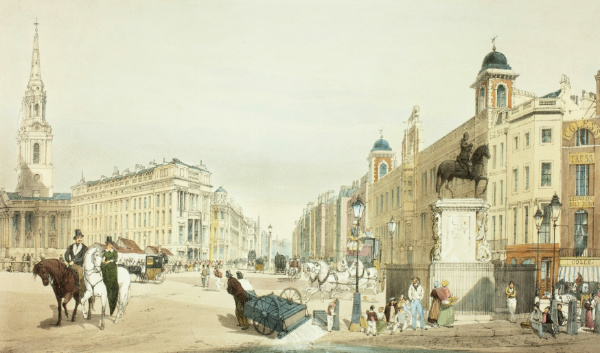
‘Entry to The Strand from Charing Cross’ by Thomas Shotter Boys from ‘Original Views of London as It Is’, 1842. PICTURE: Via Art Institute of Chicago/Unsplash
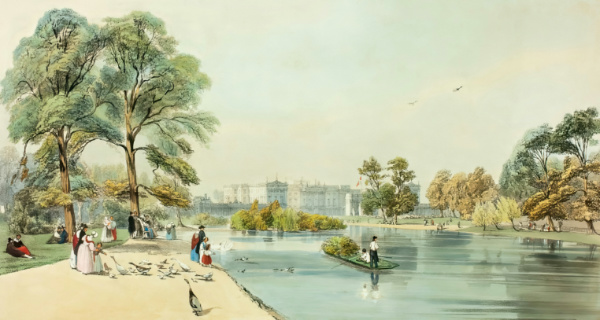
‘Buckingham Palace from St James’ Park’ by Thomas Shotter Boys from ‘Original Views of London as It Is’, 1842. PICTURE: Via Art Institute of Chicago/Unsplash
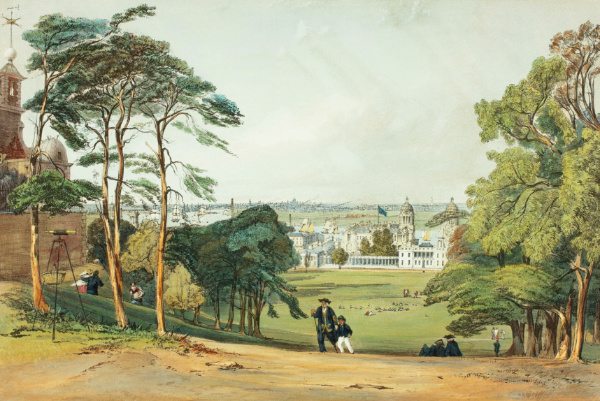
‘London, from Greenwich’ by Thomas Shotter Boys from ‘Original Views of London as It Is’, 1842. PICTURE: Via Art Institute of Chicago/Unsplash

This Week in London – Trail-blazing women celebrated at the Tower; ‘The Judgement of Paris’ back on show; and, Barbie at the Design Museum…

PICTURE: Joseph Gilbey/Unsplash

• The lives of five little-known trail-blazing women are being celebrated at the Tower of London. The five women – who will take part in a guided procession through the grounds and features in staged performances and face-to-face interactions at the Tower this summer – include Winifred Maxwell, a fearless Jacobite who smuggled her husband out of the Tower the night before his execution and Katherine le Fevre, who served as the Master Smith of the Tower during the Hundred Year War with France. Also represented are Phillis Wheatley, an intellectual prodigy and enslaved woman hailing from West Africa who became the first African-American author of a published book of poetry; Catalina of Motril, a Granadan bedchamber attendant of Katherine of Aragon who was privy to her former mistress’ secrets; and, Leonora Cohen, Yorkshire-born Suffragette who smashed the case holding the Crown Jewels at the Tower with an iron bar – and kept campaigning until she was 105. The chance to meet the women is included in general admission until 1st September. For more, see www.hrp.org.uk/tower-of-london/.

Peter Paul Rubens’ The Judgement of Paris has returned to public display after a 14 month restoration project. The project found that the painting, believed to date from 1632‒5 during the last decade of Ruben’s life, has been restored several times including a significant re-working of the composition sometime between 1676 and 1721. The new analysis reveals what changes were made by Rubens himself to the work – which arrived in Britain in 1792 and was acquired by the National Gallery in 1844 – and which were done after his death. For more, see www.nationalgallery.org.uk.

A major exhibition on the creation and evolution of Barbie opens at the Design Museum on Friday. Barbie: The Exhibition, which coincides with the 65th anniversary of the Barbie brand, showcases the diversity of the Barbie range, as well as her friends (and, of course Ken) and looks at how Barbie’s homes, vehicles and other products have reflected the tastes and trends of day. Highlights include a rare first edition of the first doll released by Mattel in 1959 (‘Number 1 Barbie’), the ground-breaking ‘Day to Night Barbie’ from 1985 and the best-selling Barbie of all time, 1992’s ‘Totally Hair Barbie’, which sold more than 10 million across the globe. There are also examples of the first Black, Hispanic and Asian dolls to bear the Barbie name as well as the first Barbie with Down syndrome, the first to use a wheelchair, and the first to be designed with a curvy body shape. Runs until 23rd February. Admission change applies. For more, see https://designmuseum.org/exhibitions/barbie-the-exhibition.

Send all items to exploringlondon@gmail.com.

10 atmospheric ruins in London – 8. Coldharbour Gate…

Located within the outer walls of the Tower of London are the remains of some early 13th century fortifications built by King Henry III.

The foundations of Coldharbour Gate in the foreground beside the White Tower with the remnants of the Inmost Ward Wall beyond. PICTURE: Elizabethe (licensed under CC BY-NC-ND 2.0)

These include the foundations of Coldharbour Gate which once adjoined the south-west corner of the White Tower as well as the western wall of the Inmost Ward which ran down to the Wakefiekd Tower.

The gate was defended by two cylindrical turrets while the Inmost Ward Wall has arrow loops installed, allowing archers to fire down on attackers who had breached the outer fortifications.

The gate was later used as a prison. Alice Tankerville, who was charged with piracy on the River Thames, became one of the most famous prisoners housed there when, despite having apparently been chained to the wall, she escaped with the help of two guards in 1533 (she was recaptured just outside the Tower).

The gateway was demolished in about 1675 and lead from the roof taken to Greenwich where it was redeployed at the Royal Observatory.

Much of the wall was hidden away behind later buildings but was re-exposed after being bomb damaged during World War II.

Not much remains to be seen today but the foundations do evoke a sense of the royal palace in times past and serve as a reminder that the buildings we see at the Tower today are not all that has existed here.

Other ruins at the Tower of London include the remains of the Wardrobe Tower, which lies at the south-east corner of the White Tower. It is thought to have dated from 1190 and incorporates the base of a Roman bastion.

WHERE: Tower of London (nearest Tube station Tower Hill); WHEN: 9am to 5.30pm (last admission 3.30pm), Tuesday to Saturday; 10am to 5.30pm (last admission 3.30pm) Sunday to Monday; COST: £34.80 adults; £17.40 children 5 to 15 (family tickets available; discounts for online purchases/memberships); WEBSITE: www.hrp.org.uk/toweroflondon/.

This Week in London – Underground shelters in wartime – then and now; new Ravenmaster at the Tower; and, ‘La Ghirlandata’ back at the Guildhall Art Gallery…

A new photographic exhibition exploring how Underground stations and metro systems provide shelter to citizens during periods of war, both now and in the past, opened at the London Transport Museum in Covent Garden last week. Echoes of the Blitz: Underground shelters in Ukraine and London features 70 images, including historical pictures from the museum’s collection as well as 38 contemporary photographs shot by six renowned, mainly Ukrainian, documentary photographers. The latter include photography showing ordinary Ukrainian citizens sleeping, waiting, cooking, washing clothes, caring for their pets and creating temporary make-shift homes in metro stations of Kyiv and and Kharkiv show alongside black and white archive images of Londoners taking refuge in Tube stations during World War II. The exhibition, which is being run in partnership with Berlin-based journalistic network n-ost, can be seen until spring next year. Admission charge applies. For more, see www.ltmuseum.co.uk.

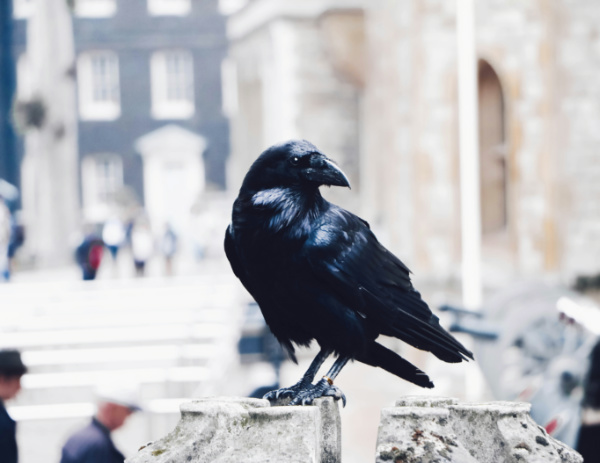
A raven at the Tower of London. PICTURE: Kasturi Roy/Unsplash

A new Ravenmaster has been appointed at the Tower of London. Yeoman Warder Michael ‘Barney’ Chandler took up the role at the start of this month, 15 years after he first became a Yeoman Warder at the Tower. The Ravenmaster oversees a team of four responsible for the care of the Tower’s seven ravens which legend says must remain at the Tower to ensure its protection. The legend apparently goes back to at least the reign of King Charles II – when the King’s astronomer John Flamsteed complained that the resident ravens were impeding his work at the Tower and requested their removal, the King was told that if the ravens left the Tower then the Kingdom would fall (and so they remained). While the Yeoman Warders have longed cared for the ravens, the post of Ravenmaster was only created in the past 50 years and was first held by Yeoman Warder Jack Wilmington. Yeoman Warder Chandler, who became the 387th Yeoman Warder at the Tower when he was appointed in March, 2009, is only the sixth person to hold the office. For more, see www.hrp.org.uk/tower-of-london/.

One of the most popular paintings at the Guildhall Art Gallery is being reinstalled to mark International Women’s Day on Friday. Dante Gabriel Rossetti’s La Ghirlandata has been on loan – first to the Tate Britain and then to the Delaware Art Museum in the US – but is now being returned. The painting dates from 1873 and depicts a ‘garlanded woman’ playing an arpanetta and looking directly at the viewer. The muse for the woman is said to have been the actor and model, Alexa Wilding, while the two ‘angels’ in the top corners were posed by William and Jane Morris’ youngest daughter, May Morris. The City of London Corporation acquired the oil on canvas work in 1927. On Saturday, free family activities will be held at the gallery to mark the work’s return. For more, see www.thecityofldn.com/la-ghirlandata.

Send items to exploringlondon@gmail.com.

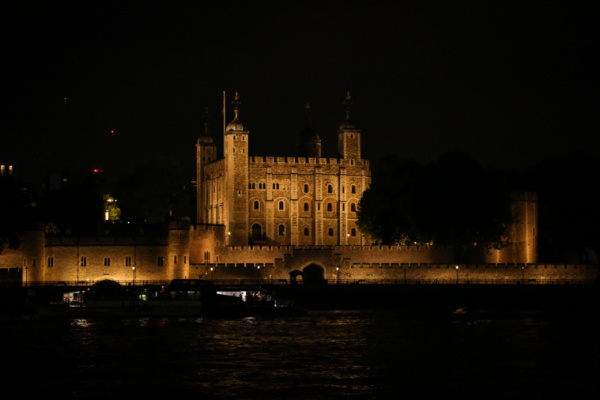
LondonLife – Tower by night…

PICTURE: Hamayoon Pacha/Unsplash

This Week in London – Hans Holbein at The Queen’s Gallery; ‘Crown and Coronation’ at the Tower; Christmas at Kew; and, Charles Dickens’ friendship with Wilkie Collins explored…

Hans Holbein the Younger, 
Anne Boleyn (1532)/Royal Collection Trust / © His Majesty King Charles III 2023.

The largest exhibition of the work of Tudor-era artist Hans Holbein the Younger has opened at The Queen’s Gallery, Buckingham Palace. Holbein at the Tudor Court features more than 50 works by Holbein including intimate portrait drawings of the royal family and the Tudor nobility including one of few surviving drawings of Anne Boleyn made during her lifetime, drawings of Jane Seymour and Sir Thomas More, and an unfinished portrait of King Henry VIII’s son Prince Edward. Other portraits include that of Derich Born, a 23-year-old Steelyard merchant, and one of Richard Southwell, a convicted murderer who was one of King Henry VIII’s closest advisors. The exhibition also features objects including a Brussels tapestry, jewel-like miniatures and Henry VIII’s magnificent armour, usually on show at Windsor and in London for the first time in a decade. Runs until 14th April. Admission charge applies. For more, see www.rct.uk/collection/themes/exhibitions/holbein-at-the-tudor-court/the-queens-gallery-buckingham-palace

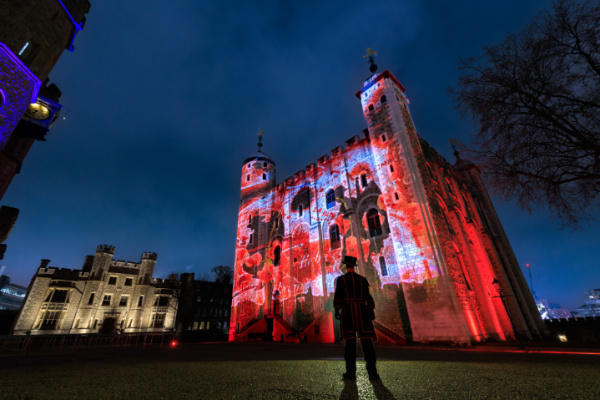
The White Tower looking south-east, showing a coloured light projection of St Edward’s Crown, the crown used at the moment of Coronation. PICTURE: © His Majesty King Charles III 2023 -Royal Collection Trust – Historic Royal Palaces

The magnificence of coronations and the Crown Jewels will be on show at the Tower of London from tomorrow night in a new light and sound show. Crown and Coronation – which has been created by Historic Royal Palaces in partnership with Luxmuralis as part of an artistic collaboration between artist Peter Walker and composer David Harper – brings the “spectacle, significance and shared experience” of coronations to life and demonstrates the pivotal role of the Crown Jewels in the ceremony as it takes visitors on a journey through the past 1,000 years. Images of the jewels will be projected on the White Tower in the show with visitors then able to view the actual jewels themselves in a special after hours opening. But you’ll have to be quick – the show can only be seen for nine days, ending on 25th November before it embarks on a two year UK-wide tour. Admission charge applies. For more, see www.hrp.org.uk/tower-of-london/.

The Palm House light show, part of Christmas at Kew. PICTURE: © Raymond Gubbay Ltd, Richard Haughton

Christmas returned to Kew this week with the launch of it’s new festive light trail featuring seven new installations. Highlights of this year’s trail include three metre tall illuminated flowers, cascading lights suspended from the tree canopy, one of the longest light tunnels to ever feature in Kew’s Christmas celebrations and the Hive – which recreates life inside a beehive – as well as the iconic Palm House light show, the twinkling tunnel of light inspired by arched church windows known as the ‘Christmas Cathedral’, and a ‘Fire Garden’ at the Temperate House. There’s also festive treats to sample and visitors can experience a traditional Christmas dinner at The Botanical Brasserie. Admission charges applies. Runs until 7th January (advance bookings only). For more, see www.kew.org/christmas.

Charles Dickens’ friendship and collaboration with writer Wilkie Collins is explored in a new exhibition at The Charles Dickens Museum in Bloomsbury. Dickens met Collins, who would become one of his most significant friends, in 1851 as they performed together in a play at the house of John Forster and their personal and professional relationship lasted more than 15 years. The display features works produced as a result of the friendship – everything from articles in Dickens’s Household Words through to novellas and plays such as The Lazy Tour of Two Idle Apprentices and The Frozen Deep – and features original letters, historic objects, and interactive displays focusing on everything from the pair’s moustache-growing contests and cruising international entertainment districts to co-writing side by side, discussing writer’s block and plot devices. Admission is included with general admission. Runs until 25th February. For more, see https://dickensmuseum.com.

Send all items to exploringlondon@gmail.com.