LondonLife – Japanese print master Utagawa Hiroshige writ large…

PICTURES: Courtesy of Outernet London

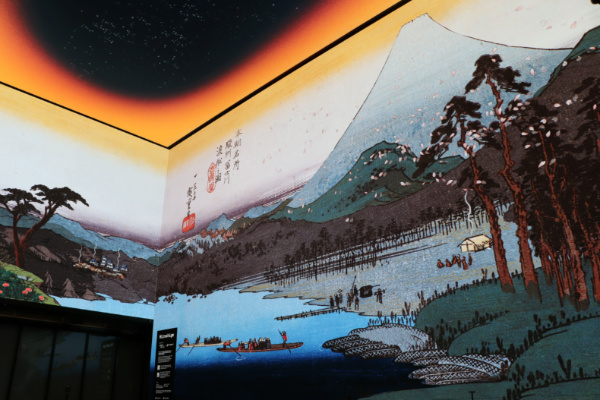
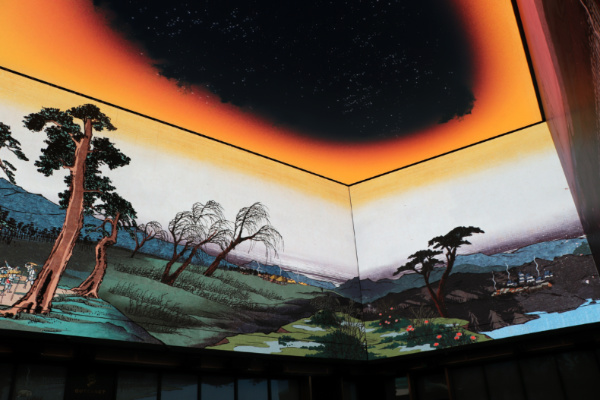
The work of Japanese artist Utagawa Hiroshige has entered the digital realm thanks to a partnership between the British Museum and Outernet London. The collaboration centres on a animated reimagining of Hiroshige’s print Ferry on the Fuji River, Suruga Province from Hiroshige’s Famous Places in Japan series (1832). Using state-of-the-art technology, the installation transforms what was a serene landscape into a large-scale digital experience across Outernet’s 16K wraparound screens. The installation, which can be seen for free in the Now Building until 7th September, complements the British Museum exhibition, Hiroshige: artist of the open road which invites visitors on a journey through Edo Japan. For more, head to outernet.com. For more on the exhibition, see britishmuseum.org/hiroshige.

This Week in London – Sexual violence in conflict; Indian religions at the British Museum; and, the circus comes to Hampton Court…

A first-of-its-kind exhibition at the Imperial War Museum in Lambeth aims to shed light on sexual violence in conflicts. Unsilenced: Sexual Violence in Conflict features case studies which span the period from the World War I to today and examines how and why sexual violence is perpetrated, its impact on victims and survivors and the pursuit of justice and reconciliation. The exhibition features some 162 objects, including never-before-seen items, as well as testimonies and interviews with experts such as Christina Lamb, journalist and author of Our Bodies, Their Battlefield: What War Does to Women, and Sarah Sands, journalist and former chair of the G7 Gender Equality Advisory Council. The display also highlights the ongoing work of four NGOs working in the field of sexual violence: Women for Women International, All Survivors Project, Free Yezidi Foundation and Waging Peace. The free display opens on Friday and runs until 2nd November. For more, see www.iwm.org.uk/events/unsilenced-sexual-violence-in-conflict.

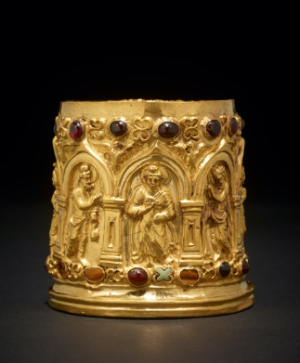
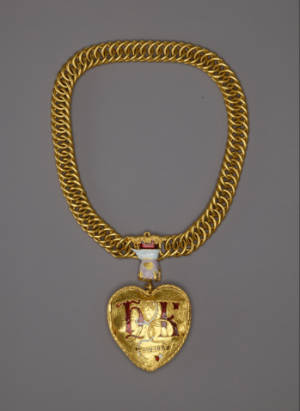
Bimaran casket, about 1st century © The Trustees of the British Museum.
This gold reliquary might represent the earliest dateable image of the Buddha shown as a man, as coins found with it could date to the late 1st century AD. The Buddha stands with his right hand raised in the gesture of reassurance and is flanked by the gods Indra (right) and Brahma (left).

The origins of three of the world’s major religions – Hinduism, Buddhism and Jainism – and their practice today are explored through a new exhibition of sacred art at the British Museum. Ancient India: living traditions features more than 180 objects including sculptures, paintings, drawings, and manuscripts. Among the objects on show is a statue of the elephant-headed god Ganesh made of in Java from volcanic stone, dating from about AD 1000–1200, while among the stories told in the display are how depictions of Buddha have changed over time while those of Hindu goddess Lakshmi have remained relatively unchanged. Runs until 19th October in The Sainsbury Exhibitions Gallery. For more, see www.britishmuseum.org.

The circus and street performance are coming to Hampton Court Palace this weekend for a three day family-friendly festival featuring live music, acrobatics and physical theatre. Featuring performers from Cirque Bijou, the Big Bahooey will, as well as breathtaking stunts, slapstick comedy and interactive performances, feature hands-on workshops where you can learn skills such as juggling, wire walking or spinning plates. Entrance is included in palace admission. Runs from 24th to 26th May. For more, see www.hrp.org.uk/hampton-court-palace/whats-on/the-big-bahooey/.

Send all items for inclusion to exploringlondon@gmail.com

This Week in London – Hiroshige at the British Museum; poppies return to Tower for VE Day commemoration; and, Do Ho Suh at the Tate Modern…

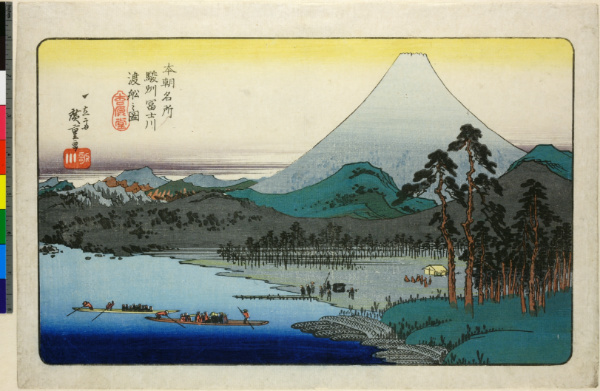
Ferry on the Fuji River. From Famous Places in Japan, Utagawa Hiroshige (1797 – 1858). Colour -woodblock print, about 1832. © The Trustees of the British Museum

An exhibition exploring the art and legacy of Japanese artist Hiroshige opens at the British Museum today. Hiroshige: artist of the open road takes visitors on a “lyrical journey” through Edo-period Japan, exploring both natural landscapes and urban life as well as considering Utagawa Hiroshige’s (1797– 1858) lasting influence on modern and contemporary art. The display marks the major gift of 35 Hiroshige prints to the American Friends of the British Museum from the collection of Alan Medaugh, a leading US collector of the artist’s work with these works being shown alongside 82 Hiroshige prints loaned by Medaugh and other works. Among them are the series Fifty-three Stations of the Tōkaidō Highway (1833–35), One Hundred Famous Views of Edo (1856–58) and Eight Views of Stations along the Main and Secondary Roads (about 1839) as well as examples of his famous bird-and-flower prints Runs in the Joseph Hotung Great Court Gallery (Room 35) until 7th September. Admission charge applies. For more, see britishmuseum.org/hiroshige.

• The 80th anniversary of World War II is being marked with a new display of ceramic poppies in the Tower of London. Almost 30,000 poppies, previously seen in Paul Cummins’ 2014 artwork, Blood Swept Lands and Seas of Red, are being used in the new installation designed by Tom Piper. Opens on 6th May in advance of the 80th anniversary of VE Day, marking the official end of the World War II in Europe, on 8th May. Included in admission with a small section visible from the public footpath. For more, see www.hrp.org.uk/tower-of-london/whats-on/tower-remembers-2025.

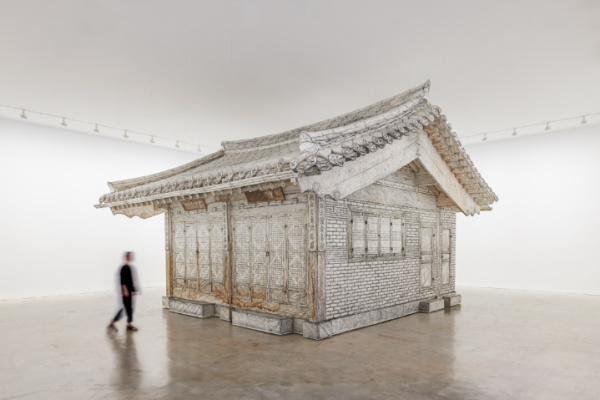
Do Ho Suh, Rubbing/Loving Project: Seoul Home, 2013-2022. Installation view at Museum of Contemporary Art Australia, Sydney, Australia. Photography by Sebastian Mrugalski Courtesy of the artist, Lehmann Maupin, New York, Seoul and London and Victoria Miro. © Do Ho Suh

• The large-scale installations, sculptures, videos and drawings of artist Do Ho Suh are going on show at the Tate Modern from today. The Genesis Exhibition: Do Ho Suh: Walk the House, the title of which comes from a Korean expression referring to the hanok – a house that could theoretically be disassembled, transported and reassembled at a new site, includes works from across three decades. They include the new installation Nest/s (2024) and Perfect Home: London, Horsham, New York, Berlin, Providence, Seoul (2024), Who Am We? (2000_ – a mosaic of tens of thousands of tiny portrait photographs collected from sources including school yearbooks, and his major Rubbing/Loving Project: Seoul Home (2013-22) project. Runs at the Bankside institution until 19th October. Admission charge applies. For more, see tate.org.uk.

Send all items for inclusion to exploringlondon@gmail.com

10 London mysteries – 2. Who was Jimmy Garlick?

This week we look at a mysterious mummified figure who was “discovered” in the vaults beneath the floor of St James Garlickhythe in the 1850s.

Subscribe to Exploring London for just £3 a month and get access to every article (and help us maintain and develop the site at the same time)!

This Week in London – Christmas at Kew; Picasso’s prints; and, the T rex dons its Christmas jumper…

World premiere installations Ombre by TILT – which takes the “form of a series of giant plants in bloom springing up from the landscape in a spectrum of vibrant shades” – and Threshold by Studio Vertigo – an “illuminated helix-like shape, bathed in golden yellow light to evoke the warmth and joy of the festive season” are at the centre of this year’s Christmas light trail at Kew Gardens. Other highlights at this year’s festive showing include Camellia Walk, which has been transformed into a snowy lane which showcases the spectacular tree canopy and evoking a wintery wonderland, Fish are Jumping by Dutch artists TOER and Mist Arches by Culture Creative which create “an atmospheric ambience across Kew’s Lake Crossing”. Annual favourites such as the light show on the Temperate House, the Fire Garden and Christmas Cathedral have also returned along with the Palm House finale. The trail can be visited on selected dates until 5th January. Admission charge applies. For more, see
www.kew.org/christmas.

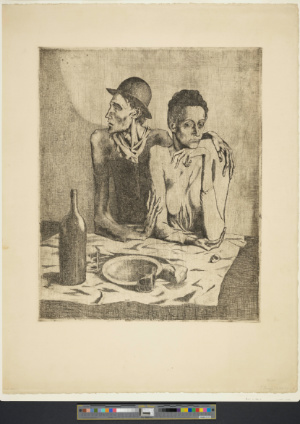
The frugal meal, 1904 © Succession Picasso/DACS, London 2024

Around 100 prints by Pablo Picasso – including some from his 347 Suite which have never been displayed before – are on show in a new exhibition at the British Museum. Picasso: Printmaker charts the artist’s engagement with printmaking (he produced around 2,400 in total) and centres on some of the more than 500 now in the British Museum’s collection (the largest in the UK). Highlights include his first professional print – The Frugal Meal (1904 – pictured) – as well as prints from the Vollard Suite (1930-1937) such as the aquatint Faun Uncovering a Woman (1936), and, the 347 Suite‘s Tree in the Storm, with Flight Towards a Church (1968). The exhibition can be seen in Room 90 until 30th March. Admission charges apply. For more, see www.britishmuseum.org/picasso.

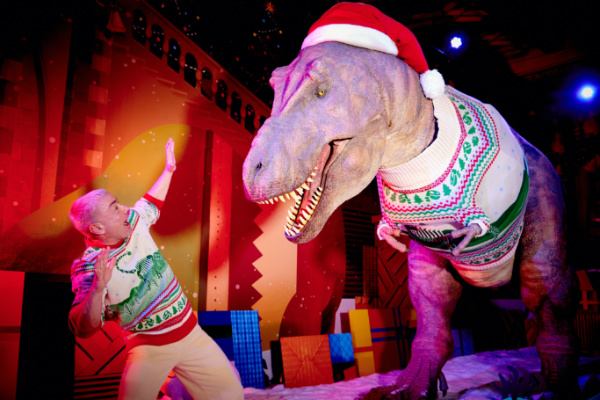
The T rex’s new Christmas jumper has been unveiled at the Natural History Museum. This year’s design – which can be seen modelled by the T rex – features festive colours of red, blue, green and white and an image of the museum’s latest prehistoric resident, Fern the Diplodocus, who took up residence in the redesigned gardens earlier this year. The jumper can be seen in the Dinosaur’s Gallery until January. Human-sizxed versions can be bought in the museum shop (www.nhmshop.co.uk). For more, see nhm.ac.uk.

The Natural History Museum unveils its 2024 Christmas jumper on its famous animatronic T rex in annual festive display. PICTURE: © Trustees of the Natural History Museu

Send all items to exploringlondon@gmail.com.

This Week in London – Constable and ‘The Hay Wain’; Hew Locke at the British Museum; and, first NYE tickets on sale…

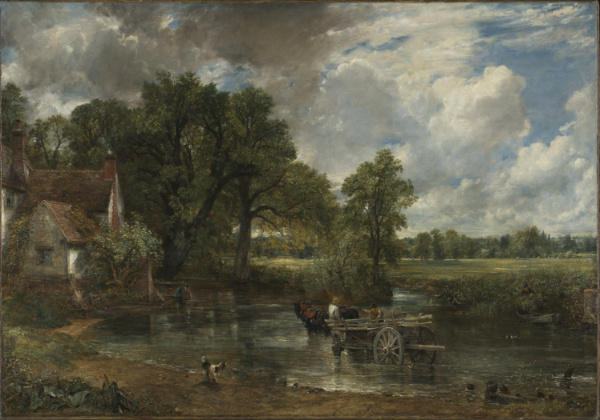
NG1207, John Constable, ‘The Hay Wain’, 1821, Oil on canvas 130.2 × 185.4 cm © The National Gallery, London

John Constable’s iconic work The Hay Wain is the focus of a new free exhibition opening at The National Gallery. Discover Constable and The Hay Wain, which is being held as part of the gallery’s 200th anniversary celebrations, will look at the innovative nature of the painting when it was first exhibited at the Royal Academy in 1821 and show how Constable came to be established as a master in the history of British art. It will also examine the subsequent ownership of the painting, its acquisition by the National Gallery in 1886, and the rise in popularity of both Constable and The Hay Wain in the years since. The free exhibition in the Sunley Room opens today. Runs until 2nd February. For more, see www.nationalgallery.org.uk/exhibitions/discover-constable-and-the-hay-wain.

A new exhibition examining how the British Museum’s collection reflects the legacies of British imperial power opens today. A collaboration with renowned Guyanese-British artist Hew Locke, Hew Locke: what have we here? is Locke’s “personal and emotive exploration” of the collection and features well-known objects from across the museum’s collection alongside specially commissioned new works by Locke. Can be seen until 9th February in the The Joseph Hotung Great Court Gallery (Room 35). For more, see www.britishmuseum.org.

The first tickets for London’s New Year’s Eve fireworks celebration go on sale at noon tomorrow (Friday 18th October). The tickets, which cost between £20 and £50 depending on the viewing area (London residents pay £15 less on each ticket), represent the first of two batches of tickets to go on sale. Tickets must be purchased to watch the fireworks in person and only tickets bought from the authorised outlet Ticketmaster will be accepted. For those who can’t get tickets, the fireworks show is being broadcast live on the BBC. www.london.gov.uk/nye.

Send all items to exploringlondon@gmail.com.

This Week in London – ‘Silk Roads’ at the British Museum; ‘War and the Mind’; and, the art of Sidney H Sime at the Heath Robinson Museum…

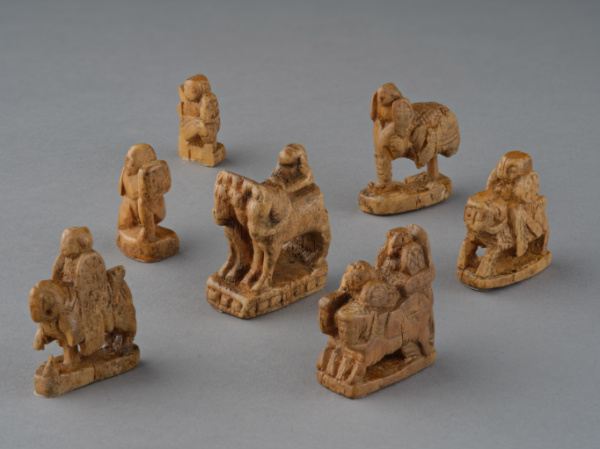
Ivory chess pieces © ACDF of Uzbekistan, Samarkand State Museum Reserve. PICTURE: Andrey Arakelyan

The popular concept of the ‘Silk Road’ as a simple history of trade between East and West is challenged in a new exhibition which opens at the British Museum today. Silk Roads, which spans the period from about 500 AD to 1,000 AD, explores the overlapping networks which linked communities ranging from the UK to Japan and Scandinavia to Madagascar through a display organised into five geographic zones. The exhibition features more than 300 objects which include the oldest group of chess pieces ever found (pictured), a six metre long wall painting from the ‘Hall of the Ambassadors’ in what is now Samarkand in Uzbekistan, a glass drinking horn from Italy dating from between 550 and 600 AD, and, a map of the world from al-Idrisi’s Nuzhat al-mushtaq fi ikh0raq al-afaq (Pleasure of He who Longs to Cross the Horizons) from a 1533 manuscript which drew on a 1154 original. Visitors will also encounter the stories of people whose stories intertwined with the Silk Roads including Willibald, a balsam smuggler from England, and a legendary Chinese princess her shared the secrets of silk farming with her new kingdom. The display in the Sainsbury Exhibitions Gallery can be seen until 23rd February. Admission charge applies. For more, see britishmuseum.org/silkroads.

The psychological dimensions of war are explored in a major new temporary exhibition at the Imperial War Museum in Lambeth. War and the Mind features more 150 objects spanning the period from World War I through to the War in Afghanistan. Among them are a letter from Winnie the Pooh author AA Milne which speaks of how dedicated pacifists have changed their mind in the face of direct threat, amphetamine tablets issued to Allied soldiers to help them overcome the psychological effects of fatigue, a newly-acquired mitten belonging to the baby son of an Avro Lancaster bomber rear gunner who carried it for comfort while carrying out operations during the World War II, and a Protect and Survive booklet issued in the UK in 1980 as part of the government’s response to the fear of nuclear weapons during the Cold War. The exhibition, which opens on Friday, is free to visit. For more, see iwm.org.uk/events/war-and-the-mind.

The artwork of painter, illustrator and caricaturist Sidney Sime is the subject of a new exhibition at the Heath Robinson Museum in Pinner. Sime, who was born in Manchester in 1865, trained at the Liverpool school of art before heading to London where he worked for magazines including Pick-Me-Up, drawing theatrical caricatures and other humorous drawings. He later struck up a friendship with Lord Dunsany and illustrated his first book, The Gods of Pegana, in a collaboration which continued until the 1930s. He also formed friendships with Lord Howard de Walden and composer Joseph Holbrooke, making set and costume designs for their theatrical and operatic productions. After World War I, Sime made a number of large oil paintings, many of which are shown in the display. The Art of Sidney H Sime, Master of Fantasy, which opens on Saturday, can be seen until 5th January. For more, see www.heathrobinsonmuseum.org/whats-on/sidney-sime-artist-and-philosopher/.

Send all items for inclusion to exploringlondon@gmail.com.
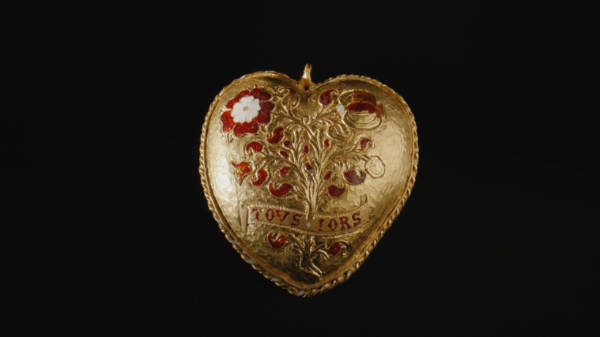
This Week in London – Victorian London captured; and, contemporary art at the British Museum…

See a glimpse of London as it was during the Victorian era at a new exhibition opening at the London Metropolitan Archives. Lost Victorian City: a London disappeared features photographs, prints, watercolours and documents depicting buildings, horse-drawn transport, docks and various forms of entertainment along with artists’ views of the capital. Highlights include images taken in 1875 by the Society for Photographing Relics of Old London of the 17th century coaching inn, the Oxford Arms, which was demolished two years later, two images by Philip Henry Delamotte showing the moving of the Crystal Palace from Hyde Park to Sydenham following the Great Exhibition of 1851, and a photograph showing the public disinfects whose job was to remove all textiles after an infectious disease outbreak. The display can be seen at the Clerkenwell-based archives until 5th February next year. For more, see

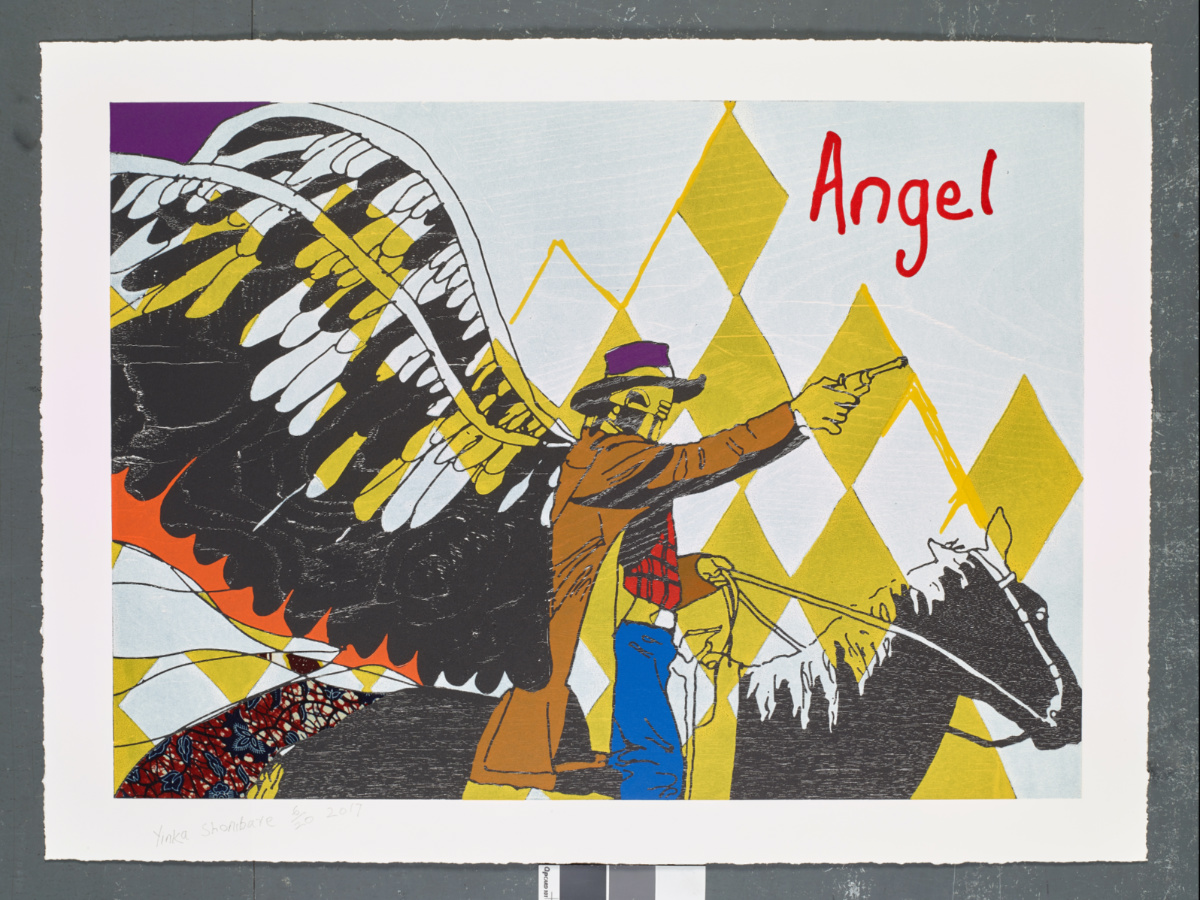
Yinka Shonibare CBE, Cowboy Angel V from the series Cowboy Angels. Colour woodcut and collage of Dutch wax batik fabric. Reproduced by permission of the artist.

An exhibition has opened featuring works of art acquired by the British Museum over the past two decades including works by David Hockney, Damien Hirst, Julian Opie, Yinka Shonibare and Cornelia Parker. Contemporary collecting: David Hockney to Cornelia Parker features around 100 works acquired since 2001. Many of the works, which span the period from the 1960s onwards, are being exhibited for the first time. Highlights include Hockney’s prints The Marriage (1962) and Henry Seated with Tulips (1976), Parker’s Articles of Glass and Jug Full of Ice from One Day This Glass Will Break (2015), Michael Craig-Martin’s CoathangerLight bulb and Watch from Drawings (2015); Caroline Walker’s colour lithograph Bathed (2018); Shonibare’s colour woodcuts Cowboy Angel I, II, V (2017) and Joy Gerrard’s Vigil/Protest (Westminster 14th March 2021), a 2023 drawing in Japanese ink. Runs until 29th September in Room 90. Admission is free. For more, see www.britishmuseum.org/david-hockney-cornelia-parker.

This Week in London – Billingsgate Market history explored; new landscapes at Dulwich; and, recovered gems on show…

The history of Billingsgate Market in the City of London is being explored in am exhibition at the City of London Heritage Gallery. Billingsgate Market at the Heritage Gallery features items including the Liber Horn, a compilation of charters, statutes, and customs made by Andrew Horn, chamberlain of the City of London from 1320-1328, in 1311 which is illustrated by small images of fish showing their importance to Londoners, a late 17th century petition by the fishermen protesting the landing of vessels loaded with salt and oranges, 19th century volumes recording the collection of tolls and detailing the licensing of porters, and 20th century photographs of the market at work. Free to view, the display, located in the Guildhall Art Gallery, can be seen until 16th May. For more, see www.thecityofldn.com/billingsgateexhibition

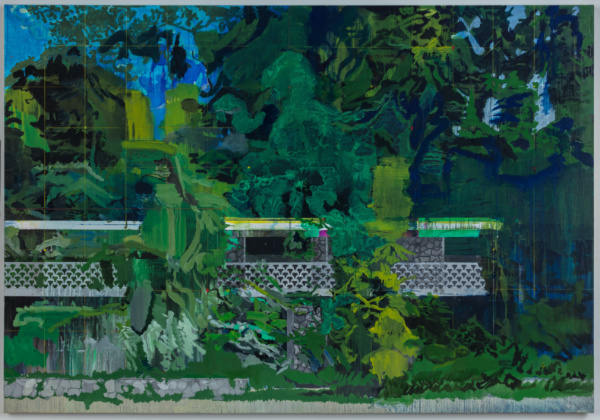
Hurvin Anderson, ‘Limestone Wall’ (2020) © Hurvin Anderson. Courtesy the artist and Thomas Dane Gallery. Photo: Richard Ivey

A major new exhibition featuring new interpretations of landscape art has opened at the Dulwich Picture Gallery. Soulscapes features more than 30 contemporary works spanning painting, photography, film, tapestry and collage by artists such as Hurvin Anderson, Phoebe Boswell, Njideka Akunyili Crosby, Kimathi Donkor, Isaac Julien, Marcia Michael, Mónica de Miranda and Alberta Whittle. Highlights include Anderson’s Limestone Wall (2020), Akunyili’s Cassava Garden (2015) and Donkor’s Idyl series (2016-2020). Runs until 2nd June. Admission charge applies. For more, see www.dulwichpicturegallery.org.uk.

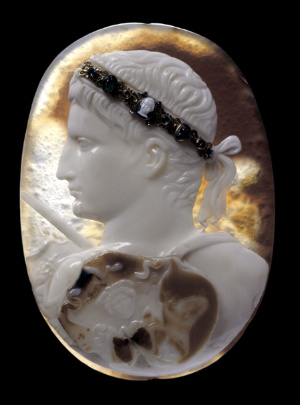
Blacas cameo depicting Augustus – Roman, AD 14–20 1867

A selection of gems recovered after news that around 2,000 objects from the British Museum’s collections were missing, stolen or damaged go on show at the museum from today. Rediscovering gems explores the significance of classical gems – used as seals, worn as jewellery or collected as objects of beauty in the ancient world – and the impression they have left throughout history. The gems are displayed in a typical 18th century gem cabinet, along with a collector’s equipment, in reflection of the huge interest in classical gems during the period. The display can be seen in Room 3 until 15th June. Admission is free. For more, see britishmuseum.org/exhibitions/rediscovering-gems.

Send all items to exploringlondon@gmail.com

This Week in London – Life in the Roman army explored; clockwork treasures from China; and, Kew Gardens’ Orchid Festival…

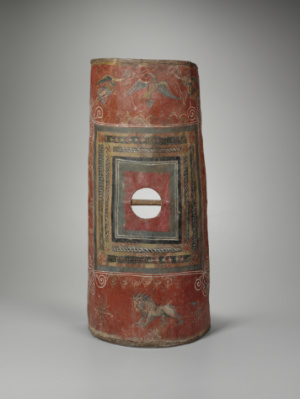
A major new exhibition on life as a Roman legionary opens at the British Museum today. Legion: Life in the Roman army shares stories of real legionaries and shows how the army was as much an “engine of social change” as it was a war machine. More than 200 objects, many of which are on display in the UK for the first time, are on show including the world’s only intact legionary shield, on loan from Yale (pictured), and the oldest and most complete classic Roman segmental body armour, found in Kalkriese, Germany, in 2018. There are also the remains of a soldier found at Herculaneum, reunited with his belt and equipment for the first time outside of Italy, as well as the Crosby Garrett mask helmet – found in Cumbria in 2010, and a unique dragon standard found in Germany. The exhibition, which can be seen in the Sainsbury Exhibitions Gallery until 23rd June, also features a specially designed Horrible Histories themed trail of the exhibition with interactive family stations. Admission charge applies. For more, see www.britishmuseum.org.

More than 20 mechanical clocks collected by Chinese emperors are being displayed together for the first time in the UK in a new exhibition opening today at the Science Museum. Among those on display in Zimingzhong 凝时聚珍Clockwork Treasures from China’s Forbidden City is the ‘Pagoda Zimingzhong’ which, was made in London in the 1700s during the Qing Dynasty in China, ‘Zimingzhong with Turbaned Figure’ which mixes imagery associated with China, Japan and India to present a generalised European view of an imagined East, and the Zimingzhong with mechanical lotus flowers’, which, when wound, reveals a flock of miniature birds swimming on a glistening pond as potted lotus flowers open. Runs until 2nd June. Visitors are invited to pay what they can to visit the exhibition, with a minimum ticket cost of £1 per person. For more, see www.sciencemuseum.org.uk/see-and-do/zimingzhong.

Kew Gardens’ Orchid Festival returns from this Saturday, this year drawing inspiration from the unique flora and fauna of Madagascar. The display features a specially commissioned film showcasing the beauty of Madagascar – the world’s fourth largest island – as well as themed floral displays and living installations in the Princess of Wales Conservatory. The latter include ‘Lovers Baobab’ on the waterlily pond, floral sculptures recreating some of Madagascar’s most iconic wildlife, including ring-tailed lemurs, chameleons and the aye-aye, the world’s largest nocturnal primate, and a small selection of Madagascan orchids including Angraecum sesquipedale (also known as Darwin’s orchid). Visitors will also hear Malagasy music composed by the Boriza Borothers and be able to purchase food made according to a range of authentic Malagasy recipes, thanks to a menu curated by Malagasy chef Lilia Andrianovy of Lilia’s Kitchen. Orchids After Hours will also return for this year’s festival. Runs until 3rd March. Admission charge applies. For more, see www.kew.org.

Send all items for inclusion to exploringlondon@gmail.com

This Week in London – 695th Lord Mayor’s Show; Peruvian and Andean culture at the British Museum; and, a ‘virtual heart’ at the Science Museum…

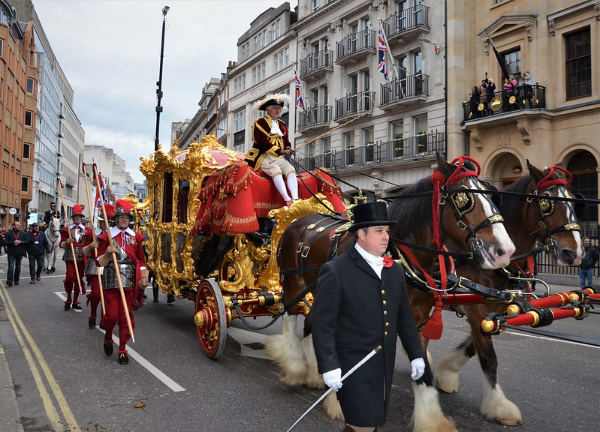
The Lord Mayor’s Show in 2019. PICTURE: It’s No Game (licensed under CC BY 2.0)

The 695th Lord Mayor’s Show – the oldest and longest civic procession in the world – will be held in the City of London this weekend. The three mile-long parade, which dates back to the 13th century, will feature Lord Mayor of London, Michael Mainelli (who will take office during the Silent Ceremony on Friday), who will process through the City streets to swear allegiance to the Crown in Westminster. Accompanying him will be a procession featuring some 7,000 people, 200 horses and around 150 floats and will include representatives of the City’s livery companies as well as military groups, bands and community organisations. The procession leaves from Mansion House at 11am and rolls down Poultry and Cheapside to St Paul’s Cathedral and then via Ludgate Hill and Fleet Street to the Royal Courts of Justice before returning, from 1:10pm, via Queen Victoria Street to Mansion House. For more, see https://lordmayorsshow.london.

The first permanent display of Peruvian and Andean culture at the British Museum has opened in the Wellcome Trust Gallery. Part of the Living and Dying exhibition is divided into two sections – the first exploring the culture’s relationship with the sea and the second with the land. The displays includes digital elements as well as objects ranging from pottery and textiles to metalwork and conch shells. For more, see www.britishmuseum.org.

A “compelling, complex and beautiful” large-scale virtual model of a human heart has gone on display in the Science Museum in South Kensington. The model was created by bioengineer Dr Jazmín Aguado Sierra using scans of her own heart and functions just as her real heart does. The ‘Virtual Heart’ display, which is introduced by Dr Aguado Sierra, can be seen in the Engineers gallery, in a section which explores collaborations between clinicians, medical engineers and patients and showcases real-world health solutions. The display is free to see. For more, see sciencemuseum.org.uk/engineers.

Send all items to exploringlondon@gmail.com.

This Week in London – Myanmar explored; Hockney portraits; and the world’s fastest all-electric aircraft…

The Golden Letter of Alaungpaya, Konbaung period, 18th century © Gottfried Wilhelm Leibniz Bibliothek –Niedersächsische Landesbibliothek, Hannover, Ms IV 751a
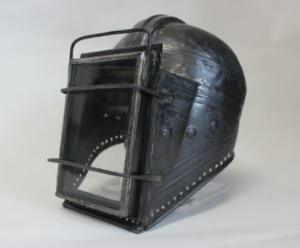
Oil Workers Helmet, 1900s © Calderdale Museums Services

A new exhibition exploring the history of Myanmar, also known as Burma, opens at the British Museum today. Burma to Myanmar, the first major exhibition in the UK to focus on the country’s history, features more than 110 objects and spans the period from around 450 AD through today. Highlights include: a golden letter sent from King Alaungpaya to George II which, made of gold, is set with 24 rubies and placed in an elephant tusk case; a wall hanging (a ‘shwe-chi-doe’ or ‘kalaga’) illustrating scenes from the Ramayana; a gold Buddhist reliquary from the 1400s; a late 19th or early 20th century blanket from the Nung-Rawang people; an oil worker’s helmet from the early 1900s; a map of several Shan states from the 1880s made to assist the British in the process of drawing hard borders with China; and, a bust of General Aung San (1915–47), leader of the Burma Independence Army. The exhibition in the Joseph Hotung Great Court Gallery can be seen until 11th February. Admission charge applies. For more, see http://www.britishmuseum.org/exhibitions/burma-myanmar

More than 30 portraits painted by British artist David Hockney at his Normandy studio between 2021 and 2022 can be seen for the first time in an exhibition of the artist’s works at the National Portrait Gallery. David Hockney: Drawing from Life was open for just 20 days prior to the gallery’s closure due to COVID-19 in 2020. It has now returned in an expanded form, featuring 160 works which trace the trajectory of Hockey’s practice largely through his intimate portraits of five sitters – Celia Birtwell, Hockney’s mother Laura Hockney; his former partner and curator Gregory Evans; master printer Maurice Payne and himself. The newly added portraits include depictions of the likes of actor and singer Harry Styles and people from the Normandy community in which he works. The exhibition can be seen until 21st January. Admission charge applies. For more, see ngp.org.uk/whatson/exhibitions/2023/hockney-drawing-from-life.

Rolls Royce’s Spirit of Innovation electric aircraft © Science Museum Group

The world’s fastest all-electric aircraft, Spirit of Innovation, has gone on show at the Science Museum in South Kensington. Suspended as if in mid-flight, the aircraft is the final object in Making the Modern World, a major gallery which presents advances in science and technology from the birth of the Industrial Revolution to the present day. Powered by a lightweight and energy efficient 400kW electric powertrain, Spirit of Innovation holds the all-electric aircraft world record for highest top speed over three kilometres, with an average of 555.9km/h (345.4 mph), breaking the previous record by over 200 kilometres per hour. The plane also set a new record for the fastest climb by an electric aircraft to three kilometres. Rolls-Royce created the aircraft as part of the Accelerating the Electrification of Flight (ACCEL) project, in collaboration with Electroflight (now part of Evolito), YASA, and the Aerospace Technology Institute. The gallery is free to visit. For more, see www.sciencemuseum.org.uk.

Send all items for inclusion to exploringlondon@gmail.com

This Week in London – ‘Indo + Caribbean’; 19th century China explored; and, animals, art, science and sound at the British Library…

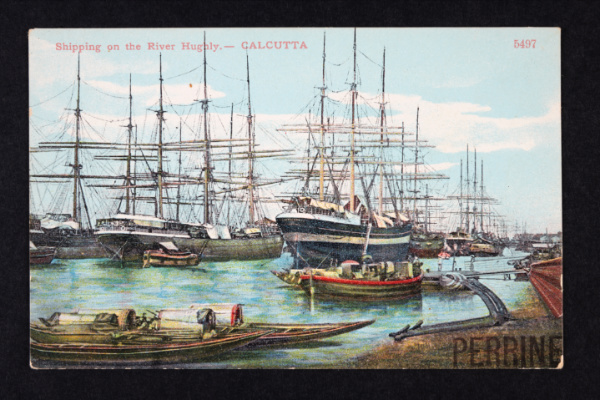
Postcard – Shipping on the River Hughly Calcutta, cira 1900. PICTURE: Courtesy of JF Manicom

A new exhibition examining the history of Indian indenture in the British Caribbean and Indo-Caribbean culture in London today opens at the Museum of London Docklands from tomorrow. Indo + Caribbean: The creation of a culture puts a spotlight on the 450,000 Indians who left India between 1838 and 1917 to work for periods of three to five years on Caribbean plantations in return for transport, a minimal wage and some basic provisions. Among the objects on show are letters from Caribbean planter Sir John Gladstone petitioning the government to provide workers from India as well as contracts, shipping company records, postcards, and papers from the Parliamentary Archives that give insights into the realities of life under indenture. Also on display are photos, jewellery, film and artwork which uncover personal stories and family memories from London’s Indo-Caribbean community. Admission to the exhibition in the London, Sugar and Slavery gallery is free. For more, see www.museumoflondon.org.uk.

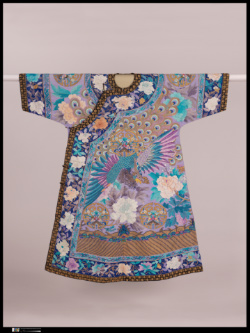
Empress Dowager Cixi’s robe, China, about 1880–1908. © The Metropolitan Museum of Art, New York.

The resilience and creativity of people in 19th century China is explored in a new exhibition at the British Museum which opens today. The Citi exhibition China’s hidden century examines the age of the Qing Dynasty, which ruled from 1796 to 1912, and focuses on a spectrum of different groups in society – from members of the court and military to artists and writers, farmers and city-dwellers as well as the globalised communities of merchants, scientists and diplomats, reformers and revolutionaries. Among the more than 300 objects on display are a water-proof straw cape made for a street worker, farmer or fisherman which is being publicly displayed for the first time, cloisonné vases given by the Last Emperor’s court to King George and Queen Mary for their coronation in 1911, and, a silk robe which belonged to the Empress Dowager Cixi, de facto ruler of China from 1861 to 1908 and a contemporary of Queen Victoria. Admission charge applies. Runs in the Sainsbury Exhibitions Gallery until 8th October. For more, see britishmuseum.org/exhibitions/chinas-hidden-century.

Animals: Art, Science, and Sound at the British Library

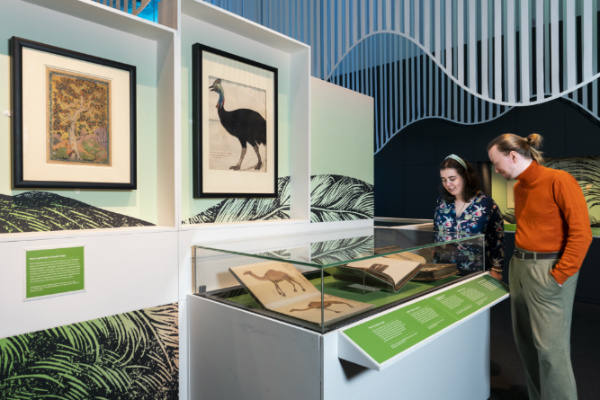
The intersection between science, art and sound and how that impacts our understanding of the natural world is explored in an exhibition at the British Library. Animals: Art, Science and Sound features 120 artworks, manuscripts, sound recordings and books, many of which are on display for the first time. They include the earliest known illustrated Arabic scientific work documenting the characteristics of animals alongside their medical uses (c1225), the earliest use of the word ‘shark’ in printed English (1569), Leonardo da Vinci’s notes (1500-08) on the impact of wind on a bird in flight, and one of the rarest ichthyology publications ever produced, The Fresh-Water Fishes of Great Britain (1828-38), which features hand-painted illustrations by Sarah Bowdich. Also present is the first commercially published recording of an animal from 1910 titled Actual Bird Record Made by a Captive Nightingale (No. I) by The Gramophone Company Limited and one of the earliest portable bat detectors – the Holgate Mk VI – used by amateur naturalist John Hooper during the 1960s-70s to capture some of the first sound recordings of British bats. The exhibition, which runs until 28th August and which carries an admission charge, is accompanied by two free displays at the library – Animal Rights: From the Margins to the Mainstream (runs to 9th July) and Microsculpture (runs to 20th November). For more, see www.bl.uk/events/animals.

Send all items to exploringlondon@gmail.com.

This Week in London – Luxury and power in the ancient world; St Francis of Assisi; and, St Bart’s 900 year history…

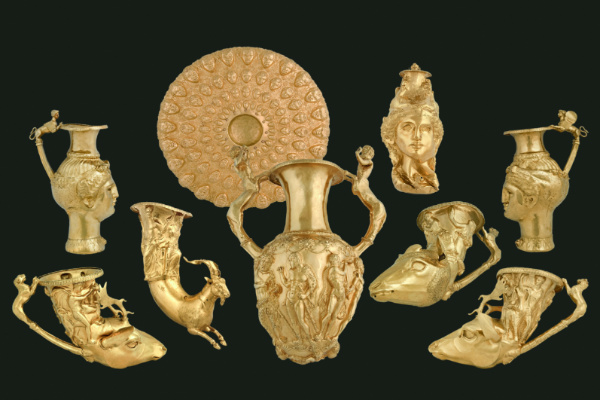
Panagyurishte Treasure

The relationship between luxury and power in the ancient world is explored in a new exhibition at the British Museum. Luxury and power: Persia to Greece focuses on the period between 550-30 BC in the Middle East and south-east Europe, a period during which the Persian empire of ancient Iran clashed with the cities and kingdoms of Greece before it was conquered by Alexander the Great. Highlights include Bulgaria’s Panagyurishte Treasure which, on loan, consists of nine richly decorated Persian gold vessels including eight rhyta used to pour wine and one bowl to drink it. There’s also a Persian gilt silver rhyton shaped as a griffin, Athenian examples of drinking vessels, and, a gold wreath from Turkey which consists of two branches with a bee with two cicadas and showcases how styles evolved into the period after the death of Alexander in 323 BC. The exhibition in the Joseph Hotung Great Court Gallery can be seen until 13th August. Admission charge applies. For more, see www.britishmuseum.org/luxuryandpower.

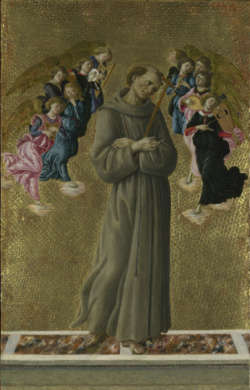
Sandro Botticelli, ‘Saint Francis of Assisi with Angels’ (about 1475-80)/Tempera and oil on wood/
© The National Gallery, London

The first major art exhibition to explore the life and legacy of Saint Francis of Assisi has opened at The National Gallery. Saint Francis of Assisi, which features works spanning the period from the 13th century to today, includes 40 works, ranging from medieval painted panels to relics, manuscripts and even a Marvel comic book. Highlights include Francisco de Zurbarán’s Saint Francis in Meditation (1635‒9), Antony Gormley’s Untitled (for Francis) (1985), Sandro Botticelli’s Saint Francis of Assisi with Angels (about 1475‒80 – pictured), El Greco’s Saint Francis Receiving the Stigmata (1590‒5), Giovanni Costa’s Frate Francesco e Frate Sole (1878‒86), and Matthew Paris’ drawings in the Chronica maiora, which present some of the earliest English depictions of Saint Francis. There’s also a relic of Francis’s habit from Santa Croce, Florence, and a small section of the exhibition is dedicated to Saint Clare, one of the first followers of Francis. The exhibition in the Ground Floor Galleries can be seen until 30th June. Admission is free. For more, see nationalgallery.org.uk.

England’s oldest hospital, St Bartholomew’s Hospital, is being celebrated in an outdoor exhibition in the City of London. Founded in 1123 – 900 years ago this year, the history of the hospital is being being told using photographs, art, and history drawn from Barts Health NHS Trust Archives’ extensive collections. The display can be seen in Guildhall Yard until 6th June after which it will move to Aldgate Square until 5th July before finally moving to St Bartholomew’s Hospital Square until 1st August. The exhibition is part of Barts900. For more on the programme of events, see Barts900 website.

Send all items to exploringlondon@gmail.com

This Week in London – Georgian fashion; Shakespeare’s First Folio; what’s new at the British Museum…

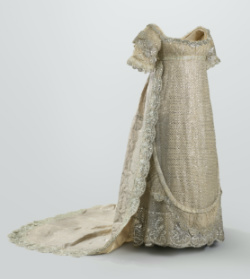
Wedding dress worn by 
Princess Charlotte of Wales, 1816. PICTURE: Royal Collection Trust/© His Majesty King Charles III 2023

• The only royal wedding dress that survives from the Georgian period – the silk embroidered bridal gown of Princess Charlotte of Wales, daughter of King George IV – is one of the star sights at a new exhibition at The Queen’s Gallery, Buckingham Palace. Style and Society: Dressing the Georgians features more than 200 works from the Royal Collection including rare surviving examples of clothing and accessories as well as artworks by artists such as Gainsborough, Zoffany and Hogarth. Other highlights include a portrait of the wedding ceremony of George IV and Princess Caroline of Brunswick by John Graham – on display for the first time – as well as the original silver and gold dress samples supplied for the bride and other royal guests. There’s also a Thomas Gainsborough,’ depicting’s full-length portrait of Queen Charlotte wearing a magnificent court gown, a preserved gown of similar style worn at Queen Charlotte’s court in the 1760, and life-size coronation portraits of George III and Queen Charlotte by Allan Ramsay. Other items include a 1782 portrait of Prince Octavius, the 13th child of George III and Queen Charlotte, by Benjamin West in which the three-year-old wears a a style of dress known as a ‘skeleton suit’, jewellery including diamond rings given to Queen Charlotte on her wedding day and a bracelet with nine lockets – one with a miniature of the left eye of Princess Charlotte of Wales, and accessories such as a silver-gilt travelling toilet service acquired by the future George IV as a gift for his private secretary at a cost of £300. The exhibition can be seen until 8th October. Admission charges apply. For more, see www.rct.uk.

One of the finest copies of Shakespeare’s First Folio goes on display at the City of London’s Guildhall Library for just one day on Monday, 24th April, as part of the celebrations surrounding the 400th anniversary of its publication. The document will be on display between 10.30am to 3.30pm with a 10-minute introductory talk given on the hour throughout the day. Two small and original copies (‘Quartos’) of Henry IV Part One and Othello will also be on display, next to a replica copy of the First Folio that visitors can look through. The First Folio brought together 36 plays in one volume and was published in an edition of around 750 copies on 8th November, 1623 – seven years after Shakespeare’s death. It is now regarded as one of the most valuable books in the literary world. For more, see www.cityoflondon.gov.uk/things-to-do/history-and-heritage/guildhall-library.

Prints and drawings acquired by the British Museum over the past five years have gone on show in Room 90. New acquisitions: Paul Bril to Wendy Red Star features works ranging from an early 17th-century study for a fresco by the Flemish artist Paul Bril to 19th century drawings by Dante Gabriel Rossetti, 2019 prints by the Apsáalooke (Crow) artist Wendy Red Star and Cornelia Parker’s From H to B and back again – made during with the COVID-19 pandemic. Can be seen until 10th September. Admission is free. For more, see britishmuseum.org/exhibitions/new-acquisitions-paul-bril-wendy-red-star.

Send all items for inclusion to exploringlondon@gmail.com.
This Week in London – Newly restored ‘Nativity’ back on display for Christmas; Tutankhamun 100 years on; and, ‘Museum of the Moon’ at Greenwich…

Following a restoration, early Renaissance artist Piero Della Francesca’s The Nativity has gone on display in The National Gallery in time for Christmas. The painting, created circa 1470, had been in the possession of Piero’s family until it came to London in the 1860s. Then in a poor condition, it was acquired by The National Gallery in 1874. It has now been restored by the gallery’s senior restorer Jill Dunkerton with panel work by Britta New in a process which has shed new light on the painting. This includes the understanding that while it was previously framed and displayed as an altarpiece, instead the work is now believed to have been a very grand, domestic painting which Piero may even have painted for himself. To complement this new interpretation, the gallery has been able to acquire a carved walnut frame, of almost exactly the correct dimensions, date and probable origin. You can see a video of the conservation process below. For more, see www.nationalgallery.org.uk.

• Marking the 100th anniversary of the discovery of Tutankhamun’s tomb in Egypt in November, 1922, the British Museum has opened a new display looking at the way the ancient Egyptian pharaoh was viewed, both by his contemporaries and by people today. The free Asahi Shimbun Display Tutankhamun Reimagined features artwork by contemporary Egyptian graffiti artist Ahmed Nofal alongside a statue of Tutankhamun which was discovered before his tomb was even found. Accompanying the display is a trail through the Egyptian Sculpture Gallery (Room 4) in which visitors can learn more about Tutankhamun and his times. Can be seen until 29th January. For more, see www.britishmuseum.org.

Artist Luke Jerram – of Gaia fame – is returning to the Old Royal Naval College in Greenwich next week with his artwork Museum of the Moon. The large scale installation, which will hang in the Painted Hall, features NASA imagery of the lunar surface. Visitors are invited to lean back on daybeds to experience the installation which is accompanied by a surround sound composition by BAFTA-winning composer Dan Jones. Runs from Tuesday, 13th December, to 2nd February. Admission charge applies. For more, see https://ornc.org/whats-on/museum-of-the-moon/.

Send all items to exploringlondon@gmail.com.
This Week in London – The Lord Mayor’s Show; Mass-Observation remembered; and, modern and contemporary art at the British Museum…

The Lord Mayor’s Show will be held this Saturday, 12th November, welcoming the 694th Lord Mayor of London, Alderman Nicholas Lyons, into office. The Show, which dates back to the early 13th century, features more than 6,500 people, 250 horses and more than 130 floats as well as the golden State Coach which has been used to carry the Lord Mayors since as far back as 1757 and is said to be the oldest ceremonial vehicle still in regular use anywhere in the world. The three mile long procession will start passing by Mansion House at 11am and make its way to St Paul’s Cathedral and then head on to the Royal Courts of Justice where the Mayor will swear an oath of allegiance to the monarch, before returning along the Embankment and Victoria Street to Mansion House. For more on the history of the Show and details about the best places to stand, head to https://lordmayorsshow.london.

The original headquarters of Mass-Observation, a pioneering social research organisation, has been marked with an English Heritage Blue Plaque. The organisation started its worked at the property 6 Grotes Buildings in Blackheath from 1937 until 1939 – by the end of its first year there were around 600 ‘mass observers’ involved in the work, one of the key aims of which was to gauge public opinion on a range of issues to help enable the writing of “a democratic people’s history from below”. During World War II, Mass-Observation worked on behalf of the government and morphed into a market research company in 1949, Mass Observation Ltd, before being incorporated into the British Market Research Bureau. The project was restarted in 1981 at the University of Sussex and continues to this day. For more on English Heritage Blue Plaques, see www.english-heritage.org.uk/visit/blue-plaques/.

A collection of about 100 modern and contemporary artworks on paper have gone on show at the British Museum, part of a larger gift of works donated by London-based art collector Hamish Parker. Art on paper since 1960: the Hamish Parker collection features works by works by the likes of British artist Lucian Freud, French-Israeli artist Avigdor Arikha, American artist Richard Serra and Pakistani artist Imran Qureshi. There are also two “artist in focus” sections which take a more in-depth look at the work of American artists Carroll Dunham and Al Taylor. Runs until 5th March in Gallery 90. For more, see www.britishmuseum.org.

Send all items for inclusion to exploringlondon@gmail.com

This Week in London – Hieroglyphs explored at the British Museum; King Charles III coronation date announced; ‘The Admiral’s Revenge’ in Greenwich’; and, Dickens and ghosts…

The Rosetta Stone. Granodiorite; Rasid, Egypt; Ptolemaic, 196 BC © The Trustees of the British Museum.

• Marking 200 years since French Egyptologist Jean-Francois Champollion (1790-1832) was able to decipher hieroglyphs using the Rosetta Stone, a new exhibition opening at the British Museum explores how the stone and other inscriptions and objects helped scholars unlock one of the world’s oldest civilisations. Hieroglyphs: unlocking ancient Egypt centres on the Rosetta Stone but also features more than 240 other objects, many of which are shown for the first time. Alongside the Rosetta Stone itself, highlights include: “the Enchanted Basin”, a large black granite sarcophagus from about 600 BCE which is covered with hieroglyphs and images of gods; the richly illustrated, more than 3000-year-old Book of the Dead papyrus of Queen Nedjmet which measures more than four metres long; and the mummy bandage of Aberuait, a souvenir from one of the earliest ‘mummy unwrapping events’ in the 1600s where attendees each received a piece of the linen, preferably inscribed with hieroglyphs. There’s also the personal notes of key figures in the race to decipher hieroglyphs including those of Champollion which come from the Bibliothèque nationale de France as well as those of England’s Thomas Young (1773 – 1829) from the British Library. The exhibition can be seen in the Sainsbury Exhibition Gallery until 19th February. Admission charge applies. For more, see britishmuseum.org/hieroglyphs.

• King Charles III will be crowned at Westminster Abbey on 6th May next year, Buckingham Palace has announced this week. The Queen Consort, Camilla, will be crowned alongside him in the first such coronation since 12th May, 1937, when King George VI and Queen Elizabeth were crowned in the abbey. The ceremony, which will be conducted by the Archbishop of Canterbury, will, according to the palace, “reflect the monarch’s role today and look towards the future, while being rooted in longstanding traditions and pageantry”. King Charles III is expected to sign a Proclamation formally declaring the coronation date at a meeting of the Privy Council later this year. The first documented coronation at Westminster Abbey was that of King William the Conqueror on 25th December, 1066, and there have been 37 since, the most recent being that of Queen Elizabeth II on 2nd June, 1953.

https://www.youtube.com/embed/Vfmo5dgTEl0″ title=”YouTube video player” frameborder=”0″ allow=”accelerometer; autoplay; clipboard-write; encrypted-media; gyroscope; picture-in-picture” allowfullscreen

A new dark comedy, The Admiral’s Revenge, has opened in The Admiral’s House in the Old Royal Naval College, Greenwich. The play, set in 1797, features sea shanties, puppetry and follows a crew of shipmates in the wake of the ill-fated Battle of Tenerife. Audiences have the chance to explore the Admiral’s House before the show and enjoy a complimentary rum cocktail. Runs until 12th November. For ticket prices, head to https://ornc.org/whats-on/1797-the-mariners-revenge/.

A new exhibition exploring Charles Dickens’ interest in the paranormal has opened at the Charles Dickens Museum in Bloomsbury. To Be Read At Dusk: Dickens, Ghosts and the Supernatural explores Dickens’ famous ghost stories, including A Christmas Carol, and reveals his influence on the genre. Highlights include a copy of The Chimes which Dickens gifted to fellow author Hans Christian Anderson, original John Leech sketches of Dickens’ ghosts of the past, present and future and original tickets and playbills relating to the author’s public performances of his ghost stories. The display will also look into Dickens’ own views on the supernatural as a fascinated sceptic and includes  correspondence in which he was asking about the location of a supposedly haunted house. Runs until 5th March. Admission charge applies. For more, see https://dickensmuseum.com/blogs/all-events/to-be-read-at-dusk-dickens-ghosts-and-the-supernatural.

Send all items to exploringlondon@gmail.com

This Week in London – Month-long Thames celebration kicks off; glass vessels saved after Beirut’s port explosion; and, Chiswick House…in LEGO…

• Totally Thames – London’s month-long celebration of its river – kicks off Friday with a programme featuring more than 100 events across a range of locations. Highlights this year include Reflections, an illuminated flotilla of more than 150 boats that will process down the Thames to mark the Queen’s Platinum Jubilee on 24th September; River of Hope, an installation of 200 silk flags created by young people across the UK and Commonwealth at the National Maritime Museum; and, of course, the Great River Race, London’s great river marathon on 10th September involving some 330 boats and crews from across the world. There’s also talks, walks, exhibitions and art and, of course, the chance to meet some mudlarks. For more, including the full programme of events, see https://thamesfestivaltrust.org.

Roman beaker, 1st century AD, The Archaeological Museum at the 
American University of Beirut, Lebanon

Eight ancient glass vessels, newly conserved after being damaged in the 2020 Beirut port explosion, have gone on show at the British Museum. Painstakingly pieced back together and conserved at the conservation laboratories at the British Museum, the vessels were among 72 from the Roman, Byzantine and Islamic periods which were damaged when a case fell over in Beirut’s AUB Museum. Six of the vessels at the British Museum date from the 1st century BC, a period which saw glass production revolutionised in Lebanon, while two others date to the late Byzantine – early Islamic periods, and may have been imported to Lebanon from neighbouring glass manufacturing centres in Syria or Egypt. The vessels can be seen in Room 3 as part of the Asahi Shimbun Display Shattered glass of Beirut until 23rd October before their return to Lebanon in late Autumn. For more, see www.britishmuseum.org.

• Chiswick House LEGO model. A brick model of Chiswick House is on show at the property in London’s west. The model, which uses 50,000 bricks and took two years to build, illustrates the dramatic architectural changes that Chiswick House has undergone in its 300-year history including the addition of two wings which were demolished in the late 18th century. On show until 31st October. Admission charge applies. For more, see https://chiswickhouseandgardens.org.uk/event/chiswick-house-lego-brick-model/.

Send all items to exploringlondon@gmail for inclusion.

This Week in London – Celebrations as Museum of London marks final 100 days at London Wall; Ustad Alla Rakha’s tabla at British Museum; and, Lucian Freud in his grandfather’s home…

• The Museum of London is celebrating its final 100 days at London Wall on Friday with free ice creams and “goody bags” for visitors. The museum will be giving away 500 Lewis of London ice creams from 11:30am, while visitors will also enjoy a performance by Grand Union Orchestra at midday. The first 100 visitors through the doors will also receive a gift bag featuring Museum of London memorabilia, including a Museum of London guidebook, a pack of playing cards displaying iconic images from the museum’s collections, a greeting card featuring a print by artist Willkay, and a special gift of either a tea towel, a Vauxhall Pleasure Gardens mug, a sketch notebook, an A3 print of London or a soft toy. Meanwhile, from Friday, digital screens will display a countdown clock to mark the days left before the London Wall site closes to the public on 4th December, in preparation for the museum’s move to a new home at West Smithfield. Friday’s event is part of a six-month long programme of activities leading up to the closure of the site. For more, see www.museumoflondon.org.uk.

PICTURE: Courtesy of the British Museum

The tabla – twin hand drums – used by legendary Indian musician Ustad Alla Rakha during his European tours of the early 1980s is going on display at the British Museum in a world first. Ustad Alla Rakha was one of the most important and respected tabla players of his generation, working with the All India Radio in the 1930s, composing music for the film industry in the 40s, and regularly playing with world-renowned sitar player Ravi Shankar. The tabla will be on display in the Hotung Gallery until early 2023 after which they will go on loan to the Manchester Museum South Asia Gallery. For more, see www.britishmuseum.org.

Now on: Lucian Freud: The Painter and His Family. The first exhibition of Lucian Freud’s work at the Freud Museum, the home of his grandfather, Sigmund Freud, and aunt, Anna Freud, this display explores Lucian Freud’s childhood, family and friends and celebrates some lesser known aspects of his life including his love of reading and lifelong fascination with horses as well as his relationships with the former occupants of the building. Alongside paintings and drawings, the exhibition includes illustrated childhood letters, books Freud owned and book covers he designed. His sole surviving sculpture, Three-legged Horse (1937) and early painting, Palm Tree (1944), is also being displayed. The display is being accompanied by a programme of events. For more, see www.freud.org.uk.

Send all items for inclusion to exploringlondon@gmail.com.