This Week in London – Kew’s Christmas light trail returns; ‘Time’ at the Old Royal Naval College; and, a royal Christmas shop…

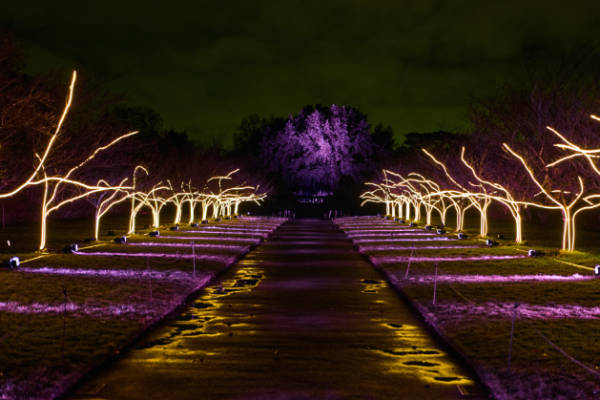
A scene from last year’s light show. PICTURE: James Carter-Johnson/iStockphoto

• Kew Garden’s famous light trail opens tomorrow and this year the three kilometres features eight new world premiere installations, interactive dance floors with giant headphones and, for the first time, the illumination of the Great Pagada. Christmas at Kew will also feature seasonal staples such as illuminated trees, a festive funfair and the ever-popular Christmas Cathedral. Among the new installations are Creative Culture’s Christmas Orchestra featuring festive music coordinated with lights and In Bloom, an installation by Netherlands’ multidisciplinary artist Wilhelmsusvlug said to evoke “delicate petals dancing through the air”. There will be a newly created projection at the Palm House while the Palm House Pond will feature a light display of 100 lillies and the trail concludes with a music and light show at the Temperate House. Runs until 4th January. Admission charge applies. For more, see www.kew.org/christmas.

Time, a sound and light show by Luxmuralis, has transformed the Old Royal Naval College after dark with an “unforgettable journey through history and science”. Visitors start in the Painted Hall where they’s see Peter Walker’s Connection & Identity illuminated after which they’ll move through the Ripley Tunnel, Queen Mary Undercroft and chapel before heading outside across the colonnades and into the courtyard. Runs until 22nd November. Admission charge applies. For more, see https://ornc.org/whats-on/time-by-luxmuralis/.

The Royal Shop in the Royal Mews at Buckingham Palace has been transformed into a Christmas pop-up shop for the first time. The Royal Mews Christmas Shop, which opens tomorrow, features a range of official royal gifts as well as food and drink from the Royal Collection Trust, a department of the Royal Household. Among the new offerings this year are mini 20cl bottles of gins infused with botanicals hand-picked from the grounds of royal residences including Buckingham Palace and Windsor Castle as well as a Property of the Royal Kitchen range of kitchen accessories, which takes its inspiration from the Great Kitchen at Windsor Castle, and wine accessories including crystal wine glasses, delicately etched with a pattern of knotted vines and grape leaves inspired by the Grand Punch Bowl, a majestic wine cistern in the Royal Collection known to have been used by Queen Victoria. To visit the shop online, head to www.royalcollectionshop.co.uk.

Send all items to exploringlondon@gmail.com
This Week in London – Royal art on tour; ‘More than Human’ at the Design Museum; and, the St Paul’s Watch celebrated…

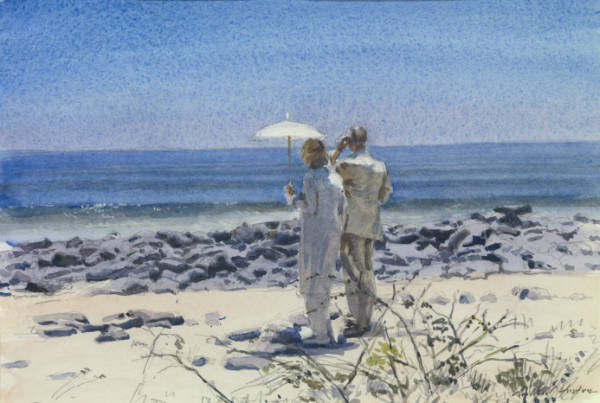
Richard Foster, Their Royal Highnesses on North Seymour Island, 2009. PICTURE: © Richard Foster Royal Collection Trust

More than 70 works of art from the King’s private collection – many of which have never been shown publicly before – go on show from today as part of the summer opening of Buckingham Palace’s State Rooms. The King’s Tour Artists, which can be seen in the ballroom, features works by 43 artists who have travelled with the King and Queen during the past 40 years. They include the earliest work on show – From the Afterdeck of HMY Britannia by John Ward, the inaugural tour artist – as well as Basilica of San Vitale, created by Fraser Scarfe who became the first tour artist to create digital artwork on an iPad when he accompanied the King and Queen on a State Visit to Italy. Other works include a pair of portraits of the King and Queen when Prince of Wales and Duchess of Cornwall which were painted by James Hart Dyke following a tour to the Gulf States in 2007, a drawing by Claudette Johnson made after the first official royal visit to Rwanda in 2022, and a terracotta head by Marcus Cornish, the only sculptor ever to have been chosen as a tour artist, which depicts a war veteran met by the royal party during a visit to Slovakia in 2000. Other highlights of the summer opening include the chance to see the recently installed Coronation State Portraits of the King and Queen in their permanent home. Runs until 28th September. Admission charge applies. To book, head to www.rct.uk.

Artworks for octopii and an immersive seaweed installation are among artworks in a new exhibition at the Design Museum focusing on a growing movement of ‘more-than-human’ design. More than Human brings together more than 140 works spanning contemporary and traditional practices, fine art, product design, architecture and interactive installations – the work of more than 50 artists, architects and designers. As well as the artworks for octopuses by Japanese artist Shimabuku and the seaweed installation by artist Julia Lohmann, other highlights include a vast new tapestry that explores the perspectives of pollinators by Alexandra Daisy Ginsberg and an eight metre long mural by MOTH (More Than Human Life Project), depicting the growing movement to award legal rights to waterways around the world. Runs until 5th October. Admission charge applies. For more, see https://designmuseum.org/exhibitions/more-than-human.

On Now: Saving St Paul’s: The Watch and the Second World War. This free outdoor exhibition – part of St Paul’s Cathedral’s commemorations around the 80th anniversary of World War II, honours the volunteers known as the St Paul’s Watch and their efforts to protect the cathedral during the Blitz. That included during the two direct hits to the cathedral – in October, 1940, and April, 1941. A short film accompanies the display which can be seen in the cathedral garden. The exhibition can be seen until October, 2025. For more, see www.stpauls.co.uk.

London Explained – The Changing of the Guard…

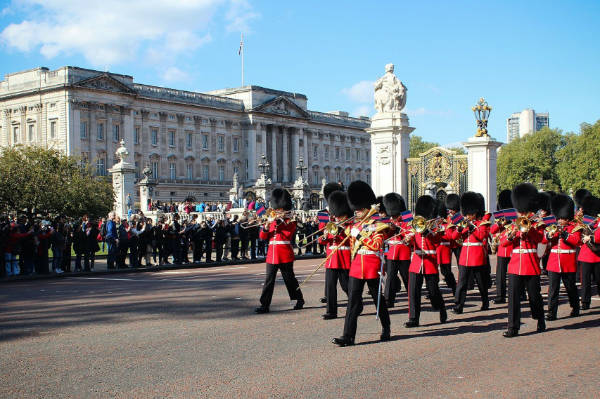
It’s one of the most iconic London traditions – the ceremonial changing of the guard outside Buckingham Palace.

Elite guards have served the monarch since the reign of King Henry VII – he made the Royal Body Guard a permanent institution – and Guards Regiments, among the oldest units in the British Army, were first raised in 1656 to protect King Charles II who was then living in exile in Bruges in modern Belgium.

PICTURE: DianaVolchik/Wikimedia Commons (licensed under CC BY-SA 4.0)

The Changing of the Guard ceremony originally took place at the (now long-gone) Palace of Whitehall. But when the court moved to St James’s Palace in 1698, the ceremony went with them. And then, when Queen Victoria moved to Buckingham Palace in 1837, a detachment of guards was sent to guard the palace (with the Queen’s Guard also still guarding St James’s, a situation which continues today).

The main ceremonial Changing of the Guard today takes place at Buckingham Palace. It involves the Old Guard (those currently on duty, including the detachment from St James’s Palace) forming up in front of the palace and being relieved by the New Guard which has marched from Wellington Barracks, off Birdcage Walk, with a band which plays New Guard’s Regimental Slow March as it advances towards the Old Guard.

Both the Old and New Guard carry regimental flags, known as “Colours”. The guard duties are traditionally served by one of the five regiments of foot guards (part of the Household Division) which include the Welsh Guards, Grenadier Guards, Coldstream Guards, Scots Guards, Irish Guards.

But regiments from Commonwealth nations and those from the Royal Navy or Royal Air Force also perform the duty from time to time.

The Changing of the Guard currently takes place on Monday, Wednesday and Friday from 11am. The ceremony lasts about 45 minutes.

On days when the ceremony isn’t performed, the guard is still inspected by the Captain at 3pm except on Sunday when the flag (Colour) is incorporated into the ceremony, then known as the Sunday Parade, which takes place at 11am.

For more, see www.householddivision.org.uk/changing-the-guard-overview.

Treasures of London – The Royal Mews…

Usually Treasures of London focuses on an object held in a museum or gallery or an outdoor feature such as sculpture or memorial but in honour of its 200th birthday this year, today we’re taking a look at the Royal Mews at Buckingham Palace.

Here are some facts about the Mews which you may not know…

Subscribe for just £3 a month to access all of Exploring London’s content…

LondonLife – Trooping the Colour…

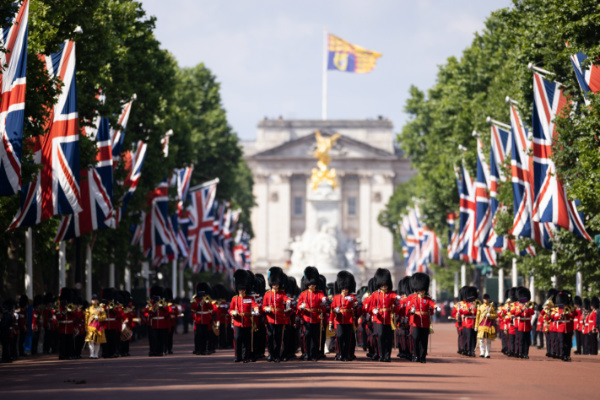
More than 1,000 soldiers and 200 horses from the Household Division took part in the King’s Birthday Parade, also known as Trooping the Colour, on Saturday.

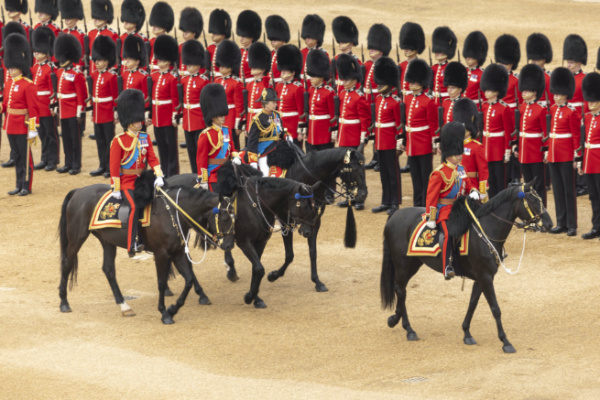
Members of the Household Division are seen here as they make their way down the Mall to Horse Guards Parade in London on Saturday. PICTURE: Sgt Donald C Todd/UK MOD © Crown copyright 2025.
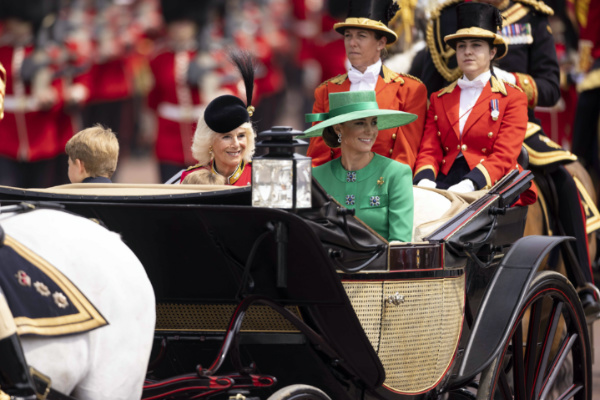
King Charles III and Queen Camilla, along with Catherine, the Princess of Wales, are seen here at Horse Guards. PICTURE: Sgt Donald C Todd/UK MOD © Crown copyright 2025
The Blues and Royal of the Household Cavalry Mounted Regiment ride off after riding past King Charles III at Horse Guards. PICTURE: Sergeant Rob Kane/UK MOD © Crown copyright 2025
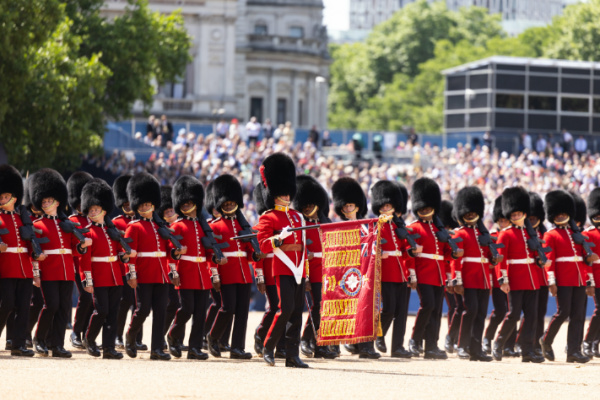
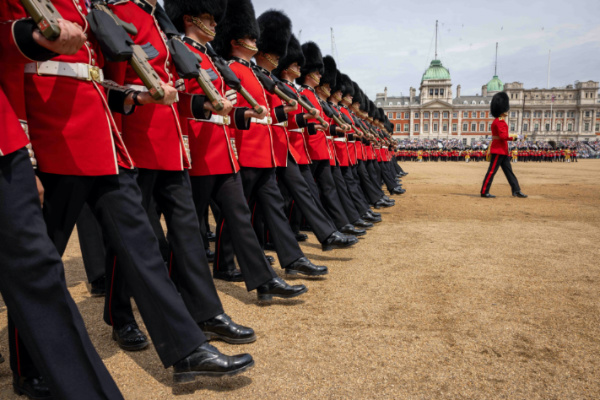
The Coldstream Guards are seen here on parade at Horse Guards. PICTURE: Sgt Donald C Todd/UK MOD © Crown copyright 2025
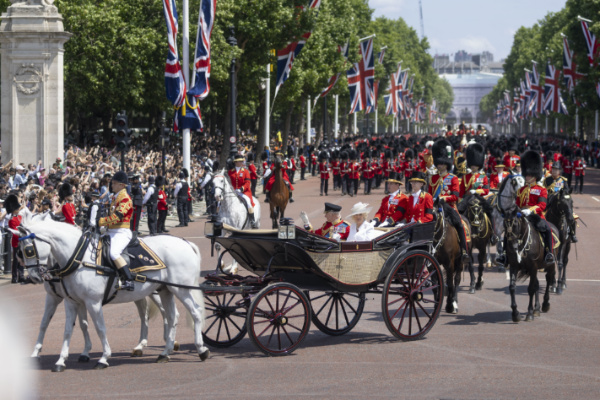
Members of the Household Division flank King Charles III and Queen Camilla as they make their way down the Mall to Buckingham Place. PICTURE: Cpl Christian P Delice/UK MOD © Crown copyright 2025.
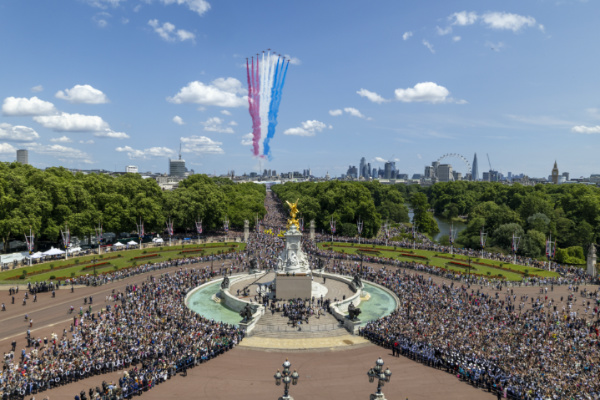
The Royal Family are seen here on the balcony of Buckingham Palace as they watch the flypast of military aircraft. PICTURE: Sgt Donald C Todd/UK MOD © Crown copyright 2025
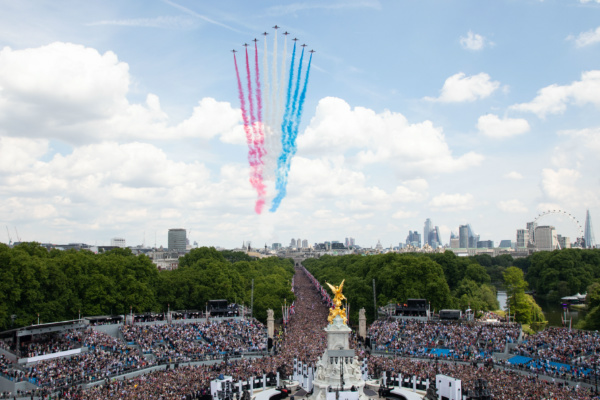
The crowds watch as the Red Arrows fly over the Mall and Buckingham Palace. PICTURE: Sgt Anil Gurung/UK MOD © Crown copyright 2025.

This Week in London – The glamour of the Edwardian Royals; tulips at Hampton Court; and, Cartier jewels at the V&A…

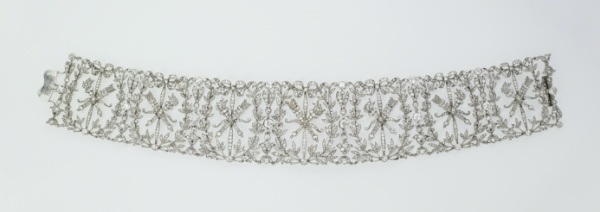
Attributed to R. & S. Garrard, ‘Love Trophy’ Collar, 1901
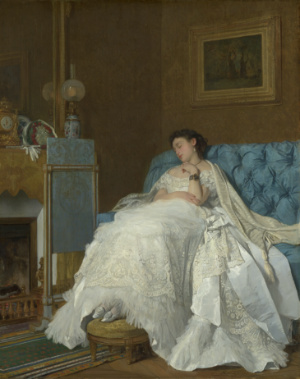
Charles Baugniet, ‘After the Ball’: a Lady in a Ballgown Asleep on a Sofa, c1860–67

The glamour and opulence of the Edwardian era – and the two royal couples that exemplified it – is the subject of a new exhibition opening at The King’s Gallery at Buckingham Palace tomorrow. The Edwardians: Age of Elegance takes an in-depth look at the lives of King Edward VII and Queen Alexandra, and King George V and Queen Mary, exploring not only their family interactions but their glittering social circles, travel adventures and, of course, the royal events they attended. More than 300 items are on display in the exhibition – almost half on show for the first time – with highlights including Queen Mary’s ‘Love Trophy’ Collar necklace which is on display for the first time, a Cartier crystal pencil case set with diamonds and rubies, and, a blue enamel Fabergé cigarette case featuring a diamond-encrusted snake biting its own tail which was given to King Edward VII in 1908 by his favourite mistress as a symbol of eternal love. There’s also a never-before-seen photograph of Edward wearing fancy-dress as a knight of the Order of Malta as he attended a ball celebrating Queen Victoria’s 1897 Diamond Jubilee, a previously unseen study of Sleeping Beauty by the Pre-Raphaelite artist Sir Edward Burne-Jones, and, Charles Baugniet’s After the Ball which is on show for the first time in more than a century. Runs until 23rd November. Admission charge applies. For more, see www.rct.uk.

More than 100,000 tulip bulbs are springing to life at Hampton Court Palace for its annual Tulip Festival. The display includes an installation of 10,000 tulips in the palace’s Fountain Court, floating tulip bowls in the Great Fountain, a vintage horse cart spilling tulips in the Clock Court, free-style planting, inspired by the tulip fields of the Netherlands, in the Kitchen Garden and rare, historic and specialist varieties of tulips in the Lower Orangery. There will be daily “tulip talks” in the palace’s wine cellar exploring the history of the flower and how Queen Mary II introduced them to the palace. Runs from Friday until 5th May. Included in general admission. For more, see www.hrp.org.uk.

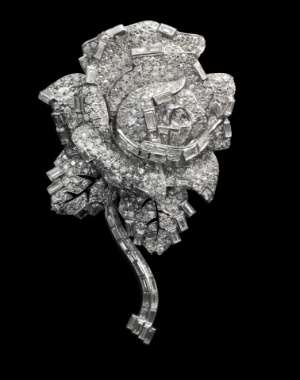
Rose clip brooch, Cartier London, 1938. Diamonds and platinum. Vincent Wulveryck, Collection Cartier © Cartier

The first major exhibition in 30 years dedicated to Cartier jewels and watches opens at the V&A this Saturday. Cartier, which is being held in The Sainsbury Gallery, charts the rise of the globally recognised jewellery house and how it became known as “the jeweller of kings and the king of jewellers”. The display features more than 350 objects with highlights including the Williamson Diamond brooch which was commissioned by Queen Elizabeth II in 1953 and which features the rare 23.6 carat pink Williamson diamond; the Scroll Tiara commissioned in 1902 and worn to the coronation of Elizabeth II and later by Rihanna on the cover of W magazine in 2016; Grace Kelly’s engagement ring (1956) that she wore in her final film High Society; Mexican film star María Félix’s snake necklace (1968); and, a selection of Cartier timepieces that embody its pioneering approach to watchmaking, including the Crash wristwatch, designed by Cartier London (1967). The exhibition runs until 16th November. Admission charge applies. For more, see vam.ac.uk/exhibitions/cartier.

Send all items to exploringlondon@gmail.com.

This Week in London – Medieval women at the British Library; Renaissance drawings at The King’s Gallery; and, ‘Duo’ in the Painted Hall…

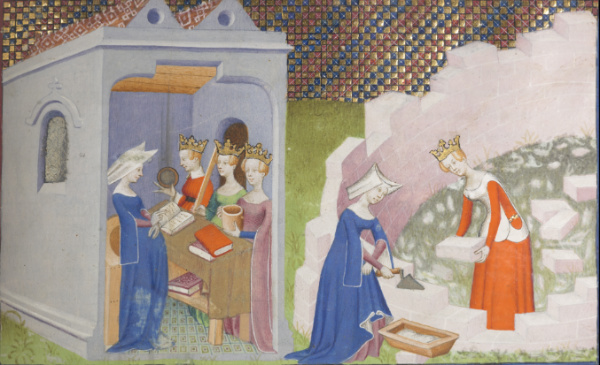
Christine de Pizan, The Book of the City of Ladies (Add Harley MS 4431, f. 290r). © British Library

The lives of medieval women are the subject of a new exhibition at the British Library. Medieval Women: In Their Own Words features more than 140 objects with highlights including a letter bearing the earliest known signature of Joan of Arc which has never before been displayed outside France, a manuscript made in the early 15th century under the personal supervision of Christine de Pizan – the first professional women author in Europe, a 12th   century ivory carving which belonged to Sybilla of Flanders, and, the oldest surviving Valentine’s Day letter, sent by Margery Brews in 1477. There’s also the book Behinat Olam Mantua, published between 1476 and 1480 by Estellina Conat who was the first recorded woman to print a book in Hebrew, the only surviving copy of the earliest known autobiography in English, The Book of Margery Kempe, which was probably written around 1438, a 15th century birthing girdle and the largest hoard of medieval gold coins ever discovered in Britain which was probably gathered as a result of Margaret of Anjou’s fundraising efforts in support of the Lancastrian side in the Wars of the Roses. The display is a multi-sensory experience which, as well as the objects on show, features scent installations, films, music and interactive digital technologies. The exhibition, which is accompanied by a programme of events, can be seen until 2nd March. Admission charge applies. For more, see www.bl.uk.

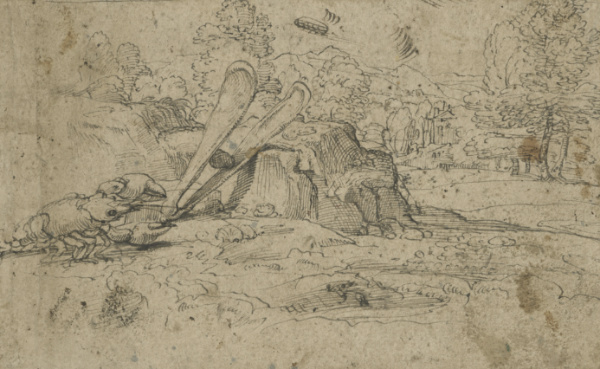
Annibale Carracci, ‘A landscape with a lobster’, c1590. © Royal Collection Enterprises Limited 2024 | Royal Collection Trust

An exhibition of the widest range of drawings from the Italian Renaissance ever to be shown in the UK opens at The King’s Gallery in Buckingham Palace on Friday. Drawing the Italian Renaissance features more than 160 works by more than 80 artists including Leonardo da Vinci, Michelangelo, Raphael and Titian. The works are all drawn from the Royal Collection and more than 30 are on display for the first time while a further 12 have never been shown in the UK. Highlights include Raphael’s The Three Graces in red chalk (c1517-18), Fra Angelico’s The bust of a cleric (c1447-50), a chalk study of an ostrich attributed to Titian (c1550), Leonardo da Vinci’s A costume study for a masque (c1517-18), Michelangelo’s The Virgin and Child with the young Baptist (c1532), and works by lesser-known artists such as Paolo Farinati’s 1590 study of three mythological figures under an arch. Admission charge applies. Can be seen until 9th March. For more, head to www.rct.uk/collection/exhibitions/drawing-the-italian-renaissance/the-kings-gallery-buckingham-palace

Melek Zeynep Bulut’s postponed installation Duo can be seen in the Painted Hall at the Old Royal Naval College in Greenwich – but only until Sunday. Presented in partnership with the London Design Festival, Duo is a suspended installation which explores the concepts of duality and interaction. Admission charge applies. For more, see https://ornc.org/whats-on/ldf/.

Send all items for inclusion to exploringlondon@gmail.com

LondonLife – Views of London past…

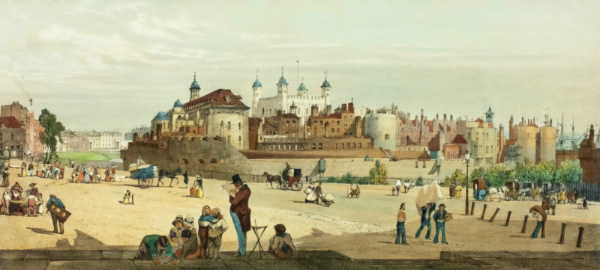
The Tower and Mint from Great Tower Hill’ byThomas Shotter Boys in ‘Original Views of London as It Is’, 1842. PICTURE: Via Art Institute of Chicago/Unsplash
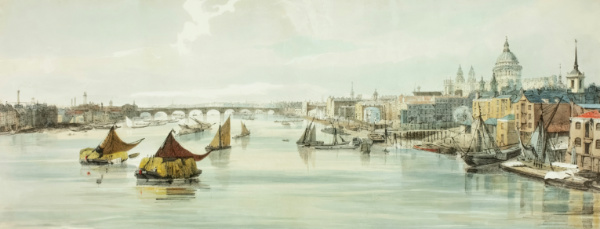
‘Blackfriars, from Southwark Bridge’ by Thomas Shotter Boys from ‘Original Views of London as It Is’, 1842. PICTURE: Via Art Institute of Chicago/Unsplash
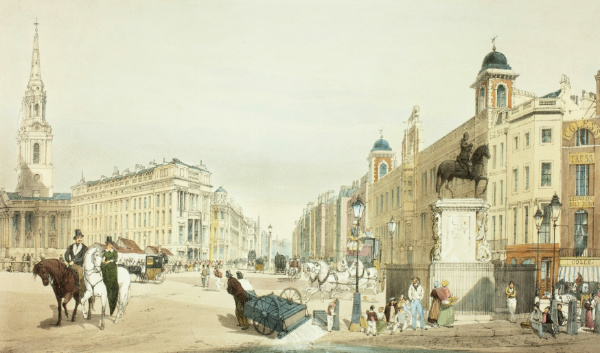
‘Entry to The Strand from Charing Cross’ by Thomas Shotter Boys from ‘Original Views of London as It Is’, 1842. PICTURE: Via Art Institute of Chicago/Unsplash
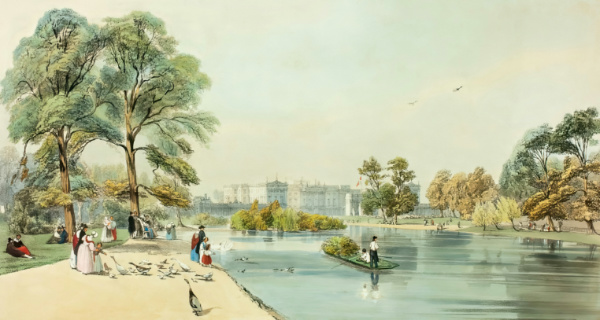
‘Buckingham Palace from St James’ Park’ by Thomas Shotter Boys from ‘Original Views of London as It Is’, 1842. PICTURE: Via Art Institute of Chicago/Unsplash
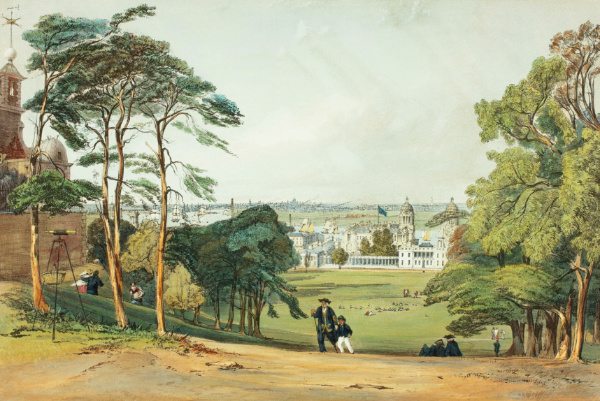
‘London, from Greenwich’ by Thomas Shotter Boys from ‘Original Views of London as It Is’, 1842. PICTURE: Via Art Institute of Chicago/Unsplash

This Week in London – Buckingham Palace to open East Wing; ‘Now Play This’ marks 10 years; Vaisakhi at Trafalgar Square; and, the warden’s private apartments opened at Walmer…

The East Wing of Buckingham Palace with the Central Balcony. PICTURE: Mike Marrah/Unsplash

• The East Wing of Buckingham Palace – including the room off which the famous central balcony sits – is being opened to the public for the first time this year as part of the annual summer opening. Tours will take visitors to locations including the Principal Corridor, where paintings by artists such as Thomas Gainsborough, Sir Thomas Lawrence and Franz Xaver Winterhalter are on display, as well as the Yellow Drawing Room, decorated with recently restored Chinese hand-painted wallpaper from the 18th century, where visitors will see two hexagonal, nine-tiered Chinese porcelain pagodas and the Kylin Clock. They’ll also see the Centre Room, which leads on to the balcony, where highlights include a newly restored glass chandelier shaped to resemble a lotus flower, and two Chinese 18th-century imperial silk wall hangingspresented to Queen Victoria by Guangxu, Emperor of China, for her Diamond Jubilee in 1897. A limited number of tours will run daily from 15th July and through August. Tours must be booked in addition to standard entry. Admission charge applies. For more, see https://www.rct.uk/event/the-state-rooms-and-east-wing-highlights-tour-07-2024.

Now Play This, London’s festival of innovative and experimental games marks its 10th anniversary as part of the city-wide London Games Festival from Saturday. The eight day event at Somerset House, this year running under the theme of ‘Liminal: Playing Between Worlds’, features games including Atuel (Matajuegos) which involves shapeshifting into animals within Argentina’s Atuel River Valley ecosystem and Proteus (Ed Key & David Kanaga) in which players explore unknown fantasy worlds as well as daytime events such as GOLF, a build-your-own mini-golf course, and evening events such as the Boring office party, a twist on the classic murder mystery. Admission charges apply. Runs until 14th April. For more, see https://nowplaythis.net.

Trafalgar Square will host celebrations for the Sikh festival of Vaisakhi this Saturday. From noon until 6pm, the celebration of Sikh and Punjabi culture and heritage will be co-hosted by DJ and presenter Tommy Sandhu and entrepreneur, disability specialist and speaker Shani Dhanda. Events include Kirtan performances, demonstrations of Gatka, a Sikh martial art and talks by expert chefs as well as turban tying, film screenings, sports with the Sikh Games, and Sikh artists displaying their work. There’s also a children’s marquee with free activities from Kiddie Sangat and free vegetarian treats and traditional Indian tea will be available over the course of the afternoon. For more, see www.london.gov.uk/vaisakhi.

Walmer Castle in Kent. PICTURE: Ben Garratt/Unsplash

Further Afield: The Lord Warden’s private apartment has opened to the public for the first time at Walmer Castle, the seaside retreat of the late Queen Elizabeth, The Queen Mother, in Kent. The private apartment is given to the Lord Warden of the Cinque Ports, a position the Queen Mother held between 1978 and 2002. Visitors are able to tour a selection of rooms in the apartment, including the sitting, dining and master bedroom, which were used by The Queen Mother, Lord Boyce and other 20th century Lord Wardens and their families. Among the private items on show are family photos of the Boyce family and artwork, including a selection of paintings from a private and much-treasured collection belonging to Sir Robert Menzies and which depict places connected with his political career, including his time as Prime Minister of Australia. The post of warden is currently vacant following the death of Lord Boyce in 2022. Some rooms in the castle are currently closed to allow for a major conservation project to take place, however visitors can still see Wellington’s bedroom and the famous Wellington boots. Admission charges apply. For more, see https://www.english-heritage.org.uk/walmer.

Send all items to exploringlondon@gmail.com.

This Week in London – Coronation outfits at Buckingham Palace; Rex the Raven; and, a Crystal Palace dinosaur recreated…

Royal Collection Trust / © His Majesty King Charles III 2023

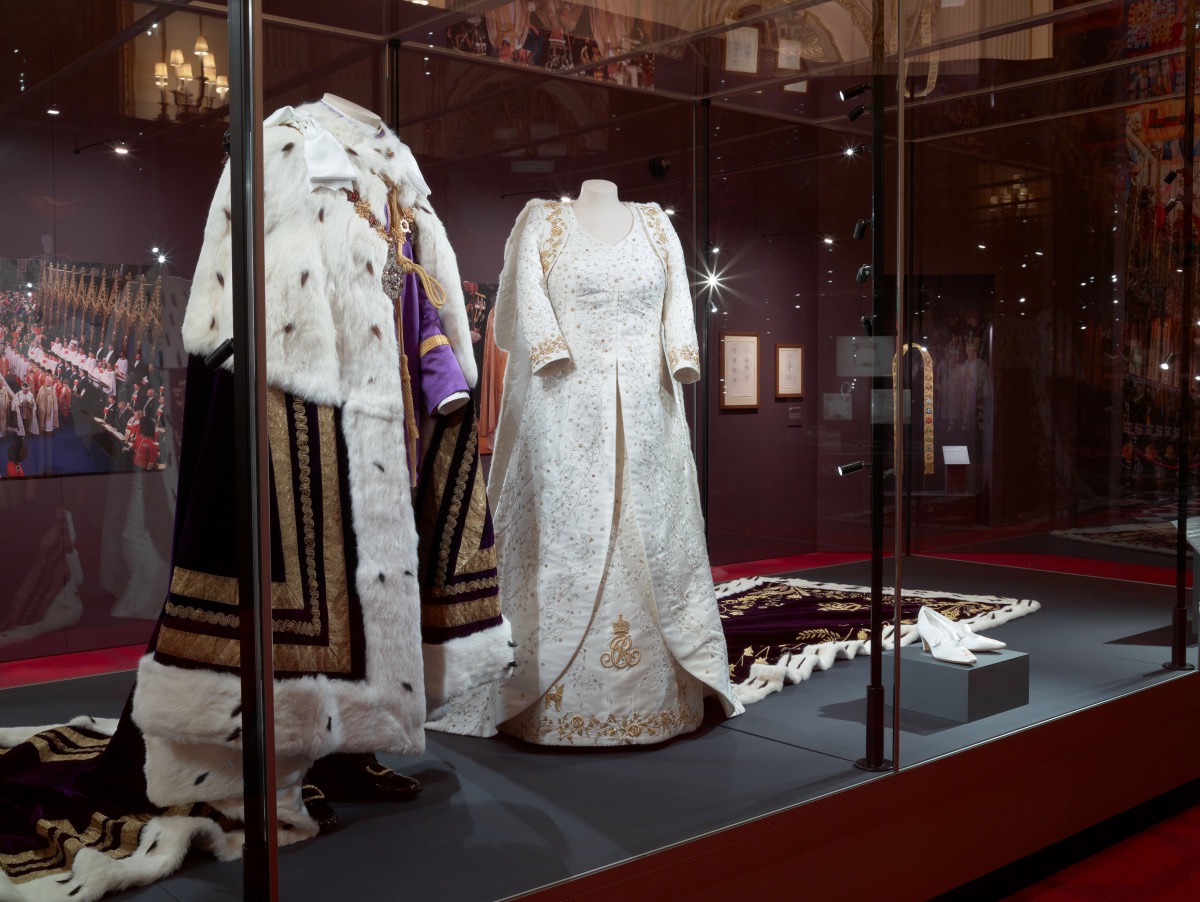
The coronation outfits worn by King Charles III and Queen Camilla can be seen at Buckingham Palace from Friday as part of the summer opening of the State Rooms. The clothing includes the Robe of Estate worn by the King for his departure from Westminster Abbey (it had been worn by his grandfather King George VI for his coronation in 1937), the King’s cream silk overshirt and the Purple Coronation Tunic – both specially created for the occasion – and the King’s Royal Naval Trousers as well as Queen Camilla’s Bruce Oldfield-designed Coronation Dress and her Robe of Estate. Also on display will be the Coronation Glove and the Girdle or Coronation Sword Belt – both of which were first worn by King George VI at his coronation. Visitors to the State Rooms will also be able to see the Diamond Jubilee State Coach, and by combining their trip with a visit to the Royal Mews, the Gold State Coach, used in every coronation procession since King William IV in 1831. The State Rooms are open until 24th September. Admission charges apply. For more, including an accompanying programme of events, see www.rct.uk.

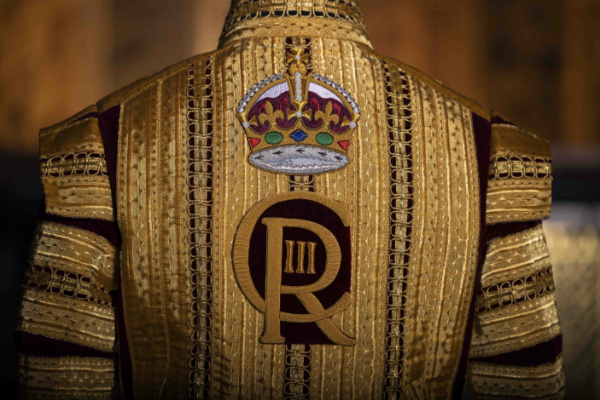
A new raven chick, Rex, has joined the flock at the Tower of London. Rex, who is joining the six other ravens at the Tower, is named for the Latin title meaning “King, Ruler” – appropriate for a Tower raven born in the year of HM King Charles III’s Coronation. The term is referenced on King Charles III’s cypher that appears on the uniforms of Yeoman Warders, and above the entrance to the Jewel House. The cypher displays the intertwining initials “C” and “R”, representing “Charles” and “Rex”, an update from Her Late Majesty Queen Elizabeth’s cypher “E R” “(Elizabeth Regina).

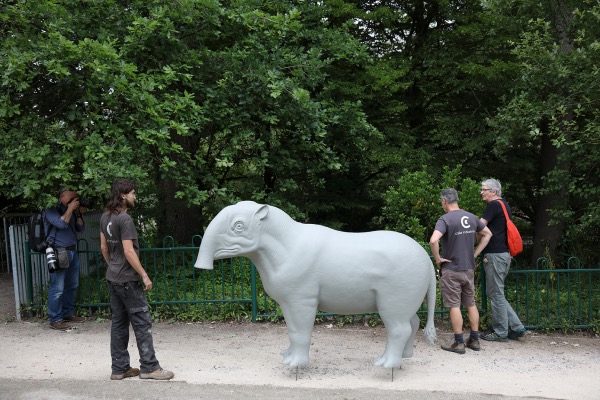
PICTURE: James Balston

• A recreation of a Victorian-era sculpture of an extinct mammal distantly related to horses, has been placed at the Grade I-listed Crystal Palace dinosaurs site. The 2.2 metre-long sculpture of Palaeotherium magnum is the work of one of Britain’s leading palaeo artist, Bob Nicholls, under the supervision of the Friends of Crystal Palace Dinosaurs, scientists from the Natural History Museum and the University of Portsmouth. It has been funded by the new Crystal Palace Park Trust and Friends of Crystal Palace Dinosaurs.

Send all items to exploringlondon@gmail.com.

LondonLife Special – A new king honoured at Trooping the Colour…

King Charles III attended his first Trooping the Colour as monarch on Saturday. The King rode on horseback for the ceremony in keeping with the tradition his mother, Queen Elizabeth II, had kept until 1986 when she was 60. More than 1,400 soldiers, 200 horses and 400 musicians took part in the event which also featured a flypast and Buckingham Palace balcony appearance. The Trooping of the Colour has marked the official birthday of the British sovereign for more than 260 years. This year it was the Welsh Guards who held the honour of trooping their colour for the King’s Birthday Parade.

King Charles III, William, Prince of Wales, The Duke of Edinburgh, and Princess Anne arriving on horseback at Horseguards where the Trooping the Colour ceremony is held. PICTURE: Cpl Danny Houghton RLC/ UK MOD © Crown copyright 2023
The Household Division march onto Horseguards Parade Ground. PICTURE: Cpl Nathan Tanuku RLC/UK MOD © Crown copyright 2023
Catherine, Princess of Wales (right) and Queen Camilla (centre) return by carriage to Buckingham Palace from Horse Guard’s Parade. PICTURE: Sgt Donald C Todd/UK MOD © Crown copyright 2023
The Household Cavalry Mounted Regiment making up of The Life Guards and The Blues and Royals, together provide the Sovereign’s Escort back to the Palace after the parade. PICTURE: AS1 Sam Holden RAF/UK MOD © Crown copyright 2023
The Household Division form up near Buckingham Palace. PICTURE: AS1 Tom Cann RAF/UK MOD © Crown copyright 2023
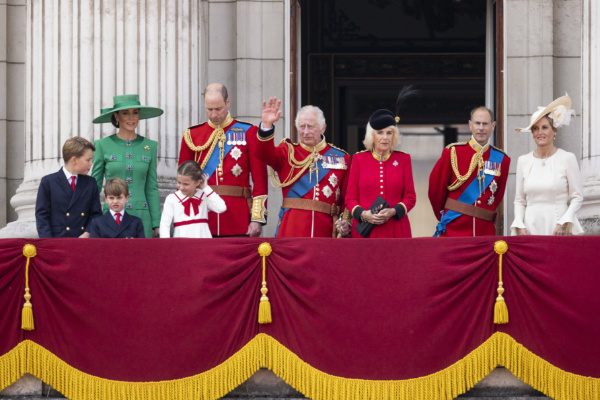
King Charles III and senior members of the royal family gather on the balcony of Buckingham Palace to watch the flypast after Trooping the Colour. PICTURE: Sgt Donald C Todd/UK MOD © Crown copyright 2023
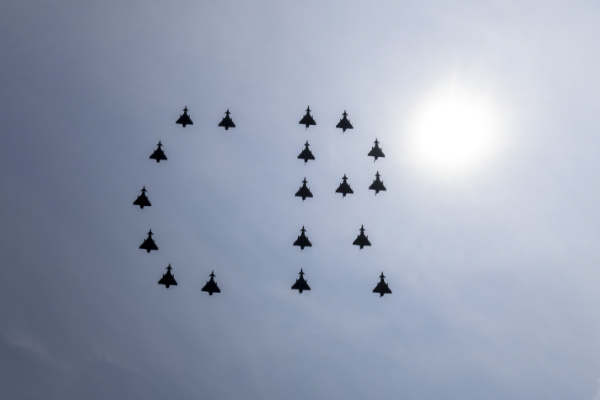
The Typhoon Display Team form the Royal Cypher of The King. PICTURE: AS1 Tom Cann RAF/UK MOD © Crown copyright 2023

LondonLife – Coronation moments…

Some more images from the coronation of King Charles III and Queen Camilla on the weekend…

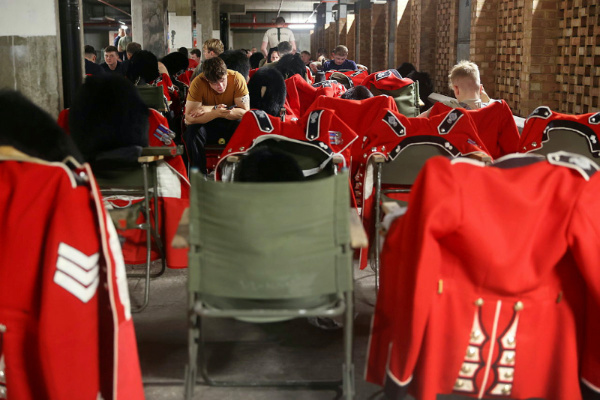
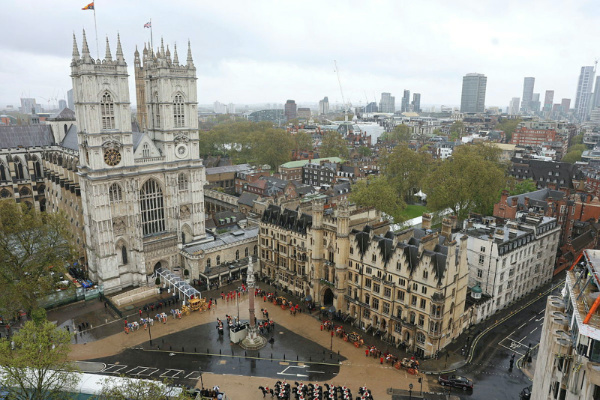
Military personnel, seen here at Wellington Barracks, before taking part in the King’s Coronation. PICTURE: Graeme Main/UK MOD © Crown copyright 2023
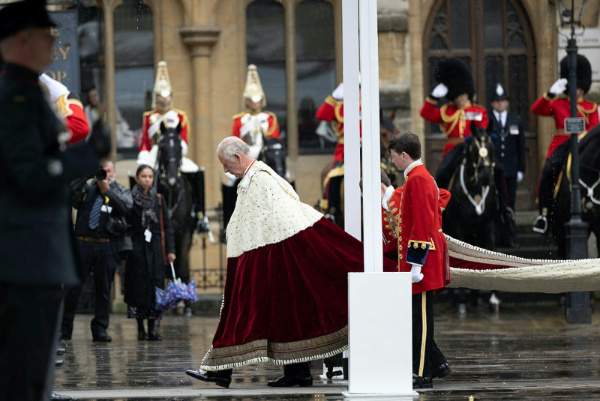
A quiet moment before the Coronation Service in Westminster Abbey as the King walks through the Great West Doors. PICTURE: Sgt Robert Weideman, RLC/ UK MOD © Crown copyright 2023
The Gold State Coach, and other royal coaches waiting outside Westminster Abbey for members of the Royal Family before the Coronation Procession. PICTURE: Sgt Jimmy Wise/UK MOD © Crown copyright 2023
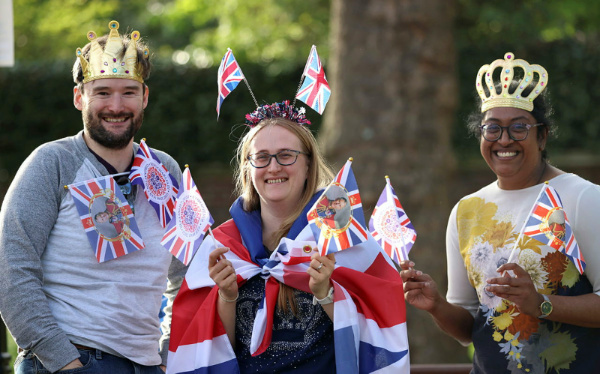
Three of the thousands who lined The Mall to watch the Coronation Procession on Saturday. PICTURE: Sgt EJ Marriott. PICTURE: UK MOD Crown Copyright 2023
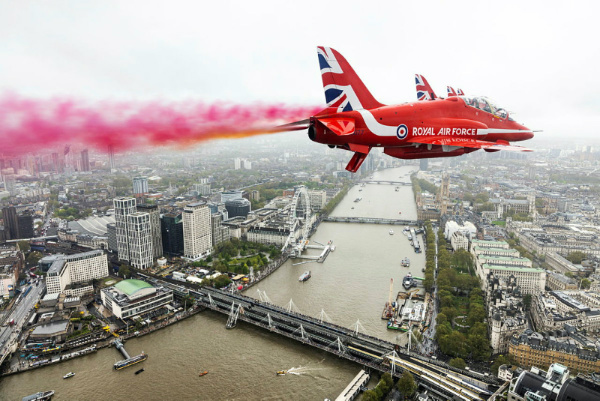
The Red Arrows perform a fly past for King Charles III’s Coronation Day. The sortie was led by Squadron Leader Tom Bould (Red 1). The Red Arrows aerobatics team flew directly down the length of The Mall and over Buckingham Palace, where members of the Royal Family watched on the balcony during the fly past, which was reduced in size because of the weather. PICTURE: Cpl Phil Dye/UK MOD © Crown copyright 2023
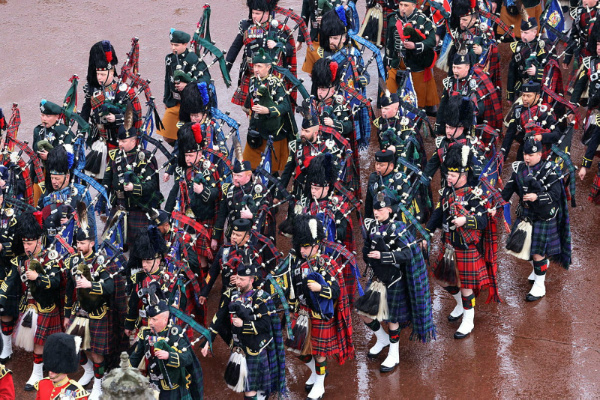
The massed pipers muster before the Royal Salute in the garden of Buckingham Palace following the Coronation Procession. PICTURE: Sgt EJ Marriot/UK MOD © Crown copyright 2023

This Week in London – It’s Coronation weekend!…

Part of the final Coronation Procession rehearsal this week. PICTURE: Sgt Robert Weideman, RLC/Copyright: UK MOD © Crown copyright 2023

It’s Coronation weekend in London, so first up it’s a look at the Coronation Procession. The 1.42 mile route from Buckingham Palace to Westminster Abbey, which opens for viewers at 6am on Saturday, will see the procession – with King Charles III and Queen Camilla travelling in the Diamond Jubilee State Coach – leave Buckingham Palace at 10:20am. Known as The King’s Procession, the coach, which will be accompanied by The Sovereign’s Escort of the Household Cavalry, will travel down The Mall, through Admiralty Arch and past Trafalgar Square, before turning down Whitehall. The procession will then make its way down to the Houses of Parliament and around the east and south sides of Parliament Square to Broad Sanctuary and Westminster Abbey.

• The ceremony is scheduled to begin at 11am and is expected to run for two hours. There is, of course, no access to the abbey for uninvited guests but the ceremony will be broadcast live by the BBC and big screens are being set up to watch in St James’s Park, Green Park and Hyde Park as well as Holland Park, Valence Park in Dagenham and Walpole Park in Ealing. 

• At 1pm, the King and Queen will return from Westminster Abbey to Buckingham Palace in The Coronation Procession. They will be riding in the 260-year-old Gold State Coach that has been used in every coronation since that of William IV and accompanied by almost 4,000 members of the armed forces in what’s been called the largest ceremonial military operation in recent decades. Representatives of Commonwealth nations and British Overseas Territories will also take part in the return procession. The route will be the reverse of the outgoing route and see the procession travel back through Parliament Square (lined with an honour guard of 100 members of the Royal British Legion) and up Whitehall to Trafalgar Square, turning left to travel through Admiralty Arch and back down The Mall. Reaching Buckingham Palace, the King and Queen will receive a Royal Salute from the armed forces who have been escorting them followed by three cheers.

The balcony appearance and flypast. The newly crowned King and Queen Consort are scheduled to appear on the famous balcony on Buckingham Palace at 2.30pm accompanied by members of the royal family. They will watch a six minute flypast of military planes, ending with a display by the Red Arrows.

On Sunday, communities are invited to join in the Coronation Big Lunch (communities will also be holding street parties throughout the weekend). On Sunday night, the BBC will broadcast The Coronation Concert from Windsor Castle. The concert will feature the Coronation Choir as well as ‘Lighting Up The Nation’ in which locations across the UK will take part. For details on where events are being held, head to https://coronation.gov.uk/events/.

On Monday, people are encouraged to join in The Big Help Out by volunteering time to help out in your local community. To find out where your local events are, head to https://thebighelpout.org.uk.

Four sites related to royal coronations in London – 4. Buckingham Palace…

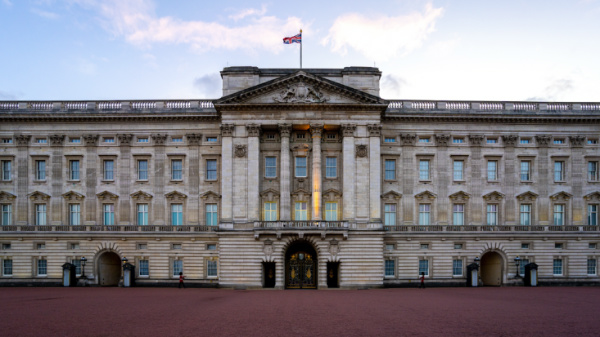
Buckingham Palace. PICTURE: Mike Marrah/Unsplash

Buckingham Palace will play an important role in this weekend’s coronation of King Charles III – not only as the location from which he and Queen Camilla will leave for the ceremony, but also for the famous balcony appearance.

Not just for coronations – the Royal Family on the Buckingham Palace balcony at Trooping the Colour in 2010. PICTURE: David Adams

Monarchs have only been living at the palace since 1837 when Queen Victoria moved in and it has been the official London residence of kings and queens ever since (although it should be noted that since becoming King, Charles has reportedly continued to reside at Clarence House and apparently intends continuing to do so following the coronation).

The palace has been in royal hands since 1761 when King George III bought what was then Buckingham House for the use of his wife Queen Charlotte, given, in particular, its proximity to St James’s Palace where court was held. Hence it become known as the Queen’s House.

King George IV intended using it the same way but in the 1820s had a change of heart and decided, with the aid of architect John Nash, to transform it into a palace. The ballooning work was unfinished when he died, and his successor and younger brother, King William IV, replaced Nash with Edward Blore to complete the work (thanks, apparently, to Nash’s budget blow-outs).

But William didn’t move into the property (in fact, he offered it up as a new home for parliament after much of the old Houses of Parliament were consumed by fire in 1834 – an offer which was not taken up).

Queen Victoria, however, decided to make it her home and she became the first monarch to leave the palace headed to a coronation when she did so in June, 1838.

Victoria also made the first balcony appearance by a monarch at the palace, doing so during celebrations to make the opening of the Great Exhibition in 1851.

But the first balcony appearance by a monarch immediately after their coronation was her son King Edward VII, who appeared on the balcony with his wife Queen Alexandra, to the joy of onlookers following his coronation on 9th August, 1901. Every monarch since has done so after their coronation (King Edward VIII, of course, never having had a coronation).

The King’s mother, Queen Elizabeth II, was the first monarch to watch a flypast on the balcony after her coronation, a tradition the King is expected to continue.

Buckingham Palace has also been the site of Coronation Banquets since the coronation of Queen Victoria (when it replaced Westminster Hall as the location). Queen Elizabeth held two Coronation Banquets in the palace following her coronation on 3rd and 4th June, each attended by 400 guests.

Few details have yet been released about King Charles III’s Coronation Banquet.

LondonLife – Rehearsing the Coronation Procession…

Members of the Household Mounted Regiments leaving Buckingham Palace in a rehearsal of the Coronation Procession. More than 6,000 men and women of the armed forces will participate in the coronation next month in the largest military ceremonial operation for 70 years. PICTURE: Sgt Donald C Todd/UK MOD © Crown copyright 2023.
Rehearsals at Buckingham Palace for King Charles III coronation. PICTURE: Sgt Donald C Todd/UK MOD © Crown copyright 2023.
Approaching Buckingham Palace as part of rehearsals for the coronation of King Charles III. PICTURE: Sgt Donald C Todd/UK MOD © Crown copyright 2023.
Members of the Household Mounted Regiments provided the escort for a number of royal coaches from Buckingham Palace up the Mall to ensure timings and pacing was correct for the coronation next month. PICTURE: Sgt Donald C Todd/UK MOD © Crown copyright 2023
Image of drum major’s new State Ceremonial Uniform of the household Division, taken at The Royal Military Chapel (The Guards’ Chapel) in London. PICTURE: Sgt Donald C Todd/UK MOD © Crown copyright 2023

Treasures of London – The Gold State Coach…

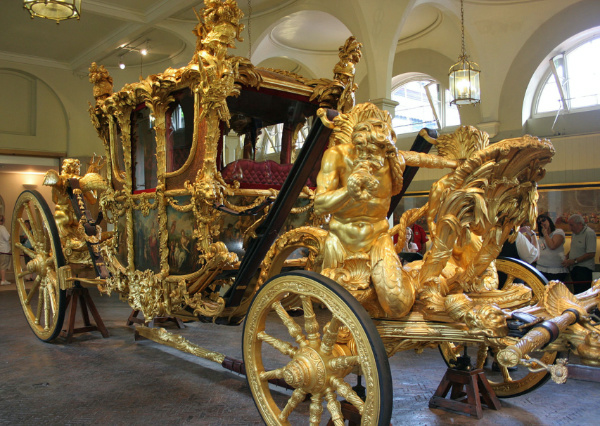
The Gold State Coach will feature in the Coronation Procession of King Charles III (though, interestingly, not for both journeys), it was announced earlier this week so we thought we’d take a more detailed look at it.

The Gold State Coach in the Royal Mews. PICTURE: Crochet.david (talk) (licensed under CC BY-SA 3.0)

The coach – which was last seen publicly during Queen Elizabeth II’s Platinum Jubilee in June, 2022 – was built for King George III to travel to the State Opening of Parliament in 1762.

Designed by Sir William Chambers, it was built in the London workshops of coach maker Samuel Butler and cost more than £7,500 at the time.

The coach weighs some four tonnes and is 28 foot long and 12 feet high. The coach is made of giltwood – a thin layer of gold leaf over wood – and features sculptures by Sir Joseph Wilton including three cherubs on the roof (representing England, Ireland and Scotland) and four tritons (a display of imperial power) above the wheels. The coach is also decorated with painted panels depicting Roman gods and goddesses by artist Giovanni Battista Ciprian.

Inside the coach is lined with velvet and satin.

The coach is pulled by a team of eight horses wearing a Red Morocco leather harness. At the coronation it will be pulled by Windsor Greys and due to its age and weight, will only move at walking pace.

The coach has been used in every coronation since that of King William IV and was also used for the State Opening of Parliament by Kings George III, George IV and William IV as well as Queen Victoria (up until Prince Albert’s death).

The coach is, however, not said to be the most comfortable ride – Queen Elizabeth II is known to have said so while King William IV described travelling in the coach as like being on a ship “in a rough sea”. So it will only be used for the return, post-Coronation, journey from Westminster Abbey to Buckingham Palace.

For the outward journey – from Buckingham Palace to Westminster Abbey – the King and Queen Consort Camilla will travel in the more comfortable – and Australian-made – Diamond Jubilee State Coach (unlike the Gold State Coach, it comes with air-conditioning, modern suspension and electric windows).

Both coaches are usually housed in the Royal Mews at Buckingham Palace.

On Coronation Day, the Gold State Coach will transport the newly crowned King and Queen Consort on a shorter route than that of Queen Elizabeth II on her Coronation Day – just 1.3 miles compared to the late Queen’s five mile route back to the palace. Leaving Westminster Abbey, it will travel down Whitehall and pass under Admiralty Arch before travelling down The Mall to Buckingham Palace.

WHERE: The Royal Mews, Buckingham Palace (nearest Tube stations are Victoria, Green Park, St James’s Park and Hyde Park Corner); WHEN: 10am to 5pm (check website for closure dates around the coronation); COST: £15 adults/£10 young person (aged 18-24)/£9 child (aged five to 17); WEBSITE: www.rct.uk/visit/the-royal-mews-buckingham-palace

This Week in London – A celebration of Spain and the Hispanic world; Lunar New Year at Greenwich; and, RA gifts at The Queen’s Gallery…

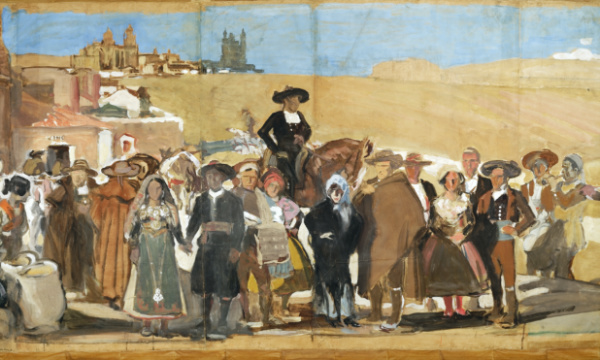
Joaquín Antonio de Basarás y Garaygorta, ‘Indian Wedding, in Origen, costumbres y estado presente de mexicanos y filipinos’ (1763); Illustrated manuscript on paper (41 x 65.7 cm). On loan from The Hispanic Society of America, New York, NY

• The collection of the Hispanic Society Museum & Library in New York is being celebrated in a new exhibition opening at the Royal Academy of Arts. Opening Saturday, Spain and the Hispanic World: Treasures from the Hispanic Society Museum & Library features more than 150 works from the collection – founded in 1904 by Archer M Huntington – which range from paintings and sculptures to jewellery, maps and illuminated manuscripts. Highlights include Francisco de Goya’s painting The Duchess of Alba (1797), Pedro de Mena’s reliquary bust, Saint Acisclus (c1680), earthenware bowls from the Bell Beaker culture (c2400-1900 BC), Celtiberian jewellery from the Palencia Hoard (c150-72 BC), and Hispano-Islamic silk textiles including the Alhambra Silk (c1400). There’s also a beautifully illuminated Hebrew Bible (after 1450-97), an exceptionally rare Black Book of Hours (c1458), and, Giovanni Vespucci’s celebrated world map from 1526. The exhibition runs until 10th April. Admission charge applies. For more, see www.royalacademy.org.uk.

The Lunar New Year is being celebrated in Greenwich this Saturday with a series of events at the National Maritime Museum. Activities range from Mahjong workshops to seeing a traditional lion dance, lantern making, a tea ceremony demonstration and, of course, the chance to find out about the items in the museum’s collection with Asian connections. For more, see www.rmg.co.uk/whats-on/national-maritime-museum/lunar-new-year.

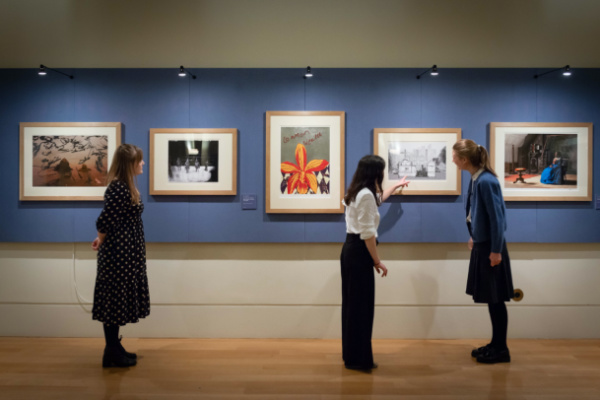
Royal Collection Trust staff conduct final checks of a display opening today at The Queen’s Gallery, Buckingham Palace, showcasing 20 contemporary artworks gifted to Queen Elizabeth II to mark the Platinum Jubilee. PICTURE: Royal Collection Trust / © His Majesty King Charles III 2023.

Twenty contemporary artworks gifted by the Royal Academy of Arts to Queen Elizabeth II ar on display at The Queen’s Gallery in Buckingham Palace. The works on paper – created by Royal Academicians elected in the past decade – were presented to the Queen to mark her Platinum Jubilee in 2022. They include Wolfgang Tillmans’ Regina – a photograph taken during Queen Elizabeth II’s Golden Jubilee celebrations in 2002 depicting the Queen in the Gold State Coach passing along Fleet Street, Yinka Shonibare’s Common Wealth – a digital print of an orchid against a collage of platinum leaf and Dutch wax printed fabric, and Sir Isaac Julien’s Lady of the Lake – a fictionalised portrait of the American abolitionist Anna Murray Douglass as well as a digital print of Thomas Heatherwick’s design for the Tree of Trees project. This 21-foot sculpture incorporates 350 saplings and was erected outside Buckingham Palace as part of The Queen’s Green Canopy and was illuminated during a special Platinum Jubilee ceremony on 2nd June last year. The works can be seen until 26th February. Admission charge applies. For more, see www.rct.uk.

Send all items for inclusion to exploringlondon@gmail.com.

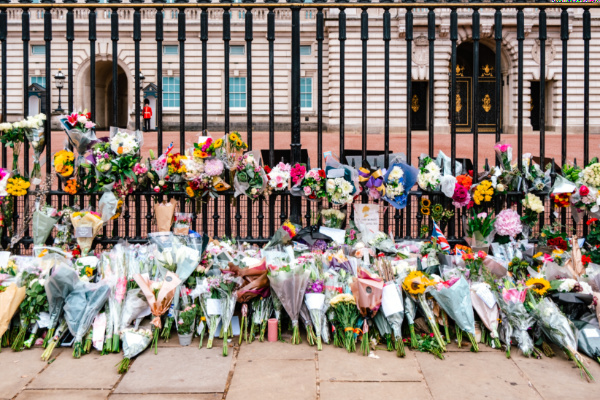
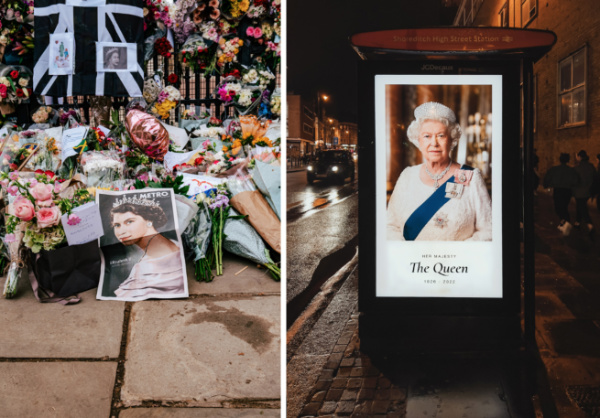
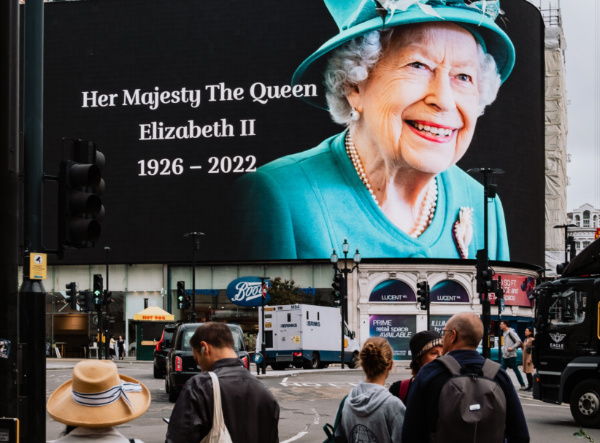
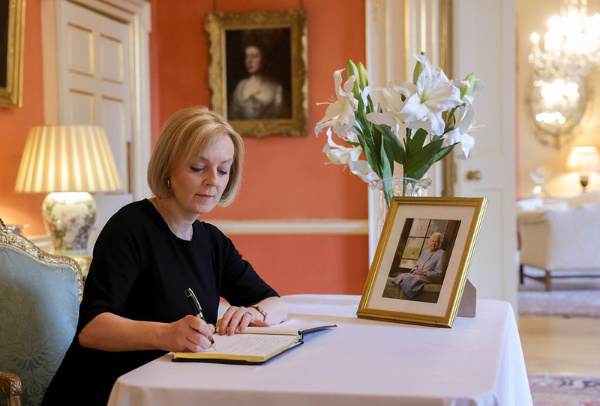
LondonLife – Tributes to a Queen…

Flowers left outside Buckingham Palace. PICTURE: Samuel Regan-Asante
Left – Flowers and tributes left outside Buckingham Palace and, right, a bus shelter in Shoreditch. PICTURE: Samuel Regan-Asante
A electronic billboard at Piccadilly Circus. PICTURE: Samuel Regan-Asante
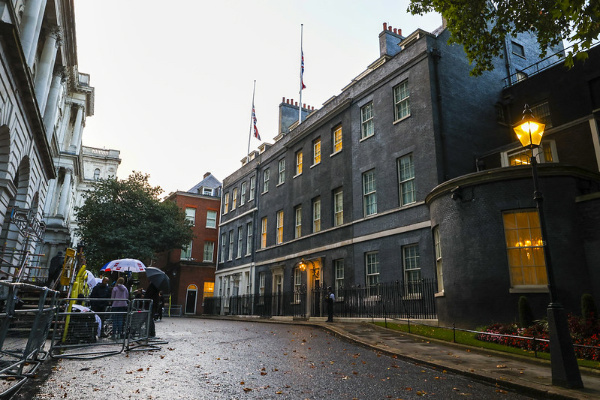
Prime Minister Liz Truss writes in a book of condolence at Number 10 Downing Street to mark the passing of Queen Elizabeth II. PICTURE: Andrew Parsons/No 10 Downing Street (licensed under CC BY-NC-ND 2.0)
The flags at Number 10 Downing Street have been lowered to half mast after the death of Majesty Queen Elizabeth II. PICTURE: Rory Arnold/No 10 Downing Street (licensed under CC BY-NC-ND 2.0

This Week in London – The Queen’s jewellery; ‘The Future of Ageing’; and painting the view from Tower Bridge…

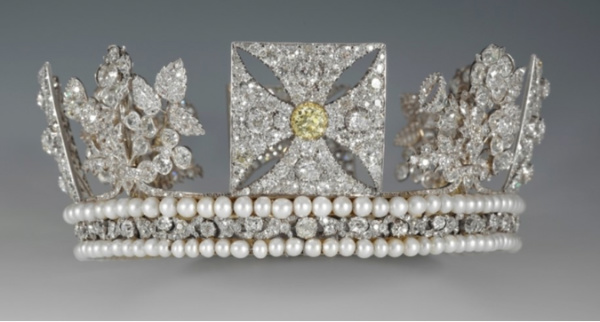
Rundell, Bridge & Rundell, Diamond Diadem, 1820–1. PICTURE: Royal Collection Trust / © All Rights Reserved
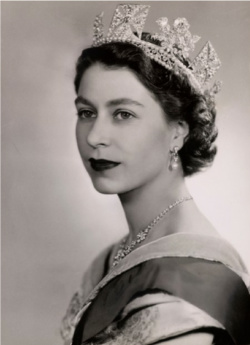
Dorothy Wilding, ‘HM Queen Elizabeth II’, 1952. PICTURE: Royal Collection Trust / © All Rights Reserved

Key items of Queen Elizabeth II’s jewellery including the Diamond Diadem and the Delhi Durbar necklace go on display in Buckingham Palace’s State Rooms from tomorrow as part of the palace’s Summer Opening. Created for the coronation of King George IV in 1821, the Diamond Diadem is set with 1,333 brilliant-cut diamonds, some of which are set in the form of a rose, a thistle and two shamrocks, the national emblems of England, Scotland and Ireland. The diadem, which was inherited by Queen Victoria in 1837 and passed down to the current Queen, will be displayed alongside the official portraits of the Queen taken by photographer Dorothy Wilding just weeks after the Accession (the portraits were later were used as the basis of the Queen’s image on postage stamps from 1953 until 1971, as well as providing the official portrait of Her Majesty sent to every British embassy throughout the world). The Delhi Durbar necklace, meanwhile, incorporates nine emeralds originally owned by Queen Mary’s grandmother, the Duchess of Cambridge, as well as an 8.8 carat diamond pendant cut from the Cullinan diamond – the largest diamond ever found. It was made for Queen Mary as part of a suite of jewellery created for the Delhi Durbar in 1911. The Queen inherited the necklace in 1953 and wore it in a portrait sitting for Dorothy Wilding in 1956 – thought to have been their last sitting together before Wilding’s retirement in 1958. The jewellery, a special display to mark the Platinum Jubilee, can be seen at the Summer Opening of the State Rooms at Buckingham Palace, the first time the palace has been open to the public in three years, until 2nd October. Admission charge applies. For more, see www.rct.uk.

An exhibition exploring how design can enhance our experience of ageing has opened at the Design Museum. The Future of Aging includes a selection of prototypes, sketches and research from projects that are being developed by Design Age Institute and its partners. They include a self-balancing, two-wheeled personal electric vehicle known as ‘The Centaur’, a hands-free cargo-carrying robot called Gita, and a digital ‘audioscape’ app that uses the sound of birdsong to engage visitors with their hearing health. The free display also includes a long-term participatory project that explores opportunities for an intergenerational garden at the museum and two new film commissions which showcase stories and experiences of later life. Runs until 25th September. For more, see https://designmuseum.org/exhibitions/the-future-of-ageing.

On Now: Painting ‘A Bridge with a View’. Until the end of August, English artist Melissa Scott-Miller is painting the views she spies from Tower Bridge’s West Walkway. Visitors are able to observe her at work and take part in related public workshops and family activities. Admission charge applies. For more including the dates for activities, see www.towerbridge.org.uk/see-bridge-view.

Send items to exploringlondon@gmail.com

LondonLife – Scenes from the Platinum Jubilee celebrations…
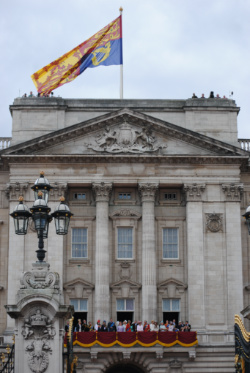
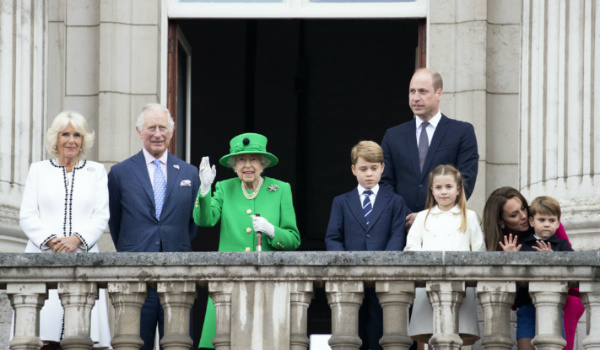
Queen Elizabeth II on the balcony of Buckingham Palace along with members of the Royal Family. PICTURE: SAC Connor Tierney/UK MOD © Crown copyright 2021

Four days of celebration were held from Thursday to Sunday to mark Queen Elizabeth II’s Platinum Jubilee. Here’s a short selection of images from the events…

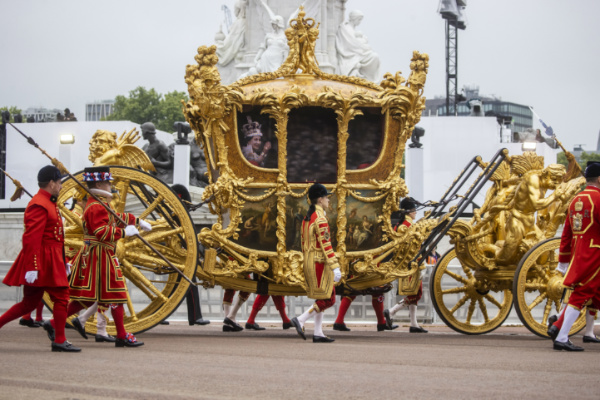
The Gold Coach takes part in the Platinum Jubilee Pageant on Sunday. PICTURE: Sgt Donald C Todd RLC Photographer/UK MOD © Crown copyright 2022
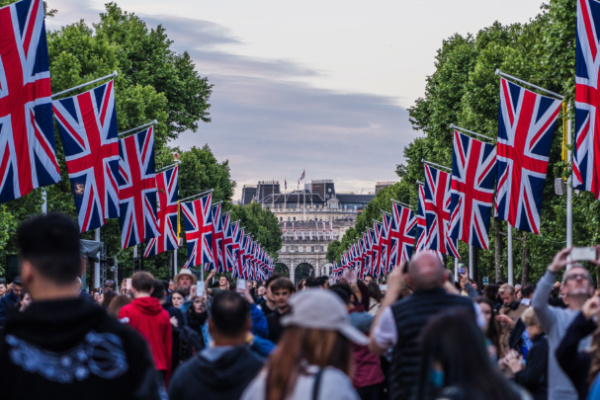
Crowds on the Mall. PICTURE: Jonny Gios/Unsplash
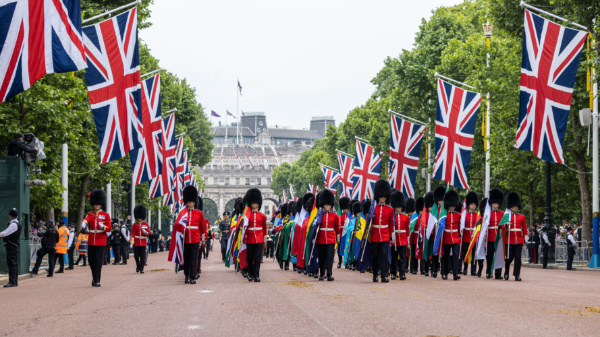
The Coldstream Guards carry the flags of the Commonwealth in The Queen’s Jubilee Pageant on Sunday. PICTURE: Corporal Rob Kane/UK MOD © Crown copyright 2022
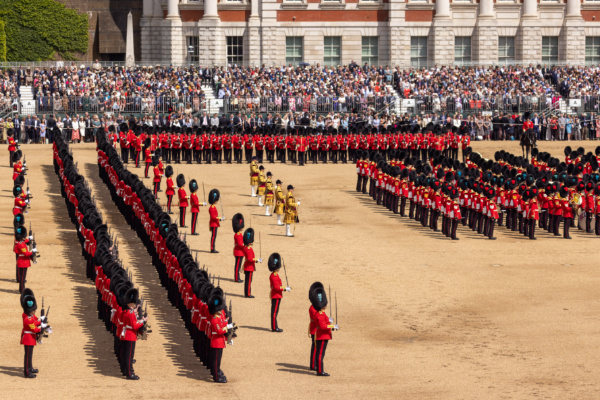
Soldiers of the Household Division on Horse Guards Parade during celebrations for the Queen’s Birthday. More than 1,400 soldiers and 250 horses from the British Army’s Household Division took part in the Trooping of the Colour on Thursday. PICTURE: Corporal Paul Watson RLC/UK MOD © Crown copyright 2022
Flypast as part of Trooping the Colour on Thursday. PICTURE: Sgt Jimmy Wise/UK MOD © Crown copyright 2022
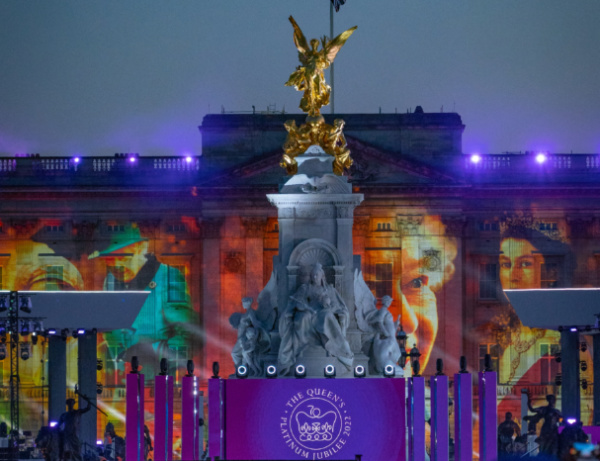
Projections on Buckingham Palace. PICTURE: Jonny Gios/Unsplash