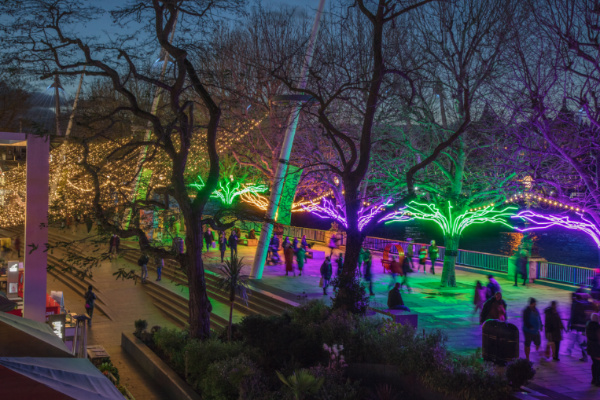
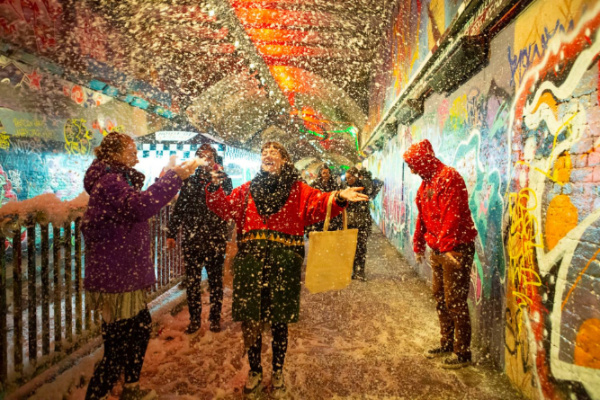
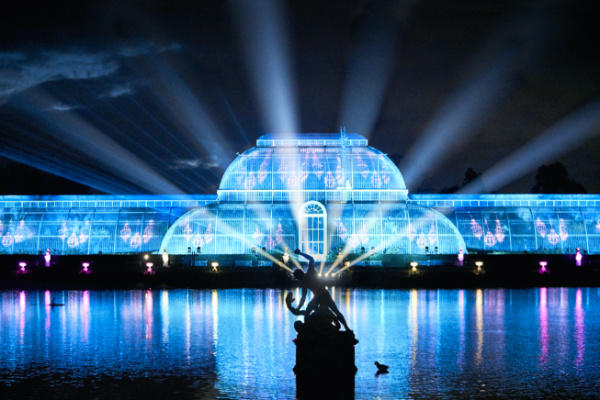
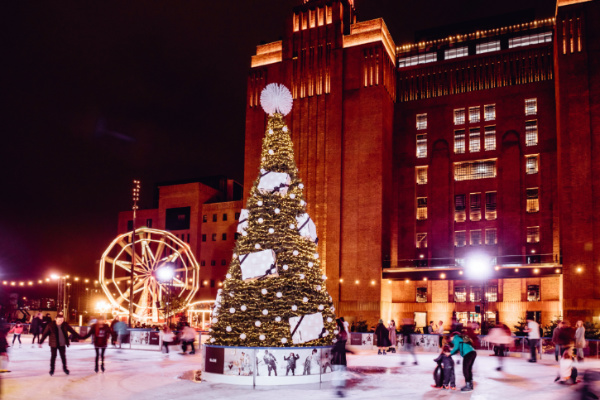
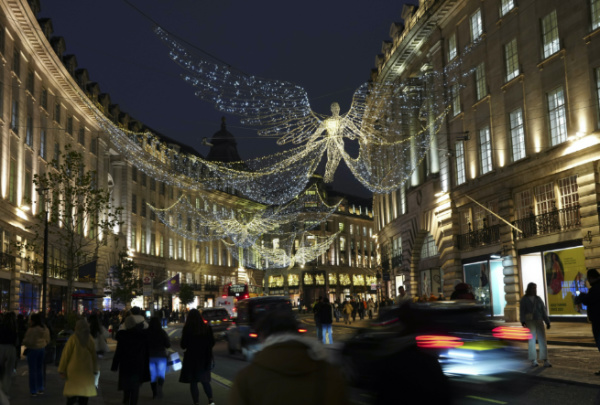
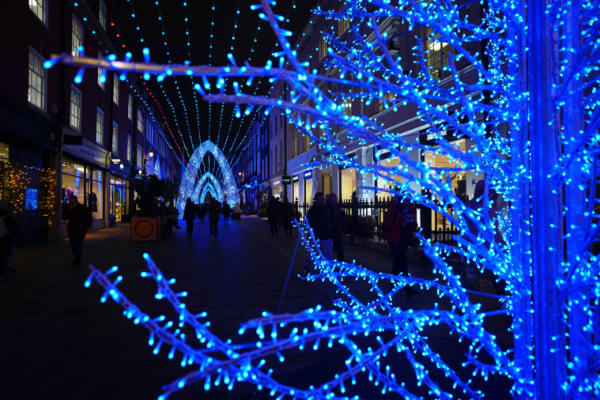
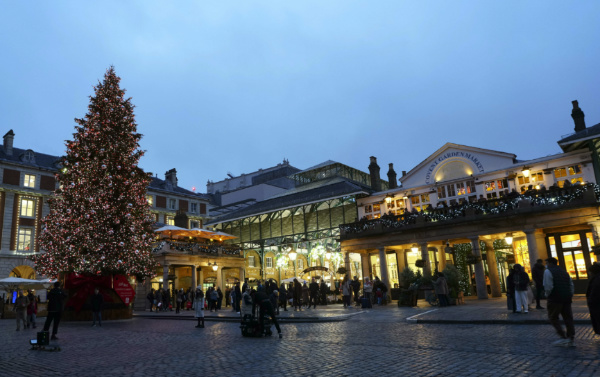
Christmas is looming so here’s our first look at some of London’s Christmas light displays…

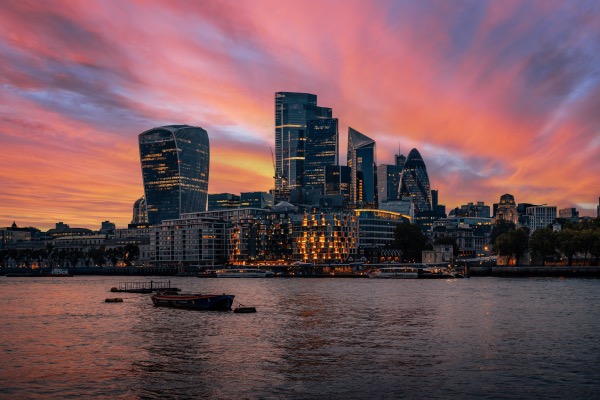
The Docklands reflected in The Thames.
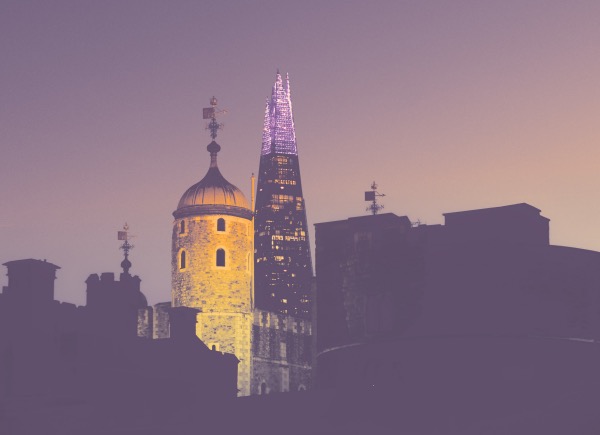
The White Tower and The Shard. PICTURE: Nico V/Unsplash
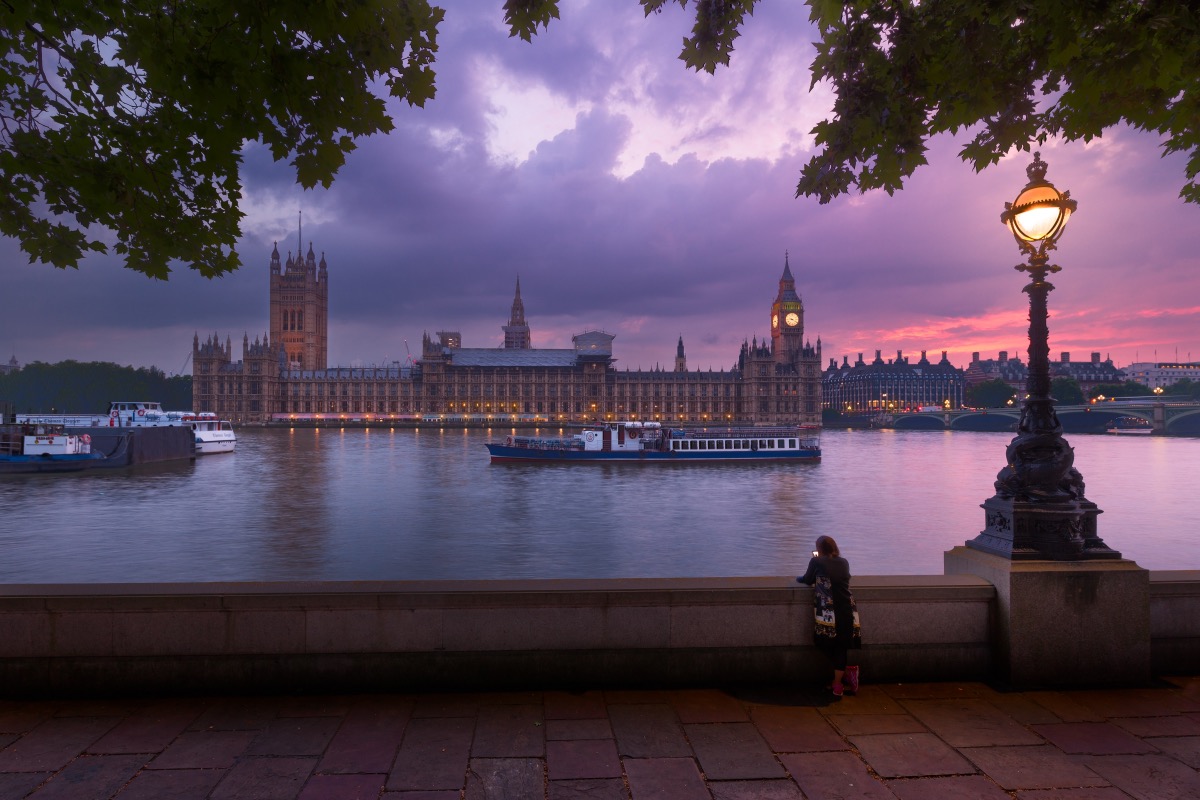
Rishi Sunak was appointed as the nation’s third Prime Minister in less than two months today following Liz Truss announcement she would resign on Friday. Sunak visited King Charles III at Buckingham Palace after Truss visited earlier to officially resign.
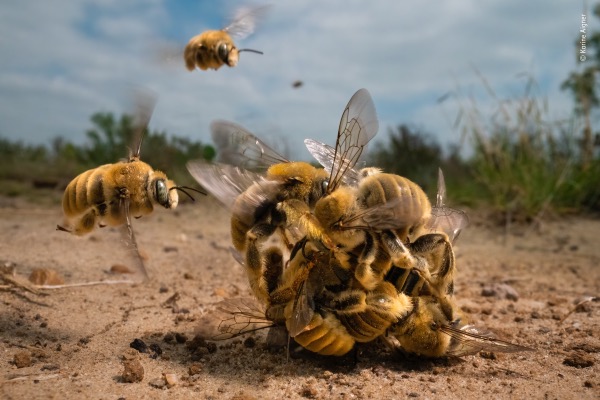
An up-close image of a buzzing ball of cactus bees over the hot sand at a Texas ranch has won American photographer Karine Aigner the honour of Wildlife Photographer of the Year. The image depicts male bees as they compete for the attention of the single female bee at the centre of the ball. Aigner is the fifth woman to win the Grand Title award in the 58 year history of the competition, which is run by the Natural History Museum. Her image is being shown along with that of 16-year-old Thai Katanyou Wuttichaitanakorn – who won Young Wildlife Photographer of the Year for an up-close image of a whale’s baleen – as well as those of category winners in this year’s contest in a redesigned exhibition at the museum in South Kensington. Alongside the photographs, the display features short videos, quotes from jury members and photographers and insights from museum scientists on how human actions continue to shape the natural world. The exhibition can be seen until 2nd July. Admission charge applies. For more, see www.nhm.ac.uk/visit/exhibitions/wildlife-photographer-of-the-year . The 59th annual competition is now open for entries. For more on how to enter, see www.nhm.ac.uk/wpy/competition.

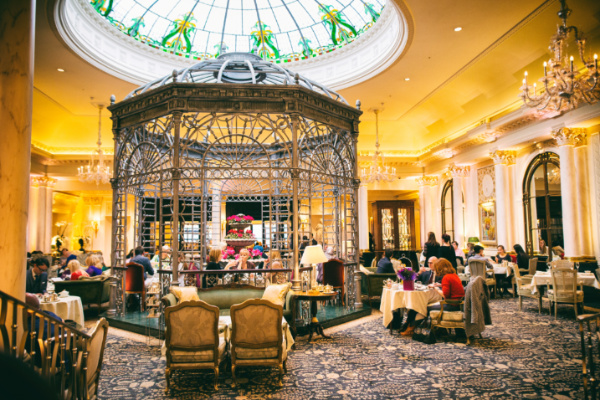
Afternoon tea is served under the glass-dome of The Savoy Hotel‘s Thames Foyer. Once an outdoor terrace, the covered-in foyer was opened in 1889. The custom of afternoon tea, which dates back to 1840, had become a tradition at the hotel by the 1920s and, as well as sandwiches and patisserie, included everything from English muffins to fruit salad, chocolates to sweet waffles known as gaufres. Entertainment included music played by a house band while professional dancers demonstrated the latest moves for guests. Guests at the famous London hotel have included everyone from Sir Winston Churchill to Marilyn Monroe. For more, see www.thesavoylondon.com/experience/afternoon-tea-london/.
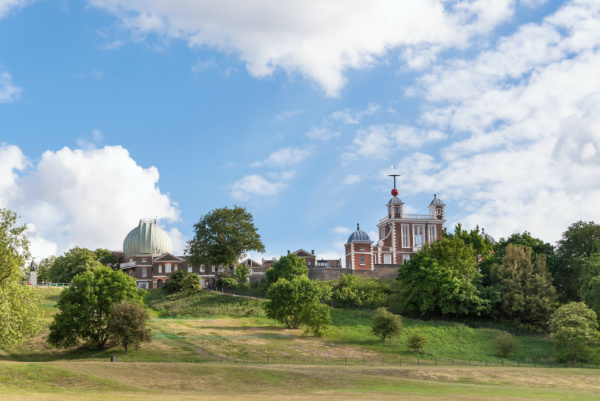
The Royal Parks announced recently Greenwich Park, here pictured showing the view up to the Royal Observatory, was to undergo a three year project to restore its 17th century landscape. The formal landscape of the park was commissioned by King Charles II and, designed by French landscape architect André Le Nôtre (who also designed the world-famous Versailles gardens), features tree-lined avenues which frame the view up the hill from the Queen’s House as well as “The Grand Ascent”, a series of giant, grass steps leading up the hill, and a terraced layout – known as a parterre. Massive numbers of visitors – some five million annually – have, however, seen the landscape features erode and slump while the trees – Turkey oaks planted in the 1970s to replace the elms wiped out by Dutch elm disease – are now in decline. The restoration work, which begins next month, will see the terraces restored and the declining tree avenues recreated with 92 new, more resilient trees. The work is scheduled to be completed by March, 2025. For more on Greenwich Park, see www.royalparks.org.uk/parks/greenwich-park.
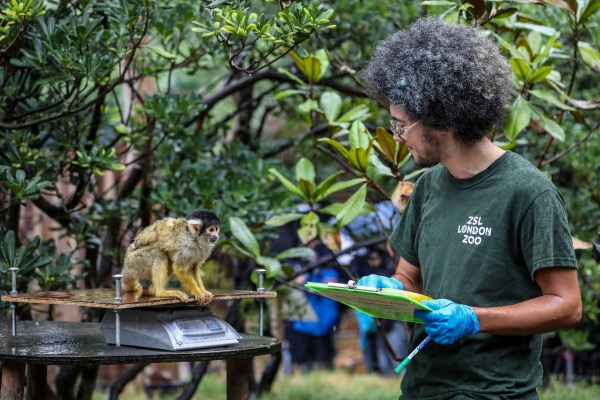
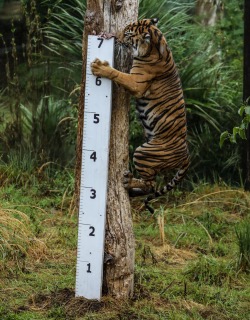
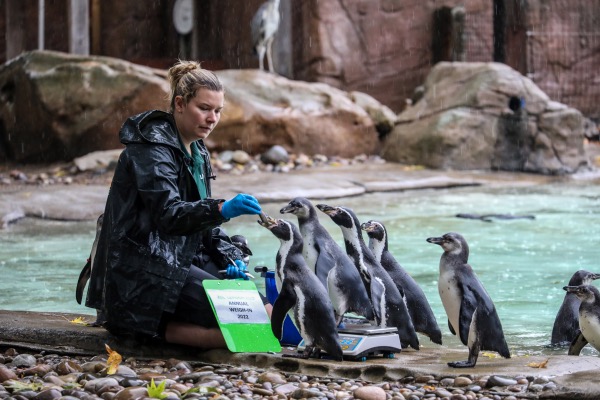
Squirrel monkeys, Sumatran tigers and Humboldt penguins were among the animals that had their statistics recorded at ZSL London Zoo’s 2022 annual weigh-in last week. With more than 14,000 animals in their care, ZSL London Zoo’s keepers spend hours throughout the year recording the up-to-date heights and weights of all the animals – information which helps them to monitor their health and wellbeing. The data is added to the Zoological Information Management System, a database shared with zoos all over the world that helps zookeepers to compare important information on thousands of endangered species. “We record the vital statistics of every animal at the Zoo, from the tallest giraffe to the tiniest snail,” says Daniel Simmonds, deputy animal manager. “This helps to ensure that every animal we care for is healthy, eating well, and growing at the rate they should, as weight is a key indicator of health and wellbeing – a growing waistline can also help us to detect and monitor pregnancies, which is important as many of the species at ZSL London Zoo are endangered and part of international conservation breeding programmes, including today’s Sumatran tigers and Vietnamese giant snails.” Three Sumatran tiger cubs which were born at the zoo in June will be weighed next month at their first health check – which takes place at the age of three months. For more, see www.zsl.org/zsl-london-zoo.
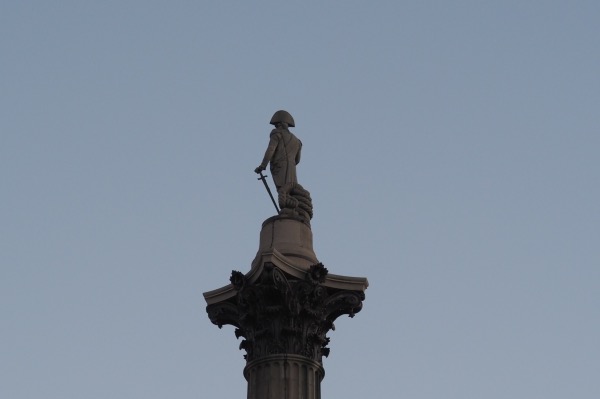
Nelson’s Column, Trafalgar Square.
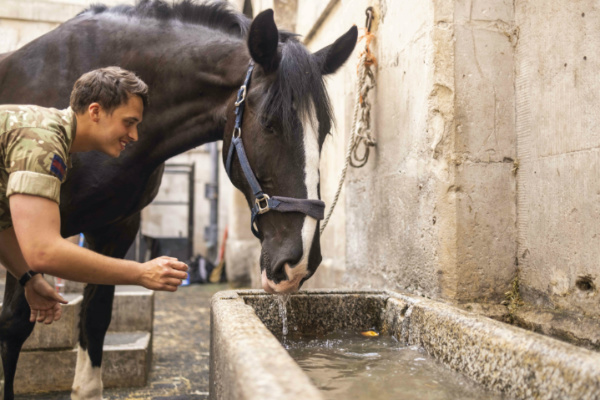
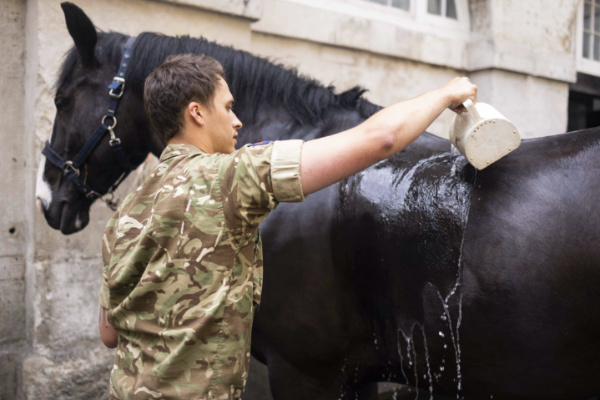
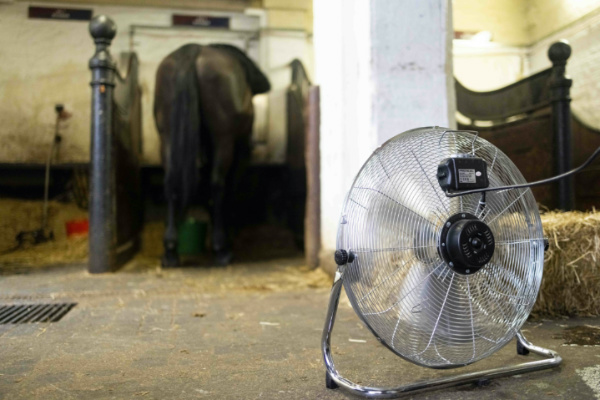
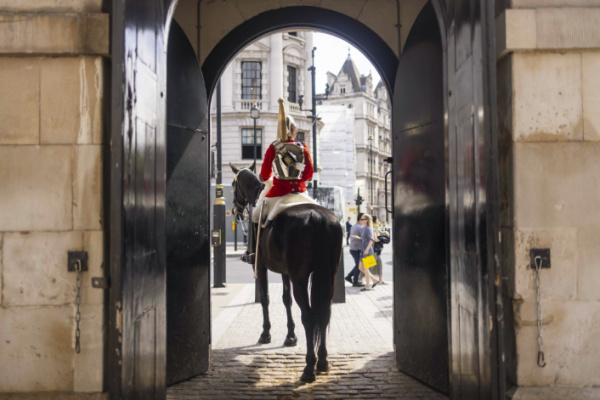
As London swelters, the Troopers of the Household Cavalry Mounted Regiment conducting the Queen’s Life Guard at Horse Guards take care to ensure their loyal horses are well looked after. That includes a hose off in the shade after duty to help them cool down, bobbing for in the water trough to help ensure they’re drinking enough and providing fans in the stables.
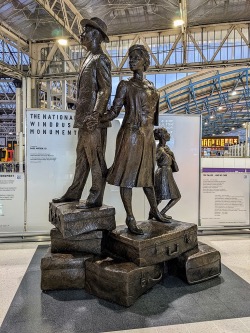
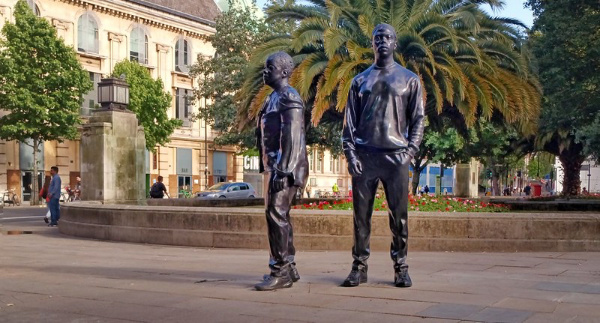
The National Windrush Monument (right) was unveiled at Waterloo Station on Windrush Day (23rd June). The bronze sculpture – the work of US-based Jamaican artist Basil Watson – memorialises the British West Indian immigrants who came to the UK on board HMT Empire Windrush in 1948 and later ships and who subsequently became known as the Windrush generation. Funded by a £1 million government grant, it depicts a man, woman and child who, dressed in their “Sunday best”, are climbing a pile of suitcases which represent all the possessions they brought with them. The memorial, which is located inside the station through which thousands of the Windrush Generation passed on their way to their new lives in the UK, was unveiled by the Duke and Duchess of Cambridge. Floella Benjamin, chair of the Windrush Commemoration Committee, reportedly said the monument will “act as a symbolic link to our past and a permanent reminder of our shared history and heritage for generations to come“. Meanwhile, a public bronze sculpture was unveiled outside Hackney Town Hall on the same day which also commemorates the Windrush generation. Warm Shores, the work of London artist Thomas J Price, depicts larger than life-sized a man and woman and was based on 3D scans of real-life residents.
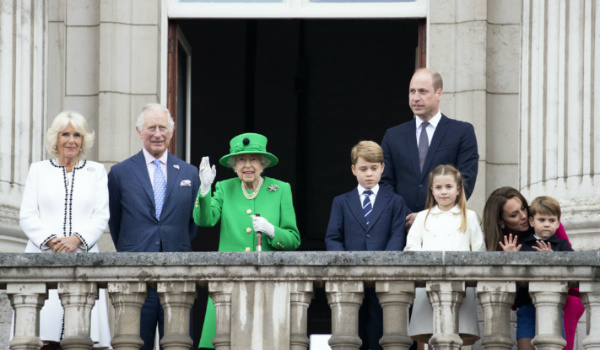
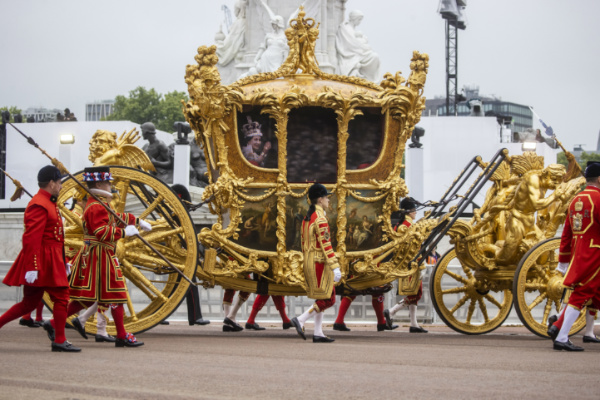
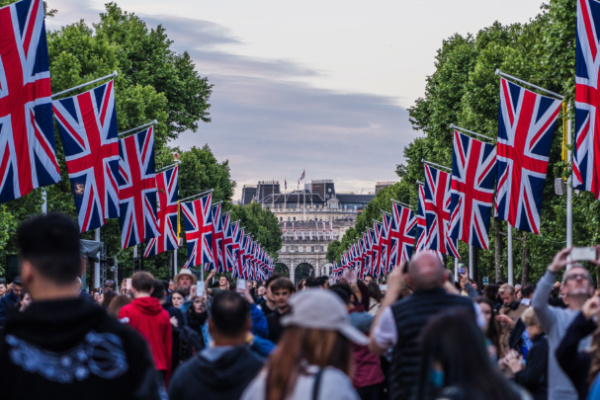
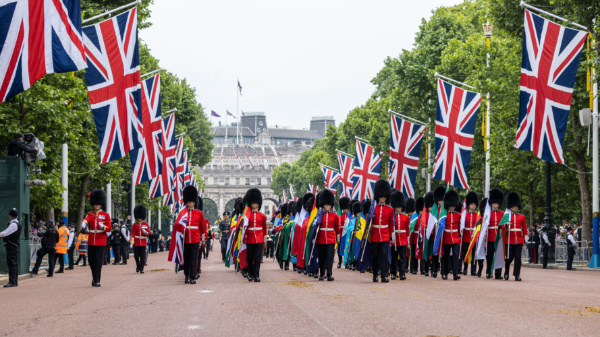
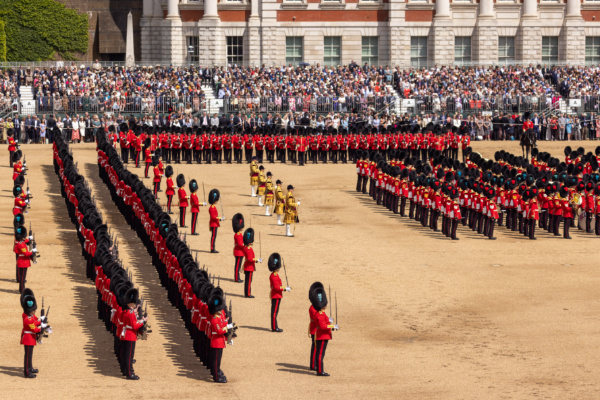
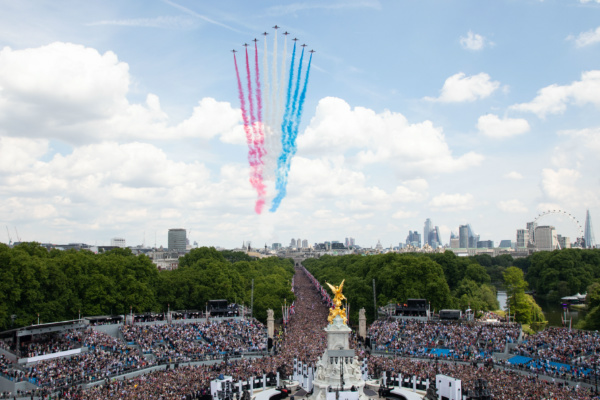
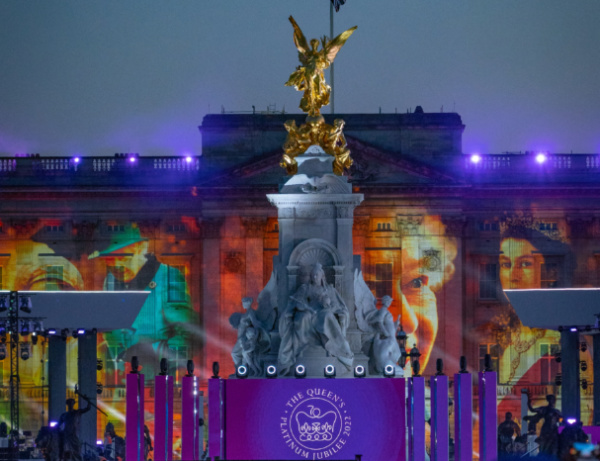
Four days of celebration were held from Thursday to Sunday to mark Queen Elizabeth II’s Platinum Jubilee. Here’s a short selection of images from the events…
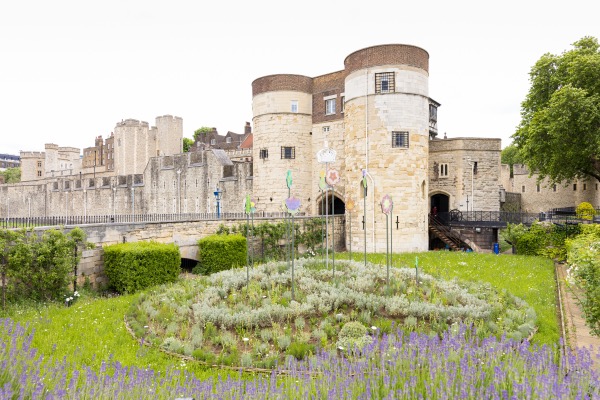
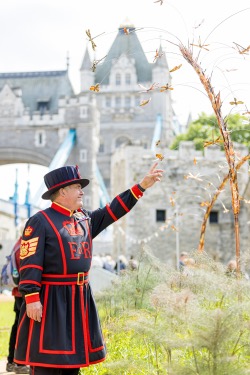
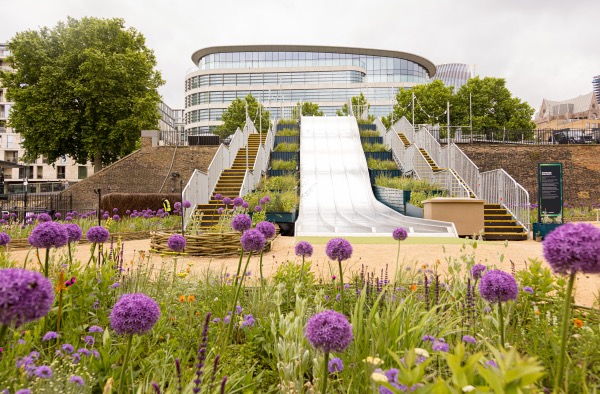
Twenty million seeds have been sown into the Tower of London’s moat to create a floral display known as ‘Superbloom’ as part of the celebrations surrounding Queen Elizabeth II’s Platinum Jubilee.
Paths, walkways and viewing points have been installed throughout and in a first at the Tower, a four lane slide has been installed to provide an unusual entrance to the display.
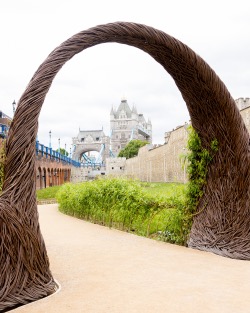
Those visiting the display – which features wildflowers such as red poppies, yellow corn marigolds and blue cornflowers as well as garden plants including sunflowers, cosmos and rudbeckias – will hear a score by Scottish composer Erland Cooper – Music for Growing Flowers – while other attractions include a willow sculpture by artist Spencer Jenkins and a swarm of intricate copper insects by sculptor Mehrdad Tafreshi.
The centrepiece of the display is the “Queen’s Garden” which has been installed by Grant Associates – the lead designers for the Superbloom project – in the Tower’s historic Bowling Green.
Inspired by the Queen’s Coronation gown, this garden features a combination of meadow flowers, topiary and summer-flowering perennials, bulbs and ornamental grasses and draws on the colours, shapes and motifs used by designer Norman Hartnell in the 1953 gown.
Rising above the garden are 12 cast glass forms by glass artist Max Jacquard which represent the national emblems featured in Hartnell’s design and in their centre sits a glass crown, a reminder of the Tower’s role as home of the Crown Jewels.
Tower Wharf, meanwhile, has been transformed into a food and drinks venue, with street food and bars from KERB and fine dining available riverside in ‘The Glass Rooms’. The flowers are expected to gradually bloom in June and will continue to evolve until September. For more, including how to purchase tickets, head here.