This Week in London – Mudlarking finds celebrated; MI5 reveals its secrets; and, fixing the broken planet at the Natural History Museum…

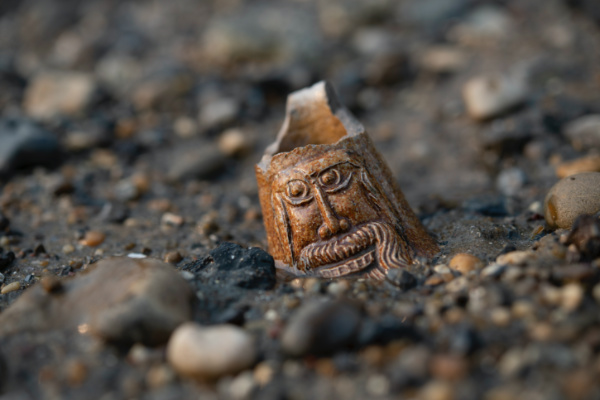
The neck from a stoneware bottle with a bearded face known as a Bartmann bottle 1500s – 1600s. The bearded face decorating the neck lies half-buried on the foreshore. PICTURE:
© Alessio Checconi /London Museum.
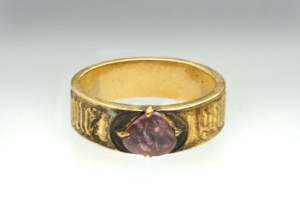
Gold finger ring, late medieval, mid 15th century, with pink ‘spinel’ stone. The engraved band includes an inscription ‘pour amor say donne’- For Love I am Given. © London Museum

The first major exhibition on mudlarking opens at the Museum of London Docklands tomorrow. Secrets of the Thames: Mudlarking London’s lost treasures features some of the fascinating finds made along the Thames foreshore – from a Tudor head-dress and a medieval gold ring to an an elaborately decorated Viking era dagger and a pair of 18th century false teeth. While mudlarking was historically an activity of the poor, often children, during the 19th century, it has evolved into a popular hobby for some (albeir permits are required) and in recent years led to some spectacular finds. Others among the more than 350 objects on show include a 16th century ivory sundial, the nationally significant Iron Age Battersea Shield, a pair of medieval spectacles, 16th century wig curlers, and a Roman badge decorated with a phallus. The exhibition also features the installation, The Moon by artist Luke Jerram, which highlights the role the moon and tides play in creating the unique conditions for mudlarks to explore the river’s banks. Admission charge applies. Runs until 1st March next year. For more, see www.londonmuseum.org.uk/whats-on/secrets-thames/.

The hidden world of MI5 is being revealed in a new exhibition opening at the National Archives in Kew on Saturday. MI5: Official Secrets features original case files, photographs and papers alongside equipment used by spies and spy-catchers during the organisation’s 115 year history. Among the items on show are first-hand account of Kim Philby’s confession in 1963, papers related to the past activities of Cambridge spy Anthony Blunt, M15’s first camera – a pocket-sized ‘Ensignette’ made by Houghton Ltd from 1910, evidence that led to German spy Josef Jakobs being the last person executed at the Tower of London, and, advanced radio equipment found buried in the garden of Soviet spies Helen and Peter Kroger in the 1960s. The exhibition also features video insights from former MI5 directors general, intelligence experts including Professor Christopher Andrew – author of MI5’s official history, and Baroness May, former Prime Minister and one of Britain’s longest serving Home Secretaries. The exhibition is free to visit and runs until 28th September. For more, see https://www.nationalarchives.gov.uk/mi5-official-secrets/.

The first new permanent gallery at the Natural History Museum – Fixing Our Broken Planet – opens today. The new gallery brings together pioneering research from the museum’s scientists with advice from environmentalists and young changemakers on how to better care for the planet and its future and aims to be a “definitive destination for those looking to explore the threats to our natural world whilst discovering where solutions can be found”. Visitors will come face-to-face with more than 250 specimens including a Sumatran rhinoceros, parasitic worms and whale’s earwax; each telling an important story about our fragile relationship with the natural world and will also see research showing how fungi is used to fertilise crops, how bacteria can be harnessed to extract copper from mine waste, how bison are helping to engineer forests in the UK to store more carbon and how vital DNA analysis on mosquitos is being used to fight mosquito-borne diseases, such as malaria. The new display is located in the restored original 1881 Waterhouse building. The gallery is free to visit. For more, see www.nhm.ac.uk.

• Send all items to exploringlondon@gmail.com

This Week in London – Notre Dame de Paris celebrated at the Abbey; remembering “great escapes” of World War II; and, ‘Wildlife Photographer of the Year’…

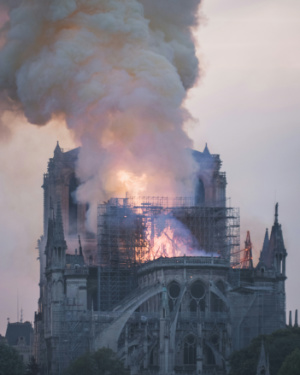
Notre Dame de Paris on fire in 2019. PICTURE: Nivenn Lanos/Unsplash

An immersive exhibition on the cathedral of Notre Dame de Paris, currently being restored following a devastating 2019 fire, opened at Westminster Abbey this week. Notre Dame de Paris, The Augmented Exhibition tells the story of the Gothic masterpiece from the 12th century to today and features a digital recreation of the cathedral by digital heritage specialists, Histovery, in collaboration with Rebuilding Notre-Dame de Paris. The exhibition is being held in the 13th century chapter house of the abbey with visitors, thanks to digital technology, able to witness firsthand the lavish wedding of King Henri IV, the coronation of Napoleon Bonaparte, and the 19th century construction of Notre-Dame’s iconic spire of Viollet-le-Duc. Runs until 1st June. Admission charge applies. For more, head here. The exhibition is part of a season of events at the abbey celebrating the bonds between the UK and France.

An new exhibition focused on the hundreds of thousands of people held captive during World War II has opened at the National Archives in Kew. Great Escapes: Remarkable Second World War Captives, tells the story of famous escape attempts such as the escape from Stalag Luft III known as “the Great Escape” (made famous in the film of the same name) and British officer Airey Neave’s escape from Colditz Castle dressed as a German soldiers well as stories of individuals seeking escape through art, music and finding love while being held. The exhibition is divided into three parts. The first explores the legal framework for the 1929 Geneva Convention governing prisoners and tells the story of MI9, a highly secret British Government agency established in 1939 to help military personnel evade and escape capture. Part two explores the stories from individual prisoners and internees under British, German, and Japanese authority during World War II while part three examines how prisoners were dealt with at the end of the war as well as how the experience of the conflict led to the Geneva Convention being rewritten in 1949. Runs until 21st July. Admission is free. For more, see www.nationalarchives.gov.uk/great-escapes/.

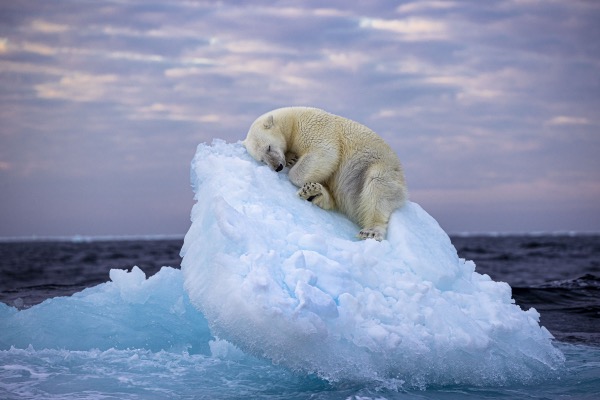
‘Ice Bed’ ©Nima Sarikhani, Wildlife Photographer of the Year People’s Choice Award winner.

An image of a young polar bear drifting to sleep on a bed carved into an iceberg has won the Wildlife Photographer of the Year People’s Choice Award. Nima Sarikhani’s Ice Bed, and the four finalist ‘Highly Commended’ images were selected from a shortlist of 25 images chosen by the Natural History Museum and an international judging panel from almost 50,000 images entered in the 59th Wildlife Photographer of the Year competition. The other finalists include Tzahi Finkelstein’s The Happy Turtle – a meeting between Balkan pond turtle and a northern banded groundling dragonfly, Daniel Dencescu’s Starling Murmuration - which captured the moment a starling murmuration formed the shape of a bird, Mark Boyd’s Shared Parenting in which two lionesses groom a cub in Kenya’s Maasai Mara, and, Audun Rikardsen’s Aurora Jellies which shows two moon jellyfish illuminated by the aurora borealis in a fjord in Norway. The five images can be seen both online and in the accompanying exhibition at the Natural History Museum until 30th June. Admission charge applies. For more, see www.nhm.ac.uk/wpy/peoples-choice.

Send all items to exploringlondon@gmail.com.

This Week in London – ‘Beasts of London’; the Cold War remembered; Prince Albert and the V&A; and, ‘Power UP’ returns..

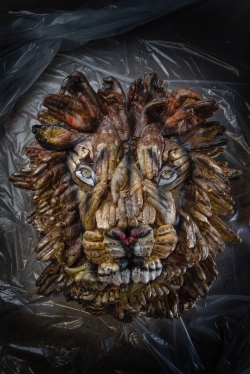
A state-of-the-art, multi-sensory experience focusing on the beasts, large and small, that have helped shaped London opens at the Museum of London tomorrow. Beasts of London, being run in conjunction with the Guildhall School and Music & Drama, tells the story of the capital from before London existed through to the city today, all through the perspective of animals. Inspired by objects in the museum’s collection, the nine “episodes” of the experience encompass subjects including the arrival of the Romans, the creation of the first menageries during the medieval period, the plague years of the 1600s, the first circuses in the late 1700s, the end of the animal-baiting period in the Victorian era and the role of animals in today’s contemporary city. There’s also a special episode on the contribution horses have made to the city. Well-known identities including Kate Moss, Brian Blessed, Pam Ferris, Nish Kumar, Stephen Mangan, Angellica Bell and Joe Pasquale provide voices for the animals alongside actors from the Guildhall School. The family-friendly experience can be enjoyed until 5th January, 2020. Admission charge applies. For more, see www.museumoflondon.org.uk/beastsoflondon. PICTURE: Lion sculpture; courtesy Museum of London.

A new exhibition about Britain’s role in the Cold War opens at the National Archives in Kew today – exactly 70 years since the formation of NATO. Protect and Survive: Britain’s Cold War Revealed features original documents including political memos, spy confessions, civil defence posters and even a letter from Winston Churchill to the Queen as it explores the complexities of government operations during a time of paranoia, secrets and infiltration. Other highlights include George Orwell’s infamous list of suspected communist sympathisers, Winston Churchill and Joseph Stalin’s ‘percentages agreement’, a plan of Lionel ‘Buster’ Crabb’s fateful spy mission, ‘Atom spy’ Klaus Fuchs’ confession and Civil Defence posters. There’s also a recreated government bunker and a 1980s living room showing the impact of the Cold War on both government and ordinary lives as well as digital screens on which Dame Stella Rimington, the first female Director General of MI5, shares her experiences along with insights from historian Dominic Sandbrook and curator Mark Dunton. The display is being accompanied by a series of events including night openings, film screening and talks. Runs until 9th November (30th anniversary of the fall of the Berlin Wall). Admission charge applies. For more, see nationalarchives.gov.uk/coldwar.

Prince Albert’s personal contributions to the V&A’s Library collection are the subject of a new exhibition which opened this week as part of the South Kensington Institute’s celebration of the 200th anniversaries of the births of both the Prince and Queen Victoria. Prince Albert: Science & the Arts on the Page features books and photographs include one volume containing a letter written by the Prince’s librarian Ernst Becker highlighting Albert’s wish to promote knowledge and learning in science and the arts. There’s also a volume of songs written and set to music by Albert and his brother, featuring amendments in Albert’s own hand, as well as his signed season ticket to the Great Exhibition of 1851. Runs until 1st September on the Library Landing. Admission is free. Head here for more.

Forty years of computer game history is once again on show at the Science Museum from Saturday. Returning for its fourth year, Power UP features 160 consoles and hundreds of games, from retro classics like Space Invaders to the latest in VR technology. Special events include two adults-only evening sessions on 10th and 17th April. Runs until 22nd April. For more, see sciencemuseum.org.uk/power-up.

Send all items for inclusion to exploringlondon@gmail.com.
Treasures of London – William Shakespeare’s last will and testament…

William-Shakespeares-Will

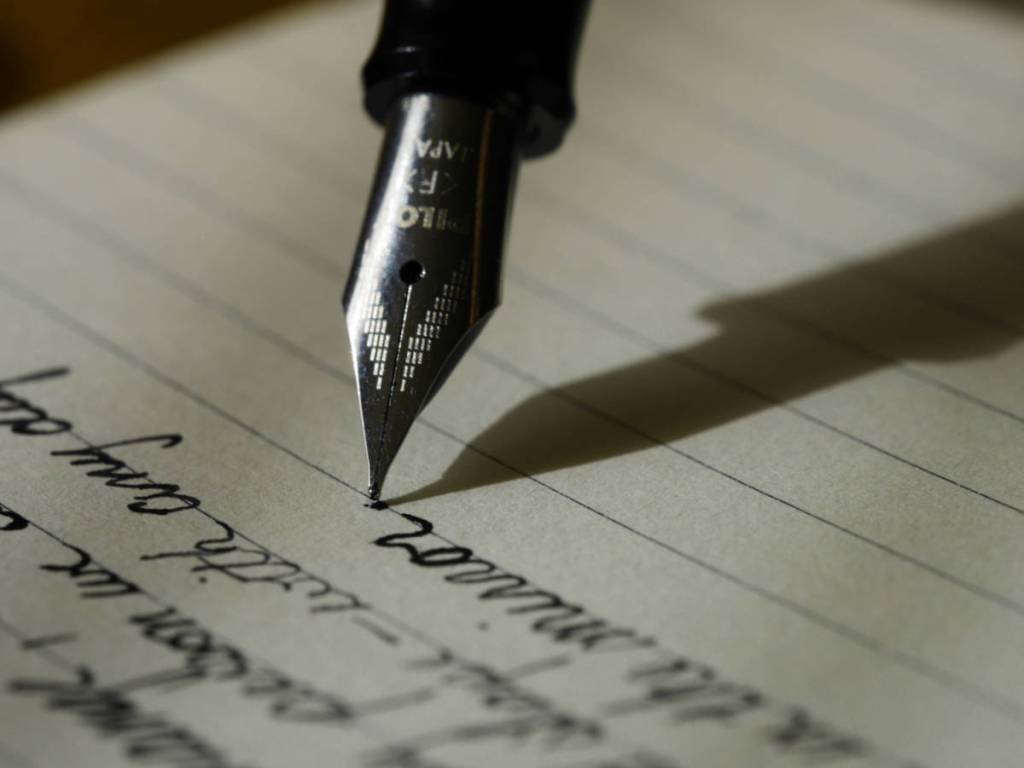
Recently conserved by the National Archives, Shakespeare’s last will and testament is at the heart of a new exhibition on show at Somerset House.

By Me William Shakespeare: A Life In Writing, the first joint exhibition of the National Archives and King’s College London, features four of the six known signatures of Shakespeare still in existence and, along with his last will and testament, shows some of the most significant Shakespeare-related documents in the world tracking his existence as everything from a London citizen, businessman, family man, servant to possibly even a thief and subversive.

But back to the will. While not written in the Bard’s hand, the will is signed by him in three places and indicates the wealth and status he had garnered by the time of his death on 23rd April, 1616.

Evidence shows that Shakespeare revised his will as his estate changed, and just before his death, he added personal bequests including that a silver bowl be given to his second eldest daughter Judith, memorial rings to actor friends in London and his second best bed to his wife Anne. He left most of his property to his eldest daughter, Susanna, although his will, according to the National Archives, indicates that he had hoped to establish a male legacy.

Other beneficiaries named in the will include his sister Joan and her sons and his grand-daughter Elizabeth Hall while Susanna and her husband John Hall were named as his executors.

The exhibition, which is being held in the Inigo Jones Rooms in Somerset House’s East Wing as part of the series of events being held to mark the 400th anniversary of Shakespeare’s death, runs until 29th May. Admission charge applies.

Other documents featured in the display – all of which are registered with UNESCO – include accounts listing the grant of four-and-half yards of red cloth to Shakespeare by King James I for participation in his coronation procession in 1604, accounts from the Master of Revels showing when plays were performed at court (useful for helping to date when Shakespeare wrote particular plays), and a document recording testimony Shakespeare gave in court when his landlord, Christopher Mountjoy, failed to provide his son-in-law with a dowry for his daughter’s hand (Shakespeare is likely to have played a role in arranging the marriage).

For more on the exhibition, see www.bymewilliamshakespeare.org.

What’s in a name?…Kew…

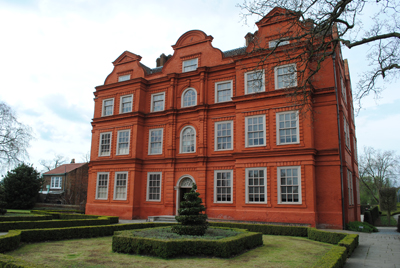
Kew-PalaceFamed as the location of the Royal Botanic Gardens, Kew is a Thames-side suburb in London’s west.

It’s the riverside location which gives the area its name – Kew is apparently a corrupted form of Cayho, a word first recorded in the early 14th century which is itself made of two words referring to a landing place (the ‘Cay’ part) and a spur of land (the ‘ho’ part). The latter may refer in this case to the large “spur” of land upon which Kew is located, created by a dramatic bend in the Thames. The former may refer to a ford which crossed the river here (explaining the name of Brentford on the other side).

While the area had long been the home of a small hamlet for the local farming and fishing community, more substantial houses began to be developed in Kew in the late 15th and early 16th centuries thanks to the demand for homes for courtiers attending the King Henry VII and his successors at nearby Richmond Palace (the royal connections of the area in fact go back much further to the early Middle Ages).

But it was during the Georgian era, when the Royal Botanic Gardens were founded and Kew Palace, formerly known as the Dutch House, became a royal residence (it is pictured above), that Kew really kicked off (and by the way, Kew Palace is not the only surviving 17th century building in the area – West Hall, once home of painter William Harriot, is also still here).

While King George II and his wife Queen Caroline used Richmond Lodge, now demolished but then located at the south end of what is now the gardens, as their summer residence, they thought Kew Palace would make a good home for their three daughters (their heir, Frederick, Prince of Wales, lived opposite his sisters at the now long-gone White House). Kew Palace, meanwhile, would later be a residence of other members of the Royal Family as well, including King George III during his bouts of madness.

Other buildings of note from the Georgian era in Kew include Queen Charlotte’s Cottage, a thatched property built between 1754 and 1771 and granted to Queen Charlotte by her husband, King George III (like the palace, it now lies within the grounds of Kew Gardens). St Anne’s Church, located on Kew Green, dates from 1714 and hosts the tombs of artists Johann Zoffany and Thomas Gainsborough.

In 1840, the gardens which surrounded the palace were opened to the public as a national botanic garden and the area further developed with the opening of the railway station in 1869, transforming what was formerly a small village into the leafy largely residential suburb which we find there today (although you can still find the village at its heart).

As well as Kew Gardens (and Kew Palace), Kew is today also the home of the National Archives, featuring government records dating back as far as 1086.

King James I’s London – 7. The Gunpowder Plot

One of the most significant events during the early year of King James I’s reign was the discovery of the Gunpowder Plot.

The plot, which involved a group of Catholic conspirators including Robert Catesby and  Guido ‘Guy’ Fawkes (you can read more about Fawkes in our earlier entry on Bonfire Night), centred on a plan to blow up the House of Lords in Westminster Palace during the State Opening of Parliament in November 1605, thus killing the king (who had aggrieved Catholics in a public denunciation at the Hampton Court Conference in 1604; it should also be noted that he was already aware of several other failed Catholic plots to kill him) and, presumably, many MPs and Lords.

It is believed they intended replacing James with his daughter, Princess Elizabeth, whom they hoped could be made more amendable to Catholic worship.

But such a plot was hard to keep mum and an anonymous tip-off to Lord Monteagle, a Catholic, not to attend the event, led authorities to eventually uncover the plot in a basement storeroom below the House of Lords where, at around midnight on 4th November, they found Fawkes guarding the 36 barrels of gunpowder.

Fawkes was sentenced to be hung, drawn and quartered – a sentence never fully carried out after he leapt off the scaffold and broke his neck – and the other plotters, who had fled from London soon after the discovery, were either killed during subsequent arrest attempts, imprisoned or executed.

So happy was King James I – that he had Act of Parliament passed which made the 5th November a day of thanksgiving – it remained in force until 1859. Celebrations of the plot’s foiling continue every year on Bonfire Night.

But what were some of the significant places in the event? The cellar where Fawkes was arrested no longer exists – it was destroyed during a fire in 1834.

The conspirators who had been arrested were subsequently taken to the Tower of London where King James I authorised the torture of at least Fawkes and perhaps others among the conspirators. Fawkes capitulated quickly and signed two confessions (which are now in The National Archives). Another of the conspirators, Francis Tresham, died of natural causes while in the Tower.

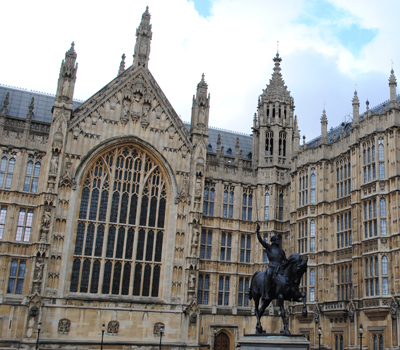
The eight surviving conspirators went on trial at Westminster Hall – still part of the Houses of Parliament complex today; the end of the hall is visible in the above picture – in late January 1606 and were all condemned to death for treason.

Four of them were executed on 30th January in St Paul’s Churchyard outside St Paul’s Cathedral while the remaining four including Fawkes were executed the next day outside Westminster Hall in Old Palace Yard. The heads of Catesby and Thomas Percy, both of whom had been killed during a shoot-out in Staffordshire, were set up outside the Houses of Parliament.

Arrests – and in some cases executions – of others believed to be associated with the plot continued in the following months.

Another place of note in the story of the Gunpowder Plot is Syon Park in the city’s west, now the London home of the Duke of Northumberland. The aforementioned Thomas Percy was a cousin of the then Earl of Northumberland, Henry Percy, and apparently dined with the Catholic earl at the house on the night of 4th November, before the plot was uncovered.

That association subsequently led to the earl’s arrest and he was confined to the Tower for the next 15 years on the order of the king.