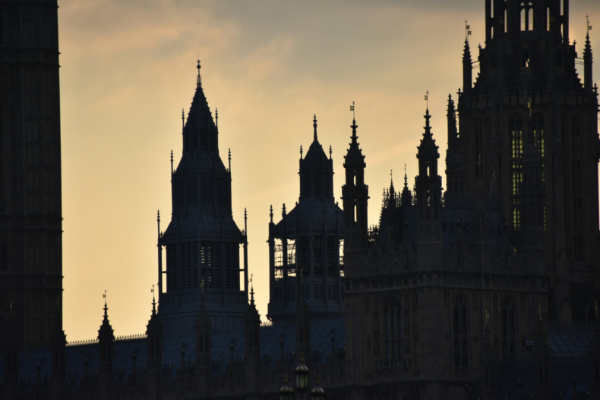
LondonLife – Parliamentary pinnacles…
UNESCO’s World Heritage List includes as many as 1223 properties right across the globe which the World Heritage Committee considers as having “outstanding universal value”.
Most of them are cultural sites (952) but they also include some 231 natural sites and 40 which have both qualities.
The UK is actually home to 35 sites on the list, ranging from Stonehenge and the English Lake District to neolithic Orkney and the City of Bath.
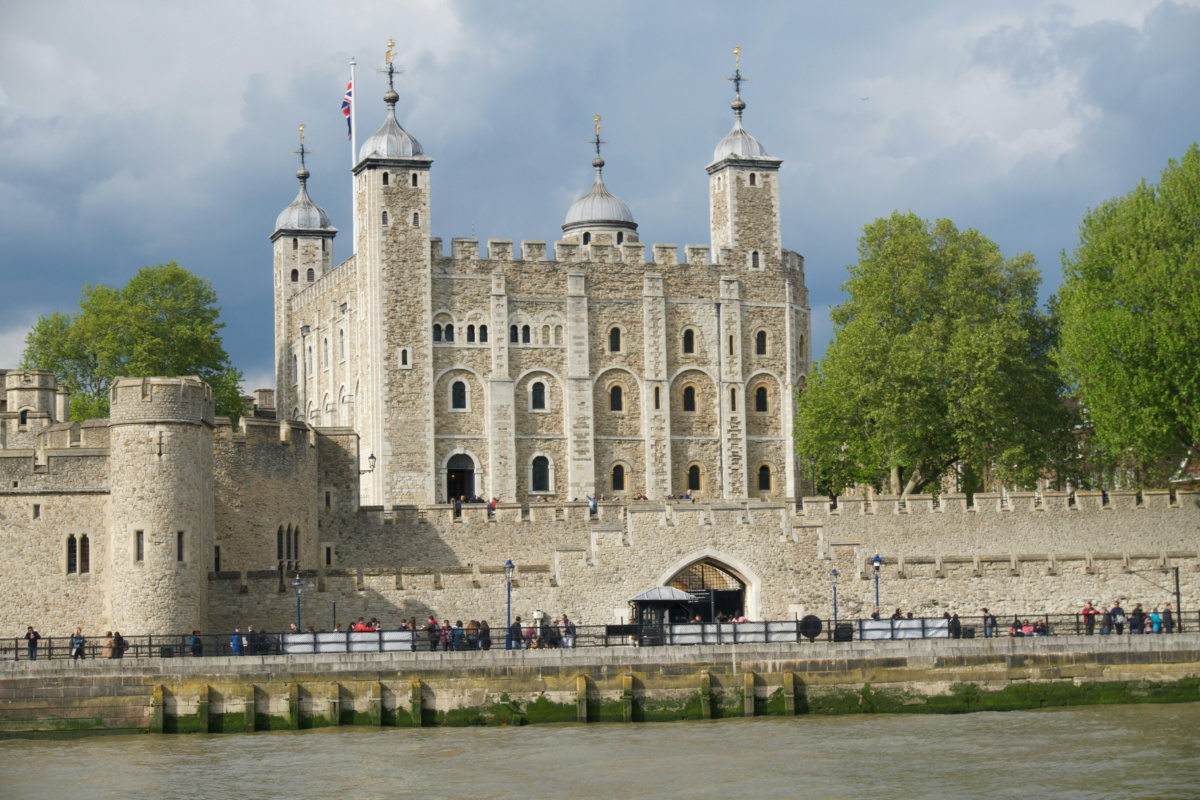
London itself is home to four internationally recognised UNESCO World Heritage Sites. These include the Tower of London, the Royal Botanic Gardens in Kew, the Palace of Westminster and Westminster Abbey (including the neighbouring St Margaret’s Church), and maritime Greenwich.
The first of the four to be added to the list was the 10 hectare site of Palace of Westminster and Westminster Abbey in 1987 (described as being of “great historic and symbolic significance”). It was followed by the Tower of London in 1988, and the 109 hectare area covering the Queen’s House, Old Royal Naval College and Royal Observatory known as maritime Greenwich in 1997.
The 132 hectare site of the Royal Botanic Gardens at Kew was the most recent addition to the list in 2003.
As well as being added to the list, sites can also be removed as happened when Liverpool became the third site to be removed from the list in 2021 due to what the World Heritage Committee said was “the irreversible loss of attributes conveying the outstanding universal value of the property”.
Concerns have been raised over the Tower of London’s future on the list due to surrounding development and, of course, there are always other sites that can be added (we vote for Hampton Court Palace, among others).
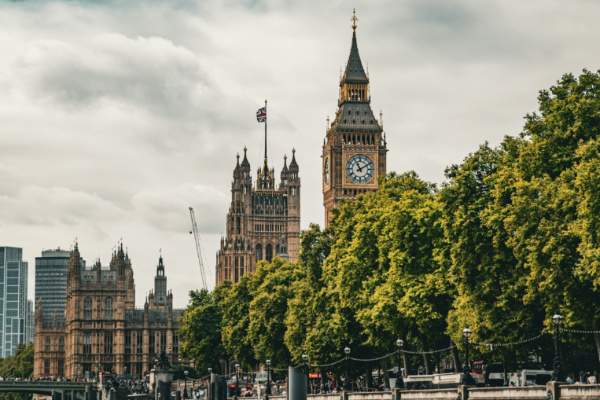
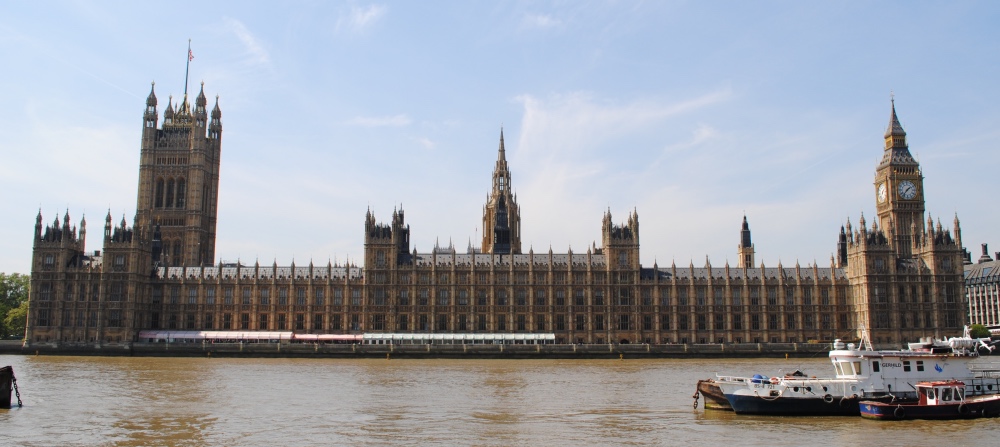
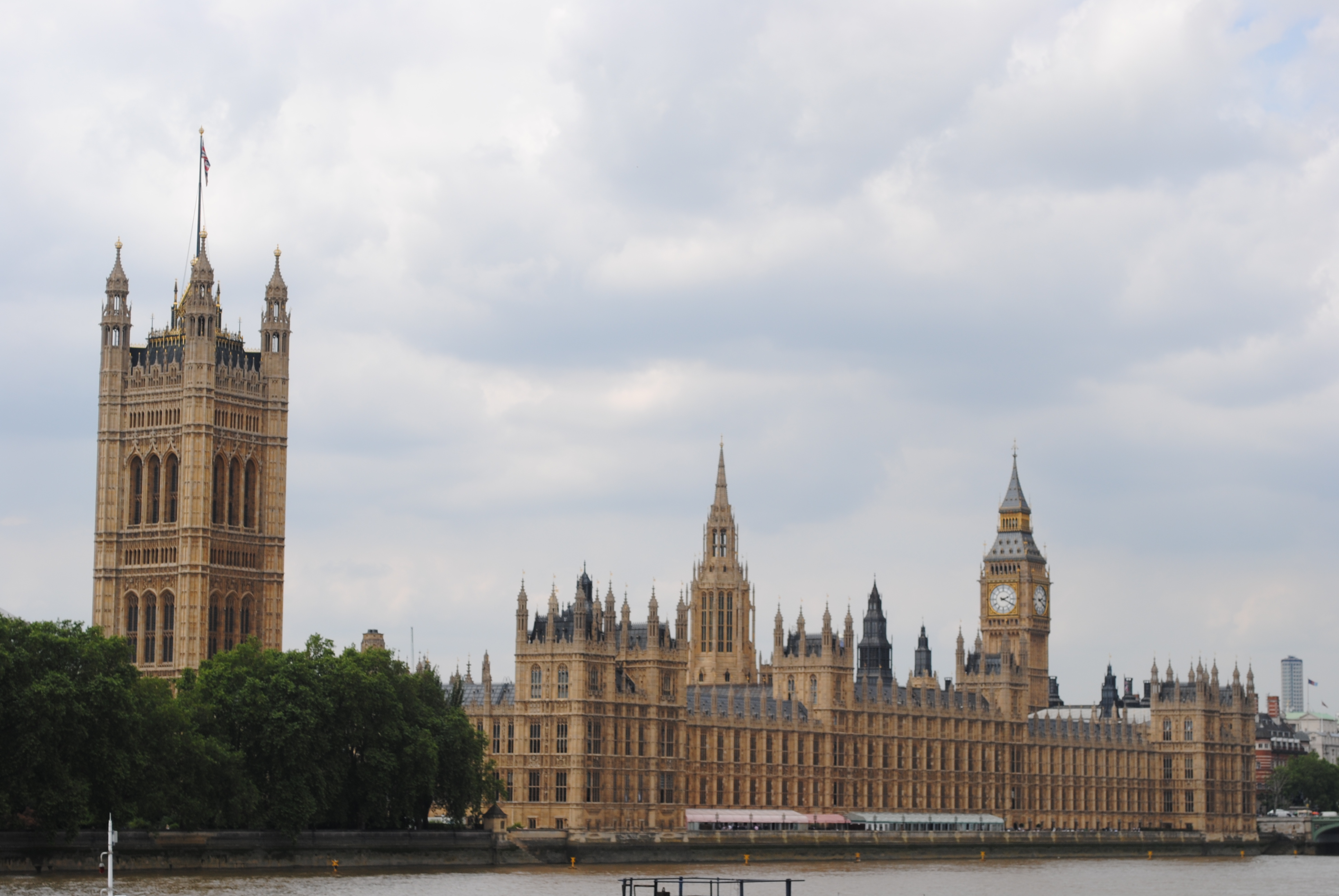
Looking south towards the Houses of Parliament from the River Thames.
Located at the south-western end of the Houses of Parliament, the rather grand Victoria Tower was built as part of Sir Charles Barry’s 19th century redevelopment of the site in the Gothic Perpendicular style.
We invite you to support our work and subscribe for just £3 a month to gain access to all our coverage!
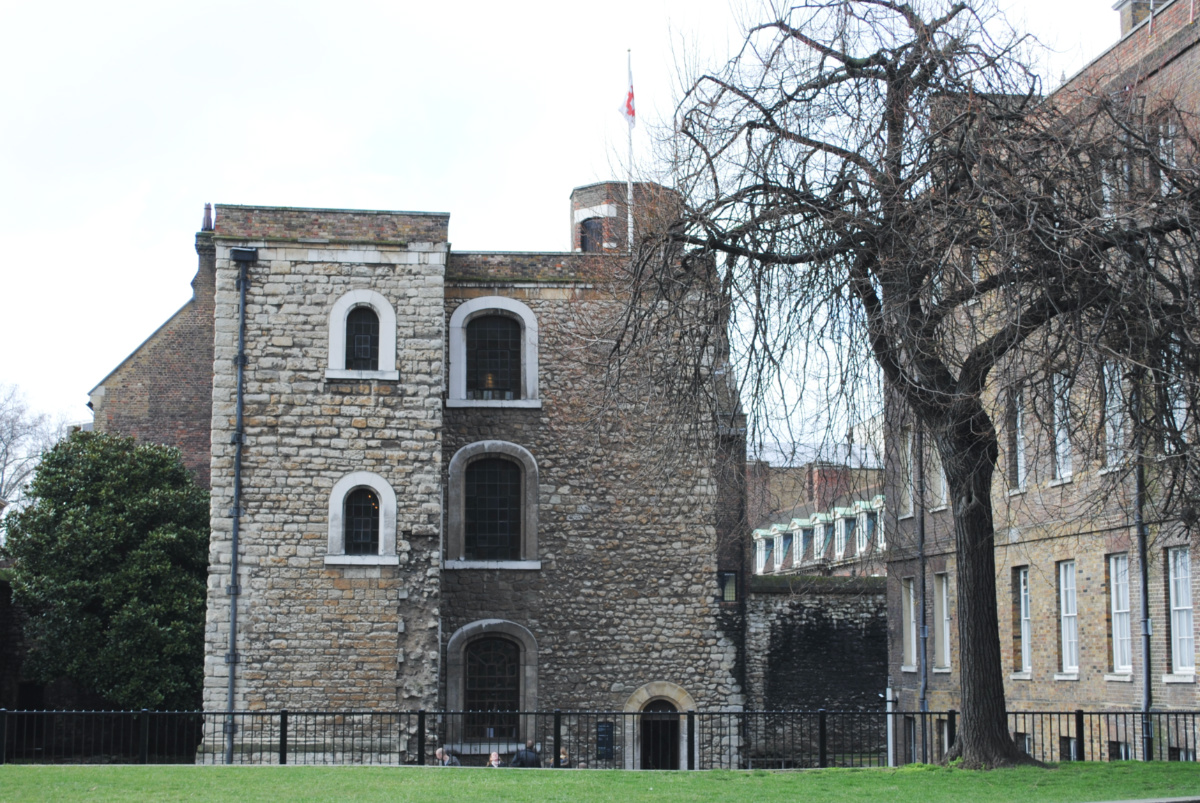
Located in the ground floor of Westminster’s three-storied Jewel Tower is a fine 14th-century ribbed vault, described as an “architectural masterpiece”.
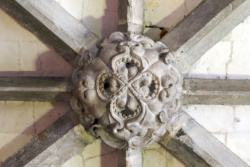
The room is believed to have been constructed, along with the rest of the building, in the 1360s to the designs of master mason Henry de Yevele.
Located in the south-west corner of Old Palace Yard, the tower was originally used as a personal treasure-house for King Edward III and was known as the King’s Privy Wardrobe. Later it was used to house government documents and in 1869 became the Weights and Measures Office.
It is one of few surviving buildings from the medieval Palace of Westminster (the rest having been destroyed in the fire of 1834).
The vaulted chamber incorporates tiercerons – ribs set between the transverse and diagonal ribs to form simple fans and also features a series of sculpted bosses.
Made in Reigate stone, these depict human and mythical animal heads, as well as intertwined pairs of eagles and swans and plant designs. It is believed the bosses were once whitened.
The west wall of the chamber features the remains of a fireplace while the main window reveal is medieval (although the window itself dates from the 18th century).
The property, which is under the care of English Heritage, is not to be confused with the Jewel House at the Tower of London.
WHERE: The Jewel Tower, Abingdon Street, Westminster, (nearest Tube stations are Westminster and St James’s Park); WHEN: 10am to 4pm on weekends; COST: £6 adults/£3.60 children (aged five to 17 years)/£5.30 concession; family tickets available; WEBSITE: www.english-heritage.org.uk/visit/places/jewel-tower/
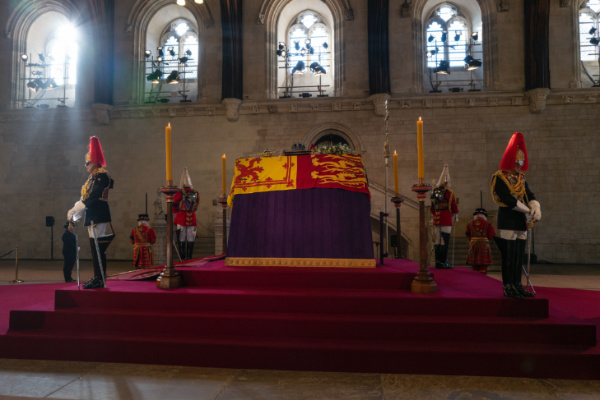
The tradition of lying in state – whereby the monarch’s coffin is placed on view to allow the public to pay their respects before the funeral – at Westminster Hall isn’t actually a very old one.
The first monarch to do so was King Edward VII in 1910. The idea had come from the previous lying-in-state of former Prime Minister William Ewart Gladstone who had lain in state following his death in 1898.
Ever since then, every monarch, with the exception of King Edward VIII, who had abdicated, has done so along with other notable figures including Queen Mary, wife of King George V, in 1953, former Prime Minister Sir Winston Churchill in 1965, and Queen Elizabeth, the Queen Mother, for a three day period in 2002 when some 200,000 people paid their respects.
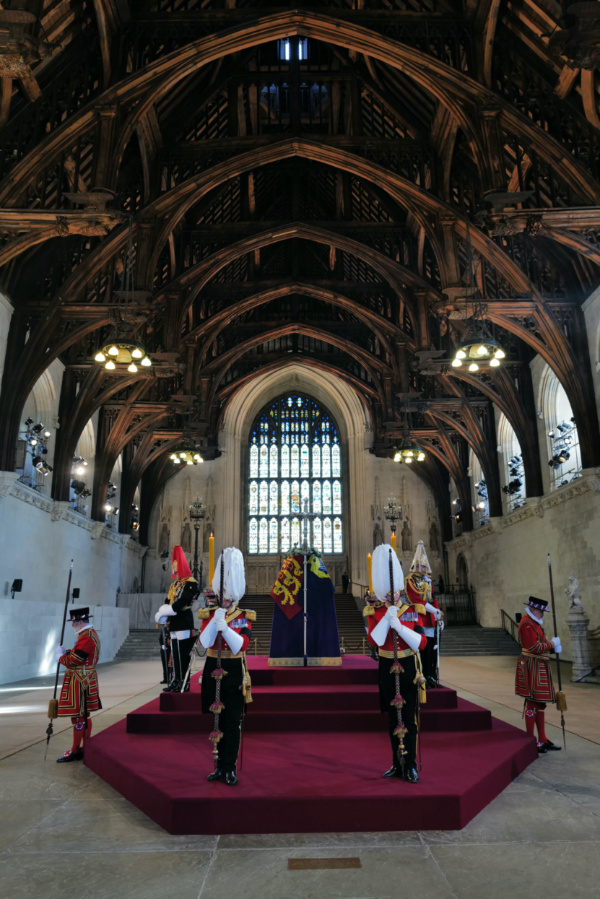
During the lying-in-state period (which members of the public may pay their respects), the coffin is placed on a central raised platform, known as a catafalque, and each corner of the platform is guarded around the clock by units from the Sovereign’s Bodyguard, Foot Guards or the Household Cavalry Mounted Regiment. The coffin is draped with the Royal Standard and placed on top is the Orb and Sceptre.
Westminster Hall, the oldest surviving building in the Palace of Westminster and the only part which survives almost in original form, was constructed between 1097 and 1099 on the order of King William (Rufus) II.
Measuring 240 by 67 feet and covering some 17,000 square feet, at the time it was the largest hall in England and possibly the largest in Europe (although once anecdote has the King, when an attendant remarked on its size, commenting that it was a mere bedchamber compared to what he’d had in mind).
Since then, it has been used for a range of purposes including coronation banquets – the earliest recorded is that of Prince Henry, the Young King, son of King Henry II and King Henry’s other son, King Richard the Lionheart, other feasts and banquets – including in 1269 to mark the placing of Edward the Confessor’s remains in the new shrine in Westminster Abbey, and for political events and gatherings such as in 1653 when Oliver Cromwell took the oath as Lord Protector.
It has also been the location of law courts (the trial of William Wallace was held here in 1305 and that of King Charles I in 1649) and even shops.
Part of the medieval Palace of Westminster, the Painted Chamber took its name from a series of large paintings which decorated the walls.
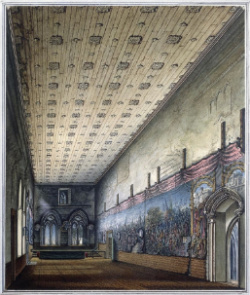
The long and narrow chamber, which stood parallel to St Stephen’s Chapel, was constructed in the 13th century during the reign of King Henry III and was apparently initially intended as a private apartment for the king as well as a reception room.
It featured a state bed at one end positioned under a painting of King Edward the Confessor and also had a “squint” – a small opening at eye level – through which the monarch could view religious services in a chapel located next door.
The chamber was apparently originally known as the King’s Chamber but came to be known as the Painted Chamber when the walls were decorated with paintings depicting vices and virtues and Biblical figures.
These paintings, which were completed over an almost 60 year period from 1226 and which were repaired a couple of times during that period, were added to with commissions by successive monarchs.
The painted chamber was the location for the State Opening of Parliament in the Middle Ages and was where Oliver Cromwell and the others signed King Charles I death warrant in 1649. The body of King Charles II rested here overnight before he was interred in Westminster Abbey.
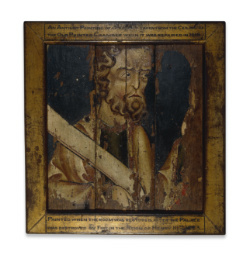
Later neglected, the walls of the chamber were whitewashed and hung with tapestries and in the early 19th century restoration work was done to reveal the paintings again with artist and antiquarian Charles Stothard commissioned by the Society of Antiquarians in 1819 to make watercolour copies (further copies were also made by the clerk of works at Westminster, Thomas Crofton Croker).
By 1820, the chamber was being used for the Court of Requests, a civil claims court.
The Painted Chamber was gutted when fire devastated much of the Palace of Westminster on the night of 16th October, 1834. It was reroofed and refurnished and used by the House of Lords until 1847 – as well as for the State Opening of Parliament in February, 1835. It was finally demolished in 1851.
Two ceiling paintings which were removed in 1816 during repairs are now at the British Museum (pictured right).
A forgotten door built for festivities surrounding the coronation of King Charles II in 1661 has been rediscovered in the Houses of Parliament.
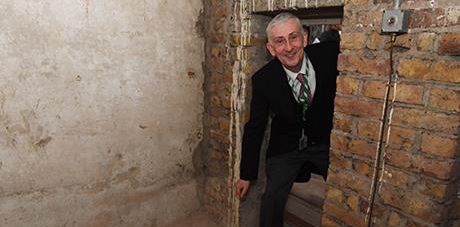
The door, hidden behind panelling in cloister formerly used as offices by the Parliamentary Labour Party, was originally constructed to allow guests at the coronation to make their way to his celebratory banquet in Westminster Hall.
It was subsequently used by the likes of Robert Walpole, often referred to as the first Prime Minister as well as architect-led rivals Charles James Fox and William Pitt the Younger, and diarist Samuel Pepys.
The door and passageway behind it survived the fire which destroyed much of the Palace of Westminster in 1834 but it was thought the passage had been filled in during restoration works after the Palace of Westminster was bombed in World War II.
Liz Hallam Smith, an historical consultant from the University of York who is working with the team undertaking the renovations, said they were trawling through “10,000 uncatalogued documents relating to the palace at the Historic England Archives in Swindon, when we found plans for the doorway in the cloister behind Westminster Hall”.
“As we looked at the paneling closely, we realised there was a tiny brass key-hole that no-one had really noticed before, believing it might just be an electricity cupboard,” she said. “Once a key was made for it, the paneling opened up like a door into this secret entrance.”
In the small room behind the door, the team discovered the original hinges for two wooden doors some three-and-a-half meters high that would have opened into Westminster Hall. They also found graffiti, scribbled in pencil by bricklayers who worked on the restoration of the palace in 1851 following the 1834 fire.
One section reads “This room was enclosed by Tom Porter who was very fond of Ould Ale” and another, “These masons were employed refacing these groines…[ie repairing the cloister] August 11th 1851 Real Democrats”, the latter a reference suggesting the men were part of the working class male suffrage Chartist movement.
Sir Lindsay Hoyle, the House of Commons Speaker, described the find as “part of our parliamentary history”: “To think that this walkway has been used by so many important people over the centuries is incredible.”
PICTURE: Sir Lindsay Hoyle and the door (UK Parliament/Jessica Taylor)
The chapel, which served as the House of Commons from the mid-16th century until it was destroyed in the fire at the Palace of Westminster in 1834, was first recorded as part of the palace in the reign of King John (1199-1216).
It was rebuilt in the late 13th century, on the orders of King Edward I. The king, apparently impressed by the Sainte Chapelle, built as a royal chapel by King Louis IX in Paris, ordered the chapel rebuilt to rival it.
The two storey, richly decorated stone chapel featured two levels, the upper floor for use of the Royal Family (it could only be entered from the Royal Apartments), the lower for courtiers and the Royal Household – was largely complete by 1348.
The then 15-year-old King Richard II married Anne of Bohemia in the chapel in 1382 and the ill-fated Richard, Duke of York (the younger of the two so-called Princes in the Tower) married Anne Mowbray here while still young children. Richard’s father, King Edward IV, had laid in state here for eight days after his death in 1483. Thomas Cranmer was consecrated as Archbishop of Canterbury here in 1533.
The Palace of Westminster was no longer used as a royal residence following the death of King Henry VIII in and in 1547 it was deconsecrated under the Abolition of Chantries Act instituted by King Henry’s son, King Edward VI, after which it was used as a debating chamber for the House of Commons (which had hitherto been meeting in xxx).
During the Commonwealth, Oliver Cromwell had the chapel’s crypt white-washed and, so the story goes, used it for stabling his horses.
The chapel’s architecture was amended several times over the ensuing centuries to better accomodate MPs – it included the addition of extra seats and among the architects who worked on it was Sir Christopher Wren – before the fire of 1834 while completely destroyed the main chapel, leaving just the crypt below and adjoining cloisters.
The crypt, now known as the Chapel of St Mary Undercroft, was subsequently restored to its original use as a place of worship (it had been used for various purposes over its life). Interestingly, women’s suffragist Emily Davison had spent the night in a broom cupboard in the crypt in 1911 so, as woman banned from the premises, she could address the House of Commons the next day.
The site of the chapel is now covered by St Stephen’s Hall and its porch, constructed as part of the rebuild after the fire.
To see modern revisualisations of what the chapel may once have looked like, head to www.virtualststephens.org.uk.
Following the destruction of much of the Palace of Westminster in a fire which broke out on 16th October, 1834, work was launched on a new building to house both the House of Commons and the House of Lords – a building to which both Queen Victoria and Prince Albert had strong connections.
Rebuilding commenced in earnest for the new building 27th August, 1840, when Sarah Barry, wife of architect Charles Barry (his plans for a new Perpendicular Gothic-style Parliament building had been selected from some 97 submissions), laid the foundation stone of the new complex.
Work, to the designs of Barry with the aid of Augustus Pugin, progressed (although a lot slower than was originally envisaged – and a lot more expensively) and the new House of Lords was opened in 1847 followed by the new House of Commons in 1852 (when Barry received a knighthood).
The Clock Tower, meanwhile, now renamed the Elizabeth Tower, was not completed until 1858, but when the Victoria Tower was roofed in 1860, the work was largely complete (although construction wasn’t officially completed until 10 years later – Barry died in 1860 and the work was continued by his son, Edward Middleton Barry).
In 1852, Queen Victoria became the first monarch to take the route since used by all sovereigns at the State Opening of Parliament – arriving in the Irish State Coach (still used by Queen Elizabeth II today) she entered the entrance at the base of the Victoria Tower (now known as the Sovereign’s Entrance) and proceeded to the Robing Room where she was dressed in the Imperial State Crown and the Robe of State before processing through the Royal Gallery to the chamber of the House of Lords where she took her seat on the Throne (located opposite the door leading to the House of Commons).
Prince Albert, known for his passion for the arts, chief connection came when he was appointed chair of the Royal Fine Arts Commission in 1835. It oversaw the placement of paintings and sculptures in the building, including five vast frescoes by William Dyce depicting the Arthurian legend which can be seen in the Robing Room.
The prince tragically died on 14th December, 1861, and while the structural work had largely been completed, much of the decorative schemes the commission had envisaged for the palace hadn’t been finished. As a result, many of the decorative aspects Prince Albert had overseen the planning of were never completed.
Portrayals of the Queen and Prince in the building today include a white marble statue of Queen Victoria holding a sceptre and laurel crown in the Prince’s Chamber and portraits of the Queen and Prince Albert by Franz Xaver Winterhalter which flank the Chair of State in the Robing Room.
WHERE: Houses of Parliament (nearest Tube stations are Westminster, St James’s Park and Embankment); WHEN: Tours are held on Saturdays until 25th January 2020 and Monday to Friday between until 30th August 2019 (except 26th August); COST: £26.50 adults/£22 concessions/£11.50 children five to 15 years (children under five are free); WEBSITE: www.parliament.uk.
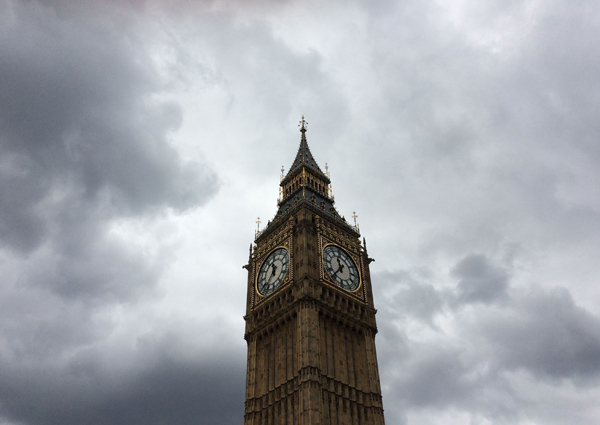
And so the day has finally arrived. Following its usual bonging at midday today, the famous bell nick-named Big Ben has now controversially fallen silent as what have been described as “critical” conservation works are carried out.
How long the 13.7 tonne bell, which sits at the top of Elizabeth Tower (formerly known as the Clock Tower) at the northern end of the Palace of Westminster (also known as the Houses of Parliament) and is officially known as the “Great Bell”, will be silent remains something of a mystery.
Following uproar over the initial announcement that the bell would be silent for four years (until 2021), officials have now said that the plan will now be reviewed. There have also been claims that the bell will continue to toll for significance events such as Remembrance Sunday and New Year’s Eve (Conservative MPs also reportedly want the bell to toll as the UK leaves the EU on 29th March, 2019).
It should be noted that while the mechanism which strikes the bell will be stopped from doing so during works to protect the ears of those working on it, the clock faces on the tower will continue to show the time.
The giant bell, which was cast by the Whitechapel Bell Foundry, went into action on 11th July, 1859, and has been bonging almost continually since. It apparently stopped for two years during World War I for fears it would attract Zeppelins to the site and was silent during the funerals of former PMs Winston Churchill and Margaret Thatcher. It was last silent in 2007 when maintenance was carried out.
PICTURE: Athena/Unsplash
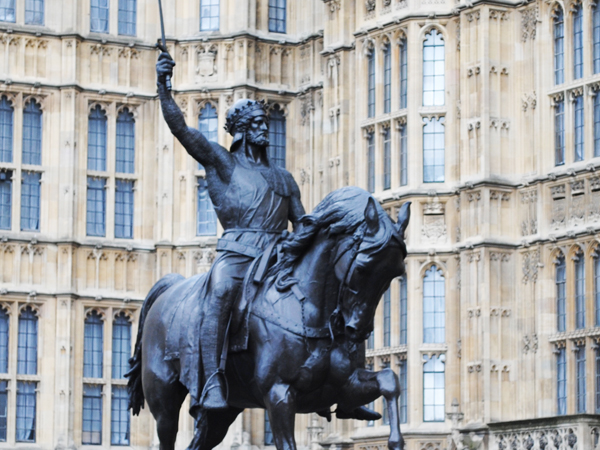
Located in Old Palace Yard outside the Palace of Westminster, this Grade II-listed equestrian statue of 12th century crusader-monarch King Richard I, known as the “Lionheart” or Coeur de Lion, is the work of 19th century sculptor Baron Carlo Marochetti.
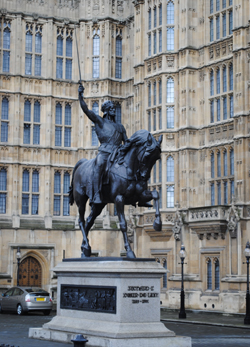 The nine metre high statue was originally exhibited as a clay work at the Great Exhibition of 1851 – it was located outside the west entrance of the Crystal Palace – and, despite the tail falling off soon after it was display, it was well enough received by the crowds attending the exhibition (as well as the critics) that a public subscription was raised to cast the statue in bronze. Queen Victoria and Prince Albert were among those who subscribed.
It was initially proposed that the statue be placed on the site of the Crystal Palace as a memorial to the exhibition (along with a statue of Prince Albert), but this plan was put aside and, after numerous other sites were considered, the current location was settled on.
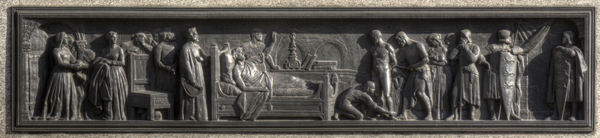
The statue was erected on the site, facing south, in 1860, although it wasn’t completed with the addition of two bronze bas relief panels until 1867. These depict Richard on his death bed pardoning Bertran de Born, the archer whose arrow caused his death, and Richard fighting Saracens at Ascalon during his crusade in the Holy Land. Two other proposed panels were never made.
The statue was peppered with shrapnel when a bomb landed only a few metres away in 1940 during the Blitz, leaving Richard’s sword bent and damaging the tail and granite pedestal. The sword was fixed soon after. Further conservation works were carried out in 2009.
Italian-born Marochetti had worked in Paris as a sculptor before following King Louis-Philippe to London after the revolution of 1848 and largely remained in the city until his death in 1867. He was created a baron by the King of Sardinia.
His statue of Richard is one of few artworks created by non-British artists in the Parliamentary estate and while Marochetti had plans to create another equestrian statue, this one of Edward, the Black Prince, to face his statue of Richard across the entrance to the House of Lords, it never eventuated. Plans to install the second statue are, however, once more being talked about.
PICTURES: Above – The statue in Old Palace Yard (David Adams); Below – Detail of the panel depicting the death of the king (Prioryman/CC BY-SA 4.0)

Looking from across the River Thames. PICTURE: Samuel Zeller/Unsplash
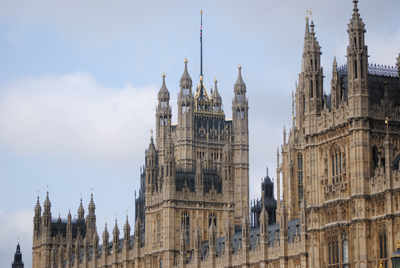
The Houses of Parliament in the early morning light. For more on their history, see our earlier post here.
The site of the climatic showdown in V for Vendetta between the silent hoards of masked protestors and the military, Parliament Square is featured in some dramatic aerial shots before, moments after midnight in the early hours of 5th November, the Houses of Parliament explode to the sprightly sounds of Tchaikovsky’s 1812 Overture.
Of course, it’s far from the only London location to feature in the 2006 film which is largely set in the city – among other locations are Trafalgar Square where the protestors gather before marching down Whitehall, and the Old Bailey which explodes in the first scene as well as the former Underground station of Aldwych – located on a former spur line of Piccadilly Line which closed to the public in 1994.
Meanwhile, the Houses of Parliament – also known as the Palace of Westminster (for more on its history, head here) – and the Clock Tower (see our Treasures of London article for more here) have made innumerable appearances on the big screen, including in several Bond films including Thunderbolt (1965), 28 Days Later (2002), and, more recently, in Suffragette (2015).
It wasn’t until four days after the battle which had taken place on 25th October, 1415, that news of King Henry V’s stunning victory over the French reached the English capital.
 The news apparently reached London very early in the morning and church bells were rung in celebration and a Te Deum sang in thanksgiving in many.
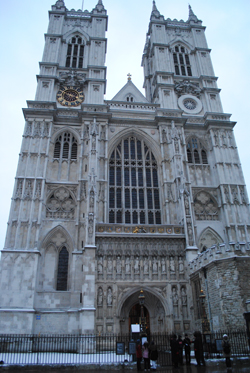
At 9am, a solemn procession of clergy made their way from St Paul’s Cathedral in the City to the shrine of St Edward the Confessor in Westminster Abbey (pictured) to give thanks.
Other attendees at the abbey included the Mayor-elect, Nicholas Wotton (this was the first of two occasions on which he was elected Lord Mayor), and the alderman of London, as well as the Queen Dowager, Joan of Navarre.
A few days later, on the 4th November, King Henry V’s brother – John of Lancaster, the Duke of Bedford, announced the news to Parliament.
King Henry V, meanwhile, arrived back in Dover on 16th November (apparently as a great snowstorm was making its presence felt) and headed for London. After pausing in Canterbury to give thanks in the cathedral and St Augustine’s Abbey, he reached the manor of Eltham (now in south-east London) on 22nd November.
He was met the next day on Blackheath by Wotton and City dignitaries who then, along with what were recorded as a crowd of 20,000 citizens, accompanied him and his small retinue, which included some of his most high profile prisoners such as Charles d’Orléans, Duke of Orléans (who spent 25 years as a prisoner in England), and Marshal Boucicaut (he would die six years later in Yorkshire), towards London.
There, welcomed as Henry V, “King of England and France”, he processed through the City which had been elaborately decorated – the decorations included the hanging of various coats of arms from various prominent sites as well as the positioning of statues of the likes of St George – ahead of his arrival.
Travelling down Cheapside, the king – who was modestly dressed in a purple gown and had eschewed wearing a crown for the event – stopped at St Paul’s where he performed his devotions, before proceeding to Westminster where he did the same before taking up residence for the night in the nearby Palace of Westminster.
On the king’s orders, a solemn mass was held in St Paul’s the next day for the fallen of both sides. The victorious king had returned!
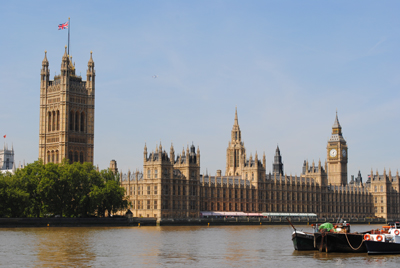 Both Westminster Abbey and the Palace of Westminster (these days better known as the Houses of Parliament – pictured) pre-date 1215 but unlike today in 1215 the upon which they stood was known as Thorney Island.
Formed by two branches of the Tyburn River as they ran down to the River Thames, Thorney Island (a small, marshy island apparently named for the thorny plants which once grew there) filled the space between them and the Thames (and remained so until the Tyburn’s branches were covered over).
One branch entered the Thames in what is now Whitehall, just to the north of where Westminster Bridge; another apparently to the south of the abbey, along the route of what is now Great College Street. (Yet another branch apparently entered the river near Vauxhall Bridge).
The abbey’s origins go back to Saxon times when what was initially a small church – apparently named after St Peter – was built on the site. By 960AD it had become a Benedictine monastery and, lying west of what was then the Saxon city in Lundenwic, it become known as the “west minster” (St Paul’s, in the city, was known as “east minster”) and a royal church.
The origins of the Palace of Westminster don’t go back quite as far but it was the Dane King Canute, who ruled from 1016 to 1035, who was the first king to build a palace here. It apparently burnt down but was subsequently rebuilt by King Edward the Confessor as part of a grand new palace-abbey complex.
For it was King Edward, of course, who also built the first grand version of Westminster Abbey, a project he started soon after his accession in 1042. It was consecrated in 1065, a year before his death and he was buried there the following year (his bones still lie inside the shrine which was created during the reign of King Henry III when he was undertaking a major rebuild of the minster).
Old Palace Yard dates from Edward’s rebuild – it connected his palace with his new abbey – while New Palace Yard, which lies at the north end of Westminster Hall, was named ‘new’ when it was constructed with the hall by King William II (William Rufus) in the late 11th century.
Westminster gained an important boost in becoming the pre-eminent seat of government in the kingdom when King Henry II established a secondary treasury here (the main treasury had traditionally been in Winchester, the old capital in Saxon times) and established the law courts in Westminster Hall.
King John, meanwhile, followed his father in helping to establish London as the centre of government and moved the Exchequer here. He also followed the tradition, by then well-established, by being crowned in Westminster Abbey in 1199 and it was also in the abbey that he married his second wife, Isabella, daughter of Count of Angouleme, the following year.
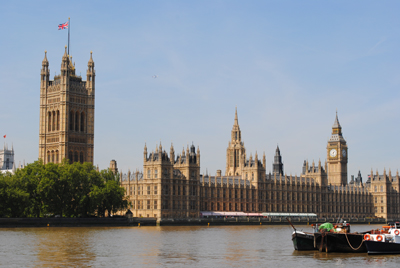
Of course, no look at London sites associated with Sir Winston Churchill would be complete without a mention of the Palace of Westminster, better known as the Houses of Parliament.
Churchill made his maiden speech in the House of Commons on 18th February, 1901, having won the seat of Oldham for the Conservative Party the year before (he switched to the Liberal Party in 1904 and eventually rejoined the Conservatives in 1924).
Over his long career in politics (he was an MP for 62 years), he served in a variety of roles including the President of the Board of Trade, Home Secretary, First Lord of the Admiralty, Minister of Munitions, Chancellor of the Exchequer, and twice, Prime Minster.
Some of the most famous speeches Churchill gave in the House of Commons were during World War II – they include the ‘blood, toil, tears and sweat’ speech given on 13th May, 1940 – the first after he had been made Neville Chamberlain’s replacement as PM, the ‘we shall fight them on the beaches’ speech given on 4th June, 1940, and the ‘this was their finest hour’ speech of 18th June, 1940, in which he gave the ‘Battle of Britain’ its name and, as the name suggests, first recorded the phrase “their finest hour” (the speech ended with it).
Churchill’s last speech to Parliament was given on 1st March, 1955, in which he spoke about the British development of a hydrogen bomb.
There’s several places within the Houses of Parliament which now bear Churchill’s name. Among them are the Churchill Room (named as such in 1991 when ownership of the room passed from the Lords to the Commons, it features two of his paintings and a bronze bust of the PM).
They also include the Churchill Arch – this leads from the Members’ Lobby into the Commons Chamber and is flanked by a 1969 statue of Churchill ( and one of fellow former PM, David Lloyd George (one foot on each of the statues has been burnished thanks to the practice of MPs to touch them as they enter the Commons Chamber).
It took on its current name after it was rebuilt following damage from bombs during World War II – at Churchill’s suggestion damaged stone was reused in its construction as a memorial to the “ordeal” Westminster had endured during the war. The statue of Churchill, incidentally, was the focus of recent commemorations on the 50th anniversary of his death.
Churchill’s stamp can also be seen on the Commons Chamber itself – it was he who recommended that when the chamber was rebuilt after World War II that it retain its rectangular shape rather than be redesigned in a semi-circle.
Churchill’s body lay in state in Westminster Hall prior to his funeral service in January, 1965 (for more on that, see our previous post here.
For more on Churchill’s Parliamentary career, check out the UK Parliament’s Living History page here: www.parliament.uk/about/living-heritage/transformingsociety/private-lives/yourcountry/collections/churchillexhibition/.
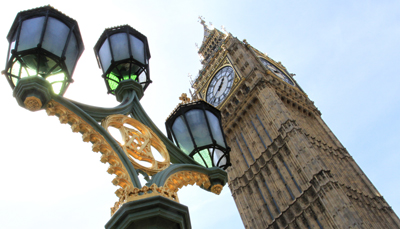
The Clock Tower of the Houses of Parliament, home to Big Ben. For more on it, see our earlier posts on the Palace of Westminster, the Clock Tower and Big Ben. PICTURE: Tony Kerrigan.
In this, the final in our series looking at Shakespeare’s London, we take a quick look at some of the plethora of London locations mentioned by the Bard in his historical plays. Some we have already covered, but here are a few more…
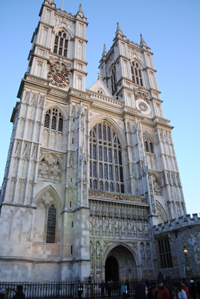 • Westminster Abbey (pictured): We’ve already talked about Poet’s Corner but Shakespeare himself makes mention of Westminster Abbey in his plays, notably in Henry VI, Part I, when it’s the scene of Henry V’s funeral. The Jerusalem Chamber, principal room of Cheyneygates, the medieval house of abbots of Westminster is mentioned in Henry IV, Part II.
• The Houses of Parliament: True, the buildings have changed somewhat since Shakespeare’s day but the former Palace of Westminster is the site of scenes in numerous plays including Richard II, Henry IV, Part II and Henry VI, Part III are set. Among rooms mentioned is Westminster Hall which survives today from the original building.
• The Tower of London: As one would expect, this prominent London landmark pops up in several of Shakespeare’s plays including Henry VI, Part I and Richard III where its plays a rather central role – among the events recorded in the latter play are the infamous drowning of Richard III’s elder brother George in a butt of Malmsey wine.
• Ely House: The London residence of the bishops of Ely, this long gone building is mentioned in Richard II (for more on Ely House see our earlier posts on Ye Olde Mitre Tavern here and St Etheldreda’s Church here ).
• The London Stone: Now at 111 Cannon Street, the London Stone originally was located at another location in Cannon Street and its here in Henry VI, Part II, that rebel Jack Cade stops to strike his sword upon the stone (for more on the London Stone, see our earlier post here).
Other London sites mentioned in Shakespeare’s plays include generic “London Streets” (mentioned in a number of plays), “Eastcheap, near the Boar’s Head Tavern” (Henry IV, Part II), the Temple Garden (Henry VI, Part I) and Blackheath (Henry VI, Part II).

 Exploring London