This simple blue plaque memorial in Southwark commemorates a bombing on the night of 17th February, 1941, in which some 68 people were killed.
Areas of London
Where’s London’s oldest…football stadium?
Craven Cottage, home of Fulham FC on the bank of the River Thames in west London, is the city’s oldest football stadium.

The site has been home to the club since 1896, having previously been based at a range of grounds. It took two years to prepare the ground for play including constructing a changing room building.
The first match was played at the ground on 10th October, 1896 (Fulham beat Minerva 4-0 in the Middlesex Senior Cup).
Initially the ground was surrounded with terracing only – this changed in 1903 when the first stand was built on the north side of the ground. Providing seating for 1,200 spectators, it was affectionately known as the ‘Rabbit Hutch’.
The stand didn’t last long. Just 18 months later, it was condemned as dangerous by municipal officials and had to be pulled down.
In January, 1905, it was reported that the club had gained a 99-year lease on the ground. Work on a new stand, 5,000-seat, started just four months later to be designed by Archibald Leitch with steelwork provided by Clyde Structural Iron Company. Known as the Stevenage Road Stand (with a brick facade on the road), it opened on 2nd September that year.

Leitch also designed the Cottage Pavillion, located at the south-east corner of the ground, which was used for change rooms and by the club’s administration.
In 1907, the club hosted the first full international match when, in March, 1907, England and Wales drew 1-1.
While the club regularly saw crowds of up to 40,000 in the lead-up to World War II, a record was set in 1938 at a game between Fulham and Millwall when the crowd numbered just shy of 50,000.
These days there are four stands: the Grade II-listed Johnny Haynes Stand on the east side of the ground (it was renamed in 2005 in honour of the club legend who also has a statue at the ground); the Riverside Stand on the west side (redeveloped in recent years); the Hammersmith End stand (located to the north of the ground, traditionally its home end); and, the Putney End stand (located at the south end).
The Cottage Pavilion, the balcony of which is from where player’s families have traditionally watched games, remains in the south-east corner.
10 World War II memorials commemorating Londoners…5. The Stairway to Heaven Memorial, Bethnal Green…
This unique memorial commemorates the worst civilian tragedy of World War II in the UK – the disaster at Bethnal Tube station in east London.
Subscribe for just £3 a month to access all of our stories (and support our work!)
This Week in London – “Our Story with Sir David Attenborough”; the Royal Academy’s 257th Summer Exhibition; and, an appeal for restoring three Underground carriages…
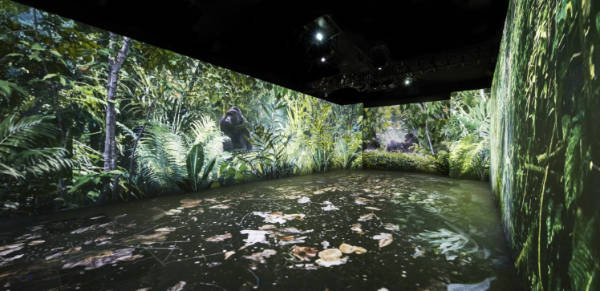
• Our Story with David Attenborough – the first ever immersive experience at the Natural History Museum – opens its doors today. Created by Open Planet Studios, the 50 minute experience in the Jerwood Gallery features animations, projections, real-world footage and full 360 degree immersion as Sir David draws on his life of exploration to tell the story of humanity and the planet on which we live. The experience is taking bookings until 18th January, 2026. Admission charge applies. For more, see www.nhm.ac.uk/visit/exhibitions/our-story-with-david-attenborough.
• The Royal Academy’s 257th Summer Exhibition opened this week. Co-ordinated by internationally acclaimed architect and Royal Academician Farshid Moussavi in conjunction with the Summer Exhibition Committee, this year’s display of art and architecture explores the theme of ‘Dialogues’. Among the works on show is a six metre high installation of ostrich feathers and steel chain by British artist Alice Channer, a 4.5 metre high and seven metre wide wall made from deconstructed matchboxes by Brazilian artist Antonio Tarsis, and installation of textile carcasses by Argentine-American artist Tamara Kostianovsky. Meanwhile, the Annenberg Courtyard hosts a large scale installation by Royal Academician Ryan Gander which features five three metre diameter inflatable balls inscribed with absurd questions developed with children in a representation of the “inquisitiveness of children who ask what grown-up minds often dismiss as nonsensical or illogical”. Runs until 17th August. Admission charge applies. For more, see royalacademy.org.uk.
• The London Transport Museum has launched an appeal for £30,000 to help complete the restoration of three 1930s Q stock Underground carriages. The funds will be used to re-upholster the seats of two of the Underground cars in moquette – the durable, woollen seating material used in upholstery on public transport all over the world. Q stock trains first entered service on the District line in November, 1938, and were retired from service in 1971. The restoration of the three carriages – which aims to restore them to operational condition – has mainly been carried out at the London Transport Museum Depot in Acton, west London. Donations can be made on London Transport Museum’s website: www.ltmuseum.co.uk/make-donation?campaign=qstock
Send all items for inclusion to exploringlondon@gmail.com.
LondonLife – Trooping the Colour…
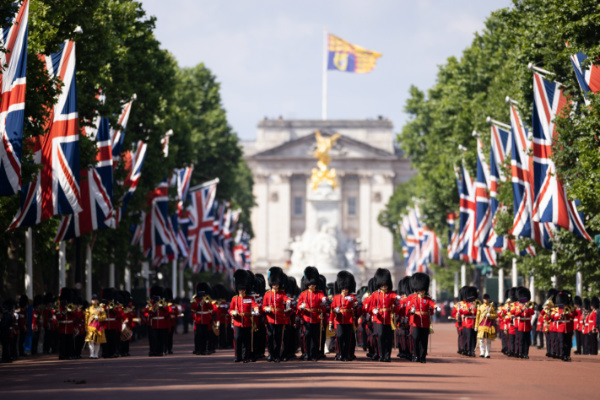
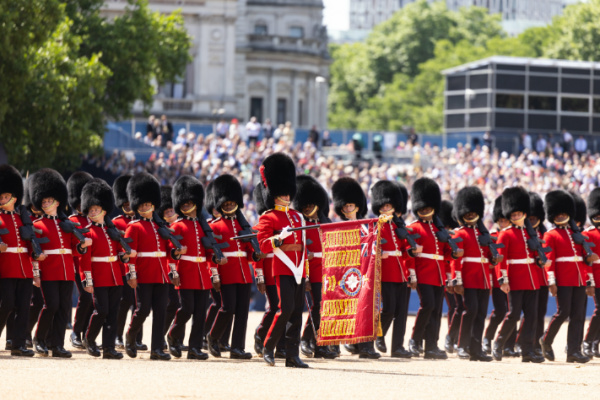
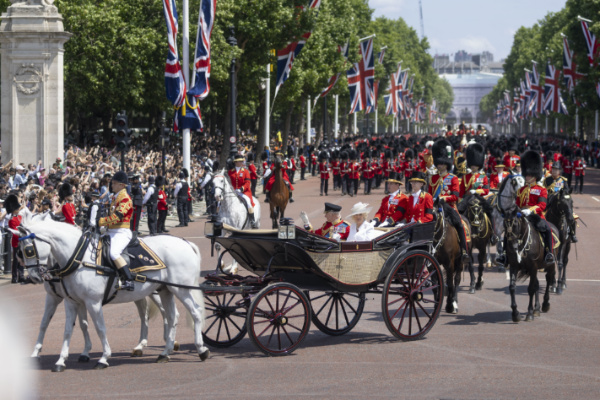
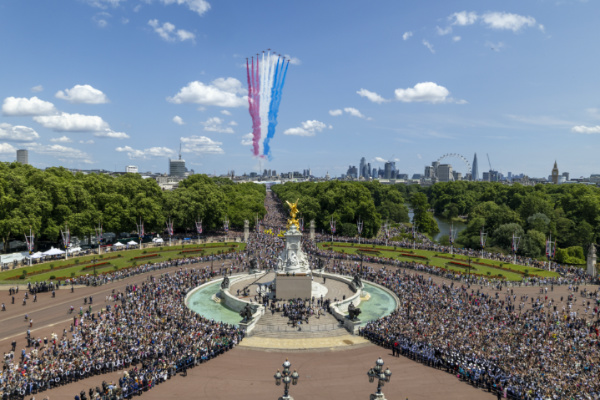
More than 1,000 soldiers and 200 horses from the Household Division took part in the King’s Birthday Parade, also known as Trooping the Colour, on Saturday.



Lost London – Hotel Cecil…
Once the biggest hotel in Europe, the opulent Hotel Cecil opened in 1896 on a prominent site overlooking the Thames. But it only survived for little more than three decades.
Subscribe for just £3 a month to support our work and access all of our articles.
10 World War II memorials commemorating Londoners…3. Coronation Avenue bombing…
Weeks after the start of the Blitz, on 13th October, 1940, a bomb struck a residential housing block and the air raid shelter located in Stoke Newington.
Subscribe for just £3 a month to access all of our coverage and support our work.
London pub signs – Three quirky pub names (briefly) explained…
We pause from our usual London pub names entries to mention three pub names which, while they don’t come from any association with important historical figures or events of the past, do have an interesting, if briefly explained, origin story.
First up its John the Unicorn, located in a former decorator’s shop at 157-159 Rye Lane in Peckham. The story goes that the pub’s first landlord (and it’s only been opened since 2016), named it after his child’s toy – a fluffy unicorn named, you guessed it, John.
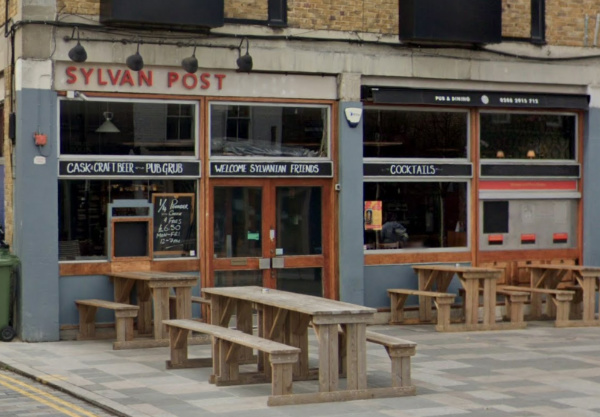
The Sylvan Post at 24-28 Dartmouth Road in Forest Hill is located – yes, you guessed it – in a former post office. The “Sylvan” part comes from the location in Forest Hill. Get it?
Then we come to The Pregnant Man at 40 Chancery Lane. Located under the headquarters of advertising behemoth Saatchi & Saatchi, the pub was named for one of their most memorable ad campaigns of the 1970s which, run on behalf the Family Planning Association, featured a pregnant man with the caption, “Would you be more careful if it was you who got pregnant?”.
This Week in London – ‘Design and Disability’ at the V&A; Eid on the Square; and, James Brimble’s pictures of Epping Forest…

• The intersection between design and disability is at the focus of a new exhibition at the V&A which opens on Saturday. Design and Disability showcases the contributions of disabled, deaf and neurodivergent people to contemporary culture from the 1940s until now and spans the disciplines of design, art, architecture, fashion and photography. Highlights include: the world’s first commercially made adaptive Xbox controller by Microsoft; photographs by Simon Way which capture the work of Jaipur Foot as it makes free prosthetic legs, feet and arms for millions of people across India; the
McGonagle Reader – an audio-assisted voting device to help Blind and low vision people to vote independently; and, the Squeeze Chaise Longue, a red recliner developed by artist Wendy Jacobs, which embraces the sitter between two red mohair arms and provides comforting sensory feedback for those who appreciate deep pressure stimulation. The exhibition in The Porter Gallery at the South Kensington institution runs until 15th February. Admission charges apply. For more, see
vam.ac.uk/exhibitions/design-and-disability.
• Eid on the Square returns to Trafalgar Square this Sunday. The free, family-friendly festival, hosted by Deana Soni and Haroon Rashid, will feature traditional and contemporary performances by Nasheed artist Mesut Kurtis, Chand Ali Khan Qawwal & Group, the Indonesian Angklung Ensemble feat HE Dr Desra Percaya, and children’s entertainers Omar & Hana. Halal Tourism Britain are running guided walking tours and presenting a pop-up Muslim Museum of Britain, and there will be workshops including drumming, coconut leaf weaving, calligraphy and poetry at the WAW Creative Arts Family Zone, while Rumi’s Cave – Spearhead Creatives will hosts an interactive tent which blends comedy, music and creative writing. Market stalls will offer books, crafts and jewellery, and the chance to indulge in delicious dishes ranging from Uzbek and Afghan cuisine to Korean fried chicken, churros and much more. Runs from noon to 6pm. For more, see www.london.gov.uk/events/eid-square-2025.
• On Now – James Brimble’s Picture Archive. This free exhibition at the Epping Forest Visitor Centre in Chingford celebrates James Brimble’s 1950 book London’s Epping Forest and includes a range of restored images by James, most of which are previously unpublished, including framed prints and a digital display of around 100 images of Epping Forest and the surrounding areas from the 1950s, 60s and 70s. The display also contains some of the original copper printing plates from his book and supporting material depicting Brimble’s photographic legacy. Can be seen until 28th September. For more, see www.cityoflondon.gov.uk/things-to-do/green-spaces/epping-forest/where-to-go-in-epping-forest/chingford-visitor-centre.
Send all items for inclusion to exploringlondon@gmail.com
10 World War II memorials commemorating Londoners…2. Kennington Park air raid shelter…
More than 100 people died when, on the night of 15th October, 1940, a bomb destroyed an air raid shelter located in Kennington Park in Lambeth.
Subscribe for just £3 a month to access all of Exploring London’s content (and support our work!)
While no official death toll was announced at the time, it’s now believed that 104 people died in the bombing. Forty-eight bodies were recovered and buried in Streatham Cemetery while the remainder still lie under the park.
The majority of those killed were women and children with the youngest just three-months-old. The oldest known victim was 75.
While Lambeth’s civilian dead are commemorated in a memorial at Lambeth Cemetery dedicated in 1952, in early 2000s the Friends of Kennington Park raised funds for a permanent memorial to those killed in the tragedy in the park.
The memorial, which was designed by Richard Kindersley and is located in the South Field close to the Tinworth Fountain Gate, is an upright stab of Caithness stone brought from Scotland standing 2.6 metres tall.
It is inscribed with a quote from poet Maya Angelou – “History despite its wrenching pain cannot be unlived but if faced with courage need not be lived again.”
While another inscription around the edge of the stone commemorates the more than “50 men, women and children” who died during the bombing, a nearby interpretation board puts the toll at more than 100.
WHERE: Kennington Park, inside the Tinworth Fountain Gate, Kennington Park Road, Lambeth (nearest Tube station is Oval); WHEN: Usually 7.30am until 15 minutes before sunset; COST: Free; WEBSITE: www.lambeth.gov.uk/parks/kennington-park
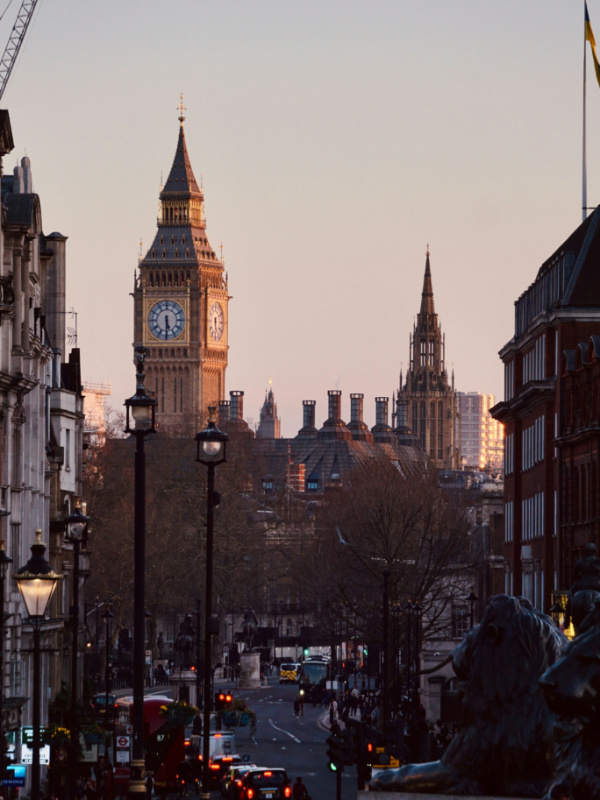
LondonLife – Looking down Whitehall…
Famous Londoners – Edward R Murrow…
A titan of American broadcast journalism, Edward R Murrow’s name is synonymous with London during World War II from where, as a correspondent for CBS, he famously provided live radio broadcasts at the height of the Blitz.

Murrow, who joined CBS in the US in 1935, went to London in 1937, initially to serve as director of the network’s European operations. Said to have been deeply committed to exposing the threat Nazism posed to Americans, he was soon deeply involved in reporting events leading up to and during World War II with his first on the scene news report taking place in March, 1938, when he reported live from Vienna, Austria, during Hitler’s annexation.
Following the breakout of the war in 1939, Murrow remained based in London and went on to provide his famous live broadcasts during the Blitz, opening them with the iconic words, “This is London” and, later, ending them with “Good night and good luck”.
His wartime dispatches – which were broadcast from a studio in the sub-basement of the BBC’s Broadcasting House (which was bombed more than once) as well as from locations including Traflagar Square and a rooftop during the bombing raids – were to win him considerable acclaim and also saw him undertake such feats as joining combat missions in the skies over Europe and being one of the first two reporters to enter Buchenwald concentration camp in Germany in April, 1945.
Such was his standing that then British Prime Minister Winston Churchill even offered to make him joint-director of the BBC (a job offer he declined).
Murrow made his last report from London in March, 1946, before returning to the US to head CBS News. he continued to work with CBS until resigning in 1961 to take up a position as head of the United States Information Agency, a job he held until 1964.
He died at the age of 57 after being diagnosed with lung cancer at his home in Pawling, New York, on 27th April, 1965.
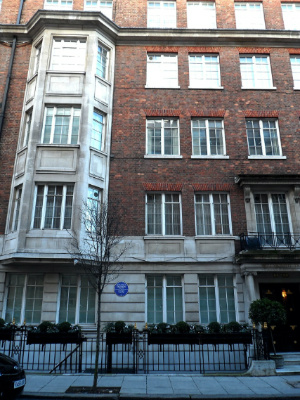
During his time in London, Murrow lived in a flat at Weymouth House, 84-94 Hallam Street in Westminster. An English Heritage Blue Plaque now commemorates his stay there.
Murrow is, of course, also the subject of the 2005 film – and subsequent Broadway production – Good Night, and Good Luck (although that focuses on his later stand against US Senator Joe McCarthy and his hunt for communists).
Treasures of London – The Medieval Palace at the Tower of London…
Located in one of the oldest parts of the city’s iconic fortress, the medieval palace has undergone a revamp with a restoration of the sumptuous and extravagant decorative scheme that was in place in the 13th century.
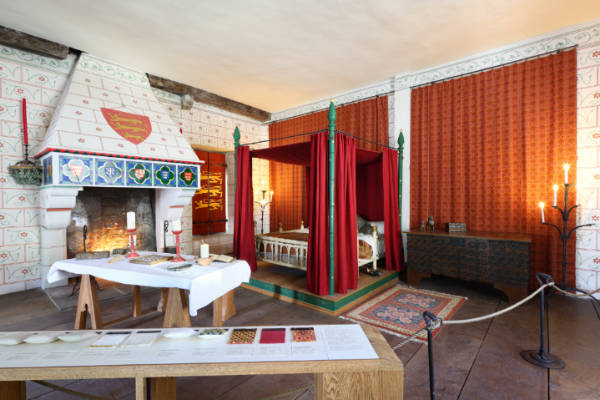
The medieval palace is found within the St Thomas’s Tower, the Wakefield Tower and the Lanthorn Tower on the southern side of the Tower and was built on the orders of successive monarchs, King Henry III and his son King Edward I. They were used as a domestic and diplomatic space periodically by the kings and their queens, Eleanor of Provence and Eleanor of Castile.
The medieval palace today includes a recreation of Edward I’s vibrant bedchamber in the St Thomas’s Tower (which once directly fronted the River Thames and sits above the water gate later known as Traitor’s Gate) and an exploration of the influence Eleanor of Castile had on the decoration.
The Wakefield Tower, meanwhile, was built by King Henry III as royal lodgings between 1220 and 1240. It originally sat at the river’s edge and could be accessed from the river by private stairs.
Believed to have been used as an audience chamber, it contains a recreation of a throne and canopy based on 13th century examples which are decorated with a Plantagenet lion – the symbol of the royal family. The vaulted ceiling is 19th century.
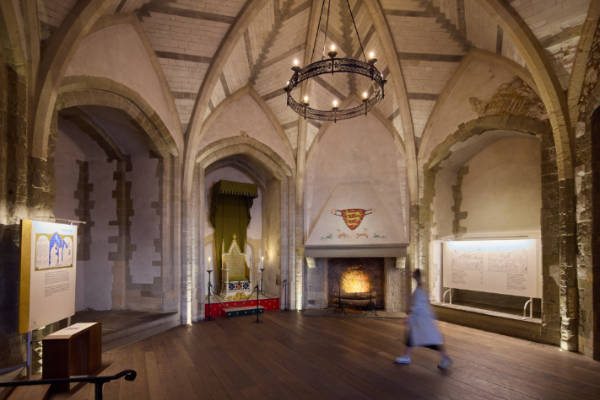
The third of the towers – the Lanthorn Tower – was built as lodgings for King Henry III’s Queen but is now a 19th century reconstruction after the original tower was gutted by fire.
It contains a display and among the new objects is a stone, on loan from the Jewish Museum London, which came from a Jewish mikveh or ritual bath, dating to about 1200 and discovered in London in 2001 within the home of the medieval Crespin family. It’s part of a new effort to explore the story of London’s medieval Jewish community, the taxation of which helped to pay for the construction of St Thomas’s Tower in the 1270s.
Other new objects on show in the Lanthorn Tower include a 13th century seal matrix from a 13th century Italian knight and a gold and enamel 13th century pyx – a small round container used to hold communion wafers made in the French city of Limoges (both on loan from the British Museum) as well as a child’s toy knight made of lead that dates from c1300, lent by London Museum and a perfectly preserved wicker fish trap which was excavated from the Tower moat, containing bones likely dating from the 15th or 16th century and illustrating the moat’s role as a fishery.
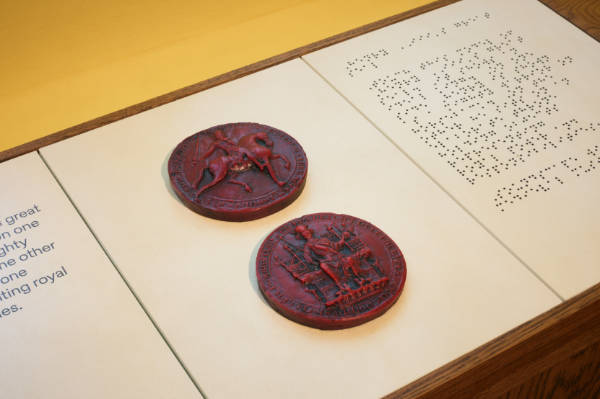
The medieval palace also includes a small private chapel which is where it’s believed King Henry VI died in 1471.
Among other stories now told in the display is that of less well-known Tower residents such as King Edward I’s laundress Matilda de Wautham, and John de Navesby the keeper of the white bear which was held in the menagerie at the Tower.
WHERE: The Medieval Palace, The Tower of London (nearest Tube Station is Tower Hill); WHEN: 9am to 5:30pm daily (last entry 3:30pm); COST: £35.80 adults; £28.50 concession; £17.90 children (free for Historic Royal Palaces members and £1 tickets are available for those in receipt of certain means-tested financial benefits); WEBSITE: www.hrp.org.uk/tower-of-london/
This Week in London – New V&A East Storehouse opens this weekend; novelist Barbara Pym honoured with a Blue Plaque; and, new children’s mudlarking trail at London Museum Docklands…
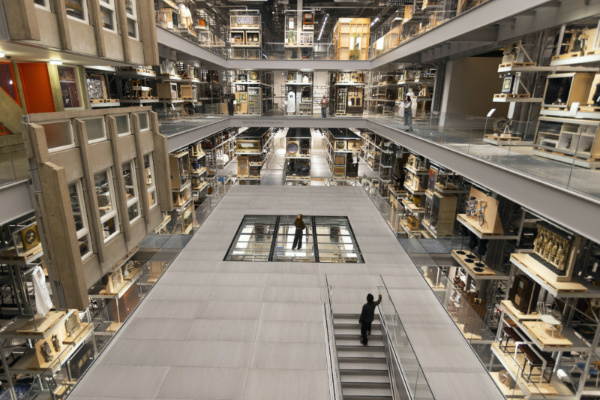
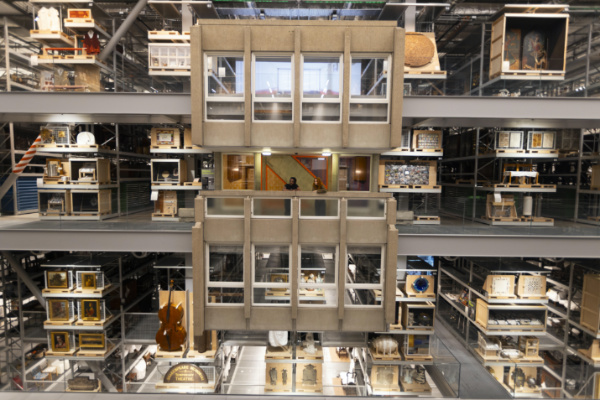
• The V&A East Storehouse opens to the public for the first time in Queen Elizabeth Olympic Park this Saturday. The venue features more than 100 mini-displays centred on the themes of ‘Collecting Stories’, ‘Sourcebook for Design’ and ‘The Working Museum’ and boasting more than 1,500 items from across the V&A’s collections with works by Hew Locke, Zaha Hadid, Daniel Liebskind and Thomas Heatherwick’s London 2012 Olympic cauldron model among those featured. A massive 11-metre-wide stage cloth designed by Pablo Picasso for the Ballets Russes’ 1924 production, Le Train Bleu, will be displayed for first time in more than 10 years while among large scale objects are a section of the now-demolished housing estate, Robin Hood Gardens, and Frank Lloyd Wright’s 1930s Kaufmann Office – the only Frank Lloyd Wright interior outside of the US. Anyone can book access to any object in the storehouse for free via the ‘Order an Object’ process and the venue is also hosting a series of live events including back2back: Archival Bodies, and new programming strand, A Life in the Work of Others – featuring Turner-Prize-winning artist, Jasleen Kaur. Admission to the Storehouse at Queen Elizabeth Olympic Park in Stratford, is free. For more, see www.vam.ac.uk/east.
• The home where novelist Barbara Pym began writing her celebrated 1952 novel Excellent Women has been given an English Heritage Blue Plaque. Pym lived at the second floor flat at 108 Cambridge Street in Pimlico with her sister Hilary between November 1945 to autumn 1949. It was from a corner room, overlooking Warwick Square and St Gabriel’s Church, that she meticulously recorded her observations, and laid the groundwork for her distinctive literary voice. Her work during this period also included revising the text for her first published novel, Some Tame Gazelle (1950). In March, three more Blue Plaques were unveiled commemorating women: Una Marson (1905–1965), the BBC’s first Black woman producer at The Mansions, Mill Lane in West Hampstead where she lived from at least 1939 to 1943; and, Rhoda Garrett (1841–1882) and Agnes Garrett (1845–1935), at 2 Gower Street in Bloomsbury where they founded Britain’s first female-run interior-decorating business. For more, see www.english-heritage.org.uk/visit/blue-plaques/.
• A free family trail inspired by Jessie Burton’s new children’s book, Hidden Treasure, has launched at the London Museum Docklands. Inspired by the tale of two young mudlarks, the trail takes families on a journey around the museum’s galleries to learn more about centuries of life by the river. It’s aimed at children under 12-years-old, who also have free entry into the museum’s mudlarking exhibition, Secrets of the Thames. For more, see www.londonmuseum.org.uk.
Send all items for inclusion to exploringlondon@gmail.com
10 World War II memorials commemorating Londoners…1. Balham Underground Station…
This month, the UK and other nations marked 80 years since VE (Victory in Europe) Day. London suffered greatly during the Blitz and later rocket attacks, so we thought it appropriate to take a look at some key memorials around the city.
Subscribe for just £3 a month to support our work and access all our content…
What’s in a name?…Theobolds Road…
This north London thoroughfare, which runs north-east from Southampton Row through Holborn to Gray’s Inn Road is named for the destination it once led to – a country house in Hertfordshire known as Theobolds which once belonged to King James I.
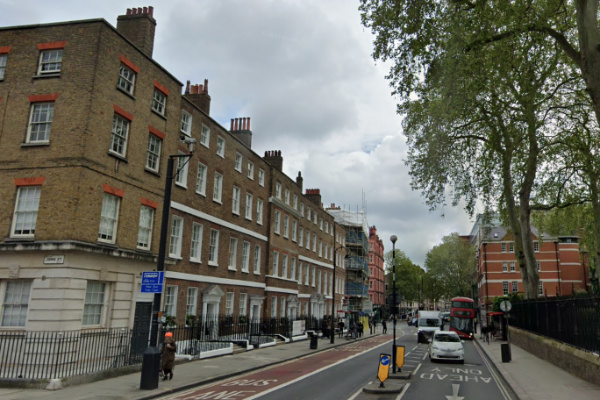
The house, which has been rebuilt many times and is now a conference centre, was actually where King James I died. Prior to his residency, it was home to Queen Elizabeth I’s advisor, William Cecil, Lord Burghley, and then his son, Robert Cecil, the first Earl of Salisbury.
The road, which the modern Theobolds Road forms part of, was apparently also known as the King’s Way due to its royal traveller – this royal connection is still retained in the nearby roadway known as Kingsway.
Among the famous residents of Theobolds Road was Prime Minister Benjamin Disraeli who was born at number 22 in 1804 (and is now commemorated with an English Heritage Blue Plaque, although this one is actually brown).
This Week in London – Sexual violence in conflict; Indian religions at the British Museum; and, the circus comes to Hampton Court…
• A first-of-its-kind exhibition at the Imperial War Museum in Lambeth aims to shed light on sexual violence in conflicts. Unsilenced: Sexual Violence in Conflict features case studies which span the period from the World War I to today and examines how and why sexual violence is perpetrated, its impact on victims and survivors and the pursuit of justice and reconciliation. The exhibition features some 162 objects, including never-before-seen items, as well as testimonies and interviews with experts such as Christina Lamb, journalist and author of Our Bodies, Their Battlefield: What War Does to Women, and Sarah Sands, journalist and former chair of the G7 Gender Equality Advisory Council. The display also highlights the ongoing work of four NGOs working in the field of sexual violence: Women for Women International, All Survivors Project, Free Yezidi Foundation and Waging Peace. The free display opens on Friday and runs until 2nd November. For more, see www.iwm.org.uk/events/unsilenced-sexual-violence-in-conflict.
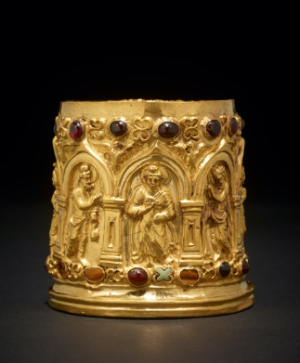
This gold reliquary might represent the earliest dateable image of the Buddha shown as a man, as coins found with it could date to the late 1st century AD. The Buddha stands with his right hand raised in the gesture of reassurance and is flanked by the gods Indra (right) and Brahma (left).
• The origins of three of the world’s major religions – Hinduism, Buddhism and Jainism – and their practice today are explored through a new exhibition of sacred art at the British Museum. Ancient India: living traditions features more than 180 objects including sculptures, paintings, drawings, and manuscripts. Among the objects on show is a statue of the elephant-headed god Ganesh made of in Java from volcanic stone, dating from about AD 1000–1200, while among the stories told in the display are how depictions of Buddha have changed over time while those of Hindu goddess Lakshmi have remained relatively unchanged. Runs until 19th October in The Sainsbury Exhibitions Gallery. For more, see www.britishmuseum.org.
• The circus and street performance are coming to Hampton Court Palace this weekend for a three day family-friendly festival featuring live music, acrobatics and physical theatre. Featuring performers from Cirque Bijou, the Big Bahooey will, as well as breathtaking stunts, slapstick comedy and interactive performances, feature hands-on workshops where you can learn skills such as juggling, wire walking or spinning plates. Entrance is included in palace admission. Runs from 24th to 26th May. For more, see www.hrp.org.uk/hampton-court-palace/whats-on/the-big-bahooey/.
Send all items for inclusion to exploringlondon@gmail.com
LondonLife – Scenes from the RHS Chelsea Flower Show…
It’s that time of year again and the flowers are blooming at the annual RHS Chelsea Flower Show which started today and runs until Saturday. Here’s some images from this year’s event…
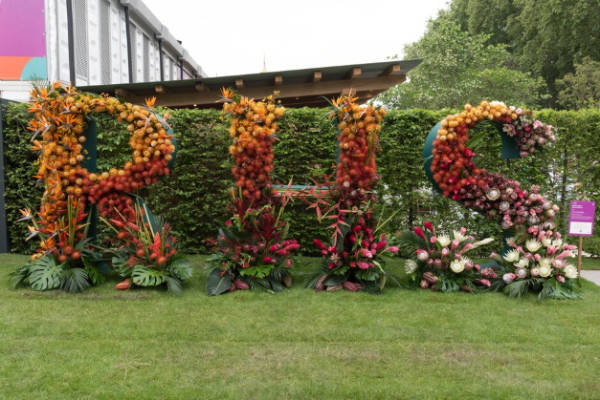
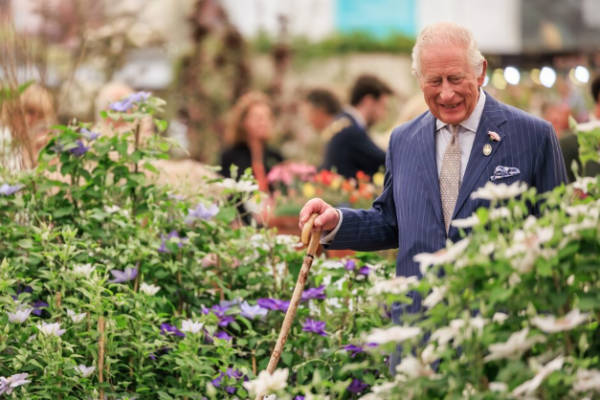
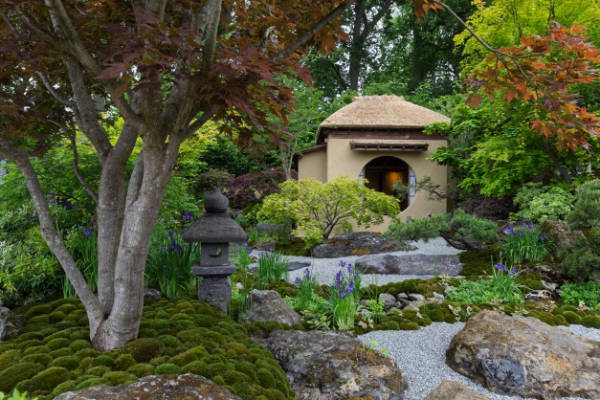
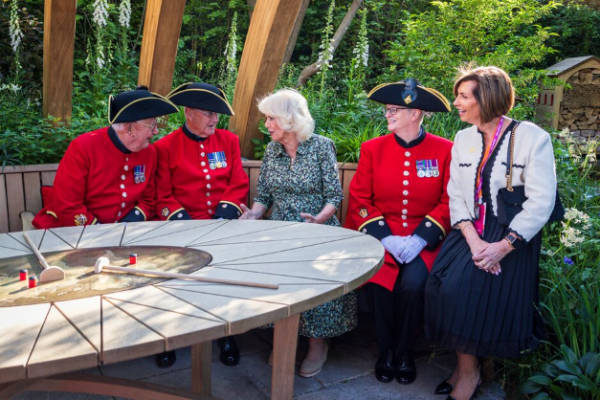
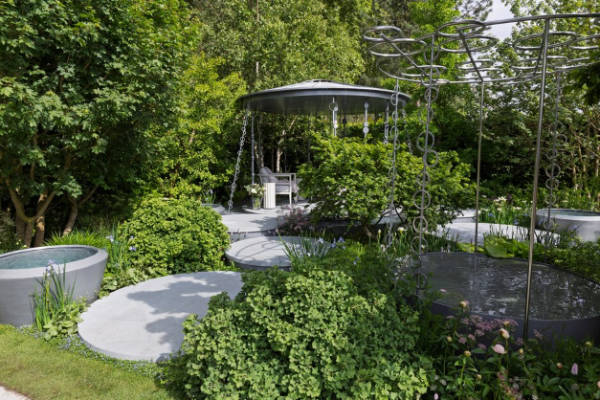
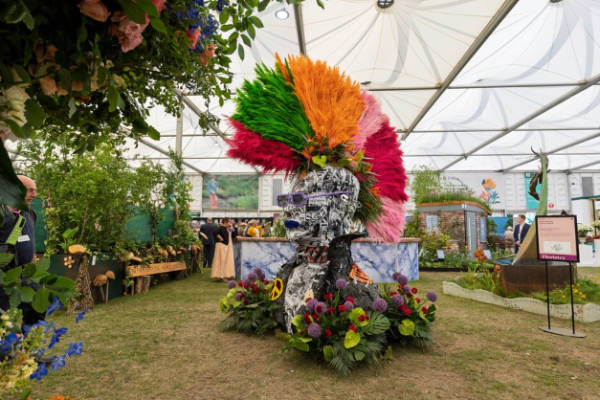
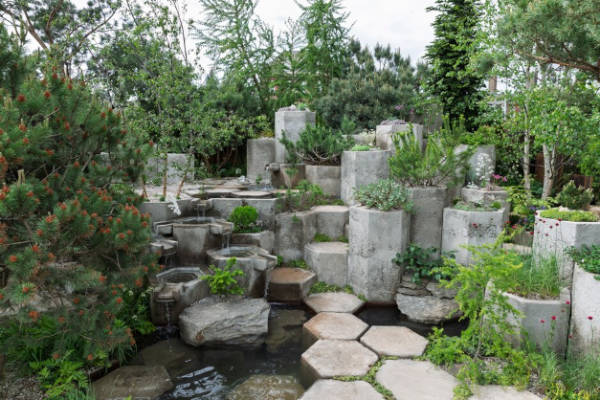
For more, head to https://www.rhs.org.uk/
London Explained – London Theatreland…
Said to be the largest theatre district in the world, London’s Theatreland is located in the West End (and some say synonymous with it) and features some 40 playhouses.
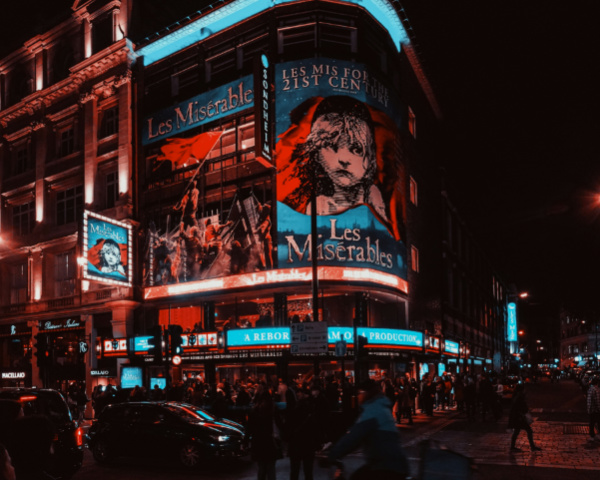
The theatres are primarily located in Covent Garden, around Leicester Square and Piccadilly Circus and in Soho. The street most associated with today’s Theatreland is perhaps Shaftsbury Avenue.
Many of the privately owned theatres date from the Victorian or Edwardian period and are protected against inappropriate development (although this means they also sometimes lack more modern amenities)
Among the theatres in the district is the Theatre Royal, Drury Lane (the oldest theatre in London, it opened in 1663) as well as the Savoy Theatre (which in 1881 became the first to be lit by electricity), the London Palladium in Soho (which has hosted the Royal Variety Performance 43 times), and the Lyceum Theatre (where Bram Stoker was once manager).
The longest-running production in the world – Agatha Christie’s play The Mousetrap – has been running at St Martin’s Theatre since 1952 (though it was interrupted during the COVID-19 pandemic). The longest-running musical in the West End – Les Miserables – has been running since 1985 (first at the Palace Theatre and now at the Sondheim Theatre (formerly Queens Theatre)).
This Week in London – John Singer Sargent’s American portraits; Story Explorers at the British Library; and, narrative, humour and nostalgia at the Heath Robinson Museum…
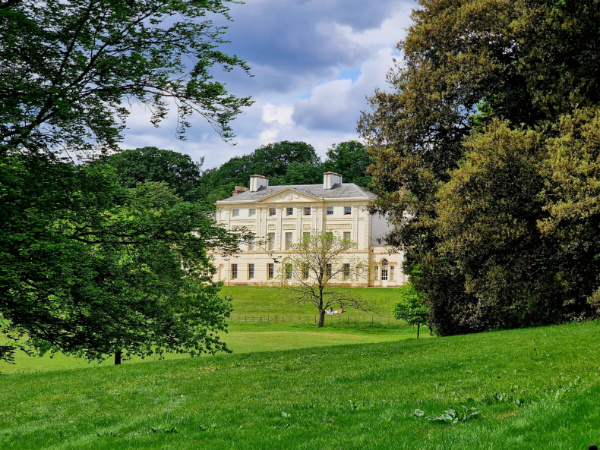
• An exhibition marking the centenary of the death of painter John Singer Sargent
(1856-1925) opens at Kenwood House tomorrow. Heiress: Sargent’s American Portraits focuses on a series of portraits of women who married into British and European aristocracy and who were once dismissively referred to as the “Dollar Princesses’. They include a war-time nurse, a helicopter pilot and the first sitting female MP. Among the works on show are Kenwood House’s portrait of Daisy Leiter, a Chicago heiress who married the Earl of Suffolk and Berkshire; a portrait of Edith, Lady Playfair, from the Museum of Fine Art, Boston; and a portrait of Mrs Joseph Chamberlain from the National Gallery of Art in Washington, DC. Runs until 5th October. Admission charge applies. For more, see https://www.english-heritage.org.uk/visit/whats-on/kenwood-heiress-exhibition-16-may–5-oct-2025/.
• A new experiential space to help children and their families journey through the British Library’s collection opens tomorrow. Story Explorers takes children on a journey, directed by Daisy the library cat, through four distinct environments – a library, the far reaches of outer space, a jungle and the bottom of the ocean floor – and features sound recordings, artworks, prints and books from across the world. Among the objects they’ll encounter are Victorian record from the Library’s Sound Archive featuring animal sounds, one of the first photographs taken of the Moon, an Arabic astrological and astronomical handbook from the Middle Ages and one of the earliest printed Japanese works that captures the anatomy of a whale. The free space is open for children aged two to nine and their families until 18th January. Booking is essential. For more, see https://events.bl.uk/exhibitions/story-explorers.
• Narrative, humour and nostalgia are explored into a new display at the Heath Robinson Museum in Pinner. Ways of seeing; Narrative-Humour-Nostalgia, which opens on Saturday, features painting, sculpture, video, soundscapes, and augmented reality to show how artists continue to use storytelling, satire, and memory to “provoke thought, entertain, and challenge perceptions”. Artists represented include Glenn Baxter, Sir Peter Blake, Chila Burman, Peter Coyte, Adam Dant, David van Eyssen, Nicky Hirst, Patrick Hughes, John Humphreys, Harland Miller, Heath Robinson, Richard Wilson, and Ronnie Wood. Runs until 19th July. Admission charge applies. For more, see https://www.heathrobinsonmuseum.org/whats-on/ways-of-seeing-narrative-humour-nostalgia/
Send all items for inclusion to exploringlondon@gmail.com

