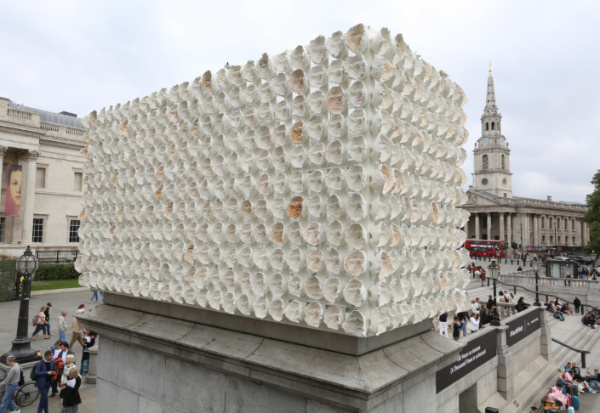
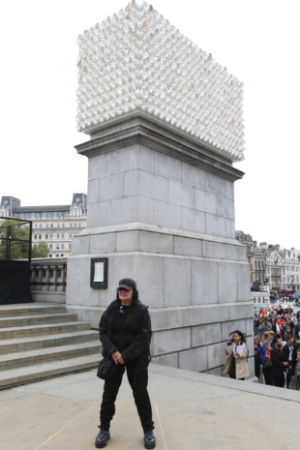
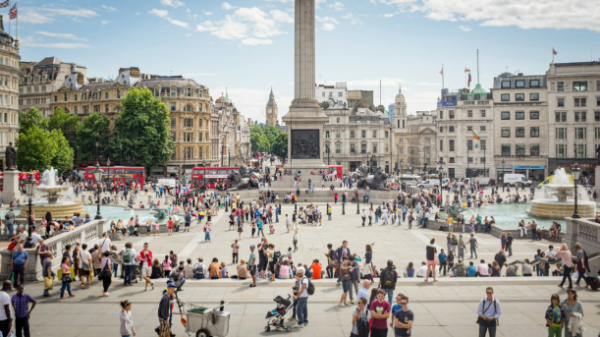
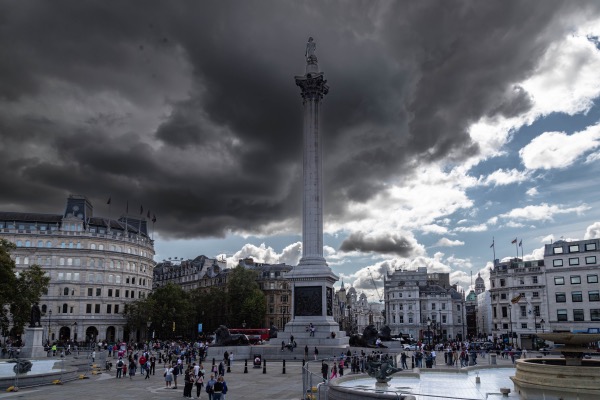
The 15th commission in Mayor of London’s Fourth Plinth programme has been unveiled in Trafalgar Square.
Artist Teresa Margolles’ Mil Veces un Instante (A thousand times an Instant) is made up of plaster casts of the faces of 726 trans, non-binary, and gender non-conforming people which were made in Mexico City and Juárez, Mexico; and London.
The casts – which Margolles spent more than 1,000 hours making – were created by applying plaster directly onto the faces of participants, meaning the plaster is infused with their hair and skin cells.
The next artworks to grace the Fourth Plinth will be Tschabalala Self’s Lady in Blue – a bronze work patinated with Lapis Lazuli blue which will be installed in 2026 – and Andra Ursuţa’s Untitled – a shrouded equestrian statue which will be installed from 2028.
Mil Veces un Instante replaced Samson Kambalu’s Antelope which had been on the Fourth Plinth since 2022.
• A celebration of Black communities and culture returns to Trafalgar Square this weekend. Taking place on Saturday, the Mayor of London’s Black On The Square festival features live music and dance as well as art, fashion, food from Ghana, Guyana, Jamaica, Mauritius and Nigeria, and a range of family-friendly activities. Multi award-winning actor and rapper Bashy is headlining with other acts including Cultur FM, Kofi Stone, Krar Collective, Shingai, Phoebs and Karen Nyame. The free festival runs from noon to 6pm. For more, see www.london.gov.uk/events/black-square-2024.
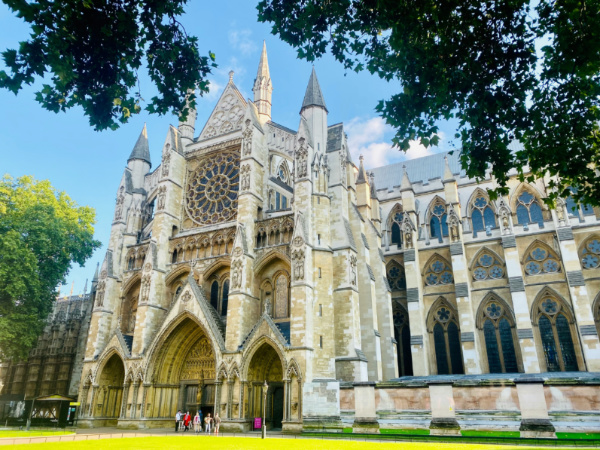
• Westminster Abbey, home of the famed Poet’s Corner, has unveiled a new season of events celebrating poets and poetry this autumn. Voice and Verse, which launches on 3rd October, features poetry readings, talks, tours, musical performances and workshops. Highlights include a lunchtime concert to be held in St Margaret’s Church with music inspired by the poetry of writers memorialised in Poet’s Corner, a talk on the lives and legacy of World War I poets and an eventing of poetry held in Poet’s Corner itself. For more information, including event dates and booking information, head to www.westminster-abbey.org/events/autumn-season.
• Further afield: Two of Victorian actor Ellen Terry’s costumes – worn while performing Lady Macbeth in an 1888 production of Macbeth at London’s Lyceum Theatre – have gone on display at her former home of Smallhythe Place in Kent. The costumes, designed by Alice Comyns Carr, include the iridescent green ‘Beetlewing dress’, decorated in over 1,000 beetle wings, and immortalised in a John Singer Sargent painting of Terry. There’s also a gown worn by Terry in the play’s banqueting scene in which Macbeth sees the ghost of Banquo. Made of muslin and shot through with gold thread, it is on display for the first time after extensive conservation work to address the damage caused by its repeated use on stage and the alterations and repairs which have occurred since. The Dressing Lady Macbeth: An Exhibition can be seen until 3rd November. Admission fees apply. For more, see www.nationaltrust.org.uk/visit/kent/smallhythe-place.
Send all items for inclusion to exploringlondon@gmail.com
• Two pioneering photographers are being commemorated with English Heritage Blue Plaques today. Christina Broom (1862-1939) is believed to have been Britain’s first female press photographer while John Thomson (1837-1921) was a ground-breaking photo-journalist working at the advent of the medium. Broom’s plaque – the first to be located in Fulham – is being placed on 92 Munster Road, a terraced house of 1896, where she lived and worked for 26 years. Thomson’s plaque, meanwhile, will be located at what is now 15 Effra Road in Brixton where he and his family were living when one of his best-known and influential works, Street Life in London (1877-8), was published. For more, see www.english-heritage.org.uk/visit/blue-plaques/.
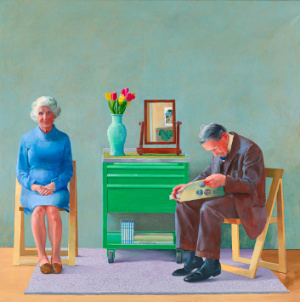
• Two of David Hockney’s key works – My Parents (1977) and Looking at Pictures on a Screen (1977) – which feature reproductions of 15th-century Italian painter Piero della Francesca’s The Baptism of Christ (probably about 1437–45) have gone on display alongside the Renaissance work at The National Gallery. Hockney and Piero: A Longer Look explores Hockney’s “lifelong association” with the National Gallery and its collections, particularly in the works of Piero della Francesca (1415/20–1492). Hockney once confessed that he would love to have The Baptism of Christ so he could look at it for an hour each day. My Parents features a reproduction of Piero’s work shown reflected in a mirror on a trolley behind the sitters while Looking at Pictures on a Screen depicts Hockney’s friend Henry Geldzahler, the Belgian-born American curator of 20th-century art at The Metropolitan Museum of Art in New York, peering at a folding screen in the artist’s studio on which are stuck four posters of National Gallery pictures including The Baptism of Christ. The display in Room 46 is free. Runs until 27th October. For more, see www.nationalgallery.org.uk.
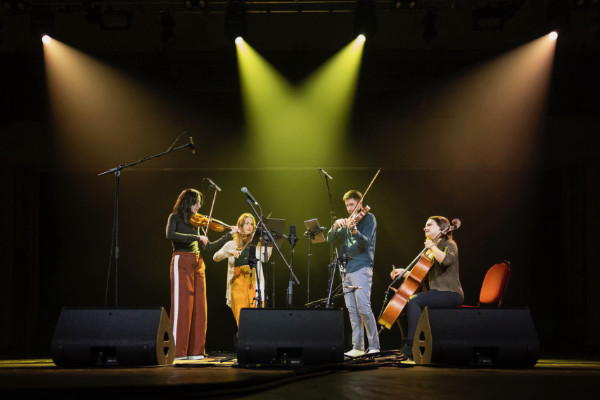
The City String Ensemble. PICTURE: Catherine Frawley
• Experience a prelude of Taylor Swift at Wembley Park with with City String Ensemble playing more than a dozen interpretations of Taylor Swift songs. The free open air concert comes ahead of Swift’s return to Wembley Stadium later this month. ‘Taylor on Strings’ will be held at the Sound Shell from 6:30pm on 13th August. Tickets are free but must be booked with 30 released at 10am each day in the lead-up to the concert. For more, head to wembleypark.com/taylor-on-strings.
Send all items for inclusion to exploringlondon@gmail.com
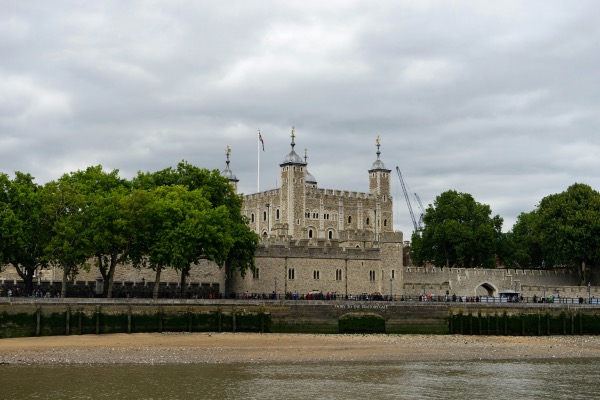
• The lives of five little-known trail-blazing women are being celebrated at the Tower of London. The five women – who will take part in a guided procession through the grounds and features in staged performances and face-to-face interactions at the Tower this summer – include Winifred Maxwell, a fearless Jacobite who smuggled her husband out of the Tower the night before his execution and Katherine le Fevre, who served as the Master Smith of the Tower during the Hundred Year War with France. Also represented are Phillis Wheatley, an intellectual prodigy and enslaved woman hailing from West Africa who became the first African-American author of a published book of poetry; Catalina of Motril, a Granadan bedchamber attendant of Katherine of Aragon who was privy to her former mistress’ secrets; and, Leonora Cohen, Yorkshire-born Suffragette who smashed the case holding the Crown Jewels at the Tower with an iron bar – and kept campaigning until she was 105. The chance to meet the women is included in general admission until 1st September. For more, see www.hrp.org.uk/tower-of-london/.
• Peter Paul Rubens’ The Judgement of Paris has returned to public display after a 14 month restoration project. The project found that the painting, believed to date from 1632‒5 during the last decade of Ruben’s life, has been restored several times including a significant re-working of the composition sometime between 1676 and 1721. The new analysis reveals what changes were made by Rubens himself to the work – which arrived in Britain in 1792 and was acquired by the National Gallery in 1844 – and which were done after his death. For more, see www.nationalgallery.org.uk.
• A major exhibition on the creation and evolution of Barbie opens at the Design Museum on Friday. Barbie: The Exhibition, which coincides with the 65th anniversary of the Barbie brand, showcases the diversity of the Barbie range, as well as her friends (and, of course Ken) and looks at how Barbie’s homes, vehicles and other products have reflected the tastes and trends of day. Highlights include a rare first edition of the first doll released by Mattel in 1959 (‘Number 1 Barbie’), the ground-breaking ‘Day to Night Barbie’ from 1985 and the best-selling Barbie of all time, 1992’s ‘Totally Hair Barbie’, which sold more than 10 million across the globe. There are also examples of the first Black, Hispanic and Asian dolls to bear the Barbie name as well as the first Barbie with Down syndrome, the first to use a wheelchair, and the first to be designed with a curvy body shape. Runs until 23rd February. Admission change applies. For more, see https://designmuseum.org/exhibitions/barbie-the-exhibition.
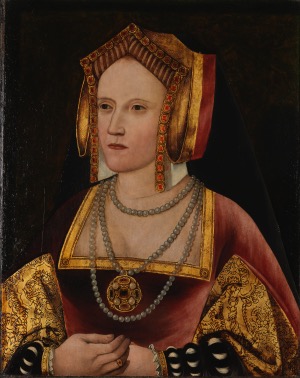
• The first major exhibition to focus on the six wives of King Henry VIII opens at the National Portrait Gallery today. The first historical exhibition at the gallery since its reopening, Six Lives: The Stories of Henry VIII’s Queens features more than 140 works and includes everything from 16th century portraits by Hans Holbein the Younger through to costumes from SIX the Musical. The display will examine representation of the queens in chronological order starting with Katherine of Aragon before moving on to Anne Boleyn, Jane Seymour, Anne of Cleves, Katherine Parr and Katherine Howard, and, as well as historic paintings, includes miniatures, drawings and some of the queen’s personal possessions such as letters and books. Highlights include a three-quarter length painted panel of Katherine Parr attributed to ‘Master John’, a portrait of Anne of Cleves by Edgar Degas and contemporary portraits by Hiroshi Sugimoto. Personal possessions on show include Katherine of Aragon’s writing box, Anne Boleyn’s inscribed Book of Hours with her signature deliberately erased, an illustrated Bible commissioned by Thomas Cromwell following the death of Jane Seymour, Anne of Cleve’s expense account book, a miniature portrait believed to be of Katherine Howard by Hans Holbein the Younger and a prayer book written by Katherine Howard. Admission charge applies. Runs until 8th September. For more, see www.npg.org.uk.
• West End Live takes place in Trafalgar Square this weekend with a line-up of more than 50 acts – from productions ranging from Disney’s Frozen to Mrs Doubtfire set to hit the stage. The unticketed free event, now in its ninth year, will also be streamed on Official London Theatre’s YouTube after the event. Gates will open at approximately 10.15am on Saturday and 11.15am on Sunday. Entry to all areas is managed on a first come, first served basis and queues are expected. Entry cannot be guaranteed. For more, head to the West End LIVE website.
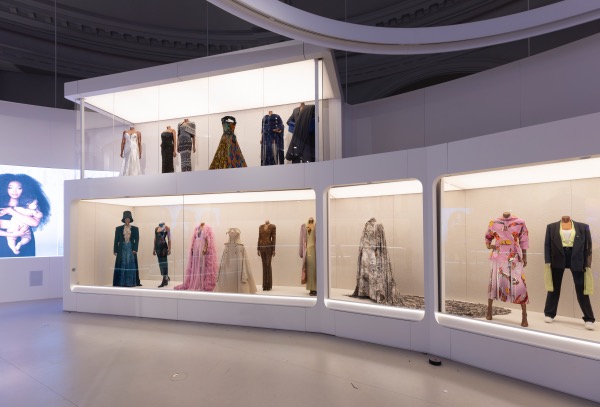
A scene from the NAOMI exhibition. PICTURE: Courtesy of the V&A
• An exhibition exploring the 40 year career of leading British fashion model Naomi Campbell opens at the V&A on Saturday. NAOMI features around 100 looks from global high fashion and draws upon Campbell’s own extensive wardrobe of haute couture and leading ready-to-wear ensembles along with loans from designer archives and objects from V&A collection. Designers represented include everyone from Alexander McQueen, Chanel, and Dolce & Gabbana to Gianni and Donatella Versace, Jean Paul Gaultier, John Galliano, Karl Lagerfeld, Vivienne Westwood and Yves Saint Laurent. The display also includes photography by Nick Knight, Steven Meisel and Tim Walker. Runs until 6th April, 2025. Admission charge applies. For more, see www.vam.ac.uk.
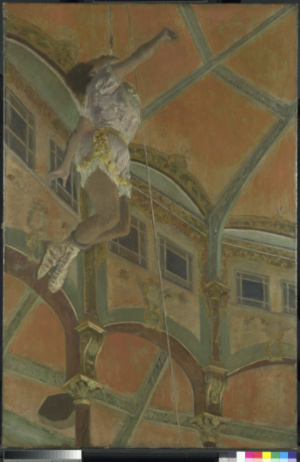
• Edgar Degas’ Miss La La at the Cirque Fernando (1879) takes centre stage in a new free exhibition at The National Gallery. Part of the free ‘Discover’ series of displays, Discover Degas & Miss La La takes a close look at the painting and reveals new information about the sitter, circus artist Miss La La, or Anna Albertine Olga Brown (1858‒1945). The display features new material, from rare, hitherto untraced drawings of her by Degas and entirely unpublished photographic portraits. In the Sunley Room until 1st September. For more, see www.nationalgallery.org.uk.
• Daily life at the Old Royal Naval College has been captured in a series of photographic images now on show at the Greenwich institution.A Year in the Life: People and places of the Old Royal Naval College features 12 images snapped by award-winning photographer Hugh Fox over the past 12 months and includes some portraits of staff show alongside short interviews. Visitors are encouraged to bring their own headphones to better experience the audio-visual display in the Ripley Tunnel. Free to attend, the display can be seen until 1st September. For more, see https://ornc.org/whats-on/.
Send information for inclusion to exploringlondon@gmail.com.
• Caravaggio’s last painting – the 1610 work known as The Martyrdom of Saint Ursula – has gone on display in the UK for the first time in almost 20 years. The National Gallery is displaying the work – lent by the Intesa Sanpaolo Collection (Gallerie d’Italia – Naples) – alongside another late work by the Italian artist from the gallery own collection – Salome receives the Head of John the Baptist (about 1609–10). The Martyrdom of Saint Ursula, which features a self-portrait of the artist, was only reattributed to Caravaggio in 1980 following the discovery of an archival letter describing its commission. The letter – which is being displayed along with the painting – was sent from Naples, where Caravaggio created the work, to Genoa, where his patron, Marcantonio Doria, lived. Caravaggio died in Porto Ercole on 18th July, 1610, less than two months after finishing the work. He was attempting to return to Rome where he believed he would be pardoned for a 1606 murder at the time. Admission to the display is free. Runs until 21st July. For more, see www.nationalgallery.org.uk.
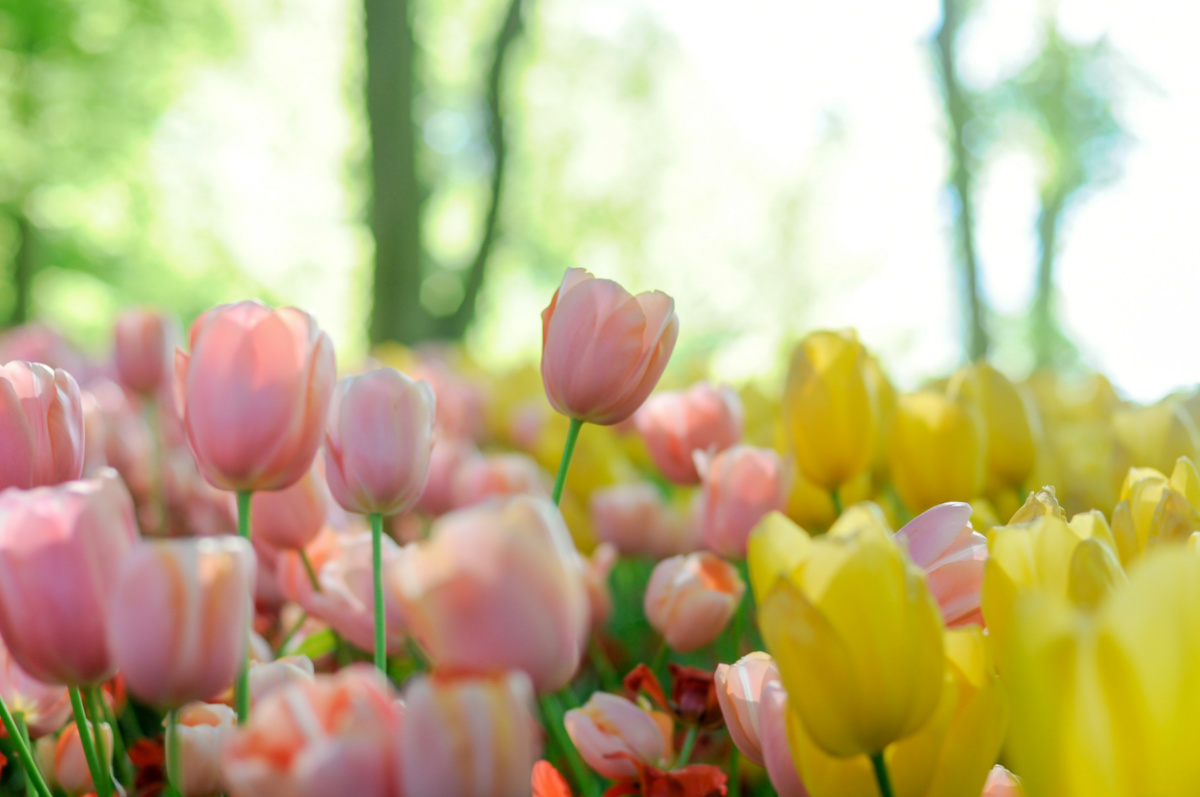
Tulips in the Netherlands. PICTURE: Giu Vicente/Unsplash
• Hampton Court Palace’s Tulip Festival is on again. Displays include thousands of tulips spilling from a Victorian horse cart in the heart of the palace courtyards, giving the appearance of a Dutch flower seller’s cart, ‘floating’ bowls in the Great Fountain, free-style plantings in the kitchen gardens and more than 10,000 tulips in a display in Fountain Court. There are also daily ‘Tulip Talks’ sharing the history of the flower and Queen Mary II, who was responsible for introducing them to Hampton Court. Runs until 6th May (including in palace admission). For more, see www.hrp.org.uk/hampton-court-palace/whats-on/tulip-festival/.
• Five hundred years of Black British music is being celebrated in a new exhibition at the British Library. Beyond the Bassline: 500 Years of Black British Music features soundscapes, artworks and films along with costumes, interactive displays, and of course, music. Highlights among the more than 200 exhibits include letters from 18th-century composer Ignatius Sancho, records by likes of Fela Kuti and Shirley Bassey, a nostalgic video archive of grime’s golden era captured on Risky Roadz DVD, and the equipment that Jamal Edwards used to start SB.TV, theYouTube channel dedicated to Black British music. The display concludes with a multi-screen film installation by South London-based musical movement and curatorial platform Touching Bass. Admission charge applies (with Pay What You Can days on the first Wednesday of each month). Runs until 26th August. For more, see https://beyondthebassline.seetickets.com/timeslots/filter/beyond-the-bassline.
• The National Gallery is celebrating its 200th anniversary with festivities kicking off with a special night of celebrations on Friday, 10th May, and continuing over the weekend. In a special Friday night late, Jools Holland is performing in the Rausing Room with friends including Ruby Turner, Louise Marshall, and Sumudu while across the rest of the gallery there will be DJ sets, music from London Contemporary Voices, soundscapes by Anna Phoebe and poetry from Ben Okri. There will also be a celebration of music collaboration past and present in the Future Room and creative workshops offering sculptural postcard making and ‘Renaissance Selfies’ with London Drawing while outside on Trafalgar Square the building’s facade will be illuminated in a light show featuring projections of paintings from the gallery as well as the story of its history. Meanwhile, across the weekend visitors to the gallery will have the chance to join in the making of a creative “birthday day” by contributing their own paper creations. All events are free but booking is advised and tickets to the public open today. For more, see nationalgallery.org.uk/whats-on/big-birthday-weekend-late.
• Trafalgar Square hosts two days of celebrations this weekend with Eid in the Square on Saturday and St George’s Day festivities on Sunday. Eid in the Square runs from noon to 6pm and features creative arts workshops, storytelling and VR experiences with musical performances on the main stage and food stalls from across the world. Among those performing will be Love’s Pilgrim, Raghad Haddad and Raghad Haddad and members of the Orchestra of Syrian Musicians, Muslim Belal and Chahat Mahmood Ali Qawwal and Group. For more, see www.london.gov.uk/Eid-in-the-Square-2024. Meanwhile, St George’s Day, which also runs from noon to 6pm, features a wide range of entertainment, food stalls and music with artists including The Kurfew, Natalie Shay of Busk in London, West End Kids and Snottledogs. Folkdance Remixed will present a mass barn dance while She’s Got Brass, an all-female brass group, Nick Howe and the Stringbeats Trio and Tom Carradine will lead a cockney sing-a-long. Other activities will include an English Pentathlon – events include welly wanging, pancake tossing, human Crufts, bubble Olympics, the art of Morris Dancing and a chance to meet Pearly Kings and Queens. St George and the dragon will be available for selfies. For more, see www.london.gov.uk/st-georges-day-celebrations-trafalgar-square-sunday-21-april. Both events are free to attend.
• A new display revealing stories of loss from The Troubles in Northern Ireland opens at the National Portrait Gallery opens on Monday.Silent Testimony features 18 large-scale portraits by Belfast-born artist Colin Davidson which were painted between 2014 and 2015 and speak to the impact of the conflict on the sitters, their families and friends and the wider community. The paintings were first displayed at the Ulster Museum in Belfast and most recently at Stormont’s Parliament Buildings and the Irish Arts Center in New York. The display in Room 14, level three, is free to see and runs until 23rd February next year. For more, see www.npg.org.uk.
For all inclusions, email exploringlondon@gmail.com.
Gardens at Hampton Court Palace. PICTURE: edwin.11 (licensed under CC BY 2.0)
• The Lindt Gold Bunny hunt returns to Hampton Court Palace this Saturday with families once again invited to search the gardens for those elusive Gold Bunny statues. Each statue offers a chance to match the names of influential characters from Hampton Court Palace’s history to the distinctive red ribbons and a small Lindt bunny chocolate awaits those who succeed in finding the bunnies. Visitors will also have the chance to encounter a selection of the characters roaming the palace over the Easter period. The Gold Bunny hunt is included in general admission. Until 14th March. For more, see www.hrp.org.uk/hampton-court-palace/whats-on/easter-lindt-gold-bunny-hunt/.
• Rare vintage prints by two of art history’s most influential photographers – Francesca Woodman (1958-1981) and Julia Margaret Cameron (1815-1879) – go on show at the National Portrait Gallery today.Francesca Woodman and Julia Margaret Cameron: Portraits to Dream In showcases more than 160 rare vintage prints including 97 by Woodman and 71 by Cameron as well as artist’s books by Woodman which have never been exhibited before in the UK. Key works include Cameron’s self-declared “first success” – a portrait of Annie Wilhemina Philpot taken in 1864, Woodman’s Self-portrait at thirteen, taken during a summer holiday in Italy in 1972, images from Woodman’s Angel series and Cameron’s ethereal portraits of actor Ellen Terry taken in 1864. Also featured are Woodman’s Caryatid pieces and Cameron’s portraits of her niece and favorite model Julia Jackson, Alice Liddell as the goddess Pomona, a portrait of John Frederick William Herschel called The Astronomer (1867), and those of her frequent muses, May Prinsep and Mary Ann Hillier. Runs until 16th June. Admission charge applies. For more, see www.npg.org.uk.
• A new collaboration with the Royal College of Music blends music with spring blooms at Kew Gardens.Sounds of Blossom: Awaken your senses, the first ever spring festival to be held at the gardens, features six bespoke commissions that celebrate Kew’s unique landscape in the spring emerging from locations such as Cherry Walk, Asano Avenue and the Japanese Landscape. And on weekends during the festival, visitors can enjoy live musical performances from the Royal College of Music as they showcase a varied repertoire from classical favourites to jazz melodies. Included in general admission. Runs until 14th April. For more, see www.kew.org/kew-gardens/whats-on/sounds-of-blossom.
A scene from the Untold Lives exhibition at Kensington Palace. PICTURE: Courtesy of Historic Royal Palaces.
• The “forgotten” stories of those who worked behind the scenes at London’s royal palaces are the subject of a new exhibition at Kensington Palace.Untold Lives: A Palace at Work shines a spotlight on those working in various roles at the palace between 1660 and 1830 – everyone from pages and cooks to wetnurses and seamstresses. Among the items on display is an apron worn by Queen Charlotte’s Wardrobe Maid, Ann Elizabeth Thielcke, a newly conserved portrait depicting a young Black attendant standing by King William III and holding his armour, and a specially commissioned photographic piece by Peter Braithwaite which reimagines figures from the Kensington Palace’s Kings Staircase. Among those whose stories are featured is the “Rat-Killer”, who wore a special rat-embroidered uniform, the Groom of the Stool, who was responsible for looking after the monarch on the toilet, and the Keeper of Ice and Snow, whose job was to cut ice so those at the palace could enjoy cold drinks and iced desserts all year round. The exhibition also explores the unexpected origins of some of those who served at the palaces, such as Abdullah, a wild cat keeper from India, and Mehmet von Könsigstreu, Keeper of the Privy Purse for King George I.. The exhibition, entry to which is included in general admission to the palace, can be seen until 27th October. For more, see https://www.hrp.org.uk/kensington-palace/.
• St Patrick’s Day is being celebrated this Sunday with the annual parade and a free, family-friendly afternoon of entertainment in Trafalgar Square. The procession, which sets off from Hyde Park Corner at noon and winds its way through the city to Whitehall, will include Irish marching bands, dance troupes and pageantry. From 1pm to 6pm, Trafalgar Square will host family concerts, children’s films and youth performances, as well community choirs, schools and dancing with Anna Haugh, International Chef of the Year 2019, running food demos alongside the main stage and children’s workshops. Entry is free. For more, see www.london.gov.uk/events/st-patricks-day-2024.
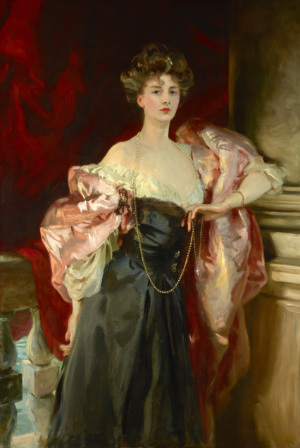
John Singer Sargent, Lady Helen Vincent, Viscountess d’Abernon, 1904 Birrmingham Museum of Art. Photo Sean Pathasema
• The work of portrait painter John Singer Sargent (1856-1925) is the subject of a new exhibition opening at Tate Britain today.Sargent and Fashion features some 60 paintings as well as a dozen period dresses and accessories with many of the former worn by his sitters and several reunited for the first time with the portraits in which they are shown. Highlights include Lady Helen Vincent, Viscountess d’ Abernon (1904), Mrs. Charles E. Inches (Louise Pomeroy) (1887), which will be juxtaposed with the red velvet evening dress illustrated, and, Charles Stewart, sixth Marquess of Londonderry at the Coronation of Edward VII (1904) which will be reunited with the regalia worn by the marquess. Also on show is Sargent’s iconic painting of socialite Virginie Amélie Gautreau, Madame X (1883-4), which caused a stir by depicting Mme Gautreau with one diamond strap falling from her shoulder, Mrs Montgomery Sears (1899) which is being shown alongside Mrs Sears’ own dresses and her photographs of Sargent at work, and his dramatic image, Ellen Terry as Lady Macbeth 1889 which is being shown alongside Terry’s dress and cloak. Runs until 7th July. Admission charge applies. For more, see www.tate.org.uk/whats-on/tate-britain/sargent-and-fashion.
• The public are being asked to vote on a shortlist of seven sculptural works to determine which of them will occupy Trafalgar Square’s Fourth Plinth in 2026 and 2028. The works include Ruth Ewan’s Believe in Discontent depicting a black cat, Chila Kumari Singh Burman’s The Smile You Send Returns to You featuring a colourful bus with a tiger atop it and Veronica Ryan’s Sweet Potatoes and Yams are Not the Same which features a sweet potato “island” with growing vine leaf sprouting out of it. Models of the short-listed works can be seen at The National Gallery (Room 1, entry is free) until 1st March. To vote, head to https://www.london.gov.uk/programmes-strategies/arts-and-culture/current-culture-projects/fourth-plinth-trafalgar-square/fourth-plinth-commissions
• A major exhibition exploring the Black figure opens at the National Portrait Gallery today.The Time is Always Now: Artists Reframe the Black Figure features 55 contemporary works, including sculpture, paintings and drawings, by some 22 African artists working in the US and UK. The works include Amy Sherald’s life-size greyscale portraits of African Americans, American figurative artist Nathaniel Mary Quinn’s fragmented portraits, Thomas J Price’s life-sized fictional female figure, As Sounds Turn to Noise (2023), Noah Davis’ depiction of Greenwood, Oklahoma, known as Black Wall Street (2008), Kimathi Donkor’s history painting Nanny of the Maroons’ Firth Act of Mercy (2012) and Lubaina Himid’s work Le Rodeur: The Exchange (2016) which responds to a case of blindness that affected a French slave ship in 1819. The display is curated by writer Ekow Eshun, former director of the Institute of Contemporary Arts. Runs until 19th May. Admission charge applies. For more. see www.npg.org.uk.
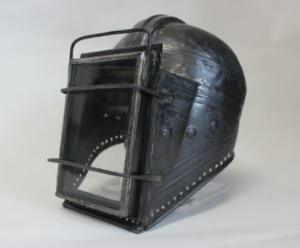
• A new exhibition exploring the history of Myanmar, also known as Burma, opens at the British Museum today. Burma to Myanmar, the first major exhibition in the UK to focus on the country’s history, features more than 110 objects and spans the period from around 450 AD through today. Highlights include: agolden letter sent from King Alaungpaya to George II which, made of gold, is set with 24 rubies and placed in an elephant tusk case; a wall hanging (a ‘shwe-chi-doe’ or ‘kalaga’) illustrating scenes from the Ramayana; a gold Buddhist reliquary from the 1400s; a late 19th or early 20th century blanket from the Nung-Rawang people; an oil worker’s helmet from the early 1900s; a map of several Shan states from the 1880s made to assist the British in the process of drawing hard borders with China; and, a bust of General Aung San (1915–47), leader of the Burma Independence Army. The exhibition in the Joseph Hotung Great Court Gallery can be seen until 11th February. Admission charge applies. For more, see http://www.britishmuseum.org/exhibitions/burma-myanmar
• More than 30 portraits painted by British artist David Hockney at his Normandy studio between 2021 and 2022 can be seen for the first time in an exhibition of the artist’s works at the National Portrait Gallery. David Hockney: Drawing from Life was open for just 20 days prior to the gallery’s closure due to COVID-19 in 2020. It has now returned in an expanded form, featuring 160 works which trace the trajectory of Hockey’s practice largely through his intimate portraits of five sitters – Celia Birtwell, Hockney’s mother Laura Hockney; his former partner and curator Gregory Evans; master printer Maurice Payne and himself. The newly added portraits include depictions of the likes of actor and singer Harry Styles and people from the Normandy community in which he works. The exhibition can be seen until 21st January. Admission charge applies. For more, see ngp.org.uk/whatson/exhibitions/2023/hockney-drawing-from-life.
• The world’s fastest all-electric aircraft, Spirit of Innovation, has gone on show at the Science Museum in South Kensington. Suspended as if in mid-flight, the aircraft is the final object in Making the Modern World, a major gallery which presents advances in science and technology from the birth of the Industrial Revolution to the present day. Powered by a lightweight and energy efficient 400kW electric powertrain, Spirit of Innovation holds the all-electric aircraft world record for highest top speed over three kilometres, with an average of 555.9km/h (345.4 mph), breaking the previous record by over 200 kilometres per hour. The plane also set a new record for the fastest climb by an electric aircraft to three kilometres. Rolls-Royce created the aircraft as part of the Accelerating the Electrification of Flight (ACCEL) project, in collaboration with Electroflight (now part of Evolito), YASA, and the Aerospace Technology Institute. The gallery is free to visit. For more, see www.sciencemuseum.org.uk.
Send all items for inclusion to exploringlondon@gmail.com
• A piece of the only surviving dress worn by Queen Elizabeth I, Charles Dickens’ court suit, an RSC robe worn by David Tennant as Richard II, and the coronation glove of Queen Elizabeth II are among highlights of a new exhibition at the Guildhall Art Gallery. Marking the 400th anniversary of the Worshipful Company of Gold and Silver Wyre Drawers, Treasures of Gold and Silver Wire features more than 200 objects related to royalty, the arts, military, and the church spanning the period stretching from the Middle Ages to today. Other highlights include a uniform of the State Trumpeter, The Jubilee Cope from St Paul’s Cathedral, a robe of Order of the Garter and the burse of the Great Seal of King Charles II. The exhibition, which opens on Friday, runs until 12th November. Admission charge applies. For more, see www.cityoflondon.gov.uk/events/treasures-of-gold-and-silver-wire-exhibition.
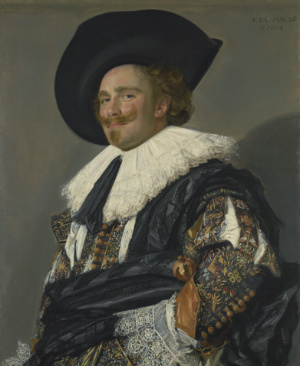
• The Laughing Cavalier serves as the centrepiece of a new exhibition of Frans Hals works at the National Gallery – the largest focused the 17th century Dutch painters’ works in more than 30 years. The Credit Suisse Exhibition: Frans Hals, which has been organised with the Rijksmuseum, Amsterdam features some 50 of the artists works gathered from across the globe. Alongside The Laughing Cavalier which is on loan from the Wallace Collection, highlights include Portrait of Isaac Massa (1626), Portrait of Pieter Dircksz. Tjarck (about 1635–38), The Rommel-Pot Player (1618–22) and Portrait of Tieleman Roosterman (1634). Admission charge applies. Runs until 21st January.
• A major exhibition on the work of Flemish artist Peter Paul Rubens (1577-1640) has opened at the Dulwich Picture Gallery. Rubens & Women features more than 40 paintings and drawings along with archival material and challenges the perception that the artist only painted one type of women as it explores his relationships with women and how they nourished his career and creativity. Highlights include Portrait of a Woman (c1625), Marchesa Maria Serra Pallavicino or Marchesa Veronica Spinola Doria (1606-07), The Virgin in Adoration of the Child (c1616), Looking Down (Study for head of St Apollonia) (1628), Ceres and Two Nymphs (1615-17), The Birth of the Milky Way (1636-1638), and Clara Serena Rubens, the Artist’s Daughter (c1620-23). The exhibition runs until 28th January. Admission charge applies. For more, see www.dulwichpicturegallery.org.uk.
• An interactive exhibition exploring email’s impact in our lives – how it shapes our work, relationships, cultures and economies – opens at The Design Museum today.Email is D̶e̶ad̶ ̶, being held in partnership with Intuit Mailchimp, charts the history of email, from its embryonic beginnings in the 1970s to what the email experience might be like in 2070. Admission is free. Runs until 22nd October. For more, see https://designmuseum.org.
Send all items to exploringlondon@gmail.com for inclusion.
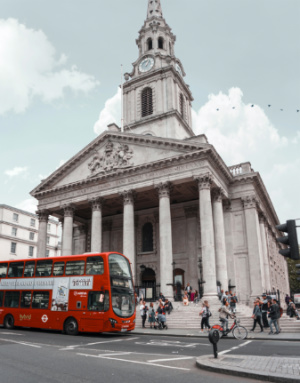
The current Church of St Martin-in-the-Fields. PICTURE: Javier Martinez/Unsplash
Not one of the many churches rebuilt by Wren after the Great Fire of 1666, St Martin-in-the-Fields, located just to the east of what is now Trafalgar Square, is special to the great architect for very personal reasons.
For it was in this church that his first wife Faith (nee Coghill) and his first son Gilbert were both buried, having died within a few years of each other, along with his second wife Jane (nee Fitzwilliam).
Wren married Faith Coghill, a childhood neighbour and daughter of Sir Thomas Coghill of Bletchingdon, at the age of 37 on 7th December, 1669, at the Temple Church (it’s been suggested it was his appointment that year as Surveyor of the King’s Works that may have provided him with the financial security he desired before marrying).
Their first child – Gilbert – was born in October, 1762. But he died at the age of just 18-months-old. A second child, Christopher (Wren the Younger), was born in February, 1675 (he would go on to live a full life and follow in his father’s footsteps as an architect).
Faith died of smallpox on 3rd September that same year. She was buried beneath the chancel of St Martin-in-the-Fields beside Gilbert.
On 24th February, 1677, Wren married again, this time to Jane Fitzwilliam, daughter of William FitzWilliam, 2nd Baron FitzWilliam, and Jane Perry, in a private ceremony believed to have been undertaken in the Chapel Royal at Whitehall. The couple had two children together – Jane in November that year and William in June, 1679.
Tragically, Jane also died after only a few years of marriage of tuberculosis on 4th October, 1680. She was buried alongside Wren’s first wife and child in St Martin-in-the-Fields.
Wren was not to marry again – and for his long 90 years of life, he was only in the end married for nine.
The medieval church of St Martins-in-the-Fields was altered several times during its lifetime – including being enlarged and beautified – but it’s this earlier church that Wren would have known. The current church was rebuilt to the designs of James Gibbs in the early 1720s and was completed in 1726 after Wren’s death in 1723.
Interestingly, the first wife of Wren’s son Christopher – Mary – was also buried in the church in 1712 and a monument to her can still be seen in the crypt.
• A recreation of Bartholomew Fair featuring more than 30 free events kicks off in the City of London today. The programme kicks off with RESURGAM, a vertical dance performance on St Paul’s Cathedral with other highlights including immersive theatrical circus performance Dinner for All, Follow Me Into by imitating the dog – a series of projections that weaves through the City, and, Carnesky’s Showwomxn Spectacular, a street show featuring a cast of circus, variety and rare skilled women performers. There’s also al fresco dining at locations across the City of London and creative workshops on Saturdays. The Bartholomew fair, which ran from the 12th century until 1855, started as a cloth market but evolved to become the City’s pre-eminent event, attracting people from across the country and beyond. The revival runs until 16th September. For the full programme of events, see www.thecityofldn.com/bartholomew-fair/
The River Thames. PICTURE: Unsplash
• Totally Thames, London’s month-long celebration of its river kicks off on Friday. Events this year include an exhibition at London Bridge Station celebrating London’s bridges by photographer Henry Reichhold and another looking at medieval artefacts recovered by mudlarks at St Paul’s Cathedral, walks exploring the history of everywhere from Rotherhithe to Twickenham and the Royal Docks (as a well as a walk on which you’ll meet six medieval women in Southwark), ‘Wren by River’ – a tour on Uber Boat By Clippers Thames featuring an introduction to Wren’s London legacy from the perspective of the river (be quick, this takes place on 1st September), and art installations including the Saltley Geyser, a 30 metre high plume of water in the Royal Docks created by David Cotterrell. And, of course, the St Katharine Docks Class Boat Festival on the weekend of 9th and 10th September and the The Great River Race on 16th September. For the full programme of events, see https://thamesfestivaltrust.org.
• Black on the Square, a new “showcase of Black culture and creativity”, takes place in Trafalgar Square this Saturday. The one day family-friendly festival will feature art, fashion and musical performances including jazz, spoken word, freestyle rap and soul as well as DJ sets from the likes of Touching Bass, Art Beyond the Shell, MOBO Unsung, Shortee Blitz, BXKS, The Spit Game UK. There will also be vendors representing a range of Black-owned businesses, including Caribbean and African food, as well as artisan goods ranging from customised accessories to handmade homeware and gifts. The festival kicks off at noon and runs until 6pm. For more, see https://www.london.gov.uk/events/black-square-2023.
• Art of London has launched its third annual season featuring everything from gallery late openings to photography exhibitions and public art displays. Events, which run though until October, include: ‘Art Reframed’ which, developed in partnership with the recently reopened National Portrait Gallery, showcases the gallery’s most iconic portraits of everyone from Olivia Colman to Elton John and William Shakespeare on 52 giant colourful cubes across Coventry Street and Irving Street; photographs by artist Ray Burmiston showcased on the Piccadilly Lights; and, ‘Art After Dark’ in which galleries across the West End open their doors for late night viewings. For the full programme, head to artoflondon.co.uk/seasons/season.
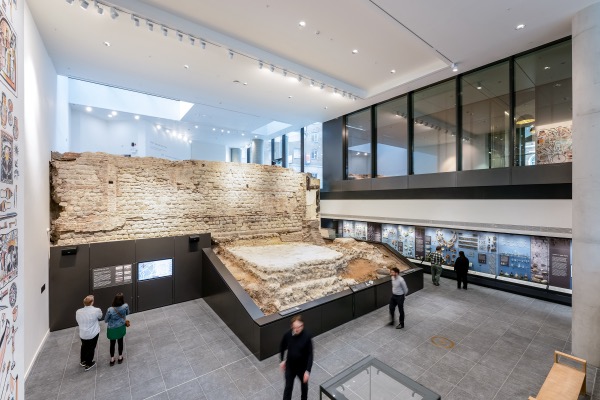
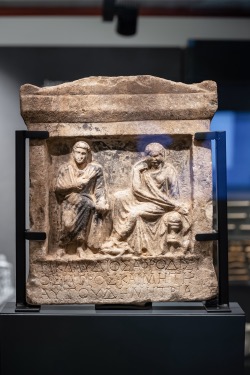
• A large section of London’s Roman wall had gone on show to the public thanks to an innovative collaboration between Urbanest, the City of London Corporation, Historic England, and the Museum of London. A new free display – The City Wall at Vine Street – has been created by Urbanest as part of a redevelopment of the site. At its heart is a segment of London’s Roman wall, including the foundations of a bastion or tower. Alongside the wall is a permanent display of artefacts from the Museum of London ranging from a tile marked with a cat’s paw print to Roman coins and ceramics. Completed between AD 190 and 230, the Roman wall was between two and three metres thick and faced with blocks of Kentish ragstone. This section of the wall was first rediscovered in 1905 when a new building – Roman Wall House – was constructed on the site and the inner face of the wall was exposed and preserved in the basement. In 1979, the outer face of the wall and the bastian foundations were also uncovered – but the wall was still left largely forgotten in the building’s basement. The site was acquired by Urbanest in 2016 and during the subsequent construction of Urbanest City in 2018, the wall was protected by a timber enclosure. Tickets to The City Wall at Vine Street, located at 12 Jewry Street in the City of London, can be booked for free. For more head to https://citywallvinestreet.org.
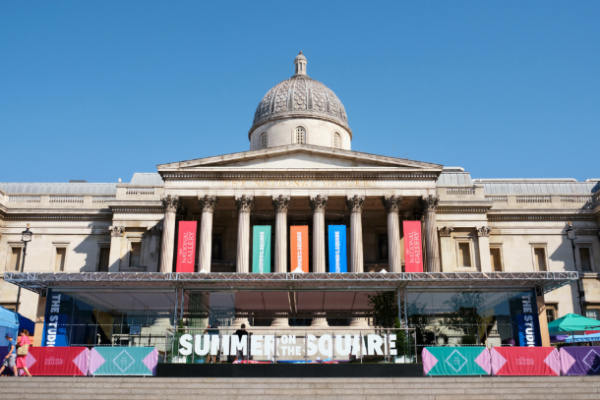
• ‘Summer on the Square’ has returned to The National Gallery’s North Terrace with a series of workshops aimed at inspiring the local community and visitors to engage with themes around the gallery’s collection. The programme sees the gallery work with a variety of artists and creative practitioners in a shared focus of creating child-led art, design and play activities. The workshops – which range from a session on discovering what you can do with bamboo to discovering movement and shapes in the National Gallery paintings – are free, drop-in and open to all ages and abilities. Summer on the Square, which runs until 28th August, is supported by and part of Westminster City Council’s Inside Out Programme. For the full programme, see www.nationalgallery.org.uk/whats-on/summer-on-the-square.
• On Now: Happily Ever After? Illustrating Andersen & Perrault. This exhibition at the Heath Robinson Museum in Pinner focuses on works Heath Robinson created for the fairy tale collections of Hans Christian Andersen, which he illustrated three times, and Charles Perrault’s Old Time Stories published in 1921. The display, which also features works on the same subjects by Michael Foreman, shows how Heath Robinson was able to explore subjects and characters which ranged from sleeping princesses to adventurers and monsters in some of his lesser known works. Runs until 17th September. Admission charge applies. For more, see www.heathrobinsonmuseum.org.
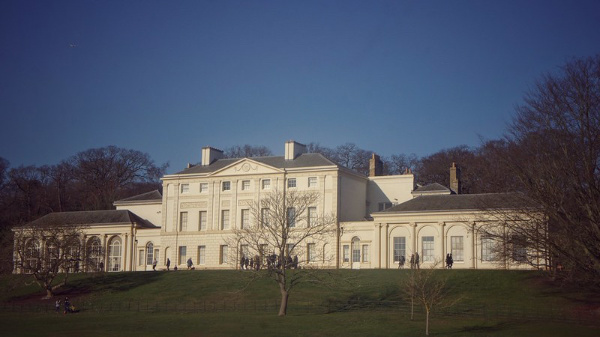
• Seventeen of Joshua Reynolds’ paintings – from one of his earliest portraits to the last painting he ever completed – have gone on show at Kenwood House. Marking the 300th anniversary of the artist’s birth (on 16th July, 1723), Spotlight on Reynolds: Lord Iveagh’s Favourite Artist at 300 features works including Catherine Moore (painted in Paris in 1752 when he was returning from his studies in Italy), Miss Cocks and her Niece (one of the last paintings begun by Reynolds before the loss of his sight around 1790), and a self-portrait he completed in 1788 when aged around 65 (the only self-portrait to show Reynolds wearing spectacles). Also on show in the display are three full-length works that span the early 1770s to the early 1780s: Mrs Tollemache as Miranda, Lady Louisa Manners and Mrs Musters as Hebe. Runs until 19th November. For more, see www.english-heritage.org.uk/visit/places/kenwood/.
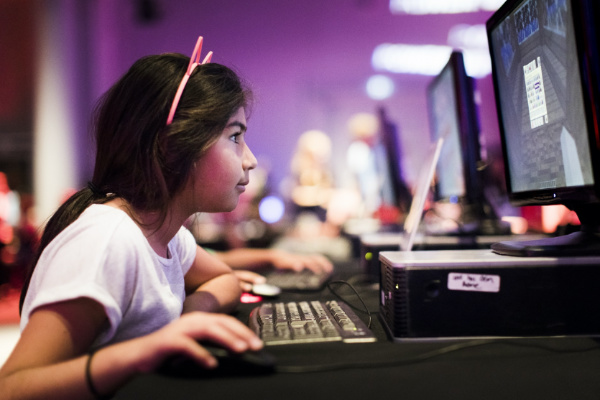
• After five successful temporary seasons, Power Up, the popular hands-on video gaming gallery, returns permanently to the Science Museum from today. Visitors will be able to play on more than 160 consoles and hundreds of video games, as well as undertake a journey through five decades of gaming, from Pong and Mario Kart to the PlayStation 5 and Xbox and the latest in VR technology. The exhibition is divided into 14 themes and sections including a physical games area and a dedicated PC-area. Admission charge applies (daily and annual passes are available). The opening is accompanied by the return of adults-only Gaming Lates. For more, see www.sciencemuseum.org.uk.
• Dame Paula Rego’s public commission, Crivelli’s Garden, is the subject of a new display at The National Gallery. Planned in collaboration with Rego, who died on 8th June last year, the display unites the monumental 10-metre-long artwork with the 15th-century altarpiece by Carlo Crivelli that inspired it, alongside life studies Rego produced of the gallery colleagues that feature in the painting. The display can be seen until 29th October. Admission is free. For more, see https://www.nationalgallery.org.uk.
• Send all items for inclusion to exploringlondon@gmail.com.
• In the wake of last week’s reopening of the National Portrait Gallery, another new exhibition – this time focused on the photography of Paul McCartney – opened yesterday. Paul McCartney Photographs 1963-64: Eyes of the Storm reveals, for the first time, portraits captured by McCartney using his own camera between December, 1963, and February, 1964, – a period during which John, Paul, George and Ringo went from being Britain’s most popular band to international stardom. The images reveal McCartney’s personal perspective on what it was like to be a Beatle at the start of what became known as ‘Beatlemania’ through images captured everywhere from gigs in Liverpool and London to performing on The Ed Sullivan Show in New York. Runs until 1st October. Admission charge applies. For more, see www.npg.org.uk/whatson/exhibitions/2023/paul-mccartney-photographs-1963–64-eyes-of-the-storm/.
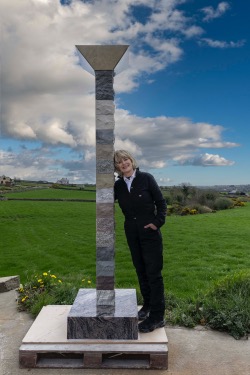
Angela Palmer with ‘Tower of Time’. PICTURE: Ewa McBride Photography.
• A unique sculptural portrait of the UK formed with interlocking blocks of stones from all four countries is on show in an exhibition at the Pangolin London Sculpture Gallery in King’s Cross. Four Nations is just one of the works by Highbury-based artist Angela Palmer in the display, Deep Time: Uncovering Our Hidden. Among others is the 2.5 metre high Tower of Time, which features 16 rocks from the four countries including a 2.5-billion-year-old White Anorthosite rock, the same type of rock brought back from the Moon by Apollo 15 in 1971, and Torus of Time, a one-metre diameter ring representing the country’s three billion year history as a circle of time. Runs until 16th September. For more, see www.pangolinlondon.com.





 Exploring London