Located just to the east of the Tower of London, St Katharine Docks were opened in 1828 following the demolition of more than 1,000 houses along with a brewery and what was left of the medieval St Katharine’s Hospital.
Events
Treasures of London – The Anglo-Saxon archway, All Hallows by the Tower…
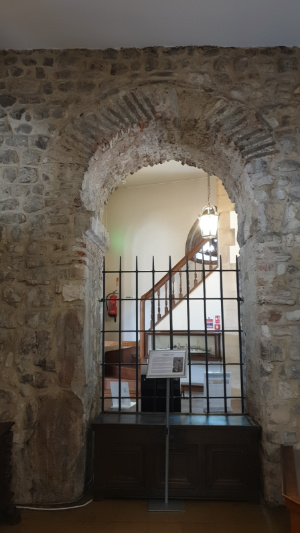
This rounded arch in the Church of All Hallows is believed to be oldest surviving arch of the Anglo-Saxon period surviving in the City of London.
The arch can be found at the west end of the nave and dates from an earlier church on the site, possibly built as early as the 7th century (the church was later rebuilt and expanded several times, survived the Great Fire in 1666, and was then largely destroyed during the Blitz before being rebuilt and reconsecrated in 1957).
Roman tiles have been reused in the arch’s construction as well as Kentish ragstone and it doesn’t include a keystone.
The arch was fully revealed after a bombing during the Blitz in 1940 brought down a medieval wall and revealed it.
The arch has given some weight to the idea that the Anglo-Saxon church was founded not long after Erkenwald founded Barking Abbey in the 7th century (he went on to become the Bishop of London in 675).
WHERE: All Hallows by the Tower, Byward Street (nearest Tube station is Tower Hill); WHEN: 8am to 5pm Monday to Friday; 10am to 5pm Saturday and Sunday; COST: Free; WEBSITE: https://www.ahbtt.org.uk/
This Week in London – The Charles Dickens Museum celebrates 100 years; activist Olive Morris commemorated; and, ‘The Story of Soldier Magazine’…
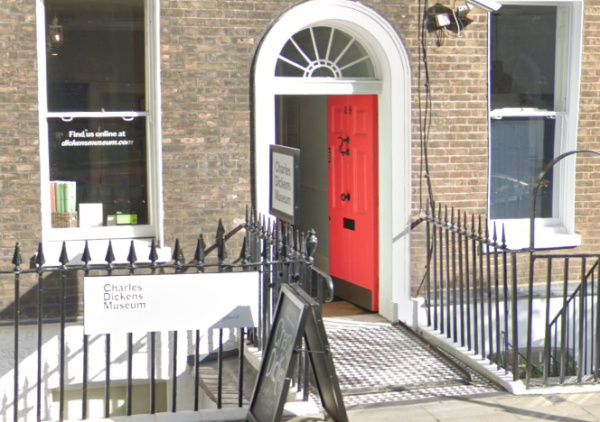
• The Charles Dickens Museum, located in the author’s former home at 48 Doughty Street in Bloomsbury, is marking its centenary this year, and to celebrate the occasion, it’s holding a special exhibition of highlights from its collection. The museum, which first opened its doors on 9th June, 1925, has brought together everything from Dickens’ hairbrush, walking stick and only surviving suit through to portraits and photographs made during his lifetime as well as original manuscripts, letters to his family and friends and rare first editions. The exhibition runs on 29th June. Admission charge applies. For more, see https://dickensmuseum.com/.
• Housing rights campaigner and activist Olive Morris has been commemorated with an English Heritage Blue Plaque in Brixton. Jamaican-born Morris (1952-1979), who dedicated her life to helping the oppressed and exploited, hosted Black women’s study groups and lived as a squatter at the three storey property at 121 Ralston Road in the 1970s. She was a significant figure in the British Black Panther movement, co-founded the Brixton Black Women’s Group and the Organization of Women of African and Asian Descent in 1978, and was one of the “Old Bailey three” who were acquitted after being prosecuted over a protest outside the Old Bailey, winning the right to a fair representation of Black people on the jury during the court proceedings. For more, see www.english-heritage.org.uk/visit/blue-plaques/.
• Soldier magazine, the official magazine of the British Army, is marking its 80th anniversary with an exhibition ay the National Army Museum. The Story of Soldier Magazine charts the publication’s history from March, 1945, when it was launched by Field Marshal Bernard Law Montgomery, through the role it’s played in covering every major conflict since as well as the issues shaping military life. Runs until 6th July. Admission is free. For more, see https://www.nam.ac.uk.
Send all items for inclusion to exploringlondon@gmail.com.
LondonLife – Celebrating Lunar New Year…
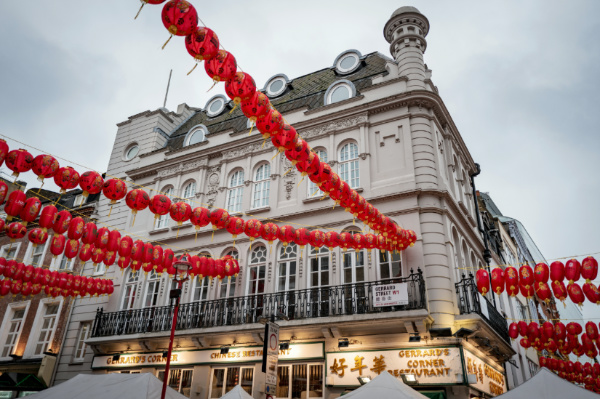
10 London mysteries – 6. The disappearance of Edward V and his brother Richard…
The disappearance of King Edward V and his brother, Richard, Duke of York, after being last seen in the Tower of London is one of London’s most famous mysteries. And while it’s one we’ve written about before, we thought we’d take a look at the recent announcement that new evidence had been found in the matter.
Subscribe to Exploring London for just £3 a month to access all of our articles…
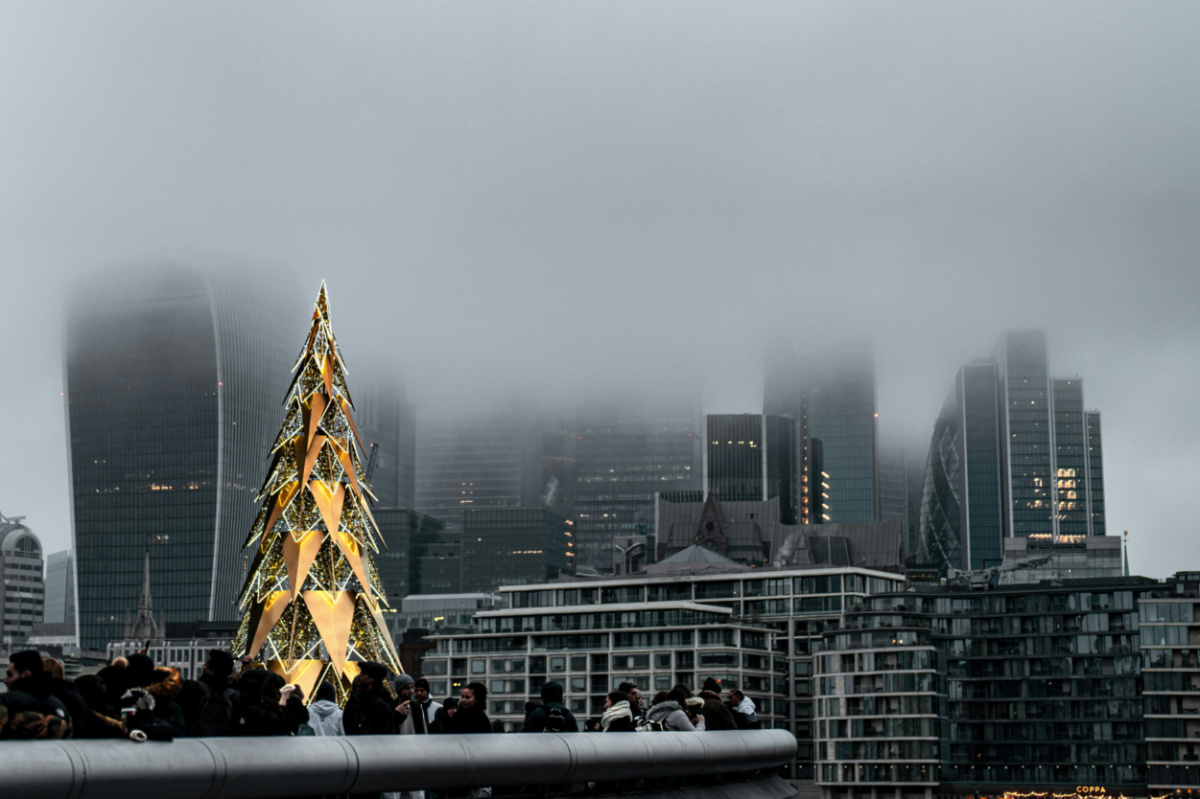
LondonLife – Christmas fog…
Happy New Year!

Wishing all our readers a great start to 2025!
Wishing all our readers a Merry Christmas!
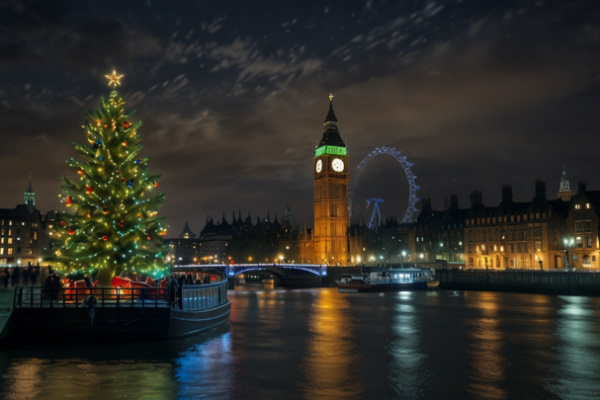
We’re taking a break for Christmas but will be back before the New Year.
LondonLife – London, wrapped for Christmas …
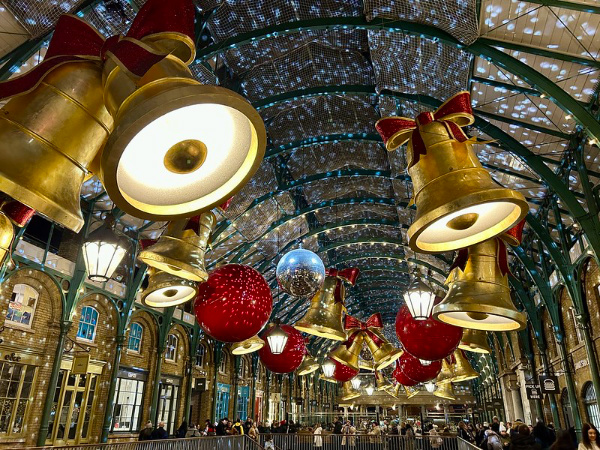
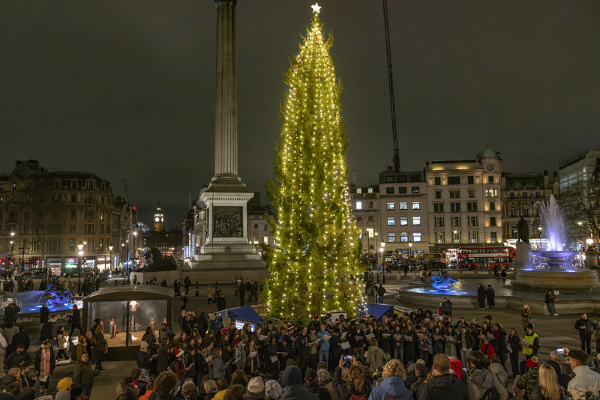
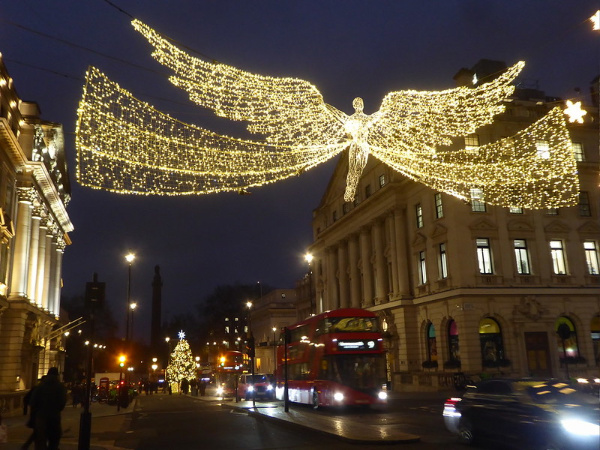
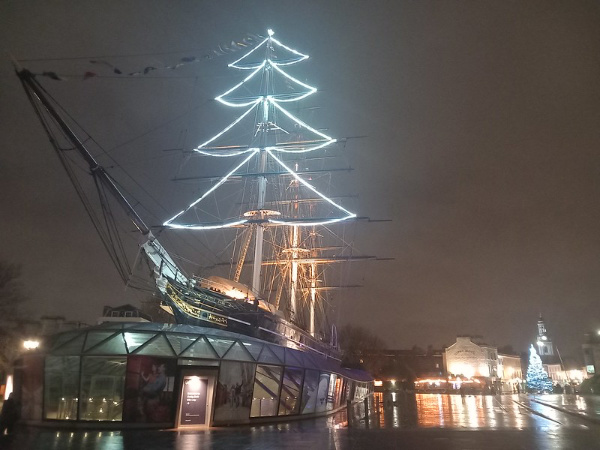
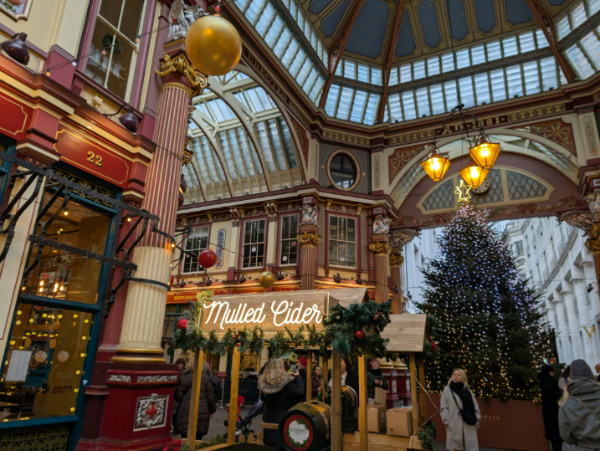
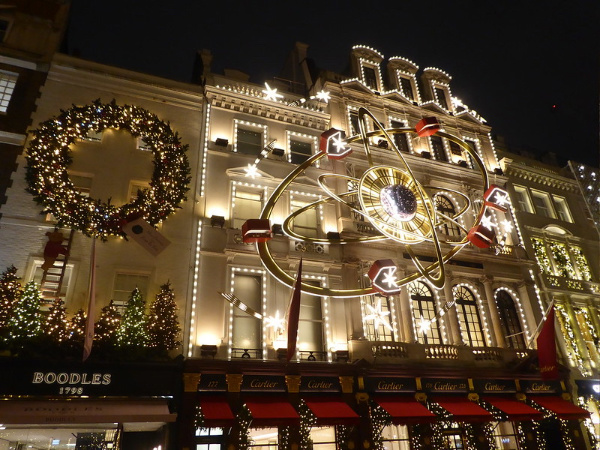
Cartier with a cosmic display in New Bond Street. PICTURE: JuliaC2006 (licensed under CC BY 2.0)
This Week in London – London homes at Christmas; Christmas Eve at the Dickens’; and, ‘Women & Freud’…

• The Museum of the Home in Shoreditch has once again redressed its ‘Rooms through Time’ display for the festive season. Located in the Grade I-listed Almshouses and adjoining Branson Coates Wing, the display spans the some 400 years and explores how seasonal festivals, culture and personal traditions” have shaped our lives at home during the winter months. This year the redressing also includes seven new period homes which reflecting the stories of East London. See everything from a Midwinter Celebration in 1630 to a Midnight Mass in 1956, a Christmas Party in 1978, and a futuristic New Year’s Eve in 2049. Runs until 12th January. Admission is free. For more, see www.museumofthehome.org.uk/whats-on/rooms-through-time/winter-past-2024-2025/.
• Join the Dickens family for Christmas. The Charles Dickens Museum in Bloomsbury is holding a special Christmas Eve opening with the house decorated in a traditional Victorian style. Guests, who each receive a free mince pie and mulled wine or soft drink alternative, will be able to watch adaptations of A Christmas Carol, including The Muppet Christmas Carol, throughout the day in ‘The Smallest Theatre in the World.’ Admission charge applies. To book, head to https://dickensmuseum.com/blogs/all-events/christmas-eve-at-the-charles-dickens-museum.
On Now: Women & Freud: Patients, Pioneers, Artists. This display at the Freud Museum in South Hampstead draws on manuscripts, images, objects, visuals, and film footage to bring to life the many women who shaped Freud’s life including everyone from the early “hysterics”, who Freud called “his teachers” to later patients such as Princesse Marie Bonaparte (who went on to become an analyst) through to his daughter Anna Freud and her partner Dorothy Burlingham, to artists such as Marie-Louise von Motesiczky, Louise Bourgeois, Paula Rego, Alice Anderson and Tracey Emin. The exhibition also celebrates the 100th anniversary of the first publication of Sigmund Freud’s work by Hogarth Press, founded and owned by Virginia and Leonard Woolf and a key feature in Bloomsbury life. Admission charge applies. Runs until 5th May. For more, see www.freud.org.uk/exhibitions/freuds-women/
Send all items for inclusion to exploringlondon@gmail.com.
10 London mysteries – 4. How did King Henry VI die?
The Tower of London is known for many mysteries – the most famous, perhaps, being the fate of the two ‘Princes in the Tower’. But among the other mysterious deaths which took place behind the closed doors of the fortress is the death of the deposed King Henry VI.
Support our work for just £3 a month to gain access to all Exploring London’s content!
This Week in London – Queen Victoria’s Christmas childhood; Parmagianino’s Madonna and Child with Saints; and, Buckingham Palace winter tours…
• Step back in time at Kensington Palace this Christmas with an experience inspired by Queen’s Victoria’s childhood at the palace. Victoria’s Childhood Christmas features intricately designed installations – everything from trees hung with sugar ornaments and handmade paper decorations to bespoke illustrations and period-style gifts – as well as an exploration of how some of the traditions still celebrated today – such as arranging numerous Christmas trees on table tops and displaying unwrapped presents around them – can be traced back to the 1830s at Kensington Palace. There’s also a pop-up theatre set which captures the magic of Victoria’s winter trips to London opera houses and a festive-themed afternoon tea inspired by Princess Victoria’s Christmas traditions served in The Orangery. The experience, which is included in general admission, can be seen until 5th January. For more, see www.hrp.org.uk/kensington-palace/
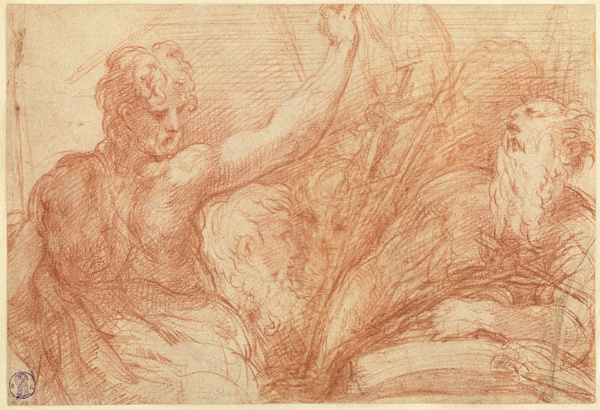
• Parmigianino’s Madonna and Child with Saints (1526‒7) returns to display in The National Gallery for the first time in a decade in honour of the gallery’s 200th anniversary. The work, which is also known as The Vision of Saint Jerome, was presented to the gallery in 1826 and is being displayed with a selection of some of the most important preparatory drawings providing a rare opportunity to follow the artist’s creative process. The painting can be seen in Room 46 until 9th March. Entry is free. For more, see nationalgallery.org.uk.
• The Buckingham Palace State Rooms are open for one hour tours on select dates throughout winter. Led by an expert guide, the tours, which have a maximum of 30 people, include a complimentary guide. For more, see https://www.rct.uk/whatson
Send all items to exploringlondon@gmail.com
LondonLife – Christmas comes to 10 Downing Street…
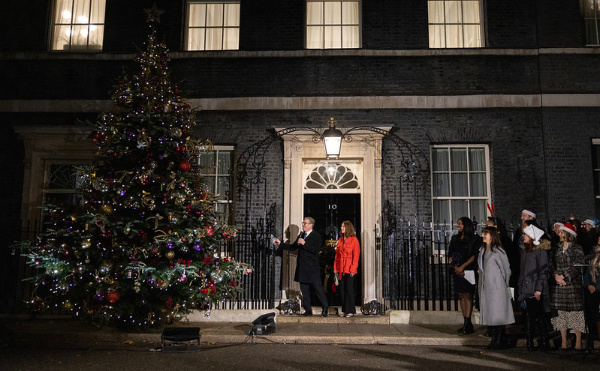
Prime Minister Keir Starmer and his wife Victoria Starmer turned on lights on the Christmas tree outside 10 Downing Street on 2nd December. The couple were joined by NHS workers, military personnel and members of the police. The Christmas tree is the winner of a competition run by the British Christmas Tree Growers Association, chosen for showcasing “the finest dedication, craftsmanship and commitment of British Christmas tree growers”. This year’s Nordmann Fir was grown by Evergreen Christmas Trees – a family run business based on the Welsh border who have been growing Christmas trees since 1992. The runner-up in the Christmas tree competition – Cadeby Tree Trust from Warwickshire – have supplied two Christmas trees for inside Downing Street. The wreath for the famous door at Number 10, meanwhile, was provided by Santa Trees, a Christmas tree farm from Cornwall. Lights on London’s most famous Christmas tree – that in Trafalgar Square – are being turned on this Thursday (5th December).
This Week in London – ‘Electric Dreams’ at Tate Modern; The Reflection Room; and, last chance to get NYE tickets…
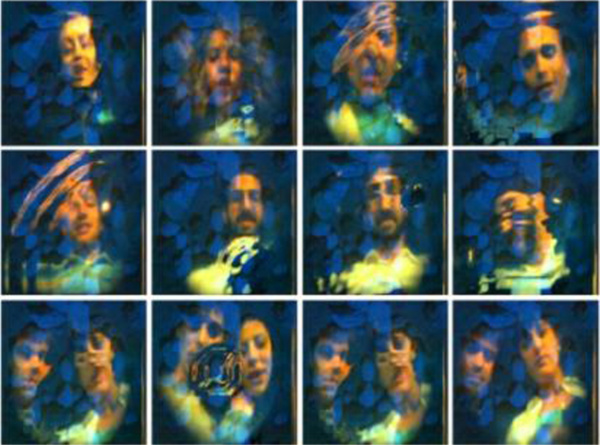
“Arte Virtual”, Metro Opera, Madrid, Spain, 1994 (detail). ZKM Karlsruhe. © Monika Fleischmann and Wolfgang Strauss
• Early innovators of optical, kinetic, programmed and digital art are being celebrated in a new exhibition which opens today at Tate Modern. Electric Dreams: Art and Technology Before the Internet features the work of more than 70 artists who worked between the 1950s and the dawn of the internet age and “who took inspiration from science to create art that expands and tests the senses”. Works on show include Electric Dress (1957) by Japanese artist Atsuko Tanaka of the Gutai group which is being shown alongside her circuit-like drawings, German artist Otto Piene’s Light Room (Jena) which surrounds viewers in a continuous light ‘ballet’, British-Canadian Brion Gysin’s homemade mechanical device, Dreamachine no.9 (1960-76) which creates kaleidoscopic patterns, and Tatsuo Miyajima’s eight-metre-long wall installation of flashing LED lights, Lattice B (1990), which is a meditation on time. A series of rooms, meanwhile, explores the art shows which played a key role in the development of digital art including London’s groundbreaking ‘Cybernetic Serendipity’ exhibition held at the ICA in 1968, and the exhibition also features the work of early adopters including US artist Rebecca Allen and Palestinian Samia Halaby as well as some of the earliest artistic experiments in virtual reality such as Monika Fleischmann and Wolfgang Strauss’ interactive installation Liquid Views (1992). Runs until 1st June. Admission charge applies. For more, see tate.org.uk.
• The Museum of London Docklands is launching The Reflection Room, a new display space for artists on Friday. The new space, which the museum says will offer “room to explore a range of ideas and perspectives that foreground emotions and human experiences connected to London’s history”, will open with British-Caribbean artist Zak Ové’s mixed media installation Exodus. The installation, which is said to suggest a “reflection on today’s discourse around migration” will be accompanied by a wall of historic maps that present a visual sense of data on international migration, agricultural trade, and tourism between 1500 and 2005. Exodus can be seen until May. Admission is free. For more, see www.londonmuseum.org.uk/docklands/.
• The final tranche of tickets for London’s New Year’s Eve fireworks display go on sale on Monday, 2nd December, at noon. Tickets must be bought in advance to attend and cost between £20 and £50 depending on the viewing area while Londoners will pay £15 less on each ticket booked than those living outside of the capital. Tickets will be available at www.ticketmaster.co.uk. For more on the event, see www.london.gov.uk/nye.
Send items for inclusion to exploringlondon@gmail.com.
10 London mysteries – 2. Who was Jimmy Garlick?
This week we look at a mysterious mummified figure who was “discovered” in the vaults beneath the floor of St James Garlickhythe in the 1850s.
Subscribe to Exploring London for just £3 a month and get access to every article (and help us maintain and develop the site at the same time)!
LondonLife – The ’12 Animals of Christmas’…

London Zoo is celebrating the festive season with the ’12 Animals of Christmas’, a series of seasonally-based talks in which zookeepers discuss some of the zoo’s most iconic species and the animals partake of some Christmas cheer with an enrichment activity in which the animals can enjoy their very own Christmas food. The talks of just one part of ‘The Magic at Christmas at London Zoo’ experience which runs until 5th January. Visitors during that period also have the chance to meet Santa in a grotto experience at the heart of the zoo or upgrade to engage in a “deluxe session” with Mrs Claus which includes preparing treats for the animals and take a tour of the zoo, or join her in a special VIP breakfast. Santa can also be found popping up at different locations around the zoo to feed the animals and there’s a Winter Village Post Room where children can write their letters to Father Christmas. Other activities include a ‘Reindeer Rubbish Round Up’ recycling challenge, a Christmas craft station and even the chance to have a Christmas sleepover at the London Zoo Lodges. For more, see www.londonzoo.org/plan-your-visit/events/magic-of-christmas.


A Moment in London’s History…New Cross V2 attack…
One of the most devastating moments of World War II in Britain took place 80 years ago this month when, at 12:26pm on 25th November, 1944, a German V2 rocket bomb hit a Woolworths store in New Cross, south-east London.
There were some 30 staff and 100 customers in Woolworths when the rocket struck (a queue had formed at the store after word had spread that tin saucepans had arrived).
The massive blast flattened the shop and spread into nearby streets, bringing down neighbouring houses and shops, overturning an army lorry and causing cars to burst into flames.
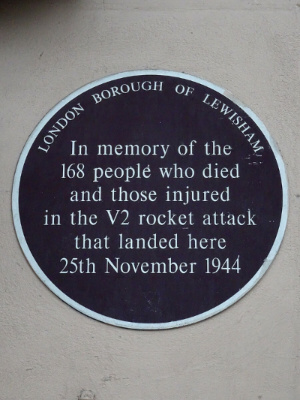
Some 168 people, including Woolworths customers and store workers as well as 33 children (some just babies in prams), were killed in the blast. Some of those who died were in the neighbouring Royal Arsenal Co-operative Socierty store, others were sitting at their desks in nearby offices and some were killed while sitting on a passing bus. Some 123 passersby were injured in the blast.
It took three days to clear the debris. Twenty four of those killed were never identified.
It is believed that the nearby New Cross Station was the intended target.
The V2, the world’s first long-range guided ballistic missile, travelled at some 3,000 mph and, as such, few too high and fast to be tracked by radar, put down by anti-aircraft fire or intercepted by fighter aircraft.
V2s had only started to be used in September, 1944, following an order from Adolf Hitler for their manufacture in December, 1942. The first V2 rocket had hit Chiswick on 8th September, 1944, and over the next few months about half of the 3,000 rockets fired at Allied targets were aimed at London.
Such was the fear over the rocket attacks that it had only been on 10th November 1944, that Winston Churchill had publicly admitted the country was facing rocket attacks.
The New Cross attack is commemorated by two memorial plaques at the site, one erected by the Deptford History Group in 1994 and the other by the London Borough of Lewisham in 2009.
This Week in London – Christmas at Kew; Picasso’s prints; and, the T rex dons its Christmas jumper…
• World premiere installations Ombre by TILT – which takes the “form of a series of giant plants in bloom springing up from the landscape in a spectrum of vibrant shades” – and Threshold by Studio Vertigo – an “illuminated helix-like shape, bathed in golden yellow light to evoke the warmth and joy of the festive season” are at the centre of this year’s Christmas light trail at Kew Gardens. Other highlights at this year’s festive showing include Camellia Walk, which has been transformed into a snowy lane which showcases the spectacular tree canopy and evoking a wintery wonderland, Fish are Jumping by Dutch artists TOER and Mist Arches by Culture Creative which create “an atmospheric ambience across Kew’s Lake Crossing”. Annual favourites such as the light show on the Temperate House, the Fire Garden and Christmas Cathedral have also returned along with the Palm House finale. The trail can be visited on selected dates until 5th January. Admission charge applies. For more, see
www.kew.org/christmas.
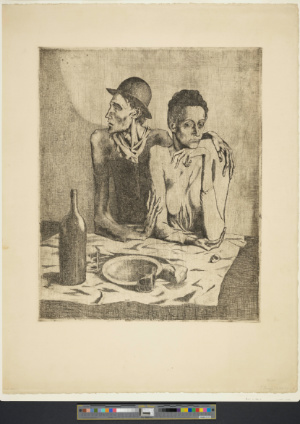
• Around 100 prints by Pablo Picasso – including some from his 347 Suite which have never been displayed before – are on show in a new exhibition at the British Museum. Picasso: Printmaker charts the artist’s engagement with printmaking (he produced around 2,400 in total) and centres on some of the more than 500 now in the British Museum’s collection (the largest in the UK). Highlights include his first professional print – The Frugal Meal (1904 – pictured) – as well as prints from the Vollard Suite (1930-1937) such as the aquatint Faun Uncovering a Woman (1936), and, the 347 Suite‘s Tree in the Storm, with Flight Towards a Church (1968). The exhibition can be seen in Room 90 until 30th March. Admission charges apply. For more, see www.britishmuseum.org/picasso.
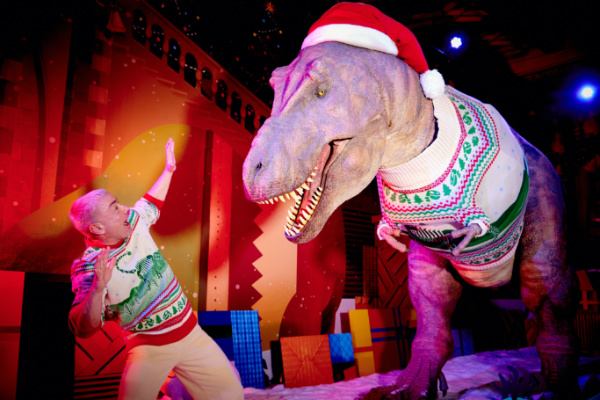
• The T rex’s new Christmas jumper has been unveiled at the Natural History Museum. This year’s design – which can be seen modelled by the T rex – features festive colours of red, blue, green and white and an image of the museum’s latest prehistoric resident, Fern the Diplodocus, who took up residence in the redesigned gardens earlier this year. The jumper can be seen in the Dinosaur’s Gallery until January. Human-sizxed versions can be bought in the museum shop (www.nhmshop.co.uk). For more, see nhm.ac.uk.
Send all items to exploringlondon@gmail.com.
LondonLife – Remembrance Sunday…
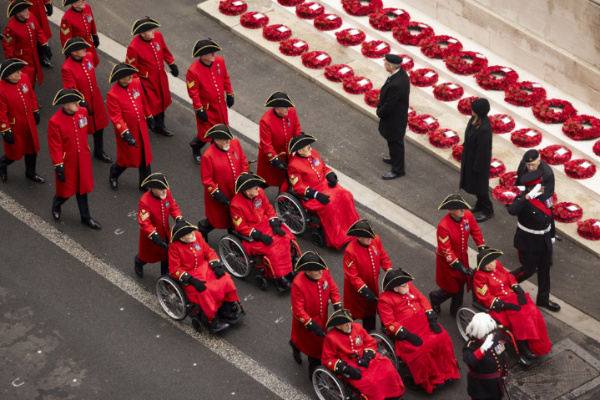
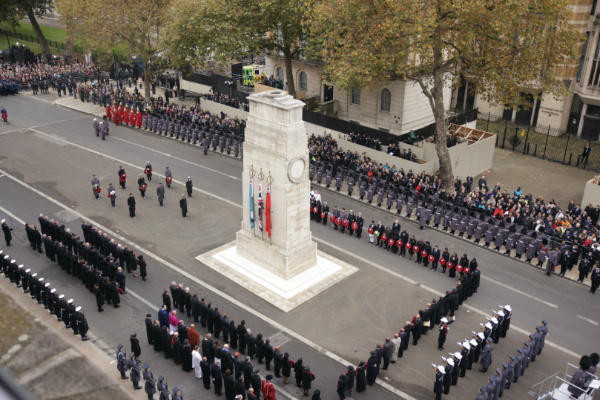
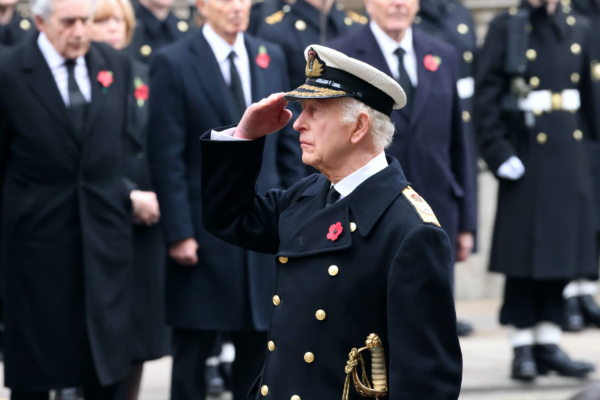
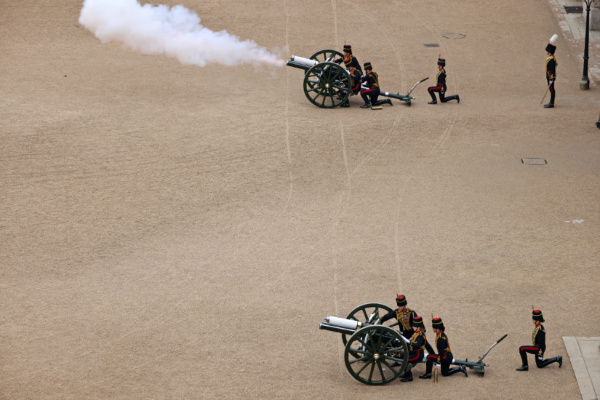
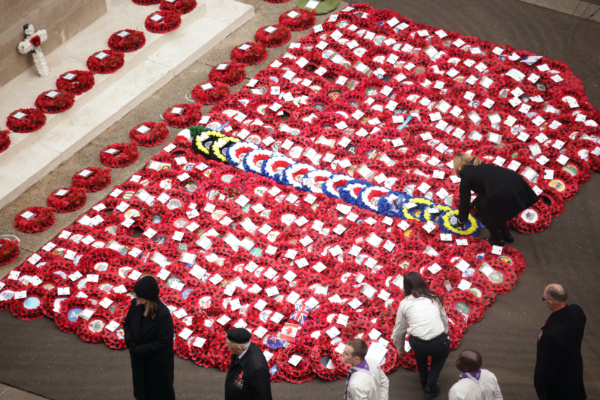
Some 10,000 people lined Whitehall to watch the The Royal British Legion’s Veterans Parade and take part in the annual two-minute silence at the Cenotaph on Sunday…
What’s in a name?…Honor Oak
Yes, this small south London district, located to the south of Peckham, was actually named for an oak.
In this case it was an oak which stood atop the 90 metre high One Tree Hill – the last in a line of hills which stretch north from Croydon.

There’s a couple of possible explanations for the name – the first is that the oak in question once marked the southern boundary of the estates or “honour” of the 12th century Earls of Gloucester – hence ‘Honor Oak’.
The second is that Queen Elizabeth I apparently had a picnic with Sir Richard Bulkeley of Beaumaris under its branches on May Day, 1602. Hence again ‘Oak of Honor’ or ‘Honor Oak’.
Sadly, the original tree is gone – it was apparently hit by lightning in the 1880s – and a replacement, which can still be seen today, was subsequently planted nearby.
There’s a few stories surrounding the hill and its oak including that it was here that the Roman general Paulinus overcome Boudicca in 61AD. Another says that the highwayman Dick Turpin used it as a lookout.
Its height did see the hill put to use as a beacon by the Admiralty during the Napoleonic Wars and as a semaphore station by the East India Company. A beacon on top of the hill was erected to commemorate the Silver Jubilee of King George V in 1935 and subsequently used for celebrations including the coronation of Queen Elizabeth II and the Queen’s silver and golden jubilees.
There was also a gun emplacement built upon the hill during World War I.
The area around the hill was largely rural until the late 18th century. In 1809, the Croydon Canal Company constructed a canal which ran from Croydon north to New Cross and which included numerous locks. It was taken over almost 30 years later by the Croydon and London Railway for its new line (the current railway line, the stops on which include Honor Oak Park (opened in 1886), runs along the same course).
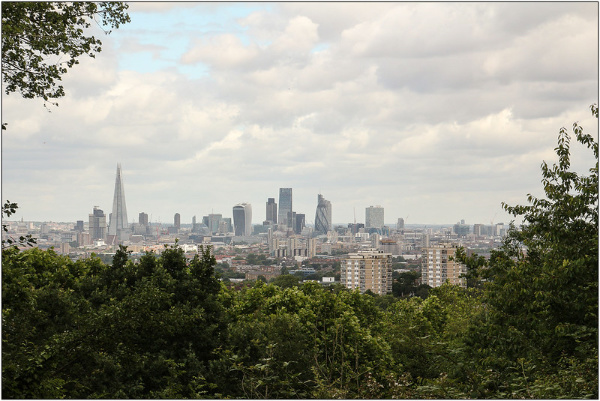
There was a bid to incorporate One Tree Hill into a golf course in the late 1800s but following a protest, this was halted and in 1905 the hill was acquired by the Camberwell Borough Council as public open space. It remains so today.
The Church of St Augustine was built to the designs of William Oakley on the hill’s east side in the late 19th century.
Famous residents in the streets around the hill have included Spike Milligan.
The Honor Oak Reservoir lies just to the north of the hill. It was constructed between 1901 and 1909 and was the largest brick built underground reservoir in the world. The roof of the still-in-use reservoir is grassed over and used as a golf course. A rather grand pumping station stands nearby.
 Exploring London