This Week in London – 10 years of Christmas at Kew; British and Chinese at the British Library; and, The Horror Show! at Somerset House…

Christmas returned to Kew this week with the launch of its 10th festive light trail. This year’s display features some past favourites as well as new light installations including Feathers by Pyrite Creative which features 16 floating UV feathers which sway in the breeze, LuminARTi’s Willow Hives which illuminate natural forms, and Illusion Hole by UxU Studio, a geometrically arranged pattern situated on the lake which presents visitors with an optical illusion in which water formed by light appears to flow into an unknown abyss. The popular Fire Garden has returned along with the Christmas Cathedral and a series of breath-taking projections dance across the surface of the Palm House and adjacent lake, set to a memorable soundtrack of much-loved Christmas classics. The display can be seen until 8th January. Admission charge applies. For more, see www.kew.org/christmas.

Frank Soo at the Victoria Ground, Stoke, 1933. PICTURE: The Sentinel & StokeonTrentLive

A free exhibition exploring British Chinese communities and culture opens at the British Library tomorrow. Chinese and British celebrates the lasting impact of Chinese communities in the UK and presents personal stories and artefacts. Highlights include a hand-drawn map of China by Shen Fuzong – the first recorded Chinese person to visit the UK in 1687, a detailed doll’s house model of a Chinese takeaway, Ling Shuhua’s 1953 autobiography, Ancient Melodies, which was dedicated to Virginia Woolf who offered advice on drafts of her memoir, a fan made of bamboo slats and paper from mulberry bark in Hangzhou and pair of hand-embroidered shoes belonging to Kathy Hall, a London-based practitioner of traditional Chinese opera. There’s also trench art produced by Chinese Labour Corps workers during World War I, cigarette cards featuring Frank Soo, the first player of Chinese origin to play in the English Football League, and Rosanna Lee’s 2022 film Parallel which follows a family during their weekly ritual of going out for dim sum at the Pearl Dragon restaurant in Southend-on-Sea. The exhibition can be seen until 23rd April. For more, see www.bl.uk.

On Now: The Horror Show!: A Twisted Tale of Modern Britain. This display at Somersert House, divided into three acts – ‘Monster’, ‘Ghost’ and ‘Witch’, explores how exploring how ideas rooted in horror have informed the last 50 years of creative rebellion, looking beyond horror as a genre and instead “taking it as a reaction and provocation to our most troubling times”. The display features more than 200 artworks and culturally significant objects including Chila Burman’s If There is No Struggle, There is no Progress – Uprising (1981), Derek Jarman’s last feature and magnum opus, Blue (1993), and a striking presentation of Turner Prize winning-artist Tai Shani’s The Neon Hieroglyph (2021). Admission charges apply. Runs until 19th February. For more, see somersethouse.org.uk. ​

Send all items to exploringlondon@gmail.com
This Week in London – The Lord Mayor’s Show; Mass-Observation remembered; and, modern and contemporary art at the British Museum…

The Lord Mayor’s Show will be held this Saturday, 12th November, welcoming the 694th Lord Mayor of London, Alderman Nicholas Lyons, into office. The Show, which dates back to the early 13th century, features more than 6,500 people, 250 horses and more than 130 floats as well as the golden State Coach which has been used to carry the Lord Mayors since as far back as 1757 and is said to be the oldest ceremonial vehicle still in regular use anywhere in the world. The three mile long procession will start passing by Mansion House at 11am and make its way to St Paul’s Cathedral and then head on to the Royal Courts of Justice where the Mayor will swear an oath of allegiance to the monarch, before returning along the Embankment and Victoria Street to Mansion House. For more on the history of the Show and details about the best places to stand, head to https://lordmayorsshow.london.

The original headquarters of Mass-Observation, a pioneering social research organisation, has been marked with an English Heritage Blue Plaque. The organisation started its worked at the property 6 Grotes Buildings in Blackheath from 1937 until 1939 – by the end of its first year there were around 600 ‘mass observers’ involved in the work, one of the key aims of which was to gauge public opinion on a range of issues to help enable the writing of “a democratic people’s history from below”. During World War II, Mass-Observation worked on behalf of the government and morphed into a market research company in 1949, Mass Observation Ltd, before being incorporated into the British Market Research Bureau. The project was restarted in 1981 at the University of Sussex and continues to this day. For more on English Heritage Blue Plaques, see www.english-heritage.org.uk/visit/blue-plaques/.

A collection of about 100 modern and contemporary artworks on paper have gone on show at the British Museum, part of a larger gift of works donated by London-based art collector Hamish Parker. Art on paper since 1960: the Hamish Parker collection features works by works by the likes of British artist Lucian Freud, French-Israeli artist Avigdor Arikha, American artist Richard Serra and Pakistani artist Imran Qureshi. There are also two “artist in focus” sections which take a more in-depth look at the work of American artists Carroll Dunham and Al Taylor. Runs until 5th March in Gallery 90. For more, see www.britishmuseum.org.

Send all items for inclusion to exploringlondon@gmail.com

This Week in London – Bonfire Night; Treason at The National Archives; two Turner’s return after 100+ years; and, science fiction at the Science Museum…

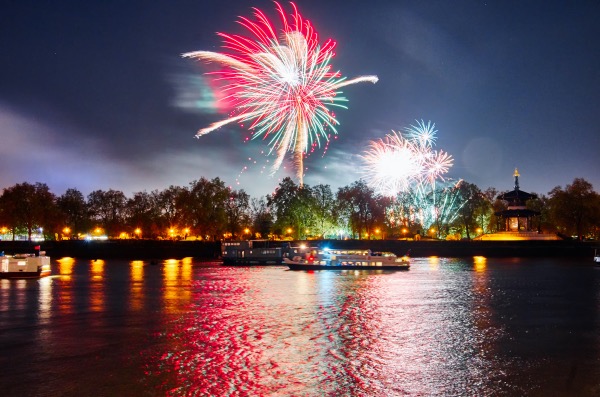
A previous Bonfire Night in London. PICTURE: teo73/iStockphoto

“Remember, remember, the 5th of November…” It’s Bonfire Night this Saturday night and fireworks displays will be held across London with key displays at Alexandra Palace, Battersea Park and Wimbledon Park. Rather than list them all here, Visit London has put together a handy guide which you’ll find here.

A section of the Treason Act. PICTURE: Courtesy of The National Archives (Open Government Licence)

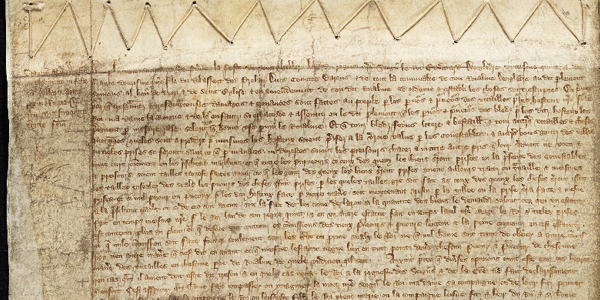
What did the abolition of the transatlantic slave trade, the establishment of the Church of England, the creation of the United States of America and the extension of UK voting rights have to do with acts of treason? Treason: People, Power & Plot, a new exhibition at The National Archives in Kew, examines the role treason has played across the span of 700 years of history. On display will be the original Treason Act, passed in 1352 during the reign of King Edward III (pictured), and the Monteagle Letter – which suggested the recipient should not attend parliament on 5th November, 1605 (effectively tipping them off about the Gunpowder Plot) as well as Guy Fawkes’ confession, a document containing the charges levelled against King Henry VIII’s ill fated wife, Anne Boleyn, and the United States’ Declaration of Independence. Accompanying the display will be a range of online and on-site events. The free exhibition opens on Saturday and runs until 6th April. For more, see www.nationalarchives.gov.uk/treason/.

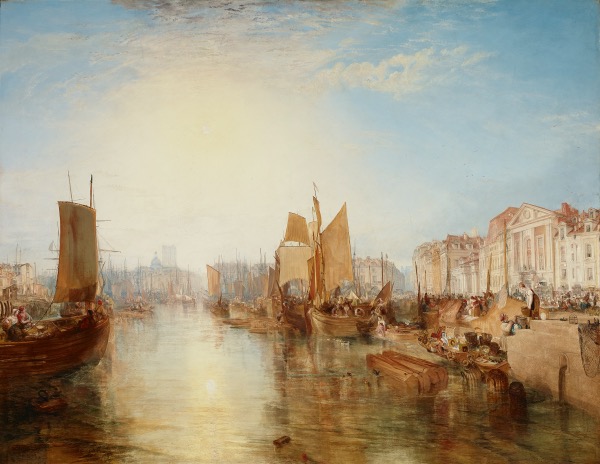
Joseph Mallord William Turner (1775 – 1851) The Harbor of Dieppe, 1826 oil on canvas 68 3/8 in. x 88 3/4 in. (173.67 cm x 225.43 cm) Henry Clay Frick Bequest. Accession number: 1914.1.122

Two ground-breaking JMW Turner paintings – Harbour of Dieppe: Changement de Domicile and Cologne, the Arrival of a Packet-Boat: Evening – have returned to the UK for the first time in more than 100 years as part of a new exhibition at The National Gallery. The Turner on Tour exhibition looks at the artist’s life-long fascination with ports and harbours and highlights the regular sketching tours he took within Europe that were central to his fame as an artist-traveller, as well as his “radical approach to colour, light and brushwork”. The two paintings, which have not been since in the UK since 1911, were exhibited in New York in 1914 at the Knoedler Gallery. They were subsequently acquired by the American industrialist Henry Clay Frick and have remained in the United States ever since but are now being generously lent by The Frick Collection. Can be seen until 19th February in Room 46. Admission is free. For more, see nationalgallery.org.uk.

On Now: Science Fiction: Voyage to the Edge of Imagination. This exhibition at the Science Museum in South Kensington features more than 70 objects and uncovers connections between significant scientific innovations and celebrated science fiction works. On display is classic literature that has inspired new understandings of the world as well as set-pieces and props from iconic films and TV – everything from a Lieutenant Uhura costume from Star Trek: The Motion Picture, to the Dalek from Doctor Who and a Darth Vader helmet created for Star Wars: Episode V – The Empire Strikes Back. There are also contemporary artworks from across the globe that explore alternative futures for humanity. The exhibition is accompanied by an events programme. Runs until 4th May. Admission charges apply. For more, see sciencemuseum.org.uk/science-fiction.

Send all items for inclusion to exploringlondon@gmail.com

This Week in London – Musical theatre at the V&A; getting spooky at Hampton Court and the Tower; and, Bill Brandt at Tate Britain…

Costume for Eliza Doolittle in Lerner and Lowe’s musical My Fair Lady, designed by Cecil Beaton, worn by Julie Andrews, Theatre Royal, Drury Lane, 1958. Given bythe Friends of the Victoria and Albert Museum.© Cecil BeatonImage courtesy of Victoria and Albert Museum, London

The glittering world of musical theatre is at the centre of a new exhibition which opened at the V&A in South Kensington recently. Re:Imagining Musicals showcases some 100 objects, most being displayed for the first time, with highlights including Paul O’Grady’s Miss Hannigan costume from Annie, new costume acquisitions from SIX the MusicalEverybody’s Talking About JamieMoulin Rouge! The MusicalCompany, and A Chorus Line, the rarely displayed beaded gown designed by Cecil Beaton which was worn by Julie Andrews in My Fair Lady in 1958; the toy Olaf puppet from Frozen the Musical, and an original poster from the off-Broadway premiere of Hamilton signed by the cast and creatives. There’s also a 1965 original cast recording of Hello Dolly! signed by Carol Channing, Bunny Christie’s Olivier and Critics’ Circle award winning costume design, model and costume for Rosalie Craig as Bobbie in the 2019 West End revival of Company and Shakespeare’s first folio, which celebrates its 400th anniversary in 2023. The free display can be seen in the Theatre and Performance Galleries until 27th November, 2023. For more, see www.vam.ac.uk/exhibitions/reimagining-musicals.

Base Court and cloisters dressed for the Halloween ghost trail at Hampton Court Palace. PICTURE: © Historic Royal Palaces.

Visitors to Hampton Court Palace and the Tower of London are being invited to explore some of the properties’ spookiest stories in the lead-up to Halloween. Until 30th October, visitors to Hampton Court are able to explore the stories of everyone from King James I to tormented wives to Tudor trumpeters with special effects including mystical projections and eerie sound effects. Meanwhile, until 31st October, visitors can follow in the footsteps of infamous prisoners at the Tower of London with “spooky decorations, spine-tingling sound effects, and rooms transformed to tell terrifying tales about past inhabitants” while ghostly figures such as the Welsh Prince Gruffydd ap Llywelyn and King Henry VIII’s ill-fatded wife Anne Boleyn wander the grounds. Admission charges apply. For more, see www.hrp.org.uk.

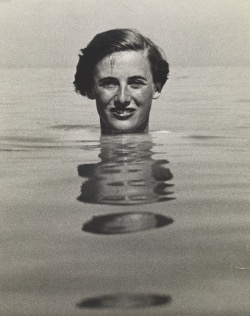
Bill Brandt – Woman Swimming
Tate. Accepted by HM Government in lieu of inheritance tax from the Estate of Barbara Lloyd and allocated to Tate 2009 © The Estate of Bill Brandt.

The work of British photographer Bill Brandt (1904-83) is the subject of a new exhibition at Tate Britain on Millbank. Bill Brandt: Inside the Mirror features 44 original photographs from across his career are displayed alongside the magazines and photobooks in which these images were most often seen. Brandt was first known as a photojournalist, renowned in the 1930s for his observations of British life, and later for his landscapes, portraits and nudes. Highlights include Woman Swimming (pictured), Hail, Hell & Halifax and his handmade photobook ‘A Dream’ – which is being exhibited for the first time. Runs until 15th January. Admission is free. For more, see tate.org.uk.

Send all items for inclusion to exploringlondon@gmail.com.

This Week in London – London’s history of executions; myth-making around Alexander the Great; and, Édouard Manet’s ‘Eva Gonzalès’ examined…

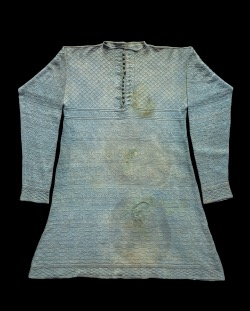
Charles I vest, Executions 2022 © Museum of London

• The history of public executions in London – spanning a period of some 700 years – is the subject of a landmark new exhibition at the Museum of London Docklands in West India Quay. Executions explores how capital punishment became embedded in the city’s landscape – from the first recorded public execution in 1196 to the last in 1868 – and looks at the rarely told and often tragic human stories behind them. Items on display include an intricately woven silk vest said to have been worn by King Charles I at his execution outside the Banqueting House (pictured), a 300-year-old bedsheet embroidered with a love note in human hair and personal items which once belonged to prison reformer Elizabeth Fry. Visitors can also stand in front of the Newgate Prison door, marking the last steps for prisoners heading to the scaffold, and see a dramatic recreation of the Tyburn “Triple Tree” gallows. Visitors will also learn about the 200 offences that became punishable by death and the spectacle and rituals of execution days as well as what led celebrity criminals to the gallows. Admission charge applies. Runs until 16th April next year. For more, see https://www.museumoflondon.org.uk/museum-london/whats-on/exhibitions/executions.

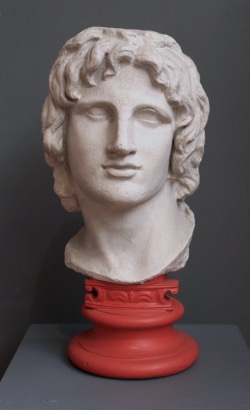
Marble head of Alexander © Museum of Classical Archaelogy

The first exhibition exploring the rich history of story-telling around one of the most famous figures of the ancient world – Alexander the Great – opens at the British Library tomorrow. Alexander the Great: The Making of a Myth features almost 140 exhibits from 25 countries including astrological clay tablets, ancient papyri and medieval manuscripts as well as comics, films and video games. It reveals how Alexander’s character has been adapted and appropriated by different cultures and religions, with conflicting interpretations. Runs until 19th February. Admission charge applies. A season of in-person and online events accompanies the exhibition. For more, see www.bl.uk/events/alexander-the-great-the-making-of-a-myth.

• Portraits of the Euro 2020 England men’s football squad and its manager, Gareth Southgate, will be shown at the City of London Corporation’s Guildhall Art Gallery from today. The free exhibition, This is England, features the most successful men’s national team – finalists in Euro 2020 – since the winners of the World Cup in 1966, from Harry Kane and Jude Bellingham to Bukayo Saka and Raheem Sterling. The paintings are the work of artist Matt Small and were commissioned by the FA and exhibited at the St George training ground during the Euro 2020 finals. The paintings can be seen until 19th February. For more, see www.cityoflondon.gov.uk/events/this-is-england.

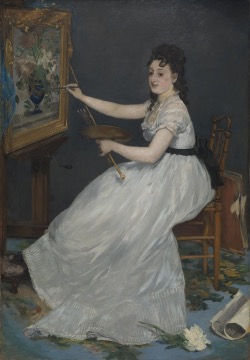
Edouard Manet, ‘Eva Gonzalès’, 1870

Édouard Manet’s 1870 portrait of Eva Gonzalès is the subject of a new exhibition at The National Gallery opening on Friday. The painting was considered by the early 20th century to be the most famous modern French painting in the UK and Ireland. The exhibition, the first in a new series of ‘Discover’ exhibitions to be staged in the Sunley Room with the aim of exploring well-known paintings in the collection through a contemporary lens, examines the lifelong artistic dialogue and the complexities of the friendship and mentorship between Manet and Gonzalès, his only formal pupil. It also looks at the broader context of female self portraits from the 18th to early 20th centuries, alongside portraits of women artists by male friends, husbands, and teachers The free exhibition includes works by Eva Gonzalès, Elisabeth Louise Vigée Le Brun, Edouard Manet, Berthe Morisot, Alfred Stevens and Laura Knight. Runs until 15th January. For more, see www.nationalgallery.org.uk/exhibitions/discover-manet-eva-gonzalès.

Send all items for inclusion to exploringlondon@gmail.com.

This Week in London – Hieroglyphs explored at the British Museum; King Charles III coronation date announced; ‘The Admiral’s Revenge’ in Greenwich’; and, Dickens and ghosts…

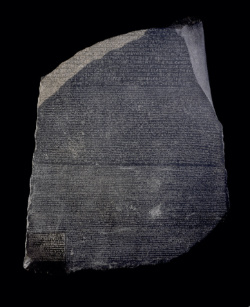
The Rosetta Stone. Granodiorite; Rasid, Egypt; Ptolemaic, 196 BC © The Trustees of the British Museum.

• Marking 200 years since French Egyptologist Jean-Francois Champollion (1790-1832) was able to decipher hieroglyphs using the Rosetta Stone, a new exhibition opening at the British Museum explores how the stone and other inscriptions and objects helped scholars unlock one of the world’s oldest civilisations. Hieroglyphs: unlocking ancient Egypt centres on the Rosetta Stone but also features more than 240 other objects, many of which are shown for the first time. Alongside the Rosetta Stone itself, highlights include: “the Enchanted Basin”, a large black granite sarcophagus from about 600 BCE which is covered with hieroglyphs and images of gods; the richly illustrated, more than 3000-year-old Book of the Dead papyrus of Queen Nedjmet which measures more than four metres long; and the mummy bandage of Aberuait, a souvenir from one of the earliest ‘mummy unwrapping events’ in the 1600s where attendees each received a piece of the linen, preferably inscribed with hieroglyphs. There’s also the personal notes of key figures in the race to decipher hieroglyphs including those of Champollion which come from the Bibliothèque nationale de France as well as those of England’s Thomas Young (1773 – 1829) from the British Library. The exhibition can be seen in the Sainsbury Exhibition Gallery until 19th February. Admission charge applies. For more, see britishmuseum.org/hieroglyphs.

• King Charles III will be crowned at Westminster Abbey on 6th May next year, Buckingham Palace has announced this week. The Queen Consort, Camilla, will be crowned alongside him in the first such coronation since 12th May, 1937, when King George VI and Queen Elizabeth were crowned in the abbey. The ceremony, which will be conducted by the Archbishop of Canterbury, will, according to the palace, “reflect the monarch’s role today and look towards the future, while being rooted in longstanding traditions and pageantry”. King Charles III is expected to sign a Proclamation formally declaring the coronation date at a meeting of the Privy Council later this year. The first documented coronation at Westminster Abbey was that of King William the Conqueror on 25th December, 1066, and there have been 37 since, the most recent being that of Queen Elizabeth II on 2nd June, 1953.

https://www.youtube.com/embed/Vfmo5dgTEl0″ title=”YouTube video player” frameborder=”0″ allow=”accelerometer; autoplay; clipboard-write; encrypted-media; gyroscope; picture-in-picture” allowfullscreen

A new dark comedy, The Admiral’s Revenge, has opened in The Admiral’s House in the Old Royal Naval College, Greenwich. The play, set in 1797, features sea shanties, puppetry and follows a crew of shipmates in the wake of the ill-fated Battle of Tenerife. Audiences have the chance to explore the Admiral’s House before the show and enjoy a complimentary rum cocktail. Runs until 12th November. For ticket prices, head to https://ornc.org/whats-on/1797-the-mariners-revenge/.

A new exhibition exploring Charles Dickens’ interest in the paranormal has opened at the Charles Dickens Museum in Bloomsbury. To Be Read At Dusk: Dickens, Ghosts and the Supernatural explores Dickens’ famous ghost stories, including A Christmas Carol, and reveals his influence on the genre. Highlights include a copy of The Chimes which Dickens gifted to fellow author Hans Christian Anderson, original John Leech sketches of Dickens’ ghosts of the past, present and future and original tickets and playbills relating to the author’s public performances of his ghost stories. The display will also look into Dickens’ own views on the supernatural as a fascinated sceptic and includes  correspondence in which he was asking about the location of a supposedly haunted house. Runs until 5th March. Admission charge applies. For more, see https://dickensmuseum.com/blogs/all-events/to-be-read-at-dusk-dickens-ghosts-and-the-supernatural.

Send all items to exploringlondon@gmail.com
This Week in London – Korean pop culture at the V&A; of video games and conflict; and, William Kentridge at the RA…

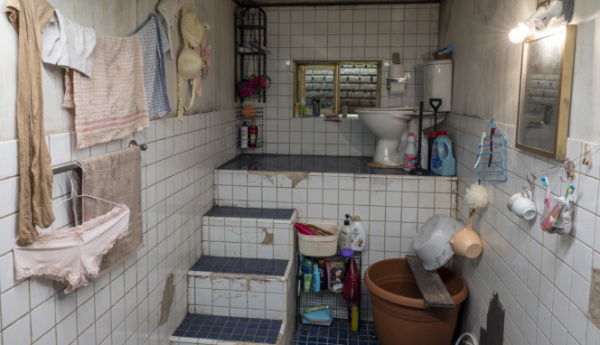
Installation image featuring re-creation of Parasite bathroom scene, at Hallyu! The Korean Wave at the V&A Ⓒ Victoria and Albert Museum, London

From K-Pop to Parasite, the popular culture of South Korea is being celebrated in a new exhibition which opened at the V&A last weekend. Hallyu! The Korean Wave features around 200 objects across four thematic sections focused on the phenomenon known as ‘hallyu’ (meaning ‘Korean Wave’) which rose to prominence in the late 1990s and rippled across Asia before reaching across the world. Highlights including outfits worn by K-Pope idols PSY, Vespa and ATEEZ, an immersive recreation of Parasite’s bathroom set and monumental artworks by the likes of Nam June Paik, Ham Kyungah and Gwon Osang. There’s also fashion designs by Tchai Kim, Miss Sohee and Minju Kim, and early examples of advertising and branding, including an original poster from the Seoul Olympics, and the first Korean branded cosmetic from the 1910s. The display can be seen until 25th June next year. Admission charge applies. For more, see www.vam.ac.uk/exhibitions/hallyu-the-korean-wave.

An exhibition which seeks to challenge perceptions about how video games interpret stories about war and conflict opens at the Imperial War Museum London on Friday. War Games: Real Conflicts | Virtual Worlds | Extreme Entertainment explores the relationship between video games and conflict through a series of 11 unique titles, including everything from Call of Duty: Modern Warfare to 2D artillery game Worms and a military training simulator, which, over the last 40 years, have reflected events from the First World War to the present. The display features immersive installations, never-before-displayed objects and perspectives from industry experts. There’s also a retro gaming zone and a programme of supporting events. Admission is free. Runs until 28th May next year. For more, see iwm.org.uk/events/war-games.

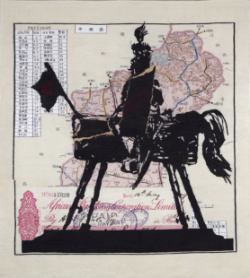
William Kentridge, ‘Colleoni’, 2021. Hand-woven mohair tapestry, 350 x 300 cm. Courtesy the artist © William Kentridge
 

The work of celebrated South African artist and Honorary Royal Academician William Kentridge has gone on show the Royal Academy. Spanning the artist’s 41 year career, William Kentridge brings together important works spanning from the 1980s through to the present day, including charcoal drawings, animated films, a mechanical theatre, sculptures, tapestries and performance pieces. Highlights include a selection of Kentridge’s early, rarely-seen drawings from the 1980s and 1990s including three triptychs displayed together for the first time and the most significant work from the period, The Conservationist’s Ball, (1985) as well as around 25 large charcoal drawings, made for the creative process of the eleven animated Drawings for Projection, and the installation Black Box / Chambre Noire, (2005), a mechanical theatre piece including puppets and projections, which interrogates the harrowing story of the massacre of the Herero people in Namibia, now considered the first genocide of the 20th century. The display in the Main Galleries can be seen until 11th December. Admission charge applies. For more, see roy.ac/kentridge.

Send all items for inclusion to exploringlondon@gmail.com

This Week in London – Open House Festival; Winslow Homer at The National Gallery; and, a celebration of wood engravings…

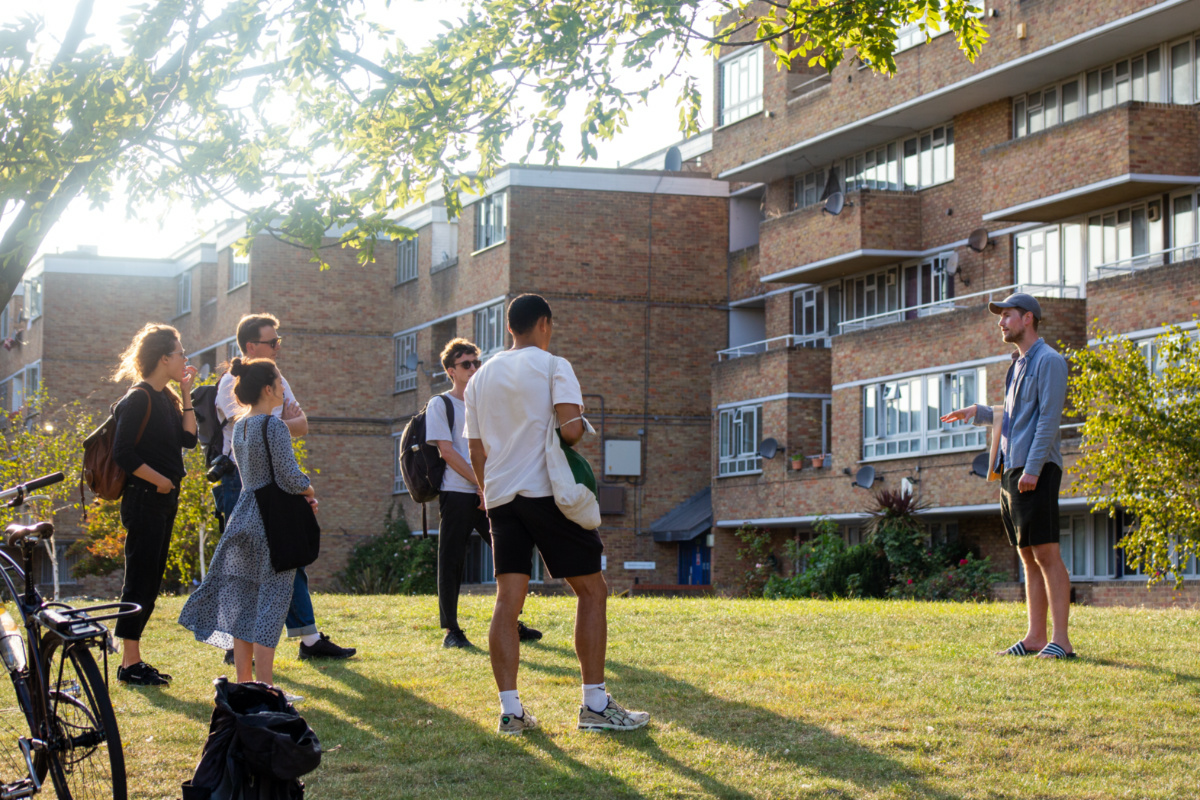
An image from the Open House Festival 2020 PICTURE: Phineas Harper/Courtesy Open House Festival
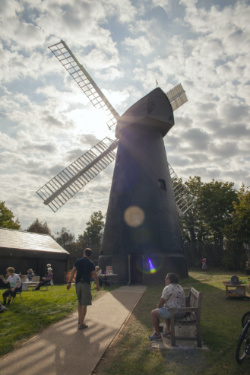
An image from the Open House Festival 2020 PICTURE: Sophie Cunningham/Courtesy Open House Festival

The Open House Festival, a two week-long celebration of buildings and neighbourhoods in London, kicks off today. Now in its 30th year, highlights from this year’s programme include the introduction of nine “headline neighbourhoods” – among them Aldgate, Somers Town, Battersea, and the Greenwich Peninsula, each of which will feature a specially-curated programme of free events. Buildings open for tour include the Bank of England, the recently refurbished Leathersellers’ Hall, and ROOM, an inhabitable sculpture by Anthony Gormley forming part of Mayfair’s Beaumont Hotel as well as pioneering homes such as the David Adjaye-designed ‘Fog House’ in Clerkenwell, the Khan Bonshek-designed ‘Two-up Two-down House’ in Stratford, and Richard and Su Rogers’ high-tech house in Wimbledon. There are also tours of housing estates including Dawson’s Heights designed by Kate Macintosh for Lambeth and infrastructure demonstrations including the new Rolling Bridge designed by Tom Randall-Page at Cody Dock in Canning Town as well as walks, talks and other event. The festival runs until 21st September. For the full programme, see https://open-city.org.uk/open-house-festival.

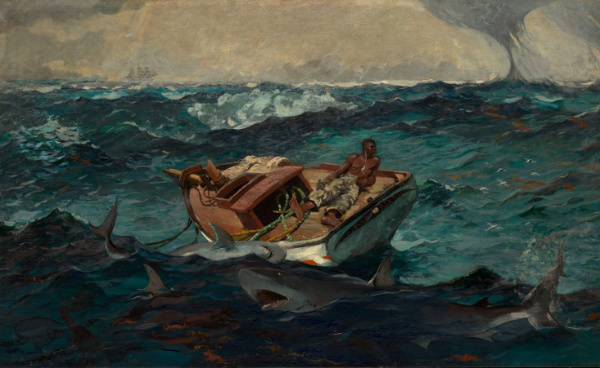
Winslow Homer ‘The Gulf Stream’, 1899 (reworked by 1906)
The Metropolitan Museum of Art, New York Catharine Lorillard Wolfe Collection, Wolfe Fund, 1906 © The Metropolitan Museum of Art, New York

• The first in-depth exhibition in the UK of the work of late 19th and early 20th century American painter Winslow Homer has opened at The National Gallery. Winslow Homer: Force of Nature features more than 50 paintings and watercolours from public and private collections spanning over 40 years of the artist’s career. Highlights include his paintings from the front lines of the American Civil War such as Prisoners from the Front (1866), those depicting the lives of African Americans during the period known as Reconstruction such as A Visit from the Old Mistress and The Cotton Pickers (both 1876), paintings from his travels to England and the Caribbean such as Inside the Bar (1883), A Garden in Nassau (1885), and The Gulf Stream (1899, reworked by 1906), and works created in the final years of his life such as Driftwood (1909). The exhibition can be seen in the Ground Floor Galleries until 8th January. Admission charge applies. For more, see www.nationalgallery.org.uk/exhibitions/winslow-homer-force-of-nature

• A celebration of some of finest wood engravings of the past 100 years and those who made them opens at the Heath Robinson Museum in Pinner on Saturday. Scene Through Wood, which comes from the University of Oxford’s Ashmolean Museum, celebrates the founding centenary of the British Society of Wood Engravers. It traces wood engraving from its origins – objects on show include an early woodcut by Albert Dürer (1471-1528), its subsequent development by 18th and 19th century naturalist Thomas Bewick and the establishment of the SWE in 1920. Included is the work of notable 20th century artists such as Robert Gibbings, Eric Ravilious and Gertrude Hermes as well as more recent figures such as Monica Poole, Edwina Ellis, Simon Brett and Anne Desmet. Admission charge applies. Runs until 11th December. For more, see www.heathrobinsonmuseum.org/whats-on/scene-through-wood/.

Send all items for inclusion to exploringlondon@gmail.com.

This Week in London – New COVID memorial entrance portico at St Paul’s; observation wheel a centrepiece of new Somerset House festival; and newly acquired 16th century works at The National Gallery…

A new entrance to a memorial dedicated to those who died as a result of the COVID-19 pandemic has opened at St Paul’s Cathedral. The Remember Me memorial entrance portico, which is accessed through the cathedral North Transept door, has been designed by Caroe Architecture with Connolly Wellingham and is an elliptical structure made from British Oak into which the words ‘Remember Me’ have been etched in gold. It leads through to the Middlesex Chapel where a digital book of remembrance can be accessed. The inner portico is the first project of its kind to be built inside St Paul’s for nearly 150 years and this is the first time the North Transept of the cathedral has been used as a permanent entrance since this part of the cathedral was bombed during World War II. For more, see www.stpauls.co.uk/remember-me-memorial.

A temporary 35 metre high observation wheel providing new views of London is being placed in Somerset House’s central open-air courtyard as part of a new cultural festival which kicks off Monday. This Bright Land features art installations and a programme of events featuring everything from music and dance performances through to workshops and talks. As well as the wheel, the courtyard will host a ‘Wonder Garden’, a soundscape installation telling Londoners’ stories, a futuristic custom-built ‘Clubhouses’ where complimentary make-up services will be provided, and a pop-up experimental zone which will feature immersive installations and complimentary light treatments. The month-long festival, which runs until 29th August, will also include a series of open air balls and parties at night as well as weekly family-friendly activities. There is free daytime entry on weekdays and pay-what-you-can entry on Monday to Thursday evenings and Saturday daytimes. Charges apply for special events and observation wheel rides. For more, see www.somersethouse.org.uk/whats-on/this-bright-land.

Two 16th century works have gone on display in The National Gallery for the first time following their acquisition.  Paolo Veronese’s ful-length Portrait of a Gentleman of the Soranzo Family (about 1585) can be seen in Room 12 while Lo Spagna’s Christ Carrying the Cross (perhaps 1500–5) can be seen in Room 61. Admission to the gallery is free. For more, see www.nationalgallery.org.uk.

Send items for inclusion to exploringlondon@gmail.com

This Week in London – Museum of London prepares to move; London’s open spaces celebrated; Kenley Airfield restored; and Milton Avery at the RA…

The Museum of London has launched a six-month programme of events celebrating its 45 year history ahead of its doors closing on 4th December in preparation for its move to West Smithfield. The programme includes a range of family activities – from Roman picnics to large LEGO builds – as well as behind the scenes access at the museum during Open House London and two festivals on the closing weekend celebrating the past 50 years of London’s history. For the full programme of events, head to www.museumoflondon.org.uk. Following its closure at the London Wall site, the new site at West Smithfield, to be named The London Museum, will open in 2026.

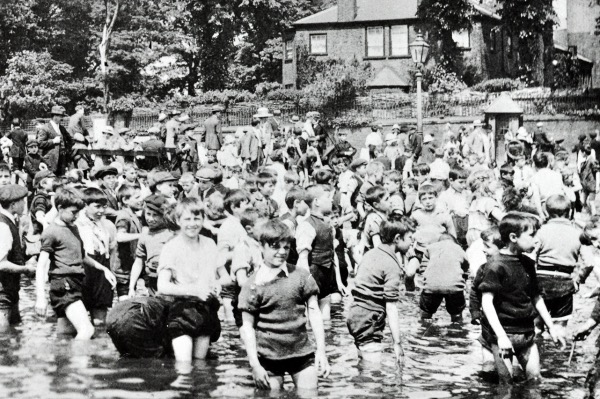
A group of children paddling in Whitestone Pond on the edge of Hampstead Heath in 1920. PICTURE: © London Metropolitan Archives

An outdoor exhibition on the essential role of London’s parks and open spaces – which have served as everything from playgrounds and picnics to concerts and Sunday football kickabouts – opens in Guildhall Yard on Monday. Green City: A Visual History of London’s Parks and Open Spaces, which is curated by the City of London Corporation’s London Metropolitan Archives, celebrates the role open places have played in the capital since the 16th century and brings together 100 photographs and prints from the archives’ collections. The exhibition can be seen in Guildhall Yard until 1st August when it moves to Aldgate Square. On 15th August it will open at Hampstead Heath and then, from 1st September, spend two weeks at The View in Epping Forest’s Visitor Centre.

Kenley Airfield – an integral part of London’s defence during World War II – has reopened following a £1.2 million restoration. The airfield, which sits in the Borough of Croydon, was a station for the Royal Flying Corps during World War I and the Royal Air Force during World War II. The restoration work has brought back to life eight deteriorating fighter blast pens, which protected RAF Spitfires and Hurricanes from attack. The site also includes The Kenley Tribute, a memorial to all who served there between 1917 and 1959, both on the ground and in the air. For more, including information on visiting the airfield and self-guided walks, see www.kenleyrevival.org.

The work of 20th century American artist Milton Avery is the subject of a new exhibition opening at the Royal Academy of Arts on Friday. Milton Avery: American Colourist – which can be seen in The Gabrielle Jungels-Winkler Galleries in Piccadilly – features some 70 works including portraits and landscapes dating from 1910 until the 1960s. The exhibition is divided into four sections – ‘Early Work’, ‘Portraits’, ‘Innovation in Colour and Form’ and ‘Late Work’ – and highlights include Blossoming (1918), a portrait of Avery’s friends known as The Dessert (1939), two portraits of his daughter March – Seated Girl with Dog (1944) and March in Brown (1954), and, Black Sea (1959). Runs until 16th October. Admission charge applies. For more, see www.royalacademy.org.uk.

Send all items to exploringlondon@gmail.com.

This Week in London – African fashion on show; green transport; and, the Upminster Tithe Barn…

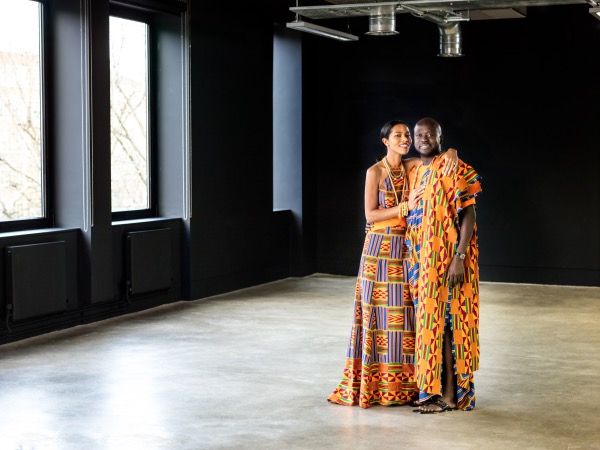
Designed by Kofi Ansah, Ensembles for the wedding of Ashley Shaw-Scott Adjaye and David Adjaye. Ghana, 2014. Photographed in London in 2014 by Robert Fairer

• The work of some 45 designers from more than 20 countries can be seen in a landmark Africa Fashion exhibition opening at the V&A on Saturday. More than 250 objects are on display – half drawn from the museum’s collection and including 70 new acquisitions. Many of the garments come from the personal archives of iconic mid-20th century African designers including Shade Thomas-Fahm, Chris Seydou, Kofi Ansah and Alphadi and the exhibition also features the work of contemporary African fashion creatives such as Imane Ayissi, IAMISIGO, Moshions, Thebe Magugu and Sindiso Khumalo. The display includes personal insights from the designers, together with sketches, editorial spreads, photographs, film and catwalk footage. Runs until 16th April. Admission charge applies. For more, see vam.ac.uk/exhibitions/africa-fashion.

Discover the role public transport is playing in keeping London green at London Transport Museum’s Depot in Acton Town this weekend. The ‘Act-on It!’ Open Days, being held as part of London Climate Action Week, are part of London Transport Museum’s 18-month programme, Climate Crossroads, which shines a light on sustainable cities, travel, transport and greener skills for the future. Along with the artworks, maps and signage housed at depot, visitors will be able to explore the museum’s extensive collection of historic vehicles including Tube trains, buses, trolleybuses and trams including, for the first time, the iconic RM1 Routemaster, built in 1954, displayed alongside the ADL/BYD Enviro 400 Electric, the best-in class bus from route 63. There’s also family activities – including storey-telling sessions, miniature transport displays made entirely of LEGO, and rides on the London Transport Miniature Railway. Tickets must be booked in advance. Admission charge applies. For more, see www.ltmuseum.co.uk/whats-on/depot/summer.

The Upminster Tithe Barn has an open day on Saturday. The more than 500-year-old barn, these days houses the Museum of Nostalgia which holds more than 14,500 artifacts of domestic and agricultural use, ranging from Roman times to the present day. For more, see http://upminstertithebarn.co.uk.

Send all items to exploringlondon@gmail.com.

This Week in London – Free birdwatching sessions at The Royal Parks; London’s “grime scene” explored; and, repair, care and healing at Somerset House…

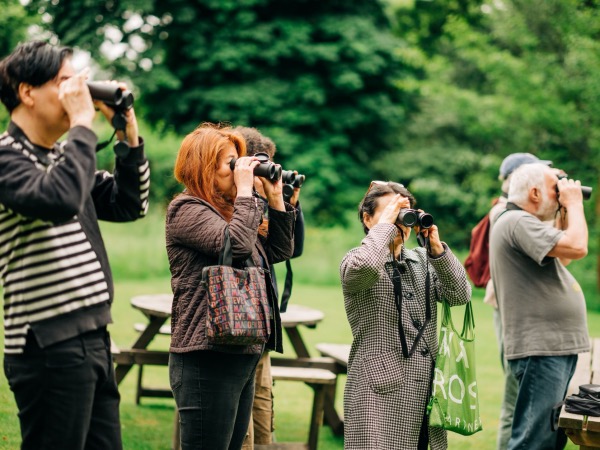
PICTURE: Courtesy of The Royal Parks.

The Royal Parks are running a series of free sessions for bird-watching novices in all eight of its London parks during June and July. The sessions, for which binoculars will be provided, last up to two hours. Pete Lawrence, The Royal Parks’ biodiversity manager, says many people growing up in a city may not have had the “opportunity, the equipment or the know-how to take up this activity” before. “These free sessions aim to make bird watching more accessible, and, if they prove popular, we hope to repeat them in future years.” Author and TV naturalist David Lindo, aka ‘The Urban Birder’, will be leading some of the free bird watching sessions along with The Royal Parks’ conservation officer, Tony Duckett – a six decade veteran birdwatcher, and local bird enthusiast Julia Holland. To book a place, head to www.royalparks.org.uk/birdingtours. The Royal Parks is also hosting a bird watching photography competition with a top prize, binoculars worth £400. Entrants need to take a photo of one of the birds included on the parks’ bird spotter sheets and send it to competition@royalparks.org.uk or submit via The Royal Parks’ social media channels. Find out more here.

The “music, people and places” central to the grime scene which first emerged in London in the early 2000s are the subject of a new exhibition at the Museum of London. Grime Stories: from the corner to the mainstream, which opens on Friday, is co-curated by Roony ‘Risky’ Keefe, one of grime’s early documentarians, and features a series of newly commissioned films that explore the community at the heart of grime’s success as well as a large-scale illustration from artist Willkay and personal artefacts from the MCs and producers who developed grime’s unique sound. Admission is free. For more, see www.museumoflondon.org.uk/museum-london/whats-on/exhibitions/grime-stories.

The ideas of repair, care and healing are explored in a new exhibition which opened at Somerset House this week. Eternally Yours, which is being staged across three Terrace Rooms, showcases some diverse examples of creative reuse including transformed items salved in the aftermath of Japan’s 2011 earthquake, shoes worn by Syrian migrants which have stories of survival sewn into the soles and a jumper from Annemor Sundbø’s ragpile collection which has been transformed by Celia Pym. At the heart of the exhibition is ‘The Beasley Brothers’ Repair Shop’, a pop-up created by designer Carl Clerkin and modelled on traditional East End repair shops of old, which is hosting live workshops and demonstrations from artists and designers. The free exhibition and accompanying events runs until 18th September. For more, see www.somersethouse.org.uk.

Send all items for inclusion to exploringlondon@gmail.com.

This Week in London – Coining the Queen’s portrait; the UK’s first Stolperstein; pioneering female landscape gardener honoured; and Picasso and Ingres…

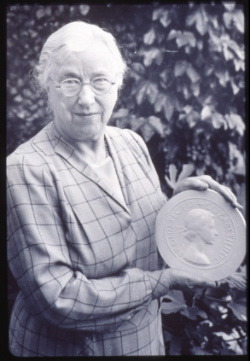
Plaster model for the obverse of a coin.  Mary Gillick, 1952.  Bust of Queen Elizabeth II r., wearing laurel wreath. © The Trustees of the British Mu

A free display featuring the first coin bearing a portrait of Queen Elizabeth II has opened at the British Museum. Part of the celebrations marking the Queen’s Platinum Jubilee, The Asahi Shimbun Display Mary Gillick: modelling The Queen’s portrait showcases the production and reception of the coin which was designed in 1952 and released the following year. Gillick’s portrait – which remained in circulation on coins in the UK until the 1990s and was also adapted for use on commemorative stamps – combined modern design with Italian Renaissance influences. Can be seen until 31st July. For more, see www.britishmuseum.org.

The UK’s first Stolperstein or “stumbling stone” has been installed in Soho as part of an initiative to remember the victims of the Nazis. The small brass plaque commemorates former resident Ada van Dantzig, a Dutch-Jewish paintings conservator for the National Gallery who came to London in the 1930s and worked and resided in Golden Square in Soho (where the plaque has been installed). She later re-joined her family in the Netherlands and was arrested in France in early 1943 along with her mother, father, sister and brother. Deported to Auschwitz, Ada, along with her parents, was murdered there on 14th February, 1943. Artist Gunter Demnig created the project almost 25 years ago to commemorate victims of Nazi Persecution during the Holocaust. More than 100,000 of stones have now been laid in 26 countries throughout Europe with the location of the stones the last address of those being remembered.

A pioneering female landscape gardener has been honoured with an English Heritage Blue Plaque at her former flat in Shaftesbury Avenue. Fanny Wilkinson, who is believed to be Britain’s first professional female landscape gardener, was also a campaigner for the protection of open space in London. She lived and worked at the flat, which overlooks an open space she laid out herself, between 1885 and 1896. Wilkinson began her career as an honorary landscape gardener to the Metropolitan Public Boulevards, Gardens and Playgrounds Association – an organisation whose mission was the formation of gardens and public parks that would create playgrounds and green ‘lungs’, especially in poor districts of the capital. In June, 1885, it was agreed that she could charge five per cent on all her MPGA payments, leading her to drop the ‘honorary’ title and become Britain’s first professional female landscape gardener. For more, see www.english-heritage.org.uk/visit/blue-plaques/.

A painting by Pablo Picasso – Woman with a Book (1932) from the Norton Simon Museum in Pasadena, California – and a painting by Jean-Auguste-Dominique Ingres – Madame Moitessier (1856) – are being shown together for the first time at The National Gallery. Picasso admired Ingres and referred to him throughout his career and this connection can be seen not only in his paintings but in drawings and studies he made during his ‘neoclassical’ phase in the 1920s. He encountered Madame Moitessie at an exhibition in Paris in 1921 and 11 years later painted Woman with a Book. The paintings, which are being show under a collaborative initiative between the two institutions, can be seen in Room 1 until 9th October. Admission is free. For more, see www.nationalgallery.org.uk.

Send all items for inclusion to exploringlondon@gmail.com

This Week in London – The Queen in wartime; Dippy returns; and, ‘Cancer Revolution’ at the Science Museum…

A new exhibition exploring the Queen’s role during wartime opens at IWM London in Lambeth tomorrow. Part of a suite of events at IWM venues celebrating the Queen Elizabeth II’s Platinum Jubilee, Crown and Conflict: Portraits of a Queen in Wartime features 18 images drawn from the museum’s image archive which chart the Queen’s experience of war – from growing up during World War II when she served in the Auxiliary Territorial Service to her role in carrying out important public duties involving the armed forces, including at the annual Service of Remembrance. Among newly digitised photographs included in the display are an image of the Queen dressed in overalls and cap while working on a vehicle during her time in the ATS, and another showing her with her father, King George VI, and mother, Queen Elizabeth, during a visit to airborne forces in 1944. IWM London is also launching a dedicated trail of historic objects spread across five gallery spaces which explores the Royal Family’s long-standing association with the British armed forces. Objects include a Princess Mary Gift Fund box which was sent to those serving at Christmas in 1914. Runs until 8th January. Admission charge applies. For more, see www.iwm.org.uk/events/queens-platinum-jubilee-iwm-london.

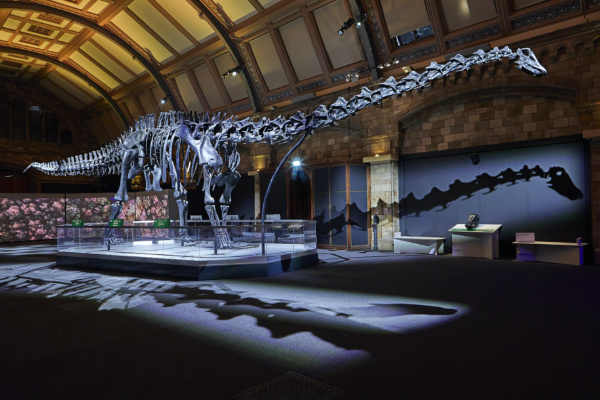
Dippy at the Natural History Museum. © Trustees of the Natural History Museum, London

• Dippy the dinosaur is back for a limited time at the Natural History Museum in South Kensington from tomorrow. A free, temporary exhibition – Dippy Returns: the nation’s favourite dinosaur – gives visitors the chance to get up close and personal with the 26 metre-long dinosaur which first went on display at the museum in 1905. The display comes at the end of a record-breaking tour of the UK in which Dippy was seen by more than two million people. Can be seen until 2nd January. To book tickets, head to www.nhm.ac.uk.

The first major exhibition to explore the history and future of cancer treatment and research opened at the Science Museum in South Kensington this week. Cancer Revolution: Science, innovation and hope features more than 100 objects including some never-before seen as well as information on cutting edge treatment and research, new artist commissions and installations, interactive exhibits and a breadth of personal stories. Runs until January, 2023. Admission is free but bookings required. For more, see www.sciencemuseum.org.uk/see-and-do/cancer-revolution-science-innovation-and-hope.

Send all items to exploringlondon@gmail.com for inclusion.
This Week in London – Marble Hill revived; Harry Kane at the Museum of London; and, golden books at the British Library…

Marble Hill in London’s west reopens on Saturday following a restoration and the reinstatement of a lost pleasure garden. Once home to King George II’s mistress Henrietta Howard, Countess of Suffolk, Marble Hill is a rare example of a home built by and for a woman in Georgian England and is one of the last survivors of the many 18th century villas that once fronted the Thames in the area. Marble Hill was built as a country retreat from London’s crowds and among those entertained here were poet Alexander Pope, Horace Walpole, John Gay and Jonathan Swift. English Heritage has invested £3 million into a major transformation of the house and 66 acres of riverside parkland which also used a £5 million grant from The National Lottery Heritage Fund and The National Community Lottery Fund. This has included the reinstatement of a pleasure garden – an “Arcadian landscape” which was inspired by sketches made by Pope – with the opening up of previously inaccessible woodland areas, the reinstallation of paths and the replanting of avenues of trees that led from the house to the river. Howard’s ninepin bowling alley has been restored and an 18th-century garden grotto has been excavated and returned to its 18th-century appearance. Inside the house, English Heritage has re-instated the paint scheme that existed during Howard’s lifetime in several interior spaces, including the Great Room, conserved the fine collection of early Georgian paintings which includes portraits of Howard’s circle and re-created furniture including an intricate carved peacock motif table and luxurious crimson silk wall hangings in her dressing room. The new display has reframed Howar’s beyond being simply the King’s mistress by also exploring her abusive first marriage and the role deafness played in her life as well as her rise in Georgian society and the social circles she captivated. Entry to the house is free. For more, head to www.english-heritage.org.uk/visit/places/marble-hill-house/.

Harry Kane of England celebrates after scoring their side’s second goal during the UEFA Euro 2020 Championship Round of 16 match between England and Germany at Wembley Stadium on 29th June, 2021 in London, England. PICTURE: Catherine Ivill/Getty Images.

England football captain Harry Kane is the subject of a new exhibition opening at the Museum of London on Saturday. Harry Kane: I want to play football features sporting memorabilia including the shirt Kane, who grew up in Chingford, East London, wore on his debut for England where he scored against Lithuania just 79 seconds after coming on the pitch, Kane’s MBE which was awarded to him in March 2019 for ‘services to sport’ and the 2018 World Cup Golden Boot (Kane being one of only two British players to receive a Golden Boot at a World Cup competition, where he was named Man of the Match three times) as well as family photos. The display also includes a changing room space where visitors can listen to Kane’s pre-match playlist and an interactive area where visitors can learn more about who has inspired Harry and share their own hopes and dreams. A programme of activities for families and children will run alongside the free display. Runs until December. For more, see www.museumoflondon.org.uk.

The use of gold in embellishing and enhancing the written word across cultures, faiths and through time is the subject of a new exhibition opening at the British Library. Gold, which opens Friday, showcases some of the most luxurious illuminated manuscripts, gold-tooled books, sacred texts and scrolls from the British Library’s collection with objects on display including the Harley Golden Gospels, the Lotus Sutra and a treaty in Malayalam, beautifully inscribed on a long strip of gold itself. Admission charge applies. Runs until 2nd October. For more, see www.bl.uk.

Send all items to exploringlondon@gmail.com.

This Week in London – Charles Jennens at the Foundling Museum; Dr John Conolly’s Blue Plaque; and, Kyōsai at the Royal Academy…

The Foundling Museum. PICTURE: dvdbramhall (licensed under CC BY-NC-ND 2.0)

Charles Jennens, who is best-known as the librettist of Handel’s Messiah but was also a patron of the arts, scholar and educator, is the subject of a new exhibition opening at the Foundling Museum in Bloomsbury on Friday. Charles Jennens: Patron & Polymath features portraits, correspondence and printed documents reflecting the varied interests and achievements of this Georgian character. Jennens was a non-juror – meaning he supported the legitimacy of the deposed Catholic Stuarts – but was also a Protestant. His art collection was one of the best in Britain and his Palladian mansion, Gopsall Hall in Leicestershire, featured a music room with an organ built to Handel’s specifications. Admission charge applies. Runs until 16th October. For more, see https://foundlingmuseum.org.uk/event/charles-jennens-polymath/.

• Dr John Conolly, an early advocate of human treatments for people living with mental illness and the former Hanwell Asylum have been commemorated with an English Heritage Blue Plaque to mark Mental Health Awareness Week. The plaque has been placed on what was the left wing of the asylum and is now part of St Bernard’s Hospital. It was here that Conolly, who was appointed Resident Physician at the Middlesex County Pauper Lunatic Asylum in 1839 – then one of the biggest asylums in London, advocated a system of ‘non-restraint’ which, though initially seen as controversial, drew support from reformers and which by 1846 had been embraced as ruling orthodoxy by the then-new national Lunacy Commission. For more, see www.english-heritage.org.uk/visit/blue-plaques/.

On Now: The works of Kawanabe Kyōsai, the most popular Japanese painter of the late 19th century, are on show in the Royal Academy’s Gabrielle Jungels-Winkler Galleries. Kyōsai: The Israel Goldman Collection focuses largely on the art of sekiga or ‘spontaneous paintings’ which were produced at ‘calligraphy and painting parties’ (shogakai), often fuelled by prodigious amounts of saké. The display – the first monographic exhibition of Kyōsai’s work in the UK since 1993 – includes around 80 words, many of which have never been exhibited. Admission charge applies. Runs until 19th June. For more, see www.royalacademy.org.uk.

Send all items for inclusion to exploringlondon@gmail.com
This Week in London – Disney’s French influence; Eid in the Square; and, Sir Isaiah Berlin’s Blue Plaque…

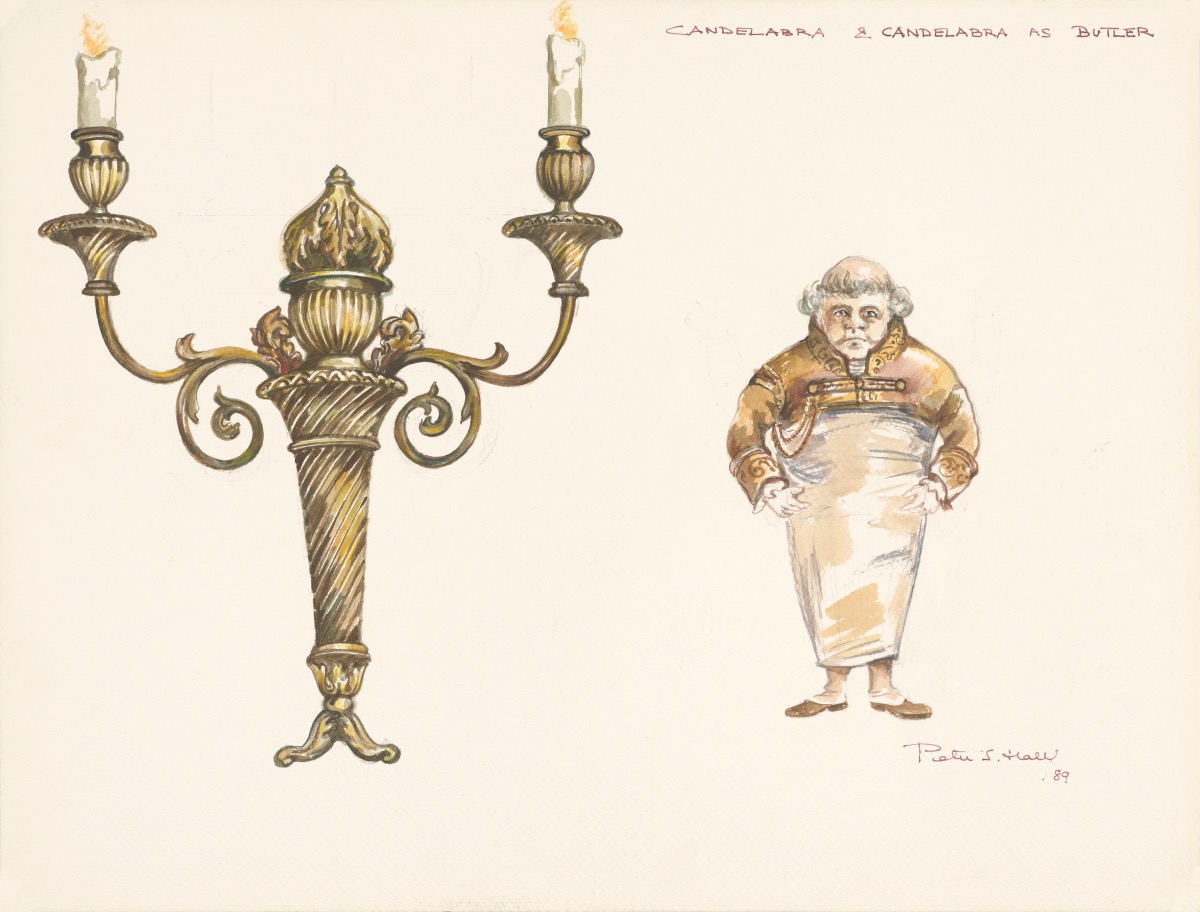
Beauty and the Beast, 1991, Peter J Hall, Concept art, gouache, marker and ink on paper © Disney

• The connection between Disney’s animated films and French 18th-century art is explored in an exhibition at the Wallace Collection. Inspiring Walt Disney: The Animation of French Decorative Arts, which is being held in collaboration with New York’s Metropolitan Museum of Art, features more than 120 examples of production artwork and works on paper from the Walt Disney Animation Research Library and the Walt Disney Archives alongside approximately 30 18th-century artworks. The latter include Jean-Honoré Fragonard’s much-loved painting, The Swing (c1767), which provided inspiration for Disney films including Beauty and the Beast (1991), Tangled (2010) and Frozen (2013) and which is being showcased for the first time since its recent conservation. The exhibition, which was previously at the New York’s Metropolitan Museum of Art, can be seen until 16th October. Admission charge applies. For more, see www.wallacecollection.org.

• Eid in the Square returns to Trafalgar Square this Saturday for the first time since 2019. The day, held from noon to 6pm to mark the celebration that follows the end of Ramadan, features Islamic inspired art, culture and comedy on the main stage alongside a feast of food stalls from across the world. Performers include Baha Yetkin Sufi Ensemble, Nafees Ifran & Qalandar Qawwali Band, Dur Dur Band, Star Children’s Choir, spoken word poet Hussain Manawer, comedy sketch show favourites, ‘The Halalians’, Alif New Beginnings, and award-winning music producer Naughty Boy who will present his Naughty Boy Kitchen pop-up serving signature dishes fusing his British upbringing and Pakistani heritage. Other family-friendly activities being held on the day including calligraphy, storytelling, mehndi, face painting, and drama and poetry workshops, as well as a variety of sports activities including Muslim Girls Fencing and Sisterhood FC.

World renowned philosopher and historian of ideas, Sir Isaiah Berlin (1909-1997), was commemorated with an English Heritage Blue Plaque at his former Holland Park home. Berlin lived at 33 Upper Addison Gardens for nearly six-and-a-half years while attending St Paul’s School, then located in Hammersmith – a period he later referred to as “my golden childhood”. The house, which was purchased by his timber merchant father, was the family’s first permanent home in the UK following their arrival from Latvia. Berlin was also commemorated this week with a plaque on another of his former homes, this one in Hampstead. The Heath and Hampstead Society plaque was placed on the property at number 49 Hollycroft Avenue which was where Berlin’s family moved in October, 1928. While he left for Oxford University that same month, he spent much time there during his university vacations. Oxford was Berlin’s main base for the rest of his life. For more, see www.english-heritage.org.uk/visit/blue-plaques/.

Send all items to exploringlondon@gmail.com.

This Week in London – Walter Sickert at the Tate; Philips Wouwerman revisited; and, Victorian physicist commemorated…

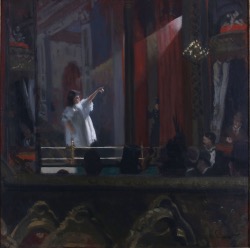
Walter Sickert, ‘Little Dot Hetherington at the Bedford Music Hall’ (1888) Private collection. Photo: James Mann

Britain’s biggest retrospective on the work of artist Walter Sickert (1860-1942) in almost 30 years opens at the Tate Britain in Millbank today. The exhibition features more than 150 of his works spanning the six decades of his career. They include paintings and drawings of music halls in London and Paris such as The Old Bedford (1894-5) and Théâtre de Montmartre (c1906) and an examination of key influencers upon his work such as American artist James Abbott McNeill Whistler whose A Shop (1884-90) is being shown with Sickert’s A Shop in Dieppe (1886-8) as well as Whistler’s 1895 portrait of Sickert. Other works on show include The Camden Town Murder (1908), Ennui (1914) and Off To the Pub (1911). Admission charge applies. Runs until 18th September. For more, see www.tate.org.uk/whats-on/tate-britain/walter-sickert.

A new exhibition at the Dulwich Picture Gallery explores the truth behind 18th century gossip suggesting 17th century Dutch artist Philips Wouwerman was a plagiarist. True Crime: The Case of Philips Wouwerman looks at claims the painter, who created more than 600 paintings over his career, stole the drawings of the dead artist Pieter van Laer and subsequently used them for his own works. The display features works by Wouwerman and Van Laer as well as expert testimony from the past and present. It’s the first in a series of displays – Unlocking Paintings – which have been devised by the recently appointed curator Helen Hillyard to present new perspectives on the Gallery’s collection. Can be seen until 21st August. For more, follow this link.

A self-taught Victorian physicist, Oliver Heaviside, has been commemorated with an English Heritage Blue Plaque at his former home in Camden Street. The property is where the young Victorian scientist, who had been left almost entirely deaf after suffering scarlet fever in childhood, continued with his self-education after leaving school at 16 and where he later worked on his ground-breaking interpretation of James Clerk Maxwell’s Treatise on Electricity and Magnetism. Heaviside played a key role in the development and advancement of electrical communications and was even name-checked in Cats where a line referring to “the Heaviside layer” is a reference to his discovery of a reflective layer in the upper atmosphere which allowed radio waves to be ‘bent’ around the earth. For more, see www.english-heritage.org.uk/visit/blue-plaques/.

Send all items for inclusion to exploringlondon@gmail.com.

This Week in London – Ukraine’s culture on show; spotlight on the news; St George’s Day; and, London Transport’s posters at the Depot…

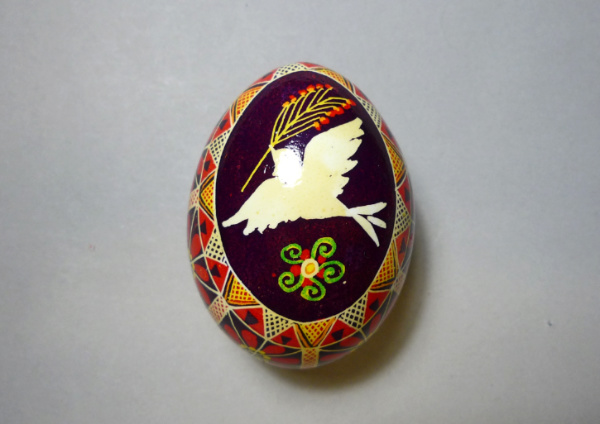
Easter egg, a dove of peace, Ukraine, 1970-1980. © The Trustees of the British Museum.

• A free display on the cultural heritage of Ukraine has opened at the British Museum. Located in the museum’s ‘Collecting the world’ gallery, Ukraine: Culture in crisis features objects drawn from the museum’s collection including a 5,500-year-old painted storage jar, hand-coloured lithographs of a man and a woman in Ukrainian dress dating from about 1813, and, an Easter egg decorated with the dove of peace (pictured) dating from between 1970 and 1980. There are also objects from the Greek colony of Olbia established on the Black Sea between 600 and 300 BC including a black glazed, fluted amphora from southern Italy dating from between 300 and 250BC. For more, head to www.britishmuseum.org. To learn more about the protection of cultural heritage in Ukraine visit icom-poland.mini.icom.museum/icom-poland-appeal-help-us-help-ukraine.

The earliest surviving printed news report in Britain of the 1513 Battle of Flodden and an original BBC radio script of the D-Day landings are among exhibits at the British Library’s first major exhibition putting a spotlight on the role news plays in our society. Other exhibits on show at Breaking the News, which opens on Friday, include smashed hard drives used by The Guardian to store Edward Snowden’s hard files. The display explores what makes an event news and the meaning of a free press as well as the ethics involved in making the news, news objectivity and how the way we encounter news has evolved over five centuries of news publication in Britain. Runs until 21st August. Admission charge applies. For more, head to www.bl.uk/events/breaking-the-news.

St George’s Day celebrations return to Trafalgar Square this Saturday. The free family event, which runs from noon until 6pm, will feature live music by the likes of string quartet Bowjangles, hoedown collective Cut A Shine, brass band Das Brass and folk headliner James Riley & the Rooftop Assembly. There will also be appearances from St George with his Dragon, Divine stilt walkers and the Pearly Kings and Queens as well as a range of food stalls. Other family-oriented activities including The Knights Training School, the Storytorium, a dragon Selfie station, face painting, upcycled arts and crafts, and a games area.

The art and poster stores at the London Transport Museum’s Depot in Acton Town will be open to the public this weekend. The Art of the Poster Open Days, which run from today until Sunday, will give the public the chance to view some of the more than 30,000 posters in the depot’s collection and hear from expert guides about how posters have characterised London and its transport over the past century. There will also be talks from artists, curators and historians and visitors have the chance to design their own posters in creative workshops as well as, on Saturday and Sunday, riding the London Transport Miniature Railway. Timed tickets must be booked in advance. Admission charges apply. For bookings, head to www.ltmuseum.co.uk/whats-on/depot/art-poster.

Send all items for inclusion to exploringlondon@gmail.com.

This Week in London – Japanese works at the Queen’s Gallery; Raphael at The National Gallery; Food Season at the British Library; and, Enid Marx’s Blue Plaque…

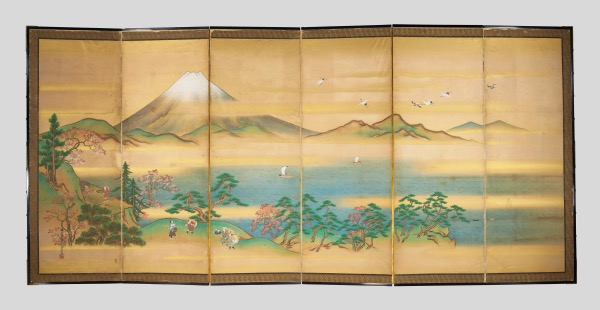
Itaya Hiroharu, folding screen paintings, 1860. Sent to Queen Victoria by Shōgun Tokugawa Iemochi, 1860.

A first-of-its-kind exhibition featuring the Royal Collection’s Japanese works of art opens at the Queen’s Gallery, Buckingham Palace, tomorrow. Japan: Courts and Culture, features more than 150 works including rare porcelain, samurai armour, woodcut prints, embroidered screens and a range of diplomatic gifts sent during the reigns of monarchs ranging from King James I to Queen Elizabeth II. Among the highlights are a pair of folding screens sent to Queen Victoria in 1860 from the Japanese Shōgun Tokugawa Iemochi which will go on public display for the first time since they arrived at the British court 162 years ago. The screen paintings, which depict the changing seasons, were not thought to have survived but in recent years research has revealed the two screens were the work of Itaya Hiroharu, one of the artists likely to have worked on Queen Victoria’s gifts. Also included in gift was a set of lacquer furniture, spears inlaid with glittering mother of pearl, and swords made by leading court swordsmiths – all of which will also be on display. Admission charge applies. Runs until 26 February, 2023. For more, see www.rct.uk.

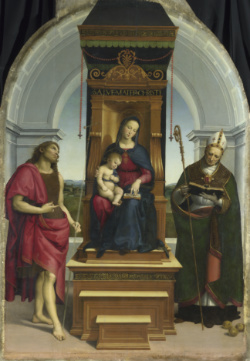
Raphael, The Madonna and Child with Saint John the Baptist and Saint Nicholas of Bari (‘The Ansidei Madonna’) (1505), © The National Gallery, London

• Marking the 500th anniversary of the death of Raphael, one of the first-ever exhibitions to explore the complete career of this giant of the Italian Renaissance opens at The National Gallery on Saturday. The Credit Suisse Exhibition: Raphael, which was supposed to be held in 2020 and was delayed due to the coronavirus pandemic, features more than 90 exhibits. They include a rare gathering of Raphael’s paintings of the Virgin and Child including Ansidei Madonna (The Virgin and Child with Saint John the Baptist and Saint Nicholas of Bari) (1505), two bronze roundels – The Incredulity of Saint Thomas and The Descent into Limbo – from Santa Maria della Pace which have never previously exhibited outside Italy and which are attributed to Cesarino Rossetti after designs by Raphael, and a room devoted to Raphael’s frescoes for Pope Julius II’s private apartments. There are also several of his original print designs, an survey of ancient Rome he undertook for Pope Leo X, tapestry designs including Saint Paul Preaching at Athens (workshop of, or on behalf of, Pieter van Aelst, active about 1490–1533, after design by Raphael, about 1517–19), and portraiture from his final years including Portrait of Lorenzo de’ Medici (1518) and Portrait of Baldassare Castiglione (1519). Admission charge applies. Runs until 31st July. For more, see www.nationalgallery.org.uk/exhibitions/the-credit-suisse-exhibition-raphael.

• The British Library’s Food Season kicks off today with almost two months of online and in-person events inspired by the cookbooks, recipes and culinary stories in the collection. Highlights include chef Ainsley Harriott talking about his life and career with food-writer Melissa Thompson, food-writer Maunika Gowardan celebrating India’s breadth of food cultures with chefs and food-writers including Ravinder Bhogal, Romy Gill, Kavi Thakrar and Farokh Talati, chef and broadcaster Andi Oliver discussing Jessica B Harris’ 50- year career examining the history and meaning of food for the African diaspora, and psychologist Kimberley Wilson chairing a discussion about the food prisoners are fed inside British correctional institutions and if it impacts rehabilitation. Now in its fifth year, the 2022 Food Season is supported by KitchenAid. For the full programme of events, head to www.bl.uk/events/food-season.

Textile designer Enid Marx – famous for her seat fabric designs on the London Underground – has been honoured with an English Heritage Blue Plaque. The plaque was unveiled this week at her former home at 39 Thornhill Road where she lived and worked for more than 30 years. Marx, who shared the house with her partner, Margaret Lambert, and friends Eleanor Breuning and Grace Lambert (Breuning continues to live at the house today), had a purpose-built studio in the back garden which remains in similar condition to when she left it almost 25 years ago. Alongside her work for the London Underground, Marx also is known for her design of postage stamps marking the start of Queen Elizabeth II’s reign in 1953. For more, see www.english-heritage.org.uk/visit/blue-plaques/.