This Week in London – Art deco at the London Transport Museum; art storage during WWII commemorated; and, William Dobson’s self-portrait…

An exhibition exploring the influence of the art deco movement on graphic poster design in on now at the London Transport Museum in Covent Garden. Art deco: the golden age of poster design features more than a hundred original 1920s and 1930s transport posters and poster artworks alongside photography, short films, ceramics and other objects to mark the centenary of the 1925 Paris exhibition where art deco originated. In the UK, Frank Pick, then-chief executive of London Transport, was the individual most responsible for advancing this form of graphic style, master-minding the publicity for the Underground and LT from 1908 onwards. A number of the posters in the exhibition in the Global Poster Gallery have never been put on public display before. Admission charge applies. For more, see www.ltmuseum.co.uk/whats-on/art-deco.
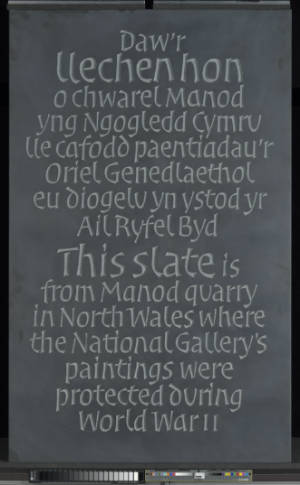
Jeremy Deller, designed and carved by John Neilson ‘Manod Slate Tablet’, 2025 © Jeremy Deller / John Neilson
Photo: The National Gallery, London

An inscribed stone tablet commemorating the Welsh quarry where The National Gallery’s art was protected during World War II has been put on permanent display in the gallery. The tablet, made from slate taken from the Manod quarry in Eryri (Snowdonia), was conceived by the artist Jeremy Deller and designed and carved by letter-carver John Neilson. The work, which was commissioned by Mostyn, an art gallery in Llandudno and supported by CELF – the national contemporary art gallery for Wales, can be seen in the Portico Vestibule, close to Boris Anrep’s floor mosaic of Sir Winston Churchill depicted in war time. The Manod slate mine in north Wales was chosen to store the art after an earlier proposal to evacuate the works to Canada was vetoed over fears of U-boat attacks. At the mine, explosives were used to enlarge the entrance to allow access for the the largest paintings and several small brick ‘bungalows’ were built within the caverns to protect the paintings from variations in humidity and temperature. What was known as an ‘elephant’ case was constructed to transport the paintings on trucks from London and, by the summer of 1941, the entire collection had moved to its new subterranean home, where it was to remain for four years, returning to London only after the end of the war in 1945. For more see www.nationalgallery.org.uk/.
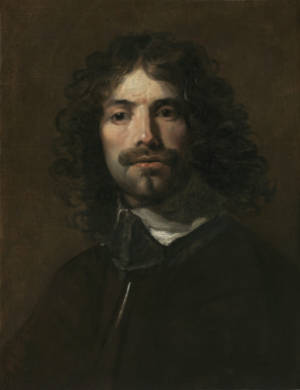
William Dobson, ‘Self-Portrait’, c1635-40. Image courtesy of Tate and the National Portrait Gallery

A self-portrait by William Dobson, widely considered to be the first great painter born in Britain, has gone on display at Tate Britain alongside a Dobson’s portrait of his wife. Dobson’s painting, which was acquired by the Tate and the National Portrait Gallery, was made between 1635 and 1640 and is said to be a “groundbreaking example of English self-portraiture”. His Portrait of the Artist’s Wife (c1635-40), which joined Tate’s collection in 1992, depicts Dobson’s second wife Judith and would have been conceived around the time of their marriage in December, 1637. Dobson rose to the role of King Charles I’s official painter before his career was cut tragically short when he died at the age of 35. For more, see tate.org.uk/visit/tate-britain.

• Send items for inclusion to exploringlondon@gmail.com.
This Week in London – Millet at The National Gallery; exploring Great Ormond Street Hospital’s new children’s cancer centre; and, a Banksy at the London Transport Museum…

The first UK exhibition in almost 50 years dedicated to the works of 19th century French artist Jean-François Millet (1814-1875) opens at The National Gallery today. Millet: Life on the Land, which coincides with the 150th anniversary of his death, features around 13 drawings and paintings from British public collections including The National Gallery’s The Winnower (about 1847‒8) as well as L’Angelus (1857‒9) from the Musée d’Orsay, Paris. The exhibition can be seen in Room 1 until 19th October. Admission is free. For more, see www.nationalgallery.org.uk/exhibitions/millet-life-on-the-land.

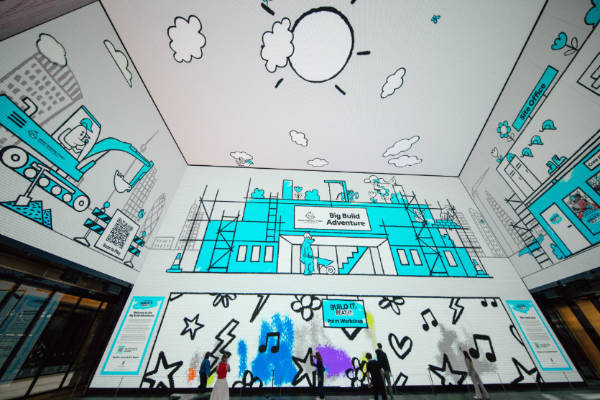
The Big Build Adventure at Outernet London.

An immersive digital experience which brings to life the Great Ormond Street Hospital’s new Children’s Cancer Centre opened at Outernet London off Tottenham Court Road this week. The Big Build Adventure, a partnership between the Great Ormond Street Hospital Charity and Outernet London, features a giant virtual paint wall, building themed games, a construction site selfie station and the chance to symbolically buy a brick to help build the centre. The free experience can be experienced until 31st August. Admission is free. For more, see www.outernet.com/news/great-ormond-street-hospital-charity-and-outernet-studios-launch-the-big-build-adventure.

An artwork by Banksy – depicting a rat hanging from the arm of a clock – has gone on show at the London Transport Museum in Covent Garden. The artwork first appeared on the door of a Transport for London signal controller cabinet in Croydon in October, 2019, which was located in front of the artist’s pop-up showroom installation, Gross Domestic Product. The work, which was preserved by the museum, has been mounted onto an identical cabinet body to provide context for its original appearance. Admission charge applies. For more, see www.ltmuseum.co.uk.

Send all items for inclusion to exploringlondon@gmail.com

This Week in London – London’s transport history captured; Sir Quentin Blake’s foundling portraits; and, the history of prison healthcare…

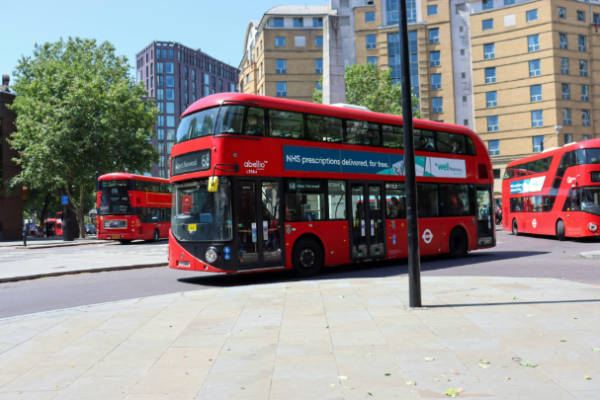
Some of London’s iconic red buses (not one of the images in the exhibition). PICTURE: Dele Oke/Unsplash

A new photographic display featuring a mix of historical and newly commissioned images has gone on show at the London Transport Museum. The exhibition – Then and now: London’s transport in photographs – marks the 25th anniversary of Transport for London and more than 160 years of transport history within the capital and features 40 photographs exploring how public transport in London has evolved amid social change. As well as historical images drawn from the collection, the display features images taken by photographer and train driver, Anne Maningas. Runs until spring, 2026. Admission charge applies. For more, see www.ltmuseum.co.uk/visit/museum-guide/then-and-now-londons-transport-photographs.

A display of portraits by acclaimed artist Sir Quentin Blake has gone on show at the Foundling Museum in Bloomsbury. The Foundling Portraits: Quentin Blake features a series of 10 Stabilo watercolour pencil on paper artworks which depict imaginary children created by Blake during a period of self-isolation during the COVID-19 pandemic. The images are among a collection of 45 which were gifted to the museum by Sir Quentin. Admission charge applies. For more, see https://foundlingmuseum.org.uk/event/the-foundling-portraits-quentin-blake/.

On Now: Prison Nursing Unlocked – A History of Care and Justice. This exhibition at the Royal College of Nursing Library and Museum in Cavendish Square looks at the role of health care in prisons, from the work of early reformers like Elizabeth Fry to the role nurses play today. Co-created with Royal College of Nursing members, it tells the story of the suffragettes who were force-fed in Holloway Prison, the formation of secure hospitals like Broadmoor, and features artwork created by prisoners and nurses at HM Prison Eastwood Park and HM Prison Warren Hill. Runs until 19th December. For more (and a link to the exhibition online), see www.rcn.org.uk/news-and-events/news/prison-nursing-unlocked-exhibition.

Send all items to exploringlondon@gmail.com

This Week in London – “Our Story with Sir David Attenborough”; the Royal Academy’s 257th Summer Exhibition; and, an appeal for restoring three Underground carriages…

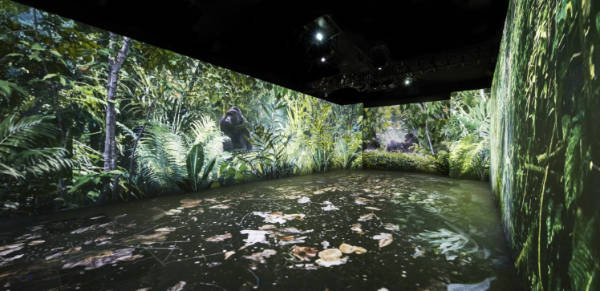
Our Story with David Attenborough. PICTURE: © Trustees of the Natural History Museum

Our Story with David Attenborough – the first ever immersive experience at the Natural History Museum – opens its doors today. Created by Open Planet Studios, the 50 minute experience in the Jerwood Gallery features animations, projections, real-world footage and full 360 degree immersion as Sir David draws on his life of exploration to tell the story of humanity and the planet on which we live. The experience is taking bookings until 18th January, 2026. Admission charge applies. For more, see www.nhm.ac.uk/visit/exhibitions/our-story-with-david-attenborough.

The Royal Academy’s 257th Summer Exhibition opened this week. Co-ordinated by internationally acclaimed architect and Royal Academician Farshid Moussavi in conjunction with the Summer Exhibition Committee, this year’s display of art and architecture explores the theme of ‘Dialogues’. Among the works on show is a six metre high installation of ostrich feathers and steel chain by British artist Alice Channer, a 4.5 metre high and seven metre wide wall made from deconstructed matchboxes by Brazilian artist Antonio Tarsis, and installation of textile carcasses by Argentine-American artist Tamara Kostianovsky. Meanwhile, the Annenberg Courtyard hosts a large scale installation by Royal Academician Ryan Gander which features five three metre diameter inflatable balls inscribed with absurd questions developed with children in a representation of the “inquisitiveness of children who ask what grown-up minds often dismiss as nonsensical or illogical”. Runs until 17th August. Admission charge applies. For more, see royalacademy.org.uk.

The London Transport Museum has launched an appeal for £30,000 to help complete the restoration of three 1930s Q stock Underground carriages. The funds will be used to re-upholster the seats of two of the Underground cars in moquette – the durable, woollen seating material used in upholstery on public transport all over the world. Q stock trains first entered service on the District line in November, 1938, and were retired from service in 1971. The restoration of the three carriages – which aims to restore them to operational condition – has mainly been carried out at the London Transport Museum Depot in Acton, west London. Donations can be made on London Transport Museum’s website: www.ltmuseum.co.uk/make-donation?campaign=qstock

Send all items for inclusion to exploringlondon@gmail.com.
This Week in London – Portraits from ‘The Face’; jazz and classical music at the London Transport Museum; and, Ralph Steadman at the Heath Robinson Museum…

Iconic portraits which featured in the trail-blazing magazine, The Face, have gone on show from today at the National Portrait Gallery off Trafalgar Square. The Face Magazine: Culture Shift features more than 200 prints by more than 80 photographers including Sheila Rock, Stéphane Sednaoui, David LaChappelle, Corinne Day, Elaine Constantine, Juergen Teller and Sølve Sundsbø. The display explores how the cult magazine, which ran from 1980 to 2004 before being relaunched in 2019, impacted culture in the Eighties, Nineties and Noughties and in particular how it shaped the tastes of Britain’s youth. Runs until 18th May. Admission charges apply. For more, see www.npg.org.uk.

Visitors to the London Transport Museum are being treated to live performances from some of London’s most promising classical and jazz musicians under a new initiative which kicked off earlier this month. The young musicians, from the Guildhall School of Music and Drama, Royal Academy of Music, Royal College of Music, or Trinity Laban, are performing in a programme designed to equip them with real-world performance experience. The music is being performed over various dates until 24th October. For more details, see www.ltmuseum.co.uk/whats-on/music-museum.

A new exhibition celebrating the work of illustrator Ralph Steadman has opened at the Heath Robinson Museum in Pinner. Ralph Steadman: INKling spans the 70 years of Steadman’s career and covers his literary illustrations, including Steadman’s interpretations of Alice in WonderlandAnimal Farm, and Treasure Island, his illustrations for children’s books such as From Fly Away Peter (1963) and The Ralphabet (2023), and the “Gonzo art” he created in collaboration with Hunter S Thompson. Runs until 10th May. Admission charges apply. For more, see www.heathrobinsonmuseum.org/#whatson.

Send all items to exploringlondon@gmail.com.

This Week in London – One of the world’s most valuable watches at Science Museum; medieval silk bag (with a story) goes on show at Westminster Abbey; and, new electric bus display at London Transport Museum…

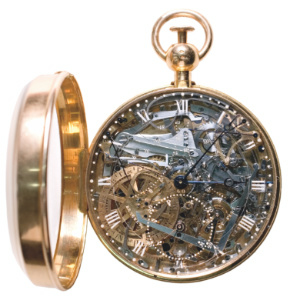
The ‘Marie Antoinette’ perpetuelle, Breguet, No 160, Paris, 1783-1820
© The Museum for Islamic Art, Jerusalem

One of the world’s most valuable watches – the No 160 watch which Abraham-Louis Breguet designed for Marie Antoinette but which wasn’t completed until the 1820s, well after her death – is the star of the show at the Science Museum’s new exhibition Versailles: Science and Splendour. Opening today, the exhibition, created in partnership with the Palace of Versailles, takes visitors on “a 120-year journey through the evolution of science at Versailles” and explores how Louis XIV, Louis XV and Louis XVI encouraged the pursuit of scientific knowledge and harnessed that knowledge as a tool of power. More than 100 objects are on display and, along with Breguet’s watch, they include Louis XV’s rhinoceros, a detailed map of the moon by Jean-Dominique Cassini, and Claude-Siméon Passemant’s Clock of the Creation of the World (1754). The watch, meanwhile, has its own fascinating history, including two decades in which its whereabouts were unknown after it was stolen in 1983 (in fact, its display in this exhibition marks the first time the timepiece has travelled abroad since its safe return to the LA Mayer Museum for Islamic Art in 2008). Runs until 21st April. Admission charge applies. For more, see sciencemuseum.org.uk/see-and-do/versailles.

• A medieval silk seal bag, which dates from the reign of King Henry III, has gone on public display for the first time in the Queen’s Diamond Jubilee Galleries at Westminster Abbey. The display follows the discovery by scholars that the bag’s material is a perfect match to the silk cloth used to wrap the remains of the Emperor Charlemagne when he was buried in Germany’s Aachen Cathedral (Charlemagne, seen as the first Holy Roman Emperor, died in 814 but was re-buried in the karlsschrein (Charles’s shrine) at Aachen in 1215). The bag at the abbey contains a wax seal, the Great Seal of King Henry III, which was attached to an inventory of the jewels and precious items on Edward the Confessor’s shrine located in the heart of the abbey. It was drawn up in 1267 when Henry III was in financial difficulties and forced to pawn items from the shrine to Italian merchants to raise funds (it is believed the items were all returned within 18 months). The silk used for Charlemagne’s shroud is believed to have been spun in the 12th century in Spain or the eastern Mediterranean and, while the small piece at the Abbey originates from a separate silk, it is understood that it would have been produced by the same weavers on the same loom. The bag can been seen until Easter next year. Admission charge applies. For more, see www.westminster-abbey.org/visit-us/plan-your-visit/the-queens-diamond-jubilee-galleries/.

A new interactive electric bus display has opened at the London Transport Museum in Covent Garden. The Wrightbus Electroliner display – which has been provided by Transport UK London Bus – is based on an electric vehicle bus type which has been part of the fleet of buses operating in London since 2023. The new display features the front of the bus and includes an interactive driver cab and passenger space. Admission charge applies. For more, see www.ltmuseum.co.uk.

Send all items for inclusion to exploringlondon@gmail.com.
This Week in London – Underground shelters in wartime – then and now; new Ravenmaster at the Tower; and, ‘La Ghirlandata’ back at the Guildhall Art Gallery…

A new photographic exhibition exploring how Underground stations and metro systems provide shelter to citizens during periods of war, both now and in the past, opened at the London Transport Museum in Covent Garden last week. Echoes of the Blitz: Underground shelters in Ukraine and London features 70 images, including historical pictures from the museum’s collection as well as 38 contemporary photographs shot by six renowned, mainly Ukrainian, documentary photographers. The latter include photography showing ordinary Ukrainian citizens sleeping, waiting, cooking, washing clothes, caring for their pets and creating temporary make-shift homes in metro stations of Kyiv and and Kharkiv show alongside black and white archive images of Londoners taking refuge in Tube stations during World War II. The exhibition, which is being run in partnership with Berlin-based journalistic network n-ost, can be seen until spring next year. Admission charge applies. For more, see www.ltmuseum.co.uk.

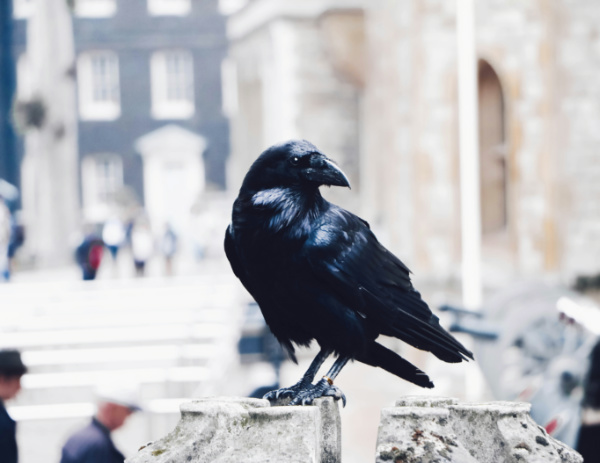
A raven at the Tower of London. PICTURE: Kasturi Roy/Unsplash

A new Ravenmaster has been appointed at the Tower of London. Yeoman Warder Michael ‘Barney’ Chandler took up the role at the start of this month, 15 years after he first became a Yeoman Warder at the Tower. The Ravenmaster oversees a team of four responsible for the care of the Tower’s seven ravens which legend says must remain at the Tower to ensure its protection. The legend apparently goes back to at least the reign of King Charles II – when the King’s astronomer John Flamsteed complained that the resident ravens were impeding his work at the Tower and requested their removal, the King was told that if the ravens left the Tower then the Kingdom would fall (and so they remained). While the Yeoman Warders have longed cared for the ravens, the post of Ravenmaster was only created in the past 50 years and was first held by Yeoman Warder Jack Wilmington. Yeoman Warder Chandler, who became the 387th Yeoman Warder at the Tower when he was appointed in March, 2009, is only the sixth person to hold the office. For more, see www.hrp.org.uk/tower-of-london/.

One of the most popular paintings at the Guildhall Art Gallery is being reinstalled to mark International Women’s Day on Friday. Dante Gabriel Rossetti’s La Ghirlandata has been on loan – first to the Tate Britain and then to the Delaware Art Museum in the US – but is now being returned. The painting dates from 1873 and depicts a ‘garlanded woman’ playing an arpanetta and looking directly at the viewer. The muse for the woman is said to have been the actor and model, Alexa Wilding, while the two ‘angels’ in the top corners were posed by William and Jane Morris’ youngest daughter, May Morris. The City of London Corporation acquired the oil on canvas work in 1927. On Saturday, free family activities will be held at the gallery to mark the work’s return. For more, see www.thecityofldn.com/la-ghirlandata.

Send items to exploringlondon@gmail.com.

This Week in London – London’s transport posters on show; a musical exploration at the Science Museum; and, ‘Petrichor’ at Kew…

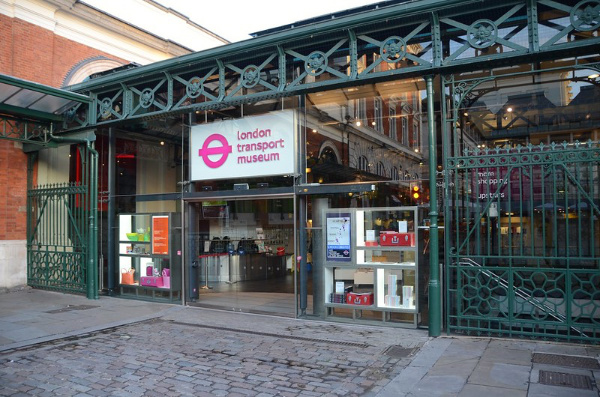
London Transport Museum in Covent Garden. PICTURE: Marcus Meissner (licensed under CC BY 2.0)

The first permanent gallery dedicated to the history of poster art and design at the London Transport Museum in Covent Garden opens tomorrow. The new Global Poster Gallery, sponsored by Global, the Media & Entertainment Group, showcases the museum’s collection of 20th century graphic art and design – one of the world’s largest. The new gallery, which is set over two floors, launches with the exhibition, How to Make a Poster, and an accompanying programme of events. The exhibition visually explores the process of creating posters from the pre-digital age from 1900 and features more than 110 poster artworks and posters including the Underground’s very first pictorial poster titled No need to ask a p’liceman by John Hassall, dating from 1908. Admission charge applies. The exhibition runs until 2025. For more, see www.ltmuseum.co.uk.

A new interactive exhibition exploring the mysterious hold music can have over us opens at the Science Museum today. Turn It Up: The power of music features historic music players, inventions and unusual instruments. Among the inventions on show are the MiMU gloves invented by Imogen Heap and used by Ariana Grande and Kris Halpin which use gestures to control electronic music-making software, and a virtual instrument called Headspace, created by professional trumpeter Clarence Adoo and inventor Rolf Gelhar after Adoo was paralysed from the shoulders down in a car accident while among the unusual instruments are the pyrophone organ powered by flames to the Anarchestra satellite dish which can be played in multiple new ways to make music. The exhibition can be seen until 6th May at the South Kensington premises. Admission charges apply. For more, see www.sciencemuseum.org.uk.

The work of acclaimed contemporary artist Mat Collishaw goes on show tomorrow at Kew Garden’s Shirley Sherwood Gallery of Botanical Art on Saturday. Highlights of the exhibition – Petrichor – include the UK premieres of Alluvion, a series of six new AI artworks inspired by Dutch Old Masters, and the large-scale projected work Even to the End. Other works include Heterosis – a collection of dynamic NFT’s which combine genetic algorithms with blockchain technology to facilitate the hybridisation of mutable digital flowers, The Centrifugal Soul – a zoetrope which creates a stunning illusion of motion, and Albion – a large-scale piece in the form of an intricate 19th-century ‘Pepper’s Ghost’ illusion which depicts the Major Oak in Sherwood Forest. Runs until 7th April. Admission charge applies. For more, see www.kew.org.

Send all items for inclusion to exploringlondon@gmail.com.
This Week in London – Stonehenge at the British Museum, and, Caribbean transport workers focus of new Transport Museum display…

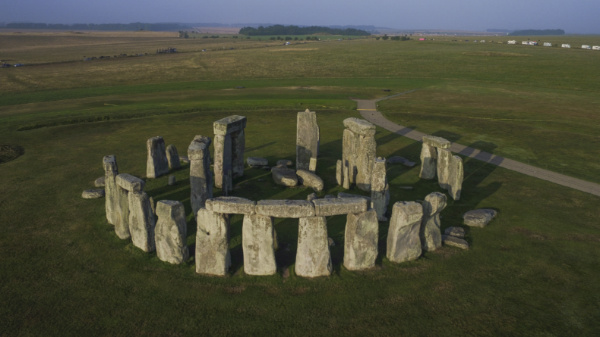
Stonehenge © English Heritage
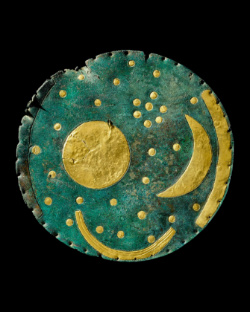
Nebra Sky Disc, Germany, about 1600 BC. PICTURE: Courtesy of the State Office for Heritage Management and Archaeology Saxony – Anhalt, Juraj Lipták.

The UK’s first major exhibition on the story of Stonehenge opens at the British Museum today. The World of Stonehenge features more than 430 objects gathered from across Europe including Bronze Age grave goods unearthed near Stonehenge in the grave of a man known as the Amesbury Archer, the Nebra Sky Disc – the oldest surviving representation of the cosmos anywhere in the world, and the 4,000-year-old wooden monument, called Seahenge, that was discovered in 1998 on a Norfolk beach (and is being loaned for the exhibition for the first time). Admission charge applies. The exhibition can be seen in the Sainsbury Exhibitions Gallery until 17th July. For more, see www.britishmuseum.org/exhibitions/world-stonehenge

The contribution people of Caribbean heritage have made to London’s transport history is the subject of a new exhibition at the London Transport Museum in Covent Garden. Legacies: London Transport’s Caribbean Workforce features personal oral histories from past and present generations of people of Caribbean descent along with newly commissioned and re-edited films, archive photography, historic advertising posters, and objects such as a Syllabus of Training for Cooks manual from staff canteens. The exhibition is expected to run until summer 2024. Included in general admission. For more, see www.ltmuseum.co.uk/legacies.

Send all items for inclusion to exploringlondon@gmail.com

This Week in London – Open House London; ‘After Dark’ at the London Transport Museum; and, Korky Paul at the Heath Robinson…

St Leonards Court Air Raid Shelter in Sheen. PICTURE: Courtesy of Open House London

Open House London kicks off this weekend and this year is being billed as a nine day ‘festival’ of the city’s architecture and urban landscapes. This year’s programme features “hidden gems” such as a World War II air raid shelter designed to appear like an old dovecote or garden storeroom in East Sheen (pictured right) and the UK’s only Brutalist Quaker Meeting House in Blackheath as well as buildings deemed at risk from demolition such as the soon to be vacated City Hall and Notting Hill’s landmark Trellick Tower. The programme also features five of London’s outstanding housing estates in a bid to celebrate those estates which helped support positive wellbeing during the COVID-19 pandemic. There’s also a number of important projects from some of the black, Asian and ethnic minority designers as well as annual programme favourites like 10 Downing Street, the HM Treasury building, and various churches across the metropolis. For the full programme of events (most of which are free but some of which have to be rebooked), check out https://open-city.org.uk/open-house.

• The first in a new series of ‘After Dark’ events kicks off at the London Transport Museum on Friday night. The nights, which run from 6,30pm to 9pm, come with a variety of themes starting with a night themed around the museum’s ‘Hidden London’ tours of ‘ghost’ stations and other secret sites across the Capital’s transport network. As well as the chance to explore the museum’s galleries free from crowds and enjoy the thematic fun, guests can also visit a pop-up bar featuring the museum’s signature red Routemaster cocktail. For full details of the events, head to www.ltmuseum.co.uk/news/new-season-after-dark-evening-events-kick-september.

The work of award-winning illustrator Korky Paul will be on display at the Heath Robinson Museum on Saturday. Korky Paul’s Magic of Illustration (with a Flying Visit from Winnie and Wilbur) is the first solo exhibition of his original work which includes such characters as Winnie the Witch, The Fish Who Could Wish, Professor Puffendorf and Sir Scallywag. The exhibition will provide an insight into Korky Paul’s process of illustrating and preparing illustrations by drawing on his archive of drawings and other material relating to the development of the illustrations of each book and its publication. Korky Paul, whose work “often clearly shows the influence of Heath Robinson’s humorous drawings” according to the museum, has sold over 10 million of books worldwide in more than 35 languages. Runs until 9th January. Admission charge applies. For more, see www.heathrobinsonmuseum.org.

Send items for inclusion to exploringlondon@gmail.com.
This Week in London – Well-being at Kew; Poussin wins credit for ‘The Triumph of Silenus’; and, Euston explored…

Kew Gardens have unveiled a new programme of well-being events with the aim of encouraging people to enjoy the outdoors after the COVID-19 lockdown. The events, all of which will be COVID-19 safe and follow government guidelines, including everything from forest bathing sessions in the Arboretum inspired by the Japanese art of Shinrin-yokuto, a rare chance to cycle through the gardens on an evening bike ride, pilates in the Nash Conservatory and yoga sessions in the Temperate House. Check the Kew website for dates and times and admission charges.

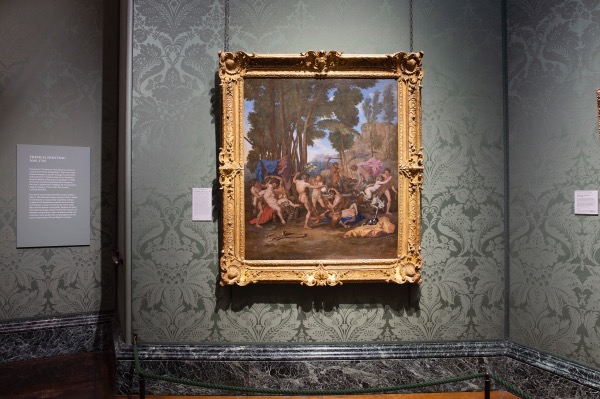
The Triumph of Silenus hanging in Room 29 at The National Gallery. PICTURE: © The National Gallery

• The creator of The Triumph of Silenus (c1637), which was one of the first paintings to enter the collection of The National Gallery when it did so in 1824, has been confirmed as 17th century French painter Nicolas Poussin. The painting had long been plagued by questions of authenticity but following recent conservation work and in-depth technical analysis, it has been confirmed as a work of Poussin. The confirmation means the gallery holds 14 works by Poussin, making it one of the world’s leading collections of paintings by him. Later this year, the picture will feature in a new exhibition, Poussin and the Dance.

• People will have the chance to see parts of Euston Station usually not accessible to the public on a new virtual tour announced by the London Transport Museum. The tour is part of the next season of ‘Hidden London’ virtual events with new dates also to be announced for tours of King William Street, Brompton Road, Holborn (Kingsway) and Aldwych. Meanwhile, the museum will recommence its ‘Secrets of Central London’ walking tour in the West End on 17th May. Charges apply. For more on the virtual tours and dates, head to www.ltmuseum.co.uk/hidden-london/virtual-tours.

Send all items for inclusion to exploringlondon@gmail.com.
This Week in London – Female pirates at Wapping; historic Zoom backgrounds; and, new virtual tours of London’s hidden Underground…

As controversy continues to swirl around the statue dedicated to Mary Wollstonecraft in Newington Green, another statue was unveiled in London this week – this time depicting two women pirates which some accounts say were lovers. The statue of Mary Read and Anne Bonny was unveiled at Execution Dock on the north bank of the Thames at Wapping – a site where pirates and smugglers were put to death for more than 400 years. Commissioned by audiobook company Audible to mark the release of a podcast, Hell Cats, a dramatic interpretation of the two women’s lives, the statue of Read and Bonny is the work of artist Amanda Cotton. Early next year it will be relocated to Burgh Island off the south Devon coast.

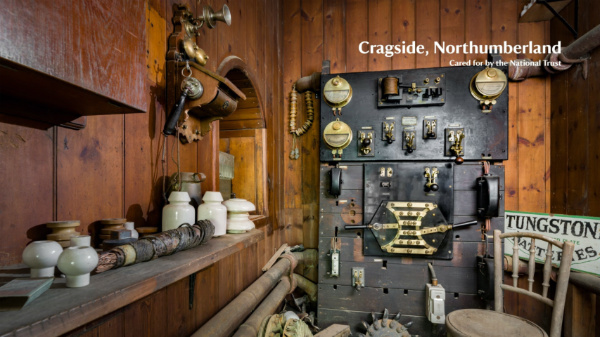
The National Trust has released a series of six free downloadable backdrops – featuring some of the star interiors from its properties – for use in virtual meetings. The backdrops on offer include Vita Sackville-West’s writing room in the tower at Sissinghurst Castle in Kent, Agatha Christie’s library at Greenway, and the ‘Office of the Caretaker of the Electric Light’ at Cragside (pictured above). Different backgrounds will come online in coming weeks. Head to www.nationaltrust.org.uk/features/virtual-backgrounds-for-zoom

The London Transport Museum has unveiled three new virtual tours taking in the Holborn (Kingsway) area, Brompton Road station and King William Street station. The tours, part of the museum’s Hidden London programme, provide access to areas not usually open to the public as well as to historic archival material and footage from the museum’s collection and are led by expert guides on Zoom. Admission charges apply. For more, including dates, see www.ltmuseum.co.uk/hidden-london/virtual-tours.

Send all items for inclusion to exploringlondon@gmail.com

This Week in London – National Maritime Museum, London Transport Museum reopen; and, Picasso at BASTIAN gallery…

The National Maritime Museum in Greenwich opens its doors this Monday, 7th September. Those who visit in the first week will be able to see all the winning images in the ‘Insight Investment Astronomy Photographer of the Year’ competition.Entry is free but tickets must be booked in advance. For more, see www.rmg.co.uk/national-maritime-museum.

• Other reopenings include the London Transport Museum in Covent Garden which also throws back its doors on Monday. Along with displays including historic vehicles and iconic posters, the reopening includes the ‘Hidden London’ exhibition revealing London’s ‘abandoned’ Underground stations. Tickets must be booked in advance. Admission charges apply. For more, see www.ltmuseum.co.uk.

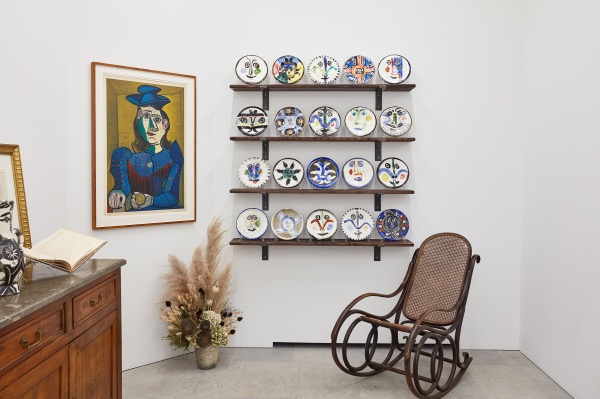
Picasso’s Cannes’ studio has been recreated in an immersive experience  at the BASTIAN gallery in Mayfair. Atelier Picasso is an installation-style exhibition and features furniture, sculptures, ceramics, drawings and prints. Highlights include portraits of the artist taken by his friend André Villers, ceramic works such as Wood Owl (1969) and Carreau Visage d’Homme (1965), lithograph and linocut posters and books including Gallieri Jorgen Expose Le Lithographies de L’atelier Mourlot (1984), and the masterpiece Minotaure caressing une dormeuse from the artist’s Vollard Suite. Admission is free. For more, see www.bastian-gallery.com. PICTURE: Courtesy of Luke Andrew Walker.

Send all items for inclusion to exploringlondon@gmail.com.
This Week in London – Family fun at London Transport Museum Depot; and, Science Museum reopens…

The London Transport Museum Depot in Acton Town has flung its doors open for 10 days of “special family fun”. The depot, which houses more than 320,000 items from the city’s transport history including vintage London buses and classic Tube trains, now features a special family-friendly trail for the 10 day season which takes a look at historic vehicles from the past 200 years including a yellow 1881 horse drawn ‘garden seat’ bus and a red 1938 Stock Tube train. The London Transport Miniature Railway will be running and all children visiting will receive a special sealed pack including a craft kit. Admission charges apply and tickets must be prebooked for times between 11am and 6pm until Sunday, 23rd August, and from Wednesday, 26th to Sunday 30th August. For more, see www.ltmuseum.co.uk/whats-on/depot-summer.

The Science Museum in South Kensington reopened its doors this week after a closure of five months. As well as the innovative Wonderlab: The Equinor Gallery – which features interactive exhibits and live, socially-distanced science demonstrations – and the world’s largest medical galleries – Medicine: The Wellcome Galleries, visitors will be able to take in the temporary exhibition, Driverless: Who is in control?, the season of which has been extended to January next year. Tickets, which are free, must be pre-booked online and social distancing measures apply in the museum. For more, see www.sciencemuseum.org.uk.

Send all items for inclusion to exploringlondon@gmail.com

This Week in London – Britain’s Baroque culture; a celebration of orchids and Indonesia; and, London’s “hidden” Underground…

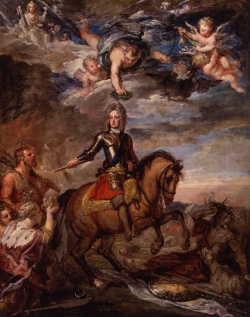
Britain’s Baroque culture – spanning the period from the Restoration of King Charles II to the death of Queen Anne in 1714 – is the subject of a new exhibition which opened this week at Tate Britain. British Baroque: Power and Illusion – the first major exhibition on the subject – shows how magnificence was used to express status and influence and features works by painters including Sir Peter Lely, Sir Godfrey Kneller, and Sir James Thornhill as well as designs, prints and wooden models of the works of architects like Sir Christopher Wren, Nicholas Hawksmoor and Sir John Vanbrugh. The importance of portraiture, the visual differences in Protestant and Catholic worship and the illusions contained in painted baroque interiors are all explored in the display along with how the subject of war was dealt with through heroic equestrian portraiture, panoramic battle scenes and accompanying propaganda. The exhibition, which is being accompanied by a programme of events, runs until 19th April. Admission charge applies. For more, see www.tate.org.uk. PICTURE: Godfrey Kneller, John Churchill, 1st Duke of Marlborough, c1706, National Portrait Gallery, London.

The 25th Kew Orchid Festival kicks off at Kew Gardens on Saturday in a celebration of the wildlife and culture of Indonesia. Located in the Princess of Wales Conservatory, the festival will take visitors on an immersive journey evoking the sights, smells and sounds of Indonesia though a series of orchid displays which include a life-sized animals such as orang-utans, a tiger and a rhinoceros, an archway made of hundreds of carnivorous pitcher plants and an erupting volcano. A programme of evening events featuring gamelan music and traditional dancers as well as cooking demonstrations by renowned author and chef Petty Elliott is also planned – these must be booked online in advance. Admission charge applies. Runs until 8th March. For more, see www.kew.org.

On Now: Hidden London: The Exhibition. This display at the London Transport Museum in Covent Garden takes visitors on an immersive journey to some of the secret places in the Tube network. Featuring rare archive photos, objects, vintage posters, secret diagrams and decorative tiles from disused stations, it uncovers stories such as how Churchill took shelter in the Railway Executive Committee’s bomb-proof headquarters deep underground at Down Street station at the height of the Blitz during World War II and how almost 2,000 members of staff, mostly women, worked in the Plessey aircraft underground factory located in two 2.5 mile-long tunnels on the eastern section of the Central line. The exhibition is being accompanied by a series of events including late openings and tours. Runs until next January. For more, see www.ltmuseum.co.uk/whats-on/exhibitions/hidden-london#.

Send all items for inclusion to exploringlondon@gmail.com

This Week in London – “Spain’s Impressionist” at the National Gallery; and, London stories, told on a poster…

The first major UK exhibition of the work of “Spain’s Impressionist”, Joaquín Sorolla y Bastida (1863-1923), opens at the National Gallery on Monday. Sorolla: Spanish Master of Light – the first UK retrospective of the artist’s work since 1908 when he mounted an exhibition in London’s Grafton Galleries, spans seven rooms in the Sainsbury Wing and features more than 60 works including portraits and scenes of Spanish life as well as the landscapes, garden views and beach scenes for which he is most renowned. Highlights include his first great success, Another Marguerite! (1892 – pictured), The Return from Fishing (1894), Sewing the Sail (1896), Sad Inheritance! (1899), a portrait of the American painter Ralph Clarkson (1911) and Female Nude (1902) – both of which were responses to the work of Velázquez, large scale preparatory studies from 1912 for Vision of Spain, and sizeable canvases painted out of doors such as Strolling along the Seashore (1909) and The Siesta (1911). The exhibition, which runs until 7th July, is organised in partnership with the National Gallery of Ireland and the Museo Sorolla, Madrid. Admission charge applies. For more, see www.nationalgallery.org.uk. PICTURE: Joaquín Sorolla y Bastida, ¡Otra Margarita! (Another Marguerite!), 1892. Oil on canvas, Mildred Lane Kemper Art Museum, Washington University in St Louis. Gift of Charles Nagel, Sr, 1894.

On Now – The Poster Prize for Illustration 2019 – London Stories. One hundred illustrations depicting an aspect of London – in a current or historical, real or fictional state – and capturing a familiar or lesser-known narrative in a single image are on show at the London Transport Museum. The images were selected by a panel of judges and visitors have the chance to vote for their favourite poster with the winning illustration to be announced in June (it will then become a permanent part of the museum’s collection). Runs until 14th July. There’s a series of talks accompanying the display including ‘Bus Fare: Stories of the London Bus’ open 21st March. Admission charges apply. For more, see www.ltmuseum.co.uk/whats-on/exhibitions.

Send all items for inclusion to exploringlondon@gmail.com.
This Week in London – Architecture on show; designing London’s transport system; and, the Battle of the Somme commemorated…

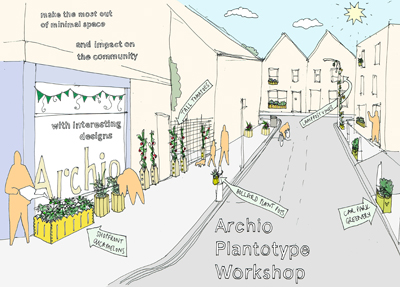
Archio-Plantotype-Workshop-1The London Festival of Architecture kicked off this week with more than 200 events planned for the capital across the month of June. Highlights include “open studios” in which 50 architectural practices across London open their doors to the public, a series of film showing at the BFI concerning the portrayal of the built environment in documentaries and hosted tours through some of London council estate’s green spaces and private gardens. The festival, which centres around three key themes – housing renewal and regeneration, creative workspaces and community engagement, also features a range of exhibitions, installations, talks and workshops including the Archio Plantotype Workshop on 25th June in which participants are asked to help design and build model prototype planters to grow compact and hybrid plants (pictured). For the full programme, check out www.londonfestivalofarchitecture.org.

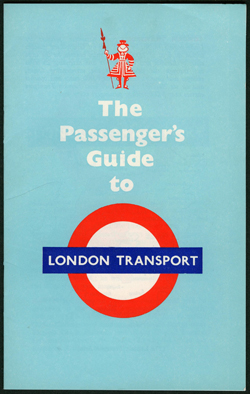
1997-14154-Booklet;-The-Passenger's-Guide-to-London-Transport,-issued-by-London-Transport,-March-1962The design of London’s transport system – from posters, maps and signage to the styling of trains and stations – is the subject of a new exhibition at the London Transport Museum in Covent Garden. Designology – Shaping London explores the role design has played in London’s public transportation systems, spanning the period from the system’s Victorian origins to today. Among the objects on display are an 1834 Shillibeer Woolwich Omnibus timetable, original architectural drawings by Charles Holden of Arnos Grove and Sudbury art deco stations, and a 1994 magnetic ticket hall station model. There are also case studies on key design features found across the transport network such as the New Johnston typeface and the design of Moquette fabric used on the Underground and buses. Visitors are also encouraged to design their own bus stop sign (and share it on social media with the hashtag #pimpmybusstop) and visit a pop-up design studio to find out more about contemporary design innovation. There’s an accompanying programme of events. Admission charges apply. For more, see www.ltmuseum.co.uk. PICTURE: The Passenger’s Guide to London Transport, issued by London Transport, March, 1962./The London Transport Museum.

The “worst day” in the history of the British Army – 1st July, 1916, when almost 60,000 died during the Battle of the Somme – is being commemorated in an exhibition marking the battle’s centenary in Guildhall Yard. Fields of Battle, Lands of Peace: Somme 1916, features a series of evocative photographs by Michael St Maur Sheil of the battlefields as they look today contrasted with images taken at the time. The outdoor exhibition is being accompanied by a display of Somme-related artefacts in the City of London Heritage Gallery at the Guildhall Art Gallery. Admission to the display is free. Runs until 5th July.

Send all items for inclusion to exploringlondon@gmail.com.

This Week in London – London Tree Week kicks off; illustrated London at the LT Museum; and, Joshua Reynolds at the Wallace Collection…

London Tree Week kicks off on Saturday with a range of free events happening across the city. They include ‘tree walks’ in Richmond and Greenwich Royal Parks, a tour of paintings featuring trees at the National Gallery in Trafalgar Square, an exhibition at City Hall featuring some of the city’s great trees, and family-friendly activities at Stave Hill Ecological Park in the city’s south-east. Londoners can also download a free ‘Tree Route’ app which uses the Tube map to showcase the capital’s trees including “must see” trees located near Underground stations such as St Pauls (a swamp cypress) and Angel (a black poplar). There’s also a photo sharing challenge where you can upload photos of trees that have made a difference to your part of London to Instagram or Twitter using the hashtag #LondonTreeWeek. For the complete listing of what’s on, follow this link. Runs until 31st May.

One hundred illustrations capturing a variety of aspects of life in London form the heart of an exhibition, The Prize for Illustration 2015: London Places & Spaces, which has opened at the London Transport Museum in Covent Garden. The artworks – which range from the past to the present and the contemplative to the loud – are all on the shortlist for the prestigious Prize for Illustration and were selected from more than 1,000 entries. Each of the works is accompanied by a short description written by the artist. The works are on show until 6th September. Admission charge applies. For more, see www.ltmuseum.co.uk.

On Now – Joshua Reynolds: Experiments in Paint. Now entering its final days, this exhibition at the Wallace Collection in Marylebone provides a fresh perspective on a giant of the British art world, 18th century portraitist Joshua Reynolds and features such famous works as Nelly O’Brien, Mrs Abingdon as Miss Prue, and Self Portrait Shading the Eyes. Admission is free. Runs until 7th June. For more information, see www.wallacecollection.org.

Send items for inclusion to exploringlondon@gmail.com

This Week in London – Churchill’s Scientists; Waterloo online; a Chelsea murder case reopened; exploring Crossrail; and, astronomical photography…

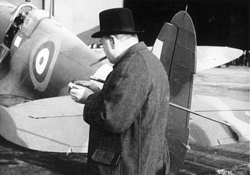
Churchill-with-a-Spitfire-from-Castle-Bromwich,-credit-Philip-Insley,-CBAF-Archive-Vickers-ArchiveSyndics Marking the 50th anniversary of the death of Winston Churchill, a new exhibition at the Science Museum in South Kensington looks at his passion for science and the influence that had on bringing World War II to an end. Churchill’s Scientists celebrates the individuals who flourished under Churchill’s patronage (and , as well as helping to bring about the end of World War II, also launched a post-war “science renaissance”) – from Robert Watson-Watt (inventor of radar) through to Bernard Lovell (creator of the world’s largest telescope) – and also delves into more personal stories of Churchill’s own fascination with science and tech. The display include objects from the museum’s collection as well as original archive film footage, letters and photographs. Highlights include the high speed camera built at Aldermaston to film the first microseconds of the detonation of the UK’s first home grown atomic bomb, the cigar Churchill was smoking when he heard news of his re-election as PM in 1951, and a one-piece green velvet “siren suit” designed by Churchill to wear during air raids (only one of three originals known to exist, it’s never been on public display outside of the tailors who created it). The free exhibition runs until 1st March and is part of the Churchill 2015 programme of events. Visit www.sciencemuseum.org.uk/churchill for more. PICTURE: Churchill with a Spitfire from Castle Bromwich (Philip Insley, CBAF Archive Vickers ArchiveSyndics).

The National Army Museum and Waterloo2oo have launched an online gallery which will eventually comprise images and information on more than 200 artefacts associated with the Battle of Waterloo ahead of the 200th anniversary in June. Among the objects featured on Waterloo200.org are the Duke of Wellington’s boots, a French eagle standard captured in battle and the saw used to amputate the Earl of Uxbridge’s leg. One hundred items – drawn from the Army Museum’s collection as well as from European museums and private collections – can already be seen on the site with a further 100 to be added before the bicentenary on 18th June.

The Talk: Death in Disguise: The Amazing True Story of the Chelsea Murders. On 12th February, the Guildhall Library in the City of London will host Gary Powell as he examines the facts of this double murder which took place in Chelsea in May, 1870, and left Victorian society reeling. For more events at the library, follow this link.

On Now: Breakthrough: Crossrail’s tunnelling story. This exhibition at the London Transport Museum in Covent Garden brings a new perspective on the massive Crossrail project currently underway in the city. Visitors will experience the tunnel environment through a five metre high walk-through installation featuring a computer simulation of a giant boring machine as well as learn about how the project is shaping up, play interactive tunnelling games and hear firsthand from those who work underground. Admission charge for adults applies. Runs until August. For more, see www.ltmuseum.co.uk.

Extended: Astronomy Photographer of the Year Exhibition. This exhibition at the Royal Observatory Greenwich features the winning images from last year’s competition. They include the Briton James Woodend’s image of a vivid green aurora in the Icelandic night sky; American Patrick Cullis’ view of earth taken from 87,000 feet above ground; and, New Zealander Chris Murphy’s image of dusty clouds dancing across the Milky Way. The exhibition can be seen for free in the Observatory’s Astronomy Centre until 19th July. For more, see www.rmg.co.uk/astrophoto.

• Send all items for inclusion to exploringlondon@gmail.com. 
This Week in London – Celebrating the Year of the Bus; the British Library looks at WWI; medieval jousting and The Duke of Wellington; and, Blue Plaque nominations resumed…

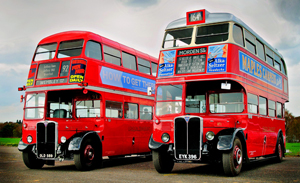
BusesAlmost 50 buses, from a horse-drawn model of the 1820s to the New Routemasters of today, will come to Regent Street on Sunday in celebration of the Year of the Bus. The ‘Regent Street Bus Cavalcade’ – which will stretch from Piccadilly Circus to Oxford Circus and will see the iconic West End street closed to traffic – will also feature a variety of free family events including Lego workshops (there will be a bus shelter and bus stop made entirely out of Lego outside Hamley’s toy shop), children’s theatre performances, a pop-up London Transport canteen and the chance to have a personal message recorded by the voice of London’s buses, Emma Hignett. There will also be an exhibition – Battle Bus – which provides information about the B-type bus (a newly restored version of which will be on display) which was used during World War I to carry soldiers to the frontline as well as ambulances and mobile pigeon lofts while jewellery company Tatty Devine will feature a special range of bus-inspired jewellery and hold jewellery-making workshops on board a London bus. The cavalcade, supported by the Regent Street Association and The Crown Estate, is part of Transport for London’s celebrations marking the Year of the Bus, organised in partnership with the London Transport Museum and the capital’s bus operators. The free event runs from 11.30am to 6pm. For more information, see www.tfl.gov.uk/yearofthebus and www.ltmuseum.co.uk.

A new exhibition of materials showing how people coped at home and on the front during World War I opens at the British Library in King’s Cross today as part of efforts to mark the war’s centenary. Enduring War: Grief, Grit and Humour features personal objects such as letters, a handkerchief bearing the lyrics of It’s A Long, Long Way to Tipperary, Christmas cards, school essays about airship raids over London sit and recruitment posters, humorous magazines and even a knitting pattern for balaclavas. Highlights include a letter in which Sir Arthur Conan Doyle expresses his concern over his son serving at the front, manuscripts by war poets such as Rupert Brooke as well as Wilfred Owen’s manuscript for Anthem for Doomed Youth, Vaughan Williams’ A Pastoral Symphony and Laurence Binyon’s For the Fallen. A specially commissioned video and ‘soundscape’, Writing Home, features personal messages contained on postcards written to and from the front. A range of events accompanies the free exhibition. Runs until 12th October. For more on the exhibition, see www.bl.uk.

Armoured knights on horseback can be seen jousting at Eltham Palace in south London this weekend. The former childhood home of King Henry VIII will host a Grand Medieval Joust which will also include displays of foot combat, the antics of a court jester, medieval music performances and a series of children’s events including a knight’s school. Runs from 10am to 5pm on both Saturday and Sunday. Admission charge applies. For more, see www.english-heritage.org.uk/events. Meanwhile, the Battle of Waterloo is being remembered at the Duke of Wellington’s home of Apsley House near Hyde Park Corner. Visitors will come face-to-face with Wellington’s troops and their wives, having the chance to take a look inside a soldier’s knapsack, see the equipment he used and the drills he performed as well as see the Battle of Waterloo recreated in vegetables. The Waterloo Festival – this year marks 200 years since Napoleon’s abdication and exile to Elba – runs from 11am to 5pm on Saturday and Sunday. Admission charge applies. For more, see www.english-heritage.org.uk/apsley/.

Nominations have reopened for English Heritage’s Blue Plaques scheme in London. In 2012 nominations were temporarily suspended while new funding for the scheme was found and thanks to one individual’s donation and the creation of a new Blue Plaques Club to support the scheme on an ongoing basis, they have now reopened. There are 880 official Blue Plaques on London’s streets – remembering everyone from Florence Nightingale to Fred Perry and Charles Darwin. For more and details on nominations, see www.english-heritage.org.uk/discover/blue-plaques/.

Send all items of interest for inclusion to exploringlondon@gmail.com.