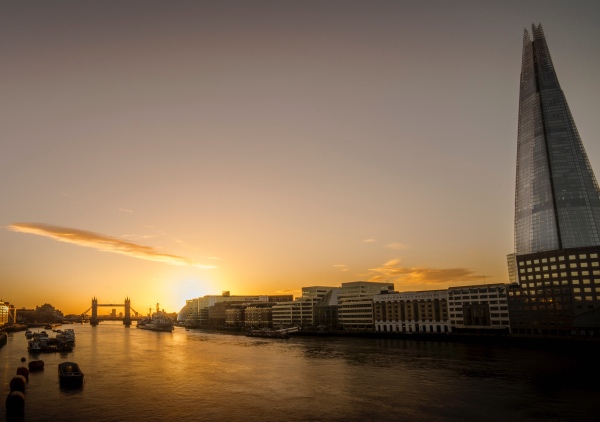
PICTURE: Tom Coe/Unsplash
PICTURE: Tom Coe/Unsplash
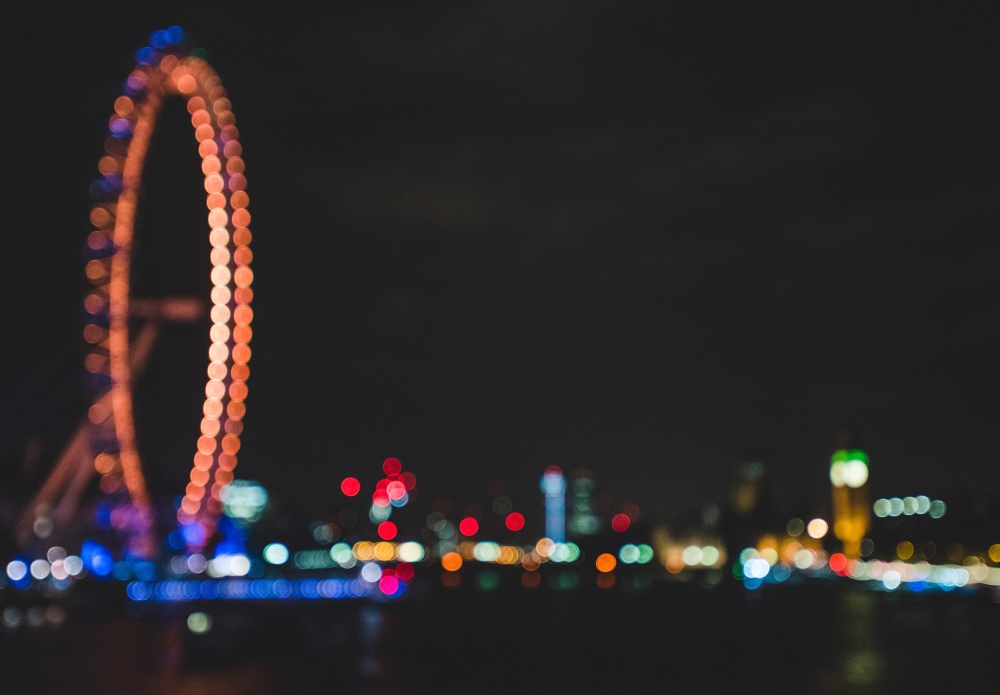
PICTURE: Kafai Liu/Unsplash
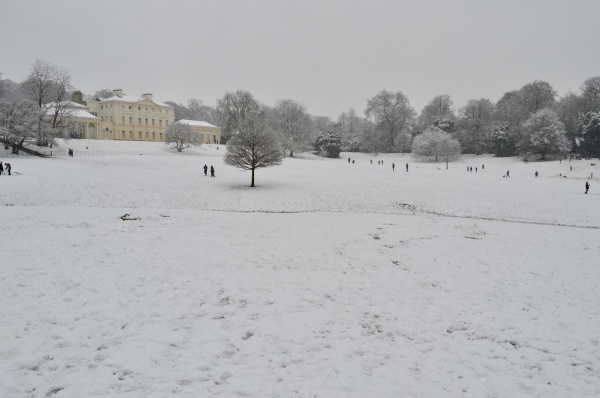
Snow at Kenwood House near Hampstead Heath. PICTURE: Ashley Coates (licensed under CC BY-SA 2.0)

Be dazzled by more than a million twinkling lights at the enchanted wonderland that is Kew Gardens this Christmas.
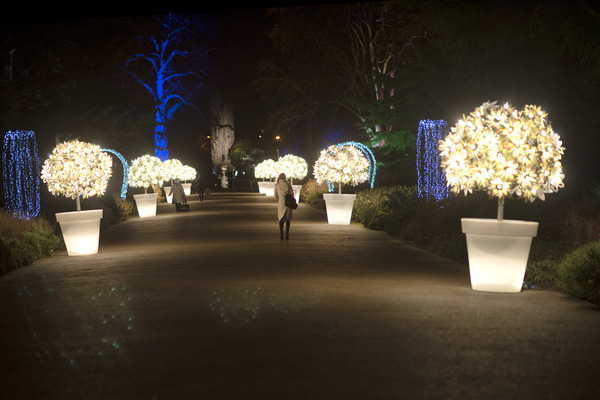
The Royal Botanic Gardens in London’s west have once again teamed up with entertainment promoter Raymond Gubbay Ltd to create a brand new illuminated trail. It starts with a path lit by hundreds of illuminated globes winding through trees festooned with silvery shards of light, snowflakes and stars and includes attractions such as an enormous glowing ‘Sledge Tree’ – made from more than 360 wooden Santa sledges, and a chorus of ‘Singing Trees’.
Other artistic installations along the trail include an ultraviolet walkway of thousands of continuously moving bubbles (created by Between Art and Technology (BAT) Studio), an enchanted promenade of hundreds of huge glowing peonies, giant grasses and coloured reeds (the work of French art studio TILT), and a host of giant trees, made from thousands of colourful, sparkling flowers complete with holographic petals (creative studio PITAYA) located along the Great Broad Walk Borders (included in the trail for the first time).
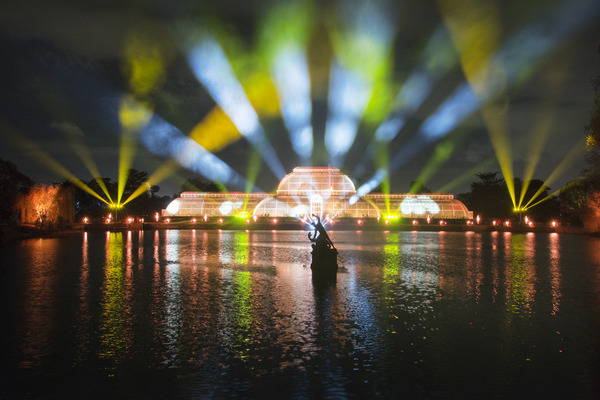
The fire garden has also returned – this year as a corridor of intricate pulsing fire sculptures and rotating lantern-lit Christmas trees – as has the Palm House finale in which the pond and glasshouse spring to life in an explosion of laser beams, jumping jets of light and kaleidoscopic projections playing across a giant water screen.
And, of course, there’s roasted chestnuts, mulled cider and Santa and his elves as well as a festive fairground and other food and drink. Open between 5pm and 10pm (timed entries between 5pm and 7.40pm), the after dark event runs until 1st January. Admission charges apply. For more, see www.kew.org.
PICTURES: Above – A sea of illuminated globes by the Palm House / Below (top to bottom) – 1. Giant glowing trees along The Great Broad Walk Borders; 2. Animated illuminations at Kew’s lake; 3. Giant peonies; 4.Palm House Grand Finale. ALL PHOTOGRAPHY © Jeff Eden/RBG Kew.


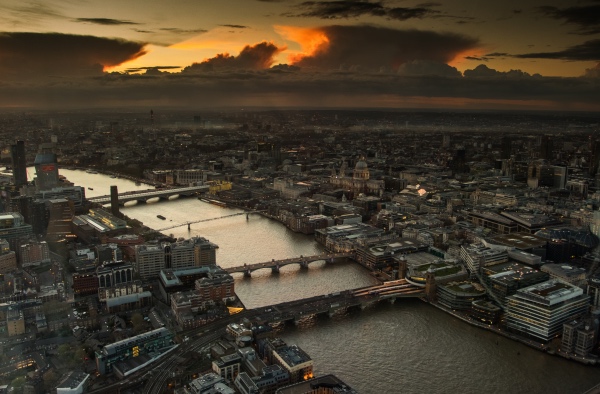
London from The Shard. PICTURE: Genevieve Perron-Migneron/Unsplash
PICTURE: Rene Böhmer/Unsplash
PICTURE: Hala AlGhanim/Unsplash
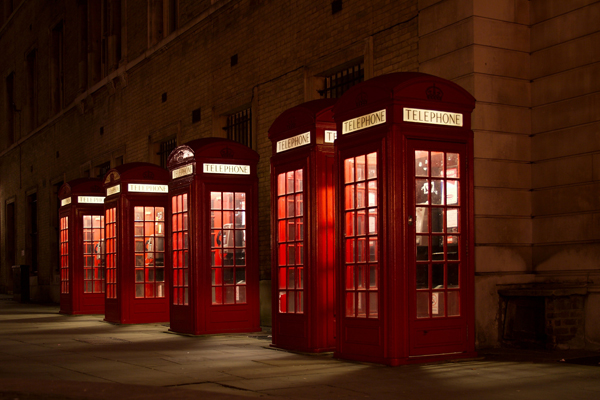
PICTURE: Marko Pecic/Unsplash
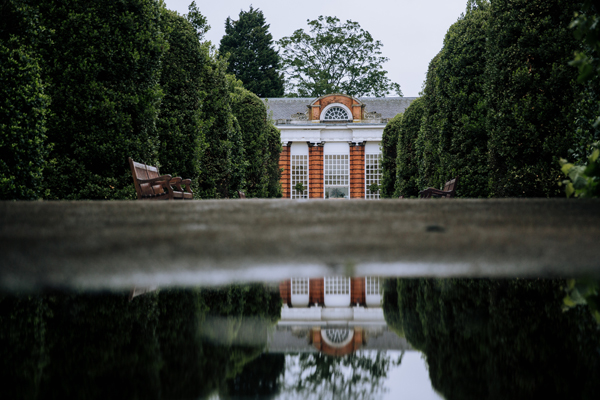 Now an elegant place to have lunch or afternoon tea, The Orangery was originally built in 1704-05. Its construction came at the behest of Queen Anne – the younger sister of Queen Mary II, she had ascended to the throne after the death of Mary’s husband King William III in 1702 following a fall from a horse (Mary had died of smallpox at Kensington Palace in 1694). Queen Anne used the building for parties in summer and in winter, thanks to underfloor heating, as a conservatory for plants (two engines were later fitted to the building to lift the orange trees kept there in colder months). The building’s architect is thought to have been the renowned Nicholas Hawksmoor, clerk of works for Kensington Palace, but it was extensively modified by Sir John Vanbrugh. The building also contains carvings by Grinling Gibbons. For more, see www.orangerykensingtonpalace.co.uk. PICTURE: Vapor Kopeny/Unsplash

Near London Bridge, looking over the Thames at The Shard. PICTURE: JJ Jordan/Unsplash
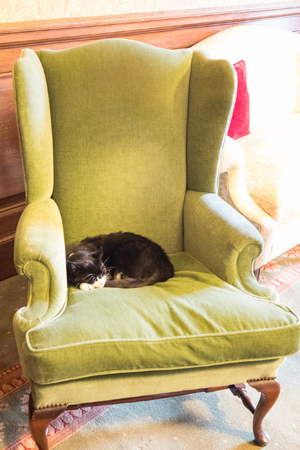 Palmerston, the ‘chief mouser’ to the Foreign and Commonwealth Office in Whitehall, captured by photographer Steve Way during the Open House London weekend, apparently oblivious to the crowds. Palmerston was recently the subject of a Freedom of Information release which stated that since his arrival at the FCO in April, 2016, he had been seen capturing 27 mice (although the Office of the Permanent Under-Secretary at the FCO reports the actual figure is “likely to be much higher as these are only reported sightings”). The FOI document also revealed Palmerston eats a variety of food brands, usually ‘Whiskas’ and is cared for by a number of volunteers from across the FCO.
PICTURE: Steve Way/Flickr/CC BY-NC-ND 2.0
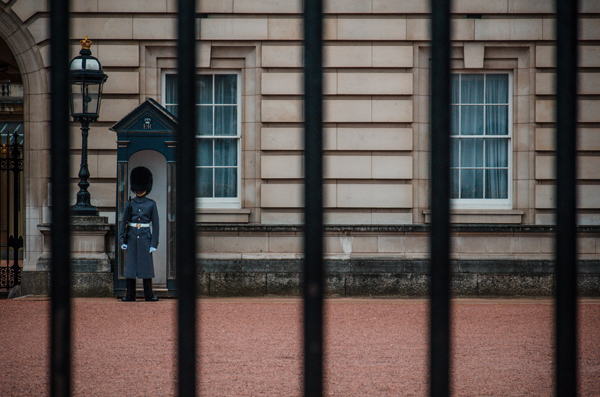
PICTURE: Shane Rounce/Unsplash

PICTURE: Rob Bye/Unsplash
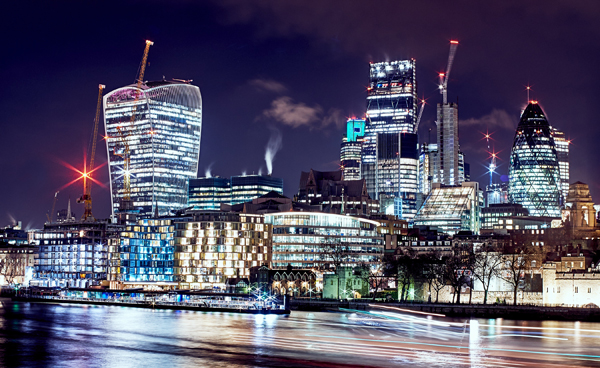
PICTURE: Gordon Williams/Unsplash
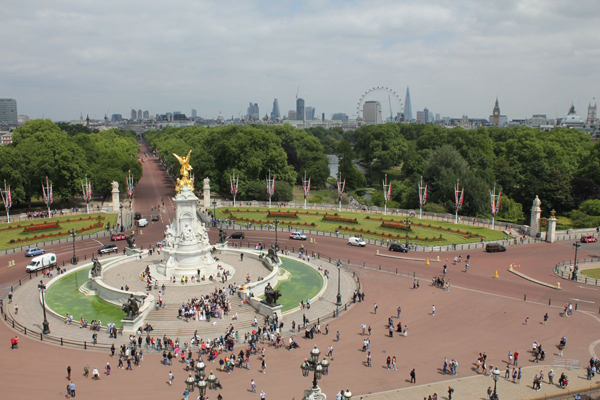
The Queen Victoria Memorial, looking from Buckingham Palace across to St James’s Park. PICTURE: Robin Bilney/Royal Parks
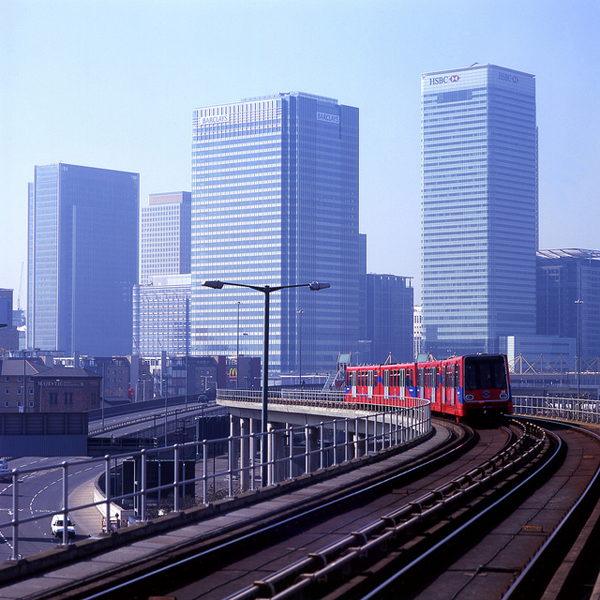
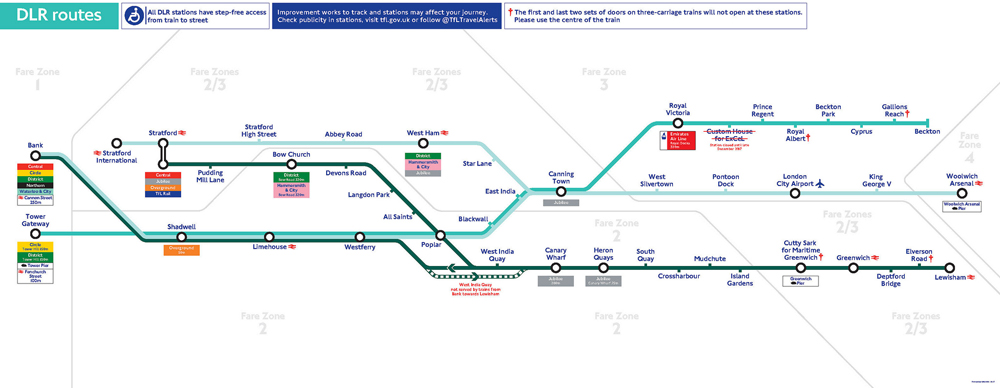
London’s Docklands Light Railway – the DLR as it’s better known – is celebrating 30 years of operation. The railway was officially opened by Queen Elizabeth II in the summer of 1987 and then had just 11 single carriage trains serving 15 stations. Extended six times since and now including some 38 kilometres of track, it now serves 45 stations using mainly three carriage trains. Carrying some 6.7 million passengers in its first year, it now carries a massive 122 million people annually. To mark the occasion, Transport for London has released a Destination DLR travel guide featuring 30 attractions across east and south-east London all easily reached by the DLR, ranging from the National Maritime Museum at Greenwich and the Tower of London to Queen Elizabeth Olympic Park and Wilton’s Music Hall. Transport for London have also released a new diagram of the DLR system (pictured below). PICTURES: Transport for London.
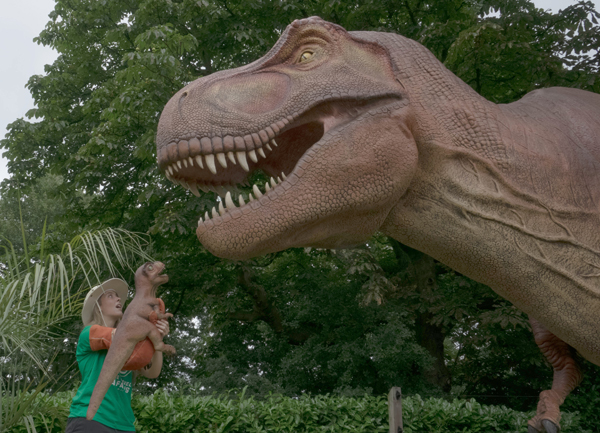
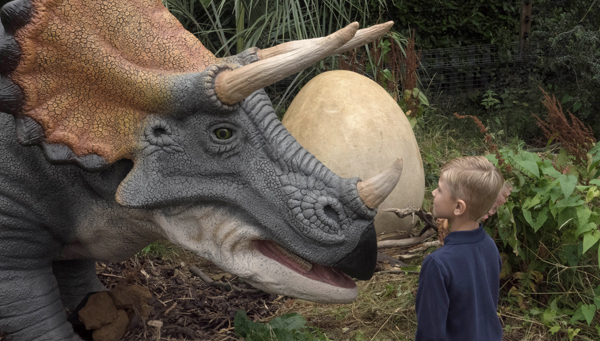
ZSL London Zoo opened the gates to its new Zoorassic Park last weekend enabling families to step back in time to the Mesozoic era and experience life with the dinosaurs. Featuring life-size, moving dinosaurs ranging from a tyrannosaurus rex (above) to a triceratops (below), the exhibit, will provide insight into the lives of the extinct giants as well as the important work conservationists are doing now to help save today’s animals from the same fate Included in the price of entry into the zoo, the exhibit is only open until 3rd September. For more, see www.zsl.org. PICTURES: ZSL London Zoo.


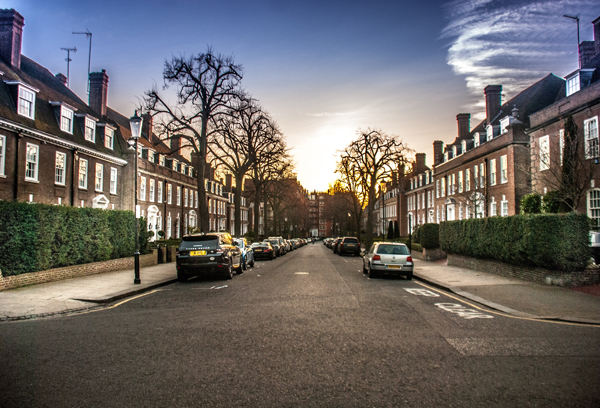
A rainy day in Marylebone. PICTURE: Anjana Menon/Unsplash.
 Exploring London