This Week in London – Children’s literary rebels; immerse yourself in Leonardo; and, a rare Jubilee Line journey…

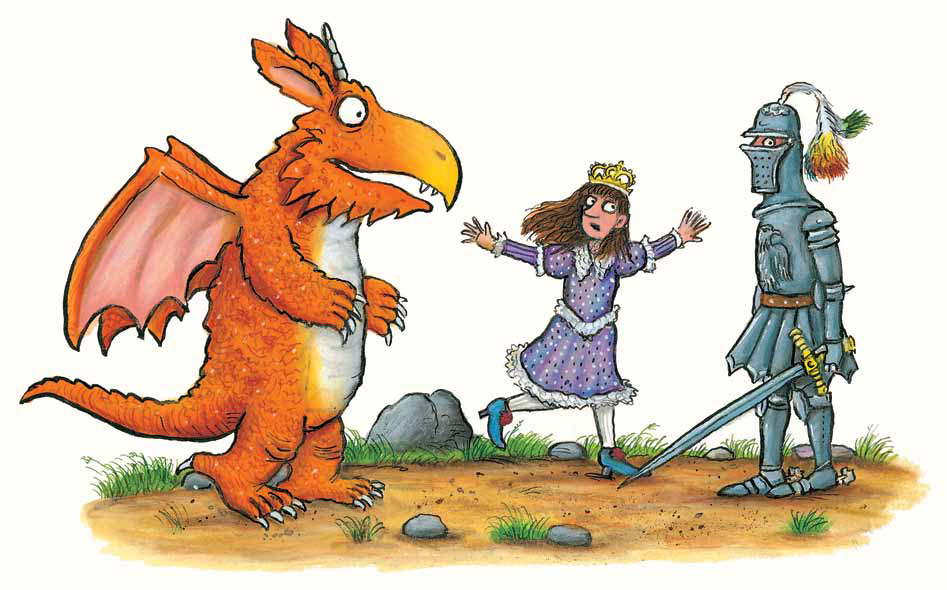
Pippi Longstocking, Matilda and the Zog are among a pantheon of beloved children’s literary characters at the heart of a new exhibition opening at the British Library tomorrow. Marvellous and Mischievous: Literature’s Young Rebels features about 40 books, manuscripts and original artworks spanning a period of 300 years and puts a spotlight on the “rebels, outsiders and spirited survivors” within the library’s collection of children’s literature. Highlights include a UK first edition of Anne of Green Gables, the first version of Cruikshank’s coloured illustrations of Oliver Twist as well as original artworks for books including Tracy Beaker, What Planet Are You From, Clarice Bean?, Zog (pictured above), When Hitler Stole Pink Rabbit and Azzi in Between. The free exhibition, which can be seen until 1st March, is accompanied by a programme of events. For more, see www.bl.uk. PICTURE: © Zog by Julia Donaldson, illustrated by Axel Scheffler 2010 (Alison Green Books).
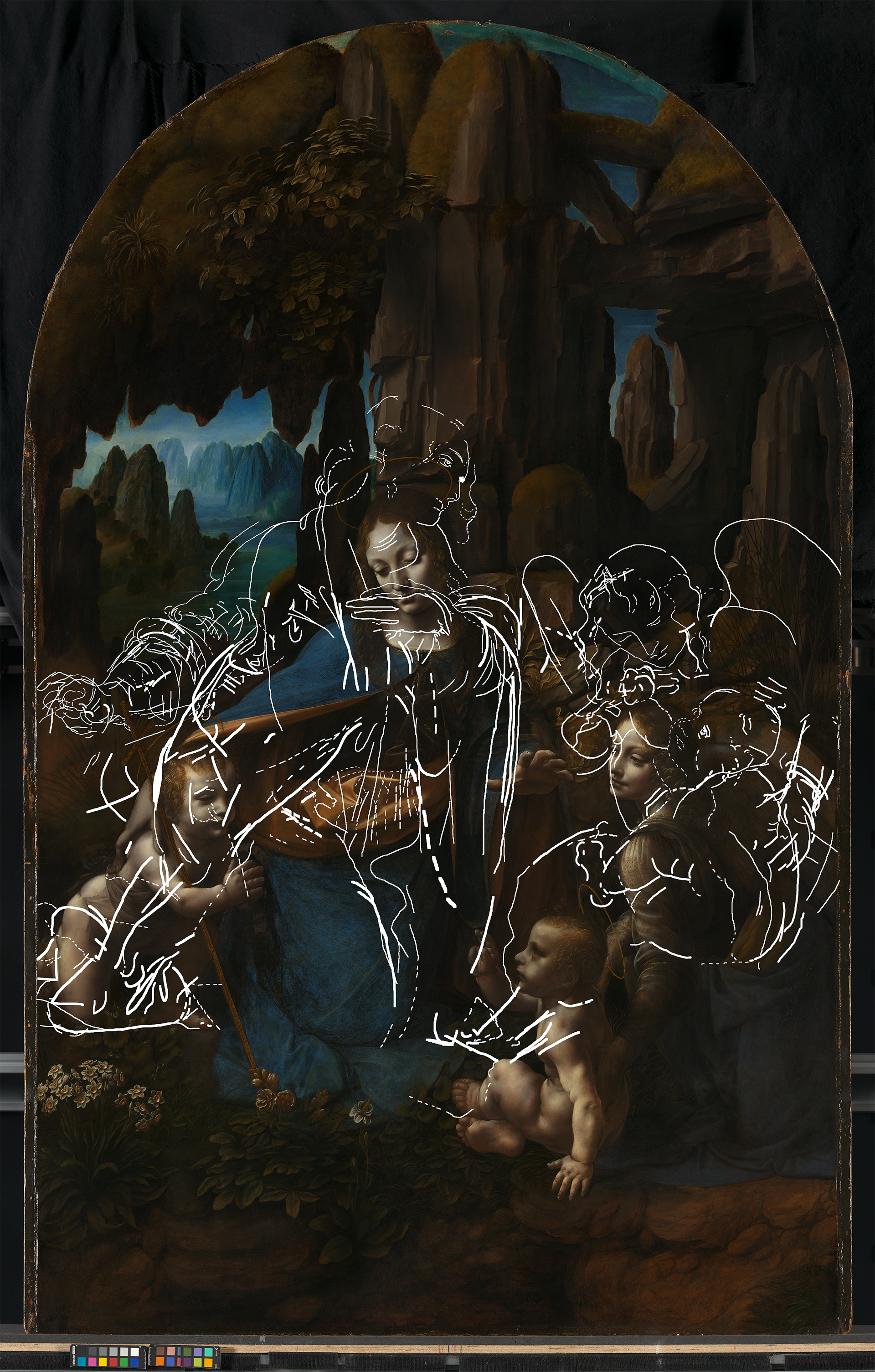
A new immersive exploration of the work of Leonardo da Vinci, centred on The Virgin of the Rocks, opens at the National Gallery on Saturday. Leonardo: Experience a Masterpiece encompasses a range of multi-sensory experiences presented across four rooms, allowing visitors to step into the painting’s setting, explore Leonardo’s own research and how he employed science in his effects of light and shadow in the painting and even visit a modern conservation studio and see how recent search revealed the previously hidden drawings behind the masterpiece. The experience, which is the work of 59 Productions, can be enjoyed until 12th January. Admission charge applies. For more, see www.nationalgallery.org.uk. PICTURE: Virgin of the Rocks (about 1491/2-9 and 1506-8) – tracing of the lines relating to underdrawing for the first composition, incorporating information from all technical images. © The National Gallery, London

The Jubilee Line has turned 40 and to mark the occasion, the Jubilee Line in conjunction with London Transport Museum’s Hidden London programme are offering the chance to travel on the original route of the train. The trip includes a section of the track now not open to the public. The 96 stock train leaves from Stanmore station at 9am Sunday, terminating at Charing Cross, or from Charing Cross at 1pm, terminating at Stanmore. When Exploring London looked this week, only tickets for the 9am trip were still available. To buy tickets (which must be purchased in advance), head to www.ltmuseum.co.uk/whats-on/heritage-vehicles-outings.

Send all items for inclusion to exploringlondon@gmail.com.
10 (more) historic London garden squares…9. Manchester Square…

This Marylebone square is one of the better preserved Georgian-era squares in London. 

Located on the Portman Estate, it was laid out in the 1770s as a residential square with the north side of the square dominated by Manchester House, built in the 1770s as the home of the 4th Duke of Manchester (from whom the house and square, now derive their name).

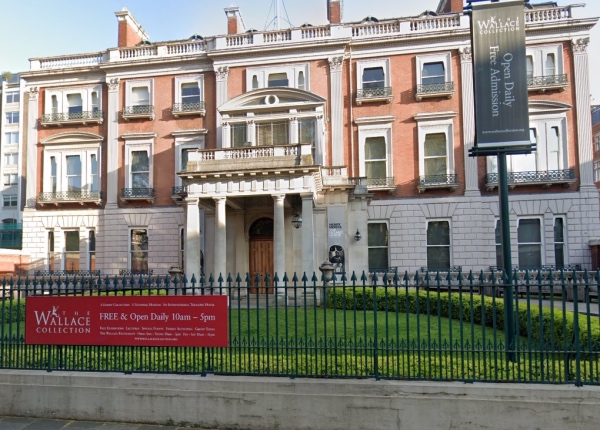
The house, meanwhile, changed its name when the 2nd Marquess of Hertford took over the lease in 1797. It became known as Hertford House and now houses The Wallace Collection (pictured below), a collection of artworks left to the nation – along with the house – by Lady Wallace, widow of Sir Richard Wallace, illegitimate son of 4th Marquess, in 1897, and opened to the public as a museum in 1900.

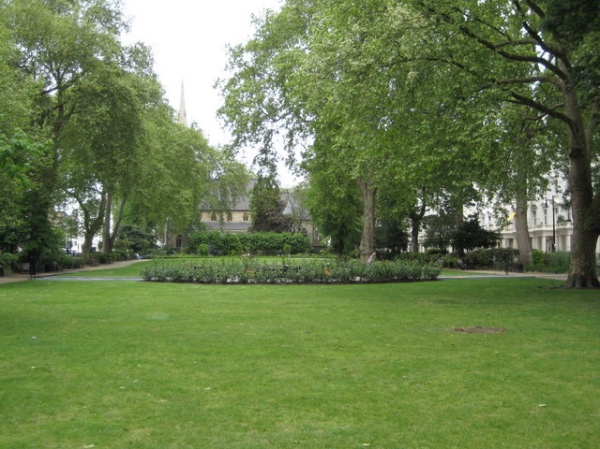
The almost circular private gardens in the centre were laid out in the mid-1770s with garden beds and railings (there was apparently a church planned for the centre of the square on which the gardens were located, but it was never built).

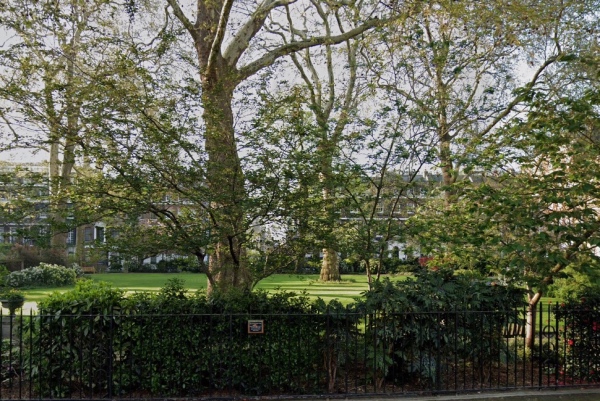
During World War II, trenches were dug in the garden and railings removed and the gardens did receive some bomb damage but they were restored in the 1960s and then extensively replanted in the mid-Noughties. The garden (pictured above, looking south) features mature London plane and lime trees.

Famous residents in the square, which has now largely been converted to offices, have included German-born composer Sir Julius Benedict (he lived at number two), surgeon and neurologist John Hughlings Jackson (number three) and colonial administrator Alfred, Lord Milner (number 14) – all of which have English Heritage Blue Plaques on their former properties – as well as Admiral Sir Thomas Foley (number one).

The square, which, along with Portman Square is Grade II-listed, also become briefly famous in around 1815 when it was reported a “pig-faced woman” lived there.

It is also known for being the former site of record label EMI – the cover shot for the Beatles’ first LP, Please Please Me, was shot in the modernist building’s stairwell in 1963 (the building has since been demolished but EMI took part of the staircase with them when they left in 1995).

Interestingly, Manchester Square Fire Station, which was decommissioned in 2005, was actually located a few blocks away in Chiltern Street (it was also known as the Chiltern Firehouse).

PICTURES: Google Maps

LondonLife – St Bride’s among historic sites “rescued” in 2019…

St Bride’s Church in Fleet Street was among the hundreds of historic sites removed from Historic England’s Heritage at Risk Register this year. Published last month, the register is an annual inventory of historic sites “most at risk of being lost forever as a result of neglect, decay or inappropriate development”. It shows that while some 310 items have been removed from the list over the past year, some 247 were added, meaning there were 5,073 entries on the list this year, 87 less than the previous year. The Grade I-listed St Bride’s, which was designed by Sir Christopher Wren after the Great Fire of 1666, had needed repairs to both its famous steeple – said to have inspired the tiered wedding cake design – and the body of the church itself. Historic England spent almost £8.5 million on grants to help restore some of the country’s most historic sites over the past year. Among London sites still on the list are the Grade II*-listed Crystal Palace Park, the Grade I-listed St Pancras Church and sections of what remains of London’s Roman and medieval wall. For more, see www.historicengland.org.uk/advice/heritage-at-risk/.

London Pub Signs – The Museum Tavern, Bloomsbury…

This Bloomsbury pub, not surprisingly, takes its name from its proximity to the British Museum (it’s directly opposite).

Located at 49 Great Russell Street, the Grade II-listed, four storey building was refurbished under the eye of theatre and music hall architect William Finch Hill (and possibly Edward Lewis Paraire) in the mid-1850s in modified French Renaissance style. Along with the exterior, the interior also contains some elements dating from this period.

There has apparently been a pub on the site since the 1720s – it was previously called the Dog & Duck, a reference to the rural nature of the location back then, and was renamed the British Museum Tavern in the mid-18th century before taking its current name when the refurbishment took place in the 1750s.

Famous patrons have apparently included Karl Marx, who frequented it while writing Das Kapital in the British Museum Reading Room. Other famous figures associated with it are Sherlock Holmes creator Sir Arthur Conan Doyle and JB Priestley.

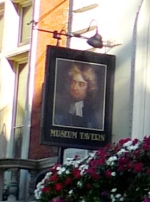
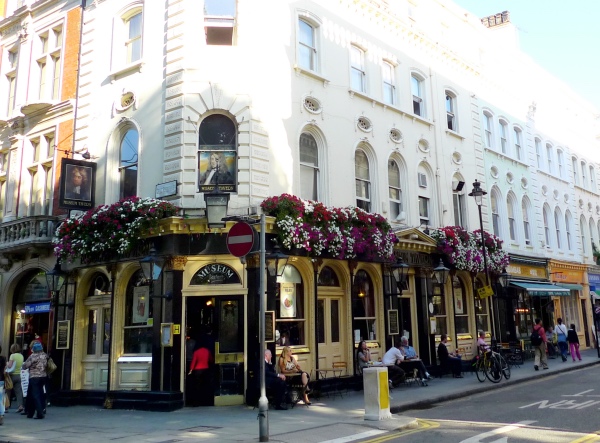
Ah, and the sign itself (pictured right). It depicts Sir Hans Sloane, a royal physician and MP whose collections formed the basis of the British Museum when it first opened its doors.

Now part of the Greene King franchise. For more, see www.greeneking-pubs.co.uk/pubs/greater-london/museum-tavern/.

PICTURE: Ewan Munro (licensed under CC BY-SA 2.0)


This Week in London – Saint Agatha returns to Osterley; Lucian Freud’s self-portraits; and, the collection of Sir Stamford Raffles…

A painting of early Christian martyr Saint Agatha by 17th century Italian artist Carlo Dolci is the highlight of a new exhibition opening at Osterley House in London’s west on Monday. The painting, which has been acquired by the National Trust for the house thanks to an Art Fund grant and other donations, is at the heart of Treasures of Osterley –  Rise of a Banking Family which explores the rise to fame and fortune of the Child family. Sir Robert Child had originally purchased the picture at the start of the 18th century but it was later sold with other family heirlooms in the 1930s. The painting depicts the miraculous moment with St Peter appeared to St Agatha in a vision and healed her wounds. The exhibition can be seen until 23rd February. Admission charge applies. For more, see www.nationaltrust.org.uk/osterley-park-and-house.

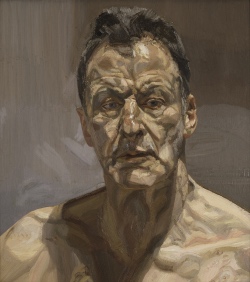
The first exhibition to focus on the “visceral and unflinching” self-portraits of artist Lucian Freud (1922-2011) has opened at the Royal Academy in Piccadilly. Lucian Freud: The Self-portraits features about 50 works that chart his artistic development from early graphic works to the fleshy, painterly style of his later work. The display is organised into six sections, starting with first major self-portrait, Man with a Feather (1943), which is juxtaposed with his late work, Self-portrait, Reflection (2000). It ends with two self-portraits he painted in 2002 and 2003. The exhibition can be seen in The Jillian and Arthur M Sackler Wing of Galleries until 26th January. Admission charge applies. For more, see www.royalacademy.org.uk. PICTURE: Reflection (Self-portrait), 1985 Oil on canvas, 55.9 x 55.3 cm Private collection, on loan to the Irish Museum of Modern Art © The Lucian Freud Archive / Bridgeman Images

• On Now: Sir Stamford Raffles: collecting in Southeast Asia 1811-1824. Controversial figure Sir Thomas Stamford Raffles spent most of his career as an official with the East India Company in South-East Asia during which he was an avid collector of objects from the region. His collection, one of the first large collections from the region, was eventually donated to the British Museum. This display at the museum showcases an important selection of 130 objects from that collection including Hindu-Buddhist antiquities, different types of theatrical puppets, masks, musical instruments and stone and metal sculpture. A collaboration with Asian Civilisations Museum in Singapore, the exhibition can be seen until 12th January in Room 91. It’s free to enter. For more, see www.britishmuseum.org.

Send all items for inclusion to exploringlondon@gmail.com

10 (more) historic London garden squares…8. Salisbury Square…

This City of London square sits on the part of the site of what had been Salisbury House, the town house of the bishops of Salisbury.

The house, which later became known as Dorset House, burned down in the Great Fire of London of 1666 and the square, now at the southern end of Salisbury Court, developed in its aftermath.

Lying just to the south of Fleet Street, the square was once home to the Salisbury Court Theatre in the mid-17th century and John Dryden lived here from 1673 to 1682, a period during which he wrote works including Amboyna (1673), All for Love (1678) and The Spanish Fryar (1681). It was also a popular place for actors to reside given its proximity to the Dorset Garden Theatre which was also built on part of the site of Salisbury House.

There was an alehouse here when King George I acceded to the throne – known as a locale frequented by his supporters, it was famous for an incident in 1716 in which it was stormed by a Jacobite mob during which the landlord shot a weaver (he was acquitted but five rioters were hanged at the end of the court.

Samuel Richardson ran a printing shop lived here from 1723 – Pamela was among the works he wrote here. He later pulled down some old residences to expand his printing operations (and it was in his house that Dr Samuel Johnson and William Hogarth first met).

In 1863, all the houses on the south side were replaced by the Salisbury Hotel and this was replaced in  the 1960s by Salisbury Square House when the square was remodelled and the central area laid out. Only number one remains of the early 18th century houses which once stood here.

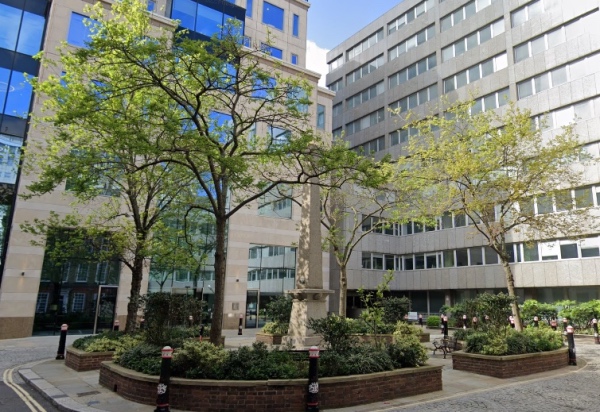
The now largely paved square features garden boxes in the middle along with an obelisk commemorating Robert Waithman, Lord Mayor of London between 1823-24. It had apparently originally been erected in Farringdon Street but was moved here in the 1970s.

PICTURE: Google Maps.


LondonLife – Misty day at St Katharine Docks…

PICTURE: Robert Bye/Unsplash

A Moment in London’s History…Greenwich is established as the prime meridian for all nations…

It was 135 years ago this month that the International Meridian Conference held in Washington, DC, declared the Greenwich meridian to be the prime meridian of the world.

The conference had been held at the request US President Chester A Arthur with the aim of finding a “common zero of longitude and standard of time reckoning throughout the world”.

Pressure to designate such a prime meridian had been building thanks to the need for navigation purposes as well as the need to create uniform train timetables.

Twenty-six nations were represented at the 1884 conference including Great Britain and the US as well as France, Russia, Germany, Japan, and the Ottoman Empire.

The resolution, fixing Greenwich as the Prime Meridian, was passed on 22nd October. The delegations voted 22 in favour to one against. San Domingo, now called the Dominican Republic, voted against while France and Brazil abstained.

As a result of the decision, the International Date Line was drawn up and the world’s 24 time zones were created.

North America and most European nations had aligned their clocks with Greenwich with 10 years.

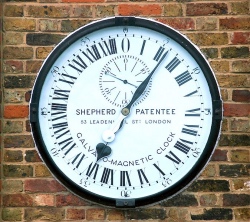
The official mean time clock at the Royal Observatory, Greenwich, is known as the Shepherd Gate Clock.

PICTURE: The Shepherd Gate Clock at the Royal Observatory (Alvesgaspar/licensed under CC BY-SA 3.0)

This Week in London – St Paul’s Watch remembered in digital projections; Buddhism at the British Library; and, Elizabeth Peyton at the National Portrait Gallery…

The story of the St Paul’s Watch, the volunteers who worked to protect St Paul’s Cathedral during the Blitz, will be told in a digital display projected onto the cathedral’s facade this weekend. Where The Light Falls is being held in partnership with Historic England and is part of Fantastic Feats: the building of London – the City of London’s six-month cultural events season. It will see a display of poetry, visuals and photography, created by Poetry Society and Double Take Projections, projected onto the cathedral’s south side, north side and main facade in honour of those men and women who, armed with sandbags and water pumps, risked their lives to save the cathedral. The free show lasts for about 20 minutes and can be seen between 6.30pm and 10pm from tonight until Saturday night and then from 8pm to 10pm on Sunday. Meanwhile, St Paul’s is also open for a special late opening on Friday night during which poets from the Poetry Society will be bringing to life accounts of loss, bravery and sacrifice. Admission charge applies. For more on both events, head here.

The history, teachings and contemporary relevance of Buddhism are being explored in a major new exhibition opening at the British Library on Friday. Buddhism features rare and colourful scrolls, painted wall hangings and folding books and will highlight the theory, practice and art of Buddhism, examine the enduring iconography of Buddha and consider what it means to be Buddhist today. The exhibition, which is accompanied by a program of events, runs until 23rd February. For more, see www.bl.uk.

On Now: Elizabeth Peyton: Aire and Angels. This exhibition at the National Portrait Gallery is the first to situate the work of contemporary artist Elizabeth Peyton within the historical tradition of portraiture. In additional to the more than 40 works on display in the exhibition, Peyton has been honoured by being first artist to be given the run of the entire gallery with a series of displays within the permanent collection which juxtapose Peyton’s art with historic portraits from the Tudor period onwards. Among her portraits on show are those of Napoleon, Queen Elizabeth II, Yuzuru Hanyu, Frida Kahlo, Tyler the Creator, Isa Genzken, David Bowie, Elias Bender Rønnenfelt, David Fray, and Louis XIV. Runs until 5th January. Entry is free. For more, see www.npg.org.uk/elizabethpeyton.

Send all items for inclusion to exploringlondon@gmail.com.
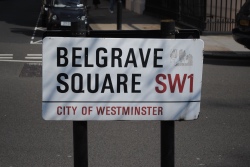
10 (more) historic London garden squares…7. Belgrave Square…

This expansive square in the centre of Belgravia is one of the largest 19th century squares in London.

The square, which along with nearby Chester Square, Eaton Square and Wilton Crescent stands on land once known as Five Fields, was laid out in the 1820s on the orders of Robert Grosvenor, 2nd Earl Grosvenor, whose subsidiary title was Viscount Belgrave and who later become the first Marquess of Westminster (and whose family seat is Eaton Hall in Cheshire, close to the village of Belgrave from whence the name comes).

Property contractor Thomas Cubitt was responsible for the masterplan and architect George Basevi, a pupil of Sir John Soane and cousin of Benjamin Disraeli, had the task of designing the original four terraces which surrounded the square.

Most of the houses were occupied by 1840. Today, the buildings – many of which are listed – are home to numerous embassies and official residences of ambassadors.

These include the Portuguese Embassy (11 to 12), the Austrian Ambassador’s official residence (18 – the Austrians have been there since 1866 when it was used by members of the Austro-Hungarian Empire’s Foreign Service), the High Commission of Brunei (20), the German Embassy (21-23), the Spanish Embassy (number 24), the Norwegian Embassy (25), the Serbian Embassy (28) and the Turkish Embassy (43).

Famous residents have included the currently Duke of Kent – he was born at number three in 1935, Victorian politician Sir George Murray, Secretary of State for War and the Colonies, who lived at number five up until his death in 1846, and shipbuilder, Lord Pirrie, chairman of Belfast-based Harland and Wolff – builder of the RMS Titanic (in fact it’s said that it was at a dinner here which Lord Pirrie hosted and J Bruce Ismay, owner of the White Star Line, attended where plans to build the ship were first discussed).

The two hectare garden in the centre, which remains closed to the public and is Grade II listed, had gravel walks laid out in the 1850s (the current design is a restoration of what was there in the 1860s). Behind the railings, the gardens features wooden pergolas and shelters and a tennis court.

Among the monuments around the external perimeter of the square are statues of of South American revolutionary leader Simon Bolivar (1783-1830), Argentinean national hero General Jose de San Martin (1778-1850), Christopher Columbus (1451-1506) and Prince Henry the Navigator. There’s also a 1998 statue of Robert Grosvenor by Jonathan Wylder on the corner of Wilton Crescent.

Within the gardens are Homage to Leonardo da Vinci, erected in 1982, and a bust of George Basevi, the architect of Belgrave Square.

Top – Statue of Prince Henry the Navigator; Below – The Spanish Embassy. PICTURES: David Adams

LondonLife – Tranquil waters at Little Venice…

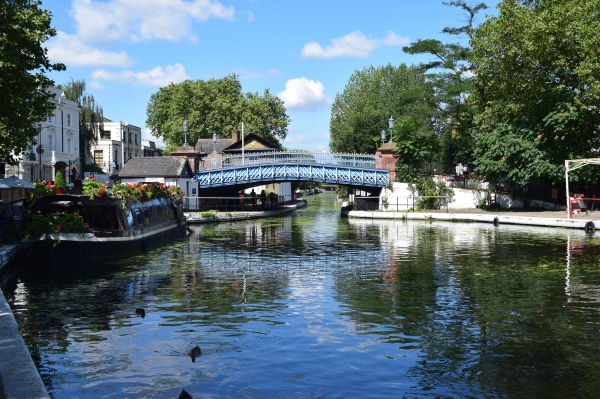
Little Venice, Paddington. PICTURE: Matthew Waring/Unsplash

What’s in a name?…Great Windmill Street…

This West End thoroughfare obviously, now associated with London’s nightlife, owes its name to a windmill which once stood in the vicinity.

The windmill stood for at least 100 years before it was demolished in the late 17th or early 18th century – the rural land on which it stood was known as Windmill fields.

As the area now known as Soho was developed, the street, which runs between Brewer Street and Coventry Street (albeit split into two sections by Shaftesbury Avenue), was gradually constructed and by the early 1680s both sides of it had been developed.

Famous residents include the Scottish anatomist and physician William Hunter, who, built a large house at number 16 in 1767 which featured an anatomical theatre, dissecting rooms, library and museum. It now forms part of the Lyric Theatre and is recognised with an English Heritage Blue Plaque.

An upstairs room in the former Red Lion pub, located on the corner with Archer Street, is famous for being where Karl Marx and Frederick Engels were asked to write a program of action for the Communist League, published in 1848 as The Communist Manifesto.

Meanwhile, the former Windmill Theatre, which first opened in the 1930s and famously “never closed” during the Blitz, was known for its “Windmill Girls” in which nude girls posed motionless in what were known as “tableaux vivants”, has long been associated with risqué entertainment. The establishment was owned by Laura Henderson, the subject of the 2005 film starring Dame Judi Dench, Mrs Henderson Presents.

The street is also home to the Trocadero complex, originally built in 1896 as a restaurant by J Lyons and Co – of Lyon’s Corner Houses fame – to cater for theatre crowds on the site of what had been the Argyll Assembly Rooms, an establishment which become notorious as a meeting place for prostitutes and their customers. The Trocadero was redeveloped in the 1980s into a shopping and entertainment complex. There are now plans to build a hotel on the site.

Other landmarks include the Soho Parish School – the only school in Soho – which, located at number 23, traces its origins back to 1699 as well as St James Tavern, said to be built in the late 1890s on the site of an earlier tavern, The Catherine Wheel.

View down Great Windmill Street with The Lyric pub on the right and the former Windmill Theatre on the left (Pedro Szekely/licensed under CC BY-SA 2.0)

Treasures of London – Beckenham’s ‘Bowie Bandstand’…

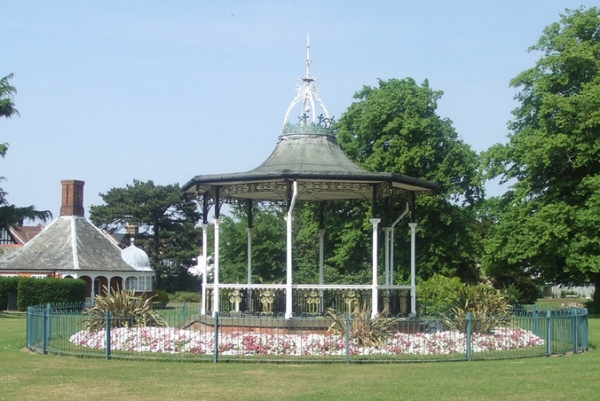
Built in 1905, this south London bandstand, which was recently awarded Grade II heritage status, is famous for being the site where David Bowie performed at the Growth Summer Festival in August, 1969. Bowie and friends had organised the free festival soon after his first hit single, Space Oddity, and the bandstand, located in Croydon Road Recreation Ground, was used as the stage for the day. As well as compering the festival, Bowie was among the performers who played here to a crowd of several hundred people. The festival, which was inspired by the feel of Woodstock and is believed to have been the first of its kind in Britain, inspired Bowie to write the seven minute long Memory of a Free Festival for his second album which was released later that year. It’s also suggested that he may have penned the lyrics to Life on Mars from the bandstand steps. The ironwork bandstand, which is referred to locally as the ‘Bowie Bandstand’, is thought to be the last bandstand from the foundry of Glasgow’s McCallum and Hope Iron Foundry still standing in Britain today. The Borough of Bromley, which owns the bandstand, is currently raising funds for its restoration.

PICTURE: Graham C99 (licensed under CC BY-SA 2.0/image cropped)

LondonLife – Westminster Abbey marks 750th anniversary of Henry III’s rebuild; new mental health awareness tour at National Gallery; and, Rembrandt at Kenwood…

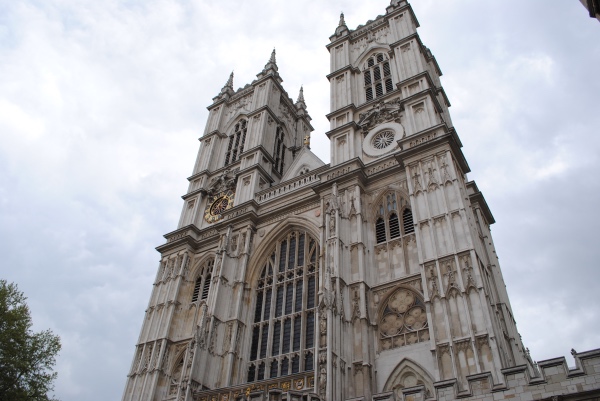
Two 13th century manuscripts from Westminster Abbey’s collection have this month gone on show in the Queen’s Diamond Jubilee Galleries at the abbey to mark the 750th anniversary of King Henry III’s rebuilding of the church originally constructed on the orders of Edward the Confessor. Believed to have never before been displayed to the public, the manuscripts – which feature ink script on vellum and have wax seals on silk cords attached – include a royal charter dated 1246 in which King Henry III announces his intention to be buried alongside Edward the Confessor in Westminster Abbey and an inventory of Edward the Confessor’s Shrine dating from 1267 which shows how much gold, precious stones and jewels were taken from it and pawned to provide the king with much-needed money. The documents can only be seen until 28th October. Admission charge applies. For more, www.westminster-abbey.org/visit-us/plan-your-visit/the-queens-diamond-jubilee-galleries. The display is one of number of special events taking place to mark the anniversary of the third consecration of the abbey church which took place in the presence of King Henry III on 13th October, 1269. While Queen Elizabeth II and the Duchess of Cornwall attended a special service to mark the occasion on Tuesday, other events aimed at the public include a special family day next Wednesday (23rd October) featuring medieval re-enactors in the cloisters, the chance to meet some of the abbey staff and to take part in a family-friendly Eucharist as well as a late opening for amateur photographers to take photographs inside the abbey (23rd October), and special family tours of the abbey (22nd and 24th October). Meanwhile, this Saturday, the abbey will host the National Pilgrimage to the Shrine of St Edward the Confessor. For more on other events at the abbey, head to www.westminster-abbey.org/events.

The National Gallery launched its first mental health awareness tour to mark World Mental Health Day last week. The tour, which is available as a smartphone app, aims to improve understanding of mental health among gallery visitors with an alternative perspective on the collection which draws on young people’s experiences of mental health – gleaned through workshops with 16 to 25-year-olds – and connects visitors with the gallery’s paintings to challenge common myths about mental health. The tour includes a focus on paintings by Van Gogh, Cima, Crivelli and Joseph Wright of Derby as well as the gallery’s architecture and figures from its portico entrance mosaic flooring such as Virginia Woolf and Winston Churchill. The tour – co-created by researchers from King’s College London, the McPin Foundation, a group of young people affected by mental health issues and members of the Gallery’s Young Producers programme and funded by Medical Research Council and the British Academy – is available free to visitors for six months. For more, see nationalgallery.org.uk.

Kenwood House in Hampstead is hosting a special display commemorating 350 years since Rembrandt’s death on 4th October, 1669. The exhibition – Rembrandt #nofilter – centres on the artist’s Self-portrait with Two Circles which has been taken from its usual place in the former dining room and represented in the dining room lobby alongside a digital photo mosaic of the painting made of “selfies” taken by visitors to Kenwood. Entry is free Runs until 12th January. For more, see www.english-heritage.org.uk/visit/places/kenwood/.

Send all items for inclusion to exploringlondon@gmail.com.

10 (more) historic London garden squares…6. St George’s Square…


This rather long square in Pimlico was laid out in the mid-19th century and is, like the church parish in which it stands (St George Hanover Square), named after the patron saint of England.

Development of the area, owned by the Marquess of Westminster, was underway by 1835 and by the early 1840s, the formal square had been laid out. The construction of homes – and the lay-out of the square itself – was supervised by Thomas Cubitt and the first residents moved in the 1850s.

The north end of the square is home to the Church of St Saviour, designed by Thomas Cundy the Younger and constructed in 1864, which shields the remainder of the square from Lupus Street.

The square, now looked after by the City of Westminster, was apparently popular thanks to its being the only residential square open to the Thames (across Grosvenor Road. Until 1874, it had its own pier for watercraft to pull up to.

Famous residents in the square include Bram Stoker, author of Dracula, who died at number 26 in 1912, author Dorothy L Sayers, albeit briefly, and Nobel laureate and scientist Francis Crick, who lived at number 56 between 1945 and 1947.

The Thames is located opposite the square’s southern end, across Pimlico Gardens. The gardens feature a statue of MP William Huskisson, the first person to be run over and killed by a railway engine. The work of John Gibson, the Grade II-listed statue, which depicts Huskisson in Roman dress, is a copy of one which was originally placed in Huskisson’s mausoleum in St James’s Cemetery. It first stood in Liverpool Customs House but Gibson wasn’t satisfied with the location so it was moved to the office of Lloyds of London in the Royal Exchange and then again to its current location in 1915.

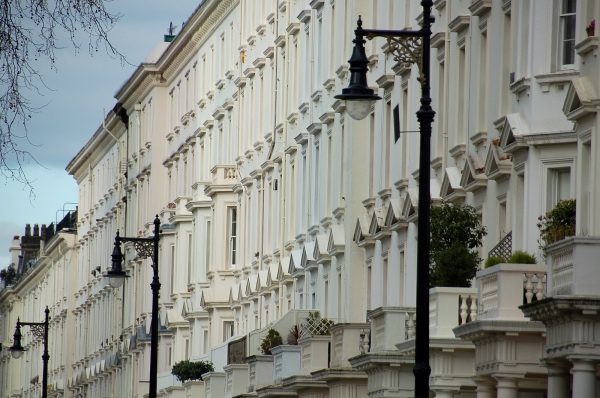
PICTURE: Top – Homes in St George’s Square (James Stringer/licensed under CC BY-NC 2.0); Below – The north of the square looking towards St Saviour Church (Philip Halling/licensed under CC BY-SA 2.0)  


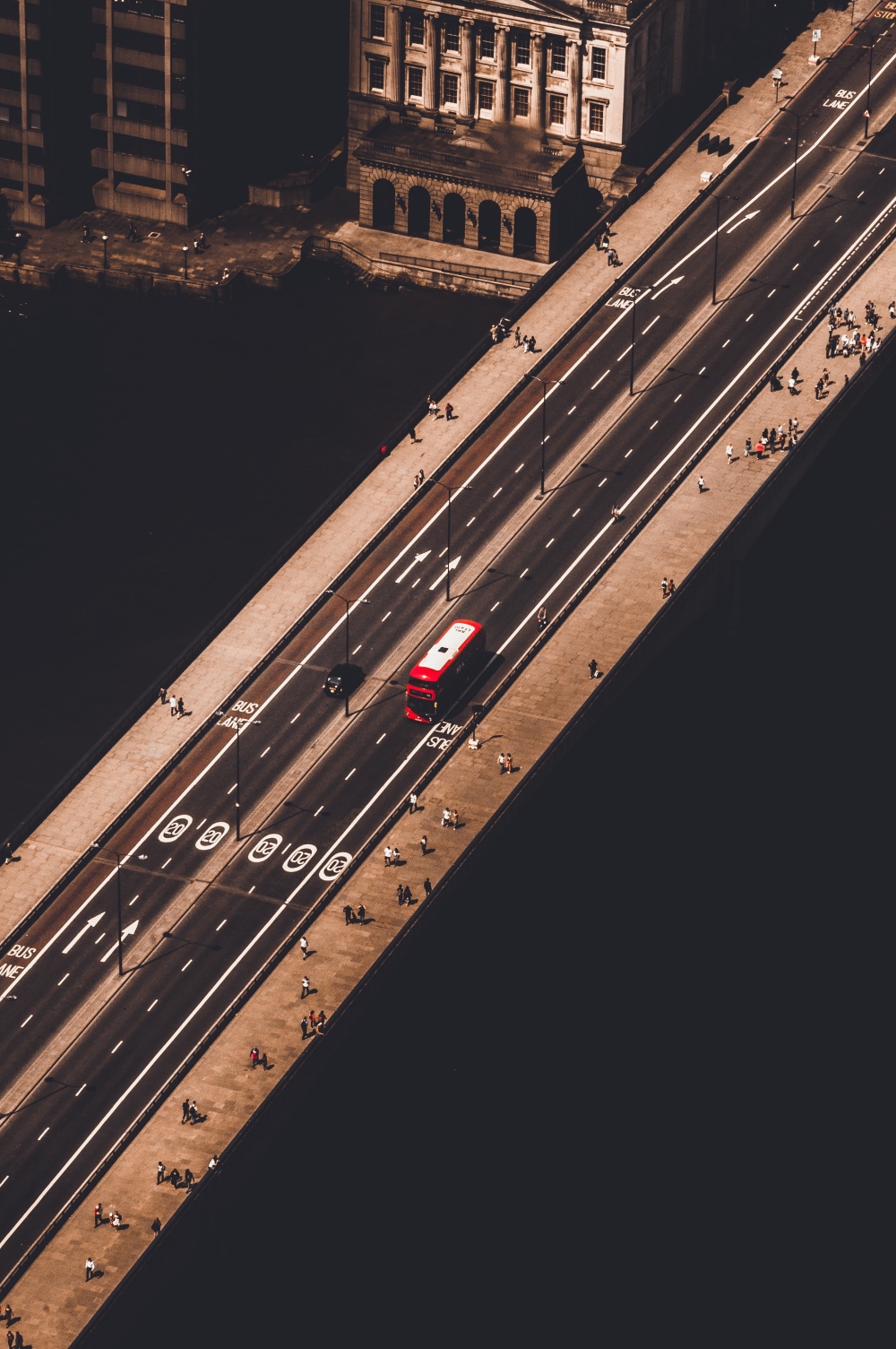
LondonLife – London Bridge from on high…

PICTURE: Harshil Gurka/Unsplash

Where’s London’s oldest…school?

One of the key contenders for the oldest school in London must be St Paul’s Cathedral School, originally established in the 12th century to cater for the education of choristers attending St Paul’s Cathedral (although there had apparently been a school associated with the cathedral since the 7th century).

The school, which has been described as one of the oldest educational institutions in the Western world, dates its establishment to about 1123 and started with just eight boys who were given a home and education in exchange for singing in the cathedral.

The school gradually became two separate institutions – a choir school and a grammar school – with the choristers graduating from the choir school to finish their education at the grammar school.

But in 1511, the grammar school was refounded by Dean John Colet as Saint Paul’s School. It’s now located in Barnes.

The former choristers school, now known as the St Paul’s Cathedral School, became known more for its acting in the 16th and early 17th centuries when the children performed regularly for Queen Elizabeth I at Greenwich Palace.

The original school building, which stood in St Paul’s Churchyard, was destroyed in the fire of 1666.

In 1874, the school was re-established in Carter Lane. It moved to its present location in New Change in the 1960s.

While now independent of the cathedral, the establishment now offers a preparatory school for boys and girls aged four to 13 and a residential choir school for the boy choristers of St Paul’s Cathedral. New boarding accommodation is expected to open on the site next year.

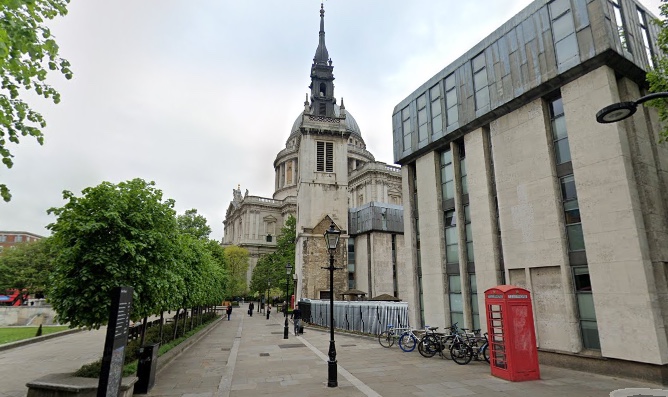
PICTURE: The concrete buildings of St Paul’s Cathedral School on the right with the surviving tower of St Augustine’s Church, Watling Street, and St Paul’s Cathedral behind (Google Maps)

This Week in London – A rare surviving piece of Queen Elizabeth’s dress on show?; Inside Ronnie Scott’s Jazz Club, and, Islamic influences on art…

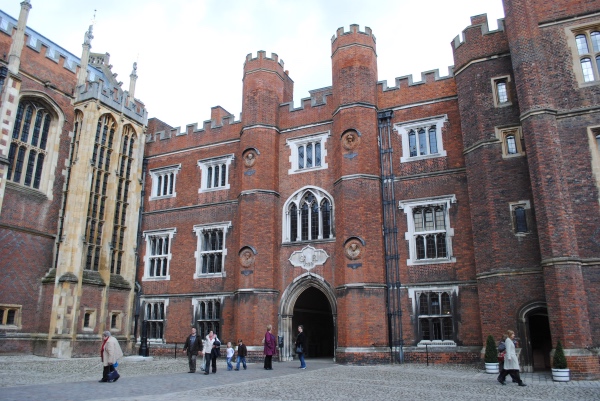
An altar cloth which may have once been part of a dress worn by Queen Elizabeth I goes on show at Hampton Court Palace (pictured) this Saturday. The Bacton Altar Cloth, which was discovered in a church in Bacton in rural Hertfordshire, has undergone two years of conservation work and will be displayed alongside a portrait of the “Virgin Queen” featuring a dress of similar design. The altar cloth has long been associated with Bacton-born Blanche Parry, one of Queen Elizabeth’s servants who became her Chief Gentlewoman of the Bedchamber. Records show the Queen regularly gave her discarded clothing to Parry and for years there has been speculation that the altar cloth was part of one such discarded item. Historic Royal Palaces curator Eleri Lynn, an expert in Tudor court dress, was able to identify previously unseen features and studied the seams of the fabric to show it had once been part of a skirt. Further research – including an examination of the dyes used in the item – have added weight to the theory it was once part of a dress. The altar cloth, on loan from St Faith’s Church in Bacton, can be seen until 23rd February. Admission charges apply. For more, see www.hrp.org.uk. PICTURE: David Adams.

A photographic exhibition of the first ‘golden’ decade of Ronnie Scott’s Jazz Club – featuring images of legendary British and American jazz singers – opens at the Barbican Music Library on Saturday. Ronnie Scott’s 1959-1969: Photographs by Freddy Warren, which marks the club’s 60th anniversary, features Warren’s photographs of the likes of Miles Davis, Duke Ellington, Dizzy Gillespie, Count Basie, Ella Fitzgerald, Zoot Sims, Cleo Laine and Tony Bennett. Warren was the in-house photographer at the Soho club from the opening night in 1959, when it was based in Gerrard Street, and documented the construction of the new site in Frith Street in the mid-1960s along with the arrival in London of big American stars. The exhibition includes rare vintage prints – some which were salvaged from the walls when the club was renovated in 2006, Freddy Warren’s original contact sheets, and previously unseen prints specially produced from the original negatives. The exhibition is free. Runs until 4th January. For more, see www.barbican.org.uk/your-visit/during-your-visit/library.

An exhibition exploring how western artists have been inspired by the Islamic world opens at the British Museum today. Inspired by the east: how the Islamic world influenced western art features paintings by leading ‘Orientalists’ including Eugène Delacroix, John Frederick Lewis and Frederick Arthur Bridgman as well as less well-known pieces like British artist Edmund Dulac’s original illustrations for a 1907 edition of the Arabian Nights, and ceramics by Frenchman Théodore Deck, who in the late 19th century created a range of pieces directly inspired by Islamic originals. The display also includes contemporary reactions to the imagery of Orientalism by Middle Eastern and North African female artists such as Lalla Essaydi’s Women of Morocco triptych and Inci Eviner’s 2009 video work Harem. The display can be seen in The Sir Joseph Hotung Exhibition Gallery until 26th January. Admission charge applies. For more, see www.britishmuseum.org.

Send all items for inclusion to exploringlondon@gmail.com.
10 (more) historic London garden squares…5. Brunswick Square…

This Bloomsbury square is another that’s one of a pair – in this case with Mecklenburgh Square which stands on the other side of the site of the now-demolished Foundling Hospital (across what’s now known as Coram’s Fields).

The three acre square was planned by Samuel Pepys Cockerell, who was appointed to develop the estate around the hospital with the intention of maintaining some open space around the hospital while allowing spare land to be leased for housing (and so raise some much needed funds for the hospital).

The square was over the period 1795-1802 while the gardens in the square’s middle were laid out in in the late 1790s (initially for use by residents only, they’re now open to the public).

The name comes from Caroline of Brunswick, wife of the then Prince Regent (later King George IV).

The square, which is Grade II-listed along with Coram’s Fields and Mecklenburgh Square, was a respectable if not highly fashionable residential location.

Famous residents have included numerous members of the Bloomsbury Group such as siblings Virginia (later Woolf) and Adrian Stephen, economist John Maynard Keynes and Leonard Woolf – all of whom lived in the same property (Virginia and Leonard moved out of the square when they married in 1912) as well as EM Forster. Writer JM Barrie, creator of Peter Pan, also lived for a time in a house overlooking the square.

Jane Austen refers to the square in Emma in which her sister Isabella praises it as “very superior to most others” and “very airy”.

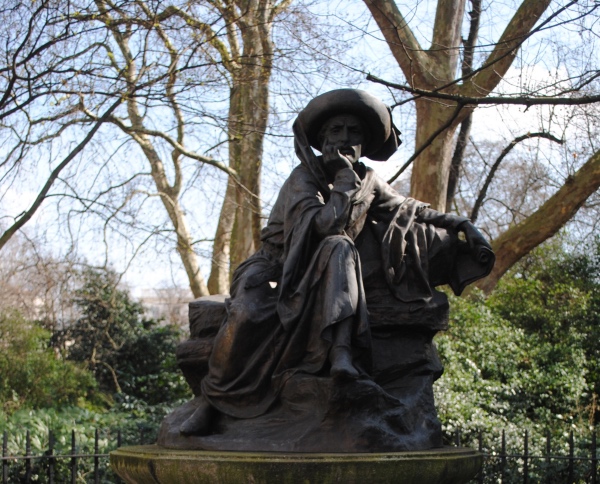
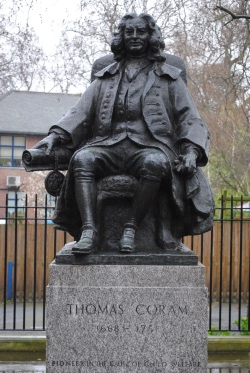
All of the original buildings around the square have since been demolished and replaced – among them number is 40 which was built for the Thomas Coram Foundation for Children in the 1920s and now houses the Foundling Museum (there’s a statue of the hospital’s founder Thomas Coram outside by William MacMillan – pictured right).

The north side of the square is home to the UCL School of Pharmacy, the west side features tiered apartments which form part of the Grade II-listed Brunswick Centre development, which dates from the late 1960s and early 1970s, while on the south side is the university residence known as International Hall.

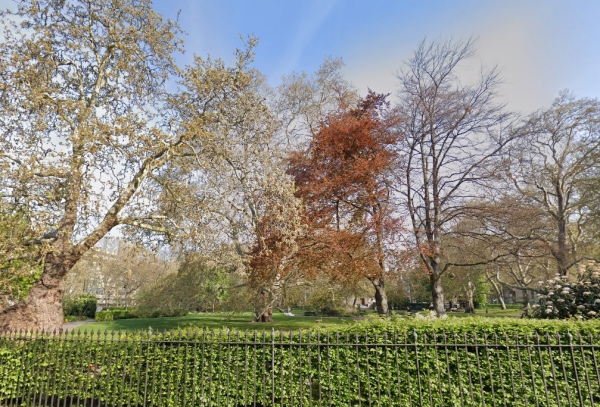
The gardens were extensively renovated in 2002-03 by Camden Council; works which included restoration of railings apparently taken for munitions during World War II. Its trees include a London plane tree, said to be the second oldest in London, which in 2009 was declared one of the Great Trees of Britain.

On one of the garden’s railings, close to the statue of Captain Coram, is a tiny bronze sculpture of a mitten by artist Tracey Emin, a fitting symbol of the childhoods connected with the Foundling Hospital.

PICTURES: Top – Looking across Brunswick Square Gardens (Google Maps); Right – Thomas Coram (David Adams).

LondonLife – Pepys’ plate on show at Museum of London…

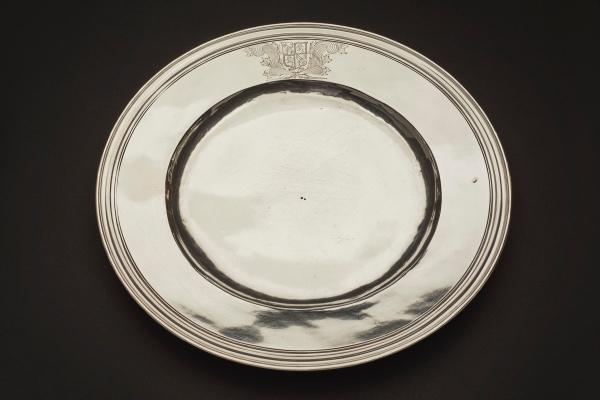
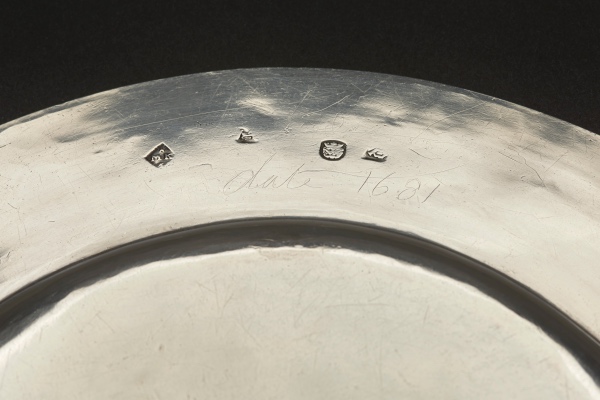
A silver trencher plate – one of only three silver pieces in the world known to have belonged to 17th century diarist Samuel Pepys (and the only one on display in the UK, the other two being in the US) – has gone on show in the Museum of London’s ‘War, Plague and Fire’ gallery following its recent acquisition. The plate, which was only recently recognised as belonging to Pepys – a naval administrator and MP, bears his coat-of-arms on the rim while the underside features London hallmarks testifying to the metal’s purity. The plate is also stamped with a “date letter” representing 1681-82 as the year it was made along with an MK in a lozenge, the maker’s mark of the workshop of Mary King in Foster Lane (the date 1681 also appears scratched on the surface but this was done at a later date). Knife and fork scratch marks are also visible on the trencher which may have been among the silver objects Pepys boasted about serving his guests with in his diary instead of the less expensive pewter. Admission to see the plate is free. For more, see www.museumoflondon.org.uk/discover/samuel-pepys-silver-plate. PICTURES: © Museum of London.