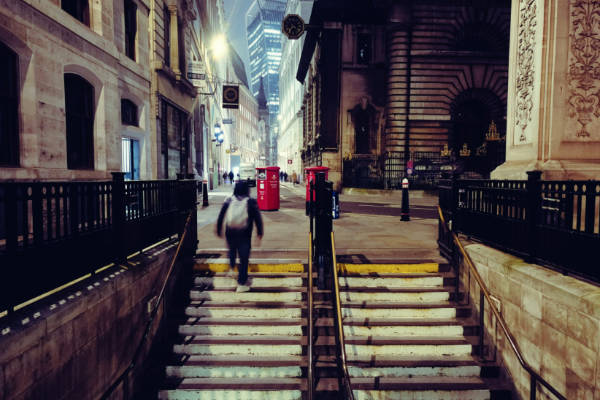
LondonLife – City of London stairway…
This parish church once stood on the west side of Broad Street in the City of London and dated back to the Norman era.
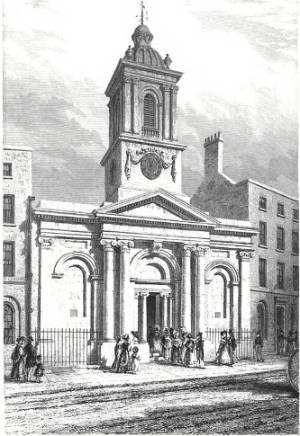
The church, which originally dated from before 1181 (when it was first mentioned) and was also referred to as St Peter le Poor, may have been so-named because of the poor parish in which it was located or for its connections to the monastery of St Augustine at Austin Friars, whose monks took vows of poverty.
Whatever the reason for its name (and it has been suggested the ‘le Poer’ wasn’t added to it until the 16th century), the church was rebuilt in 1540 and then enlarged in 1615 with a new steeple and west gallery added in the following decade or so.
The church survived the Great Fire of London in 1666 but just over a 100 years later has fallen into such a state of disrepair that parishioners obtained an Act of Parliament to demolish and rebuild it.
The new church, which was designed by Jesse Gibson and moved back off Broad Street further into the churchyard, was consecrated on 19th November, 1792. Its design featured a circular nave topped by a lantern (the curved design was not visible from the street) and placed the altar directly opposite the doorway on the north-west side of the church.
The church had acquired a new organ in 1884 but the declining population in the surrounding area led to its been deemed surplus to requirements. It was demolished in 1907 and the parish united with that of St Michael Cornhill.
Proceeds of the sale were used to build a new church, St Peter Le Poer in Friern Barnet. The new church, which was consecrated on 28th June, 1910, by the Bishop of London, the Rt Rev Arthur Foley Winnington-Ingram, also received the demolished church’s font, pulpit and panelling.
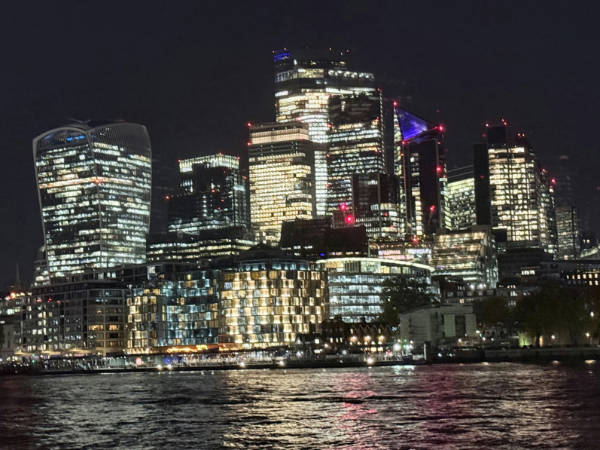
The historic Lady Mayor’s Show took place on Saturday through the streets of the City of London. Dame Susan Langley, the 697th Lord Mayor of London, is only the third woman to hold the post in more than 800 years, and is the first ever to be titled the ‘Lady Mayor of London’.
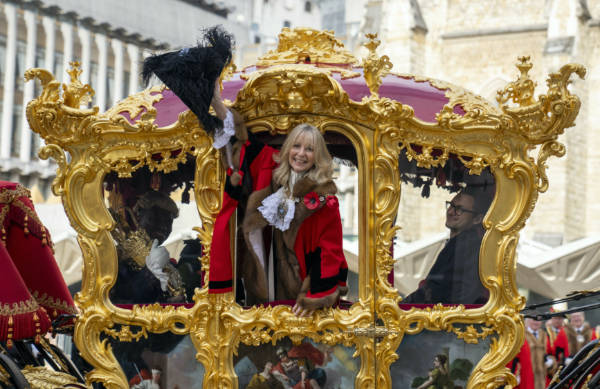
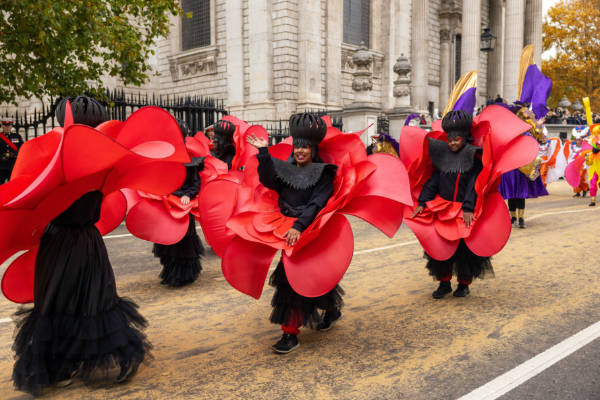
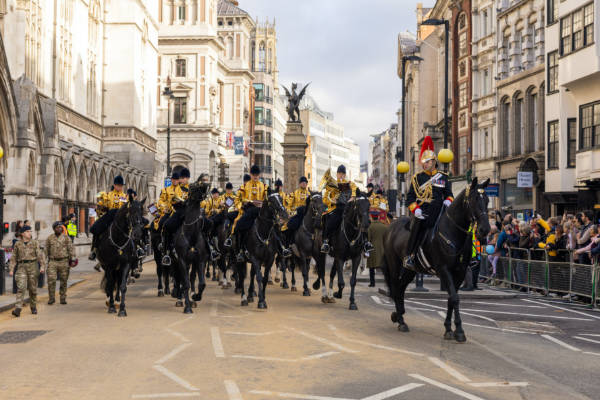
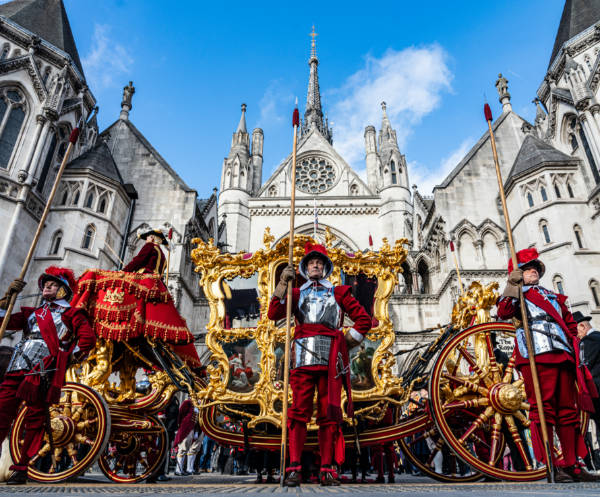
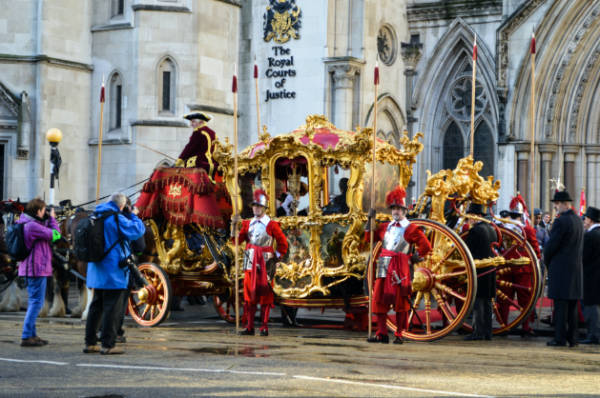
• The Lord Mayor’s Show – or this year, for the first time in its 800 year history, the Lady Mayor’s Show – takes place on Saturday as Dame Susan Langley is celebrated as the City of London’s 697th Lord Mayor of London. Langley, who takes office at Guildhall on Friday in the ancient ‘Silent Ceremony’, is the third woman to hold the role and the first to adopt the title “Lady Mayor”. The more than three mile-long procession, which kicks off at 11am, features around 7,000 participants, 200 horses and more than 50 decorated floats and travels from the Mansion House, the official mayoral residence, through the City to the Royal Courts of Justice, via St Paul’s Cathedral, before returning. The centrepiece as always is the State Coach carrying the Lady Mayor as she fulfills the dual purpose of showing herself to residents and swearing allegiance to the crown. For more – including details of the procession’s route, head to https://lordmayorsshow.london/.
• The first exhibition dedicated to the work of 18th century artist Joseph Wright ‘of Derby’ opens at The National Gallery tomorrow. Wright of Derby: From the Shadows focuses on his career between 1765 and 1773 when he created his candlelight series. On show are a number of works from this series including Three Persons Viewing the Gladiator by Candlelight (1765), A Philosopher giving that Lecture on the Orrery in which a lamp is put in place of the Sun (1766), and the gallery’s own An Experiment on a Bird in the Air Pump (1768). Mezzotint prints of Wright’s works – key to the establishment of his international reputation – will also be on display. The exhibition, in the Sunley Room, runs until 10th May. Admission charge applies. For more, see www.nationalgallery.org.uk/exhibitions/wright-of-derby-from-the-shadows.
• Hollywood icon Audrey Hepburn has been honoured with an English Heritage Blue Plaque on her former home in Mayfair. The plaque at 65 South Audley Street was where Hepburn lived in a flat with her mother between 1949 to 1954 as she launched her career as an actor. It was from here that she travelled to the West End to perform in chorus lines, appeared in British films such as 1951’s The Lavender Hill Mob and while living here that she was cast as the lead in Gigi on Broadway – a key stepping stone towards her breakthrough performance in 1953’s Roman Holiday. Hepburn was born in Brussels but had strong ties to London, training at the Ballet Rambert and working as a dancer and model before moving on to acting. Of course, as well as Roman Holiday, Hepburn performed notable roles Sabrina, Funny Face, Breakfast at Tiffany’s, My Fair Lady, and Charade. She later dedicated herself to humanitarian work, serving as a UNICEF Goodwill Ambassador, and was awarded the Presidential Medal of Freedom shortly before her death in 1993. For more on English Heritage Blue Plaques, see www.english-heritage.org.uk/visit/blue-plaques/.
Send all items to exploringlondon@gmail.com
London has several police forces so let’s explain.
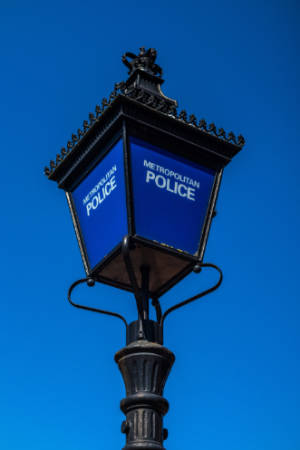
The largest police force in London (and the UK as a whole) is the Metropolitan Police. They are responsible for policing the Greater London area and its 8.6 million residents (with some exceptions – more on that in a moment).
The Met, currently led by Commissioner Sir Mark Rowley, was founded by Sir Robert Peel in 1829 and across the almost 200 years since has grown to a service of more than 33,000 police officers, 11,000 staff, almost 1500 police community support officers and more than 1,100 special officers.
They are headquartered at New Scotland Yard on Victoria Embankment in Westminster.
The Met’s jurisdiction comprises some 620 square miles – the 32 boroughs of Greater London.
An exception within Greater London is within the Square Mile of the City of London, home to some 8,000 residents but host to an additional 500,000 workers, tourists and others each day. This falls under the jurisdiction of the much smaller City of London Police.
The London City Police officially formed in 1832 but became the City of London Police with the passing of the City of London Police Act 1839.
Led by Commissioner Peter O’Doherty, the 17th City of London police commissioner, the service consists of more than 1,000 officers and staff and as well as providing policing services locally, the City of London Police also leads policing efforts nationally on fraud and cyber-crime.
They are currently temporarily headquartered at Guildhall.
A number of other police services also operate in London. They include the British Transport Police, responsible for policing the railway network including track and stations as well as the London Underground and Docklands Light Railway.
The Ministry of Defence Police, meanwhile, are responsible for policing Ministry of Defence property in London including the ministry itself in Whitehall while the tiny Kew Constabulary is responsible for policing Kew Gardens (the former Royal Parks Constabulary merged with the Met in 2004 – the parks are now policed through a specialist unit in the Met).
This 6,000 acre woodland and pasture habitat, located on the north-eastern outskirts of London, is famous for its ancient and veteran trees – numbering almost 55,000 – but is also home to a range of wildlife.
• Guildhall Library is celebrating its 600th anniversary with a new exhibition. The display, which can be seen for free at the library, looks at the founding of the original library in 1425, what a medieval library would have looked like and what books it would have included as well as links with the library as it is today. Runs until 30th December. For more, see www.cityoflondon.gov.uk/things-to-do/history-and-heritage/guildhall-library/information-and-enquiries/visit-guildhall-library.
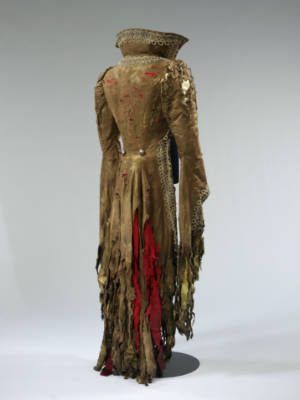
• David Bowie’s final, unrealised musical projects – The Spectator, an unseen Ziggy Stardust guitar, and Bowie’s costume designs are just some of the treasures housed in the new David Bowie Centre which opened to the public this month. Located at the V&A East Storehouse in Queen Elizabeth Olympic Park, the new home for David Bowie’s archive features nine displays show-casing more than 200 items which also include handwritten lyrics, photography, costumes and sketches. As well as seeing the displays, visitors can book one-on-one time with some of the 90,000-plus objects in the archive through the ‘Order an Object’ service. More than 500 items were requested in the first week of the service going live with a frockcoat designed by Alexander McQueen and David Bowie for his 50th birthday concert in 1997 the most frequently requested item. Entry to the archive is free, but ticketed. For more, including bookings, see www.vam.ac.uk/exhibitions/david-bowie-centre.
• The annual Chelsea History Festival kicked off yesterday with more than 80 events taking place until Sunday. Events include tours of the Royal Hospital Chelsea, and the chance to visit the Soane Stable Yard, the free exhibition Lost and Found in Hong Kong: The Unsung Chinese Heroes at D-Day at the hospital, walking tours including ‘Rock ‘n’ Roll Chelsea’ and ‘1960s Chelsea’, and a medicinal trees tour at the Chelsea Physic Garden. For the full programme head here.
• A major exhibition on the Blitz club – which helped shape London’s culture not only in the mid-1980s but in the decades that followed – has opened at the Design Museum in Kensington High Street. Located in a Covent Garden side street, the club is credited with having “transformed 1980s London style”, generating a creative scene that had an enormous impact on popular culture in the following decade. Blitz: The Club that Shaped the 80s features more than 250 items including clothing and accessories, design sketches, musical instruments, flyers, magazines, furniture, artworks, photography, vinyl records and rare film footage. Runs until 29th March. Admission charge applies. For more, see https://designmuseum.org/exhibitions/blitz-the-club-that-shaped-the-80s.
Send all items to exploringlondon@gmail.com.
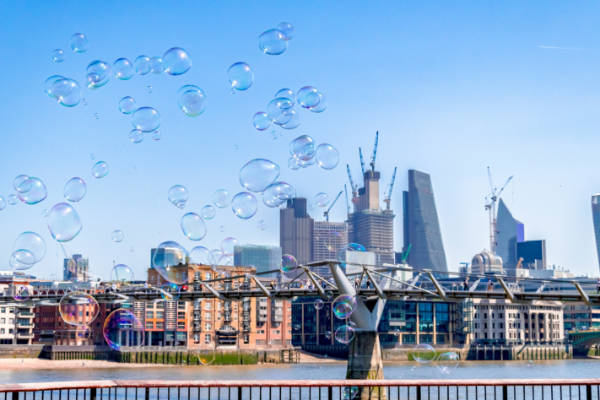
Lord Mayor of London or Mayor of London? They have similar titles but their roles and responsibilities (not to mention their history) are quite different.
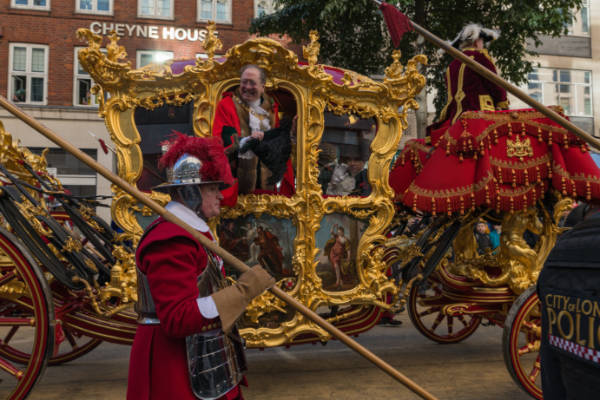
The older of the two posts is the Lord Mayor of London, a title which refers to the governance of the City of London, known to many as the “Square Mile” in the heart of the capital.
The Lord Mayor of London (officially, since 2006, known as the Lord Mayor of the City of London) heads the City of London Corporation and is an elected position; in fact it’s one of the world’s oldest continuously elected offices dating back to the late 12th century.
The Lord Mayor, who holds office for one year, is elected by the City liverymen at the Common Hall held on Michaelmas (29th September) each year. They must be serving in the office of Alderman at the time.
The Lord Mayor of London takes office on the Friday before the second Saturday of November in what is known as The Silent Ceremony (the Lord Mayor’s Show, a celebration of the newly elected Lord Mayor, takes place the following day).
The role of the Lord Mayor of London – who takes precedence over all individuals in the City of London with the exception of the monarch – has historically been to represent the residents and businesses within the City although in modern times the role is effectively an “international ambassador” for the UK’s financial and professional services sector.
The current Lord Mayor of London is Alastair King who is the 696th Lord Mayor of London. The Lord Mayor of London works out of offices at their official residence near the Royal Exchange and Bank of England known as Mansion House.
Onto the Mayor of London. A much more modern position (it was created in the year 2000), the Mayor of London is directly elected by the registered voters of Greater London. They serve as the chief executive of the Greater London Authority and work with the 25 members of the London Assembly.
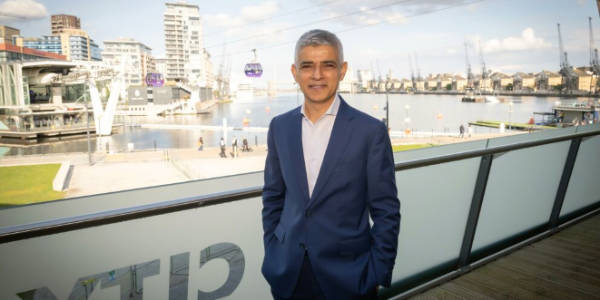
The Mayor of London is charged with overseeing the strategic governance of Greater London which includes the City of London and all 32 London boroughs (each of which also has a ceremonial or elected mayor).
Responsible for setting an overall vision for the city, the Mayor is tasked with creating policies on everything from arts and culture, the environment and the economy to policing and crime, transport, sport and housing.
The Mayor of London is based at City Hall at Royal Docks in Newham.
The current Mayor of London is Sadiq Khan, the third to serve in the role, has been mayor since 2016. The previous two mayors include Ken Livingstone and Boris Johnson, who, of course, went on to be PM.
• One of only two surviving choirbooks from the reign of King Henry VIII is on display in a new exhibition at the Lambeth Palace Library. Sing Joyfully: Exploring Music in Lambeth Palace Library displays the ‘Arundel’ or ‘Lambeth’ Choirbook (Arundel, Sussex, c. 1525) – this year marking its 500th birthday – along with other items from the library’s collection such as two leaves of a 14th century polyphony recently discovered in the binding of an early printed book. The exhibition, which is free, can be seen until 6th November. For more, see www.lambethpalacelibrary.info/sing-joyfully/.
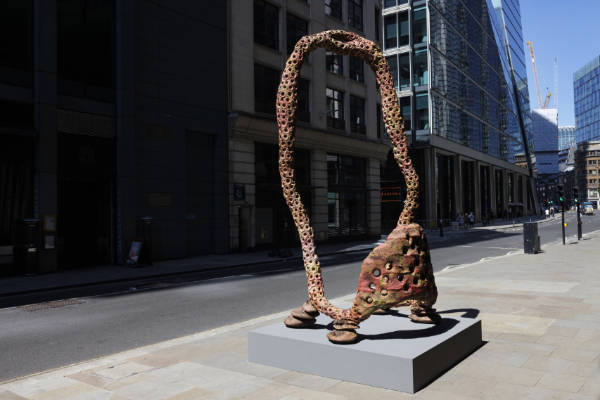
• On Now: Sculpture in the City. The 14th edition of the annual sculpture exhibition in the City of London features 11 pieces including three new works as well as six works which have been retained from previous iterations of the exhibition and two permanent acquisitions. The new works include: Ai Weiwei’s Roots: Palace, a cast-iron tree root sculpture located outside St Botolph without Bishopsgate which, as part of a series created in collaboration with Brazilian artists and communities, explores the concept of unrootedness; Jane and Louise Wilson’s Dendrophiles which, located beneath the escalators of The Leadenhall Building, combines ink drawings based on images of DNA with 3D scans of ancient oak wooden samples; and, Andrew Sabin’s Looping Loop which, located outside 70 St Mary Axe, which forms a continuous loop creating what’s described as a “lively, pulsating sensation”. Runs until April. For more – including a map of the locations – see https://www.sculptureinthecity.org.uk/.
• Rare, behind the scenes images of US band Blondie have gone on show at the Barbican Music Library from today. Taken by photographer Martyn Goddard during the group’s breakthrough year of 1978, the 50 images show the band in concert, backstage, in the studio and during photo shoots. The display of photographs is complemented by poster prints, album covers, tour and concert memorabilia, period cameras, and photographic equipment. There are also items lent by Alan Edwards, who has handled Blondie’s publicity since 1978, from his private collection. Blondie in Camera 1978 runs until 5th January. Admission is free. For more see, www.cityoflondon.gov.uk/services/libraries/barbican-music-library.
Send all items for inclusion to exploringlondon@gmail.com.
This barrel-shaped object, which can be found in the church of All Hallows by the Tower in the City of London, was used the crow’s nest on the ship Quest during Sir Ernest Shackleton’s third – and last – Antarctic voyage in the early 1920s.
This City of London street runs north-south from the junction of Newgate Street, Holborn Viaduct and Old Bailey to West Smithfield. Its name comes from those who once travelled along it.
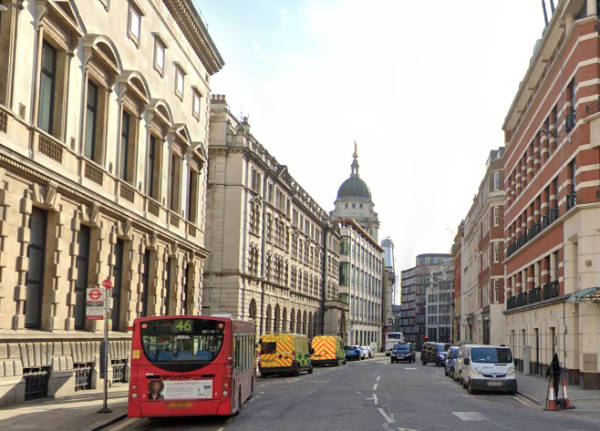
An alternative name for the street during earlier ages was Knightrider Street which kind of gives the game away – yes, the name comes from the armoured knights who would ride along the street in their way to compete in tournaments held at Smithfield. It’s suggested that gilt spurs may have later been made here to capitalise on the passing trade.
The street is said to have been the location where King Richard II met with the leaders of the Peasant’s Revolt who had camped at Smithfield. And where, when the meeting deteriorated, the then-Lord Mayor of London William Walworth, ending up stabbing the peasant leader Wat Tyler who he later captured and had beheaded.
St Bartholomew’s Hospital can be found on the east side of the street. On the west side, at the junction with Cock Lane is located Pye Corner with its famous statue of a golden boy (said to be the place where the Great Fire of London was finally stopped).
There’s also a former watch house on the west side which features a monument to the essayist late 18th century and 19th century Charles Lamb – the monument says he attended a Bluecoat school here for seven years. The church of St Sepulchre-without-Newgate stands at the southern end with the Viaduct Tavern on the opposite side of the road.
The street did formerly give its name to the small prison known as the Giltspur Street Compter which stood here from 1791 to 1853. A prison for debtors, it stood at the street’s south end (the location is now marked with a City of London blue plaque).
• VE Day commemorations continue in London this week with an Evensong service to be held outside St Paul’s Cathedral this evening. The service to commemorate the 80th anniversary of the end of the war in Europe will be held between 5pm and 6pm. Following the service will be a lamp-lighting ceremony and blessing on the cathedral’s west steps with the cathedral bells being tolled as part of a national bell-ringing at 6:30pm. A replica of a World War II Spitfire can also be seen in front of the West Steps. The service is free and unticketed – entry is via Paternoster Square. For more, see www.stpauls.co.uk/whats-on/special-evensong-to-commemorate-80th-anniversary-of-end-of-second-world-war-in-europe-ve80.
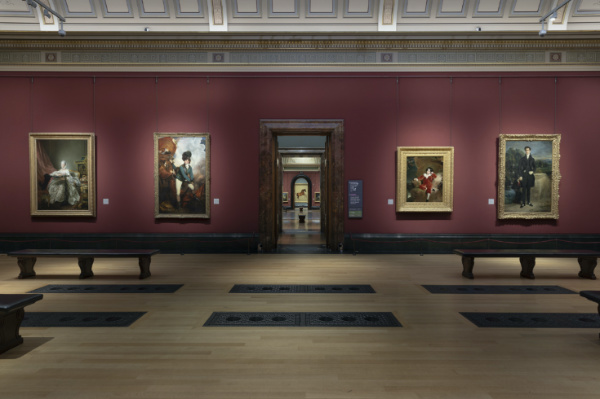
Central Hall, The National Gallery. Image and Identity: Full-Length Portraits 1550-1900. Part of ‘C C Land: The Wonder of Art’. PICTURE: © The National Gallery, London
• A major redisplay of the National Gallery’s collection – created as part of its bicentenary celebrations – can be seen from Saturday. C C Land: The Wonder of Art, which coincides with the opening of the transformed Sainsbury Wing after more than two years of building works, features more than 1,000 works and traces the development of painting in the Western European tradition from the 13th to 20th centuries. Among the works displayed are the Coronation State Portraits, commissioned from the artists Peter Kuhfeld and Paul S Benney and unveiled by King Charles III and Queen Camilla this week, which will be on display until 5th June when they will be moved to the Throne Room at Buckingham Palace. There are also newly restored works including the Pollaiuolo brothers’ The Martyrdom of San Sebastian and Jan van Eyck’s Portrait of a Man (Self Portrait?) and newly acquired works such as Eva Gonzalès’ The Full-length Mirror (about 1869‒70), Sir Lawrence Alma-Tadema’s After the Audience (1879) and Nicolas Poussin’s Eucharist (about 1637‒40) – one of the greatest paintings of the Last Supper. Meanwhile, a series of rooms have been dedicated to the work of individual artists including the likes of Titian (active about 1506‒1576), Rembrandt (1606‒1669) and Monet (1840‒1926) and one part of the new display focuses on King Charles I (1600‒1649) as a collector of art and includes major loans from the Royal Collection. Finally, in a first for the gallery, Segna di Bonaventura’s Crucifix (about 1310‒15) has been suspended from the gallery’s ceiling, enabling today’s audiences to view the work in the way it would have been seen in the 14th century. Entry to the gallery is free. For more, see nationalgallery.org.uk.
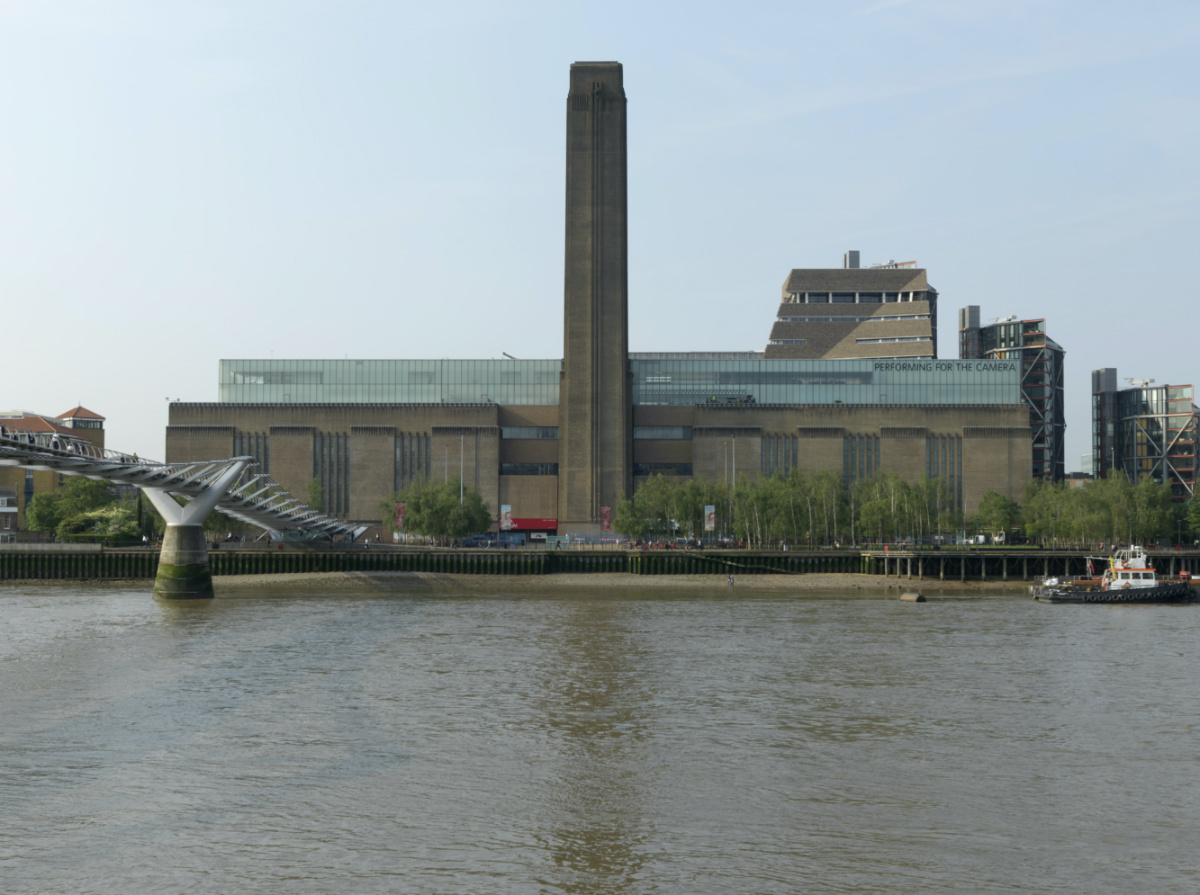
• The Tate Modern is celebrating 25 years this weekend with four days of festivities starting from tomorrow (Friday). A number of recent additions to Tate’s collection will go on display around the building for the anniversary and some of the most iconic works from Tate Modern’s history are coming back including Louise Bourgeois’s 10 metre high bronze spider Maman which was the first work to greet visitors when Tate Modern opened in 2000. Other returning works include Mark Rothko’s Seagram murals and Dorothea Tanning’s Eine Kleine Nachtmusik while among contemporary works being highlighted over the weekend is an immersive multi-screen film installation by Nalini Malani. Two new exhibitions are also open for the anniversary weekend – A Year in Art: 2050 which explores how artists imagine possible futures, and, Gathering Ground which features international contemporary art united by a deep connection to land and community. The weekend also features live music and performances, pop-up talks and tours, and special food and drink offers. For more, see https://www.tate.org.uk/whats-on/tate-modern/birthday-weekender.
Send all items for inclusion to exploringlondon@gmail.com
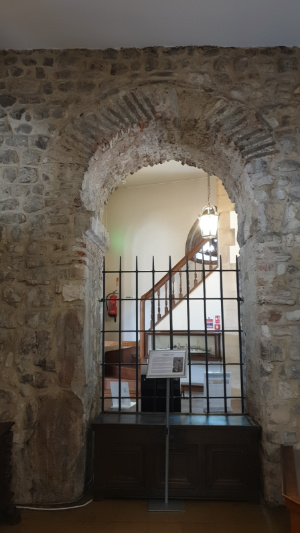
This rounded arch in the Church of All Hallows is believed to be oldest surviving arch of the Anglo-Saxon period surviving in the City of London.
The arch can be found at the west end of the nave and dates from an earlier church on the site, possibly built as early as the 7th century (the church was later rebuilt and expanded several times, survived the Great Fire in 1666, and was then largely destroyed during the Blitz before being rebuilt and reconsecrated in 1957).
Roman tiles have been reused in the arch’s construction as well as Kentish ragstone and it doesn’t include a keystone.
The arch was fully revealed after a bombing during the Blitz in 1940 brought down a medieval wall and revealed it.
The arch has given some weight to the idea that the Anglo-Saxon church was founded not long after Erkenwald founded Barking Abbey in the 7th century (he went on to become the Bishop of London in 675).
WHERE: All Hallows by the Tower, Byward Street (nearest Tube station is Tower Hill); WHEN: 8am to 5pm Monday to Friday; 10am to 5pm Saturday and Sunday; COST: Free; WEBSITE: https://www.ahbtt.org.uk/

• Shrove Tuesday, also known as Pancake Day, takes place this coming Tuesday and to mark the event, representatives from the City of London’s livery companies are coming in their annual Inter-Livery Pancake Race around Guildhall Yard. The event is organised by the Worshipful Company of Poulters while the Worshipful Company of Gunmakers provide the starting gun, the Worshipful Company of Clockmakers time the races and the Worshipful Company of Fruiterers provide lemons to accompany the pancakes. The starter’s gun fires at noon. Entry is free.
• East Enders is celebrating its 40th anniversary and to mark the occasion, the Museum of the Home in Hoxton is featuring props and costumes from the show in its displays. EastEnders at 40: Icons of Home and Drama features props and costumes including the costumes from Syed and Amira’s wedding in 2010, Kat Slater’s leopard print coat and Frank Butcher’s spinning bow tie. Runs until 22nd June. Admission is free. For more, see www.museumofthehome.org.uk.
• The origins of the Hallelujah Chorus and its special connecting to the Foundling Hospital is the subject of a new display at the Foundling Museum in Bloomsbury. Composer George Frideric Handel first held a benefit concert at the venue in 1749 in which he premiered his Foundling Hospital Anthem. He returned the following year to perform the Messiah, which had made its debut in Dublin in 1742, and this event proved so popular it was held annually until the 1770s. The display can be seen until 29th March, 2026. Admission charge applies. For more, see https://foundlingmuseum.org.uk/event/hallelujah-display/.
Send items to exploringlondon@gmail.com
In an article first published on The Conversation, LACEY WALLACE of the University of Lincoln, looks at the recent discovery….
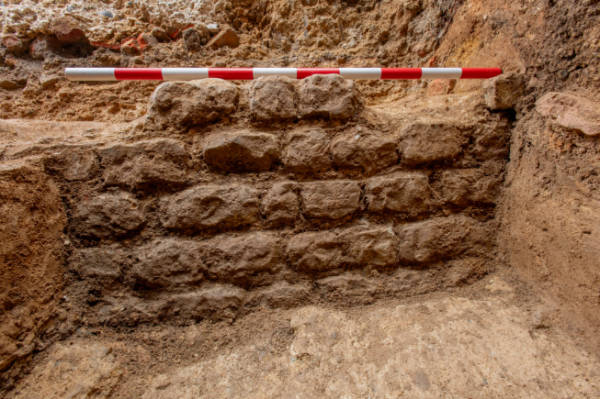
Archaeologists from the Museum of London have discovered a well-preserved part of the ancient city of London’s first Roman basilica underneath the basement of an office block. The basilica was constructed for use as a public building in the 70s or early 80s AD.
In a Roman town, a basilica was a multi-functional civic building. Often paid for by leading local inhabitants, it provided a large indoor space for public gatherings. These ranged from political speeches to judicial proceedings.
Along with the connected forum – an arrangement of buildings that surrounded an open courtyard space – the building formed the centre of administrative and civic life in the ancient Roman city of Londinium.
Other walls of London’s basilica and forum have been known by archaeologists since the early 1880s. But they were only recognised as remains of the social and civic centre of Londinium in 1923.
Peter Marsden, the author of The Roman Forum Site in London (1987), compiled disconnected evidence for the different phases of London’s forum basilica complex.
Referring to the current area of excavations (on Gracechurch Street), he noted that: “More than half of the archaeological deposits still remain, and should be carefully excavated when the opportunity arises, since only then will the history of the site be elucidated.”
Occasional opportunities have arisen to reveal small parts of the forum basilica. For example, during construction of a shaft to install a lift at 85 Gracechurch Street, some important remains from the first century were found. But the excavated area was too small to contribute greatly to our knowledge.
In contrast, the recent work is part of a major redevelopment. It has opened targeted excavation areas where walls of the basilica were expected to be found, exposing substantial parts of the building.
Archaeologists have found one-metre-wide foundations and walls of the interior, some of which probably extend for more than 10 metres in length. The walls are constructed of flint, tile and Kentish ragstone (a type of limestone quarried in Kent), and some stand at four metres high.
Londinium was constructed on an unoccupied site beginning in about AD47 or 48. It began to gain the trappings of a Roman-style town, including a basilica building, in the lead-up to its destruction in the Boudican Revolt in AD60 or 61.
The city did not have a monumental forum and basilica complex until later, however, when a major programme of public and private construction was undertaken in the Flavian period (AD69–96).
London’s Flavian basilica took the plan of a long rectangle (44m x 22.7m) divided into three aisles. There is good evidence from the deeper central aisle (nave) wall foundations that the nave roof was raised to two storeys, to allow for windows to provide internal light.

Shallow foundations crossing the nave are evidence of a raised dais or platform at the eastern end. The speaker or judge would sit there, elevated above the crowds, increasing both his visibility and status. This platform, or “tribunal”, is the area that has recently been revealed.
The basilica would have risen above the north side of the buildings that formed the forum courtyard. It would have dominated the high ground of this monumental space at the highly visible crossroads leading straight up from the Roman Thames bridge.
It would have been the largest building in the area and firmly announced that the people of Londinium were constructing a high-status Roman city.
Rebuilding following the British Queen Boudica’s revolt had been swift. The post-Revolt fort that was built only 100 metres or so down the street had likely been decommissioned and the people were ready to embark on a new phase and a major expansion of the urban centre.
The designs of late first century forum basilica complexes varied across the provinces. But generally they combined religious, civic, judicial and mercantile space.
In places like Pompeii, the forum had developed over time. But, when the town was buried by the ash of Vesuvius in AD79 (approximately the same time the forum basilica of London was built), the focus of the elongated monumental space was the Temple of Jupiter, symbol of the Roman state.
Although a classical temple was constructed to the west of the exterior of Londinium’s Flavian forum, it was clearly separate. No forum in Britannia was dominated by a temple, setting the core of urban space in this province apart from most examples in the rest of the empire.
The Flavian forum basilica at Londinium is one of the earliest examples to demonstrate this characteristic, along with that at Verulamium (St Albans). There, an inscription links the circa AD79–81 construction to the governor Agricola, who is well known among historians from the celebratory biography written by his son-in-law, Tacitus.
The Flavian basilica and forum only stood for about 20 or 30 years, however. With increased prosperity in the early second century, they were demolished and replaced by a new structure which was five times larger, leaving the remains of the first basilica underneath the surface of the later courtyard space.
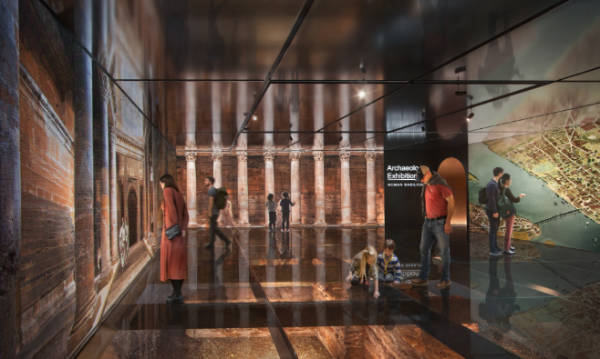
Museum of London Archaeology will now analyse and publish the results of its find, applying modern methods to advance our understanding of the development of the first forum basilica. We can expect refined dating evidence and an improved understanding of the architecture from the post-excavation analyses. An exhibition space to make the remains visible for the public is also planned.

Lacey Wallace is a senior lecturer in Roman history & material culture at the University of Lincoln. This article is republished from The Conversation under a Creative Commons license. Read the original article.
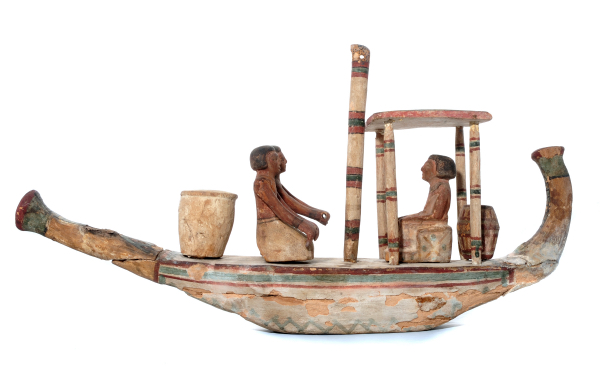
• A new exhibition exploring how stories and images from ancient Egypt continue to influence art, design and popular culture today opens at the Young V&A in Bethnal Green on Saturday. Making Egypt is divided into three sections – Storytelling, Communicating and Making – and features more than 200 objects which, as well as ancient artifacts, include contemporary responses from jewellery and fashion designers, graphic novelists and ceramic artists throughout. Highlights include everything from a 4000-year-old small wooden painted model funerary boat and an amulet of Taweret, goddess of childbirth and fertility, dating from between 664 BC to 332 BC to a rare carved wooden scribe’s palette which was used to hold ink and brushes, and Egyptian faience shabtis dating from between 380 BC to 343 BC which represent just a handful of more than 300 small funerary figures discovered in the tomb of Djedhor. Runs until 2nd November. Admission charge applies. For more, see vam.ac.uk/young.
• A new plaque commemorating humanitarian aid workers has been unveiled in the crypt of St Paul’s Cathedral. Located near the memorial to Florence Nightingale, the plaque “celebrates the bravery of those who dedicate their lives to helping others and remembers those who have been murdered or injured while delivering humanitarian assistance”. Hand-carved by stonemason Martin Gwilliams, the plaque reads: “In celebration of Humanitarian Aid Workers. Helping those in need whoever and wherever they are. And in remembrance of those who have died in the pursuit of their calling.” The plaque is the first in the UK in a public space to honour humanitarian aid workers and their work in conflict zones and disaster-stricken areas around the world. For more, see www.stpauls.co.uk.
• After almost 40 years, the Science Museum’s ‘Exploring Space’ gallery at the South Kensington institution will partially close on 22nd April and fully close in early June as part of preparations for the museum’s new ‘Space’ gallery. Key objects on display include the Soyuz spacecraft that carried astronaut Tim Peake back to Earth, the spacesuit worn by Helen Sharman, the first Briton in space, during a 1991 spaceflight and a three-billion-year-old piece of the Moon. Other items include a British Black Arrow rocket and a United States Scout rocket suspended from the gallery’s ceiling, a RL10 rocket engine and a J-2 rocket engine which powered the Apollo astronauts to the Moon. For more, see www.sciencemuseum.org.uk
Send all items to exploringlondon@gmail.com
Every year an ancient ceremony takes place in the City of London which, thanks to the passing of time, has become somewhat shrouded in mystery.