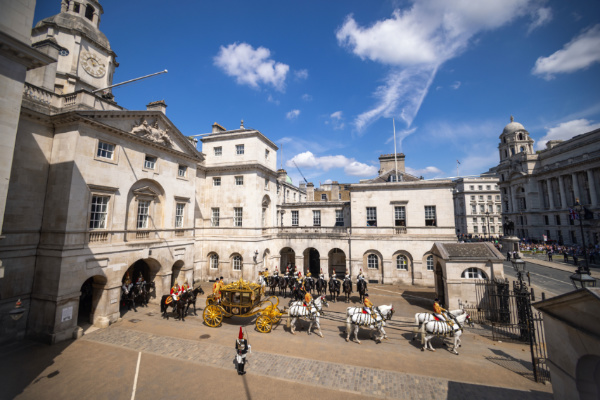
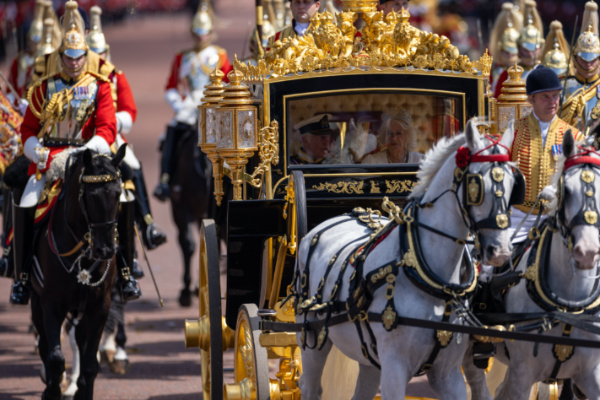
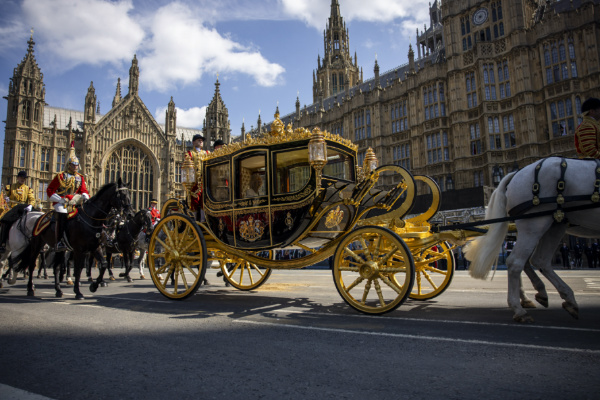
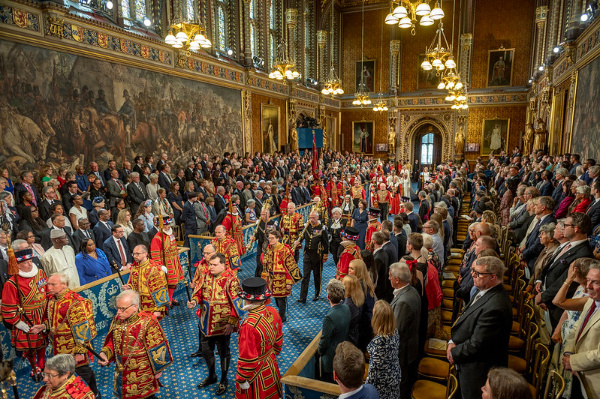
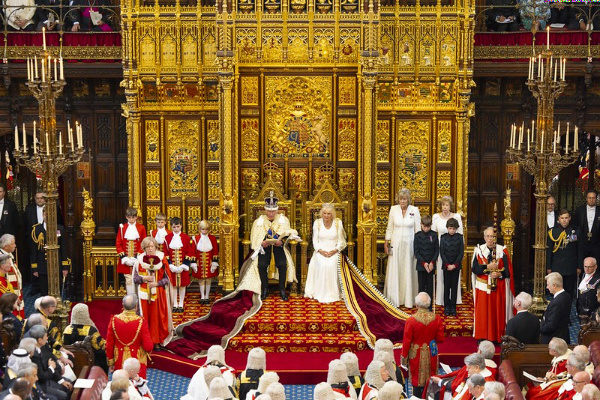
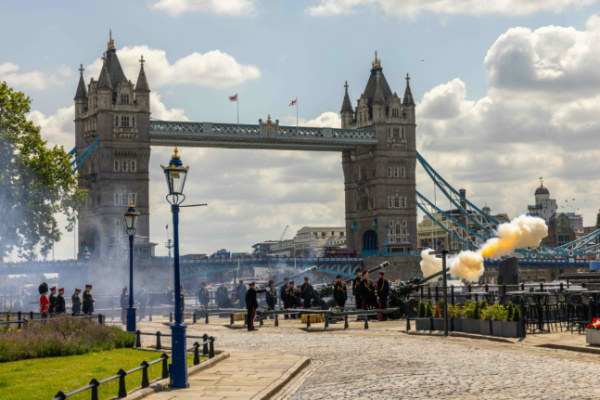
Last Wednesday, 17th July, was the State Opening of Parliament, the first since the new Labour government took office. More than 1,100 members of the armed forces were in attendance, accompanied by 200 military horses, as the procession of King Charles III and Queen Camilla made its way to the Houses of Parliament where the King delivered a speech outlining the government’s plans.
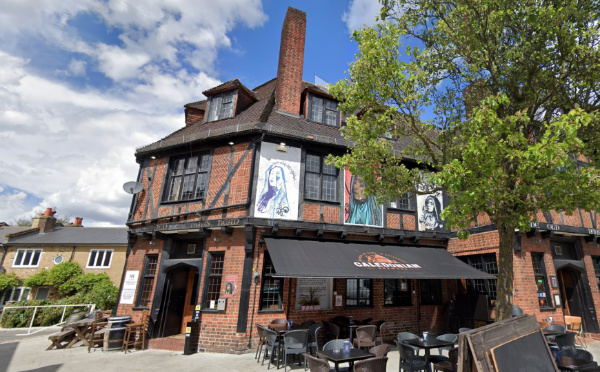
This district of London, which lies to the south-east of Peckham in the London Borough of Southwark, is believed to owe its name to a local tavern named, you guessed it, the Nun’s Head on the linear Nunhead Green (there’s still a pub there, called The Old Nun’s Head, in a building dating from 1905).
The Old Nun’s Head near Nunhead Green. PICTURE: Google Maps
There may well have been actual nuns here (from which the tavern took its name) – it’s suggested that there was a nunnery here which may have been connected to the Augustinian Priory of St John the Baptist founded in the 12th century at Holywell (in what is now Shoreditch).
A local legend gets more specific. It says that when the nunnery was dissolved during the Dissolution, the Mother Superior was executed for her opposition to King Henry VIII’s policies and her head was placed in a spike on the site near the green where the inn was built.
While the use of the name for the area goes back to at least the 16th century, the area remained something of a rural idyll until the 1840s when the Nunhead Cemetery, one of the “Magnificent Seven” cemeteries of Victorian London, was laid out and the area began to urbanise.
A fireworks manufactory – Brocks Fireworks – was built here in 1868 (evidenced by the current pub, The Pyrotechnists Arms). The railway arrived in 1871.
St Antholin’s Church was built in 1877 using funds from the sale of the City of London church, St Antholin’s, Budge Row, which was demolished in 1875. St Antholin’s in Nunhead was destroyed during the Blitz and later rebuilt and renamed St Antony’s (the building is now a Pentecostal church while the Anglican parish has been united with that of St Silas).
There’s also a Dickens connection – he rented a property known as Windsor Lodge for his long-term mistress, actress Ellen Ternan, at 31 Lindon Grove and frequently visited her there (in fact, it has even been claimed that he died at the property and his body was subsequently moved to his home at Gad’s Hill to avoid a scandal).
Nunhead became part of the Metropolitan Borough of Camberwell in 1900. These days, it’s described by Foxtons real estate agency as “a quiet suburb with pretty roads and period appeal”.
Hanging in the Tudor Great Hall at Hampton Court Palace, this series of 10 huge tapestries are believed to have been commissioned by King Henry VIII and were first hung in the hall in 1546.
To see the rest of this post (and all of our coverage), subscribe for just £3 a month. This small contribution – less than the cost of a cup of coffee – will help us continue and grow our coverage.We appreciate your support!
• West Ham Park celebrates its 150th anniversary this weekend with a festival of music, food, sport, and other activities. On Saturday there will be a free, family-friendly festival with music – including appearances by Australian-born singer-songwriter Celina Sharma and singer-songwriter, Fiaa Hamilton, as well as a DJ set from Ellis – along with arts and crafts, a children’s fun fair and local food stalls. On Sunday, activities are based around the theme of ‘give it a go’ with visitors able try out various sports and health activities, including football, cricket, tennis, athletics, Tai Chi, and long-boarding. There will also be free taster sessions and opportunities to meet local sporting legends. An outdoor exhibition about the park’s history can be seen in Guildhall Yard in the City leading-up to the event after which it will be moved to Aldgate Square. West Ham Park is the largest green space in the London Borough of Newham and has been managed by the City of London Corporation since 1874. Activities on both days start at 12pm. For more, see www.cityoflondon.gov.uk/westhampark150.
To see the rest of this post (and all of our coverage), subscribe for just £3 a month. This small contribution – less than the cost of a cup of coffee – will help us continue and grow our coverage.We appreciate your support!
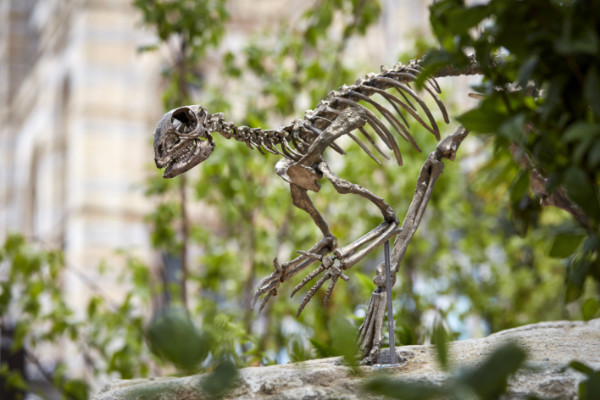
‘Fern the Diplodicus’ has been unveiled at the Natural History Museum this morning, the latest addition to its transformed gardens which open to public on Thursday.
The bronze cast of the museum’s moved loved figure takes pride of place in the new Evolution Garden, which, along with the Nature Discovery Garden, sit within five acres of green space surrounding the South Kensington museum.
The Evolution Garden provides the opportunity to explore the 2.7 billion history of the planet and, as well as Fern, features a canyon clad in ancient Scottish stone, and a second dinosaur, Hypsiophodon.
The Nature Discovery Garden showcases different wildlife habitats in the UK’s urban spaces – complete with the frogs, newts, dragonflies and mandarin ducks that are already living there – and features a nw Nature Activity Centre which combines scientific facilities with a hub for school workshops and family activities.
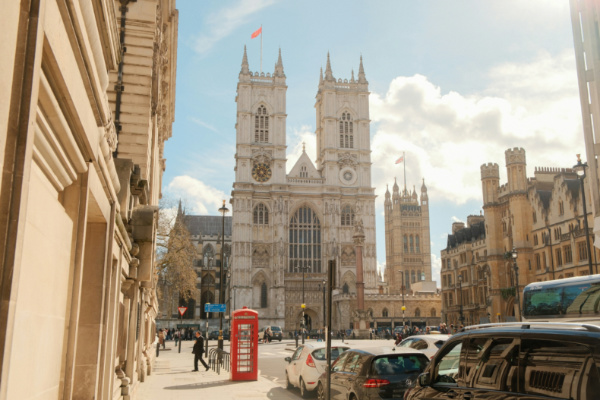
A Royal Peculiar is a Church of England parish that is exempt from the jurisdiction of the church diocese or province in which it sits and instead answers directly to the monarch.
The concept of the Royal Peculiar first began to emerge in Anglo-Saxon times and was developed over the following centuries.
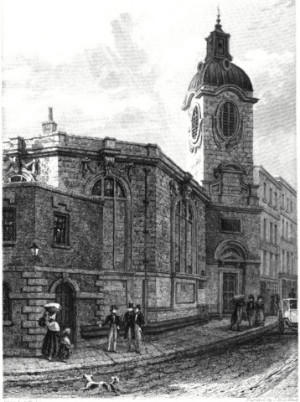
This unusually named church dates back to at least the 13th century and stood on what is now Threadneedle Street.
St Benet is a contraction of St Benedict (he who founded monastic communities in Italy in the 6th century) and this was once of four City churches dedicated to the saint before 1666. The word ‘Fink’, meanwhile, is a corruption of Finch and apparently referred to Robert Finch (or Fink) who paid for a rebuild of the church in the 13th century.
‘The Church of St Benet Fink’ (1839), seen in The Churches of London by George Godwin (1839).
The medieval rectangular church was among those destroyed in the Great Fire of 1666. Rebuilding commenced soon after, thanks in part to a £1,000 donation from a Catholic George Holman (he was rewarded with two pews and a place in the vault). The church was completed in 1675 apparently for a cost at just over £4,000.
Designed by Sir Christopher Wren, the church – due to the irregular shape of the site after the City decided to widen Threadneedle Street, was rebuilt on a decagonal plan, over which sat a dome, with a tower at the west end topped by a bell cage over which sat a ball and cross (apparently this latter feature was unique for a Wren church).
The church survived until the mid-18th century when the Corporation of London petitioned Parliament for permission to demolish the tower of St Benet Fink in order make way for an expanded Royal Exchange (which had burned down in 1838).
Following the demolition of the tower (over which there were some protests), a new entrance was cut into the west wall of the church but it proved less than ideal and the City of London was granted permission to knock down the rest of the church which took place in 1846.
The parish was merged with that of St Peter le Poer. Proceeds of the sale of the site were used to build St Benet Fink Church, Tottenham.
The furniture was sold off and paintings of Moses and Aaron that had formed part of the altarpiece are now in the chapel of Emanuel School in Battersea.
Famous associations include John Henry Newman, the future Catholic cardinal, who was baptised in the church on 9th April, 1801.
An office block now occupies the site. A City of London blue plaque marks the site.
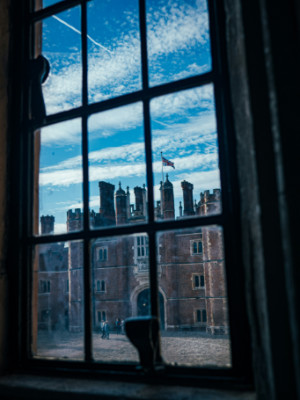
Looking out a window at Hampton Court Palace. PICTURE: Greg Willson/Unsplash
• The oldest surviving rooms at Hampton Court Palace – the Wolsey Rooms which King Henry VIII and Thomas Wolsey once used – are the location of a new display opening today exploring the early years of Henry VIII’s reign and the lives of the ‘ordinary’ men and women who shaped the Tudor dynasty.The Tudor World has, at its centre, rare surviving paintings from the Royal Collection including The Embarkation of Dover – depicting the Tudor navy – and The Field of Cloth of Gold which details Henry VIII’s summit with King Francis I of France in 1520. Also on show is a gold ring believed to have belonged to the Boleyn family, a brightly coloured silk hat linked to King Henry VIII, Wolsey’s portable sundial, a wooden chest used to hide religious contraband by Catholic priests during the reign of Queen Elizabeth I, and, an original Tudor chain pump used to help empty the Hampton Court cesspool. Among the stories of “ordinary” Tudor people being shared is that of Anne Harris, Henry VIII’s personal laundry woman who washed the bandages for his leg ulcers and, Jacques Francis, a free-diver from West Africa who was involved in the expedition to salvage guns from the sunken Mary Rose and who later became one of the first Black African voices heard in an English court, when he was called to testify in a case concerning his employer, Paulo Corsi. Included in palace admission. For more, see www.hrp.org.uk/hampton-court-palace/.
• Crossing Borders, a day of free activities, performances and workshops run by local newly arrived people, will be held at the Horniman Museum Gardens in Forest Hill this Saturday. The day will feature arts and crafts workshops led by IRMO, dance performances by Miski Ayllu and the Honduran Folkloric Pride Group, the chance to learn circus skills with young people from Da’aro Youth Project and South London Refugee Association, and the opportunity to make kites with Southwark Day Centre for Asylum Seekers. The free event runs from 11am to 4pm. For more, see https://www.horniman.ac.uk/event/crossing-borders/.
• Transport for London customers can save 30 per cent on entry to the Painted Hall at the Old Royal Naval College when using the TfL network until 17th November. Simply show customers show your TfL journey on the day of your visit via the TfL Oyster and Contactless app and receive the discount, taking the adult entry price, when booked online to just £11.55. For bookings, head to https://londonblog.tfl.gov.uk/2022/07/27/in-the-city/.
Send all items for inclusion to exploringlondon@gmail.com.
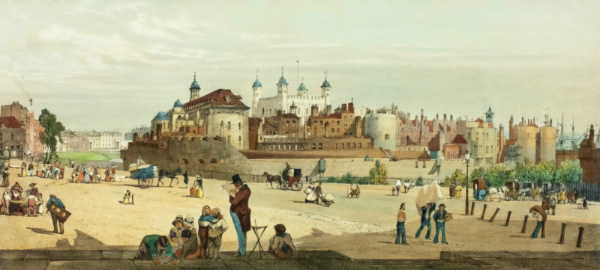
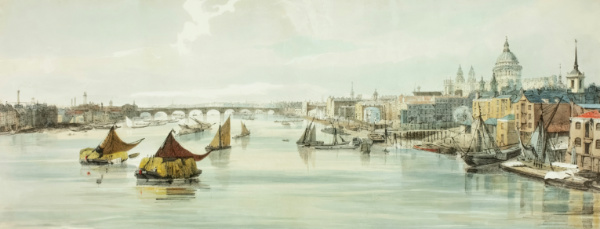
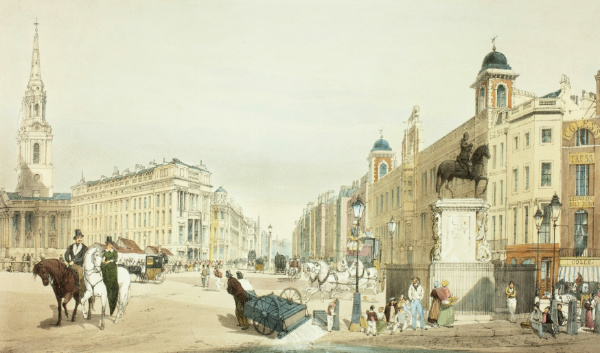
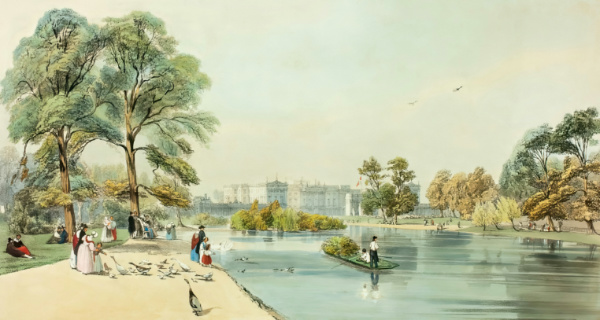
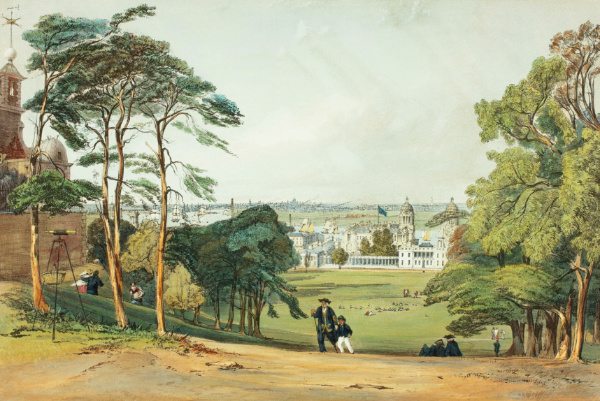
‘The Tower and Mint from Great Tower Hill’ byThomas Shotter Boys in ‘Original Views of London as It Is’, 1842. PICTURE: Via Art Institute of Chicago/Unsplash‘Blackfriars, from Southwark Bridge’ by Thomas Shotter Boys from ‘Original Views of London as It Is’, 1842. PICTURE: Via Art Institute of Chicago/Unsplash‘Entry to The Strand from Charing Cross’ by Thomas Shotter Boys from ‘Original Views of London as It Is’, 1842. PICTURE: Via Art Institute of Chicago/Unsplash‘Buckingham Palace from St James’ Park’ by Thomas Shotter Boys from ‘Original Views of London as It Is’, 1842. PICTURE: Via Art Institute of Chicago/Unsplash‘London, from Greenwich’ by Thomas Shotter Boys from ‘Original Views of London as It Is’, 1842. PICTURE: Via Art Institute of Chicago/Unsplash
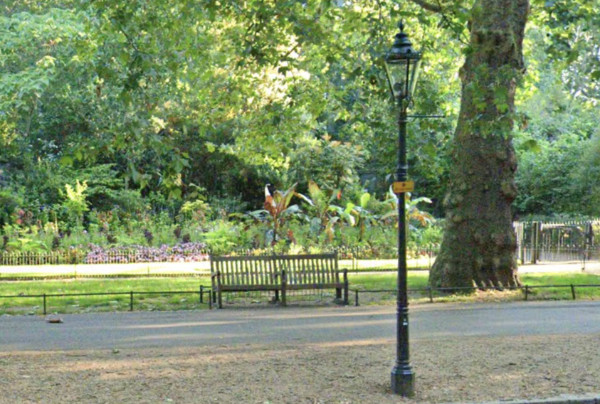
One of the George IV lamps in Birdcage Walk. PICTURE: Via Google Maps
There remain some 1,300 publicly maintained gas lamps still in use in London’s streets but the oldest surviving gas lamps can be found in Birdcage Walk (along the south side of St James’s Park).
These cast iron lamps bear the insignia of King George IV who ruled from 1820 to 1830. While lamps had been installed in London since the reign of King George III (the earliest permanent placement was on Westminster Bridge in 1813), these lamps were installed during his successor’s reign.
They are among numerous Grade II-listed lamp stands on Birdcage Walk (some others are marked with thee insignia of King William IV).
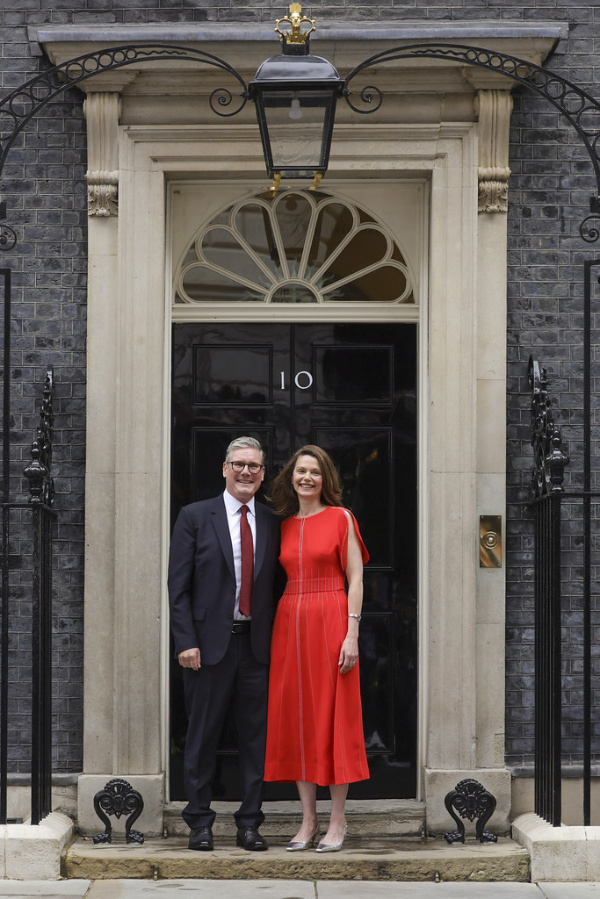
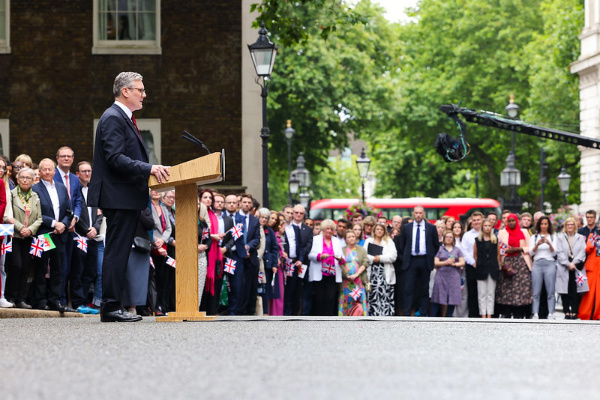
The new Prime Minister, Sir Keir Starmer, and his wife Victoria arrive at Number 10 Downing Street. PICTURE: Kirsty O’Connor/ No 10 Downing Street (licensed under CC BY-NC-ND 2.0)The Prime Minister, Sir Keir Starmer, addresses the media outside Number 10 Downing Street. PICTURE Rory Arnold/No 10 Downing Street (licensed under CC BY-NC-ND 2.0)The Prime Minister, Sir Keir Starmer and his wife Victoria are greeted inside Number 10 Downing Street after winning the general election. PICTURE: Simon Dawson/No 10 Downing Street (licensed under CC BY-NC-ND 2.0)
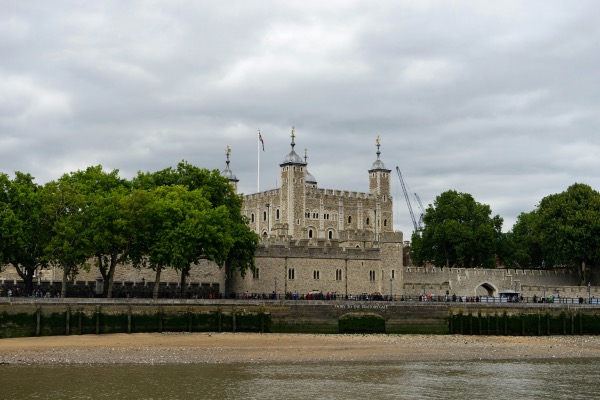
• The lives of five little-known trail-blazing women are being celebrated at the Tower of London. The five women – who will take part in a guided procession through the grounds and features in staged performances and face-to-face interactions at the Tower this summer – include Winifred Maxwell, a fearless Jacobite who smuggled her husband out of the Tower the night before his execution and Katherine le Fevre, who served as the Master Smith of the Tower during the Hundred Year War with France. Also represented are Phillis Wheatley, an intellectual prodigy and enslaved woman hailing from West Africa who became the first African-American author of a published book of poetry; Catalina of Motril, a Granadan bedchamber attendant of Katherine of Aragon who was privy to her former mistress’ secrets; and, Leonora Cohen, Yorkshire-born Suffragette who smashed the case holding the Crown Jewels at the Tower with an iron bar – and kept campaigning until she was 105. The chance to meet the women is included in general admission until 1st September. For more, see www.hrp.org.uk/tower-of-london/.
• Peter Paul Rubens’ The Judgement of Paris has returned to public display after a 14 month restoration project. The project found that the painting, believed to date from 1632‒5 during the last decade of Ruben’s life, has been restored several times including a significant re-working of the composition sometime between 1676 and 1721. The new analysis reveals what changes were made by Rubens himself to the work – which arrived in Britain in 1792 and was acquired by the National Gallery in 1844 – and which were done after his death. For more, see www.nationalgallery.org.uk.
• A major exhibition on the creation and evolution of Barbie opens at the Design Museum on Friday. Barbie: The Exhibition, which coincides with the 65th anniversary of the Barbie brand, showcases the diversity of the Barbie range, as well as her friends (and, of course Ken) and looks at how Barbie’s homes, vehicles and other products have reflected the tastes and trends of day. Highlights include a rare first edition of the first doll released by Mattel in 1959 (‘Number 1 Barbie’), the ground-breaking ‘Day to Night Barbie’ from 1985 and the best-selling Barbie of all time, 1992’s ‘Totally Hair Barbie’, which sold more than 10 million across the globe. There are also examples of the first Black, Hispanic and Asian dolls to bear the Barbie name as well as the first Barbie with Down syndrome, the first to use a wheelchair, and the first to be designed with a curvy body shape. Runs until 23rd February. Admission change applies. For more, see https://designmuseum.org/exhibitions/barbie-the-exhibition.
PICTURE: Via Wikipedia (licensed under CC BY-SA 4.0)
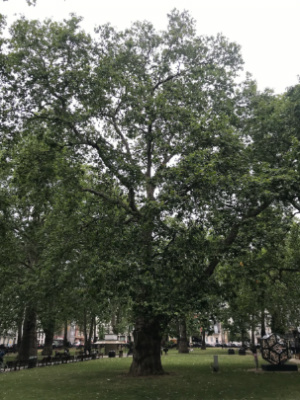
Located in the heart of Mayfair are some of the oldest – and most valuable – plane trees in London.
London plane trees (Platanus × acerifolia) – believed to be a hybrid of the American Sycamore Platanus occidentalis) and the Oriental Plane (Platanus orientalis) – were widely planted across London in the 18th century due to their resistance to pollution.
These grand old trees are believed to have been planted in 1789 by MP Edward Bouverie, who lived at 13 Berkeley Square.
Among the 30 or so plane trees in the Grade II-listed park is one known variously as the ‘Victorian Plane’ or ‘Berkeley Plane’.
It was reportedly assessed under the Capital Asset Value for Amenity Trees system in 2008 as being worth $750,000, a price tag which is understood to have made it the most valuable tree in Britain at the time.
The tree was one of the original 41 Great Trees of London.
The Fountains Abbey in late 2022. PICTURE: Google Maps
This unusually named pub dates from the early 19th century and is known for its connections with Sir Alexander Fleming.
PICTURE: Google Maps
The pub was founded in 1824 and it’s name, according to a former signboard, apparently comes from two sources – “fountains” which relates to nearby springs and wells and “abbey” which relates to Westminster Abbey which formerly possessed the Manor of Paddington (on the land of which the pub is located).
The current signboard, however, has a picture of the medieval ruins of the former Cistercian monastery of Fountains Abbey, located near Ripon in North Yorkshire, so it may be that the name actually relates to that. Or perhaps both explanations can be true.
Sir Alexander was apparently a regular at the pub – in fact, there’s a story that mould spores from this establishment blew through Fleming’s window and lead him to discover penicillin in 1928.
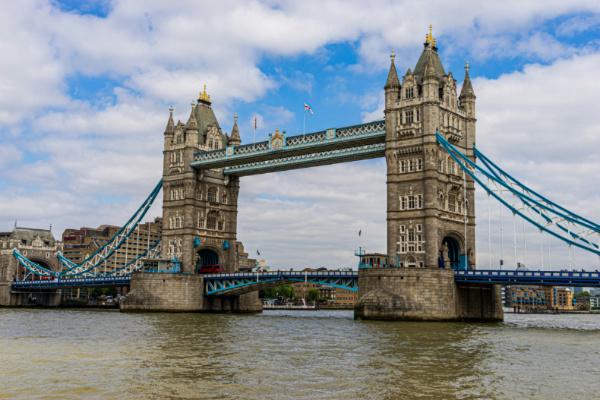
• Tower Bridge marks its 130th birthday this year and to mark the event, the London Metropolitan Archives are hosting a free exhibition charting its history at the City of London’s Heritage Gallery. Designed by Horace Jones, the bridge opened on 30th June, 1894, and the display reflects on the splendour of that royal event as well as examining how and why the bridge was built, the engineering involved and how the bridge played a role in defending London during World War I. The exhibition runs until 19th September at the gallery, located in the Guildhall Art Gallery. Booking tickets is recommended. For more, see https://www.cityoflondon.gov.uk/events/tower-bridge-at-the-heritage-gallery.
• Actor Dame Peggy Ashcroft and Dublin-born novelist Iris Murdoch have been honoured with English Heritage Blue Plaques. A leading figure in 20th century theatre, Dame Peggy has been remembered with a plaque on her childhood home in South Croydon. It was in what was then a “leafy market town” that at the age of 13 Peggy first dreamt of performing on the stage while standing outside the local grocers on George Street and to which she returned in 1962 to open a theatre named after her. The plaque honouring Murdoch, meanwhile, has been placed on 29 Cornwall Gardens, part of a Italianate stucco-fronted mid-Victorian terrace in Kensington where she occupied a top floor flat. Murdoch lived in London for more than 25 years and during that time would spend three days a week in the flat. For more, see www.english-heritage.org.uk/visit/blue-plaques/
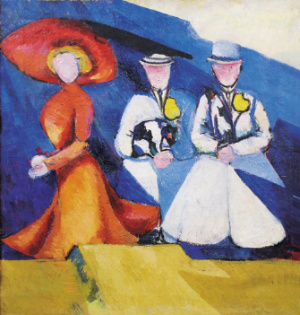
Alexandra Exter, ‘Three Female Figures’, 1909-10Oil on canvas, 63 x 60 cmNational Art Museum of Ukraine
• The most comprehensive UK exhibition to date of modern art in Ukraine opens at the Royal Academy on Saturday.In the Eye of the Storm: Modernism in Ukraine, 1900–1930s, features some 65 works, many on loan from the National Art Museum of Ukraine and the Museum of Theatre, Music and Cinema of Ukraine. Artists represented in the display, which is divided into six sections, include such renowned names as Alexander Archipenko, Sonia Delaunay, Alexandra Exter and Kazymyr Malevych as well as lesser-known artists such as Mykhailo Boichuk, Oleksandr Bohomazov and Vasyl Yermilov. Runs in the The Gabrielle Jungels-Winkler Galleries until 13th October. Admission charge applies. For more, see www.royalacademy.org.uk.
• The work of artists who have illustrated Michael Rosen’s many books for children are the subject of a new exhibition at the Heath Robinson Museum.Michael Rosen: The Illustrators explores Rosen’s books and the many artists who illustrated them over his 50 year career including the likes of Quentin Blake, Helen Oxenbury, Chris Riddell and Korky Paul. Among the works on show are original drawings for titles including We’re Going on a Bear Hunt, Michael Rosen’s Sad Book and Michael Rosen’s Book of Nonsense! Runs until 22nd September. Admission charge applies. For more, see https://www.heathrobinsonmuseum.org/.
Send all items for inclusion to exploringlondon@gmail.com.
Said to be the oldest of its species in the UK (and a contender for the oldest tree in London), this holm oak (Quercus ilex), also known as a holly leaved oak, is believed to be more than 500-years-old.
The site was the home of senior clergy for much longer – Waldhere, the Bishop of London, first bought the site in 704 AD. And over the years, Fulham Palace and its gardens have evolved significantly with some of the current structures dating from Tudor times.
The Bishops of London left the palace in 1973 and it’s now managed under a trust which was established in 2011.
It’s possible this immense evergreen oak, which is native to the Mediterranean region, was among a number planted in the mid-16th century during the tenure of Bishop Edmund Grindal (about 1553 to 1559).
Bishop Grindal is known to have had a keen interest in the garden and who is credited with introducing the tamarisk tree to England and growing grapes which were sent to Queen Elizabeth I.
It’s also possible the tree was planted during the later tenure of Bishop John Aylmer (1576 to 1594).
The oak, which was coppiced many years ago extending its life, is among the original 41 trees awarded “Great Tree” status in 1988.
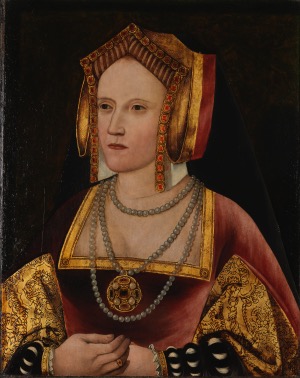
• The first major exhibition to focus on the six wives of King Henry VIII opens at the National Portrait Gallery today. The first historical exhibition at the gallery since its reopening, Six Lives: The Stories of Henry VIII’s Queens features more than 140 works and includes everything from 16th century portraits by Hans Holbein the Younger through to costumes from SIX the Musical. The display will examine representation of the queens in chronological order starting with Katherine of Aragon before moving on to Anne Boleyn, Jane Seymour, Anne of Cleves, Katherine Parr and Katherine Howard, and, as well as historic paintings, includes miniatures, drawings and some of the queen’s personal possessions such as letters and books. Highlights include a three-quarter length painted panel of Katherine Parr attributed to ‘Master John’, a portrait of Anne of Cleves by Edgar Degas and contemporary portraits by Hiroshi Sugimoto. Personal possessions on show include Katherine of Aragon’s writing box, Anne Boleyn’s inscribed Book of Hours with her signature deliberately erased, an illustrated Bible commissioned by Thomas Cromwell following the death of Jane Seymour, Anne of Cleve’s expense account book, a miniature portrait believed to be of Katherine Howard by Hans Holbein the Younger and a prayer book written by Katherine Howard. Admission charge applies. Runs until 8th September. For more, see www.npg.org.uk.
• West End Live takes place in Trafalgar Square this weekend with a line-up of more than 50 acts – from productions ranging from Disney’s Frozen to Mrs Doubtfire set to hit the stage. The unticketed free event, now in its ninth year, will also be streamed on Official London Theatre’s YouTube after the event. Gates will open at approximately 10.15am on Saturday and 11.15am on Sunday. Entry to all areas is managed on a first come, first served basis and queues are expected. Entry cannot be guaranteed. For more, head to the West End LIVE website.
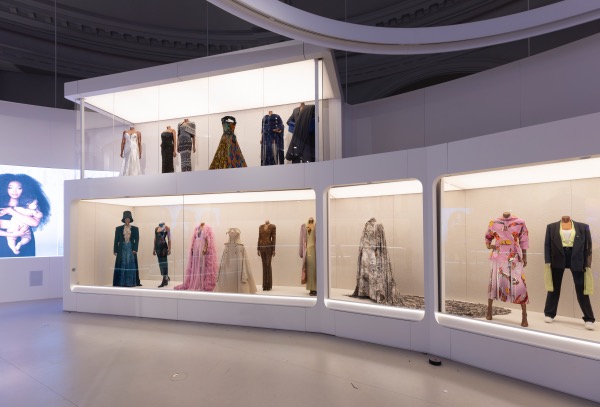
A scene from the NAOMI exhibition. PICTURE: Courtesy of the V&A
• An exhibition exploring the 40 year career of leading British fashion model Naomi Campbell opens at the V&A on Saturday. NAOMI features around 100 looks from global high fashion and draws upon Campbell’s own extensive wardrobe of haute couture and leading ready-to-wear ensembles along with loans from designer archives and objects from V&A collection. Designers represented include everyone from Alexander McQueen, Chanel, and Dolce & Gabbana to Gianni and Donatella Versace, Jean Paul Gaultier, John Galliano, Karl Lagerfeld, Vivienne Westwood and Yves Saint Laurent. The display also includes photography by Nick Knight, Steven Meisel and Tim Walker. Runs until 6th April, 2025. Admission charge applies. For more, see www.vam.ac.uk.
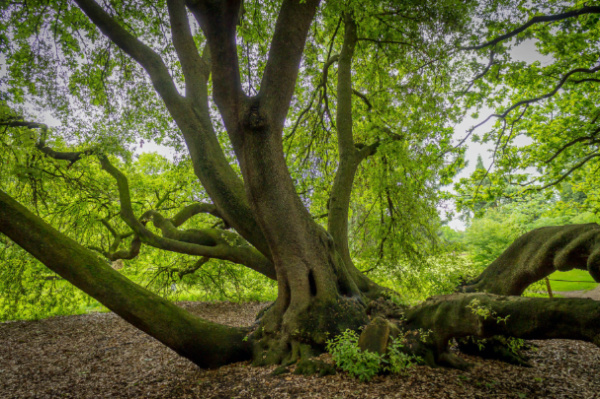
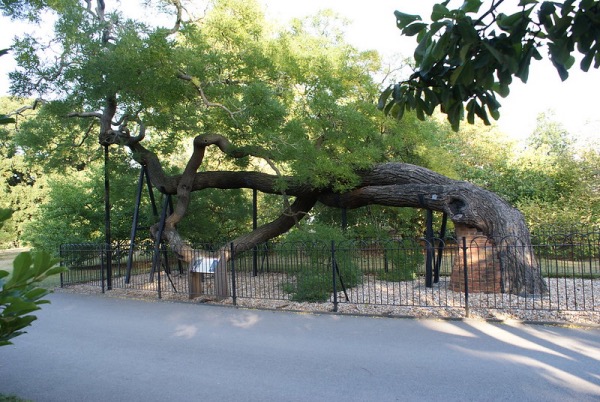
They include a Japanese pagoda tree (Styphnolobium japonicum) which was planted in 1762 after having been brought back to London from China by London nurseryman James Gorden.
There’s also the oldest of the maidenhair trees (Ginkgo biloba) in the garden, one of several grown by Gorden in 1758. Originally planted in the Duke of Argyll’s Garden at Whitton, it was transferred to Kew in 1762 following his death by his nephew Lord Bute, and is thought to be one of the first of its species to be grown in the country.
The Oriental plane (Platanus orientalis), located next to the Orangery, also apparently come from Whitton, brought to Kew in 1762, while the Caucasian elm (Zelkova carpinifolia) was planted in 1760 and is the only survivor of a group of three, the other two lost in storms in 1987 and 1990.
The last of the five trees is a Black locust (Robinia pseudoacacia) tree, also known as thefalse acacia tree. It was planted in the gardens in 1762 and was also transplanted from the Duke of Argyll’s Garden at Whitton.
WHERE: Kew Gardens (nearest Tube station is Kew Gardens); WHEN: 10am to 7pm (see website for seasonal changes); COST: From £20 for adults; from £18 concessions; from £9 young person (16 to 29 years); from £5 for children (4 to 15 years); see website for ticket categories WEBSITE: www.kew.org.