• Kew Gardens have unveiled a new programme of well-being events with the aim of encouraging people to enjoy the outdoors after the COVID-19 lockdown. The events, all of which will be COVID-19 safe and follow government guidelines, including everything from forest bathing sessions in the Arboretum inspired by the Japanese art of Shinrin-yokuto, a rare chance to cycle through the gardens on an evening bike ride, pilates in the Nash Conservatory and yoga sessions in the Temperate House. Check the Kew website for dates and times and admission charges.
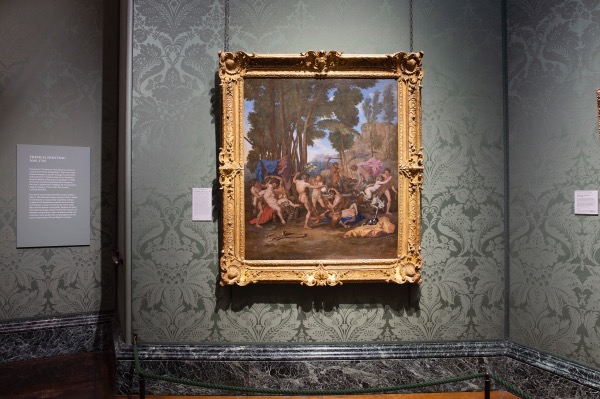
• The creator of The Triumph of Silenus (c1637), which was one of the first paintings to enter the collection of The National Gallery when it did so in 1824, has been confirmed as 17th century French painter Nicolas Poussin. The painting had long been plagued by questions of authenticity but following recent conservation work and in-depth technical analysis, it has been confirmed as a work of Poussin. The confirmation means the gallery holds 14 works by Poussin, making it one of the world’s leading collections of paintings by him. Later this year, the picture will feature in a new exhibition, Poussin and the Dance.
• People will have the chance to see parts of Euston Station usually not accessible to the public on a new virtual tour announced by the London Transport Museum. The tour is part of the next season of ‘Hidden London’ virtual events with new dates also to be announced for tours of King William Street, Brompton Road, Holborn (Kingsway) and Aldwych. Meanwhile, the museum will recommence its ‘Secrets of Central London’ walking tour in the West End on 17th May. Charges apply. For more on the virtual tours and dates, head to www.ltmuseum.co.uk/hidden-london/virtual-tours.
Send all items for inclusion to exploringlondon@gmail.com.
• With books of condolence not available for the public to sign due to the coronavirus pandemic, the Royal Family has created a national Online Book of Condolence for those who wish to leave a message following the death of Prince Philip. The family have also asked that members of the public consider making a donation to a charity instead of leaving floral tributes in memory of the Duke. The ceremonial funeral, which is not open to the public, will be held on Saturday at 3pm in St George’s Chapel, Windsor. A national one minute of silence will observed at 3pm, as the funeral, commences.
• ZSL London Zoo reopened to the public this week, three months after it closed its doors for the third national coronavirus-related lockdown. Visitor numbers are limited to ensure social distancing and visitors must pre-book. A one-way system is in place, with three prescribed routes ensuring guests remain socially-distanced while exploring. Indoor exhibits, including the Reptile House and Rainforest Life, will remain closed for now. For more, see www.zsl.org.
Send all items for inclusion to exploringlondon@gmail.com.
Despite the ongoing impacts of the coronavirus pandemic, we hope you have a happy Easter break!
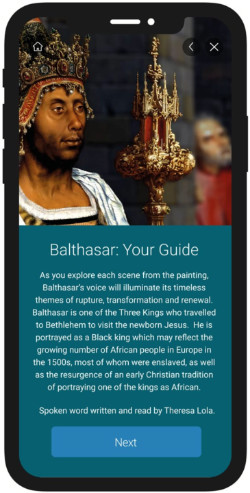
A screenshot from ‘Sensing the Unseen: Step into Gossaert’s ‘Adoration’, mobile edition’
• The National Gallery’s first exhibition aimed at mobile phone users – exploring Jan Gossaert’s masterpiece, The Adoration of the Kings – goes live from Friday.Sensing the Unseen: Step into Gossaert’s ‘Adoration’, mobile edition features six poems in the voice of King Balthasar, a character depicted in the painting, who interprets six scenes shown in the work while interactive sound brings them to life, all in an effort to guide people to details they may have missed in the work. Users can use their zoom function to explore the masterpiece’s minutiae and share their favourite finds on Instagram. The mobile phone offering is a pre-cursor to the planned reopening of the physical exhibition Sensing the Unseen: Step into Gossaert’s ‘Adoration’ – forced to close just a week after opening last December – on 17th May. To see the mobile display, head to nationalgallery.org.uk/visiting/virtual-tours.
• Hampton Court Palace is once again holding its Lindt Gold Bunny huntfor Easter. Families are invited to join in the search for the famous Lindt Gold Bunnies which have been hidden around the palace, enjoying the gardens along the way. Using a trail map, children will be able to learn about various lesser known Hampton Court residents including John Dale, Henry VIII’s master cook, and John Blanke, the King’s royal trumpeter. Successful treasure hunters can then claim a chocolate reward and a pair of gold bunny ears. Included in admission, the trail is designed for children aged three to 12-years-old and takes about one-and-a-half hours to complete. Runs until 18th April. For more, see www.hrp.org.uk/hampton-court-palace/whats-on/easter-lindt-gold-bunny-hunt/.
• The final two blossom trees have been planted in the new London Blossom Garden. The public garden, which is being created as a lasting, living memorial to Londoners who have lost their lives to COVID-19 and the city’s shared experience of the pandemic, is located in the northern part of Queen Elizabeth Olympic Park in Newham. Scheduled to open later this spring, it has been created in partnership with the National Trust and with the support of Bloomberg, and features 33 blossoming trees representing London’s boroughs and the City of London.
Send all items for inclusion to exploring-london@gmail.com
• Famous faces from TV and radio including Strictly Come Dancing champion Oti Mabuse and her partner Marius Iepure, Radio 2’s Reverend Kate Bottley and TV presenter Monty Halls, are visiting dramatic historic locations that are special to them in a new series of videos launched by Historic England. In each film in the #UncoverMore campaign, the personalities “discover a thread through time that brings to life the stories of people, places and spaces that have survived through the decades”. In their film, Oti and Marius dance at two of England’s oldest ballrooms (at Powderham Castle and Hampton Court Place), while Rev Bottley visits Loughborough Bellfoundry, and Monty Halls takes in ‘The Lost Gardens of Heligan’. To watch the videos, head to https://historicengland.org.uk/coronavirus/culturerecoveryfund/uncover-more/.
• The magnificence of the Tudor world will be bought to life in an online talk featuring Historic Royal Palace’s Chief Curator Dr Lucy Worsley next Wednesday. Worsley will be joined by Professor Glenn Richardson from St Mary’s University and fellow Historic Royal Palaces curators Dr Alden Gregory and Brett Dolman in an hour long talk that will focus one of “the most spectacular examples of royal showmanship”, the Field of Cloth of Gold, the 1520 event when Henry VIII met near Calais with his great rival François I of France. The talk will also feature a sneak preview of Hampton Court Palace’s upcoming exhibition Gold and Glory: Henry VIII and the French King. The event is free (although donations of £10 are encouraged). To register, head here.
Send all items for inclusion to exploringlondon@gmail.com.
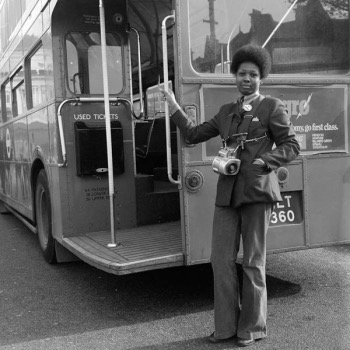
The world observed International Women’s Day on Monday and to mark the occasion, the Museum of London has launched an original video series featuring five female comedians performing short original pieces inspired by objects in the museum’s women’s history archives. The first of the videos features comedian Thanyia Moore responding to a Henry Grant photograph of a female bus conductor from the mid-1970s when London Underground first officially employed women as bus drivers (pictured right). Further videos – which will be rolled out over Women’s History Month – feature comedians Samantha Baines, Jenny Bede, Jen Ives and Leila Navabi responding to objects ranging from a commemorative toilet roll created by First 100 Years to mark a century since the Sex Disqualification (Removal) Act made it illegal to ban people from jobs based on their sex in 1919 (pictured below) to a recruitment letter from Sainsbury’s seeking female staff to work in their shops during World War I. To watch the first of the series head here.
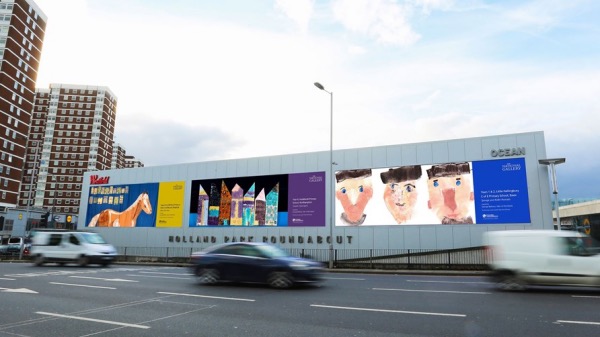
• Artworks created by primary school children have taken centrestage on giant screens around the country including in London. The gallery’s 25th annual ‘Take One Picture’ exhibition, being run in partnership with Ocean Outdoor, sees the artworks appear on the large format screens until 15th March. Each year schools taking part in the initiative are invited to have students respond to a particular National Gallery collection work in creating their own works. This year’s focus painting is American painter George Bellows’ 1912 work Men of the Docks which depicts a group of longshoremen waiting to unload an ocean liner against the backdrop of a wintry river landscape in New York. For more, see www.nationalgallery.org.uk/take-one-picture.
• The grounds of the Old Royal Naval College in Greenwich will be open from 12th April in line with government guidelines. Meanwhile, a route through the college grounds – along College Way via the East and West Gates – will continue to be open to pedestrians and cyclists between 7am and 7pm Monday to Friday and 8am and 4pm over the weekends.
• The Jewish Museum has announced a new virtual tour focusing on the pioneering women whose stories are told in its collection. The tour, which will be delivered via Zoom on 8th March to mark International Women’s Day (as well as later dates), looks at the various ways women have contributed to Jewish history and culture in Britain over the centuries. Admission charge applies. For more, see https://jewishmuseum.org.uk/event/women-of-worth/.
Send all items for inclusion to exploringlondon@gmail.com.
• A photograph of the Milky Way taken from the Cave of the Wild Horses in the southern Utah desert has won the Insight Investment Astronomy Photographer of the Year: People’s Choice Awards 2020. The stunning image by Bryony Richards was captured in the cave after a long hike through the desert. It was selected from 25 images short-listed by the Royal Observatory Greenwich. ‘Reflection of the Stars’ by Linh Nguyen won second place award and Qiqige (Nina) Zhao won third for ‘Anniversary of Apollo 11 Mission’. Meanwhile, the deadline for the Astronomy Photographer of the Year 13 competition run by the Royal Observatory Greenwich in association with BBC Sky at Night Magazine is looming – photographers need to have submitted their images by 12pm on 5th March. The overall winner of the competition will take home a top prize of £10,000 and see their image in the accompanying exhibition, which is scheduled to open at the National Maritime Museum on 18th September. For more details, see www.rmg.co.uk/astrocomp.
• The Mayor of Lambeth’s homemade ceremonial chain has been acquired by the Museum of London as part of its ‘Collecting COVID’ initiative. The chain was made by the mayor, Councillor Philip Normal, for the virtual ceremony in which he was created mayor on 22nd April, 2020, during the first national lockdown. Made of card and plaited t-shirt fabric, it features Lambeth’s coat of arms painted within a fluorescent pink oval with the words ‘Spectemur Agendo’ meaning, ‘Let us be judged by our acts’. For more on ‘Collecting COVID’, see www.museumoflondon.org.uk.
• An oil painting of Sir John Maitland by an unknown Anglo-Dutch artist, part of the art collection at Ham House in London’s south-west, is among artworks which are to undergo restoration thanks to a £3 million gift to the National Trust from American charity, the Royal Oak Foundation. The gift will support the Trust’s conservation work for the next five years mainly based at its specialist conservation studio in Knole, Kent. It was made in honour of the 125th anniversary of the National Trust, which cares for more than 200 historic properties containing more than a million objects – everything from artworks to furniture, textiles and ceramics. The painting of Sir John came to public attention in 2017 when X-ray analysis revealed what is believed to be an unfinished portrait of Mary, Queen of Scots, hidden underneath it. For more, see www.nationaltrust.org.uk.
• Looking further afield and a keepsake box containing mementos associated with Charles Darwin – including shells gathered on his famous voyage in the HMS Beagle – have been donated to English Heritage. The charity announced the gift this week to mark the 150th anniversary of the 1871 publication of his book, The Descent of Man and Selection in Relation to Sex. The red leather box and its contents will go on display at Down House in Kent later this year following conservation work. Charles and Emma Darwin initially gave the box to their eldest daughter Annie but, following her death at the age of 10 in 1851, it passed to her sister Henrietta, known as “Etty”. Among the souvenirs placed in it were locks of hair belonging to different members of the Darwin family (including Emma and Henrietta), a silk handkerchief embroidered with Charles’ initials CD, and the shells which his daughters later carefully labelled using scrap paper from the naturalist’s draft manuscripts. English Heritage is appealing for donations for the care and display of the box. To support the work, head to www.english-heritage.org.uk/support-us/.
Send all items for inclusion to exploringlondon@gmail.com.
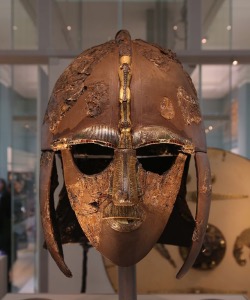
This spectacular Anglo-Saxon helmet – perhaps the most famous Anglo-Saxon object in a museum today – was among the finds made at the Sutton Hoo burial site in Suffolk in the late 1930s, the story of which is told in the current Netflix film, The Dig.
The Sutton Hoo helmet in the British Museum in 2016. PICTURE: Geni (licensed under CC BY-SA 2.0)
The ornately decorated helmet, the manufacture of which is dated to the late 6th or early 7th century, was found buried in the grave mound of an important figure whom some believe was an East Anglian king named Rædwald. The grave mound had been constructed over a ship containing the body and artefacts including the helmet. The ship itself had disintegrated but its imprint was uncovered during the excavation.
Excavated in hundreds of corroded fragments, the iron and bronze helmet, which is believed to have weighed about 2.5 kilograms, was painstakingly reassembled in the mid-1940s to reveal a helmet featuring cheek and neck guards and a mask with sculpted facial features including a nose, eyebrows and moustache as well as holes for the eyes. It features a number of other decorative elements including representations of dragons and warriors as well as geometric patterns. Gold and silver were used in the decorations.
The helmet underwent a second reconstruction in the early 1970s after issues were identified with the first.
The helmet, along with other artefacts found at the site, were deemed to be the property of Suffolk landowner Edith Pretty who subsequently donated it to the British Museum. It is on permanent display in Room 41 of the museum.
• More than 1.2 million items from the V&A’s vast collections can now be seen online in a new digital platform, Explore the Collections. The new platform, which launched in beta form this week and brings together previous online options in a single site, reimagines the online experience of the V&A in a story-led approach with users able to search for specific objects or allow the site to recommend options based on their interests. The platform will be continually developed and updated over the coming months. You can access it here – www.vam.ac.uk/collections.
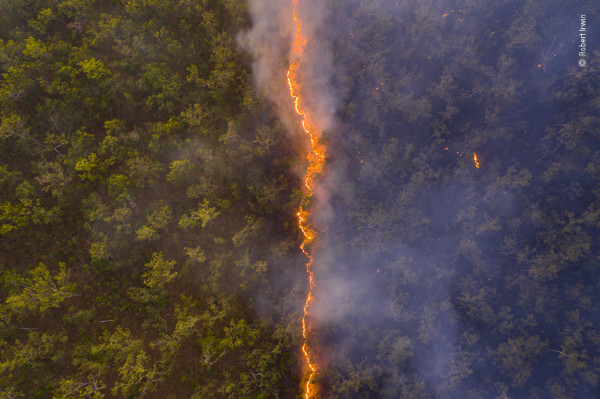
‘Bushfire’ by Robert Irwin, Australia. Winner 2020, Wildlife Photographer of the Year People’s Choice Award.
• Australian photographer Robert Irwin has won the 56th Natural History Museum’s ‘Wildlife Photographer of the Year People’s Choice Award’ with an image of bushfire in northern Australia. More than 55,000 people voted for one of 25 short-listed images selected from the more than 49,000 submitted works. Irwin, who used a drone to take the aerial image near the Steve Irwin Wildlife Reserve in Cape York, Queensland, said he was incredibly excited by the win. “For me, nature photography is about telling a story to make a difference for the environment and our planet,” he said. “I feel it is particularly special for this image to be awarded, not only as a profound personal honour but also as a reminder of our effect on the natural world and our responsibility to care for it.” Irwin’s and four other highly commended images will be shown at the Wildlife Photographer of the Year exhibition at the Natural History Museum when the museum reopens. For more, see nhm.ac.uk/visit/exhibitions/wildlife-photographer-of-the-year.html.
• Jan van Eyck’s masterpiece, The Arnolfini Portrait, has topped a list of the National Gallery’s most viewed paintings since March last year. Others in the top 10 included Holbein’s The Ambassadors and Van Gogh’s Sunflowers along with works by Turner, Leonardo, Velázquez, Titian, Constable, Botticelli, Monet, Caravaggio and Vermeer. The data was collected between 19th March last year – when the gallery first closed in a lockdown – and the start of February. The gallery houses more than 2,300 works. For more, see www.nationalgallery.org.uk.
Send all items for inclusion to exploringlondon@gmail.com
This month marks 200 years since the death of Romantic poet and London resident John Keats – famous for poems including Ode to a Grecian Urn and Ode to the Nightingale – at the age of just 25.
Born on 31st October, 1795, Keats was the eldest of Thomas Keats and Frances Jennings’ four children. The story goes that he was born in the stable – owned by his mother’s father and managed by his father, located near Finsbury Circus.
John Keats by William Hilton, after Joseph Severn (based on a work of circa 1822) National Portrait Gallery (NPG 194)
At the age of eight, Keats attended the boy’s academy at Enfield (his brothers George and Tom would also attend). He had been at the school for less than a year when, on the night of 15th April, 1804, his father was seriously injured in a horse-riding accident and died the following day.
Within a couple of months, his mother entered an ill-fated marriage and eventually left her family to live with another man. She returned to her family by 1808 but, now ill, she died of tuberculosis in March, 1809. following his mother’s death, his grandmother appointed two London merchants including tea broker Richard Abbey as Keats’ guardians.
Keats, meanwhile, built up a close friendship with headmaster John Clarke and his older son Charles Cowden Clarke at Enfield and through them really began to foster a love of literature (in particular Edmund Spenser‘s Faerie Queene is said to have helped awakened his love of poetry).
But at Abbey’s instruction he left Enfield in 1811 and began to work toward a career as a surgeon, apprenticed to surgeon Thomas Hammond, in nearby Edmonton.
In October, 1815, he left his apprenticeship with Dr Hammond, apparently after a quarrel between them. Moving into London, he registered at Guy’s Hospital for the six-month course of study which was required for him to become a licensed surgeon and apothecary. Lodging with two older students at 28 St Thomas Street, he progressed quickly and was soon promoted to “dresser”, a role which saw him involved dressing wounds daily to prevent or minimize infection, setting bones, and assisting with surgery.
Poetry, however, continued to occupy his mind and his sonnet OSolitude! became his first published poem when it appeared in The Examiner on 5th May, 1816 (editor Leigh Hunt, who was introduced to Keats by Clarke later that year, also went on to publish other works including his sonnet On First Looking into Chapman’s Home).
Keats, who became a certified apothecary in late 1816 (he’d holidayed in Margate with his brother Tom after passing his exams earlier that year), now faced further studies to become a surgeon. But he instead decided to give up medicine and devote himself entirely to his poetry (a move which apparently infuriated his now sole guardian Abbey). About the same time he moved into lodgings at 76 Cheapside with his two brothers, George and Tom (there was also a sister Fanny), having previously lived with that at 8 Dean Street in Southwark.
His circle of artistic acquaintances – which included fellow Romantic poet Percy Bysshe Shelley and painter Benjamin Robert Haydon – now growing, in March, 1817, Keats’ first book of poetry – Poems – was published. It was also around that time that he moved with his brothers to a property at 1 Well Walk in Hampstead, no longer needing to be near the hospitals where he had worked and studied.
In May, 1818, Keats published his 4,000 line allegorical romance, Endymion, but it received a rather scathing reception including by Blackwood’s Magazine which apparently declared the work nonsense and recommended Keats give up writing poetry.
In summer that year, Keats went on a walking tour of Scotland, Ireland and the Lake District with his friend Charles (Armitage) Brown. Following his return to Hampstead, Keats nursed his brother Tom who was ailing from tuberculosis (George having by now left for America) and who died on 1st December.
Following his brother’s death, Keats accepted Brown’s invitation to move into his property at Wentworth Place, located on the edge of Hampstead Heath (now the Keats House museum).
While living at Wentworth Place, Keats developed an intimate relationship with next-door neighbour Frances (Fanny) Brawne and the couple “came to an understanding” but his literary ambitions and failing health – by early 1820 he too had tuberculosis – meant it never came to marriage.
Keats third volume of poetry – containing his famous odes including Ode to a Nightingale and Ode to a Grecian Urn – was published in mid-1820 but now increasingly suffering from tuberculosis, he was advised by his doctors to head to a warmer climate. In September that year he left for Rome with his friend, the painter Joseph Severn (who painted a famous posthumous portrait of Keats), knowing he would probably never see Brawne again.
In Rome – having had to spend 10 days quarantine after the ship arrived in Naples due to a suspected cholera outbreak, he moved into a villa on the Spanish Steps (now home to the Keats-Shelley Memorial House museum) but, despite medical efforts, his health continued to deteriorate.
John Keats died on 23rd February, 1821, and was buried in the city’s Protestant cemetery. His tombstone bears no name or date, just the words “Here lies One whose Name was writ in Water” and an epitaph which speaks of a “young English poet”.
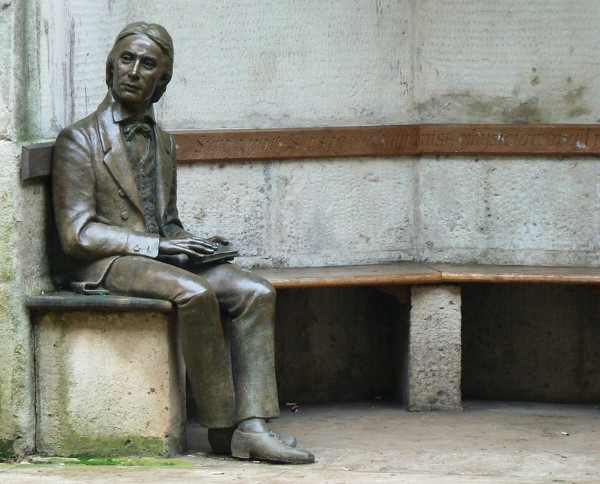
Keats, depicted in a 2007 bronze statue at Guy’s Hospital PICTURE: under_volcano (licensed under CC BY-SA 2.0)
Keats had only been a serious poet for some six years prior to his death and his three volumes of poetry had probably only amounted to some 200 copies. But his reputation continued to grow after his death with support from the likes of Shelley, Tennyson and the pre-Raphaelites, and he is now well-established in the literary canon as one of the greatest English poets.
As well as Keats’ House – which is managed by the City of London and which features an English Heritage Blue Plaque on the facade, Keats is memorialised with several other plaques in London and a famous statue at Guy’s Hospital which features him seated in a former alcove removed from London Bridge – see image above).
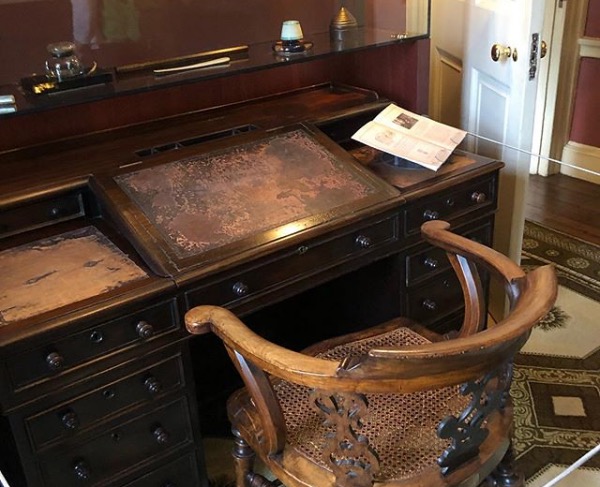
Charles Dickens’ desk and chair at the Charles Dickens Museum. PICTURE: Alyx Dellamonica (Licensed under CC BY-NC 2.0)
Among the treasures to be found at Dickens’ former house (and now the Charles Dickens Museum) in Doughty Street, Bloomsbury, is the desk and accompanying chair where Dickens’ wrote several of his later novels including Great Expectations, Our Mutual Friend and the unfinished The Mystery of Edwin Drood.
Dickens purchased the mahogany pedestal writing desk as well as the walnut and fruitwood smoker’s armchair in 1859. He used them in the study of his final home at Gad’s Hill Place in Kent (Dickens also had an identical chair in his London office which is now in the New York State Library).
After the author’s death in 1870, the desk and chair – which feature in Luke Fildes’ 1870 work The Empty Chair and the RW Buss’ 1875 work Dickens’ Dream – were passed down through the Dickens family until they was auctioned in the 2000s with the funds raised used to benefit the Great Ormond Street Hospital.
While the desk and chair had previously been loaned to the museum for display, in 2015 the establishment was able to purchase the desk and chair and make it part of its permanent collection thanks to a £780,000 grant from the National Heritage Memorial Fund.
While the museum is currently closed due to the coronavirus pandemic, we include these details for when it reopens.
WHERE: 48-49 Doughty Street, Bloomsbury (nearest Tube stations are Russell Square, Chancery Lane or Holborn). WHEN: Currently closed; COST: £9.50 adults/£7.50 concessions/£4.50 children (under six free); WEBSITE: www.dickensmuseum.com.
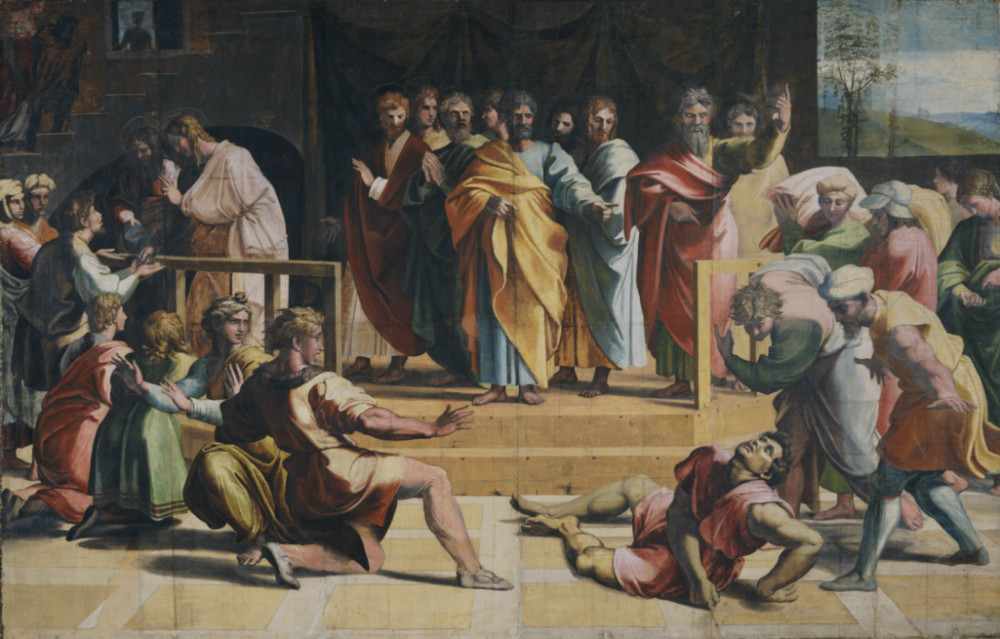
• An in-depth exploration of the so-called ‘Raphael Cartoons’ has gone online at the V&A ahead of the reopening of the newly transformed Raphael Court later this year. Among the greatest Renaissance treasures in the UK, the cartoons were commissioned by Pope Leo X for the Sistine Chapel in the Vatican shortly after his election in 1513. The Pope asked artist Raphael to create a series of 10 designs illustrating the lives of St Peter and St Paul which could then be turned into tapestries to grace the walls of the chapel. Created in the workshop of merchant-weaver Pieter van Aelst in Brussels, the 10 tapestries were each five metres wide and 3.5 metres high. Seven of Raphael’s original cartoons survive – they were brought to Britain in the early 17th century by the Prince of Wales (later King Charles I) and remained behind closed doors in the Royal Collection until they were lent to the South Kensington Museum – now the V&A – by Queen Victoria in 1865 in memory of Prince Albert. The cartoons have been on public display in the museum ever since. The new online offering traces the story of the cartoons and using ultra- high-resolution photography, infrared imagery, and 3D scans, and is the first time people have been able to explore the cartoons in such detail. It was produced as part of the V&A’s ‘Raphael Project’, marking the 500th anniversary of Raphael’s death in 2020, which includes a landmark renovation of the Raphael Court – home to the cartoons. The refurbished gallery will be unveiled when the museum reopens. To see the new online display, head to vam.ac.uk/raphael-cartoons.
• A participatory art project exploring the relationship between the UK and France in a post-Brexit world has commenced this week.I Love You, Moi Non Plus – presented in partnership by Somerset House, Dover Street Market London, The Adonyeva Foundation, Collectif Coulanges, Eurostar and coordinated by Sabir, invites artists to share their interpretation of what the British-French relationship means to them with works to be displayed in a new online gallery alongside bespoke pieces from “project ambassadors” including Chinese artistAi Weiwei, fashion designer Stella McCartney, English electronic musician Brian Eno, English National Ballet artistic director Tamara Rojo,and British artist Bob and Roberta Smith. The project seeks to highlight how art and creativity can “maintain connections between communities across the channels, unifying voices from across Britain and the EU”. Participants are asked to contribute either by sharing their creations on social media with hashtags #ILoveYouMoiNonPlus, #ILYMNP and #LifeAfterBrexit or submit them directly to the website here.
• Does this mean a new Tardis for Dr Who? The City of London Corporation is calling on architects, landscape architects, designers and artists to submit ideas for the design of a “21st century police box”. The competition, which is being run by the City in conjunction with the City of London Police, New London Architecture (NLA) and Bloomberg Associates, aims to provide “a modern and engaging way to provide information and safety” to the Square Mile’s residents, workers and visitors. Up to six shortlisted teams will be awarded funding to develop their idea into a design proposal and the winning design will be unveiled in the summer. For more, head to nla.london/submissions/digital-service-point-open-call-competition.
• The Museum of London has acquired 13 tweets shared by Londoners during the initial coronavirus-related lockdown as part of its ongoing ‘Collecting COVID’ project. The tweets, which were collected under the ‘Going Viral’ strand of the Collecting COVID project, now form part of the museum’s permanent collection and lay bare what people were experiencing during 2020. The Going Viral project focused on collecting text, memes, videos and images that were ‘shared’ or ‘liked’ on Twitter more than 30,000 times. Additional tweets will be considered for acquisition this year.
Send all items for inclusion to exploringlondon@gmail.com.
• Statues of two prominent men with links to the trans-Atlantic slave trade will be removed from Guildhall, the City of London has said. The City of London Corporation’s policy and resources committee voted to remove statues of William Beckford and Sir John Cass following a recommendation from the corporation’s Tackling Racism Taskforce. The statue of Beckford, a two-time Lord Mayor of London in the late 1700s who accrued wealth from plantations in Jamaica and held African slaves, will be replaced with a new artwork while the likeness of Sir John Cass, a merchant, MP and philanthropist in the 17th and 18th centuries who also profited from the slave trade, will be returned to its owner, the Sir John Cass Foundation. The corporation will now set up a working group to oversee the removal of the statues and replacement works and will also consider commissioning a new memorial to the slave trade in the City.
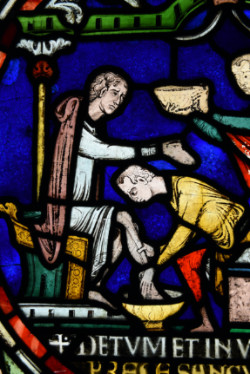
• An 800-year-old stained glass window from Canterbury Cathedral will form the centrepiece of an upcoming exhibition on Thomas Becket. Now scheduled for April after delays due to the coronavirus pandemic, Thomas Becket: murder and the making of a saint will feature more than 100 objects as it tells the story of Becket’s life, death and enduring legacy. The ‘Miracle Window’ – one of seven surviving from an original series of 12 – will be shown in its original arrangement of the first time in more than 350 years. The fifth in the series, it depicts miracles which took place in the three year after Becket’s death including the healing of eyesight and the replacement of lost genitals. The exhibition will represent the first time a complete stained glass window has been lent by the cathedral. Details of tickets will be announced soon. For more, see www.britishmuseum.org/becket.
• The Worshipful Company of Weavers this week announced the donation of £100,000 towards the creation of the new Museum of London in former market buildings at West Smithfield. The donation is one of the largest ever awarded by the livery company which, having a Royal charter dating from 1155, is the oldest surviving. The masterplan for the new museum received planning permission in June last year.
• As the inauguration of US President Joe Biden took place in the US this week, the Museum of London announced it had taken possession of the larger-than-life ‘Trump Baby’ balloon. The blimp first appeared at protests in July, 2018, during then-US President Donald Trump’s first visit to the city, and has since followed the President around the world. The museum said it will now form part of its protest collection which also includes objects relating to the Suffrage movement, banners, flags, and tents that belonged to Houses of Parliament protestor Brian Haw and placards used recently by protestors against public spending cuts. Sharon Ament, director of the museum, said: “From the Suffragettes of the early twentieth century to the anti-austerity marches, free speech and Black Lives Matter most recently – the capital has always been the place to have your say. By collecting the baby blimp we can mark the wave of feeling that washed over the city that day and capture a particular moment of resistance – a feeling still relevant today as we live through these exceptionally challenging times – that ultimately shows Londoners banding together in the face of extreme adversity.” The Trump Baby team added that it was their hope the blimp “will stand as a reminder of when London stood against Trump – but will prompt those who see it to examine how they can continue the fight against the politics of hate”. “Most of all we hope the Trump Baby serves as a reminder of the politics of resistance that took place during Trump’s time in office.”
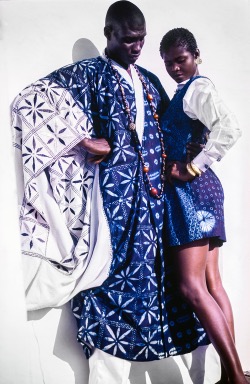
• The V&A is seeking to contact people who have worn fashions designed by the likes of Shade Thomas-Fahm, Chris Seydou, Kofi Ansah, and Alphadi – a group who, along with their peers, represent the first generation of African designers to gain international attention. The call out comes as the South Kensington museum announces plans to hold an exhibition, supported by GRoW @ Annenberg, which aims to celebrate the creativity, ingenuity and global impact of contemporary African fashions in June. The display will feature more than 250 objects, drawn from the personal archives of African fashion creatives, alongside textiles and photographs from the V&A’s collection (many of which are being displayed for the first time). Alongside the objects, the museum is seeking a range of items – and the stories that go with them – from the public. They include Chris Seydou’s 1980s experimental garments in bògòlanfini, 20th century kente, bògòlanfini, khanga and commemorative cloths from the independence and liberation years in Africa, and family portraits and home movies showing African and African diasporic fashion trends. Members of the public with objects that fit the above description are asked to get in touch by email at africafashion@vam.ac.uk, and to share their pictures and memories on social media, using the hashtag #AfricaFashion. For the full list of sought after items, head to www.vam.ac.uk/blog/news/va-africa-fashion-call-out.
Send all items for inclusion to exploringlondon@gmail.com.
• Take a behind the scenes look at how Tate gallery curators have been looking after their art during the coronavirus period. A new film released by the Tate just before Christmas features art handlers, conservators, archivists and registrars discussing the challenges of transporting, installing and preparing artworks during this unprecedented time.
The Tate has also released a range of online resources through which people can experience exhibitions online – check the Tate’s YouTube channel for artist interviews and exhibition guides as well as in-depth exhibition guides available on the Tate website.
• English Heritage has urged people to keep their Christmas decorations up until February to “bring some cheer” into the dark winter months. The organisation says Candlemas, which falls exactly 40 days after Christmas, was observed as the official end to Christmas during the medieval period. More formally known as the Feast of the Purification of the Blessed Virgin Mary, Candlemas was so called because the candles which would be used in churches in the coming year would be blessed on that day. Dr Michael Carter, English Heritage’s senior properties historian adds: “The tradition that it is bad luck to keep decorations up after Twelfth Night and the Epiphany is a modern invention, although it may derive from the medieval notion that decorations left up after Candlemas eve would become possessed by goblins! I’m of the opinion that, after the year we’ve all had, we certainly deserve to keep the Christmas cheer going a little longer.”
• A new mineral, named kernowite after the Cornish name for Cornwall where it was originally found, has been discovered in the collection of the Natural History Museum. The mineral, which was probably collected in the 1700s and which entered the museum’s collection in 1964, was previously believed to be a green variety of the traditionally blue liroconite. It was only when the museum’s principal curator of minerals, Mike Rumsey, decided to investigate colour variation in liroconite that it was recognised as a new species. “Although many liroconites are greenish, with this unusually dark-green ‘liroconite’ specimen in question my colleagues and I discovered a subtle difference in its chemistry,” he said. “Overall, one part of its internal structure was dominated by iron instead of aluminium, so we found it worthy of a new name, kernowite.”
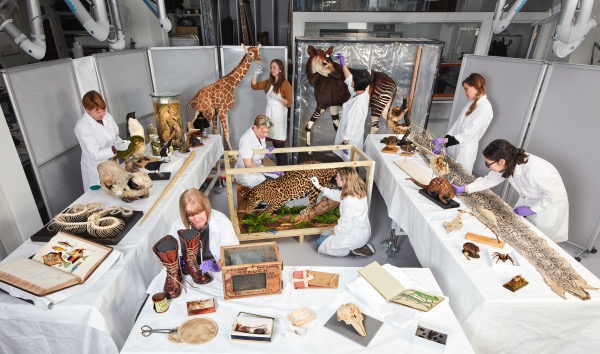
• The links between mythical and fictional creatures with animals of the natural world are explored in a new exhibition which opened at the Natural History Museum this week.Fantastic Beasts: The Wonder of Nature, a partnership between the museum, Warner Bros Consumer Products and the BBC Studios Natural History Unit, features some 120 exhibits including Dracorex Hogwartsia dinosaur – named in recognition of Harry Potter’s school, Hogwarts, along with a hoax mermaid, a 16th century map depicting sea monsters, and what was once believed to be a unicorn horn. There’s also the chance to learn more about the Galapagos marine iguana and the boneless hagfish as well as fictional creatures like the mooncalf and erumpent. Admission charge applies and pre-booking required. For more, see www.nhm.ac.uk.
Preparing for the Natural History Museum’s ‘Fantastic Beasts: The Wonder of Nature Conservation’ PICTURE: Trustees of the Natural History Museum
• Artworks depicting The Blitz are the subject of a new exhibition at the Churchill War Rooms.Art of the Blitz shines a new light on the experiences of ordinary people who lived through the Nazi air raids. The display includes works by Henry Moore, William Matvyn Wright, Eric Ravilious, Ernest Boye Uden, Mabel Hutchinson, Evelyn Gibbs, Evelyn Dunbar, and Leila Faithfull. Free with general admission ticket purchase, the display can be seen until 30th April. For more, see www.iwm.org.uk/events/wartime-london-art-of-the-blitz.
• Jan Gossaert’s 16th-century masterpiece The Adoration of the Kings is at the heart of a new immersive digital experience which launched at the National Gallery this week.Sensing the Unseen: Step into Gossaert’s ‘Adoration, which has been designed with social distancing in mind, starts with the voice of the African King Balthasar speaking to viewers before light and sound guide them to an individual pod where they can experience an interactive version of the painting. The experience can be seen in Room 1 until 28th February. Admission is free but pre-booking is required. Meanwhile, Father Christmas is making a special appearance at the National Gallery on the 12th and 13th December – and again on 17th to 23rd December – along with the chance to step into a ‘winter wonderland’ inspired by the iconic National Gallery painting A Winter Scene with Skaters near a Castle (about 1608–9) by Hendrick Avercamp (1585–1634). Admission charge applies and pre-booking required. For more, see www.nationalgallery.org.uk.
Send all items for inclusion to exploringlondon@gmail.com.
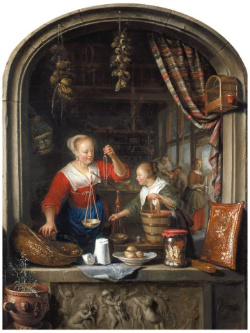
• World renowned artworks from Buckingham Palace’s Picture Gallery go on show at the Queen’s Gallery from tomorrow. Masterpieces from Buckingham Palace features 65 works by the likes of Titian, Rembrandt, Rubens, Vermeer, Van Dyck and Canaletto and, unlike in the tours of the State Rooms, visitors to the Queen’s Gallery will face the chance to enjoy the works close-up. The paintings on show include Johannes Vermeer’s The Music Lesson (early 1660s), Sir Peter Paul Rubens Milkmaids with Cattle in a Landscape, (c1617–18), Rembrandt’s The Shipbuilder and his Wife (1633), Canaletto’s The Bacino di San Marco on Ascension Day (c1733–4), Titian’s Madonna and Child in a Landscape with Tobias and the Angel (c1537) and Gerrit Dou’s The Grocer’s Shop (1672). The exhibition runs until January 2022. Advance booking is essential and admission charge applies. For more, seewww.rct.uk.
• The Museum of London is seeking to record the dreams of Londoners during the coronavirus pandemic in a new project with the Museum of Dreams at Western University in Canada.Guardians of Sleep represents the first time dreams as raw encounters and personal testimonies will be collected by a museum. Londoners are being asked to register their interest to take part by 15th January with conversations with members of the Dreams network – an international team of trained scholars from the psychosocial community, slated to be held over Zoom in February. Contributions will be considered for acquisition by the Museum of London as part of its ‘Collecting COVID’ project. To volunteer to participate in the study, or to find out more details, members of the public should contact info@museumofdreams.org.
• Abdus Salam, a Nobel Prize-winning theoretical physicist, has been honoured with a Blue Plaque at his former property in Putney. The red brick Edwardian house was the Pakistani scientist’s London base from 1957 until his death in 1996. It features a study where Salam would write while listening to long-playing records of Quranic verses and music by composers ranging from Strauss to Gilbert and Sullivan. Salam’s work on electroweak theory contributed to the discovery of the Higgs boson particle – the ‘God particle’ which gives everything mass, and he was also involved in improving the status of science in developing countries.The unveiling comes as English Heritage issues a call for the public to nominate more notable scientists from history for its Blue Plaque scheme in London with only around 15 per cent of the 950 plus blue plaques across the capital dedicated to scientists. For more, see www.english-heritage.org.uk/visit/blue-plaques/.
• A self-portrait series by late Gambian-British artist Khadija Saye can be seen at the British Library’s entrance hall from today.Khadija Saye: in this space we breathe features nine silk-screen prints and demonstrates Saye’s deep concern with “how trauma is embodied in the black experience” as well as her Gambian heritage and mixed-faith background. Saye, who died in 2017, photographed herself with cultural, religious and spiritual objects of significance both to her Christian mother and Muslim father and in African traditions of spirituality. The free display is on show until 2nd May. For more, see www.bl.uk.
Send all items for inclusion to exploringlondon@gmail.com.
• As controversy continues to swirl around the statue dedicated to Mary Wollstonecraft in Newington Green, another statue was unveiled in London this week – this time depicting two women pirates which some accounts say were lovers. The statue of Mary Read and Anne Bonny was unveiled at Execution Dock on the north bank of the Thames at Wapping – a site where pirates and smugglers were put to death for more than 400 years. Commissioned by audiobook company Audible to mark the release of a podcast, Hell Cats, a dramatic interpretation of the two women’s lives, the statue of Read and Bonny is the work of artist Amanda Cotton. Early next year it will be relocated to Burgh Island off the south Devon coast.
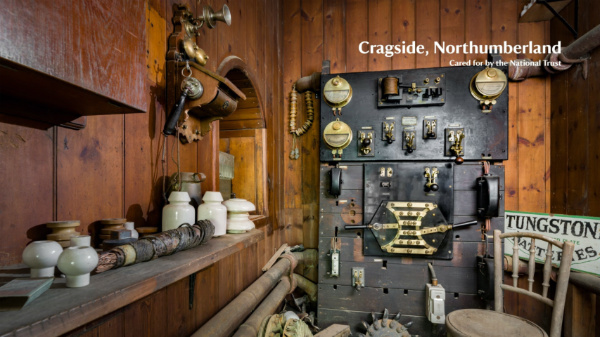
• The National Trust has released a series of six free downloadable backdrops – featuring some of the star interiors from its properties – for use in virtual meetings. The backdrops on offer include Vita Sackville-West’s writing room in the tower at Sissinghurst Castle in Kent, Agatha Christie’s library at Greenway, and the ‘Office of the Caretaker of the Electric Light’ at Cragside (pictured above). Different backgrounds will come online in coming weeks. Head to www.nationaltrust.org.uk/features/virtual-backgrounds-for-zoom.
• The London Transport Museum has unveiled three new virtual tours taking in the Holborn (Kingsway) area, Brompton Road station and King William Street station. The tours, part of the museum’s Hidden London programme, provide access to areas not usually open to the public as well as to historic archival material and footage from the museum’s collection and are led by expert guides on Zoom. Admission charges apply. For more, including dates, see www.ltmuseum.co.uk/hidden-london/virtual-tours.
Send all items for inclusion to exploringlondon@gmail.com
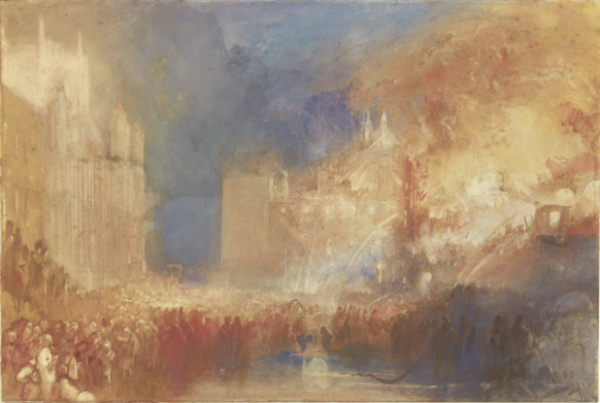
JMW Turner, ‘The Burning of the Houses of Parliament’ (c 1834-35), oil paint on canvas, Tate (accepted by the nation as part of the Turner Bequest 1856)
• A landmark exhibition on the work – and times – of JMW Turner opens at the Tate Modern in Millbank today. Turner’s Modern World features some 160 works and attempts to show how the landscape painter found “new ways to capture the momentous events of his day, from technology’s impact on the natural world to the dizzying effects of modernisation on society”. Highlights include war paintings such as The Battle of Trafalgar (1806-8) and Field of Waterloo (1818), works capturing political events like The Burning of the Houses of Lords and Commons (1835) and maritime disasters like A Disaster at Sea (1835) and Wreck of a Transport Ship (c1801), as well as works related to the industrial advances taking place such as Snow Storm (1842), The Fighting ‘Téméraire’ (1839), and Rain, Steam and Speed (1844). Admission charge applies. Runs until 7th March (online booking required). For more, see www.tate.org.uk.
• An exhibition at the National Army Museum in Chelsea marks the 100th anniversary of the Unknown Warrior being laid to rest in Westminster Abbey. Using objects, paintings, photography and personal testimony, Buried Among Kings: The Story of the Unknown Warrior tells the story of the creation of this symbolic memorial dedicated to the hundreds of thousands of British servicemen who died during World War I. Highlights include a union flag on loan from the Railton family (it was Chaplain David Railton who conceived the original idea for an Unknown Warrior following an encounter in 1916 with a wooden cross on the Western Front which was inscribed ‘An Unknown British Soldier’), a Bible carried by Chaplain George Kendall during the selection of the Unknown Warrior, a fragment of the original wooden Cenotaph erected in 1919-1920, and Frank O Salisbury’s large scale painting, The Passing of the Unknown Warrior, which depicts the procession of the Unknown Warrior from Victoria Station to Westminster Abbey. In connection with the exhibition, Victoria Station is hosting a pop-up display between 9th and 16th November on the journey of the Unknown Warrior from the Western Front to Westminster Abbey (the coffin actually arrived in London on 10th November, 1920). Admission charge applies (at Chelsea). Runs until 14th February (online booking required). For more, see www.nam.ac.uk.
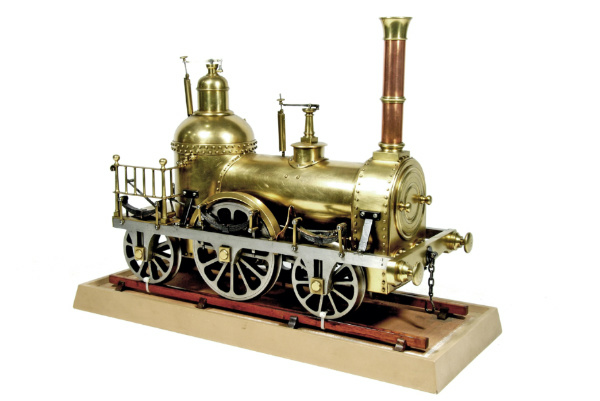
Model steam locomotive, 1:12 scale, working, represents a standard passenger type locomotive c.1837, made by Mr. J. Dawson, District Superintendent at Southampton of the London & Southampton Railway.
• Model making in the “age of the railways” is the subject of a free exhibition now on at the Science Museum in South Kensington. Brass, Steel and Fire features intricate models from the Science Museum Group Collection as well as stunning miniature locomotives and a display of almost 200 tools used by model-maker Keith Dodgson. Highlights include ‘Salamanca’, the world’s oldest model locomotive (on loan from Leeds Museums and Galleries), a model of ‘Fire King’ – made in the 1840s by apprentice Josiah Evans who used his experience to later build full size locomotives, and the world’s oldest working model steam engine, the Etherley winding engine model. The exhibition is free and runs until 3rd May. Online booking required. For more, see sciencemuseum.org.uk/see-and-do/brass-steel-and-fire.
Send all items for inclusion to exploringlondon@gmail.com
Banners loaned from Southall Black Sisters, Bishopsgate Institute, People’s History Museum, Sisters Uncut, Feminist Archive South (Courtesy of the British Library)
• The history of the women’s rights movement and the work of contemporary feminist activists is the subject of a new exhibition opening at the British Library tomorrow. Unfinished Business: The Fight for Women’s Rights, the opening of which was delayed due to the coronavirus pandemic, features everything from personal diaries and banners to subversive literature, film, music and art. Highlights include protest poems written by Sylvia Pankhurst on toilet paper in Holloway Prison following her imprisonment for seditious activity in January 1921, a first edition of Jane Austen’s debut novel, Sense and Sensibility, published anonymously ‘By a Lady’ in 1811, and, football boots belonging to Hope Powell, a veteran player who became the first woman to manage England Women in 1998. There’s also records of surveillance carried out on Sophia Duleep Singh, one of Queen Victoria’s god-daughters and a supporter of campaigns for women’s suffrage, and a piece of fence wire cut by writer Angela Carter’s friends and sent to her as a present from RAF Greenham Common in Berkshire where they were protesting against nuclear missiles. Runs until 21st February next year. Admission charge applies. For more, see www.bl.uk.
• Like a good ghost story? Hampton Court Palace is launched a new self-guided ‘Creepy Stories and Ghostly Encounters’ trail on Saturday. The trail takes in sites including those where the ‘Grey Lady’ – said to be the ghost of Tudor nursemaid – has appeared since Victorian times, the locations said to be haunted by two of King Henry VIII’s queens – Jane Seymour and Catherine Howard, and the site where a spectral figure was captured on film slamming shut a door in 2003. The palace is also unveiling a new display of carved pumpkins in the Royal Kitchen Garden. Entry charge applies. For more, see www.hrp.org.uk/hampton-court-palace/.
• The first major exhibition on the history of the Arctic and its Indigenous people, through the lens of climate change and weather, has opened at the British Museum. The Citi exhibition, Arctic: culture and climate, reveals how Arctic people have adapted to climate variability in the past and are facing today’s weather challenges. It features everything from rare archaeological finds, unique tools and clothing as well as artworks and contemporary photography with highlights including an eight-piece Igloolik winter costume made of caribou fur and an Inughuit (Greenlandic) sled made from narwhal and caribou bone and pieces of driftwood which was traded to Sir John Ross on his 1818 expedition as well as artworks commissioned specifically for the exhibition. These include an Arctic monument of stacked stones, known as an Inuksuk – used to mark productive harvesting locations or to assist in navigation – which was built by Piita Irniq, from the Kivalliq Region of Nunavut, Canada. Can be seen in the Sainsbury Exhibitions Gallery until 21st February. Admission charge applies. For more, see www.britishmuseum.org.
Send all items for inclusion to exploringlondon@gmail.com.