This Week in London – UK treasure finds, and V&A acquires medieval brooch…

While the closure of institutions due to the COVID-19 crisis has changed our coverage temporarily, we’ll still be using this space to report news as it comes to hand..

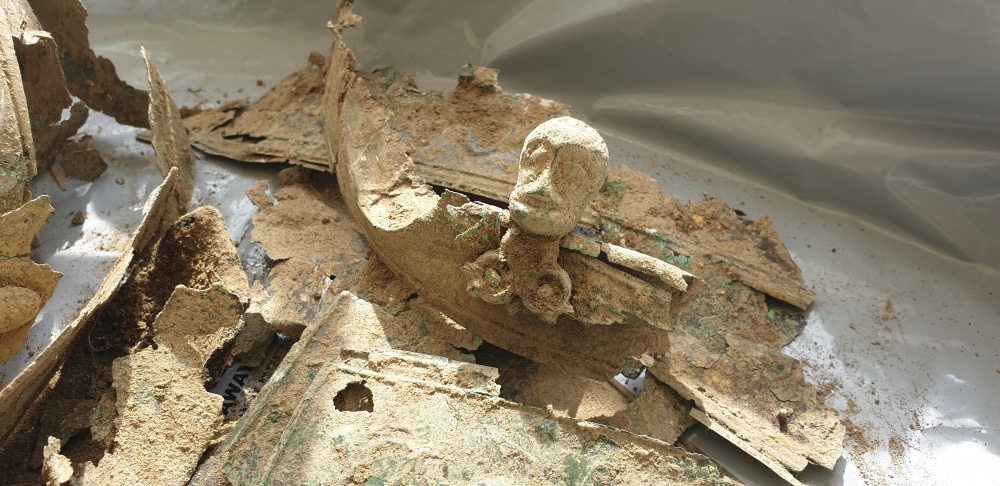
A 1,100-year-old brooch, a coin from Roman Britain, an Iron Age drinking set and a solid gold Bronze Age arm ring were among finds unearthed by the general public in England, Wales and Ireland last year. The British Museum has revealed that preliminary figures show more than 1,300 treasure finds – generally defined as gold and silver objects that are over 300 years old, or groups of coins and prehistoric metalwork – were reported across the three countries in 2019. In total, some 81,602 archaeological finds were recorded with the British Museum’s Portable Antiquities Scheme last year with the most finds found in Norfolk, followed by Suffolk and Hampshire. PICTURE: Copper alloy fitting from bucket, in the shape of a human face, from Lenham, Kent. Iron Age c50BC (© Mat Honeysett 2019).

Meanwhile, the V&A has announced it has acquired a rare jewelled late medieval cluster brooch which was uncovered in 2017 by a metal detectorist in a former royal hunting ground near Brigstock, Northamptonshire. The brooch, which dates from c. 1400- 1450, is believed to have been made in either France or Germany. It’s the only one of its kind to be found in the UK and one of only seven known examples in the world. The brooch is on display in V&A’s William and Judith Bollinger Jewellery Gallery (when the museum reopens).


LondonLife – Signs of the times…

As seen at Chancery Lane Underground station. PICTURE: duncan c (licensed under CC-BY-NC 2.0)

This Week in London – Cecil Beaton and the ‘Bright Young Things’; ‘The Enchanted Interior’; and Andy Warhol at the Tate…

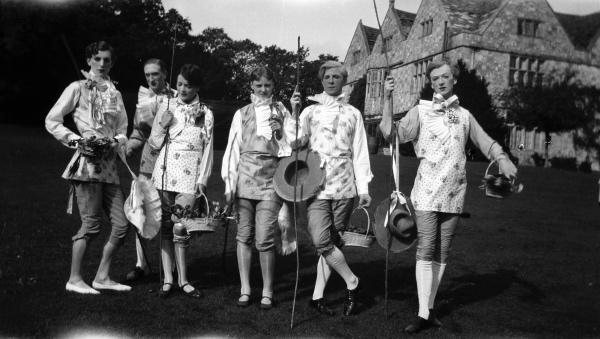
World famous British photographer Cecil Beaton’s portraits from the “golden age” of the 1920s and 1930s are being celebrated in a shiny new exhibition at the National Portrait Gallery. Cecil Beaton’s Bright Young Things features some 150 works, many rarely exhibited, which Beaton took in the 1920s and 1930s depicting the “extravagant world of the glamorous and stylish”. The subjects include the likes of artists Rex Whistler and Stephen Tennant, modernist poets Iris Tree and Nancy Cunard, the glamorous socialites Edwina Mountbatten and Diana Guinness (née Mitford), and actresses Tallulah Bankhead and Anna May Wong as well as less well-known figures like eccentric composer and aesthete Lord Berners, the artist and Irish patriot Hazel, Lady Lavery, and Lady Alexander, whose husband produced Oscar Wilde’s comedies and who became an early patron of Beaton’s. Beaton’s own life story and his relationship with the sitters is woven into the exhibition including through self-portraits and images of him  taken by contemporaries. Runs until 7th June. Admission charges apply. For more, see www.npg.org.uk. PICTURE:  The Bright Young Things at Wilsford by Cecil Beaton, 1927. © The Cecil Beaton Studio Archive.

The theme of female subjects depicted in ornate, enclosed interiors – one prevalent in 19th century British painting – is at the centre of a new exhibition opening at the Guildhall Art Gallery on Friday. The Enchanted Interior, being presented in partnership with Laing Art Gallery in Newcastle, showcases works in styles ranging from the high Victorian through to Art Nouveau, Aestheticism, Surrealism, and pieces by contemporary female artists which ‘speak back’ to the historic tradition. Artists whose work is represented include Edward Burne-Jones, Evelyn De Morgan, James Abbot McNeill Whistler, Emily Sandys, Jessica Woodman, Fiona Tan, John William Waterhouse and Clementina Hawarden. Admission charge applies. Runs until 14th June. For more, follow this link.

The works of iconic 20th century American artist Andy Warhol are being showcased in a new exhibition at Tate Modern. Andy Warhol, the first exhibition on the artist at the gallery in 20 years, features more than 100 works. Among them are key pieces from the pop period – Marilyn Diptych (1962), Elvis I and II (1963/1964) and Race Riot (1964) – as well as Screen Tests (1964–6), the floating Silver Clouds (1966) installation, and a recreation of the psychedelic multimedia environment of Exploding Plastic Inevitable (1966) originally produced for the Velvet Underground rock shows. Also included are later works like his 1975 Ladies and Gentlemen series and Sixty Last Suppers (1986). Runs until 6th September. Admission charge applies. For more, see www.tate.org.uk.

Send all items for inclusion to exploringlondon@gmail.com.

This Week on London – New Blue Plaques for women; Aubrey Beardsley at the Tate; and, the kimono scrutinised…

Two World War II spies, one of the 20th century’s greatest artists and and a leading figure in the British military’s women’s corps in World War I are among women being honoured with Blue Plaques this year. English Heritage unveiled plans this week for six female-focused plaques with the first to celebrate Dame Helen Gwynne-Vaughan (1879-1967), a botanist and leader of women in the armed forces during the ‘Great War’. Others will honour Christine Granville (1908-1952) – who served as Britain’s longest-serving female SOE agent in World War II, Noor Inayat Khan (1914-1944) – Britain’s first Muslim war heroine and the first female radio operator working in Nazi-occupied France, and ground-breaking 20th century sculptor Barbara Hepworth (1903-1975). Blue Plaques will also be unveiled at the former headquarters of the National Union of Women’s Suffrage Societies in Westminster and the Women’s Social and Political Union in Holborn. While only 14 per cent of the more than 950 Blue Plaques in London commemorate women, English Heritage’s ongoing ‘plaques for women’ campaign has seen a dramatic rise in the number of public nominations for women since it launched in 2016. This year will be only the second the organisation has unveiled as many as six plaques honouring women. For more, see www.english-heritage.org.uk/visit/blue-plaques/.

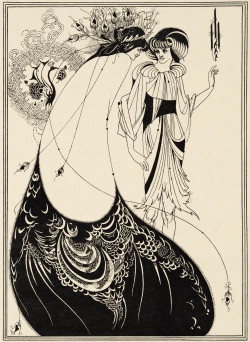
The brief career of controversial artist Aubrey Beardsley (1872-98) is the subject of a new exhibition which opened at Tate Britain this week. Aubrey Beardsley features some 200 works in the largest display of his original drawings in more than 50 years and the first exhibition of his work at the Tate since 1923. Highlights include key commissions that defined Beardsley’s career – a new edition of Sir Thomas Malory’s Le Morte d’Arthur (1893-4), Oscar Wilde’s play Salomé (1893) and Alexander Pope’s The Rape of the Lock (1896) – as well as bound editions and plates of the literary quarterly The Yellow Book, of which he was art director. There’s also a collection of Beardsley’s bold poster designs and his only oil painting. The exhibition runs until 25th May. Admission charge applies. For more, see www.tate.org.uk. PICTURE: Aubrey Beardsley (1872-1898) The Peacock Skirt – illustration for Oscar Wilde’s ‘Salome’ (1893), lineblock print on paper, Stephen Calloway Photo: © Tate

The first major UK exhibition on the kimono – described as the “ultimate symbol of Japan” – has opened at the V&A. Kimono: Kyoto to Catwalk examines the sartorial and social significance of the kimono spanning the period from the 1660s to today. Highlights include a kimono created by ‘Living National Treasure’ Kunihiko Moriguchi, an Alexander McQueen-designed dress worn by Björk on the cover of the album Homogenic, and original Star Wars costumes modelled on kimono by John Mollo and Trisha Biggar. There are also designs by Yves Saint Laurent, Rei Kawakubo and John Galliano. The exhibition features more than 315 works including kimonos but also paintings, prints, films and dress accessories. Can be seen in Gallery 39 and the North Court until 21st June. Admission charge applies. For more, see www.vam.ac.uk/kimono.

Send all items for inclusion to exploringlondon@gmail.com.

LondonLife – “Secret” door rediscovered in the Houses of Parliament…

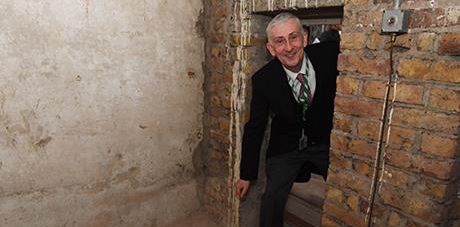
A forgotten door built for festivities surrounding the coronation of King Charles II in 1661 has been rediscovered in the Houses of Parliament. 

The door, hidden behind panelling in cloister formerly used as offices by the Parliamentary Labour Party, was originally constructed to allow guests at the coronation to make their way to his celebratory banquet in Westminster Hall.

It was subsequently used by the likes of Robert Walpole, often referred to as the first Prime Minister as well as architect-led rivals Charles James Fox and William Pitt the Younger, and diarist Samuel Pepys.

The door and passageway behind it survived the fire which destroyed much of the Palace of Westminster in 1834 but it was thought the passage had been filled in during restoration works after the Palace of Westminster was bombed in World War II.

Liz Hallam Smith, an historical consultant from the University of York who is working with the team undertaking the renovations, said they were trawling through “10,000 uncatalogued documents relating to the palace at the Historic England Archives in Swindon, when we found plans for the doorway in the cloister behind Westminster Hall”.

“As we looked at the paneling closely, we realised there was a tiny brass key-hole that no-one had really noticed before, believing it might just be an electricity cupboard,” she said. “Once a key was made for it, the paneling opened up like a door into this secret entrance.”

In the small room behind the door, the team discovered the original hinges for two wooden doors some three-and-a-half meters high that would have opened into Westminster Hall. They also found graffiti, scribbled in pencil by bricklayers who worked on the restoration of the palace in 1851 following the 1834 fire.

One section reads “This room was enclosed by Tom Porter who was very fond of Ould Ale” and another, “These masons were employed refacing these groines…[ie repairing the cloister] August 11th 1851 Real Democrats”, the latter a reference suggesting the men were part of the working class male suffrage Chartist movement.

Sir Lindsay Hoyle, the House of Commons Speaker, described the find as “part of our parliamentary history”: “To think that this walkway has been used by so many important people over the centuries is incredible.”

PICTURE: Sir Lindsay Hoyle and the door (UK Parliament/Jessica Taylor)


This Week in London – British surrealism; The Prince of Wales’ coronet; and, David Hockney’s drawings…

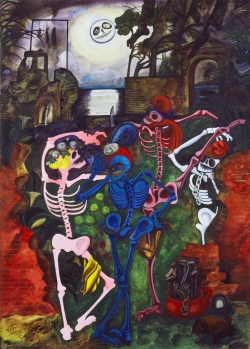
An exhibition which traces the history of surrealist art in Britain has opened at the Dulwich Picture Gallery. Featuring more than 70 works, British Surrealism marks the official centenary of surrealism – which dates from when founder André Breton began his experiments in surrealist writing in 1920 – and features paintings, sculpture, photography, etchings and prints. Among the 40 artists represented are Leonora Carrington, Edward Burra, Francis Bacon, Lucian Freud, Ithell Colquhoun, John Armstrong, Paul Nash and Reuben Mednikoff as well as lesser known but innovative artists like Marion Adnams, John Banting, Sam Haile, Conroy Maddox and Grace Pailthorpe. Highlights include Armstrong’s Heaviness of Sleep (1938), Burra’s Dancing Skeletons (1934), Adnams’ Aftermath (1946), Nash’s We Are Making a New World (1918), Colquhoun’s The Pine Family (1940), Pailthorpe’s Abstract with Eye and Breast (1938) and Bacon’s Figures in Garden (c1935). Also featured are works and books by some of the so-called ‘ancestors of surrealism’ including a notebook containing Coleridge’s 1806 draft of poem The Rime of the Ancient Mariner, and a playscript for Horace Walpole’s The Castle of Otranto (1859). Admission charge applies. Runs until 7th May. For more, see www.dulwichpicturegallery.org.uk. PICTURE: Edward Burra, Dancing Skeletons,1934, (1905-1976). Photo © Tate

The Prince of Wales’ investiture coronet has gone on show in the Jewel House at the Tower of London for the first time. Made of 24 carat Welsh gold and platinum and set with diamonds and emeralds with a purple velvet and ermine cap of estate, the coronet – which was designed by architect and goldsmith Louis Osman – features four crosses patee, four fleurs-de-lys and an orb engraved with the Prince of Wales’ insignia. The coronet was presented to Queen Elizabeth II by the Goldsmiths’ Company for the Prince of Wales’ investiture at Caernarfon Castle on 1st July, 1969. It’s being displayed alongside two other coronets made for previous Princes of Wales as well as the ceremonial rod used in the 1969 investiture which, designed by Welsh sculptor Sir William Goscombe John (1860-1952), is made of gold and is decorated with the Prince of Wales’ feathers and motto Ich Dien. For more, see www.hrp.org.uk/tower-of-london/.

The first major exhibition devoted to David Hockney’s drawings in more than 20 years opens at the National Portrait Gallery today. David Hockney: Drawing from Life features more than 150 works with a focus on self portraits and his depictions of a small group of sitters including muse Celia Birtwell, his mother, Laura Hockney, and friends, curator Gregory Evans and master printer Maurice Payne. Previously unseen works on show include working drawings for Hockney’s pivotal A Rake’s Progress etching suite (1961-63) – inspired by the identically named series of prints by William Hogarth, and sketchbooks from Hockney’s art school days in Bradford in the 1950s. Other highlights include a series of new portraits, coloured pencil drawings created in Paris in the early 1970s, composite Polaroid portraits from the 1980s, and a selection of drawings from the 1980s when the artist created a self-portrait every day over a period of two months. Runs until 28th June. Admission charge applies. For more, see www.npg.org.uk.

Send all items to exploringlondon@gmail.com.


This Week in London – Gold phone returns to Eltham Palace; Nicolaes Maes at the National; and, Léon Spilliaert at the Royal Academy…

A 1930s gold coloured telephone which once belonged to eccentric millionaire Virginia Courtauld has gone on show at Eltham Palace in London’s south-west. The recently donated phone, which was saved from a skip in the 1980s, is one of only two surviving Siemens Bakelite telephones of the original 19 which were installed at the palace in 1936 for Virginia and her husband Stephen (the other remaining phone, located in Stephen’s library, is plain black). The phones – which included five placed in bedrooms – were commissioned by Virginia and remained in the property even after the Courtaulds moved out in May, 1944, and passed the lease to the Army Educational Corps. Renamed the Royal Army Educational Corps, that organisation was relocating out of Eltham Palace in the 1980s when all of the original 1930s telephones were thrown away. This gold telephone was rescued from the rubbish by a passing member of the RAEC and was recently donated to English Heritage. Admission charge applies. For more, see www.english-heritage.org.uk/visit/places/eltham-palace-and-gardens/.

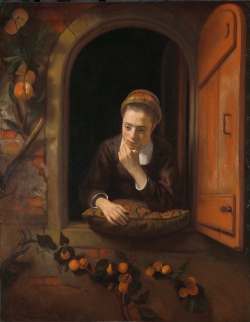
The first exhibition devoted exclusively to Dutch artist Nicolaes Maes – one of Rembrandt’s most important pupils – opens at the National Gallery on Saturday. Nicolaes Maes: Dutch Master of the Golden Age features more than 35 paintings and drawings by the Dordrecht-born artist including a selection of the intimate scenes of domestic daily life for which he is best known. Included are early history scenes, mostly on biblical subjects that Maes painted in the style of Rembrandt when he joined his studio in Amsterdam in about 1650, as well as lesser-known portraits he created from 1673 onward after he settled in Amsterdam. Admission is free. The display can be seen until 31st March. For more, see www.nationalgallery.org.uk. PICTURE: Nicolaes Maes, Girl at a Window (1653–5) © Rijksmuseum Amsterdam

The works of early 20th century Belgian artist Léon Spilliaert are the subject of a new exhibition at the Royal Academy of Arts opening on Sunday. Léon Spilliaert features some 80 works organised into four sections with highlights including Beech Trunks (1945), Young Woman on a Stool (1909), A Gust of Wind (1904), and Dike at night. Reflected lights (1908). Runs until 25th May. For more, see www.royalacademy.org.uk.

Send all items for inclusion to exploringlondon@gmail.com.

LondonLife – ‘Station Squabble’ and other natural wonders…


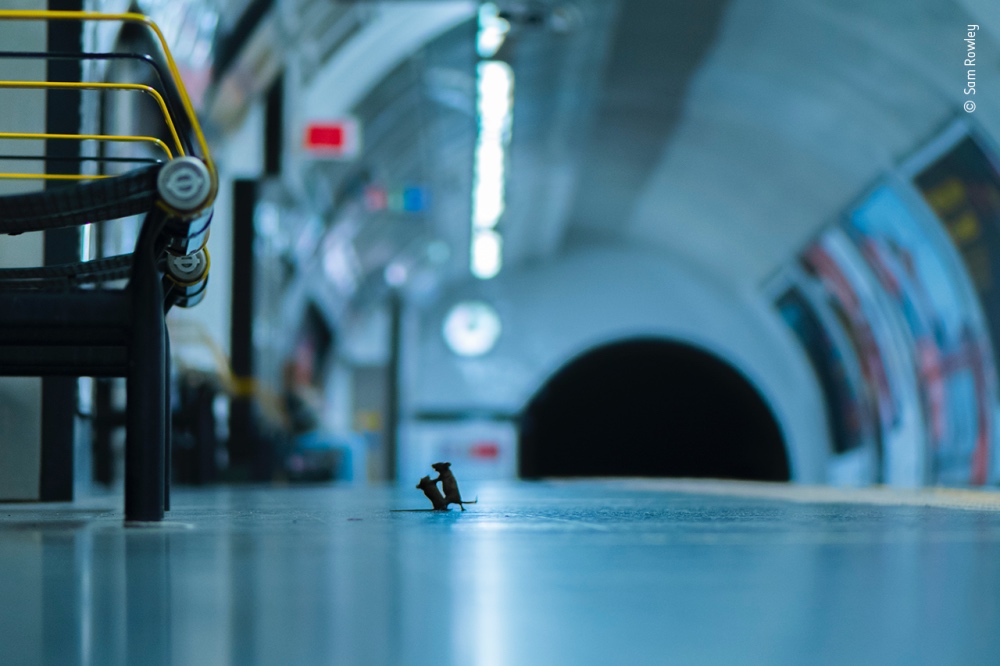
A startling image revealing two mice battling it out over a crumb on a platform at a London Underground station has won the Natural History Museum’s ‘Wildlife Photographer of the Year LUMIX People’s Choice award’.
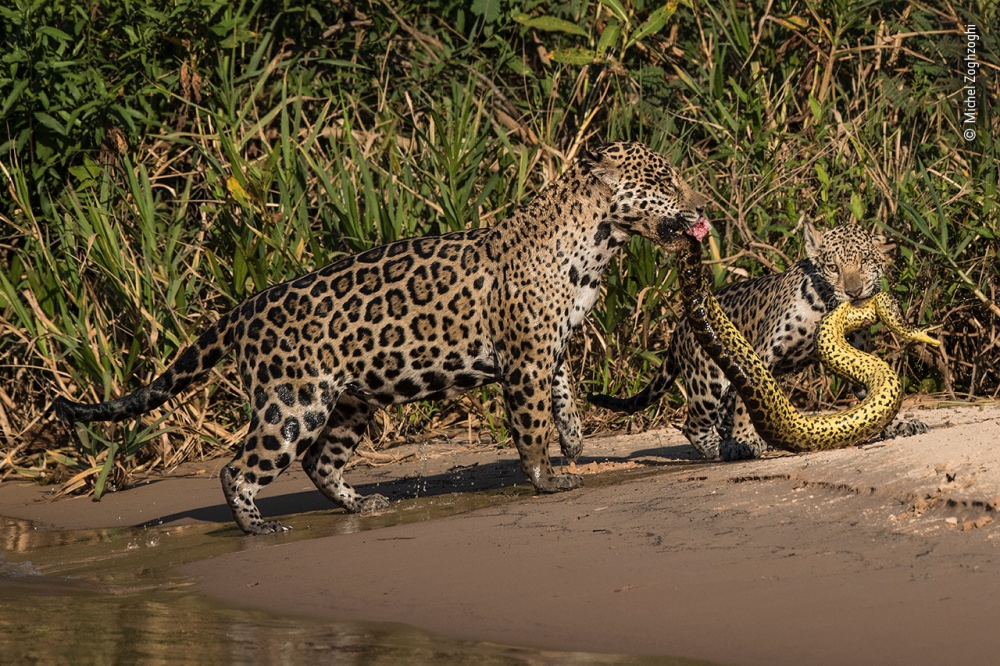
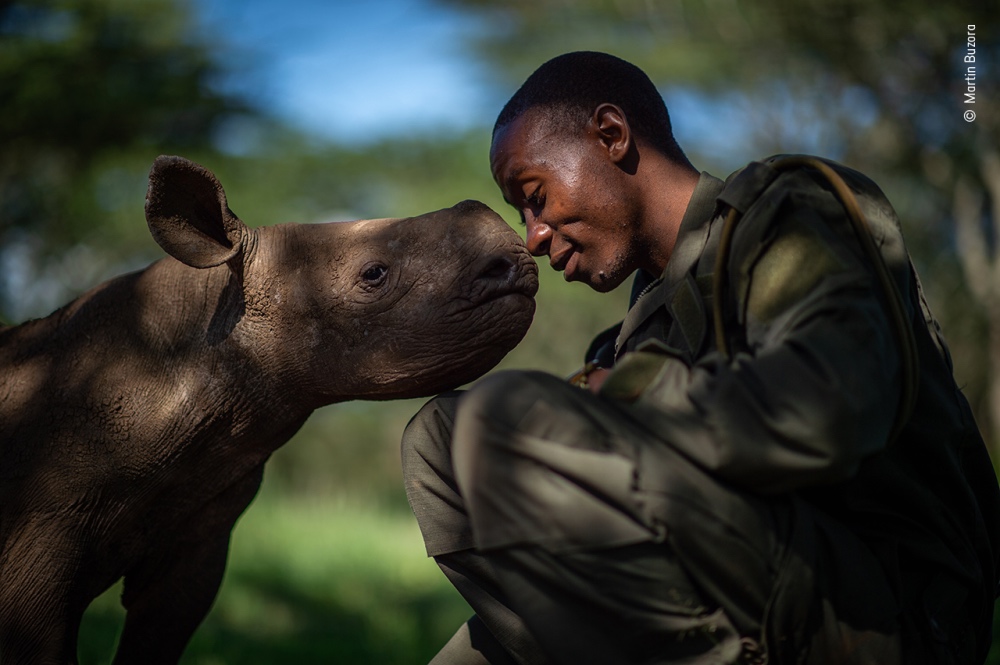
Taken by Bristol-based photographer Sam Rowley, the image was voted the winner from a shortlist of 25 images selected by the Natural History Museum out of the more than 48,000 entries. Rowley, who visited multiple platforms over the course of week to get the image, said it the encounter between the two mice lasted for just a split-second before one scurried away, triumphant with the crumb. ‘I’m so pleased to win this award. It’s been a lifetime dream to succeed in this competition in this way, with such a relatable photo taken in such an everyday environment in my hometown,” he said. “I hope it shows people the unexpected drama found in the most familiar of urban environments.” Four other images were highly commended including Aaron Gekoski’s image of an Orangutan being exploited for performance, Michel Zoghzhogi’s picture of a mother jaguar and cub with a captured anaconda, Martin Buzora’s portrait of a special moment between a conservation ranger and a baby black rhino, and Francis De Andres’s image of a group of curious white arctic reindeer. The images can all be seen at the Natural History Museum until 31st March. For more, head to www.wildlifephotographeroftheyear.com.


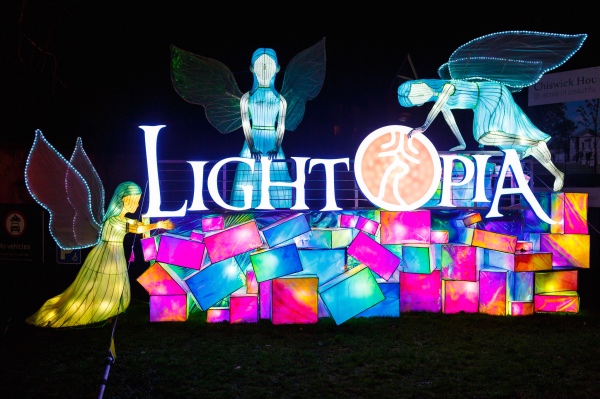
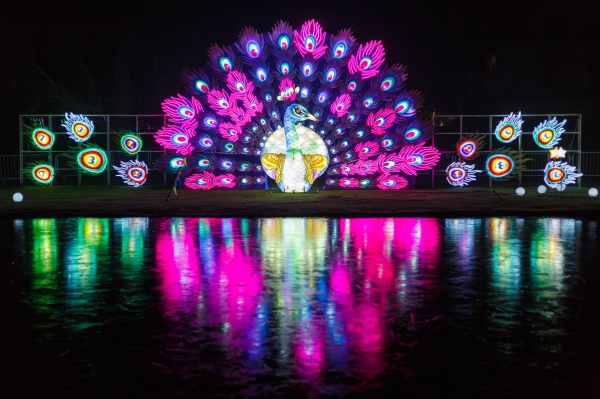
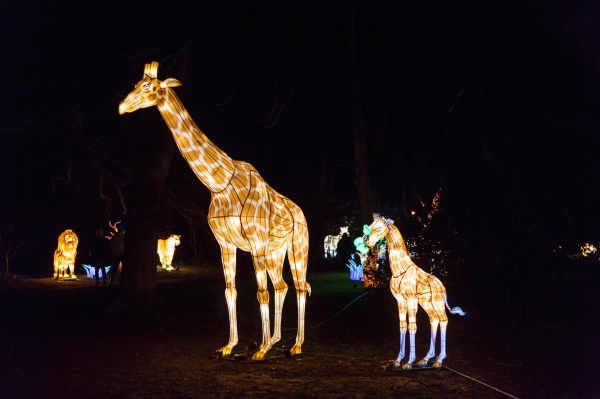
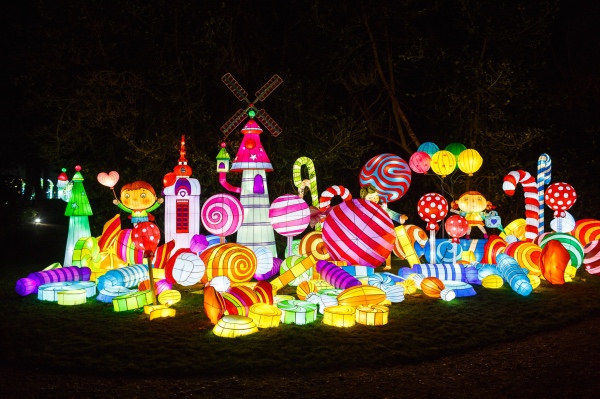
Picture Special – ‘Lightopia’ shines at Chiswick House…

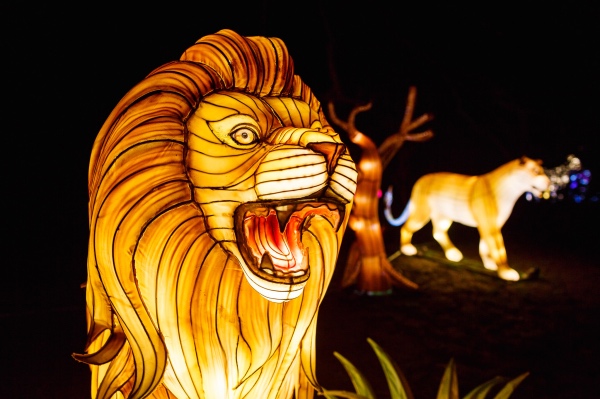
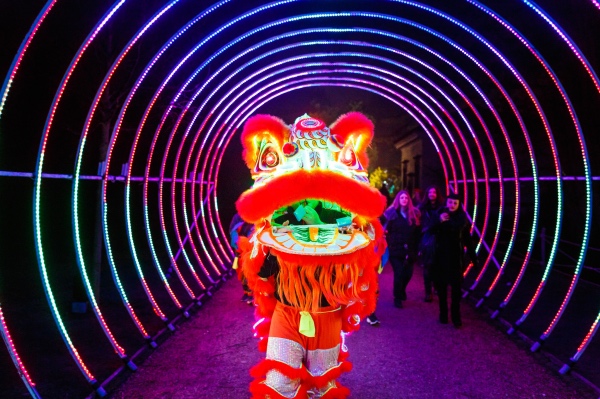
The grounds of Chiswick House in London’s west have been illuminated in spectacular fashion over the past few weeks in a winter light trail known as ‘Lightopia’ – but don’t worry, you still have until 1st March to take it all in. The event features acrobats, musicians, a 3D projection busting from the walls of Chiswick House and 47 groups of handmade, silk light installations, including the ‘Tree of Light’ centrepiece – a stunning, 18 metre peacock which moves in synchronisation with music. These silk installations combine ancient techniques of Chinese lantern making with modern technology and were made by people from the Chinese village of Zigong. An admission charge applies. For more, head to www.lightopiafestival.com . Here’s a sample of what’s on show…

ALL PICTURES: Courtesy of Lightopia Festival

This Week in London – ‘Woburn Treasures’ at the Queen’s House, and, Steve McQueen at the Tate Modern…

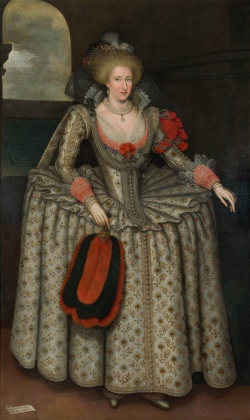
Significant works from the private art collection of the Duke and Duchess of Bedford – including art by Anthony van Dyck, Joshua Reynolds and Thomas Gainsborough – goes on show at the Queen’s House in Greenwich from today. Woburn Treasures will see more than 20 works from the collection hanging alongside the collection of Royal Museums Greenwich with highlights from the Woburn collection including a full-length portrait of Anne of Denmark – the Queen Consort of King James I and the person who commissioned Inigo Jones to build the Queen’s House – by Flemish artist Gheeraerts the Younger (the painting is pictured). There’s also a full-length portrait of Lady Elizabeth Keppel by Sir Joshua Reynolds and Canaletto’s large-scale Regatta on the Grand Canal, one of 24 paintings by the Italian artist commissioned for Lord John Russell, the fourth Duke of Bedford, following his visit to Venice in 1731. The paintings are accompanied by a selection of sculptures, ceramics and a silver-gilt toilette set from the Woburn collection, spanning the period from the 17th to 19th centuries. The display has been made possible due to the 18 month closure of Woburn Abbey, seat of the Earls and Dukes of Bedford since the 1620s, as a result of the biggest refurbishment and conservation project since the property first opened to the public in 1955. The exhibition can be seen at The Queen’s House until 17th January, 2021. Admission charge applies. For more, see www.rmg.co.uk/woburntreasures. PICTURE: Anne of Denmark 1611-14 by Marcus Gheeraerts the Younger Oil on canvas From the Woburn Abbey Collection.

The work of Turner Prize-winning British artist Steve McQueen is the subject of a new exhibition opening at the Tate Modern today. Steve McQueen features 14 major works spanning film, photography and sculpture and includes his earliest film shot on Super 8 camera – Exodus (1992/97) as well as 7th Nov. (2001), in which the artist’s cousin Marcus recounts the tragic day he accidentally shot and fatally injured his own brother, large-scale video installations such as Western Deep (2002) and Static (2009) and the two-channel video installation Ashes (2002–15). Also on display is End Credits (2012–ongoing), McQueen’s homage to the African-American singer, actor and civil rights activist Paul Robeson (1898–1976) and the exhibition, which coincides with the display of McQueen’s latest artwork Year 3 at Tate Britain, also features Weight (2016), a sculpture first exhibited by Artangel at the recently closed Reading Gaol, where Oscar Wilde had been imprisoned and wrote De Profundis in 1897. Runs until 11th May. Admission charge applies. For more, see www.tate.org.uk.

Send all items for inclusion to exploringlondon@gmail.com.

This Week in London – Britain’s Baroque culture; a celebration of orchids and Indonesia; and, London’s “hidden” Underground…

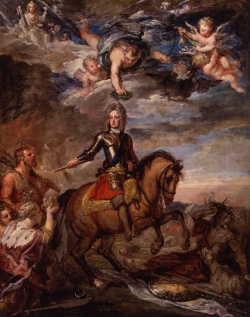
Britain’s Baroque culture – spanning the period from the Restoration of King Charles II to the death of Queen Anne in 1714 – is the subject of a new exhibition which opened this week at Tate Britain. British Baroque: Power and Illusion – the first major exhibition on the subject – shows how magnificence was used to express status and influence and features works by painters including Sir Peter Lely, Sir Godfrey Kneller, and Sir James Thornhill as well as designs, prints and wooden models of the works of architects like Sir Christopher Wren, Nicholas Hawksmoor and Sir John Vanbrugh. The importance of portraiture, the visual differences in Protestant and Catholic worship and the illusions contained in painted baroque interiors are all explored in the display along with how the subject of war was dealt with through heroic equestrian portraiture, panoramic battle scenes and accompanying propaganda. The exhibition, which is being accompanied by a programme of events, runs until 19th April. Admission charge applies. For more, see www.tate.org.uk. PICTURE: Godfrey Kneller, John Churchill, 1st Duke of Marlborough, c1706, National Portrait Gallery, London.

The 25th Kew Orchid Festival kicks off at Kew Gardens on Saturday in a celebration of the wildlife and culture of Indonesia. Located in the Princess of Wales Conservatory, the festival will take visitors on an immersive journey evoking the sights, smells and sounds of Indonesia though a series of orchid displays which include a life-sized animals such as orang-utans, a tiger and a rhinoceros, an archway made of hundreds of carnivorous pitcher plants and an erupting volcano. A programme of evening events featuring gamelan music and traditional dancers as well as cooking demonstrations by renowned author and chef Petty Elliott is also planned – these must be booked online in advance. Admission charge applies. Runs until 8th March. For more, see www.kew.org.

On Now: Hidden London: The Exhibition. This display at the London Transport Museum in Covent Garden takes visitors on an immersive journey to some of the secret places in the Tube network. Featuring rare archive photos, objects, vintage posters, secret diagrams and decorative tiles from disused stations, it uncovers stories such as how Churchill took shelter in the Railway Executive Committee’s bomb-proof headquarters deep underground at Down Street station at the height of the Blitz during World War II and how almost 2,000 members of staff, mostly women, worked in the Plessey aircraft underground factory located in two 2.5 mile-long tunnels on the eastern section of the Central line. The exhibition is being accompanied by a series of events including late openings and tours. Runs until next January. For more, see www.ltmuseum.co.uk/whats-on/exhibitions/hidden-london#.

Send all items for inclusion to exploringlondon@gmail.com

This Week in London – Inside the world of mushrooms; Tower Bridge ‘sings’; and, ‘La Ghirlandata’ restored…

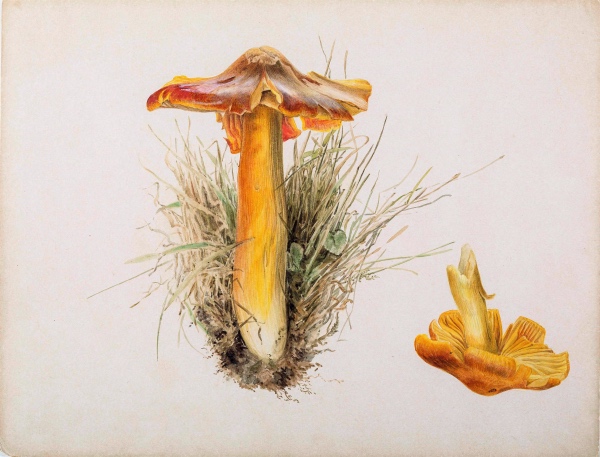
The world of mushrooms is explored in a new exhibition opening tomorrow at Somerset House. Part of the Charles Russell Speechly’s Terrace Rooms Series, Mushrooms: The art, design and future of fungi is curated by writer Francesca Gavin and features works by more than 35 artists, designers and musicians in an exploration of “the rich legacy and incredible potential of the remarkable organism, the ideas it inspires in the poetic, spiritual and psychedelic, and the powerful promise it offers to reimagine society’s relationship with the planet, inspiring new thinking around design and architecture”. Highlights include watercolours by renowned author Beatrix Potter (one of which is pictured), American artist Cy Twombly’s quasi-scientific portfolio Natural History Part I, Mushrooms (1974), and a spectacular floral display, featuring mushrooms grown in Somerset House’s former coalholes, by the London Flower School. The free exhibition, which runs until 26th April, is accompanied by a series of events. For more, see somersethouse.org.uk/mushrooms. PICTURE: Beatrix Potter, Hygrophorus puniceus, pencil and watercolour, 7.10.1894, collected at Smailholm Tower, Kelso, courtesy of the Armitt Trust

A newly commissioned film which reimagines Tower Bridge as a musical instrument is at the heart of a new exhibition which opened in the bridge’s Victorian Engine Rooms this week. Created by internationally acclaimed artist, inventor and filmmaker Di Mainstone to mark the bridge’s 125th anniversary, Time Bascule draws inspiration from Hannah Griggs, one of the first women to work at the bridge (in her case as a cook for the Bridge Master and his family between 1911-1915). The display also includes behind-the-scenes footage, storyboards and early sketches, as well as the opportunity for visitors to play a range of specially created musical instruments. Runs until March. Included in admission to the bridge. For more, see www.towerbridge.org.uk.

Dante Gabriel Rossetti’s Pre-Raphaelite masterpiece, La Ghirlandata, is being unveiled at the Guildhall Art Gallery today following a year-long restoration. William Russell, Lord Mayor of the City of London, is unveiling the portrait which was painted in 1873. Conversation work undertaken included cleaning the painting to reveal a “brighter, fresher scene with a cooler tonality”, repairing and cleaning Rossetti’s original frame, and replaced the deteriorating living canvas. The restoration was made possible thanks to a grant from the Bank of America.

Send all items for inclusion to exploringlondon@gmail.com.

This Week in London – 500 years of pregnancy portraits; Picasso and Paper; and, The Cato Street Conspiracy explored…

Representations of the pregnant female body across 500 years of portraiture are the subject of a major new exhibition opening at the Foundling Museum on Friday. Portraying Pregnancy: From Holbein to Social Media features paintings, prints, photographs, objects and clothing from the 15th century to the present day as it explores the different ways in which pregnancy was – or wasn’t – represented as well as how shifting social attitudes have impacted on depictions of pregnant women. Highlights include Holbein’s portrait of Thomas More’s daughter Cicely Heron, the maternity dress that Princess Charlotte wore for an 1817 portrait painted by George Dawe shortly before her death and William Hogarth’s The March of the Guards to Finchley (1750), which features a heavily pregnant woman. There’s also a previously unseen work by Jenny Saville, Electra (2012-2019), Marc Quinn’s Alison Lapper (8 Months) (2000) and Lucien Freud’s Girl with Roses (1947-8) which depicts his first wife Kitty. Runs until 26th April. Admission charge applies. For more, see www.foundlingmuseum.org.uk.

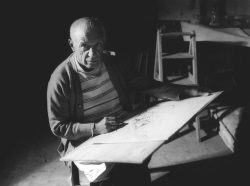
The most comprehensive exhibition ever held focused on Pablo Picasso’s imaginative and original uses of paper opens at the Royal Academy of Arts this Saturday. Held in the Main Galleries, Picasso and Paper features more than 300 works from across the span of the artist’s career as it explores the “universe of art” he invented involving paper. Highlights include Women at Their Toilette (winter 1937-38) –  an extraordinary collage of cut and pasted papers measuring 4.5 metres in length (being exhibited in the UK for the first time in more than 50 years), outstanding Cubist papiers-collés such as Violin (1912), and studies for Les Demoiselles d’Avignon (1908) such as Bust of Woman or Sailor as well as drawings like Self-portrait (1918) and Seated Woman (Dora) (1938). His masterpiece of the Blue Period, La Vie (1903) will also be in the display as well as his Cubist bronze Head of a Woman (Fernande) (1909) and monumental sculpture Man with a Sheep (1943), and the 1955 film Le Mystère Picasso, which records Picasso drawing with felt-tip pens on blank newsprint. Runs until 13th April. Admission charge applies. For more, see www.royalacademy.org.uk. PICTURE: Key 486, Pablo Picasso drawing in Antibes, summer 1946. Black-and-white photograph, Photo © Michel Sima / Bridgeman Images © Succession Picasso/DACS 2019

On Now – The Cato Street Conspiracy: A Terrorist Plot in Georgian London. This exhibition at the City of London’s Guildhall Library draws on contemporary accounts and pictures to tell the story of the conspiracy and its participants. The conspiracy, which was uncovered in early 1820, involved a plot to kill the British Prime Minister and Cabinet Ministers. Thirteen of the conspirators were arrested and five executed while five others were transported to Australia. A policeman was killed in the operation to arrest those responsible. This free exhibition runs until 30th April. For more follow this link.

Send all items for inclusion to exploringlondon@gmail.com.

LondonLife – Four London sites heritage listed in 2019…

We’ve entered a new year but before we leave 2019 completely behind, here’s quick look at four sites in London that were put on the National Heritage List for England last year…

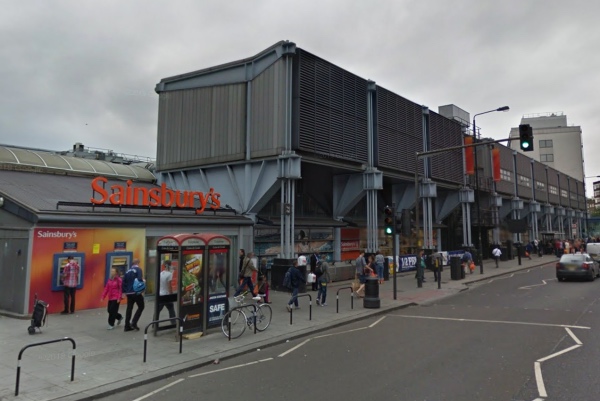
1. Sainsbury Supermarket, Camden TownListed at Grade II, it was the first purpose-built supermarket to be placed on the National Heritage List. The store was built in 1986-88 as part of Grand Union Complex designed by architectural practice Nicholas Grimshaw & Partners.

2. The Curtain Playhouse, Shoreditch. A scheduled monument, the theatre dates from about 1577 and hosted performances of Romeo and Juliet during Shakespeare’s lifetime, as well as Ben Jonson’s Every Man in His Humour with Shakespeare himself listed as a performer. Archaeological investigations in the years from 2011-16 revealed parts of the stage as well as the wings, galleries and yards and 17th century structures which showed the later use of the site as tenement housing.

3. Nursemaid’s Tunnel, Regent’s Park. Grade II listed, this is one of the earliest surviving pedestrian subways in London. It was built under New Road (now Marylebone Road) – linking Park Crescent with gardens in Park Square – in 1821 after residents campaigned for its construction due to the dangers of navigating the busy road (especially for children being taken to the playground by their nursemaids).

4. Cabman’s Shelter, corner Northumberland Avenue and Embankment Place. Grade II-listed, this still-in-use shelter was built in 1915 on the orders of the Cabmen’s Shelter Fund. It was based on Maximilian Clarke’s original design of 1882 and is one of just 13 examples to survive in London.

PICTURE: Google Maps.

This Week in London – The British Museum gets arty; music festivals in Georgian Britain; the story of Tangerine Dream; and, migration at Dulwich…

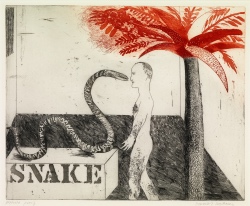
• Artworks by the likes of Pablo Picasso, Henri Matisse, Lucian Freud, Bridget Riley, David Hockney and Visa Celmins are on show in a new exhibition at the British Museum. Reflecting artistic developments in the past 100 years of modern art, Living with art: Picasso to Celmins features 30 prints and drawings. It showcases highlights from the wide-ranging collection of Alexander Walker (1930–2003), a longstanding film critic for London’s Evening Standard newspaper, which was bequeathed to the British Museum in 2004. The exhibition can be seen at the museum until 5th March before heading off on tour. Admission charge applies. For more, see www.britishmuseum.org. PICTURE: David Hockney (b. 1937), ‘Jungle Boy’ (1964) Etching and aquatint in black and red on mould-made paper © David Hockney Photo Credit: Richard Schmidt.

Music festivals in Georgian Britain – from the Handel Commemoration of 1784 to the Crystal Palace concerts of the late 19th century – are explored in a new exhibition at the Foundling Museum in Bloomsbury. Music Festivals in Georgian Britain looks at the logistics behind the organisation of the concerts which followed on in the tradition of benefit concerts for charities as well as the expectations of audiences. Runs until 14th September. Admission charge applies. For more, see https://foundlingmuseum.org.uk.

The “extraordinary story” of German band Tangerine Dream is told in a new exhibition opening at the City of London’s Barbican Music Library today. Tangerine Dream: Zeitraffer features photographs, previously unpublished articles, video clips, and original synthesizers as it tells the story of the band – credited with laying the foundation for the Ambient and Trance music styles – from its founding in 1967 and the release of its first album, Electronic Meditation, in 1970 through to the latest album, Recurring Dreams, last year. The band, which has released more than 160 albums, has also composed the scores for more than 60 Hollywood films including Michael Mann’s Risky Business and Ridley Scott’s Legend as well as Firestarter, based on the Stephen King novel. In 2013, they also wrote the score for the record-breaking video game, Grand Theft Auto V, and their music has appeared in recent Netflix series, Stranger Things, Black Mirror and Mr Robot. Runs until 2nd May. Admission is free.

The stories of six “community curators” – each of whom has personal experience of migration – are at the centre of a new display at the Dulwich Picture Gallery. Journeys, which explores themes of identity, belonging, migration and London’s multiculturalism, examines the contemporary relevance of works by the likes of Poussin, Rubens, Canaletto and Van Dyck against the backdrop of the life stories of the curators who, aged between 29 and 69, have a combined heritage spanning eight countries including Yemen, Sri Lanka, Italy, Pakistan and Ireland. Opens next Tuesday (21st January) and runs until 24th June with a special free late opening on 19th June during the final week which coincides with Refugee Week. For more, see www.dulwichpicturegallery.org.uk.

Send all items for inclusion to exploringlondon@gmail.com.

LondonLife – A century of film icons coming soon to Leicester Square…

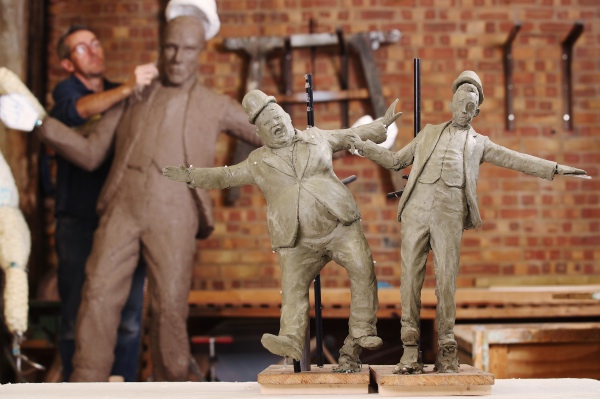
Laurel & Hardy, Bugs Bunny, Mr Bean and Mary Poppins are among the big screen icons who are coming to Leicester Square as part of a new art installation taking up residence from late February. Scenes in the Square, an initiative of the Heart of London Business Alliance in partnership with Westminster City Council and major film studios, celebrates a century of cinema with a “trail” of interactive bronze statues. Other characters include Gene Kelly – hanging off a lamp-post as he appeared in 1952’s Singin’ in the Rain – and more modern heroes like Batman and Wonder Woman. Paddington will also be present with visitors able to sit on a bench and have lunch beside him. Several of the eight statues will be illuminated at night and the trail will be enhanced with interactive content including maps, video and music. It is hoped further characters will be introduced following a six month pilot period. PICTURES: Above – An artist’s impression of what the square will look like; Below – Models of Laurel and Hardy with the life-size Laurel and sculptor David Field in the background.

This (Year) in London – Five exhibitions you won’t want to miss in 2020…

It’s our first ‘This Week in London’ for 2020 so instead of our usual programming, we thought we’d briefly look at five key exhibitions that you won’t want to miss this year…

1. Thomas Becket at the British Museum. Marking the 850th anniversary of the murder of the medieval Archbishop of Canterbury on 29th December, 1170, the museum will host the first ever major exhibition on the life, death and legacy of the archbishop as part of a year-long programme of events which also includes performances, pageants, talks, film screenings and religious services. The exhibition will run from 15th October to 14th February, 2021. PICTURE: Alabaster sculpture, c 1450–1550, England. Here, Becket is shown kneeling at an altar, his eyes closed and his hands clasped in prayer, all the while four knights draw their swords behind him. To Becket’s right is the monk Edward Grim, whose arm was injured by one of the knight’s swords. © The Trustees of the British Museum.

2. Elizabeth and Mary at the British Library. This exhibition draws on original historic documents to  take a fresh look at what’s described as the “extraordinary and fascinating story of two powerful queens, both with a right to the English throne: Elizabeth I and Mary, Queen of Scots”. Letters and other 16th century documents will show how their struggle for supremacy in the isles played out. Runs from 23rd October to 21st February, 2021.

3. Tudors to Windsors at the National Maritime Museum. This major exhibition promises to give visitors “the opportunity to come face-to-face with the kings, queens and their heirs who have shaped British history and were so central to Greenwich”.  Including more than 150 works covering five royal dynasties, it will consider the development of royal portraiture over a period spanning 500 years and how they were impacted by the personalities of individual monarchs as well as wider historical changes. Will be held from April.

4. Gold and Glory: Henry VIII and the French King at Hampton Court Palace. Marking the 500th anniversary of the Field of Cloth of Gold – King Henry VIII’s landmark meeting with his great rival, the French King François I, the exhibition will feature a treasure trove of precious objects from the English and French courts as well as a never-before-seen tapestry, manufactured in the 1520s, which depicts a bout of wrestling at the meeting presided over by François and which also shows a black trumpeter among the many musicians depicted. Opens on 10th April. The palace will also play host this year to Henry VIII vs François I: The Rematch, a nine day festival of jousting, wrestling and foot combat complete with feasting, drinking and courtly entertainment. Runs from 23rd to 31st May.

5. Faces of a Queen: The Armada Portraits of Elizabeth I at the Queen’s House in Greenwich. This display brings together, for the first time, the three surviving versions of the iconic ‘Armada Portrait’ of Elizabeth I. The portrait commemorates the Spanish Armada’s failed attempt to invade England and the display will include the Royal Museums Greenwich’s own version of the painting along with that from the National Portrait Gallery and that which normally hangs in Woburn Abbey. Runs from 13th February to 31st August.

We’ll feature more details in stories throughout the coming year. But, of course, this is just a sample of what’s coming up this year – keep an eye on Exploring London for more…
LondonLife – London’s tranquil top 10…


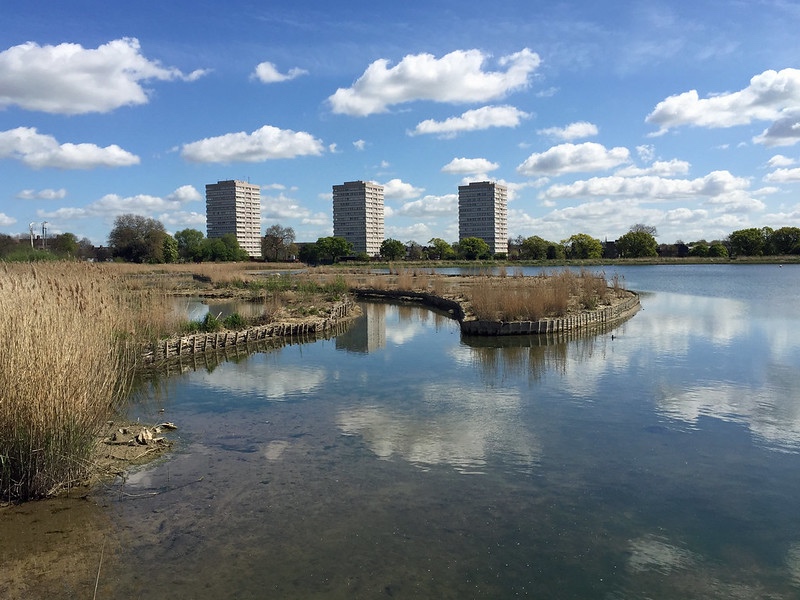
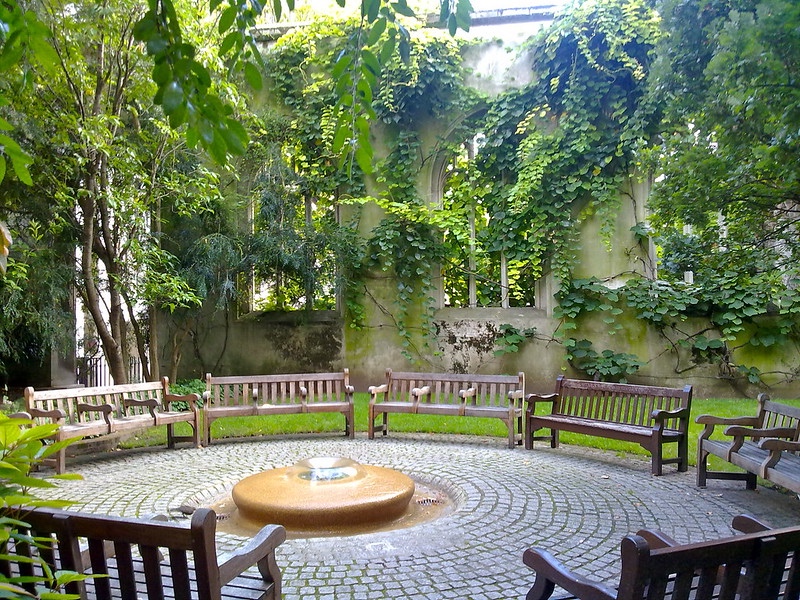
Woodlands, former churches and secluded city parks are all among the top 10 most tranquil places in London, according to the Tranquil City Index. According to a list published by the London Evening Standard, the top 10 puts Woodberry Wetlands in Stoke Newington (pictured above) at number one followed by the church ruins (now a park) of St Dunstan-in-the-East in the City of London (below), Cody Dock at Bow Creek and Beckenham Place Park. Postman’s Park in the City of London comes in at number five, followed by the Red Cross Garden in Southwark, Myatt’s Fields Park in Camberwell, Southmere Lake at Thamesmead, the Japanese Garden in Hammersmith Park (pictured) and, at number 10, the Paddington Arm of the Grand Union Canal. The index is the work of Tranquil City, an organisation which explores “our relationship with tranquillity in the urban environment to promote health, wellbeing and balance”. PICTURE: Top – diamond geezer (licensed under CC BY-NC-ND 2.0); Below – James Stringer (licensed under CC BY-SA 2.0).

LondonLife – Opening presents at the Zoo…

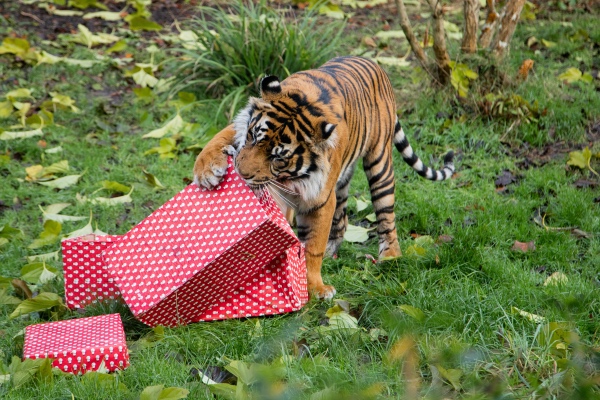
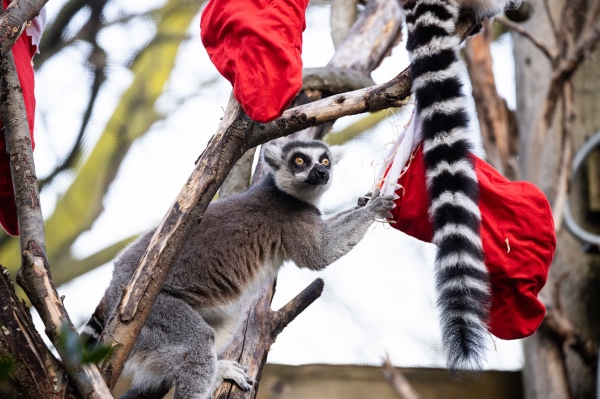
Christmas came early at ZSL London Zoo on Monday when animals woke to find their presents had been delivered. Among them was a new Christmas climbing frame decorated with edible gifts for the ever-popular Bolivian black-capped squirrel monkeys, turkey wings for Sumatran tiger Asim and hanging stockings stuffed with vegetable trimmings for the ring-tailed lemurs. “Just like children all over the country when they wake up on Christmas morning, Asim loved tearing into his brightly wrapped presents to get at the meaty snacks inside, while our squirrel monkeys and lemurs enjoyed finding the festive treats hidden in their stockings,” said Angela Ryan, the Zoo’s animal manager. The zoo is open every day with the exception of Christmas Day itself. For more, see www.zsl.org/London. ALL PICTURES: © ZSL London Zoo

This Week in London – Troy explored at British Museum; Georgian theatre in London; and, Green Plaque for Europe’s first recording studio…

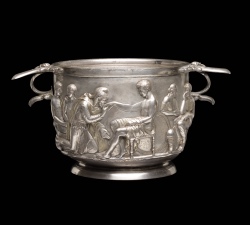
A major exhibition on the legendary city of Troy has opened at the British Museum. Troy: myth and reality showcases works of art inspired by the “tales of war, love and loss” connected to the Trojan cycle of myths and follows in the footsteps of archaeologists and adventurers who have sought to find evidence of the ancient city. Among the almost 300 objects on show are original finds – such as pottery, silver vessels, bronze weapons and stone sculptures – found by Heinrich Schliemann’s work at the site between 1870 and 1890, a Roman sarcophagus lid picturing a wheeled – and armed – wooden horse (on loan from Oxford’s Ashmolean), Filippo Albacini’s (1777–1858) marble sculpture, The Wounded Achilles, and a Roman silver cup from the National Museum of Denmark depicting the meeting of Priam and Achilles as described in Homer’s The Iliad (pictured). Admission charges applies. Runs until 8th March. For more, see www.britishmuseum.org/Troy. PICTURE: Priam and Achilles, Roman silver cup, 1st century AD, National Museum of Denmark Photograph: Roberta Fortuna and Kira Ursem © National Museet Denmark.

Queen drummer, Roger Taylor, unveiled a Westminster City Council Green Plaque commemorating the site of Europe’s earliest recording studio in Covent Garden earlier this month. The studio was opened on Maiden Lane, one street north of the Strand, in 1898 by audio pioneer Fred Gaisberg and The Gramophone Company, a precursor to EMI – the same company which opened the world-famous Abbey Road Studios 33 years later. The campaign for the plaque – located on a building now housing a pizza restaurant – was led by music journalist and author James Hall with support from the EMI Archive Trust. For more, see www.westminster.gov.uk/green-plaques.

• On Now: Two Last Nights! Show Business in Georgian Britain. This interactive display throughout the entire Foundling Museum in Bloomsbury features more than 100 objects which highlight the similarities and differences between theatre going in the Georgian era and now. It explores key venues in London and beyond and is divided into four sections focusing on Georgian theatres like Drury Lane and Covent Garden, the Vauxhall Pleasure Gardens, the importance of the Foundling Hospital Chapel as a music venue, and the provincial music festivals held in other major cities in Britain. Runs until 5th January. Free with museum admission. For more, see www.foundlingmuseum.org.uk.

Send all items for inclusion to exploringlondon@gmail.com.