This Week in London – Borealis at Guildhall Yard; princess panto costumes; and ancient Greeks at the Science Museum…

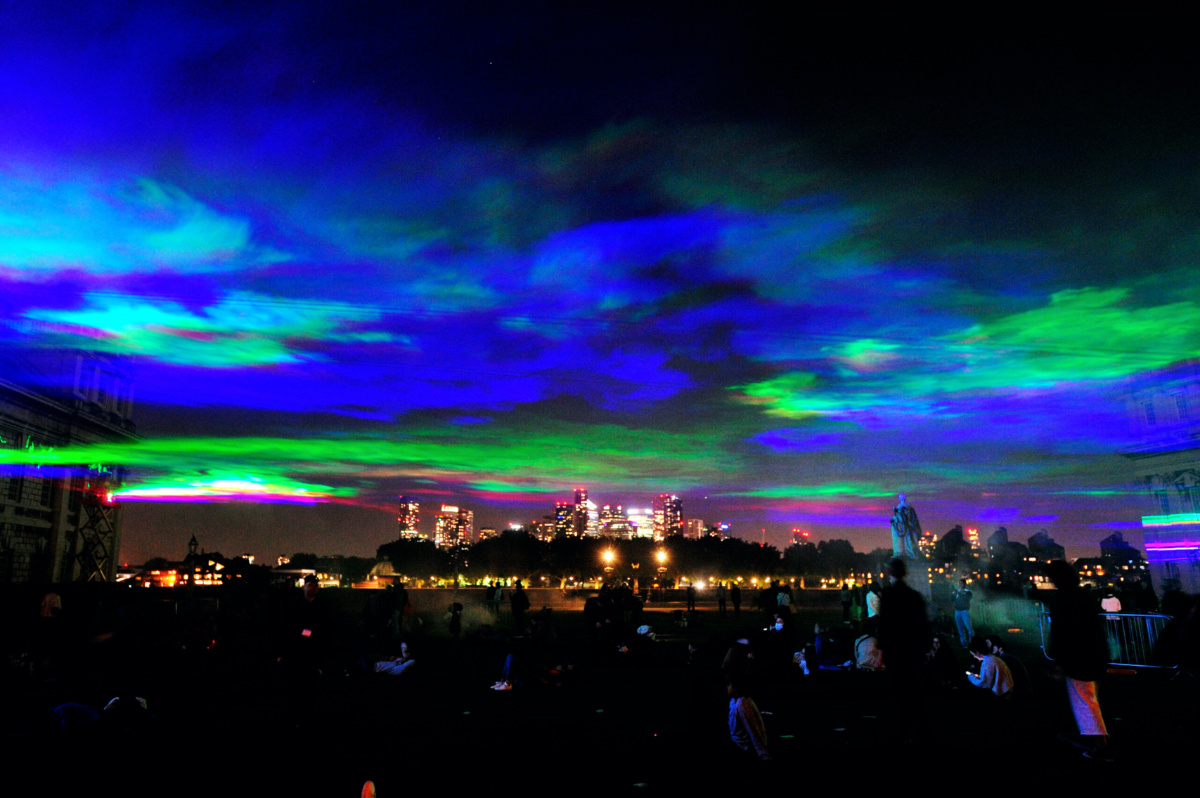
Borealis. PICTURE: Doug Southall

A dazzling light show inspired by the Northern Lights – one of the seven natural wonders of the world – can be seen in the Guildhall Yard this December. Borealis – which can be seen between 11th and 22nd December – is the work of artist Dan Acher and is one of a number of light displays which is illuminating London this winter as part of Mayor Sadiq Khan’s ‘Winter Lights’ campaign. Others include an animal-themed display bringing to life the beasts that once lived at the Tower of London, an outdoor programme of installations and video art projections illuminating the Southbank Centre’s site, the ‘Illuminated River’ display lighting up nine of London’s bridges in what is be the longest public art project in the world, and a free Canary Wharf ‘Winter Lights Spectacular’ in January which will feature 20 new light commissions by some of the most innovative artists across the globe. In Grosvenor Square, Mayfair, thousands of illuminated white roses will form an ‘Ever After Garden’ designed by fashion designer Anya Hindmarch while traditional favourites like the Hyde Park Winter Wonderland as well as winter markets and ice rinks at locations like the Natural History Museum and Somerset House are also once again returning to the city. London’s red buses are an easy way to see the Christmas lights this year with routes 12, 94, 98, 139 and 390 all travelling through Oxford Circus. Free tickets to Borealis can be booked at www.visitlondon.com/Borealis while, for more on the best bus routes, see https://londonblog.tfl.gov.uk/festive-bus-routes/. For more information on all the light shows and events (some of which are already underway), see visitlondon.com    .

Costumes worn by then Princess Elizabeth and her sister Princess Margaret in wartime-era pantomimes are at the heart of a new display at Windsor Castle this Christmas. The princesses spent much of their time at Windsor during World War II – away from the Blitz in London – and, between 1941 and 1944, they performed in and helped to stage a series of pantomimes to raise money for the Royal Household Wool Fund which supplied knitting wool to make comforters for soldiers fighting at the front. Six of the costumes they wore have been brought together for the first time and are being displayed in the castle’s Waterloo Chamber where the pantos were originally performed. The costumes on show were worn in the last two pantos – Aladdin, which was performed in 1943, and Old Mother Red Riding Boots which was performed in 1944. Also on show are 16 large scale pictures of fairy-tale characters that were pasted around the walls to create the space for the performances. Visitors to Windsor this Christmas will also see State Apartments decorated for the festive season and a 20 foot high Christmas tree in St George’s Hall. The Semi-State Rooms, created for King George IV and now used for official entertaining, are also now open to visitors. The costumes can be seen until 31st January. Admission charges apply. For more on the Christmas activities at Windsor, including a ‘Mary, Queen of Scots at Christmas Family Activity Day’ on 18th December, see www.rct.uk/whatson/. Meanwhile, Buckingham Palace is offering guided tours of the State Rooms over winter with special family guided tours available for the first time. The tours run until 30th January. Admission charge applies. For more on the guided tours, head here and for more on the family tours, head here.

• The ancient Greeks’ pursuit of knowledge is the subject of a new exhibition which has opened at the Science Museum in South Kensington. Ancient Greeks: Science and Wisdom takes visitors on a journey in which they will sail the perilous seas with a statue of Hermes that was discovered on a shipwreck off the island of Antikythera, experience the lost music of the aulos instrument through interactive displays and an exclusive video that reimagines its ancient sounds, and gaze at the starry cosmos through ancient Greek eyes via a beautiful and rare silver globe depicting the known constellations and a Byzantine sundial-calendar – the second oldest known geared mechanism in the world. The free display can be seen until 5th June. Tickets are required – to book head to sciencemuseum.org.uk/ancient-greeks.

Send all items for inclusion to exploringlondon@gmail.com.
This Week in London – Faberge eggs; Royal jeweller Garrard; and, Christmas at Kew…

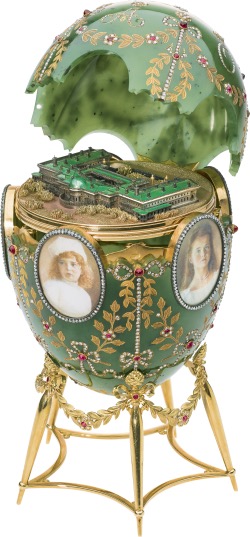
The Alexander Palace Egg, Fabergé. Chief Workmaster Henrik Wigström (1862-1923), gold, silver, enamel, diamonds, rubies, nephrite, rock crystal, glass, wood, velvet, bone, 1908 © The Moscow Kremlin Museums

• The largest collection of Faberge’s Imperial Easter eggs to be displayed together in a generation go on show at the V&A from Saturday. Fabergé in London: Romance to Revolution is the first major exhibition devoted to the international prominence of Russian goldsmith, Carl Fabergé, and his little-known London branch. Divided into three sections which cover everything from the techniques and detailing synonymous with the Faberge name to his time in London, the royal patronage he received, and the impact of the Great War and Russian Revolution on the business. The display features more than 200 objects with highlights including a prayer book gifted by Emperor Nicholas II to Empress Alexandra Feodorovna on his Coronation Day, the only known example of solid gold tea service crafted by Fabergé, a rare figurine of a veteran English soldier commissioned by King Edward VII, and a “kaleidoscopic display” of 15 of the Imperial Easter Eggs. The latter include several that have never before been shown in the UK including the largest Imperial Egg – the Moscow Kremlin Egg – which was inspired by the architecture of the Dormition Cathedral, the Alexander Palace Egg – which features watercolour portraits of the children of Nicholas II and Empress Alexandra and contains a model of the palace inside (pictured), the recently rediscovered Third Imperial Egg of 1887 (found by a scrap dealer in 2011) and Empress Alexandra Feodorovna’s Basket of Flowers Egg. Runs until 8th May. Admission charge applies. For more, see www.vam.ac.uk.

The Royal Family’s relationship with the jeweller Garrard is the subject of a new exhibition which has opened in Kensington Palace’s ‘Jewel Room’. Going on display for the first time are examples of the firm’s ledgers which document royal commissions dating back to 1735 while other highlights include Queen Mary’s fringe tiara which was made in 1919 using diamonds taken from Queen Victoria’s wedding gift to Queen Mary and which was subsequently worn by Queen Elizabeth II on her wedding day. Admission charge applies. For more, see www.hrp.org.uk/kensington-palace.

Botanical illustrations from the archives at Kew Gardens are brought to life on a canvas consisting of a selection of spectacular trees from the arboretum as part of this year’s Christmas display. Christmas at Kew also includes Spheric – a 15-metre-wide dome of light covered in more than 2,000 individually controlled LED pixels which sits on a reflective water pool and allows visitors to fully immerse themselves in a unique mirrored illusion as they cross the lake, a new installation for Holly Walk which will illuminate the night sky for over 200 metres overhead as it replicates the enchanting visual phenomenon of the Aurora Borealis, a vibrant rainbow tree illumination which brings to life the 12 Days of Christmas, and the ever-popular Fire Garden. The display can be seen until 9th January. Admission charge applies. For more, see www.kew.org.

Send all items for inclusion to exploringlondon@gmail.com.
This Week in London – Royal portraits in Greenwich; Sir Roger Bannister to be honoured; and, drawing on the Tate’s Turbine Hall floor…

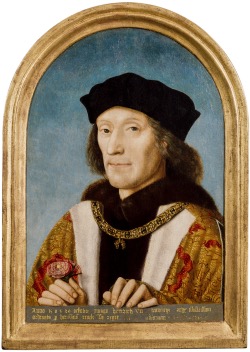
King Henry VII by unknown Netherlandish artist, 1505 (oil on panel) © National Portrait Gallery, London

More than 150 of the finest portraits of royal families over five dynasties are on show at the National Maritime Museum in Greenwich. Tudors to Windsors: British Royal Portraits, which is being run in conjunction with the National Portrait Gallery, features famous paintings, miniatures, sculpture, photographs, medals and stamps from the Tudor, Stuart, Georgian, Victorian and Windsor dynasties. Highlights include the earliest known portrait of Henry VII (also the oldest artwork in the exhibition) which was painted in 1505 by an unknown artist, Flemish artist Marcus Gheeraerts the Younger’s famous ‘Ditchley Portrait’ of Elizabeth I, portraits of Charles II and his mistresses, early 19th century domestic photographs of Queen Victoria and her family, and a selection of paintings and photographs of Queen Elizabeth II by Cecil Beaton and Annie Leibovitz. Runs until 31st October. Admission charge applies. For more, see www.rmg.co.uk/TudorsWindsors.

Westminster Abbey has announced a new memorial to Sir Roger Bannister, the first man to run under a mile in four minutes. The abbey said the memorial ledger stone to Bannister, who later became a neurologist, will be placed in what is known as ‘Scientists’ Corner’ in the building’s nave, close to the graves of scientists Sir Isaac Newton and Charles Darwin as well as the ashes of Stephen Hawking. “Throughout his life Sir Roger Bannister reached out for that which lay beyond,” said the Dean of Westminster, the Very Reverend Dr David Hoyle, in a statement. “As a sportsman, pushing himself towards a prize some considered beyond human reach, as a scientist ever eager for deeper understanding of neurology. We are delighted that his memory and his achievement will be set in stone in the Abbey. He ran the race set before us all.” Bannister is famous for having run a mile in three minutes, 59.4 second at Oxford on 6th May, 1954 – a record which stood for almost nine years.

Be among those transforming the Tate Modern’s Turbine Hall into an “ever changing work of art”. Visitors are invited to join in covering the hall’s floor with their own jottings using coloured drawing materials as part of artist Ei Arakawa’s interactive installation, Mega Please Draw Freely. The installation, which can be contributed to until 29th August, kicks off UNIQLO Tate Play – a new free programme of playful art-inspired activities for families, being in partnership with UNIQLO, at the Tate Modern. The project, which has seen the Turbine Hall floor covered with a temporary surface allowing it to be drawn upon, is inspired by the Gutai group, radical Japanese artists who wanted to change the world through painting, performance and children’s play and, in particular, the group’s ‘Outdoor Gutai Art Exhibition of 1956’ in which Yoshihara Jirō created the groundbreaking work Please Draw Freely, a large board on which people were free to draw and paint. Visitors can access Mega Please Draw Freely by booking a free collection display ticket online at www.tate.org.uk.

Send all items for inclusion to exploringlondon@gmail.com.
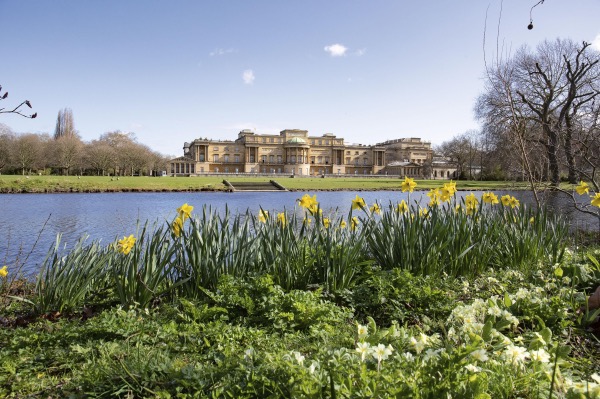
LondonLife – Exploring Buckingham Palace’s gardens…

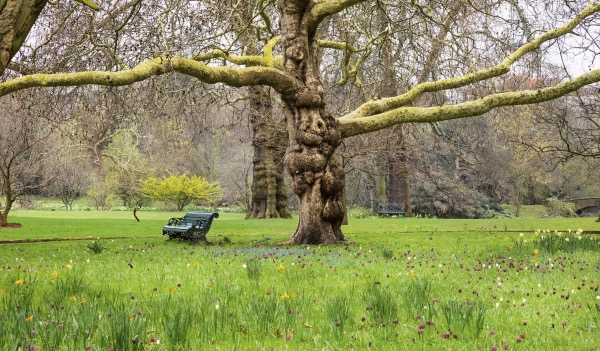
The garden at Buckingham Palace in spring. PICTURE: John Campbell (Royal Collection Trust/© Her Majesty Queen Elizabeth II 2021.)

The historic 39 acre garden at Buckingham Palace opened to the public for the first time last Friday as part of the palace’s summer opening. Visitors can follow a route that takes in the 156-metre Herbaceous Border, plane trees which were planted by and named for Queen Victoria and Prince Albert, and views of the island and its beehives across the 3.5-acre lake. There’s also the opportunity to enjoy a picnic on the lawns and guided tours of the south-west of the garden with features including the Rose Garden, summer house and wildflower meadow. The current landscape dates back to the 1820s when King George IV turned Buckingham House into a place. It features more than 1,000 trees, the National Collection of Mulberry Trees (mulberry trees were first planted by King James I in 1608), 320 different wildflowers and grasses, and, since 2008, five beehives. The Queen traditionally hosts three garden parties in the gardens annually which are each attended by 8,000 guests, who consume around 27,000 cups of tea, 20,000 sandwiches and 20,000 slices of cake. The gardens are open until 19th September. Admission charge applies. For more, see www.rct.uk.

A curving path leading past the Magnolia Dell to the Rose Garden. PICTURE: John Campbell (Royal Collection Trust/© Her Majesty Queen Elizabeth II 2021.)
The Rose Garden and summer house can be seen as part of guided tours. PICTURE: John Campbell ( Royal Collection Trust/© Her Majesty Queen Elizabeth II 2021.)
Spring flowers in the Buckingham Palace garden. PICTURE:John Campbell (Royal Collection Trust/© Her Majesty Queen Elizabeth II 2021.)

LondonLife – The Queen awards the George Cross to the NHS…

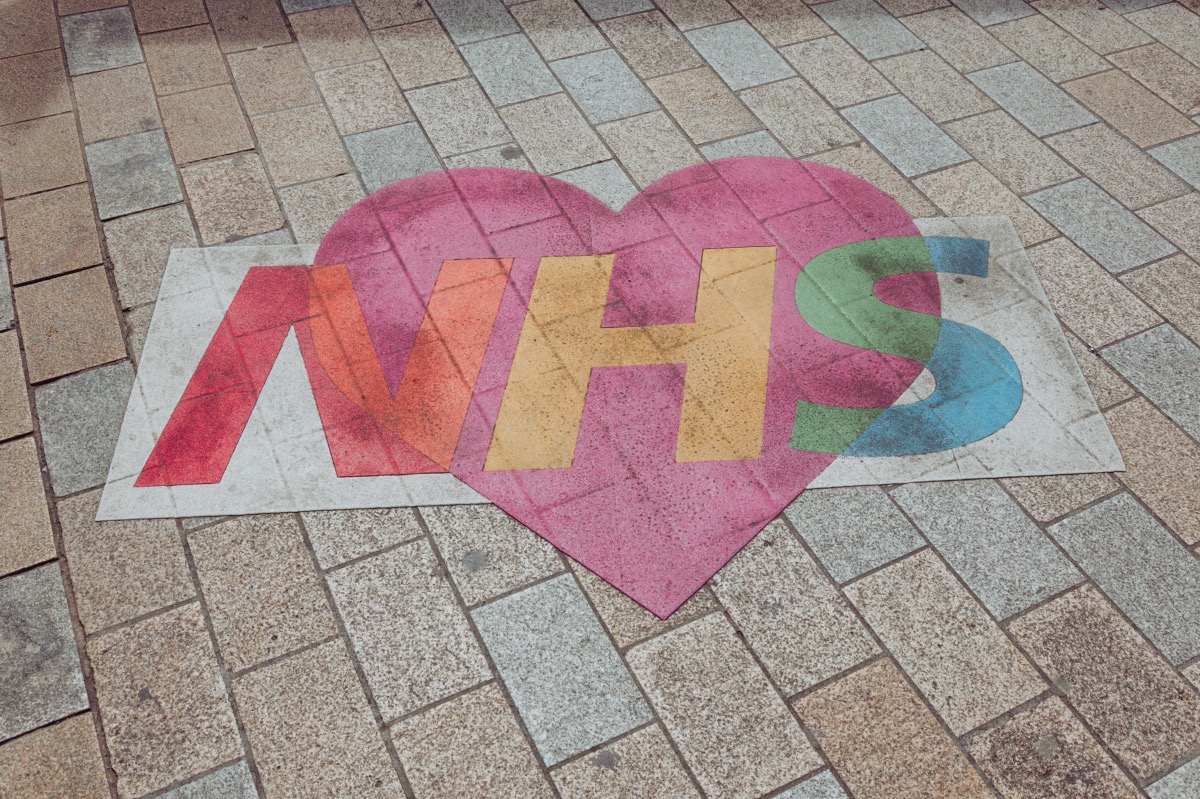
Queen Elizabeth II has awarded the George Cross – the country’s highest civilian gallantry award – to the National Health Service. In an accompanying statement, the Queen said: “It is with great pleasure, on behalf of a grateful nation, that I award the George Cross to the National Health Services of the United Kingdom. This award recognises all NHS staff, past and present, across all disciplines and all four nations. Over more than seven decades, and especially in recent times, you have supported the people of our country with courage, compassion and dedication, demonstrating the highest standards of public service. You have our enduring thanks and heartfelt appreciation.” Details of when the award will be presented are yet to be announced. It is only the third time, the George Cross has been awarded to a collective body, country or organisation, rather than an individual (the first time was when it was collectively awarded to the people of Malta in 1942 by Queen Elizabeth’s father, King George VI, and the second time when it was awarded to the Royal Ulster Constabulary by the Queen in 1999). PICTURE: Nicolas J Leclercq/Unsplash

This Week in London – Online Book of Condolence; IWM’s photographic tribute; and, ZSL London Zoo reopens…

PICTURE: duncan c
(licensed under CC BY-NC 2.0/image cropped)

With books of condolence not available for the public to sign due to the coronavirus pandemic, the Royal Family has created a national Online Book of Condolence for those who wish to leave a message following the death of Prince Philip. The family have also asked that members of the public consider making a donation to a charity instead of leaving floral tributes in memory of the Duke. The ceremonial funeral, which is not open to the public, will be held on Saturday at 3pm in St George’s Chapel, Windsor. A national one minute of silence will observed at 3pm, as the funeral, commences.

Meanwhile, among tributes to remember Prince Philip is an online gallery of images at the Imperial War Museum’s website. Access the gallery from the IWM’s collections here.

ZSL London Zoo reopened to the public this week, three months after it closed its doors for the third national coronavirus-related lockdown. Visitor numbers are limited to ensure social distancing and visitors must pre-book. A one-way system is in place, with three prescribed routes ensuring guests remain socially-distanced while exploring. Indoor exhibits, including the Reptile House and Rainforest Life, will remain closed for now. For more, see www.zsl.org.

Send all items for inclusion to exploringlondon@gmail.com.

Exploring London’s 100 most popular posts of all time! – Numbers 78 and 77…

The next two entries in our countdown are:

78. Lost London – The King’s Mews at Charing Cross…

77. LondonLife – A look back at Queen Elizabeth II’s reign…

A Moment in London’s History – London celebrates VE Day…

It was 75 years ago this month – 8th May, 1945 – that Londoners poured out onto the city’s streets in celebration of the end of World War II.

Some celebrations had already started in London on 7th May as news of the unconditional surrender of all German troops to the Supreme Allied Commander Dwight Eisenhower in the French city of Reims on 7th May became known.

But Prime Minister Winston Churchill declared 8th May a national holiday and, in response, vast crowds turned out on the streets to celebrate with bunting, flags and fireworks. Church bells were rung and services of thanksgiving held including at St Paul’s Cathedral where 10 consecutive services, each attended by thousands, took place.

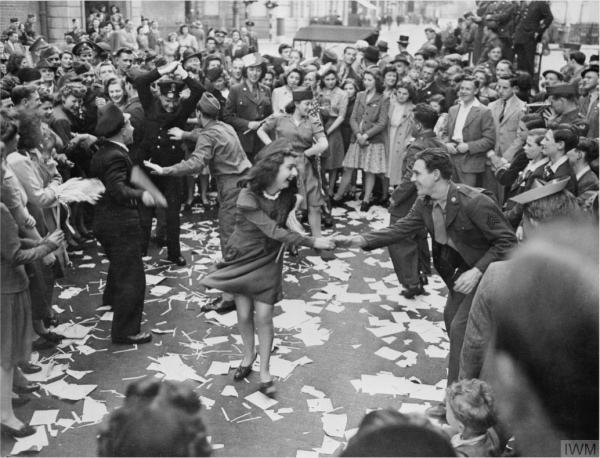
British girls, of the Picture Division of the London Office of War Information dance in the street with American soldiers during the “VE Day” celebration in London. This scene took place outside the building of the US Army Pictorial Division has its offices. PICTURE: © IWM EA 65796

At 3pm, Churchill made a national radio broadcast from 10 Downing Street. He told listeners that while “We may allow ourselves a brief period of rejoicing”, they should “not forget for a moment the toil and efforts that lie ahead” a reference to the ongoing war with Japan (the radio broadcast, incidentally, is being re-run on the BBC on 8th May this year to mark the anniversary).

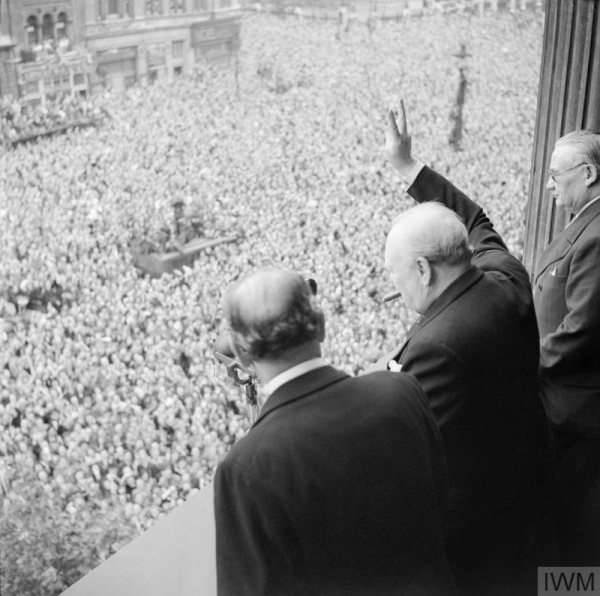
Churchill then proceeded to Parliament where he formally reported the end of the war in Europe to Parliament before leading a procession of members to St Margaret’s Church for a service of thanksgiving. He later appeared on the balcony of the Ministry of Health building in Whitehall to address the teeming crowds below, telling them “This is your victory” to which they roared back that it was his.

Churchill waves to crowds in Whitehall on the day he broadcast to the nation that the war with Germany had been won, 8 May 1945. PICTURE: Horton W G (Major) (Photographer),
War Office official photographer/© IWM H 41849

Meanwhile, King George VI, Queen Elizabeth, initially accompanied by their two daughters, Princesses Elizabeth and Margaret, appeared on the balcony of Buckingham Palace several times to wave to the cheering crowds. The King and Queen, who were at one point joined by Churchill, were still waving when their daughters secretly – and now rather famously – left the palace and joined the crowds outside in what Elizabeth, later Queen Elizabeth II, described as “one of the most memorable moments” of her life. The King also gave a radio address from the palace during which he paid tribute to all those who had died in the conflict.

King George VI and Queen Elizabeth with Princess Elizabeth and Princess Margaret joined by the Prime Minister, Winston Churchill on the balcony of Buckingham Palace, London on VE Day. PICTURE: © IWM MH 21835

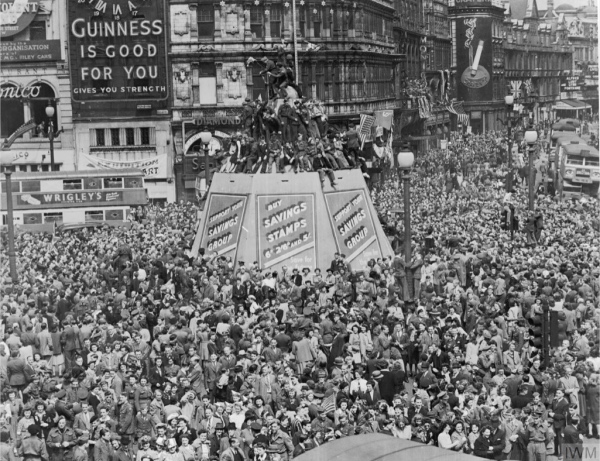
While celebrations took place across London, hotspots included Whitehall, outside Buckingham Palace, Trafalgar Square, Parliament Square and Piccadilly Circus, where by midnight there were an estimated 50,000 people singing and dancing. Licensing hours were extended in pubs and dance halls staying open to midnight.

A mass of civilians and servicemen crowding around Piccadilly Circus, London. PICTURE: Poznak Murray, United States Army Signal Corps official photographerIWM EA 65879

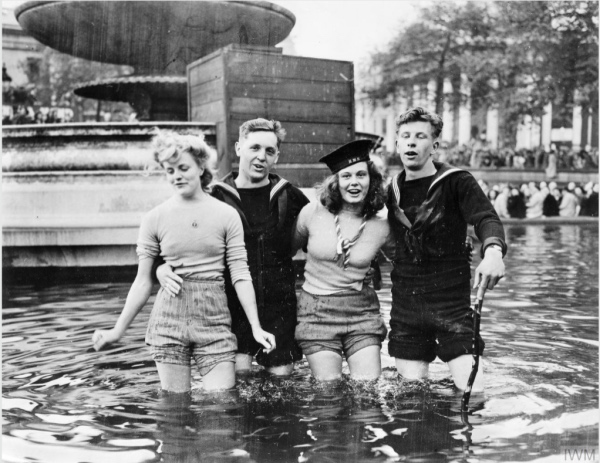
One of the most iconic images of the day was a photograph of two sailors standing in one of the fountains at Trafalgar Square with two women, revealed, thanks to research by the Imperial War Museum to be Cynthia Covello and Joyce Digney who had travelled to join the celebrations from Surrey.

Two British sailors and their girlfriends wading in the fountains in Trafalgar Square on VE Day. PICTURE: Massecar T G, United States Army Signal Corps photographer/© IWM EA 65799

With thanks to the Imperial War Museum, London.


LondonLife – A scaled down birthday celebration…

There will be no gun salutes to mark Queen Elizabeth II’s birthday today thanks to the coronavirus outbreak. So here’s a gun salute from 2012 as we wish her Majesty a happy 94th birthday…

The Royal Gibraltar Regiment perform a 62 Gun Salute at The Tower of London on the 21st April, 2012, to celebrate the Queen’s 86th birthday. PICTURE: SAC Neil Chapman/Defence Images (licensed under CC BY-NC 2.0).

Special – The Queen addresses the COVID-19 crisis…

We’re interrupting our usual coverage to bring the Queen’s address to the UK and Commonwealth during this time of crisis…

Where’s London’s oldest…cheesemonger?

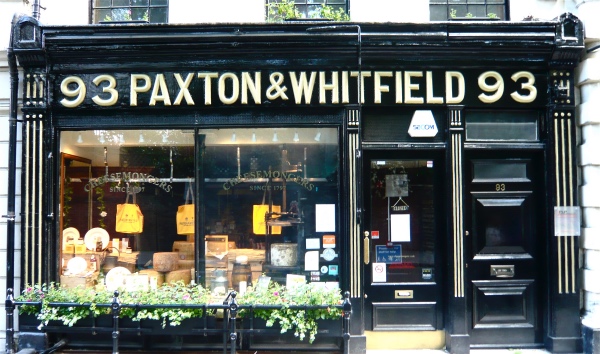
With origins dating back to a cheese stall established by Stephen Cullum in Aldwych in 1742, Paxton & Whitfield are generally said to be the oldest cheesemongers still operating in London (and one of the oldest in the UK).

Cullum’s business was successful enough that in the 1770s he opened a shop in Swallow Street. By 1790 his son Sam had taken over the business and took two new partners – Harry Paxton and Charles Whitfield.

In 1835 – with Swallow Street demolished to make way for the construction of Regent Street – Sam moved the business to new premises at 18 Jermyn Street (Sam died the following year).

In 1850, the business received the Royal Warrant of Queen Victoria and just three years later finally settled on the name Paxton and Whitfield which the company still bears to this day.

In 1896, the business moved to its current premises at 93 Jermyn Street and a flurry of Royal Warrants followed – that of King Edward VII in 1901, King George V in 1910, King George VI in 1936, Queen Elizabeth, the Queen Mother in 1972, Prince Charles in 1998 and Queen Elizabeth II in 2002.

The firm, meanwhile, has since passed through several hands but continued on at the same premises (albeit becoming, during the period between the two World Wars, an ordinary grocery shop due to the lack of supply of eggs, butter and cheese).

Business picked up after World War II and the company opened shops in Stratford-upon-Avon and Bath. In 2009 formed a partnership with Parisian cheese mongers, Androuet, and in 2014 it opened a new shop in Cale Street, Chelsea.

For more, see www.paxtonandwhitfield.co.uk.

PICTURE: Herry Lawford (licensed under CC BY 2.0)


This Week in London – Women in the British Army; communications secrets exposed; and, cinema at Somerset House…

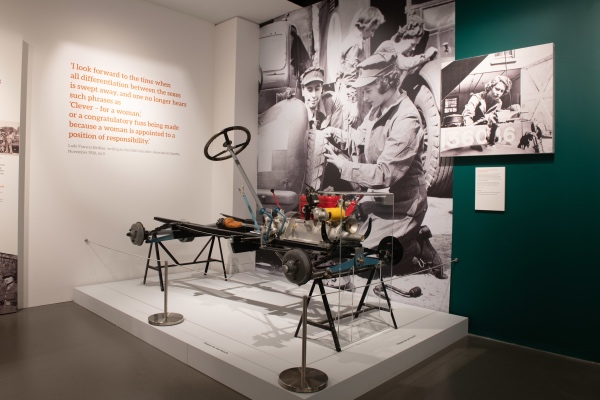
An exhibition exploring the changing roles of women in the British Army from 1917 to the present day has opened at the National Army Museum in Chelsea. Rise of the Lionesses, which is being held in partnership with the WRAC Association, charts the major contributions women have made to the Army’s history as well as how perceptions of “appropriate” roles for females have affected these contributions and how women have fought to redefine those roles. Highlights include the combat shirt and medical kit belonging to Sergeant Chantelle Taylor – the first female British soldier to kill in combat, the first Army-issue bra, and the vehicle chassis used to train Princess Elizabeth (now Queen Elizabeth II) while she served in the Auxiliary Territorial Service during World War II (pictured above). The free display can be seen until 20th October and is accompanied by a programme of public events. For more, head to this link. PICTURE: Courtesy of National Army Museum.

• Communications intelligence and cyber security are explored in an exhibition at the Science Museum, making the centenary of UK intelligence, security and cyber agency,  GCHQ. Top Secret: From ciphers to cyber security features more than 100 objects including cipher machines used during World War II, secure telephones of the type used by British Prime Ministers, and an encryption key used by the Queen. There’s also encryption technology used by Peter and Helen Kroger who, until their arrest in the 1960s, were part of the most successful Soviet spy ring in Cold War Britain, and the remains of the crushed hard drive alleged to contain top secret information which was given by Edward Snowden to The Guardian in 2013 while the work of GCHQ’s National Cyber Security Centre is also explored with visitors able to see a computer infected with the WannaCry ransomware which, in 2017, affected thousands of people and organisations including the NHS. Runs until 23rd February. Admission is free. For more, head to www.sciencemuseum.org.uk.

The pioneering work of Hungarian avant garde artist Dóra Maurer goes on show at the Tate Modern on South Bank next Monday in the first UK exhibition celebrating her five decade career. The free display brings together 35 of her works – from conceptual photographic series and experimental films to colourful graphic works and striking geometric paintings – with highlights including Seven Foldings (1975), Triolets (1981), Timing (1973/1980) and the six-metre-long Stage II (2016). The year-long display is one of several free displays opening at the Tate Modern this month. Others include an exhibition of Sol LeWitt’s graphic woodcut prints, a show featuring photograms, films, painting and drawings by Polish émigré artists Franciszka Themerson and Stefan Themerson, and photography displays by Mitch Epstein, Naoya Hatakeyama and David Goldblatt. For more, see www.tate.org.uk.

Cinema is being celebrated at Somerset House this month with the launch of Film4 Summer Screen at Somerset House. The event includes courtyard screenings, specially curated DJ sets and live performances, and panel discussions from industry insiders. Actor Antonio Banderas will join Spanish director Pedro Almodóvar to introduce the festival’s opening night premiere, Pain and Glory, with other special guests including the cast of Shane Meadows’ BAFTA-award winning film This is England, Francis Lee, the director and writer of God’s Own Country, and  the film’s lead actor Josh O’Connor as well as Peter Webber, director of Inna de Yard. Runs from 8th to 21st August. For more, see www.somersethouse.org.uk.

Send all items for inclusion to exploringlondon@gmail.com.
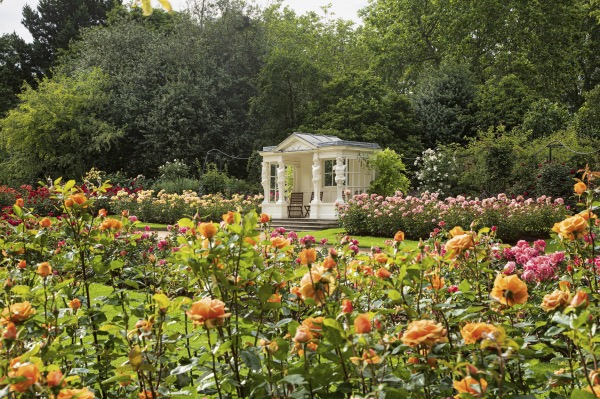
LondonLife – A new occupant heading for Number 10…

News today that Boris Johnson will be the next Prime Minister of the UK. Johnson, who will take over from Theresa May – only the second woman to hold the office – as PM tomorrow after winning the Conservative Party vote over Foreign Secretary Jeremy Hunt, will be the 14th Prime Minister to serve in the office during the reign of Queen Elizabeth II. PICTURE: US State Department

LondonLife – Trooping the Colour marks the Queen’s birthday…

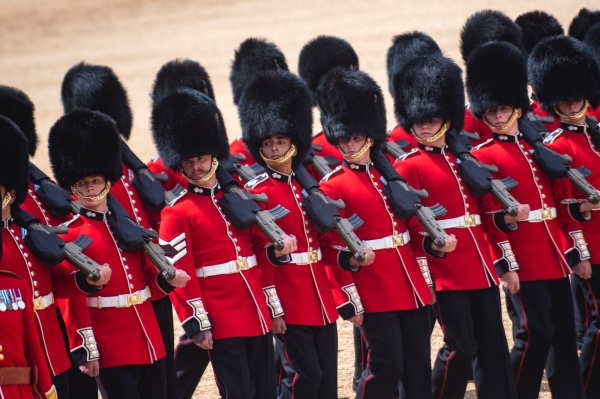
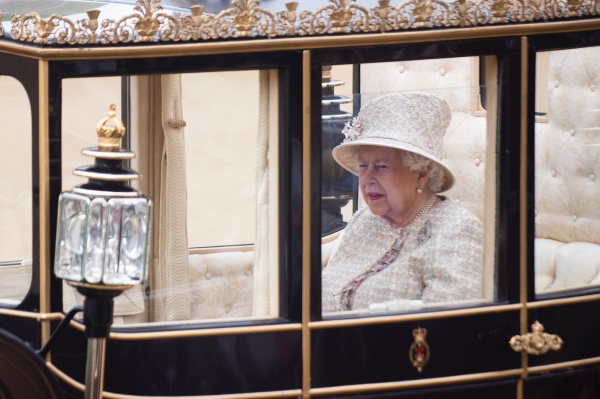
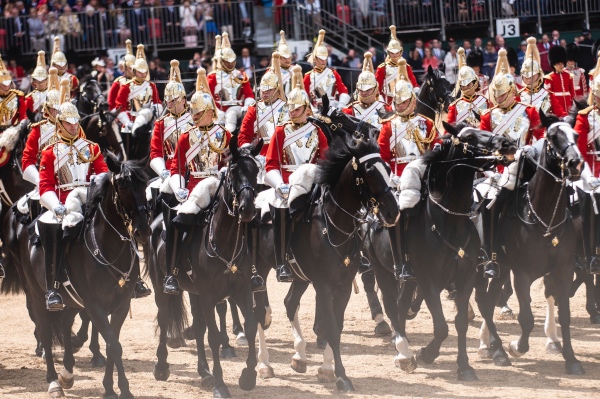
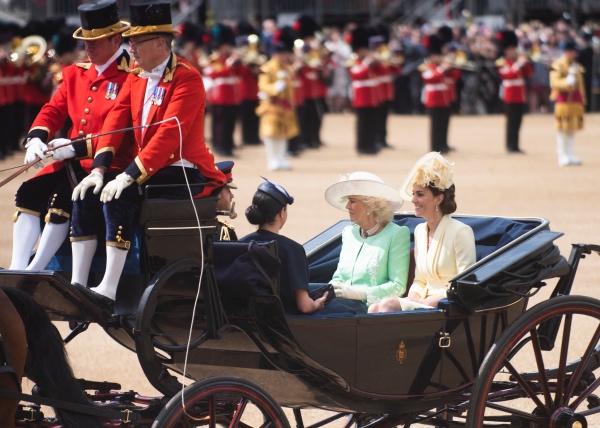
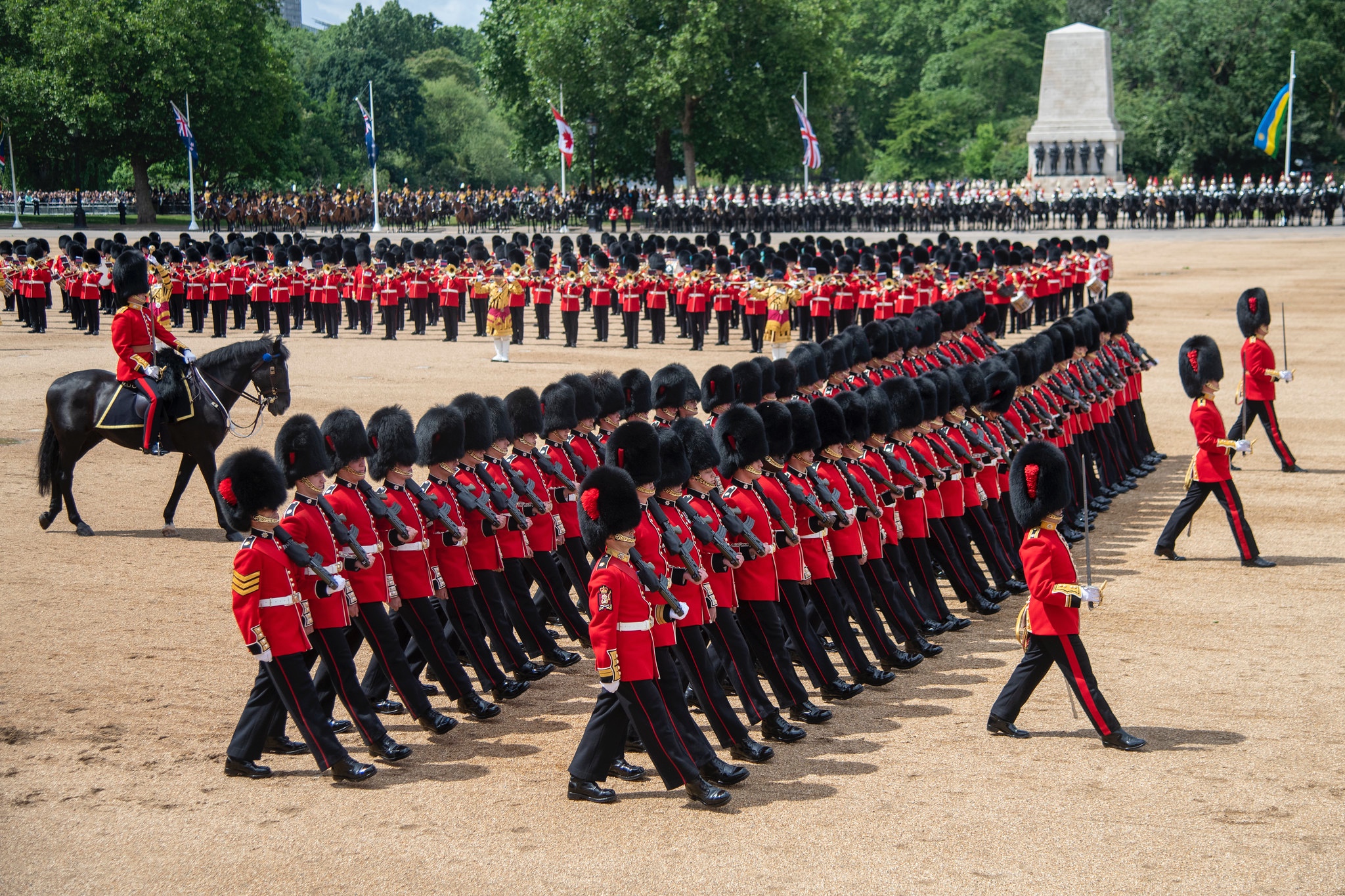
The Queen’s birthday was marked on Saturday with the annual Trooping the Colour in central London. More than 400 soldiers, close to 300 horses and 400 musicians took part in the event, believed to have first been performed during the reign of King Charles II. As well as Queen Elizabeth II, other members of the Royal Family in attendance included Camilla, Duchess of Cornwall, Kate, Duchess of Cambridge, Meghan, Duchess of Sussex, and Prince Harry, Duke of Sussex (see image below). ALL PICTURES: US Department of Defence photo by US Navy Petty Officer 1st Class Dominique A Pineiro (Via Flickr account of the Chairman of the Joint Chiefs of Staff/licensed under CC BY 2.0).


LondonLife – Queen posts her first Instagram image from the Science Museum..

Queen Elizabeth II posted her first Instagram photo while visiting the Science Museum in South Kensington last Thursday in a promotion for its exhibition on computers. Under the account @theroyalfamily, the Queen posted two images of a letter at the museum which comes from the Royal Archives. It was written to Prince Albert and Queen Victoria by Charles Babbage and in it, the 19th century inventor and mathematician spoke of his invention of an “Analytical Machine” upon which the first computer programs were written by Ada Lovelace, daughter of Lord Byron. Having explained the origins of the letter, the Queen added: “Today, I had the pleasure of learning about children’s computer coding initiatives and it seems fitting to me that I publish this Instagram post, at the Science Museum which has long championed technology, innovation and inspired the next generation of inventors. Elizabeth R.” The Royal Family’s Instagram account has some 4.9 million followers. For more on the Science Museum, see www.sciencemuseum.org.uk.


10 historic London hotels…8. The Dorchester…

This five star luxury Mayfair hotel opened in 1931 and quickly established a reputation for luxuriousness.

Located at 35 Park Lane on the site of what was formerly the London residence of the Earl of Dorchester (and later a mansion built for millionaire RS Holford), the hotel was the dream of Sir Robert McAlpine who bought the site in partnership with Gordon Hotels in 1929 for £500,000 and vowed to create a luxury hotel that would “rank as the finest in Europe”.

Engineer Sir Owen Williams initially oversaw the building’s design but a falling out saw architect William Curtis Green take over the project (meaning while the structural frame was Sir Owen’s work, the elevations are largely the work of Green). A quarter of the building was constructed underground.

When the 10 storey modernistic building was opened on 18th April, 1931, by Lady Violet Astor, it featured luxurious rooms and suites (with, apparently, the deepest baths of any hotel in London), a ballroom built to accommodate 1,000, an Oriental Restaurant and, of course, the Dorchester Bar (it was here the ‘Dorchester of London’ cocktail was invented).

The Dorchester survived World War II with only minor damage (its basement served as an air-raid shelter). In fact, during World War II, such was the reputation of its reinforced concrete structure, that UK Cabinet members including Lord Halifax stayed here while US General Dwight D Eisenhower planned the D-Day invasion from his suite – now the Eisenhower Suite – during World War II.

In the 1950s, stage set designer Oliver Messel revamped various aspects of the hotel including designing some suites in an extension in Deanery Street (the Oliver Messel Suite is named for him).

The hotel has hosted its share of the rich and famous – Prince Philip hosted his bachelor party in the hotel’s Park Suite on the eve of his wedding to Queen Elizabeth II in 1947 (the Queen, meanwhile, had dined there the day before the engagement was announced), and actors Richard Burton and Elizabeth Taylor used the hotel as something of a “second home”.

Other notable figures who have stayed at the hotel include writers Cecil Day-Lewis and Somerset Maugham, painter Sir Alfred Munnings, director Alfred Hitchcock and film stars Gloria Swanson, Marlene Dietrich, Danny Kaye and James Mason as well as Tom Cruise, Meg Ryan and Nicole Kidman.

The Dorchester was listed as a Grade II building in 1981 and, having been sold by the McAlpine family to a consortium headed by the Sultan of Brunei in the mid-1970s, it was purchased outright by the Sultan of Brunei in the Eighties (and later transferred ownership to the Brunei Investment Agency).

The hotel was completely renovated between 1988 and 1990 and was again refurbished in 2002.

Facilities today at the hotel – alongside the 250 rooms and suites – include numerous restaurants and bars such as the three Michelin star Alain Ducasse at The Dorchester, China Tang, The Spatisserie and The Grill at the Dorchester, as well as The Bar at the Dorchester and The Promenade where afternoon tea is served. There’s also a spa.

Today The Dorchester is the flagship of the Dorchester Collection of hotels which also includes 45 Park Lane, Cowarth Park in Ascot, The Beverly Hills Hotel and The Hotel Bel-Air in LA, the Hotel Eden in Rome, Le Meurice and Hotel Plaza Athenee in Paris and the Hotel Principe di Savoia in Milan.

Out the front of the hotel is a London Plane tree which was named one of the “great trees of London” in 1997.

For more, see https://www.dorchestercollection.com/en/london/the-dorchester/.

PICTURE: || UggBoy♥UggGirl || PHOTO || WORLD || TRAVEL || (licensed under CC BY 2.0/image cropped)

10 historic London hotels…7. The Grosvenor House Hotel (JW Marriott Grosvenor House London)…


Built on the site of what was Grosvenor House in Park Lane – London residence of the Dukes of Westminster, the Grosvenor House Hotel opened in 1929 but wasn’t completed until the 1950s.

The Mayfair hotel was conceived and constructed on the orders of commercial speculator Albert Octavius Edwards and was designed by Wimperis, Simpson and Guthrie with luxury in mind (Sir Edwin Lutyens was responsible for the external elevations).

Originally designed as two apartment blocks, it was apparently only when the first block was completed that it was decided the second north block would be a hotel. It opened on 14th May, 1929, with an event described as “outstanding”.

Along with some 472 rooms – it was the first hotel in London to feature en suite bathrooms which came with running ice-cold water in each, its facilities included The Great Room, originally an ice-skating rink where then Princess Elizabeth (later Queen Elizabeth II) learned to ice skate which Edwards decided in the 1930s to convert into one of the largest banqueting spaces in Europe.

It was subsequently the scene of many awards evening and charity events including Queen Charlotte’s Ball as well as BBC broadcasts (the Beatles are among those who have performed there). The hotel was also the first in London to have a swimming pool.

The hotel, which only suffered minor damager during the Blitz, saw service during World War II. The Great Room was initially home to the Officers’ Sunday Club and later as one of the largest US officers’ mess. During the war, the premises hosted everyone from Charles de Gaulle and King Haakon of Norway as well as US generals Dwight D Eisenhower and George S Paton.

The hotel actually has strong American connections from the get go – American methods were used during construction to speed things along – and its restaurant was noted for swerving American-style food. Among other Americans who have stayed there include Douglas Fairbanks, Jr, Orson Welles, Jackie Onassis, Henry Kissinger, Sammy Davis, Jr, and Madeline Albright.

The actual construction of the hotel continued into the 1950s when permission was given to demolish a house at 35 Park Street (located next door to the hotel) following the death of its owner – Bruno, Baron Schroder, and a 92 bedroom extension to the hotel was built. It was officially opened by Peter Thorneycroft, Chancellor of the Exchequer, in 1957.

The hotel, which was acquired by Trust Houses in 1963, underwent several changes of ownership in more recent years and following an extensive renovation in the Noughties, it reopened in September, 2008 as a JW Marriott hotel.

It was reportedly announced late last year that Qatari-owned Katara Hospitality was buying the hotel from Indian conglomerate Sahara India Pariwar, which has owned the hotel since 2010, for an undisclosed sum.

For more, see www.LondonGrosvenorHouse.co.uk.

PICTURES: Park Lane facades and entrance in Park Street. Courtesy of Google Maps.

10 historic London hotels…3. Claridge’s…

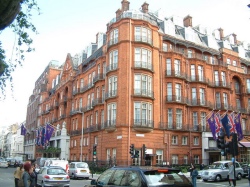
This five star Mayfair establishment owes its origins and name to William Claridge, possibly a former butler, and his wife Marianne, who took over management of a small hotel at 51 Brook Street in 1853.

In 1854, they purchased the adjoining Mivart’s Hotel, first established in 1812, and substantially expanded the premises. It apparently combined the two names – Mivart’s and Claridge’s – for a short time before the reference to Mivart’s was dropped.

The hotel, which stands on the corner with Davies Street, was bought by Richard D’Oyly Carte (owner of The Savoy) in 1893 and subsequently rebuilt in red brick to the designs of CW Stephens (of Harrods fame) with interiors by Sir Ernest George and the inclusion of modern amenities including en suite bathrooms and lifts. The hotel, which is now Grade II-listed, reopened in 1898, with some 203 rooms and suites.

It was extended in the late 1920s with the addition of 80 new rooms and a ballroom while the lobby was redesigned by art deco pioneer Oswald Milne (much of that decoration, including work by Basil Ionides, remains).

The hotel’s reputation as a place to stay among the well-to-do was given a significant boost when Empress Eugenie, wife of French Emperor Napoleon III stayed in 1860 and entertained Queen Victoria and Prince Albert.

It was also favoured by exiled royals during World War II including King Peter II and Queen Alexandria of Yugoslavia all staying here. In fact, their son, Crown Prince Alexander II, was born in suite 212 in 1945 (now named the Prince Alexander Suite).

The story goes that Prime Minister Winston Churchill declared the suite Yugoslav territory for a day (although evidence supporting the story about Churchill’s involvement is apparently scarce). It’s also said that a spadeful of dirt from Yugoslavia was placed under the bed so the Crown Prince could literally be born on Yugoslav soil (but there’s no mention of this aspect of the story on Crown Prince Alexander II’s official website).

Churchill and Clementine stayed in a suite here on the sixth floor after the wartime PM’s unexpected defeat in the general election of 1945.

Other luminaries to have stayed here include American actors Cary Grant, Katharine (and Audrey) Hepburn, Yul Brynner and Bing Crosby (Spencer Tracey famously said he didn’t want to go to heaven when he died but to Claridge’s) as well as director Alfred Hitchcock, Aristotle and Jackie Onassis, and, more recently, everyone from Mick Jagger and Madonna to Brad Pitt and Tom Cruise. Kate Moss celebrated her 30th birthday here.

And, of course, royals including the late Queen Mother, Queen Elizabeth II and Prince Phillip have all been regular diners.

The hotel, which underwent a major restoration from 1996 and saw 25 new suites designed by David Linley opened in 2012, is now part of the Maybourne Hotel Group, having parted ways with the Savoy Hotel in the mid-noughties.

Current facilities include the restaurant Fera at Claridge’s (this opened in 2014 after the closure of Gordon Ramsay at Claridge’s in 2013) as well as The Foyer & Reading Room (where afternoon tea is served), The Fumoir cocktail bar, Claridge’s Bar and a health club and spa.

The Claridge’s Christmas Tree is a much anticipated part of London’s festive season, with recent years seeing a different world-renowned designer taking on the task of decorating it, including the likes of John Galliano, Domenico Dolce and Stefano Gabbana, and Christopher Bailey of Burberry.

The hotel was the subject of a three part documentary, Inside Claridges, in December, 2012.

For more, see www.claridges.co.uk.

PICTURE: Tim Westcott (licensed under CC BY-SA 2.0)


LondonLife – Remembrance Sunday marks 100 years since the guns fell silent…

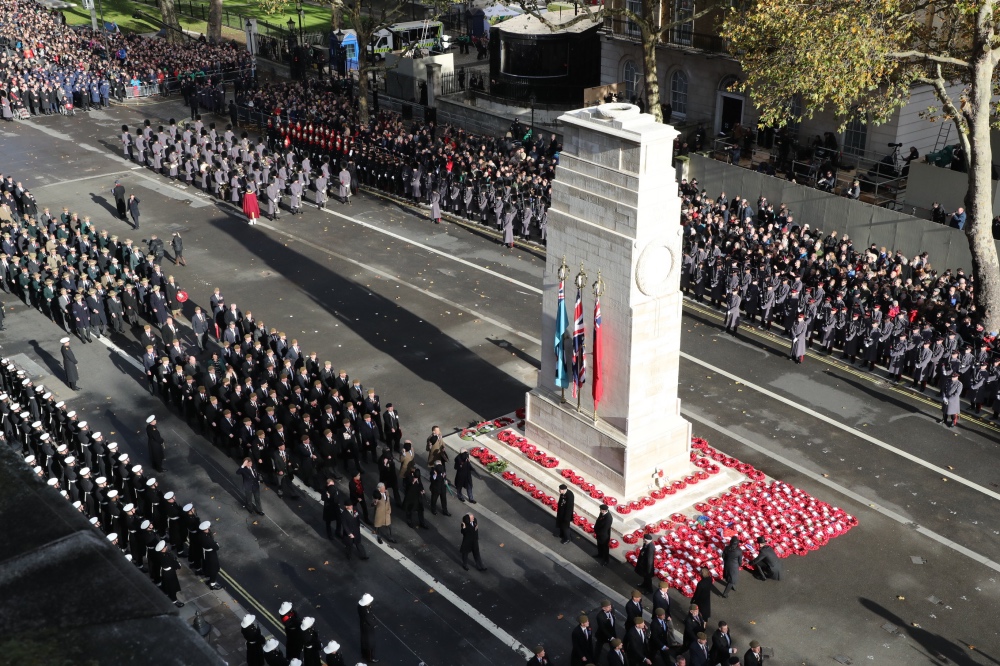
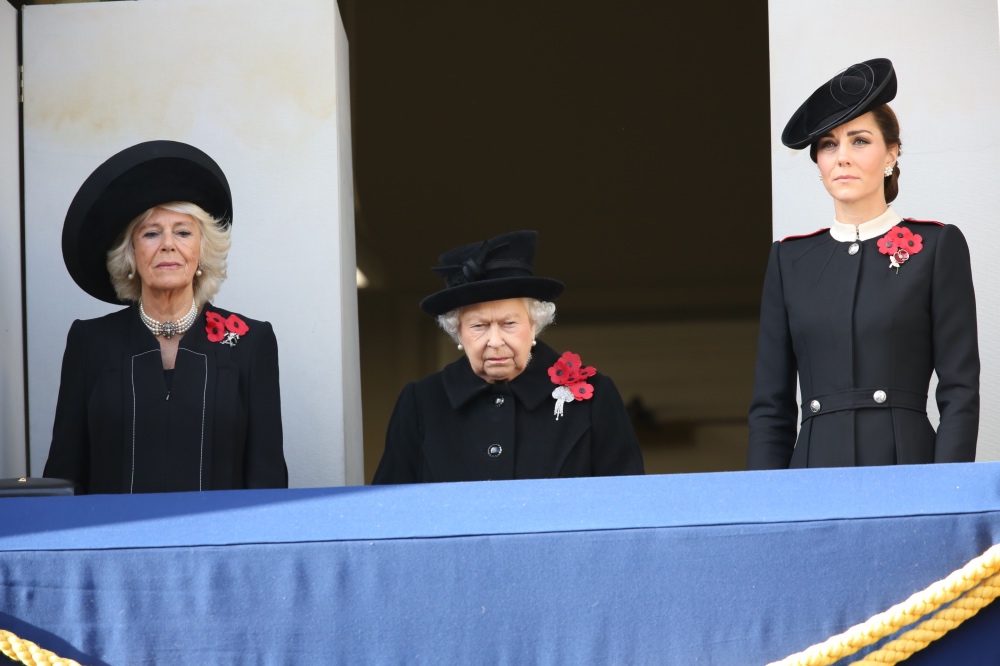
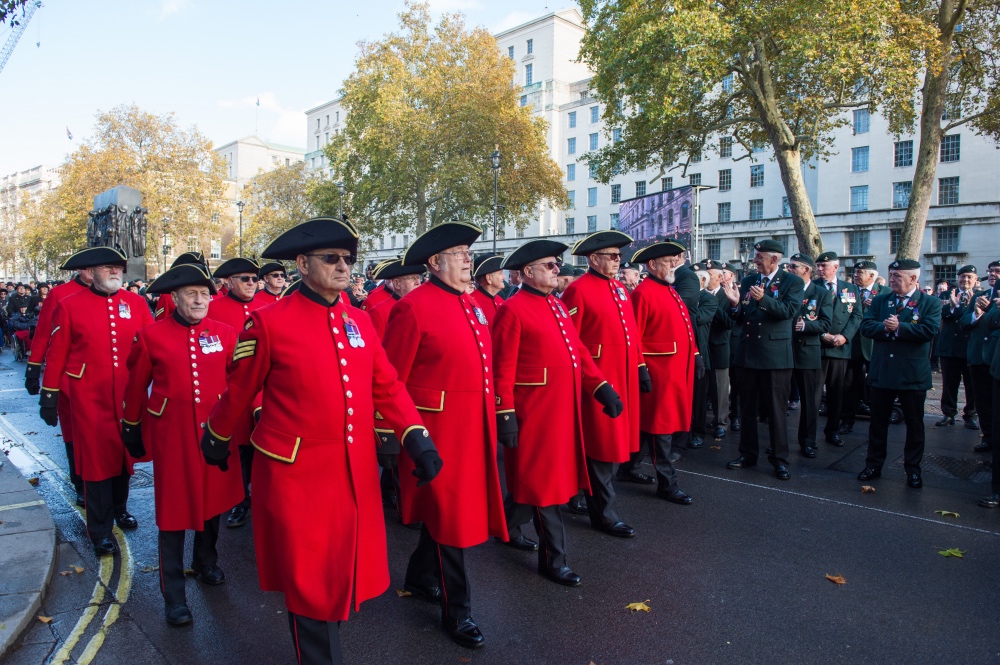
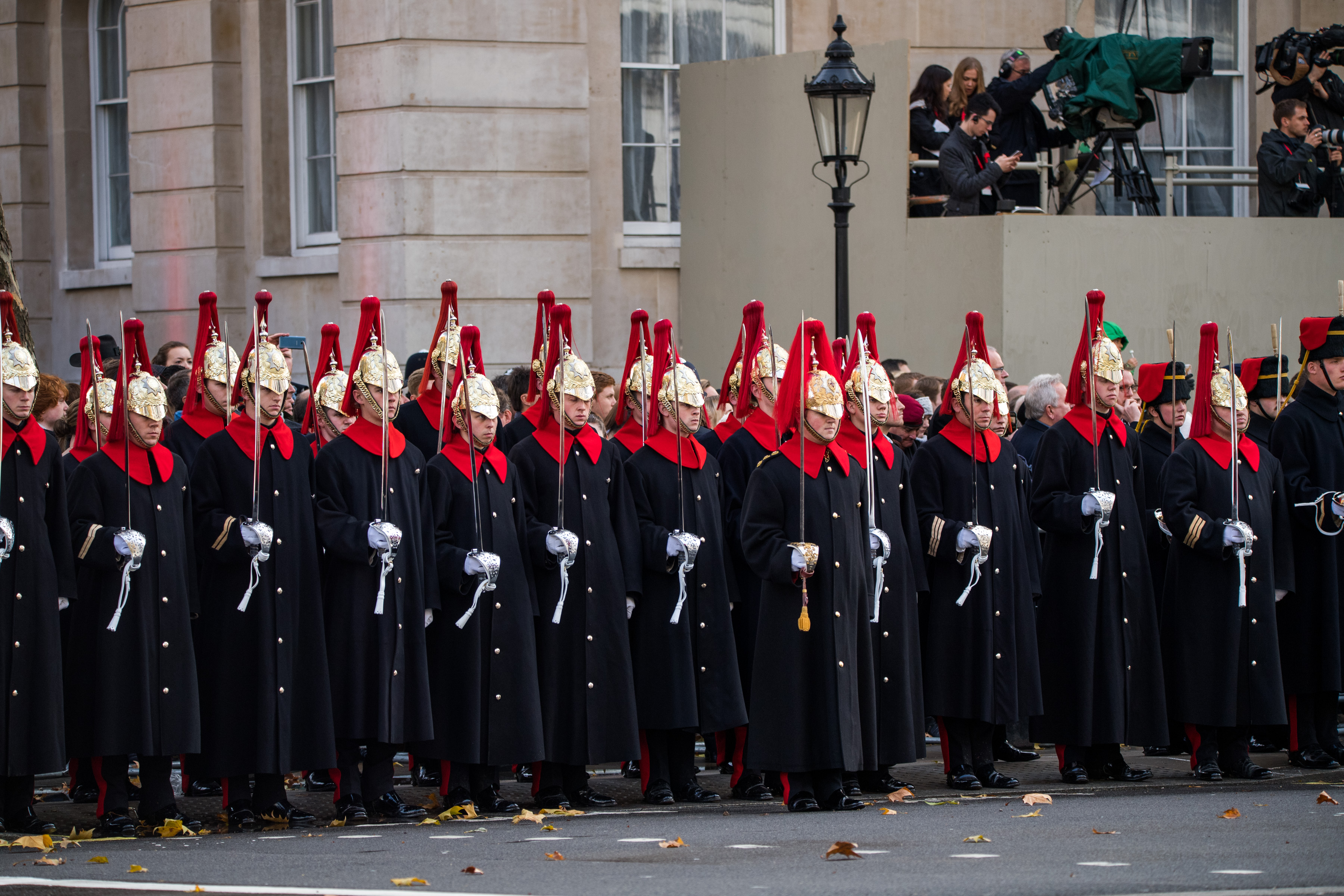
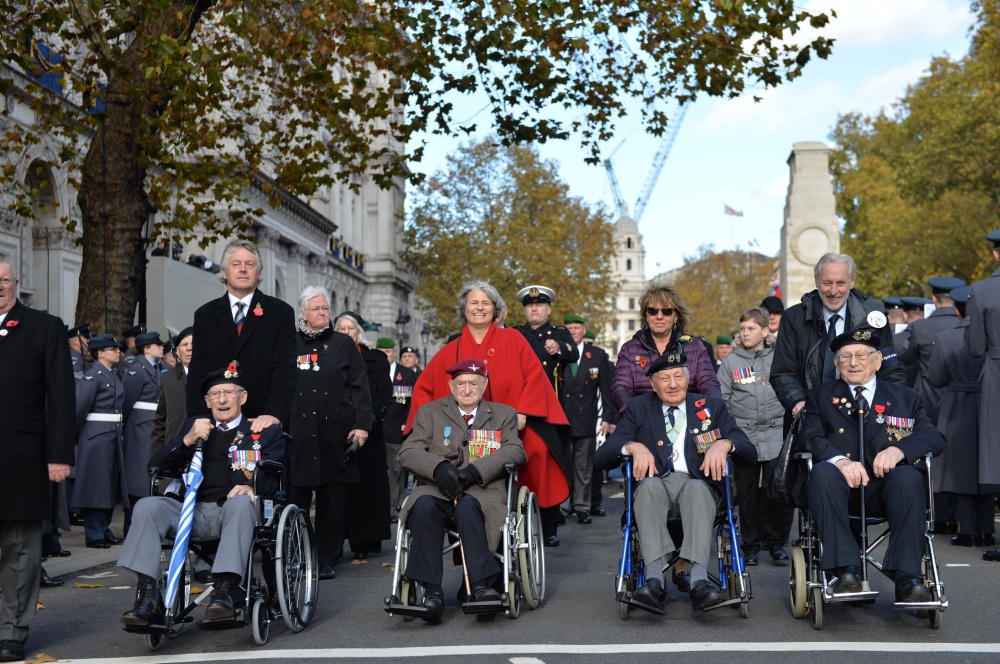
Thousands of people, including Queen Elizabeth II and members of the Royal Family, attended Whitehall on Sunday to take part in the National Service of Remembrance, this year marking 100 years since the end of World War I. The event included two minutes silence at 11am and wreaths were laid at the base of the Cenotaph to commemorate the servicemen and women killed in all conflicts from the World War I onwards. In an historic first, German President Frank-Walter Steinmeier laid a wreath during the ceremony. Following the service, a procession involving 10,000 members of the public who were selected by a ballot marched past the monument and through London. ALL PICTURES: Crown Copyright/Ministry of Defence.

LondonLife – A new window for the Queen…


A new stained glass window depicting bright country scenes was unveiled in Westminster Abbey last week in honour of Queen Elizabeth II.
The Queen’s Window, located in the south transept overlooking Poet’s Corner, is the work of world-renowned artist David Hockney and was commissioned by the Dean and Chapter of Westminster to celebrate her reign. The work is Hockney’s first in stained glass and features a Yorkshire scene with hawthorn blossom which uses his distinct colour palette of yellow, red, blue, pink, orange and greens. “The subject reflects The Queen as a countrywoman and her widespread delight in, and yearning for, the countryside,” the abbey said in a statement. The window was created by York-based stained glass artists Barley Studio to Hockney’s designs. Other artists who have completed stained glass works in the abbey include Sir Ninian Comper, Hugh Easton and John Piper with the last stained glass windows, by Hughie O’Donoghue, installed in the Lady Chapel in 2013. PICTURE: Alan Williams/Westminster Abbey