This Week in London – Family fun at London Transport Museum Depot; and, Science Museum reopens…

The London Transport Museum Depot in Acton Town has flung its doors open for 10 days of “special family fun”. The depot, which houses more than 320,000 items from the city’s transport history including vintage London buses and classic Tube trains, now features a special family-friendly trail for the 10 day season which takes a look at historic vehicles from the past 200 years including a yellow 1881 horse drawn ‘garden seat’ bus and a red 1938 Stock Tube train. The London Transport Miniature Railway will be running and all children visiting will receive a special sealed pack including a craft kit. Admission charges apply and tickets must be prebooked for times between 11am and 6pm until Sunday, 23rd August, and from Wednesday, 26th to Sunday 30th August. For more, see www.ltmuseum.co.uk/whats-on/depot-summer.

The Science Museum in South Kensington reopened its doors this week after a closure of five months. As well as the innovative Wonderlab: The Equinor Gallery – which features interactive exhibits and live, socially-distanced science demonstrations – and the world’s largest medical galleries – Medicine: The Wellcome Galleries, visitors will be able to take in the temporary exhibition, Driverless: Who is in control?, the season of which has been extended to January next year. Tickets, which are free, must be pre-booked online and social distancing measures apply in the museum. For more, see www.sciencemuseum.org.uk.

Send all items for inclusion to exploringlondon@gmail.com
This Week in London – VJ Day remembered; Steve McQueen; and, Windsor gardens…

• The National Army Museum in Chelsea is joining with the Royal Air Force Museum, the National Museum of the Royal Navy and the Commonwealth War Graves Commission to mark the 75th anniversary of VJ (Victory over Japan) Day, this Saturday, 15th August, with a series of free events including online talks. Among those taking part are World War II veteran Captain Sir Tom Moore, recently knighted by the Queen for his efforts in helping raise funds for the NHS during the coronavirus pandemic, author and explorer Levison Wood (who explores the story of his grandfather’s service in Burma), and Professor Tarak Barkawi, author of Soldiers of Empire: Indian and British Armies in World War II, as well as General Lord Richards, Grand President of the Royal Commonwealth Ex-Services League who’s involved in a conversation about the contribution of Commonwealth soldiers during the Far East campaign. For the full programme of events, head to www.nam.ac.uk/series/vj-day-75.

Steve McQueen is back at Tate Modern. The exhibition, which reopened last Friday following the reopening of all Tate galleries, spans 20 years of McQueen’s work and features 14 major pieces spanning film, photography and sculpture. The exhibition adds to the three visitor routes already in place at the Tate Modern and coincides with McQueen’s latest artwork Year 3, an epic portrait of London’s Year 3 pupils created through a partnership between Tate, Artangel and A New Direction which can be seen at Tate Britain until 31st January. Visitors must prebook. For more, head to tate.org.uk/visit.

Beyond London (a new regular feature in which we include sites around Greater London)
• The East Terrace Garden at Windsor Castle – commissioned by King George IV in the 1820s – has opened to weekend visitors for the first time in decades. Overlooked by the castle’s famous east facade, the formal garden features clipped domes of yew and beds of 3,500 rose bushes planted in a geometric pattern around a central fountain. It was originally designed by architect Sir Jeffry Wyatville between 1824 and 1826 on the site of an old bowling green made for Charles II in the 1670s. Plants, including 34 orange trees sent by the French King Charles X, were specially imported for the garden and statues were brought from the Privy Gardens at Hampton Court, including a set of four bronze figures by Hubert Le Sueur which  were made for Charles I in the 1630s and which remain in the garden today. Prince Albert is known to have taken a particular interest in the garden and the Queen, then Princess Elizabeth, and her sister Princess Margaret grew vegetables there during World War II. As well as the opening of the East Terrace Garden on weekends, visitors with young children on Thursdays and Fridays in August are being given special access to the Castle’s Moat Garden beneath the iconic Round Tower, thought to have dated from the period of King Edward III and believed to be the setting for Geoffrey Chaucer’s The Knight’s Tale, the first story in Canterbury Tales. Pre-bookings essential. For more, see www.rct.uk.

Send all items for inclusion to exploringlondon@gmail.com.

This Week in London – V&A reopens; institution reopenings; and, ZSL London Zoo looks for volunteers…

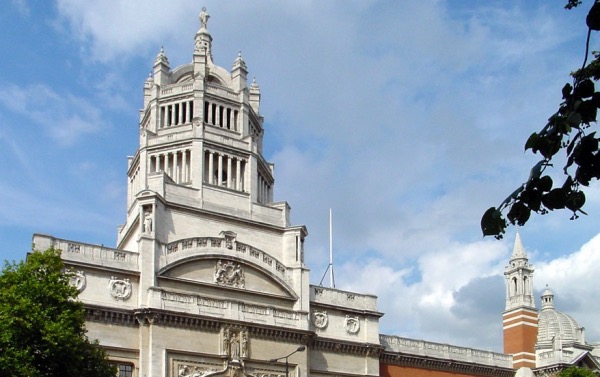
The V&A in South Kensington reopens its doors to visitors today in the first phase of a staged reopening strategy. All of the ground floor galleries are reopening including the Medieval & Renaissance Gallery, the Cast Courts, The Jameel Gallery of Islamic Art and Fashion Gallery, as well as the Europe 1600–1815 galleries on lower ground floor. The first and second floor collection galleries including The William and Judith Bollinger Jewellery Gallery, Theatre & Performance Galleries, and the Photography Centre as well as the museum’s Paintings, Tapestries and Silver Galleries are all scheduled to open on 27th August as well as the exhibition Kimono: Kyoto to Catwalk, which had closed just two weeks into its run.  For more, see www.vam.ac.uk. PICTURE: M.chohan (Public domain). 

Other recent and upcoming reopenings include: the Horniman Museum, the Foundling Museum, the National History Museum, The Queen’s House in Greenwich (Monday, 10th August) and the National Maritime Museum in Greenwich (exhibitions only; galleries coming later).

ZSL London Zoo is calling for volunteers to help assist visitors as they make their way around the zoo via three new one-way trails. The move, which follows a successful fundraising effort fronted by Sir David Attenborough, is aimed especially at people still furloughed and students forced to cancel gap year travel plans. Those interested in volunteering are asked to commit to a minimum of half a day each fortnight. For more, see  www.zsl.org/volunteering.

Send all items for inclusion to exploringlondon@gmail.com.

LondonLife – Listening to London…

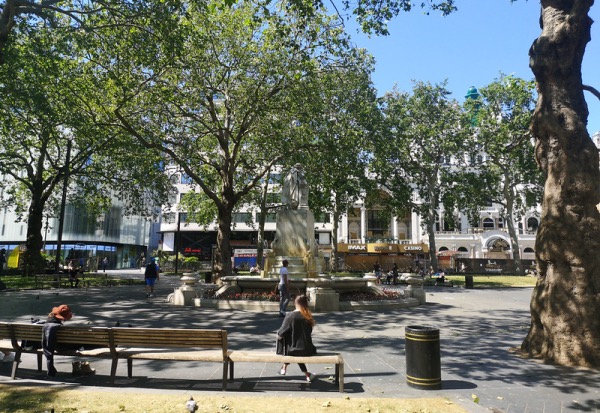
The first recorded soundscape of London’s busy streets was created in 1928 as part of a Daily Mail campaign calling for noise restrictions. Recordings were made at five sites – Whitechapel East, St George’s Hospital at Hyde Park Corner, Leicester Square, Cromwell Road and Beauchamp Place in South Kensington – in a collaborative project between the Mail and the Columbia Graphophone Company. Now, more than 90 years later, the sounds at the five original locations – or rather the lack of sounds during the coronavirus pandemic lockdown – have been captured again, this time as binaural recordings, a method of recording sound that uses two microphones to create a 3D stereo sound. It’s all part of the Museum of London’s ongoing ‘Collecting COVID’ project and was created in collaboration with String and Tins, an award-winning team of sound designers, composers, sound supervisors and mix engineers. Both the 1928 recordings (now digitised) and the modern recordings have been made available to listen to in their entirety for the first time on the Museum of London’s website. There are accompanying photographs by Damien Hewetson as well as historic imagery from the museum’s archive. PICTURE: A sparsely populated Leicester Square in an image taken in May this year during the coronavirus lockdown (ACME/licensed under CC BY-NC 2.0)

This Week in London – Kensington Palace reopens with Diana’s ‘Travolta dress’; institution reopenings; the Luna Cinema at Greenwich; and, ‘British Surrealism’ online…

Kensington Palace has reopened its doors today after four months of lockdown and, to celebrate, the famous “Travolta dress” worn by Princess Diana is going on show for the first time. Designed by Victor Edelstein, the midnight blue velvet gown became the focus of world attention in 1985 when the Princess wore it to a White House Gala during which she danced with actor John Travolta. Historic Royal Palaces acquired the dress at auction in 2019. The palace will feature a new one-way route as part of coronavirus social distancing measures. For more, see www.hrp.org.uk/kensington-palace/.

Other reopenings this week include: the Imperial War Museum, Churchill War Rooms, Wellington Arch, the Ranger’s House in Greenwich and the Jewel Tower in Westminster (Saturday, 1st July); the Royal Observatory in Greenwich (Monday, 3rd August); and, the Natural History Museum in South Kensington (Wednesday, 5th August).

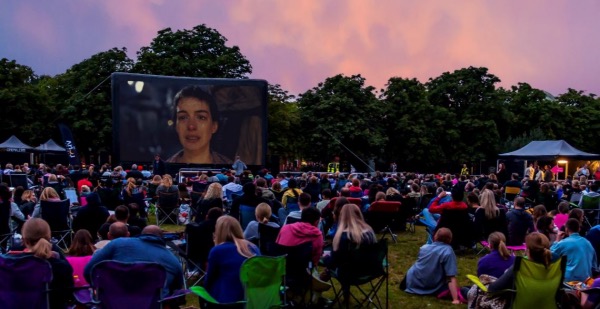
The Old Royal Naval College at Greenwich will host Luna Cinema’s open-air cinema from Tuesday 4th to Thursday, 6th August. Audiences will be able to sing and dance along to blockbuster hits RocketmanJudy and Dirty Dancing with the college as the backdrop. Meanwhile the Old Royal Naval College is launching new smartphone tours with the first, available for free on any smartphone using the Smartify app, a family tour aimed at those visiting with children aged five to 12 years. For more, see www.ornc.org.

The Dulwich Picture Gallery’s British Surrealism exhibition will be available for anyone to view online from Friday. The exhibition, which celebrates the British artists that contributed to the iconic surrealist movement, features more than 70 artworks from 42 artists, including Leonora Carrington, Francis Bacon, Henry Moore, Paul Nash, Ithell Colquhoun, and Conroy Maddox. For more, see www.dulwichpicturegallery.org.uk.

Send all items for inclusion to exploringlondon@gmail.com.

This Week in London – Princess Beatrice’s bouquet; Technicolour Dickens; and, the Royal Parks’ ‘Summer of Kindness’…

Princess Beatrice, who married Edoardo Mapelli Mozzi in a private ceremony in The Royal Chapel of All Saints at Windsor’s Royal Lodge last week, has sent the bouquet she carried during the wedding to rest on the Grave of the Unknown Warrior in Westminster Abbey. The tradition of royal brides sending their bouquets to rest on the grave was started by Queen Elizabeth, the Queen Mother, when she lay her bridal bouquet on the grave in memory of her brother Fergus who was killed in 1915 at the Battle of Loos during World War I. Brides including Queen Elizabeth II, the Duchess of Cambridge and Princess Beatrice’s sister, Princess Eugenie, have since continued the tradition. The grave commemorates the fallen of World War I and all those who have since died in international conflicts.

The Charles Dickens Museum in Bloomsbury reopens on Saturday, 25th July, with a new exhibition marking the 150th anniversary of the author’s death. Technicolour Dickens: The Living Image of Charles Dickens explores the power of the writer’s image and features paintings by the likes of William Powell Frith, Victorian-era photographs, ink drawings by “Automatons”, and letters from Dickens in which he explains what he really thought of sitting for portraits. The museum has also commissioned artist and photographer Oliver Clyde to create eight colourised portraits based on images taken from its collection. For more see www.dickensmuseum.com. Other reopenings this coming week include the Horniman Museum (Thursday, 30th July).

The Royal Parks are launching a ‘Summer of Kindness’ campaign to keep the parks clean after unprecedented levels of rubbish were left in the parks during the coronavirus lockdown. The Royal Parks, which played a key role in the physical and mental wellbeing of many people during the lockdown, report that some 258.4 tonnes of rubbish – the equivalent in weight of 20 new London buses or 74 elephants – were collected from London’s eight Royal Parks in June alone with staff having to spend more than 11,000 hours to clear up. And, with groups now able to gather, the littering has continued, prompting The Royal Parks to call for visitors to care for the parks by binning litter or taking it home. So, please, #BeKindToYourParks.

Send all items for inclusion to exploringlondon@gmail.com.

This Week in London – London’s new embankment named; and, ‘Cutty Sark’ reopens…

• London’s first new River Thames embankment in 150 years has been named after Joseph Bazalgette, the Victorian civil engineer who revolutionised London’s sewer system. The ‘Bazalgette Embankment’ is located alongside Victoria Embankment, to the west of Blackfriars Bridge, and includes a new City Walkway as well as open space for recreation and leisure activities. Bazalgette’s sewer design led to cleaner water in the Thames and was also responsible for helping to eliminate cholera outbreaks in the city. The embankment is one of seven new embankments which will be opened as part of the Thames Tideway Tunnel project due for completion in 2024.

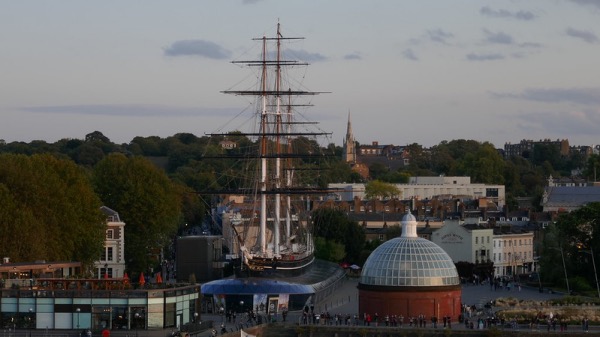
• Greenwich landmark, Cutty Sark, reopens to visitors on Monday, 20th July. Other reopened institutions include the Royal Academy of Arts, The Foundling MuseumThe Wallace Collection and Somerset House.

PICTURE: Christine McIntosh (licensed under CC BY-ND 2.0)

Send all items for inclusion to exploringlondon@gmail.com.

This Week in London – Tower of London lowers drawbridge; other openings include Westminster Abbey and The Queen’s Gallery…

The Tower of London will officially lower the drawbridge in a symbolic ceremony this Friday morning to announce its reopening after a 16 week closure, the longest since World War II. A new one-way route has been introduced to allow for social distancing and while the Yeoman Warders, known as Beefeaters, won’t be restarting their tour immediately, they will be able to answer visitor questions. The Crown Jewels exhibition will also be reopening. Online bookings are essential. For more, see www.hrp.org.uk/tower-of-london/.

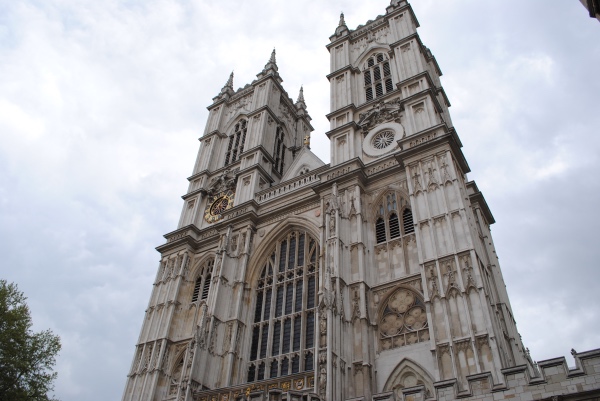
• Westminster Abbey reopens its doors to visitors on Saturday after the longest closure since it did so to prepare for the coronation of Queen Elizabeth II in 1953. The abbey will initially be open to visitors on Saturdays and on Wednesday evenings, with a limited number of timed entry tickets available solely through advance booking online.

The Queen’s Gallery and the Royal Mews at Buckingham Palace as well as Royal Collection Trust shops reopened to the public this week. The Queen’s Gallery exhibition George IV: Art & Spectacle has been extended until 1st November while Japan: Courts and Culture, which had been originally due to open in June this year, is now expected to open in spring 2022. Tickets must be booked in advance at www.rct.uk/tickets.

• Other reopenings include Kew Gardens’ famous glasshouses (from last weekend) and the Painted Hall, King William Undercroft and interpretation gallery at Greenwich (from Monday 13th July).

Send all items for inclusion to exploringlondon@gmail.com.

PICTURE: Nick Fewings/Unsplash.


This Week in London – National Gallery – and other landmarks – to reopen while National Portrait Gallery remains closed to 2023…

Plans are afoot for the reopening of London’s iconic historic and cultural institutions with The National Gallery becoming the first national museum in the UK the first to do so when it reopens its doors on 8th July. Special exhibitions include Titian: Love, Desire, Death which had to close after just three days and has now been extended to 17th January, 2021, and Nicolaes Maes: Dutch Master of the Golden Age which has been extended until 20 September. Meanwhile, Room 32 – one of the gallery’s largest rooms displaying 17th-century Italian paintings by artists including Caravaggio, Artemisia and Orazio Gentileschi, Guido Reni and Guercino – will reopen as the Julia and Hans Rausing Room after a 21 month refurbishment project while the Equestrian Portrait of Charles I by Van Dyck (about 1637/8) will be back on show in Room 21 after a more than two year restoration. There are also number of newly-acquired paintings on show including Liotard’s The Lavergne Family Breakfast (1754), Gainsborough’s Portrait of Margaret Gainsborough holding a Theorbo (about 1777) and Sorolla’s The Drunkard, Zaraúz, (1910). All visits must be booked online in advance and, of course, social distancing measures will be in place. For more, see www.nationalgallery.org.uk.

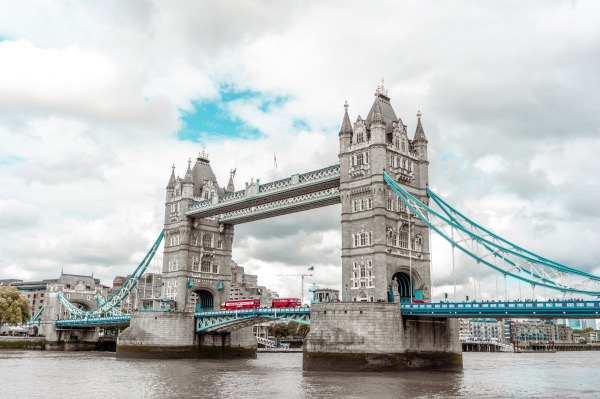
Tower Bridge is among landmarks reopening its doors in London. PICTURE: Javier Martinez/Unsplash 

Other landmarks opening include Tower Bridge (with a new one way route from 4th July), Eltham Palace (from 4th July) and the Tower of London (from 10th July). Openings later this month include interiors at Hampton Court Palace (from 17th July) the British Library Reading Rooms (from 22nd July), and Kensington Palace (30th July). We’ll keep you informed as more sites open.

And amid the openings, comes a closure with the National Portrait Gallery shutting its doors until spring 2023 to allow for a massive redevelopment project known as ‘Inspiring People’. The redevelopment project – the gallery’s biggest since the building in St Martin’s Place opened in 1896 – includes a comprehensive re-presentation of the gallery’s collection, spanning a period stretching from the Tudors to now, across 40 refurbished galleries along with a complete refurbishment of the building including the restoration of historic features, a new and more welcoming visitor entrance and public forecourt on the building’s north facade. For more, see www.npg.org.uk.

Send all items to exploringlondon@gmail.com

This Week in London – Windrush oral histories; Berkeley Square gets a new sculpture; and, Sir Robert Geffrye statue under review…

Hitherto unheard oral histories documenting the lived experience of the Windrush generation and the generations that followed have been released by the Museum of London. The oral histories, which were recorded in 2018 as part of the Conversation Booth project in City Hall, are part of the museum’s new online collection of Windrush-related content. Drawn from the collections of both the Museum of London and Museum of London Docklands, it includes objects, photos, videos and articles. To explore the collection, head to www.museumoflondon.org.uk/museum-london-docklands/windrush-stories.

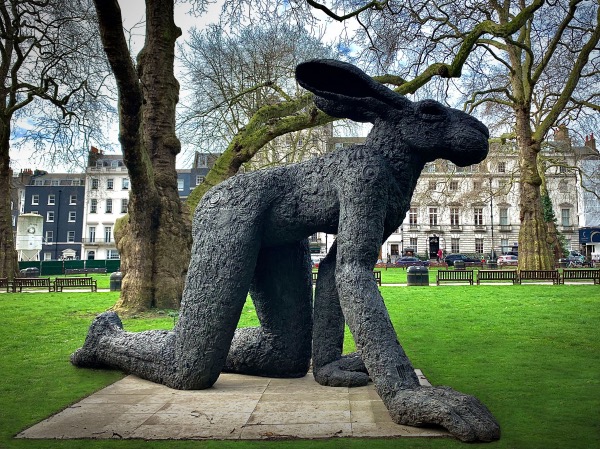
A hybrid sculpture depicting the body of a woman with the head of a hare has gone on show in Berkeley Square. The work of Sophie Ryder, Crawling was hand-made in 1999 from wet plaster, old machine parts and scavenged toys then cast in bronze. The work is part of City of Westminster’s City of Sculpture programme which brings sculpture to iconic outdoor locations.

The Museum of the Home is asking people for their opinion on the future of the statue of Sir Robert Geffrye which stands out the front of the almshouses housing the museum in Shoreditch. The almshouses were built by Geffrye, who was involved with the slave trade having made made his fortune with the East India Company and the Royal African Company, in 1714. The consultation is being held in partnership with Hackney Council which is conducting a wider review of landmarks and the naming of public spaces in the borough. The consultation remains open until the 2nd July. To have your say, head to www.surveymonkey.co.uk/r/geffrye-statue.

Send all items to exploringlondon@gmail.

This Week in London – Statue of slave owner removed; Finsbury Circus to be redesigned; and, ZSL London Zoo reopening…

A statue of slave owner Robert Milligan has been removed from its position outside of the Museum of London Docklands. The Canal and River Trust removed the statue this week in recognition of the “wishes of the community”. The move had the support of the museum which is one of only three museums in the UK to address the history of the transatlantic slave trade. “The Museum of London recognises that the monument is part of the ongoing problematic regime of white-washing history, which disregards the pain of those who are still wrestling with the remnants of the crimes Milligan committed against humanity…” the museum said in a statement issued earlier in the week. “Now more than ever at a time when Black Lives Matter is calling for an end to public monuments honouring slave owners, we advocate for the statue of Robert Milligan to be removed on the grounds of its historical links to colonial violence and exploitation.” Milligan was a prominent British slave owner who, by the time of his death in 1809, owned 526 slaves and two sugar plantations in Jamaica. The statue, the work of Sir Richard Westmacott, was moved to a position outside the museum in West India Quay in 1997. Earlier this week, the Mayor of London, Sadiq Khan, announced a new Commission for Diversity in the Public Realm which will review landmarks – including murals, street art, street names, statues and other memorials – across the city of London with a view to improving diversity in the public realm.

The City of London Corporation has launched a competition to redesign the Grade II-listed gardens at Finsbury Circus. The two-stage competition aims to identity creative and sustainable design ideas in a bid to return Finsbury Circus Gardens to being a multifunctional public space with a pavilion as well as a “sanctuary” within the Square Mile. The corporation is seeking a joint bid from an architect and a landscape architect to deliver a new design for the reinstatement of Finsbury Circus Gardens and Pavilion. Some two-thirds of the Finsbury Circus Gardens, one of the oldest parks in the City, have been used by Crossrail for the past 10 years to provide access to a section of tunnel between Farringdon and Liverpool Street. The works required the removal of historic features like the bowling green and historic Grade II drinking fountain and these will now be reinstated into the new design. PICTURE: Looking across Finsbury Circus Gardens in 2006 (David Williams /licenced under CC BY-SA 2.0)

Tickets for ZSL London Zoo have gone on sale ahead of its planned reopening next week. The zoo will reopen on Monday, 15th June, for the first time since its closure on Saturday, 21st March due to the coronavirus pandemic. The zoo, which is offering pre-allocated, timed entry slots, limited to just 2,000 visitors a day, says its taken numerous measures to ensure the safety of visitors. For more, head to www.zsl.org/zsl-london-zoo.

Send all items for inclusion to exploringlondon@gmail.com.

This Week in London – ‘Disease X’ online; explore the world of the kimono; and, National Gallery announces extensions and deferrals…

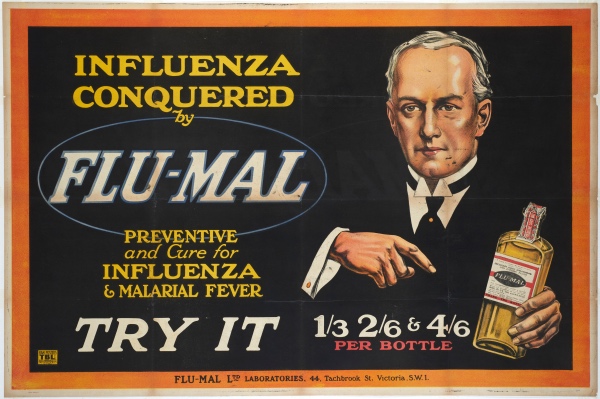
The Museum of London is offering the chance to explore its previous exhibition, Disease X: London’s next epidemic?, online. The exhibition, which was first shown at the museum in between November, 2018, and March, 2019 to make the 100th anniversary of the second wave of the Spanish flu, draws on the museum’s collections as well as historical research and expert views to explore if the city was at risk from an unknown ‘Disease X’. Among the objects in the display are the mourning dress worn by Queen Victoria to mark the shock passing of her grandson Prince Albert Victor due to ‘Russian Flu’, a 17th century pomander used to waft away the foul vapors thought to cause diseases like the plague and a poster advertising ‘Flu-Mal’, a supposed cure for both influenza and malaria. To see the exhibition, head to https://virtualexhibitions.museumoflondon.org.uk/disease-x/. The online exhibition is part of the museum’s mission to bring online content to people at home while its doors are closed under the banner of the ‘Museum for London’. PICTURE: Influenza conquered by Flu-Mal. Advertising Poster © Museum of London.

The V&A has launched a series of five films that take viewers on a behind-the-scenes tour of its exhibition Kimono: Kyoto to Catwalk. Curator Anna Jackson guides viewers through the exhibition spaces and provides personal insights into the making of the show, some of the star exhibits and the history of the kimono. The exhibition tracks the “sartorial and social significance” of the kimono from the 1660s to the present day in both Japan and elsewhere around the world and features international designer fashions and iconic costumes from films and performances. Highlights include a kimono created by Living National Treasure Kunihiko Moriguchi, the Alexander McQueen dress Björk wore on the cover of her album Homogenic, and original Star Wars costumes modelled on kimono by John Mollo. To watch, head here.

The National Gallery has announced it has extended its landmark exhibition Titian: Love, Desire, Death which had been due to close on 14th June, having been open for just three days before lockdown measures were put in place. The gallery has also announced the exhibition Nicolaes Maes: Dutch Master of the Golden Age will also be extended while dates for upcoming exhibitions including Sin, Conversations with God: Copernicus by Jan Matejko, and The Credit Suisse Exhibition: Raphael have been pushed back. For more, see www.nationalgallery.org.uk.

Send all items to exploringlondon@gmail.com.

This Week in London – RHS Chelsea Flower Show goes virtual; National Gallery art on the streets; and, no summer opening at Buckingham Palace…

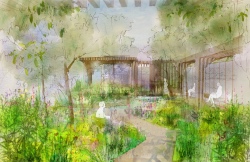
The RHS Chelsea Flower Show is on this week but, due to the coronavirus pandemic, this year it’s a virtual affair. That’s good news for those who might not have been able to attend in person thanks to the stream of video content that’s being posted on the RHS website including garden design tips and planting ideas, virtual garden tours, ‘how to’ demonstrations and meet the growers sessions. Among highlights are a video featuring Sarah Eberle, the most decorated female designer in Chelsea history showing you around her woodland garden, a “lockdown tour” of some of London’s public parks, BBC presenter and multi-gold medal winning designer Adam Frost showing you around his Lincolnshire garden, florist Nikki Tibbles showing you how to create a seasonal bouquet and an update on what the Chelsea Pensioners have been up to on their allotment. The show runs until 23rd May. To see what’s on offer, head to www.rhs.org.uk/shows-events/virtual-chelsea. PICTURE: The Florence Nightingale Garden – A Celebration of Modern Day Nursing/© Robert Myers.

The National Gallery has taken some of its most famous works out onto the streets thanks to a partnership with digital outdoor screen provider, Ocean Outdoor. Seven of the gallery’s most well-known images – Van Gogh’s Sunflowers (1888) and A Wheatfield, with Cypresses (1889), Monet’s The Water-Lily Pond (1899), van Eyck’s The Arnolfini Portrait (1434), Seurat’s Bathers at Asnières (1884), Vigée Le Brun’s Self Portrait in a Straw Hat (1782) and Rousseau’s Surprised! (1891) – are being shown on Ocean Outdoor’s giant screens for two weeks in cities around the UK including London. Head to www.nationalgallery.org.uk for more free art, films, stories and activities.

The Royal Collection Trust has announced it will not open the State Rooms at Buckingham Palace to the public this summer due to the coronavirus pandemic. But the collection and palaces can be explored online at www.rct.uk.

Send all items to exploringlondon@gmail.com.

Treasures of London – The Gayer-Anderson Cat…

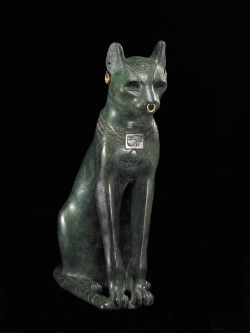
This stunning hollow bronze figure from ancient Egypt depicts the goddess Bastet in the form of a seated (domestic-sized) cat and dates from around 600 BC.

Its name comes from Irish-born military man Major Robert Grenville Gayer-Anderson, who was a keen collector of Egyptian sculpture, jewellery and pottery which he showcased as his Cairo home, now known as the Gayer-Anderson Museum. Gayer-Anderson donated the cat to the British Museum in 1939 (there’s a copy in the Gayer-Anderson Museum).

The 14 centimetre tall figure, which wears a silver protective pectoral and golden earrings and nose ring, was probably housed in a temple. The scarab beetle on the cat’s head and chest symbolises rebirth and the silver wedjat-eye on the pectoral was supposed to invoke protection and healing.

The cat, which a particularly fine example of a cat sculpture from the period, can usually be seen in the Egyptian sculpture gallery in Room 4 of the British Museum but given its closure because of the coronavirus pandemic, you may like to take a look at a 3D model of the cat which is on the museum’s website here.

PICTURE:  © the Trustees of the British Museum

This Week in London – Mushrooms online; call for homemade signs; and, write a lockdown letter to the National Trust…

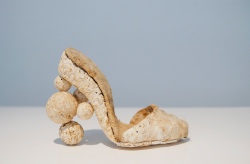
Somerset House is releasing a new virtual tour of its exhibition Mushrooms: The Art, Design and Future of Fungi so people can explore the world of the mushroom and its role in the world’s survival from home. The exhibition, which will go live online on Monday to mark International Museum Day, features highlights including Beatrix Potter’s watercolours of mushrooms, conceptual artist Carsten Höller’s spinning, solar-powered mushrooms, a psychedelic film by Adham Faramawy, Seana Gavin’s hand-cut collages of mushroom-human hybrids and, shoes and shades made from mycelium, the fungal mass which lies beneath the earth under mushrooms. The exhibition will be released online on 18th May at www.somersethouse.org.uk. PICTURED: Kristen Peters, Mycoshoen, courtesy of the artist.

The V&A are seeking homemade signs created during the coronavirus lockdown – everything from children’s rainbow signs to handwritten notes placed in public spaces – to add to its permanent collection. Noting the commonplace nature of such signs during the emergency, the V&A have said that “[w]hether they state temporary closure of a business, express messages of hope or critique, or raise awareness for a good cause, these signs have become a prominent way for us to communicate with the outside world during lockdown”. Through collecting the signs, the museum is aiming to “create and preserve a rich portrait of life under lockdown expressed through visual imagery.” Selected signs will be chosen to join the museum’s collections. Signs can be submitted to homemadesigns@vam.ac.uk while people are also encouraged to share signs they’ve come across on social media using #homemadesigns.

The National Trust is asking people to write letters to its Director General Hilary McGrady, about their lockdown experiences in order to add a selection of them to its collection of historic letters. People are asked to write about what they have most missed since lockdown began and about what solace they may have drawn from nature, art, creativity and any forms of social contact. The National Trust is asking writers to scan or photograph their letter and email it to lettersfromlockdown@nationaltrust.org.uk or share it via the National Trust’s social media channels using @nationaltrust to ease pressure on the postal service. The Trust says it will request postal hard copies from selected authors at a later date.

Send all items for inclusion to exploringlondon@gmail.com
10 (lesser known) National Trust properties in London…9. Red House…

This iconic and unique Arts and Crafts home in Bexleyheath in London’s east was at the centre of the Pre-Raphaelite movement.

Commissioned by poet, designer and artist William Morris in 1859 – and built by his friend, architect Philip Webb (with whom Morris would co-found the The Society for the Protection of Ancient Buildings in 1877) – the L-shaped house was designed to be a home for Morris and his new wife Jane as well as a hub for the so-called “second wave” of Pre-Raphaelites.

Described by Dante Gabriel Rossetti as “more a poem than a house”, the two storey red brick property (hence the name ‘Red House’) is characterised by elements of romanticised Gothic medieval design – including a steep gable roof, tall chimney stacks, oriel windows and stained glass – but also contains a very practical layout.

The Morrises moved in during June, 1860, and, inspired by medieval art and literature, commenced elaborately decorating the property in bold colours. The couple hung the walls with embroideries and pictures and commissioned Webb to design furnishing while others who helped with the interior decoration included Rossetti, Elizabeth Siddal and Edward Burne-Jones.

It was this communal response to the home’s design that is credited as leading to the founding of the decorative arts company Morris, Marshall, Faulkner & Co – often referred to as ‘The Firm’ – in 1861.

A plan to extend the property in the mid-1860s to add workshops as well as allow Burne-Jones and his family to live there was aborted after the then pregnant Georgiana Burne-Jones contracted scarlet fever, losing the child as a result.

Meanwhile, Morris – whose two daughters Jenny and May were born in the property – was apparently discovering the home’s short-comings – including its orientation away from the sun and its distance from London. He subsequently decided to move his family back to London and in 1866 sold the property, never returning to it again.

The house remained in private hands until it was acquired by the National Trust in 2003. Morris, meanwhile, went on to lease Kelmscott Manor in Oxfordshire with Rossetti and is buried in the nearby churchyard of St George’s Church.

The now Grade I-listed house, which still contains original features and furnishings, is surrounded by a garden which was designed to “clothe” the property and which, as well as being informed by Arts and Crafts principles, features a beautiful conical-roofed well-house. When open, there’s a cafe and second-hand bookshop on site.

The house has an English Heritage Blue Plaque commemorating Morris and Webb.

For more, visit www.nationaltrust.org.uk/red-house.

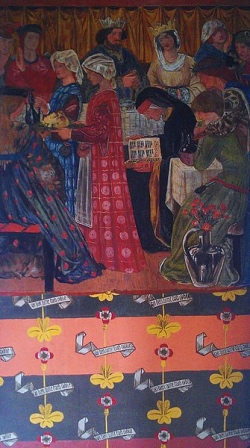
PICTURE: Top – The property with well house in the foreground (Steve Parkinson/ licensed under CC BY-NC-ND 2.0); Right – A mural in the drawing room designed by Edward Burne-Jones depicting the marriage feast of Sir Degrevant (Ethan Doyle White at English Wikipedia (licensed under CC BY-SA 3.0)

Special – On the VE Day’s 75th, remembering the ‘Docklands at War’…

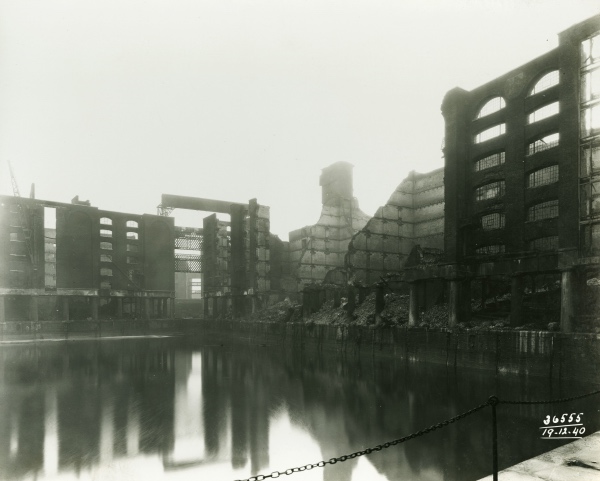
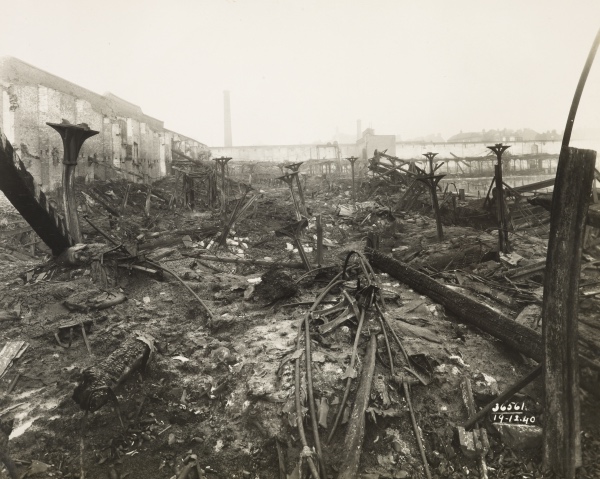
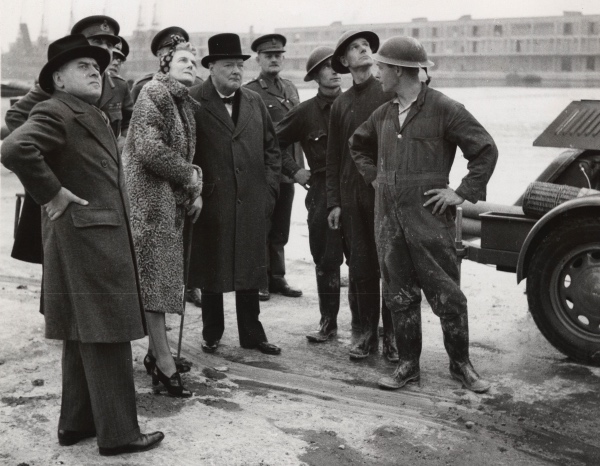
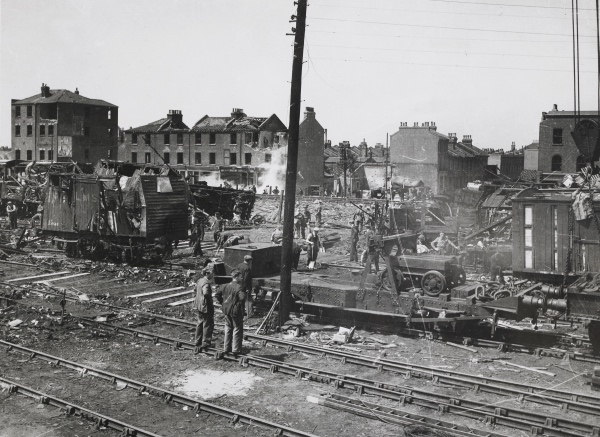
The Museum of London Docklands has released a number of images from its ‘Docklands at War’ collection – including some rarely on display – to mark the 75th anniversary of Victory in Europe. These images of the East End show the scale of the damage and destruction caused to London’s docks during World War II when more than 25,000 German bombs were dropped on it in an attempt to impact the national economy and war production, making tens of thousands of home uninhabitable, damaging businesses and destroying docks with the West India Docks and St Katherine Docks suffering the most damage. The pictures also reveal the remarkable contribution to the war effort by the people who lived and worked in the densely populated area. For more on how the museum is marking the day online, head to www.museumoflondon.org.uk/museum-london-docklands/ve-day.

St Katharine Dock after an air raid on 7th September, 1940, the first attack on Docklands.  PICTURE: John H Avery & Co (© PLA Collection / Museum of London)

Bomb damage to a shed, formerly Guiness’s on west side of eastern dock, looking north from the southend taken on 19th December, 1940, following an air raid on 8th December that year. PICTURE: John H Avery & Co (© PLA Collection / Museum of London)


Prime Minister Winston Churchill and Clementine Churchill, with the Flag Officer, London, and J Douglas Ritchie (on left), touring London’s dock in September, 1940, seen with a group of auxiliary firemen. PICTURE: © PLA Collection / Museum of London

Damage caused by a V1 rocket which hit Royal Victoria Dock in 1944. PICTURE: © PLA Collection / Museum of London

The Docklands ablaze during the Blitz on 7th September, 1940. The rising palls of smoke mark out the London Docks beyond the Tower of London, the Surrey Docks to the right of the bridge and the West India Docks on the Isle of Dogs in the distance. PICTURE: © PLA Collection / Museum of London


Tanks arriving in the London Docks prior to embarkation for the D Day beaches in 1944. PICTURE: © PLA Collection / Museum of London

This Week in London – Take a virtual tour of The Crystal Palace (as it was); the ‘Virtual VE Day 75 Festival’; and, capturing life in lockdown…

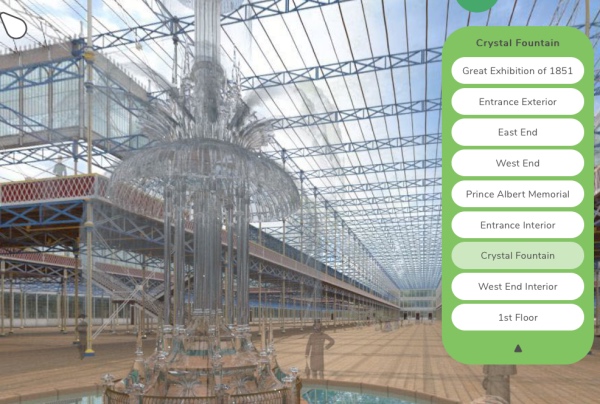
It’s 169 years since the Crystal Palace served as the centrepiece of the ‘Great Exhibition of the Works of Industry of All Nations’ in Hyde Park but for the first time you now have a chance to tour the building virtually. The Royal Parks, working in partnership with educational virtual reality company, Seymour & Lerhn, have recreated the grand glass and iron structure which hosted thousands of exhibits from across the globe at the 1851 exhibition which was spear-headed by Prince Albert. The building has been regenerated digitally using The Royal Commission for the Exhibition’s archive of plans and images, as well as The Royal Parks’ historical documents including old maps. The tour overlays this historic footage over the site as it is now and visitors can switch between the two as well as learn about some of the fascinating stories connected to the Great Exhibition including that of the construction of the first ever public toilets and that of the lady who walked from Cornwall to attend the display. The virtual tour is free to access at www.royalparks.org.uk/parks/hyde-park/things-to-see-and-do/the-great-exhibition-virtual-tour.

The National Museum of the Royal Navy, National Army Museum and Royal Air Force Museum are hosting their first tri-service celebration with a ‘Virtual VE Day 75 Festival’ to mark the 75th anniversary of the end of the war in Europe. The festival runs from today until 9th May and kicks off with ‘Vying for Victory: Britain’s Navy, Army and Air Force in Myth and Memory’ featuring representatives from the museums discussing the service’s respective roles during the closing stages of World War II. Other events include a live webinar featuring historian and broadcaster James Holland speaking to the National Army Museum’s Dr Peter Johnston about ‘Why the Allies Won’, re-enactors sharing stories from real service personnel during the World War II, and an immersive walk-through of HMS Alliance which will provide insights into the isolation experience of submariners on VE Day.  For the full programme of events, head to Virtual VE Day 75 Festival.

The National Portrait Gallery is launching a new community photography project to capture a snapshot of the nation during the coronavirus lockdown. People are being encouraged to submit pictures responding to three themes – ‘Helpers and Heroes’, ‘Your New Normal’ and ‘Acts of Kindness’ – to the project which is called Hold Still. Launched by the Duchess of Cambridge, patron of the gallery, this week, the project is open to Britons of all ages and will see 100 short-listed pictures featured in a digital exhibition. The closing date for submissions is 18th June. Head to www.npg.org.uk/hold-still/ for more.

Send all items for inclusion to exploringlondon@gmail.com.

This Week in London – Documenting lockdown lives; home baking on the rise; and, Captain Tom makes more history…

The Museum of the Home has launched a new national collecting project aimed at documenting people’s lives during the coronavirus lockdown. Called Stay Home, the project involves answering seven questions about you and your home and sharing up to five images of your home as well as some personal demographic information. Contributions will become part of the museum’s Documenting Homes collection, an archive of almost 8,000 items which represents homes from the 1900s up to the present day. To take part – or to read the stories of those who have, head to www.museumofthehome.org.uk/explore/stay-home-collecting-project/. The museum is planning to reopen in September following a major redevelopment which includes the renovation of the Grade I-listed Geffrye Almshouses and the development of new spaces which will create 80 per cent more space for exhibitions, events and collections. The reopening will, of course, depend on the situation with regard to the COVID-19 outbreak.

Visits to the National Trust’s home baking pages have increased by almost 900 per cent since the country was locked down in mid-March. Cheese scones have proved the most popular nationally with more than 54,000 people visiting the page in the first four weeks of lockdown – an increase of 3,009 per cent on last year. Second place is apple and rhubarb crumble with almost 15,000 visits (an increase of 581 per cent) and the fruit scone is in third place at almost 10,000 visits (an increase of 737 per cent). Meanwhile in London, favourites include potato and onion soup in Barnet, Westminster and Redbridge, apple cinnamon bun in Islington, chocolate nests in Enfield, and vegetable and coconut curry in Sutton. To visit the recipe pages, head to www.nationaltrust.org.uk/recipes.

Captain Tom Moore – the World War II veteran who has raised more than £29 million for the NHS – will be the first person to be virtually invested with the Freedom of the City of London. Moore, who celebrates his 100th birthday today, made headlines internationally when he completed 100 laps of his garden in the hope of raising £1,000 to support NHS Charities Together. The investiture ceremony will be conducted next week and is believed to be the first time it’s been conducted virtually since the Freedom was first awarded in 1237.

Send all items for inclusion to exploringlondon@gmail.com.

10 (lesser known) National Trust properties in London…7. Fenton House and Garden…


Like other National Trust properties, Fenton House is now closed – please do not travel there. But we run this article in the hope you’ll be able to visit in the future…

This Hampstead property dates from the 17th century but its current name comes instead from Philip Fenton, a merchant who bought it in 1793, some 100 years after it was constructed.

The two storey brown brick property, which had previously been known as Ostend House (perhaps a reference to its unknown first owner’s Flemish links), was considerably altered by Fenton, a merchant from Yorkshire who had based himself in Riga. But despite that – and subsequent alterations, many original features remain.

The Grade I-listed property was acquired by Katherine, Lady Binning, in 1936. In 1952 she bequeathed it to the National Trust complete with her rather large collections of porcelain, needlework, furniture and artworks.

The Trust also moved in a large collection of early musical instruments. Assembled by Major George Benton Fletcher, these had been given them to the Trust in 1937 and include a harpsichord dating from 1612 which was probably used by Handel.

Located on an acre, the house features a notable walled garden featuring formal topiary and lawn, a sunken rose garden, a 300-year-old apple and pear orchard and kitchen garden.

Fenton House is now closed – but for more information on when it might reopen, keep an eye on www.nationaltrust.org.uk/fenton-house.

PICTURE: Top – A view of Fenton House (It’s No Game/licensed under CC BY 2.0); Below – Inside the property (Kotomi_/licensed under CC BY-NC 2.0)