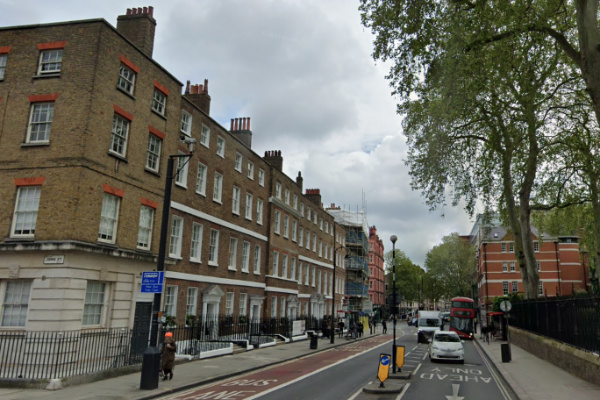
This north London thoroughfare, which runs north-east from Southampton Row through Holborn to Gray’s Inn Road is named for the destination it once led to – a country house in Hertfordshire known as Theobolds which once belonged to King James I.
View down Theobolds Road at its northern end. PICTURE: Courtesy of Google Maps
The house, which has been rebuilt many times and is now a conference centre, was actually where King James I died. Prior to his residency, it was home to Queen Elizabeth I’s advisor, William Cecil, Lord Burghley, and then his son, Robert Cecil, the first Earl of Salisbury.
The road, which the modern Theobolds Road forms part of, was apparently also known as the King’s Way due to its royal traveller – this royal connection is still retained in the nearby roadway known as Kingsway.
Among the famous residents of Theobolds Road was Prime Minister Benjamin Disraeli who was born at number 22 in 1804 (and is now commemorated with an English Heritage Blue Plaque, although this one is actually brown).
• A first-of-its-kind exhibition at the Imperial War Museum in Lambeth aims to shed light on sexual violence in conflicts.Unsilenced: Sexual Violence in Conflict features case studies which span the period from the World War I to today and examines how and why sexual violence is perpetrated, its impact on victims and survivors and the pursuit of justice and reconciliation. The exhibition features some 162 objects, including never-before-seen items, as well as testimonies and interviews with experts such as Christina Lamb, journalist and author of Our Bodies, Their Battlefield: What War Does to Women, and Sarah Sands, journalist and former chair of the G7 Gender Equality Advisory Council. The display also highlights the ongoing work of four NGOs working in the field of sexual violence: Women for Women International, All Survivors Project, Free Yezidi Foundation and Waging Peace. The free display opens on Friday and runs until 2nd November. For more, see www.iwm.org.uk/events/unsilenced-sexual-violence-in-conflict.
• The origins of three of the world’s major religions – Hinduism, Buddhism and Jainism – and their practice today are explored through a new exhibition of sacred art at the British Museum.Ancient India: living traditions features more than 180 objects including sculptures, paintings, drawings, and manuscripts. Among the objects on show is a statue of the elephant-headed god Ganesh made of in Java from volcanic stone, dating from about AD 1000–1200, while among the stories told in the display are how depictions of Buddha have changed over time while those of Hindu goddess Lakshmi have remained relatively unchanged. Runs until 19th October in The Sainsbury Exhibitions Gallery. For more, see www.britishmuseum.org.
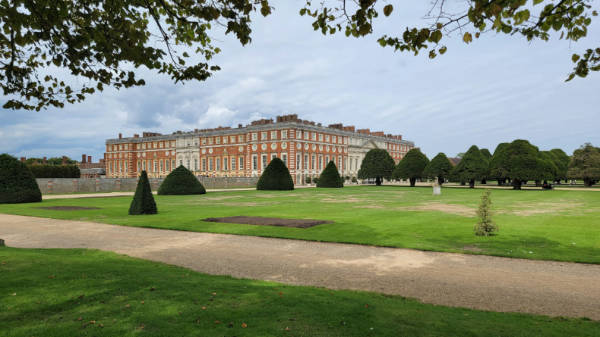
• The circus and street performance are coming to Hampton Court Palace this weekend for a three day family-friendly festival featuring live music, acrobatics and physical theatre. Featuring performers from Cirque Bijou, the Big Bahooey will, as well as breathtaking stunts, slapstick comedy and interactive performances, feature hands-on workshops where you can learn skills such as juggling, wire walking or spinning plates. Entrance is included in palace admission. Runs from 24th to 26th May. For more, see www.hrp.org.uk/hampton-court-palace/whats-on/the-big-bahooey/.
Send all items for inclusion to exploringlondon@gmail.com
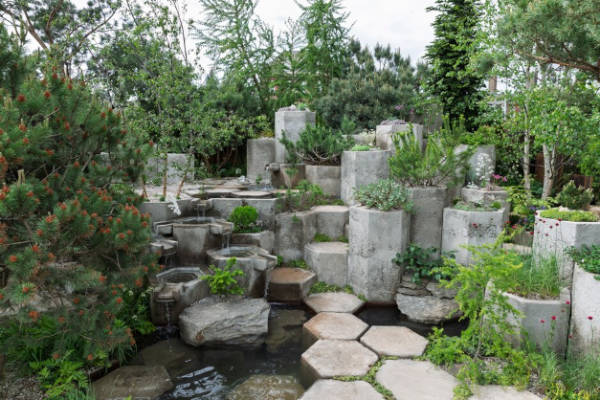
It’s that time of year again and the flowers are blooming at the annual RHS Chelsea Flower Show which started today and runs until Saturday. Here’s some images from this year’s event…
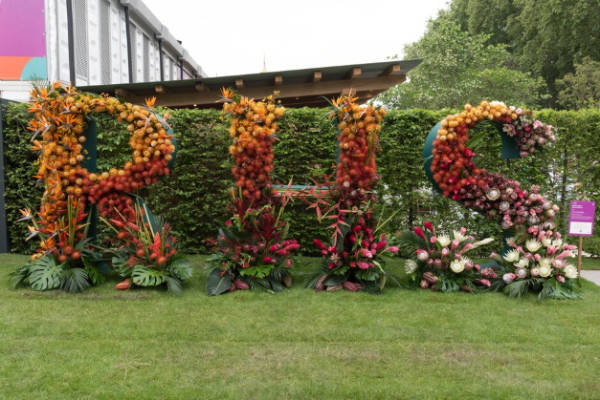
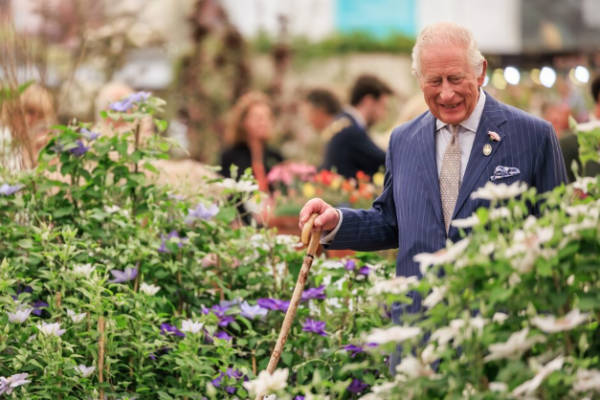
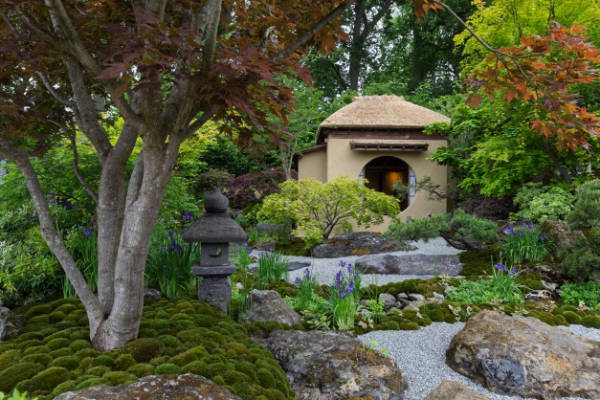
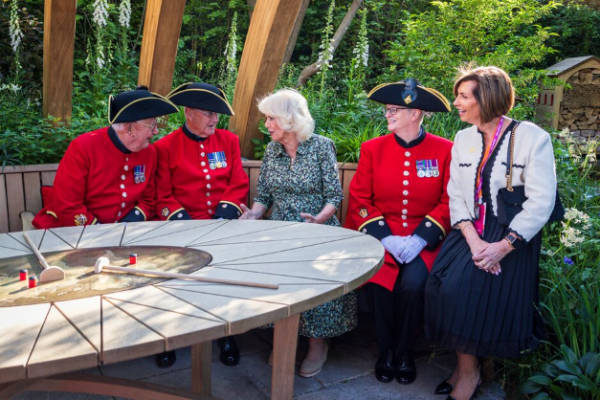
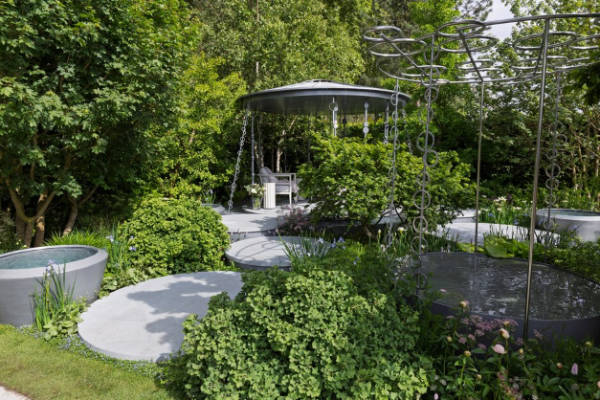
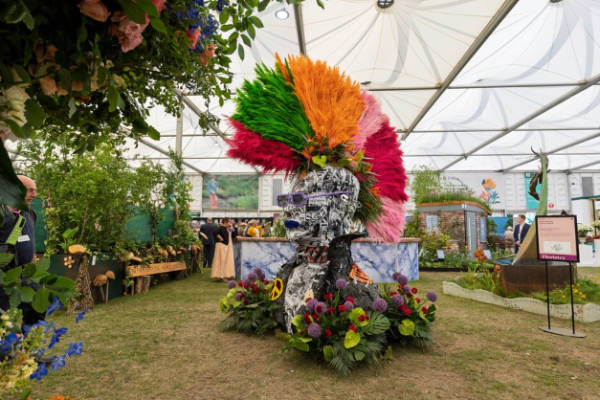
RHS Letters. Designed by Acacia Creative Studio at the RHS Chelsea Flower Show 2025. PICTURE: RHS/Tim SandallKing Charles III visits the Chelsea Flower Show 2025. PICTURE: RHS/Ollie DixonThe ‘Cha No Niwa – Japanese Tea Garden’, designed by Kazuyuki Ishihara which won the RHS Chelsea Garden of the Year. PICTURE: RHS/Neil HepworthQueen Camilla meets Chelsea Pensioners at The London Square Chelsea Pensioners Garden. PICTURE: RHS/Ollie DixonThe ‘Boodles Raindance Garden’, designed by Dr Catherine MacDonald. PICTURE: RHS/Neil Hepworth‘The Chelsea Punk’, created by Chelsea in Bloom at the RHS Chelsea Flower Show 2025. PICTURE: RHS/Neil HepworthThe ‘British Red Cross ‘Here for Humanity’ Garden’, designed by John Warland and Tom Bannister. PICTURE: RHS/Sarah Cuttle
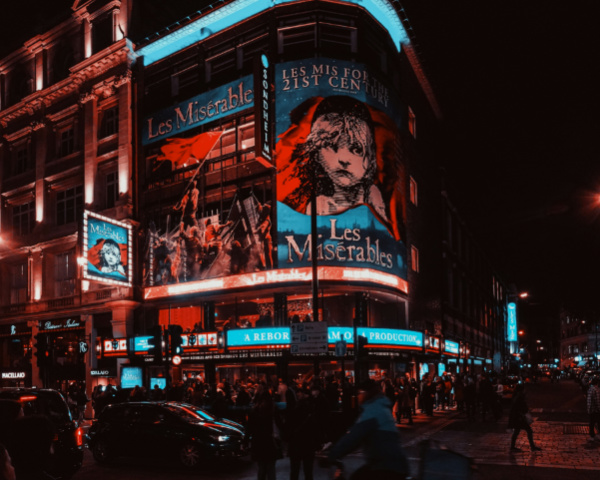
Said to be the largest theatre district in the world, London’s Theatreland is located in the West End (and some say synonymous with it) and features some 40 playhouses.
The lights of Theatreland – pictured is the production of Les Miserables at the Sondheim Theatre. PICTURE: Samuel Regan-Asante/Unsplash
The theatres are primarily located in Covent Garden, around Leicester Square and Piccadilly Circus and in Soho. The street most associated with today’s Theatreland is perhaps Shaftsbury Avenue.
Many of the privately owned theatres date from the Victorian or Edwardian period and are protected against inappropriate development (although this means they also sometimes lack more modern amenities)
Among the theatres in the district is the Theatre Royal, Drury Lane (the oldest theatre in London, it opened in 1663) as well as the Savoy Theatre (which in 1881 became the first to be lit by electricity), the London Palladium in Soho (which has hosted the Royal Variety Performance 43 times), and the Lyceum Theatre (where Bram Stoker was once manager).
The longest-running production in the world – Agatha Christie’s play The Mousetrap – has been running at St Martin’s Theatre since 1952 (though it was interrupted during the COVID-19 pandemic). The longest-running musical in the West End – Les Miserables – has been running since 1985 (first at the Palace Theatre and now at the Sondheim Theatre (formerly Queens Theatre)).
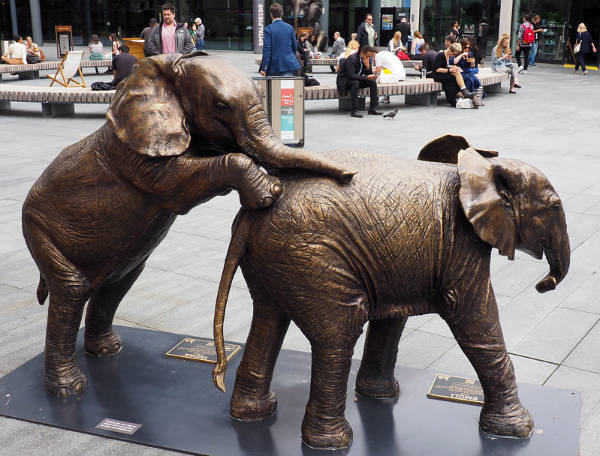
The work of artists Gillie and Marc, the series of sculptures known as The Orphans include an adult female and 20 calves. They were first unveiled in late 2019 at Marble Arch and were then, from late 2021, relocated to their current location.
The aim of the sculpture is to raise awareness for Africa’s endangered elephants – that data shows that poaching, human-wildlife conflict and climate change claims the lives of up to 55 elephants a day – but also funds for the Kenyan-based Sheldrick Wildlife Trust.
The elephants represent a real-life herd of largely orphaned elephants which have been rescued by the trust and each sculpture comes with a name and a scannable barcode which can be used to access information about that particular pachyderm.
The largest of the herd is the three metre tall ‘Matriarch’ who is symbolic of the mother of the orphaned elephants and features blue tusks to “draw attention to the issues of elephant endangerment”. Others include ‘Tagwa’, a suspected orphan of human-wildlife conflict found on the slopes of Mount Kenya, and ‘Tamiyoi’, who survived a fall into a well.
The trust said in April on X that there were currently no plans to relocate the herd and expected them to be at the market for at least six months.
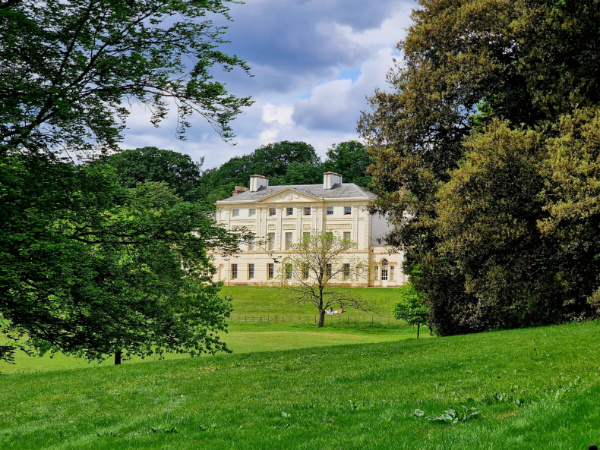
• An exhibition marking the centenary of the death of painter John Singer Sargent (1856-1925)opens at Kenwood House tomorrow. Heiress: Sargent’s American Portraits focuses on a series of portraits of women who married into British and European aristocracy and who were once dismissively referred to as the “Dollar Princesses’. They include a war-time nurse, a helicopter pilot and the first sitting female MP. Among the works on show are Kenwood House’s portrait of Daisy Leiter, a Chicago heiress who married the Earl of Suffolk and Berkshire; a portrait of Edith, Lady Playfair, from the Museum of Fine Art, Boston; and a portrait of Mrs Joseph Chamberlain from the National Gallery of Art in Washington, DC. Runs until 5th October. Admission charge applies. For more, see https://www.english-heritage.org.uk/visit/whats-on/kenwood-heiress-exhibition-16-may–5-oct-2025/.
• A new experiential space to help children and their families journey through the British Library’s collection opens tomorrow.Story Explorers takes children on a journey, directed by Daisy the library cat, through four distinct environments – a library, the far reaches of outer space, a jungle and the bottom of the ocean floor – and features sound recordings, artworks, prints and books from across the world. Among the objects they’ll encounter are Victorian record from the Library’s Sound Archive featuring animal sounds, one of the first photographs taken of the Moon, an Arabic astrological and astronomical handbook from the Middle Ages and one of the earliest printed Japanese works that captures the anatomy of a whale. The free space is open for children aged two to nine and their families until 18th January. Booking is essential. For more, see https://events.bl.uk/exhibitions/story-explorers.
• Narrative, humour and nostalgia are explored into a new display at the Heath Robinson Museum in Pinner.Ways of seeing; Narrative-Humour-Nostalgia, which opens on Saturday, features painting, sculpture, video, soundscapes, and augmented reality to show how artists continue to use storytelling, satire, and memory to “provoke thought, entertain, and challenge perceptions”. Artists represented include Glenn Baxter, Sir Peter Blake, Chila Burman, Peter Coyte, Adam Dant, David van Eyssen, Nicky Hirst, Patrick Hughes, John Humphreys, Harland Miller, Heath Robinson, Richard Wilson, and Ronnie Wood. Runs until 19th July. Admission charge applies. For more, see https://www.heathrobinsonmuseum.org/whats-on/ways-of-seeing-narrative-humour-nostalgia/
Send all items for inclusion to exploringlondon@gmail.com
These docks located in Blackwall were among the large number of docks built in the first half of the 19th century and were, as the name suggests, established by the East India Company.
Support our work for just £3 a month to access all our posts!
• VE Day commemorations continue in London this week with an Evensong service to be held outside St Paul’s Cathedral this evening. The service to commemorate the 80th anniversary of the end of the war in Europe will be held between 5pm and 6pm. Following the service will be a lamp-lighting ceremony and blessing on the cathedral’s west steps with the cathedral bells being tolled as part of a national bell-ringing at 6:30pm. A replica of a World War II Spitfire can also be seen in front of the West Steps. The service is free and unticketed – entry is via Paternoster Square. For more, see www.stpauls.co.uk/whats-on/special-evensong-to-commemorate-80th-anniversary-of-end-of-second-world-war-in-europe-ve80.
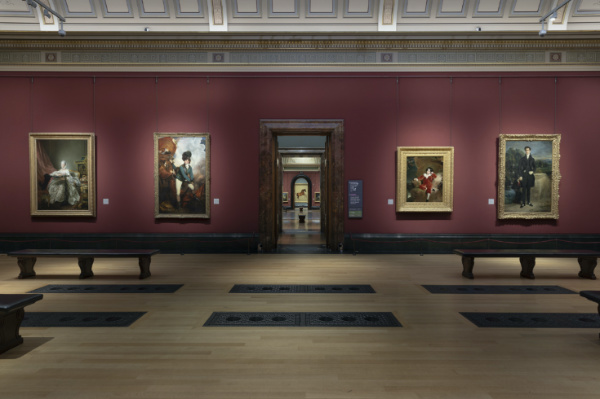
• A major redisplay of the National Gallery’s collection – created as part of its bicentenary celebrations – can be seen from Saturday. C C Land: The Wonder of Art, which coincides with the opening of the transformed Sainsbury Wing after more than two years of building works, features more than 1,000 works and traces the development of painting in the Western European tradition from the 13th to 20th centuries. Among the works displayed are the Coronation State Portraits, commissioned from the artists Peter Kuhfeld and Paul S Benney and unveiled by King Charles III and Queen Camilla this week, which will be on display until 5th June when they will be moved to the Throne Room at Buckingham Palace. There are also newly restored works including the Pollaiuolo brothers’ The Martyrdom of San Sebastian and Jan van Eyck’s Portrait of a Man (Self Portrait?) and newly acquired works such as Eva Gonzalès’ The Full-length Mirror (about 1869‒70), Sir Lawrence Alma-Tadema’s After the Audience (1879) and Nicolas Poussin’s Eucharist (about 1637‒40) – one of the greatest paintings of the Last Supper. Meanwhile, a series of rooms have been dedicated to the work of individual artists including the likes of Titian (active about 1506‒1576), Rembrandt (1606‒1669) and Monet (1840‒1926) and one part of the new display focuses on King Charles I (1600‒1649) as a collector of art and includes major loans from the Royal Collection. Finally, in a first for the gallery, Segna di Bonaventura’s Crucifix (about 1310‒15) has been suspended from the gallery’s ceiling, enabling today’s audiences to view the work in the way it would have been seen in the 14th century. Entry to the gallery is free. For more, see nationalgallery.org.uk.
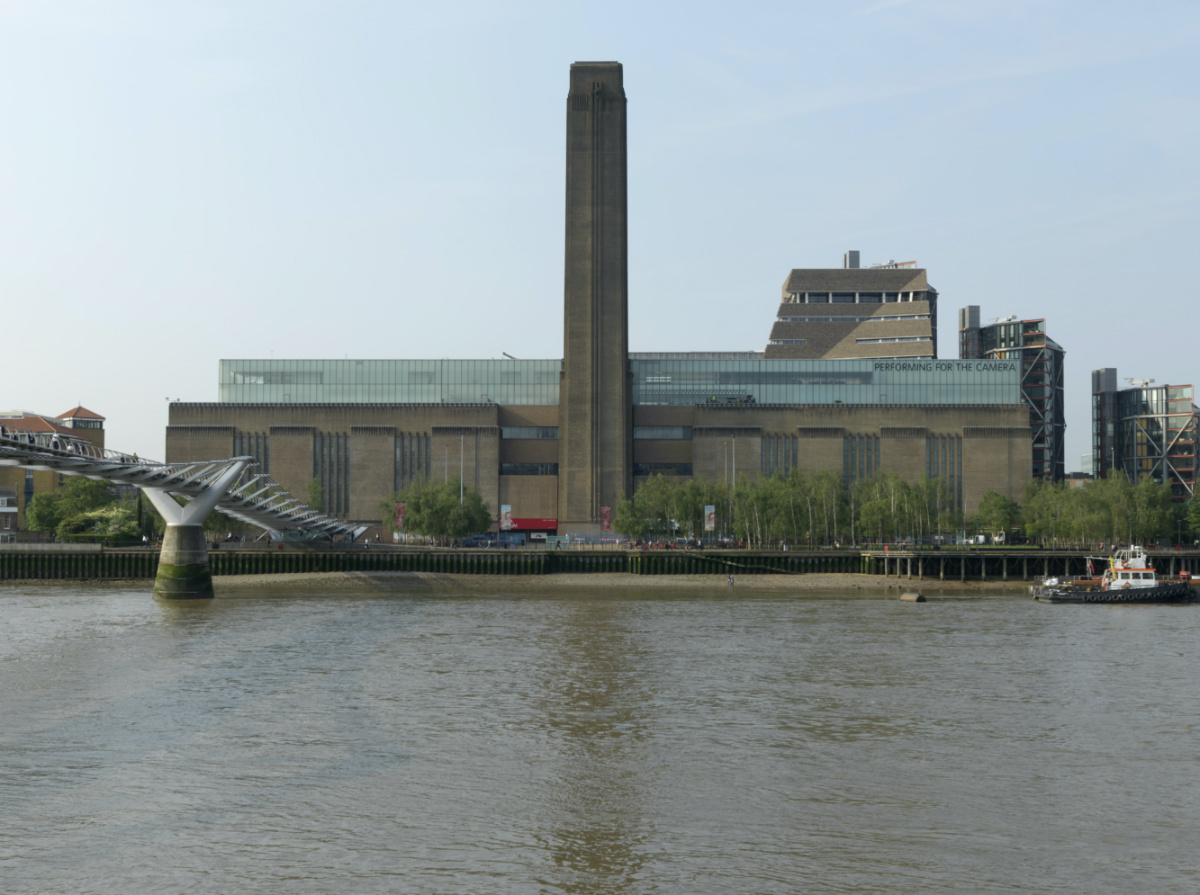
Tate Modern. PICTURE: Courtesy of the Tate Modern.
• The Tate Modern is celebrating 25 years this weekend with four days of festivities starting from tomorrow (Friday). A number of recent additions to Tate’s collection will go on display around the building for the anniversary and some of the most iconic works from Tate Modern’s history are coming back including Louise Bourgeois’s 10 metre high bronze spider Maman which was the first work to greet visitors when Tate Modern opened in 2000. Other returning works include Mark Rothko’s Seagram murals and Dorothea Tanning’s Eine Kleine Nachtmusik while among contemporary works being highlighted over the weekend is an immersive multi-screen film installation by Nalini Malani. Two new exhibitions are also open for the anniversary weekend – A Year in Art: 2050 whichexplores how artists imagine possible futures, and, Gathering Ground which features international contemporary art united by a deep connection to land and community. The weekend also features live music and performances, pop-up talks and tours, and special food and drink offers. For more, see https://www.tate.org.uk/whats-on/tate-modern/birthday-weekender.
Send all items for inclusion to exploringlondon@gmail.com
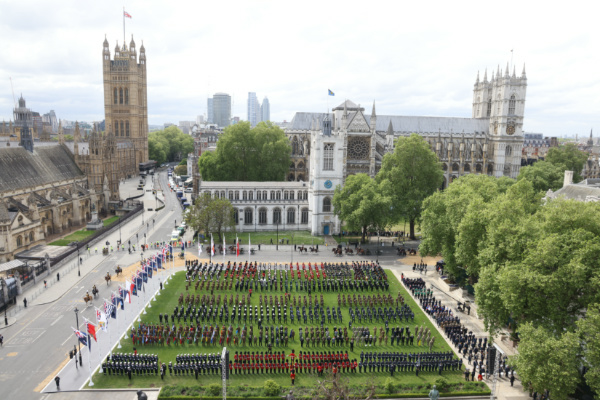
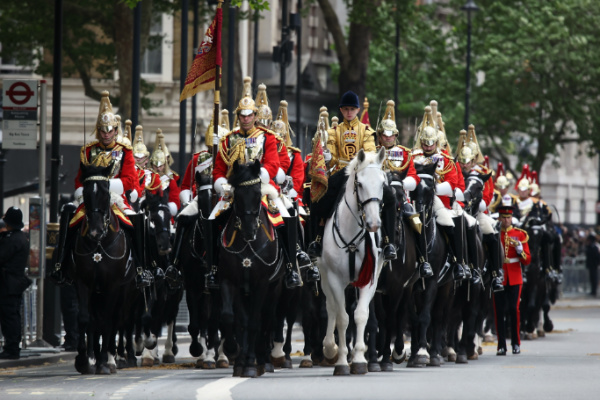
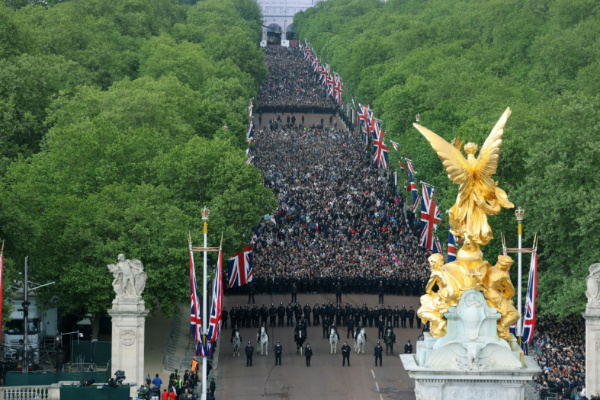
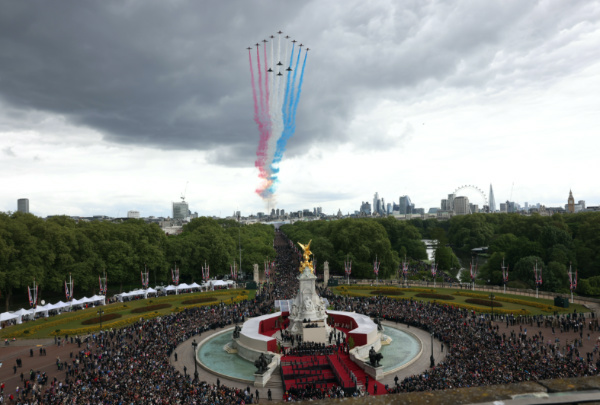
London commenced four days of national commemorations for the 80th anniversary of the end of World War II in Europe – known as Victory in Europe (VE) Day– on Monday.
A military processions of about 1000 members of the Royal Navy, British Army and Royal Air Force made its way from Parliament Gardens along Whitehall before turning through Admiralty Arch and down the Mall to Buckingham Palace. Some 23 aircraft were involved in a flypast.
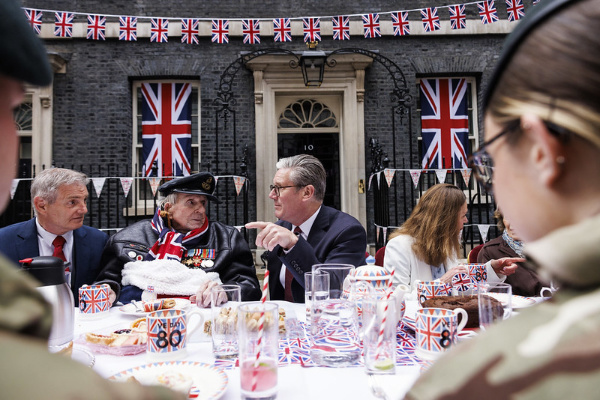
Tea parties were also held across the country to mark the event, including at Buckingham Palace and 10 Downing Street.
The restaurant was opened by Edward Palmer, the great-grandson of General William Palmer, who was secretary to Warren Hastings, the first Governor General of India and the Moghul Princess Faisan Nissa Begum.
It’s name is said to have come from his mother’s family and Palmer is said to have been greatly influenced by the princess in the creation of the menu.
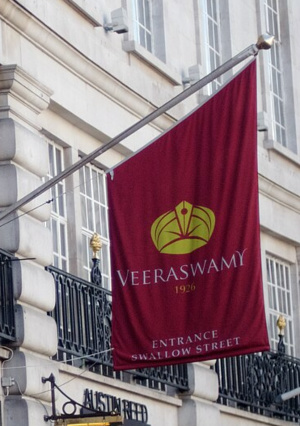
The restaurant – located in Victory House and entered from Swallow Street – was taken over by the MP William Steward in 1934. He sold it in 1967 and the restaurant later passed through several hands.
The current owners – Namita Panjabi & Ranjit Mathrani of MW Eat – bought it in 1996. They have since modernised the menu and interiors.
Over the years, the restaurant has attracted a star-studded clientele which included royalty including Edward, Prince of Wales (later King Edward VIII), King Abdullah of Jordan, and the Maharajah of Cooch-Behar as well as Winston Churchill, actor Marlon Brando and Princess Anne.
In 2016, the restaurant was awarded a Michelin star.
The restaurant, which is located on the Crown Estate, is currently collecting signatures for a petition asking King Charles III to intercede with the Crown Commissioners, asking them to renew its lease after the commissioner served a notice to vacate. The matter is currently before the courts.
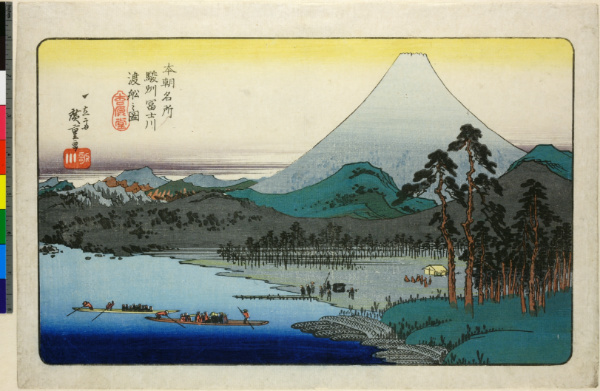
• An exhibition exploring the art and legacy of Japanese artist Hiroshige opens at the British Museum today.Hiroshige: artist of the open road takes visitors on a “lyrical journey” through Edo-period Japan, exploring both natural landscapes and urban life as well as considering Utagawa Hiroshige’s (1797– 1858) lasting influence on modern and contemporary art. The display marks the major gift of 35 Hiroshige prints to the American Friends of the British Museum from the collection of Alan Medaugh, a leading US collector of the artist’s work with these works being shown alongside 82 Hiroshige prints loaned by Medaugh and other works. Among them are the series Fifty-three Stations of the Tōkaidō Highway (1833–35), One Hundred Famous Views of Edo (1856–58) and Eight Views of Stations along the Main and Secondary Roads (about 1839) as well as examples of his famous bird-and-flower prints Runs in the Joseph Hotung Great Court Gallery (Room 35) until 7th September. Admission charge applies. For more, see britishmuseum.org/hiroshige.
• The 80th anniversary of World War II is being marked with a new display of ceramic poppies in the Tower of London. Almost 30,000 poppies, previously seen in Paul Cummins’ 2014 artwork, Blood Swept Lands and Seas of Red, are being used in the new installation designed by Tom Piper. Opens on 6th May in advance of the 80th anniversary of VE Day, marking the official end of the World War II in Europe, on 8th May. Included in admission with a small section visible from the public footpath. For more, see www.hrp.org.uk/tower-of-london/whats-on/tower-remembers-2025.
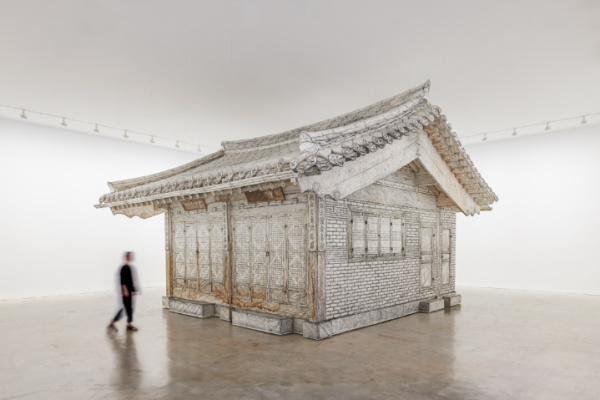
• The large-scale installations, sculptures, videos and drawings of artist Do Ho Suh are going on show at the Tate Modern from today. The Genesis Exhibition: Do Ho Suh: Walk the House, the title of which comes from a Korean expression referring to the hanok – a house that could theoretically be disassembled, transported and reassembled at a new site, includes works from across three decades. They include the new installation Nest/s (2024) and Perfect Home: London, Horsham, New York, Berlin, Providence, Seoul (2024), Who Am We? (2000_ – a mosaic of tens of thousands of tiny portrait photographs collected from sources including school yearbooks, and his major Rubbing/Loving Project: Seoul Home (2013-22) project. Runs at the Bankside institution until 19th October. Admission charge applies. For more, see tate.org.uk.
Send all items for inclusion to exploringlondon@gmail.com
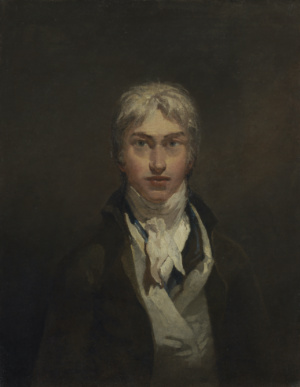
JMW Turner, ‘Self-Portrait’, c1799, PICTURE: Courtesy of Tate
• A new room dedicated to the watercolours and drawings of painter JMW Turner has opened at the Tate Britain to mark the 250th anniversary of his birth. The new room at the Millbank gallery, whichfeatures some of the more than 100 works by Turner on display in the gallery, includes the earliest Turner in Tate’s collection, made when he was only 12-years-old, as well as a dramatic image of a building on fire, long thought to be the Houses of Parliament but now revealed to in fact be the Tower of London. The display draws on the latest research developed in preparing a new catalogue of Turner’s 37,500 works on paper which, to be completed this year, will be freely accessible on Tate’s website from November and offers a news insight into the artist’s ideas and methods. Further events related to Turner are planned for later this year. The new room can be seen daily. Entry is free. For more on how the Tate is marking the Turner anniversary, see tate.org.uk/turner-250.
• The stories of enslaved people – whose labour fuelled 19th century postal ships between the UK and the Caribbean – are explored in an exhibition at the Postal Museum in Clerkenwell. Voices of Resistance: Slavery and Post in the Caribbean draws on letters between plantation owners and managers to provide glimpses into the lives of enslaved people who worked on the plantations and celebrates their courageous acts of resistance. The display also features a movie by filmmaker Emmanual Phillips which honours the Caribbean coal workers involved in refuelling postal ships on the island of St Thomas (and which was created in partnership with Dollar fo’ Dollar, St Thomas-based organisation that works to ensure the legacies of the coal workers live on to inspire people). Entry is included in the museum ticket. Runs until 5th January. For more, see www.postalmuseum.org.
• On Now: The Power of Trees. This exhibition at Kew Garden’s Shirley Sherwood Gallery of Botanical Art celebrates trees and their use as a source of artistic inspiration across cultures and time. The display features a variety of botanical works including 20 newly commissioned botanical artworks created by the artists of the Bedgebury Florilegium Society and Horizontal – Vaakasuora, a spectacular cinematic installation from Finnish artist Eija-Liisa Ahtila. Entry is free with Kew Gardens admission. Runs until 14th September. For more, see www.kew.org.
This series of three inter-connected docks in London’s east were once the largest enclosed docks in the world (they’re still the largest enclosed docks in the UK).
Subcribe for just £3 a month to access all of Exploring London’s content…
• The Lindt GOLD BUNNY hunt has returned to Hampton Court Palace this Easter. People visiting the palace can seek out the gold bunnies hidden around the gardens – currently also the location of the Tulip Festival – and those children who believe they have found them all will be rewarded with a chocolate treat. Included in general admission. Runs until 21st April. For more, see https://www.hrp.org.uk/hampton-court-palace/
• A free, family-friendly event celebrating England’s rich heritage through music, dance, and workshops will be held in Trafalgar Square on Monday to mark St George’s Day. The event, which runs from noon to 6pm, will be hosted by singer-songwriter Harleymoon Kemp and includes performances by The Nigel Grice Jazz Collective, the English Folk Dance and Song Society, singer-songwriter Matilda Garcia, South London-based dance company Bird and Gang, spoken word artist Palacio de Poetas, West End Kids, and harmony group Vocal Shack. St George and the famous Dragon will also be roaming the square and the event also features traditional Morris dancing from the Belles of London City, the chance to meet the Pearly Kings and Queens and a closing ceilidh led by Cut A Shine, a troupe of traditional musicians and dancers. There will also be a variety of food and beverage stalls. For more, see www.london.gov.uk/events/st-georges-day-2025
• The British Library’s ‘Food Season’ – featuring a programme of live talks, panel discussions, workshops, and exclusive tastings – kicks off today. Now in its seventh year, events include a conversation with cookery icon Dame Prue Leith who will be talking about her life in food with journalist Jimi Famurewa, an expert panel discussion on the impact of weight-loss injections on our society, a contribution from cult food magazine Vittles looking at the point of a cookbook?, and a conversation between chef Nadiya Hussain and celebrated author Candice Brathwaite. There’s also an event celebrating the late Californian feminist food writer, MFK Fisher, with her daughter, Kennedy Golden, Alastair Harper from band Extradition Order (who will be performing as part of the event) and authors Rebecca May Johnson and Gurdeep Loyal. The final weekend (31st May to 1st June) will feature the ‘BIG WEEKEND’, a two day celebration of food through words, sounds, cultures, ideas and tastings. For tickets and the full programme of events, head to https://events.bl.uk/whats-on/food-season.








 Exploring London


