It’s 480 years this month since Catherine Howard, fifth wife of Henry VIII of England, was executed for treason inside the Tower of London.

Catherine, who it has been suggested may have been just 17-years-old when she died, was beheaded on the morning of 13th February, 1542, less than two years after her hastily arranged marriage to the King, just three weeks after his prior marriage to Anne of Cleves was annulled.
Catherine, also spelt as Katherine, was condemned to death after a young noble named Francis Dereham admitted, under torture, to having a sexual relationship with her prior to her marrying the king, and, more importantly, Thomas Culpeper, a Gentleman of the King’s Privy Chamber, who admitted to having an affair with her after her marriage.
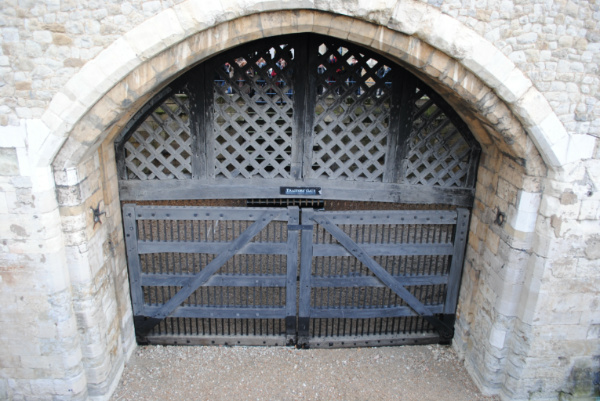
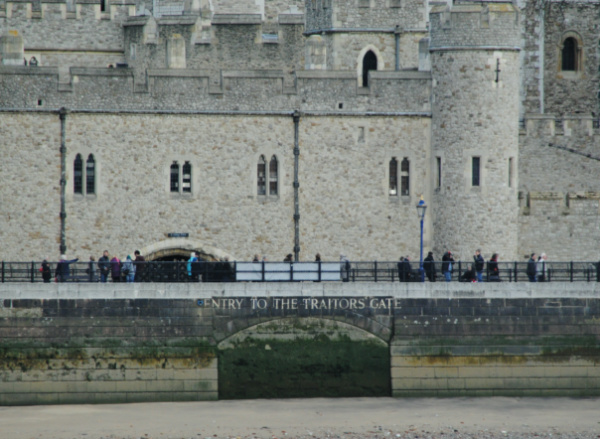
Both men were executed at Tyburn following their admissions and their heads were displayed on London Bridge. Catherine sailed under it aboard a barge as she was taken to the Tower on 10th February, 1542.
She is said to have spent the night before her execution practising placing her head on the block – which was brought to her at her request.
Catherine was beheaded with the single stroke of a headsman’s axe on Tower Green – King Henry did not attend but some of her cousins, including the Earl of Surrey, were among the witnesses.
She was said to have been composed, although she needed help mounting the scaffold. It’s often said that her last words were “I die a Queen, but I would rather have died the wife of Culpeper” but there’s no eyewitness report which suggests this and instead she is believed to have stuck to a more traditional script, saying her punishment was just for her crimes and asking forgiveness.
Her maid – Jane Boleyn, Lady Rochford – followed her to the block for her role in facilitating the affair while Henry was away from court. Catherine had apparently spent the night before practising how to lay her head upon the block.
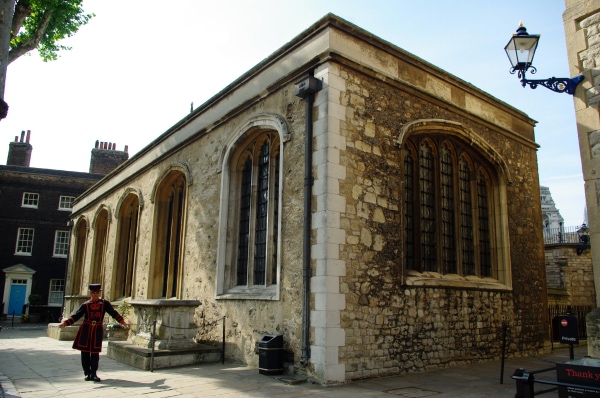
Catherine was buried in an unmarked grave at in the Chapel of St Peter ad Vincula next to Tower Green – there’s a memorial to her in the church. The Queen’s ghost is famously said to be present in what’s known as the ‘Haunted Gallery’ at Hampton Court Palace – it is here that, when she was arrested, she apparently broke free from her guards and ran to the doors of the Chapel Royal where she believed the king was at prayer. Needless to say, her cries for mercy went unanswered.









 Exploring London

