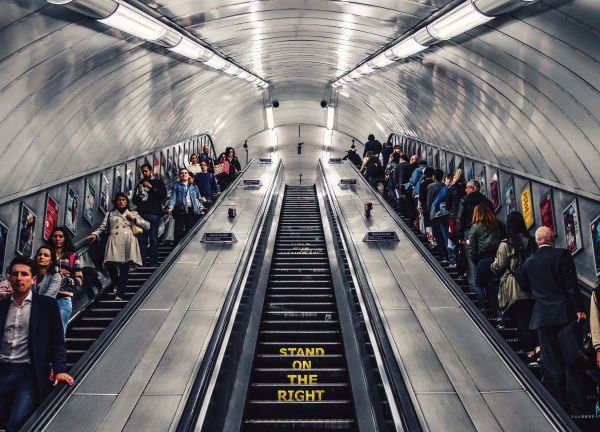
Inside the London Underground. PICTURE: Tom Parsons/Unsplash.
Inside the London Underground. PICTURE: Tom Parsons/Unsplash.

Millennium Bridge crossing the Thames between the City of London and South Bank. PICTURE: Toa Heftiba/Unsplash (image cropped).
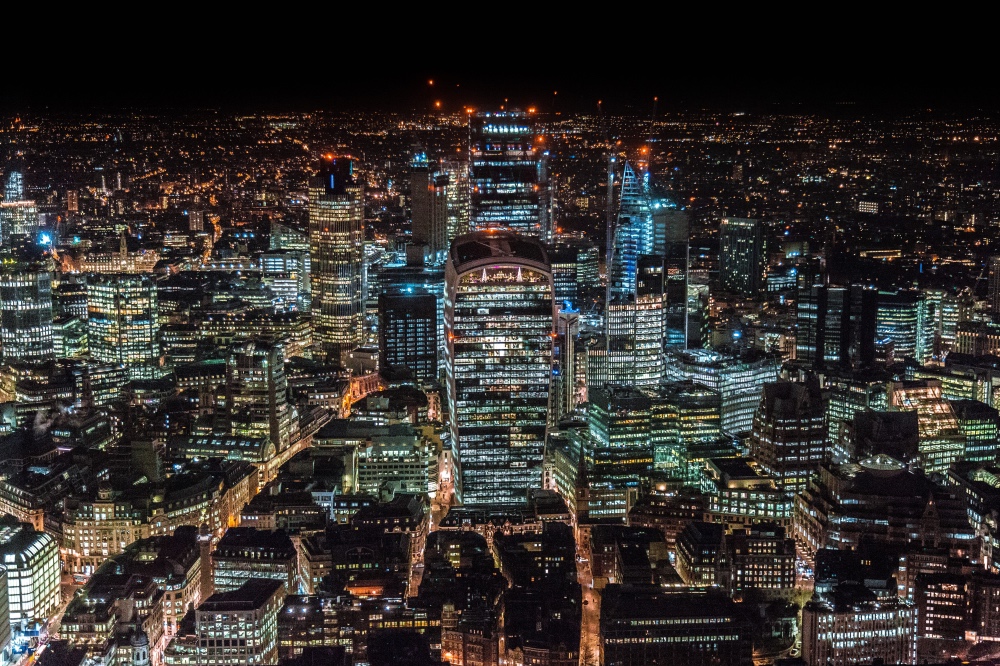
London illuminated. PICTURE: Christopher Burns/Unsplash
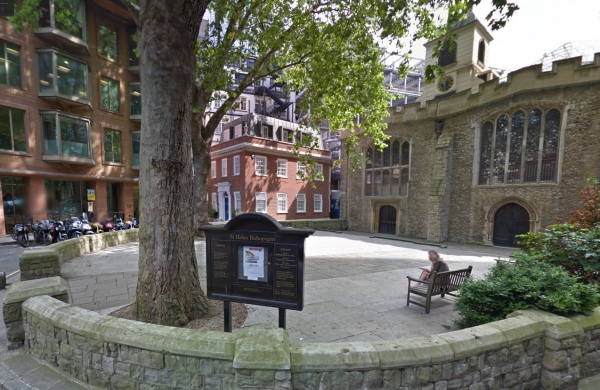
A theatre historian believes he has discovered where William Shakespeare lived while he was writing some of his most famous works including Romeo and Juliet and A Midsummer Night’s Dream. While it has long been known the playwright lived close to the site of Liverpool Street station in the late 1590s, Geoffrey Marsh says an examination of official records has pinpointed the location as being on the site of what is now an office block at 35 Great St Helen’s, only a stone’s throw from The Gherkin. The BBC reports that Marsh, who is also the director of the V&A’s department of theatre and performance, found Shakespeare was a tenant of the Company of Leatherworkers and most likely lived among dwellings overlooking the churchyard of St Helen’s Bishopsgate, pictured above. PICTURE: Via Google maps
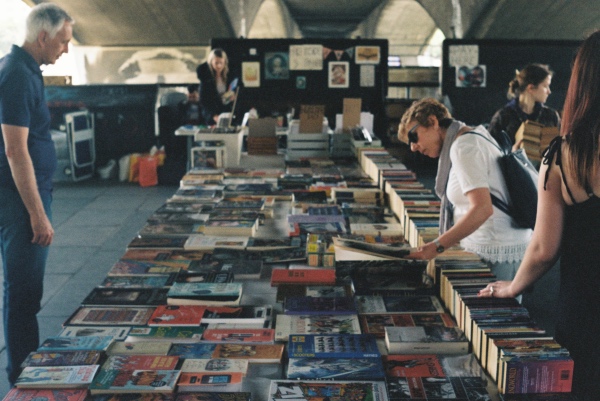
Book fair on South Bank. PICTURE: Charlie Read/Unsplash
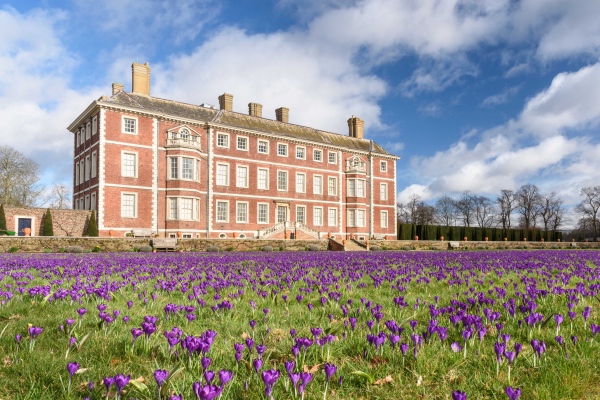
Part of the garden at the historic Thames-side mansion Ham House has been redesigned with the aim of bringing some new life to the manicured lawns. Rosie Fyles, head gardener at the 17th century property in Richmond – now in the care of the National Trust, has overseen the planting of a series of “plats” – each the size of a tennis court – with some 500,000 bulbs and wildflowers to create a “pageant of colour” from early spring and throughout summer. The plats have also been created with wildlife and diversity in mind, using naturalising bulbs to attract bees, butterflies and other pollinating insects. Fyles hopes the project will prove inspirational for home gardeners. “You can easily use pots, planters or a small area of border to create a pollinator-friendly bulb display over a few early spring months; in fact you can curate your own sequence of flowering from February to May at least,” she said. “We have used Crocus ‘Ruby Giant’, four types of species tulips (including bright red Tulipa linifolia) and Muscari latifolium to create a bright, deep blue carpet of colour.” For more, head to www.nationaltrust.org.uk/ham-house-and-garden. ALL PICTURES: National Trust/Chris Davies.


Scenes from the ‘Put It To The People March’ attracted thousands to central London on Saturday. More than a million people hit the streets calling for a second Brexit vote. Here’s some images from the mass gathering. PICTURES: Top and first below – John Briody (licensed under CC BY 2.0); second, third and fourth below (Garry Knight (public domain).



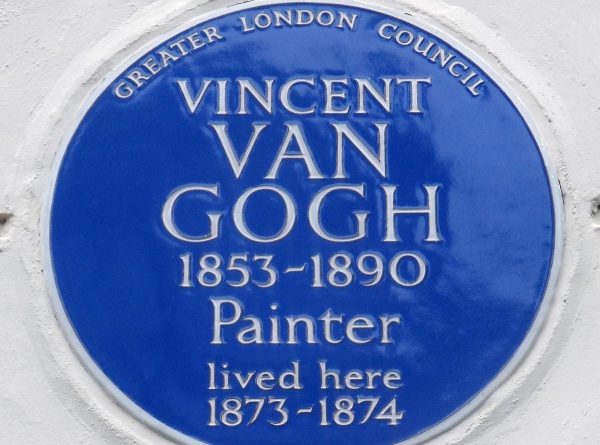
A cache of papers and items found in Vincent Van Gogh’s former south London home – and dating from 1873-74, the period he lodged there – have shed new light on his time in the city. The papers, which include insurance documents, a small pamphlet of prayers and hymns, and scraps of paper painted with watercolour flowers (probably not the work of Van Gogh), were found under the floorboards and between the attic timbers of the house at 87 Hackford Road in Stockwell. They were discovered during a renovation of the early Victorian terraced house in which Van Gogh lived in while working as an assistant for an art dealer in Covent Garden. During the period he stayed at the house, it has been suggested that the Dutch artist fell in love with Eugénie Loyer, the 19-year-old daughter of his landlord (although his love was apparently not reciprocated). He also apparently became devoutly Christian during his time there (perhaps explaining the prayer pamphlet). The home’s current owners Jian Wang, a former professional violinist who originally hails from China, and his wife Alice Childs have reportedly been renovating the property in order to use it as a base for visiting Chinese artists in collaboration with the nearby San Mei Gallery. For more on the house, see www.vangoghhouse.co.uk. A near life-size photograph of the facade of the Hackford Road house forms part of Tate Britain’s upcoming display The EY Exhibition: Van Gogh in Britain which opens later this month (more on that shortly). PICTURE: An English Heritage Blue Plaque adorning the house (Spudgun67 – licensed under CC BY 2.0).
Queen Elizabeth II posted her first Instagram photo while visiting the Science Museum in South Kensington last Thursday in a promotion for its exhibition on computers. Under the account @theroyalfamily, the Queen posted two images of a letter at the museum which comes from the Royal Archives. It was written to Prince Albert and Queen Victoria by Charles Babbage and in it, the 19th century inventor and mathematician spoke of his invention of an “Analytical Machine” upon which the first computer programs were written by Ada Lovelace, daughter of Lord Byron. Having explained the origins of the letter, the Queen added: “Today, I had the pleasure of learning about children’s computer coding initiatives and it seems fitting to me that I publish this Instagram post, at the Science Museum which has long championed technology, innovation and inspired the next generation of inventors. Elizabeth R.” The Royal Family’s Instagram account has some 4.9 million followers. For more on the Science Museum, see www.sciencemuseum.org.uk.
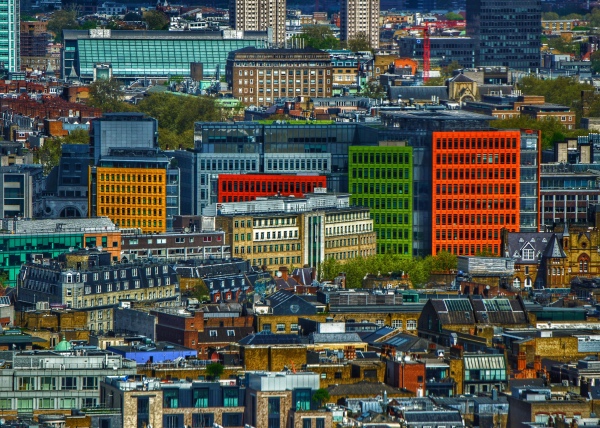
Looking across central London with the colourful facades of the Renzo Piano-designed Central Saint Giles mixed-use development – located east Charing Cross Road and south of New Oxford Street in the found in the district of St Giles, prominent. The £450 million project was completed in mid-2010. PICTURE: John Jackson/Unsplash.
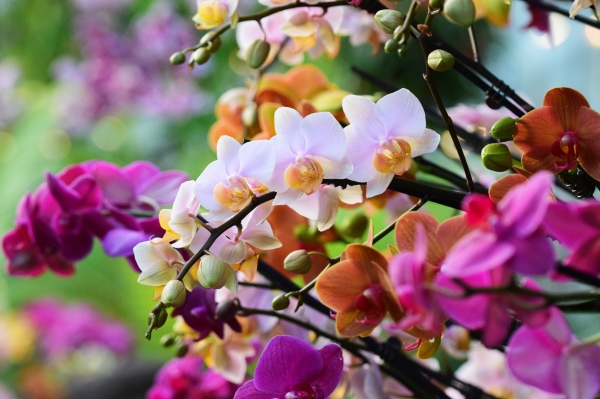
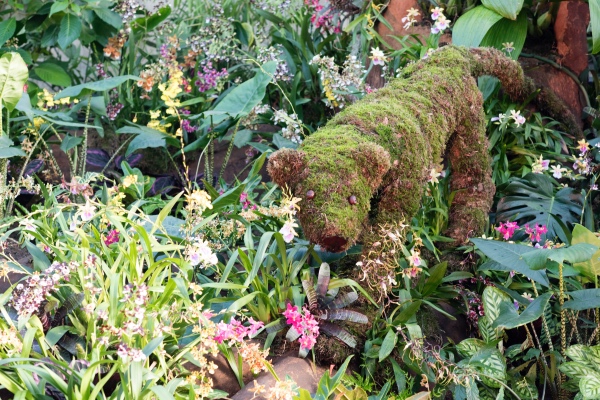
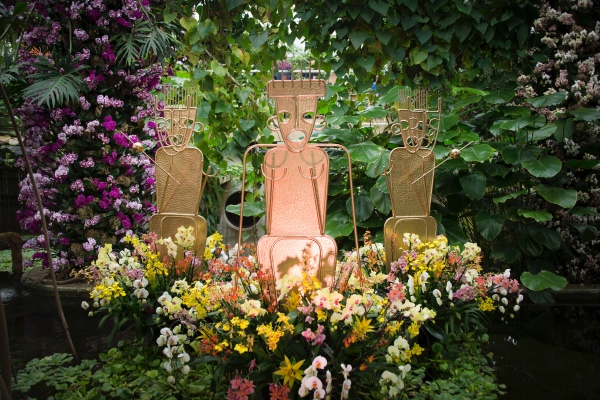
The 24th annual Kew Orchid Festival is underway in west London with displays inspired by the flora and fauna of Colombia. For more, see www.kew.org. PICTURES: Above – Orchid stems (Ines Stuart Davidson); Below – A jaguar prowls among the orchids (photo by Jeff Eden); The Legend of El Dorado in a yellow orchid display (Jeff Eden); A sloth in a “carnival of animals” (Jeff Eden); and, Vanda orchids in a display representing the rainbow river, Cano Cristales (Jeff Eden). All pictures courtesy of Kew Gardens.


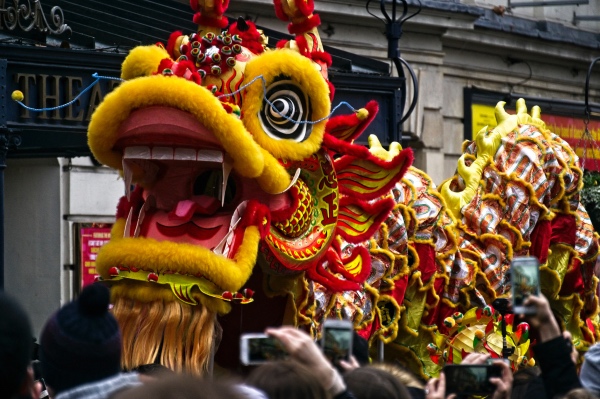
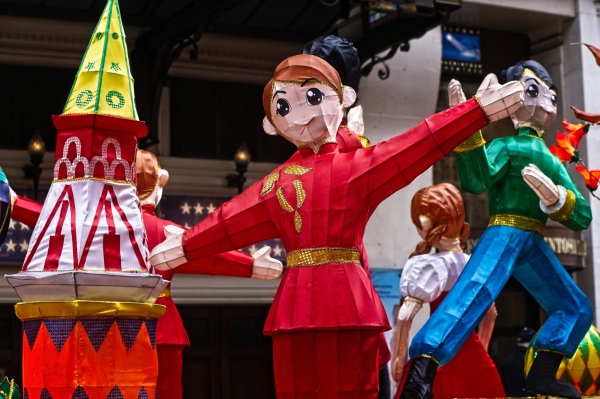
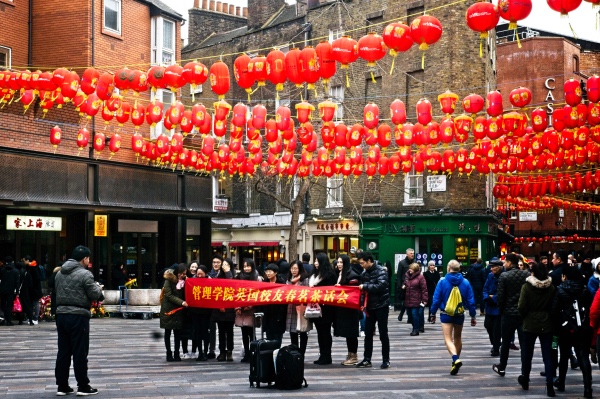
Chinese or Lunar New Year celebrations in London – the largest outside Asia – were held at various West End sites including Chinatown, on Sunday to welcome in the Year of the Pig.
PICTURES: Garry Knight (licensed under CC BY 2.0)
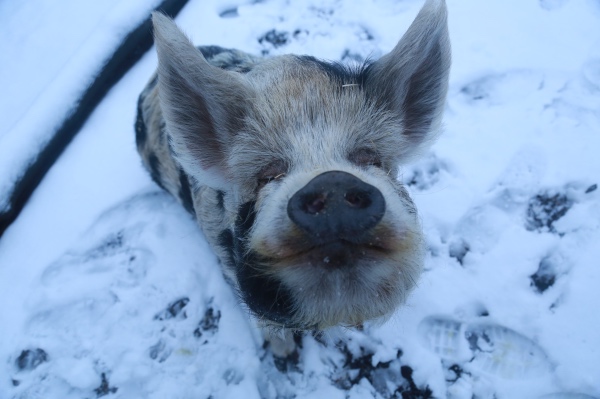
ZSL London Zoo recently experienced its first “snow day” for 2019. Pictured are Kiri the Kune Kune pig (above) and (below), Humboldt penguins and Asian short-clawed otters. Fun, apparently, was had by all! For more, see www.zsl.org. ALL PICTURES: © ZSL London Zoo.


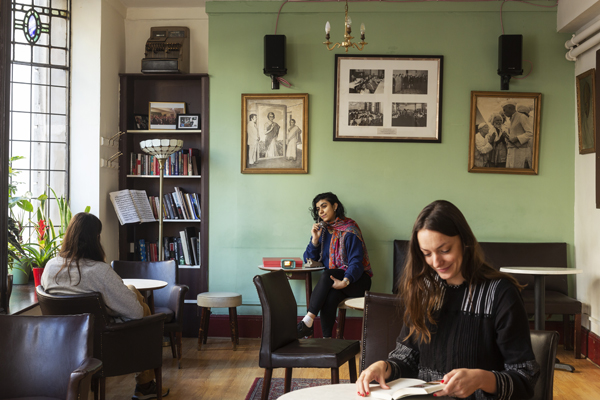
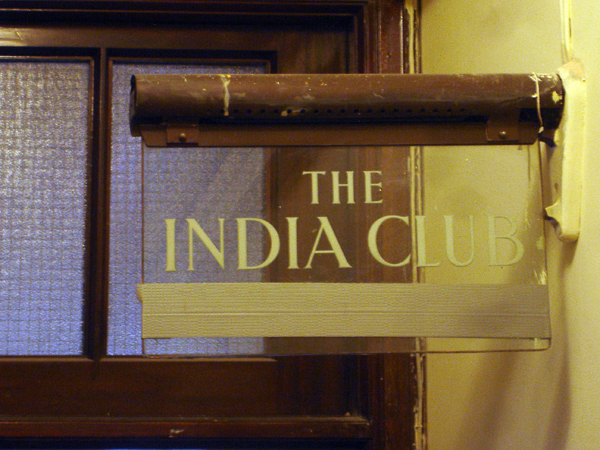
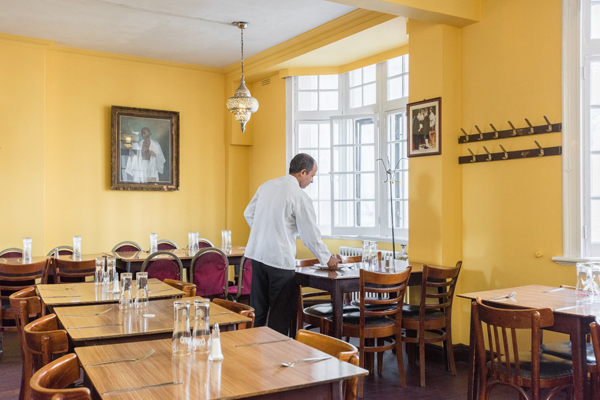
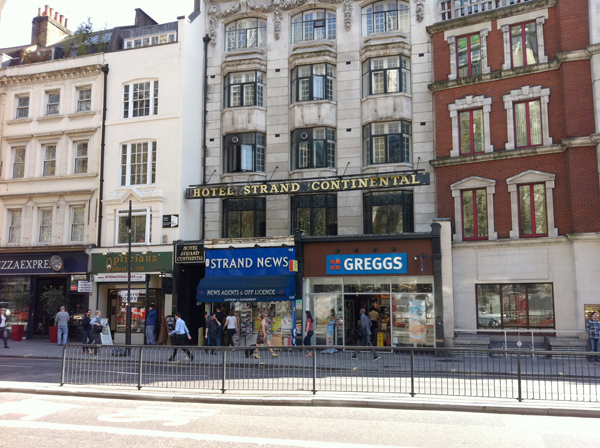
The rich and tapestried history of The India Club forms the heart of a new exhibition by the National Trust which opens at the Strand-based club this week. A Home Away from Home: The India Club is an audio-based exhibition – featuring interviews with everyone from former staff, freedom fighters, BBC reporters, artists and writers – and highlights the club’s history and its ongoing significance among the British South-Asian community. Borne out of the Indian League which had campaigned for India’s independence, the club was founded in 1951 under the leadership of Krishna Menon, the first High Commissioner to India, with founding members including Jawaharlal Nehru, India’s first Prime Minister, and Lady Mountbatten. Originally located at 41 Craven Street, it moved to 143 Strand, the premises of the Hotel Strand Continental, in 1964. The club, site of what was one of the UK’s first Indian restaurants, remains an important hub for a range of Anglo-Indian organisations and the community of journalists, writers, artists, academics and students who regularly meet in the premises. The exhibition comes as more than 26,000 people have signed a petition to prevent the club’s redevelopment as part of plans to refurbish the building in which its located. Opening tomorrow and running until 1st March, the display is being accompanied by a programme of supper clubs, artist talks, screenings and conversations. The exhibition is free but ticketed. For more, see
www.nationaltrust.org.uk/features/a-home-away-from-home-the-india-club.
PICTURES: Top – Enjoying the new exhibition in The India Club (courtesy of National Trust); Below – The India Club sign (courtesy of Jake Tilson); the restaurant in The India Club (courtesy of The India Club); the Strand Continental Hotel in which the club is located (courtesy of Jake Tilson).
 PICTURE: Roman Fox/Unsplash.
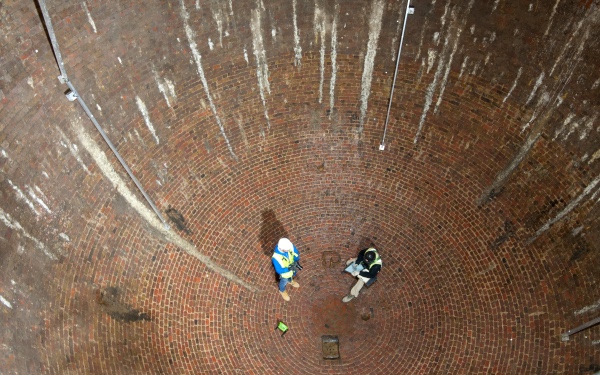
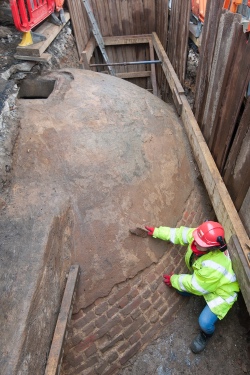 An 18th century ice house has been (re)discovered beneath the streets of Marylebone during a residential development project known as Regent’s Crescent. The subterranean red brick ice house – which measures 7.5 metres wide and 9.5 metres deep and was built in the 1780s – was used by pioneering ice-merchant William Leftwich during the 1820s to bring high quality ice to wealthy households and service the trend to serve frozen treats to guests as well as supply increasing demand from food retailers and medical institutions. Leftwich, seeing a niche for clean, quality ice (ice sourced from local canals and lakes during winter was often dirty), shipped ice collected in Norway’s frozen lakes and then transported it into London via Regent’s Canal. Now listed as a scheduled monument by Historic England, the egg-shaped ice house was rediscovered by MOLA archaeologists who were working on the site on behalf of property developer Great Marlborough Estates. It will now be incorporated into the gardens of Regent’s Crescent which have been newly designed by Kim Wilkie as part of the £500 million development project. The Grade I-listed crescent was originally designed by John Nash (of Buckingham Palace and Brighton Pavilion fame) and built in 1819. The houses were destroyed during the Blitz and replica properties were built in the 1960s. But the ice house, an entrance tunnel and ante-chamber all survived the bombing and remain in what MOLA has called “excellent condition”. It is anticipated that the ice house chamber will be open to public viewing via a special corridor during archaeological and architectural festivals.
PICTURES: Top – Buildings archaeologists from MOLA record the interior of the ice house/A MOLA archaeologist brushes the near perfect exterior of the ice house exposed during excavation in 2015 (Images© MOLA).

Looking across the Thames toward South Bank and the Tate Modern. PICTURE: JJ Jordan/Unsplash
The next two posts on our annual countdown…
4. LondonLife – Still waters at Hampstead Heath…
3. Lost London – Jacob’s Island…
The next two on our countdown of most popular (new) posts for 2018…
 Trafalgar Square bedecked for Christmas with its famous Norwegian tree. PICTURE: Ben Pipe Photography via London Partners.
 Exploring London