Lost London – Church of St Stephen Coleman Street…

Among the buildings destroyed in the Blitz, St Stephen Coleman Street was one of the more than 50 City of London churches designed by the office of Sir Christopher Wren in the wake of the Great Fire of London of 1666.

The church was located on the corner of Coleman and Gresham Streets and replaced an earlier medieval building, the origins of which date back to at least the 13th century (the earliest mention occurs during the reign of King John) and which had also been known as St Stephen in the Jewry due to the number of Jewish people living in the vicinity.
St Stephen’s had apparently become a Puritan stronghold by the early 17th century when the vicars included John Davenport, who later went on to found a colony in Connecticut.

Five members of Parliament whom King Charles I attempted to arrest on 4th January, 1642, hid here as his troops searched for them. During the Commonwealth, the church instituted rules under which only those who were approved by a committee including the vicar and 13 parishioners – two of whom had apparently signed King Charles I’s death warrant, could receive Communion.

Following its destruction in the Great Fire of 1666, the church was rebuilt its former foundations – the new building incorporating some of the ruins of the former and featuring a bell lantern with a gilded weathervane on top – and was largely completed by 1677. In the early 1690s, additional funds gained through a coal tax provided for the construction of a burial vault and a gallery.

Notable vicars after the rebuild included Rev Josiah Pratt (1768-1844) who served for 21 years as secretary of the Church Missionary Society.

While the church suffered some minor damage during an air-raid in World War I, it was repaired. But it was finally destroyed during an air raid on 29th December, 1940, after which the church was not rebuilt but its parish joined with that of St Margaret Lothbury.

A City of London Corporation plaque at the intersection of Coleman Street and Kings Arms Yard marks the site of the former church.

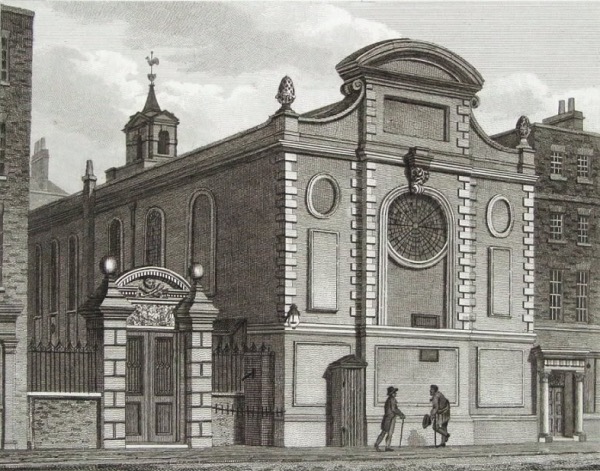
PICTURE: An etching of St Stephen’s Coleman Street published in 1819.
This Week in London – VJ Day remembered; Steve McQueen; and, Windsor gardens…

• The National Army Museum in Chelsea is joining with the Royal Air Force Museum, the National Museum of the Royal Navy and the Commonwealth War Graves Commission to mark the 75th anniversary of VJ (Victory over Japan) Day, this Saturday, 15th August, with a series of free events including online talks. Among those taking part are World War II veteran Captain Sir Tom Moore, recently knighted by the Queen for his efforts in helping raise funds for the NHS during the coronavirus pandemic, author and explorer Levison Wood (who explores the story of his grandfather’s service in Burma), and Professor Tarak Barkawi, author of Soldiers of Empire: Indian and British Armies in World War II, as well as General Lord Richards, Grand President of the Royal Commonwealth Ex-Services League who’s involved in a conversation about the contribution of Commonwealth soldiers during the Far East campaign. For the full programme of events, head to www.nam.ac.uk/series/vj-day-75.

Steve McQueen is back at Tate Modern. The exhibition, which reopened last Friday following the reopening of all Tate galleries, spans 20 years of McQueen’s work and features 14 major pieces spanning film, photography and sculpture. The exhibition adds to the three visitor routes already in place at the Tate Modern and coincides with McQueen’s latest artwork Year 3, an epic portrait of London’s Year 3 pupils created through a partnership between Tate, Artangel and A New Direction which can be seen at Tate Britain until 31st January. Visitors must prebook. For more, head to tate.org.uk/visit.

Beyond London (a new regular feature in which we include sites around Greater London)
• The East Terrace Garden at Windsor Castle – commissioned by King George IV in the 1820s – has opened to weekend visitors for the first time in decades. Overlooked by the castle’s famous east facade, the formal garden features clipped domes of yew and beds of 3,500 rose bushes planted in a geometric pattern around a central fountain. It was originally designed by architect Sir Jeffry Wyatville between 1824 and 1826 on the site of an old bowling green made for Charles II in the 1670s. Plants, including 34 orange trees sent by the French King Charles X, were specially imported for the garden and statues were brought from the Privy Gardens at Hampton Court, including a set of four bronze figures by Hubert Le Sueur which  were made for Charles I in the 1630s and which remain in the garden today. Prince Albert is known to have taken a particular interest in the garden and the Queen, then Princess Elizabeth, and her sister Princess Margaret grew vegetables there during World War II. As well as the opening of the East Terrace Garden on weekends, visitors with young children on Thursdays and Fridays in August are being given special access to the Castle’s Moat Garden beneath the iconic Round Tower, thought to have dated from the period of King Edward III and believed to be the setting for Geoffrey Chaucer’s The Knight’s Tale, the first story in Canterbury Tales. Pre-bookings essential. For more, see www.rct.uk.

Send all items for inclusion to exploringlondon@gmail.com.

10 disease-related memorials in London…7. The Great Plague of 1665…

It is estimated to have killed as many as 100,000 Londoners yet, presumably at least partly due to there fact it was overshadowed by the Great Fire of the following year, there are no grand memorials to the victims of the Great Plague of 1665 in London.

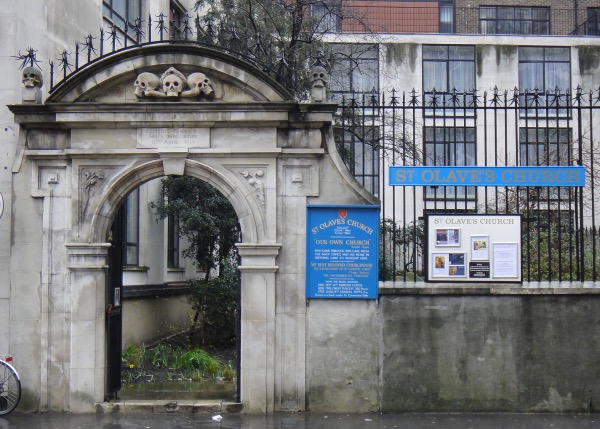
It does, however, get a brief mention on the board outside the church of St Olave Hart Street on the corner of Hart Street and Seething Lane. Recording a few facts about the church’s history from the burial register, it lists “1665 (The Great Plague) 365 names”. (It also lists Mother Goose as buried here in 1586 – but that’s for another time).

Victims of the plague were buried at numerous sites around London – including in the churchyard of St Giles-in-the-Fields and, as recently uncovered during construction of the Crossrail project, in the Bedlam burial ground (there’s a great interactive map of London’s reputed plague pit locations on Historic UK).

Yet, despite this, there remains a dearth of public memorials commemorating those who died.

PICTURE: The Seething Lane entrance of St Olave Hart Street with the blue board  and its mention of the Great Plague of 1665 (Dirk Ingo Franke (licensed under CC BY-SA 3.0))

This Week in London – Princess Beatrice’s bouquet; Technicolour Dickens; and, the Royal Parks’ ‘Summer of Kindness’…

Princess Beatrice, who married Edoardo Mapelli Mozzi in a private ceremony in The Royal Chapel of All Saints at Windsor’s Royal Lodge last week, has sent the bouquet she carried during the wedding to rest on the Grave of the Unknown Warrior in Westminster Abbey. The tradition of royal brides sending their bouquets to rest on the grave was started by Queen Elizabeth, the Queen Mother, when she lay her bridal bouquet on the grave in memory of her brother Fergus who was killed in 1915 at the Battle of Loos during World War I. Brides including Queen Elizabeth II, the Duchess of Cambridge and Princess Beatrice’s sister, Princess Eugenie, have since continued the tradition. The grave commemorates the fallen of World War I and all those who have since died in international conflicts.

The Charles Dickens Museum in Bloomsbury reopens on Saturday, 25th July, with a new exhibition marking the 150th anniversary of the author’s death. Technicolour Dickens: The Living Image of Charles Dickens explores the power of the writer’s image and features paintings by the likes of William Powell Frith, Victorian-era photographs, ink drawings by “Automatons”, and letters from Dickens in which he explains what he really thought of sitting for portraits. The museum has also commissioned artist and photographer Oliver Clyde to create eight colourised portraits based on images taken from its collection. For more see www.dickensmuseum.com. Other reopenings this coming week include the Horniman Museum (Thursday, 30th July).

The Royal Parks are launching a ‘Summer of Kindness’ campaign to keep the parks clean after unprecedented levels of rubbish were left in the parks during the coronavirus lockdown. The Royal Parks, which played a key role in the physical and mental wellbeing of many people during the lockdown, report that some 258.4 tonnes of rubbish – the equivalent in weight of 20 new London buses or 74 elephants – were collected from London’s eight Royal Parks in June alone with staff having to spend more than 11,000 hours to clear up. And, with groups now able to gather, the littering has continued, prompting The Royal Parks to call for visitors to care for the parks by binning litter or taking it home. So, please, #BeKindToYourParks.

Send all items for inclusion to exploringlondon@gmail.com.

Exploring London’s 100 most popular posts of all time! – Numbers 70 and 69…

The next two entries in our countdown…

70. 10 of the most memorable (and historic) views of London – 8. View from Point Hill, Greenwich…

69. The Royal Wedding – London’s Royal Wedding venues

Lost London – St Swithin London Stone…

Once located on the north side of Cannon Street, St Swithin London Stone was first recorded in the 13th century, rebuilt after the Great Fire of London and finally demolished after being damaged in World War II.

The church’s curious name comes its dedication to St Swithin, a ninth century bishop of Winchester, and the London Stone, a stone of curious origins which was originally located across the road and then moved across to eventually be placed inside an alcove in the south wall of the church in the 1820s (you can read more about it here).

The medieval church was rebuilt in 1405 thanks to the largesse of Sir John Hind, twice Lord Mayor of London, and had one of the first towers built specifically for the hanging of bells.

The church was famously also the final resting place of Catrin Glyndwr, daughter of Welsh leader Owain Glyndwr, who was taken hostage in 1409 and imprisoned in the Tower of London before dying in mysterious circumstances four years later. Other notable connections include one with John Dryden who married Lady Elizabeth Howard in the church in 1663.

The church was destroyed in the Great Fire of London. Now united with St Mary Bothaw, the church was rebuilt apparently using some of the original stones, to the designs of Sir Christopher Wren. Rectangular in shape, it featured a tower in the north-west corner and an octagonal dome.

The church, which also had an association with the Worshipful Company of Salters, was heavily damaged by bombing during the Blitz. United with St Stephen Walbrook in 1954, the ruined church was eventually demolished in 1962 (the pulpit is now at All Hallows by the Tower). There’s now a garden on the site which features a memorial to Catrin Glyndwr.

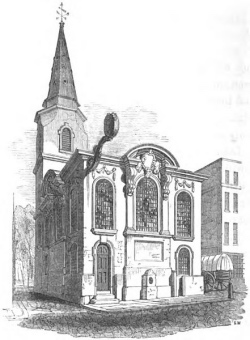
PICTURE: The Church of St Swithin, London Stone, as depicted in the 1839 book ‘The Churches of London’ by George Godwin. (public domain)

LondonLife – Remembering those lost…

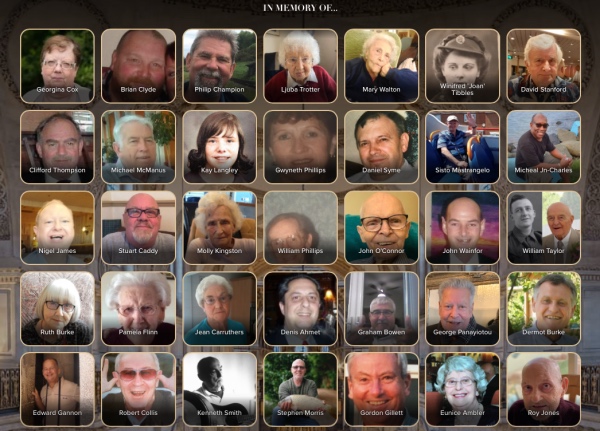
St Paul’s Cathedral has opened an online book of remembrance for people living in the UK who have died as a result of COVID-19. The Remember Me website is open to family, friends and carers of those who have died to submit, free-of-charge, the name, photograph and a short message in honour of the deceased. The book, which will remain open for as long as is required, will eventually be accompanied by a physical memorial which is planned for the cathedral’s north transept. The Very Revd David Ison, Dean of St Paul’s, said that for centuries, St Paul’s has been a place to remember the “personal and national impact of great tragedies”. “Remember Me is an opportunity to mourn every person we have lost to the effects of this terrible disease, an encouragement to offer compassion and support to those left behind, and an ongoing recognition of the impact of the pandemic on the UK.”  The launch of the website last week – which has the support of Prince Charles – was accompanied by the release of a specially recorded piece of music featuring the choristers of St Paul’s, the Remember Me Anthem – Lift Thine Eyes (see below). PICTURE: Screenshot of the memorial website.

This Week in London – Mushrooms online; call for homemade signs; and, write a lockdown letter to the National Trust…

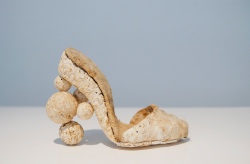
Somerset House is releasing a new virtual tour of its exhibition Mushrooms: The Art, Design and Future of Fungi so people can explore the world of the mushroom and its role in the world’s survival from home. The exhibition, which will go live online on Monday to mark International Museum Day, features highlights including Beatrix Potter’s watercolours of mushrooms, conceptual artist Carsten Höller’s spinning, solar-powered mushrooms, a psychedelic film by Adham Faramawy, Seana Gavin’s hand-cut collages of mushroom-human hybrids and, shoes and shades made from mycelium, the fungal mass which lies beneath the earth under mushrooms. The exhibition will be released online on 18th May at www.somersethouse.org.uk. PICTURED: Kristen Peters, Mycoshoen, courtesy of the artist.

The V&A are seeking homemade signs created during the coronavirus lockdown – everything from children’s rainbow signs to handwritten notes placed in public spaces – to add to its permanent collection. Noting the commonplace nature of such signs during the emergency, the V&A have said that “[w]hether they state temporary closure of a business, express messages of hope or critique, or raise awareness for a good cause, these signs have become a prominent way for us to communicate with the outside world during lockdown”. Through collecting the signs, the museum is aiming to “create and preserve a rich portrait of life under lockdown expressed through visual imagery.” Selected signs will be chosen to join the museum’s collections. Signs can be submitted to homemadesigns@vam.ac.uk while people are also encouraged to share signs they’ve come across on social media using #homemadesigns.

The National Trust is asking people to write letters to its Director General Hilary McGrady, about their lockdown experiences in order to add a selection of them to its collection of historic letters. People are asked to write about what they have most missed since lockdown began and about what solace they may have drawn from nature, art, creativity and any forms of social contact. The National Trust is asking writers to scan or photograph their letter and email it to lettersfromlockdown@nationaltrust.org.uk or share it via the National Trust’s social media channels using @nationaltrust to ease pressure on the postal service. The Trust says it will request postal hard copies from selected authors at a later date.

Send all items for inclusion to exploringlondon@gmail.com

Special – On the VE Day’s 75th, remembering the ‘Docklands at War’…

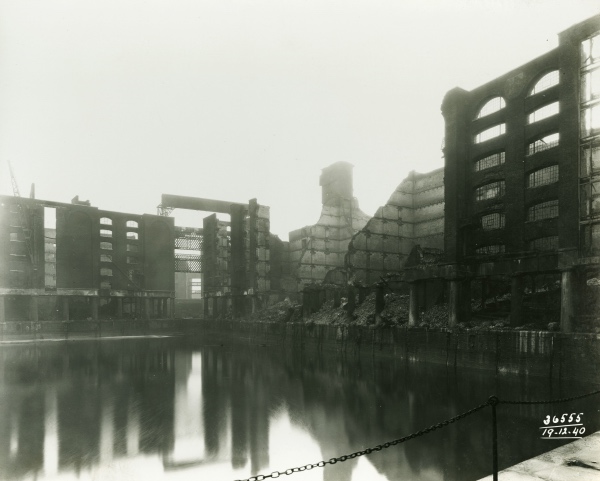
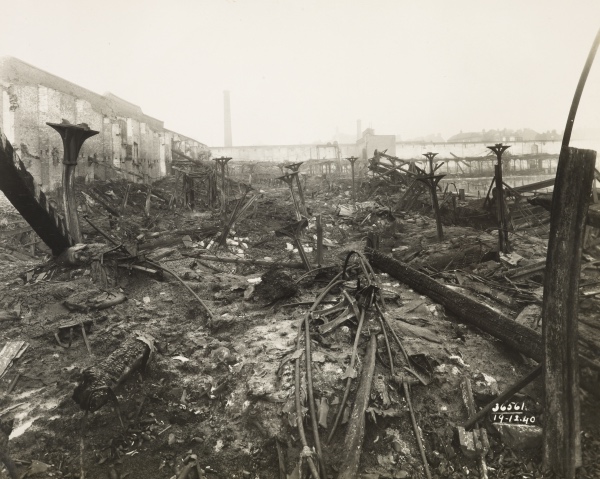
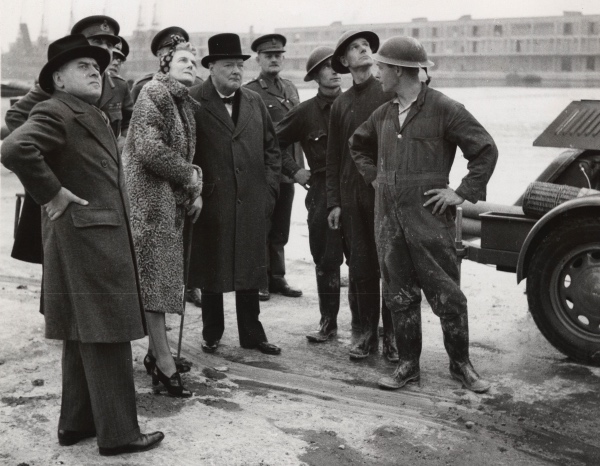
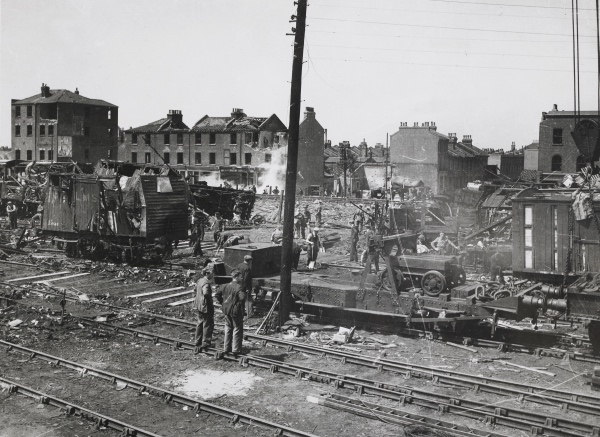
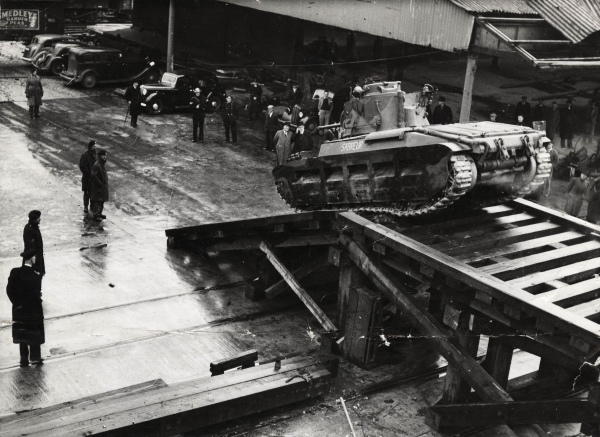
The Museum of London Docklands has released a number of images from its ‘Docklands at War’ collection – including some rarely on display – to mark the 75th anniversary of Victory in Europe. These images of the East End show the scale of the damage and destruction caused to London’s docks during World War II when more than 25,000 German bombs were dropped on it in an attempt to impact the national economy and war production, making tens of thousands of home uninhabitable, damaging businesses and destroying docks with the West India Docks and St Katherine Docks suffering the most damage. The pictures also reveal the remarkable contribution to the war effort by the people who lived and worked in the densely populated area. For more on how the museum is marking the day online, head to www.museumoflondon.org.uk/museum-london-docklands/ve-day.

St Katharine Dock after an air raid on 7th September, 1940, the first attack on Docklands.  PICTURE: John H Avery & Co (© PLA Collection / Museum of London)

Bomb damage to a shed, formerly Guiness’s on west side of eastern dock, looking north from the southend taken on 19th December, 1940, following an air raid on 8th December that year. PICTURE: John H Avery & Co (© PLA Collection / Museum of London)


Prime Minister Winston Churchill and Clementine Churchill, with the Flag Officer, London, and J Douglas Ritchie (on left), touring London’s dock in September, 1940, seen with a group of auxiliary firemen. PICTURE: © PLA Collection / Museum of London

Damage caused by a V1 rocket which hit Royal Victoria Dock in 1944. PICTURE: © PLA Collection / Museum of London

The Docklands ablaze during the Blitz on 7th September, 1940. The rising palls of smoke mark out the London Docks beyond the Tower of London, the Surrey Docks to the right of the bridge and the West India Docks on the Isle of Dogs in the distance. PICTURE: © PLA Collection / Museum of London


Tanks arriving in the London Docks prior to embarkation for the D Day beaches in 1944. PICTURE: © PLA Collection / Museum of London

This Week in London – Take a virtual tour of The Crystal Palace (as it was); the ‘Virtual VE Day 75 Festival’; and, capturing life in lockdown…

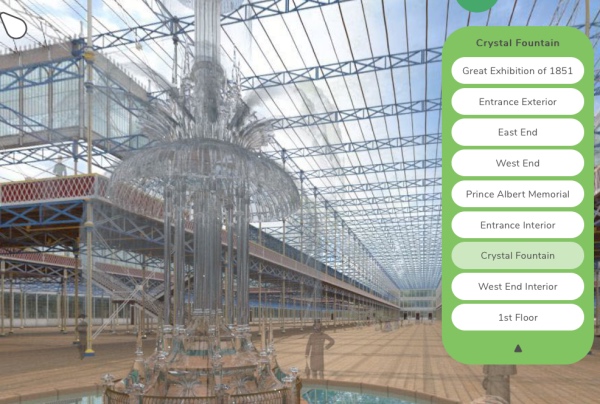
It’s 169 years since the Crystal Palace served as the centrepiece of the ‘Great Exhibition of the Works of Industry of All Nations’ in Hyde Park but for the first time you now have a chance to tour the building virtually. The Royal Parks, working in partnership with educational virtual reality company, Seymour & Lerhn, have recreated the grand glass and iron structure which hosted thousands of exhibits from across the globe at the 1851 exhibition which was spear-headed by Prince Albert. The building has been regenerated digitally using The Royal Commission for the Exhibition’s archive of plans and images, as well as The Royal Parks’ historical documents including old maps. The tour overlays this historic footage over the site as it is now and visitors can switch between the two as well as learn about some of the fascinating stories connected to the Great Exhibition including that of the construction of the first ever public toilets and that of the lady who walked from Cornwall to attend the display. The virtual tour is free to access at www.royalparks.org.uk/parks/hyde-park/things-to-see-and-do/the-great-exhibition-virtual-tour.

The National Museum of the Royal Navy, National Army Museum and Royal Air Force Museum are hosting their first tri-service celebration with a ‘Virtual VE Day 75 Festival’ to mark the 75th anniversary of the end of the war in Europe. The festival runs from today until 9th May and kicks off with ‘Vying for Victory: Britain’s Navy, Army and Air Force in Myth and Memory’ featuring representatives from the museums discussing the service’s respective roles during the closing stages of World War II. Other events include a live webinar featuring historian and broadcaster James Holland speaking to the National Army Museum’s Dr Peter Johnston about ‘Why the Allies Won’, re-enactors sharing stories from real service personnel during the World War II, and an immersive walk-through of HMS Alliance which will provide insights into the isolation experience of submariners on VE Day.  For the full programme of events, head to Virtual VE Day 75 Festival.

The National Portrait Gallery is launching a new community photography project to capture a snapshot of the nation during the coronavirus lockdown. People are being encouraged to submit pictures responding to three themes – ‘Helpers and Heroes’, ‘Your New Normal’ and ‘Acts of Kindness’ – to the project which is called Hold Still. Launched by the Duchess of Cambridge, patron of the gallery, this week, the project is open to Britons of all ages and will see 100 short-listed pictures featured in a digital exhibition. The closing date for submissions is 18th June. Head to www.npg.org.uk/hold-still/ for more.

Send all items for inclusion to exploringlondon@gmail.com.

A Moment in London’s History – London celebrates VE Day…

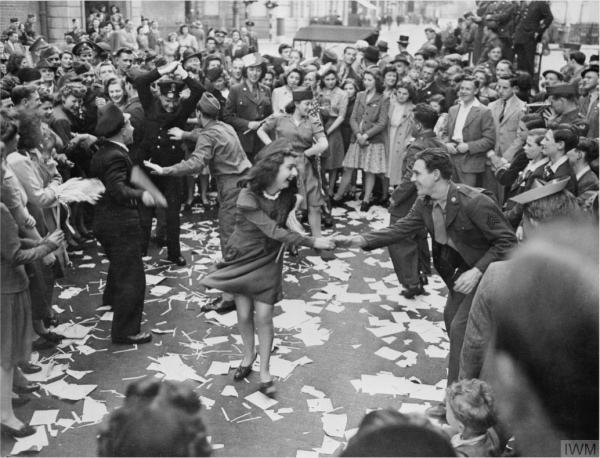
It was 75 years ago this month – 8th May, 1945 – that Londoners poured out onto the city’s streets in celebration of the end of World War II.

Some celebrations had already started in London on 7th May as news of the unconditional surrender of all German troops to the Supreme Allied Commander Dwight Eisenhower in the French city of Reims on 7th May became known.

But Prime Minister Winston Churchill declared 8th May a national holiday and, in response, vast crowds turned out on the streets to celebrate with bunting, flags and fireworks. Church bells were rung and services of thanksgiving held including at St Paul’s Cathedral where 10 consecutive services, each attended by thousands, took place.

British girls, of the Picture Division of the London Office of War Information dance in the street with American soldiers during the “VE Day” celebration in London. This scene took place outside the building of the US Army Pictorial Division has its offices. PICTURE: © IWM EA 65796

At 3pm, Churchill made a national radio broadcast from 10 Downing Street. He told listeners that while “We may allow ourselves a brief period of rejoicing”, they should “not forget for a moment the toil and efforts that lie ahead” a reference to the ongoing war with Japan (the radio broadcast, incidentally, is being re-run on the BBC on 8th May this year to mark the anniversary).

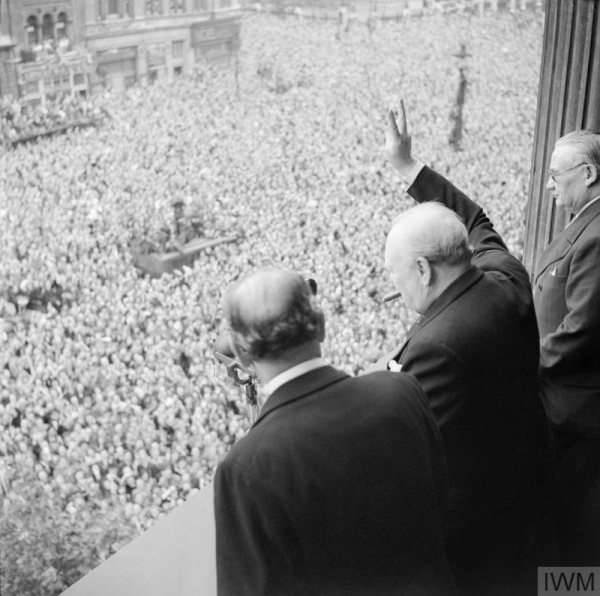
Churchill then proceeded to Parliament where he formally reported the end of the war in Europe to Parliament before leading a procession of members to St Margaret’s Church for a service of thanksgiving. He later appeared on the balcony of the Ministry of Health building in Whitehall to address the teeming crowds below, telling them “This is your victory” to which they roared back that it was his.

Churchill waves to crowds in Whitehall on the day he broadcast to the nation that the war with Germany had been won, 8 May 1945. PICTURE: Horton W G (Major) (Photographer),
War Office official photographer/© IWM H 41849

Meanwhile, King George VI, Queen Elizabeth, initially accompanied by their two daughters, Princesses Elizabeth and Margaret, appeared on the balcony of Buckingham Palace several times to wave to the cheering crowds. The King and Queen, who were at one point joined by Churchill, were still waving when their daughters secretly – and now rather famously – left the palace and joined the crowds outside in what Elizabeth, later Queen Elizabeth II, described as “one of the most memorable moments” of her life. The King also gave a radio address from the palace during which he paid tribute to all those who had died in the conflict.

King George VI and Queen Elizabeth with Princess Elizabeth and Princess Margaret joined by the Prime Minister, Winston Churchill on the balcony of Buckingham Palace, London on VE Day. PICTURE: © IWM MH 21835

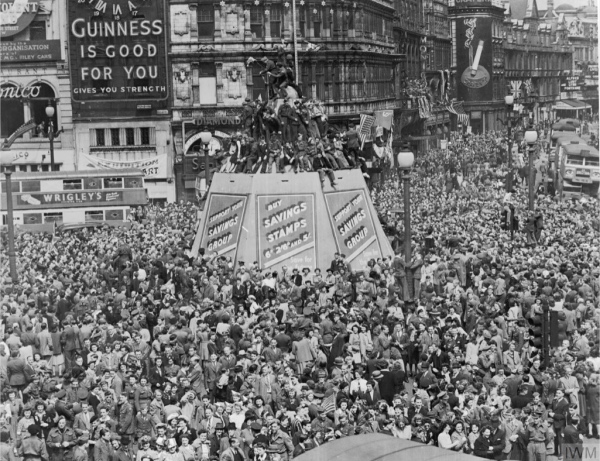
While celebrations took place across London, hotspots included Whitehall, outside Buckingham Palace, Trafalgar Square, Parliament Square and Piccadilly Circus, where by midnight there were an estimated 50,000 people singing and dancing. Licensing hours were extended in pubs and dance halls staying open to midnight.

A mass of civilians and servicemen crowding around Piccadilly Circus, London. PICTURE: Poznak Murray, United States Army Signal Corps official photographerIWM EA 65879

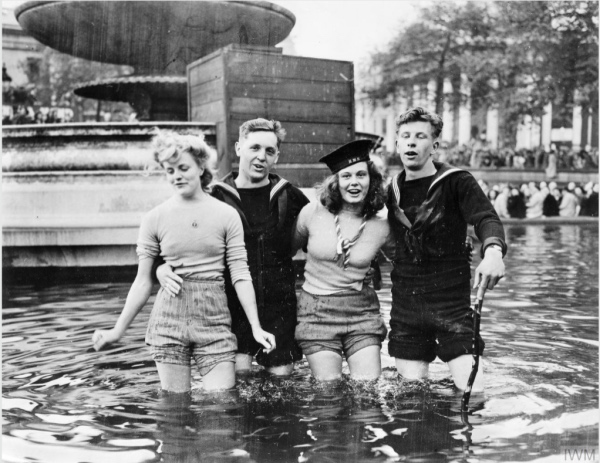
One of the most iconic images of the day was a photograph of two sailors standing in one of the fountains at Trafalgar Square with two women, revealed, thanks to research by the Imperial War Museum to be Cynthia Covello and Joyce Digney who had travelled to join the celebrations from Surrey.

Two British sailors and their girlfriends wading in the fountains in Trafalgar Square on VE Day. PICTURE: Massecar T G, United States Army Signal Corps photographer/© IWM EA 65799

With thanks to the Imperial War Museum, London.


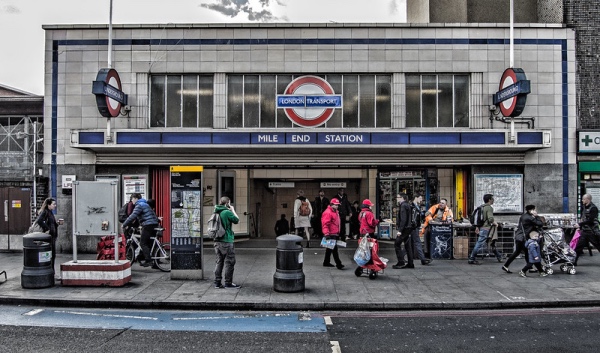
What’s in a name?…Mile End


This east London district was recorded as far back as the 13th century when it was a rural area. The name comes from the obvious – it was located on the old London to Colchester Road about a mile east of Aldgate.

Its location so close to London – and the fact it was common land – meant Mile End was favoured as a recreational space by Londoners eager to escape the confines of the city.

It was here in 1381 that Jack Straw camped with the men from Essex during the Peasant’s Revolt and it was here that, even as Was Tyler and his men murdered Simon of Sudbury in the Tower of London, King Richard II famously met with the leaders of the revolt.

The area, which became known as Mile End Old Town (an unconnected area to the west was known as Mile End New Town), was gradually developed from the 16th century and attracted working class housing and, thanks to its affordability, a relatively high number of immigrants. The Mile End Tube station opened in 1902.

The area suffered in the Blitz during World War II and the first V-1 flying bomb to hit the city landed next to the Grove Road railway bridge on 13th June, 1944, killing eight civilians and injuring 30.

Famous figures connected to Mile End include explorer Captain James Cook, who lived in a now demolished house on Mile End Road between 1764-76.

Landmarks include the Trinity Almshouses (built in 1695, they’re the last survivors of several almshouses built in the area) and the Frederick Arthur Walters-designed Guardian Angels Roman Catholic Church which was built 1903 by Henry Fitzalan-Howard, 15th Duke of Norfolk, as a memorial to his youngest sister, Lady Margaret Howard.

The People’s Palace – a five acre entertainment and educational facility which included a library, swimming pool, gym and winter garden – was completed in 1892 on Mile End Road. Destroyed by fire in 1931, it was rebuilt but finally closed in 1954.

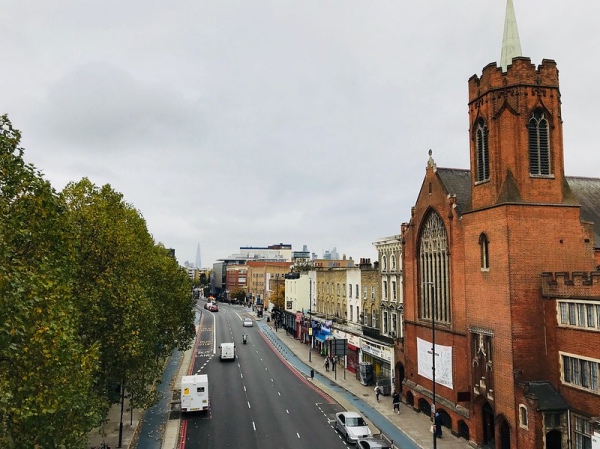
The two halves of the 79 acre linear Mile End Park, which bisected by Mile End Road, is joined by The Green Bridge over the road.

PICTURES: Top – Mile End Road featuring The Guardian Angels Catholic Church on the right and Mile End Park on the left (Matt Brown /licensed under CC BY 2.0); Below – Mile End Tube Station (Chris Jones/licensed under CC BY-NC 2.0)

Treasures of London – Thomas Tuttell’s celestial globe…

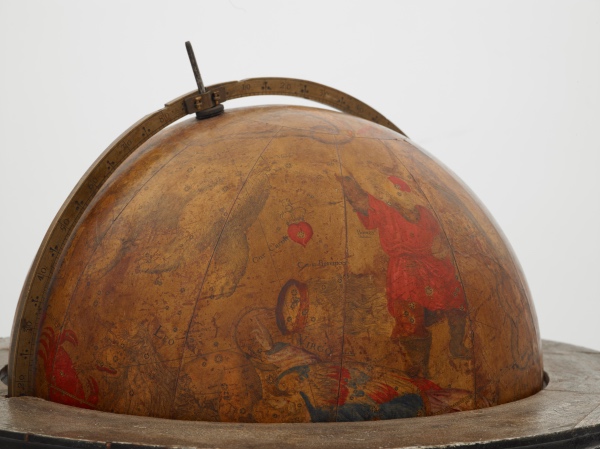
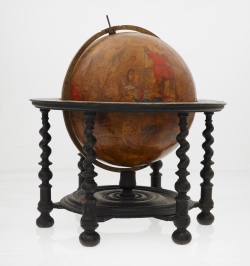
Dating from 1700, this celestial globe was made by Thomas Tuttell, hydrographer and mathematical Instrument maker to King William III in the year 1700.

The globe, a unique survivor of its age, is identical to a celestial globe made by Joseph Moxon in 1653, except for one additional constellation in the northern hemisphere named the ‘Cor Caroli’ (Heart of Charles), a reference to King Charles I (the constellation was named by Sir Charles Scarborough to commemorate the restoration of the monarchy in 1660 and it was first published on a star map in 1673).

It is one of 10 historic globes which have been made available for close-up inspection, including using an augmented reality tool which allows you to spin and zoom in at will, on the British Library’s website.

The 10 are the first tranche of globes to go online in a project involving British Library staff and digitisation company Cyreal that will eventually involve 30 globes.

Others among the first 10 include what is possibly the earliest miniature ‘pocket’ globe – dating from 1679, it was made by Joseph Moxon, two globes made by Willem Janszoon Blaeu – a terrestrial globe and a small table star globe – which date from 1606, and Johann Doppelmayr’s terrestrial and star globes from 1728.

There’s also Richard Cushee’s 1730 terrestrial globe with its unusually late inclusion of the island of California, Charles Price’s 1715 globe containing unusual annotations, and Gabriel Wright and William Bardin’s 1783 globes.

The globes, which are part of the library’s map collection, can be found at www.bl.uk/maps/articles/european-globes-of-the-17th-and-18th-centuries.

PICTURES: © British Library (licensed under CC BY-NC-SA 4.0).

LondonLife Special – ‘Clap for Carers’…

UK Prime Minister Boris Johnson and Chancellor Rishi Sunak were among those taking part in ‘Clap for Carers’ – in their case outside Number 10 Downing Street in Whitehall – on Thursday night. People across London took part in the countrywide initiative thanking healthcare workers for their efforts during the current coronavirus crisis. We join in thanking them! PICTURE: Andrew Parsons / No 10 Downing Street (licensed under CC BY-NC-ND 2.0)

This Week in London? COVID-19 leads to mass closures…

Cultural institutions across London have closed temporarily this week (or are closing soon) as part of the response to the COVID-19 virus (although it’s worth noting that at the time of writing many outdoor spaces remain open including Royal Parks and English Heritage’s outdoor spaces). 

So for the time being, Exploring London will be suspending our regular Thursday ‘This Week in London’ post and be replacing it with other content. This week, we’re simply continuing with our celebratory countdown…

86. Treasures of London – Temple Church knight effigies…

85. 10 sites commemorating the Great Fire of London – 4. St Paul’s ‘Resurgam’…


10 (lesser known) National Trust properties in London…2. Morden Hall Park…

Located on the banks of the River Wandle in Morden, south London, Morden Hall was built for the Garth family in the 18th century on the site of an earlier manor house.

The manor, which had once been held by the abbot of Westminster Abbey, had been in the Garth family since it was purchased by Richard Garth, a clerk and son of a successful lawyer, following the Dissolution in the 16th century. At the time, the newly built manor house, apparently known as Growtes, stood just to the south of where the hall now stands.

The now Grade II-listed hall was built for the family in between 1759 and 1765 and over the next century a number of tenants occupied it – it was used at once point as a school for young gentlemen.

In 1867, the Garth family sold the altered house and estate to a tobacco merchant, Gilliat Hatfeild (Gilliat’s father, Alexander Hatfeild, had, since 1834, leased two mills on the site to ground tobacco from plantations in Virginia into snuff). Gilliat created a park from the land surrounding the hall, planting trees and demolishing cottages.

His son, Gilliat Edward Hatfeild, took over the running of the estate on the death of his father in 1906. During World War I, the hall saw service as a convalescent home for the military and was later used by the Salvation as a home for women and children.

In 1941, Alexander’s grandson, Gilliat Edward Hatfield – who had closed the mills and snuff-making factory in the early 1920s – left the house and the core of the estate (the remainder was occupied by new housing and roads) to the National Trust. The hall itself has since been used as a restaurant and, following a 2015 renovation, is now a venue for weddings.

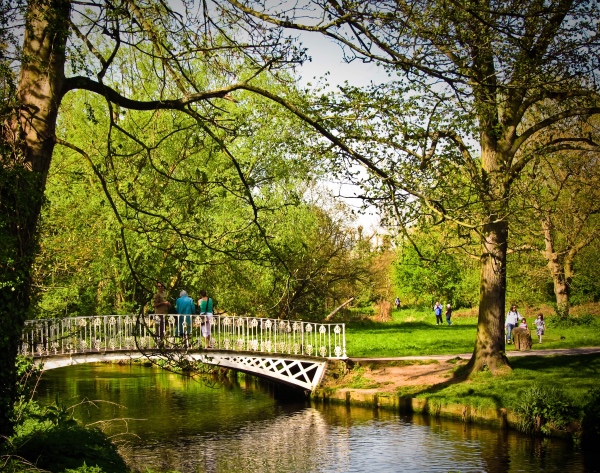
The 125 acres of grounds, which are open to the public, contain a variety of landscapes including the remains of a deer park, meadows and a wetland. The restored rose garden was first planted by Gilliat Edward Hatfeild in around 1921 in part of what had been his father’s deer park. It was laid out in two halves separated by a small stream with rose-covered bridges. The rose garden also features a massive Westfelton Yew which is believed to be hundreds of years old.

The snuff mills, which were built in 1750 and 1830, are still standing (the western mill contains an exhibition on the life of the Morden mill workers in the Victorian era) as are various workshops, the former stables and Morden Cottage, parts of which date from the 1750s and which was used by GE Hatfeild who preferred living there to the hall. Facilities in the park include the Potting Shed Café near the main entrance and a second-hand bookshop in the former stable yard.

WHERE: Morden Hall Park, Morden Hall Road, Morden (nearest train station is Stableyard); WHEN: The rose garden is open from 8am to 6pm daily (check the website for other times); COST: Free; WEBSITE: www.nationaltrust.org.uk/morden-hall-park.

PICTURES: Top – The White Bridge over the River Wandle at Modern Hall Park (Garry Knight/licensed under CC BY 2.0); Right – Morden Hall from the park (public domain)

Lost London – The Sardinian Embassy Chapel…

A Roman Catholic located in Lincoln’s Inn Fields, the Sardinian Embassy Chapel went through several incarnations prior to its destruction in the early 20th century.

A Franciscan chapel was founded on the site in the mid-17th century – it was sacked during the Glorious Revolution – but by the early 18th century the chapel which stood here served the Embassy of the Kingdom of Sicily.

Because embassy chapels – of which this was apparently the oldest in London – were viewed as the sovereign territory of the state they belonged to, Catholic worship was permitted there (despite being illegal elsewhere in England) and English Catholics were among those who attended services (among those said to have done so was James Boswell).

Those English subjects who attended were on occasion harassed for doing so and the chapel itself was attacked several times over its existence including in the Gordon Riots of 1780 which left it significantly damaged (but following government compensation, it was restored and reopened in 1781).

In 1798, the Sardinian Ambassador closed the chapel but thanks to a generous Catholic purchaser, it – and the embassy itself – passed into the hands of Bishop John Douglass, vicar-apostolic of the London district.

Repaired, the chapel was reopened in 1799 (although it was no longer part of the Sardinian Embassy, it continued to be under the patronage of the King of Sardinia until the 1850s). In the mid-1850s, the name of the chapel was changed to the Church of St Anselm and St Cecilia.

The chapel building was demolished in 1909 due to the creation of the Kingsway. A new site for the church was created a little further north on Kingsway where it remains today.

Inside the church are some of the fittings from the Sardinian Embassy Chapel including a marble font, an organ dating from 1857, the coat-of-arms of the House of Savoy, a large painting of the ‘Deposition’ (Christ’s descent from the cross), and the Lady Altar. The plate from the Sardinian Embassy Chapel is now in the V&A.

PICTURE: Sardinia Street, on the corner with Kingsway. The name of the street commemorates the site of the Sardinian Embassy and chapel.

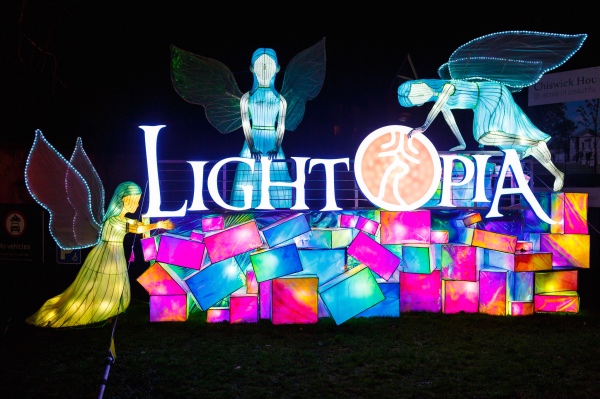
Picture Special – ‘Lightopia’ shines at Chiswick House…

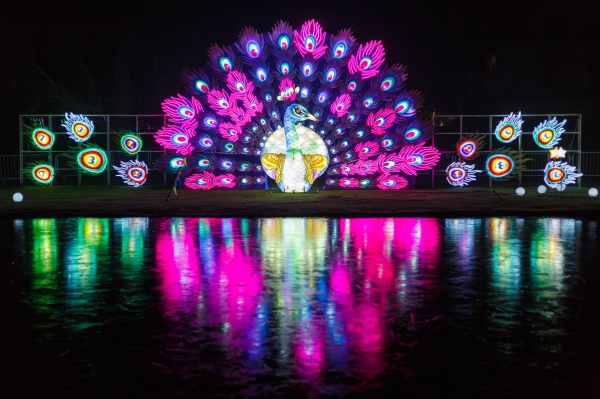
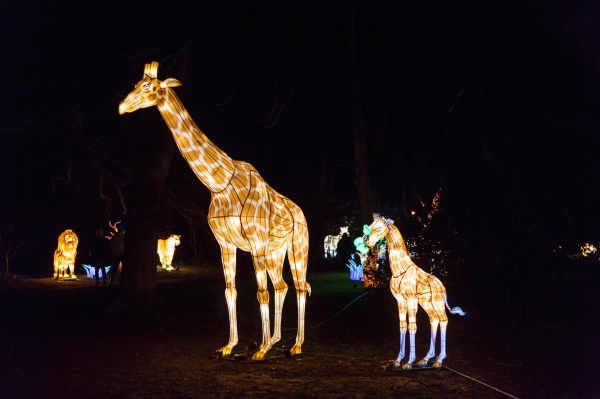
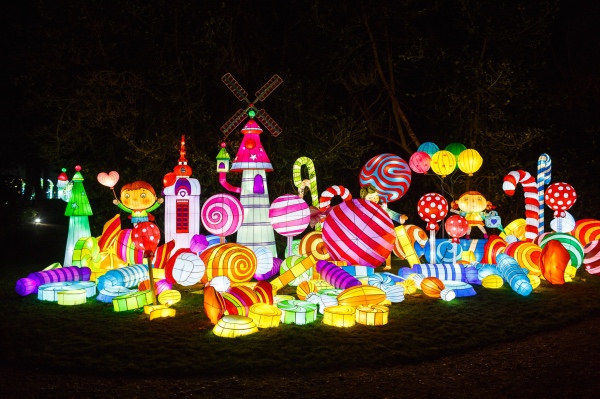
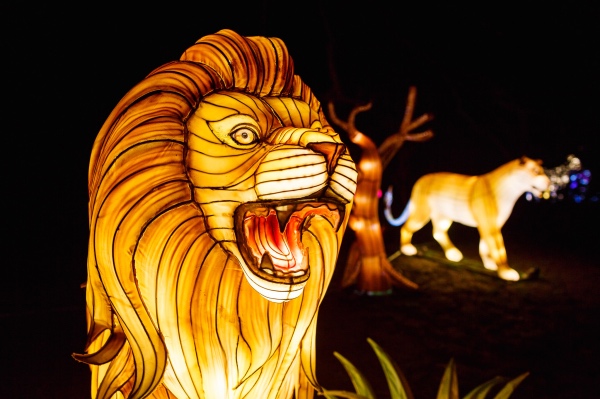
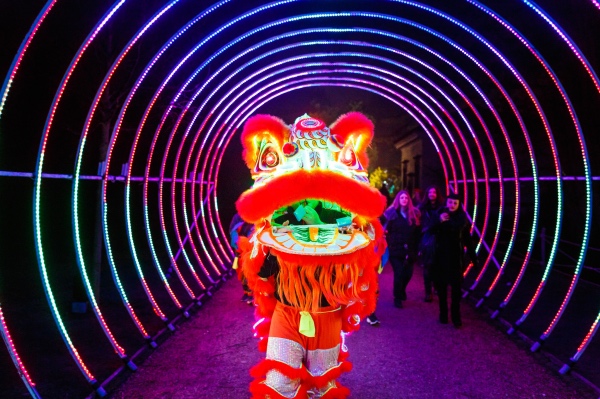
The grounds of Chiswick House in London’s west have been illuminated in spectacular fashion over the past few weeks in a winter light trail known as ‘Lightopia’ – but don’t worry, you still have until 1st March to take it all in. The event features acrobats, musicians, a 3D projection busting from the walls of Chiswick House and 47 groups of handmade, silk light installations, including the ‘Tree of Light’ centrepiece – a stunning, 18 metre peacock which moves in synchronisation with music. These silk installations combine ancient techniques of Chinese lantern making with modern technology and were made by people from the Chinese village of Zigong. An admission charge applies. For more, head to www.lightopiafestival.com . Here’s a sample of what’s on show…

ALL PICTURES: Courtesy of Lightopia Festival

This Week in London – Britain’s Baroque culture; a celebration of orchids and Indonesia; and, London’s “hidden” Underground…

Britain’s Baroque culture – spanning the period from the Restoration of King Charles II to the death of Queen Anne in 1714 – is the subject of a new exhibition which opened this week at Tate Britain. British Baroque: Power and Illusion – the first major exhibition on the subject – shows how magnificence was used to express status and influence and features works by painters including Sir Peter Lely, Sir Godfrey Kneller, and Sir James Thornhill as well as designs, prints and wooden models of the works of architects like Sir Christopher Wren, Nicholas Hawksmoor and Sir John Vanbrugh. The importance of portraiture, the visual differences in Protestant and Catholic worship and the illusions contained in painted baroque interiors are all explored in the display along with how the subject of war was dealt with through heroic equestrian portraiture, panoramic battle scenes and accompanying propaganda. The exhibition, which is being accompanied by a programme of events, runs until 19th April. Admission charge applies. For more, see www.tate.org.uk. PICTURE: Godfrey Kneller, John Churchill, 1st Duke of Marlborough, c1706, National Portrait Gallery, London.

The 25th Kew Orchid Festival kicks off at Kew Gardens on Saturday in a celebration of the wildlife and culture of Indonesia. Located in the Princess of Wales Conservatory, the festival will take visitors on an immersive journey evoking the sights, smells and sounds of Indonesia though a series of orchid displays which include a life-sized animals such as orang-utans, a tiger and a rhinoceros, an archway made of hundreds of carnivorous pitcher plants and an erupting volcano. A programme of evening events featuring gamelan music and traditional dancers as well as cooking demonstrations by renowned author and chef Petty Elliott is also planned – these must be booked online in advance. Admission charge applies. Runs until 8th March. For more, see www.kew.org.

On Now: Hidden London: The Exhibition. This display at the London Transport Museum in Covent Garden takes visitors on an immersive journey to some of the secret places in the Tube network. Featuring rare archive photos, objects, vintage posters, secret diagrams and decorative tiles from disused stations, it uncovers stories such as how Churchill took shelter in the Railway Executive Committee’s bomb-proof headquarters deep underground at Down Street station at the height of the Blitz during World War II and how almost 2,000 members of staff, mostly women, worked in the Plessey aircraft underground factory located in two 2.5 mile-long tunnels on the eastern section of the Central line. The exhibition is being accompanied by a series of events including late openings and tours. Runs until next January. For more, see www.ltmuseum.co.uk/whats-on/exhibitions/hidden-london#.

Send all items for inclusion to exploringlondon@gmail.com

This Week in London – Inside the world of mushrooms; Tower Bridge ‘sings’; and, ‘La Ghirlandata’ restored…

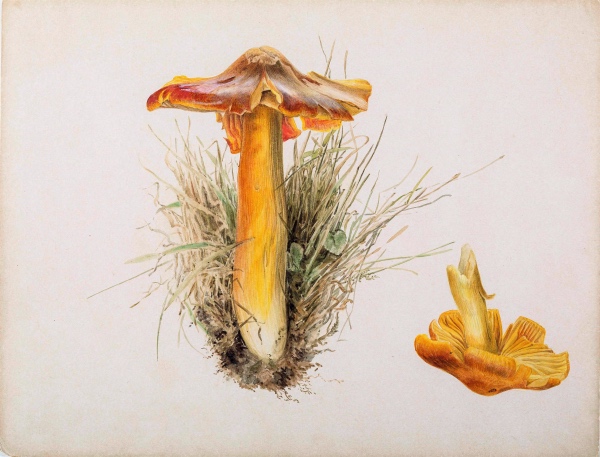
The world of mushrooms is explored in a new exhibition opening tomorrow at Somerset House. Part of the Charles Russell Speechly’s Terrace Rooms Series, Mushrooms: The art, design and future of fungi is curated by writer Francesca Gavin and features works by more than 35 artists, designers and musicians in an exploration of “the rich legacy and incredible potential of the remarkable organism, the ideas it inspires in the poetic, spiritual and psychedelic, and the powerful promise it offers to reimagine society’s relationship with the planet, inspiring new thinking around design and architecture”. Highlights include watercolours by renowned author Beatrix Potter (one of which is pictured), American artist Cy Twombly’s quasi-scientific portfolio Natural History Part I, Mushrooms (1974), and a spectacular floral display, featuring mushrooms grown in Somerset House’s former coalholes, by the London Flower School. The free exhibition, which runs until 26th April, is accompanied by a series of events. For more, see somersethouse.org.uk/mushrooms. PICTURE: Beatrix Potter, Hygrophorus puniceus, pencil and watercolour, 7.10.1894, collected at Smailholm Tower, Kelso, courtesy of the Armitt Trust

A newly commissioned film which reimagines Tower Bridge as a musical instrument is at the heart of a new exhibition which opened in the bridge’s Victorian Engine Rooms this week. Created by internationally acclaimed artist, inventor and filmmaker Di Mainstone to mark the bridge’s 125th anniversary, Time Bascule draws inspiration from Hannah Griggs, one of the first women to work at the bridge (in her case as a cook for the Bridge Master and his family between 1911-1915). The display also includes behind-the-scenes footage, storyboards and early sketches, as well as the opportunity for visitors to play a range of specially created musical instruments. Runs until March. Included in admission to the bridge. For more, see www.towerbridge.org.uk.

Dante Gabriel Rossetti’s Pre-Raphaelite masterpiece, La Ghirlandata, is being unveiled at the Guildhall Art Gallery today following a year-long restoration. William Russell, Lord Mayor of the City of London, is unveiling the portrait which was painted in 1873. Conversation work undertaken included cleaning the painting to reveal a “brighter, fresher scene with a cooler tonality”, repairing and cleaning Rossetti’s original frame, and replaced the deteriorating living canvas. The restoration was made possible thanks to a grant from the Bank of America.

Send all items for inclusion to exploringlondon@gmail.com.