LondonLife – ‘Human vending machine’ sets up shop near St Paul’s…

A “human vending machine” appeared near St Paul’s Cathedral in central London on Monday – Human Rights Day – as part of an initiative to highlight the plight of the estimated 25 million people trapped in forced labour around the world. An initiative of the University of Hull’s Wilberforce Institute, the machine, which was only present for the day, was stocked with everyday food items to illustrate that fruit, vegetables, meat, fish and cheese bought in the UK are at high risk of being supplied, at some point in the chain, by forced labour. To be seen the university’s campus in Hull on Thursday, the ‘human vending machine’ is part of the “It’s Time to Break the Chain” campaign which the institute has launched to “galvanise consumer power and influence companies to combat slavery practices in supply chains across all sectors”. For more on how you can help “break the chain”, see www.hull.ac.uk/special/hidden-human-cost.aspx. PICTURE: David Parry/PA Wire (Courtesy University of Hull).
LondonLife – Dame Judi Dench calls for people to nominate women for blue plaques…


Dame Judi Dench has called for the public to nominate “women you admire” for more English Heritage blue plaques in London.
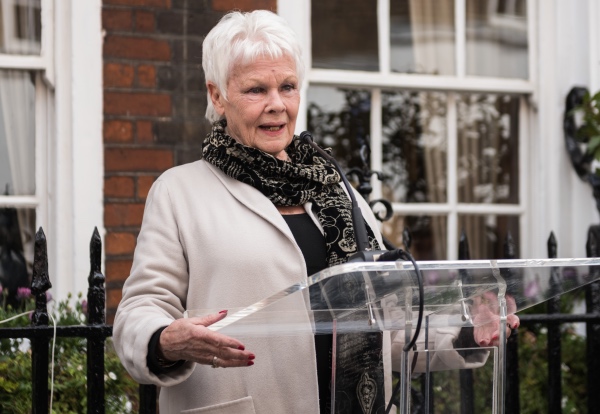
Dame Judi (here pictured at the 2017 unveiling of a blue plaque commemorating actor Sir John Gielgud) call comes after news that women make up just 14 per cent of the more than 900 blue plaques in London. “So far the scheme honours some brilliant women; Florence Nightingale, Ava Gardner and the Pankhursts, but there are many, many more unsung female heroes who deserve recognition,” Dame Judi said. “So nominate the women you admire, the women who did great and remarkable things throughout history, and the women who did not go quietly. English Heritage needs your help.” The most recent woman to appear on a blue plaque is actor Margaret Lockwood. A popular actor in the 1930s and 1940s, Lockwood (1916-1990) was the star of Alfred Hitchcock’s The Lady Vanishes (1938) and lived at 14 Highland Road in Upper Norwood after moving to London as a child in the 1920s. To make your nomination, head to www.english-heritage.org.uk/visit/blue-plaques/. PICTURES: English Heritage.


LondonLife – Christmas comes to ZSL London Zoo…

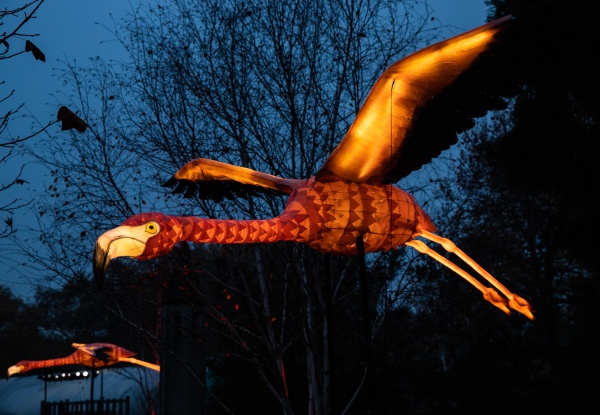
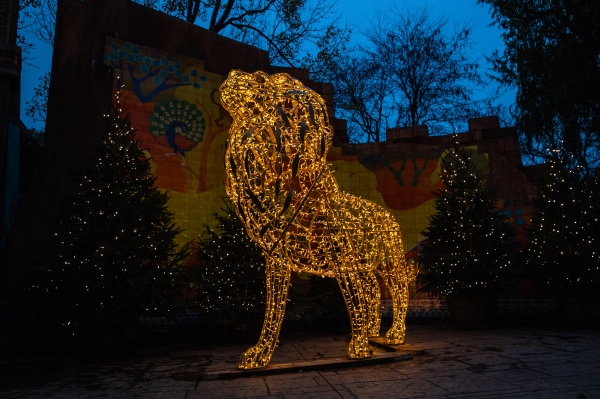
Christmas has arrived at ZSL London Zoo with a series of light sculptures illuminating a mile long festive trail. More than a million pea lights have been used in the first show of its kind at the zoo which taking a month to build, features 200 visual displays including a pair of giant golden giraffes (above), an 11 metre tall Christmas tree made of recycled Christmas sledges (below) and two illuminated flying flamingoes (below). Historic zoo buildings have been lit up as well, including the Grade I-listed Penguin Pool and the historic Mapping Terraces. The trail, which circles the zoo’s 36 acre site so as not to wake up the sleeping animals, has been created in partnership with Raymond Gubbay Limited and designed by Culture Creative. It can seen on selected nights until 1st January. Admission charge applies. For dates and times, see  christmasatlondonzoo.co.ukPICTURES: ZSL London Zoo.

LondonLife – Brompton’s new memorial for those lost in World War I…


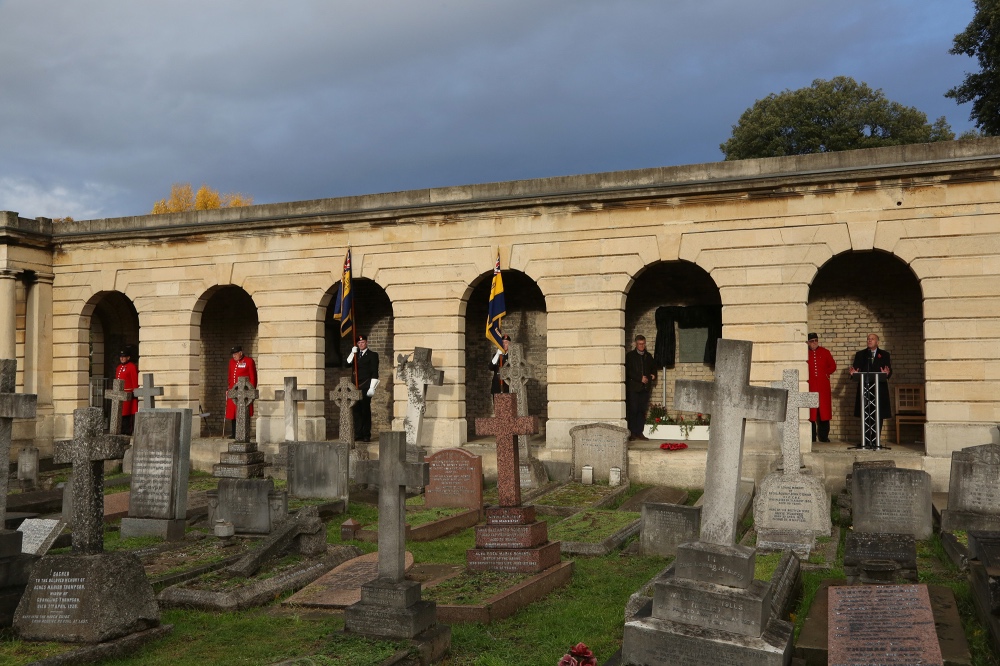
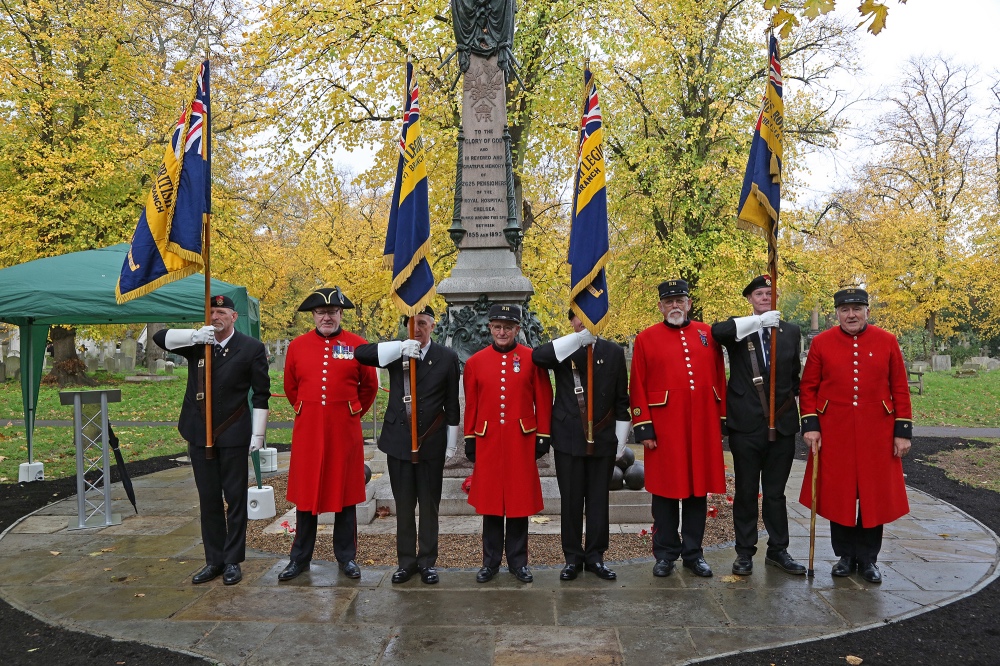
A new permanent World War I memorial was unveiled at Brompton Cemetery earlier this month dedicated to the 24 members of the Royal Parks and Palaces staff who died in the Great War. The inscribed memorial stone, placed on one of the chapel’s colonnades (pictured above), also commemorates all the parks, gardens and grounds staff from across the UK who never returned from the war. It was unveiled at a service conducted by Reverend Canon Anthony Howe, Chaplain to the Chapel Royal at Hampton Court Palace, the gardens of which were managed by the Royal Parks during World War I. Meanwhile, the foundations for a new permanent wildflower meadow honouring the 2,625 Chelsea Pensioners buried in the cemetery were also laid near the Chelsea Pensioners’ monument (pictured below). The meadow will feature flowers which appeared in French fields after the Battle of the Somme including poppies, cornflowers, loosestrife, mallow and cranesbill. Two benches, positioned to either side of the Grade II-listed memorial, have been donated by the Royal Hospital Chelsea as a place for quite reflection. For more on the cemetery, see www.royalparks.org.uk/parks/brompton-cemetery. PICTURE: The Royal Parks/Paul Keene.

LondonLife – Remembrance Sunday marks 100 years since the guns fell silent…

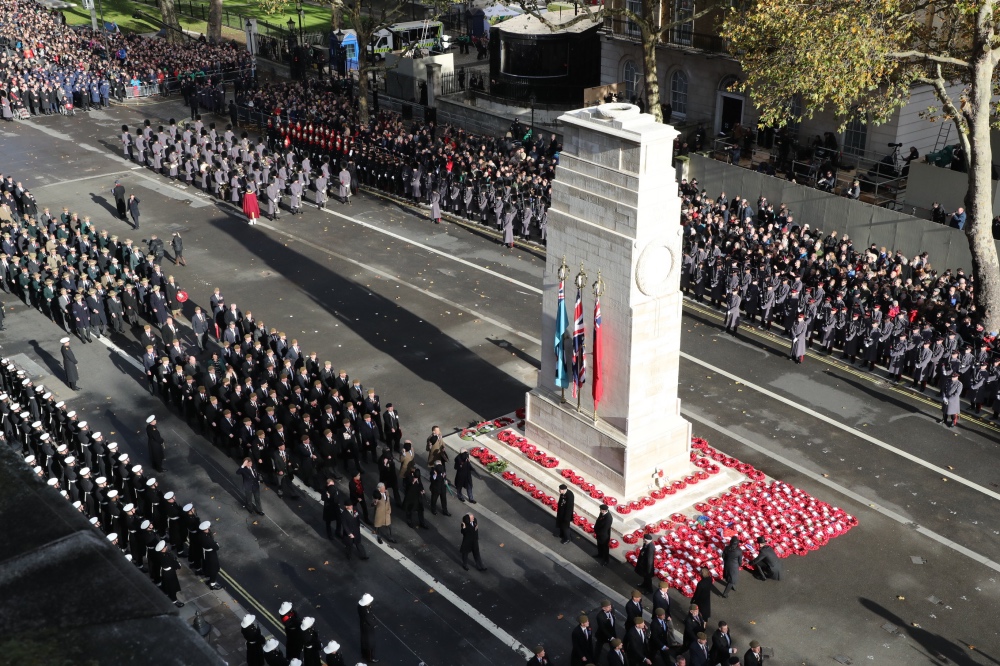
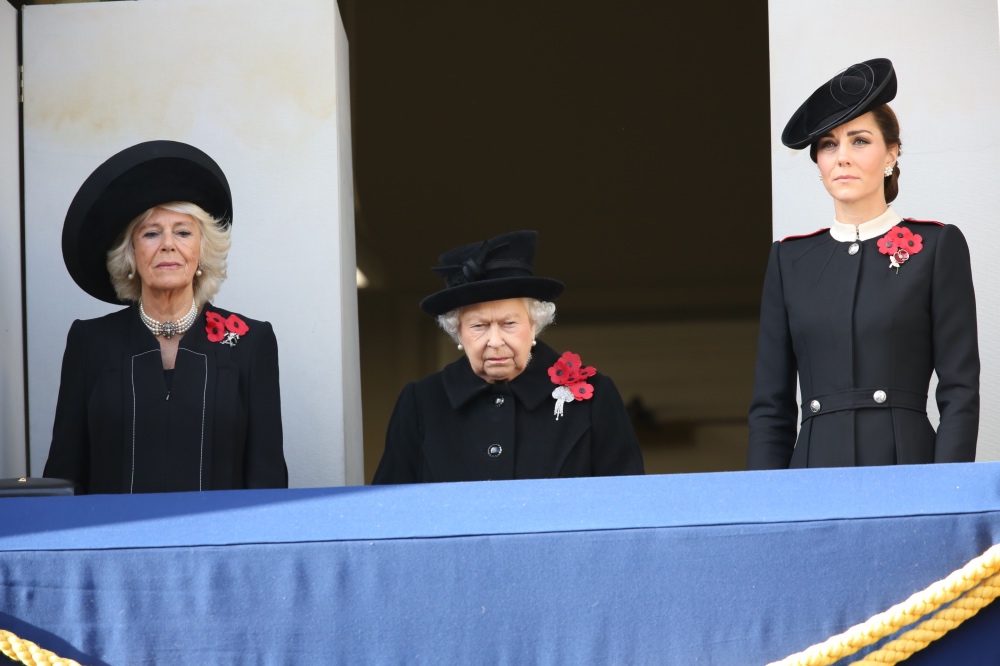
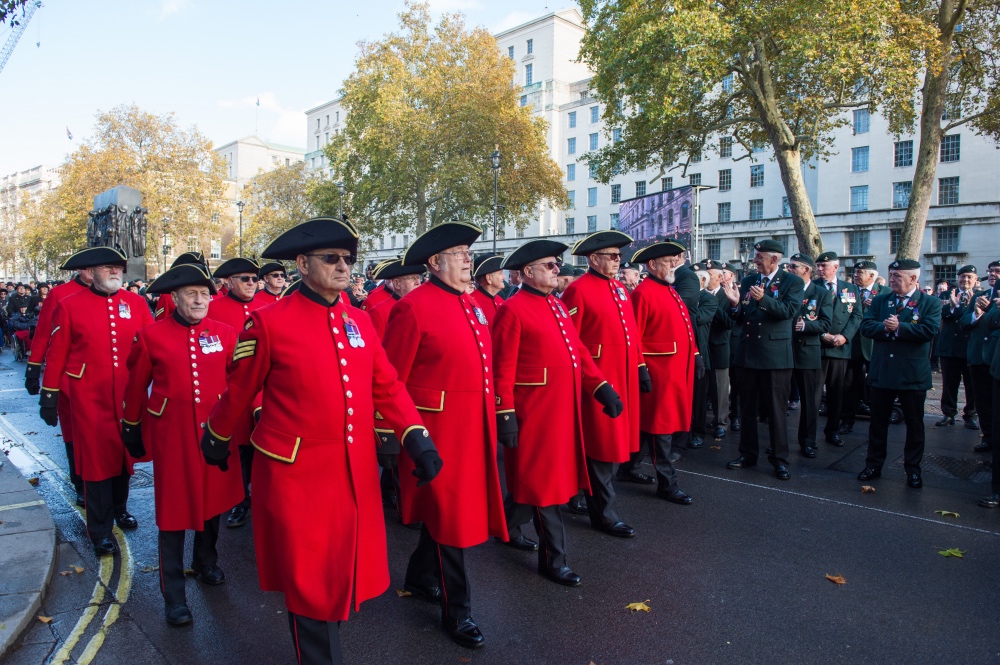
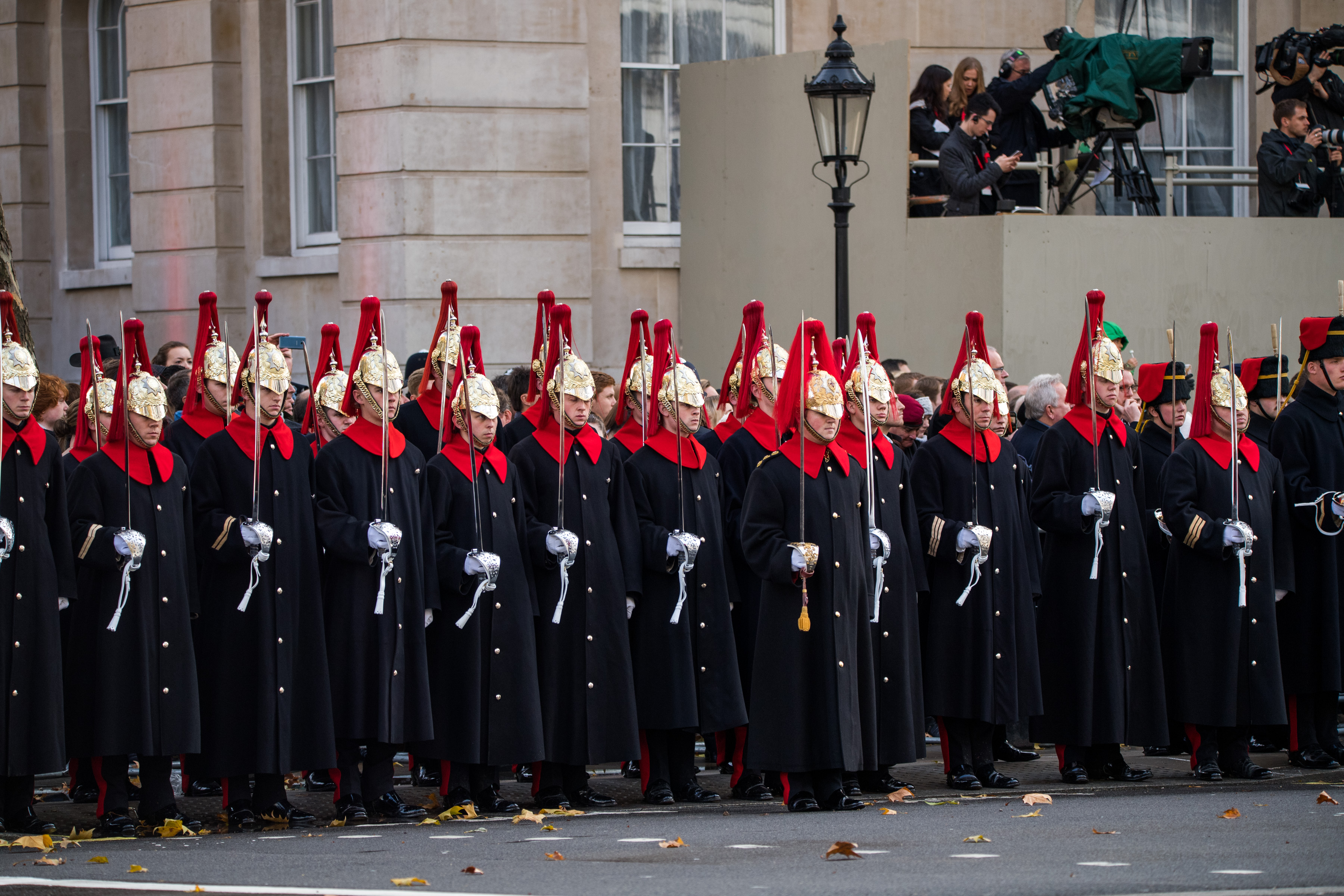
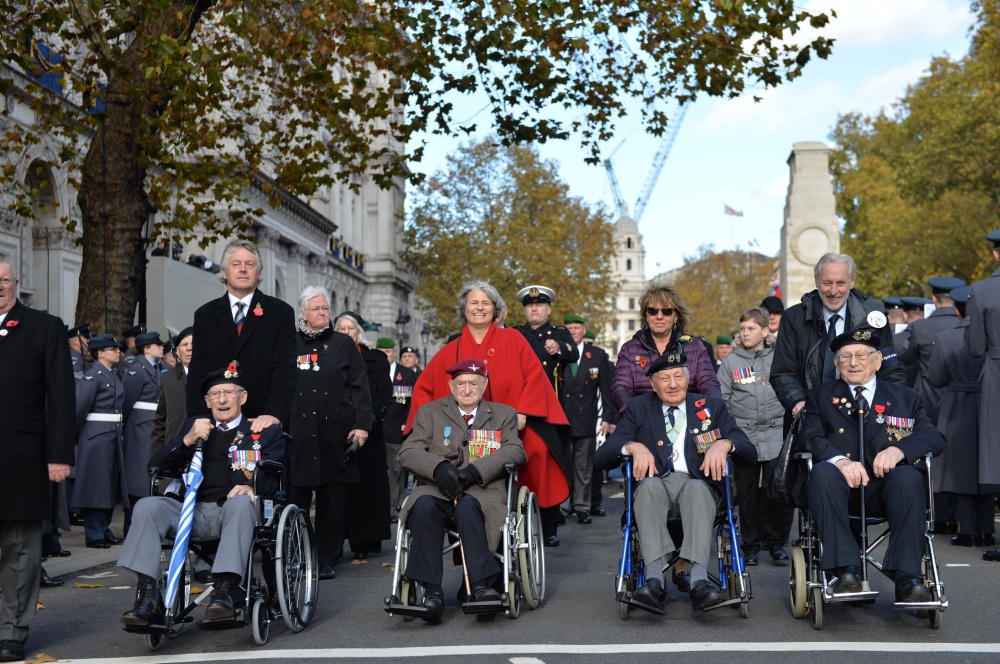
Thousands of people, including Queen Elizabeth II and members of the Royal Family, attended Whitehall on Sunday to take part in the National Service of Remembrance, this year marking 100 years since the end of World War I. The event included two minutes silence at 11am and wreaths were laid at the base of the Cenotaph to commemorate the servicemen and women killed in all conflicts from the World War I onwards. In an historic first, German President Frank-Walter Steinmeier laid a wreath during the ceremony. Following the service, a procession involving 10,000 members of the public who were selected by a ballot marched past the monument and through London. ALL PICTURES: Crown Copyright/Ministry of Defence.

LondonLife – River bend…

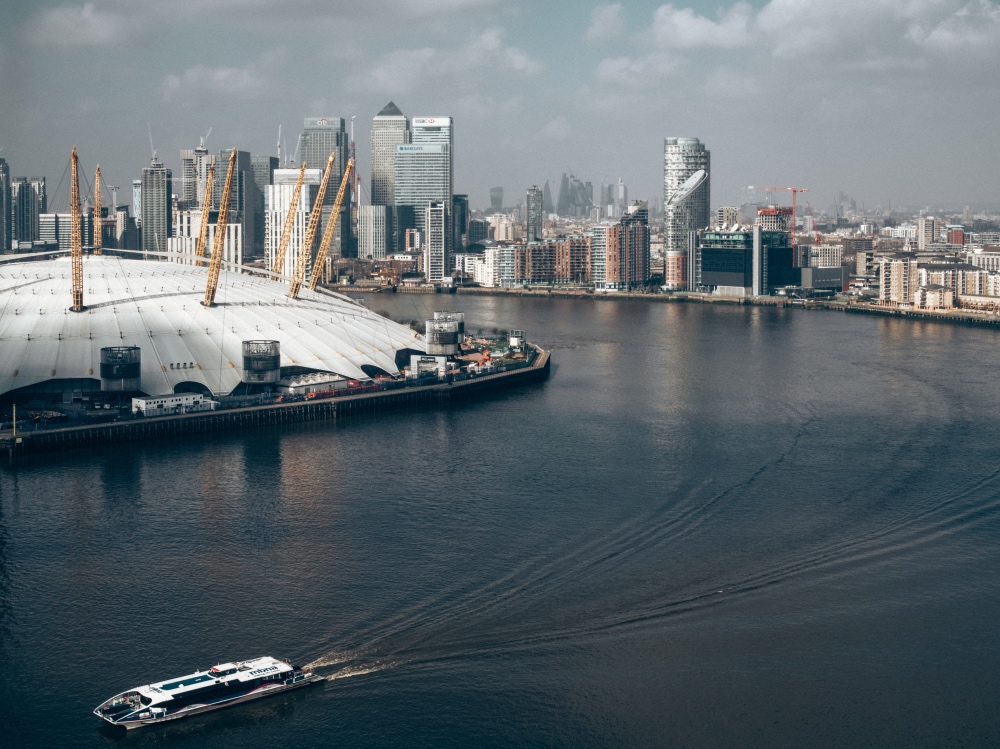
Looking across the O2 Arena towards the Docklands. PICTURE: Claus Grünstäudl/Unsplash

LondonLife – World War I remembered in St James’s Park…


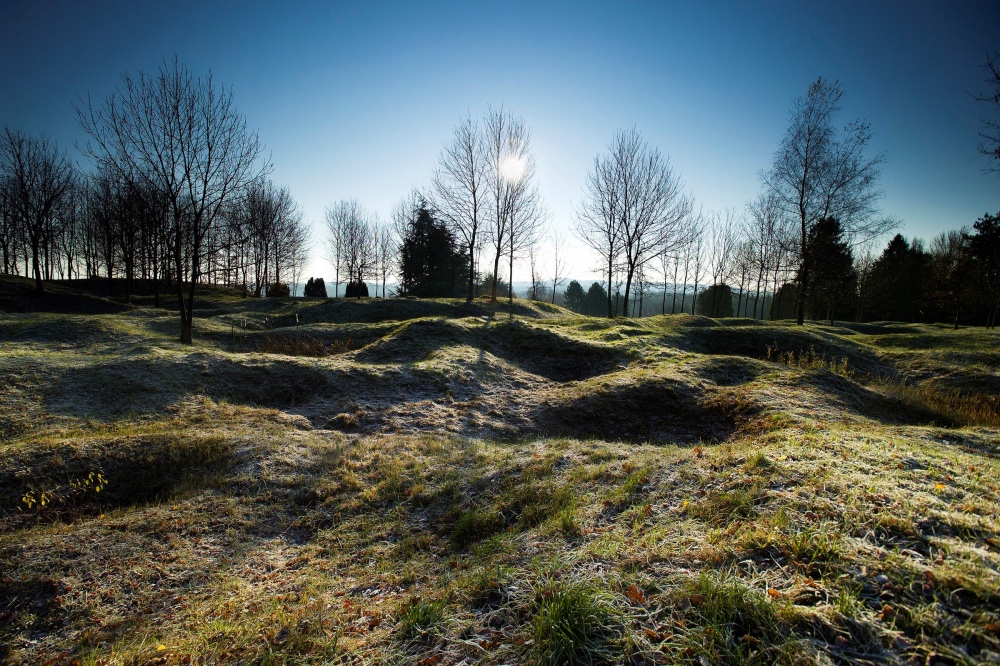
The last in a series of major exhibitions on World War I by celebrated photographer Mike St Maur Sheil, Fields of Battle, Lands of Peace and Reconciliation – 2018 is a free outdoor exhibition in St James’s Park reflecting on the final year of the war. The exhibition, like the others before it, features photographs of the battlefields of World War I as they appear today along with archival pictures and maps. Mike St Maur Sheil says the theme of his displays – which have reached an audience of more than 10 million and been exhibited at locations including Paris’ Jardin du Luxembourg, Dublin’s St Stephen’s Green and at the junction of Broadway and 5th Avenue in New York – “has always been that time and nature have healed the wounds of war and reveal that what were once places of horror and killing have now become landscapes of beauty and tranquillity.” The free exhibition can be seen until 19th November. For more on St James’s Park, see www.royalparks.org.uk/parks/st-jamess-parkPICTURES – Two of the images on show: Top, showing the effect of artillery bombardment upon the landscape at Verdun; Below, the landscape today at Beaumont Hamel on the Somme with the shell holes and trenches still clearly visible. (Mike St Maur Sheil / Mary Evans Picture Library).

LondonLife – Sunset on Millennium Bridge…

PICTURE: Chelsea London Phillips


LondonLife – A new window for the Queen…


A new stained glass window depicting bright country scenes was unveiled in Westminster Abbey last week in honour of Queen Elizabeth II.
The Queen’s Window, located in the south transept overlooking Poet’s Corner, is the work of world-renowned artist David Hockney and was commissioned by the Dean and Chapter of Westminster to celebrate her reign. The work is Hockney’s first in stained glass and features a Yorkshire scene with hawthorn blossom which uses his distinct colour palette of yellow, red, blue, pink, orange and greens. “The subject reflects The Queen as a countrywoman and her widespread delight in, and yearning for, the countryside,” the abbey said in a statement. The window was created by York-based stained glass artists Barley Studio to Hockney’s designs. Other artists who have completed stained glass works in the abbey include Sir Ninian Comper, Hugh Easton and John Piper with the last stained glass windows, by Hughie O’Donoghue, installed in the Lady Chapel in 2013. PICTURE: Alan Williams/Westminster Abbey

LondonLife – The life within revealed…

Looking at Two St Pancras Square. PICTURE: Dylan Nolte/Unsplash

LondonLife – A different perspective on the British Museum…

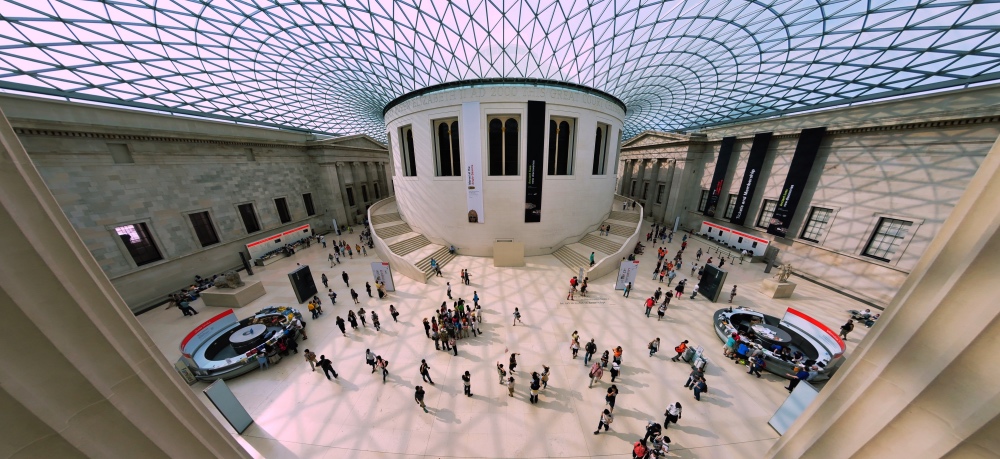
Looking across the Queen Elizabeth II Great Court of the British Museum, off Great Russell Street in Bloomsbury. Designed by Foster and Partners, the two acre court opened in 2000 and was at the time the largest covered public square in Europe. It’s glass and steel roof features more than 3,300 panes of glass, no two of which are the same. The court features a Reading Room at its centre.

PICTURE: Viktor Forgacs/Unsplash

LondonLife – The race for Doggett’s Coat and Badge…

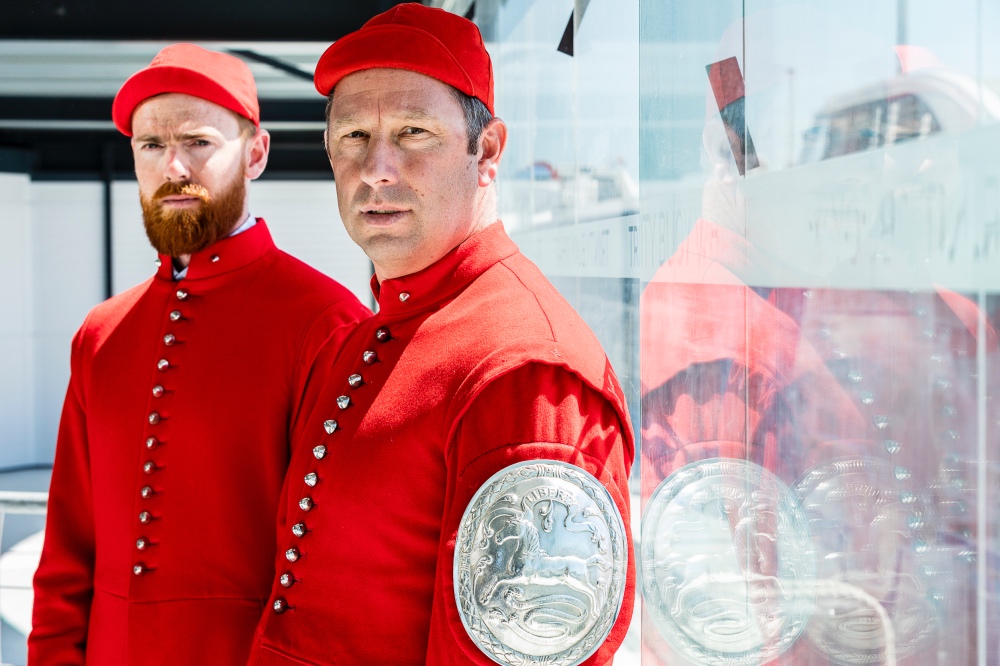
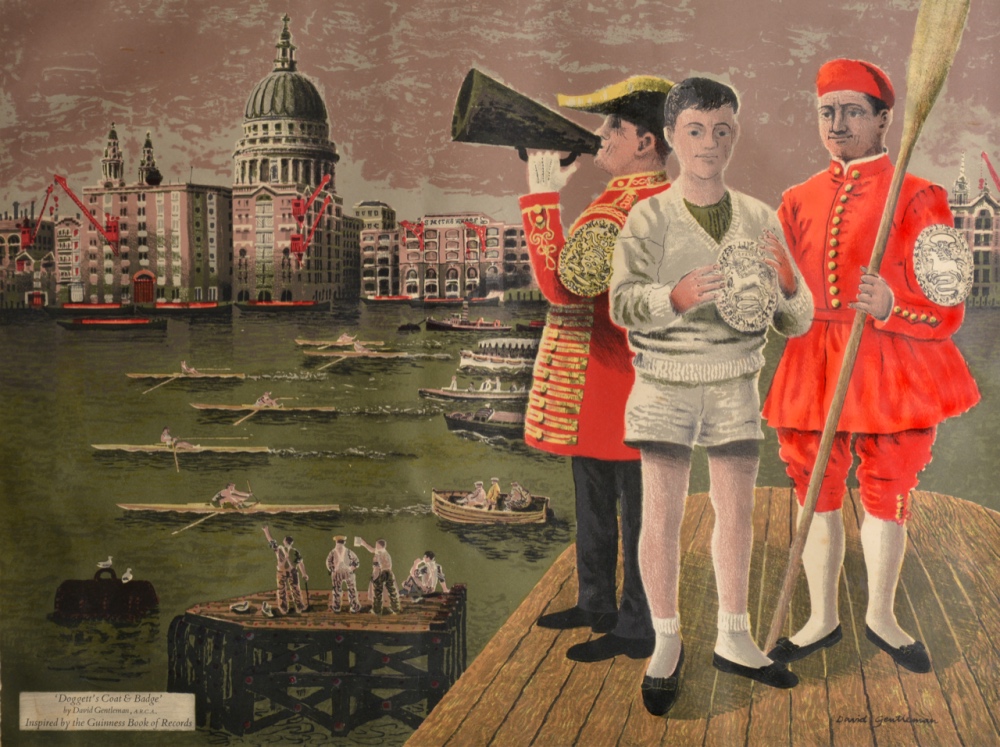
To be held from 4pm today on the River Thames, Doggett’s Coat and Badge Race is a London institution. The race originated in 1715, and sees up to six apprentice watermen (this year there are two – Alfie Anderson and George McCarthy – rowing the four mile, seven furlong course stretching from London Bridge upriver to Cadogan Pier in Chelsea (these days under 11 bridges) as they compete for the prize of a coat and badge (pictured above). The race came about thanks to Thomas Doggett, a Dublin-born actor and noted Whig, who founded it in honour of the accession of the House of Hanover – in the form of King George I – on 1st August, 1714. Doggett himself personally organised the race for the first few years before leaving provisions in his will for it to be continued. It’s been run almost every year since – there was apparently a break during World War II. While it was initially rowed against the tide, since 1873 competitors have had the luxury of rowing with it, meaning race times have dropped from what sometimes stretched to as long as two hours to between 25 and 30 minutes. This year, the event is being held as part of the Totally Thames festival which, among its packed programme of events, also features a series of exhibitions about the race – titled ‘The World’s Oldest Boat Race’, being held at various locations. PICTURES: From The World’s Oldest Boat Race exhibitions. Top – Doggett’s Coat and Badge (© Hydar Dewachi); Below – ‘Doggett’s Coat and Badge’, a coloured lithograph commissioned to mark the first publication of Guinness Book of World Records.

LondonLife – St Paul’s Cathedral rises over the City…

St Paul’s Cathedral and the City of London. PICTURE: Brunel Johnson/Unsplash

LondonLife – The dragons have returned to Kew…

More than 200 years after they disappeared, the dragons have returned to Kew Garden’s Great Pagoda. The 10 storey octagonal pagoda – which, as we reported, reopened to the public in July after a four year, £5 million restoration project by Historic Royal Palaces in conjunction with the Royal Botanic Gardens, Kew – was built in 1762 to the designs of Sir William Chambers and was a birthday gift for Princess Augusta, founder of the gardens. Used by the Georgian Royal Family to entertain visitors, it was famously adorned with 80 brightly coloured dragons but these disappeared in the 1780s. Rumours suggested they were used as payment for the Prince Regent’s gambling debts but apparently the truth is more banal – Chambers took them off when he restored the building in 1784 and they were found to be rotten. But they’re back (some of the new dragons are gilded with real gold and while some are hand carved from cedar, others were reportedly made on a 3D printer) and to celebrate their return (and the reopening of the pagoda to the public for the first time in decades, complete with a 253 step climb), we today publish some images. Admission charge applies. For more, see www.kew.org/kew-gardens/whats-on/climb-the-great-pagodaPICTURES: © Richard Lea-Hair – Historic Royal Palaces.

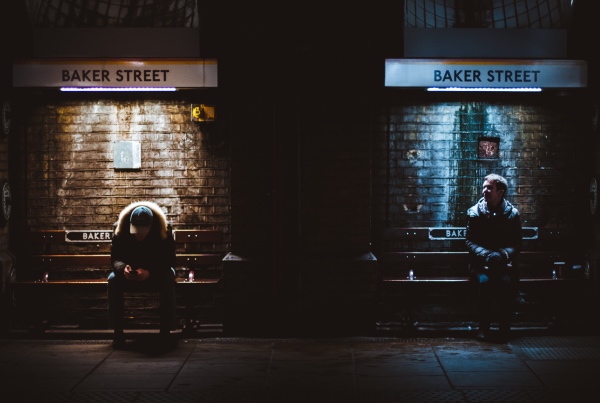
LondonLife – Waiting for the Tube, Baker Street…

PICTURE: Jack Finnigan/Unsplash

LondonLife – Victorian London in photographs…

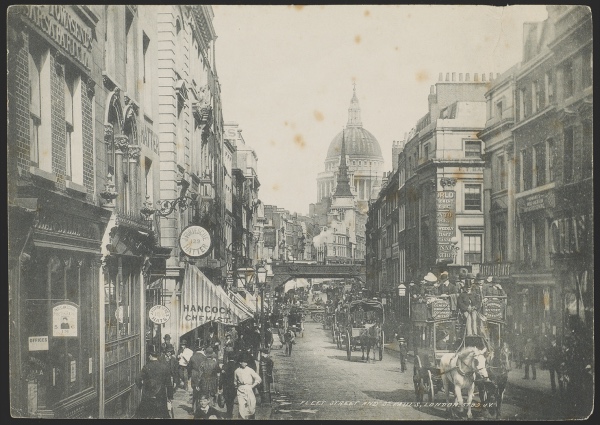
Above is a view along Fleet Street in the City of London in 1890, looking east towards Ludgate Hill and St Paul’s Cathedral. It’s one of many early photographic views of London on show in a free exhibition which can be seen in Aldgate Square until Sunday (12th August). Presented by the City of London Corporation’s London Metropolitan Archives, Victorian London in Photographs includes the earliest photograph in the LMA collection (see last Thursday’s entry for that). If you miss it at Aldgate Square, the display will be in Paternoster Square next to St Paul’s Cathedral from 14th to 23rd August. For more on the London Metropolitan Archives, follow this link. ALL PICTURES: London Metropolitan Archives, City of London Corporation

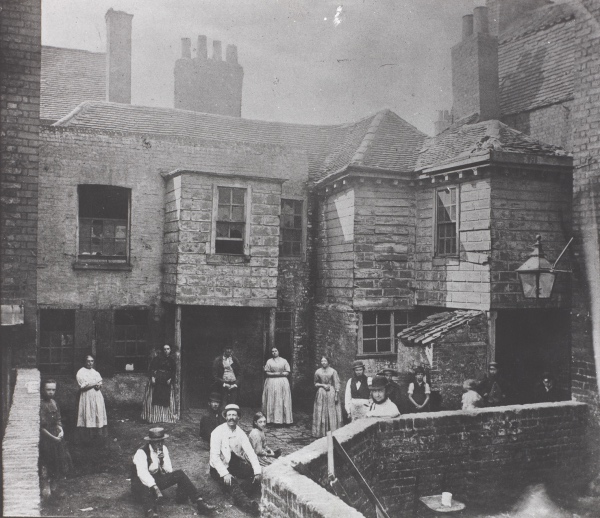
Above – Residents pose for the camera in Market Court, Kensington in 1868.

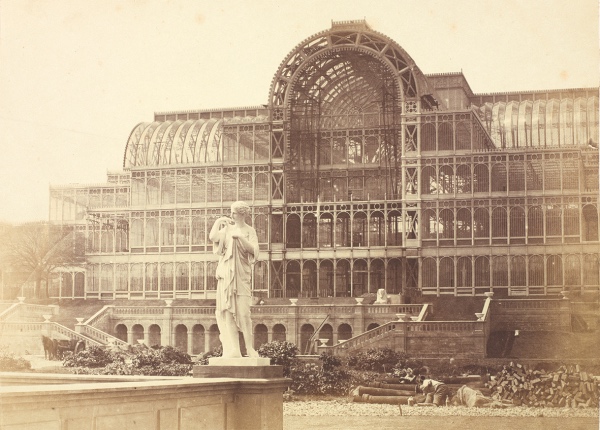
Above – Following the success of the Great Exhibition in Hyde Park in 1851, the Crystal Palace was relocated to Sydenham Hill. This photograph by Philip Henry Delamotte taken between 1852 and 1854 shows the South Transept during construction.

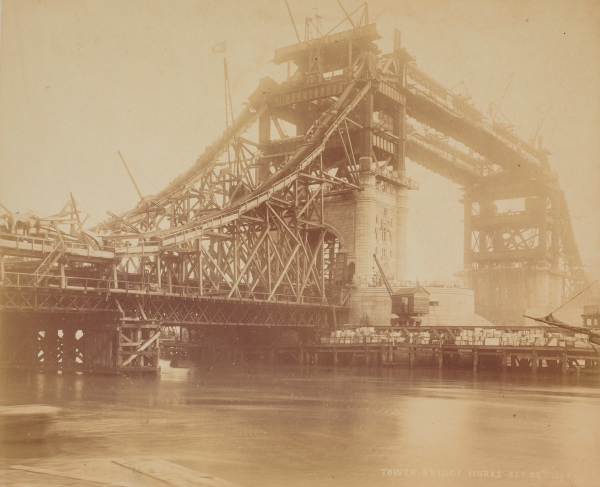
Above – Work progresses on the masonry and suspension chains during the construction of Tower Bridge in 1892. 

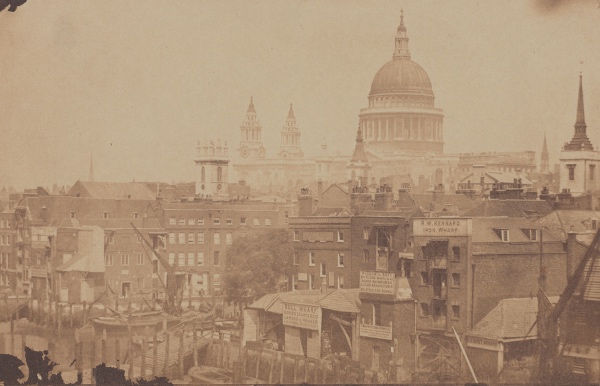
View of Iron Wharf and Bull Wharf, with St Paul’s Cathedral in the background. The photograph was taken from Southwark Bridge. Anonymous photographer, c. 1855.

LondonLife – Tower Bridge opening…

PICTURE: Sandy Kemsley (licensed under CC BY-NC-ND 2.0)

LondonLife – Taking flight…

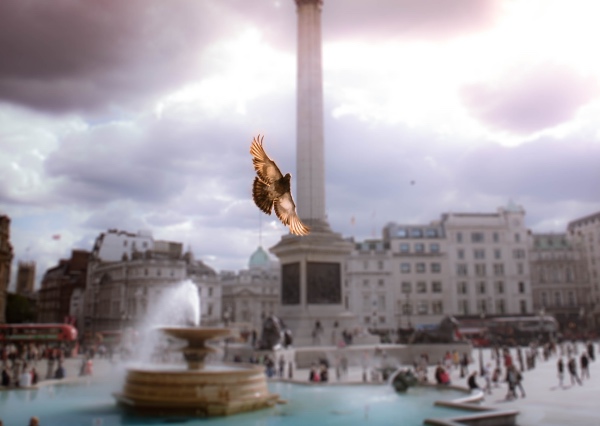
A pigeon takes flight in Trafalgar Square.

PICTURE: Mike Lacey/Unsplash

LondonLife – Sculpture in the City (Vol 8)…

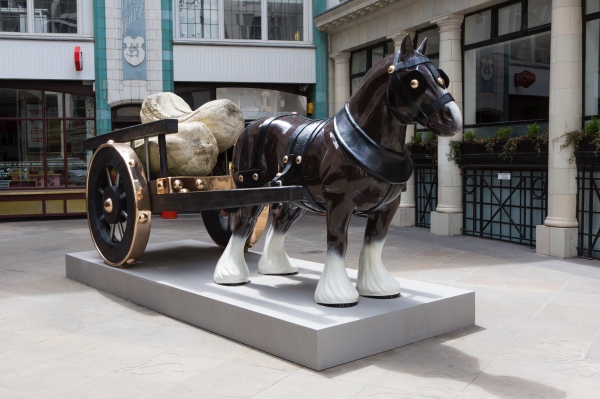
Sculpture in the City is back in the Square Mile, this year featuring 18 artworks ranging from Jean-Luc Moulène’s Body, an aerodynamic tribute to the automobile as sculpture (located in Undershaft – pictured above), to Thomas J Price’s Numen (Shifting Votive) One & Two, an exploration of the ancient Greek, Roman and Egyptian traditions of monumental sculpture (located under The Leadenhall Building – pictured below). Other sculptural works included in this, the 8th edition of the annual event, include Juliana Cerceira Leite’s Climb, a three metre tall obelisk made from the inside out (located in Mitre Square – pictured second below), Sarah Lucas’ Perceval, a life-size horse and cart evocative of the traditional china ornaments that once took pride of place on British mantlepieces (located in Cullum Street – pictured third below), and Karen Tang’s Synapsid, a vivid globular sculpture which brings to mind sci-fi invasion scenarios (outside Fenchurch Street station – pictured fourth below). And, for the first time, the event also includes two sound projects: Marina Abramovic’s Tree, which those passing near a tree at 99 Bishopsgate with insistent, repetitive and distorted birdsong, and Miroslaw Balka’s The Great Escape which, located in Hartsthorn Alley, features the film of the same name’s theme song being whistled repeatedly in a series of slightly different renditions. The display can be seen until April next year – for a map of all the locations, head to www.sculptureinthecity.org.uk. ALL PICTURES: Nick Turpin.

LondonLife – World War I commemorated at the RHS Hampton Court Palace Flower Show…

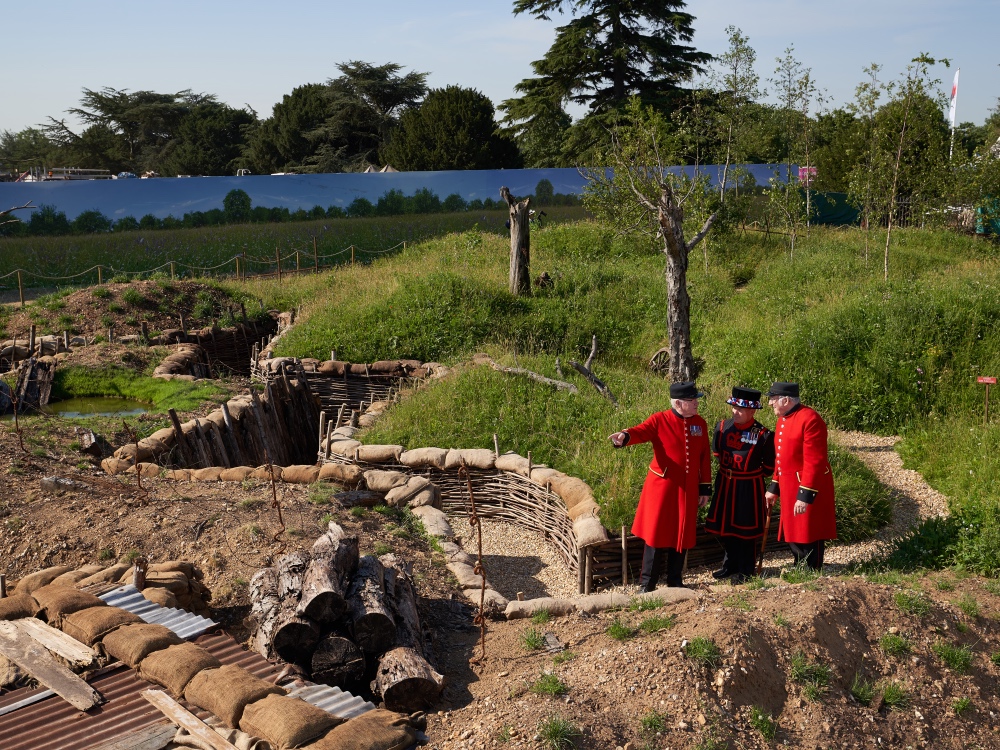
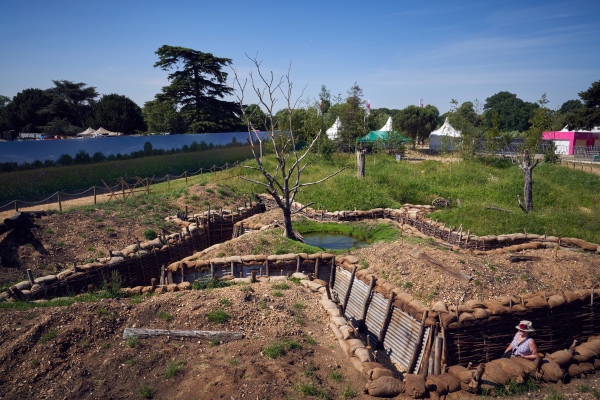
A tribute marking the centenary of World War I, Battlefields to Butterflies, has gone on show at the RHS Hampton Court Palace Flower Show this week. Designed by Todd Longstaffe-Gowan, the special feature garden features two very different scenes – one depicting the desolate landscapes of the trenches and the other a landscape restored to peace by nature. The display draws on the words and paintings of World War I artist William Orpen and reflects what he witnessed firsthand on the Western Front. Among the plants on show are poplars, hornbeams, willow and birch and massed wildflowers including poppies, cornflowers, loosestrife, mallows and cranesbills. A special plaque commemorating the 24 Royal Parks and Palaces gardeners and park keepers who lost their lives in the world is also included in the garden. The plaque will be taken to Brompton Cemetery following the flower show to form part of a permanent memorial garden that will commemorate all parks, gardens and grounds staff, from across the UK and its allies, who died in the war. The show runs until 8th July. For more, see www.rhs.org.uk/shows-events/rhs-hampton-court-palace-flower-show. PICTURE: © Historic Royal Palaces/Michael Bowles.