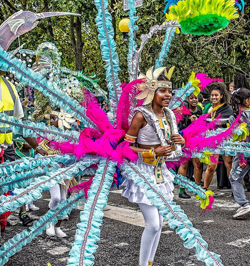
 • The world famous Notting Hill Carnival takes places in London’s west this weekend. The biggest event of its kind in Europe, the programme kicks off Saturday evening (from 6pm to 10pm) with a steel band music competition and more Caribbean-themed outdoor entertainment in Emslie Horniman Pleasance Park. Sunday features the Children’s Parade, performances at the World Music Stage in Powis Square and static sound systems and food stalls at Emslie Horniman Pleasance Park (from 9am to 8.30pm). The Grand Finale parade on Monday features dancers, performers, 60 steel bands and mobile sound systems with more music and food stalls in the parade area as well as on the World Music Stage in Powis Square. This year’s event will also feature a minute’s silence at 3pm on both Sunday and Monday to remember the victims of the Grenfell Tower fire disaster. For more, see www.thelondonnottinghillcarnival.com or Visit London’s special guide. PICTURE: Eddie Starck/Flickr/CC-BY-2.0
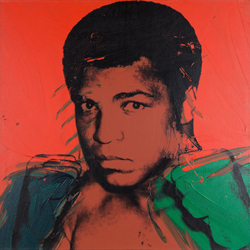
• Tate Modern is offering a limited number of free tickets to Soul of a Nation: Art in an Age of Black Power exhibition this Friday night (August’s Uniqlo Tate Late event) to coincide with the Notting Hill Carnival weekend. The tickets will be offered a first come, first serve basis from 6pm. The exhibition, which explores what is meant to be an African American artist during the civil rights movement and at the birth of the Black Power movement, runs until 22nd October. For more, see www.tate.org.uk.
• On Now: The City is Ours. This major interactive exhibition at the Museum of London explores some of the key issues that affect Londoners and city dwellers elsewhere the world – from housing affordability and urban planning to transport, green spaces and air quality. Spread across three of the museum’s temporary exhibition spaces, key exhibits include a nine metre wide film, Urban Earth, which visualises and compares data from major cities around the world, an Oculus Rift headset which delivers a virtual view from the top of a Hong Kong skyscraper illustrating the impact of building upwards instead of outwards, and an exhibit which allows visitors to control and monitor CCTV cameras as they reflect on the impacts of increased surveillance. The free exhibition – at the heart of the museum’s year long focus on City Now City Future – can be seen until 2nd January. For more, see www.museumoflondon.org.uk/thecityisours.
Send all items for inclusion to exploringlondon@gmail.